"My parents knew Rudolf Slánský. After the war, Slánský offered my mother a position on the Central Committee of the Communist Party of Czechoslovakia, and she told him to go to hell, that she had her own profession, to get stuffed. I'm not making this up, really. So Špaček, I mean Mrs. Slánská, came to our house while my mother was alive. And her mother, grandmother Hašková, the old lady, she was my grandmother's friend. She used to come to our house during the trial, when I was a little girl, I remember, it was really crazy. I used to be sick quite a lot, so I was at home with my grandmother, and there were always a lot of people coming to see my grandmother, and also this grandmother Hašková. And at the time of the trials, we had a completely unhappy, crying old lady coming to us every day. She had, I don't know how many children. They were all locked up. With their whole families and their children. She was left alone, an old lady, so worn out. Her husband was a coal miner. All his life, he carried wads of coal. She was all alone. So she used to come to my grandmother's to cry. And this lady from a proletarian family, Slánský's mother-in-law, came to St. James' Church every day to pray for her children, whom she didn't know what was happening to them."
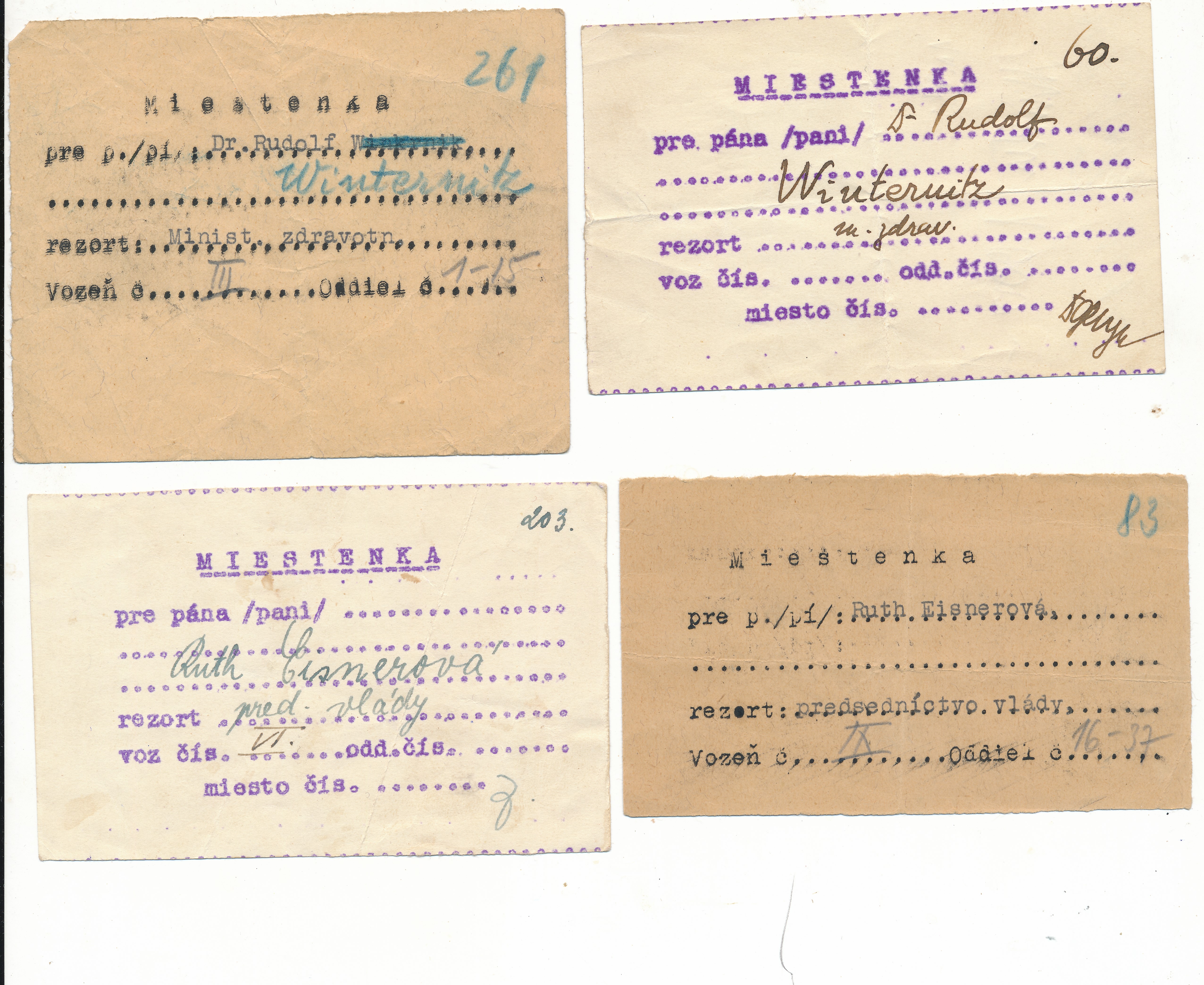
"Daddy changed his name, that was very curious. He didn't intend it originally. But his friend changed his name. In the beginning, you could still choose any name. And so his friend changed his name and came to him and told him to change his name too, that they would have the same name. So my dad asked for a name change. Well, yeah, but in the meantime, before you know it, the rules changed. And he couldn't take any name anymore, meaning the same name as his friend. But he had to choose a name that started with Vi- [after his original surname Winternitz], he didn't have to have a double W anymore, you couldn't find that in Bohemia, but he had to have Vi-. And he thought, 'Since I've already applied for it, I'm not taking it back,' and he took the phone book and looked it up and found out which names with the least number of Vi- in them. And there was only one Vihan. And so we were the Vihans."
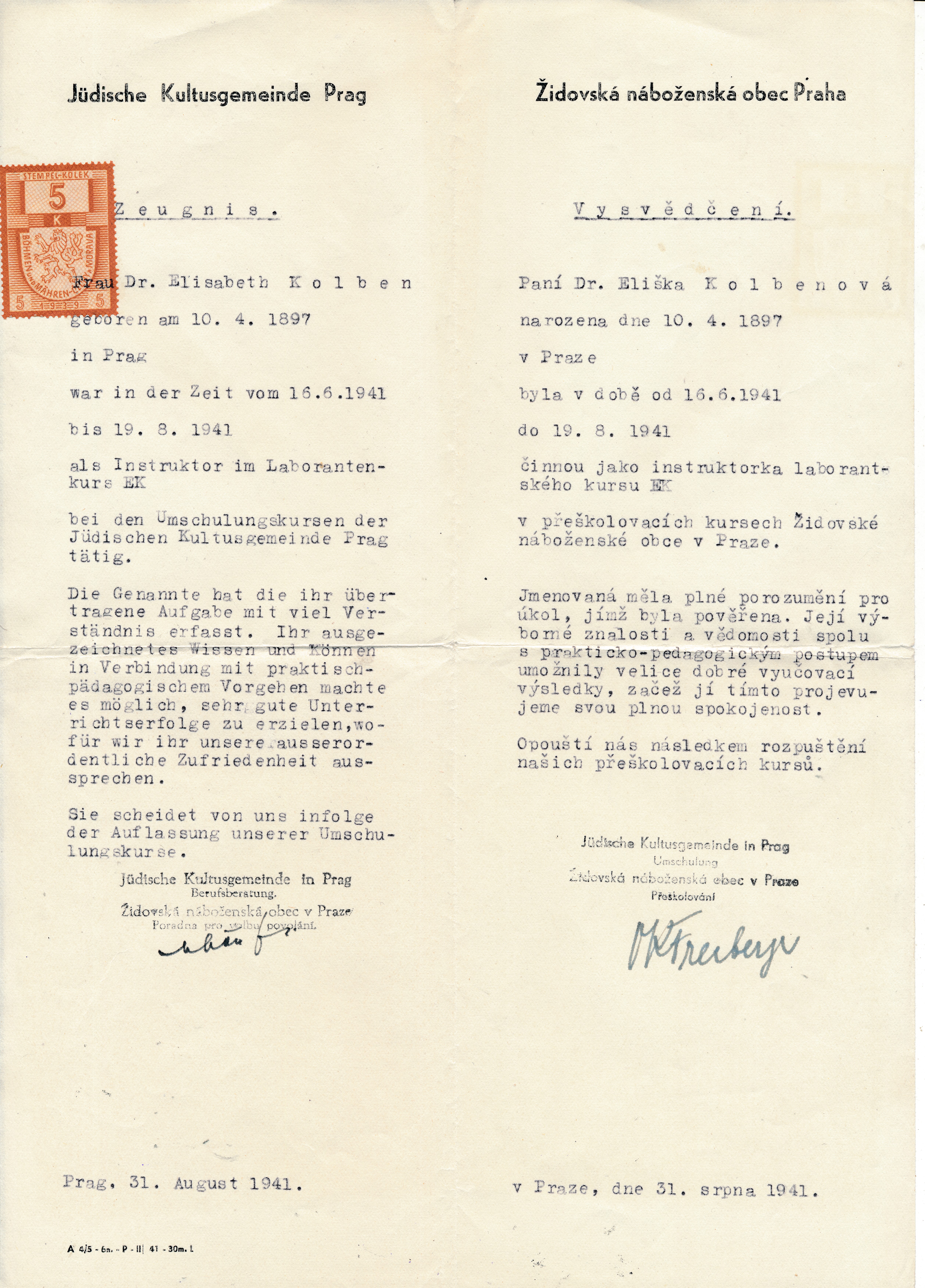
"And my dad... That was weird because everything they had, his wife was hiding in various friends' houses. But only she knew about it, he had no idea where anything was. After the war, it happened to him that, for example, he would come to the butcher's shop in Pařížská Street, where he had been going before the war, and the butcher said to him, 'It's good that you're back, your wife left something here,' and brought him the dishes. Everything my father had, people brought it to him and returned it. He was collecting prints, he had some preserved like that, we had some dishes, one ring from his wife. Just the way she had hidden it, what people brought him. Somewhere in the warehouse where they took their things, he found his bureau, although damaged. My mother couldn't forgive him that he'd paid for the storage so he could have it. She also couldn't forgive him that he'd paid some phone bills from the period before he'd gone on the transport. I still remember when I was a little girl, we didn't have anything. That was extraordinary to get, say, bedding or a piece of furniture. There was nothing to be bought either. And as for what people had hidden with friends... We had very close friends, my mother's friend from Birnbäumel - she came back alone from the whole family. They lived in Teplice. And she went to the people where her parents had hidden the things. She went to the transport as a 14- or 15-year-old girl. And she said, 'I walked on our carpets, I sat on our chairs, I drank tea out of our cups, and they said to me: 'Susan, you're wrong, your parents hadn´t hidden anything with us.'"
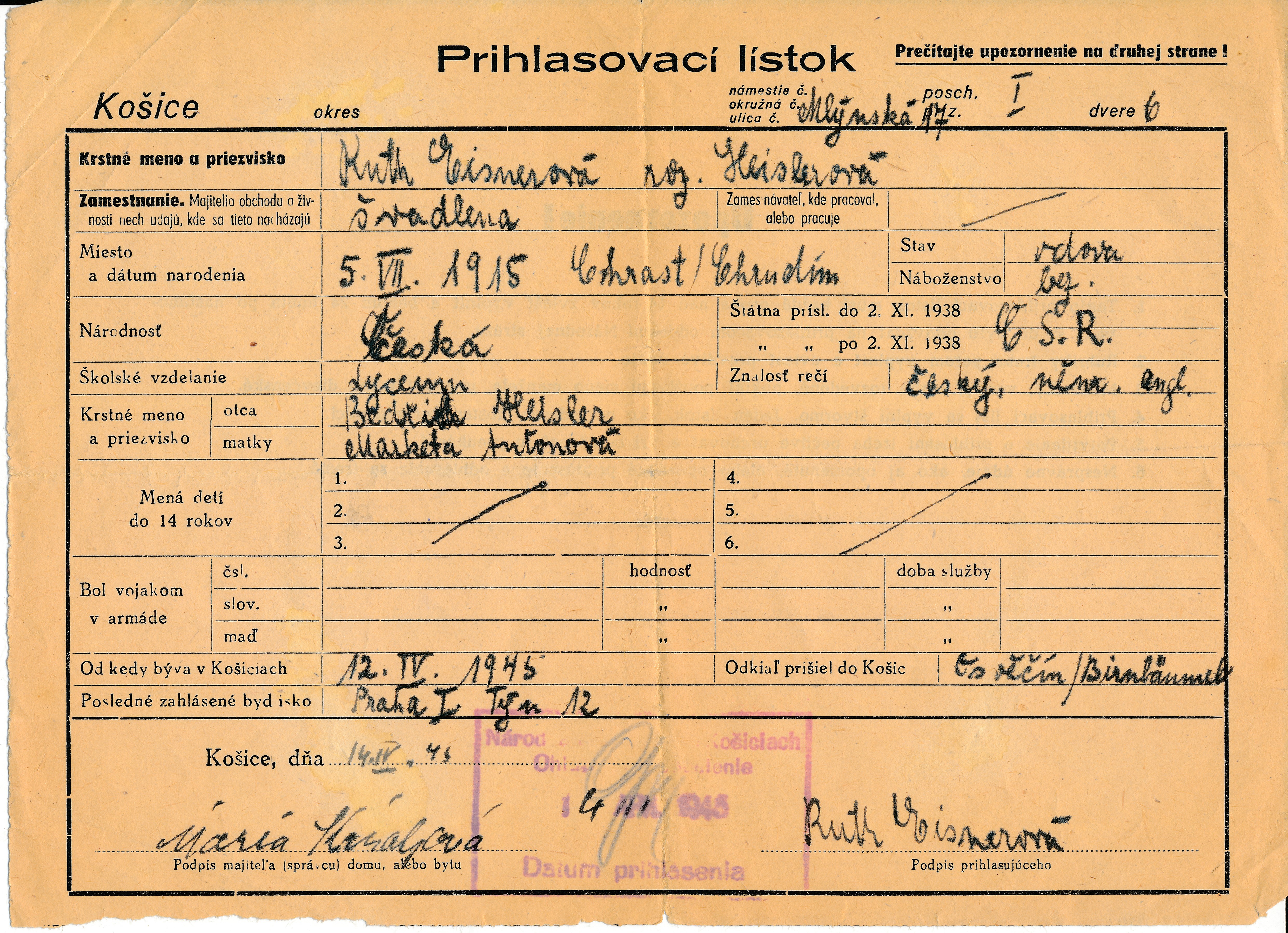
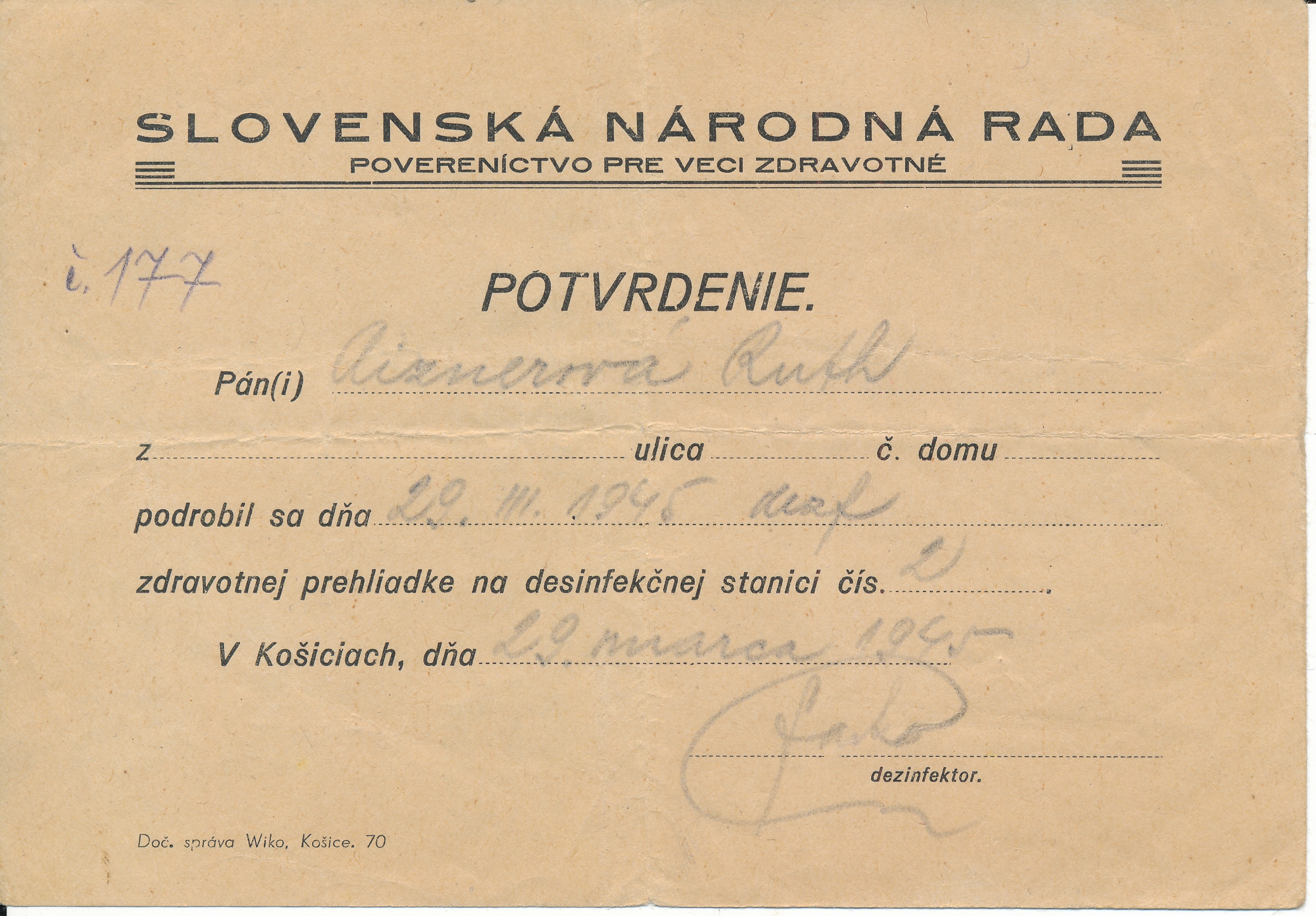
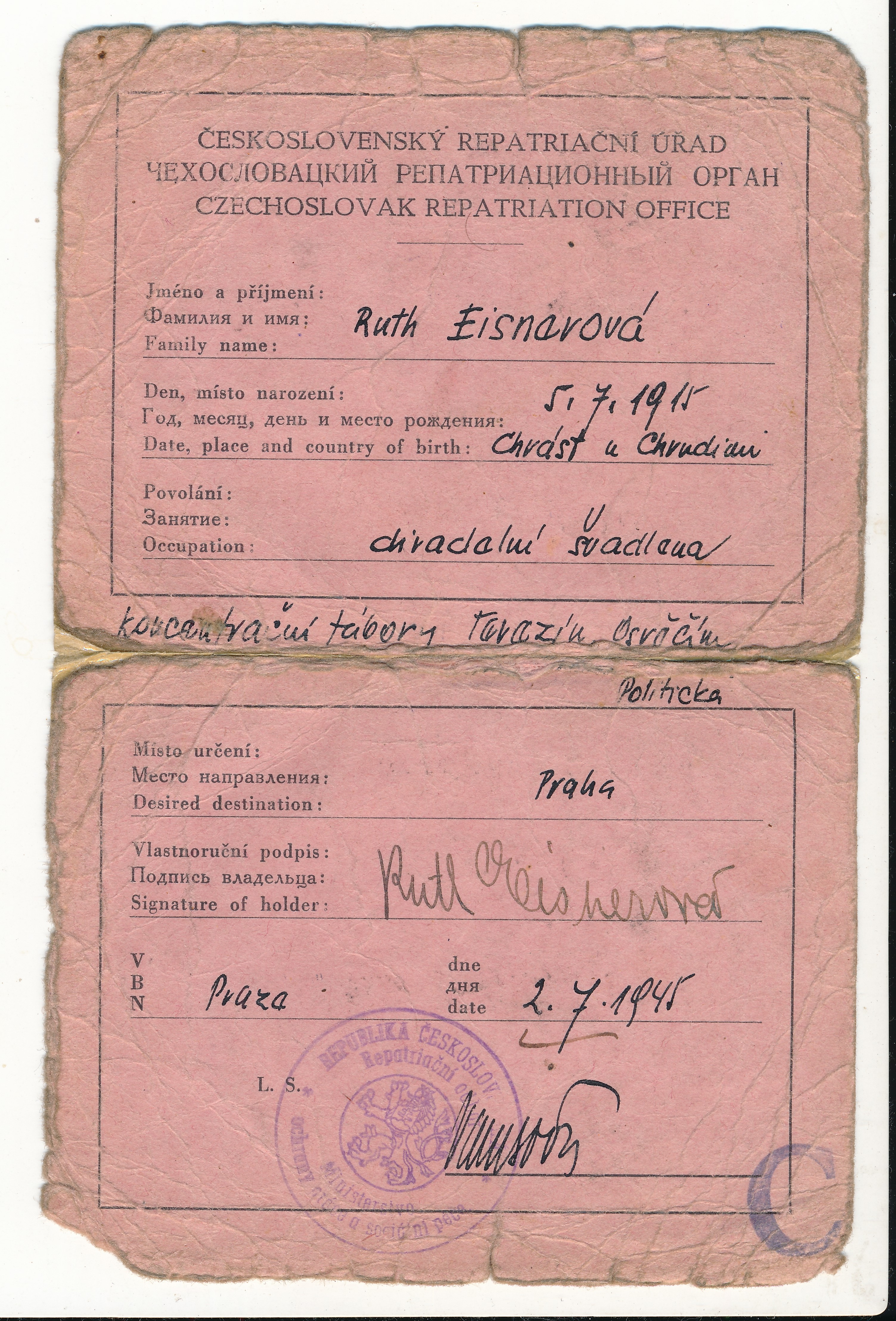
"And my mother, she went to the Birnbäumel camp, a camp that almost nobody knows about because almost nobody survived. Auschwitz had many branch camps. Birnbäumel, it wasn't really a camp at all, it was tents in the field where the prisoners slept even in January. A thousand women were transferred there from Auschwitz to dig trenches. She said it was crazy, the open tents they slept in, her feet were frostbitten. They all suffered from freeze there, many of them died. As I say, almost nobody survived. And they were digging trenches in the freezing cold. And my mother miscarried there as they were digging those trenches, so she ended up in something - it's hard to call it a sickroom, it was just a facility where there were those who couldn't even dig the trenches anymore..." - "So she was pregnant from Terezín?" - "Yes, from Terezín. Where she and her husband used to meet secretly, even though they were each somewhere else. (...) My mother survived, I think there were eight survivors. How she survived, we have a recording of her and her friend telling the story. That one ended up in the sickroom because an SS man smashed her head in. There were only those prisoners who were sent there to die. And one woman who took care of them, who saved my mother's life. But it was probably something else that saved her, too. She wondered to her last day who it was and why. When they took her to the sickroom, a guard from the camp came in. He came to ask which one of them was the one who had miscarried - because they had found the miscarriage there. The mother volunteered that she was the one, and he looked at her so strangely... She said he was completely taken aback. And he didn't shoot her, maybe even sent her some food afterwards. And for the rest of her life she wondered if maybe he knew her from Berlin or if he was a classmate of hers."
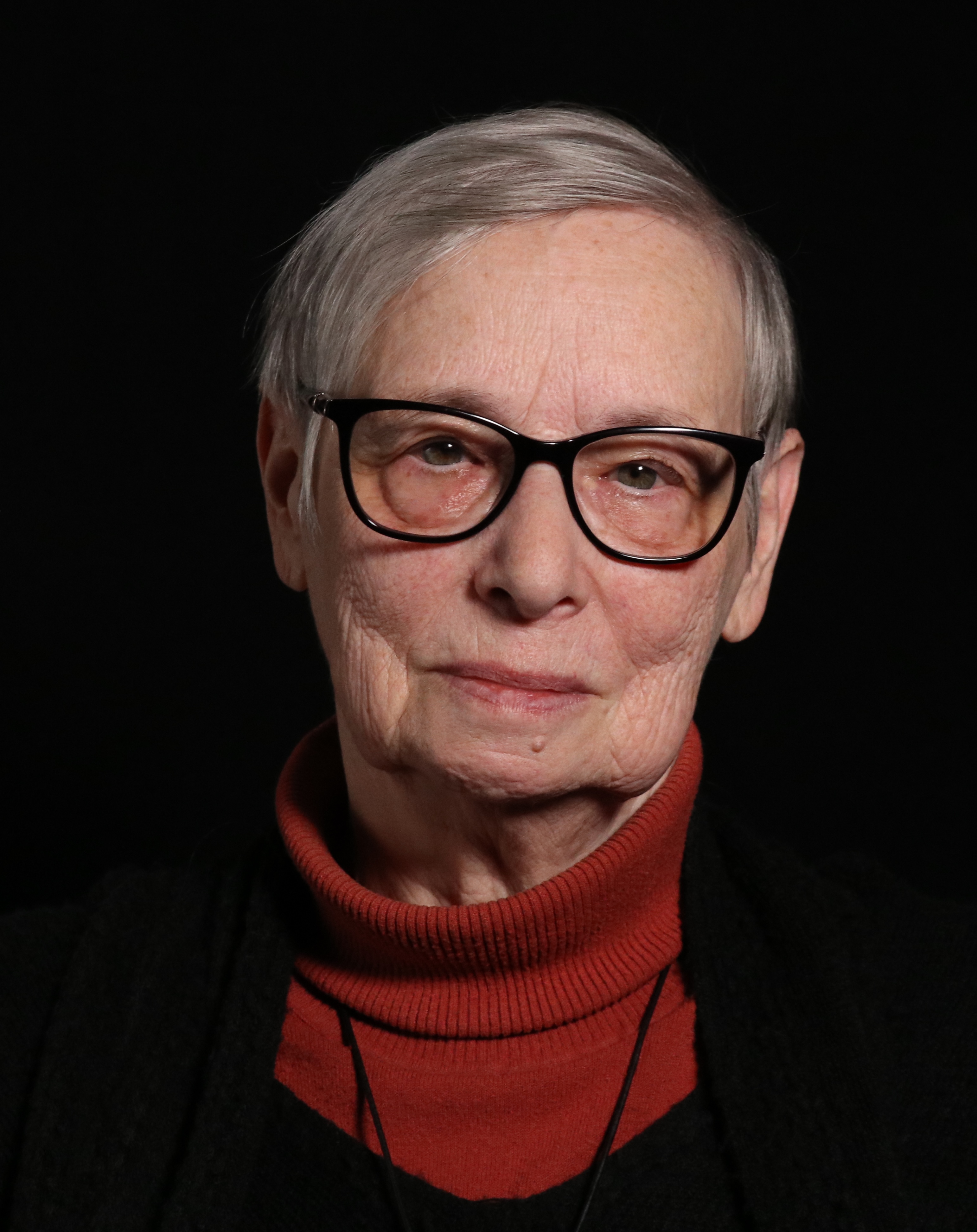
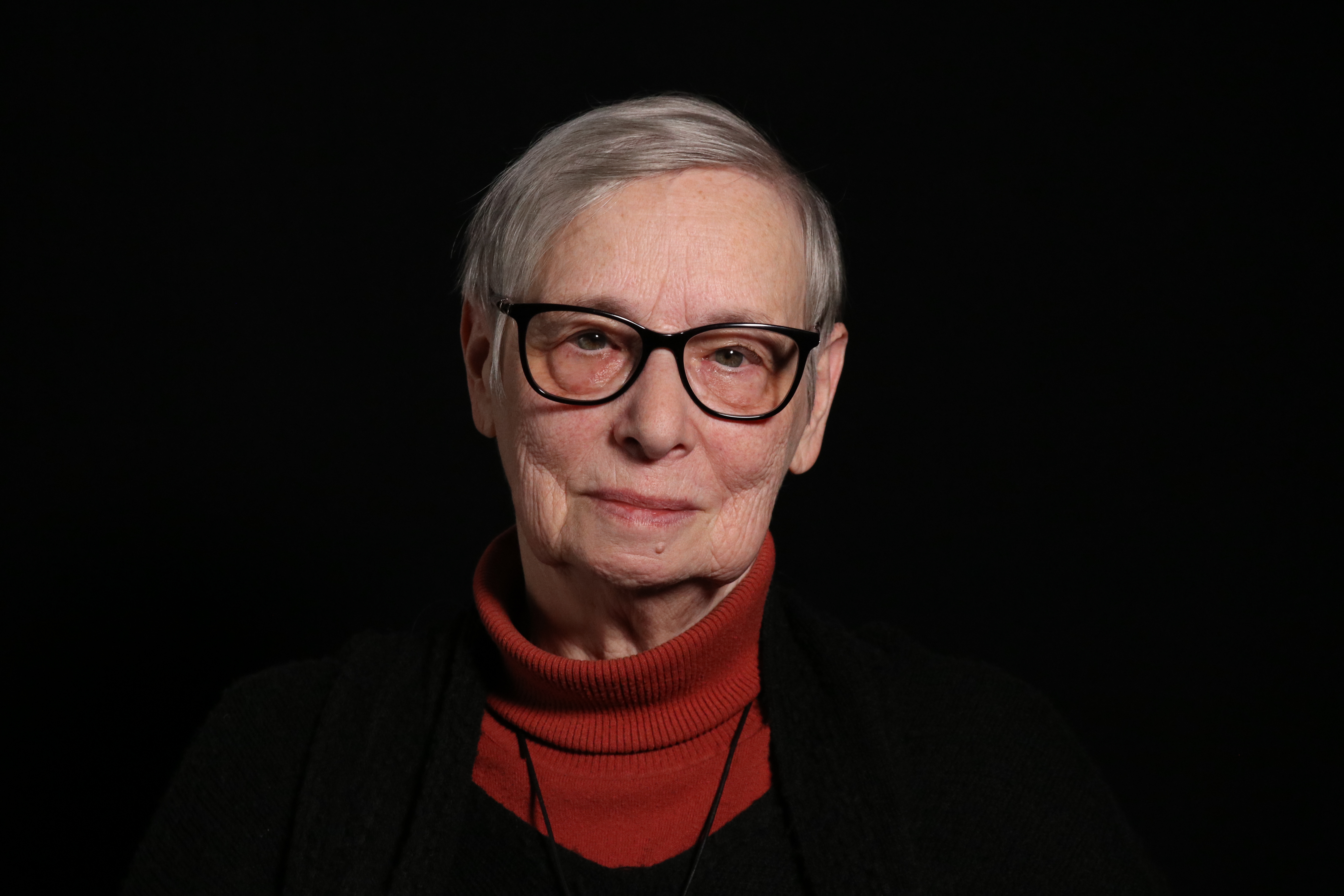
Daniela Přikrylová was born Daniela Vihanová on 10 January 1948 in Prague. She comes from a Prague family with German-Jewish roots, marked by the Holocaust. Her parents, Rudolf, née Winternitz, and Ruth, née Heislerová, survived the concentration camps in which they lost their previous partners and part of their extended family. After the war, they married and settled in Prague, where Ruth ran a studio for making theatrical costumes. Rudolf, who had changed his Jewish surname from Winternitz to Vihan, worked as a biochemist, co-founded a regional sanitary station and was involved in the strategy against tuberculosis. After the war, her parents joined the Communist Party of Czechoslovakia (KSČ). The family lived in Prague‘s Old Town. Daniela attended the primary school in Masná Street and then SVVŠ in Hellichova Street (today‘s Jan Neruda Grammar School). After graduation in 1967, despite an unfavourable reference, she was admitted at the Faculty of Science at Charles University. Both parents left the Communist Party of Czechoslovakia in 1969, at the time of the beginning of normalisation, and the family faced political bullying during the normalisation period. Daniela completed her studies in 1972, but faced cadre obstacles during the normalisation. She worked in a laboratory in Bulovka and from the end of the 1970s at the Institute of Microbiology of the Academy of Sciences, where she later obtained a postdoctoral position. Despite her professional success, she encountered bullying and anti-Semitism. In the 1970s she had a daughter Markéta and a son Tomáš and married her colleague Zdeněk Přikryl. After 1989, she briefly continued her scientific work, but left the Academy of Sciences due to professional conflicts. Until 2019 she worked in the family company P-LAB. She became active in preserving the memory of the Holocaust. As secretary of the Terezin Initiative, she is involved in supporting survivors and their descendants and in its educational activities.