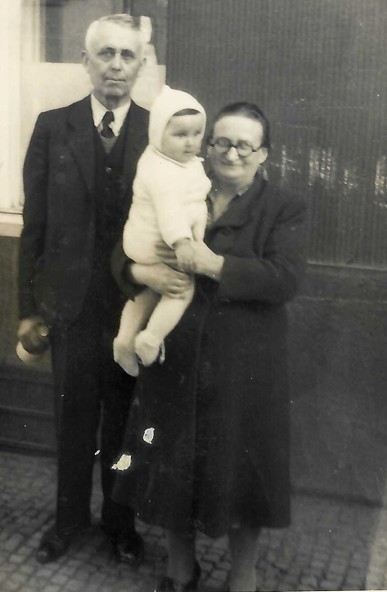
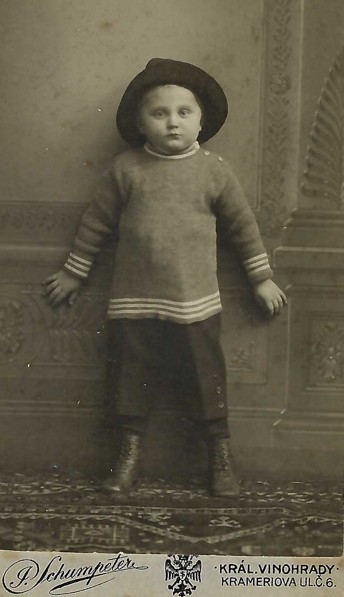
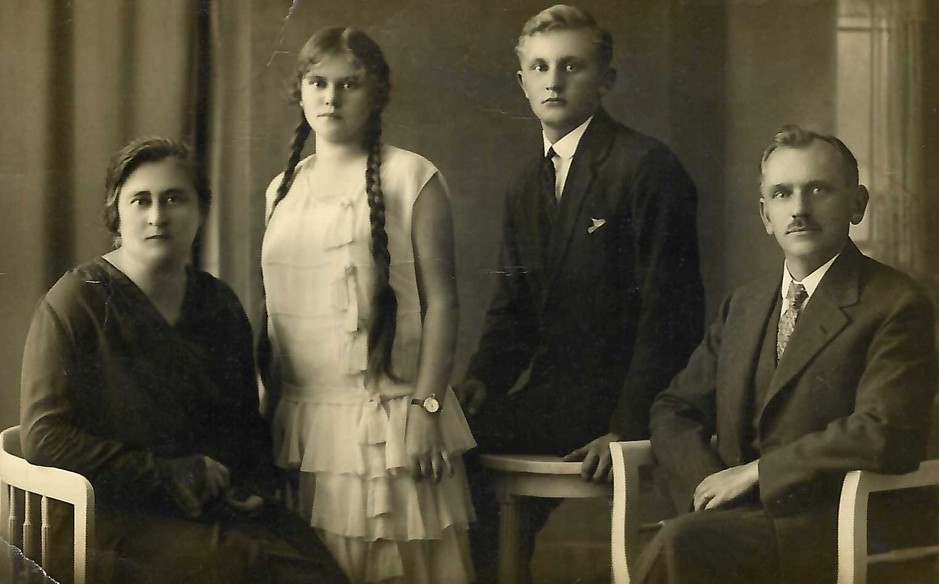
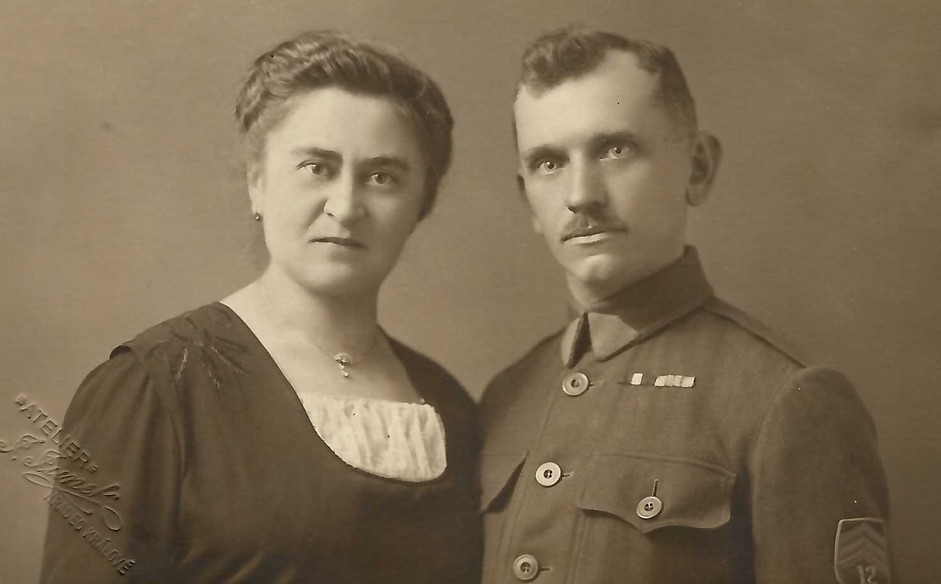
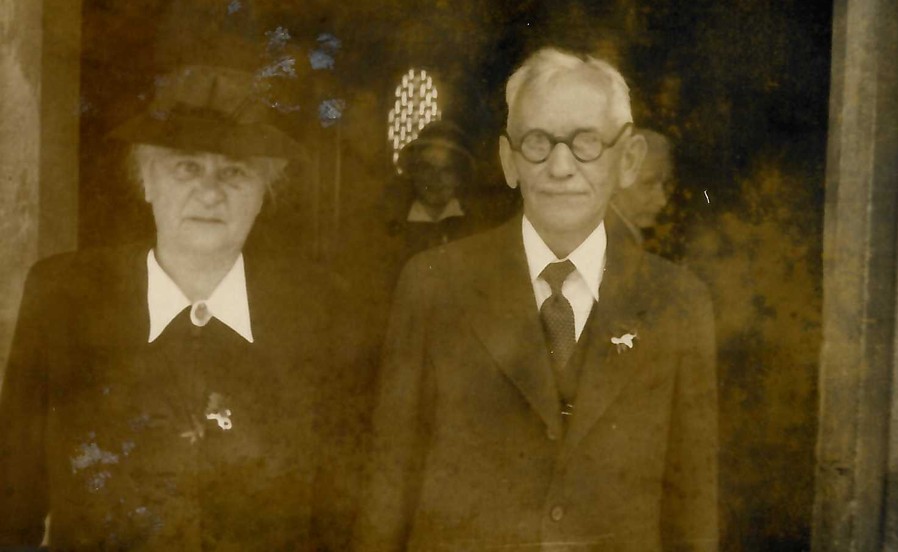
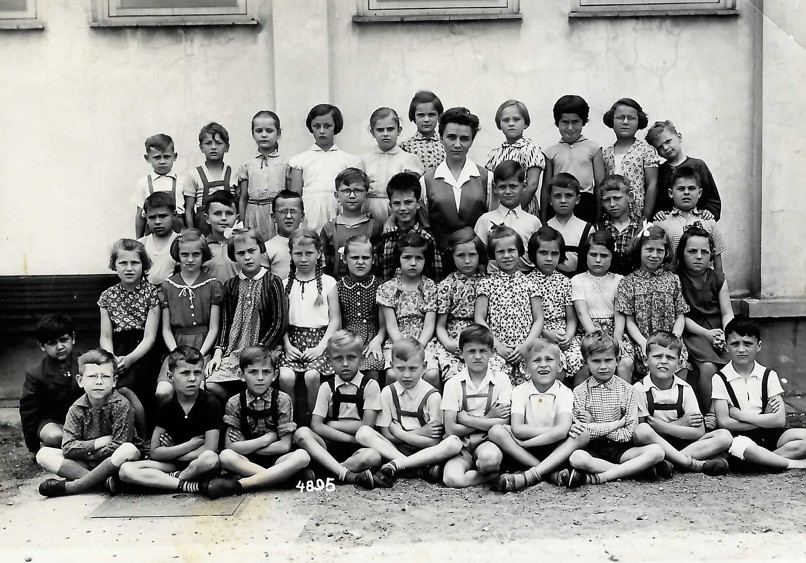
"My grandmother and grandfather lived in Vinohrady before. Then they lived in Michle, in a 1-bedroom flat with no bathroom. And Mum and Dad, Dad was supposed to get a flat in the railway block of flats in Vršovice, that was Karpatská Street near Kubánské náměstí. He was supposed to get a 4+1 flat there, but then they decided to split these big flats into two. A two-room and a one-room, and my dad, even though I was already born, got a one-room. The flat was tiny. I remember that very well. One room was 16 square metres, and we went into the kitchen, which was 14 square metres, because two square feet was taken up by the pantry, and there was a small hall off that, but a big bathroom and a big toilet, and that was from the original four-room flat. But there was no way to store anything in the toilet. So just a little of background information. I remember my childhood when I stayed with my grandmother and grandfather for a week, and my mother would come to visit me, and then she would go to her flat in Vršovice for the night."
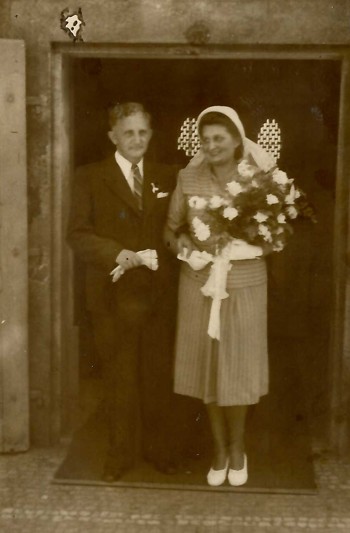
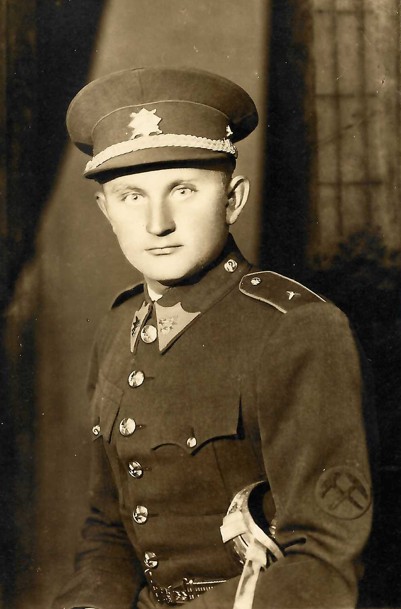
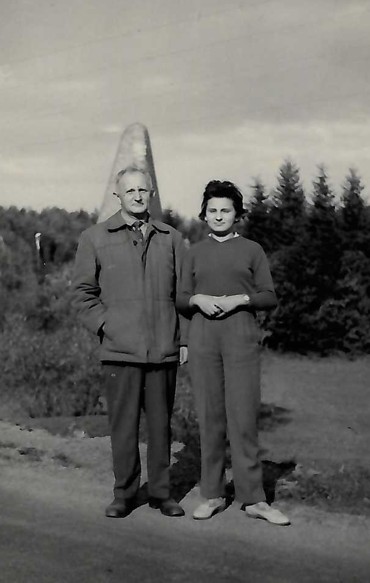
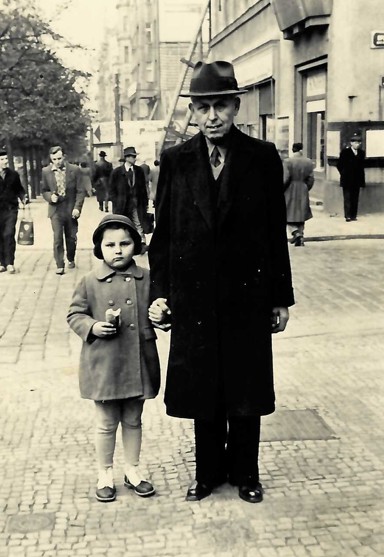
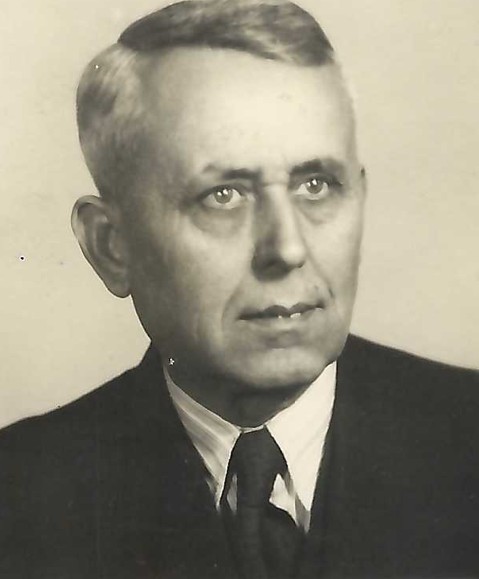
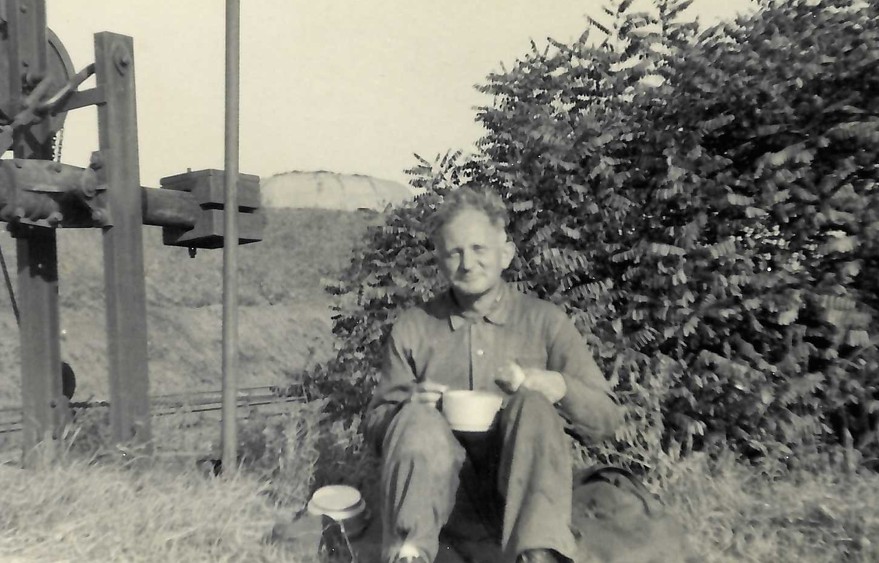
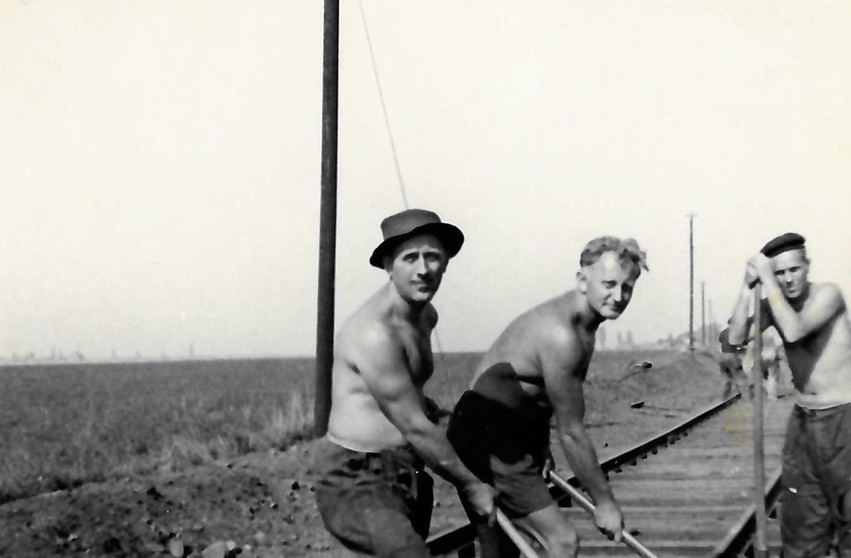
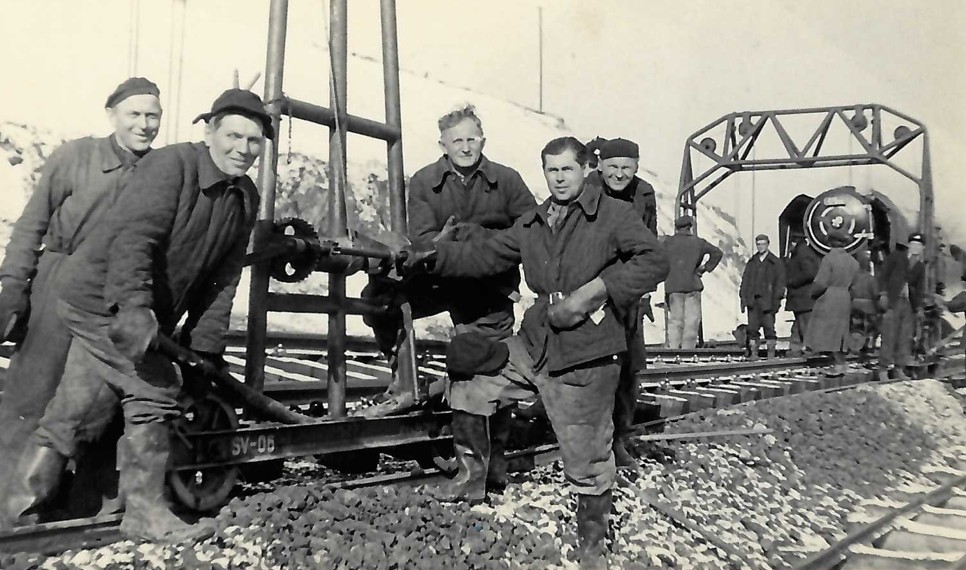
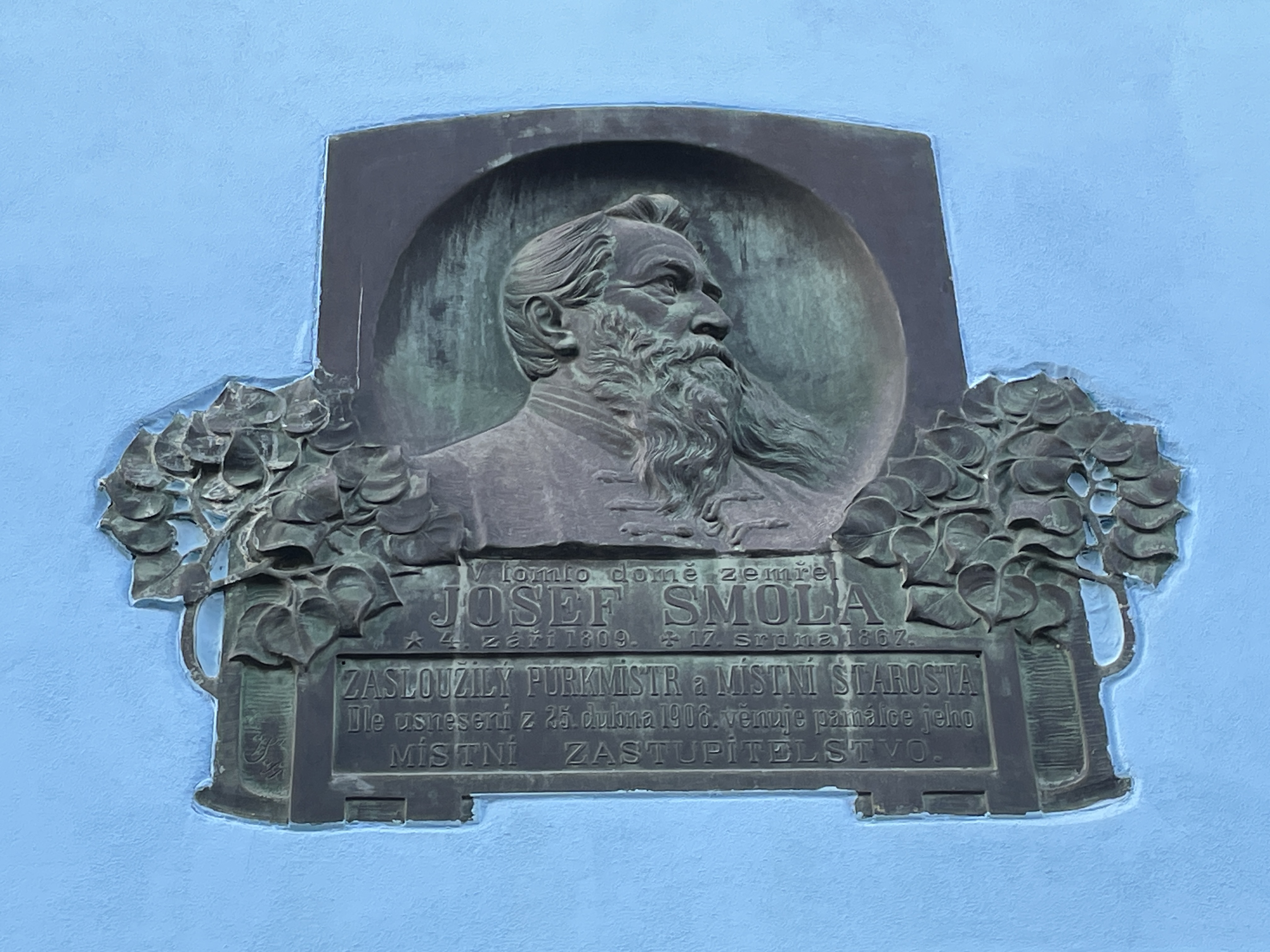
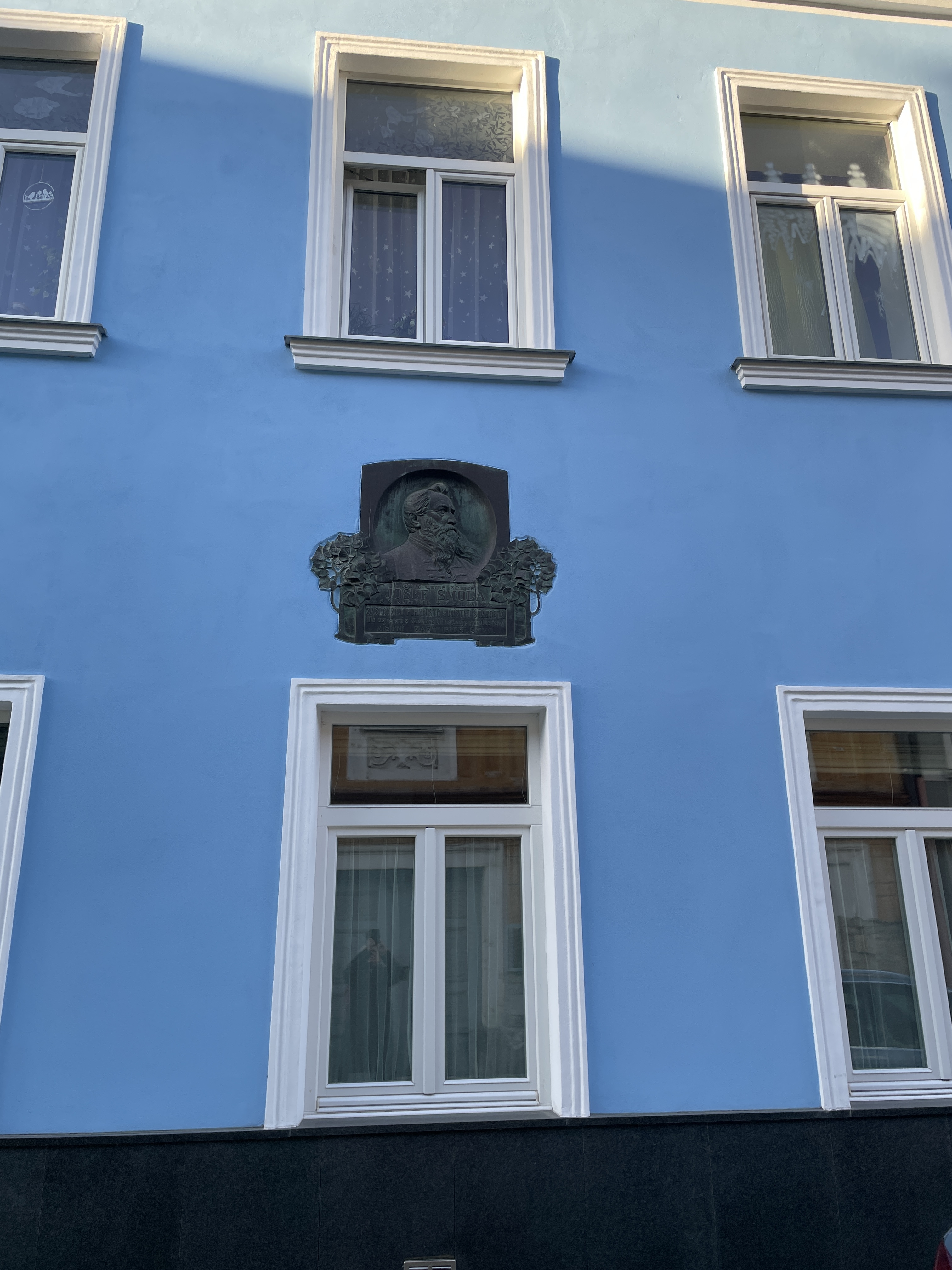
"After finishing college, my dad went to the Ministry of Transport, where he soon got a very high position. When I was born, he was the Commissioner of the State Railroad, but then he got promoted very early on and I think he was a trade union official. But communism came in, and in my home these people were called the rabble. They came there thinking that they must have the power and they started to purge. My father had two qualities: first, he was fluent in German and French. And the second quality was that Dad was not team player at all. He had a few friends to whom he was devoted, but otherwise he didn't socialize, he didn't hang out anywhere, that kind of chatting with strangers. Whereupon the bunch decided that it wouldn't be a bad thing at all if he stayed there, that he would be there in some sort of rank and file capacity, of course, but that he could go abroad where he would understand what was going on. Only my father had from home, I was telling you about Uuncle Smola - that kind of honesty. My dad had a high social sense and he was a social democrat. When they merged the Social Democratic Party with the Communist Party, Dad immediately got out, so he was a communist for a few hours. But in spite of everything, he probably would have stayed in the ministry precisely because he was not a team person. There was no danger of him hurting anybody, and he would have been in an inferior position, of course. And Daddy came up with the idea that he wouldn't be there. He decided he was going to go into manufacturing, and he went to the construction train."
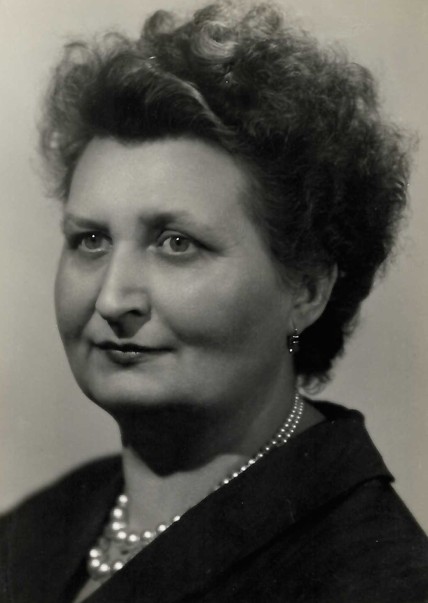
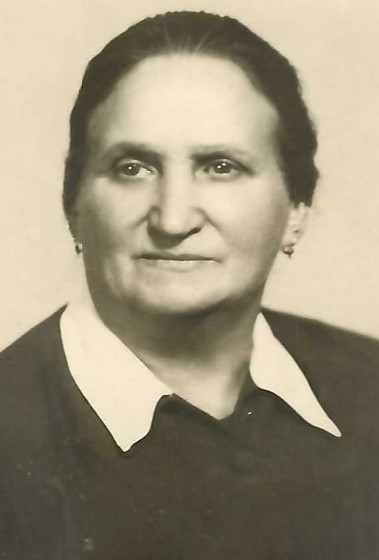
"Following what my father was doing, my mother joined the Communist Party, which she was unimaginably ashamed of. On the other hand, she didn't have the courage to leave it because she saw what it did to my dad. But there was another thing - her colleague at work was a secondary school professor Marie Výborná, she used to call herself Marta Výborná. Which was a convinced communist, but she was the most honest person there could be, and if all communists behaved like her, we'd have paradise on earth by now. And what was significant was that in the days when they looked at class background and let children go to school accordingly, these two ladies were able to enforce the fact that children with poor backgrounds were studying, but the crucial thing was how smart these children were. And judging by what my dad was doing as well, my mum's influence was very positive in that. I'll leave that assessment for the future. The students were just saying that they couldn't understand how a woman as intelligent as Marta Výborná could be a communist. And I, I was an adult by then, there was a moment when I asked her about it. And she told me that her father and her father-in-law were founding members of the party. And they were both shot under the fascists. And that she couldn't betray that."
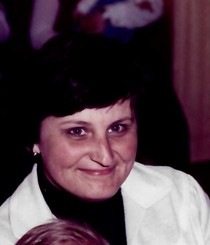
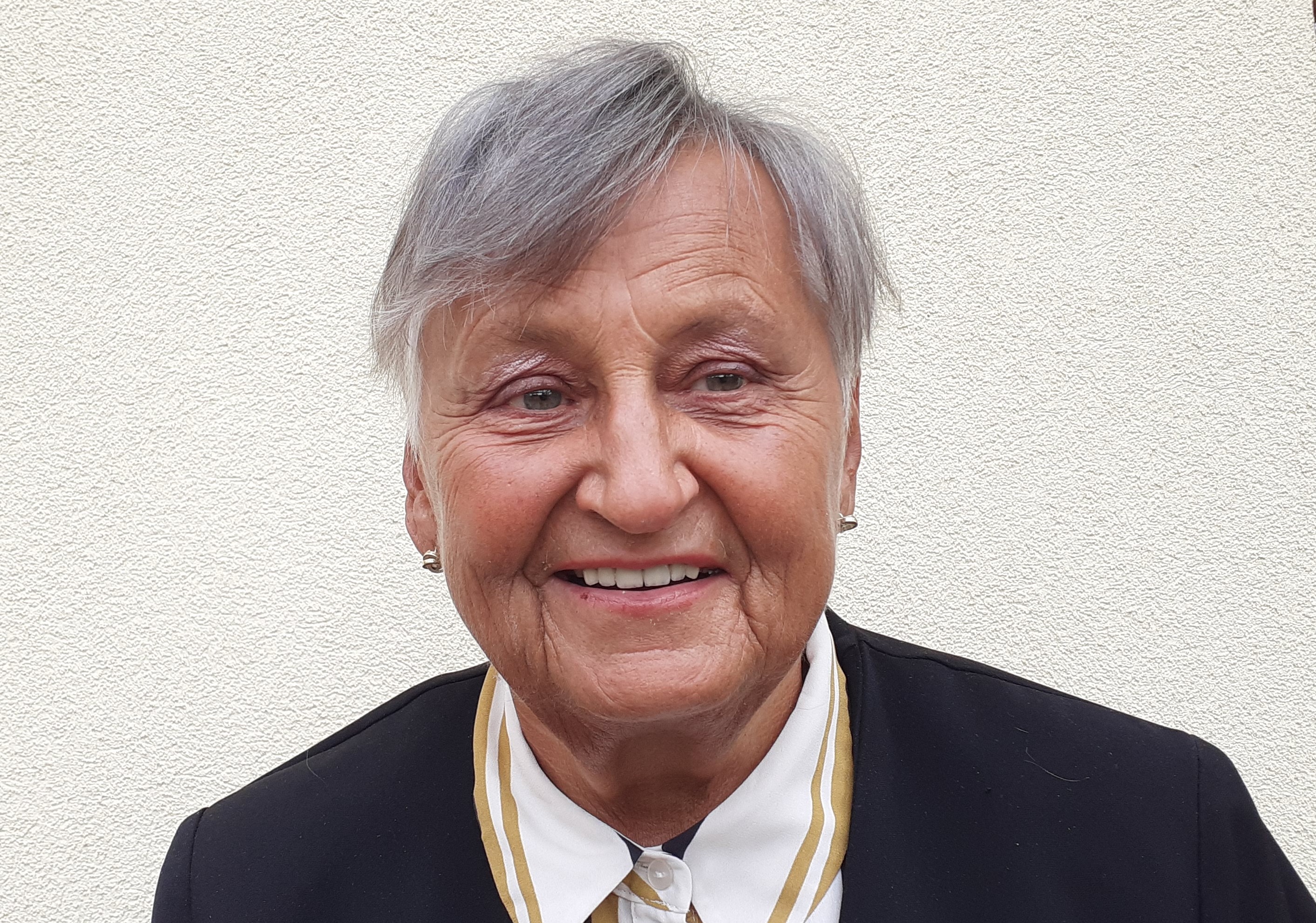
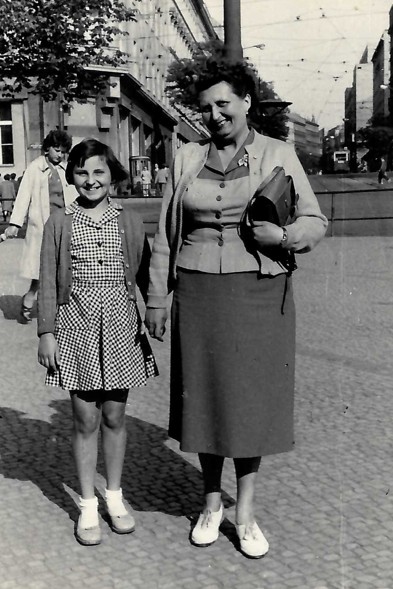
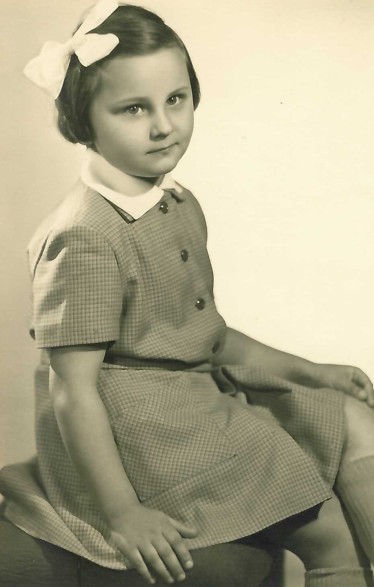
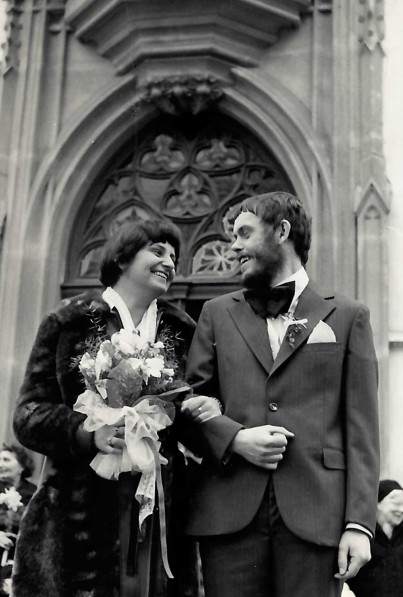
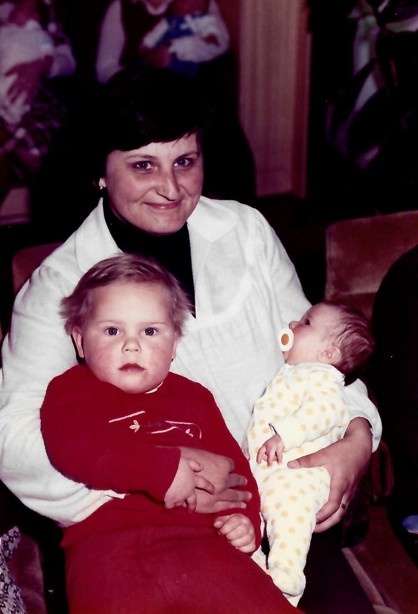
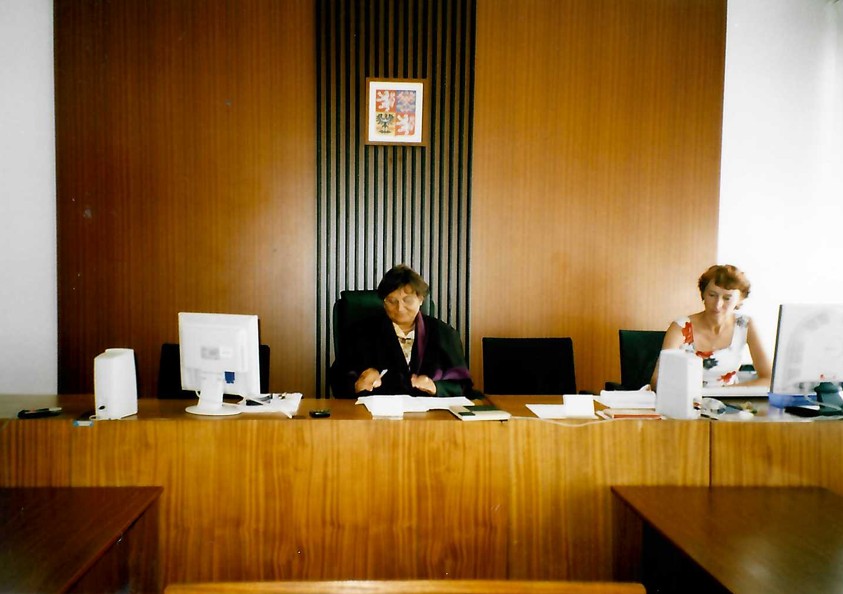
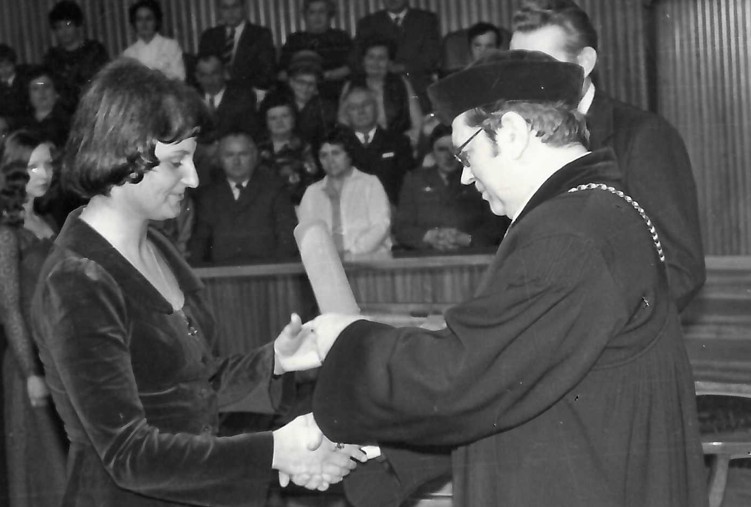
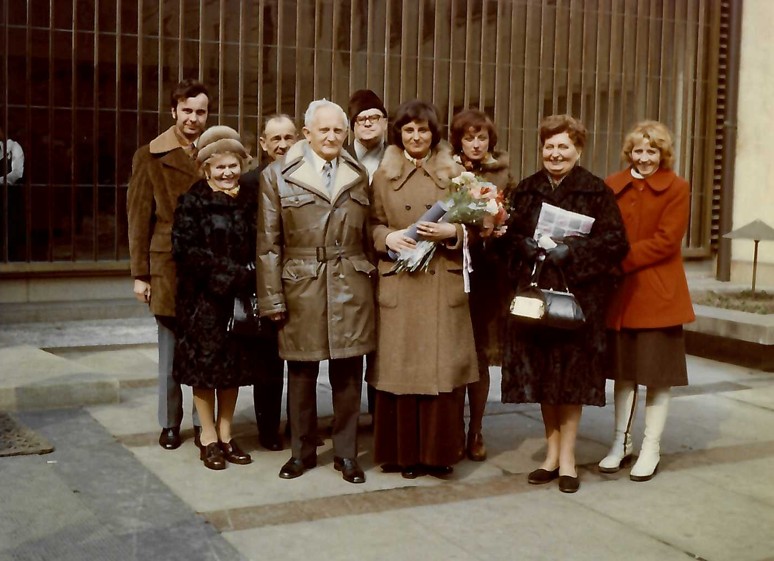
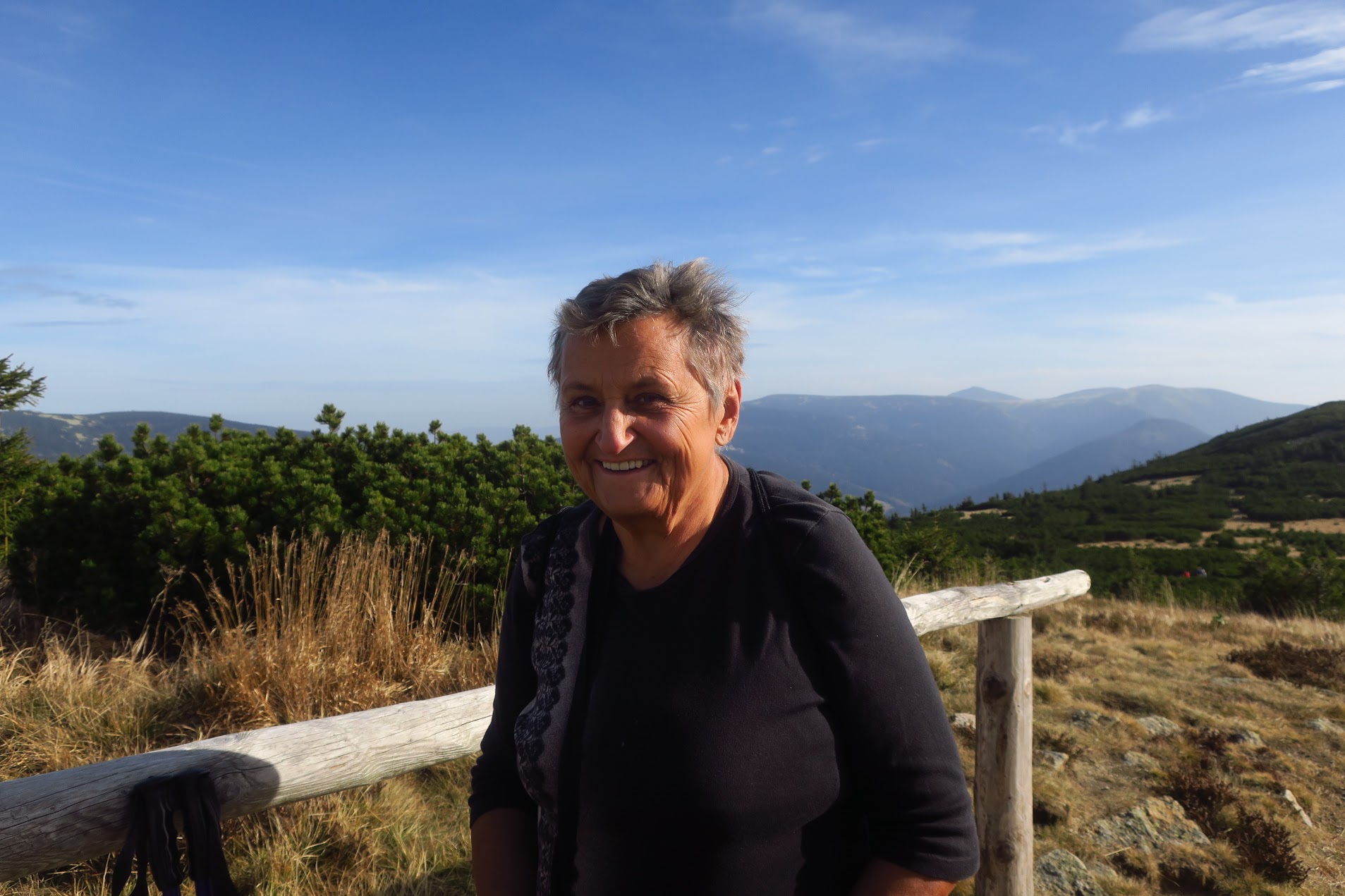
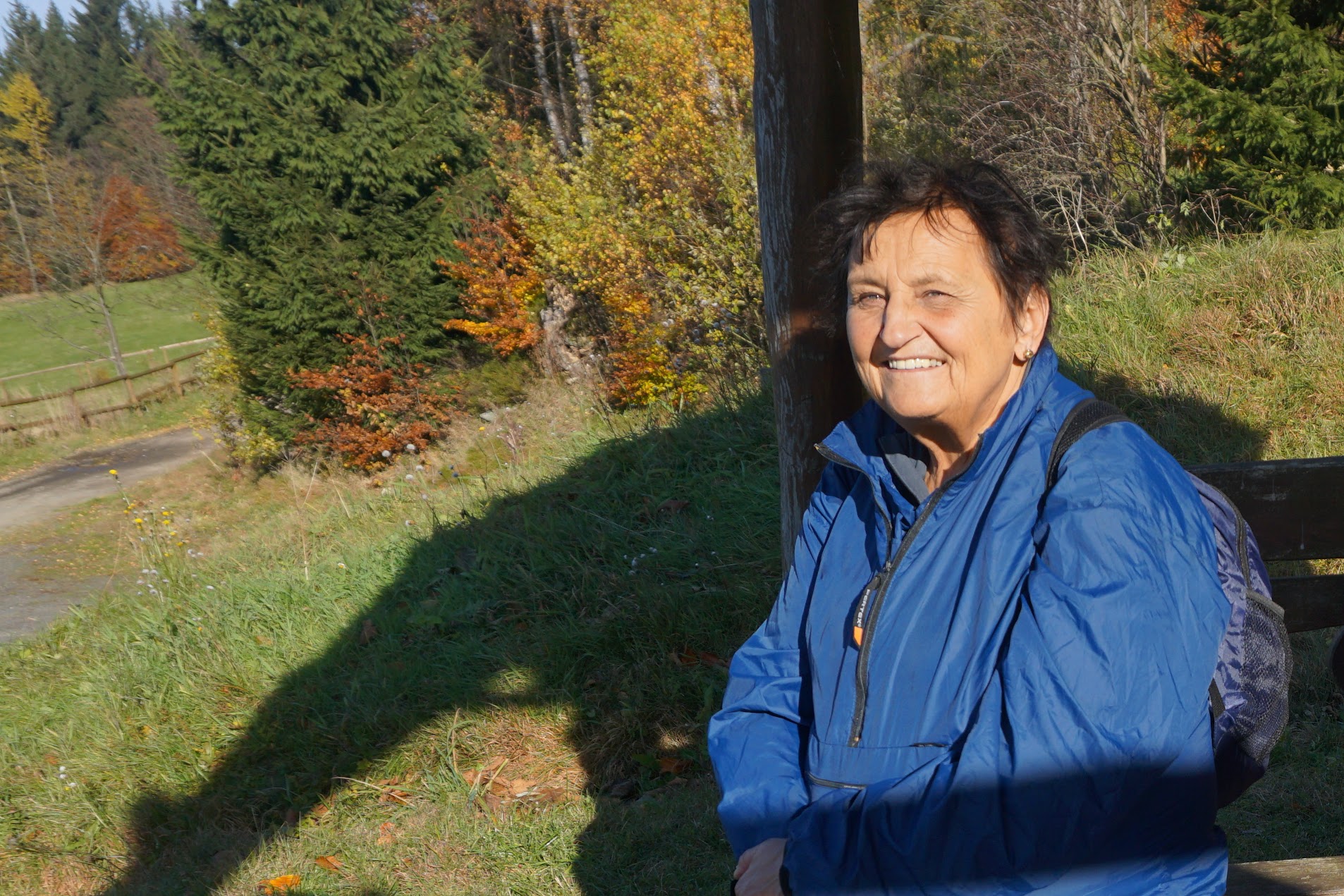
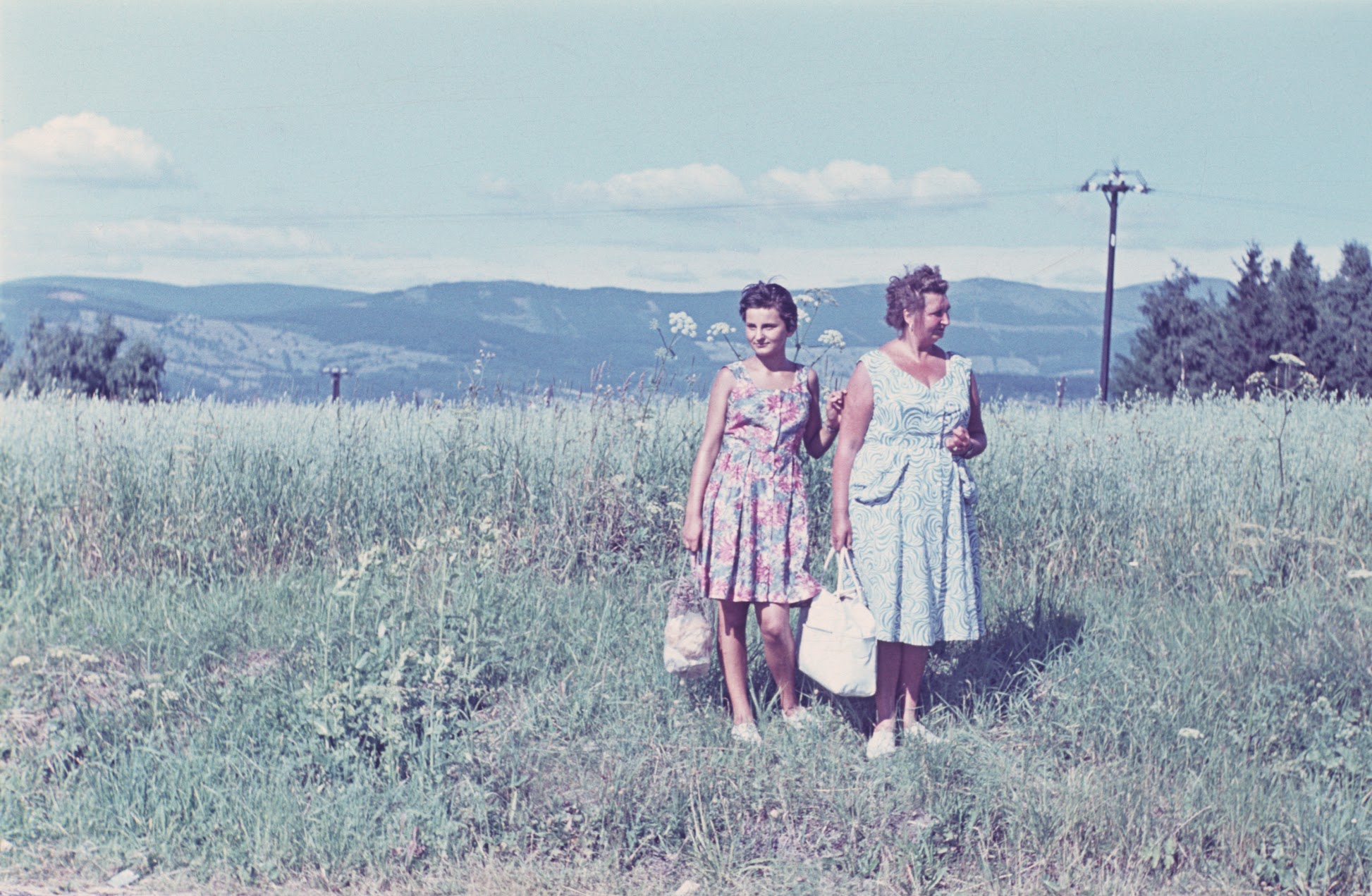
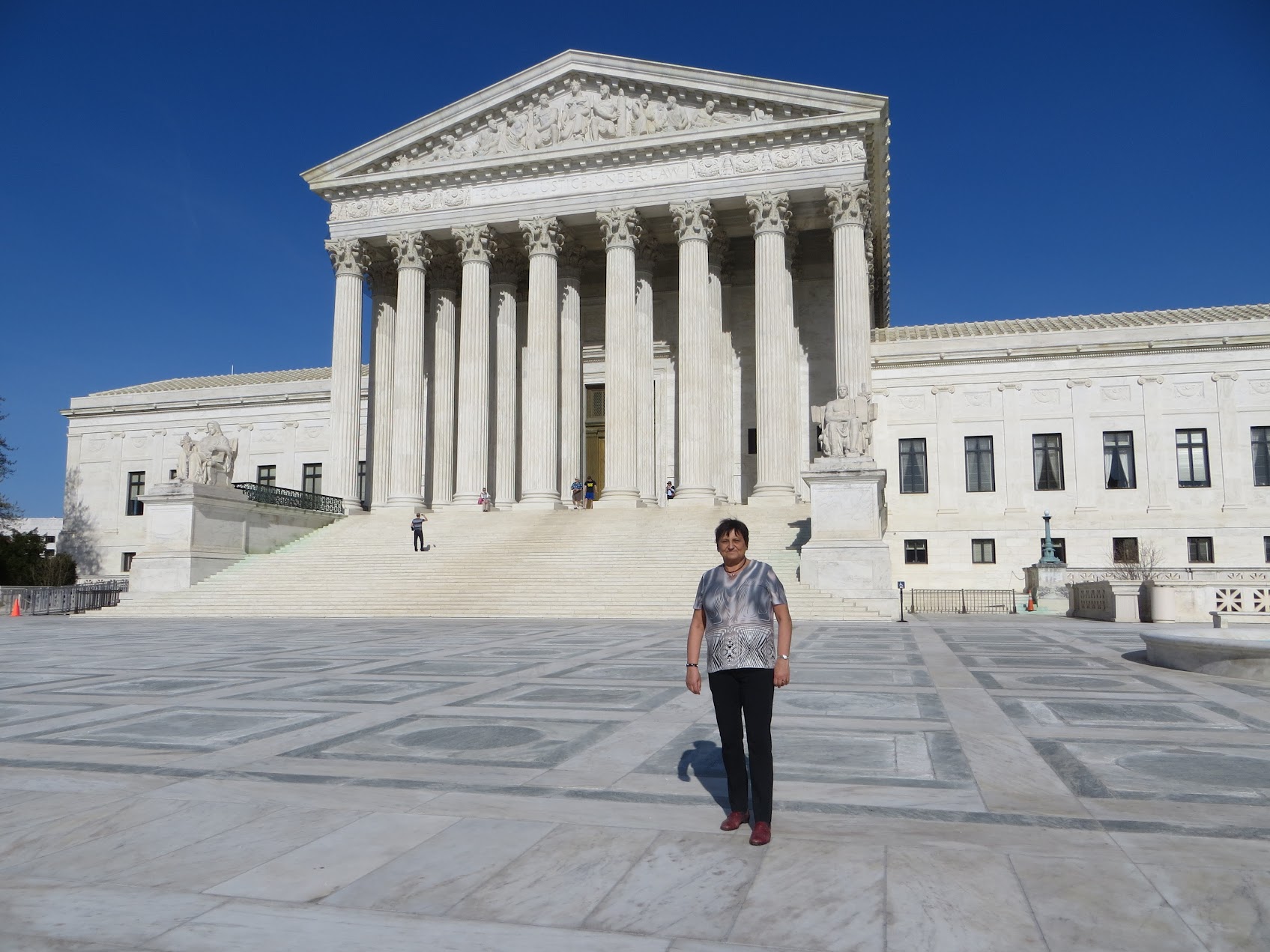
JUDr. Marie Plavcová, CSc., née Hartmanová, was born on 13 June 1950 in Prague. Her father František Hartman was a lawyer with a successful career at the Ministry of Transport. After the change of the political regime in the 1950s, he decided not to cooperate with the new system: he began to work as a manual labourer, working outside Prague during the week and only coming home at weekends. Her mother Marie, a secondary school teacher, joined the Communist Party of Czechoslovakia (KSČ). The witness graduated from the Secondary General Education School (SVVŠ) in 1968. She first enrolled in a two-year social and legal extension course before graduating from the Faculty of Law at Charles University in Prague. She worked first at the University of Agriculture, at the same time she completed her postgraduate studies and after her marriage to Karel Plavec she moved to Heřmanův Městec, where she was still living at the time of the recording in 2025. After the birth of her three daughters she started working as a lawyer at the East Bohemian Directorate of Communications in Pardubice and after November 1989 she briefly taught at the Department of Civil Education at the Faculty of Education in Hradec Králové. She is the author of several textbooks on the topic of state science. Until her retirement, she worked as a judge of the District Court in Pardubice, where she dealt with, among other things, property restitution. She was also an advisor to the National Council for Persons with Disabilities.