"When Lída started working, because she didn't speak the language, she had to work in the warehouse. She worked in a pharmaceutical company. Her boss was a very nice person. Lída send a message through the Moráveks if we wouldn't mind - before we moved to Čimice, we had lived in Klárov with my husband's parents for eleven years - the manager, his wife and daughter staying with us for a week. Of course we didn´t mind. And it couldn't be put in a letter, so we got it in a message like this. We had them there for a week. We were worried about them driving. They came by bus, took public transportation. We lived on the fifth floor without a lift, so we were afraid that they would meet someone and hear them speaking German, that we had visitors from Germany."
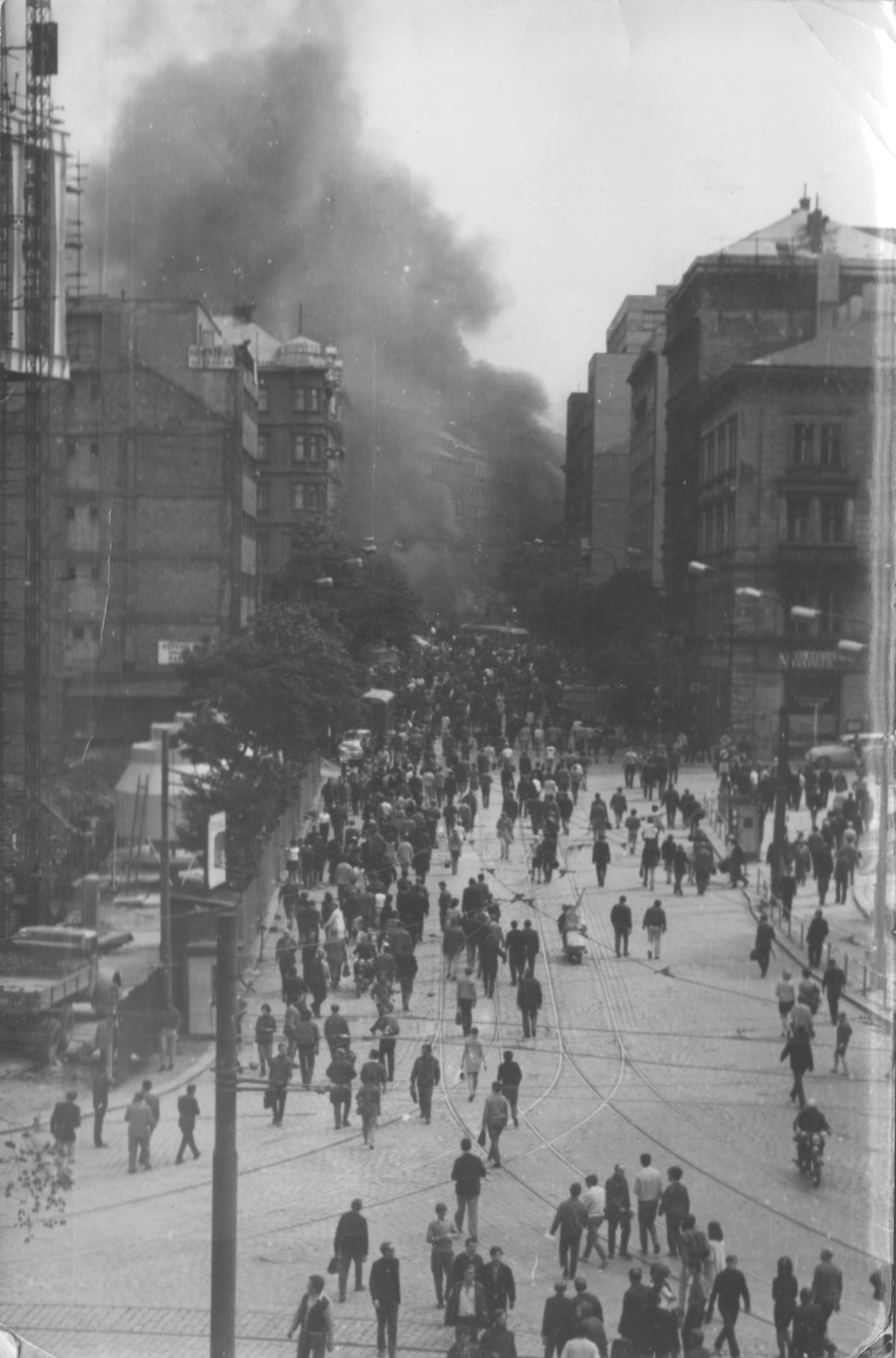
"That was terrible, too. There were two of us sitting there: a woman form the personnel department and I was a payroll accountant. She was sitting on the side so she could see him pouring it on himself. I couldn't see that because I was at a bad angle. And all of a sudden I'm like, 'Jesus, there's a fire!' And she goes, 'Jesus, he's poured something on himself.' And you could see a tin can thrown away. They were tin cans, they used to carry milk in them, I remember. He had petrol in it. As he was running, it burned like you light a big candle, and the flame was going up. We were saying, 'Jesus, are they making a film or what is it?' Because I remember that - if Věra was still alive, she would confirmed it for me - on the other side, opposite the Food House, as you went to Legerova Street, there was a milk bar and in front of it towards Legerova Street, there was a bus like TV used to have. It had a sign like TV had back then. And we thought they were filming. And all of a sudden we see that as the trams were going down there, a pointsman, who used to watch where a tram was going, came running out. And he threw his coat at him. As it was winter, they were cold in those pointsmen's booths. He took off his uniform, threw it at him. We went running down afterwards. There was a cashier there, Maruška Prášková, and she had the first aid course if something happened in the Food House. People were running there to call an ambulance immediately. She ran out. We couldn't get out. There were already a lot of people and cops there, so we didn't even go out. We watched from the office and it was, I have to say, horrible. Then we met in the conference room because the Food House had closed, and Maruška told us that she wouldn´t want us to see what she had seen, that it was terrible."
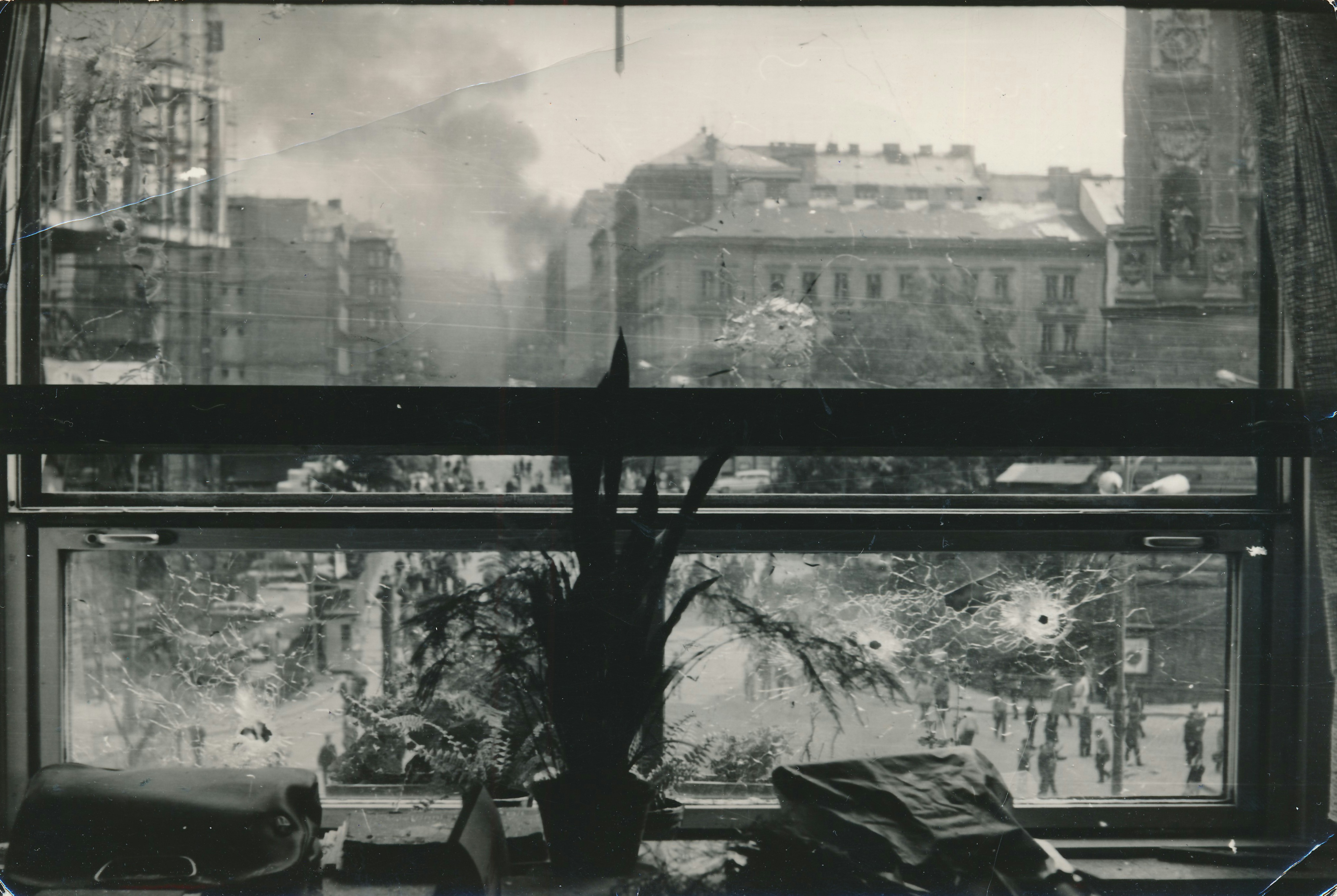
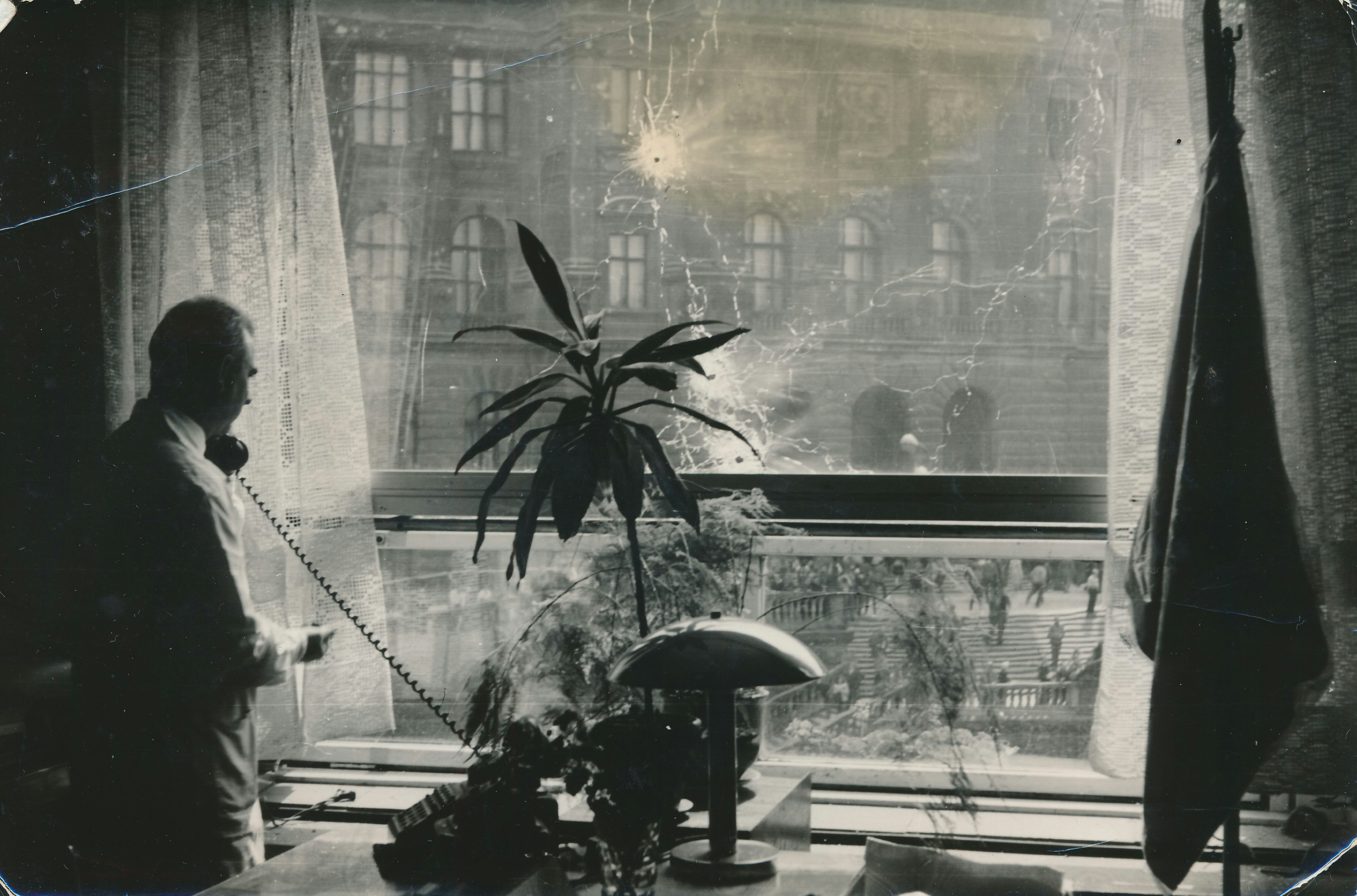
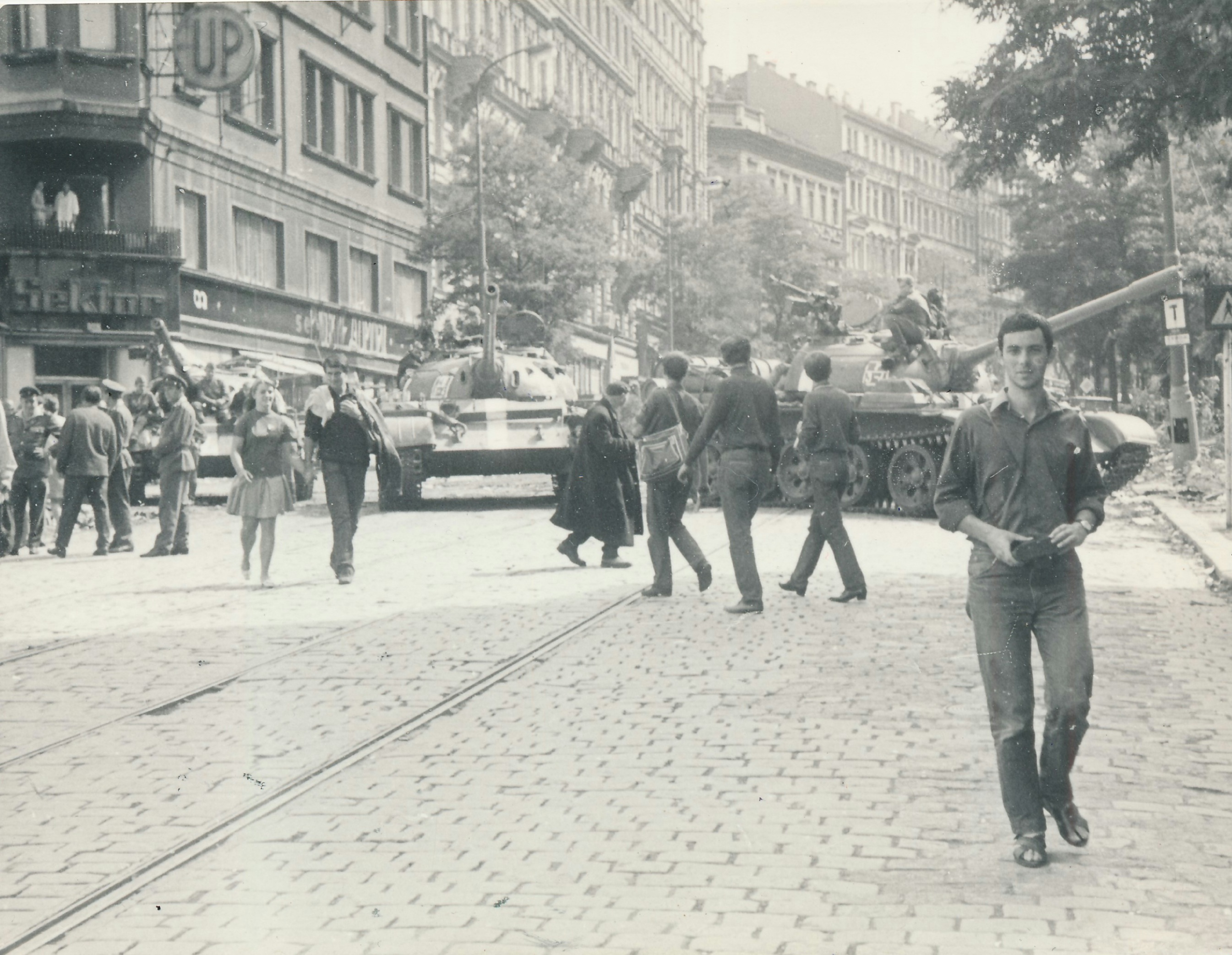
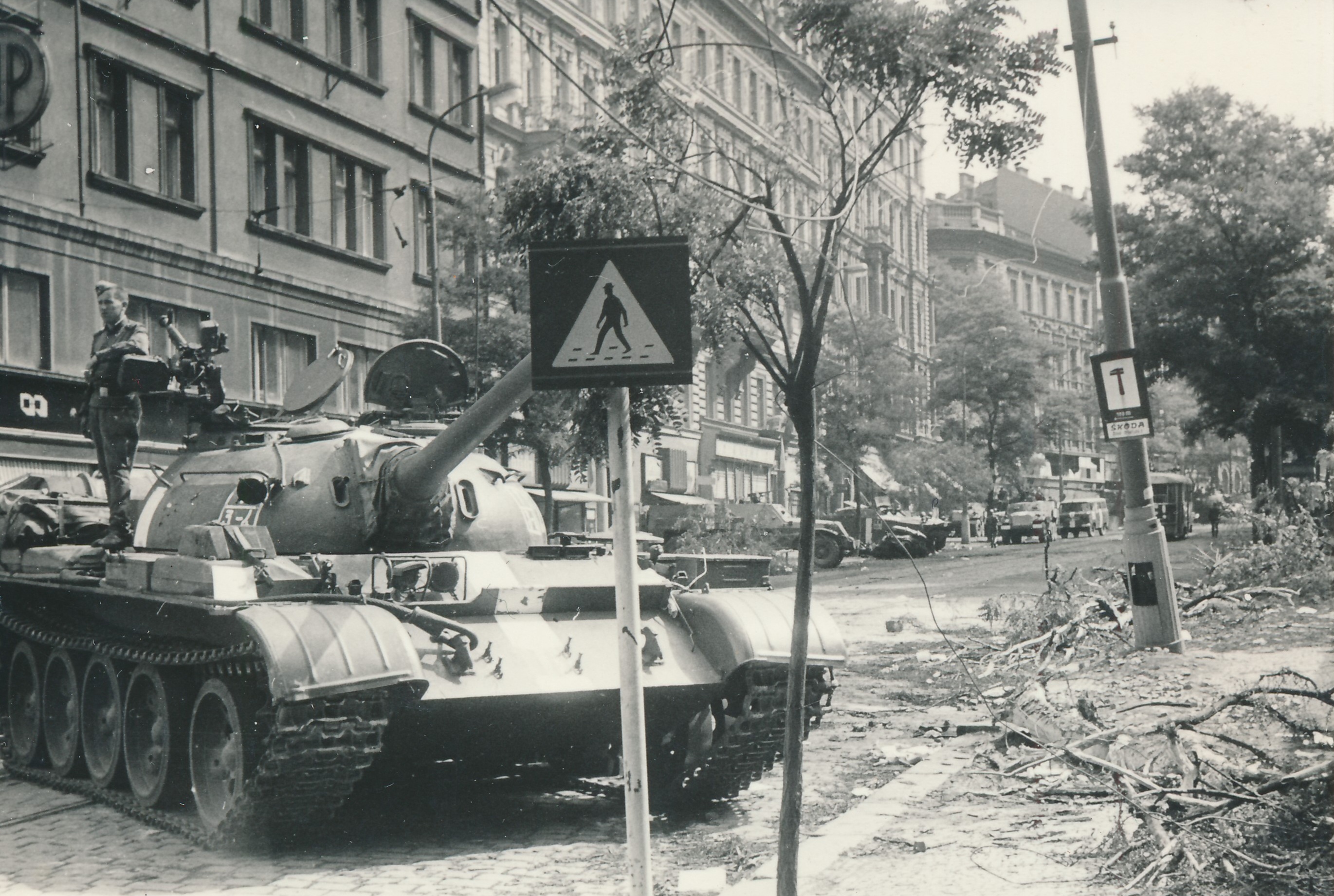
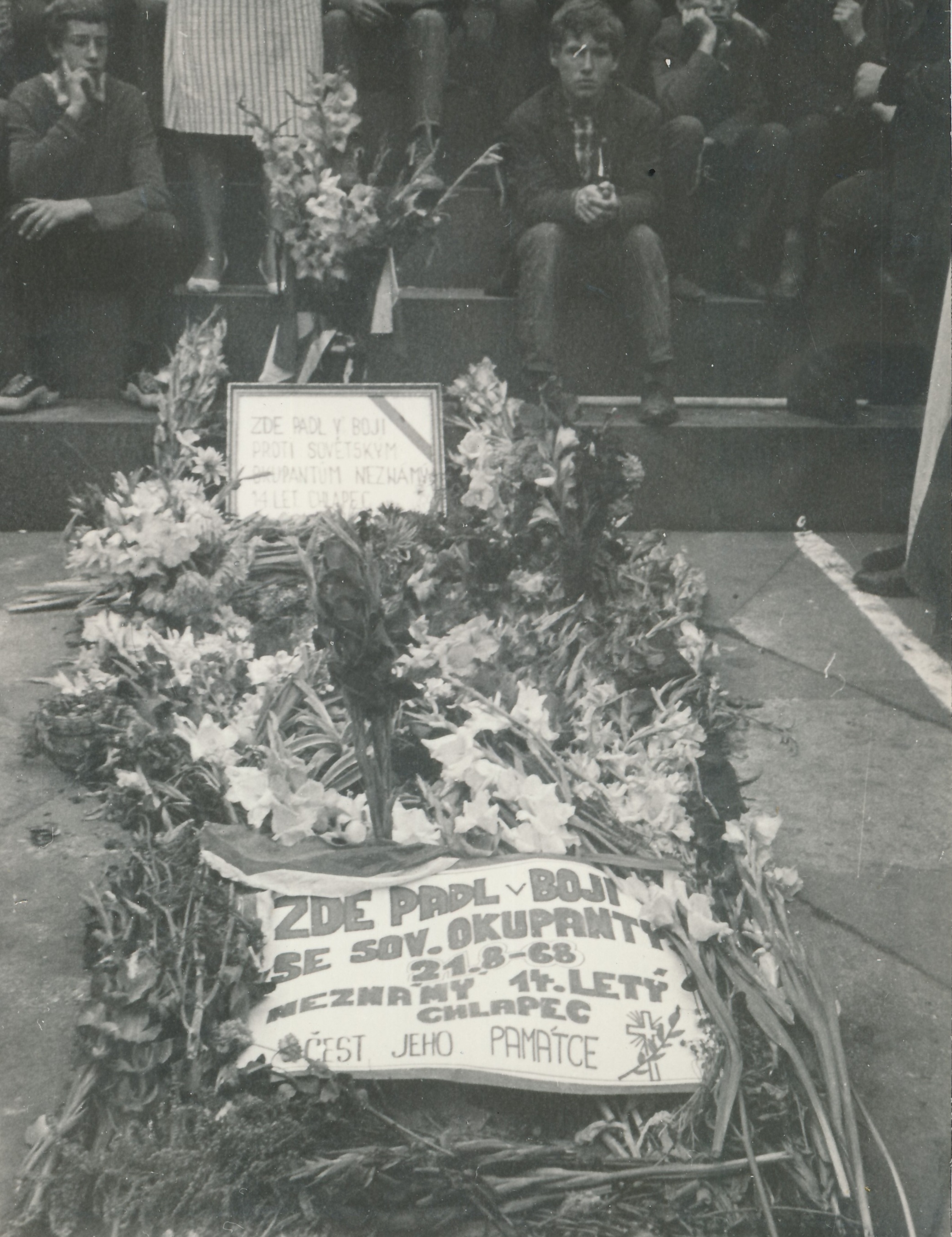
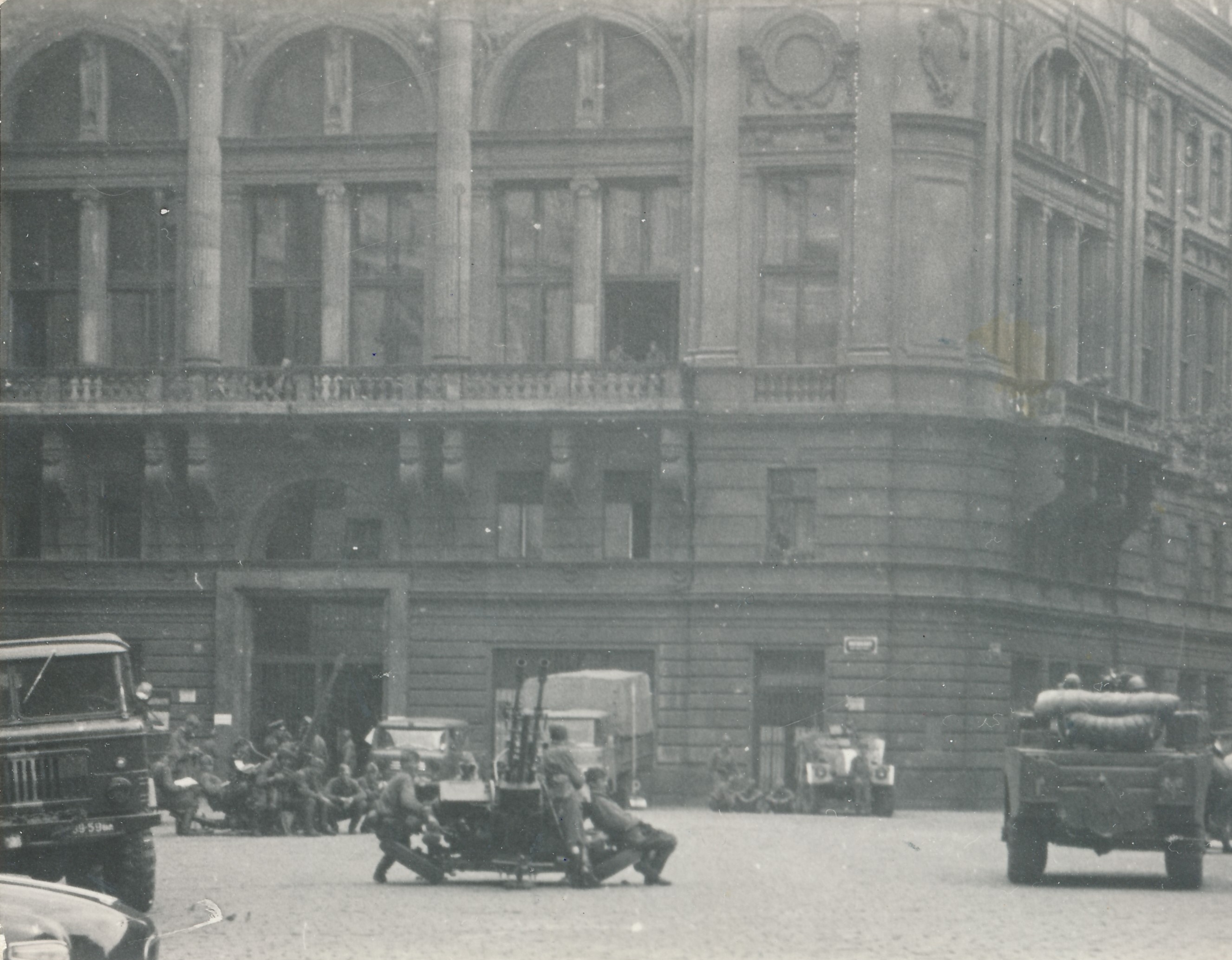
"I can't imagine how we came up with the idea of walking between the tanks to the Food House. From Palmovka down, Invalidovna, Karlín, Florenc and we walked to work. I can't imagine it today, but we made it. They were already at Wenceslas Square and the radio was occupied, so we didn't know what was going to happen. So we went to the offices. In the Food House there was the ground floor, the first floor and on the second floor there was a restaurant. And whether somebody threw something at them, we don't know to this day. And they started shooting from the tanks. First at the museum, and then it turned around and we got hit. Our offices, the director's office. I was sitting in the middle, as the three windows are in the facade. The director had an office next door. And all those offices were shot through. On the floor where the offices were, we had a kind of a conference room, but not a conference room. We used to meet there when we had meetings. Fortunately, we were sitting there - and suddenly we hear the glass shattering. So we ran - and those offices had been shot through. That was a terrible moment."
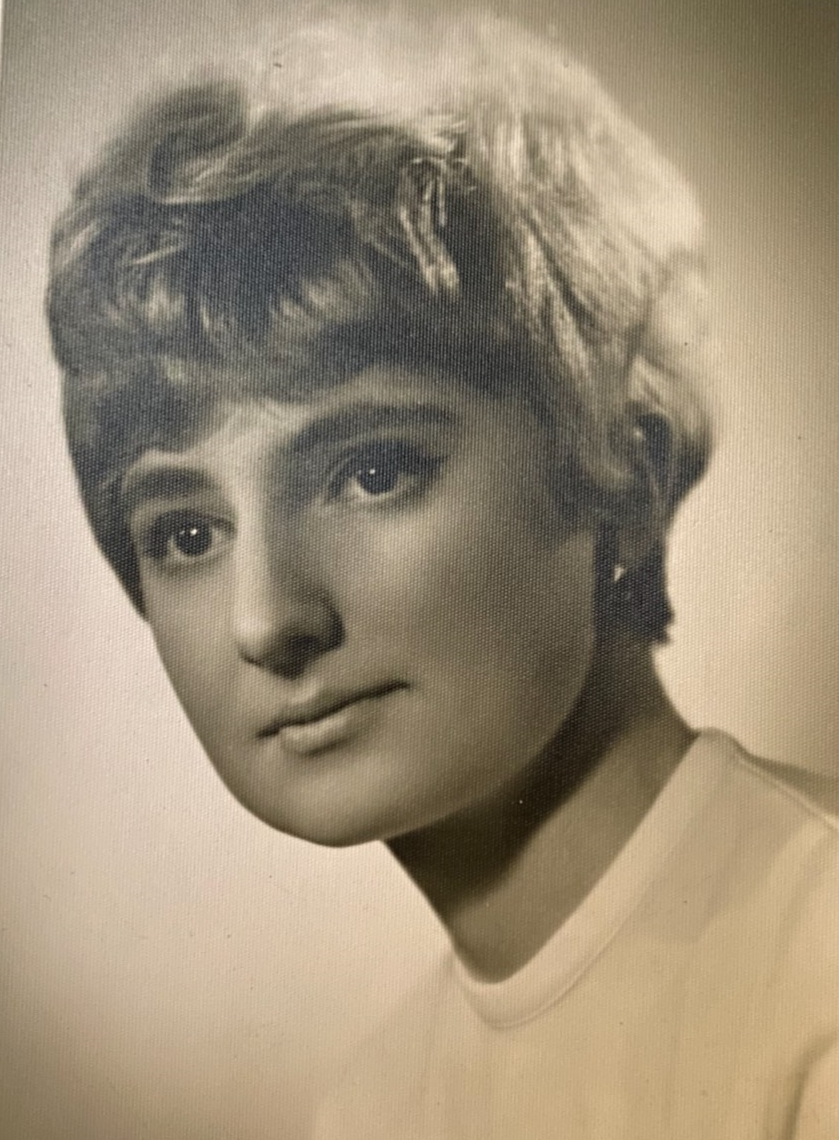
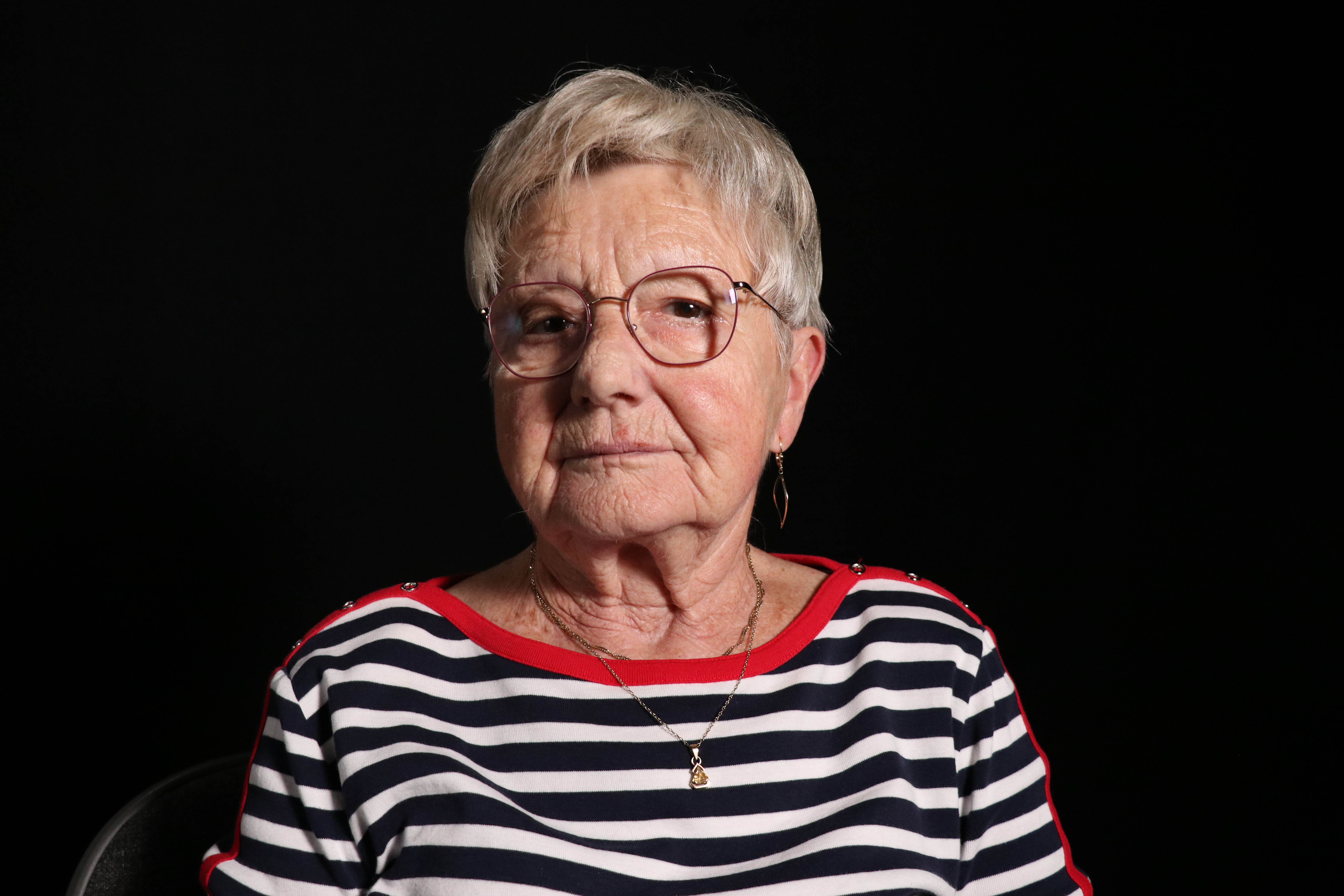
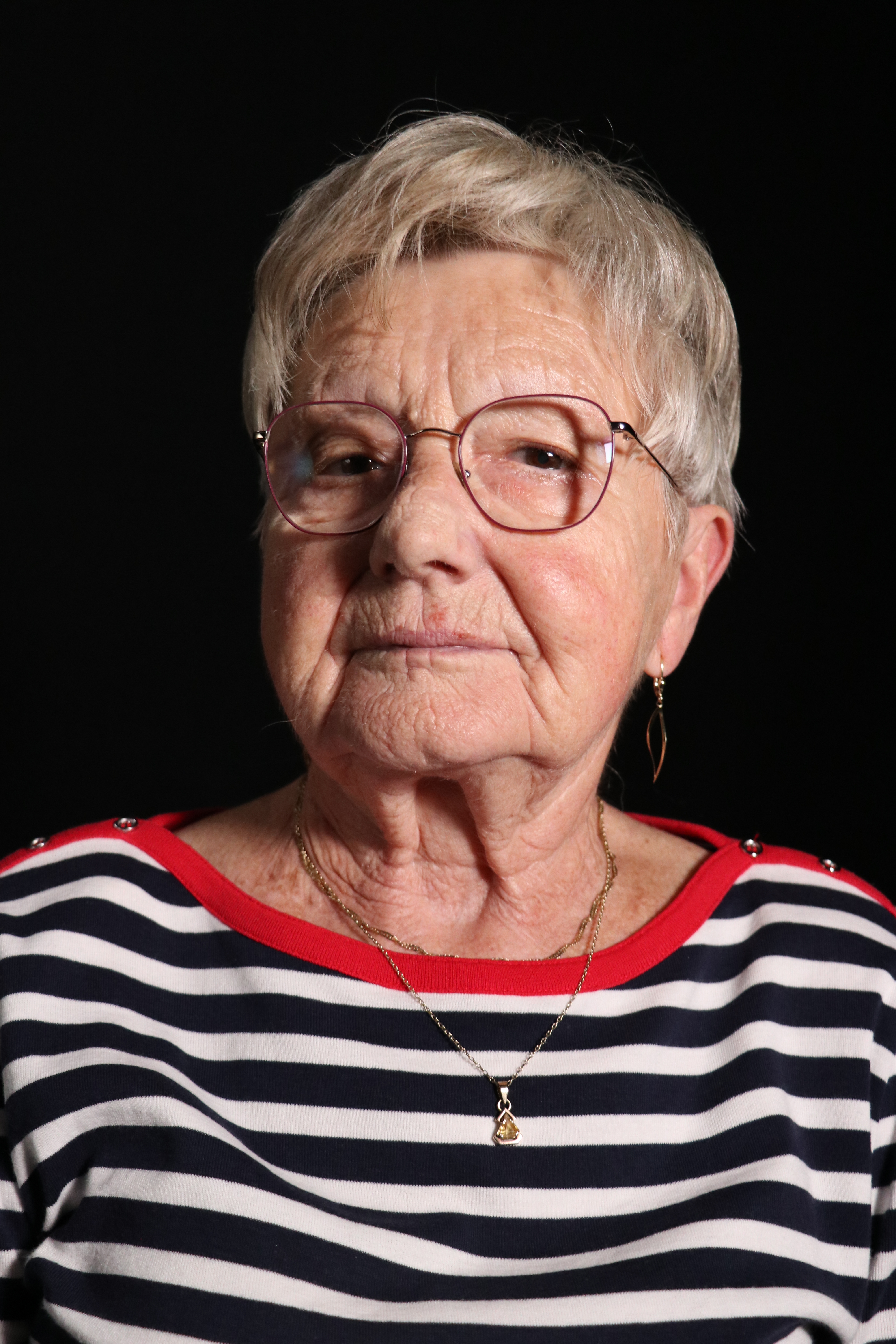
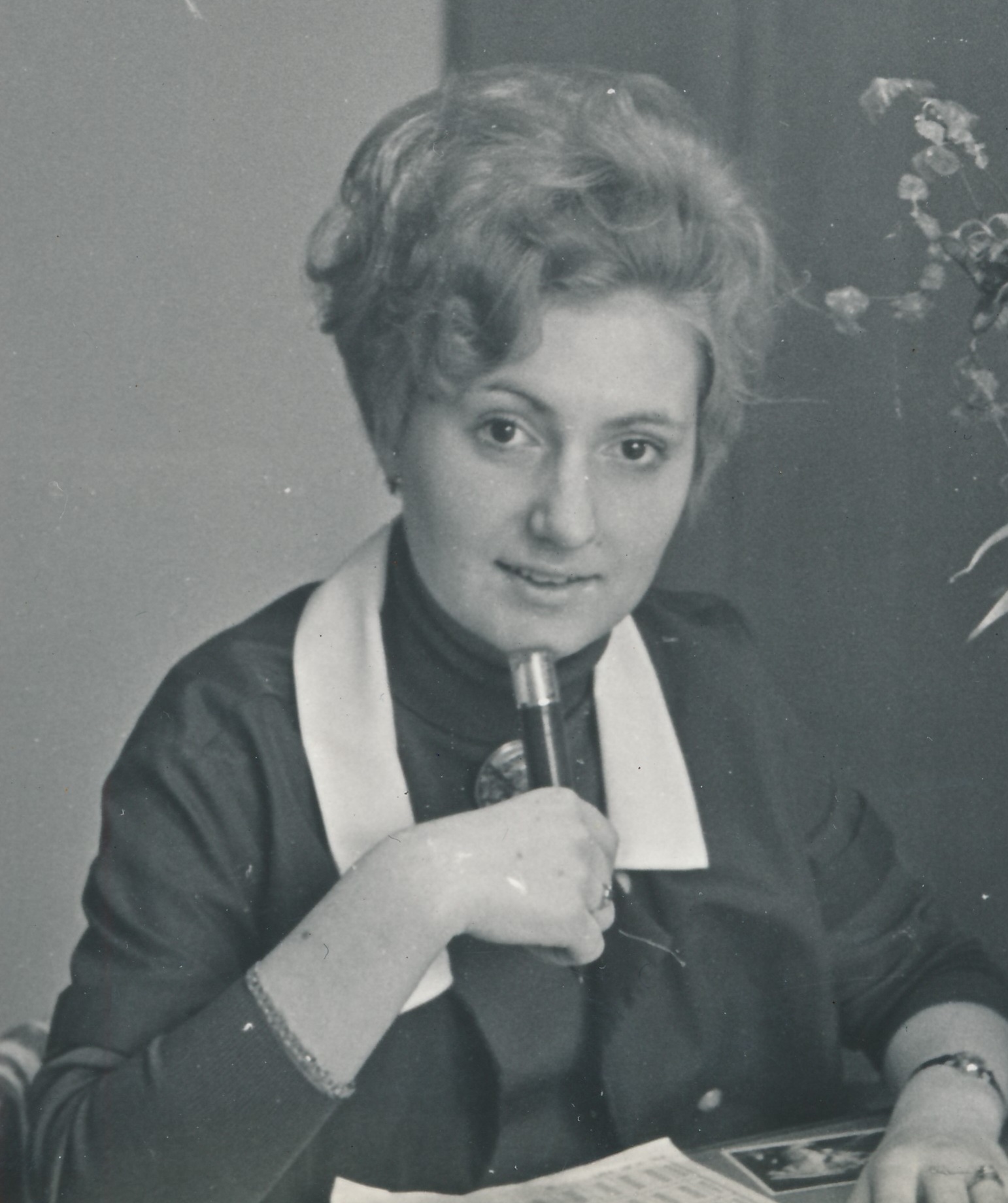
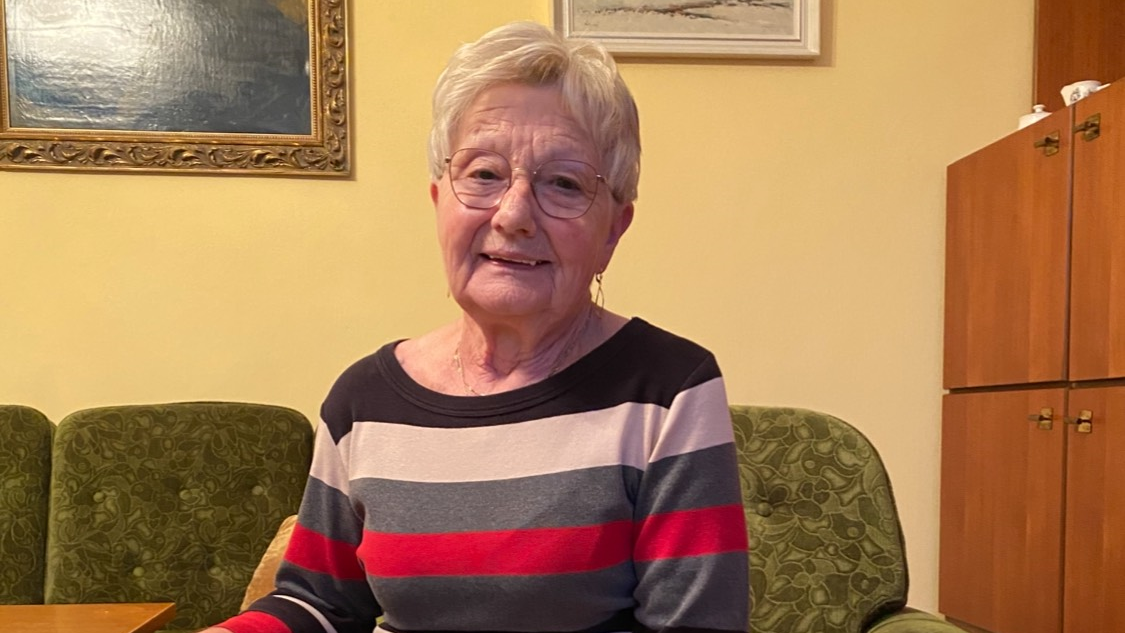
Jindřiška Pejcharová was born on 3 July 1947 in Prague. Her father František Malínský worked as a director of the Alcron Hotel in Prague, her mother Marie was a housewife. After 1948, her father refused to join the Communist Party of Czechoslovakia and had to leave his high position at the Alcron, but he was still allowed to work at the hotel. Because of this, Jindřiška Pejcharová could not study at the secondary school of economics. With a help from an acquaintance, her father found her a training at the Food House on Wenceslas Square. At the same time, she was in an apprenticeship with a subsequent graduation. She then became an accountant at the Food House and had an office in the front of the building overlooking the National Museum. Her office was shot up by Soviet soldiers on 21 August 1968. From the same window she saw Jan Palach burning a few months later. In 1969, Jindřiška Pejcharová‘s sister-in-law emigrated and because of this, she was still unable to get the job she had applied for at Svazarm in the 1980s. Because of her relative‘s emigration, she was interrogated several times in Bartolomějská Street On Wenceslas Square in Prague in November 1989 she saw how happy people were about the regime change. After the revolution, she worked at the headquarters of Investment and Postal Bank (IPB) and witnessed the intervention of the armed response unit and the end of the bank. Jindřiška Pejcharová retired after the turn of the century and was widowed in 2011. In 2025 she lived in Prague.