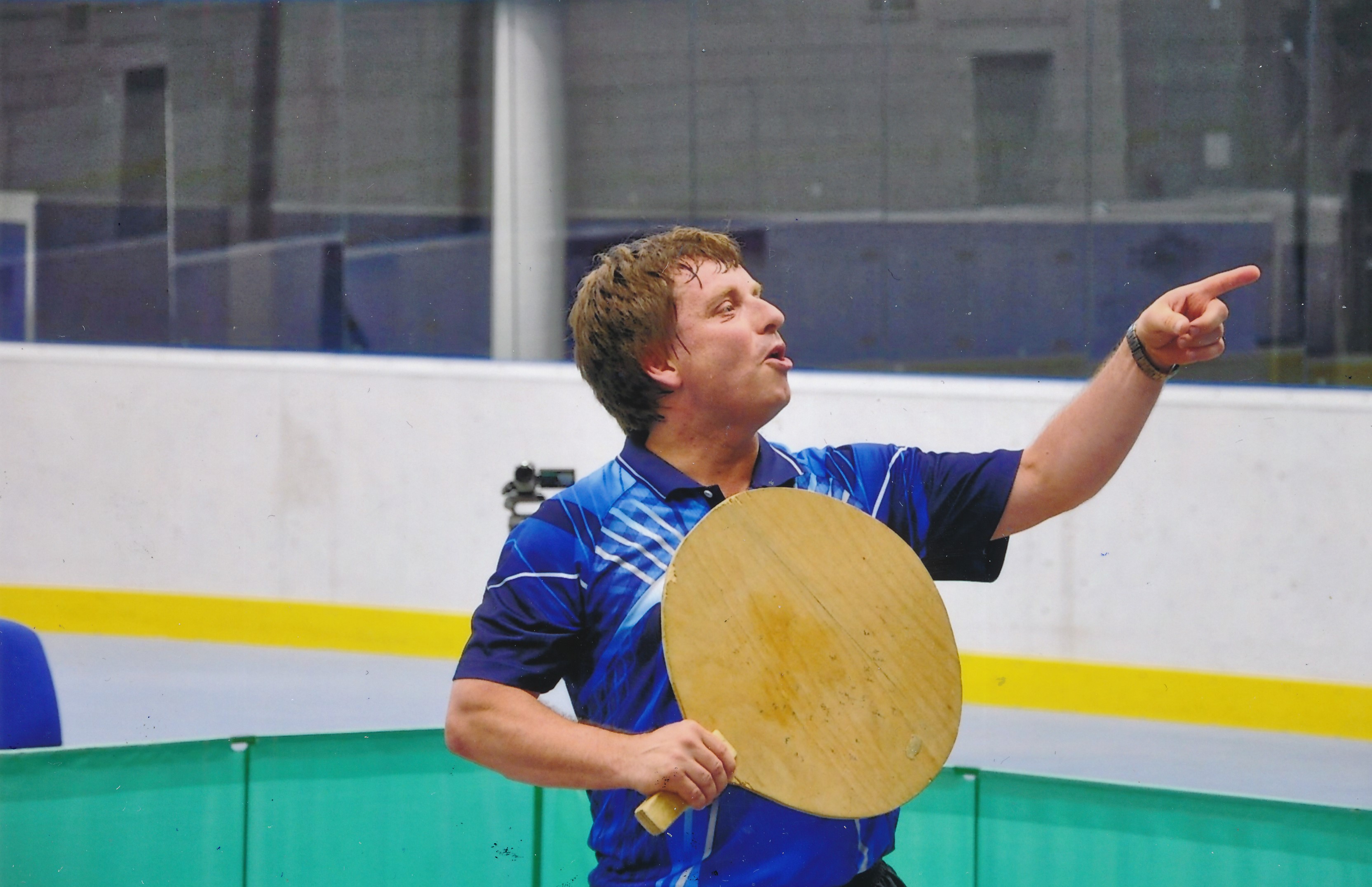
Jindřich Panský

* 1960

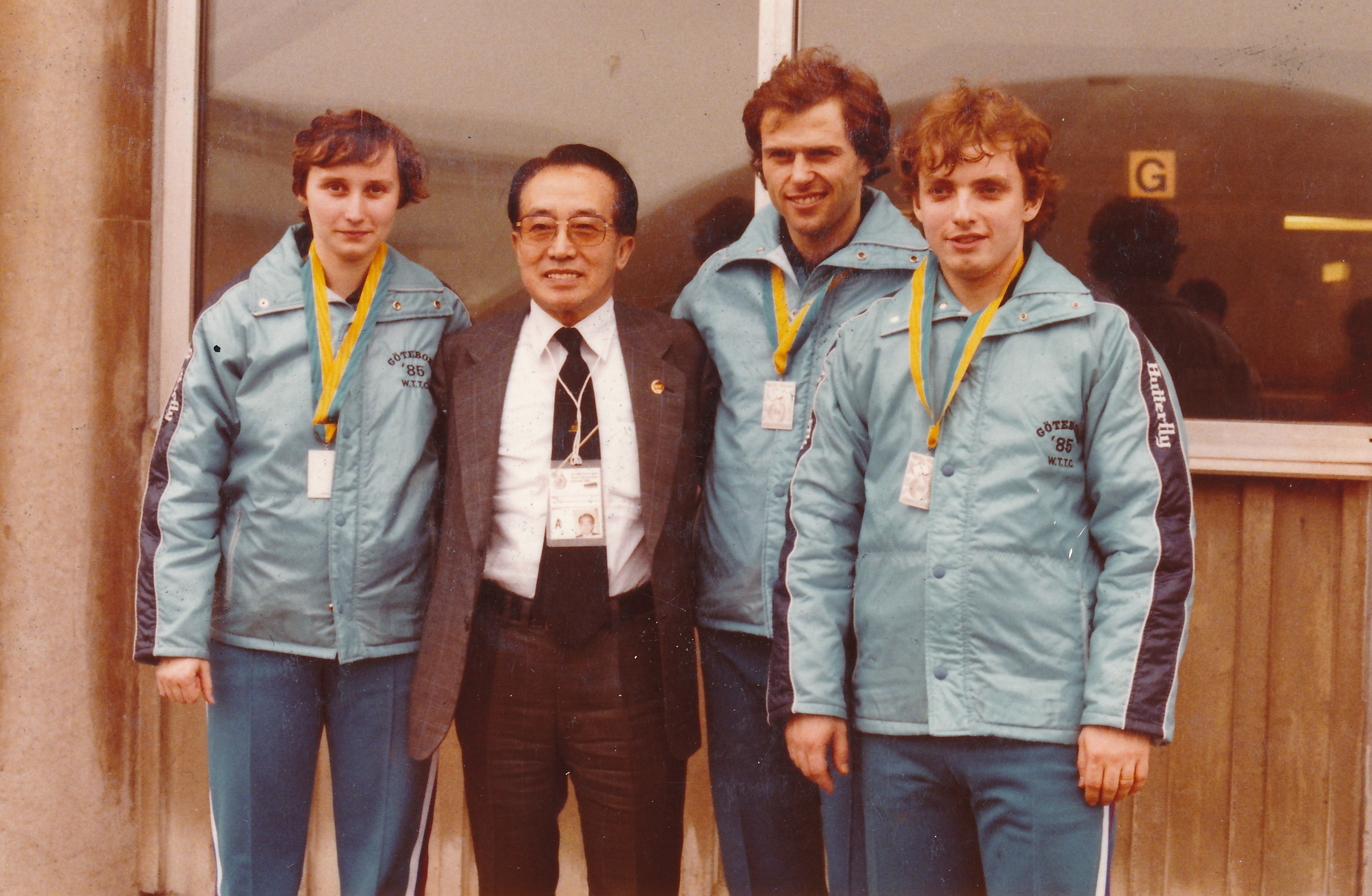
  • “We were this close to winning. It still pains me, and it always will. In that final we played against Appelgren and Carlsson, and their style suited us unbelievably well. They stayed back from the table, and in the first set we were leading 9–3 and absolutely rolling over them. But then the Japanese umpire called a single faulty serve — the only one in my entire sports career. No one had ever faulted my serve before, and no one ever did afterwards. Just that one, in the World Championship final. So I think there was pressure from the home Swedish crowd, who hadn’t won a medal yet and were probably under the same kind of pressure we once felt at home. They needed that gold, and maybe there was a bit of an understanding with the officials. I don’t want to accuse anyone, but it hurt, because I wasn’t cheating — I always served in front of my body and only with a backhand my whole life. Once they faulted my serve, I couldn’t regain focus and it completely threw me off. We lost that set, and in the second we even had a set point, which we also missed by sheer bad luck, and so we lost 2–0. And that will haunt me forever, because being world champion — or finishing second — is a massive difference. Everyone remembers the world champion; the runner‑up is forgotten within a few years. Even though for us, emotionally, it was still an incredible achievement.”

  • "I actually experienced a curious situation when my junior partner at the time was Antonín Štefko, who was from Ostrava. But he had a divorced family, and there was a curiosity that when we went to the Cadet Championship for the first time, which was when he was fifteen years old, even though he was a sovereign one-two with me, they couldn't find his father and he couldn't sign for him, because at that time both parents had to sign that they agreed to go. He couldn't get that dad, so he didn't go to the European Cadet Championships, which was a terrible thing and a shame. And later on, about two or three years later, he emigrated when we slept together in the room. We had these training diaries where we wrote down every day what we trained. And he just left the training diary in the room and wrote there, 'The end.' So I could tell by that that he was gone."

  • "I think I can safely admit now that the most curious and original stash was that we had a second spare rocket. The other one had a hollow handle. So we cut it open, hollowed it out, rolled the money in there, and glued the handle on. That was kind of the safest thing to do, because if the customs people unglued my racket, I'd say I couldn't play. That would ruin my career, so nobody dared to do that. Nowadays they'd probably X-ray it too, but luckily they don't have to hide it anymore. So that was kind of the biggest curiosity."

  • Celé nahrávky
  • 1

    Praha, 29.11.2025

    (audio)
    délka: 02:02:11
    nahrávka pořízena v rámci projektu Tipsport for Legends
Celé nahrávky jsou k dispozici pouze pro přihlášené uživatele.

The pressure for performance from the regime was enormous
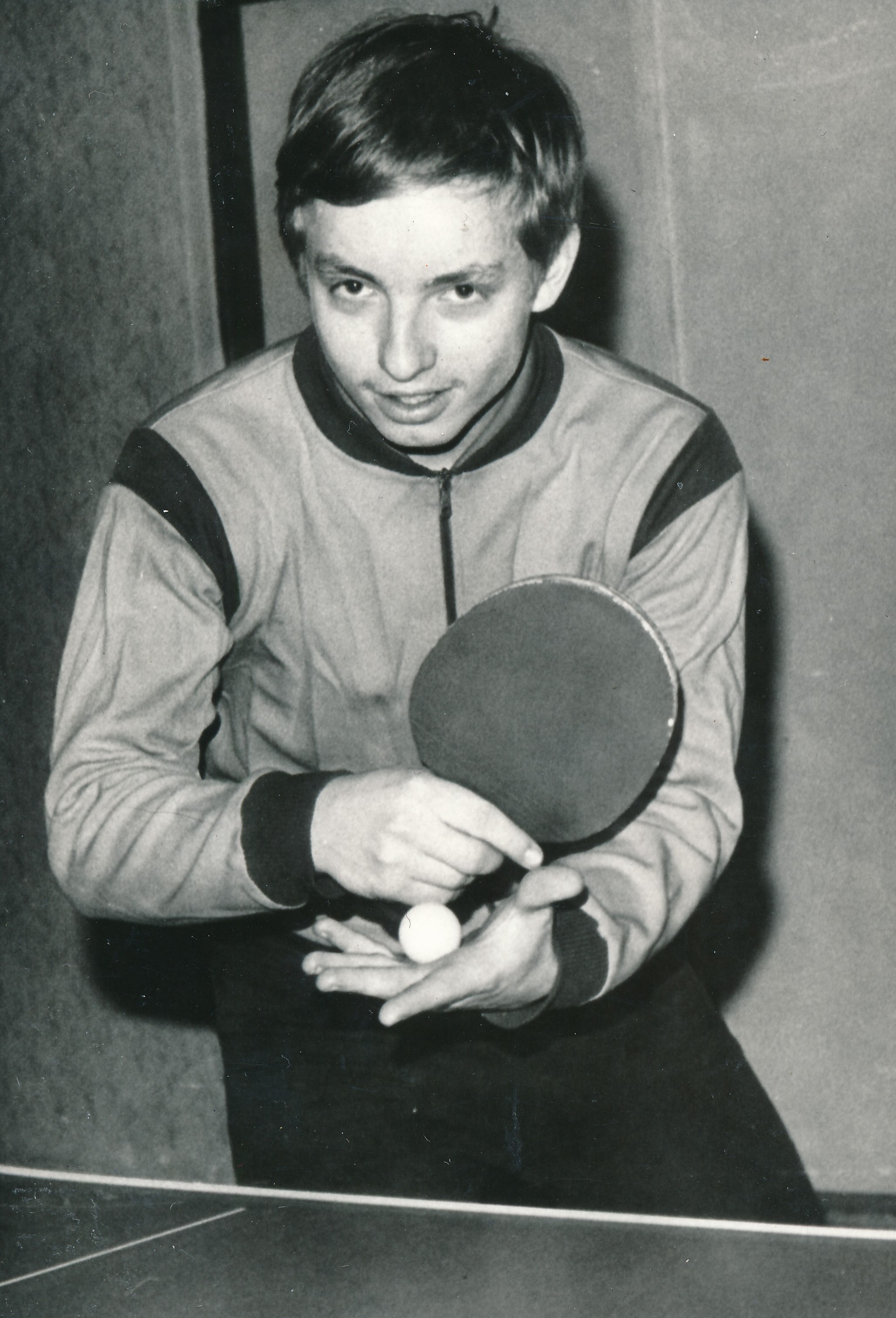
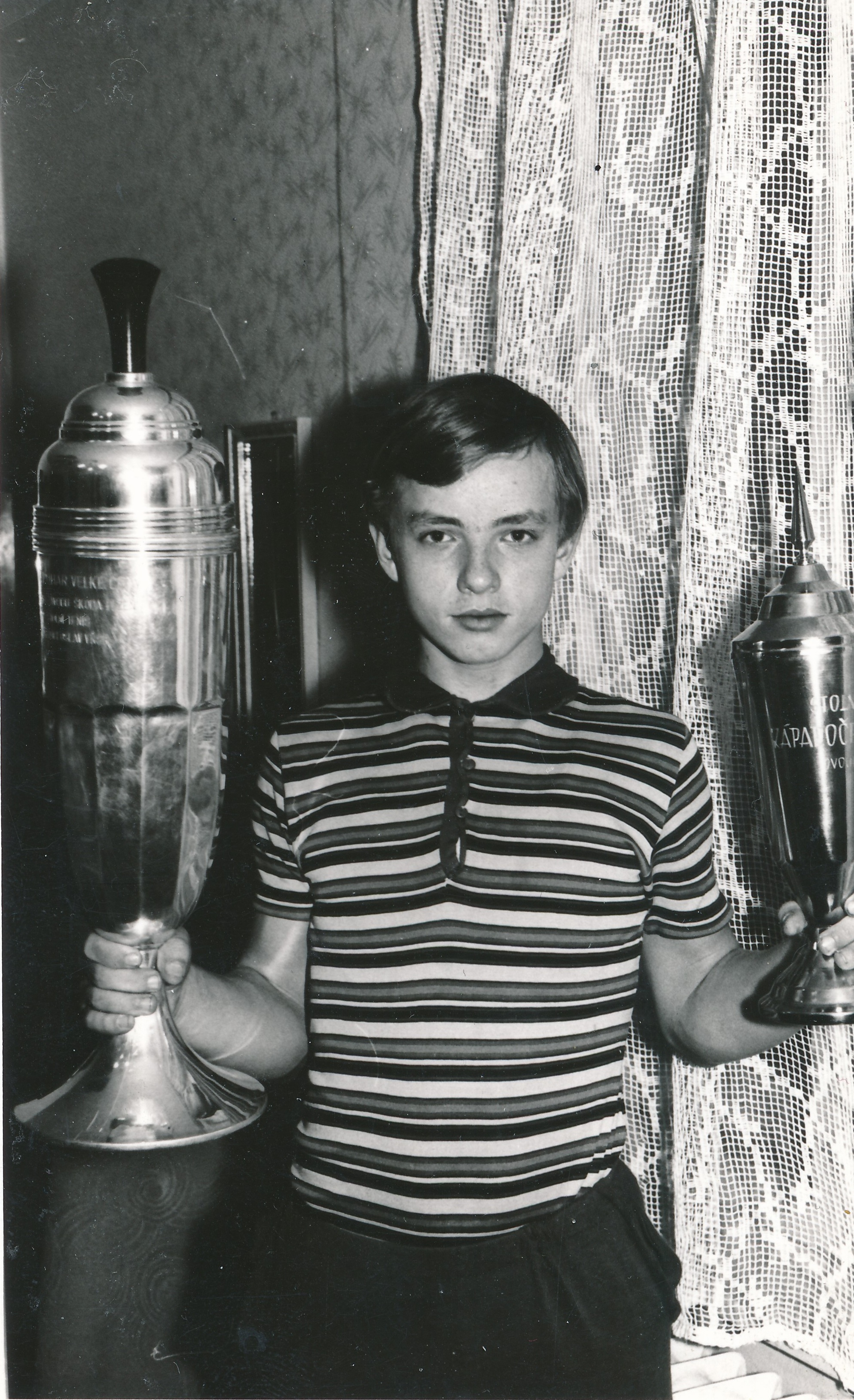
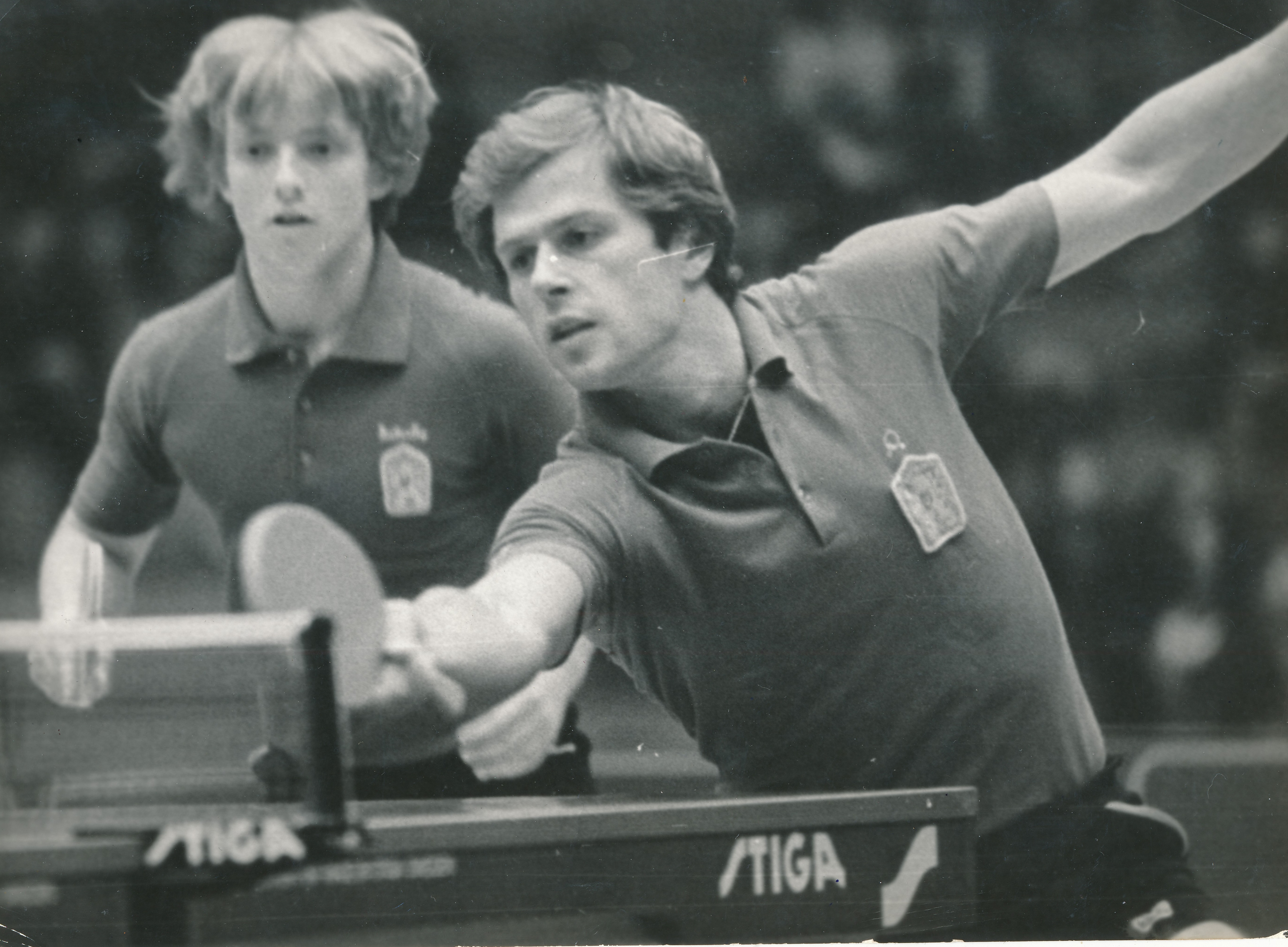
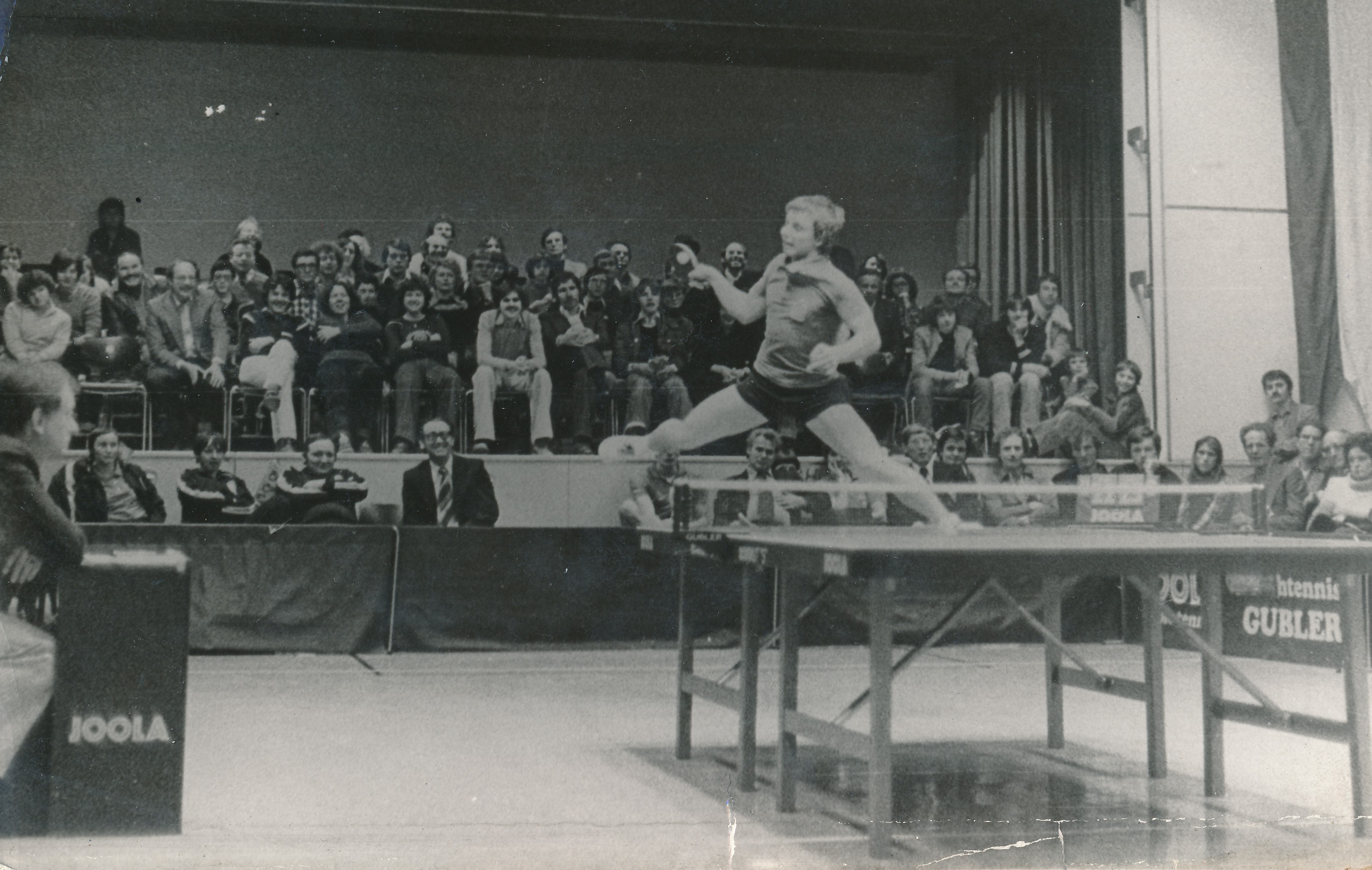
Jindřich Panský as a promising young player, 1st half of the 1970s
zdroj: Archive of the witness

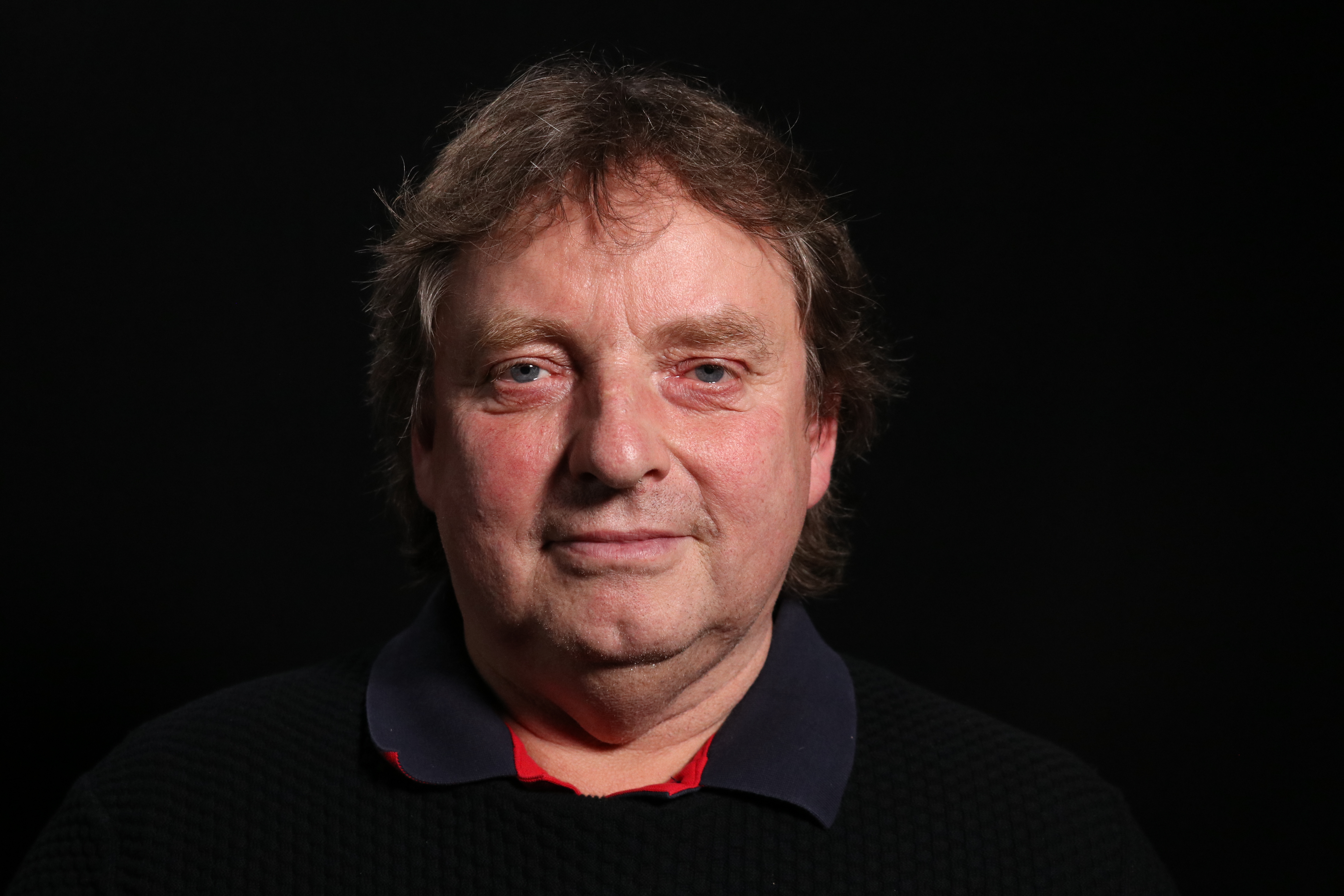
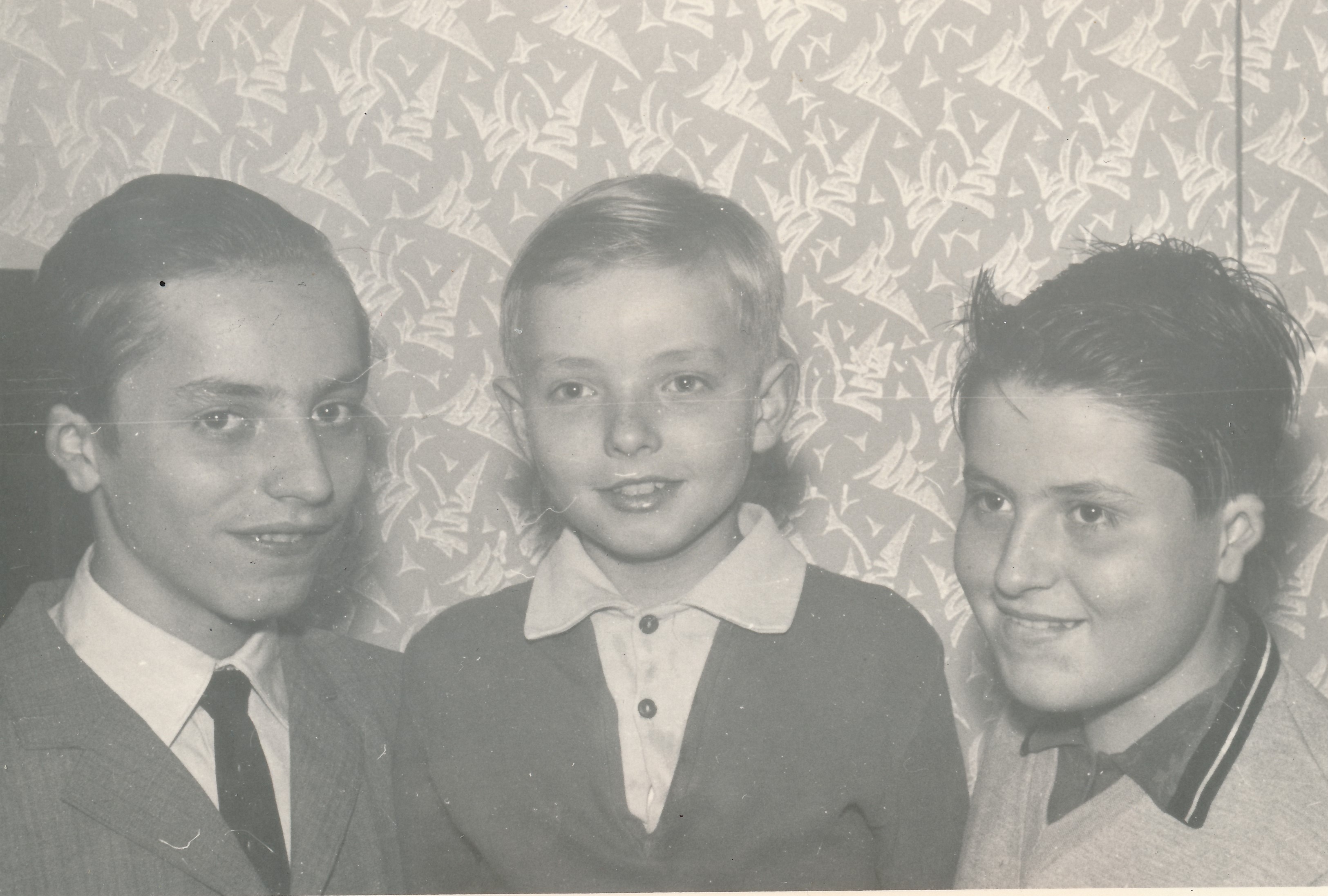
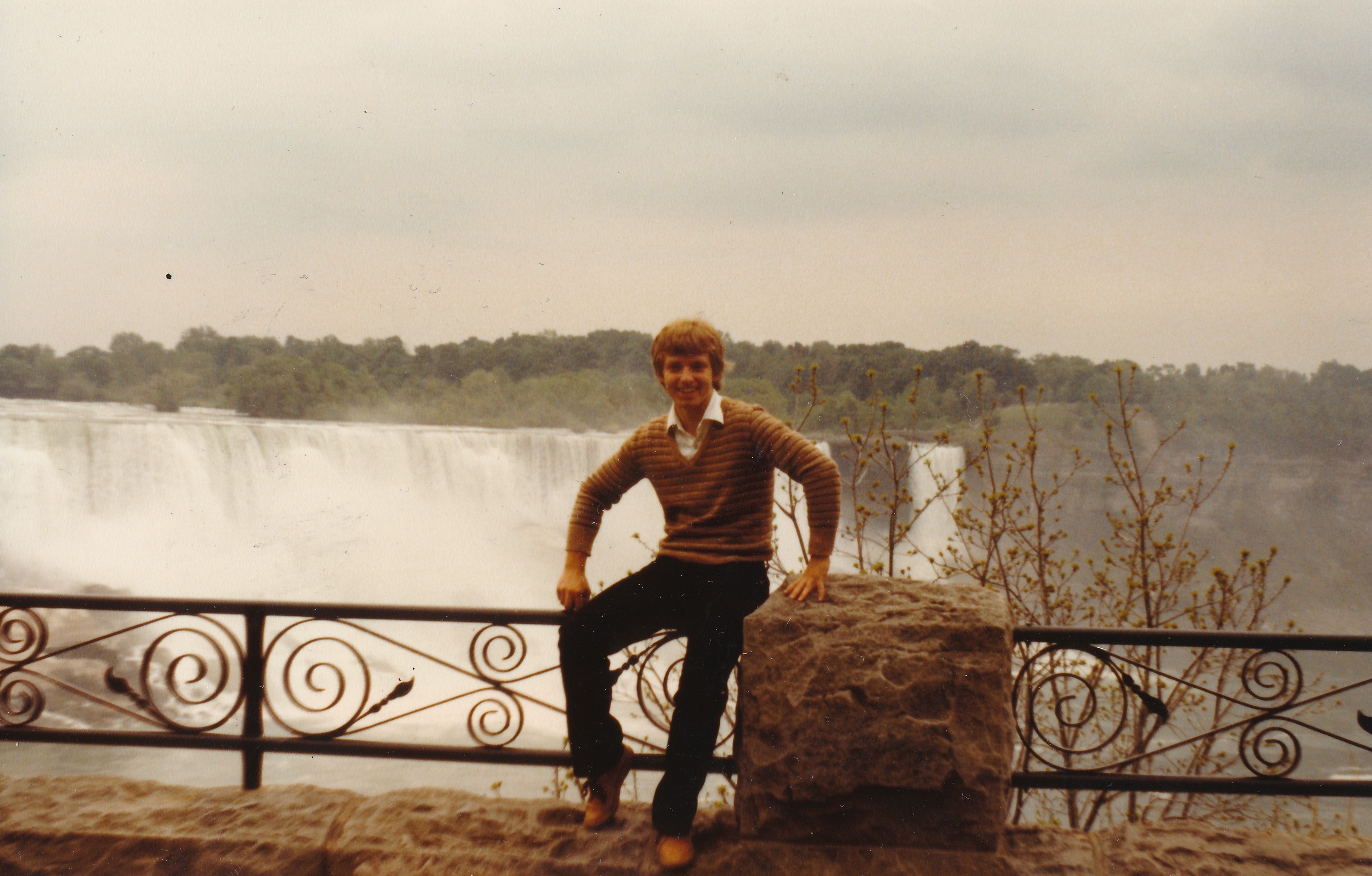
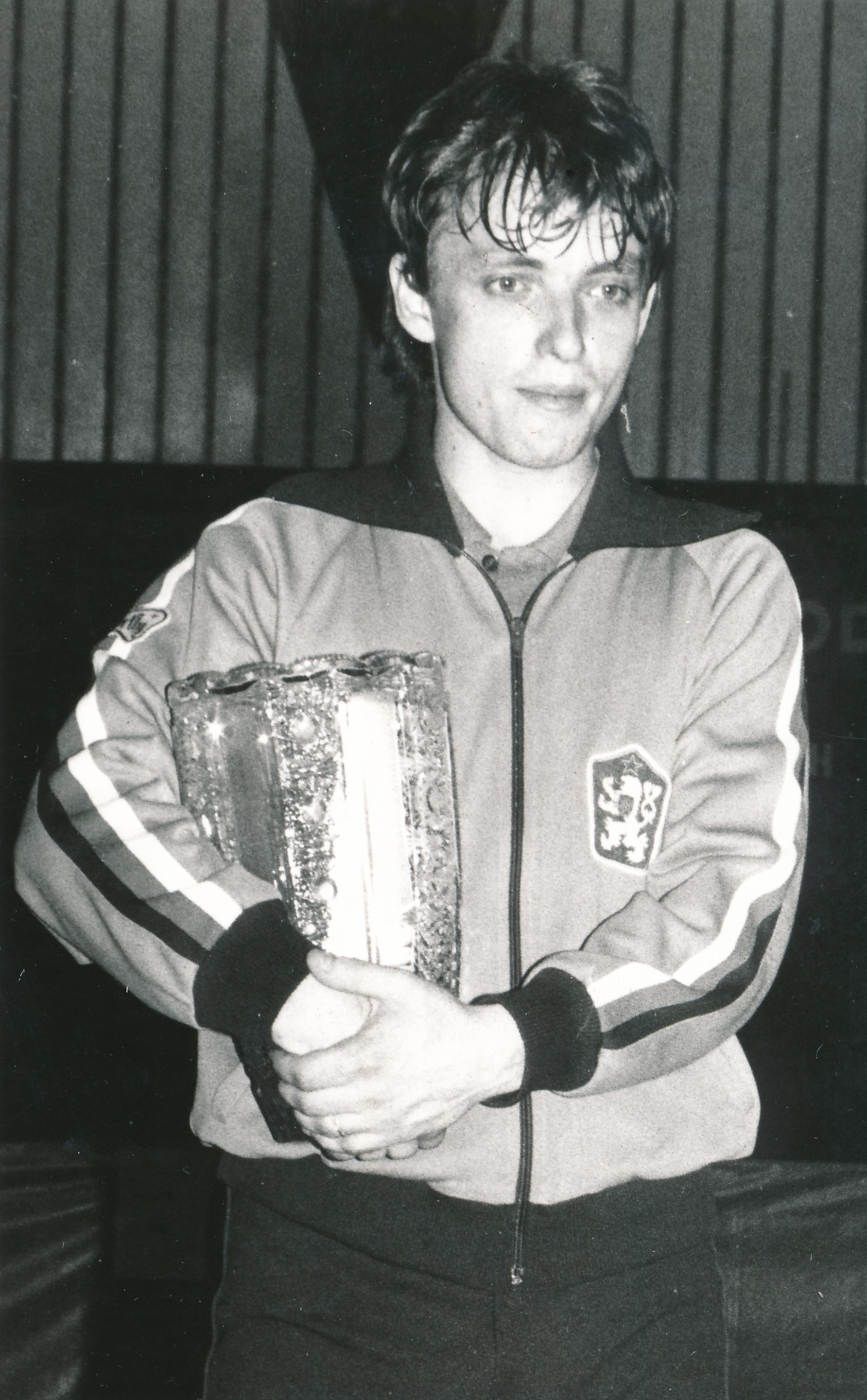
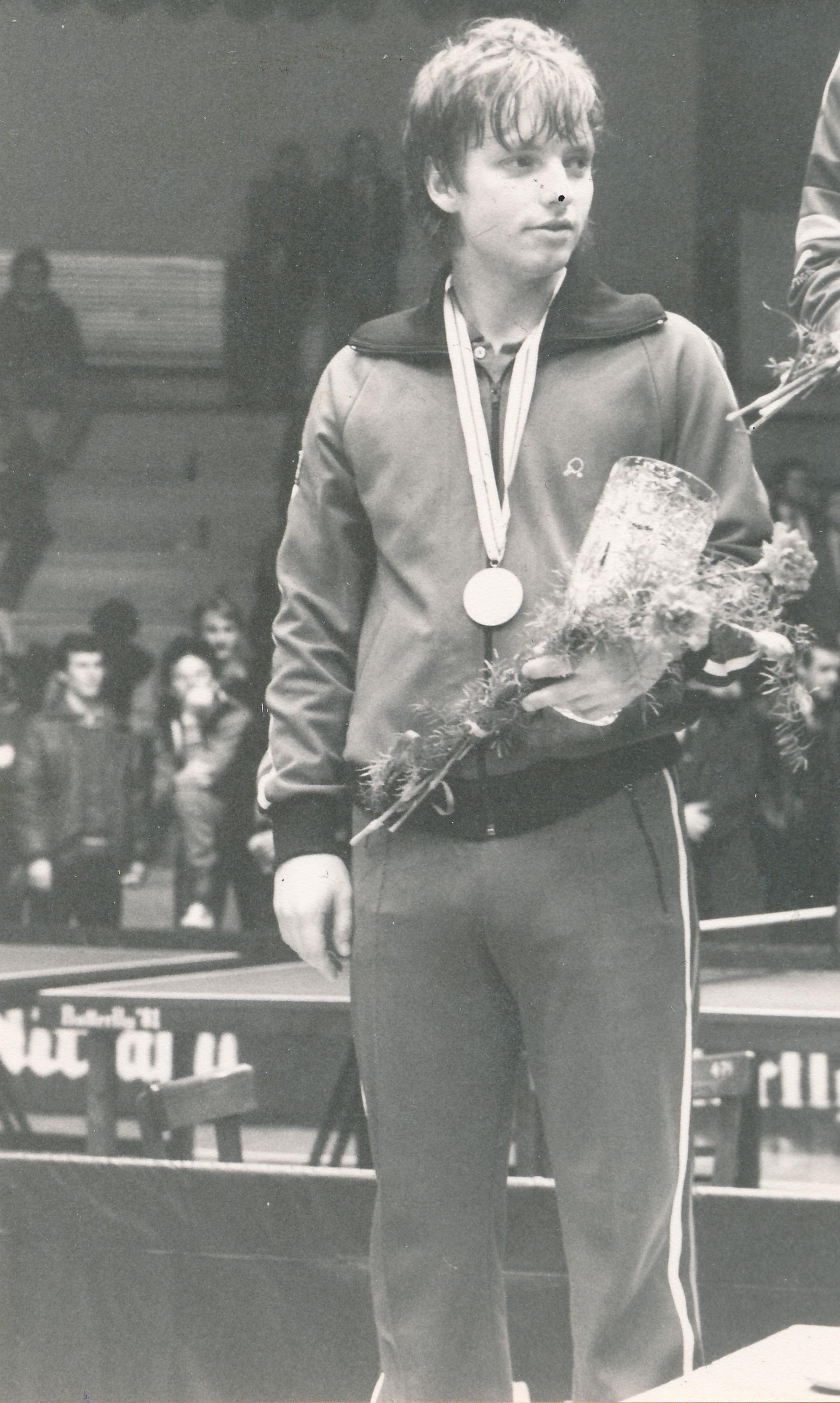
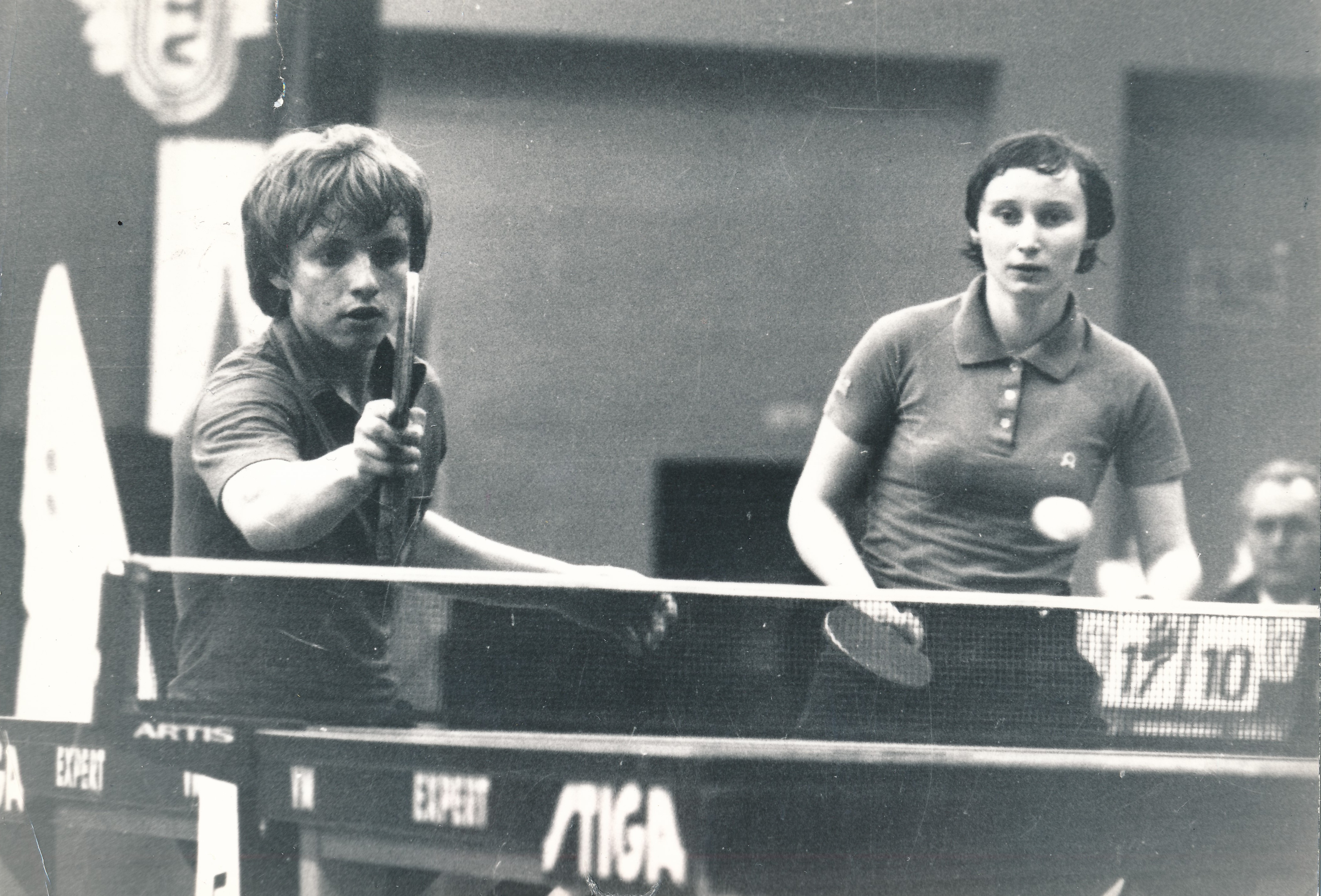
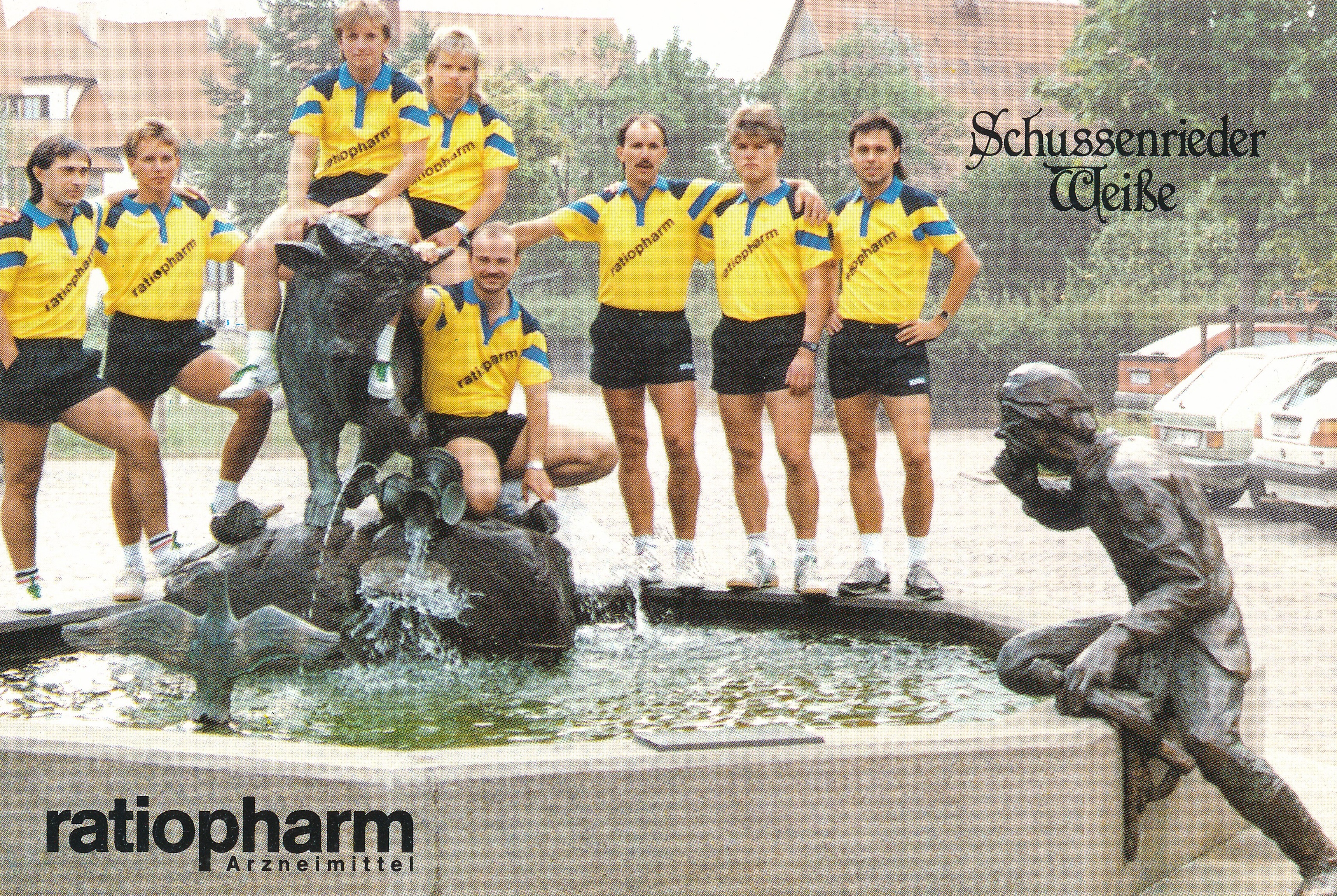
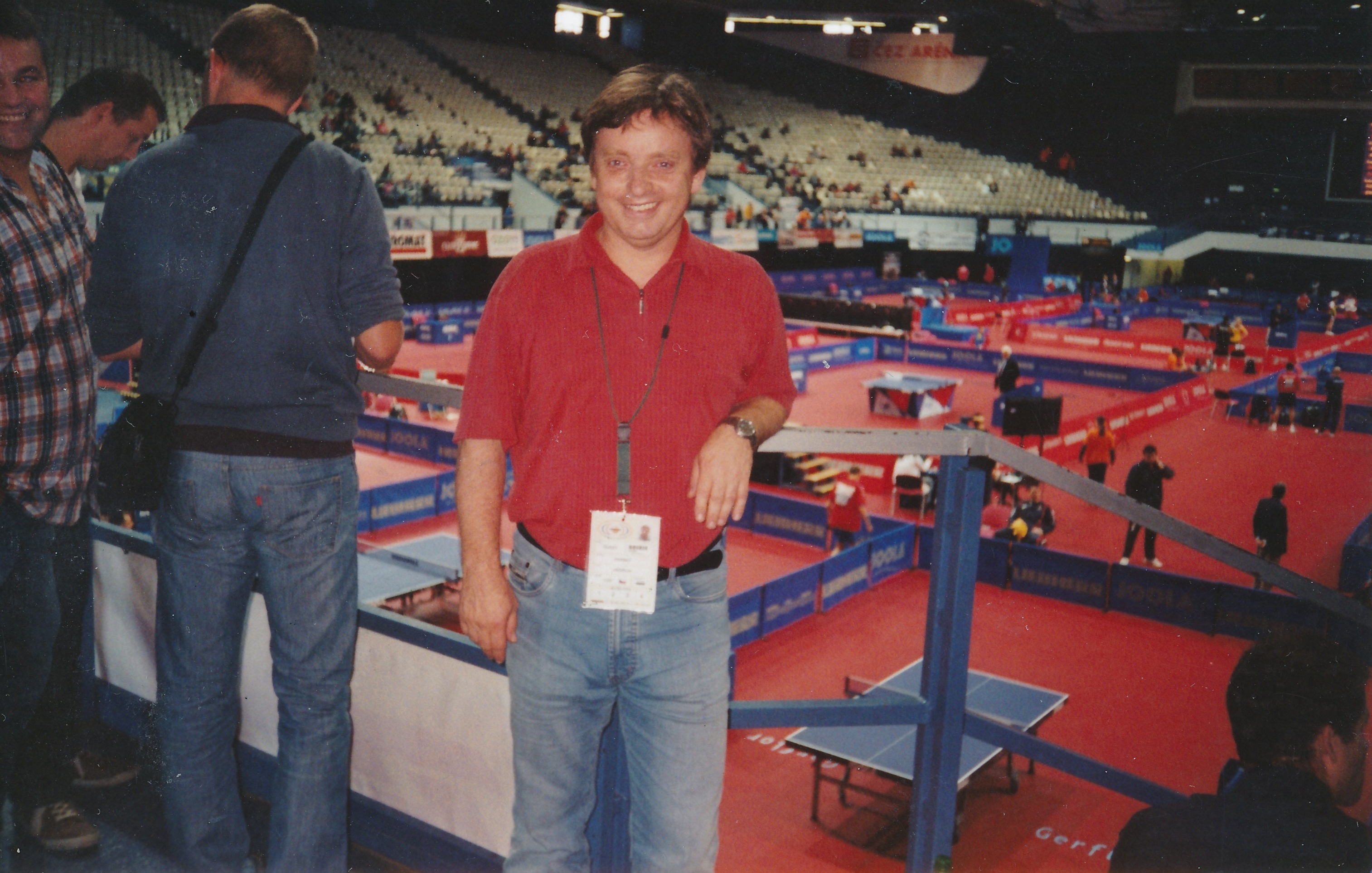
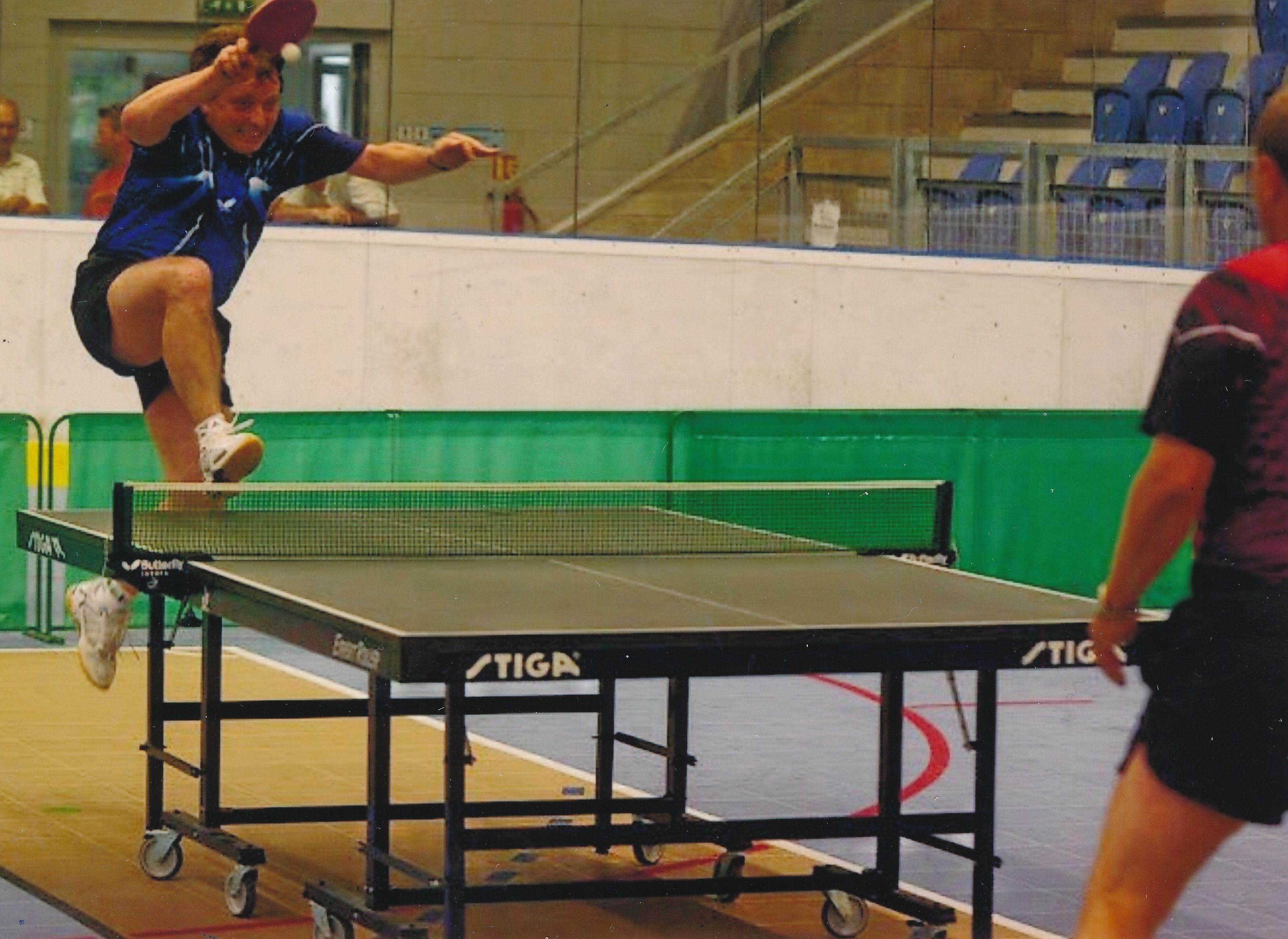
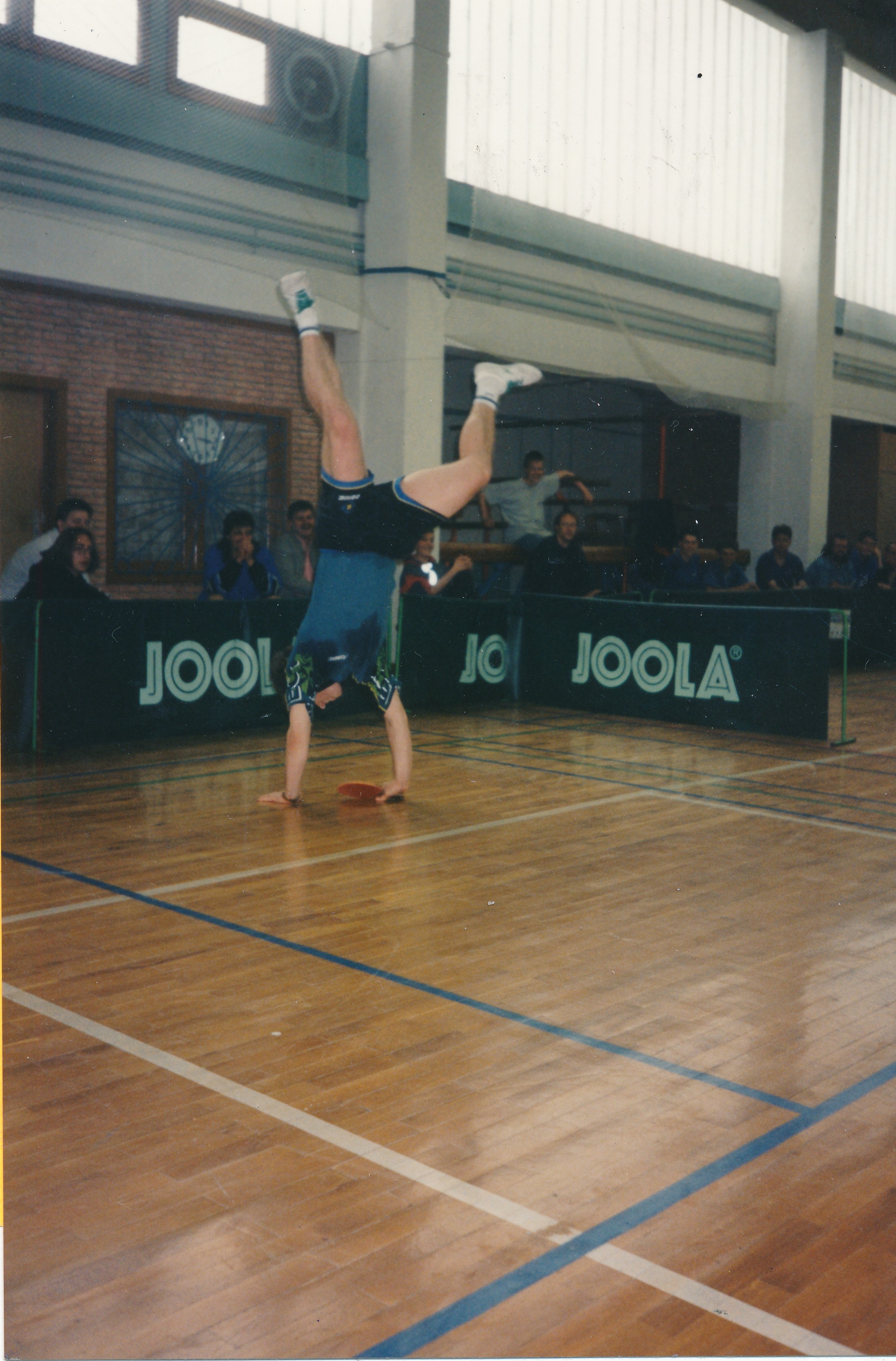
Jindřich Panský was born on July 29, 1960 in Pilsen to parents Jiří and Jindřiška Panský. He grew up as the youngest of three brothers. He took up table tennis at the age of five and joined the Lokomotiva Plzeň sports club at the age of nine. His mother, as a member of Sokol, first tried to introduce her youngest son to gymnastics or music, but he was more interested in ping-pong. At the age of sixteen, he made the Czechoslovak national team and subsequently transferred to the Slavia Vysoká škola team. His first big success came in 1978 when he won the European Junior Championship. The big successes in his career came in the early 1980s, when he won several medals at the World Championships in team competition. His greatest success, however, came in the mid-1980s when he became European Vice-Champion in mixed doubles with Maria Hrachova in 1984. The following year he and Milan Orlowski made it to the men‘s doubles final at the World Championships in Gothenburg, Sweden, but lost to the home pair in the final. He achieved the same success in the mixed doubles with Maria Hrachova. In 1986, he followed up his European Championship final success and became European mixed doubles champion with Maria Hrachová. He was the only male representative to participate in the premiere of table tennis at the 1988 Summer Olympics in Seoul. In mid-1989 he took advantage of a legal offer to play abroad and went to Germany. He played there until 2013 before embarking on a full coaching career. In his role as a coach, he managed to win several championship titles in the Czech table tennis league. At the time of filming (2025) he was living in Prague.