Jiří Ovísek

* 1937

  • "I leveled off and the plane went into a steep climb. It didn't respond to the forward or backward movement of the control stick at all and climbed steeply. So that I didn't lose airspeed, I gave it full throttle, then full boost, but the engine was not strong enough to keep it airborne alone. It slowly lost speed until it stalled and there was nothing I could do. It went into a tailspin, turning. I pulled back on the throttle, turned off the boost and tried to do something about it, but it didn't respond to the steering at all and just went down. Now my biggest fear was... It was clear to me the plane was going down, there was just no one to save it. But when I saw the village lights down below, I felt terrible because I imagined the plane hitting a house or a village somewhere and killing someone. That was my worst fear. I was also very hesitant to eject but there was no other way, it was all kinds of spinning. When the needle of the barometric altimeter hit a thousand metres, I saw it was about time and I grabbed the handles that release the ejection device. I have kept them, I brought them with me and I can show you. It literally shot me out and my parachute opened at 150 meters. As my chute was opening, I saw the burning wreckage of the aircraft lying outside the village. I didn't know it at the time, but it was Dolní Němčí. Well, I rushed through the 150 meters pretty fast and landed in the field behind the village."

  • "We as village boys would occasionally find things, and so we found a grenade detonator. It had a locking cap on the top, you could unscrew it. We were sort of fiddling with it and somebody said, 'Let's try and let it go off, let it fall on the ground on the top.' It didn't go off on the first [try], so then we found you had to unscrew the cap. We unscrewed it. I dropped it like that on the sidewalk. It blew up. The little shrapnel got stuck in my legs and my hands, like this, and I was bleeding pretty badly. I ran home. My parents had to bandage me up, and it was such an unpleasant thing for me to have sustained such a minor injury like that."

  • "The liberation was quite tough. The village where I lived had about 300 people, a quite small village next to Štěpánov. When iberating us, the Red Army sort of underestimated the situation. There was a pretty big German garrison in Štěpánov, warehouses and what not. So, 36 Red Army soldiers were killed during the liberation of the village, just in that little village. It went back and forth for like three days. The Russians pushed the Germans out, then they kind of came back a little bit, three houses burned down, it was pretty brutal for the little village. Some of the villages around didn't even know there was a war war, but it kind of went down like that specifically in our area. We had a cellar underneath the house that my parents built in 1934, and we hid in that cellar. Interestingly, our relatives from Olomouc were with us. They thought things would be worse in Olomouc, and so they stayed with, but they didn't get that particularly right because matters were actually a bit worse in our particular village."

  • Celé nahrávky
  • 1

    Olomouc, 12.07.2025

    (audio)
    délka: 01:23:40
    nahrávka pořízena v rámci projektu Stories of the region - Central Moravia
Celé nahrávky jsou k dispozici pouze pro přihlášené uživatele.

I didn‘t aspire to high positions, flying was enough for me.
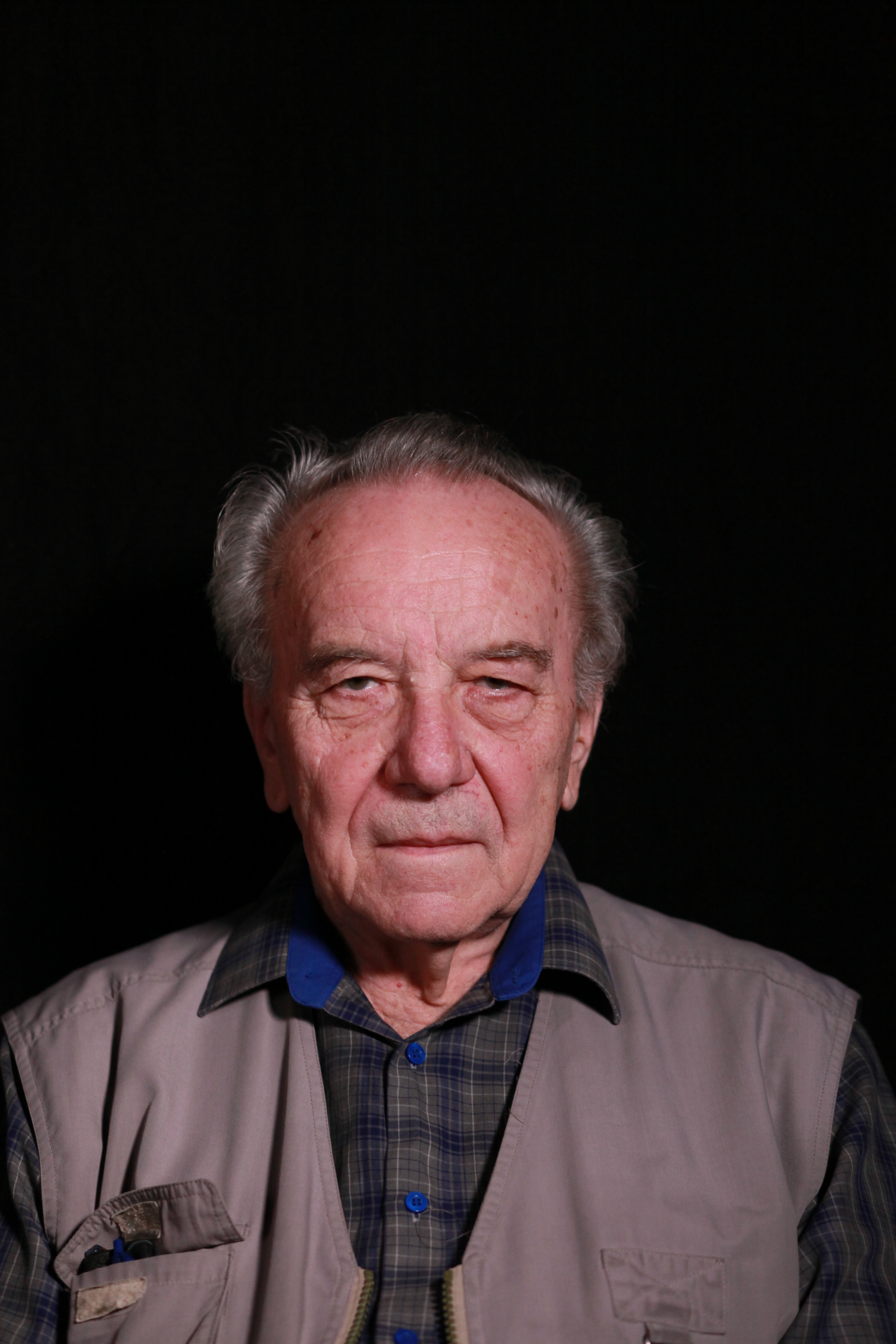
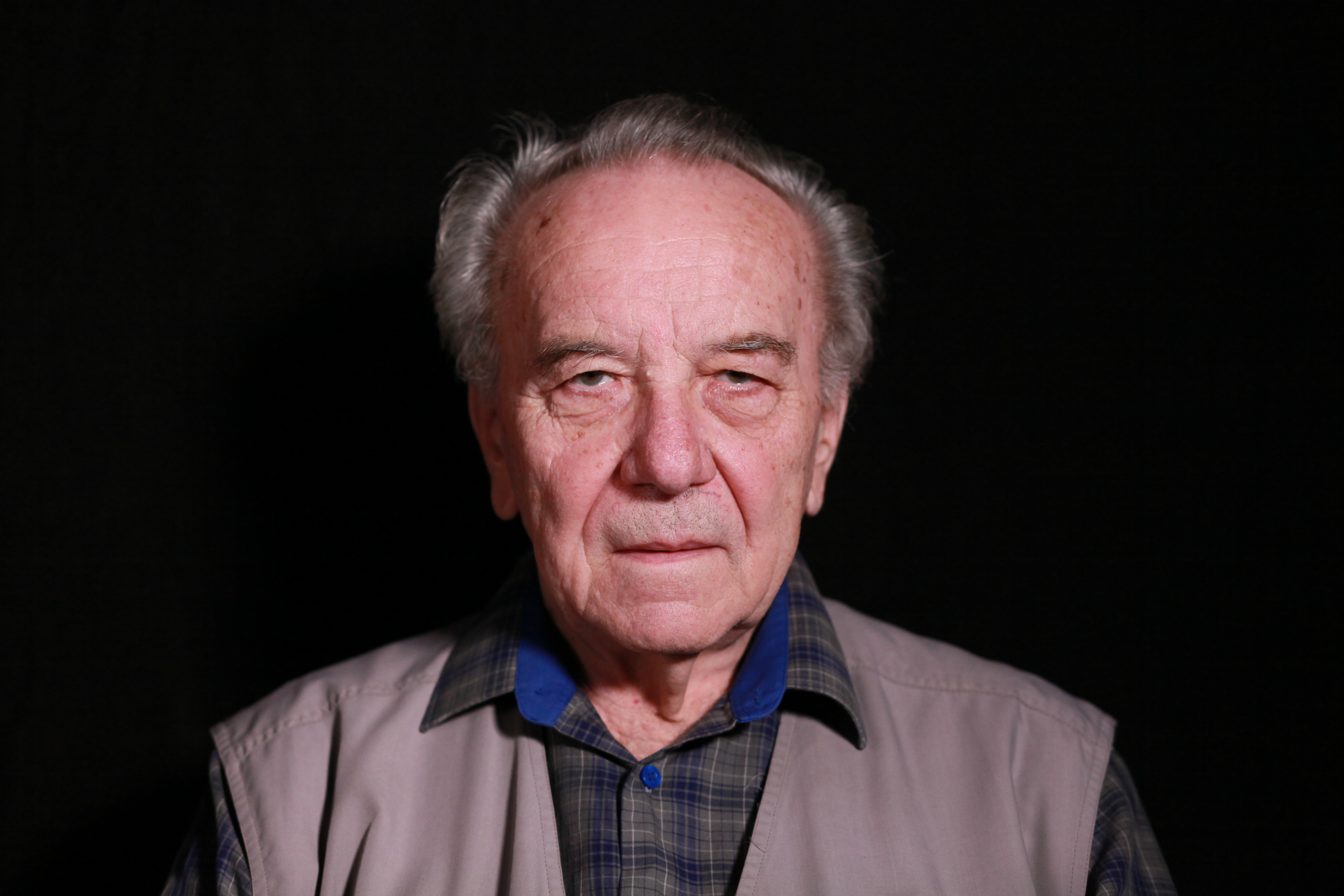
Jiří Ovísek in 2025
Jiří Ovísek in 2025
zdroj: Post Bellum

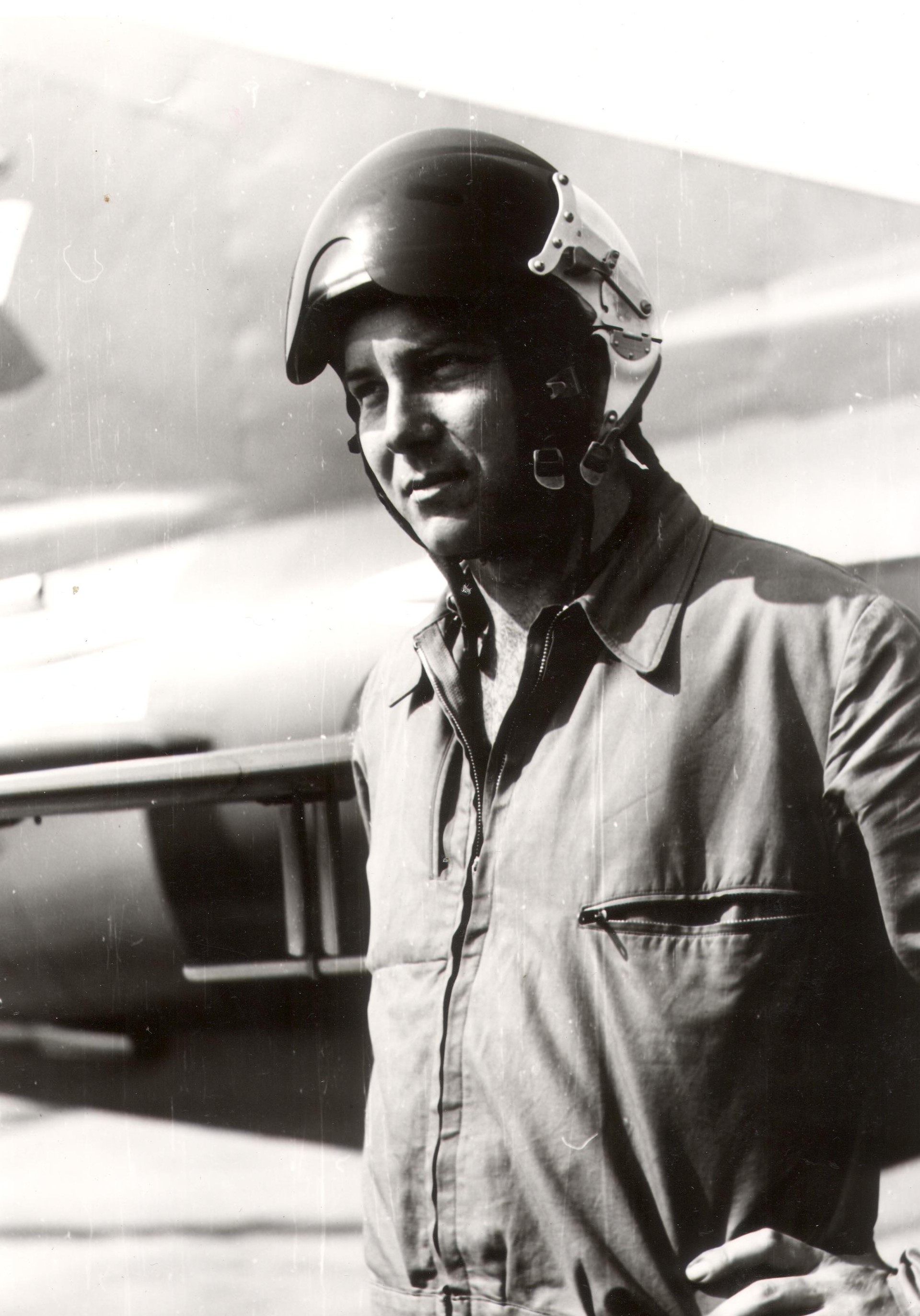
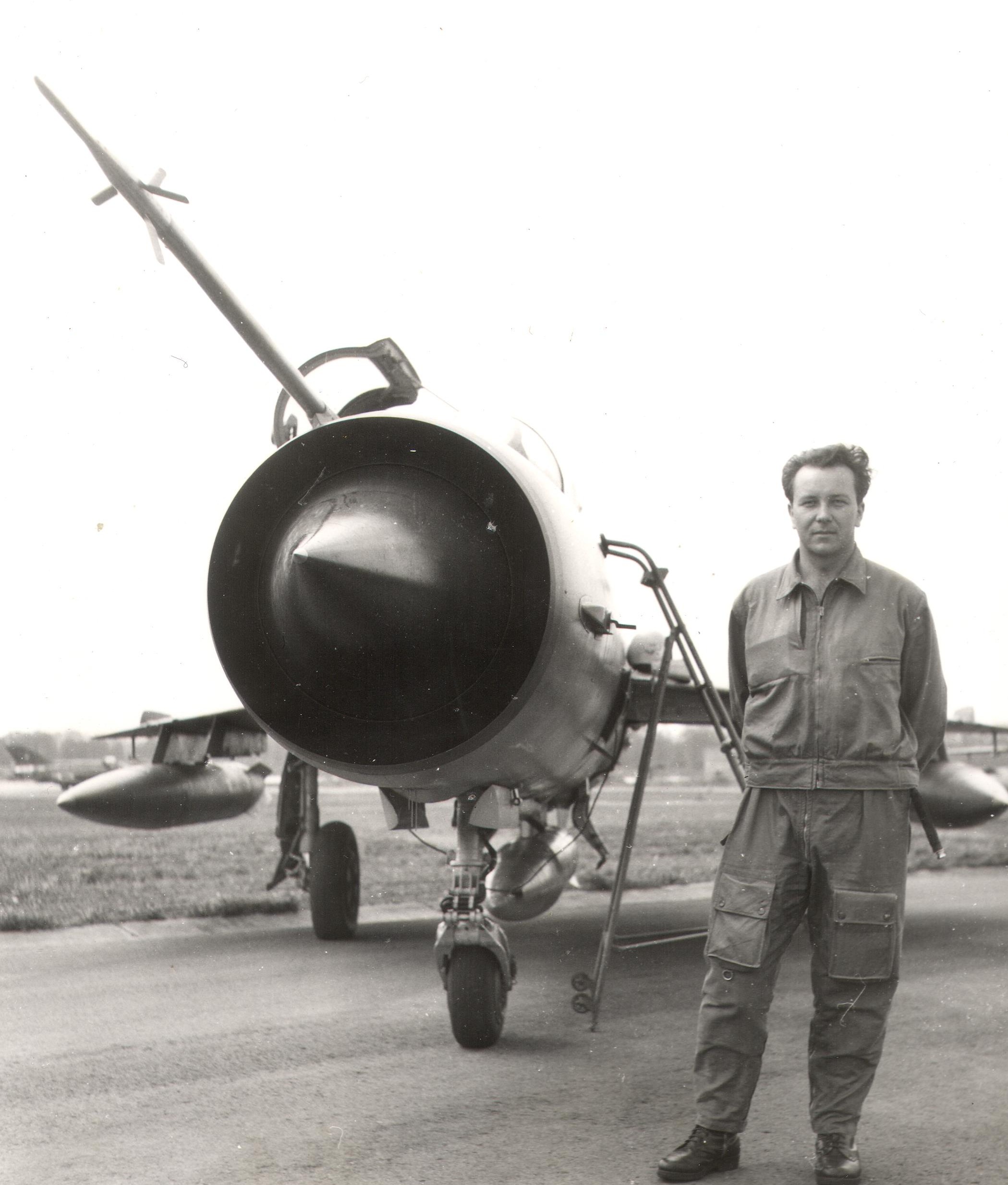
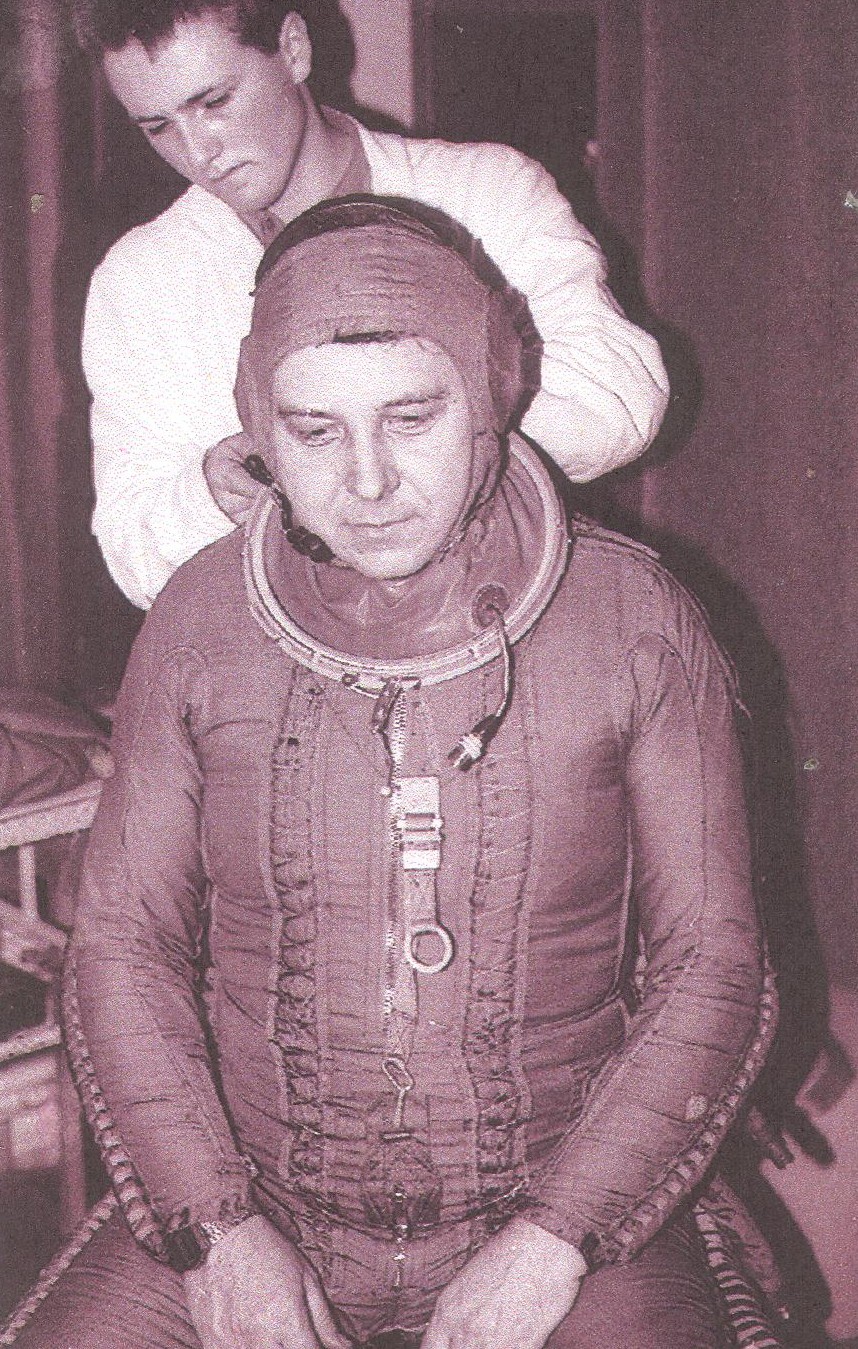
Jiří Ovísek was born in Březce, a part of Štěpánov near Olomouc on 21 April 1937. His parents joined the Communist Party of Czechoslovakia (CPC) after the war and his father served as the chair of the local committee (MNV). When the witness was a child, the family hid in the cellar for three days because of heavy combat action at the end of the war in 1945. The witness apprenticed at Elektromontážní závody in Olomouc-Holice, then found his way to aviation, also thanks to his older brother František who was a pilot. He started flying gliders, and he entered the aviation school in Prostějov in 1955. During his military career, he served with an aviation unit in Sliač, Slovakia and then in Přerov from 1965. He piloted the MiG-15, Yak-11 and supersonic MiG-21 MF. He completed an electrical engineering high school remotely. He did not join the CPC, which restricted his career progression. He witnessed the invasion in August 1968 as a professional soldier. In January 1979, he survived a serious accident in a MiG-21 MF when the aircraft stopped responding and he ejected near Dolní Němčí. He was temporarily reassigned to another job, then returned to flying as an instructor in a school regiment. He retired from the military in 1984. He went back to electrical engineering, working as head of electrical maintenance at a coop farm, and as a freelance inspection technician after 1989. He served three terms as a town councillor in Lipník nad Bečvou (2003-2014) and chairman of the local committee in Podhoří.