Vladimír Oravský

* 1947

  • "I was terribly disappointed by what I think I told you at the beginning, and it's that people were terribly money oriented... Money, money, money, money was everything, and I was so disappointed. I believed life was about something else than money, especially living in freedom. Besides, the people were afraid. They were afraid in Bratislava, at least they told me that there were many gangsters who could kill you or rob you or something. It was a very bad atmosphere that I never knew in Sweden. People, at least at that time, were never afraid, sometimes they didn't even lock their houses, and they didn't talk much about money but of course they made very good money."

  • "It was in '86, maybe '87. I got to Czechoslovakia through Věra Chytilová. She wrote to the theatre where I was the head dramaturge asking if she could direct, and I was in charge of keeping in touch with her and making an agreement. She had quite a big name in Sweden and she could actually direct a play there if an agreement could be made with her. But Věra Chytilová viewed the West like most of the people I met in Czechoslovakia did. You know, it's good money, you don't have to work too hard, you call all the shots and so on. There may be countries that operate like that, but Sweden is not one of them."

  • "She couldn't get a job anywhere because her husband was locked up at the time. Now, I don't know if I can mention any names - well okay. There was a lady in our house who lived on the other side of our yard, a communist named Šomodiová, and her specialty was employing the people whom the state wouldn't employ during socialism. She employed my mother, and then she took fifty percent of her salary for herself, right?"

  • Celé nahrávky
  • 1

    Praha, 21.01.2026

    (audio)
    délka: 01:27:18
    nahrávka pořízena v rámci projektu Stories of 20th Century
Celé nahrávky jsou k dispozici pouze pro přihlášené uživatele.

I wanted to assimilate as quickly as possible
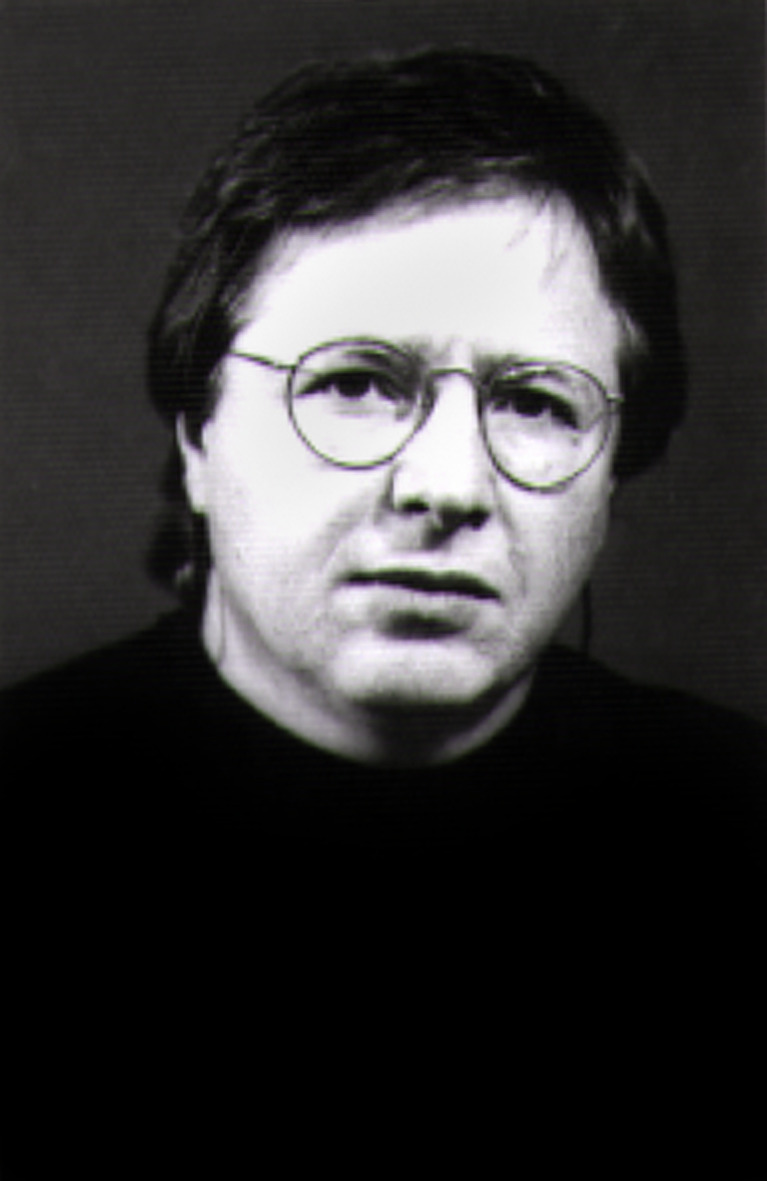
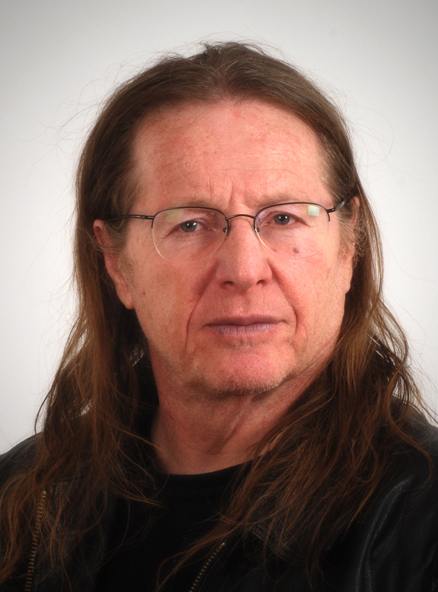
Vladimír Oravský, age 19
zdroj: Witness's archive

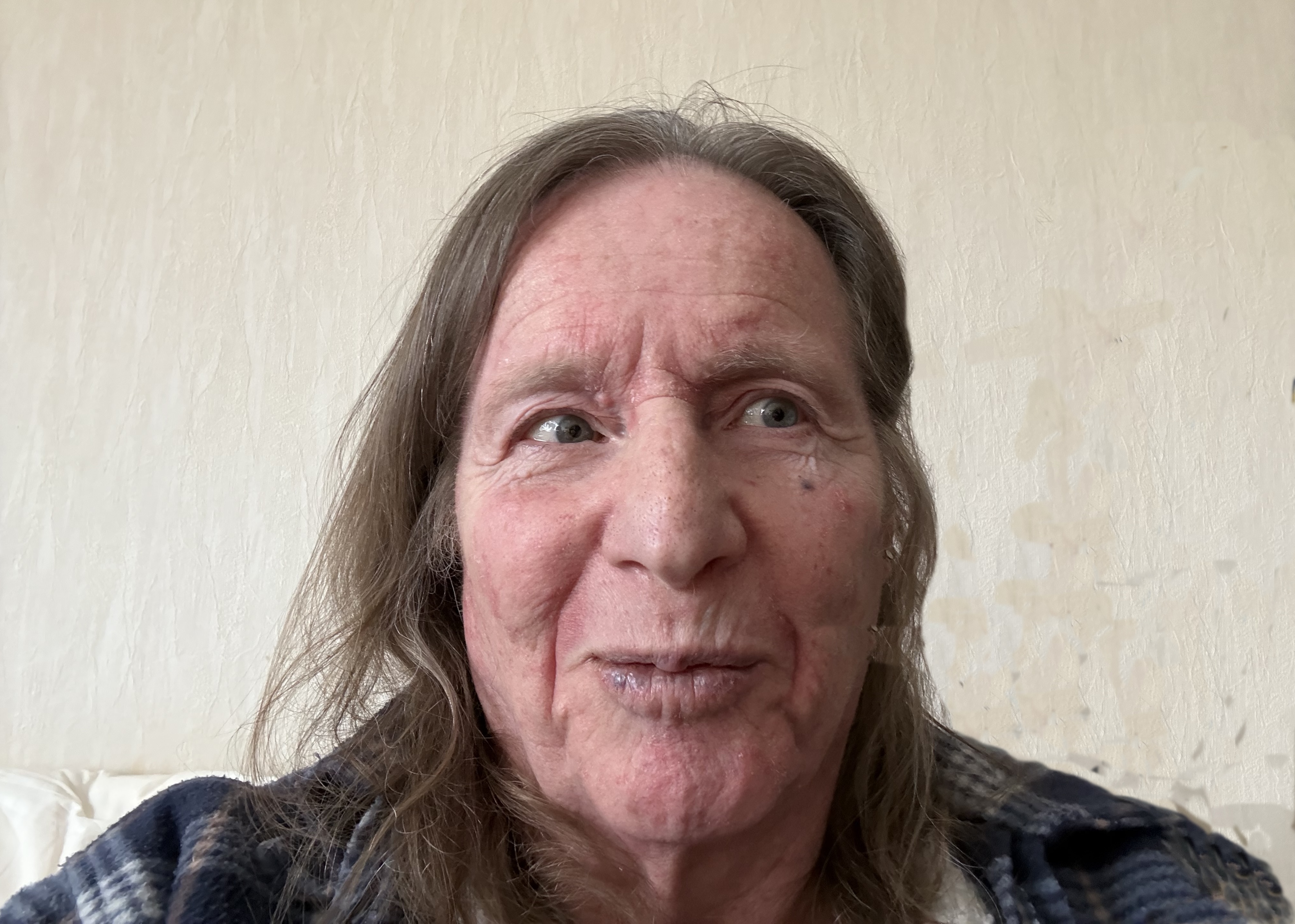
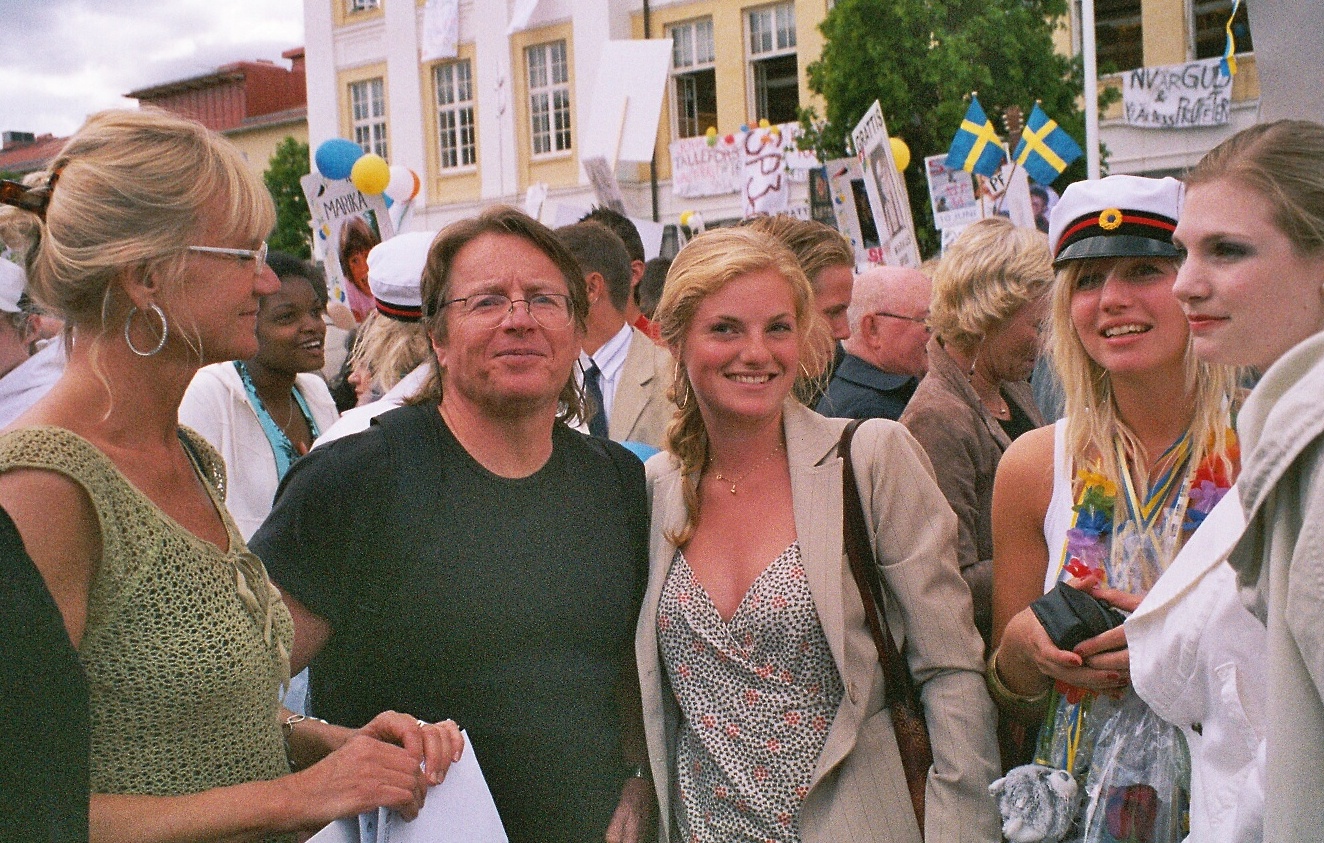
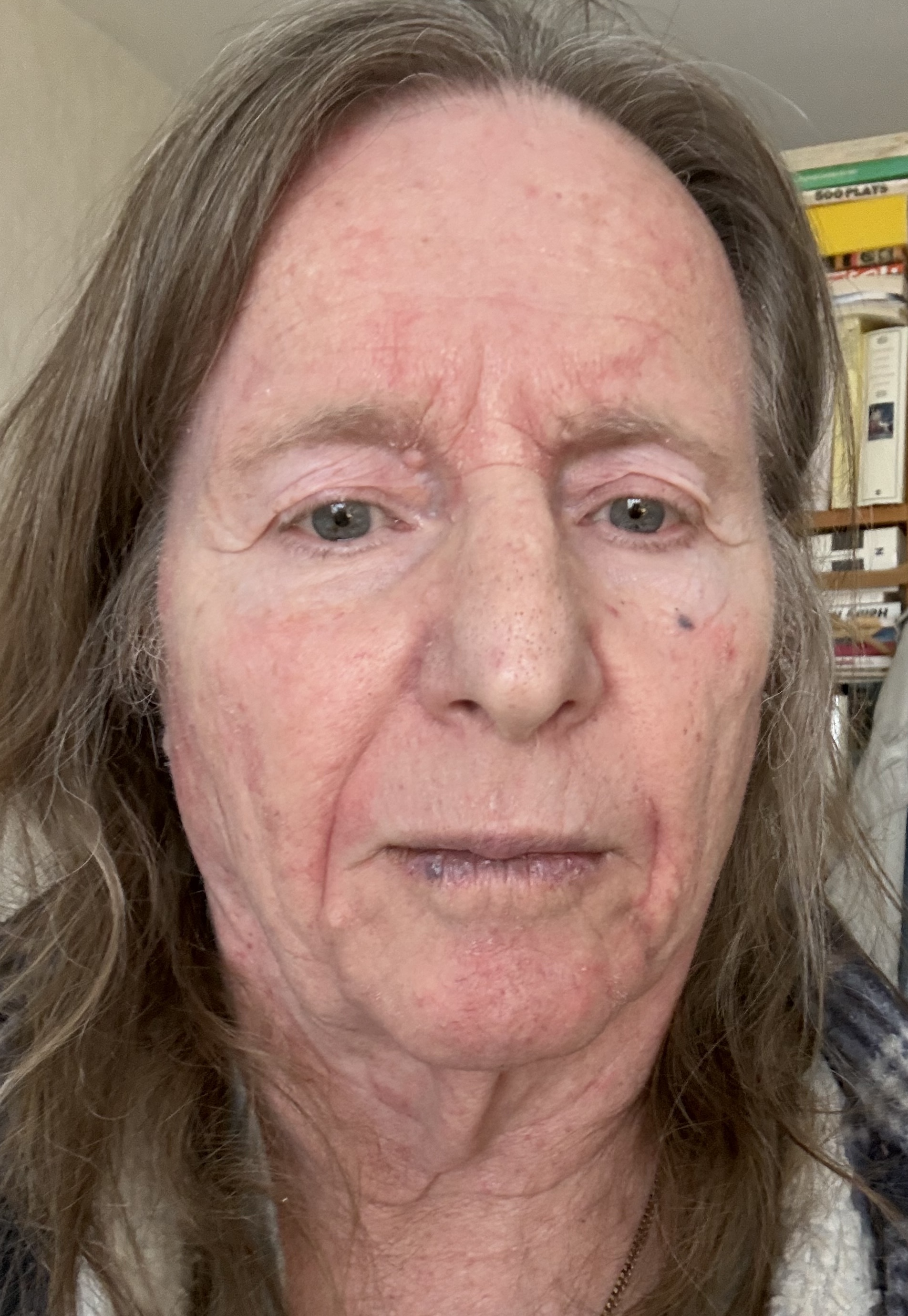
Vladimír Oravský, Swedish director and writer of Slovak origin, was born in Rožňava on 22 January 1947. His father Dionýz Oravský was imprisoned under unclear circumstances in the early 1950s when his family was living in Bratislava and Vladimír faced a tough childhood at age six. His mother Katarína Oravská could not find a job and was eventually employed illegally by their neighbour, a communist who exploited women struggling under the regime. On completing high school in 1966, Vladimír and friends tried to escape to Yugoslavia via Hungary but were caught and sentenced to two years. He was amnestied in early 1968. Vladimír Oravsky fled again shortly after the occupation of Bratislava by Warsaw Pact troops via Austria, Germany and Denmark, eventually reaching Sweden. In 1969, he began studying literature, drama and film at Lund University where he received his Candidate of Philosophy degree. He graduated from Den Danske Filmskole later and worked as a director and gag master. In the 1980s, he became a dramaturge at the Jönköpings länsteater. His film A Day in the Life was selected for the Karlovy Vary Film Festival in 1982 but the screening was cancelled because the film disappeared. In 1986 he met Vera Chytilová in Prague, who was interested in directing at the Jönköping theatre. He visited Slovakia for the last time in 1990, disappointed by the materialism and the atmosphere of fear. From 1990 onwards, Vladimír Oravský worked at the Swedish Forest Agency Skogsstyrelsen for ten years, after which he became head of the Department of Culture at the City of Umeå. He returned to Jönköping later on and began writing full-time. He has written dozens of books, plays, radio plays and articles. In 2026 he lived in Jönköping and is an honorary citizen of Rožňava.