"And when it came to Brno, I remember - once I saw an air raid not reported and planes were flying, it was clear and it was already April, the forty-fifth year. And the planes were flying and the bombs were falling from the planes like when you scatter matches on the ground. So the bombs were falling there on Brno. And it was a big air raid at that time. It was in the daytime and it was Saturday. It was people there in the park, as they used to say, in Koliště, so a lot of people died there. Because there wasn't an air raid in the morning, and there wasn't an air raid at noon, so those people all went out. The sun was shining. And the air raid came."
"Worse off were the girls who had black hair, dark hair a lot. So we didn't know why they beat them up so many times. And I was afraid to stand up for them, to protect them. Because when somebody protected somebody, they beat them even more than the first one. It took a long time."
"They came in plain clothes. They were wearing these black coats and hats. They said something to her at the table, she left everything on the table, just took her glasses and left. And as she was walking from the table to the door, which was quite a way across the row - across the row of benches, she was looking at us, and she was crying. So the older girls that were there, one of them said, then quietly, when we were quiet, she said, 'And she's going to the concentration camp.' And so I always wanted to know what a concentration camp was. Well, that's how we found out, well."
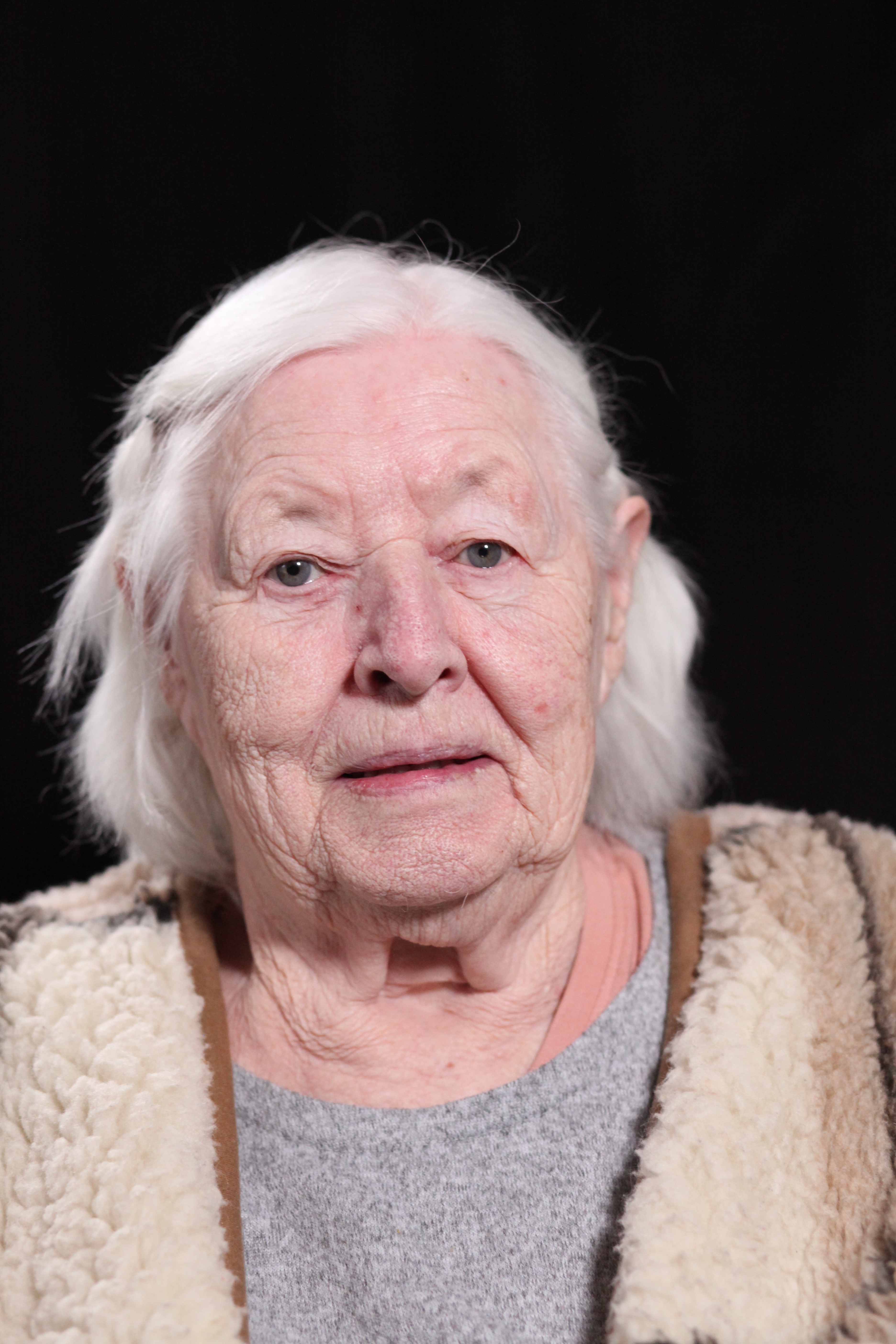
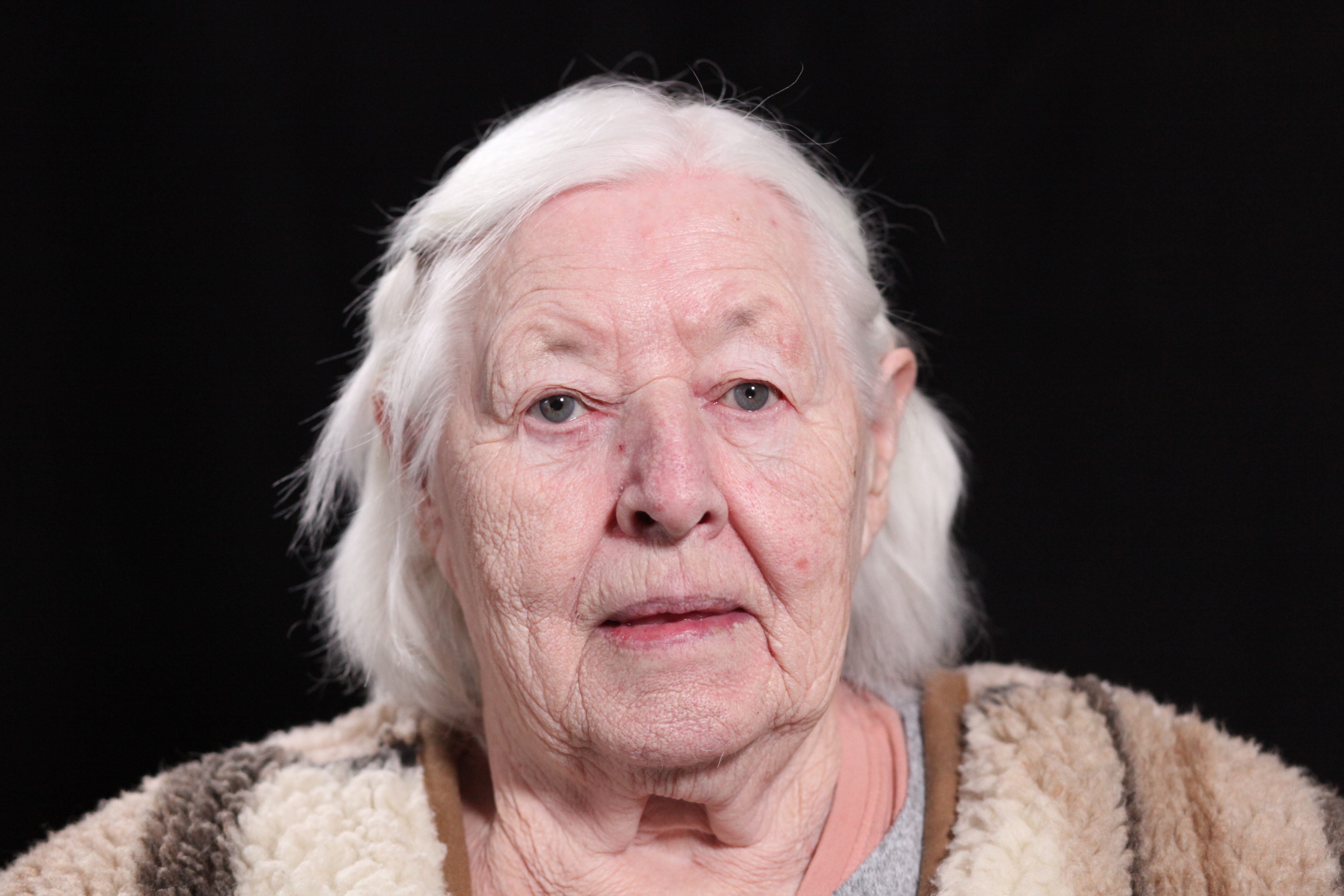
Anežka Marková, née Pišová, was born on 26 December 1928 and grew up in a tailor‘s family together with her six siblings. Their peaceful childhood was disrupted by the Second World War. In Brno, where they eventually moved from Třešt‘, she experienced situations where her teachers were taken away during school hours and she never saw them again. She witnessed several bombing raids on Brno. She saw the death of a Soviet soldier during the liberation of Czechoslovakia and the removal of the Germans. After the war she married twice and gave birth to four daughters. She worked as a domestic seamstress until her retirement. In 2022, when her story was recorded for Memory of Nations, she was living in a home for the elderly in Kostelec na Hané. She died in 2024.