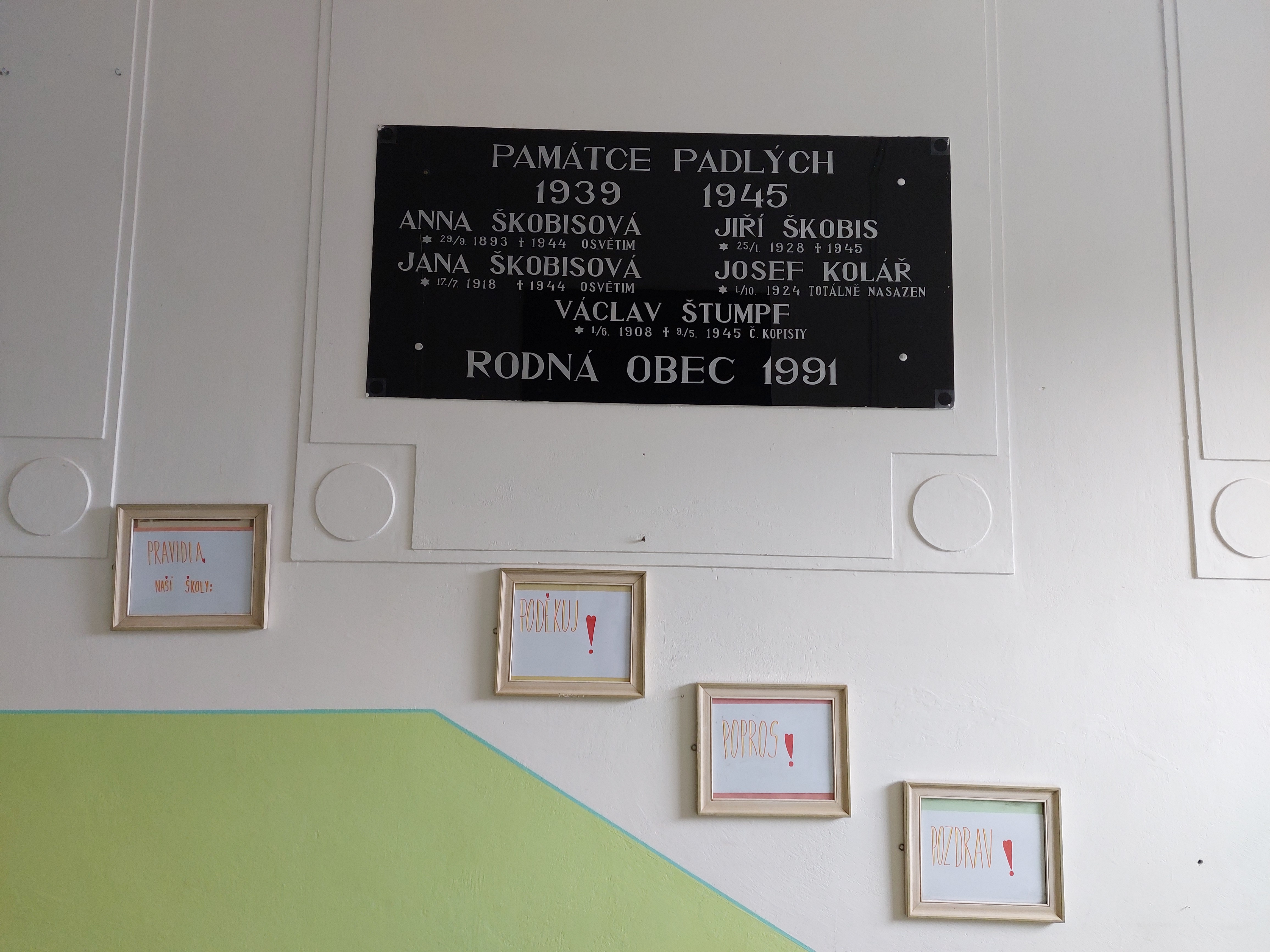
"Suddenly, the Russians arrived. We welcomed them with bouquets of flowers. It was very moving. Gradually, they settled in Kopisty. There were some very nice people among them. There was even a boy named Alexander, who was about fifteen years old. I remember that I was friends with him the most. Then word spread in Kopisty that one of the soldiers had shot his friend. It caused quite a stir. I asked my mom what they would tell his mother about how he had died. My mom thought about it and then finally said that they would make him a war hero, that he had fallen in battle. He is buried in Počáplí, the parish we belonged to. It is a kilometer upstream from us on the Elbe River. Sometimes I light a candle for him there. I admit publicly today that I tore off the hammer and sickle that someone had placed on his tombstone. He thought that's how it was supposed to be.
“I wanted to mention that it wasn’t that simple. It was a hard blow when they came to us that afternoon and said, ‘You’re moving tomorrow.’ But we told ourselves, ‘We’ll get through this. The main thing is that we stay alive and healthy.’ My sister Jana, the youngest of us, was ten years old. She loved her little cousin in Kopisty, whom she visited every day. She was such an exemplary nanny. I used to say to myself: ‘She’ll be a kindergarten teacher. She was born for it.’ Jana took the departure very hard. When we moved, we arrived in the evening. The farm manager also lived on the floor where we lived, and his wife was very kind and took the little children to their home. Our Jana spent a week crying or sleeping. She couldn't get over it at all. She missed Vendulka terribly. She then went to school in Morašice in the neighboring village. A married couple taught there, who apparently wanted to please the party and the government, and they treated Jana very differently than the other children. They put her down, looking for mistakes she made and things she did wrong. It depressed her terribly. Her brother was in a similar situation, but he was more resilient. Jana then became depressed and was in a bad state. When we returned, she developed schizophrenia. The doctors said it was due to the mental trauma she had experienced. The state and the regime showed their true colors by causing such a thing."
"They arrested my grandfather, who was 70 years old at the time. They arrested my uncle Miloš, who ran a very successful farm in Hrdly, and they arrested my uncle Vašík, who ran a farm in Kopisty. Mirek was the fourth son, the youngest. He emigrated and fled to France, where he stayed until his death. And now: 'What will happen to us?' My mother had already received a house from my grandfather, a small cottage. It is a nice building, very old, but well maintained. My grandfather and grandmother lived there, but they took everything away. They wrote somewhere that the house even belonged to the soldiers. They made up such nonsense. They were all sentenced to five years in the first hearing. Grandpa was also tried for overpaying people. He wanted to have as many of them as possible because he had high quotas. So grandpa got I don't know what part of the sentence for overpaying, for not delivering the cauliflower quota. That year, at the time of the trial in the fall, sometime in October, cauliflowers were still being harvested. It was a very productive year."
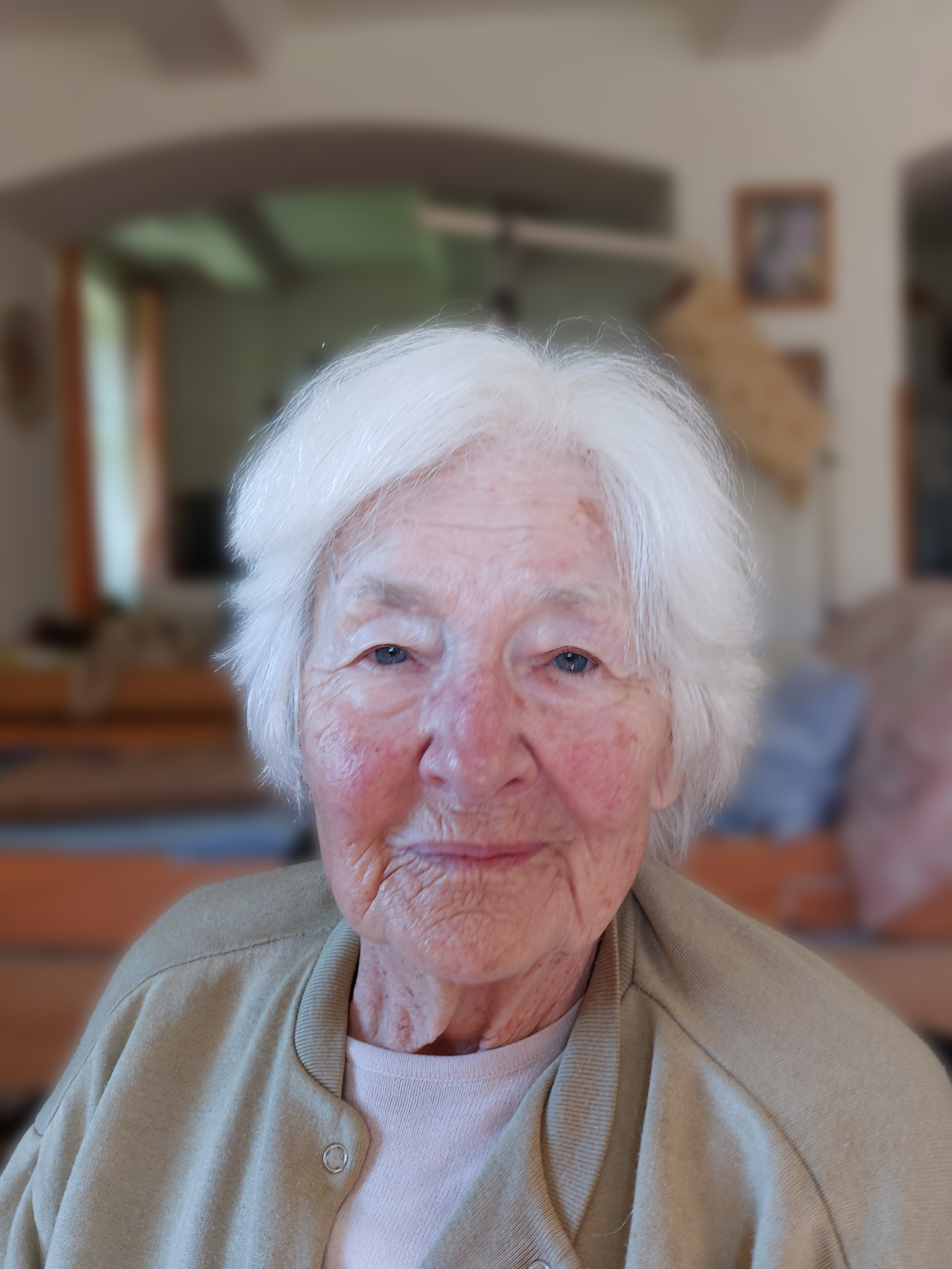
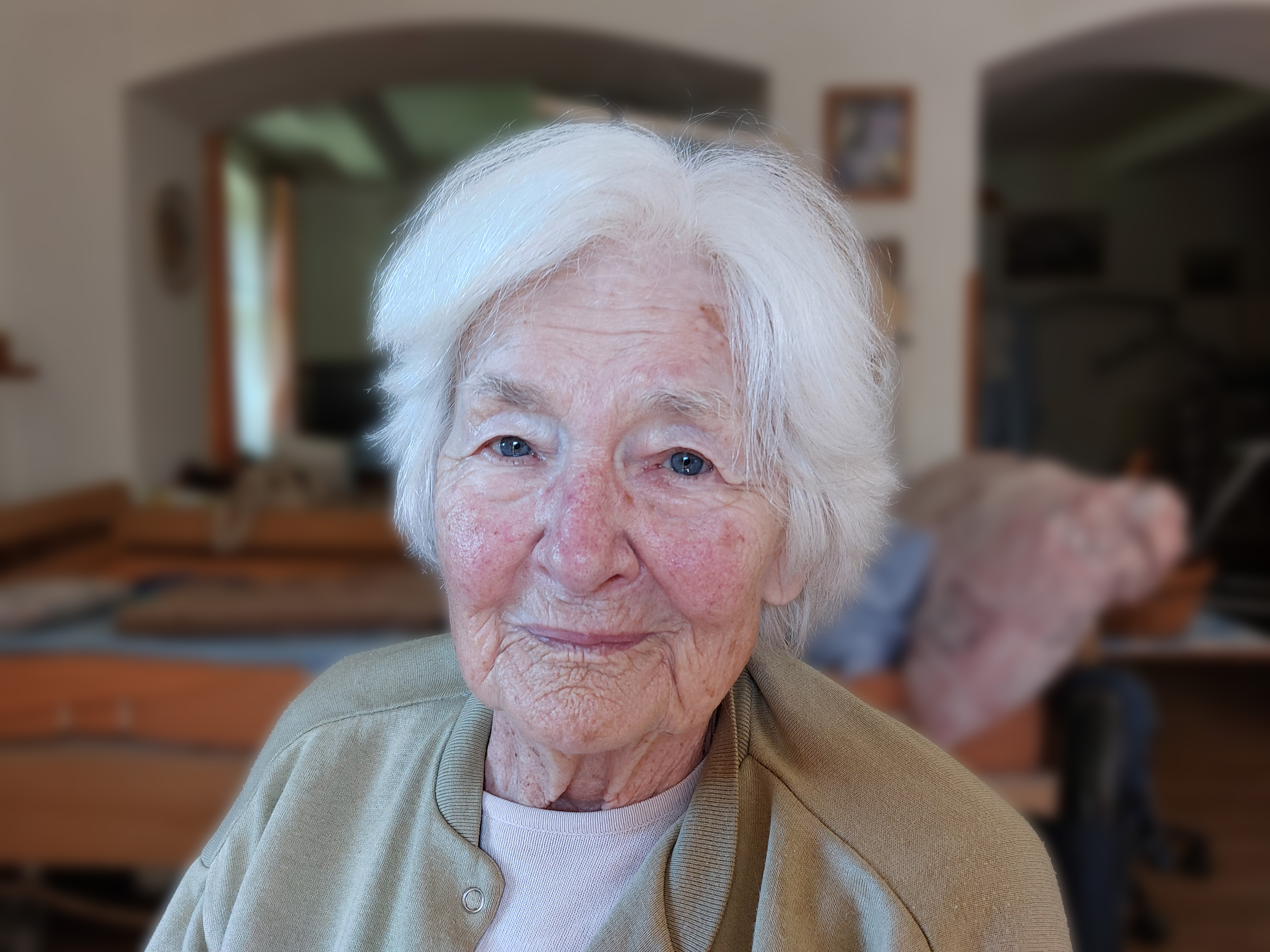
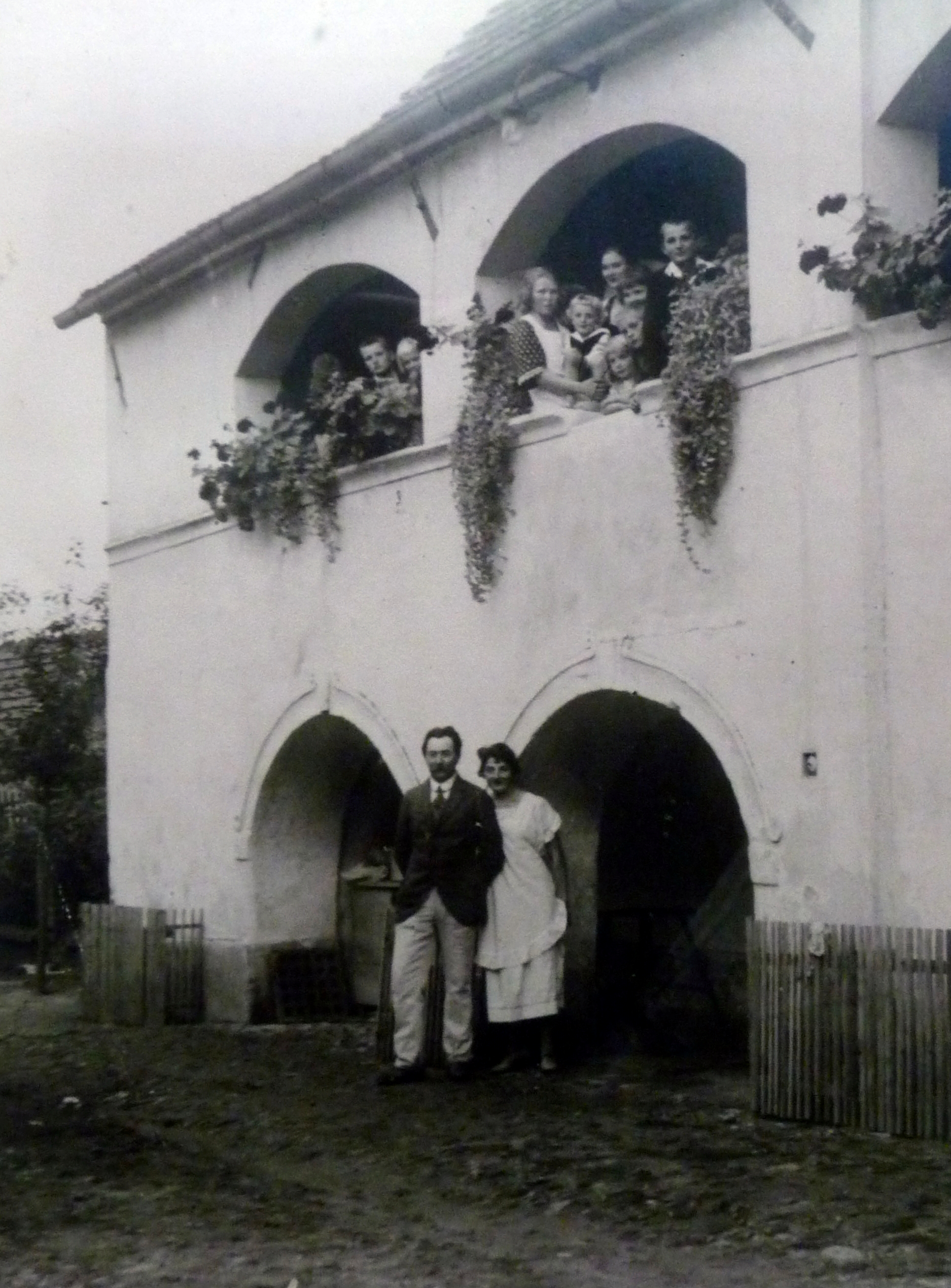
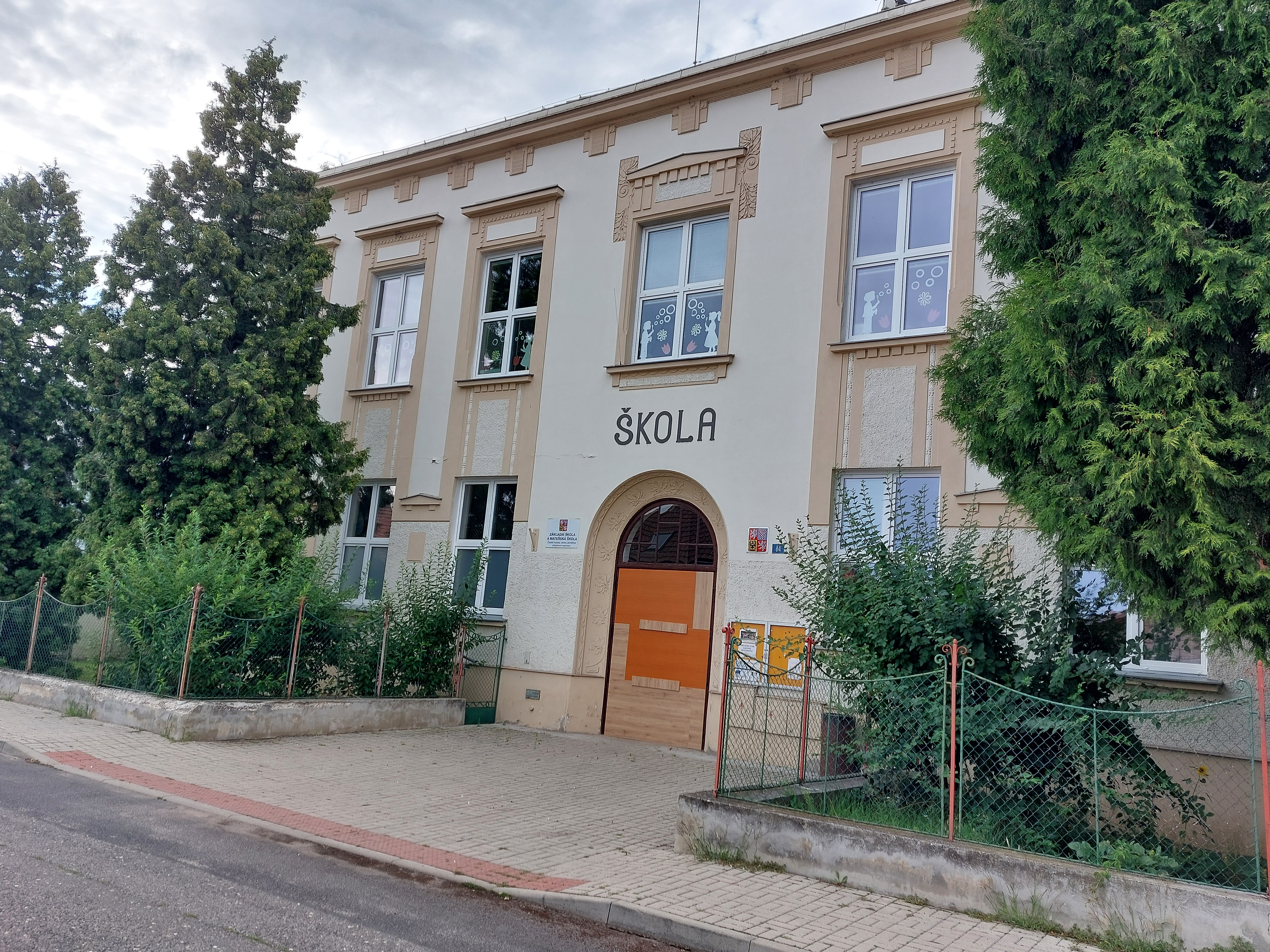
Libuše Lvová, née Nejtková, was born on September 17, 1934, in České Kopisty, located about one kilometer from the Small Fortress in Terezín. Her father, Jiří Nejtek (*1912), was the son of the chief physician at the Terezín military hospital. Her mother, Libuše Nejtková, née Strádalová (*1917), came from České Kopisty. Libuše Lvová‘s grandfather, Václav Strádal, built a prosperous farm in České Kopisty, where she grew up with her parents and two siblings. She attended primary school in České Kopisty. In 1913, her mother‘s uncle, Václav Škobis, who was the local mayor at the time, helped establish it. At the end of the war, Libuše Lvová‘s family employed prisoners from the Small Fortress, whom they tried to take care of as best they could. After the war, Germans from the internment camp in the Small Fortress also worked for them. After the communist coup in 1948, her grandfather Václav Strádal‘s farm was nationalized as part of the Kulak campaign, and in 1953, he and his two sons were sentenced to five years in prison for sabotage in a staged trial under Section 85, Paragraph 1 of the Criminal Code. The communists then forced Libuše Lvová‘s family to move to Sedlišťka near Litomyšl within 24 hours of receiving the relocation decree. She enrolled in her final year at the Secondary Pedagogical School in Vysoké Mýto, where she graduated in 1954. František Bouša, the headmaster of the Secondary Pedagogical School in Litoměřice, helped her graduate despite her class background. He concealed the reason for her move in the documents. After graduating, she worked as a correspondent for Vertex in Litomyšl, a company that developed and manufactured glass fiber fabrics. In 1957, she moved to Prague, started a family, and later studied four semesters of defectology at the Faculty of Education of Charles University in Prague while working. She then worked for 20 years at the Motol Hospital in various children‘s departments as a teacher. At the time of filming in 2025, she was living in her cottage in Liběšice. She died on June 28, 2025. We were able to record the story of the witness thanks to the support of the city of Litoměřice.
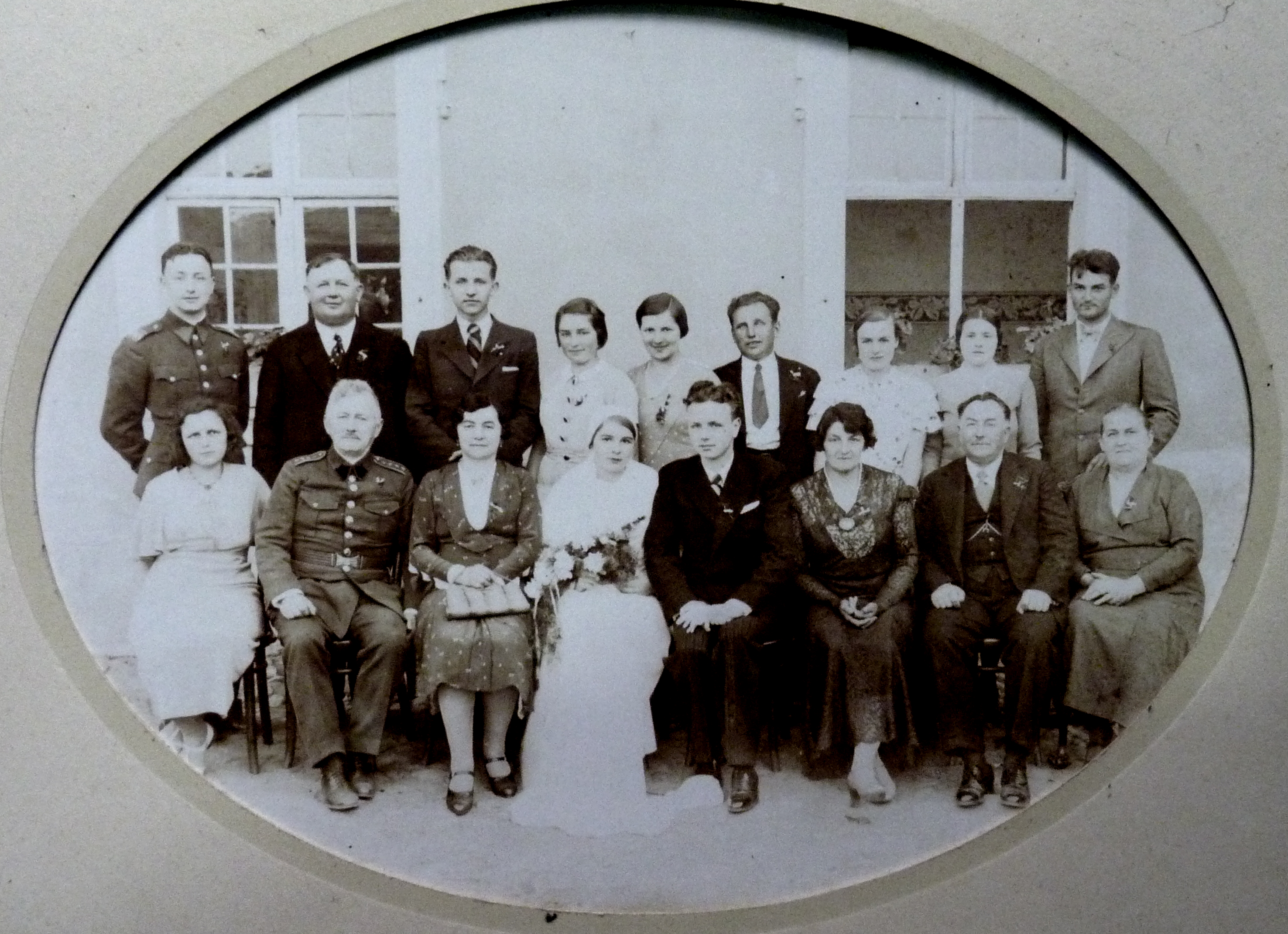
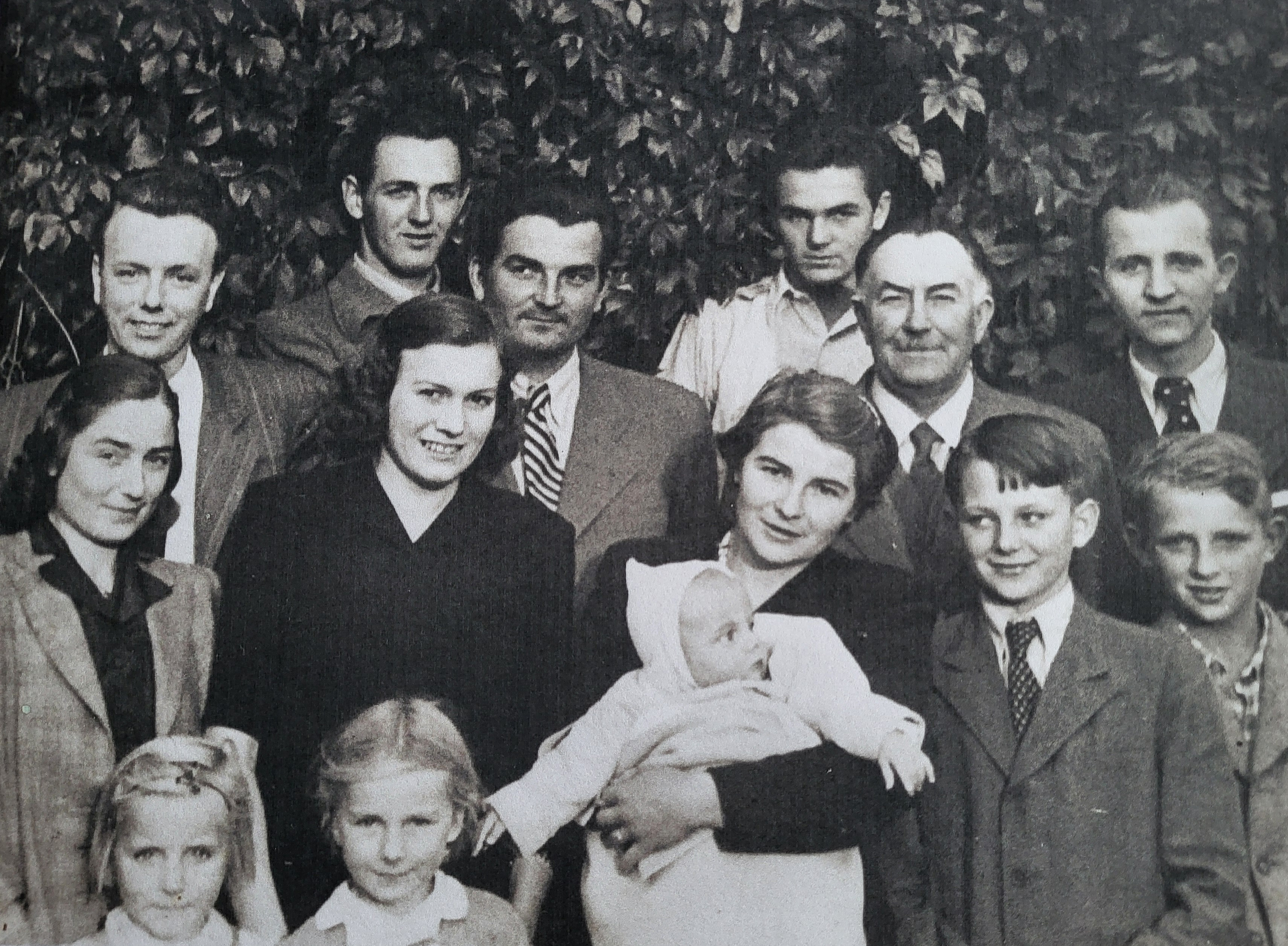
In the back from the left is Libuše Lvová's father Jiří, then Václav, Miloš and Miroslav Strádal, grandfather Václav Strádal, Jaroslav Zilvar - husband of her mother's sister Drahomíra. Drahomíra from the left in the middle, then Zdena, Miloš's wife, mother Libuše Nejtková with her son Petr and the witness, Milan and Jan Zikmund
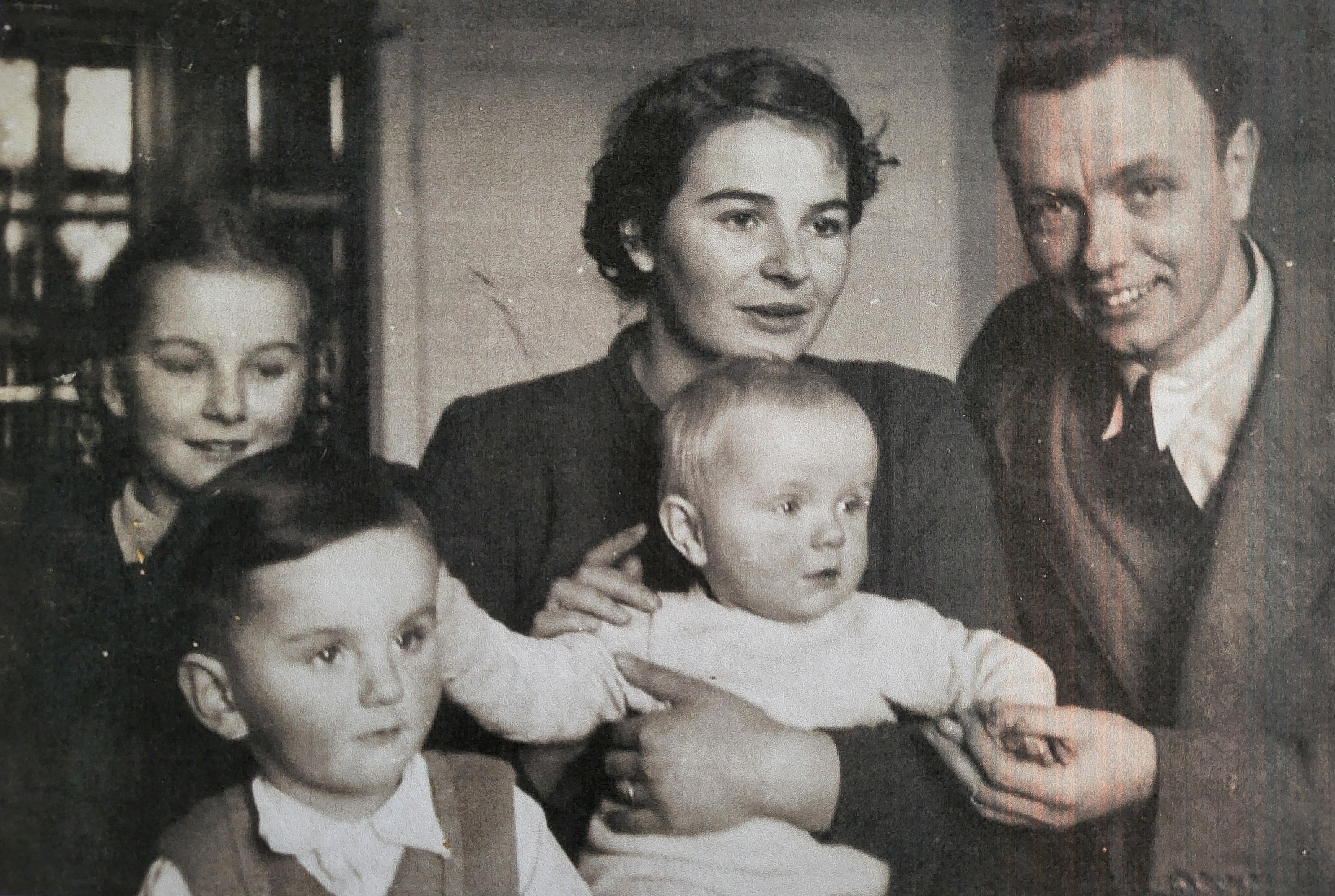
In the back from the left is Libuše Lvová's father Jiří, then Václav, Miloš and Miroslav Strádal, grandfather Václav Strádal, Jaroslav Zilvar - husband of her mother's sister Drahomíra. Drahomíra from the left in the middle, then Zdena, Miloš's wife, mother Libuše Nejtková with her son Petr and the witness, Milan and Jan Zikmund