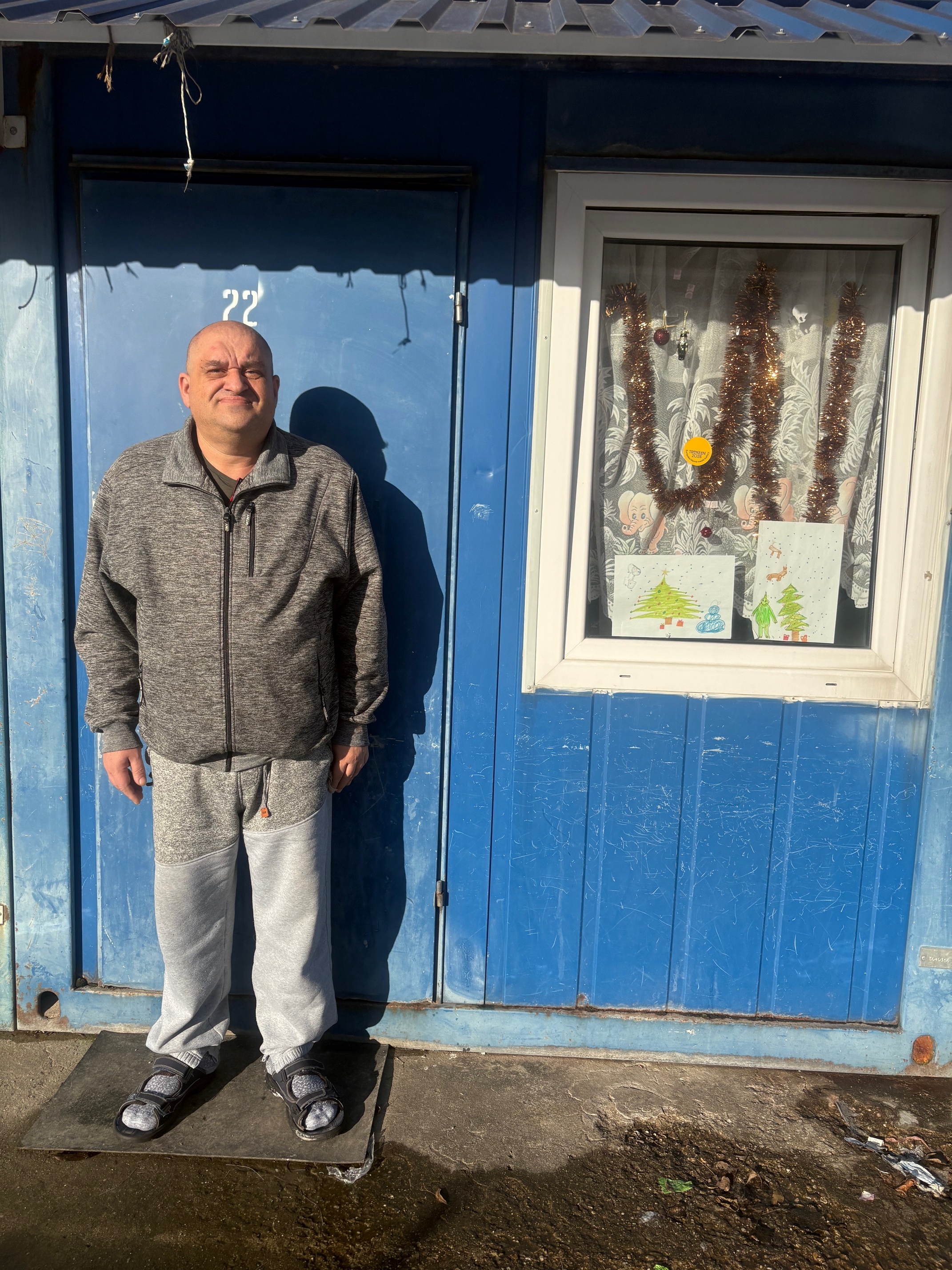
Juraj Kuzma

* 1970

  • “That was my luck, that I didn’t just live within our own group, but among other people too. I grew up in an environment where there was something to learn from every side. Whether it was learning how to hammer a nail properly in the workshop with the men or how to use a drill. My mother, on the other hand, taught me how to wash clothes, cook, and clean. I was never pushed aside with comments like: 'You can’t do this now,' or 'Go away, you're not doing that.' I was always included; they always got me involved. Even if I ended up wetter than the laundry itself, as they say, I was still washing. And I enjoyed that. So, in that sense, I was lucky – I always crossed paths with people who taught me something.” 1:46:24 – 1:47:22 – Juraj was lucky to have people in his life who taught him valuable lessons.

  • “Let me tell you this. It used to be that when children came from these Gypsy families – especially if their parents had gone to school – the school psychologists at the enrollments would more or less push them all toward special schools because they knew the parents. But now, I appreciate the current law, where it’s not the school psychologists, but psychological centers that determine whether a child has the potential to be in a regular primary school or a special one from the start. Personally, I am against a child going to a special school right from the beginning. Every person develops over time, and as a child gets older, they receive more stimuli from life. I think they should be kept in regular school until the second, third, or fourth grade. If it doesn’t work out, there’s no problem transferring them to a special school then. But why prevent them from developing right at the start of their life? That shouldn't exist. It doesn't matter if it's a Hungarian, a Russian, a Black person, an Arab, or a Muslim. A child should always have the opportunity to start in a regular school. Even with kindergartens – those who attend a regular kindergarten have a much better chance of getting into a regular primary school.” 1:49:04 – 1:50:37 – Juraj believes that all children should get the same chance to receive an education as children from the majority.

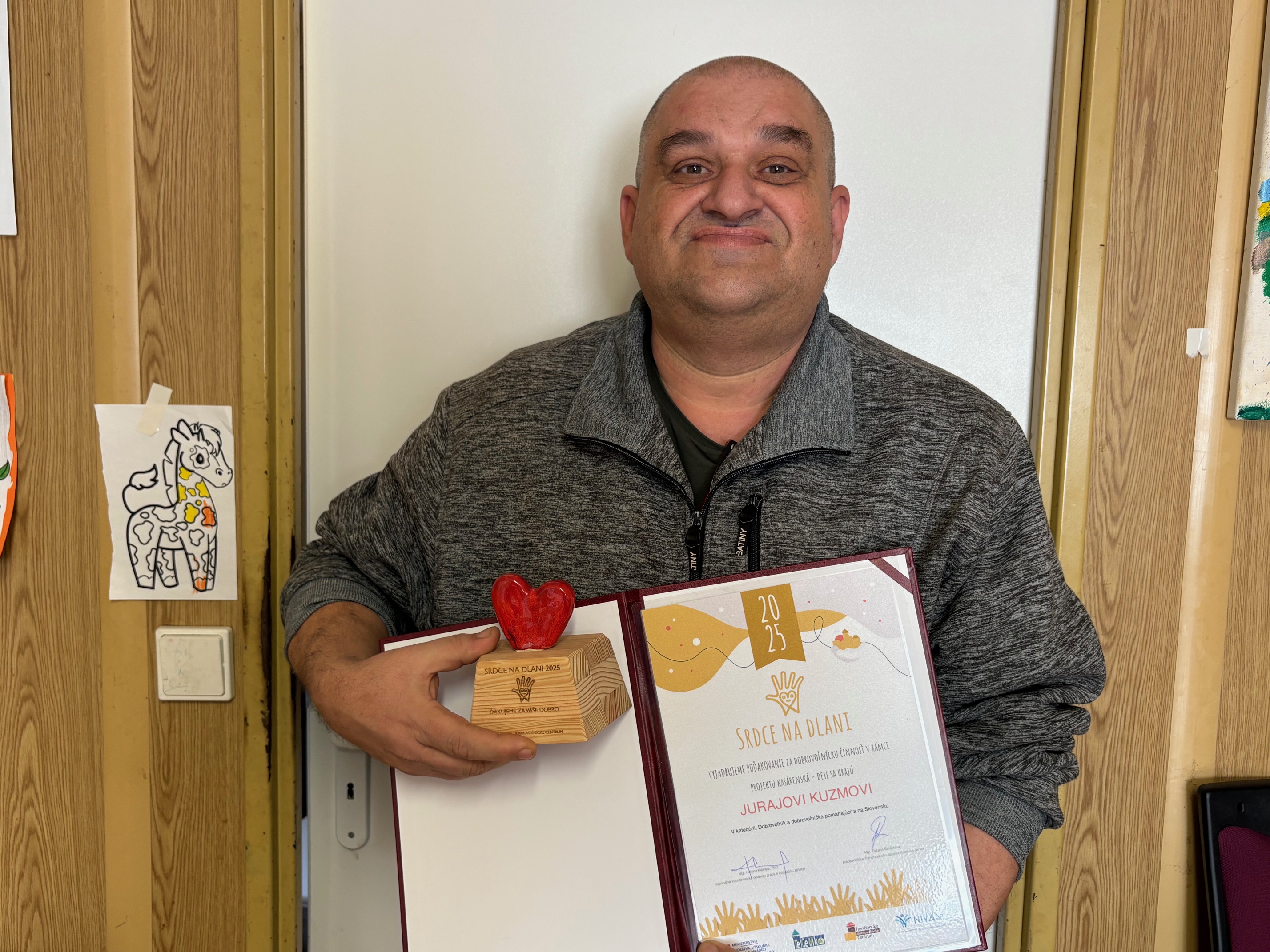
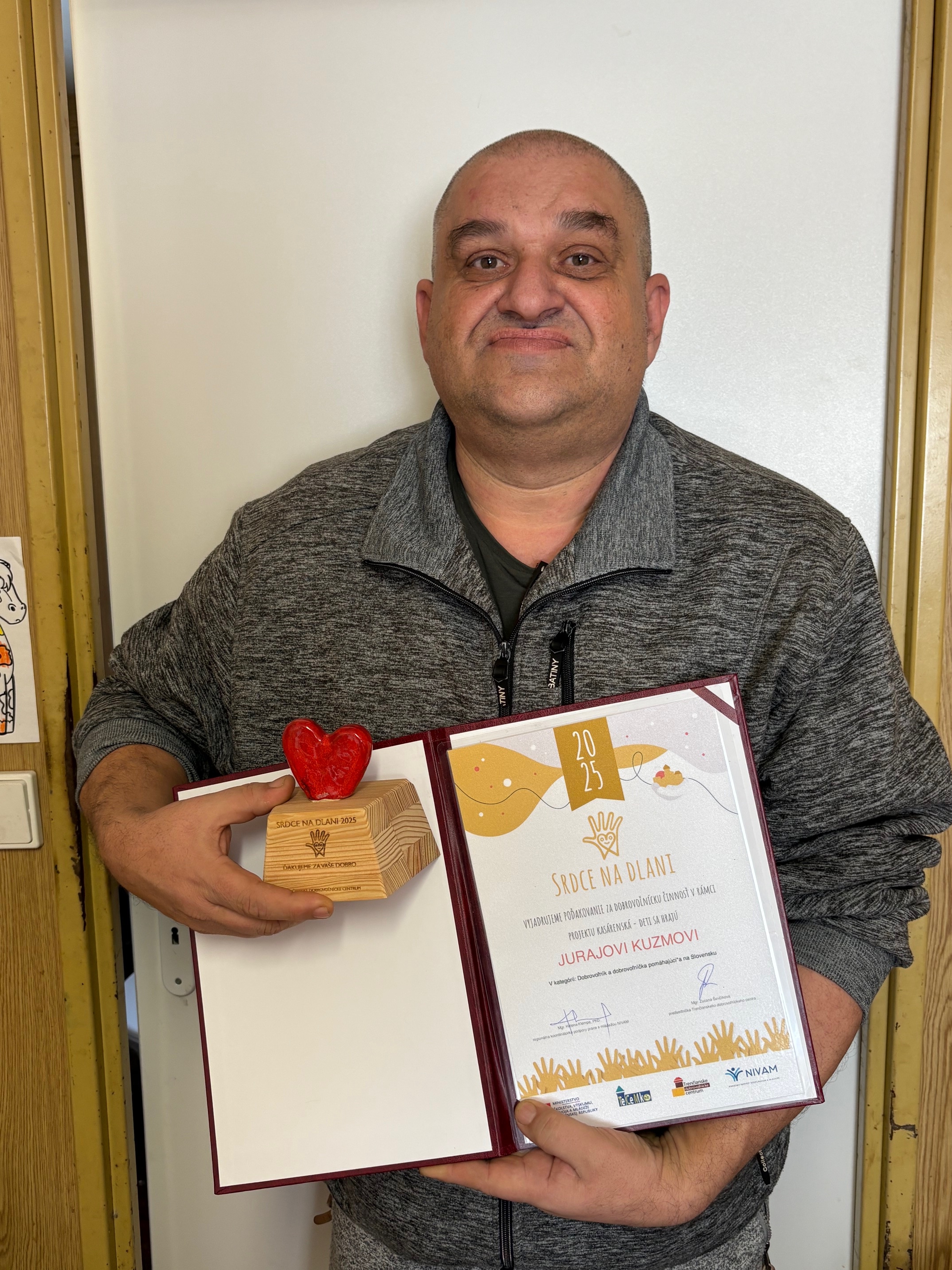
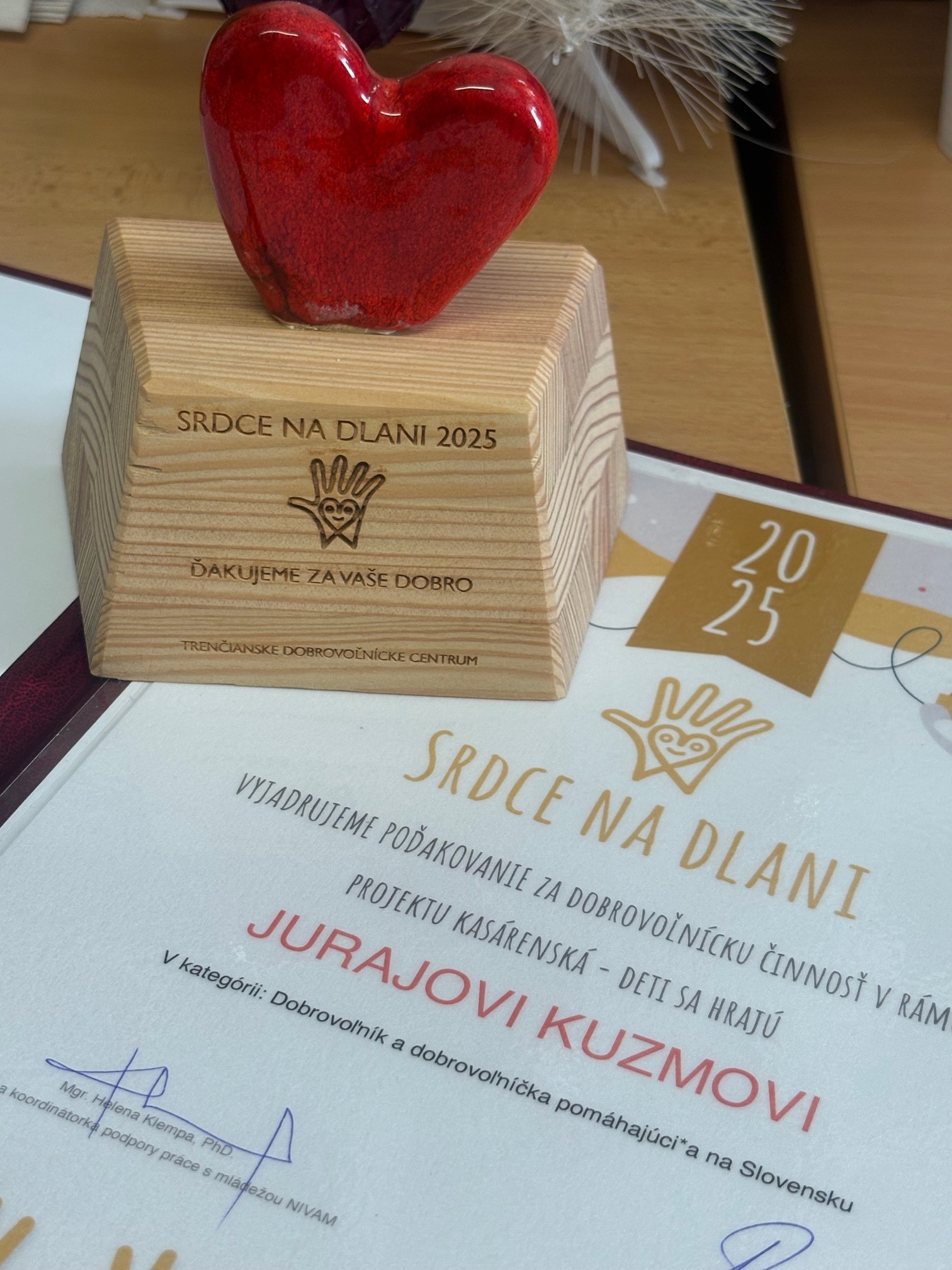
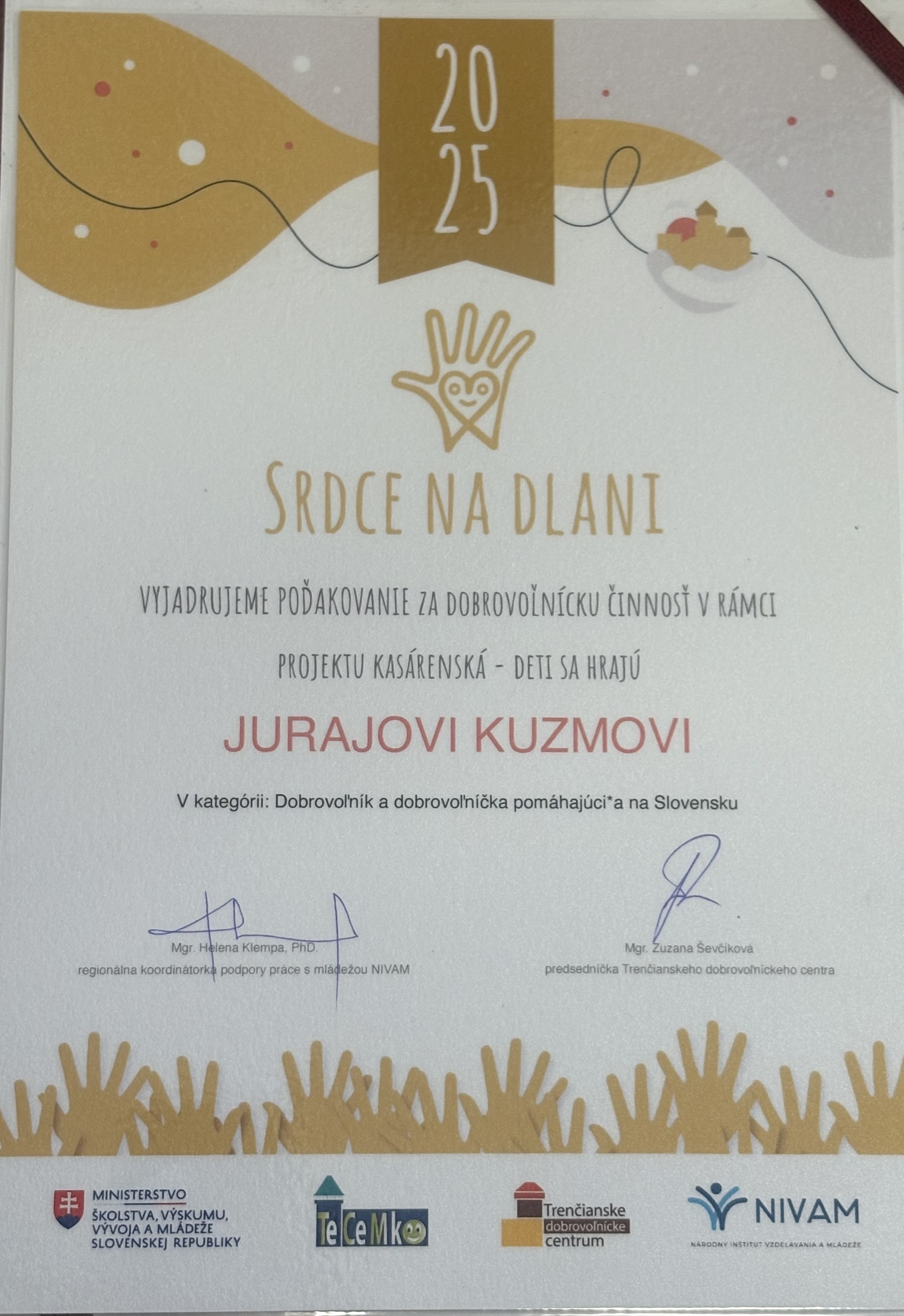
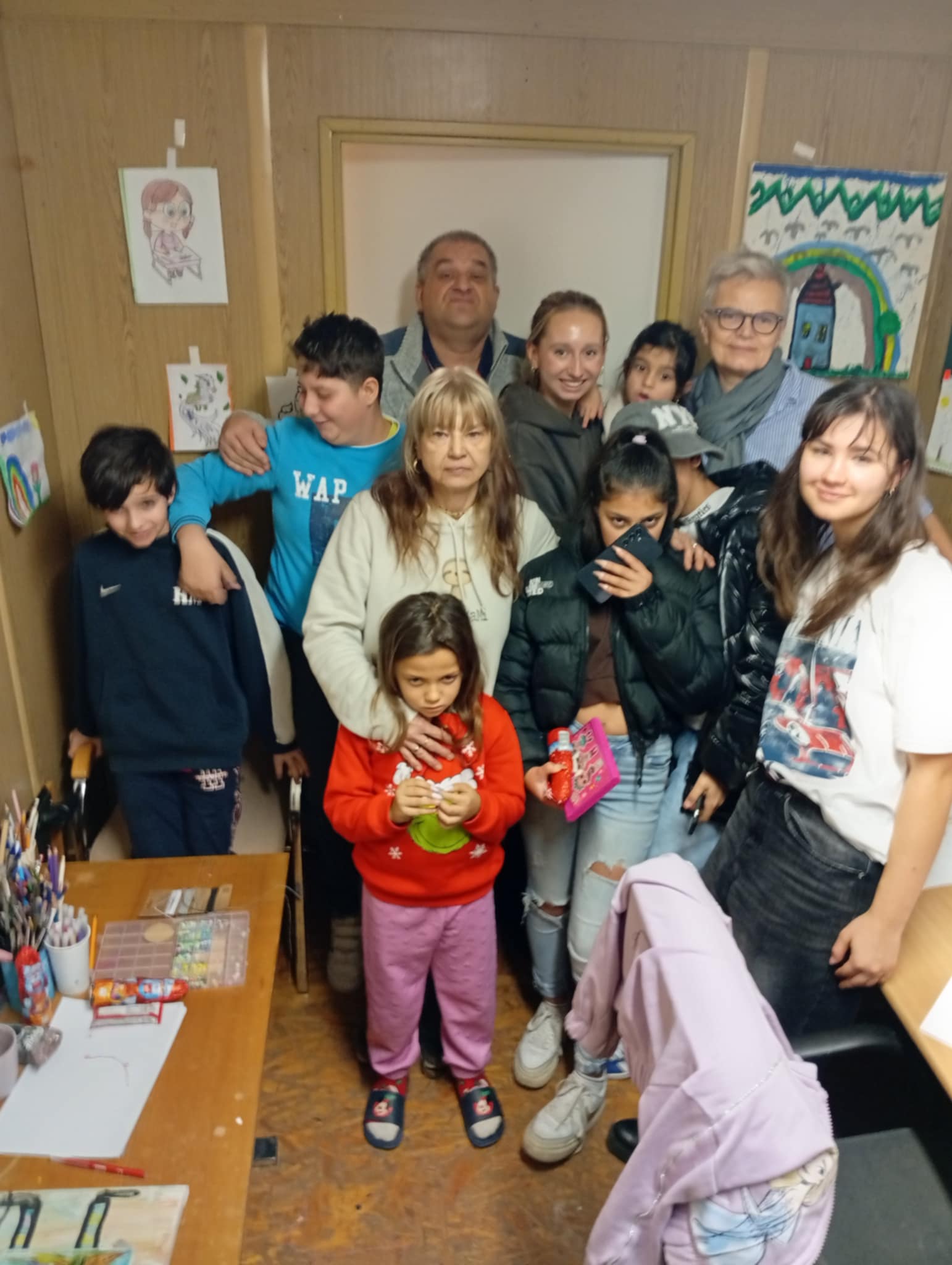
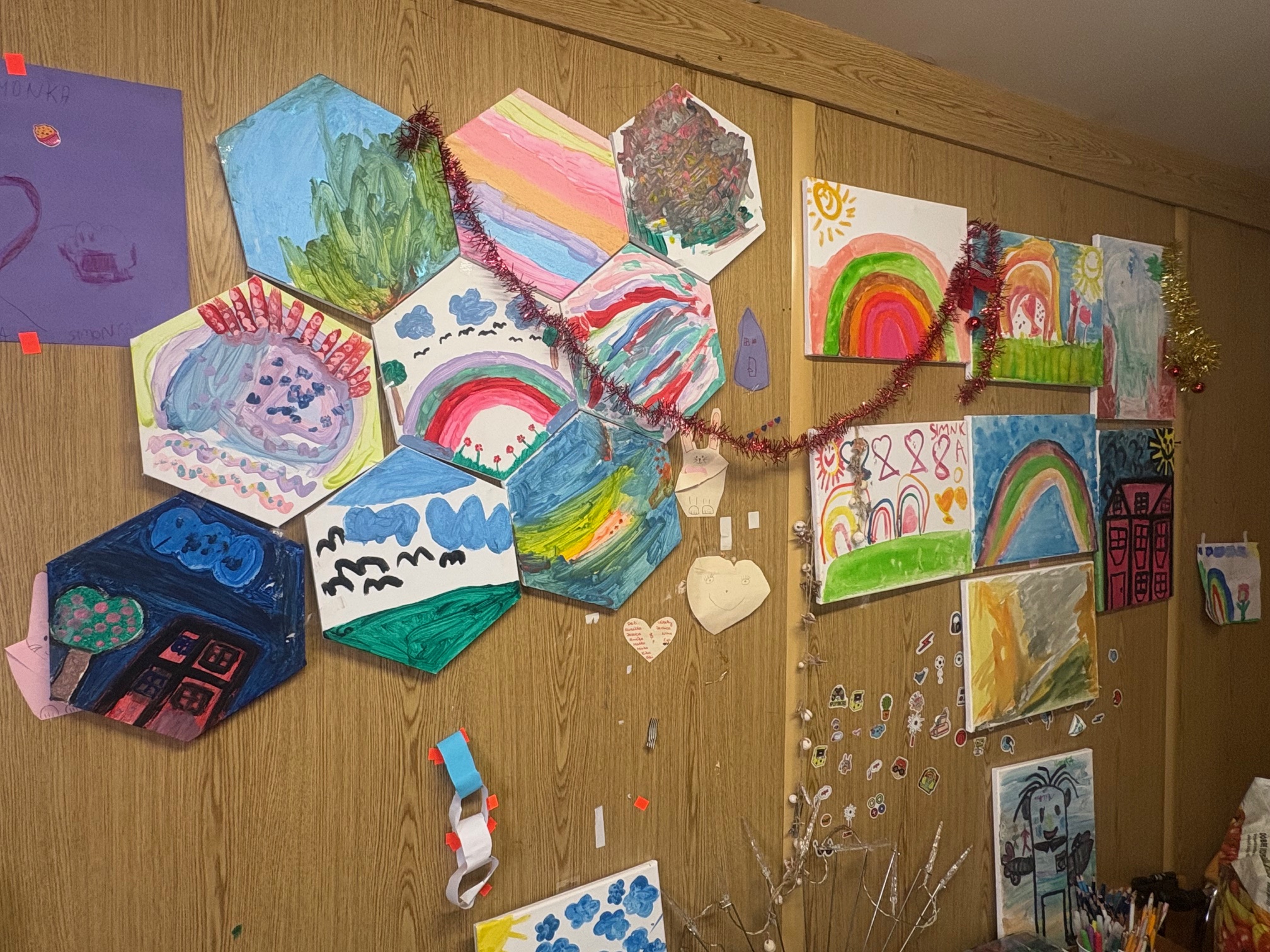
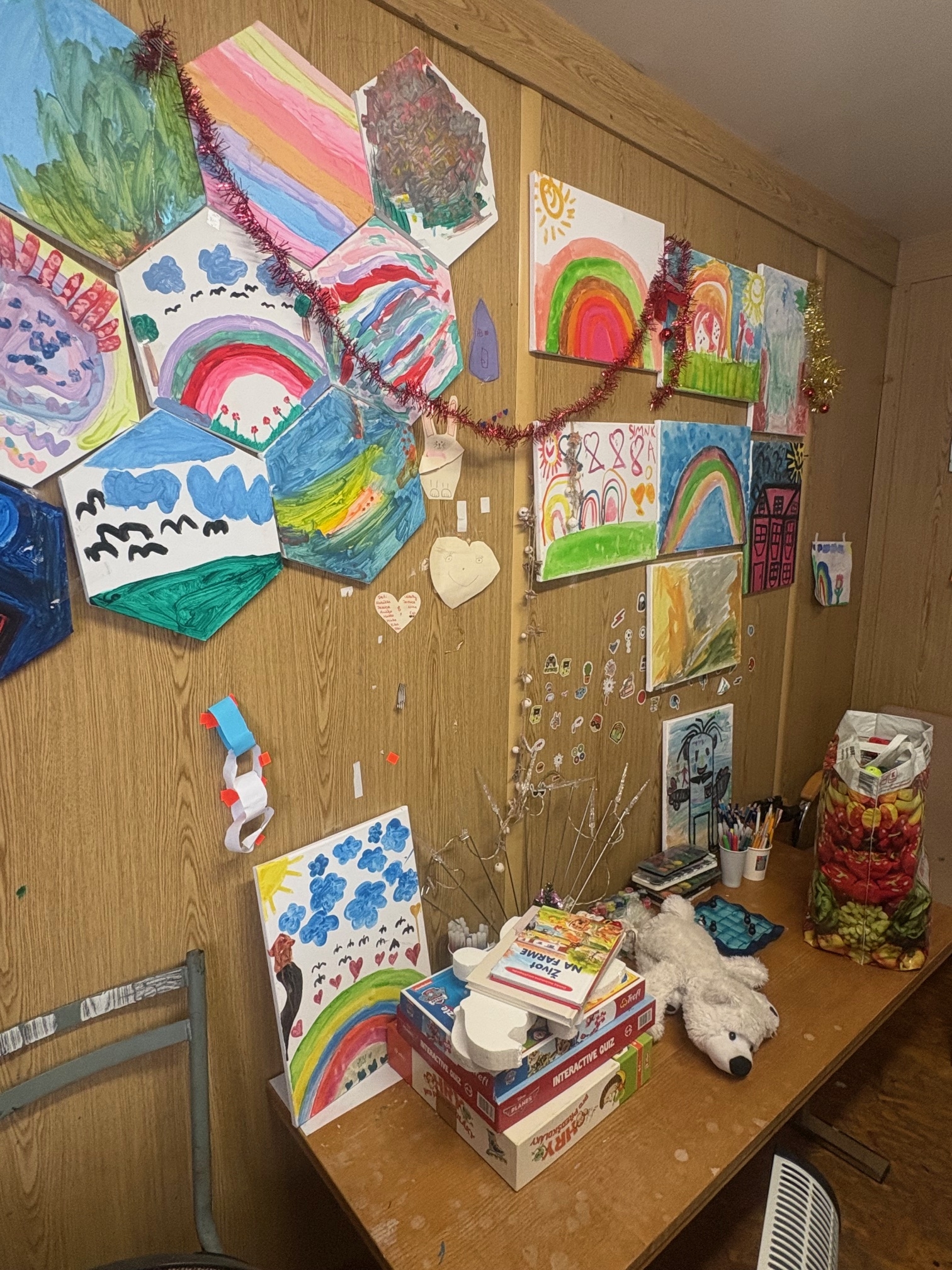
  • “And what does it mean to you? A huge, wonderful feeling in my heart. It’s not just the feeling that I’m doing something for those kids; I know that when I do something good for them, it warms my heart to see them coming here. When they don’t all show up, I’m genuinely disappointed. ‘Where are you? What’s going on?’ I’m already on the phone with them. ‘Class is on, come over!’ ‘Uncle, we’re here and there.’ ‘Alright.’ So, I’m glad that... But this award isn't just for me; it’s for the whole group. I accepted it on behalf of our entire class. And I see it as something the children contributed to as well, because they enjoy it and we have something to offer them. Well, so I think it’s heading in a good direction and we’ll try to do everything we can for it. I want this to keep going for at least another 3 or 4 years – until the older ones grow up and the little ones get bigger. As long as there is money for someone to pay our rent, electricity, and water, I believe it makes sense. Because working with children always makes sense. What they are born with is one thing. But what you can put into their minds when you start communicating with them from the cradle to adulthood – that is always a good thing. And one should always strive to do only good for those children.” 1:55:07 – 1:56:34 – Working with children means a great deal to Juraj, and he deeply values the Heart on a Palm award.

  • Celé nahrávky
  • 1

    Trenčín, 30.12.2025

    (audio)
    délka: 02:09:48
    nahrávka pořízena v rámci projektu Stories of the 20th century
Celé nahrávky jsou k dispozici pouze pro přihlášené uživatele.

I’ve been lucky to have people in my life who always taught me something and showed me that there’s a different way to live

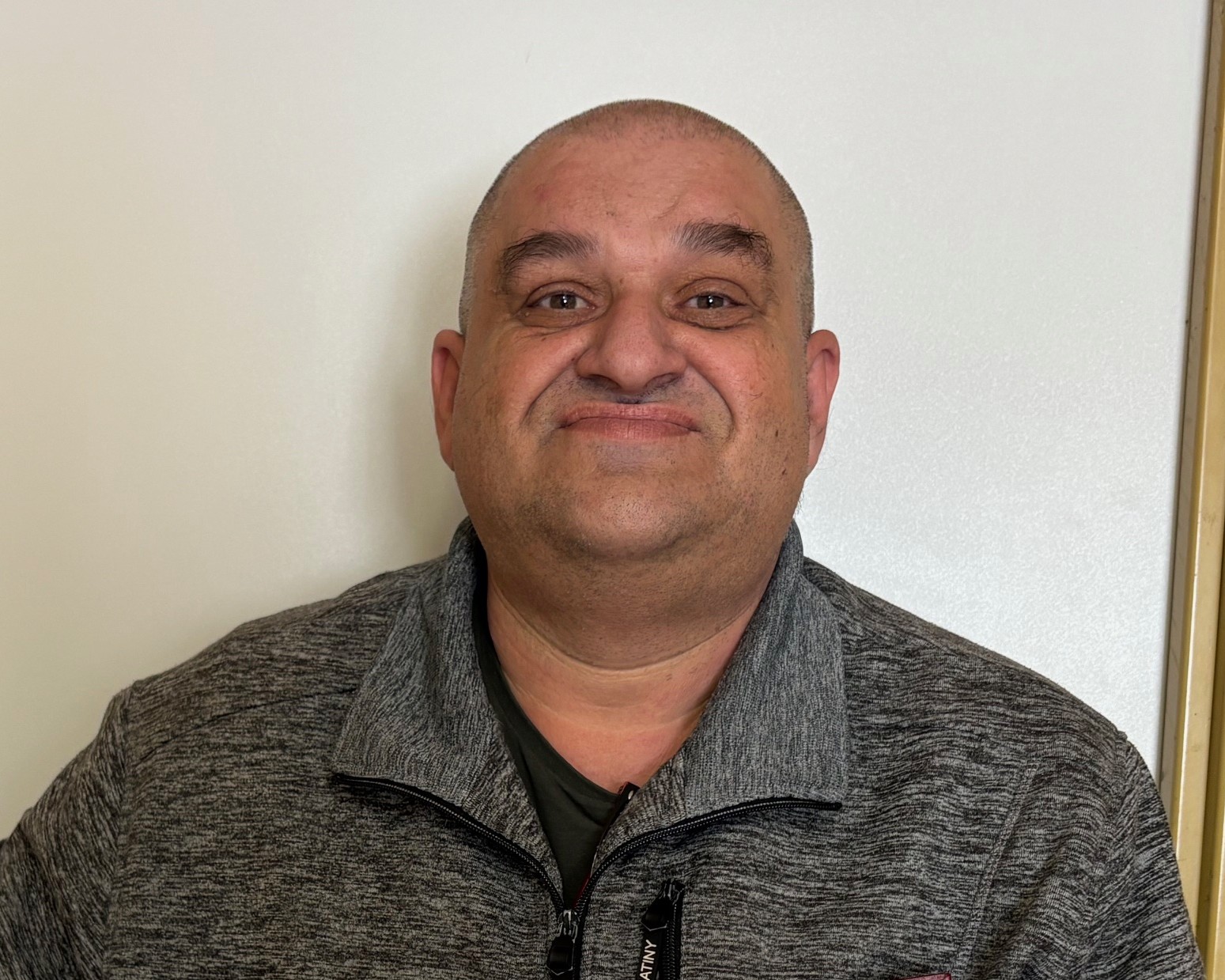
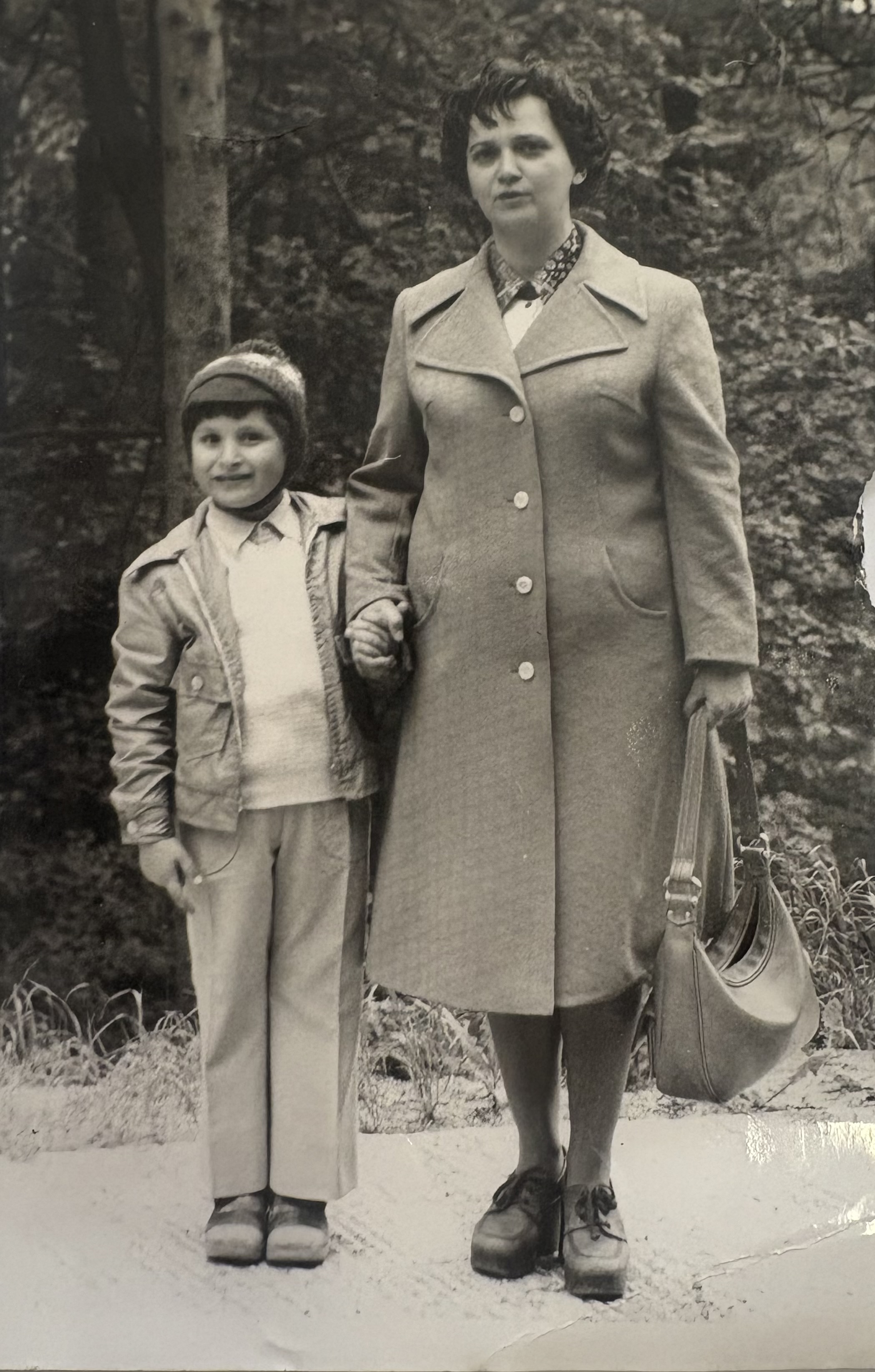
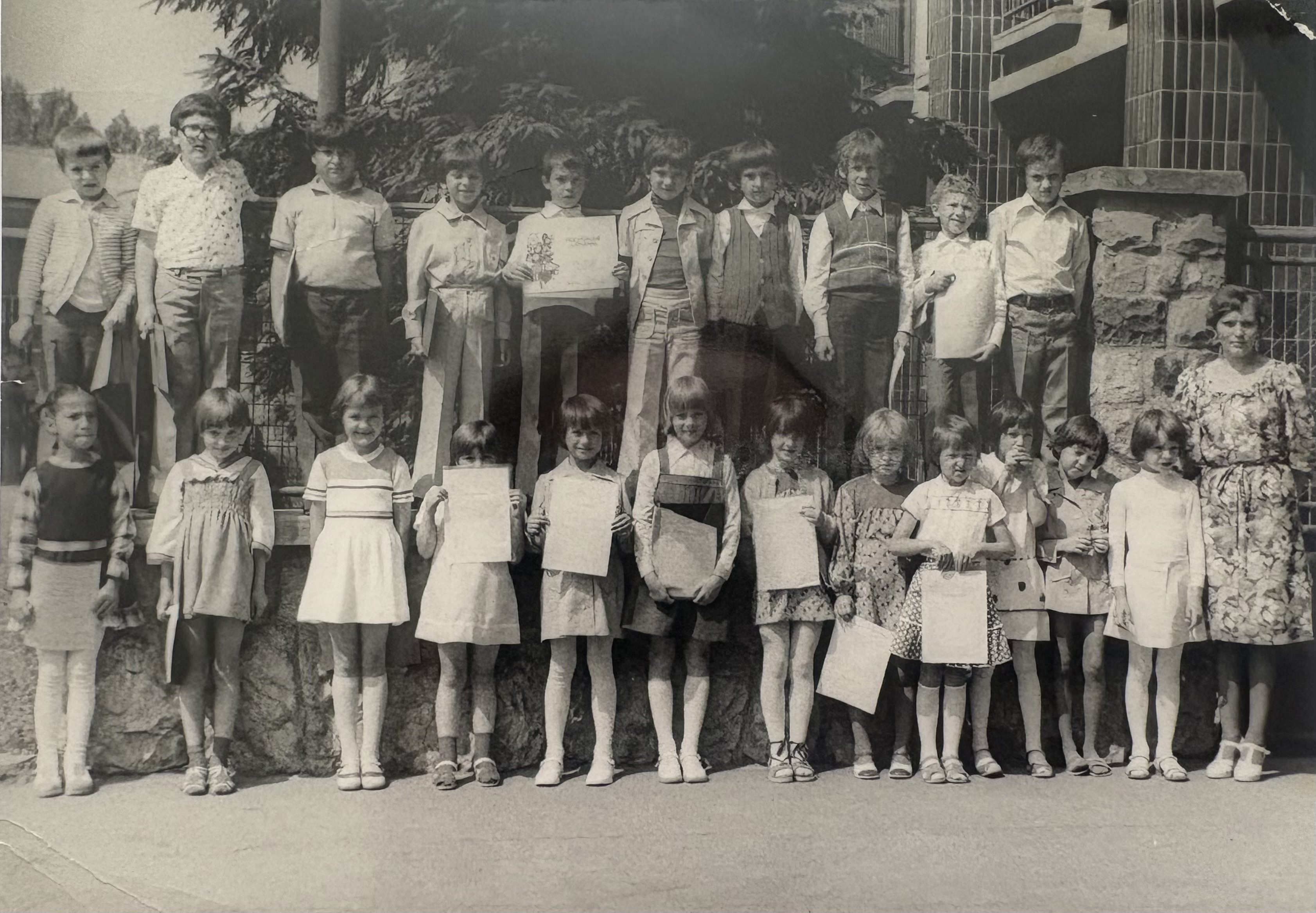
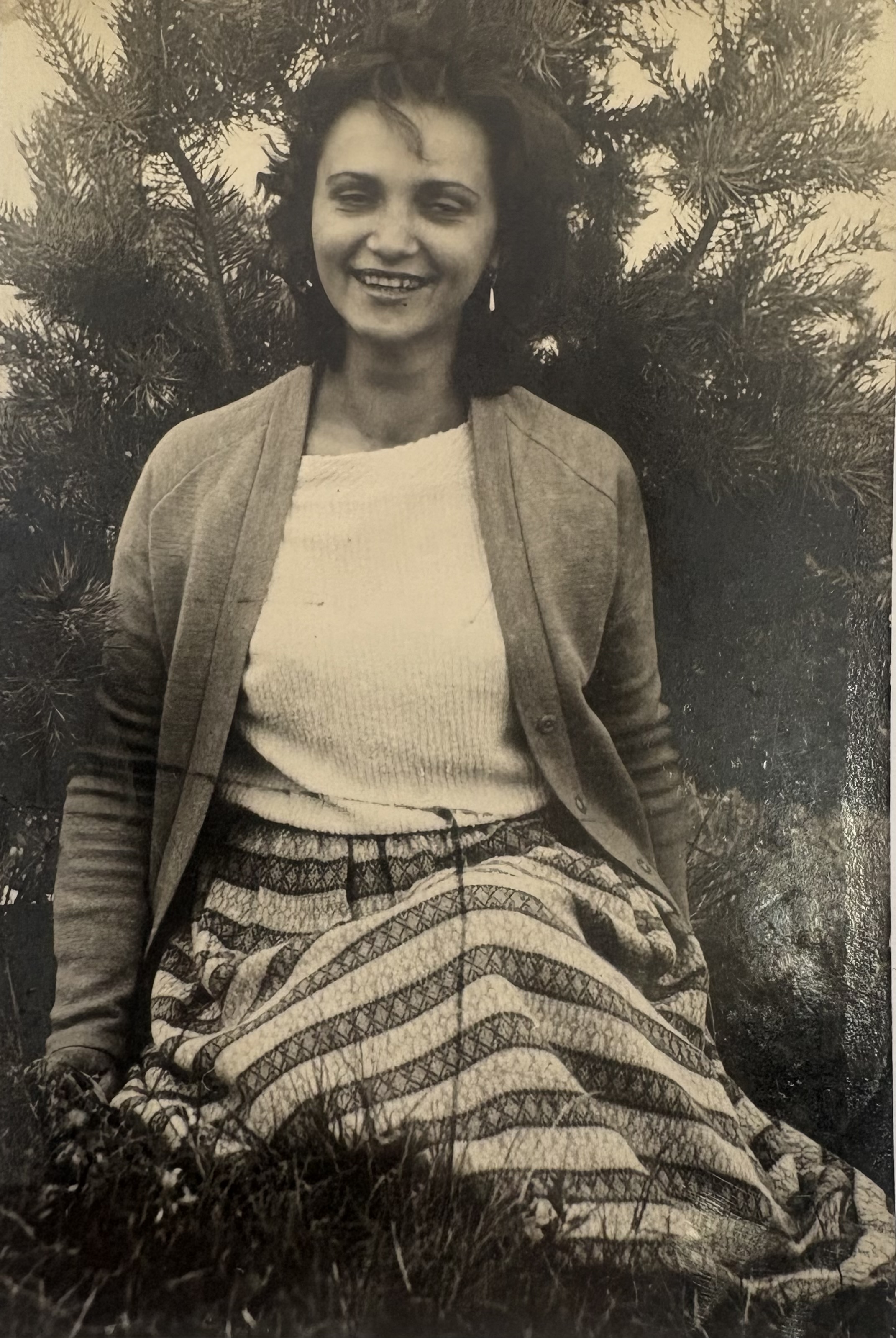
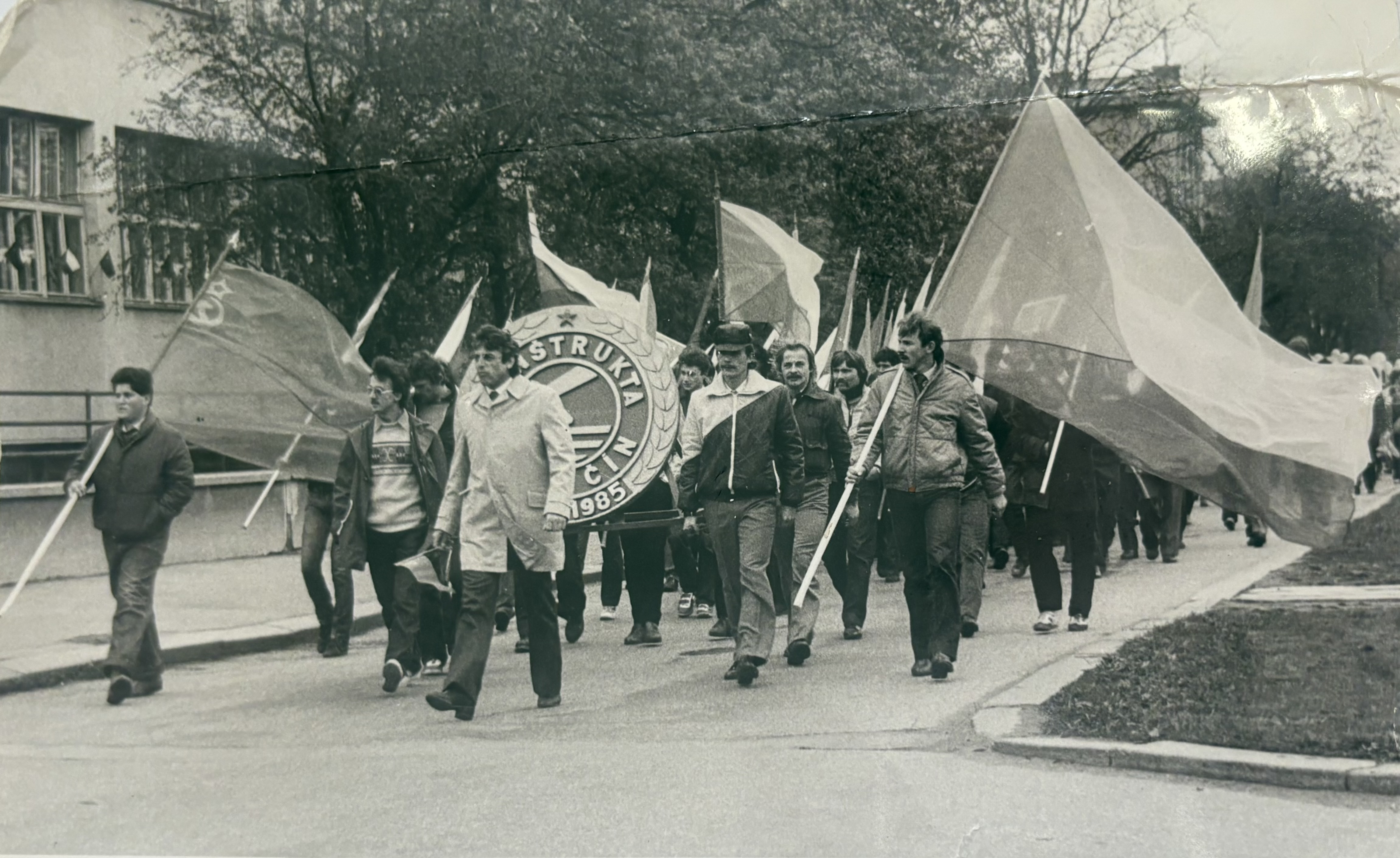
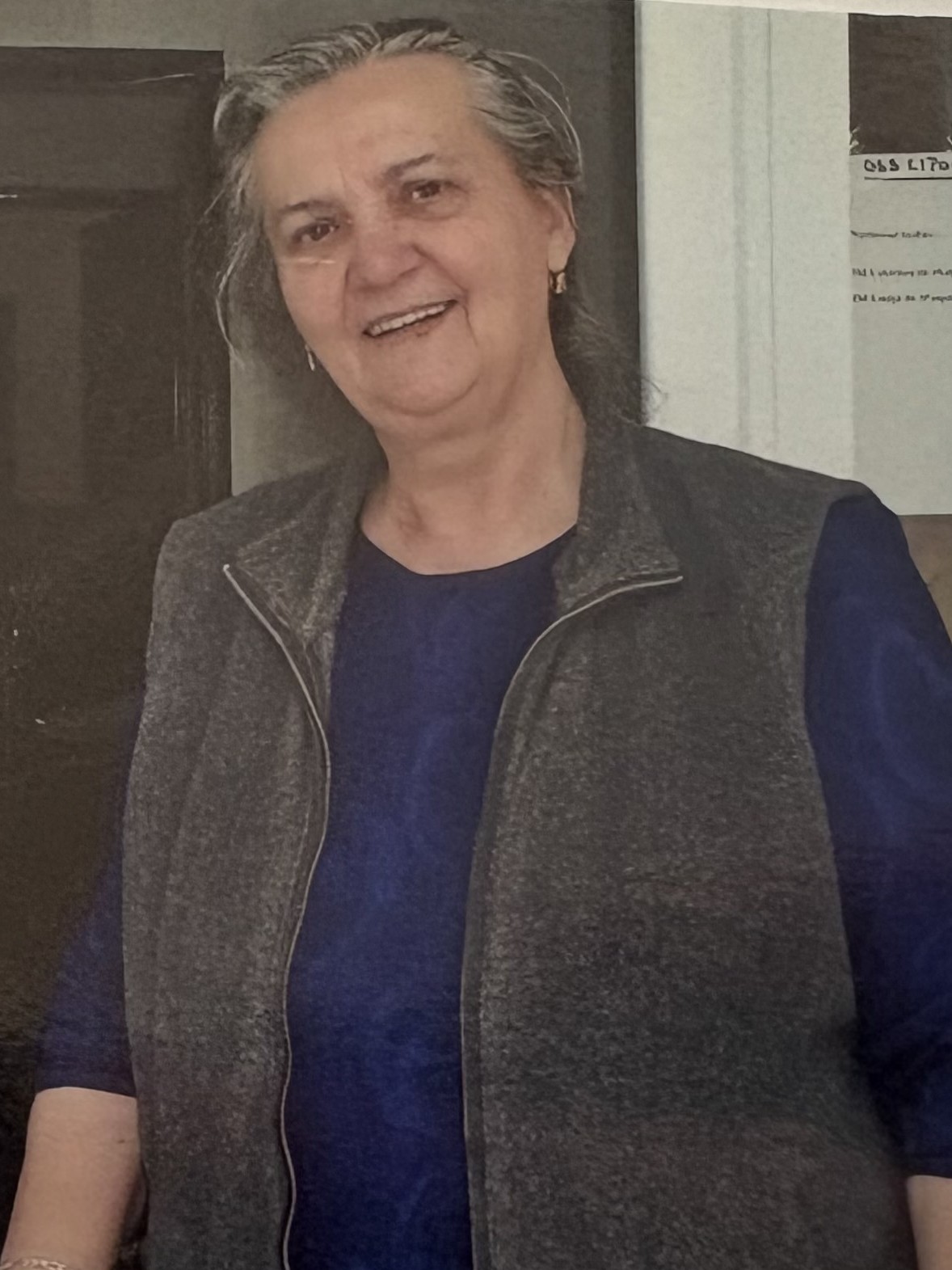
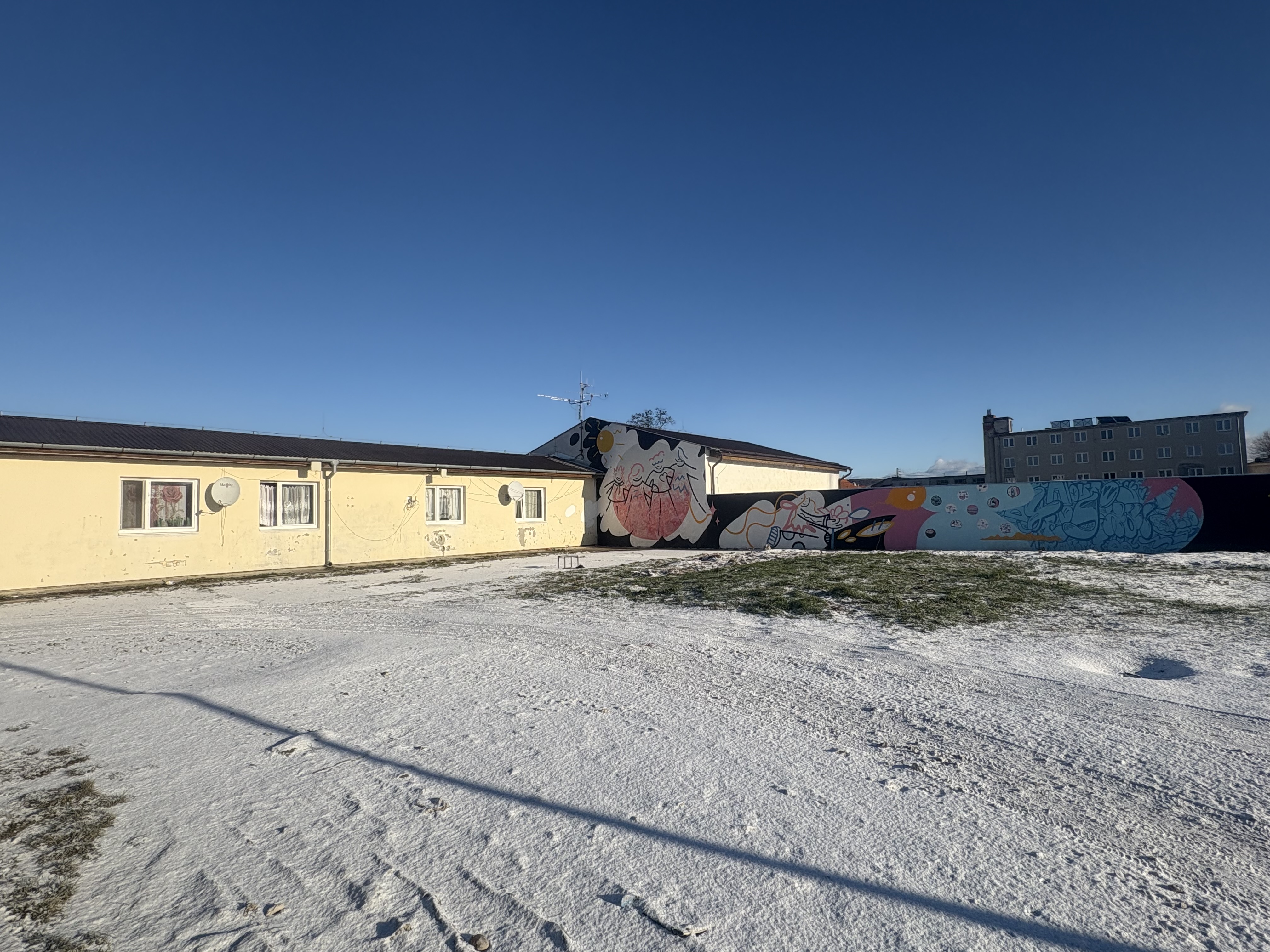
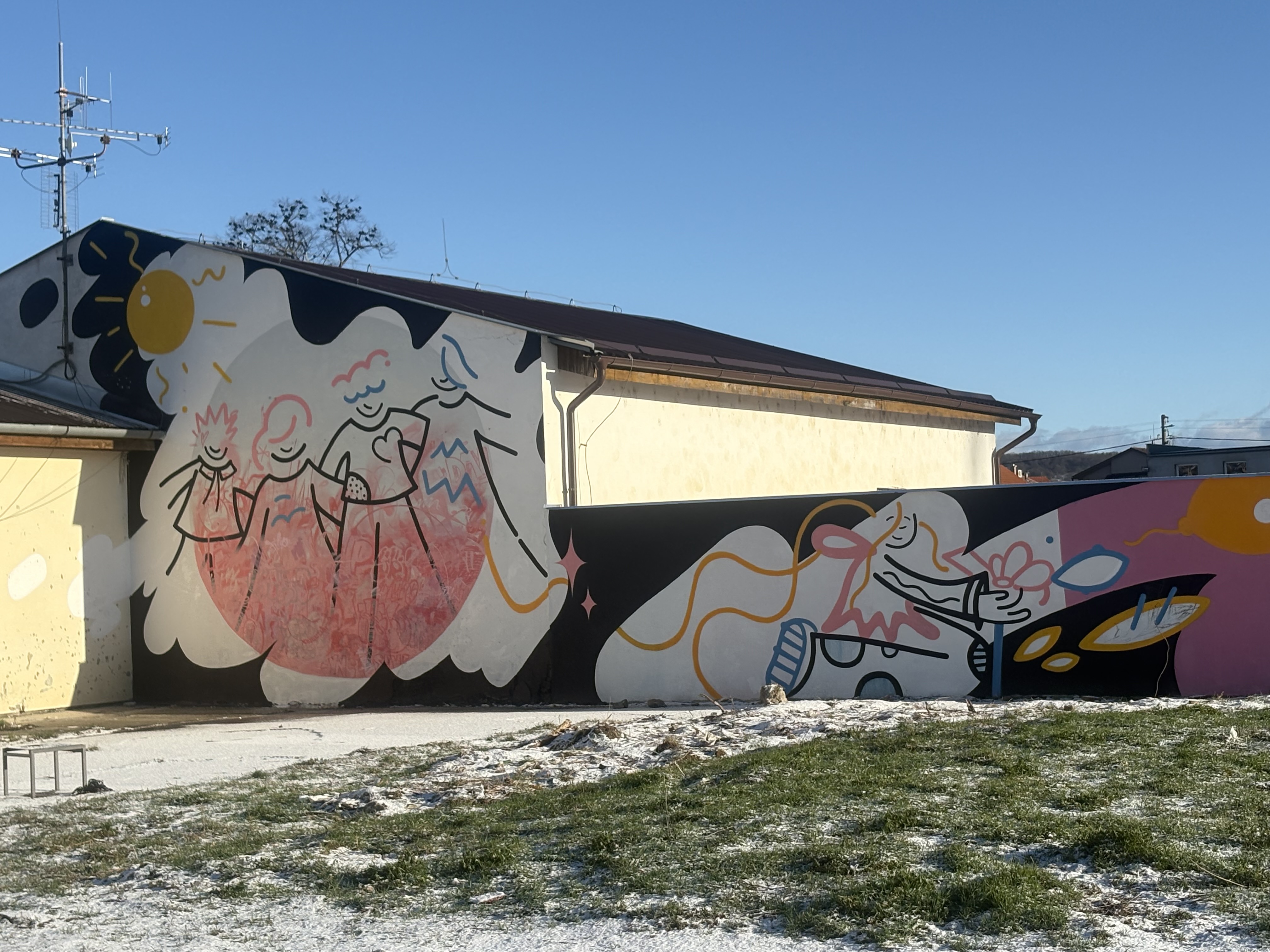
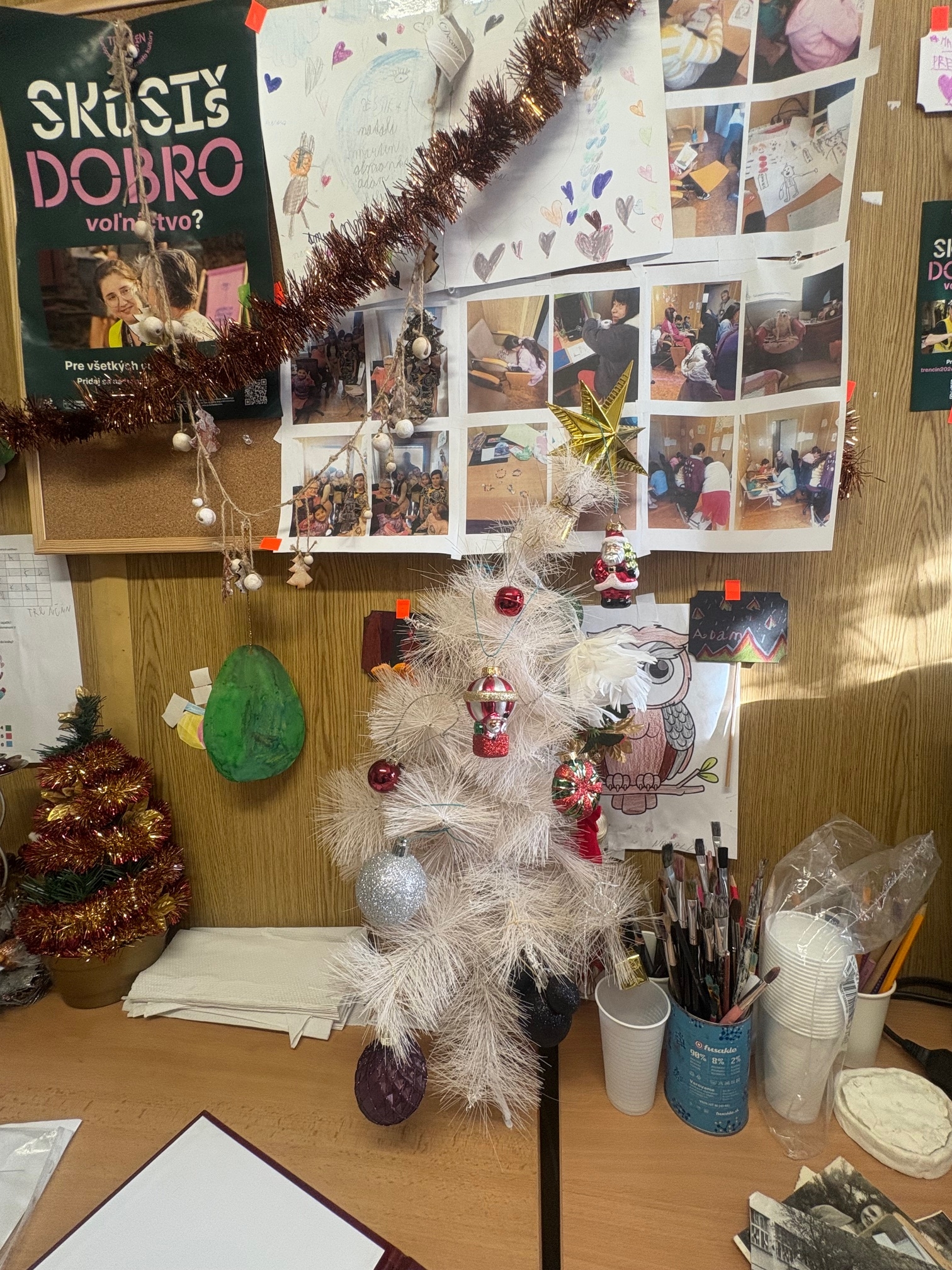
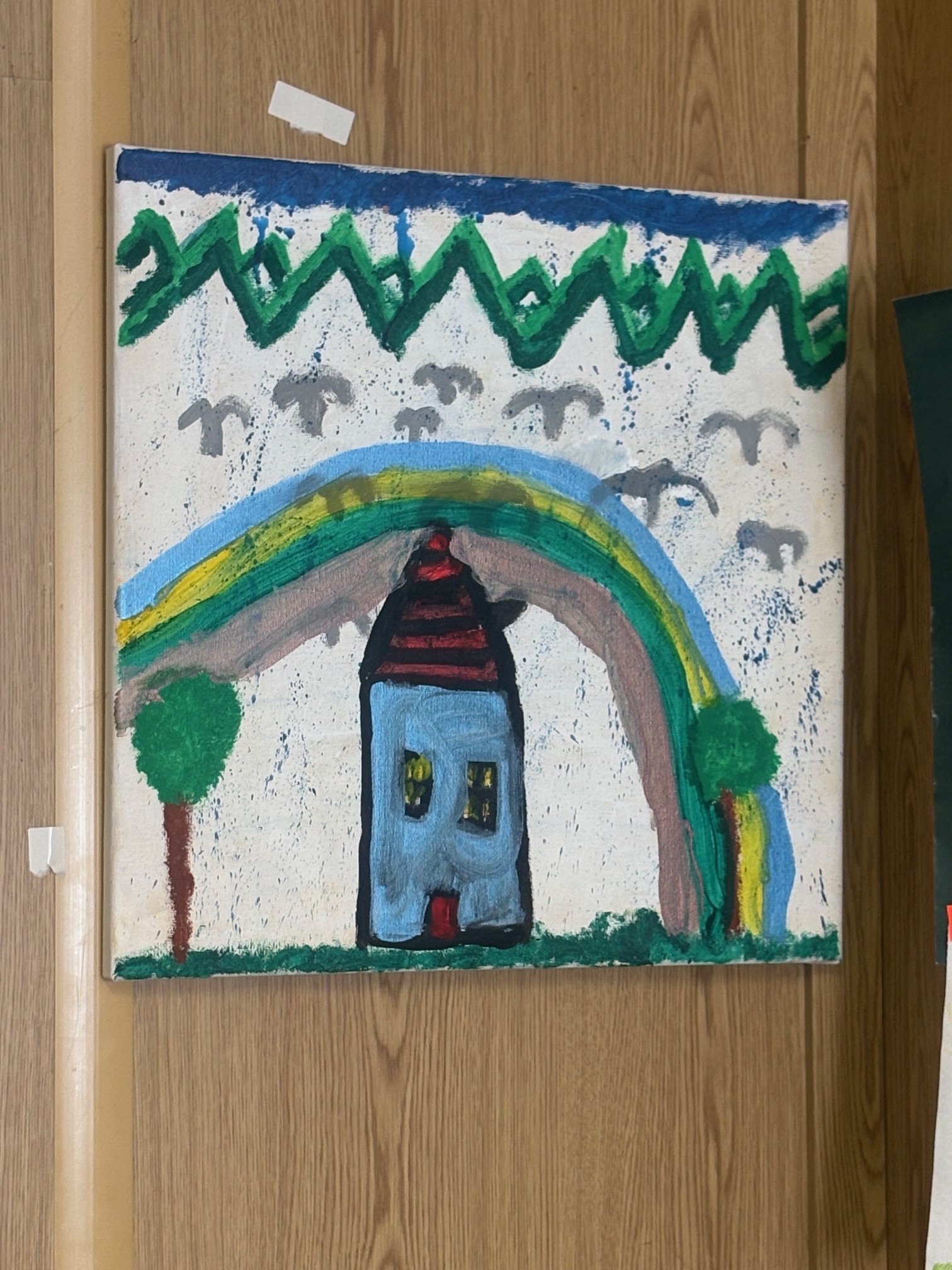
Juraj Kuzma was born on November 13, 1970, in Komárno as Zoltán Lévai. His biological parents were Hungarian Roma. At the age of three, he was adopted by Tomáš Kuzma and Oľga Križanková from Opatová near Trenčín, who changed both his name and his nationality to Slovak. His father came from a family of wealthy landowners who lost significant property during the collectivization of farms. His mother came from a humbler background; her father had trained as a shoemaker at the Baťa company. When Juraj was seven, his parents divorced, and he moved to Trenčín with his mother. She worked as a draftswoman at the Konštrukta company. Juraj attended kindergarten and primary school there, growing up in a modest but stimulating environment surrounded by good neighbors and teachers. At the age of 15, his mother told him about his true origins, though he never managed to find his biological parents or siblings. After finishing primary school, he trained as a worker in a precast concrete plant. He did not complete compulsory military service due to health reasons. After his vocational training, he took a job at Konštrukta. He was pressured to join the Communist Party; he submitted an application under the condition that he be allocated an apartment. Shortly before the Revolution, he noticed the presence of secret police at the plant. While he welcomed the change in the political system, he was dissatisfied with the resulting change in the social situation. Shortly after the transition, he lost his job and went through several different occupations. He got married, but due to declining health, unemployment, and poor decisions, he and his wife lost their apartment. For a time, they lived on the streets, in shelters, and with acquaintances before eventually securing social housing. For several years, he has been working with children from the marginalized community on Kasárenská Street, home to Roma families and socially disadvantaged households. He leads a „classroom“ for approximately 16 children, teaching them how to write, draw, count, and engage in community life. At the end of 2025, he was honored with the „Srdce na dlani“ award for his long-term volunteer work within the project „Kasárenská – deti sa hrajú“. At the time of documentation, he lived in Trenčín as a disability pensioner.