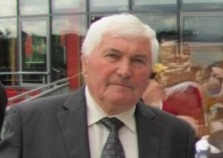
Viliam Kun

* 1938

  • "My mother took it all very hard. I remember a time when we had nothing to put in our mouths. One day I came home from school and cooked potatoes with red peppers. Nothing to it. She started crying herself and said, 'That's all we have, that's all I can give you.' Everything was on food stamps and we outcasts didn't get food stamps."

  • "Some of the smaller farmers persevered and did not go to the cooperative. That might have been around 1954 or 1955, and a friend of ours kept on saddling, had a horse and a cow and everything. One day he went with a wagon and horses to the field to cut some forage for the cow. A wagon driver came out of the office and stopped him and said, 'Get off the wagon! Take the scythe, the horses and the wagon are confiscated by the cooperative!' The man had previously worked as a feeder in our stables for the cooperative's cattle. But then he moved up, so he gave orders. His name was Schweizer Boldyzhar. The farmer took a scythe, cried like a little kid all the way home. They took his horse, they took his wagon. And what was he supposed to do? Should he have said to the cow: 'Look, you have nothing to eat because the cooperative confiscated it...?' They did unbelievable things, those communists, unbelievable! And he never got it back. Eventually he went to the cooperative too. What was he supposed to do?"

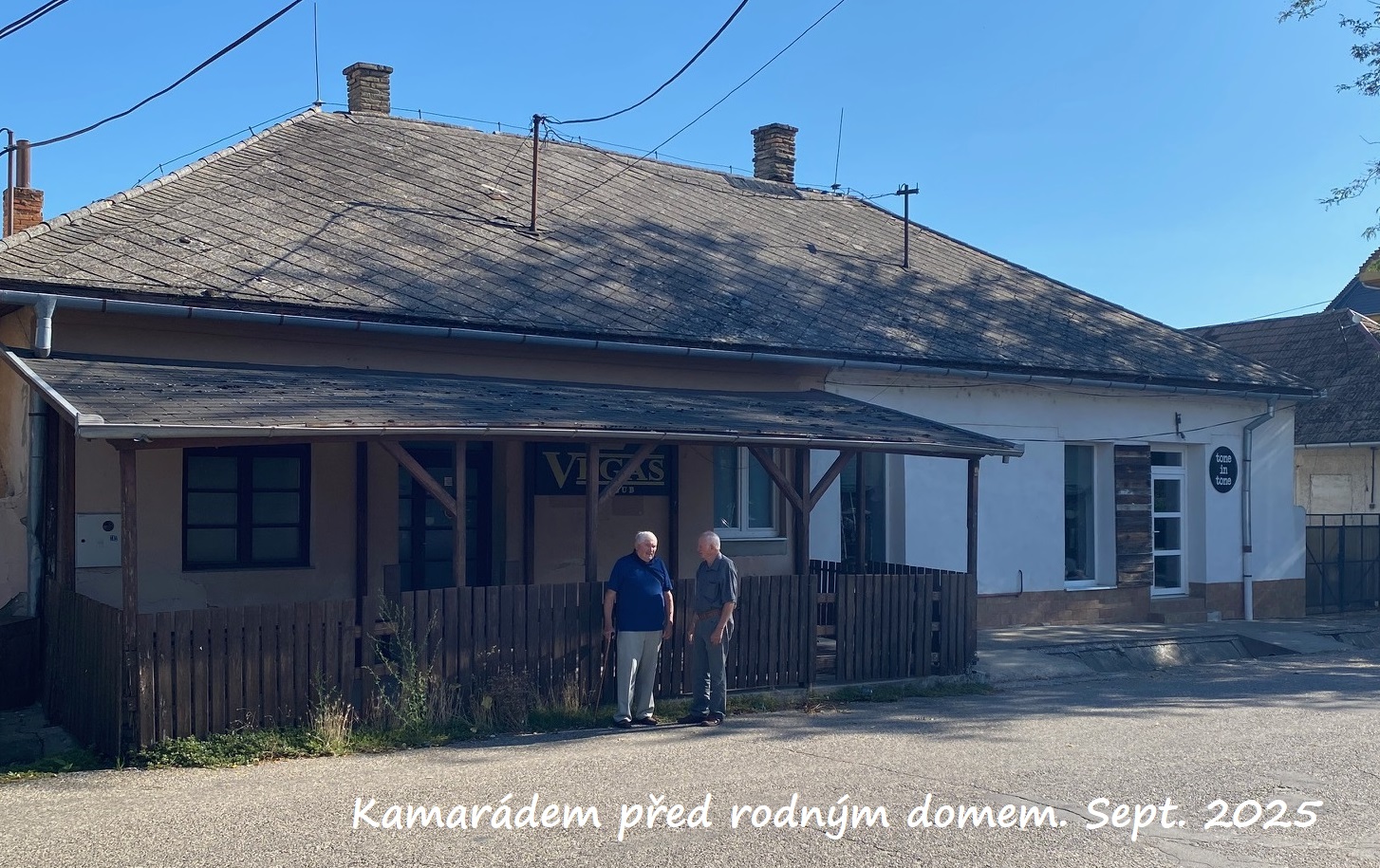
  • "After the 18th year, that territory down there fell to Czechoslovakia, so he was a citizen of Czechoslovakia, for that reason he had to go to Prague to fight. Few people can imagine a father who was born in Austria-Hungary, then lived in Czechoslovakia, then in Hungary, then again in Czechoslovakia, and practically never took his heels out of the countryside. And he lived in four countries. The border area is always complicated."

  • Celé nahrávky
  • 1

    Winnipeg , 17.01.2025

    (video)
    délka: 02:08:35
    nahrávka pořízena v rámci projektu Stories of 20th Century
  • 2

    Winnipeg, 21.02.2025

    (video)
    délka: 02:04:00
    nahrávka pořízena v rámci projektu Stories of 20th Century
Celé nahrávky jsou k dispozici pouze pro přihlášené uživatele.

A person could try as hard as they wanted, but if they did it honestly, it wouldn‘t work
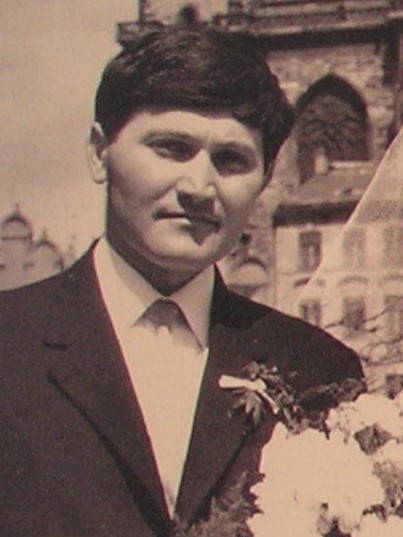
Viliam Kun in 1965
Viliam Kun in 1965
zdroj: archive of a witness

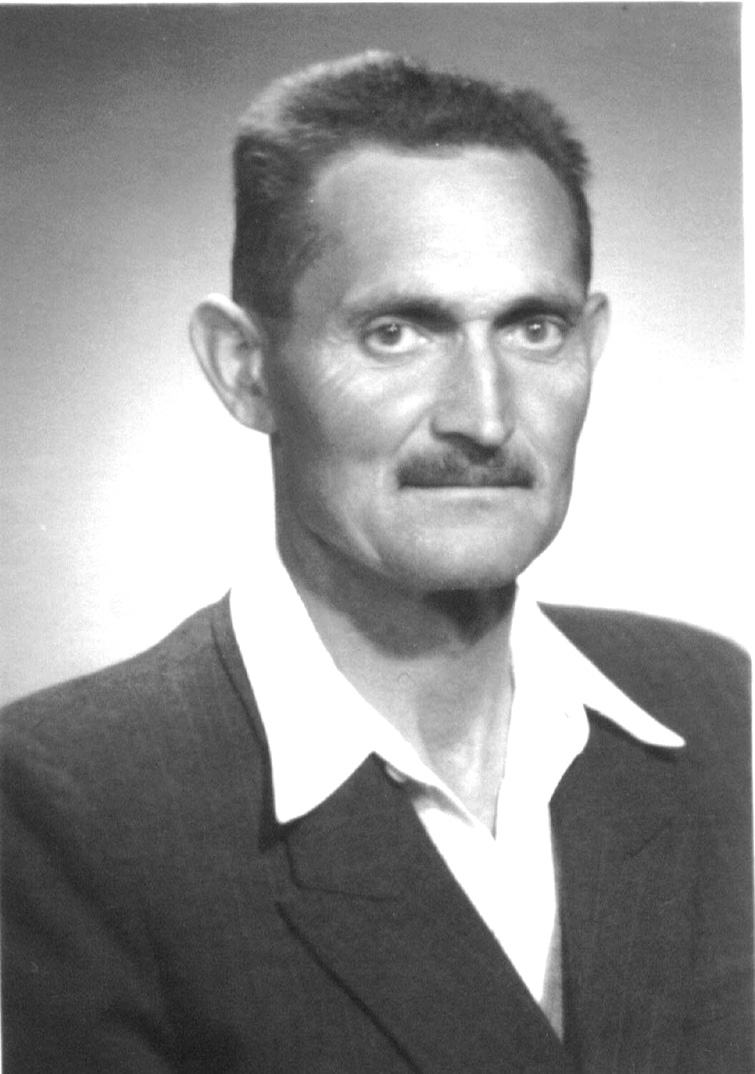
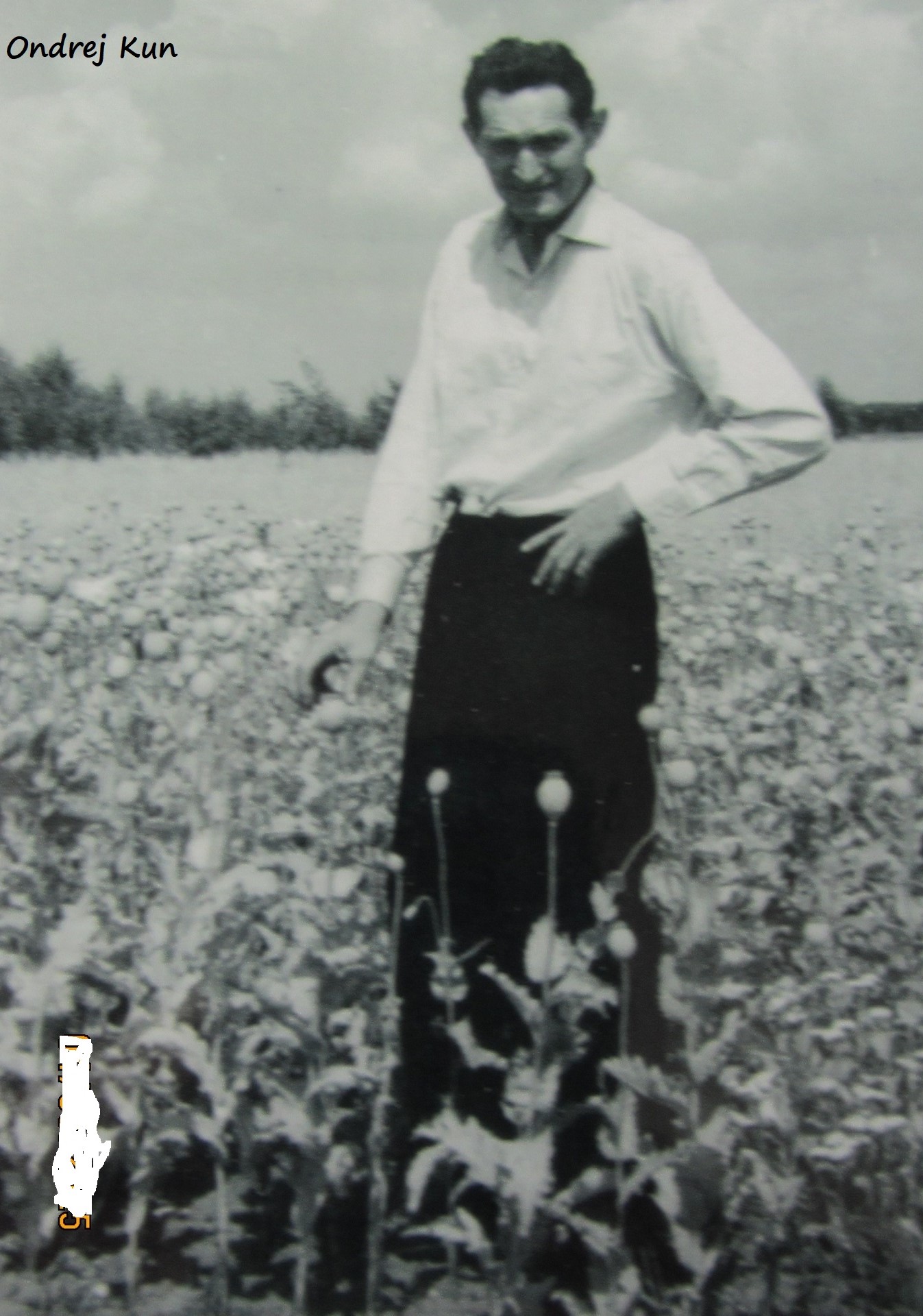
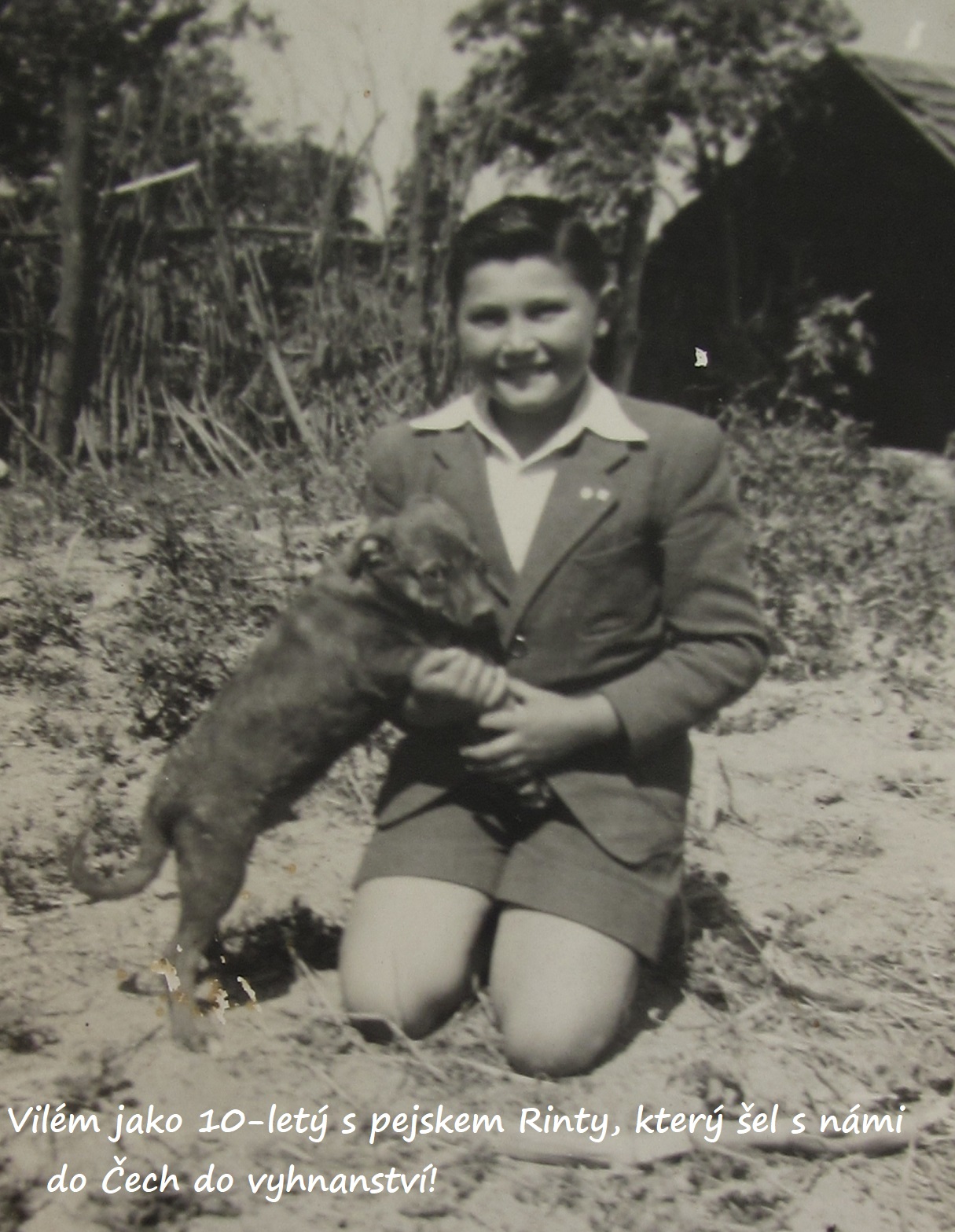
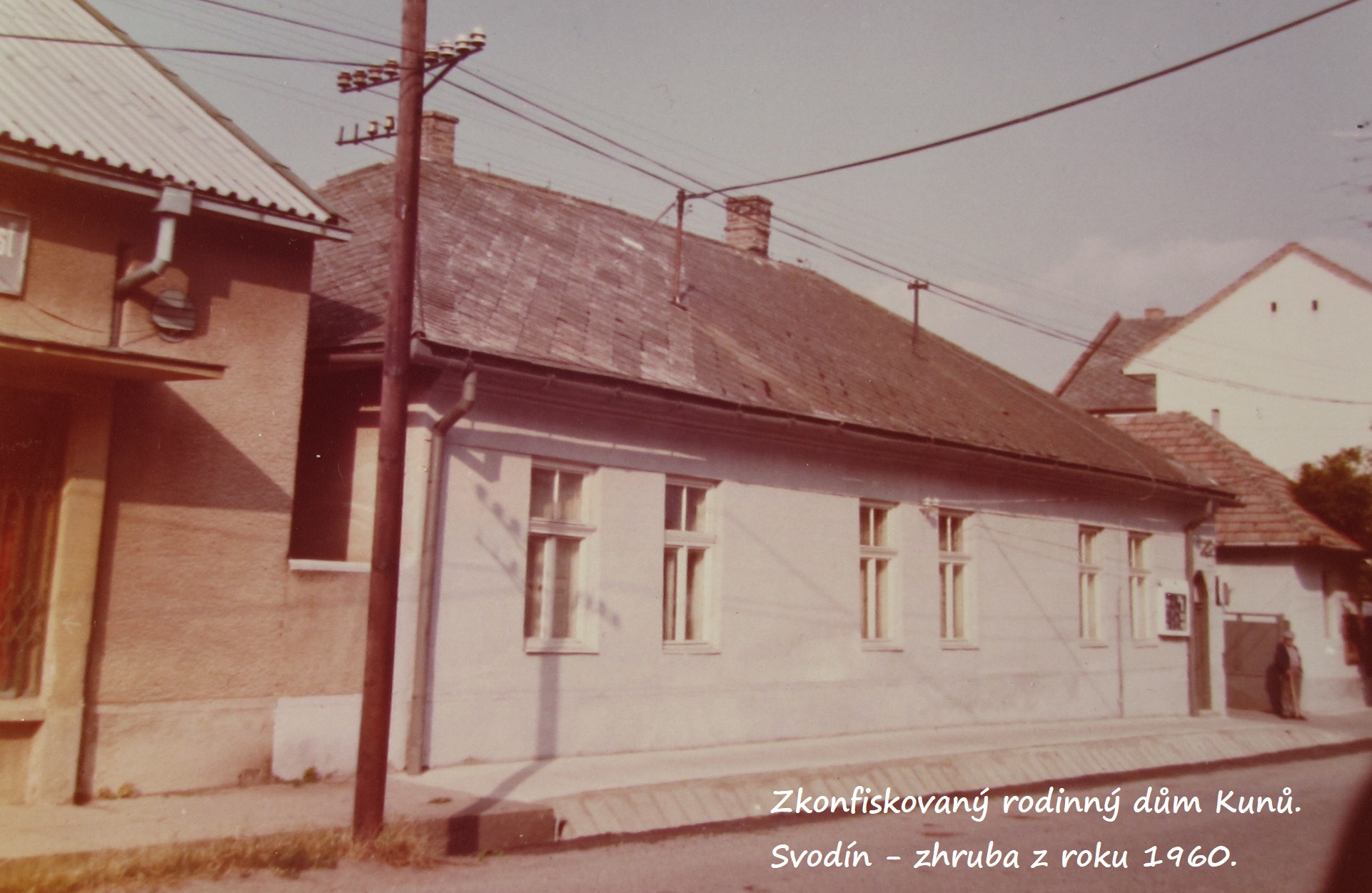
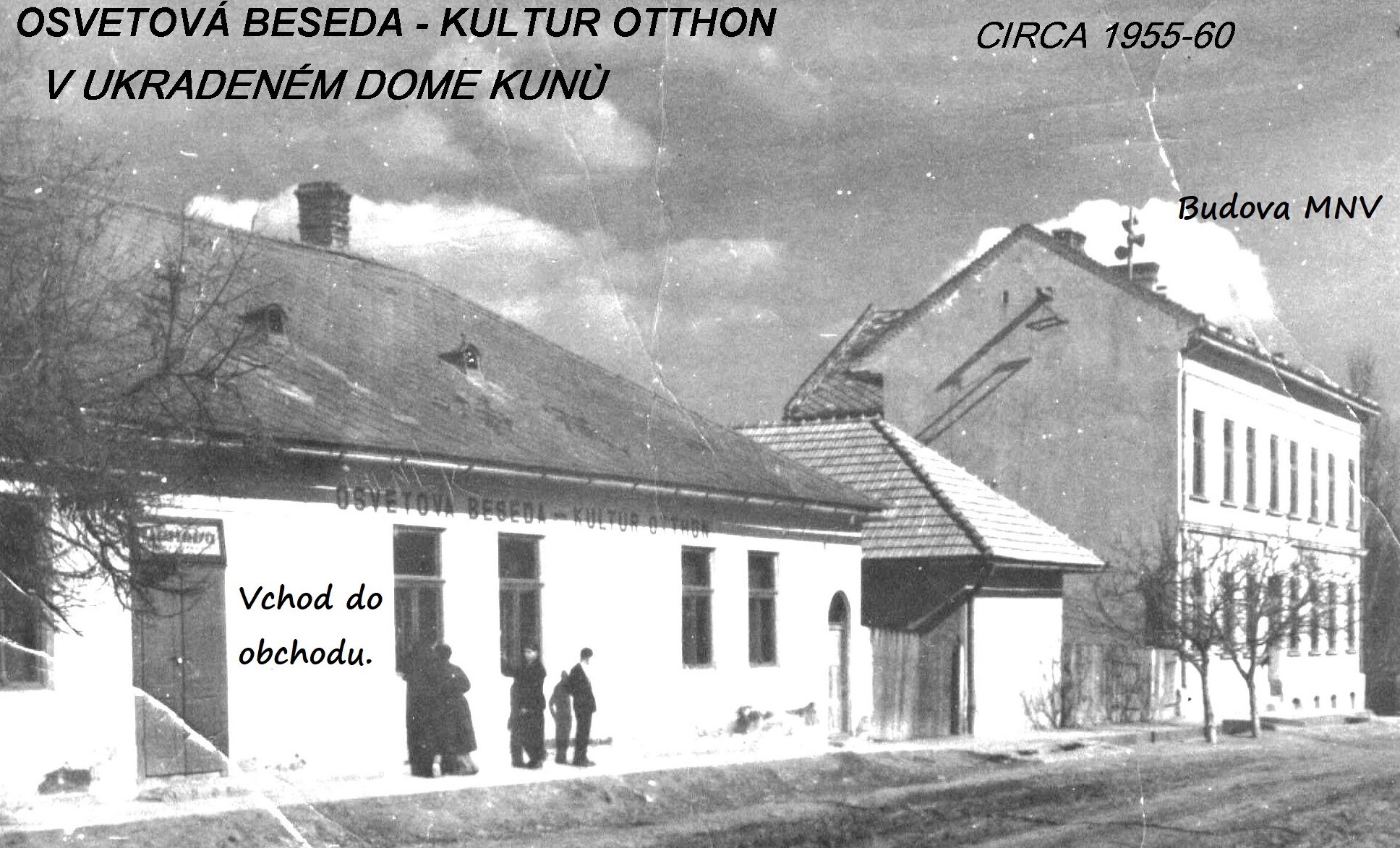
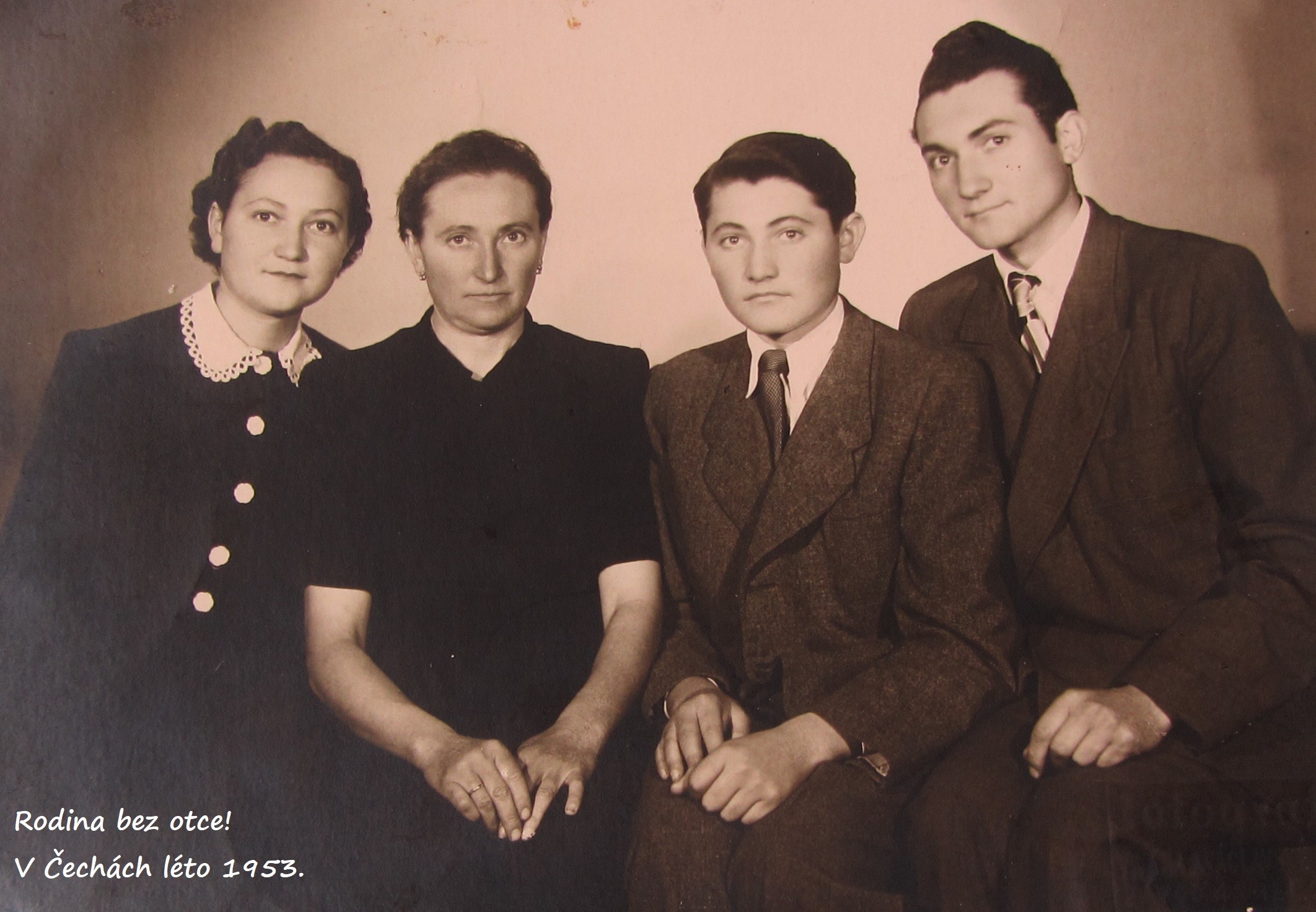
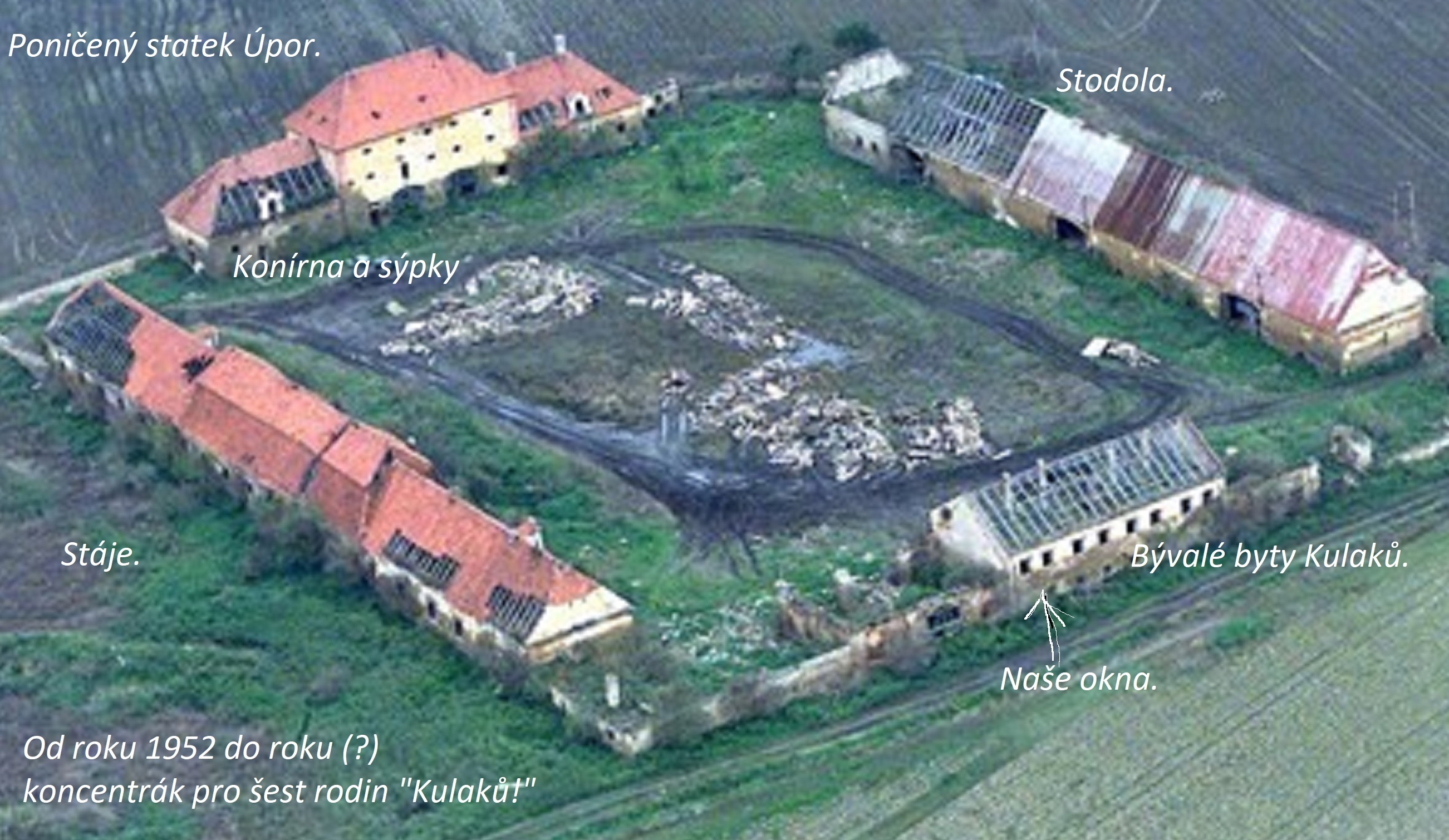
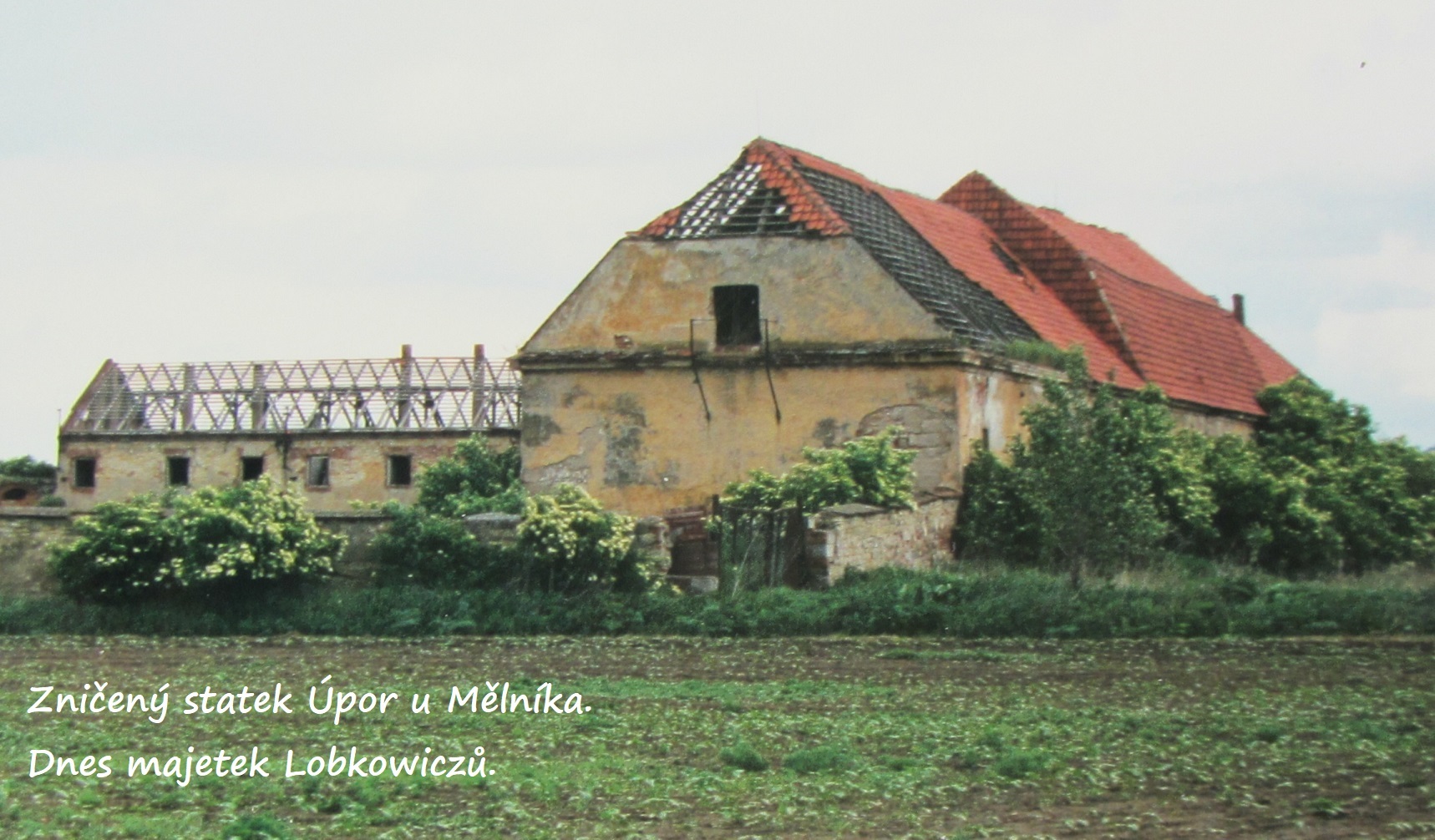
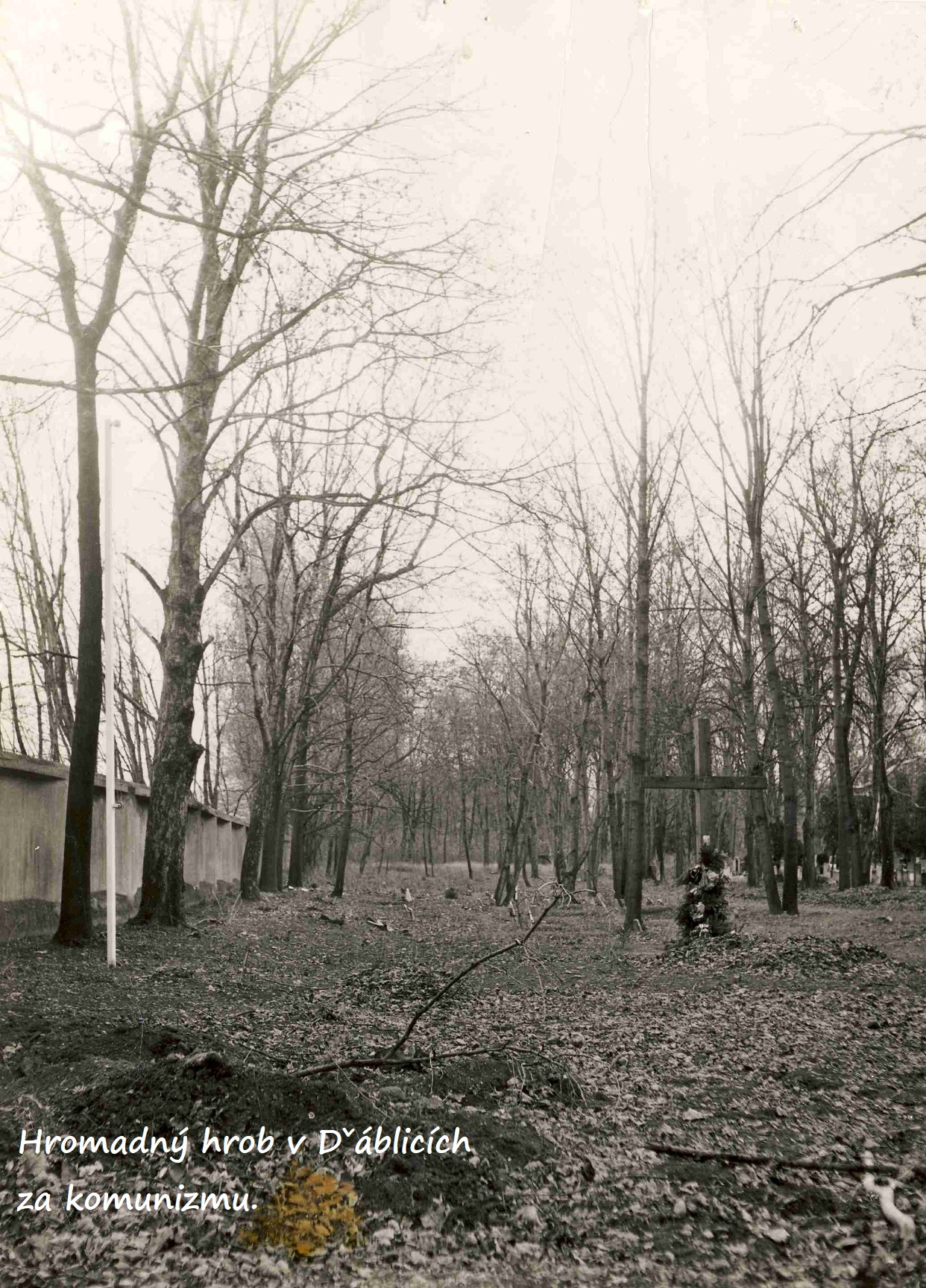
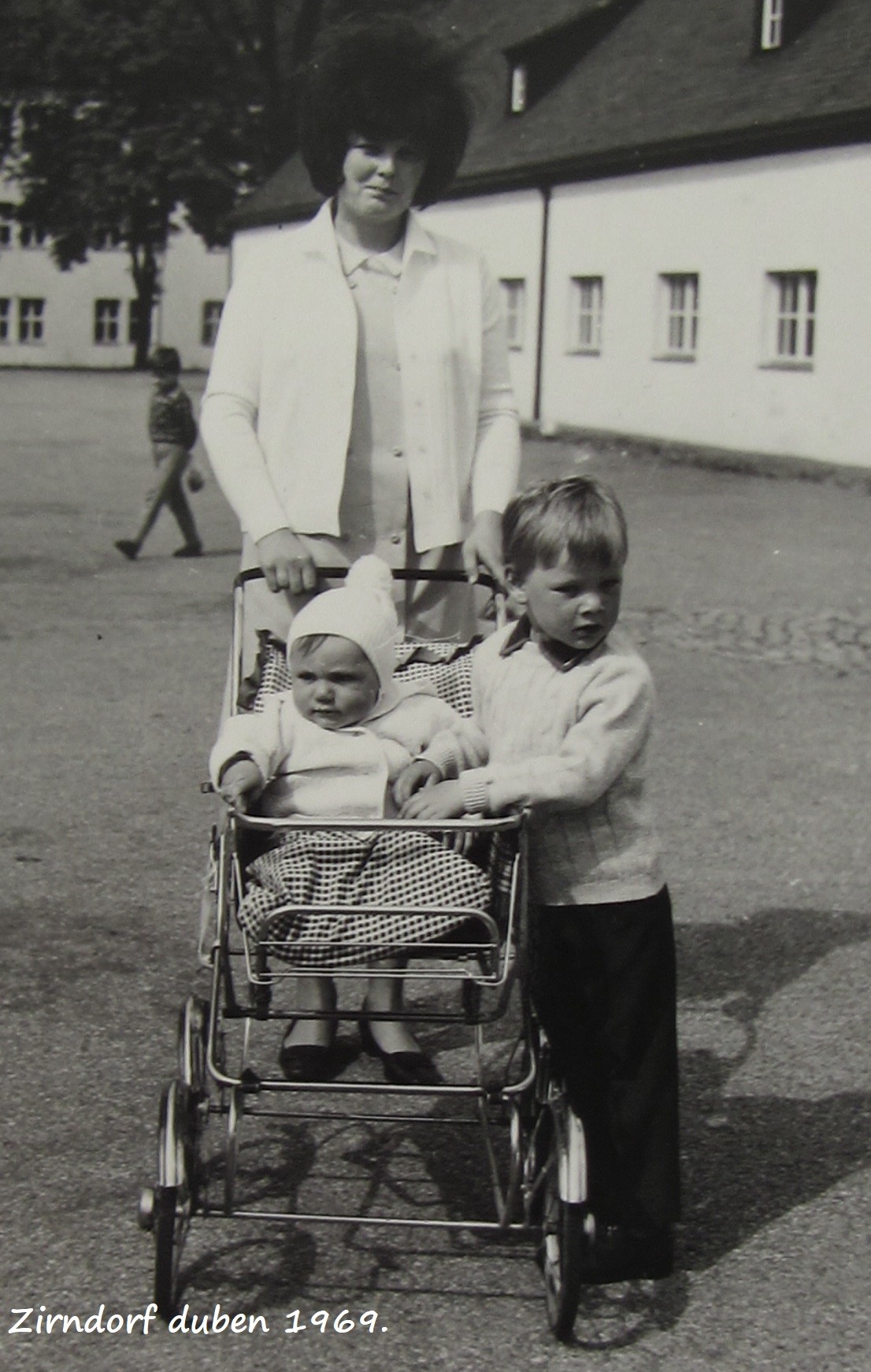
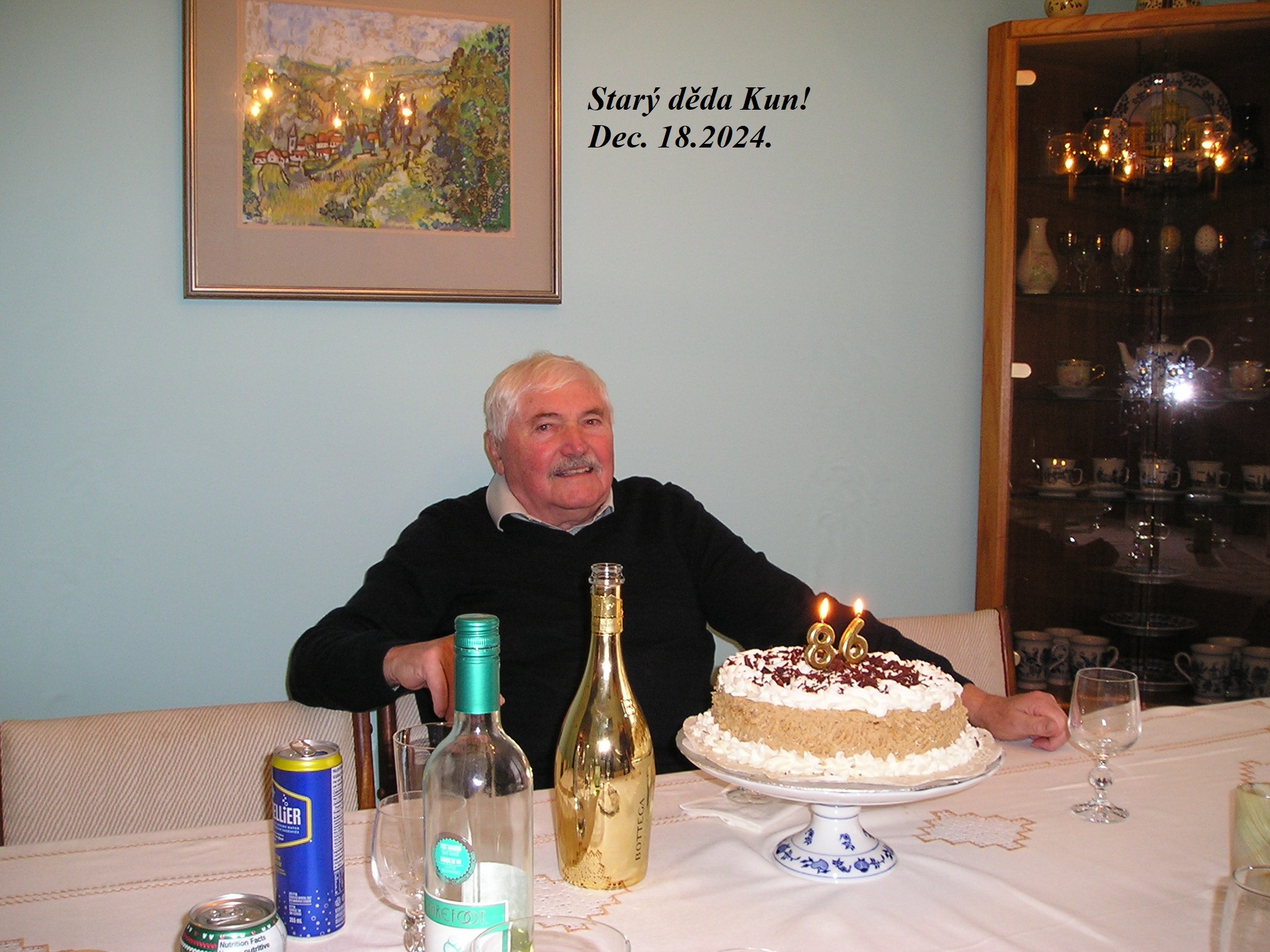
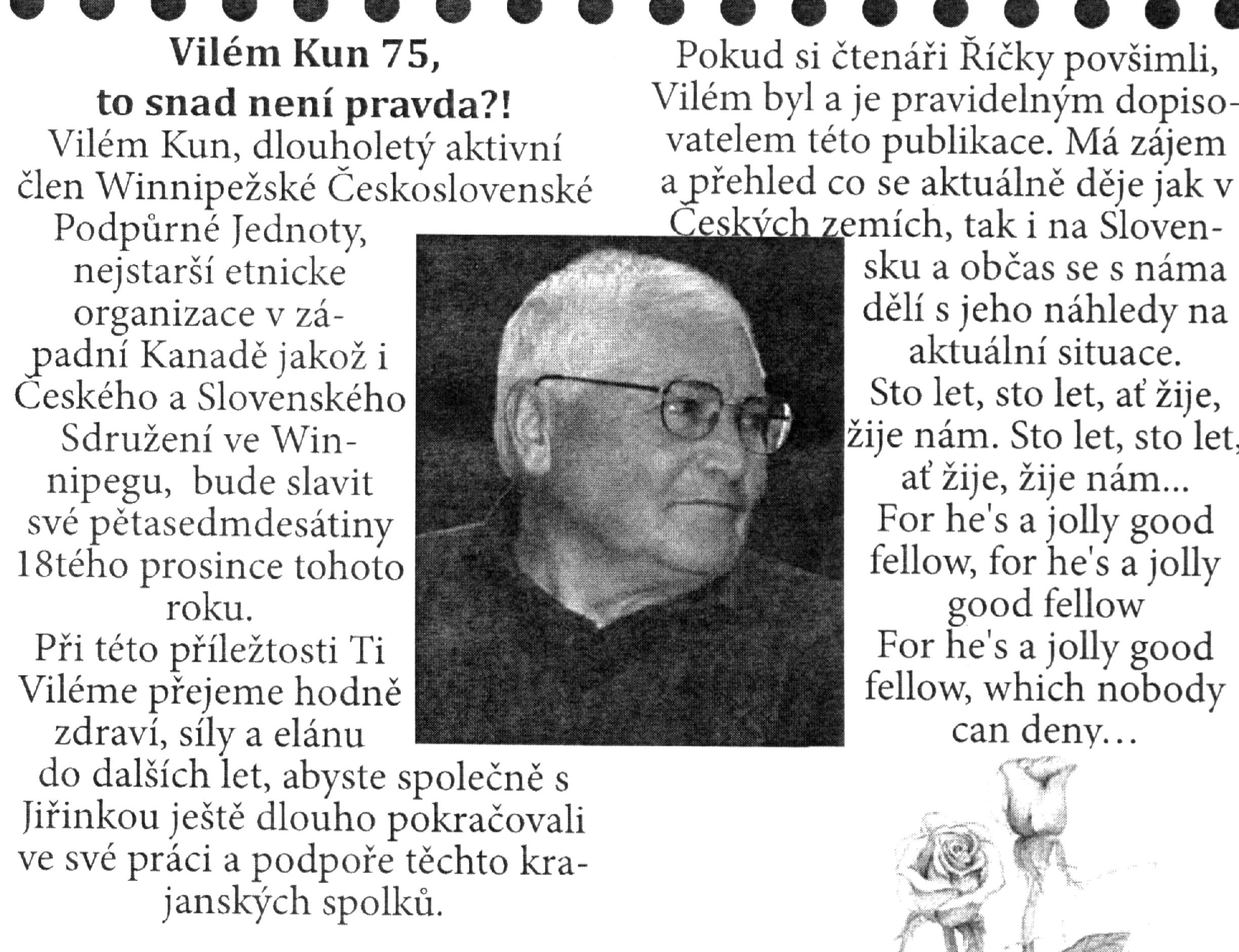
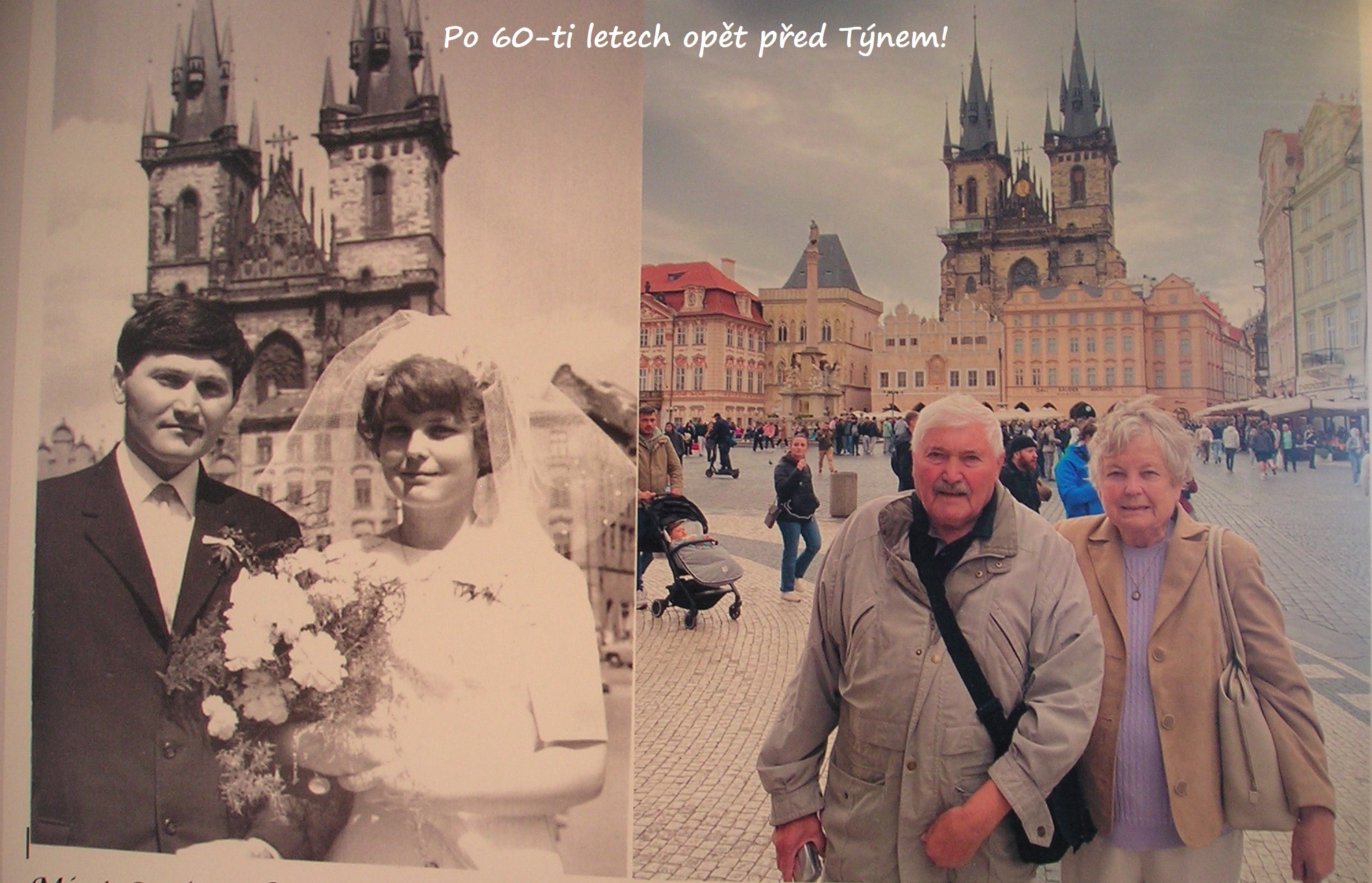
Viliam Andrej Kun was born on December 18, 1938 in Svodín in southern Slovakia, Nové Zámky district. He grew up in a Hungarian-speaking family of farmers in Svodín. His childhood was marked by World War II, during which the village was alternately occupied by German and Soviet troops. The family experienced fighting and looting. After the war, his father was affected by political changes - in 1952 he was sentenced as a „kulak“ to seven years in prison and the loss of his property. His mother and children were deported to Bohemia to the state farm Úpor, where they lived in difficult conditions. In 1957, Viliam enlisted in the army in Uherské Hradiště and after graduating from the enlisted school in Kroměříž, he served as a corporal. After his return, he got a position in the Prague Arithme. In 1965, he married nurse Jiřina Krátká and the family settled in Prague-Troja. The August occupation in 1968 convinced him that he had no future in Czechoslovakia. In the spring of 1969, he emigrated with his wife and two young sons via Germany to Canada, where he settled permanently and continued his technical profession. His third son, John, was born here. After 1989, part of the property in Svodín was returned to the family. In 2025, he lived in Winnipeg, Canada.