Jaroslav Kropáček

* 1939

  • "There were rumours - and it was generally known - that some of the maintenance workers who entered the tanks... Well, the uranium was introduced into those leaching vessels, and those, especially on the alkaline part, held 150 or 200 cubic metres, or even more, lest I say something silly. Those were huge tanks, tens of meters in diameter, and that's where alkaline leaching was done. When they were being repaired, they were drained and maintenance staff walked in and of course worked inside. There was quite a lot of radiation inside the tanks, and I know the workers were hit with some major doses."

  • "There was this pressure; they were forced to deliver rations and their land was swapped. The cooperative needed to consolidate land, so they took your plots and gave you other plots that were not so good, and that's how they de facto eliminated the private farmers."

  • "It was the worst when they came to take our tractor and some of the trailers. I know that JZD Truskovice got a letter from the district authority to pick up a tractor from Kropáček in Protivín. They came from Vodňany with the paper and went to get the tractor. Dad ran them away, so they went to the gendarmes, or the police by then. The police came, and my uncle was a gendarme and knew them all; they were all First Republic gendarmes, and they told him: 'Josef, don't be stupid, they'll arrest you, you won't gain anything,' and he gave them the tractor. They took it away, they took all the accessories, and just drove it away like that."

  • Celé nahrávky
  • 1

    České Budějovice, 01.10.2025

    (audio)
    délka: 01:34:23
  • 2

    České Budějovice, 08.10.2025

    (audio)
    délka: 02:14:25
Celé nahrávky jsou k dispozici pouze pro přihlášené uživatele.

The son of a kulak turned researcher at a high-security uranium operation
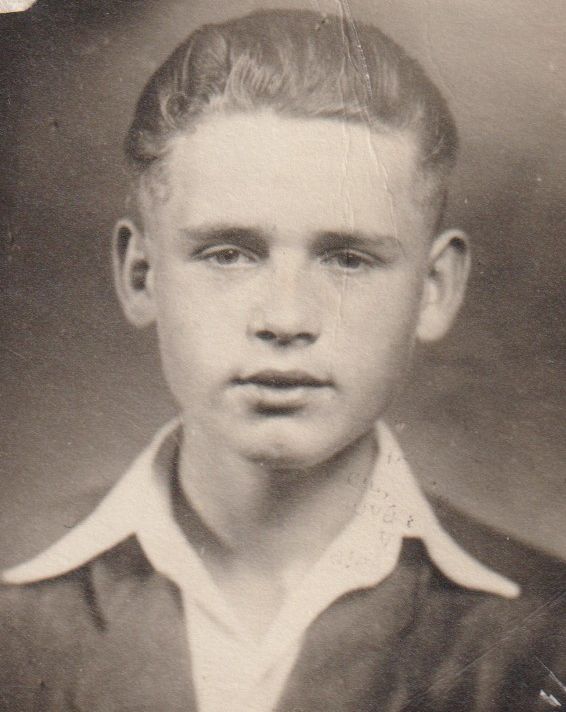
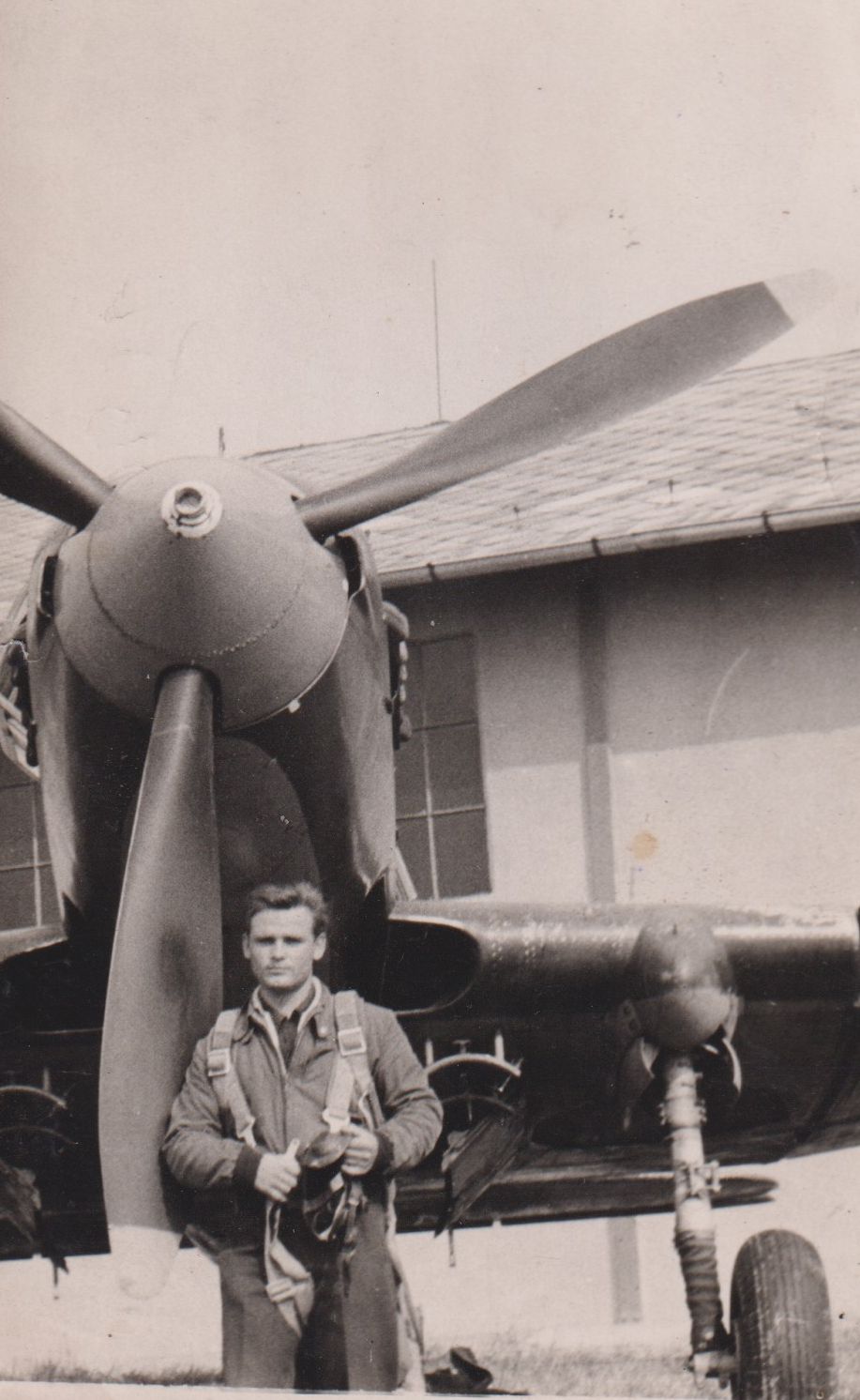
Jaroslav Kropáček in 1952-53
zdroj: Witness's archive

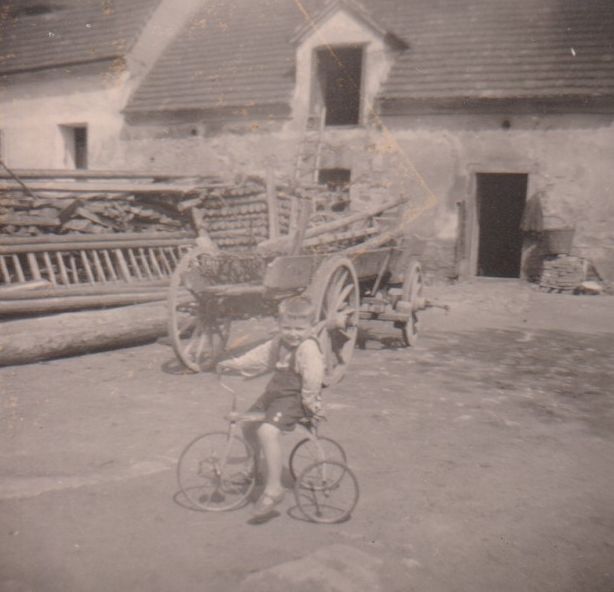
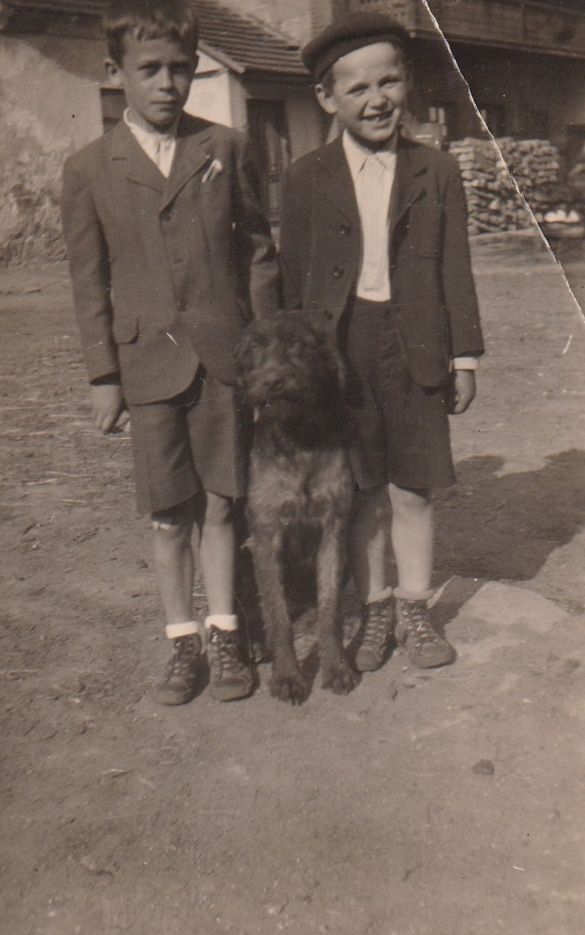
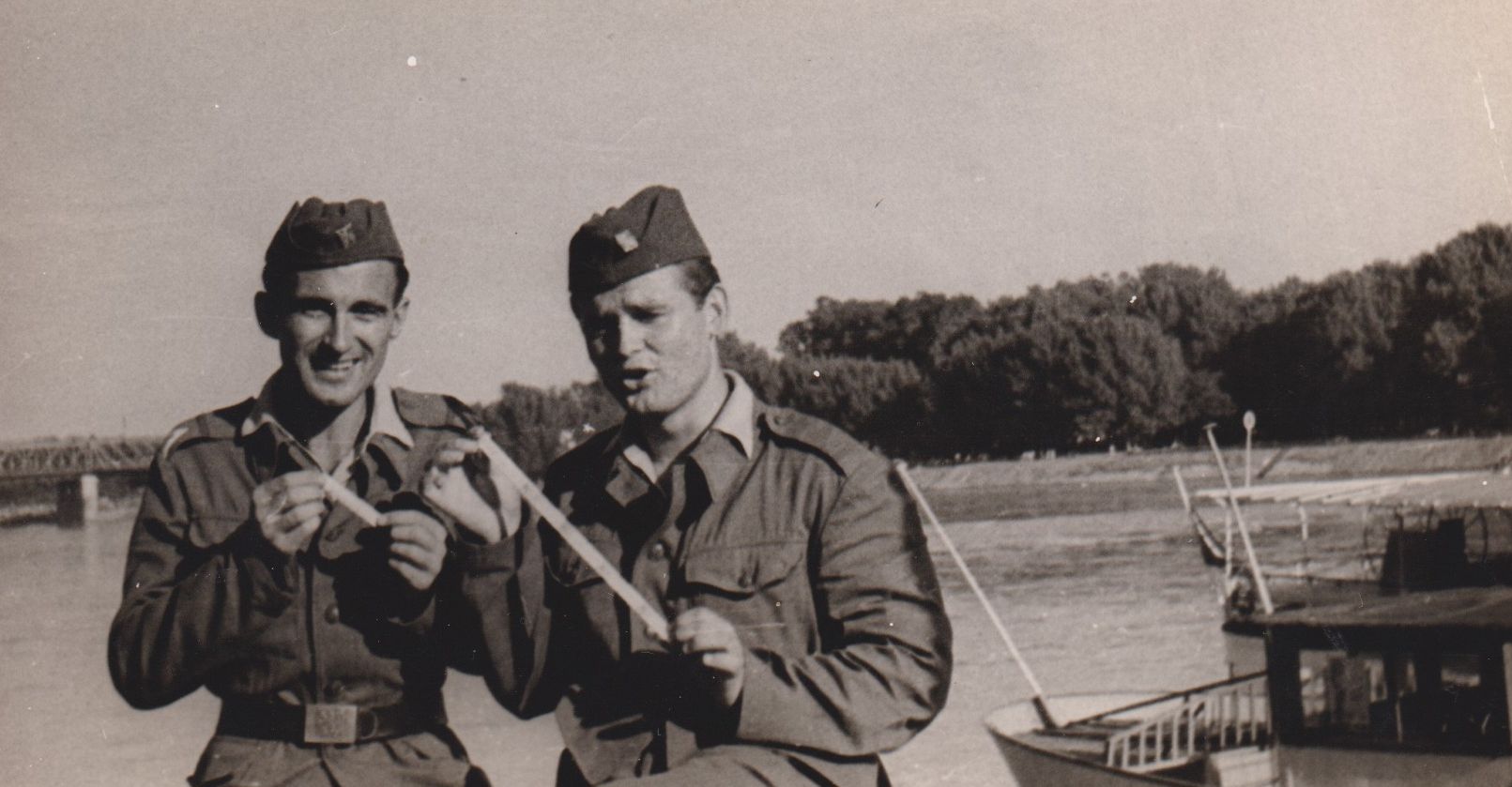
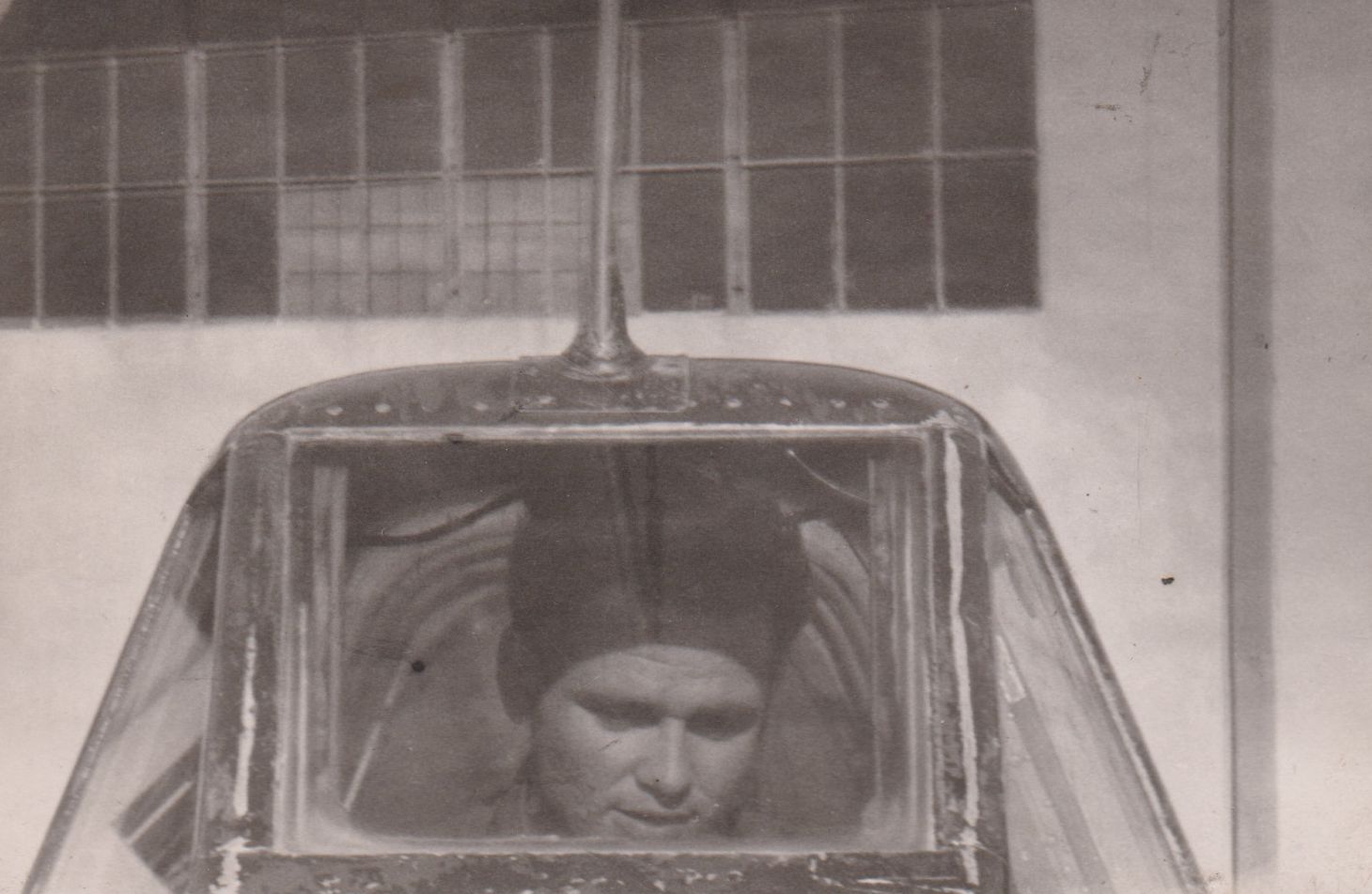
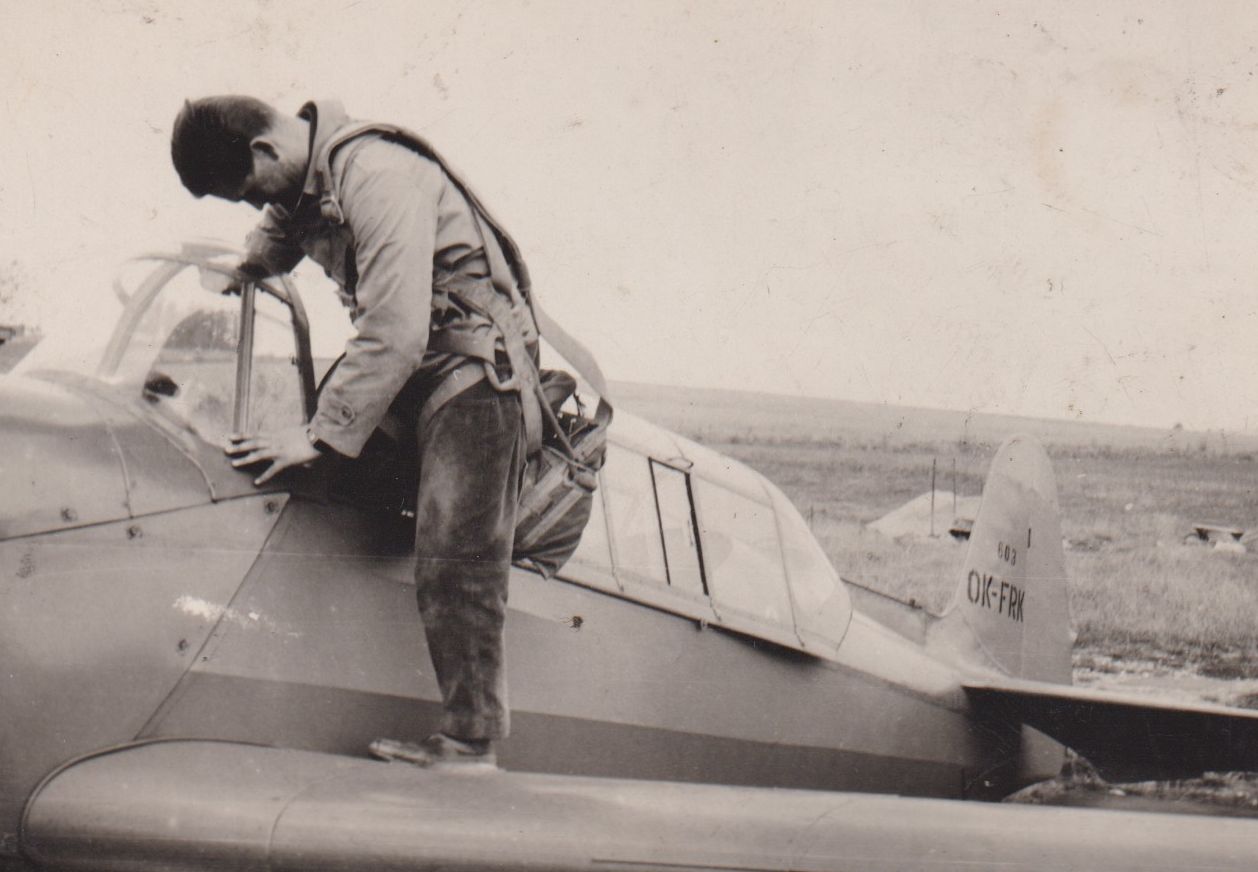
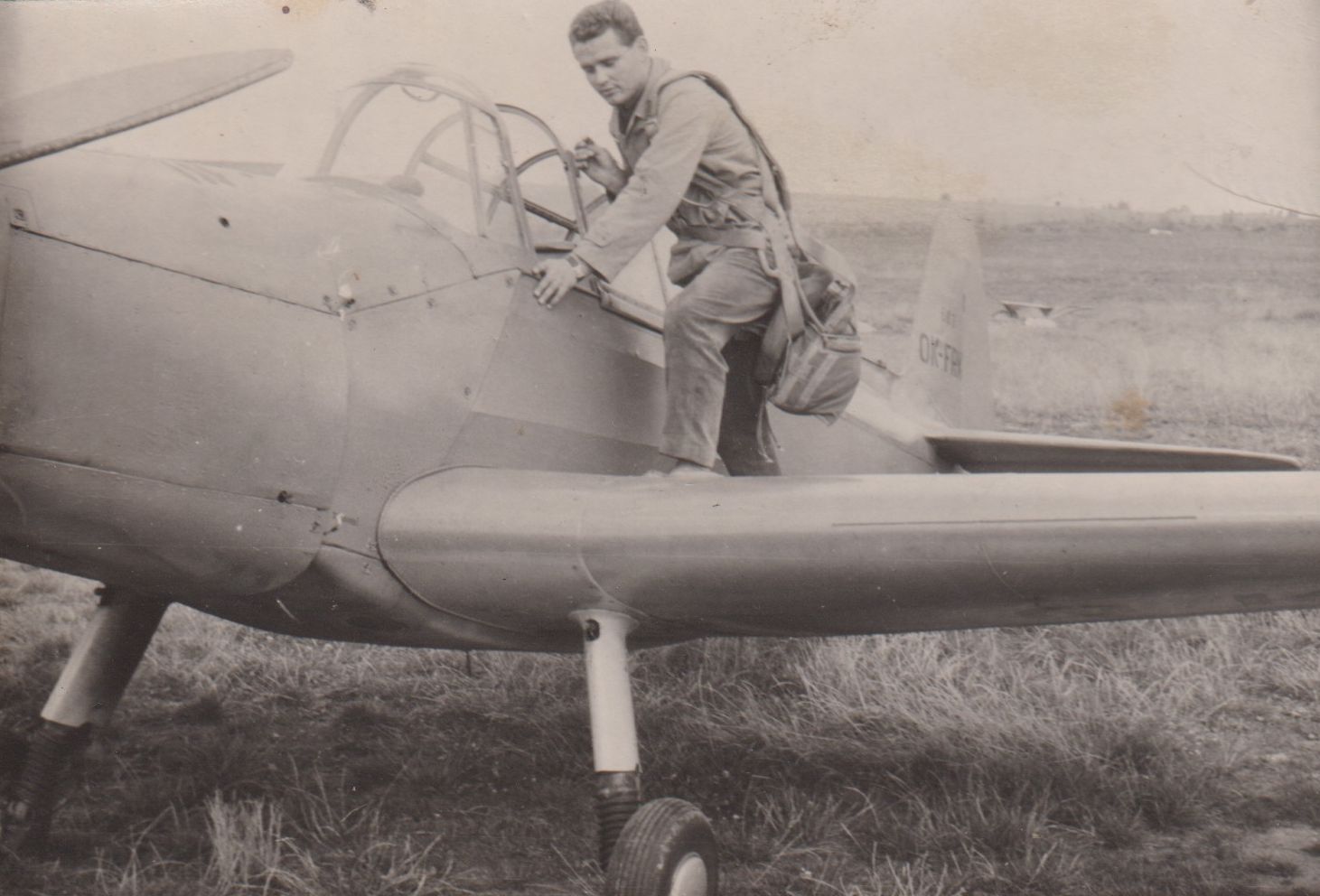
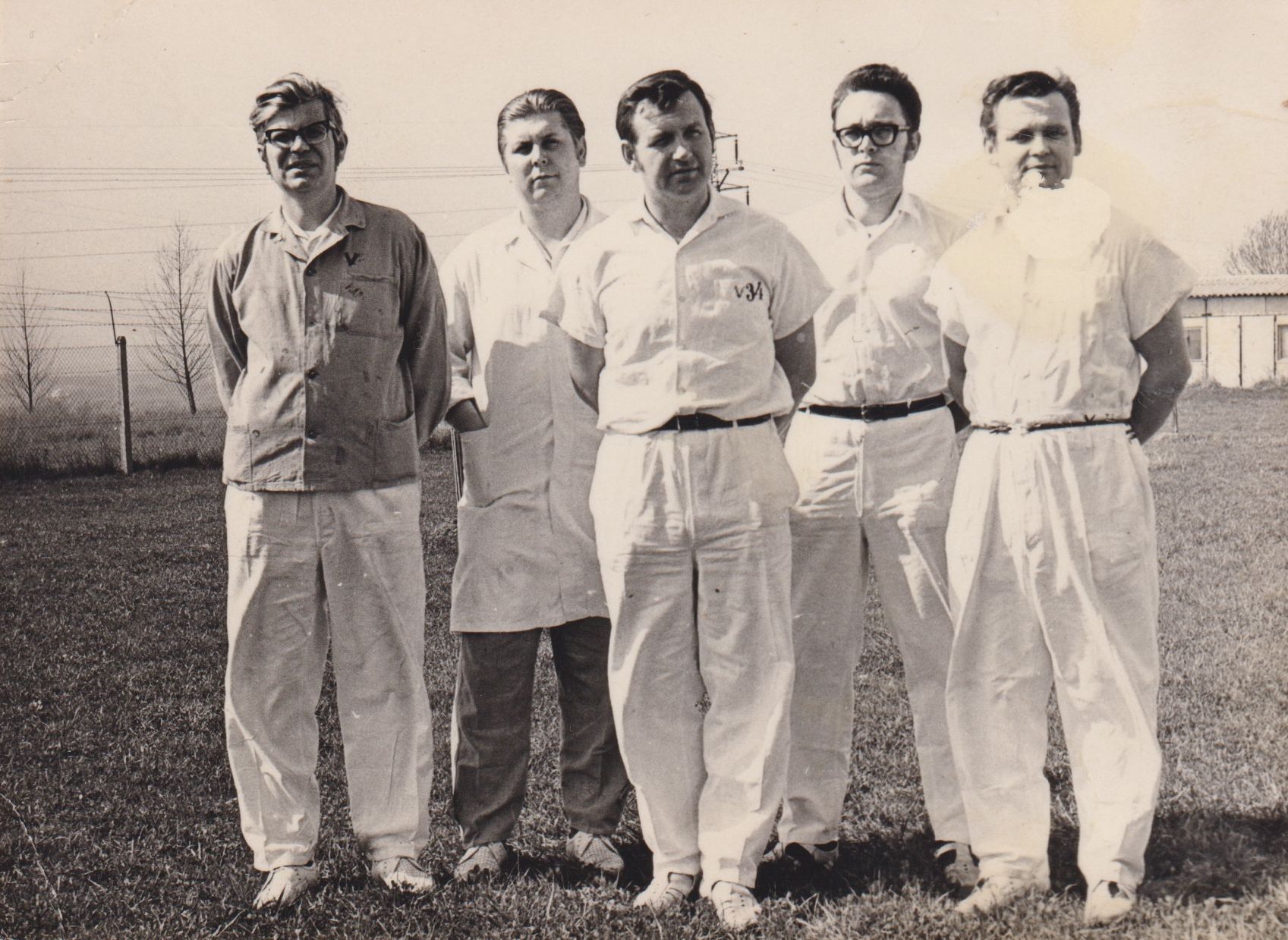
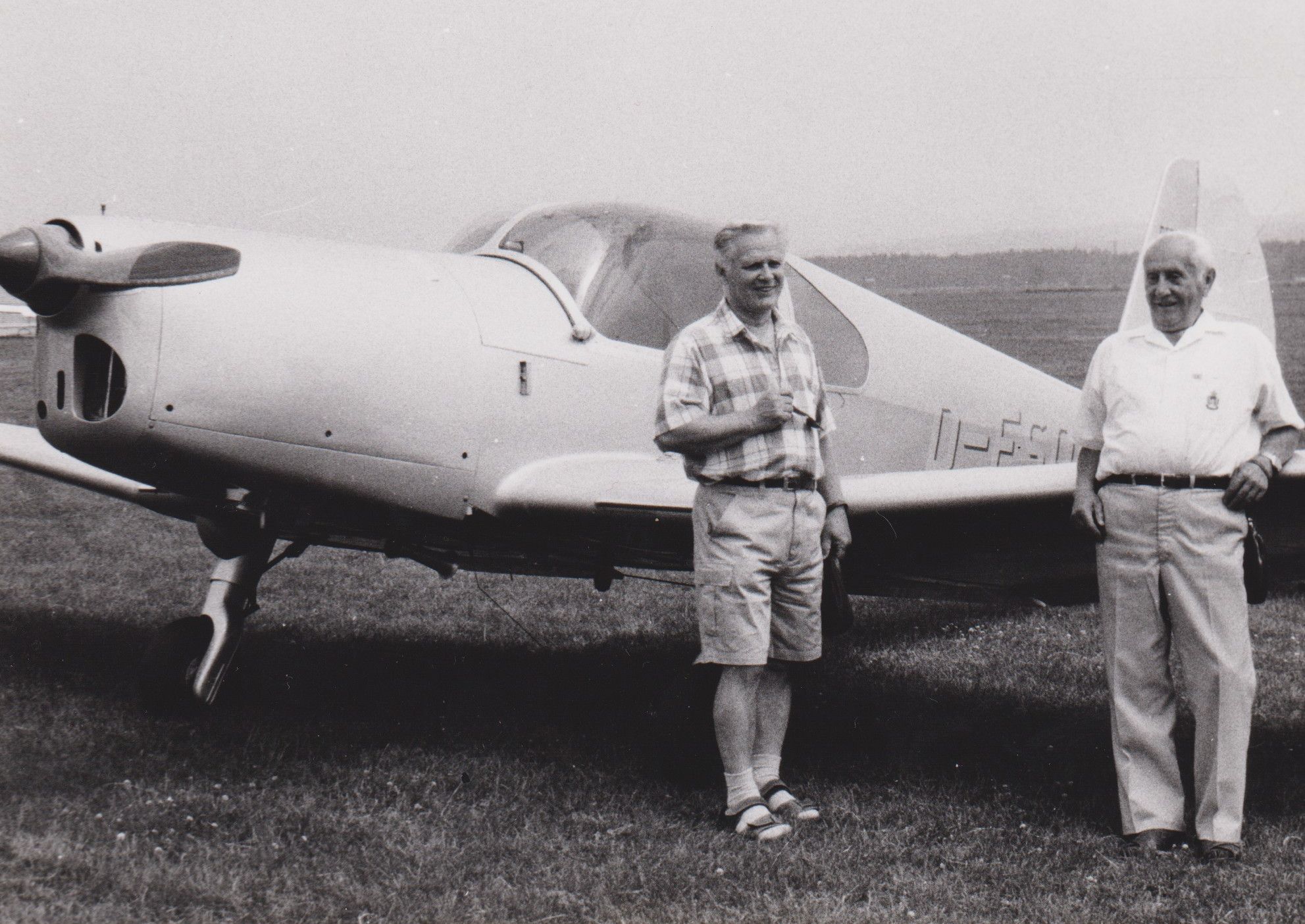
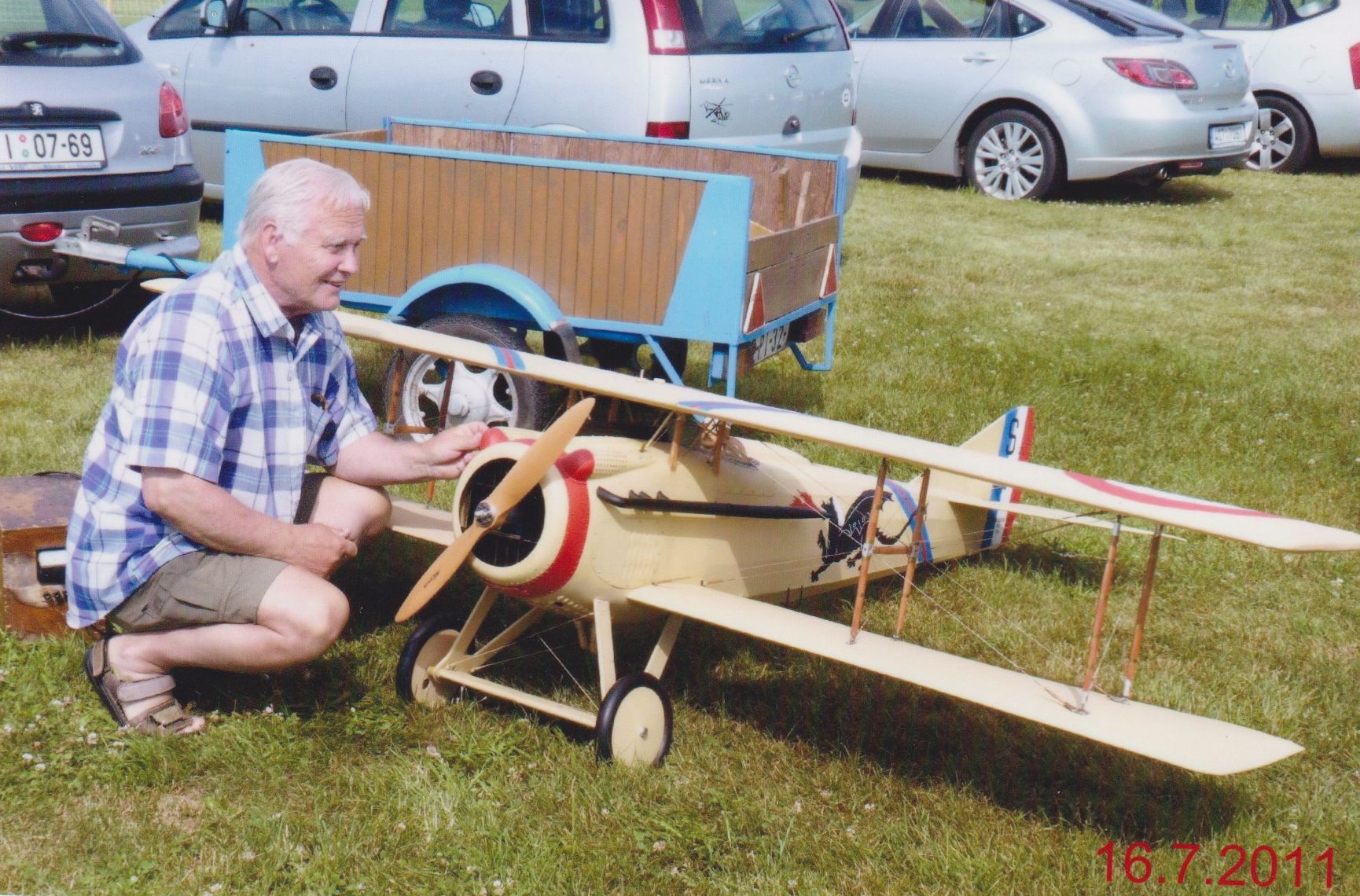
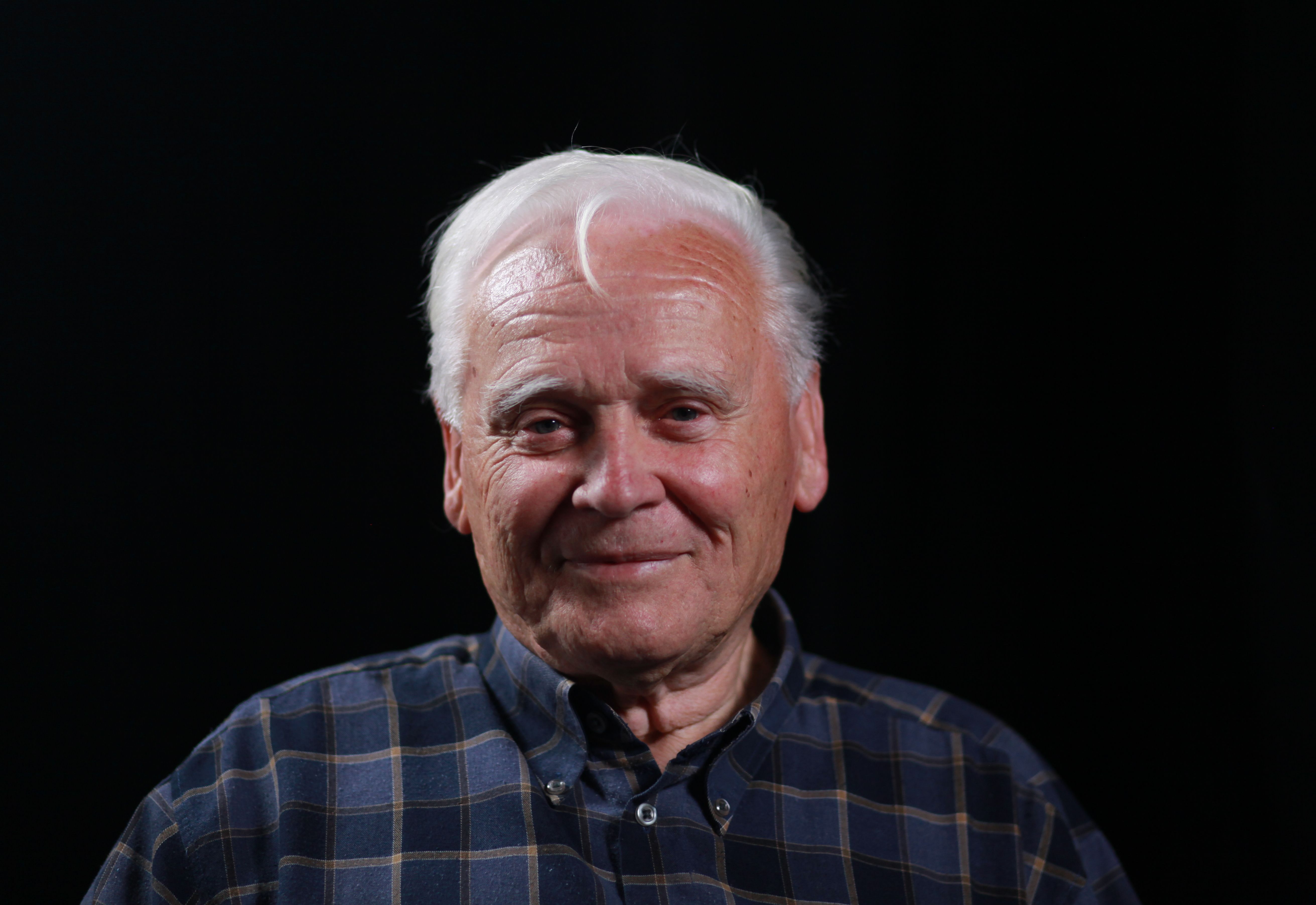
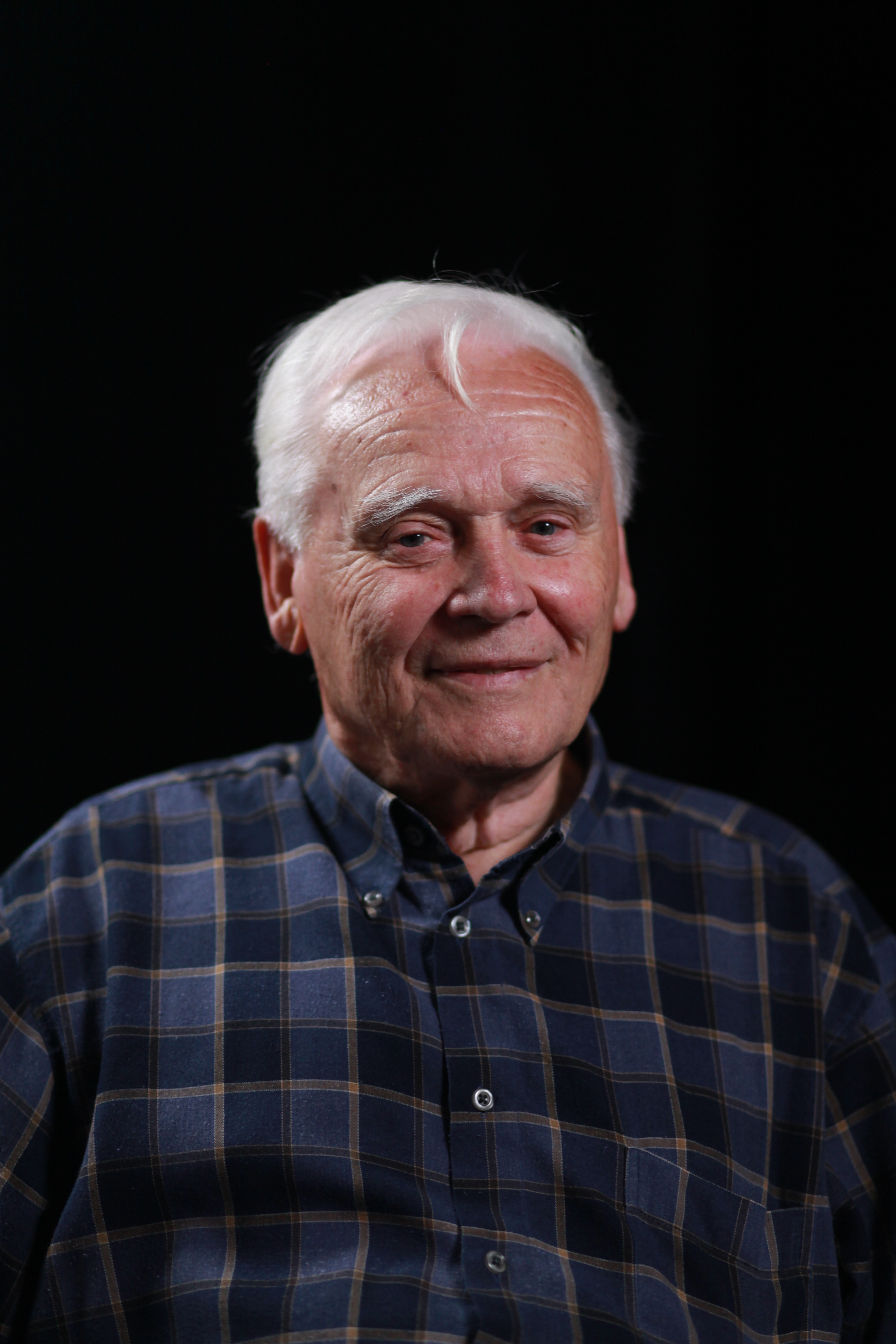
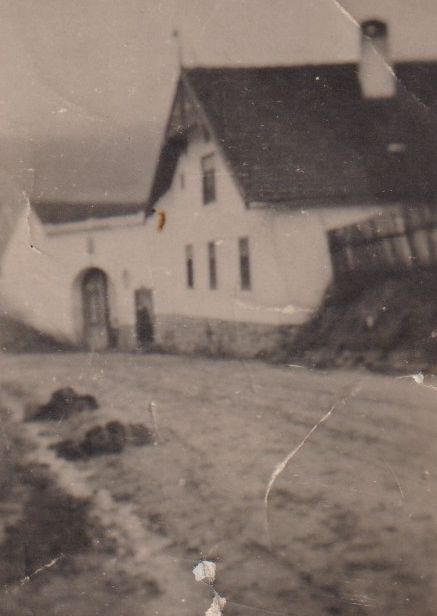
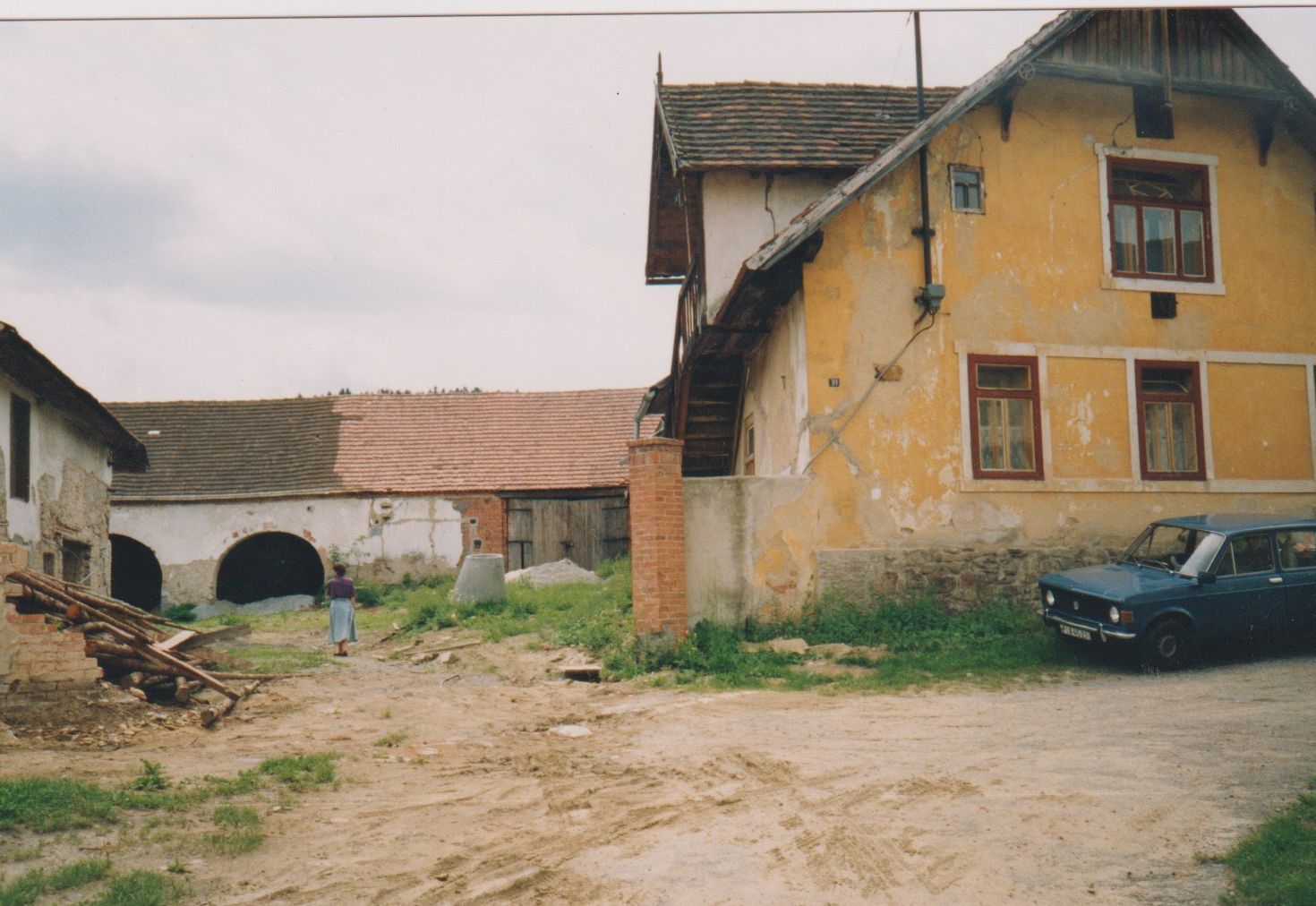
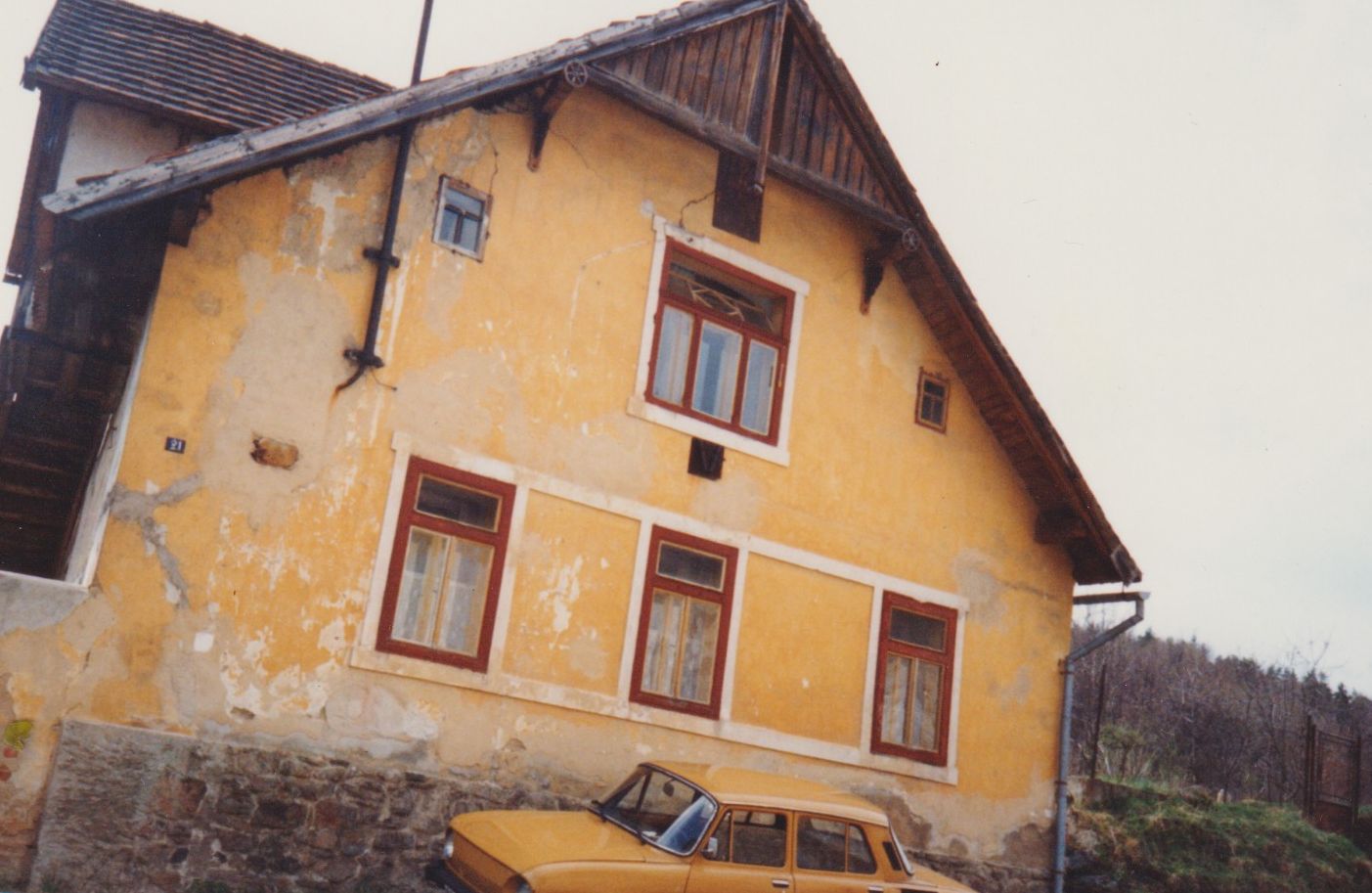
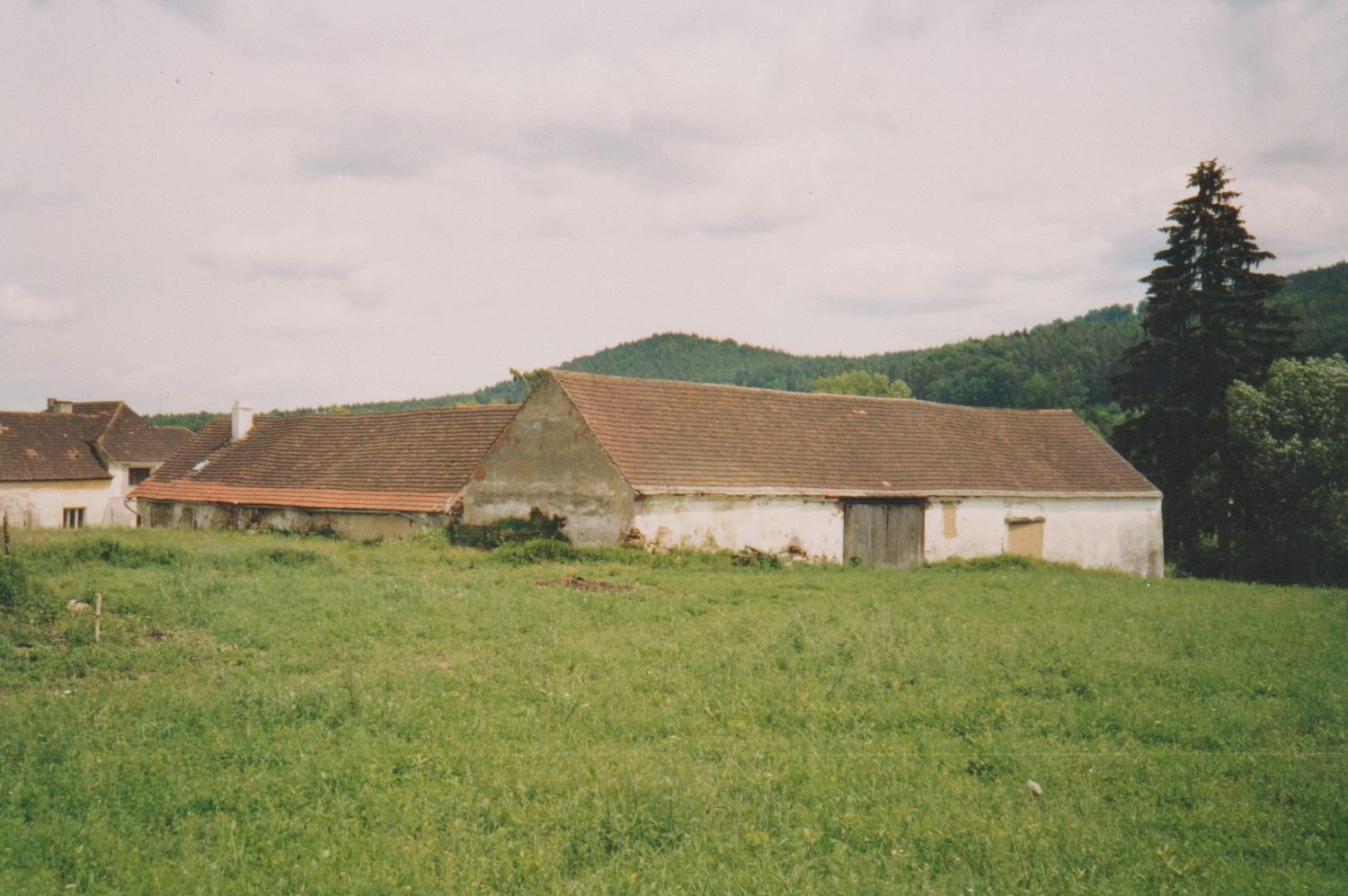
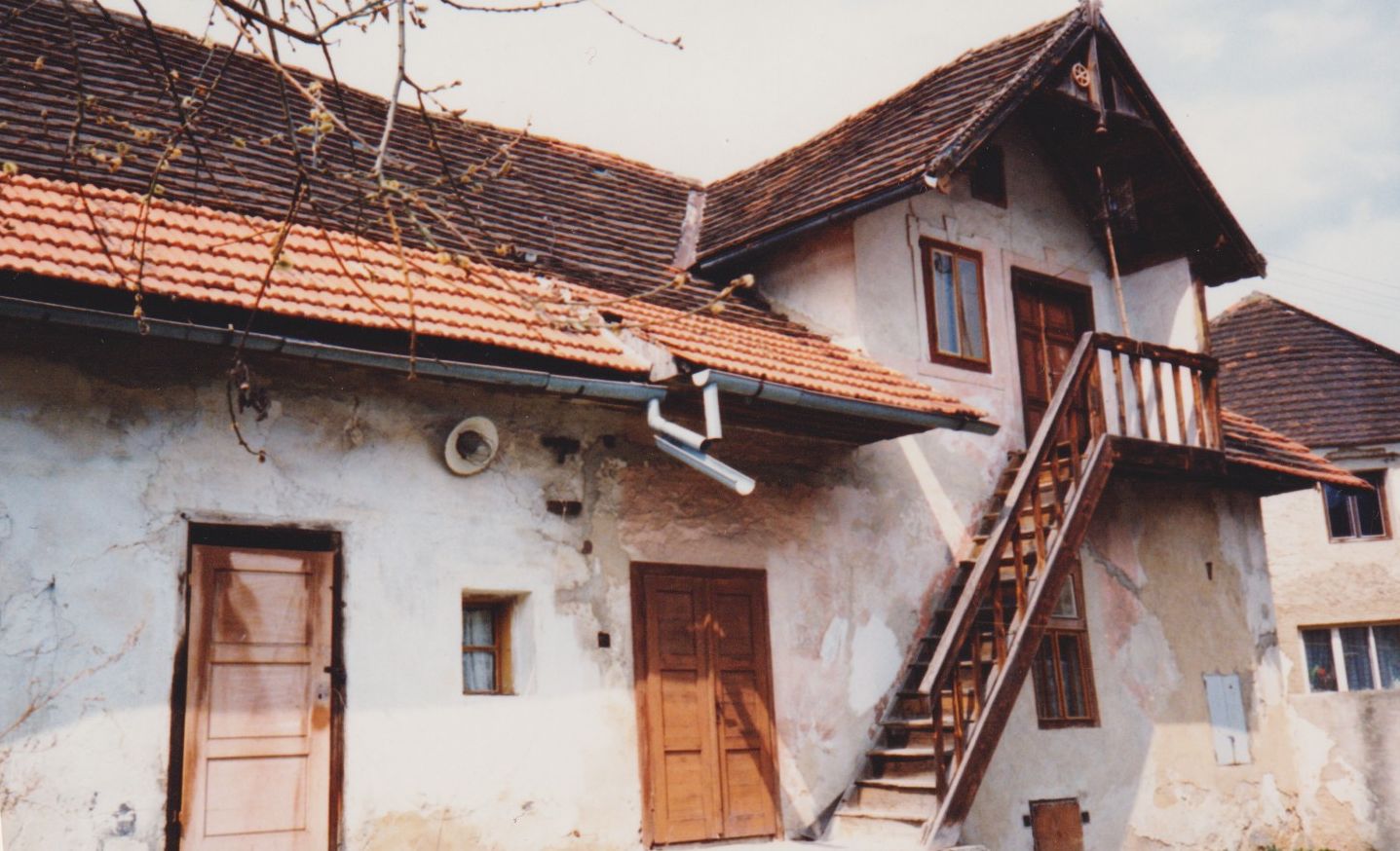
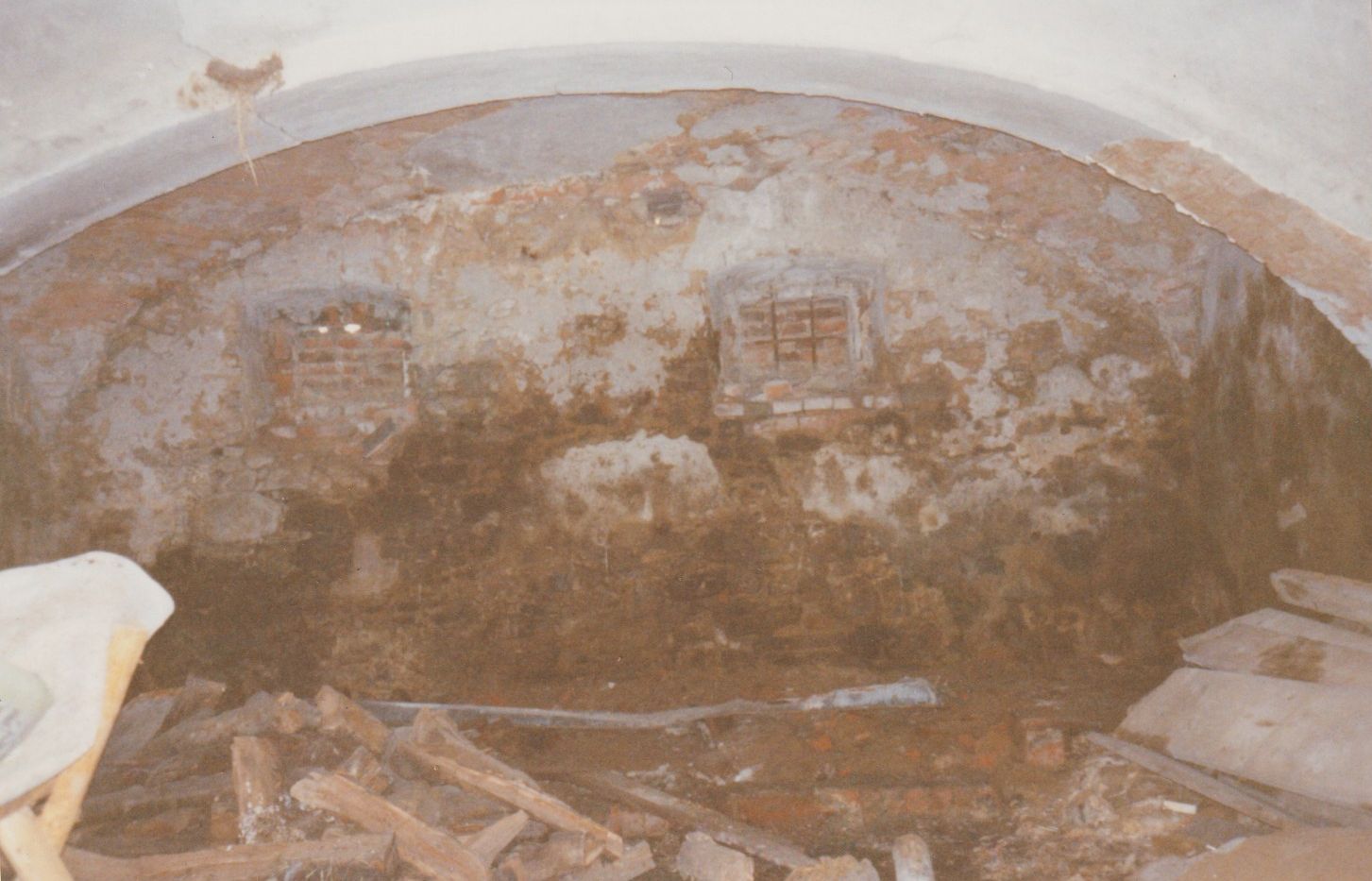
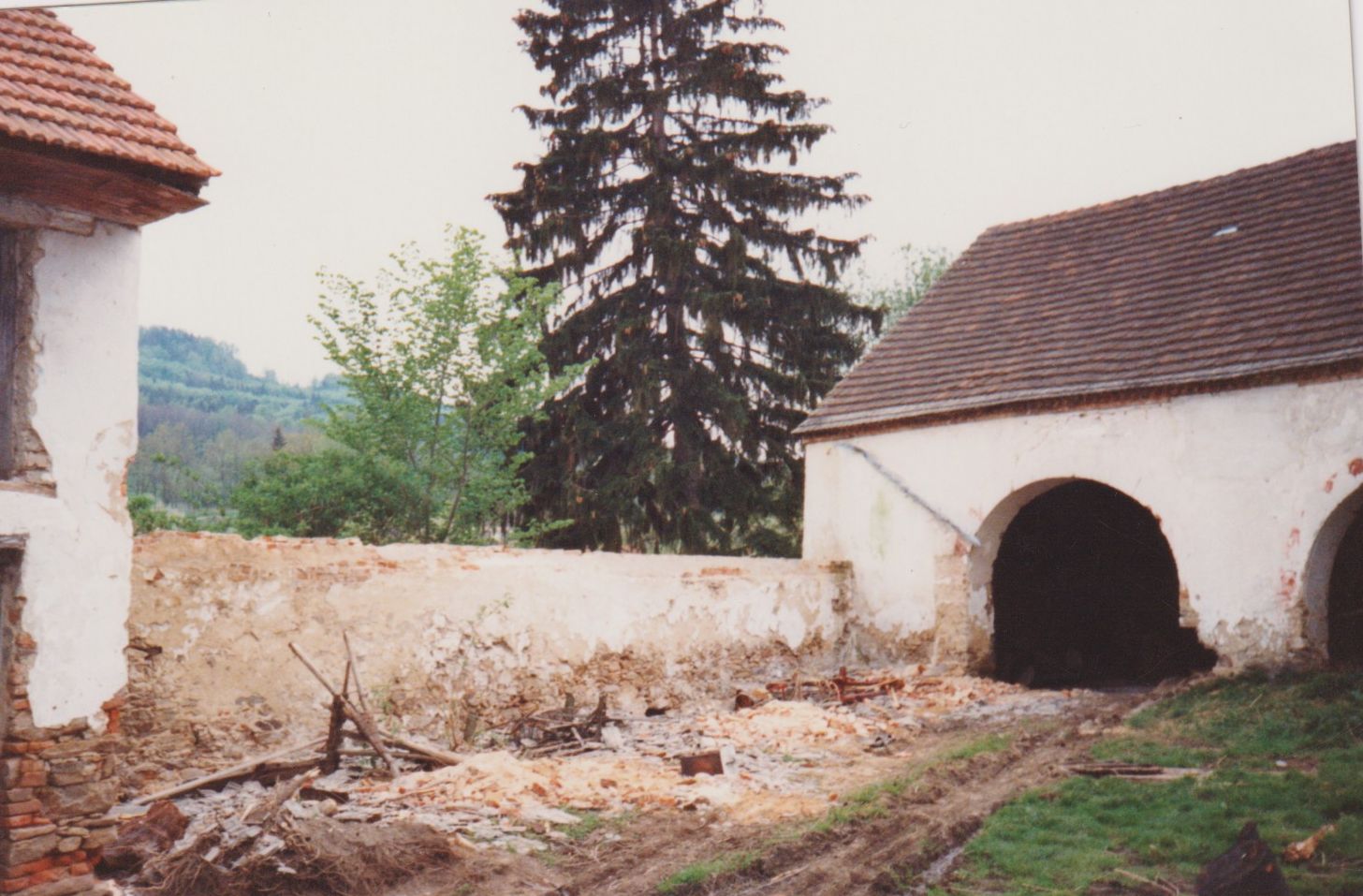
Jaroslav Kropáček was born in Horní Chrášt‘any on 7 April 1939. His parents had made their dream reality buying a farm with twenty hectares of land in Horní Chrášt‘any in the 1930s and farming it successfully. World War II imposed rations on the farm, which were difficult to deliver, and the Nazis then seized the farm. The family moved to Protivín and rented another farm. The father ran two farms until the nationalisation. He lost the farm in Horní Chrášt‘any to collectivisation and was forced to join the farming cooperative (JZD) in Protivín. He took a carter job to cover mandatory supplies but was still unable to meet the requirements, and so he gave up and joined the JZD. The witness initially worked as a leaching engineer at Silon, and in 1963 he joined the research department of the newly established MAPE Mydlovary plant, a closely guarded facility for chemical treatment of uranium ore. He recalls the peak of production in the 1960s, and the plant‘s gradual decline, closure, and demolition after the Velvet Revolution. He relates some of the plant emergencies, personnel changes, and pressures during normalisation. He also wanted to become an airman but was not allowed to because of his background. When political liberation came, he could at least become a pilot in the military reserves. After the Velvet Revolution of 1989, he regained some properties, many in a state of disrepair. He tried to farm the forests, but eventually sold everything because it was too difficult. Jaroslav Kropáček lived in Protivín in 2025.