They were pieces of land which nobody liked any more and the same was for animals. It became estranged from the people, they went to work there as to a factory
Stáhnout obrázek
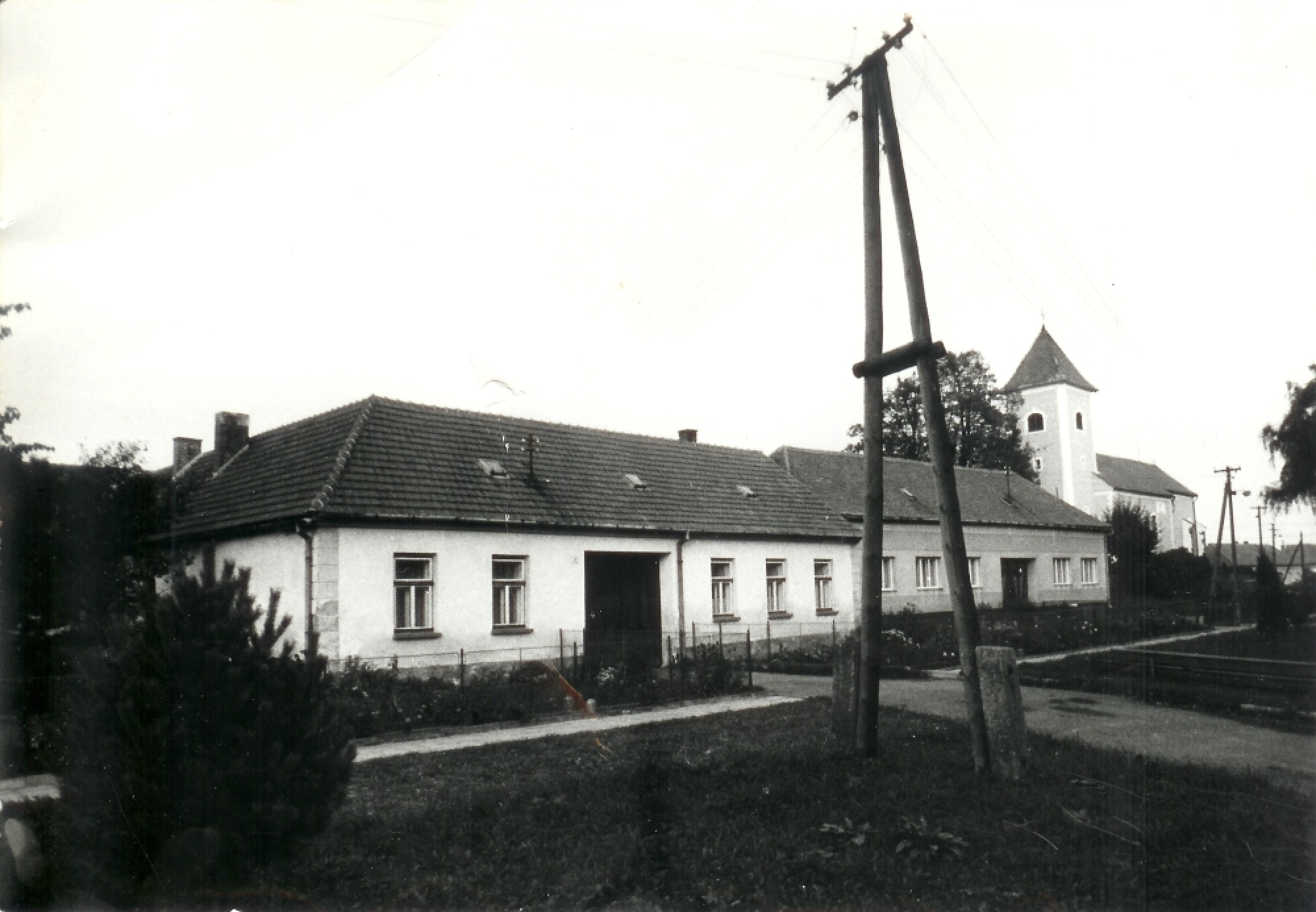
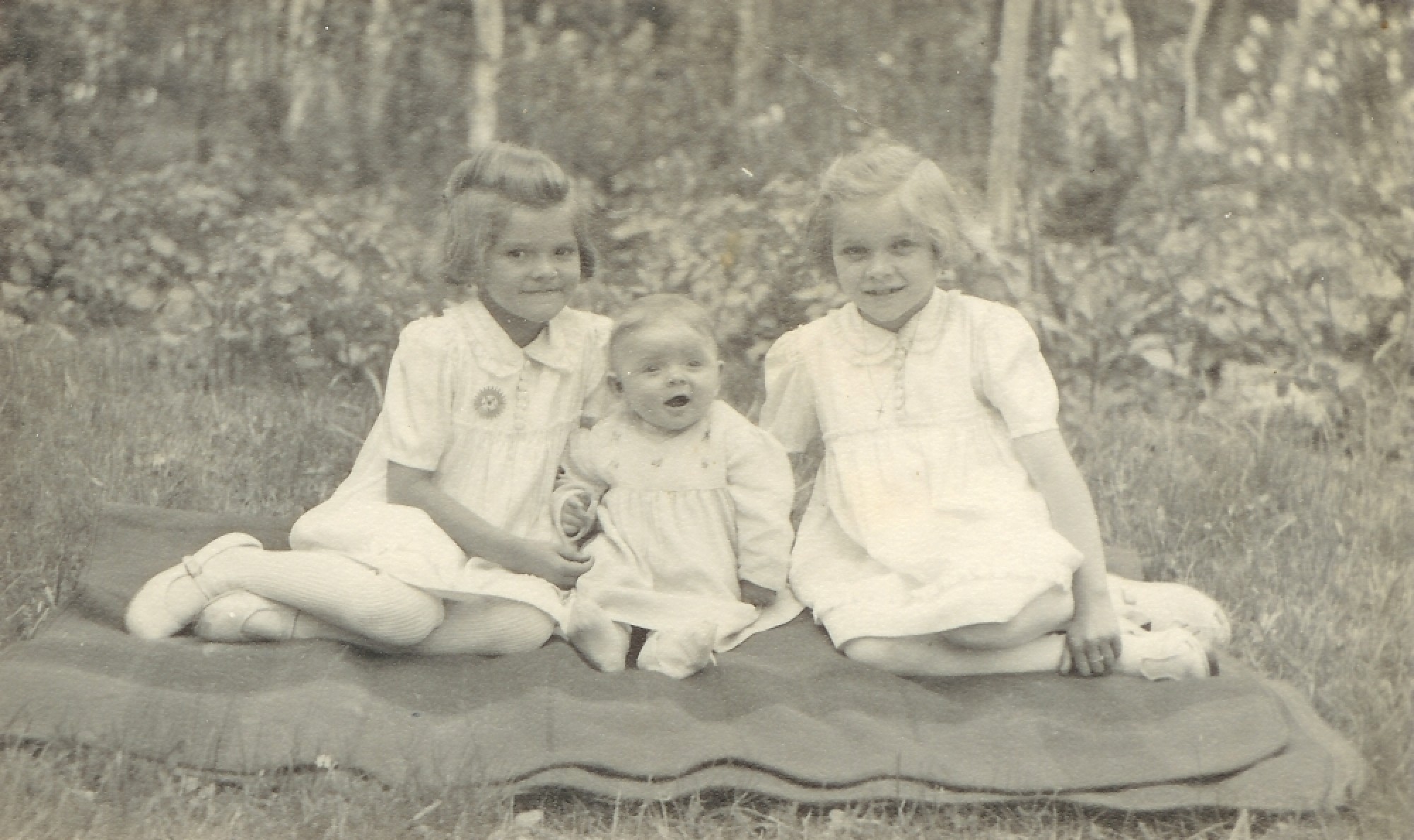
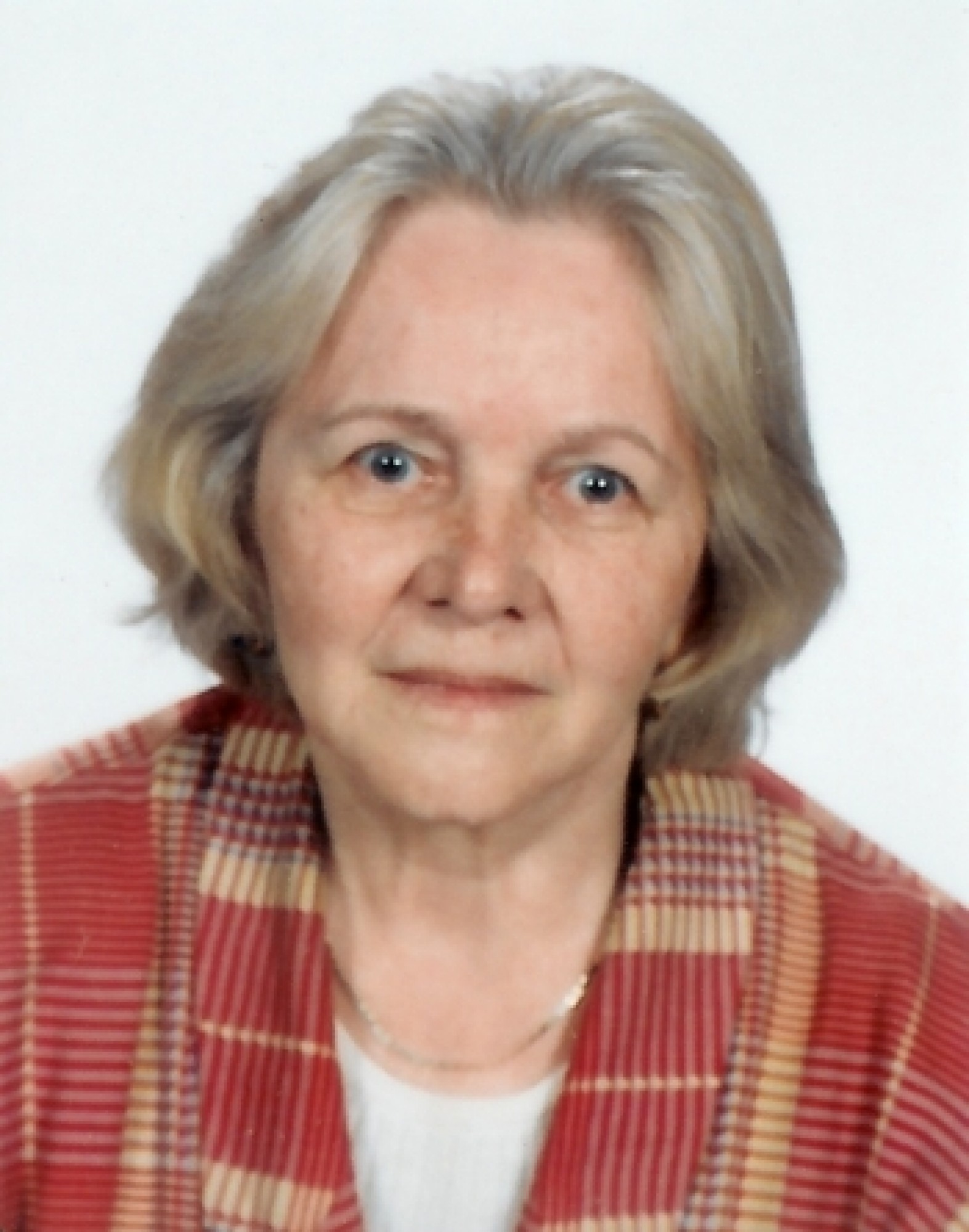
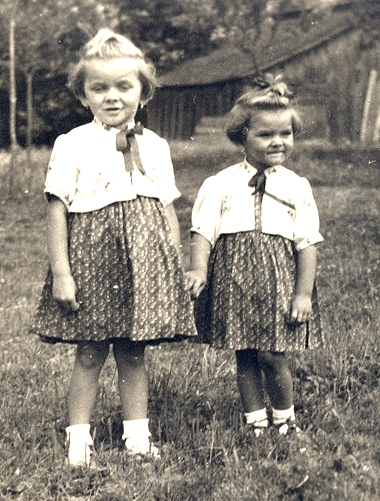
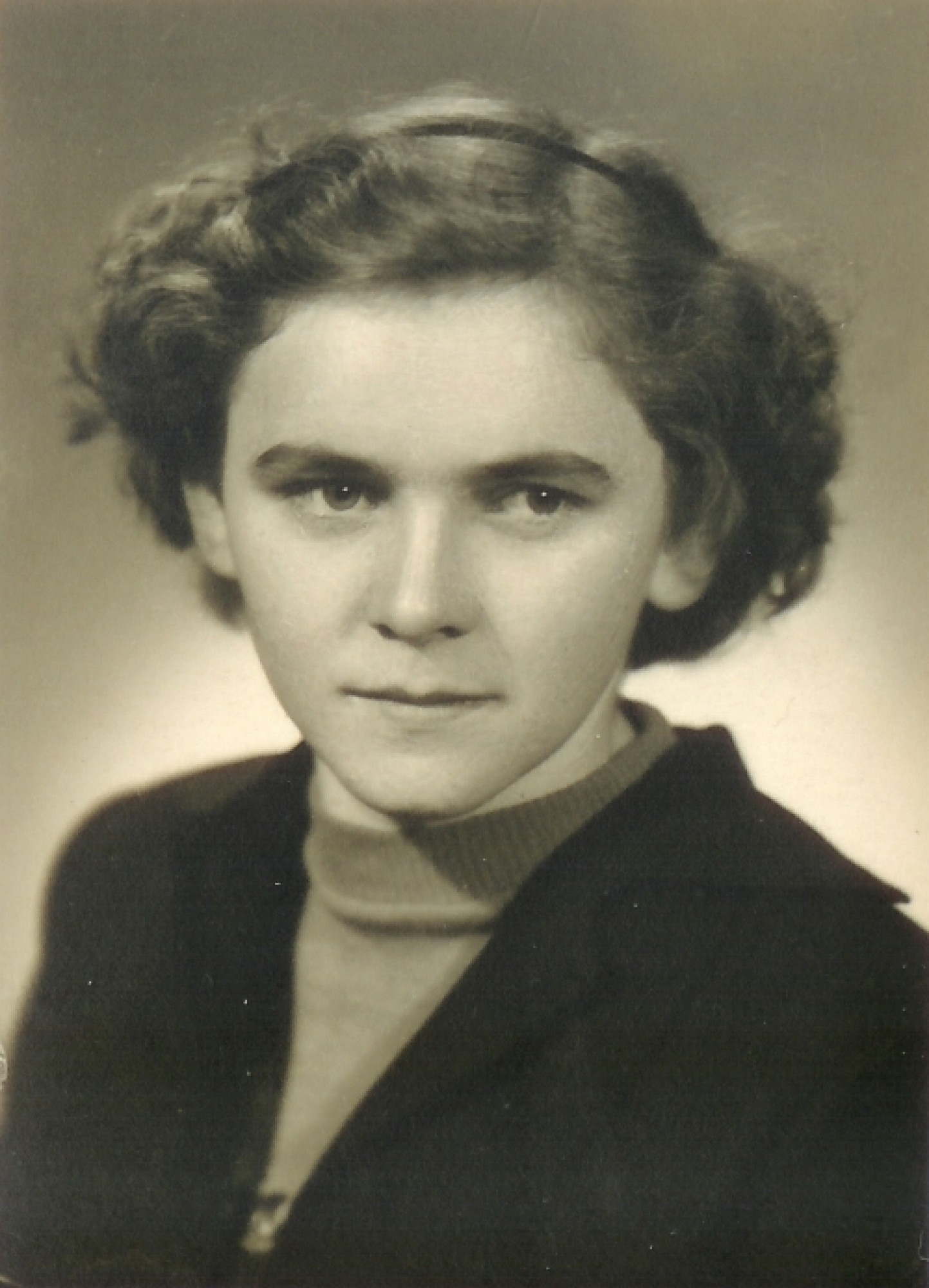
Ludmila Klukanová was born on 5th October 1936 in the family of a farmer Rudolf Šabata and his wife Růžena as the oldest of three sisters. Her family farmed for a few generations on an estate in Lipník near Hrotovice, the acreage of the fields was 18 hectares. Her parents were members of the agrarian party before the war. Her father participated in the resistance against the Nazis during the World War II, he was a member of the resistance group Lenka-Jih (South). After the war the whole family was very sceptical to the coming circumstances, also due to the fact that they didn´t have any illusions about the situation in the USSR. Their far relatives got namely in 1920 to Kazakhstan as a part of the action to help the Soviet industry, and thank to their experience the other relatives could create an imagination how the Soviet economy was working. Although there were no estates in the Vysočina region like there were for example in the Haná region, the farmers from there were still very hardly affected by the collectivization of agriculture. They were namely refusing to enter the agricultural cooperatives and they were being inflicted for their resistance by the liquidation deliveries of crop-plants and by repression. Besides, the Babice case bears relation to collectivization too. Ludmila Klukanová is today intensively engaged in studying of the time of the doom of the farm class, this theme blends also into her literary creation.