My mother said, „I‘m going to knock those novels out of her head.“
Stáhnout obrázek
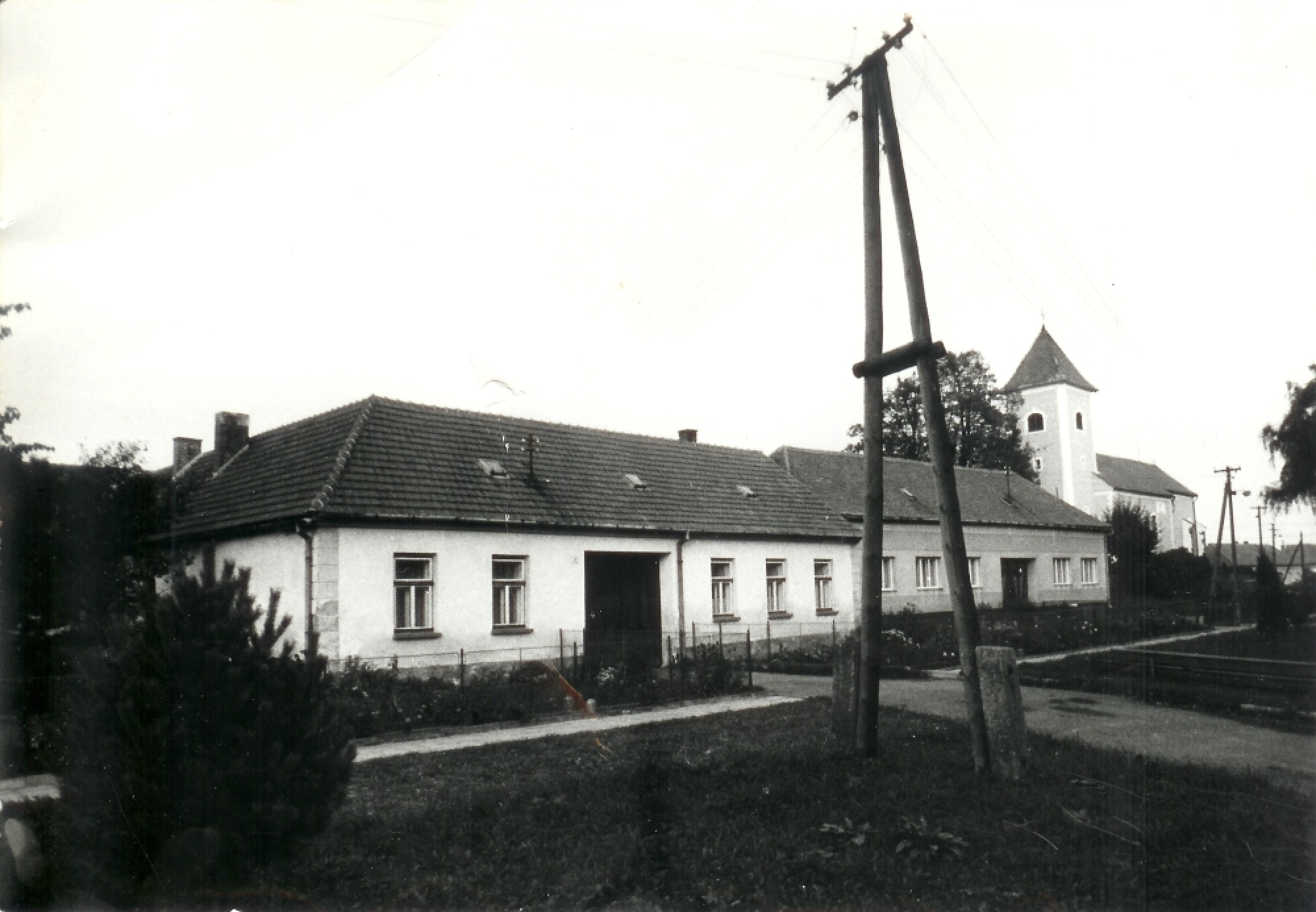
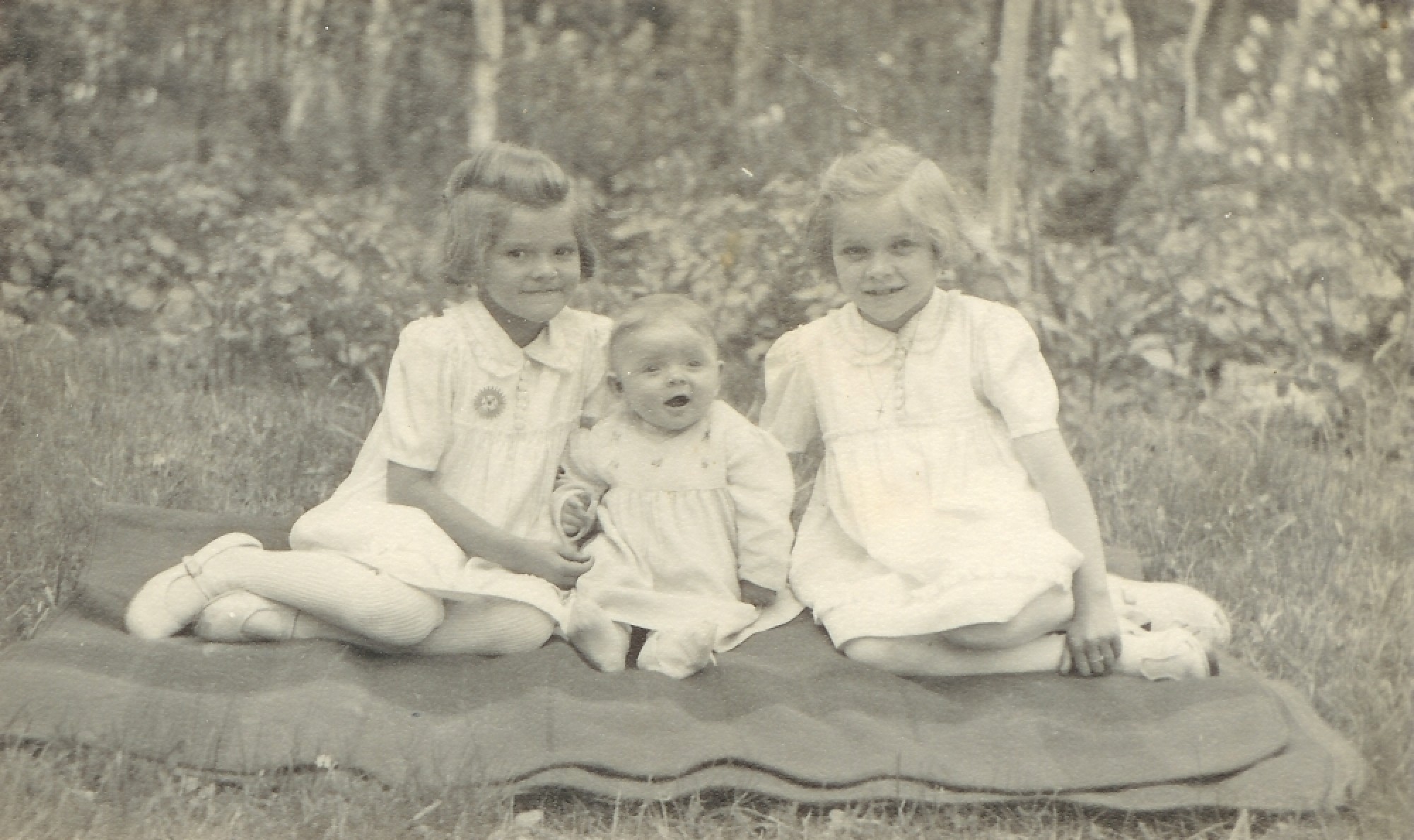
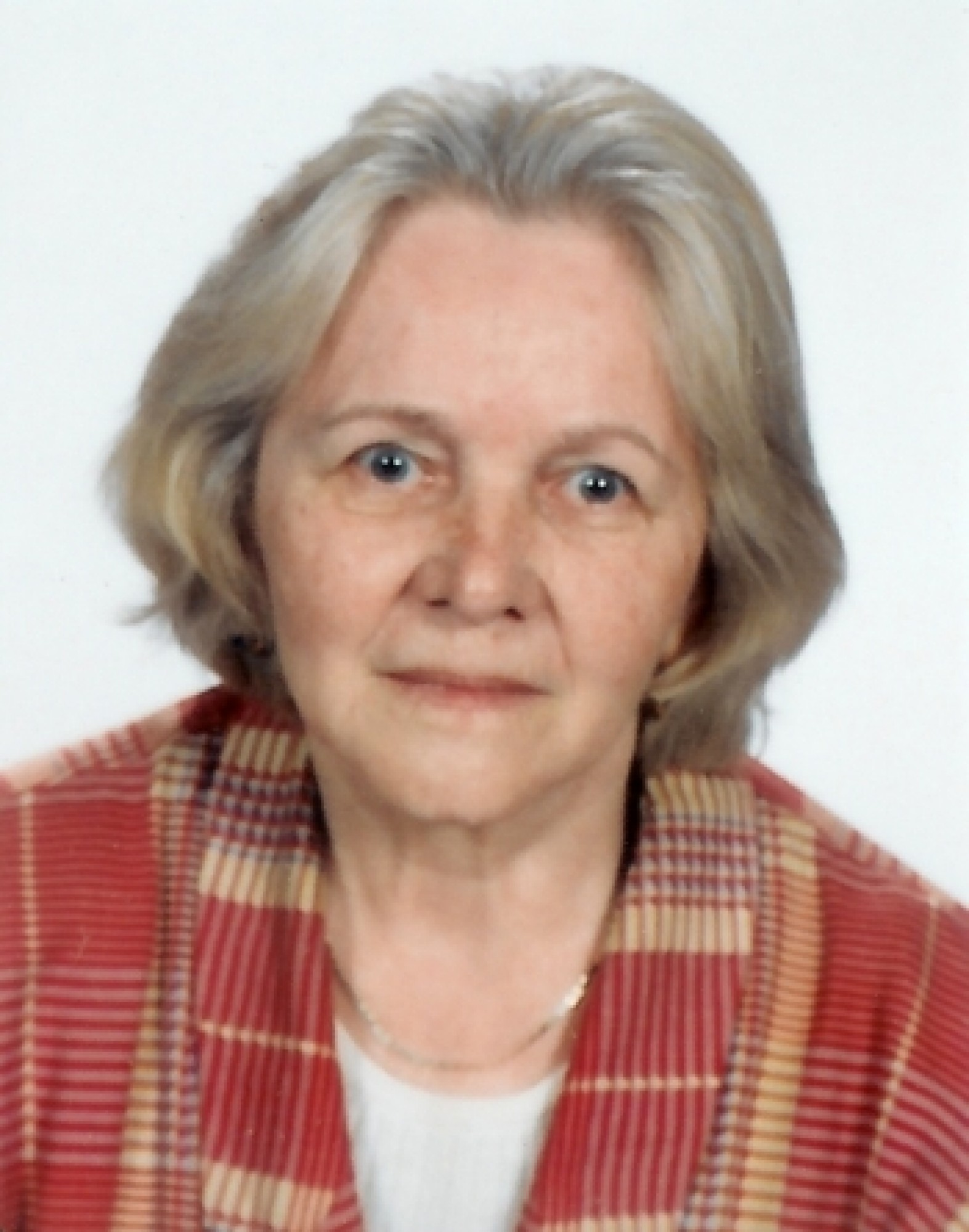
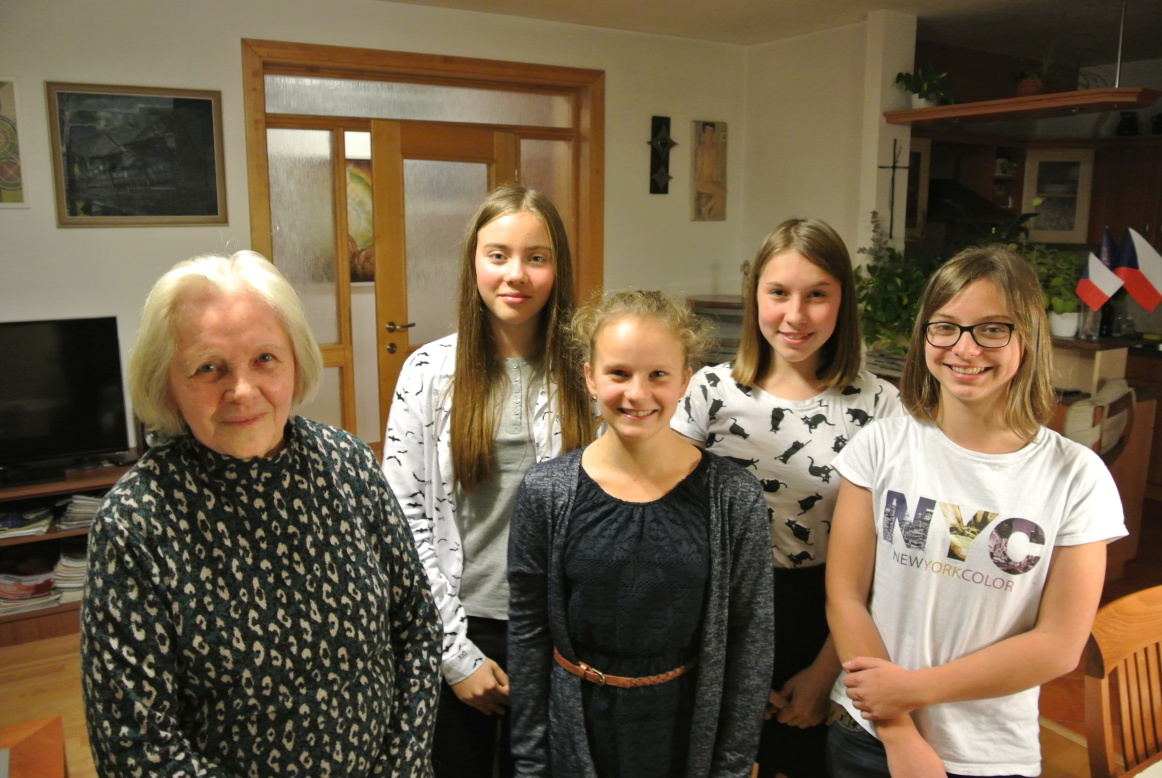
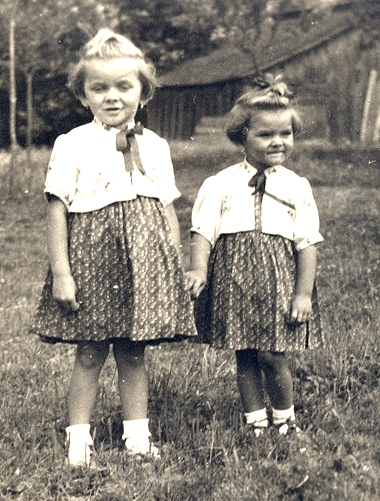
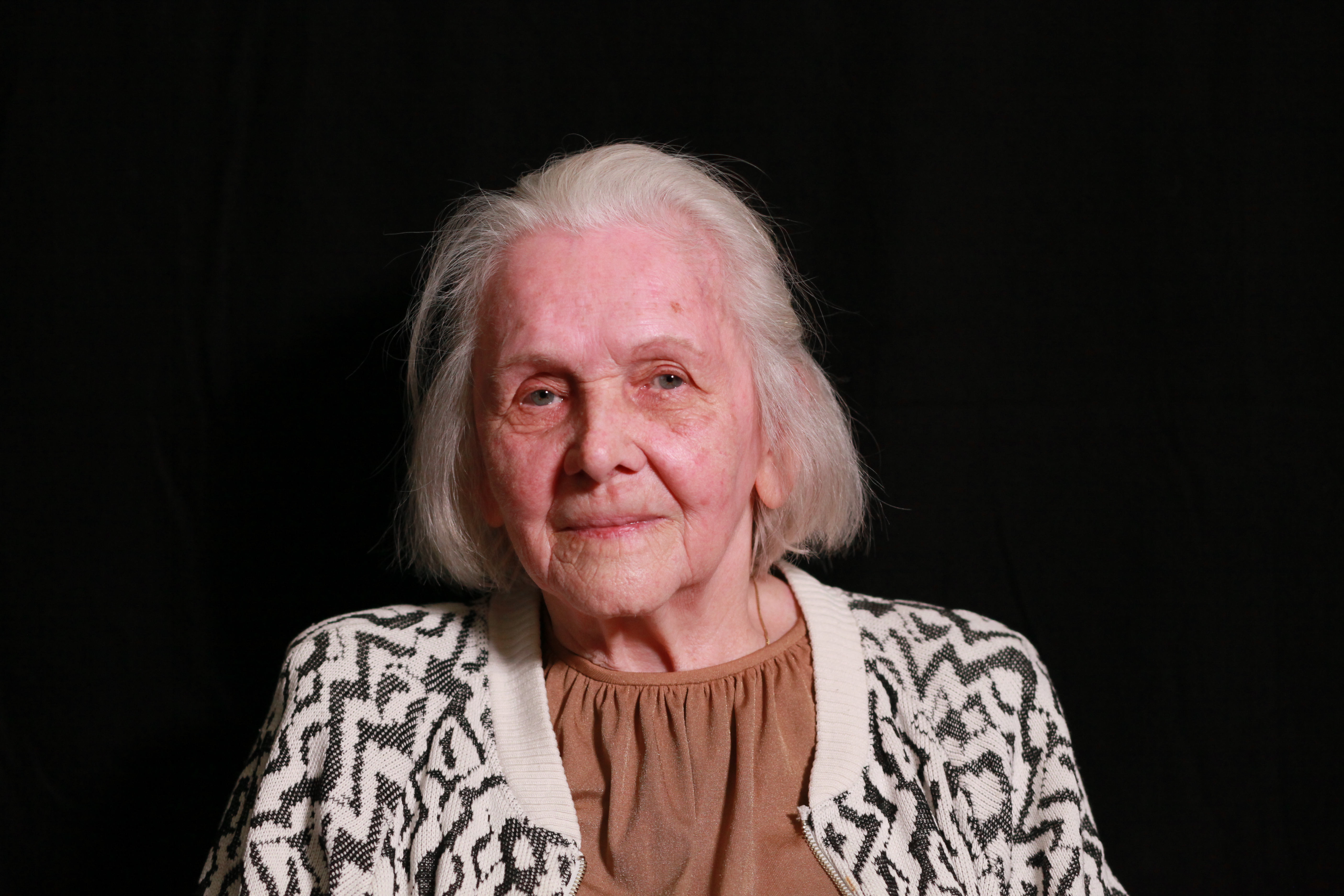
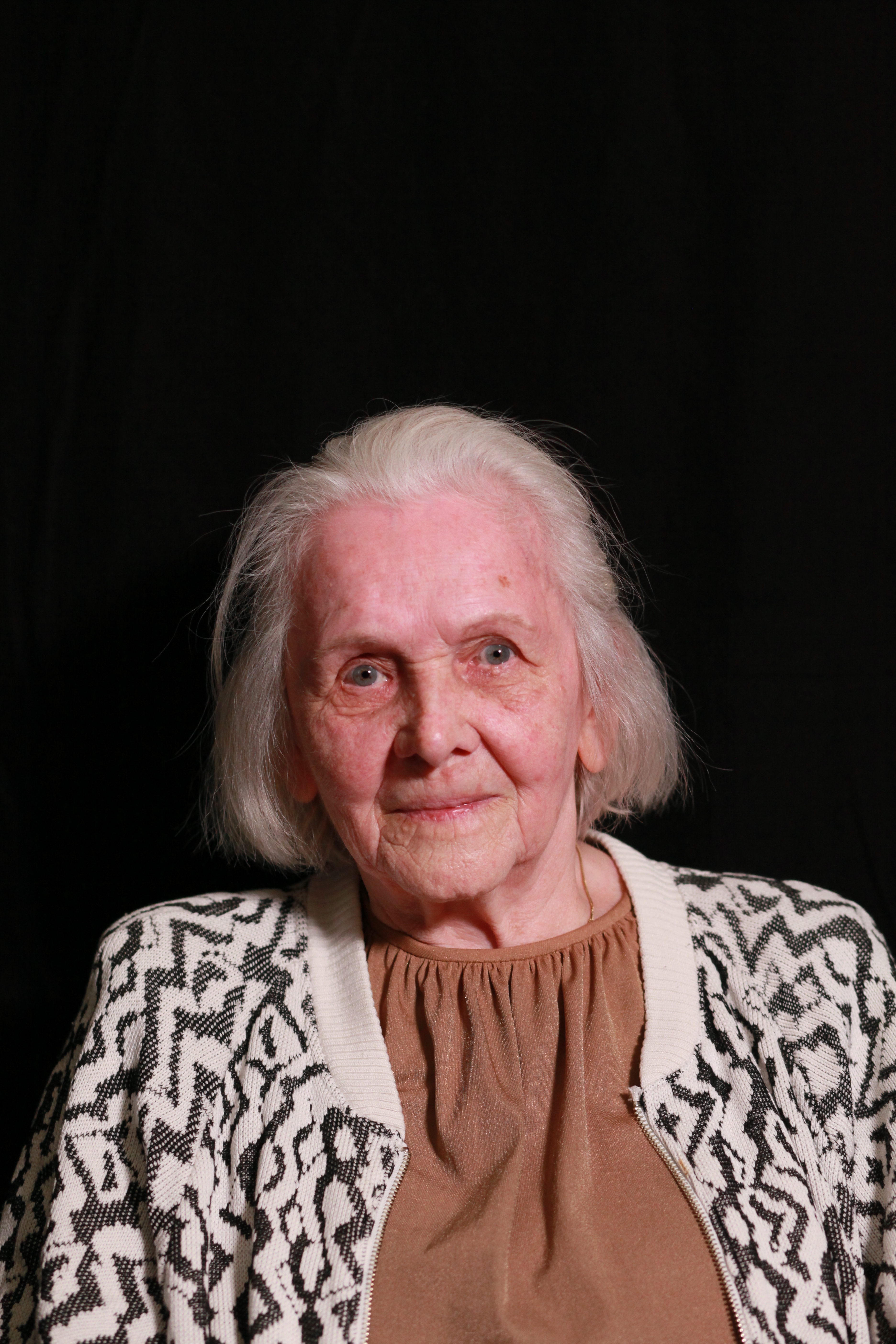
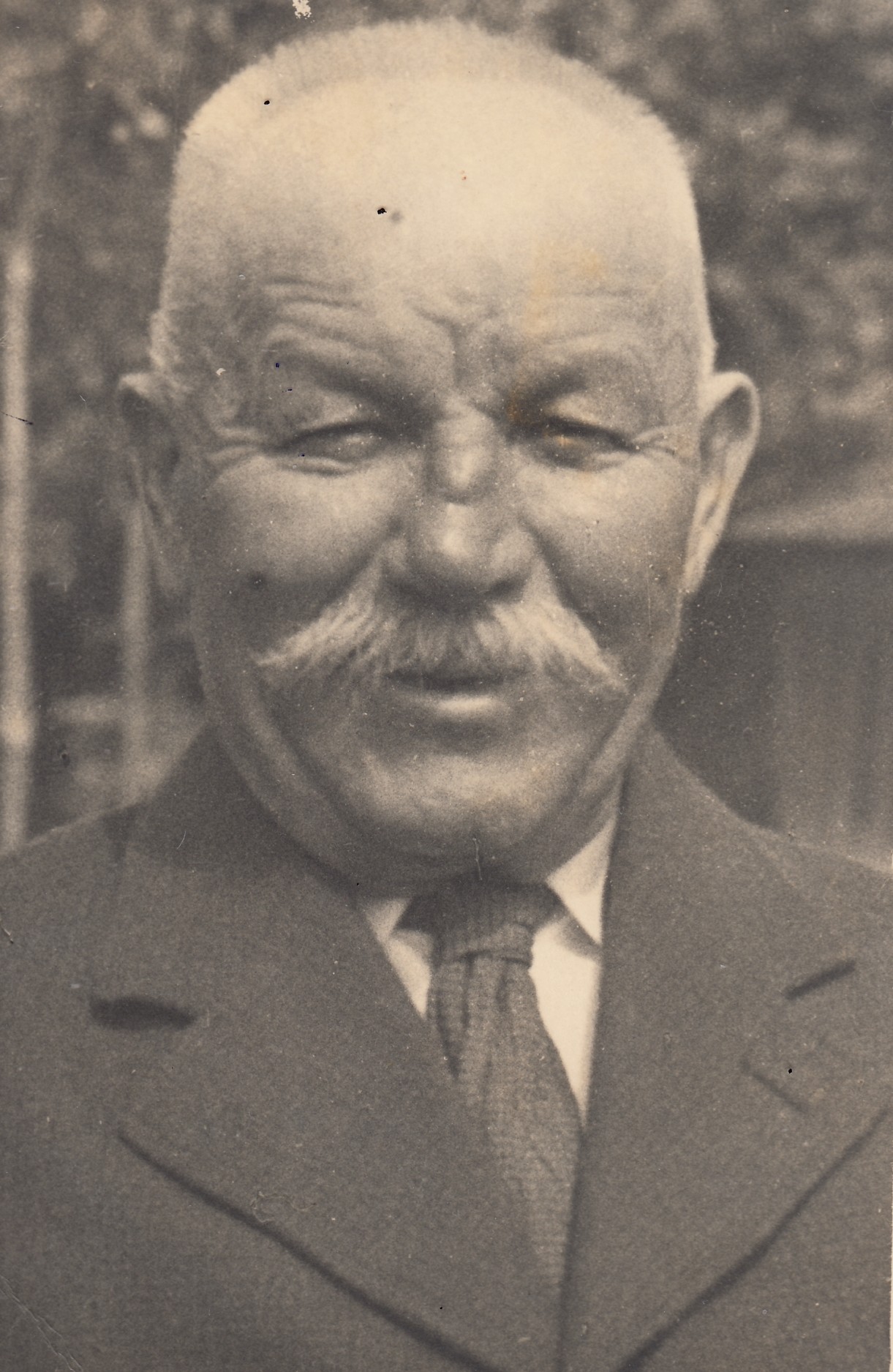
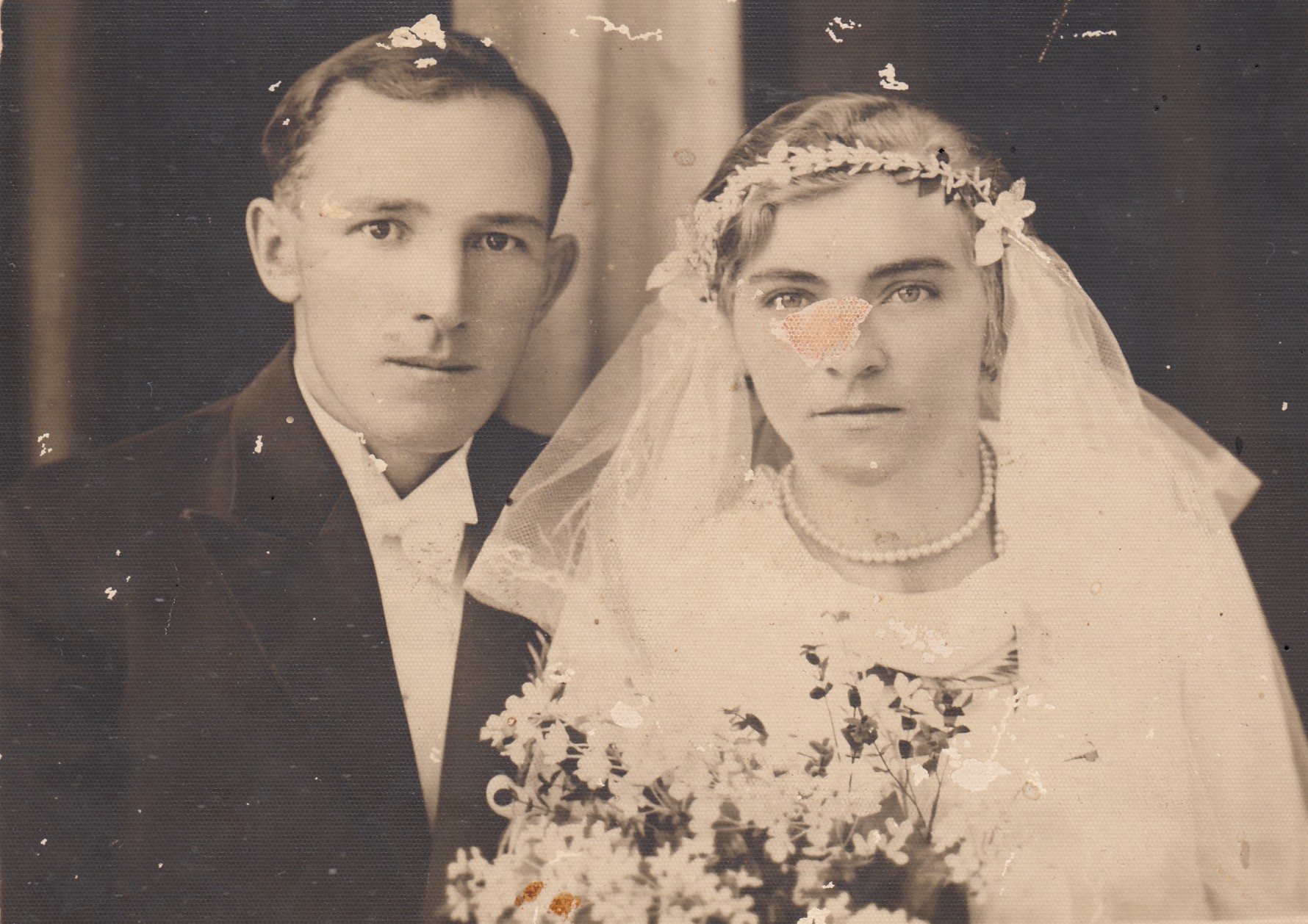
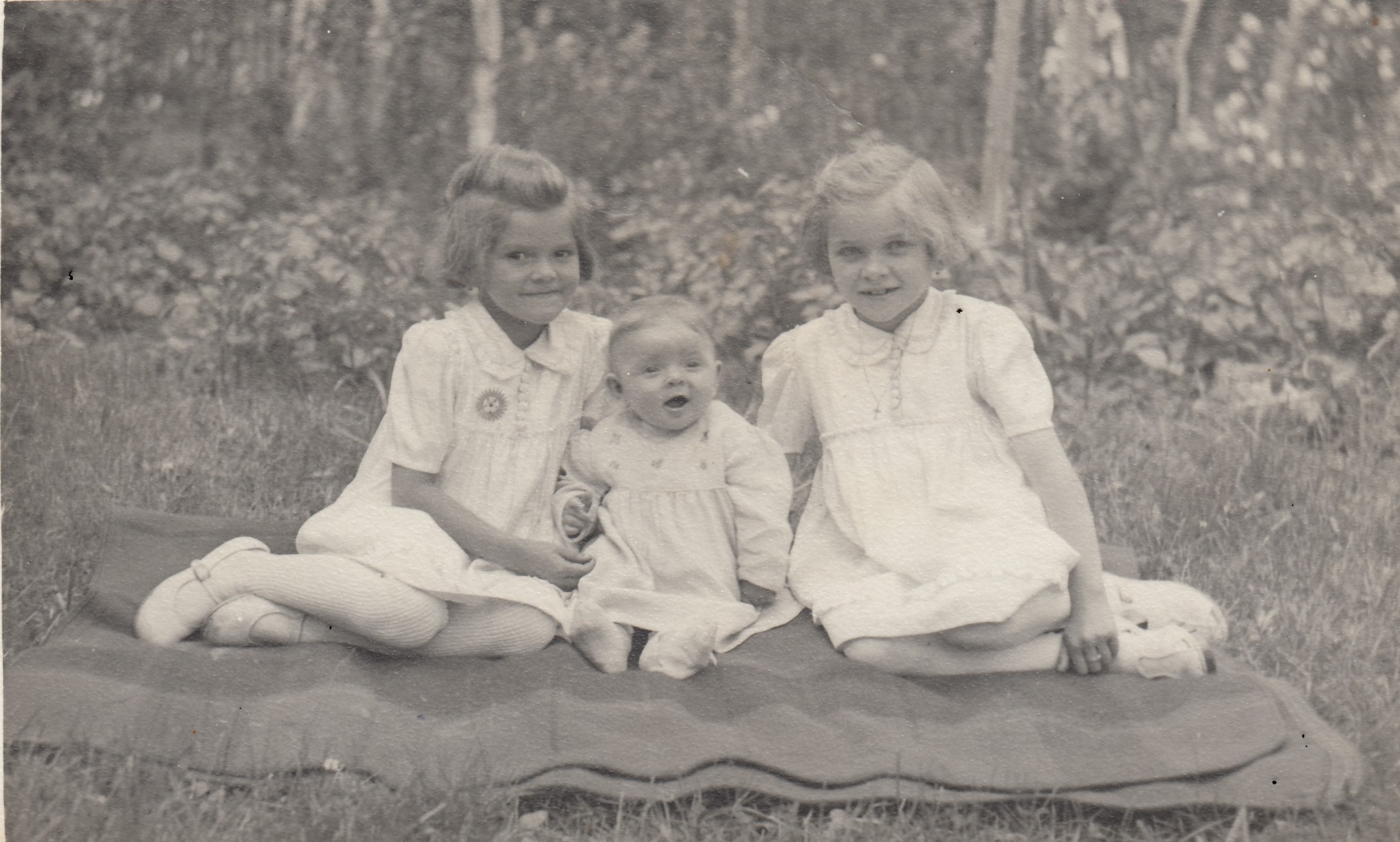
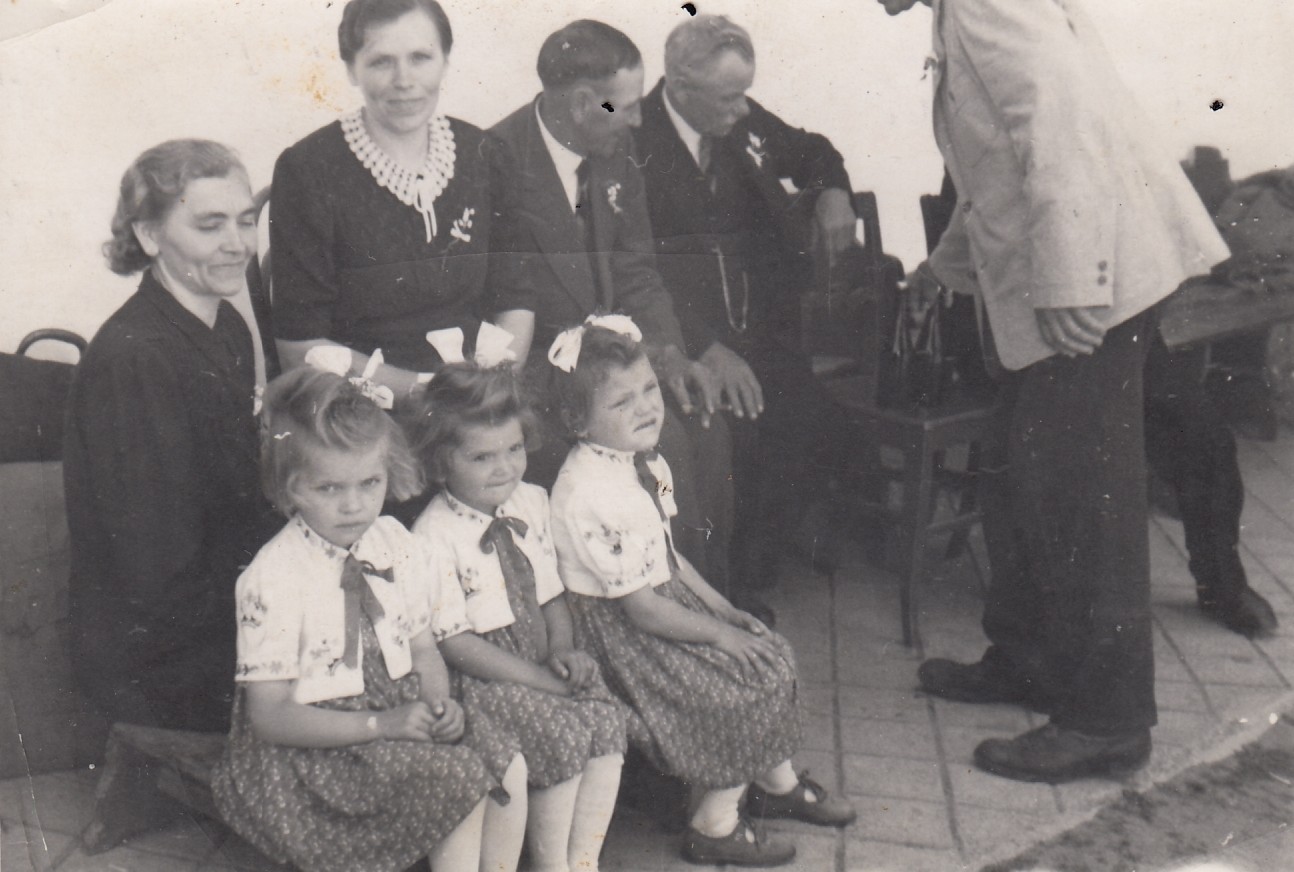
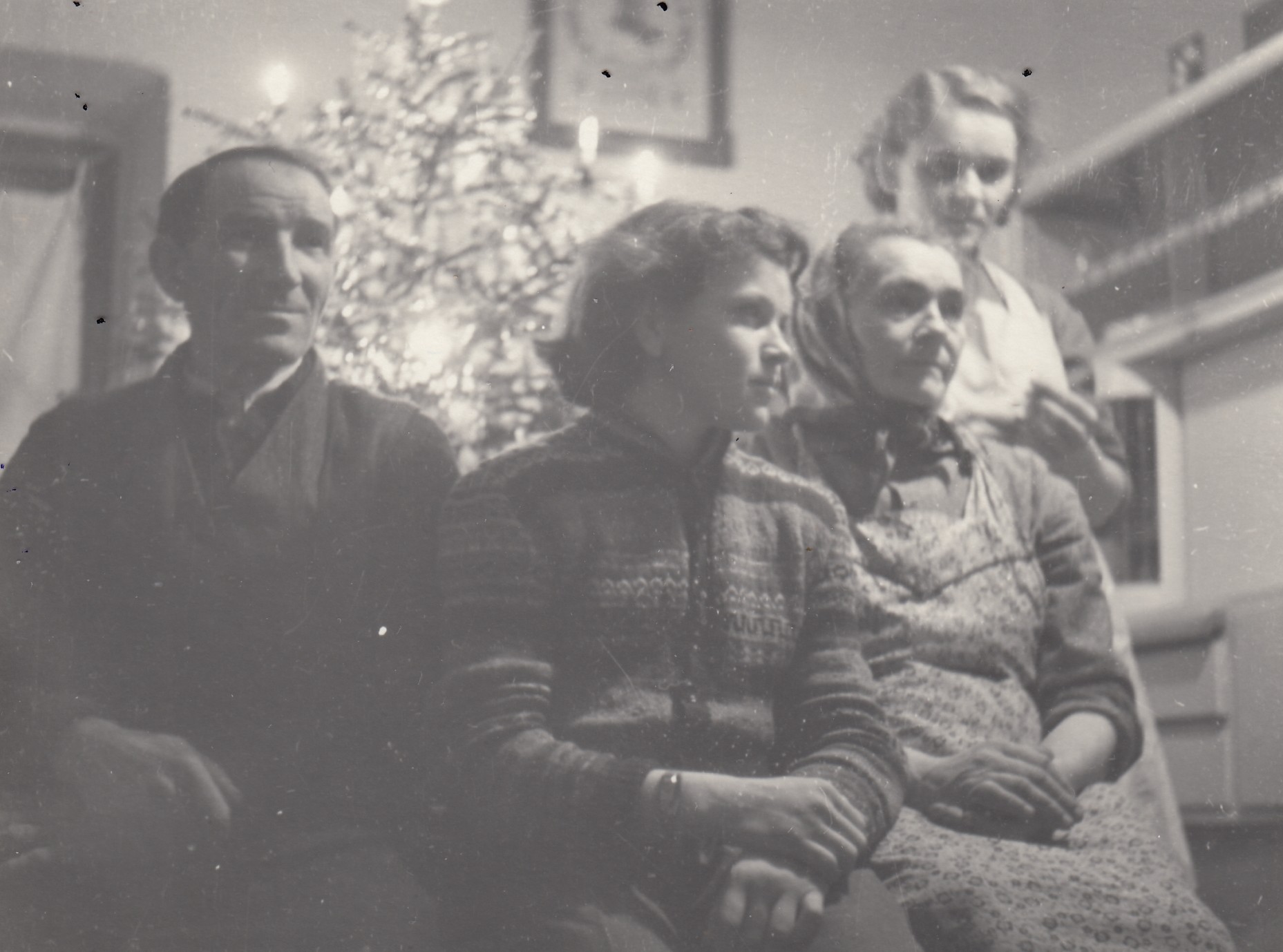
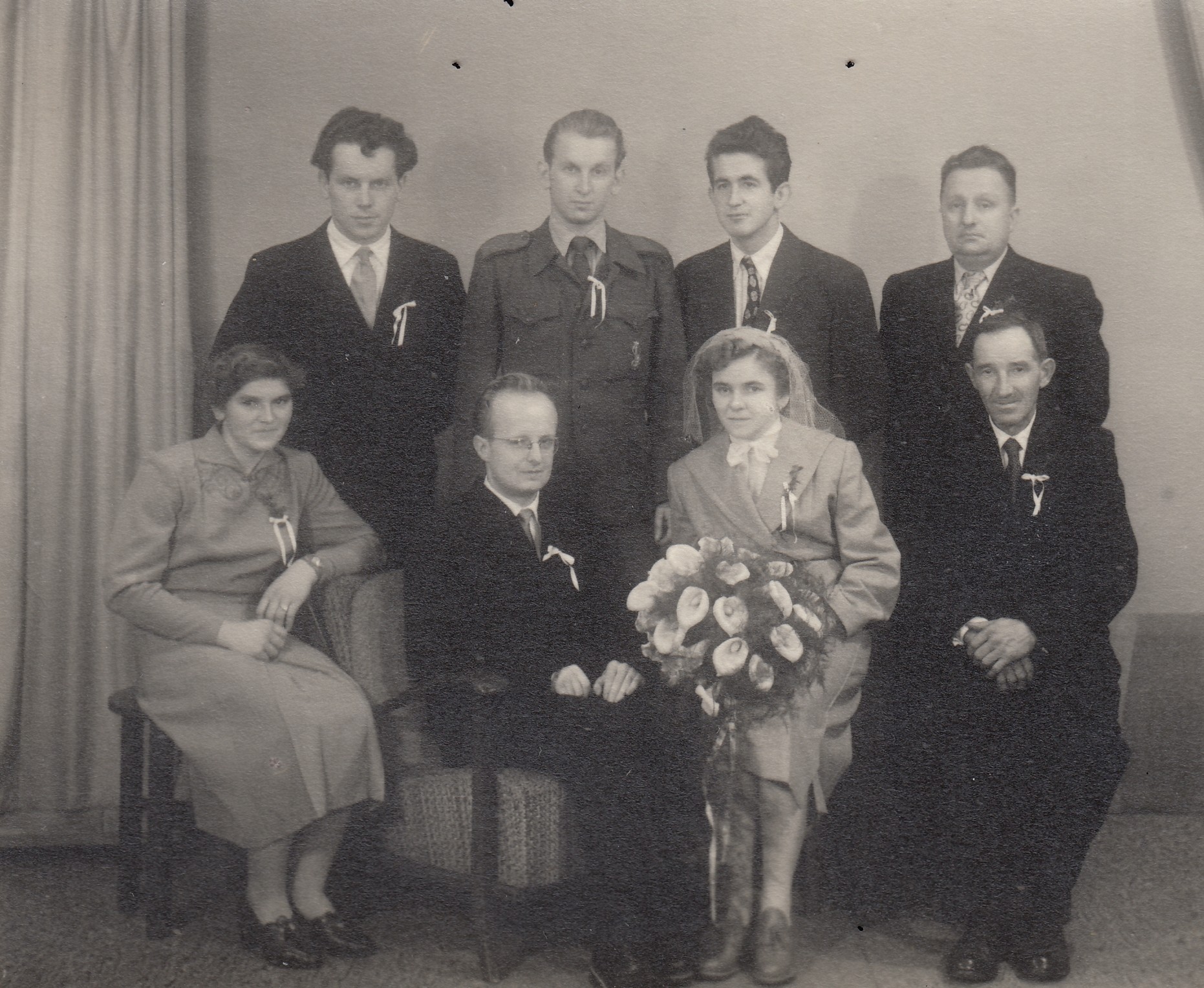
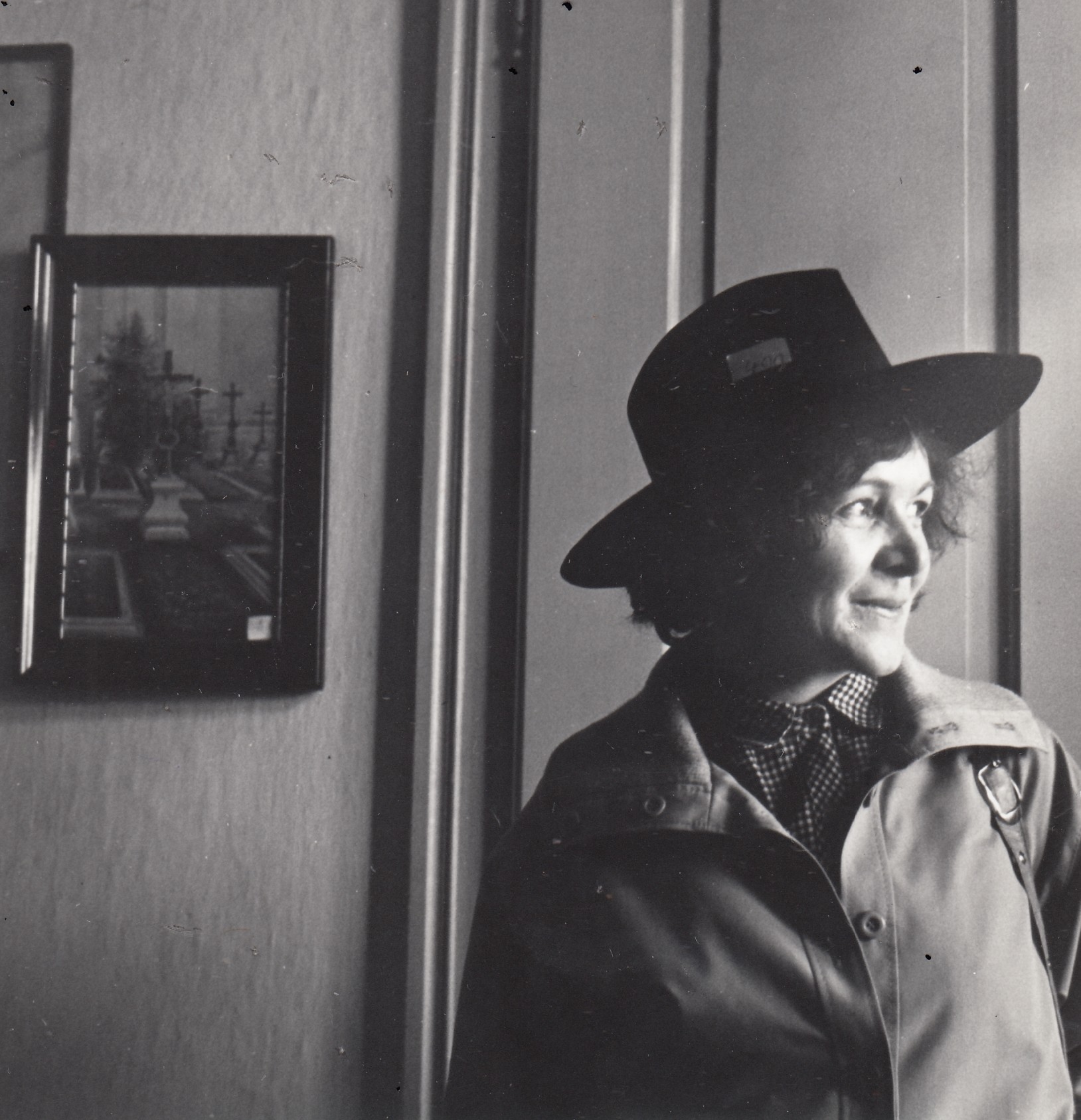
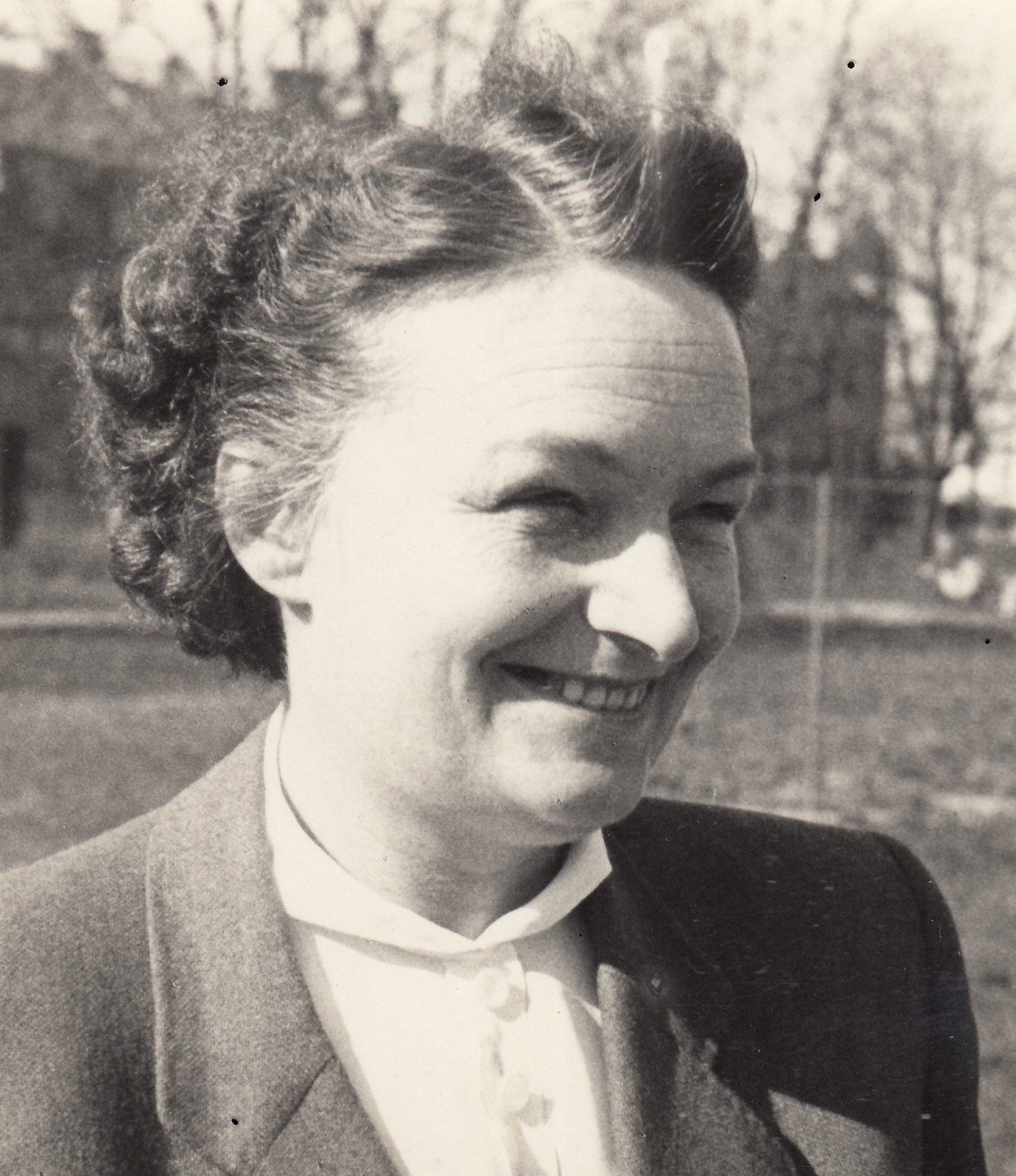
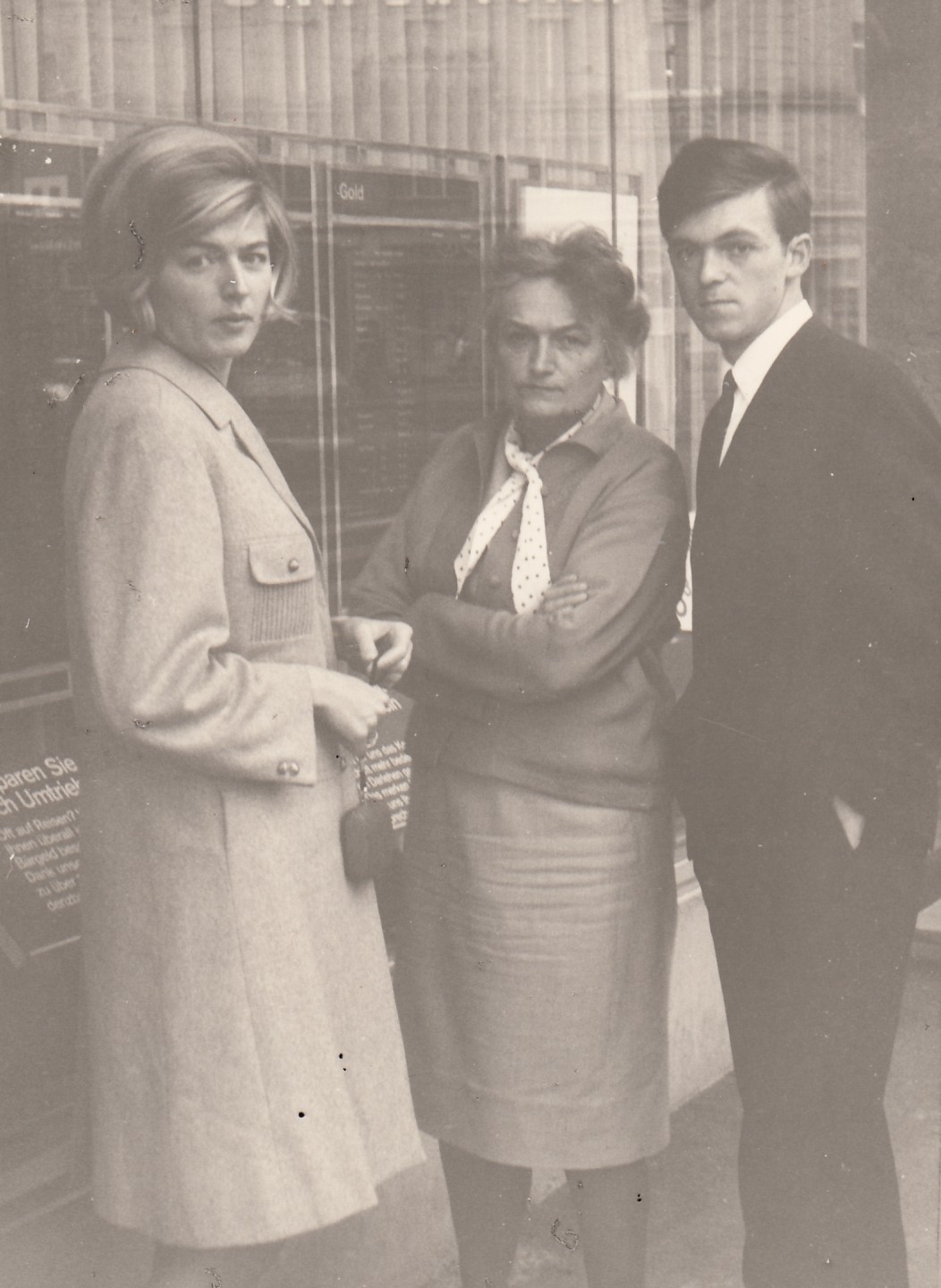
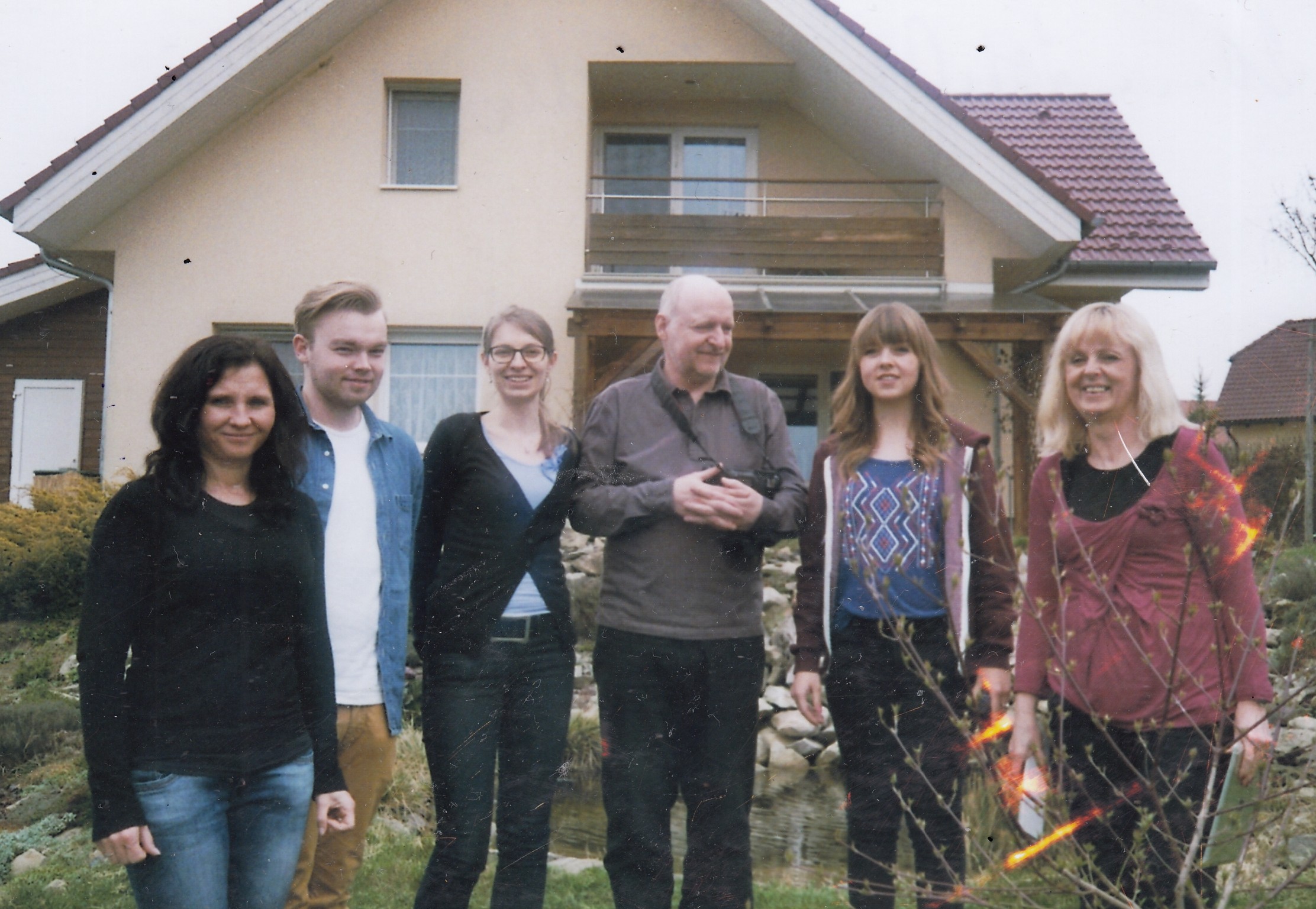
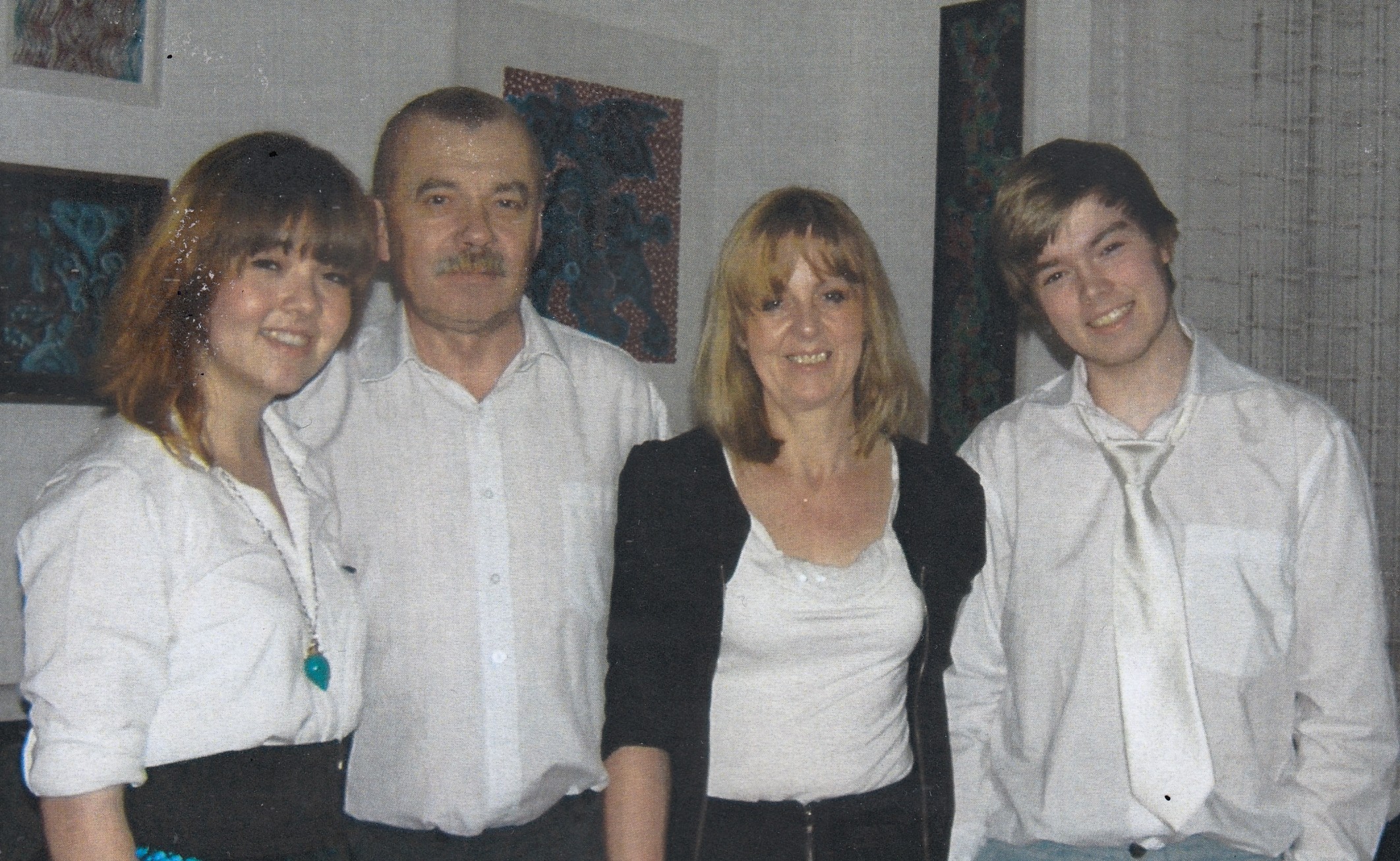
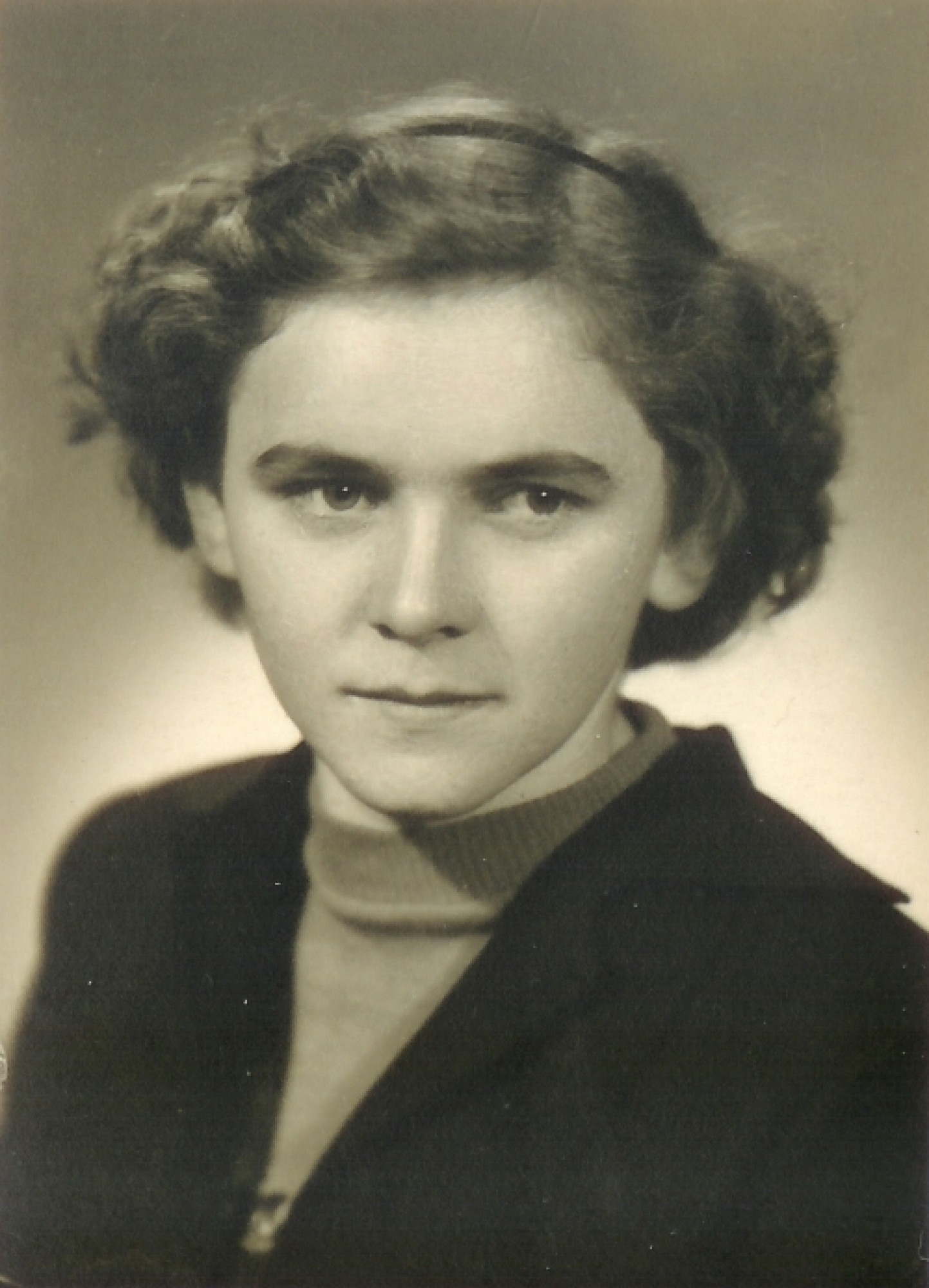
Ludmila Klukanová, née Šabatová, was born on 5 October 1936 in Lipník near Hrotovice in Moravia to the family of a farmer. Her childhood in the Třebíč region was marked by Nazi repression. She experienced the arrest of 16-year-old Jitka Kubišová, the half-sister of paratrooper Jan Kubiš, who served as the family maid. The family was tragically affected by the consequences of the assassination of Heydrich: her mother Růžena‘s uncle, Karel Denemarek, was executed on 19 April 1944 for hiding a paratrooper, and her grandparents perished in the concentration camps of Dachau and Ravensbrück. His father Rudolf Šabata was active in the resistance group Horácko. After the war, collectivisation hit the family hard, as well as the compulsory contributions of produce set deliberately high. Ludmila Klukanová finished elementary school in 1950, but the totalitarian regime prevented her education. She was placed in a factory and eventually allowed to stay at home, but with compulsory attendance at an agricultural school for a year. The next year she studied at the secondary medical school in Jihlava, then worked in a bookstore and administrative positions at Mototechna, Svazarm and a driving school. She married Josef Klukan and raised a son and a daughter. In the 1960s she published shorter texts, but her first book, Jezírko (Lake), did not appear until 1981. Her work about collectivisation, Na štítu bylo vytesáno kolo (On the Shield a Wheel Was Carved) from 1984, was could not be published due to censorship. In November 1989, she became involved in the political scene as a spokesperson for the Civic Forum in Jihlava and co-founder of Jihlava Gazette. By 2025 she had published twenty books and many articles on the history and nature of her native region. She is a member of the Writers‘ Association, the PEN Club and the Otokar Březina Society.