Alois Klepáček

* 1951

  • "In Romania under the communists, what you didn't do yourself, you didn't have. When I had a cow in Svatá Helena, I had to give away 600 to 700 litres of milk a year. They gave me one lei per litre of milk, it was like a crown, it was the same then. If I went to town and stopped to drink something and buy a third of a drink, it was three lei. (...) You had two pigs, you had to give one to the state, they paid for it. I'll tell you, it was possible to live like that. You weren't allowed to say anything. If you said something against someone, it was bad. Better to keep quiet and say nothing. I wasn't a communist, and I said the wrong words once. The secretary told me: 'Lojza, you should have kept quiet.' (...) So I kept quiet and it was calm."

  • "When I was born in 1951, my grandfather had a shop in Svatá Helena and his father-in-law was a blacksmith. They had a shop, they had everything. And as in Russia they used to send people to Siberia, so they were sent to Bărăgan. They were there for four and a half years. It was only in 1955 that they returned from there. They were taken from their home, and at night the policemen came and said that in two hours they had to be packed up and gone. What you take on your horse wagon, that's what you're entitled to. They took them to Bărăgan, hammered in four pegs and said, 'That's yours, take care'."

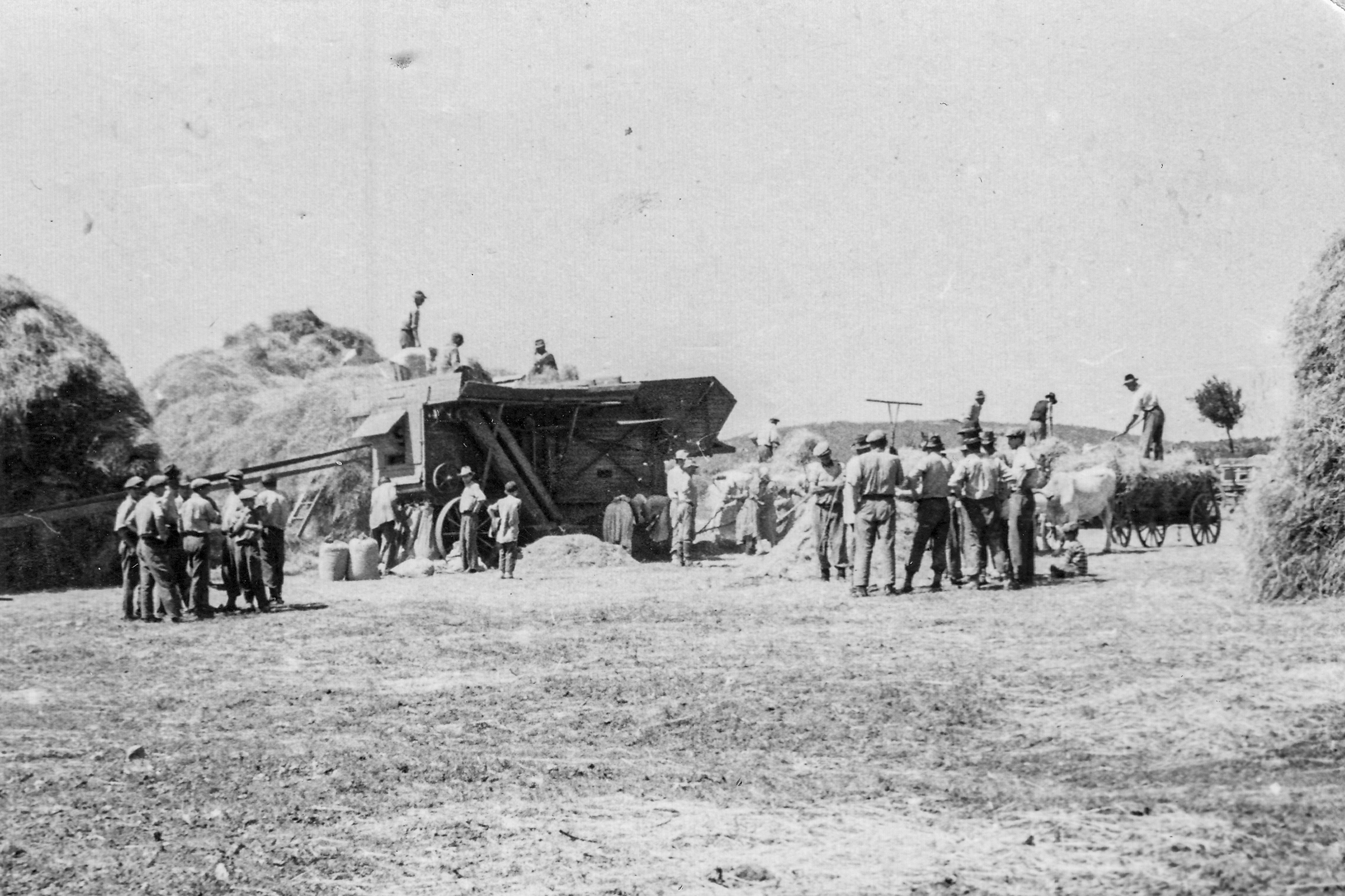
  • "You see, my understanding was that Austria-Hungary was then like the European Union is today. People travelled to get work. My grandfather used to say that whoever had his own field back then was much better off than if he worked as a servant somewhere. They went for work." - "Did they say anything about what conditions were like when they came from Bohemia? What was Bohemia like then and what was the Banat like?" - "They were taken to Banat to work in the forest. First they came there without a wife and without children, they made a kind of dugout shelter, and the wife and children didn't come until six months later. They did everything by hand, cutting wood and working with it."

  • Celé nahrávky
  • 1

    Ústí nad Labem, 13.02.2025

    (audio)
    délka: 01:08:25
Celé nahrávky jsou k dispozici pouze pro přihlášené uživatele.

His ancestors went to Banat in search of a better life, he returned to Bohemia for it
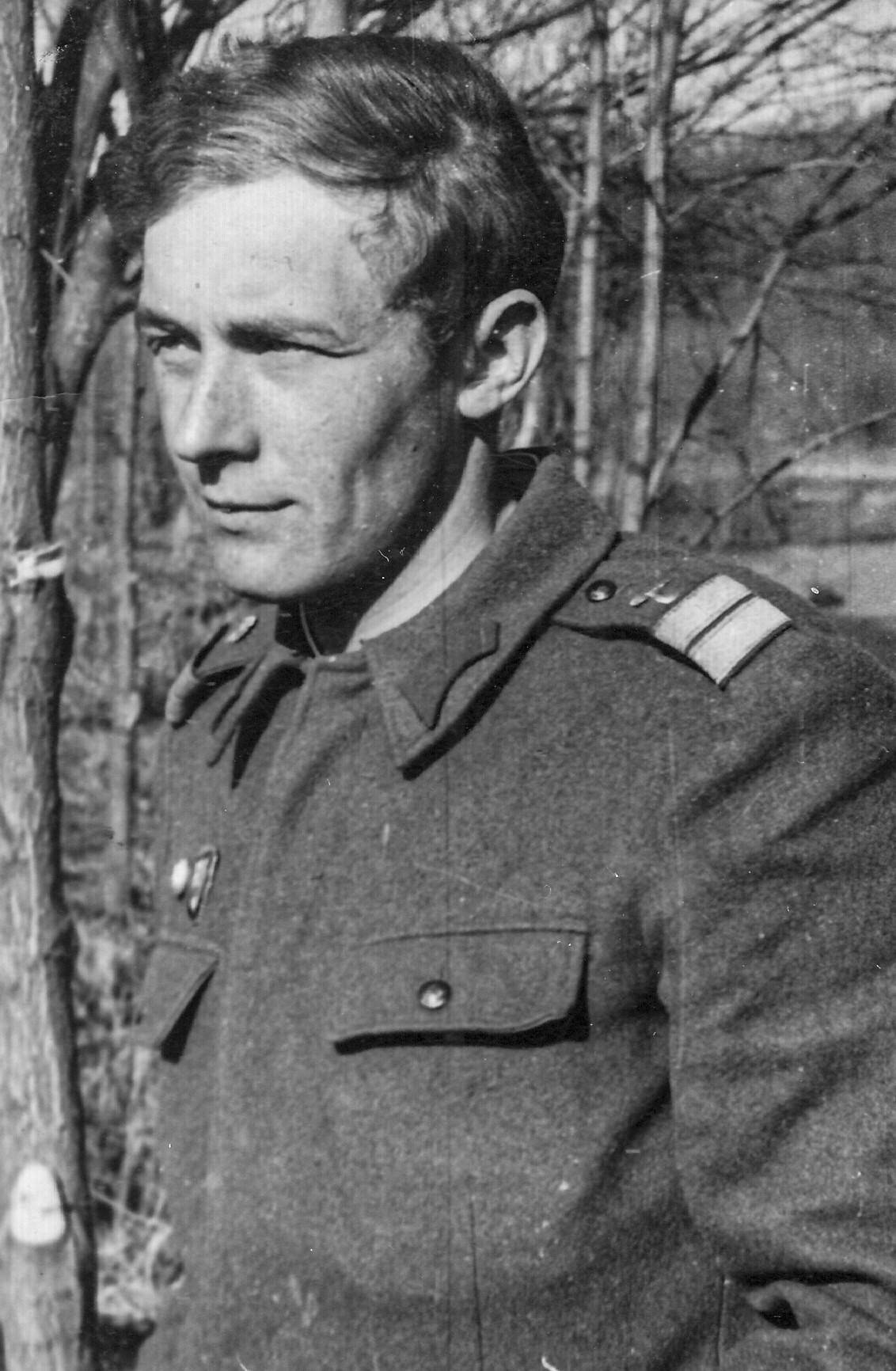
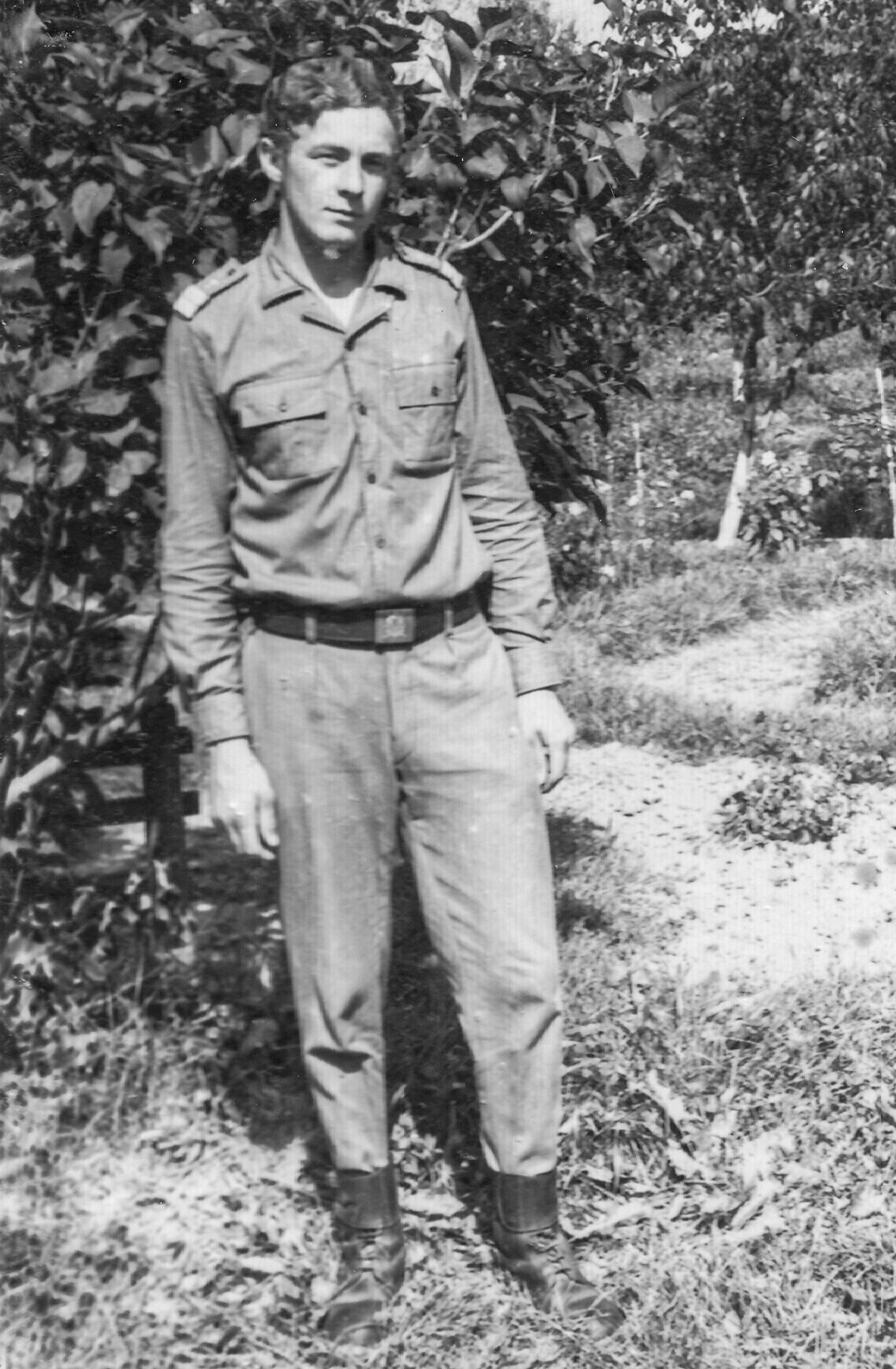
Alois Klepáček in 1972
zdroj: Witness´s archive

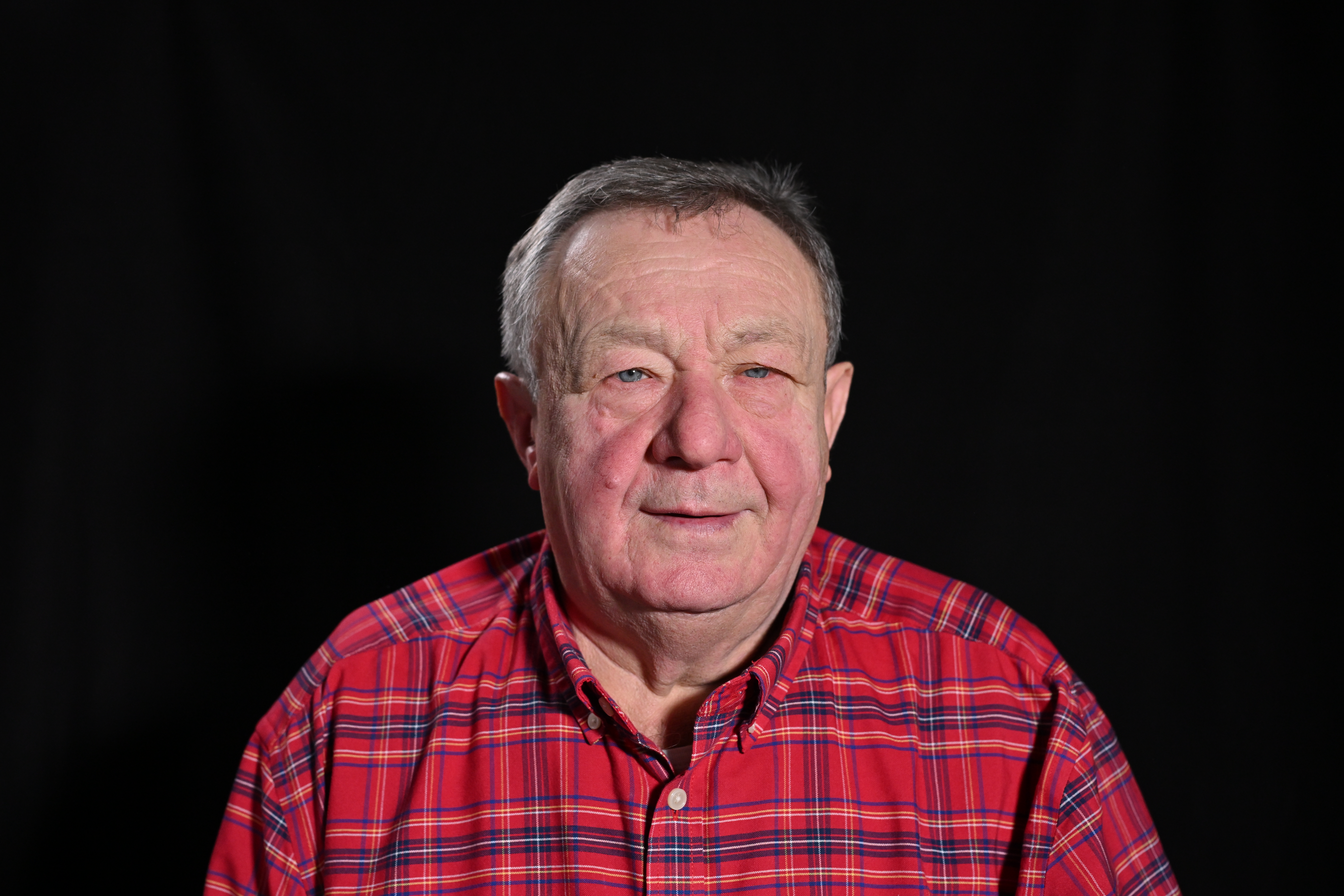
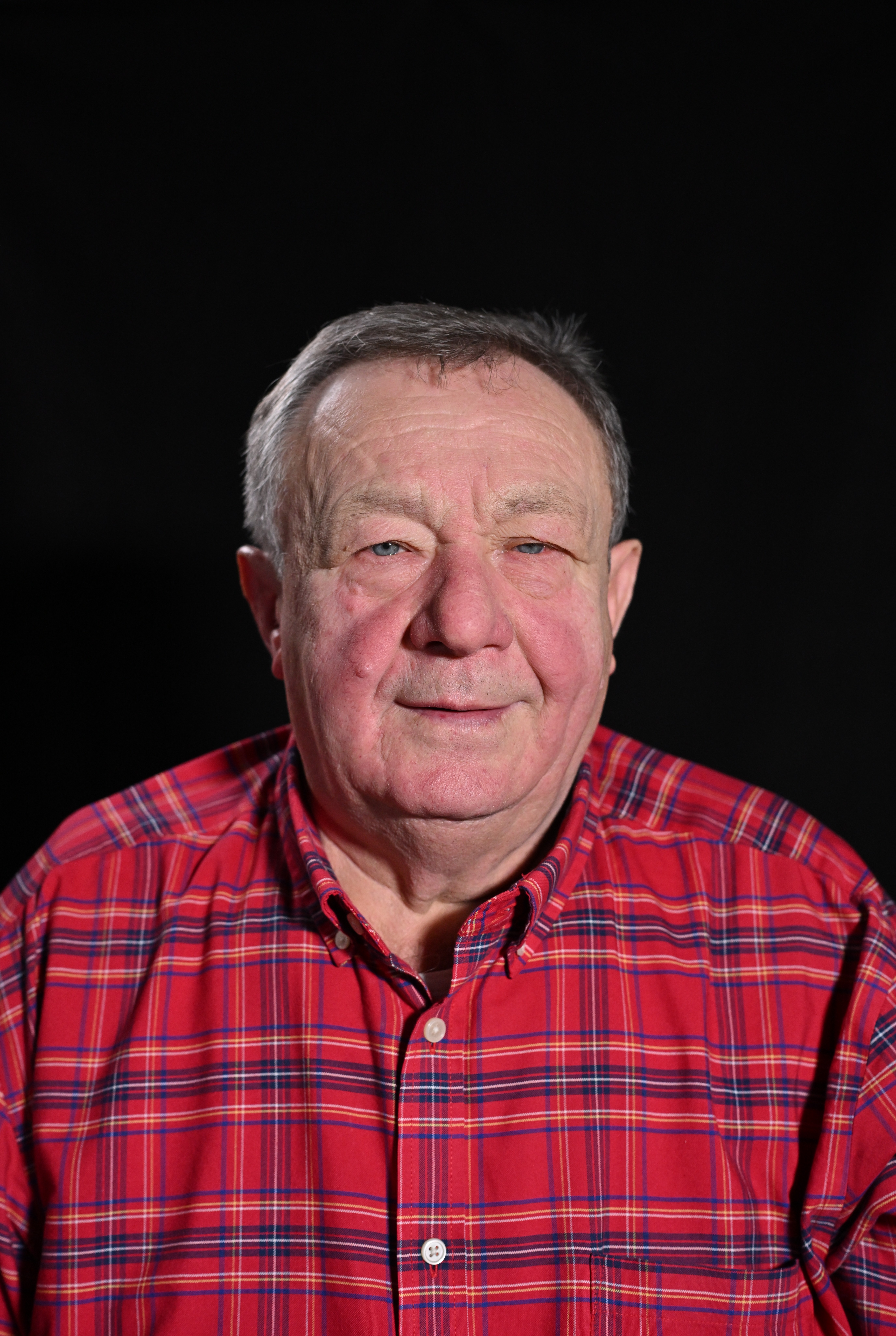
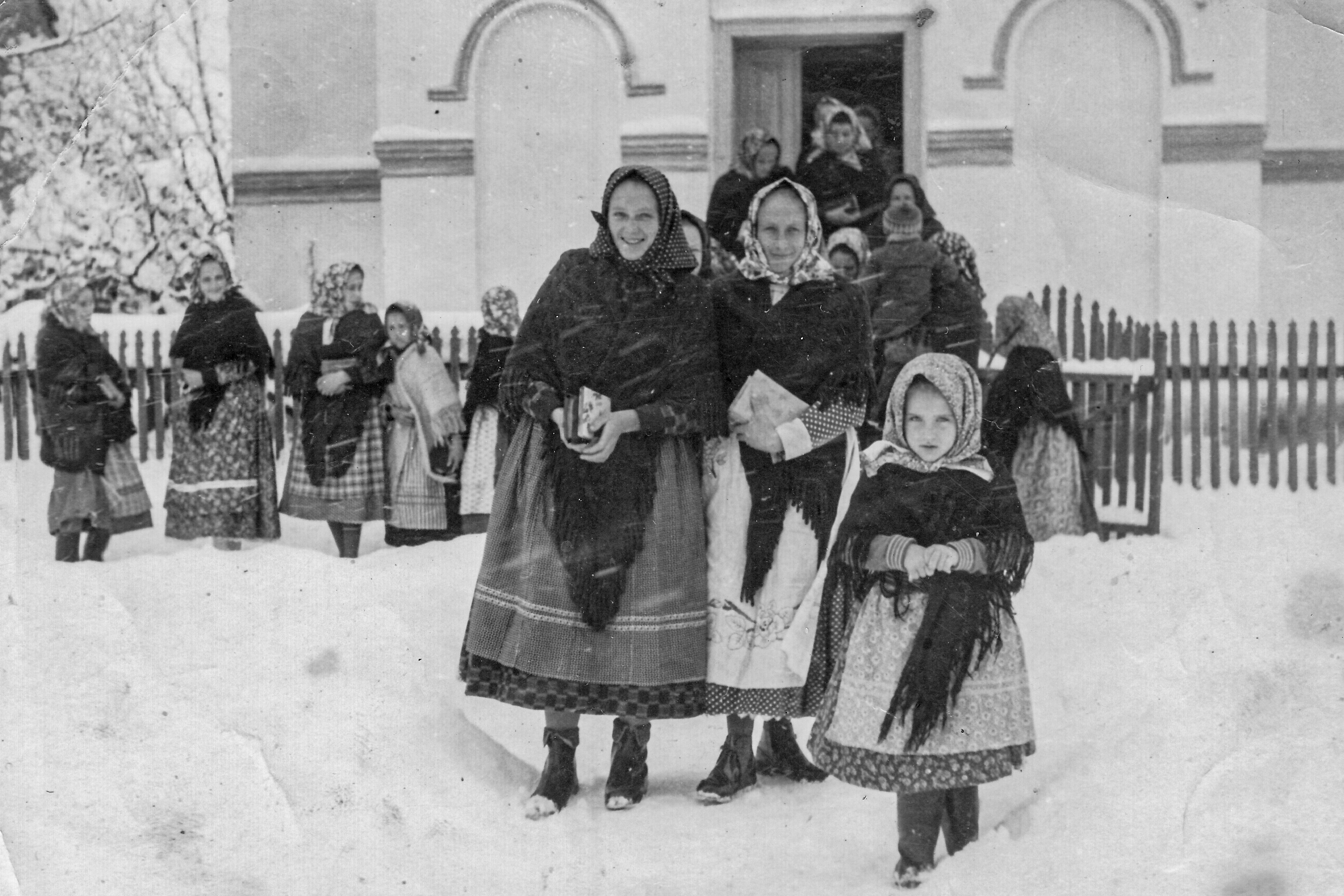
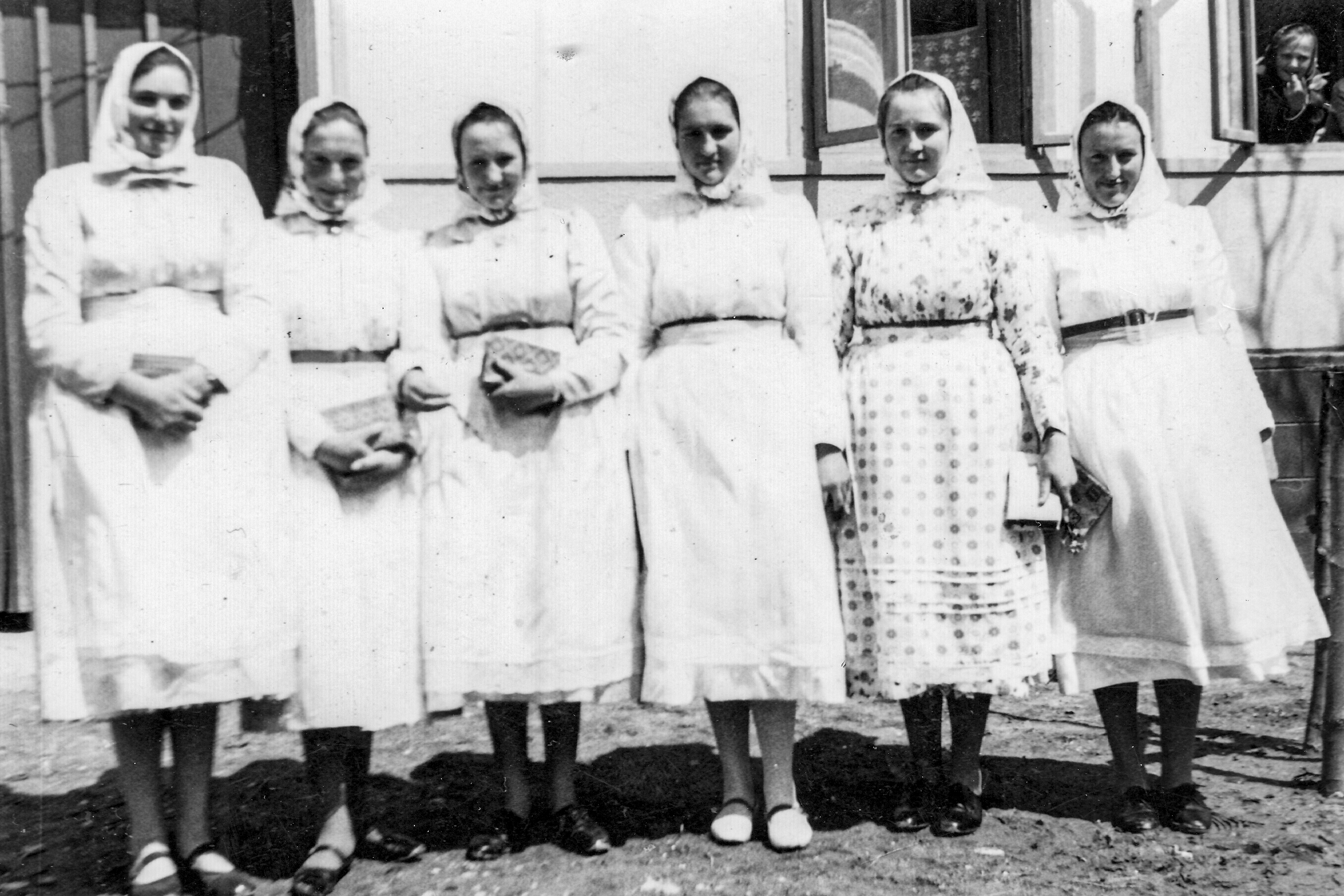
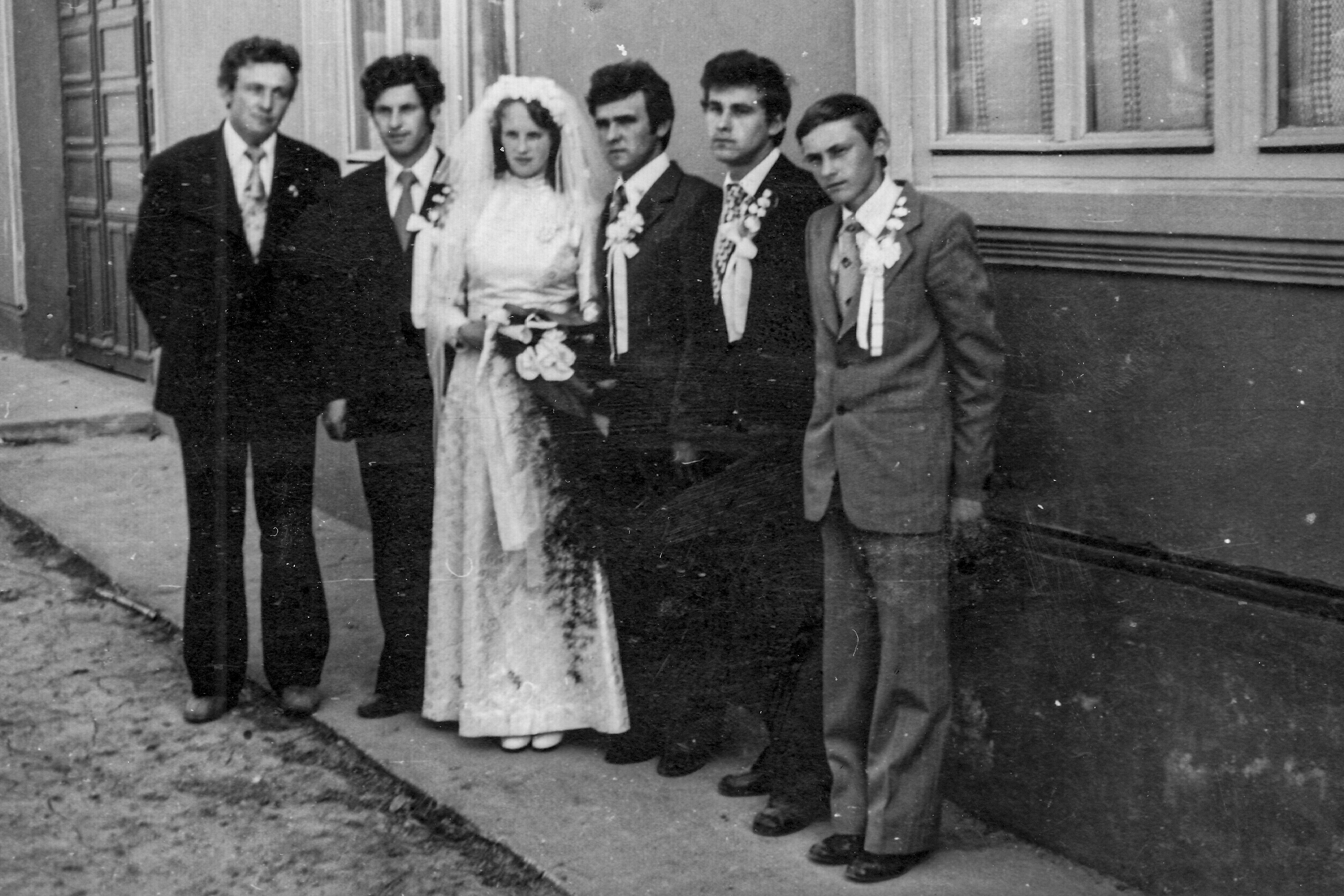
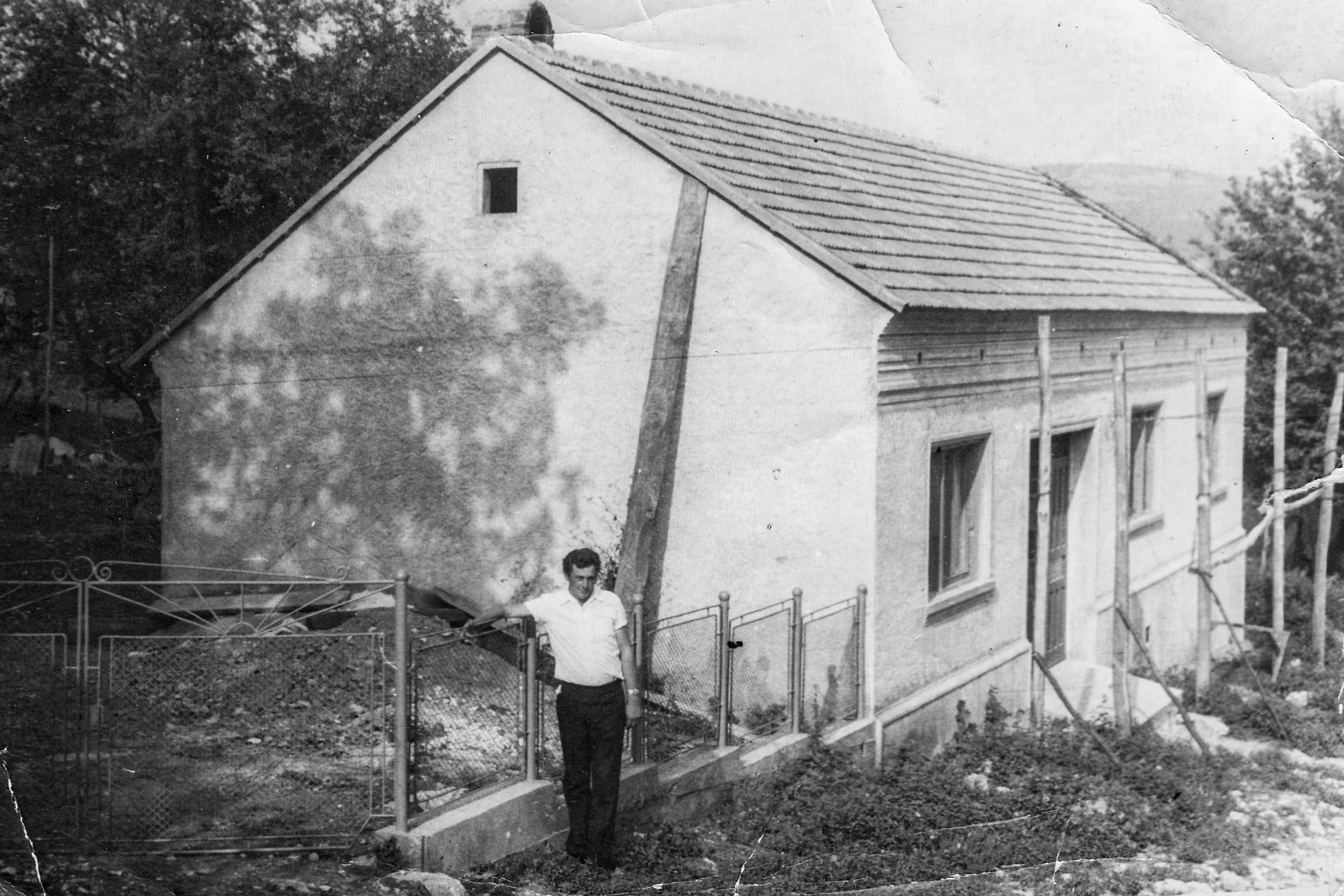
Alois Klepáček was born on 19 August 1951 in Svatá Helena, Banat, Romania. His ancestors came to settle this region around 1822. His grandfather fought in the Romanian army in World War II. He and other relatives were deported by the communists to Bărăgan a few years later in 1951, where they had to settle on the inhospitable steppe. From a young age, the witness worked on the family farm. He graduated from the mining apprenticeship in Anina and then worked in the coal mines that opened near Svatá Helena in the 1960s. He married in 1974 and he and his wife Barbara (née Hrůzová) had four children. After the fall of communism, he and his extended family decided to return to Bohemia. They found a new home in Lovosice, where he worked first in a chemical plant, then as an electrician at the municipal office and also as a truck driver. At the time of the recording in 2025, he was living in Lovosice. We were able to record the story thanks to the support of the city of Lovosice.