"In '68, when things started to loosen up, that's when the rehabilitation started. And rehabilitation [meant] first of all getting rid of the prosecution and the criminal record and so on, and secondly it was some money - compensation. Lawyers took a lot of credit for it at the time because they knew they had a stake in it, so they took it on. The rehabilitation court in Košice started to take place. And my uncle, the parish priest, he still managed to make it. He managed to do it in the time before the occupation in June, or something like that, just before August 21, [1968]. Dad also applied for rehabilitation. Then after August [1968] a lawyer came to him and said, 'Mr. Kaminský, we won't make it. It's just that Husák, after he came to power, stopped the rehabilitation processes. Just period. The ones that didn't make it were resumed after the revolution [19]89. Of course, a lot of people died in the meantime and so... it was another 20 years again. So he [the lawyer] said to my father, '[Look], if we cut it short, as they say, nothing happens. All I can do is get your criminal record expunged, so if you need a criminal record after that, you're clean. That's the only thing... but you won't get any more compensation and no more money.' So my dad said, 'All right, I don't give a damn.' And [the lawyer] said, 'You can go to Košice, they'll dismiss it and you'll go back. You're going to travel for nothing, but whatever.' The lawyer explained it to him quite reasonably, so Dad gave up [his] claim and let it go. But we settled it, which my sister arranged. After [19]89 the rehabilitation courts resumed, so that worked out. We kids - my sister, my brother and I - got about 21,000 together."
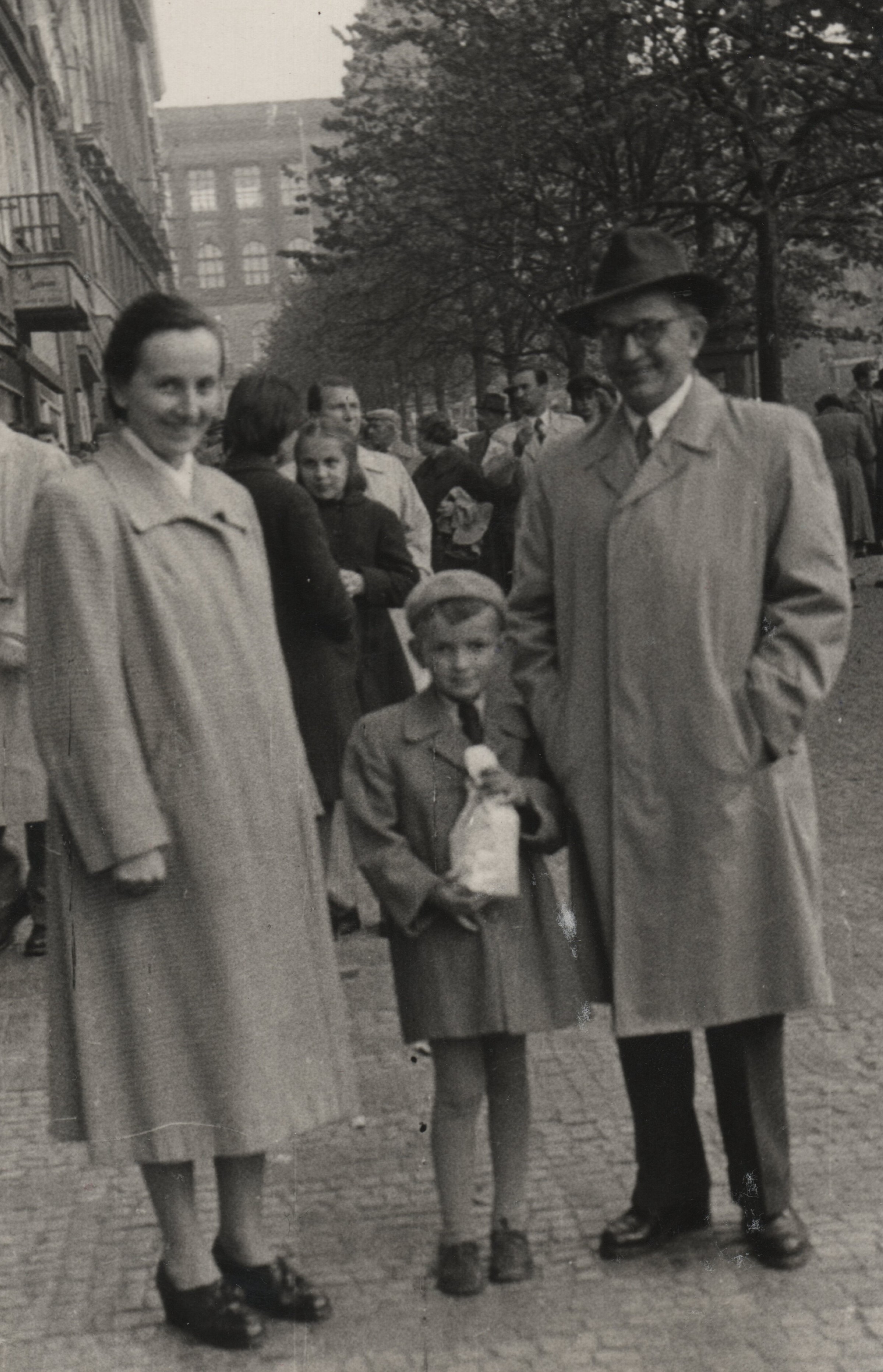
"Then I still remember when [my father] was released after a year. We kind of knew that already. Mum and us as children, or cousins, Peter, Maruška, were with us because we all lived in the same street. We, Bořivojova [No.] 78 and aunt and uncle [No.] 42. There was only one block between us. We were close to each other, so they came to our place and we waited. When they let prisoners out, they let them out in the afternoon or evening. I don't know why, they just didn't release him at 10 in the morning. They didn't release him until the evening and he had an escort. He had to be accompanied by a prison service employee who accompanied him home and handed him over to his family. So, like, to, I don't know, hit on the way, or I don't know... just go with him. And we were jumping and jumping like children in front of the house, it was getting dark, but you could still see the figures. And our 'Bořivojka', where we lived, [is adjacent to] Vít Nejedlý Street. Two figures emerged from the corner [of the street]. At that time the shops were already closed and people were at home, so the figures were visible. Several times, when someone went there, we flew after him, but it wasn't [Dad] yet. Then we saw that there were two of them, and I thought it must be him already. I remember we were very nervous. So we ran and I jumped into the arms of one of them. And he says, 'Whose are you?' and I say, 'Yours.' I recognised my dad. I could jump into the other guy's arms because we were little kindergarten-age kids. I saw him when I was three years old, that's when he got arrested... sorry, I have to take a little breath. Then I saw him once in jail and then after a year when he was released."
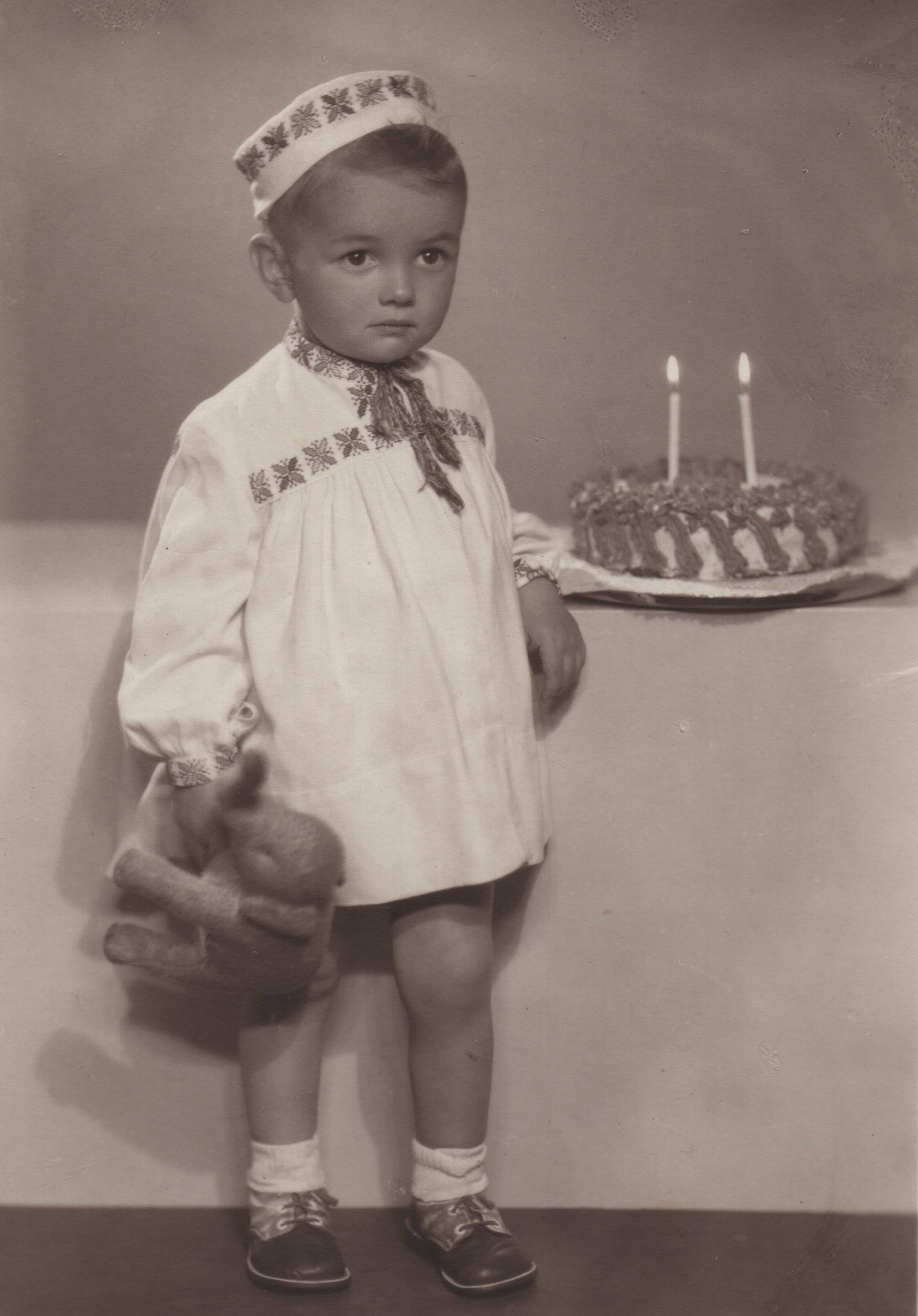
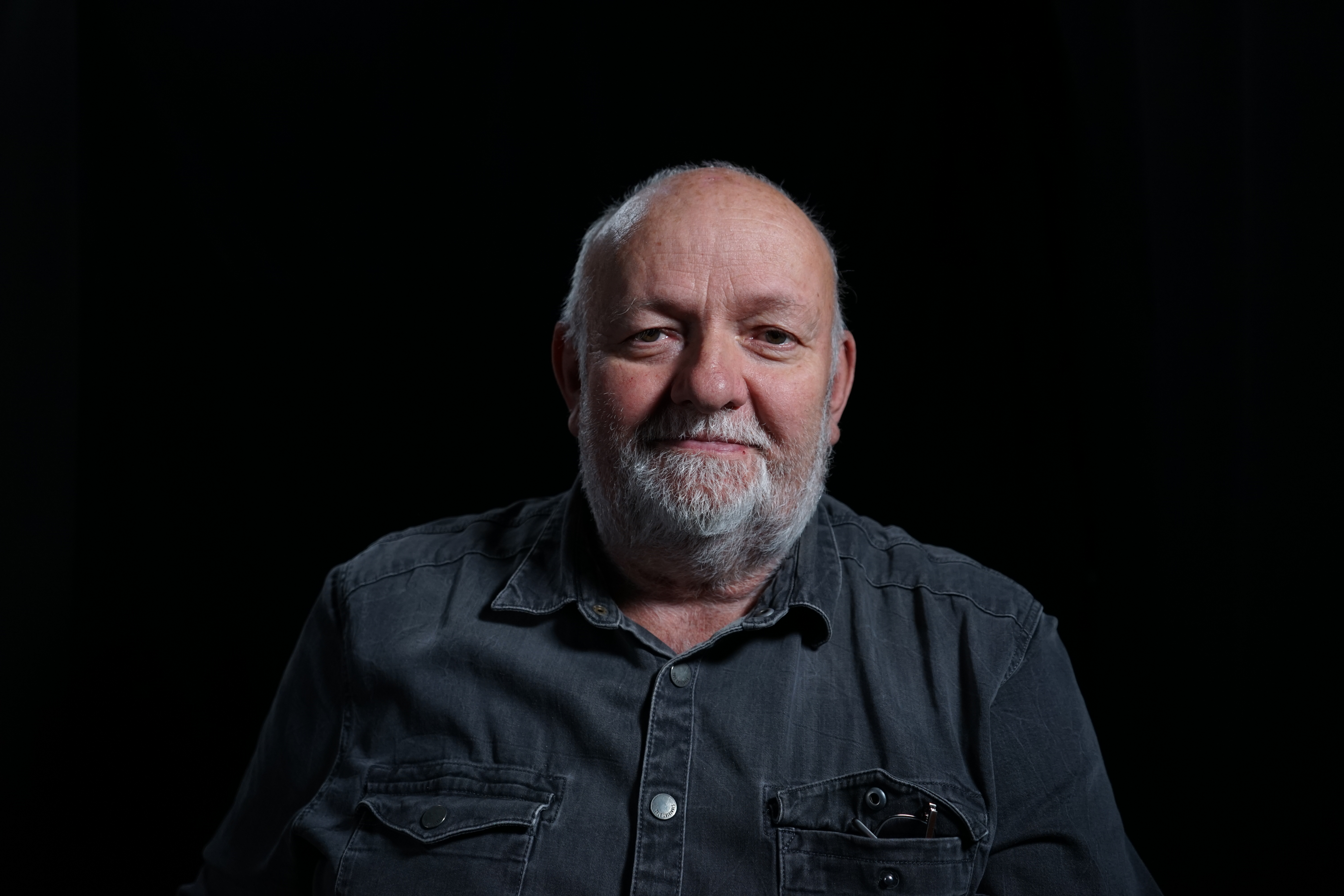
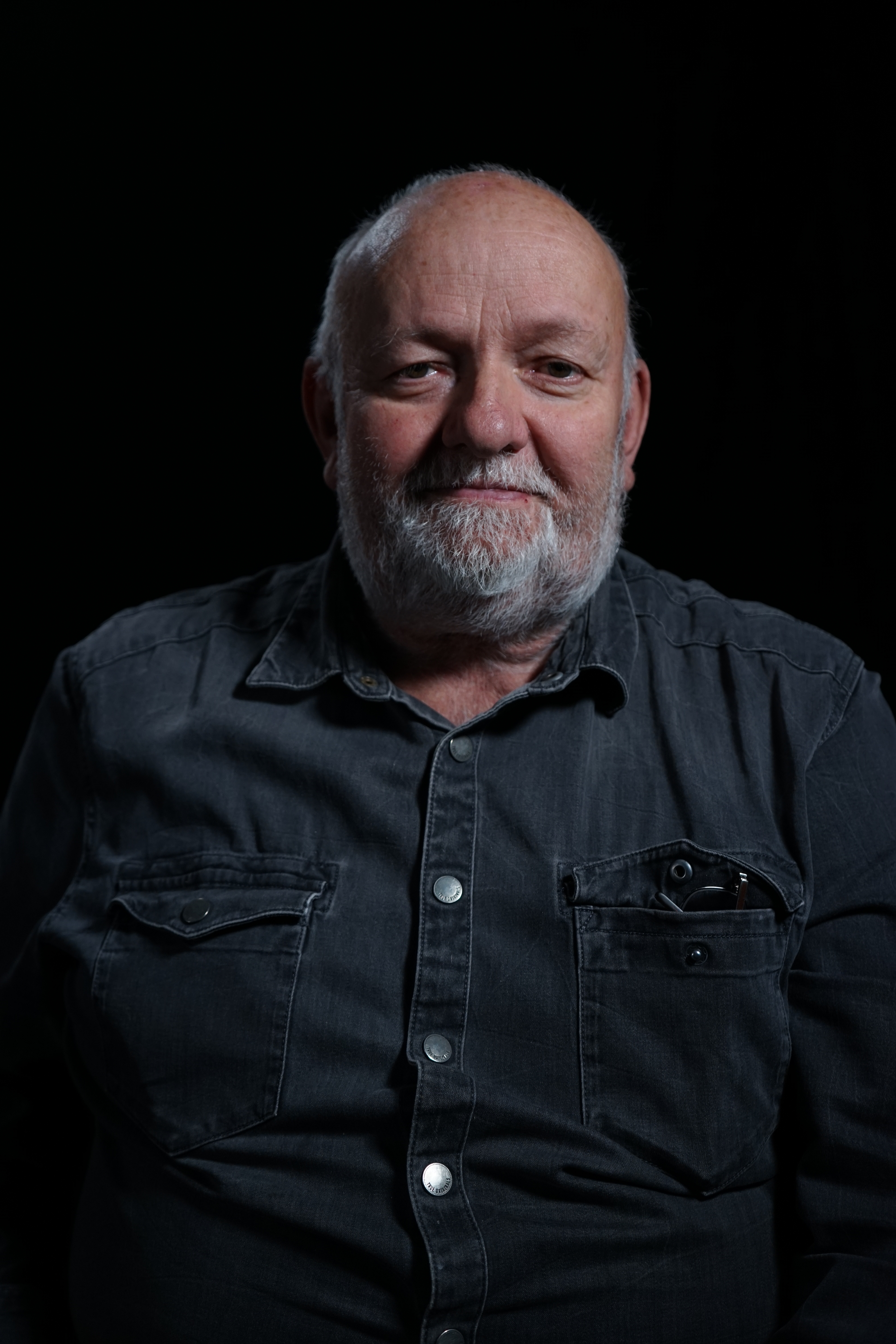
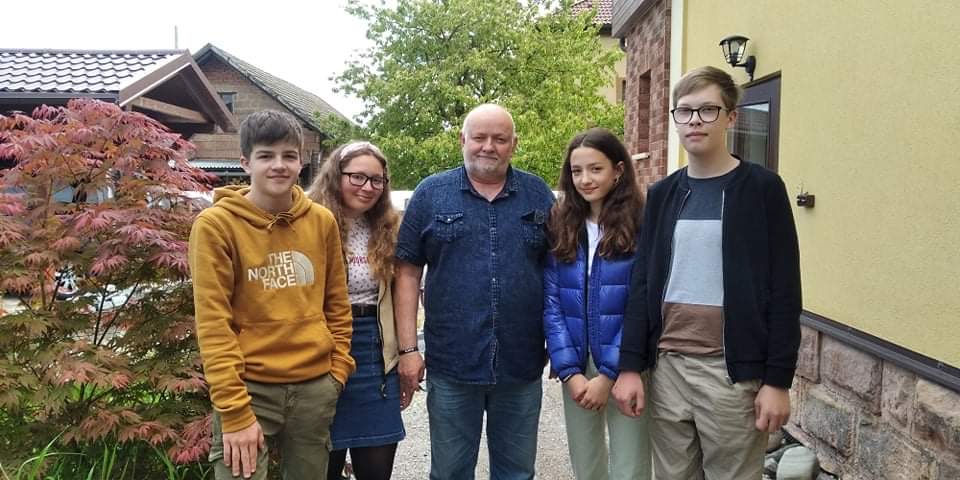
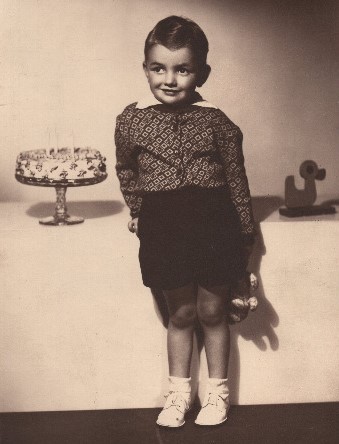
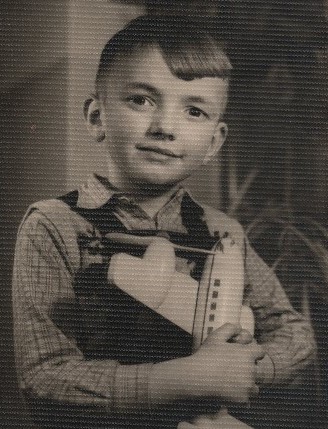
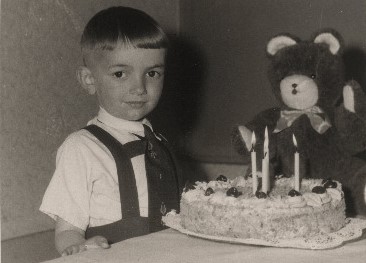
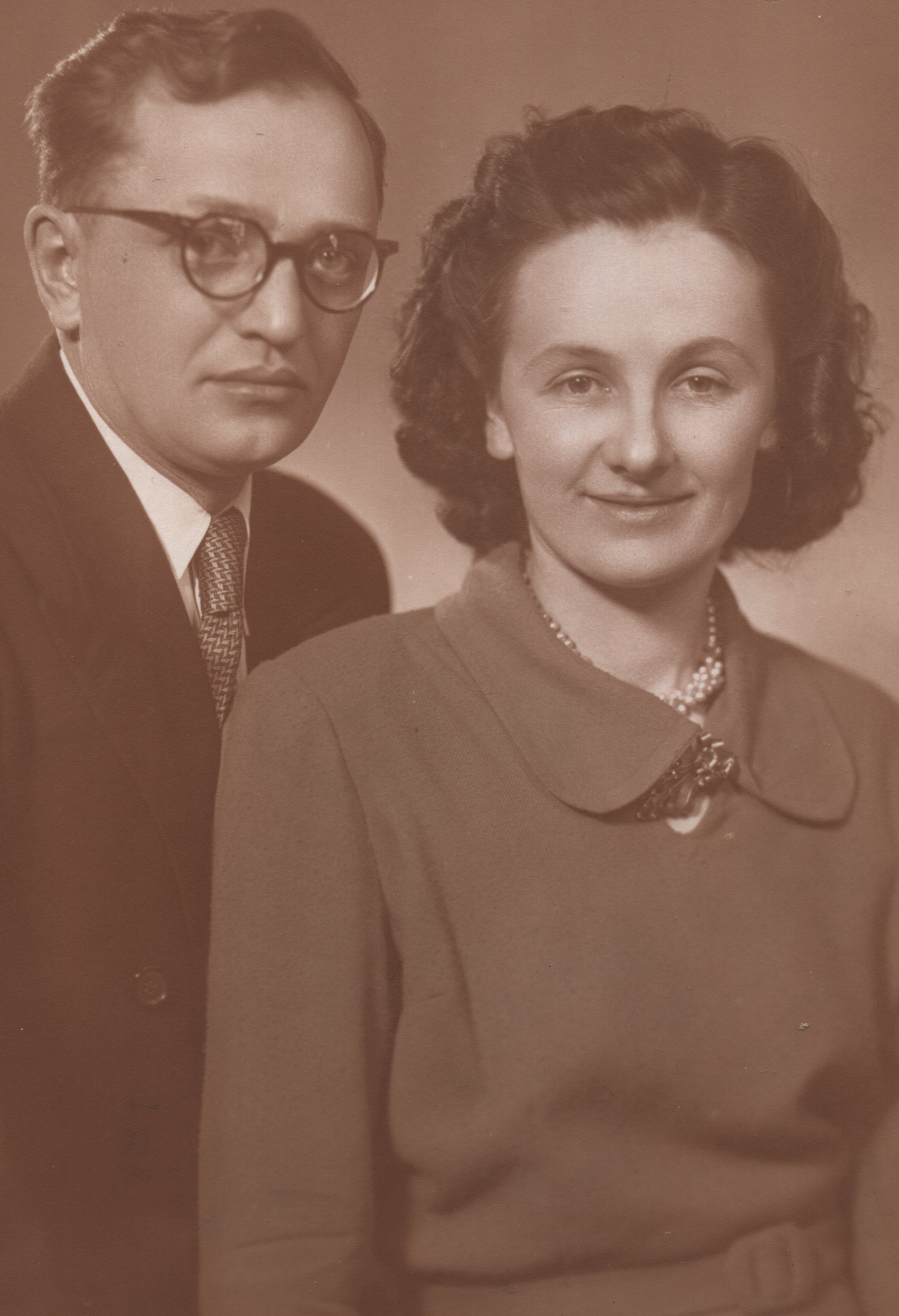
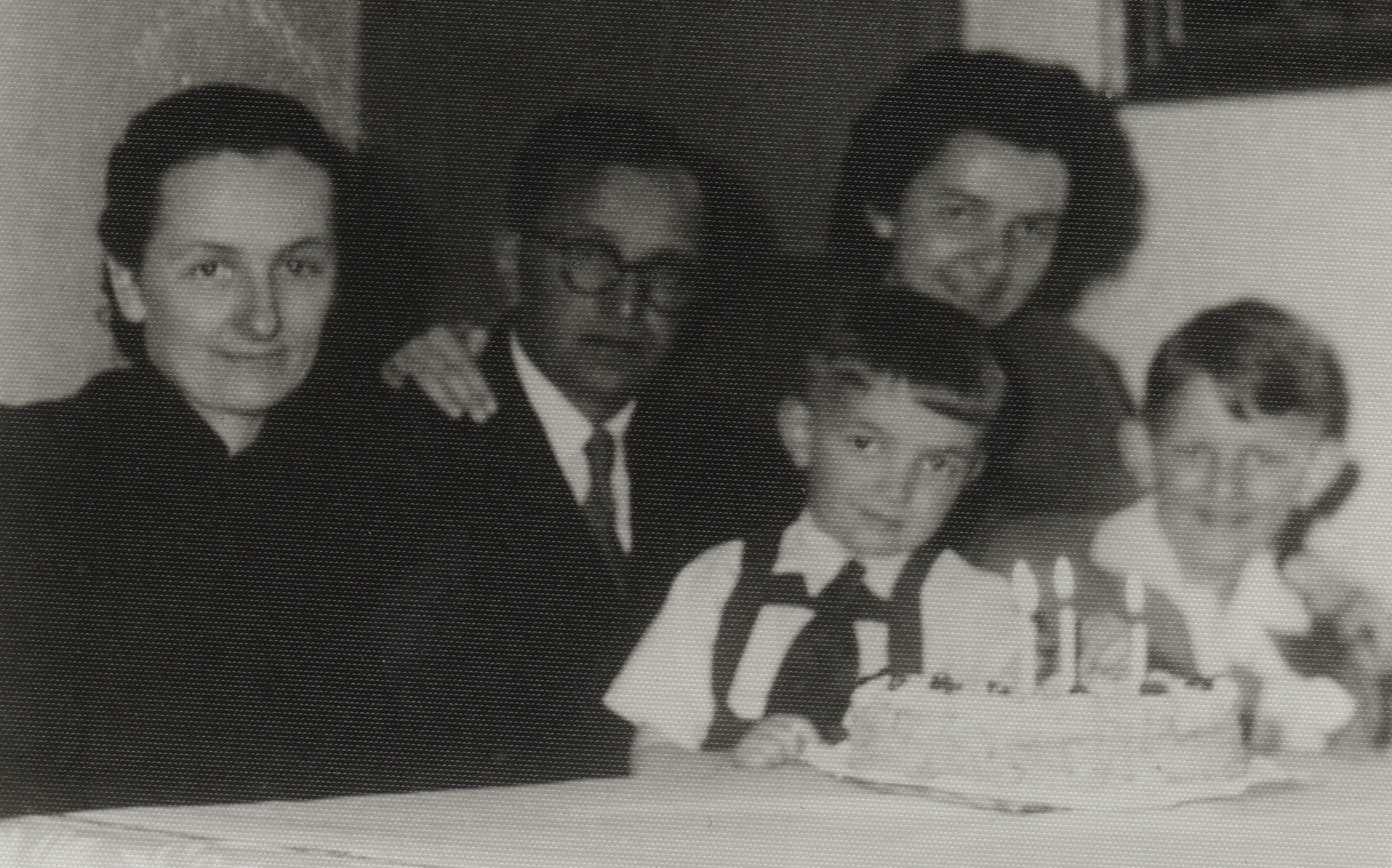
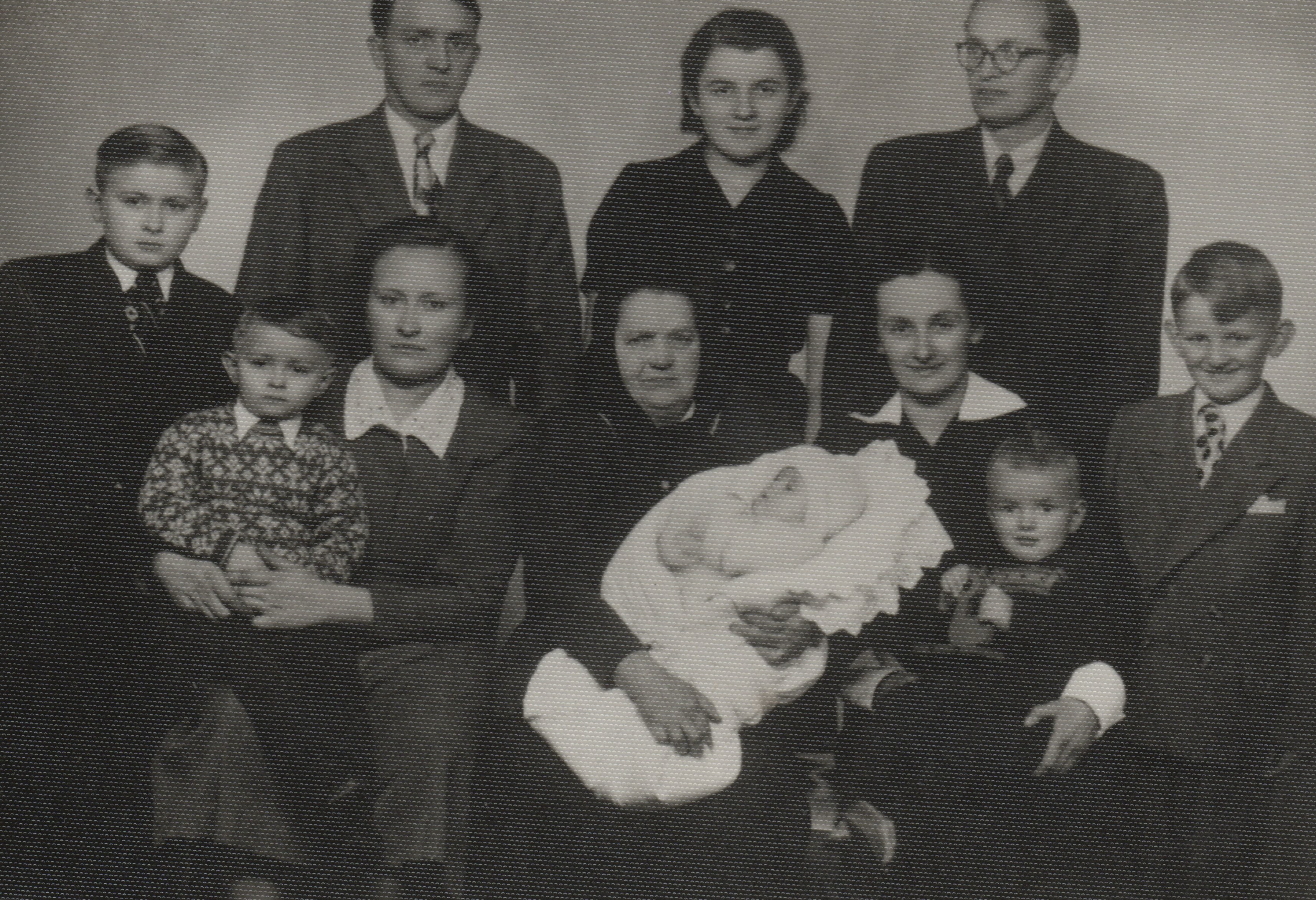
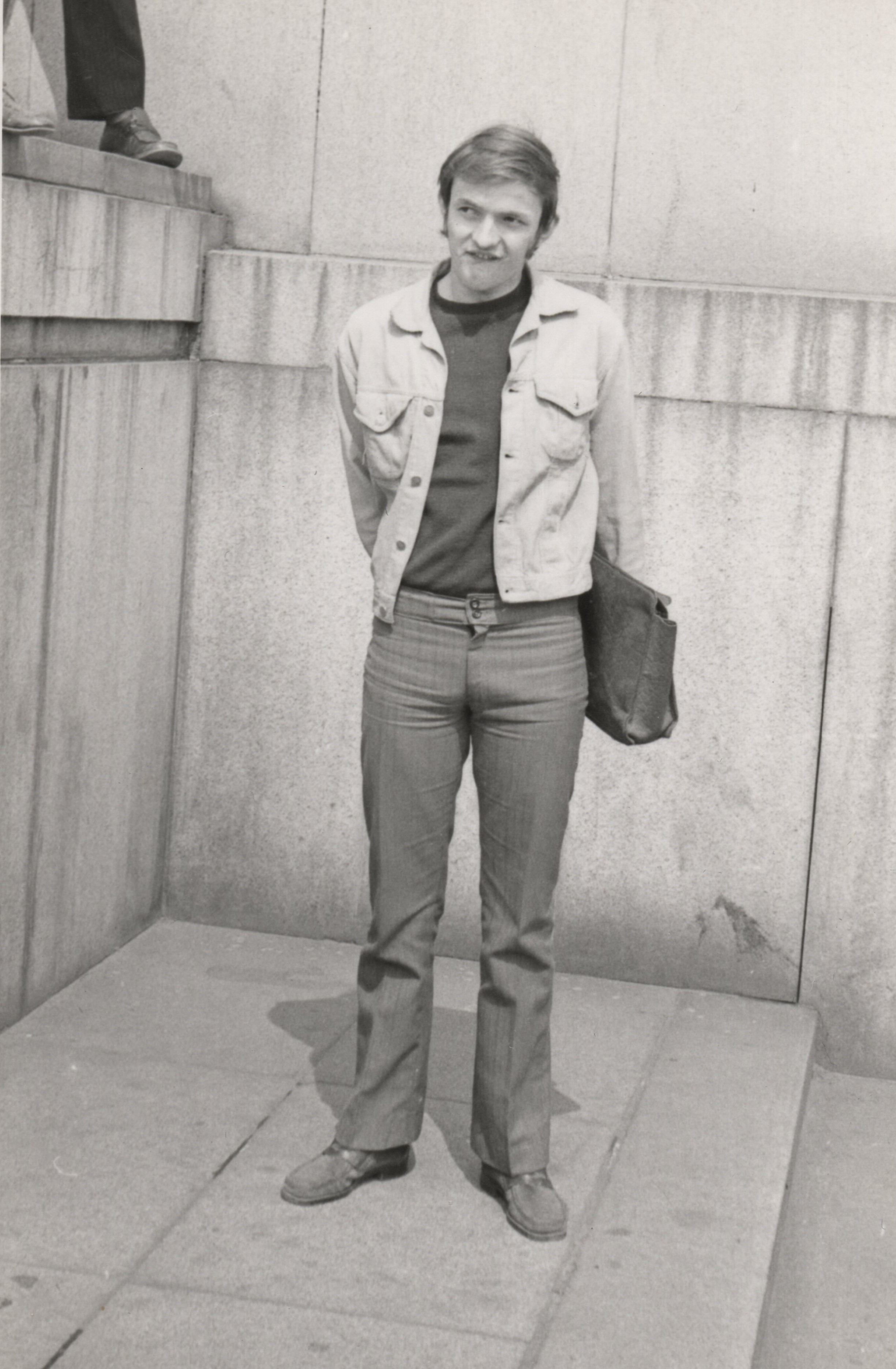
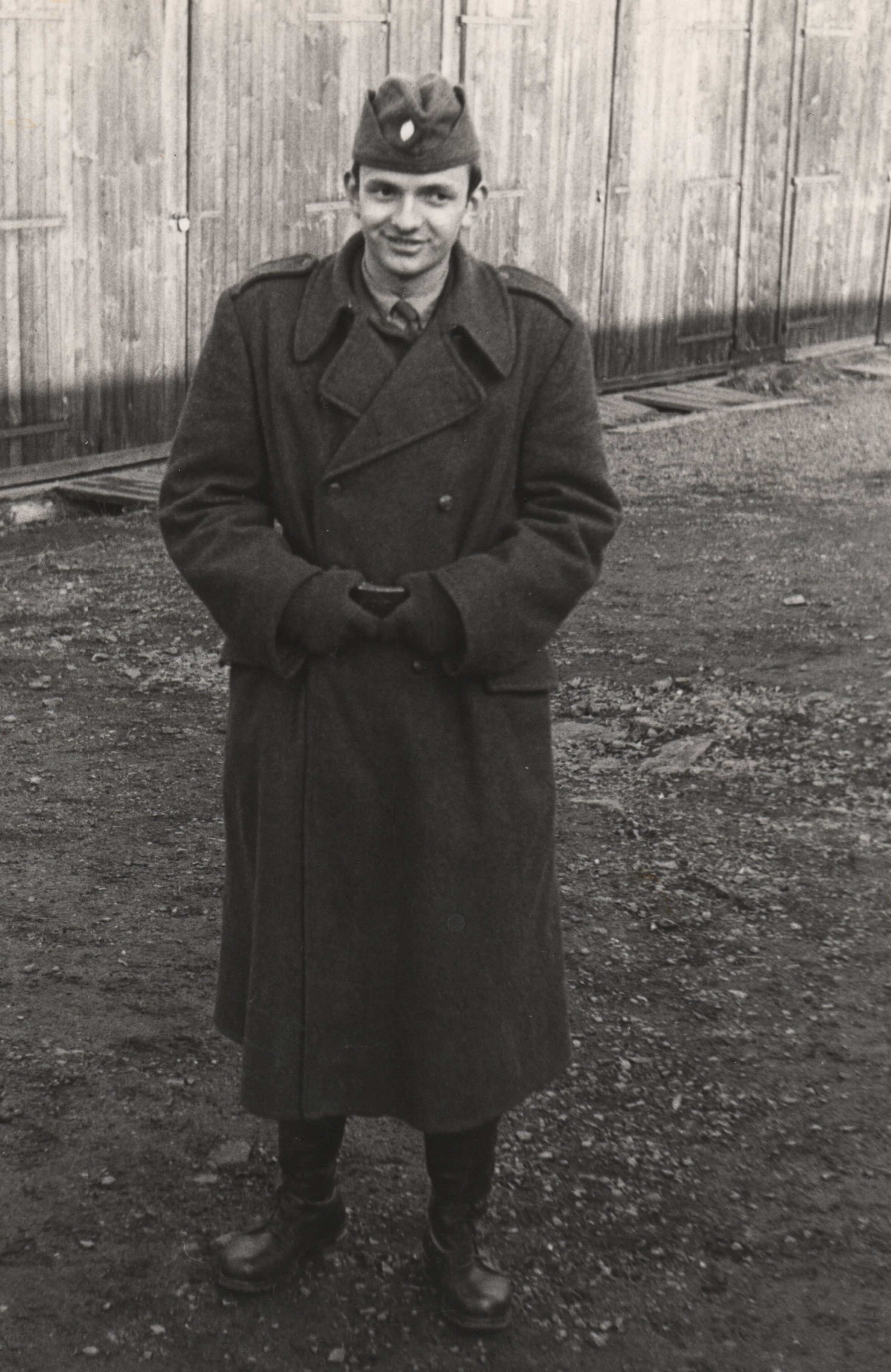
Bohdan Kaminský was born on June 8, 1953 in Prague. His parents, however, came from Western Galicia, from which they fled from the violence in 1946 to the Slovak village of Vydraň. Thanks to the help of his father‘s brother Josef Kaminský, they managed to obtain Czechoslovak citizenship. The events of the 1950s and the fabricated trials took a heavy toll on the family. The father and breadwinner of the family, Tadeáš Kaminský, was sentenced to a one-year prison term for hiding and aiding a Greek Catholic priest in a mock trial. An even longer time, nine years, was unjustly spent in prison by the witness‘s uncle and Greek Catholic parish priest Josef Kaminský, who was released in 1956. With the relaxed atmosphere of the Prague Spring, his uncle received judicial rehabilitation, unlike his brother Tadeáš, who was acquitted only after the fall of the communist regime. Bohdan Kaminský graduated from the Secondary School of Mechanical Engineering in Prague in 1972. Immediately afterwards, he entered the Faculty of Mechanical Engineering of the Czech Technical University, where he graduated in automated control systems in 1977. In the same year he enlisted for one-year compulsory military service. He joined the Communist Party of Czechoslovakia in 1982. After the revolutionary events of November 1989, he decided to leave the party. Thanks to the new free regime, Bohdan Kaminský started his own business. At the time of filming for Memory of Nations he lived in Horní Nová Ves.
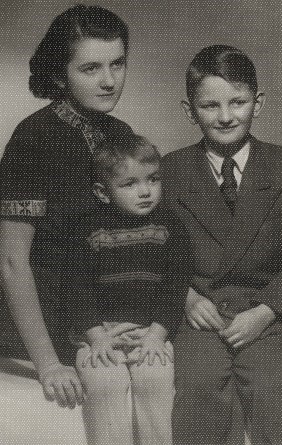
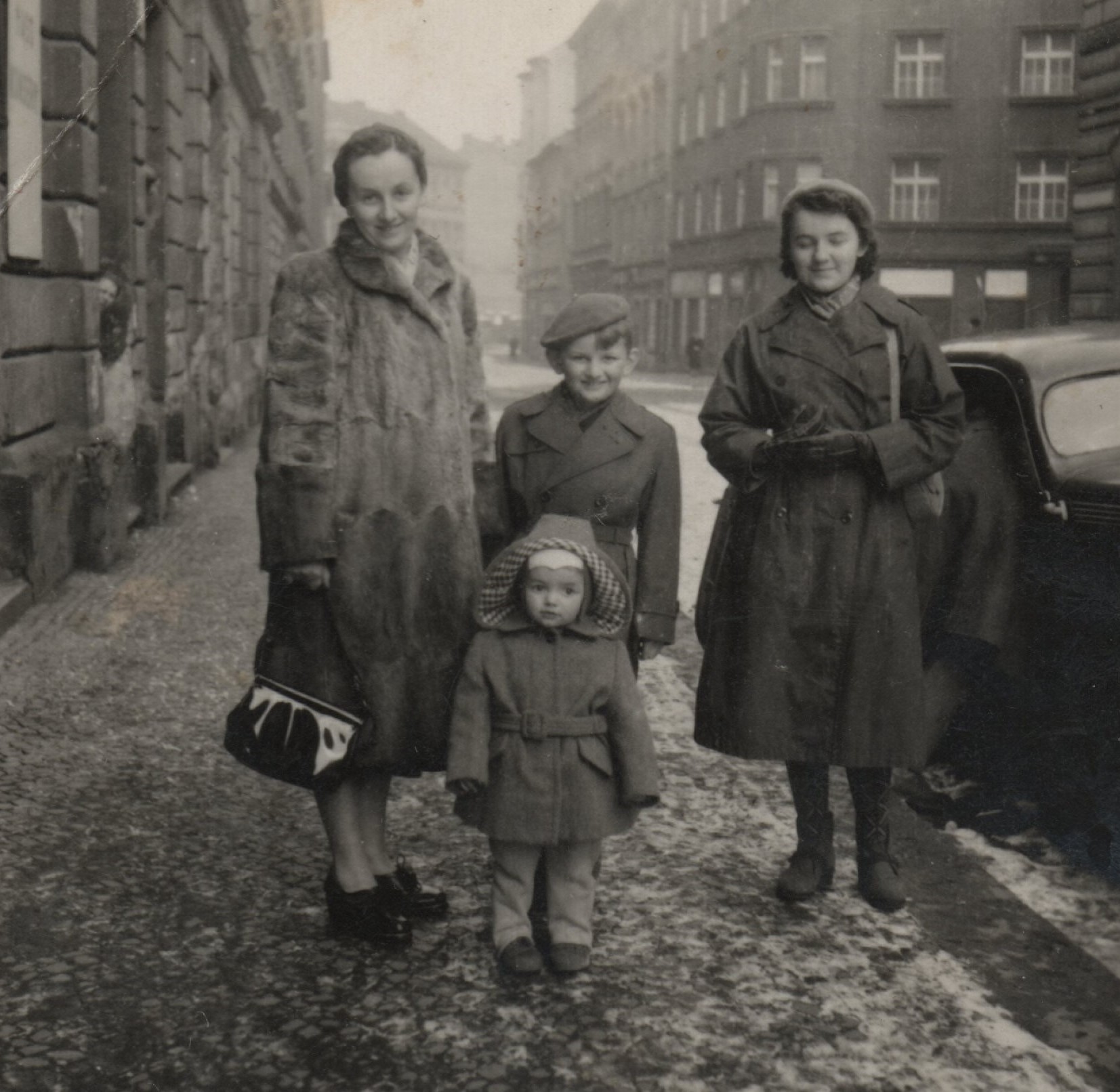
Bohdan Kaminský (bottom centre) with his mother and siblings at the time when his father was imprisoned. Photographed in front of the house in Bořivojova Street No. 78
Bohdan Kaminský (bottom centre) with his mother and siblings at the time when his father was imprisoned. Photographed in front of the house in Bořivojova Street No. 78
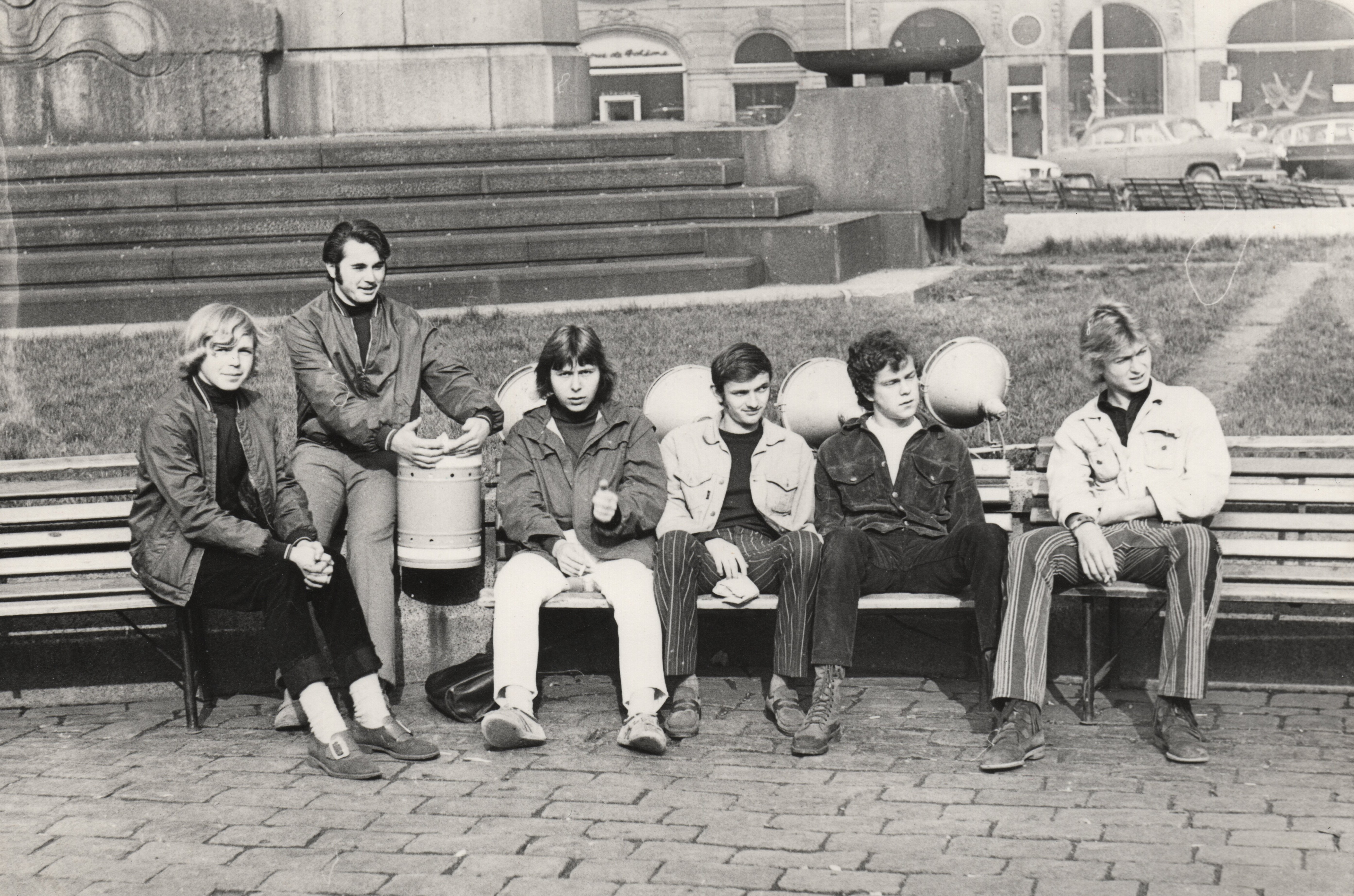
Bohdan Kaminský (third from the left) with his classmates during military training. The sign they found at a dump in the area where they were training reads: “We are competing for the title of Socialist Labour Brigade,” 1970s.
Bohdan Kaminský (third from the left) with his classmates during military training. The sign they found at a dump in the area where they were training reads: “We are competing for the title of Socialist Labour Brigade,” 1970s.