Miloš Janáček

* 1954

  • "Crossing the real border, the Czechoslovak border, was more or less out of the question. But there was the possibility of crossing Yugoslavia, Yugoslavia was a kind of intermediate state between the eastern and western states. And Yugoslavia was a socialist republic, but they could travel, and the border there - I didn't know this either, but I found out later - was not particularly well guarded. So I came to the conclusion that I would try to get through Yugoslavia somehow. Of course, you couldn't normally travel there either without permission just like that. It was already outside the Eastern Bloc and you had to apply for a lot of different permits. But it was somehow easier to get permission to go to Yugoslavia for a holiday than to the Western countries. And so I took that route."

  • "In the military service - the army and police were part of the power of the ruling establishment, or the Communist Party - and the political ideology there was enormously infused into the people, forced upon them. You were put into an environment that was part of the power apparatus of the ruling power at the time, which was more or less a puppet power in the power of the Soviet Union. And with that mental attitude of mine, the setting as I've portrayed it here, it was just an ordeal. Around this time, even though I hadn't thought about anything like that before, and I just concentrated on my studies, which I was really interested in, and that was enough for me, and I took these things as necessary evils - the political things that were running on the radio, television, the news, I didn't listen to that at all, these things. You could live in such a way that you could sort of avoid it. But that wasn't possible in the army. In that environment, more or less, in retrospect, I sort of matured the opinion or attitude that I didn't want to live in that system."

  • "However, I remember August 21, 1968 exactly, most people remember that day exactly. That was when I was here with my grandmother and grandfather on holidays, because after that, when I was going to school and studying, we always came here for holidays - for a substantial part of the holidays - and on weekends. I much preferred to be here in Libiš than in my apartment in Prague. And it was here that my sisters and I were on holiday with my grandfather and grandmother, and I remember exactly where I slept, which bed we had in the bedroom. And in the morning, about seven o'clock one day, the bell rang. Grandma was already awake, she's thinking, 'Well this time in the morning... who is it? What's ringing? Who's coming to visit us, who's ringing?' She went to open the door and there was our neighbor, Mrs. Sadilkova, and she said, 'Turn on the radio, we've been attacked by the Russians.' So that was a turning point that - it's hard to describe. That's the collapse of all hope, of everything that one hoped for and thought would eventually happen."

  • Celé nahrávky
  • 1

    Neratovice, 11.04.2025

    (audio)
    délka: 02:15:23
    nahrávka pořízena v rámci projektu The Stories of Our Neigbours
Celé nahrávky jsou k dispozici pouze pro přihlášené uživatele.

The war convinced me that I had to emigrate
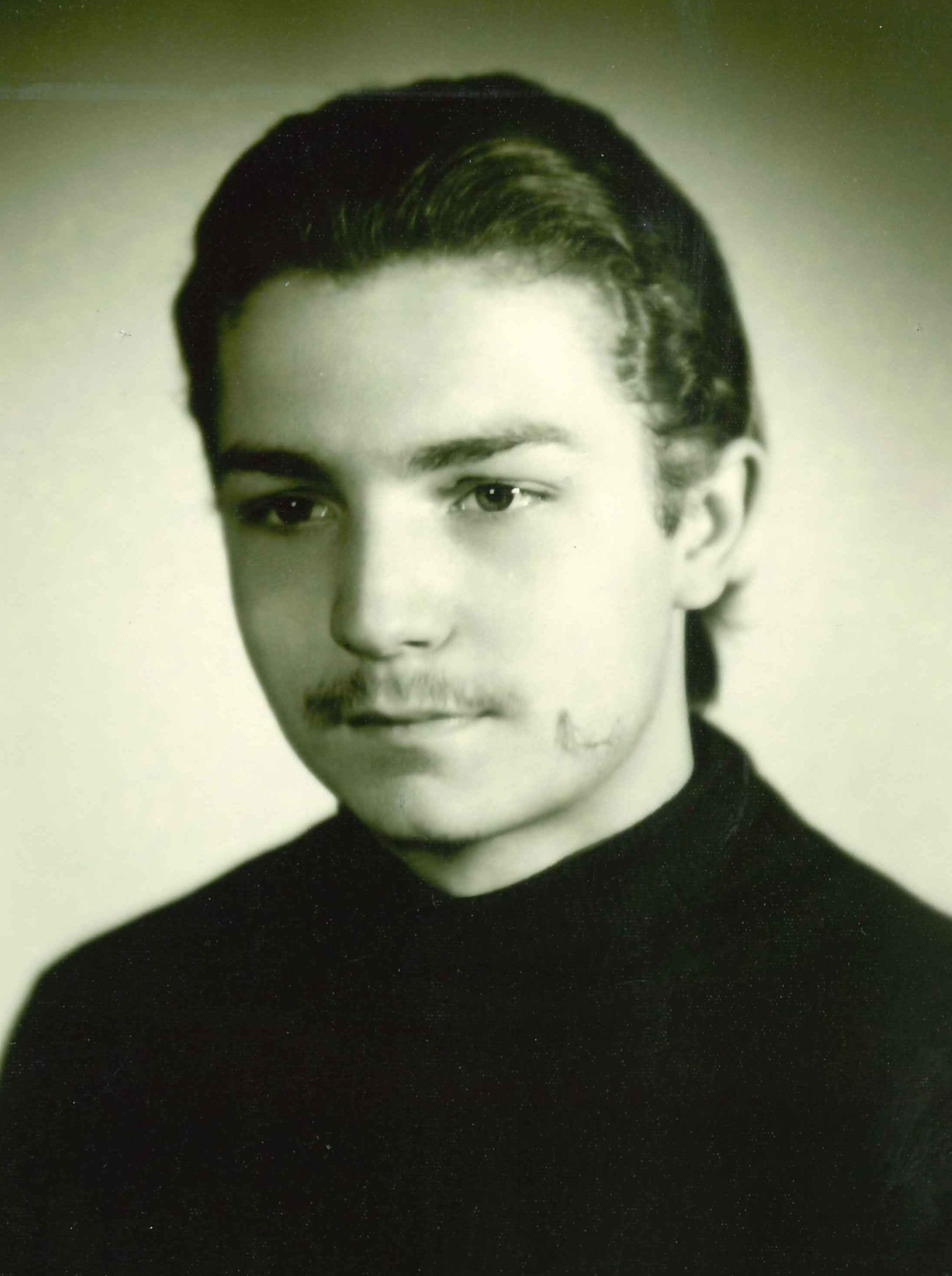
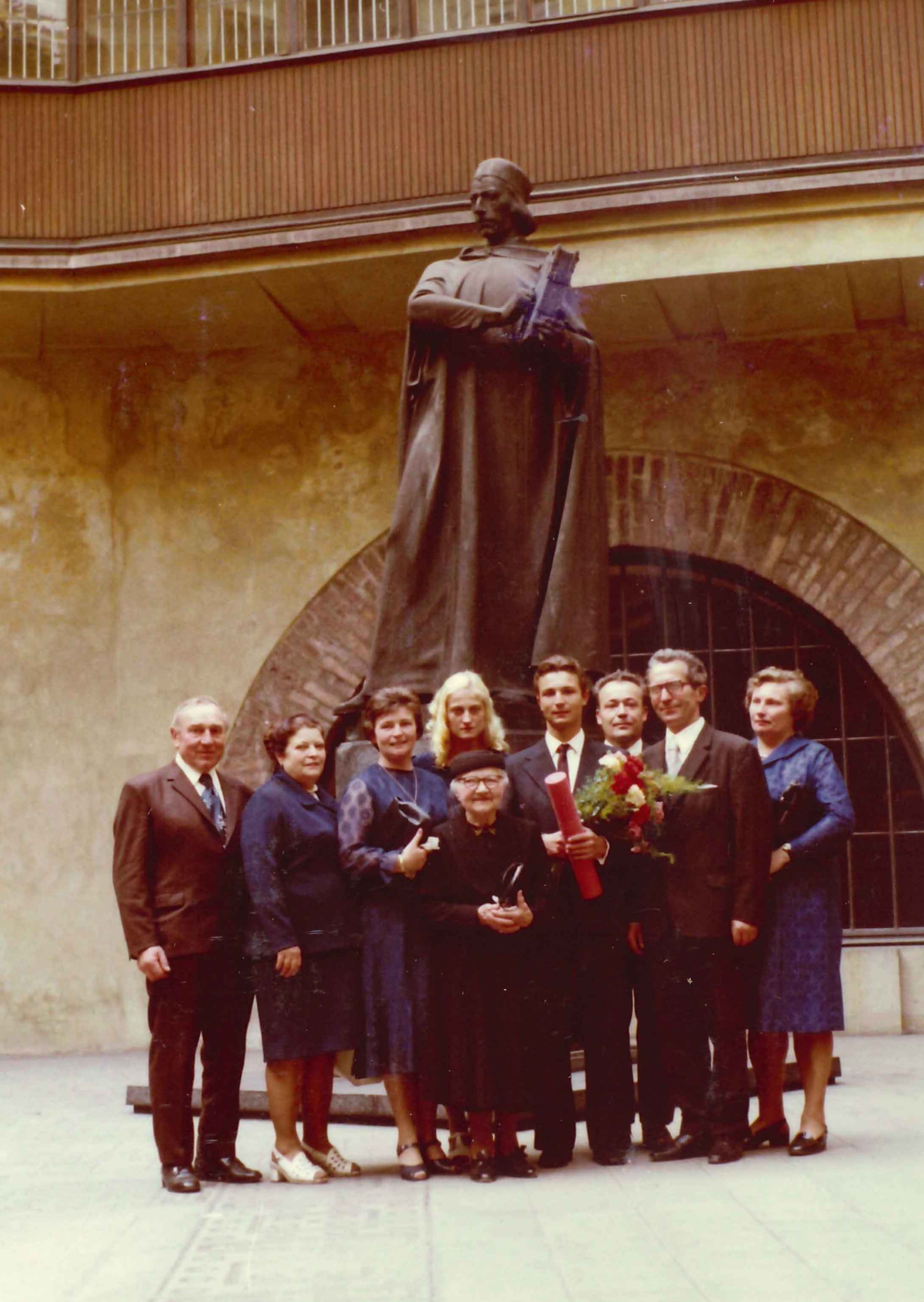
Photographs from graduation photo board, 1973
zdroj: Archive of Miloš Janáček

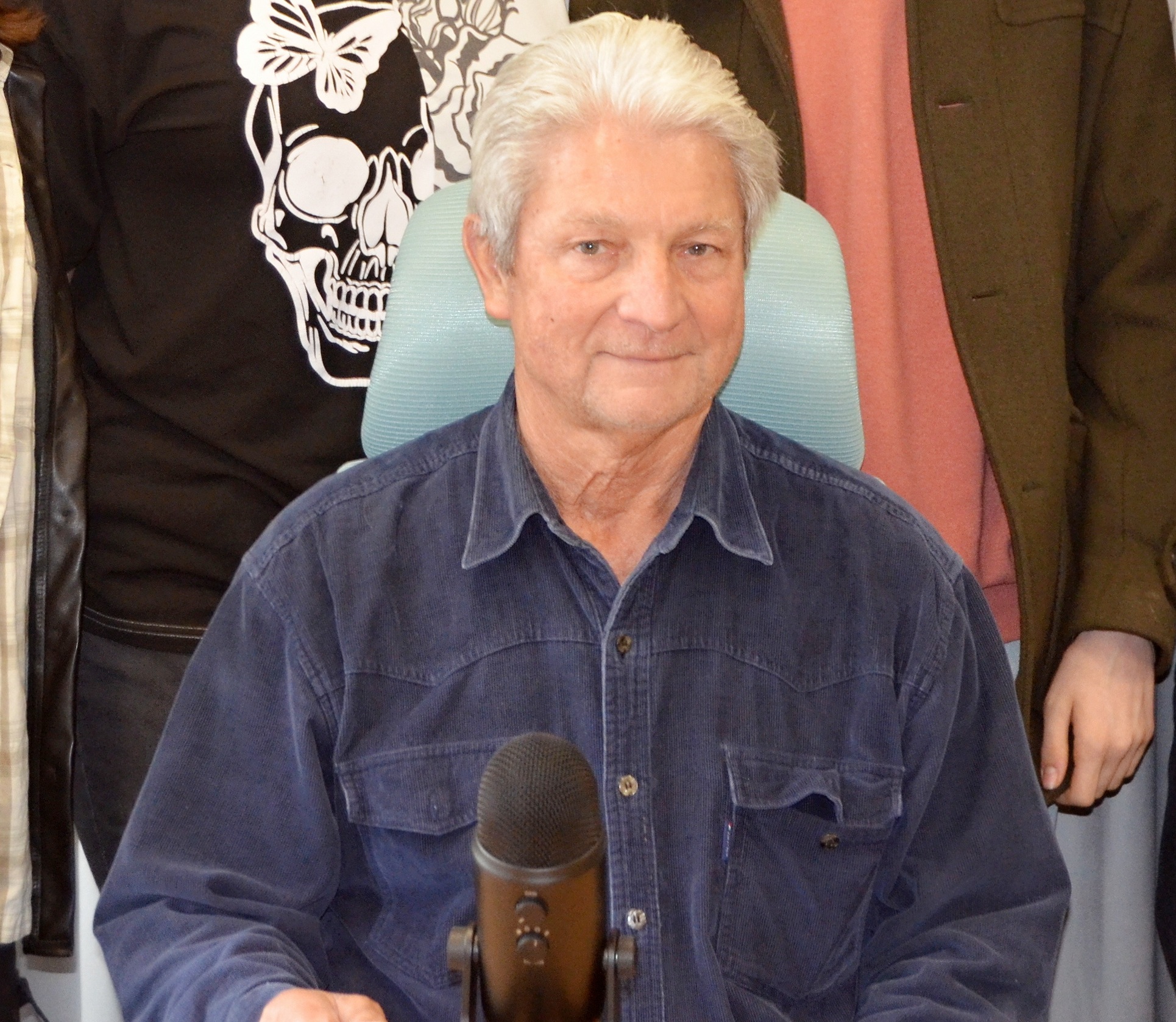
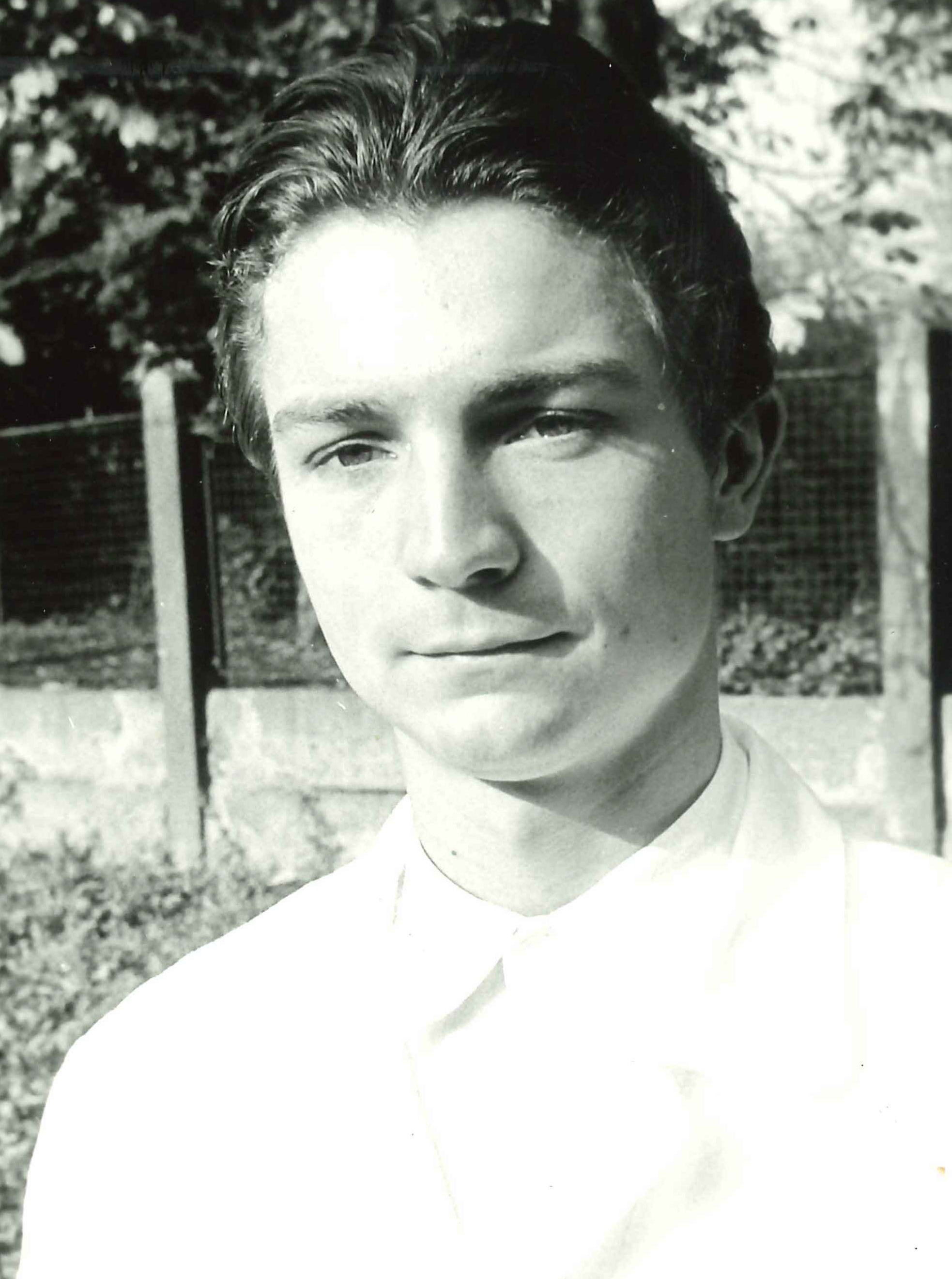
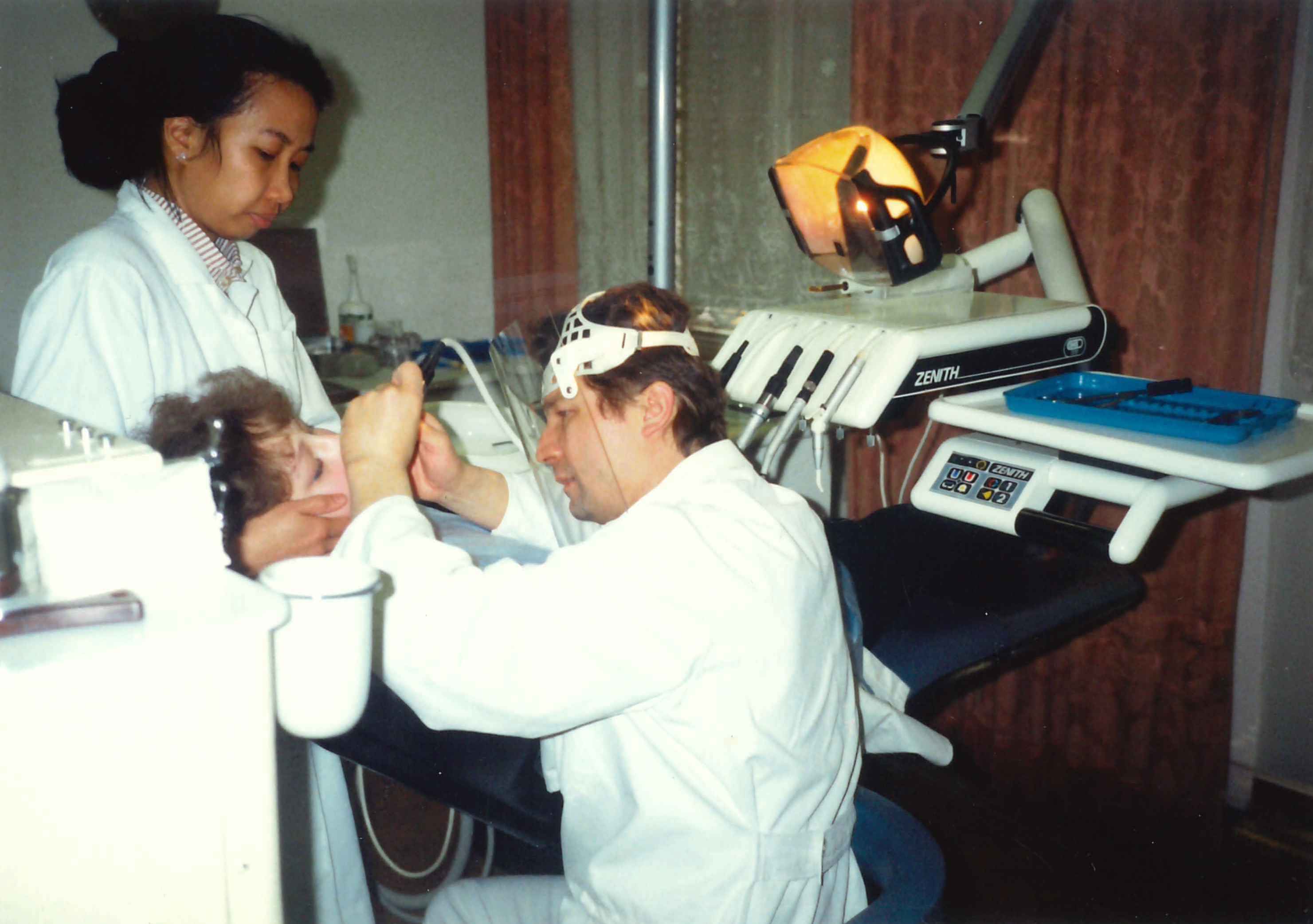
Miloš Janáček was born on March 3, 1954 in Prague. In 1973 he started his studies at the Faculty of Medicine of Charles University, which he completed in 1978. He completed his compulsory military service in Terezín from 1978 to 1979. As a young physician specialising in dentistry, he decided to emigrate after his military service. On several occasions, while on holiday in Yugoslavia, he tried to cross the border illegally, even by walking over the mountains. He finally succeeded in 1983 thanks to the help of a local worker. In Czechoslovakia he was convicted of leaving the republic without permission. Since 1983, he has lived in Austria and, after the Velvet Revolution, alternately in the Czech Republic.