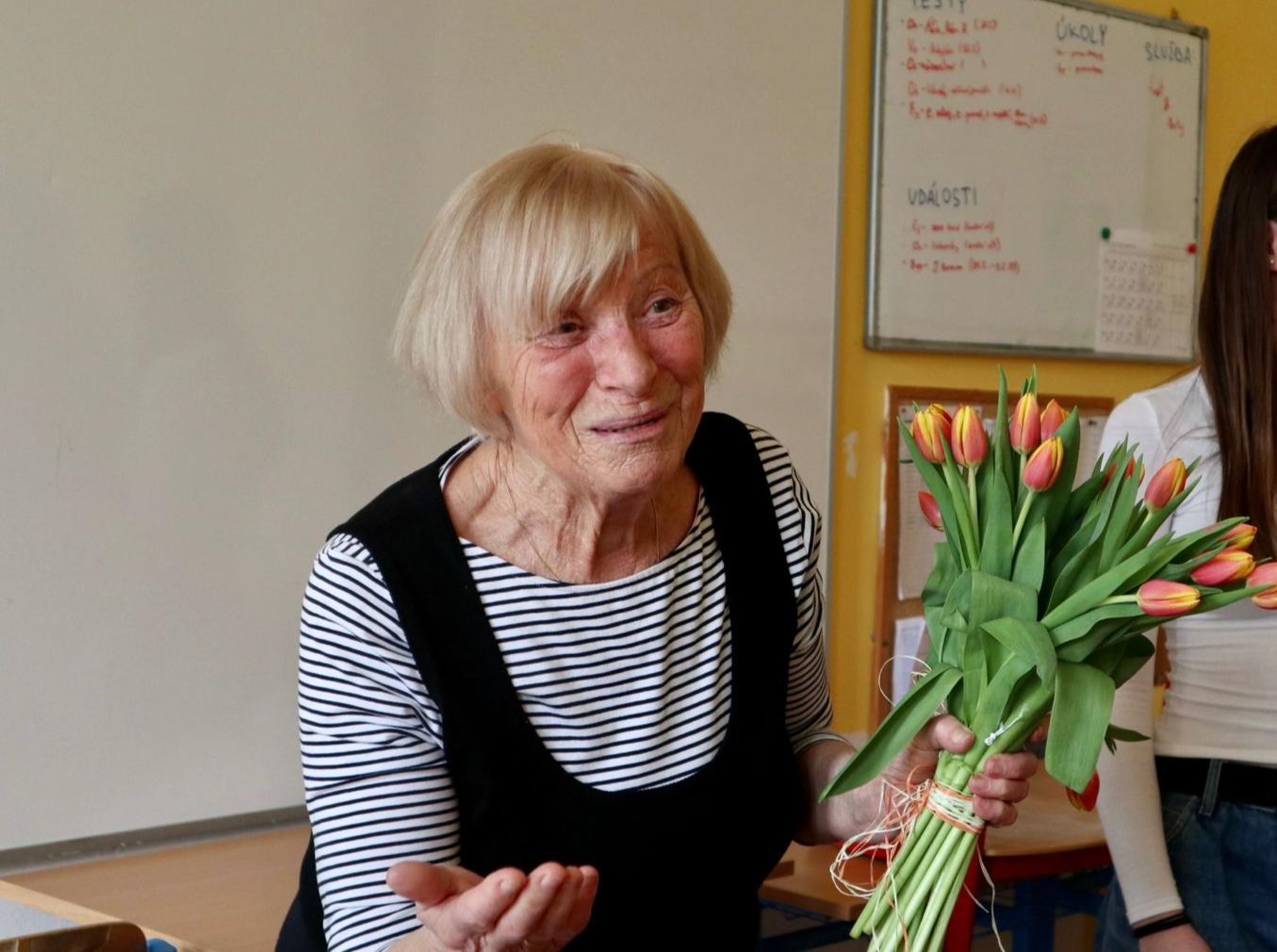
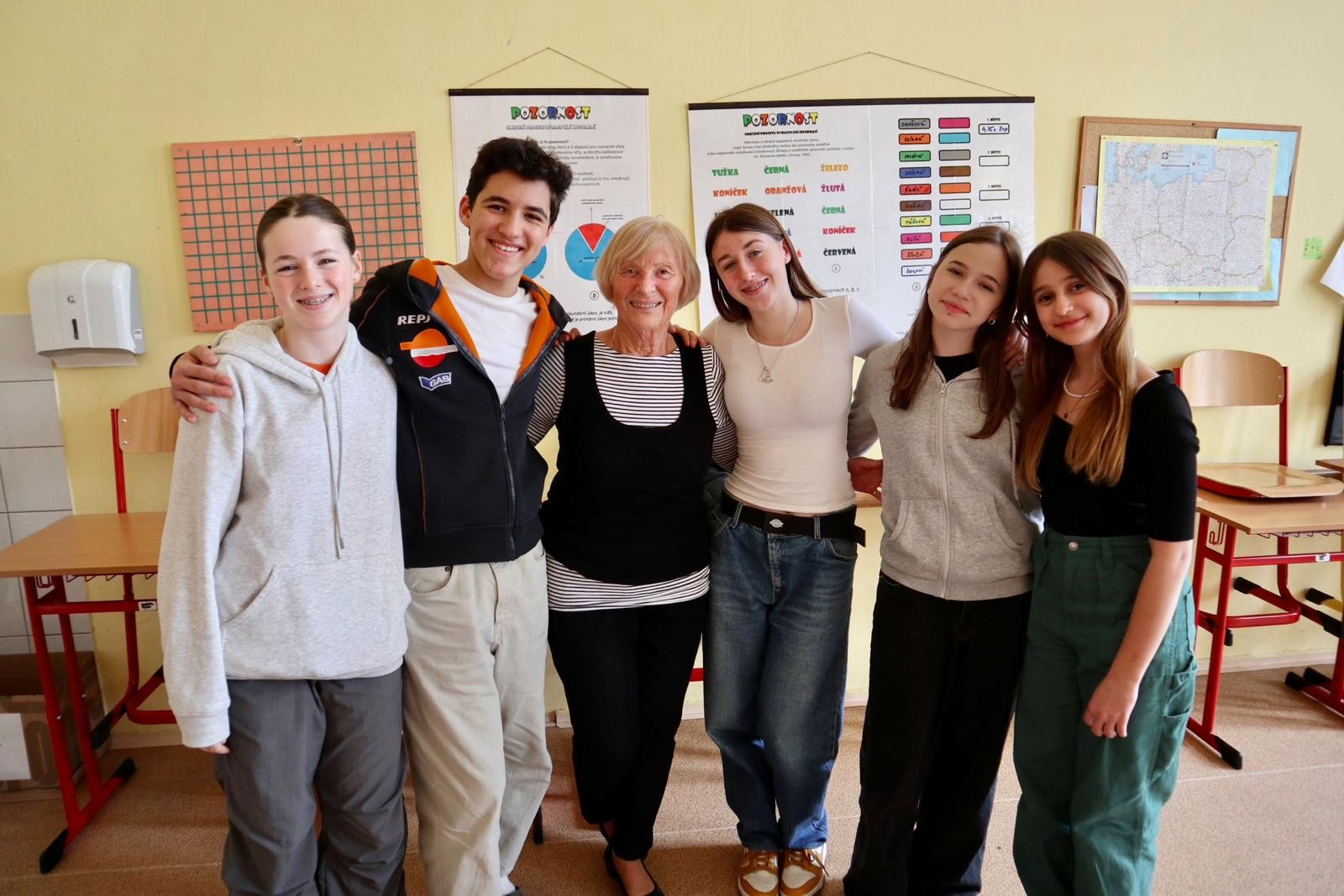
Anna Hurychová

* 1947

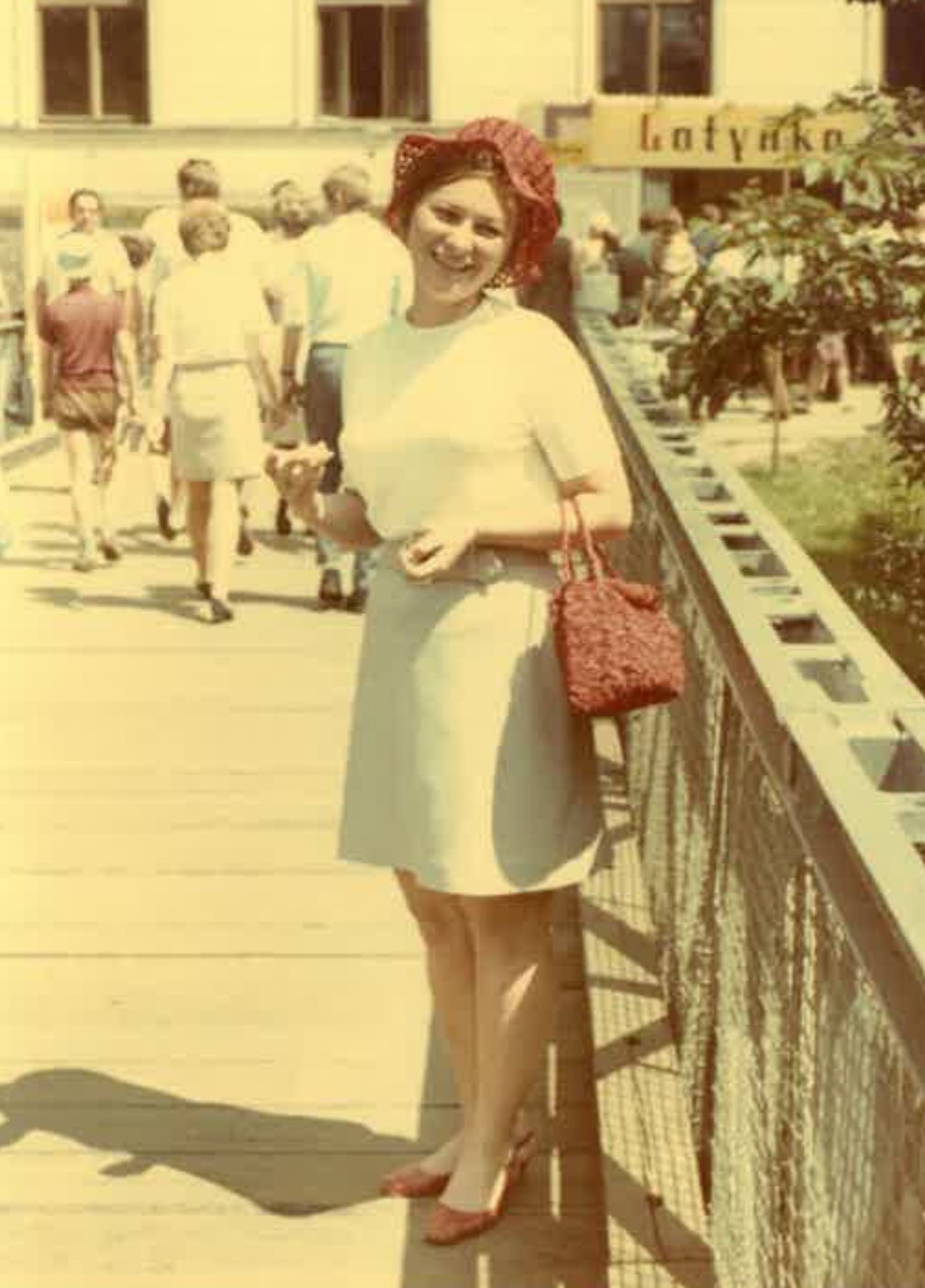
  • "I was at the faculty in Hradec, and at that time I heard somewhere on the radio that students could go to England, that Mr. Butlin had these camps there and that they could work there, that they could go there for six weeks. So I immediately wrote somewhere that I definitely wanted to go to England, and imagine that I was the only one from the faculty who went, no one else signed up, I went alone. The girls said, 'Oh, you with your English,' I was still learning it at the time, but not very well, because I wasn't talented at languages. But I went anyway. Six hundred students traveled by train, and in Dover they divided us up and sent us to various camps. And I was chosen to be a saleswoman, I already had a contract. So I sold there for six weeks, and I spent fourteen days in London for it. And that was my... now the world had opened up, and I thought to myself, a year earlier I was in Ukraine with my faculty, it was a world of difference! I cried both there and here, but it was more out of shock from here. So I went there and thought to myself, "Now I'll be able to," I earned some money there, brought gifts for the whole family, but unfortunately August [1968] came, and I was still working there and we couldn't believe it. We came to work in the morning, there were newspapers, tanks on Wenceslas Square, so I said to myself: 'This is from 1945,' and then I said: 'There's a checkered bag in that picture, that must be from this time! ' Well, then they turned on the TV in England, we sang the Czech anthem, maybe for the last time. The colleagues who were there, or our friends, started crying hysterically: "I'll never see my mom again." But I remained calm. Then I got a letter. Some older people wanted to adopt me! They said, 'Stay here, we'll let you finish your studies and you can stay here.' But that would have... patriotism is so deeply rooted in a person, and when you still have friends and parents and family, I said, 'No way.' So I came back and said, 'I'll leave in a year,' and it wasn't possible anymore."

  • Celé nahrávky
  • 1

    Praha, 29.03.2023

    (audio)
    délka: 54:58
    nahrávka pořízena v rámci projektu The Stories of Our Neigbours
Celé nahrávky jsou k dispozici pouze pro přihlášené uživatele.

It is important not to let reality slip away
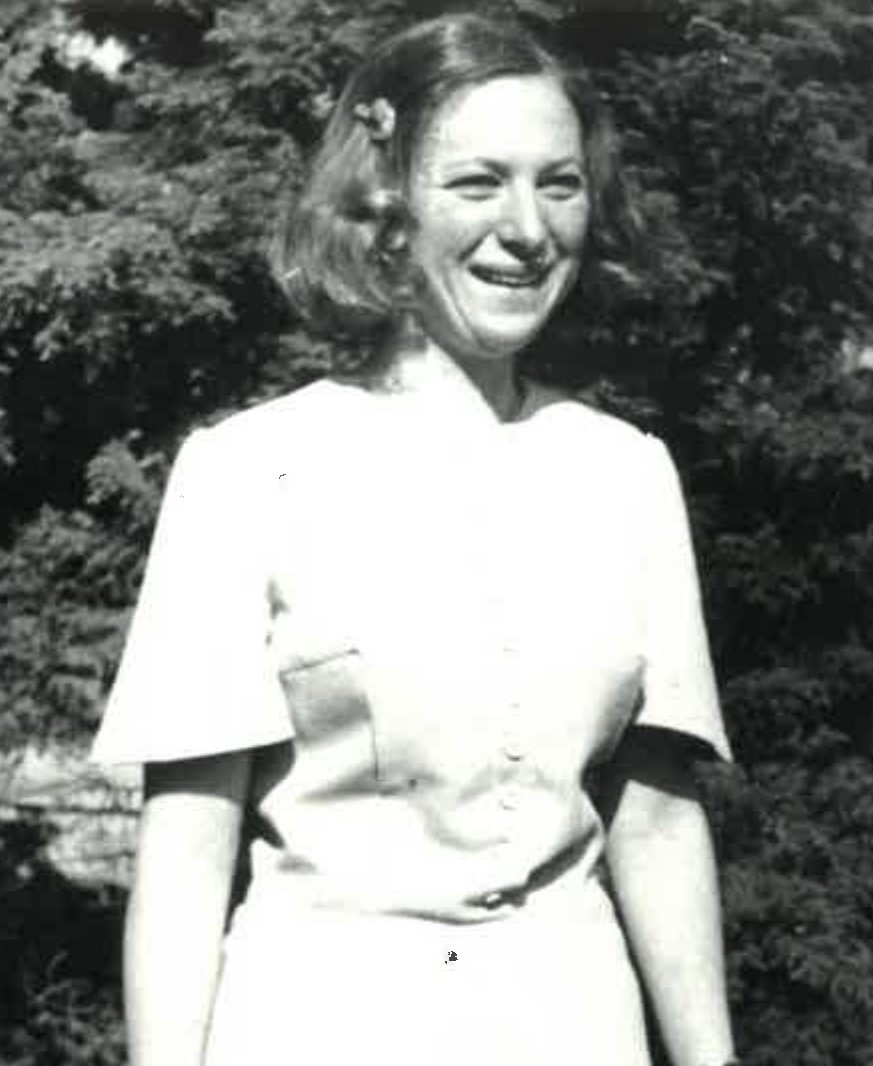
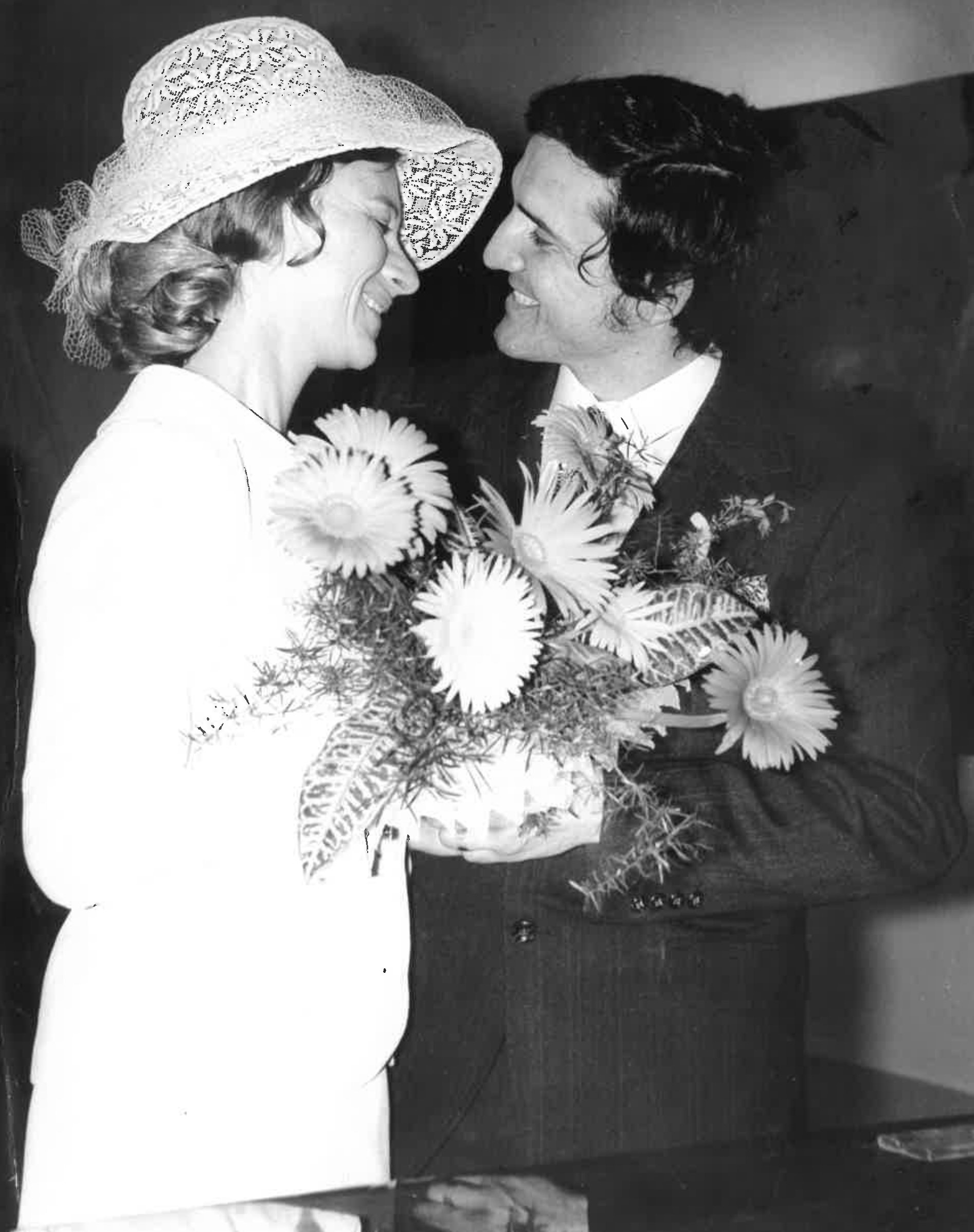
In Miletíň, 1976
In Miletíň, 1976
zdroj: Witness archive

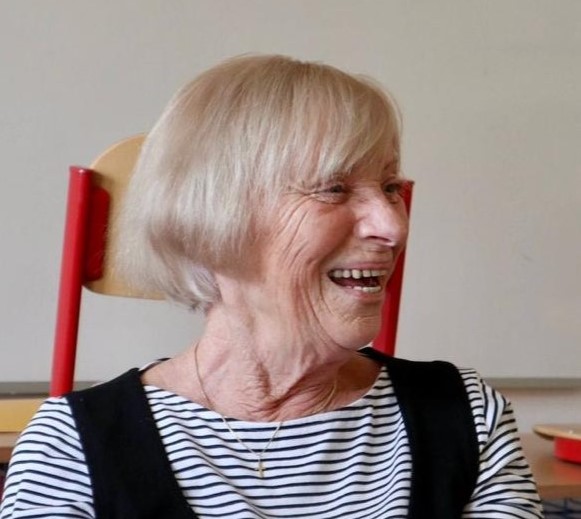
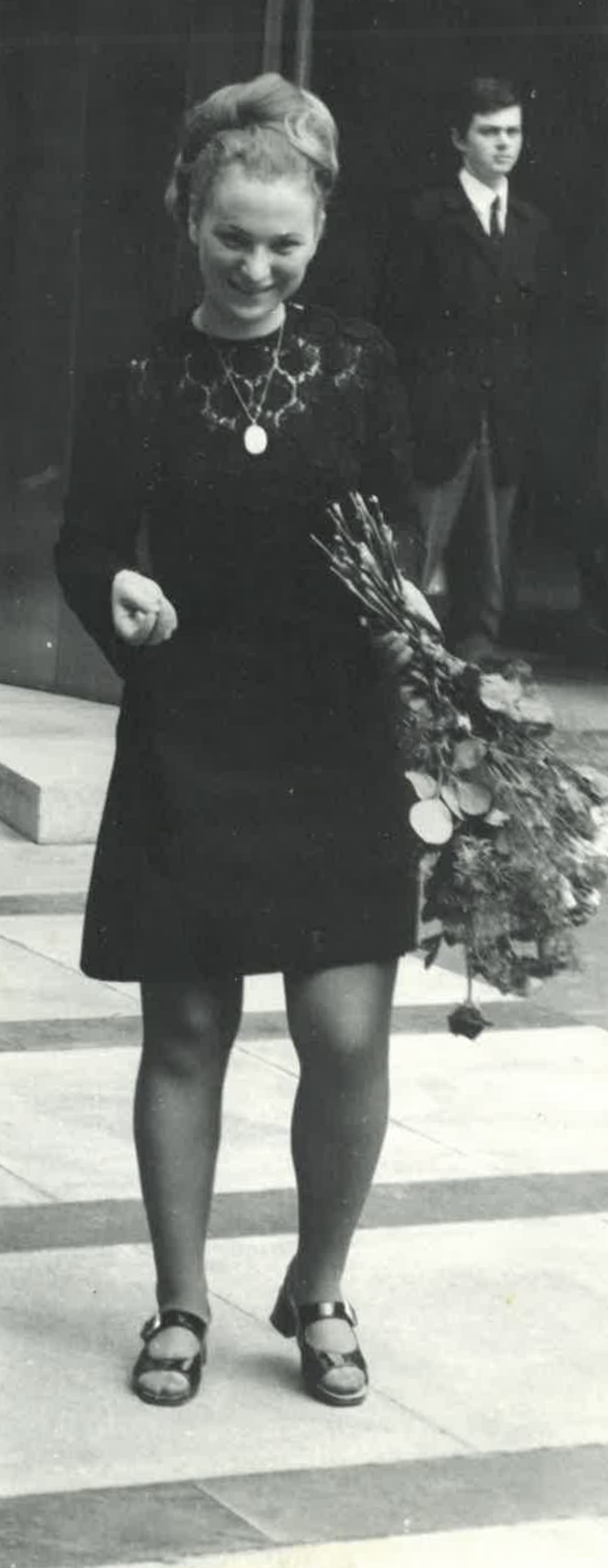
Anna Hurychová was born in Podkrkonoší on April 25, 1947, as the older of two sisters. Both her parents worked in agriculture. She attended elementary school in Mlázovice and secondary school in nearby Ostroměř. After studying at the Secondary General Education School in Hořice in the Podkrkonoší region, she enrolled at the Pedagogical Institute in Hradec Králové. In the summer of 1968, she left for a six-week work stay at Butlin‘s Camp in England, where she heard the news of the occupation of Czechoslovakia by Warsaw Pact troops. Despite the possibility of remaining there as an emigrant, she decided to return home. After completing her studies, she taught briefly in Jičín, then for four years in Miletín, from where she moved to Prague to teach at Hanspaulka Elementary School. At university, she refused to join the Communist Party, but at Hanspaulka she was forced to do so by the circumstances. She taught mathematics and art there for 15 years and was elected chairwoman of the ROH trade union. In 1989, she began teaching at the Františka Plamínková Elementary School in Prague, where she became principal a year later. In November 1989, she and her nephew took part in anti-regime rallies and demonstrations at Letná and Wenceslas Square, and she immediately left the Communist Party. She taught at the Františka Plamínková Elementary School until 2007, when she retired. In 2023, she lived in Prague.