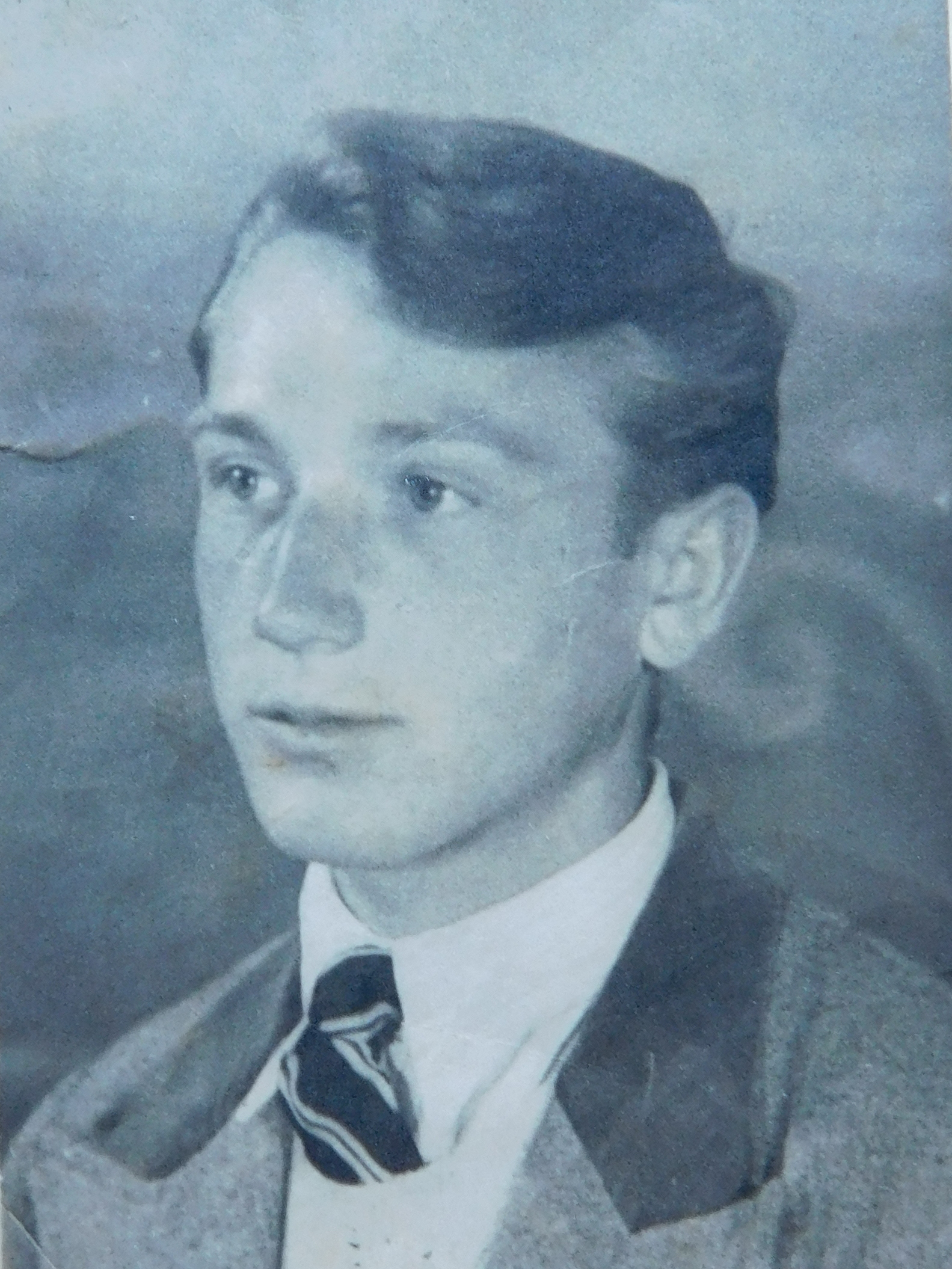
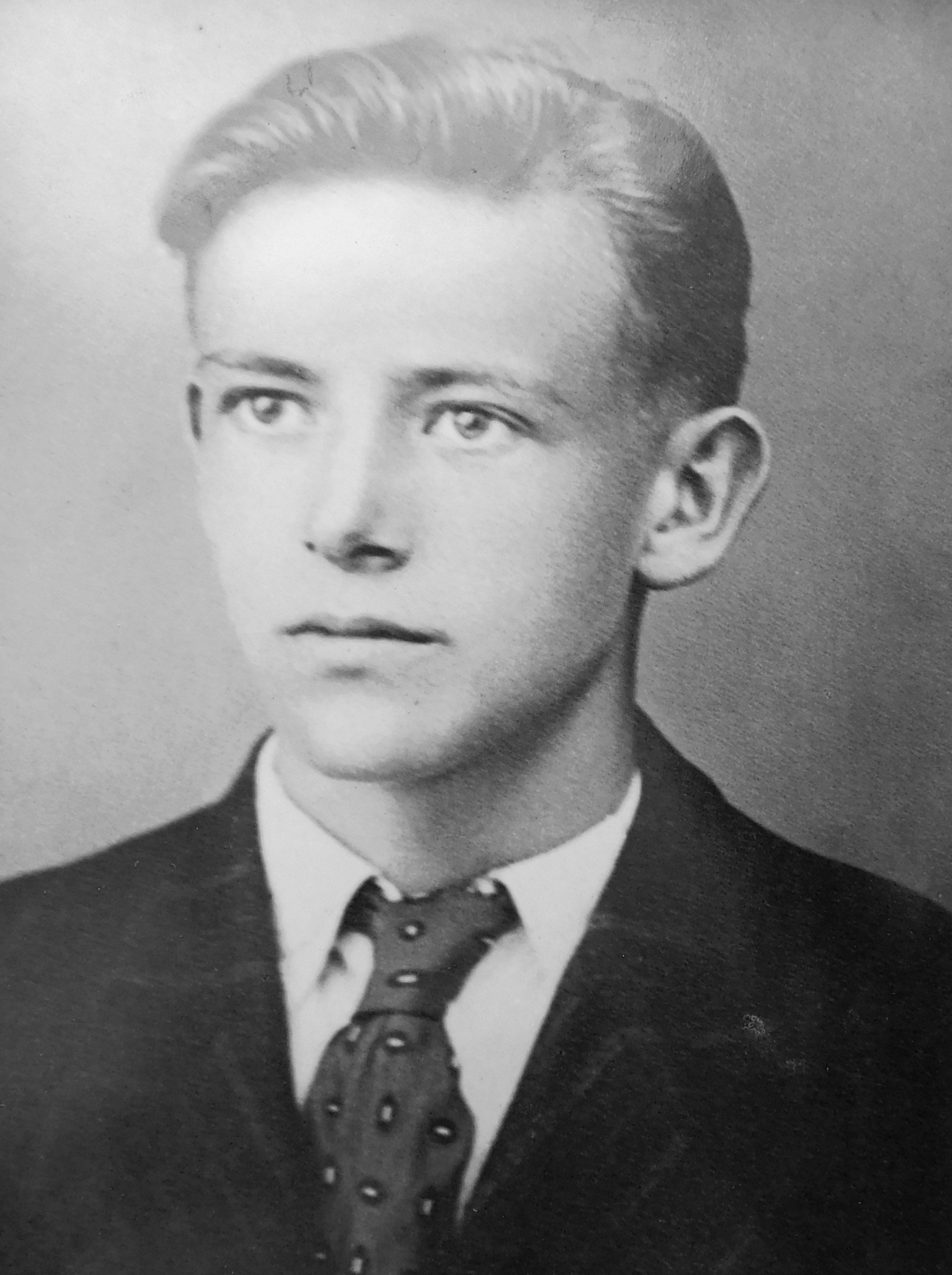
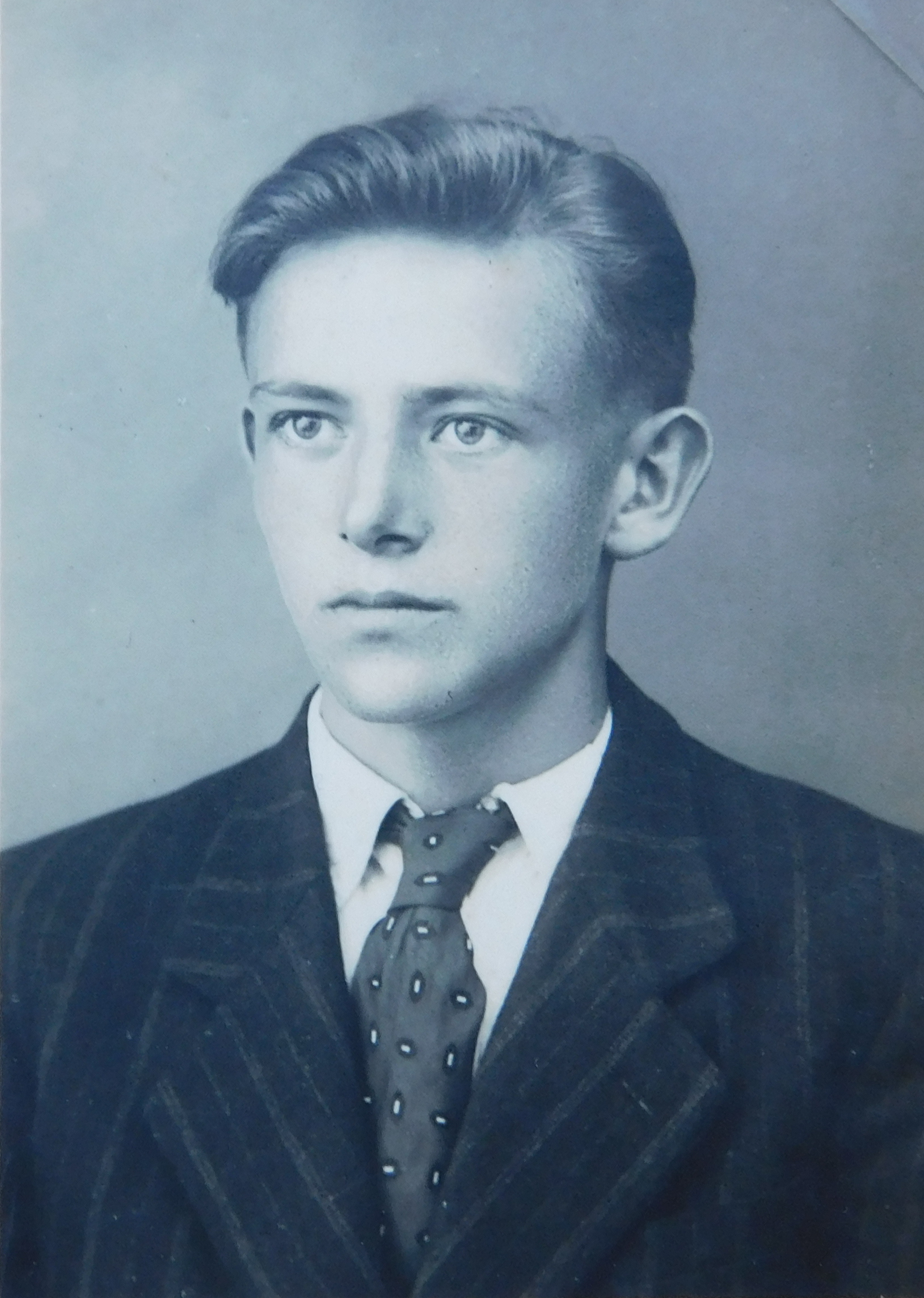
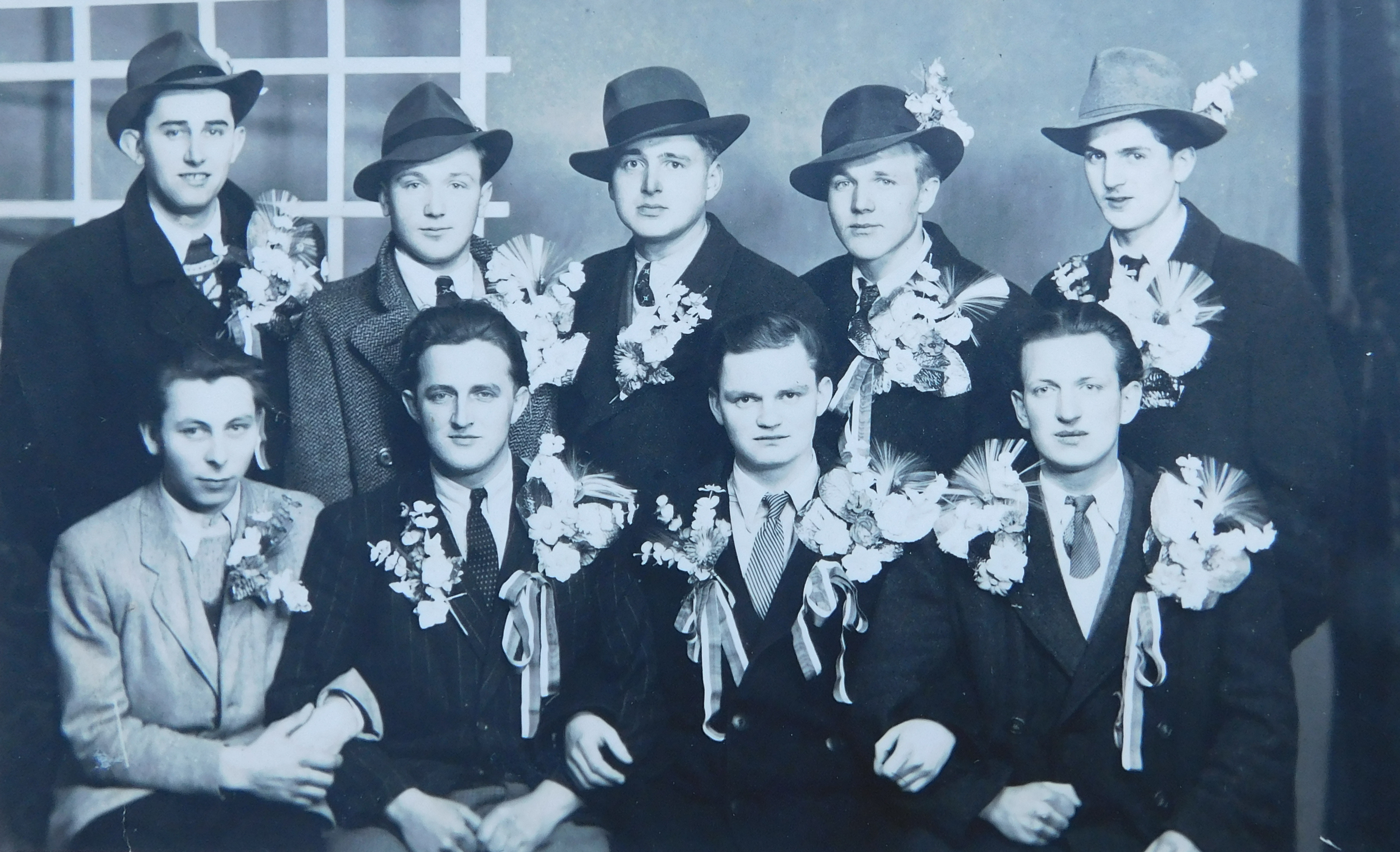
In Wehrmacht at age 16

Stáhnout obrázek
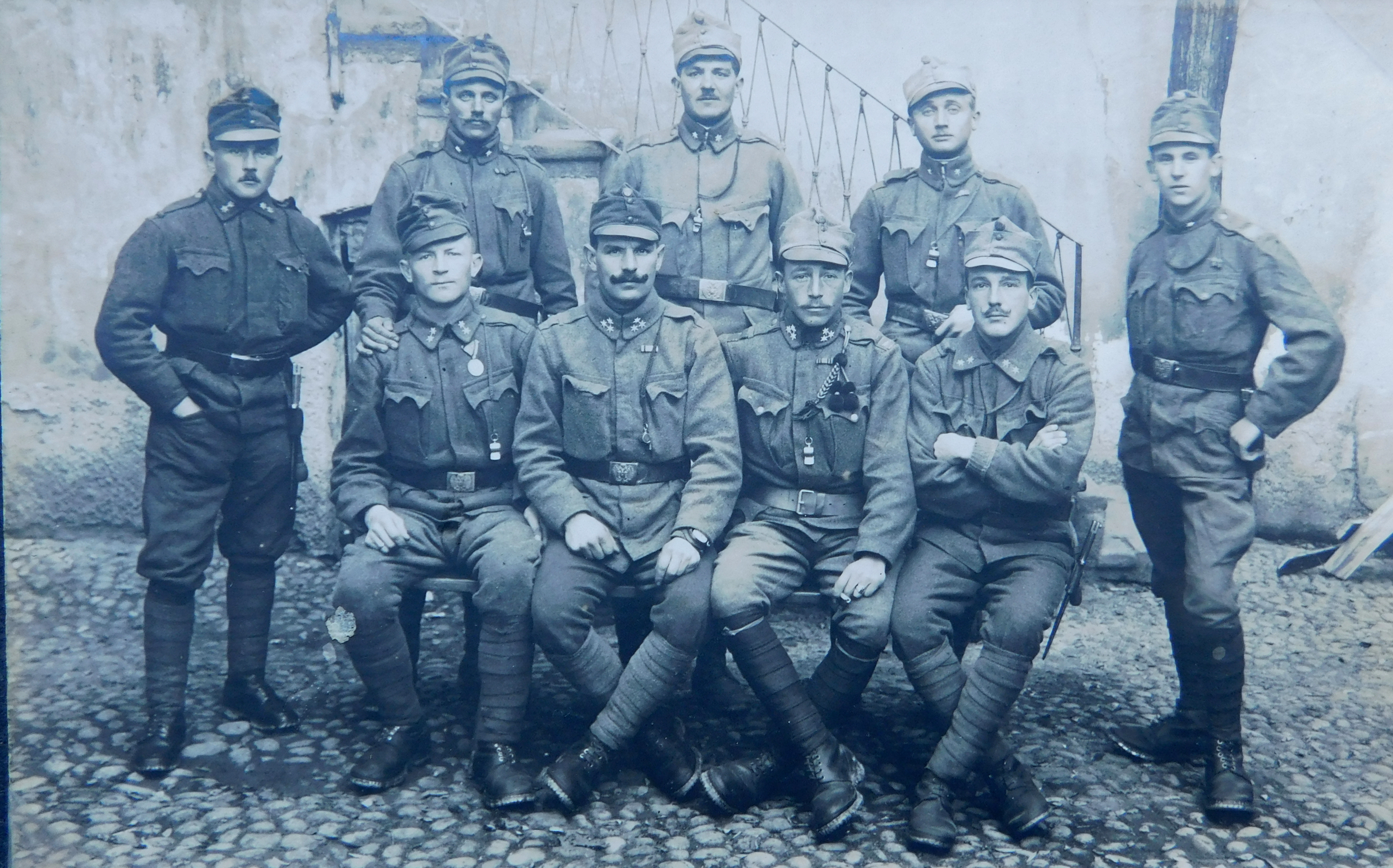
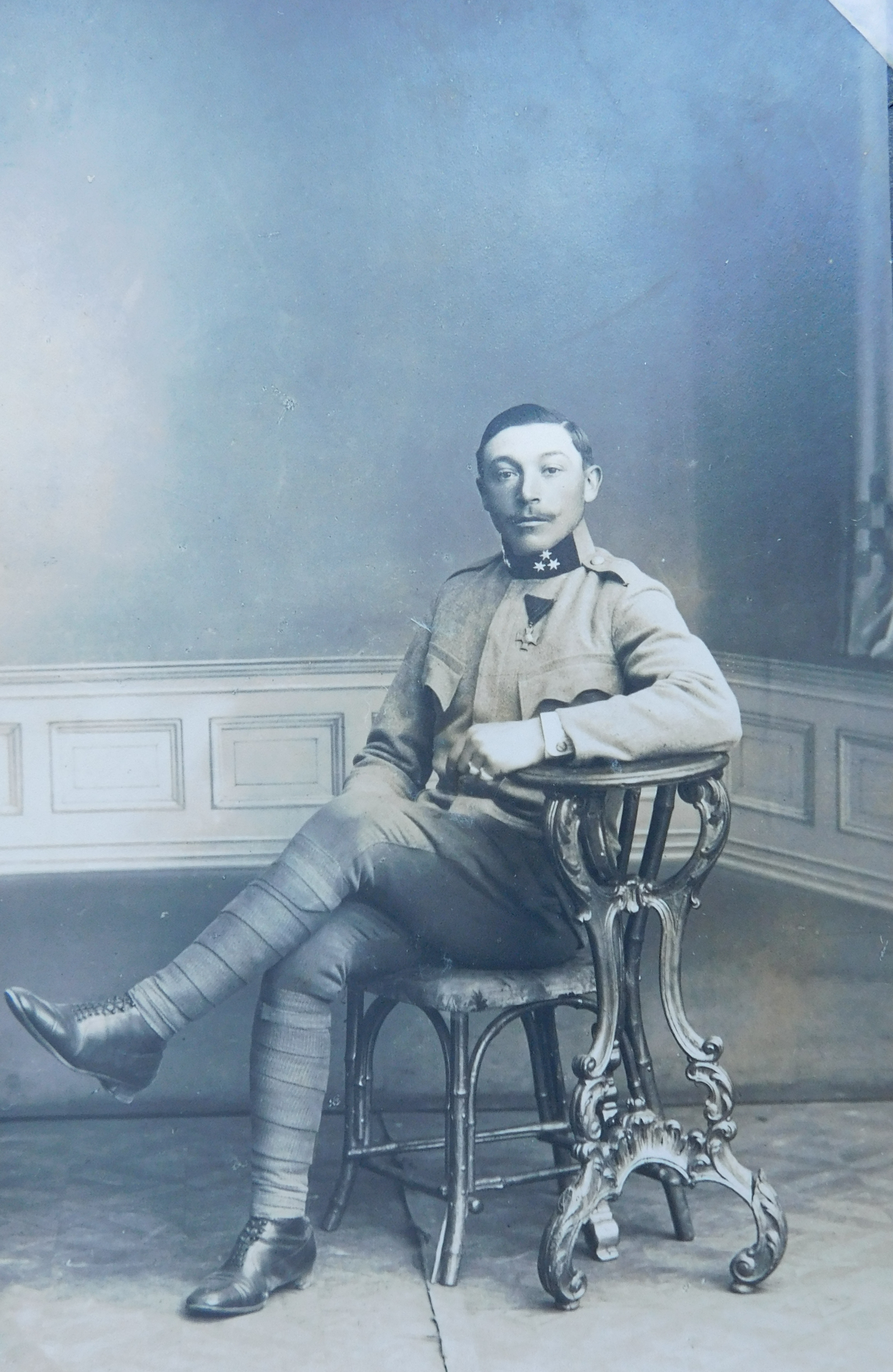
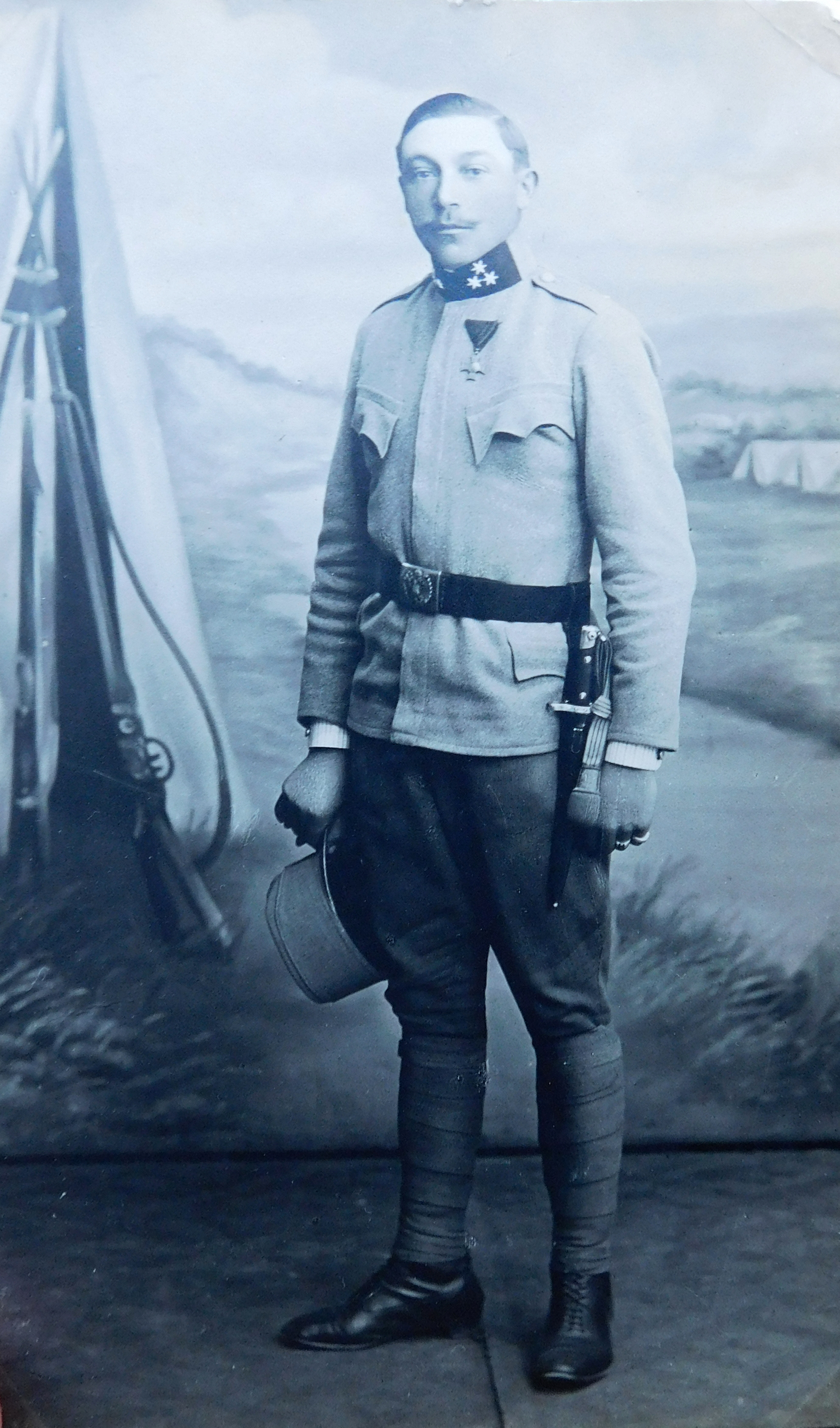
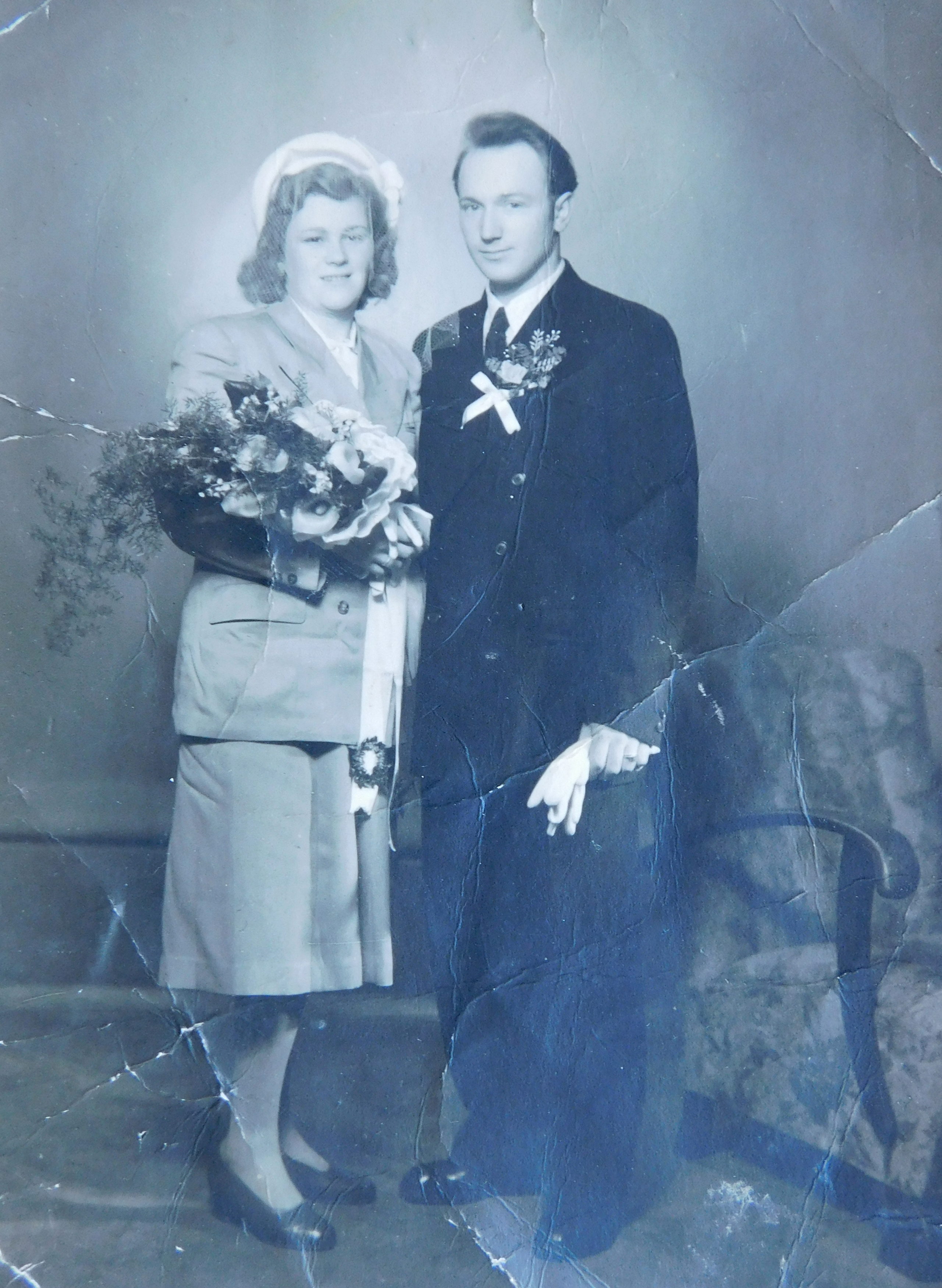
Bohumil Hrubý was born April 4, 1928 in Úsov (Mährisch Aussee in German). While his mother was of Czechoslovak nationality, his father pledged allegiance to the German flag. Because of that, his sons had to join the Wehrmacht forces in the Second World War. First, Bohumil’s brother Josef who was two years older than him never came back home; he died in Italy. Then, in the fall of 1944, the just sixteen-year-old Bohumil was drafted as well. He was distinguished by his fitness and for that was sent to join a paratrooper unit after his basic training. However, he sprained his ankle right during the first practice jump and spent the following two weeks in a hospital. He was waiting in the barracks in Munich after his recovery together with other soldiers, waiting to be sent to the front line, when the order came that they would be sent to the front line at four a.m. that morning. But just that evening the barracks were taken over by U.S. soldiers and Bohumil was then held in captivity for six months in the village Fürstenfeldbruck. After his release he wandered Germany for two years, waiting for his family to arrive. But they were eventually not displaced like so many other Germans and so he returned to his native Úsov. Two years after that, in 1949, he had to enlist again, this time for military service in the Czechoslovak Army. The young man, viewed as “politically untrustworthy” by the new regime, had to join the road battalions, predecessors of the Technical auxiliary battalions, where he served as a cheap labor force for twenty-seven months. He married Božena Havranová after his return to civilian life and together they had one son, Bohumil, and daughters Božena and Věra. He worked in the MEZ Mohelnice factory until his retirement. In 2019 Bohumil Hrubý was still living in Úsov.