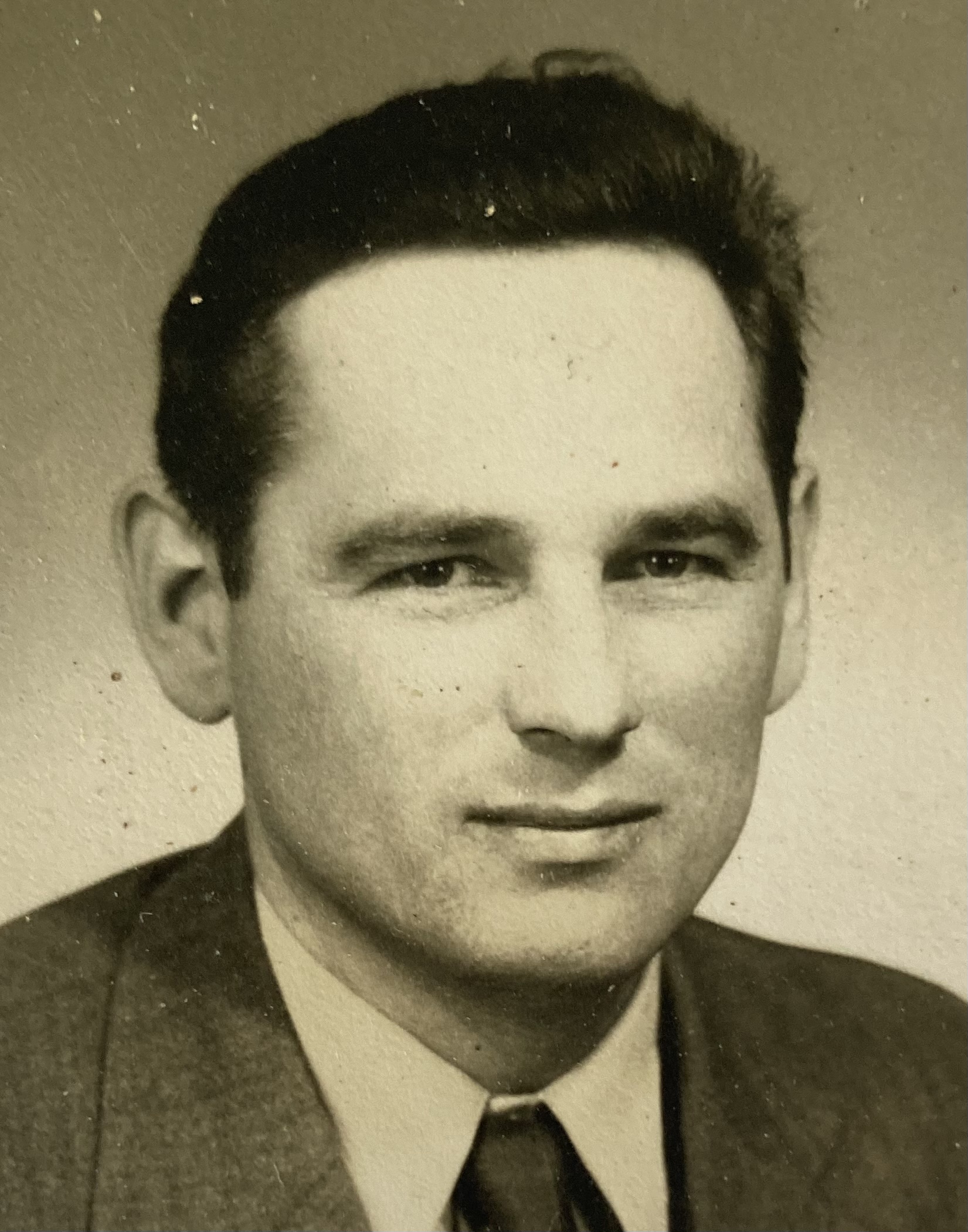
Josef Holý

* 1938

  • "And then the nearest cooperative was in Bednáreček, in the Jindřichův Hradec area, it's a village behind Popelín here from us towards Jindřichův Hradec. Houška moved there from Ctiboř. Of course, when he came here, they made fools of him when they met in the village square or something. ‚You´re a cooperative farm guy,‘ and so on. And he says: 'Boys, relax, you'll be too, don't worry.' Well, it was true too. Apart from a few people who - my father was one of them - got caught up in the First World War on that Eastern Front... got caught up in that Russian captivity, so apart from those people, there were a few in the village, nobody believed that this could happen. People just didn't believe it. They said, 'There's no such thing.' But the people here believed it, because they had lived through the Great October Revolution and all the events that took place after that, up until that year - the Great October Revolution was in 1917, well, they were still there for a year, so the collectivisation had already taken place in 1917. So they believed it and they said what it was and how it was going to be, and so on. And the other people here, nobody believed it. 'There will be no such thing, it can't be.' Just like the shopkeepers here in town didn't believe that there would be nationalisation. Nobody believed that either. And it was in 1949 that the then National Assembly on 21 February passed the law on cooperative farms. The law announced by the National Assembly came into force and at that moment the agricultural land lost its market value. It simply became worthless; on the contrary, its ownership became a punishment."

  • "And then, when the Russians arrived, individuals fled. They ran because the German troops were scattered, and they ran on their own. And mostly in the daytime they hid in the woods somewhere and in the evening, at night they would come to the village and look for food. Of course, they needed somewhere to eat. And they were mostly either Germans or Austrians, and they were running in that direction, trying to get to the Austrian border. And what they were trying to do was to avoid being captured by the Russians. That's what they were trying to do. Well, the outlying buildings of the village, so they came to those buildings at night, of course, and they hammered and demanded food from those people, to give them food. Weapons were delivered to the village, probably several rifles and one light machine gun. And here the local people had to keep watch around the village at night. And of course, there were also a few... that they hammered somewhere on the edge of the village, so there was some shooting. As I remember, one time they were also, and it was some larger group at their place, so they were here, like this hill, we call it Čihadlo, like towards Častrov. So there was some bigger group there. So here the militia tried to, they were attacking them here from the village. But it must have been some bigger group, because they were shooting back. And from the other side they were attacking them again from Perky. Here they appeared, here one man was manning the light machine gun, so he saw there, there was a balk, so he saw people under the balk, so he opened fire on them, here from the pond, this one behind the village. There was a pile of earth here, Zadražil had taken that pond out, like he has here by the house, so he took it out of that pond, and he took it out, and he had his meadow there, and he composted it there, that he would then, later on, spread it over the meadow as fertiliser. So he shot at them from the pile there and they started shouting, 'Don't shoot, we're from Perky!' They would have killed each other."

  • "Then, in the spring of 1945, it was sometime in the middle of March, German emigrants came here. Just whoever had horses and a horse cart, they had to go and get them and they brought them here from the station from Horní Cerekev. It was... it was mostly women with children and a few older men. It was about... about thirty people were brought here. It was around the middle of March, there was still snow in the ditches. And half of them settled at the school, in the classroom, and the other half were staying at the Doležals' pub. And we went to school here in a farmhouse, at the Zadražils'. There they had built one room in the yard. That was built for servants, for maids, and so we studied in that room. And when? They were here for about three weeks, a month at the most. And who took them away and in what way and why, I don't know. They just got lost and that was the end of it."

  • Celé nahrávky
  • 1

    Ctiboř, Častrov, 27.07.2024

    (audio)
    délka: 02:18:12
    nahrávka pořízena v rámci projektu Stories of 20th Century
Celé nahrávky jsou k dispozici pouze pro přihlášené uživatele.

We laughed at the cooperative farm members until it came to us
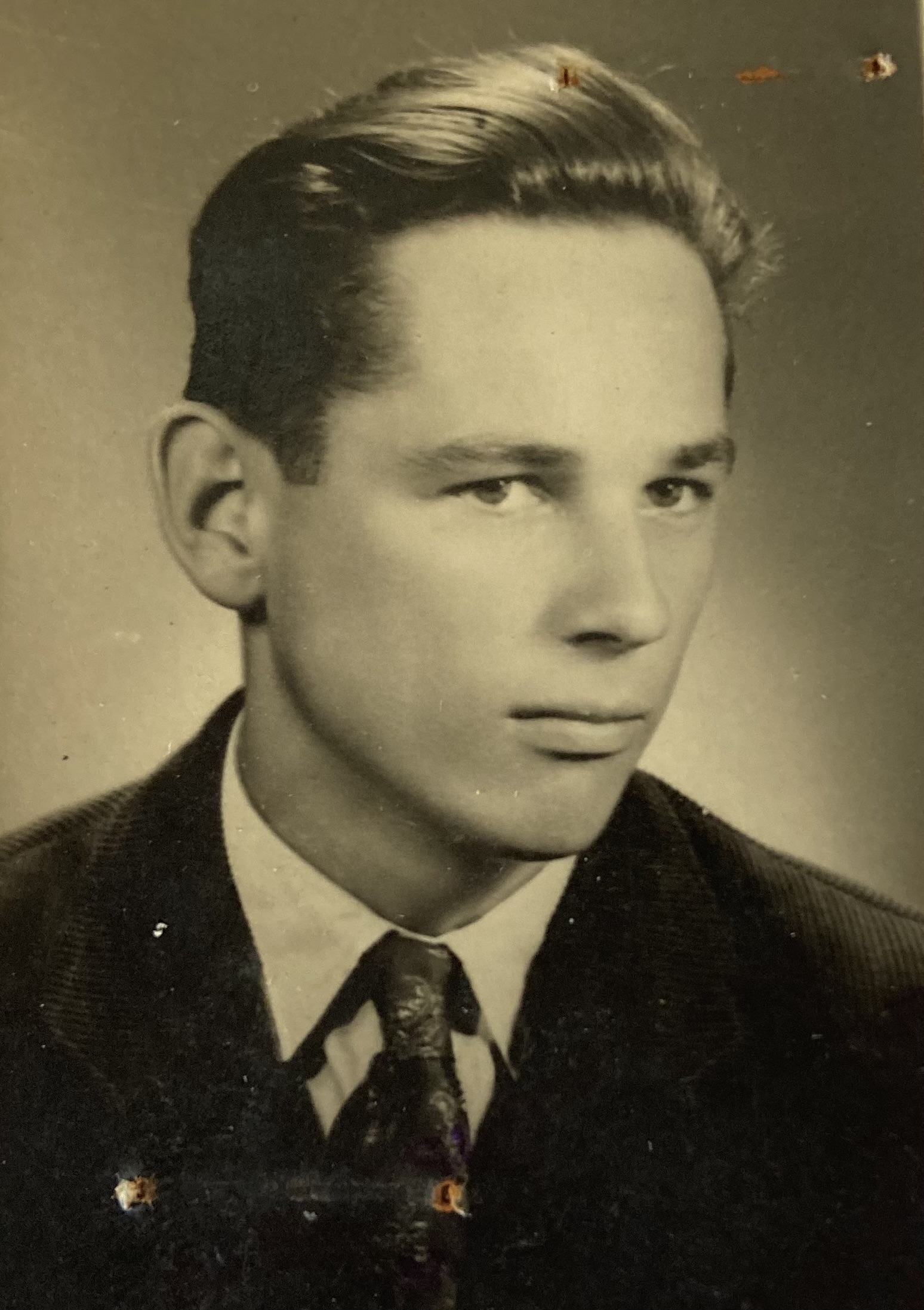
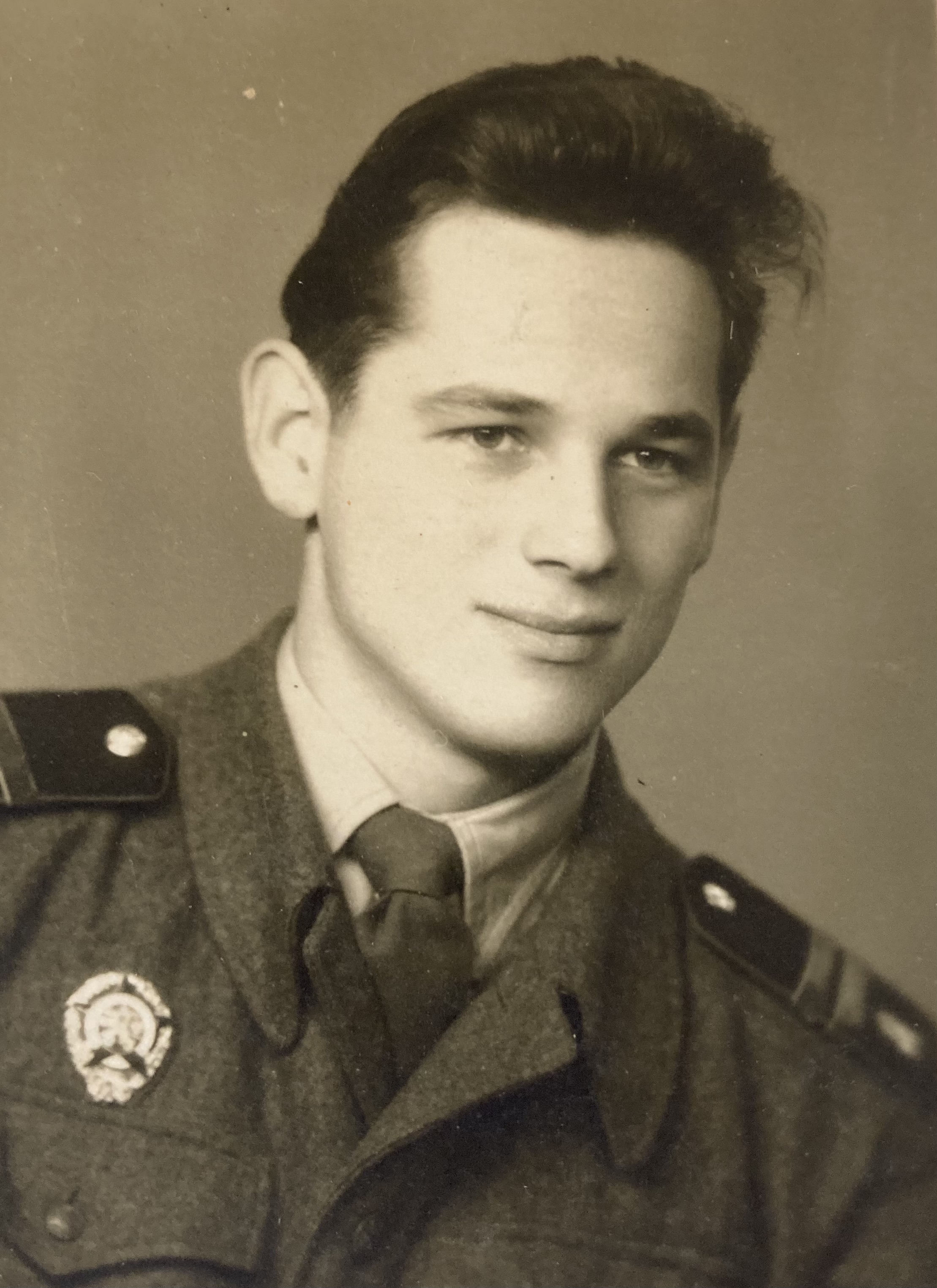
Josef Holý, 1953
Josef Holý, 1953
zdroj: witness´s archive

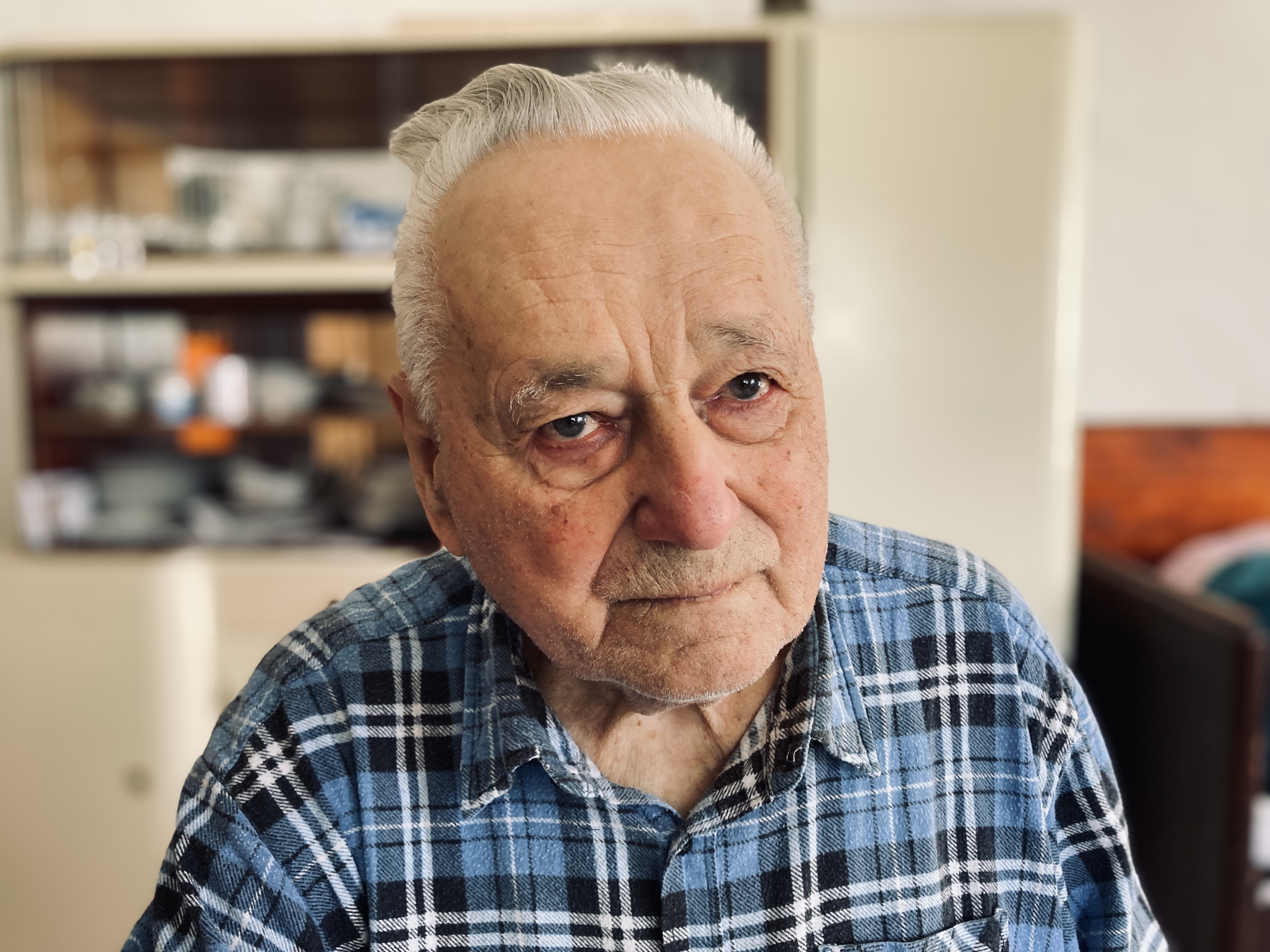
Josef Holý was born on 11 June 1938 in Ctiboř in the Pelhřimov district into a farming family. His father Josef Holý fought on the Eastern Front during the First World War and was captured near Přemyšl in 1915. After returning from Russian captivity, he farmed and served as mayor of the village from 1932 to 1945. Josef Holý spent his childhood during the Second World War. He remembers the compulsory deliveries, the sealing of agricultural machinery and illegal home pig killings. He witnessed the arrival of German refugees in the village, remembers the bombing of Linz, Austria, and the burning of the nearby village of Leskovice. As a child, he watched the arrival of the Red Army, which camped under the village and behaved as if it were conquered territory. After the war, the family refused to join the Communist Party of Czechoslovakia, but they could not resist the forced collectivisation. In 1956 they joined a cooperatiev farm and later, in 1961, the merged Cooperative Farm Častrov was established. Josef Holý worked as a farmer all his life. He followed the events of the Velvet Revolution in November 1989 while working with wood, listening to a portable radio. In 1992 the cooperative farmwas transformed and the family property returned to private hands. At the time of recording, in 2024, he was living in Ctibor.