Libuše Hlinovská

* 1929

  • "I will not forget one cultural visit at a time when there was no possibility to go to culture because the theatres were closed. Around the third grade, we went with the class, or rather with some of my classmates, to a concert where Eduard Kohout was reciting his monologues. I know it was very memorable for me, especially when I spent the night at my friend's house because I wouldn't have been able to get home. And that night, Prague was bombed. It was a small bombing, somewhere in Vysočany, but it was a great experience for me because I experienced the sirens and some distant bombing."

  • "They organized trains, they seized weapons in Roztoky and other places, although there were not enough of them. However, these two trains were still completed in Roztoky by volunteers and they went to Prague to help in Bubeneč and further. From Roztoky, amongst others, the youths took part, even the boys from the Technische Nothilfe, that is, the boys who used to be with us in our group also joined there. The train stopped in Bubeneč, but the Bubeneč villas were still occupied by German SS men who were well armed. The train stopped, and those volunteers who were only partially armed got off and apparently wanted to fight the German SS men. Among them was one of our friends, Miloš Vraštil, and other participants from Roztoky. The youths were not sufficiently armed and especially not sufficiently trained, because it had all been organized on the spot. While the SS men from the Bubeneč villas were well prepared, and among those who got off the train was Míla Vraštil and about two other volunteers from Roztoky - they were shot by the SS."

  • "My mother found out that the Germans were going after some Czechs, especially from Sokol, and they named my father directly, saying that they were waiting for him to answer to the Germans for his former Czech activities. I don't remember how my mother arranged it, but she tried to somehow let my father know not to return to Kozolupy from mobilization, that the Germans were ready to punish him in some way. The fact is that it was not necessary for the Czechs to move out immediately. Some, such as the postmaster and others, moved out as soon as it became known that Kozolupy would be taken. But most of the Czechs were in no hurry, there was no need for them to move immediately."

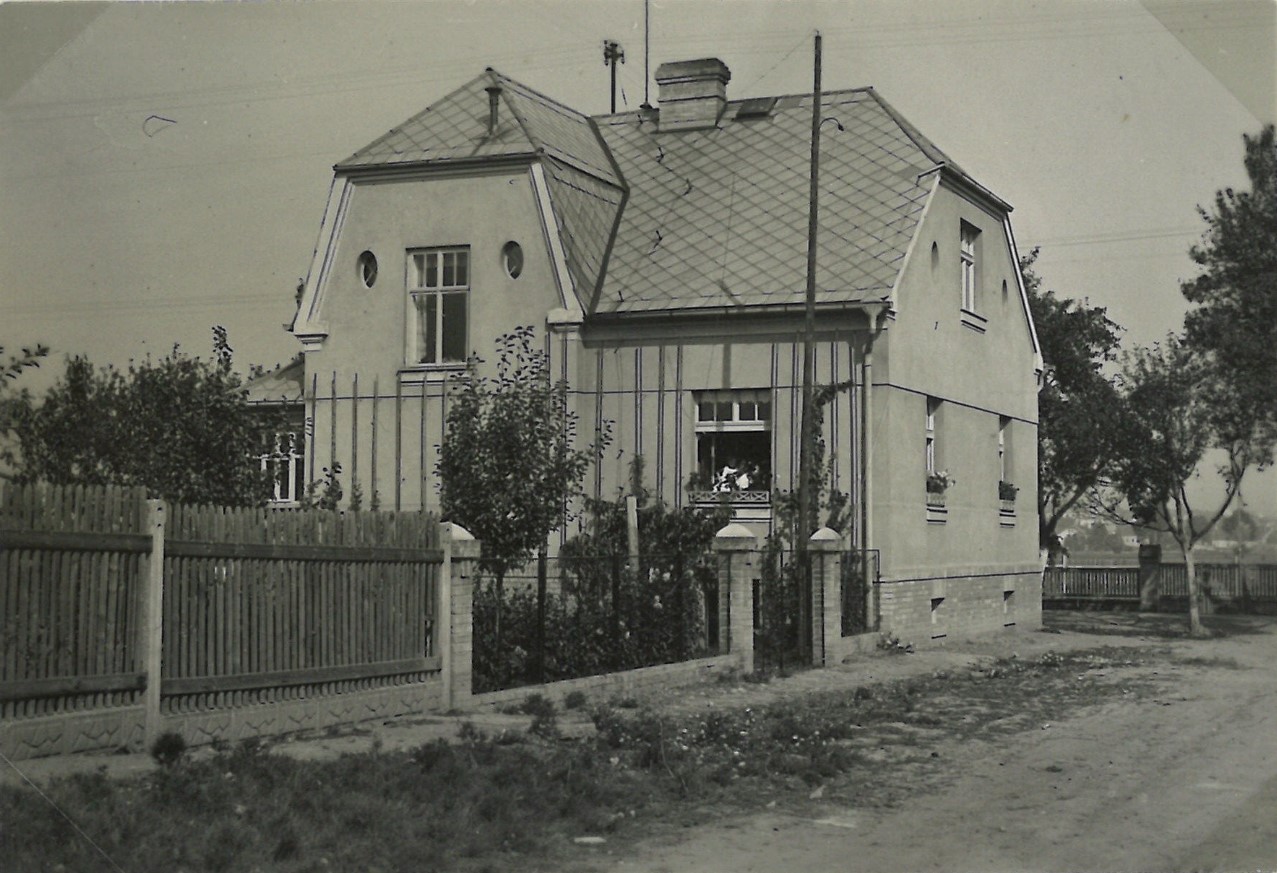
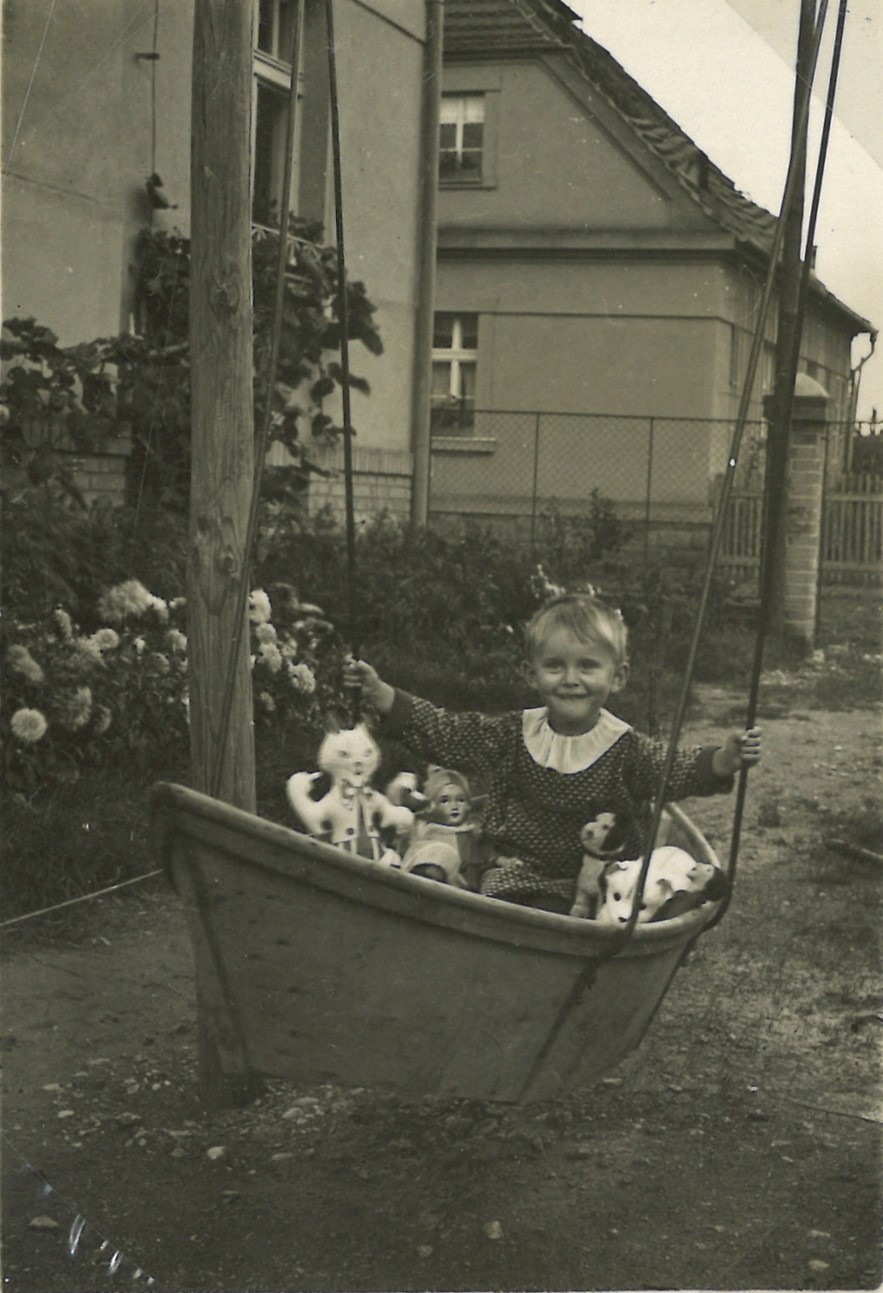
  • "Our villa was opposite the German villa. I often had friends visiting in the garden swing and we were included in the danger of German visits to the opposite neighbour. The villa was right on the state road that led to Stříbro. We had an assignment, when a car with German plates pulled up at the opposite neighbour's house, we would stop our games and run out in front of the garden and write down the numbers of the German cars, which we would then report to our parents, and our parents would in turn report them to the Czech police. So we actually had a spy assignment at that time."

  • "My uncle came from Ústí nad Orlicí, but he studied chemistry at the Czech Technical University. He was already a finished engineer and was an assistant at the CTU. And when the students went to the parade, he went too, and he had the misfortune of being very tall. He was about two metres tall, which was not common at that time. The police were watching the parade, and I don't remember exactly if the students were taken right out of it. I don't even know if the Czech police were watching the parade or if it was the Germans, but my uncle was picked out and arrested with about fourteen others. He was locked up, but somehow he got out in the end. He had a studio apartment somewhere in Vysočany, and the family said afterwards that it was because of that that he was released and not imprisoned for a long time. He made the excuse that since there was no school and no classes that day, he went home to Vysočany and that he got caught up in the parade. The schools were closed, so he lost his job, and I don't know if he could have gotten a job in Prague, but he found a job somewhere near Pilsen in a distillery and spend the rest of his life there."

  • Celé nahrávky
  • 1

    Ústí nad Labem, 23.10.2024

    (audio)
    délka: 03:44:54
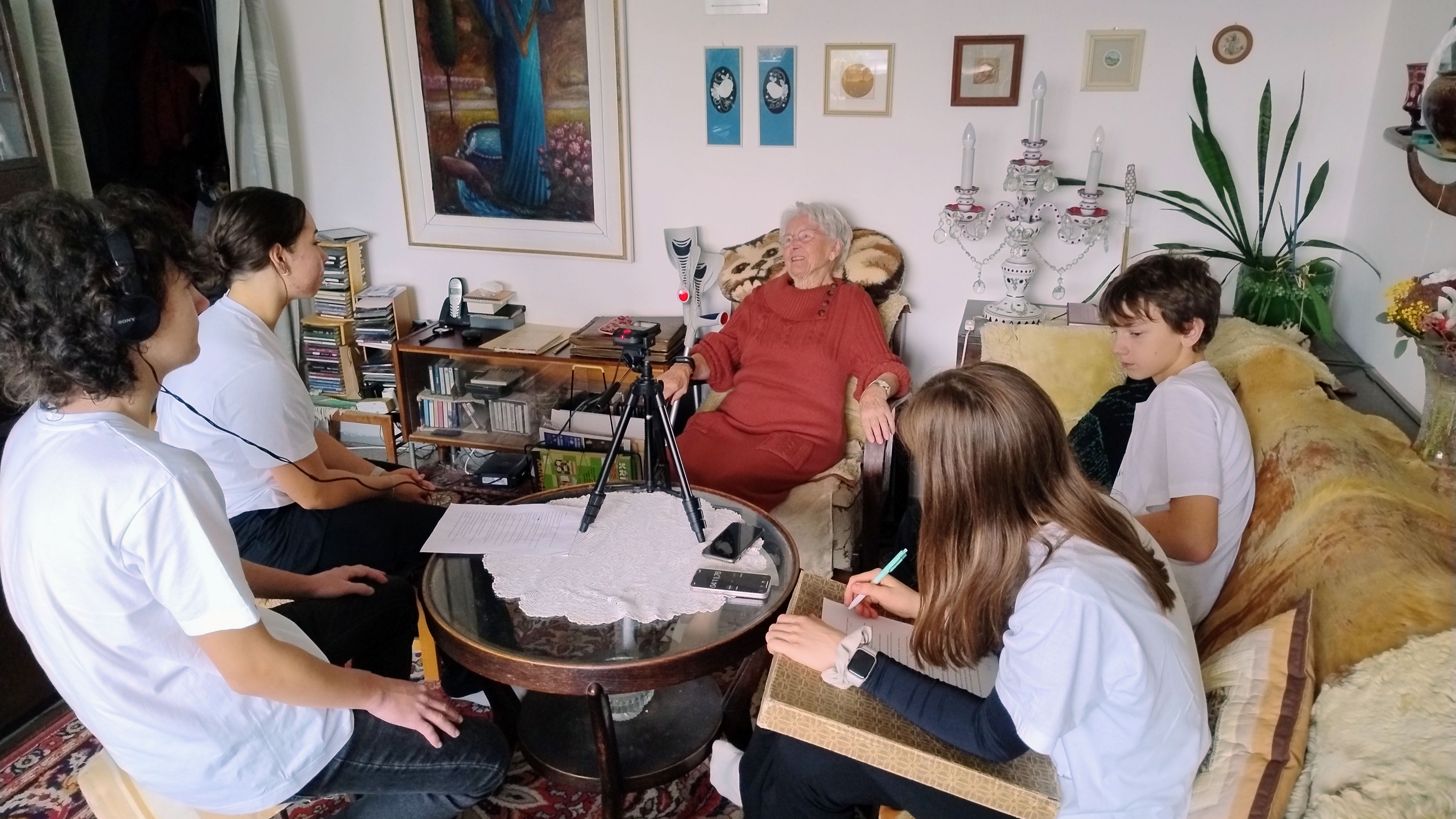
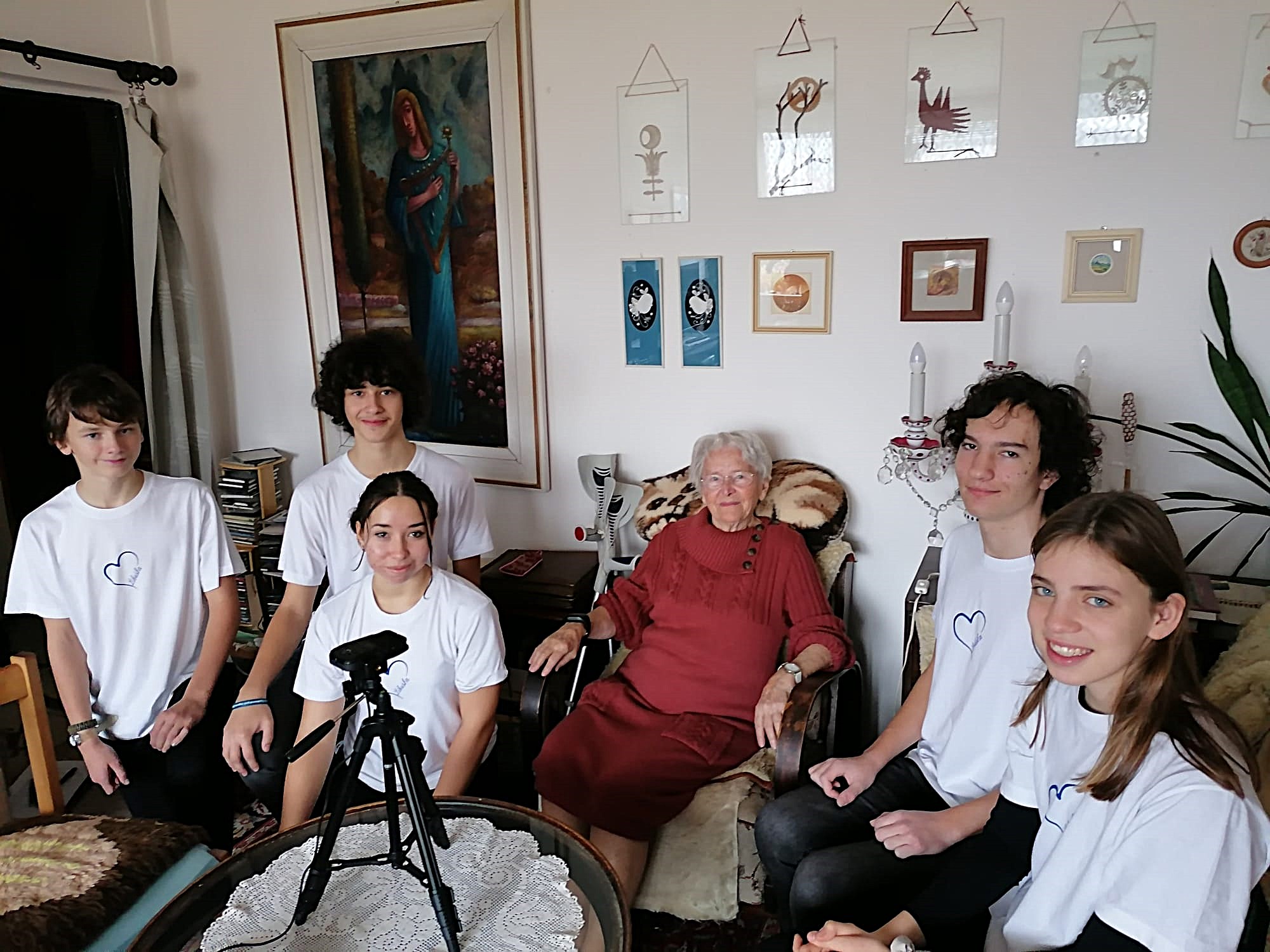
    nahrávka pořízena v rámci projektu The Stories of Our Neigbours
  • 2

    v Ústí nad Labem, 07.02.2025

    (audio)
    délka: 02:09:42
    nahrávka pořízena v rámci projektu Příběhy regionu - Ústecký kraj
  • 3

    v Ústí nad Labem, 10.06.2025

    (audio)
    délka: 02:07:30
    nahrávka pořízena v rámci projektu Příběhy regionu - Ústecký kraj
Celé nahrávky jsou k dispozici pouze pro přihlášené uživatele.

Losing a friend was the worst experience of the whole war
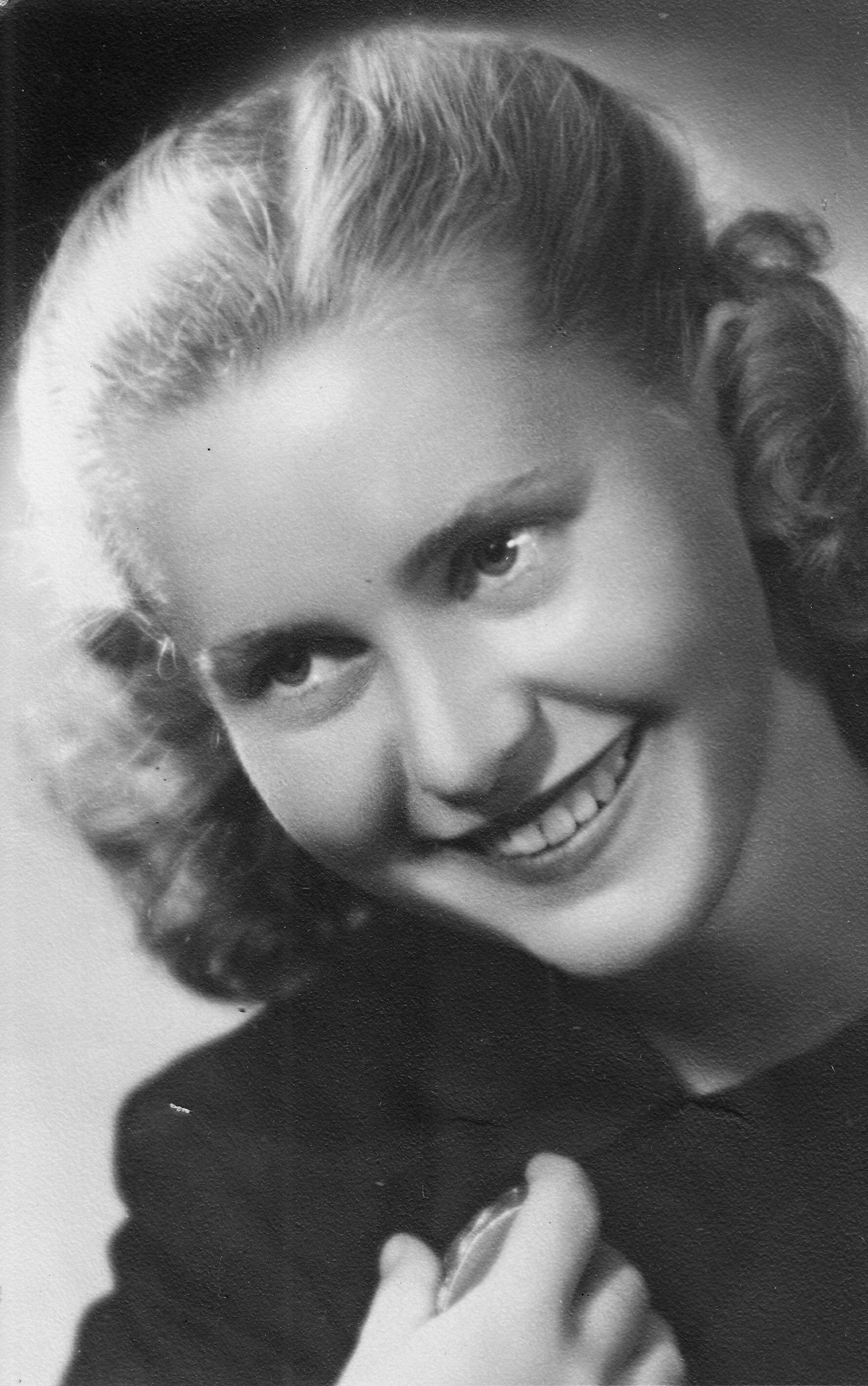
Graduation photo of Libuše Hlinovská, 1948
zdroj: Witness´s archive

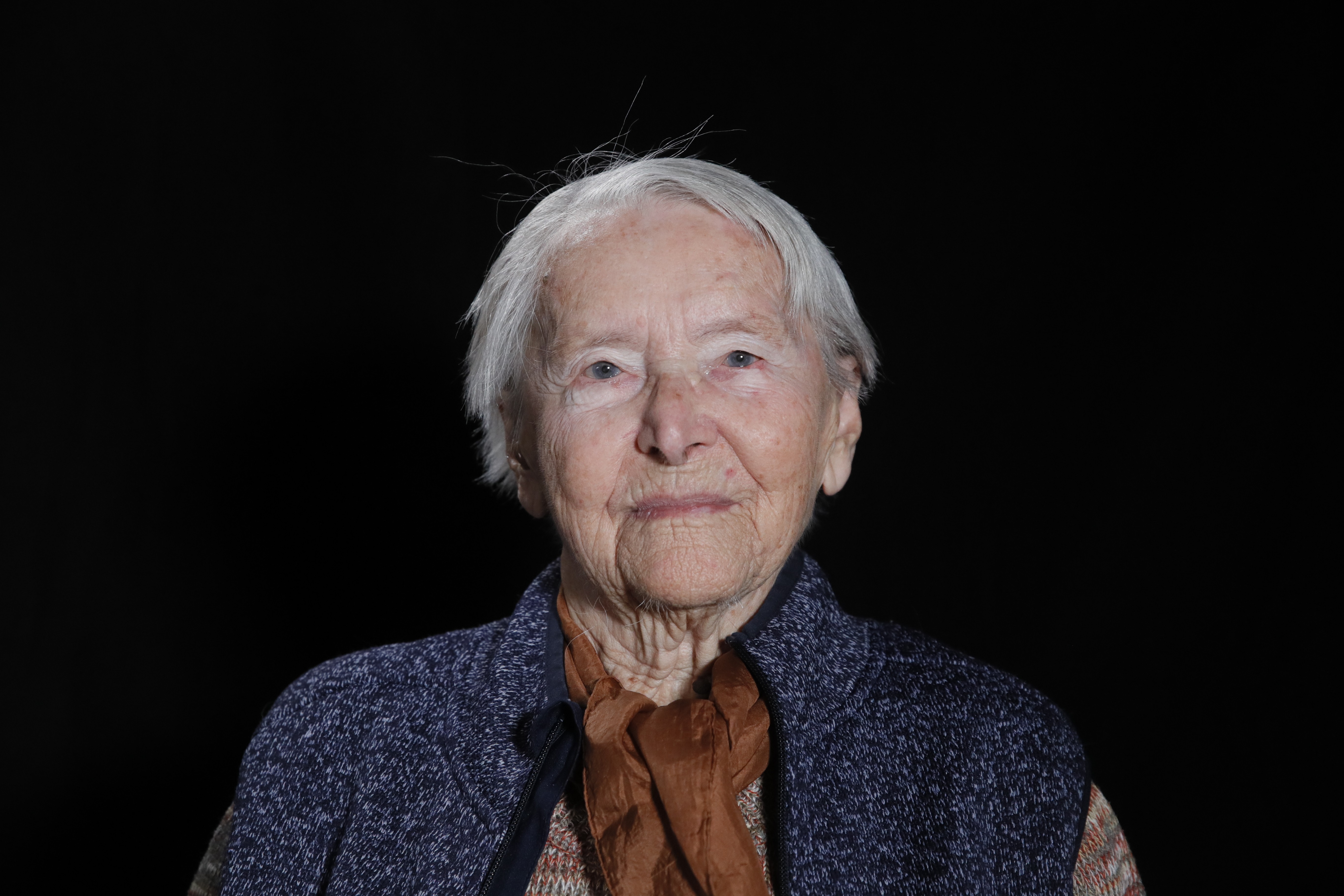
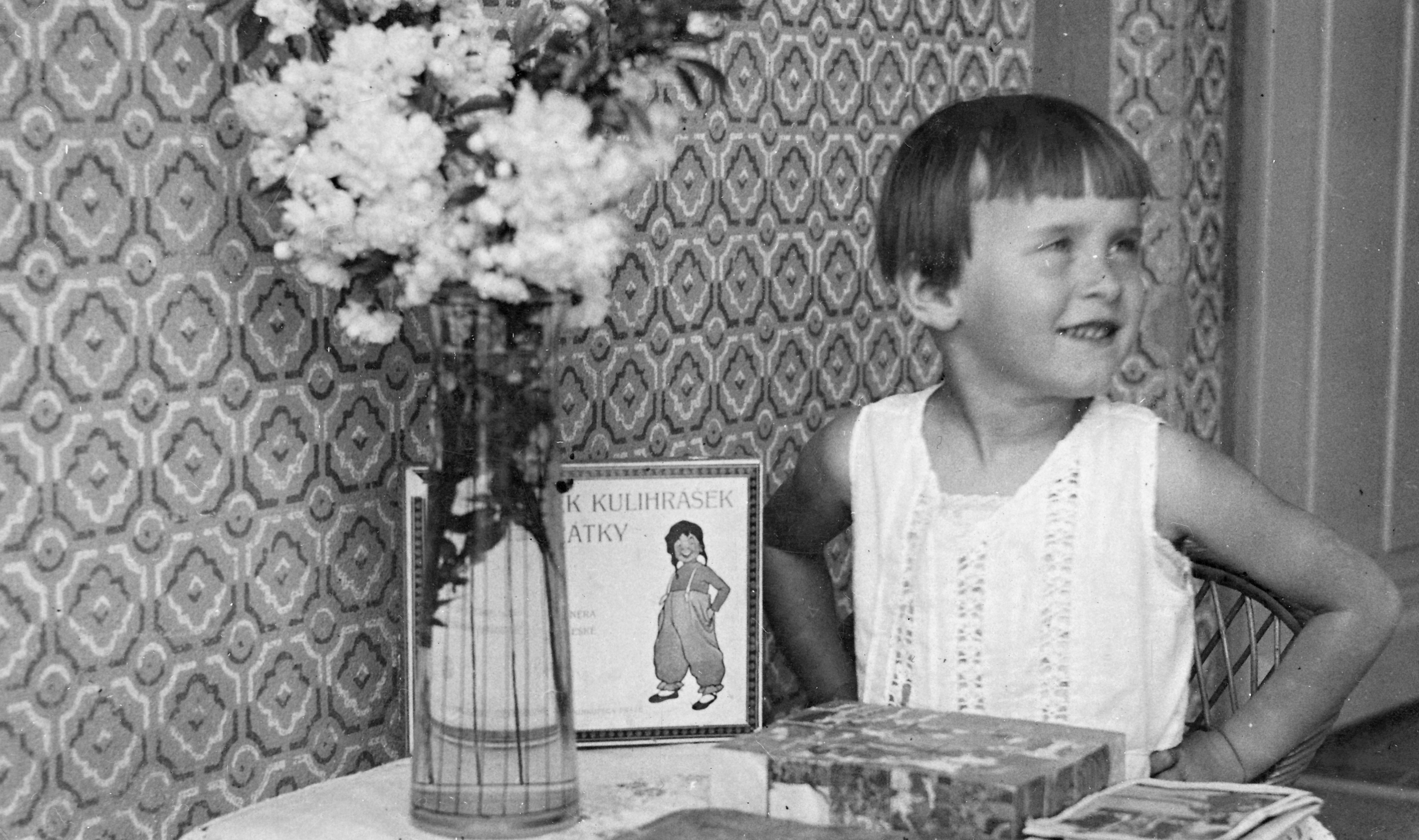
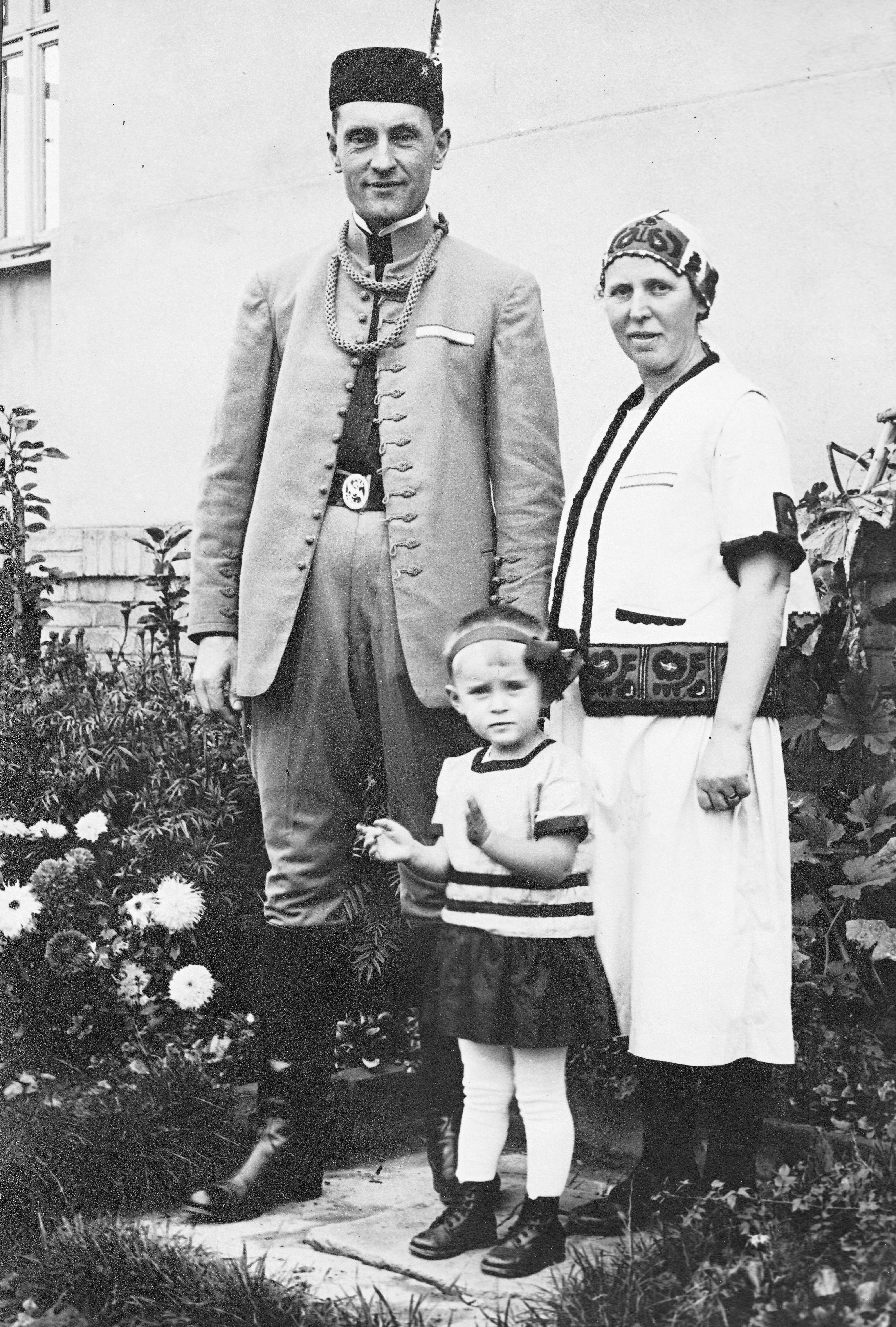
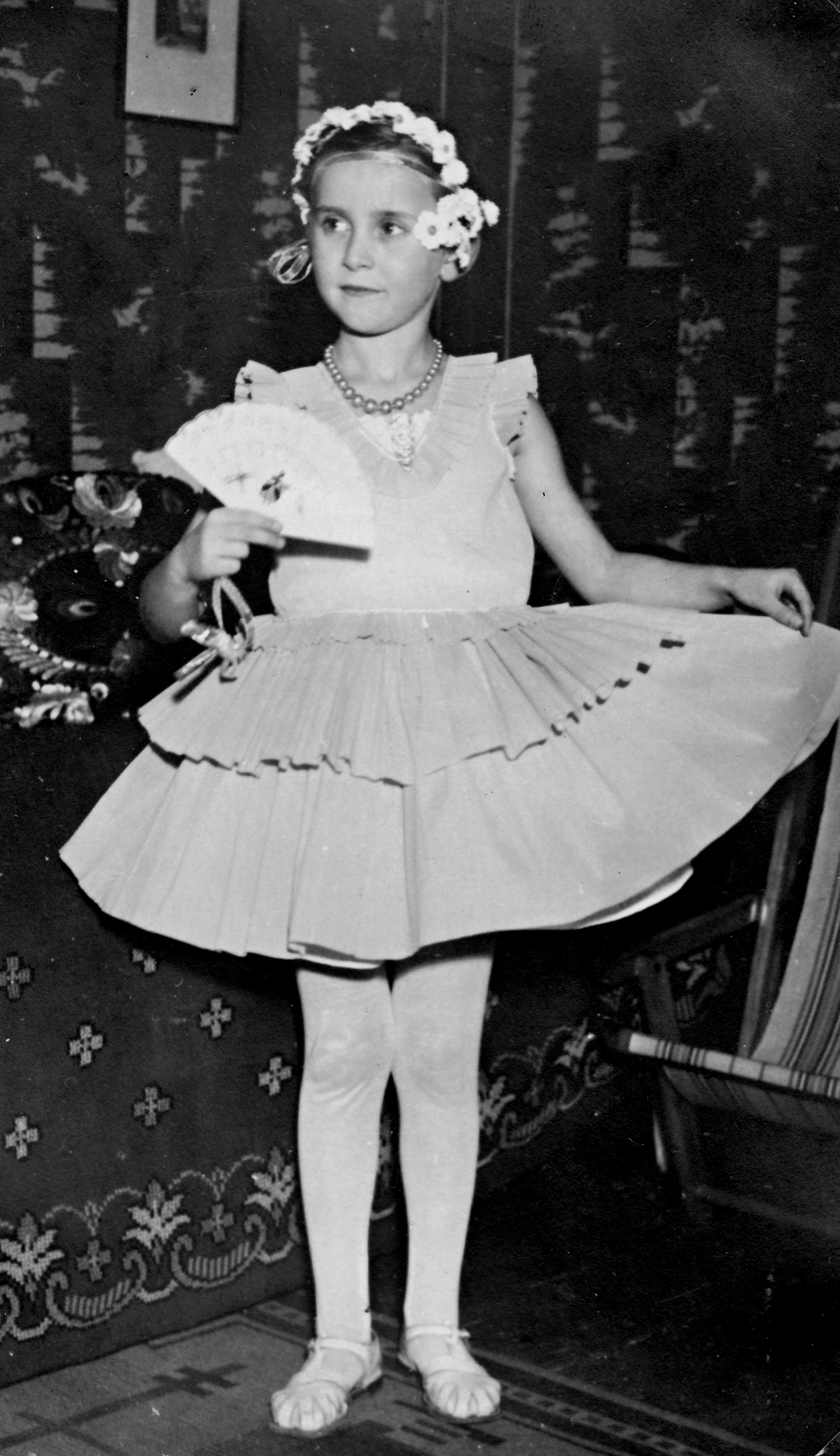
Libuše Hlinovská was born on 23 January 1929 in Pilsen to Klára Černá, née Ságnerová, and Václav Černý. Her father worked at the Weissberger Bronze Works, her mother as a teacher of handicrafts. Both parents were culturally active, the family lived in a larger villa where artists, writers and painters gathered. Her father was a member of the Sokol and the Pošumavská jednota, her mother was also a Sokol member and ran a Czech library. After the annexation of Kozolupy to the Sudetenland, the family moved depending on where the Weissberger factory was located. First they moved to Pilsen and then via Prague to Roztoky. During the war Libuše Hlinovská studied at the Grammar School in Prague 19. During the Prague Uprising her father kept regular patrols to defend Roztoky from the retreating Germans. Her close friend Miloslav Vraštil lost his life on the train that was sent to help Prague during the Uprising. After the war, she graduated from the Faculty of Education and Philosophy, majoring in PE and English, and taught from 1952 until her retirement. Throughout her life, she was also involved in gymnastics as a coach and referee, and always went above and beyond the call of duty for her pupils. Thanks to her dedication to working with children and the fact that there were few modern gymnastics instructors, she was able to teach even though she never joined the Communist Party. After the occupation in August 1968, she passed the normalisation checks but had to be careful in teaching English. It was only after November 1989 that she was able to teach freely. In 2025 Libuše Hlinovská had two children, four grandchildren and four great-grandchildren and lived in Ústí na Labem.