Pavel Hlavoněk

* 1954

  • "Court? I wasn't allowed to speak there because it was the assigned lawyer, a communist, who told me not to speak. And when I said I wanted to say something, the guard jumped on me: 'Shut up!' That's how he started at me. I said, 'I need to say something.' 'Shut up, nobody asked you!' And then when I went in, they beat me with a baton. It was the end of the theatre show. It was a theatre farce. That was at the District Court in Prague 1. The Ovocný trh. Yeah, that's where it was."

  • "Then they took me to Horní Slavkov. I said, 'What kind of a strange prison is this?' Because it was a prison where they selected 40 inmates from across the country, most of whom had been convicted of political crimes. And it was a ground-floor building, with bars on the windows, but wire glass was attached to the bars so that you couldn't see in or out. And mind you, there were no bunk beds, there were normal beds! And there was bed linen, the kind of green sheets that they used to put in various prisons. I said, 'I don't believe it!' And all the wardens who were there had degrees. Teacher or something like that, and they didn't shout at all. They treated us like normal people. I said, 'What is this? Is communism going to fall or what?' And it was strange, because when we went out, when we were being transferred... I had to work there. Of course I was working, they were making work gloves there, and I was making gloves too, on a sewing machine, except that 100%. of products was flawed. So that's how it was. And when we passed through that line-up place, all the other inmates were holed up in Horní Slavkov, and they weren't allowed to look out of the windows. I said, "Are we exotic creatures or something?". Well, then three days before I was thrown out, I was assigned to some department that was an exit department or something, so in that way..."

  • "The cell was just as wide as I made it, and it was two feet eighty long. There was a hole in the corner. They called it an Italian toilet, a retich or something. A hole like a toilet. Well, that was it. There was a narrow table and an iron chair. That was it. That's all there was. On the windows, because it was in the basement, there was perforated sheet metal, heavy-walled perforated sheet metal, and behind that there were bars so you couldn't even get to the window. But when you opened the window, there was nothing there. There was a corridor, so there wasn't even daylight. Daylight only when you go out. Well, that's the way it was. I used to say it was like a medieval hunger strike. When it was Christmas, it was two dumplings, a bit of cabbage and some meat flavour. That was it. Otherwise, there was nothing... They'd put a quarter of that bread on Saturday, Sunday, and what they used to call black coffee, but it was black dirt. You couldn't have that. It was bitter, disgusting, disgusting. So you couldn't even drink it. On Saturday, Sunday, how many times it was just bread and water. Just like it was in the famine of feudalism. So as I said, communism is the worst in the sense that feudalism and slave order - they took the worst of it and called it communism. I don't know what else to add to that."

  • Celé nahrávky
  • 1

    Brno, 27.11.2025

    (audio)
    délka: 01:59:58
    nahrávka pořízena v rámci projektu Příběhy regionu - JMK REG ED
Celé nahrávky jsou k dispozici pouze pro přihlášené uživatele.

They took the worst of feudalism and slavery. And they called it communism
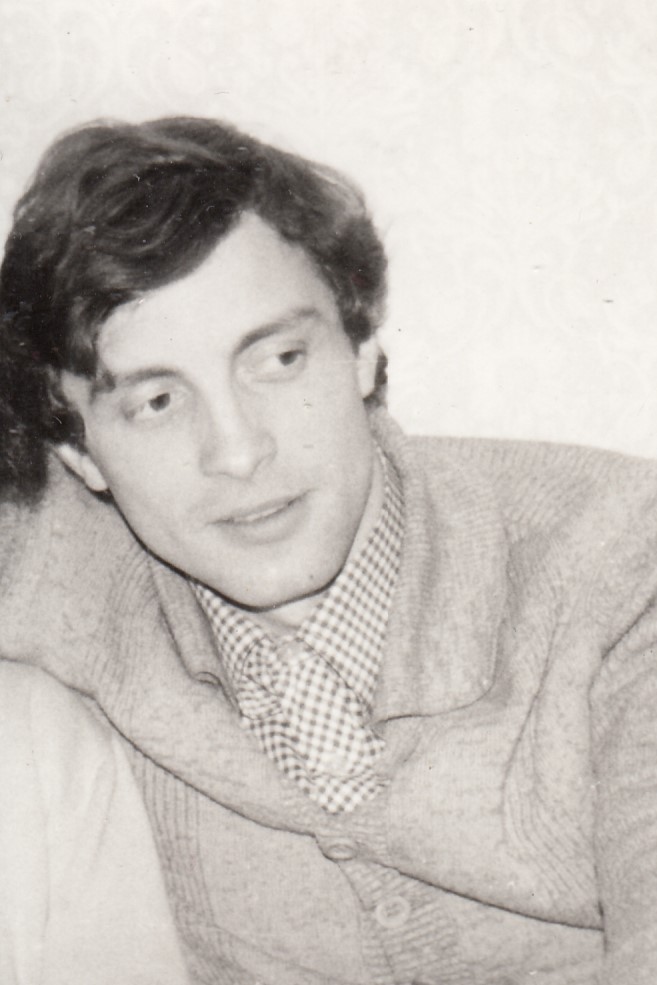
Pavel Hlavoněk, 1985
zdroj: Witness´s archive

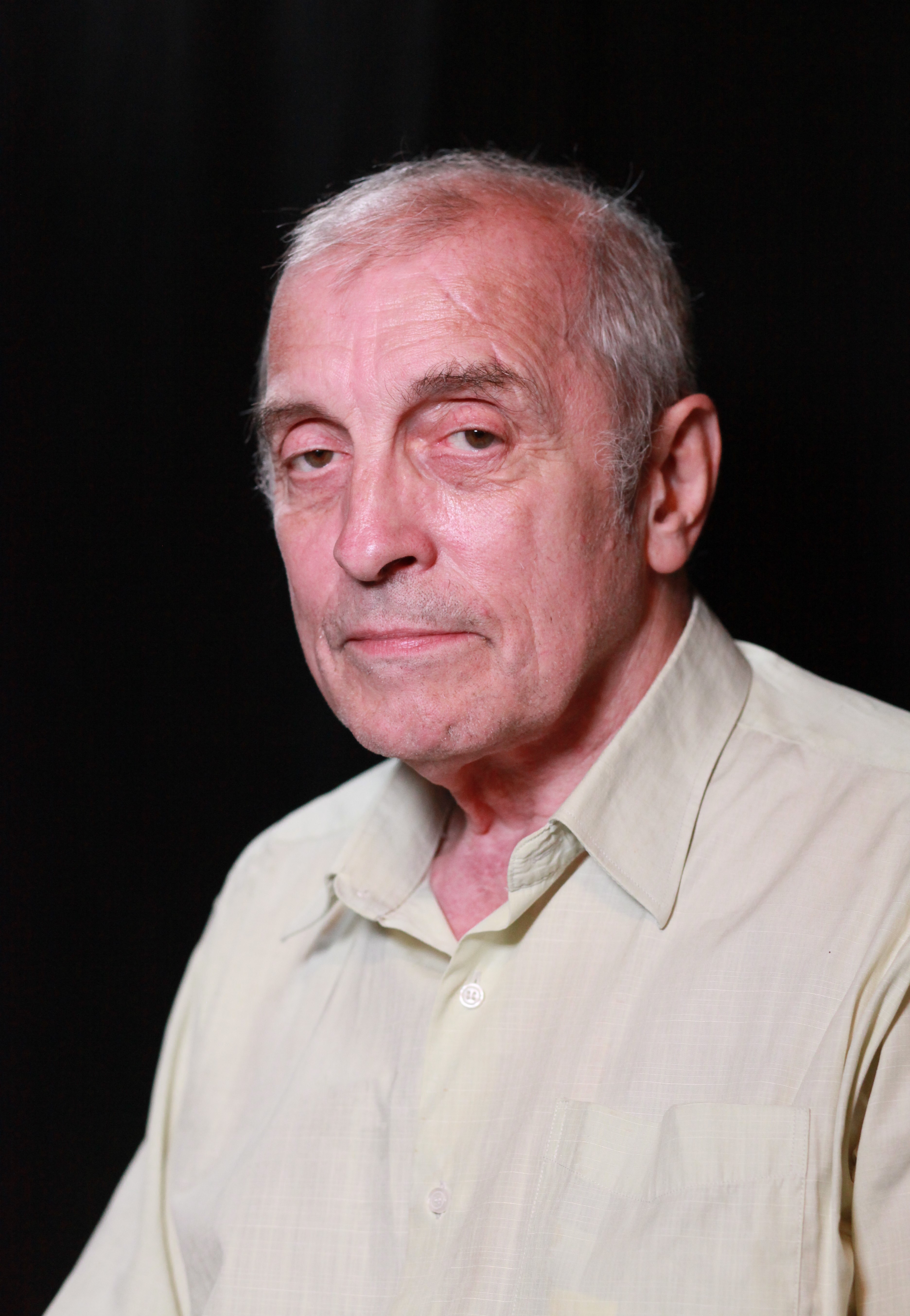
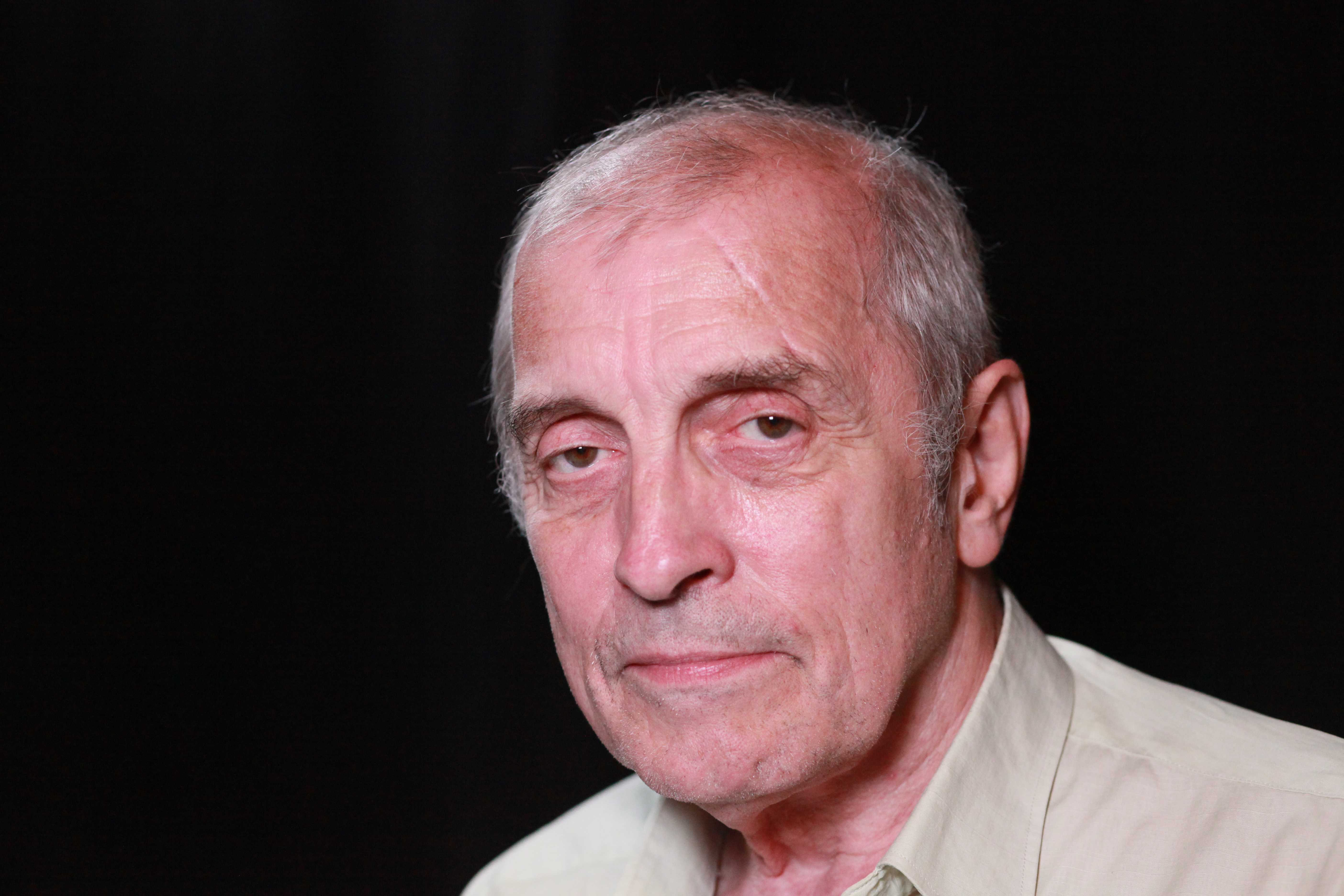
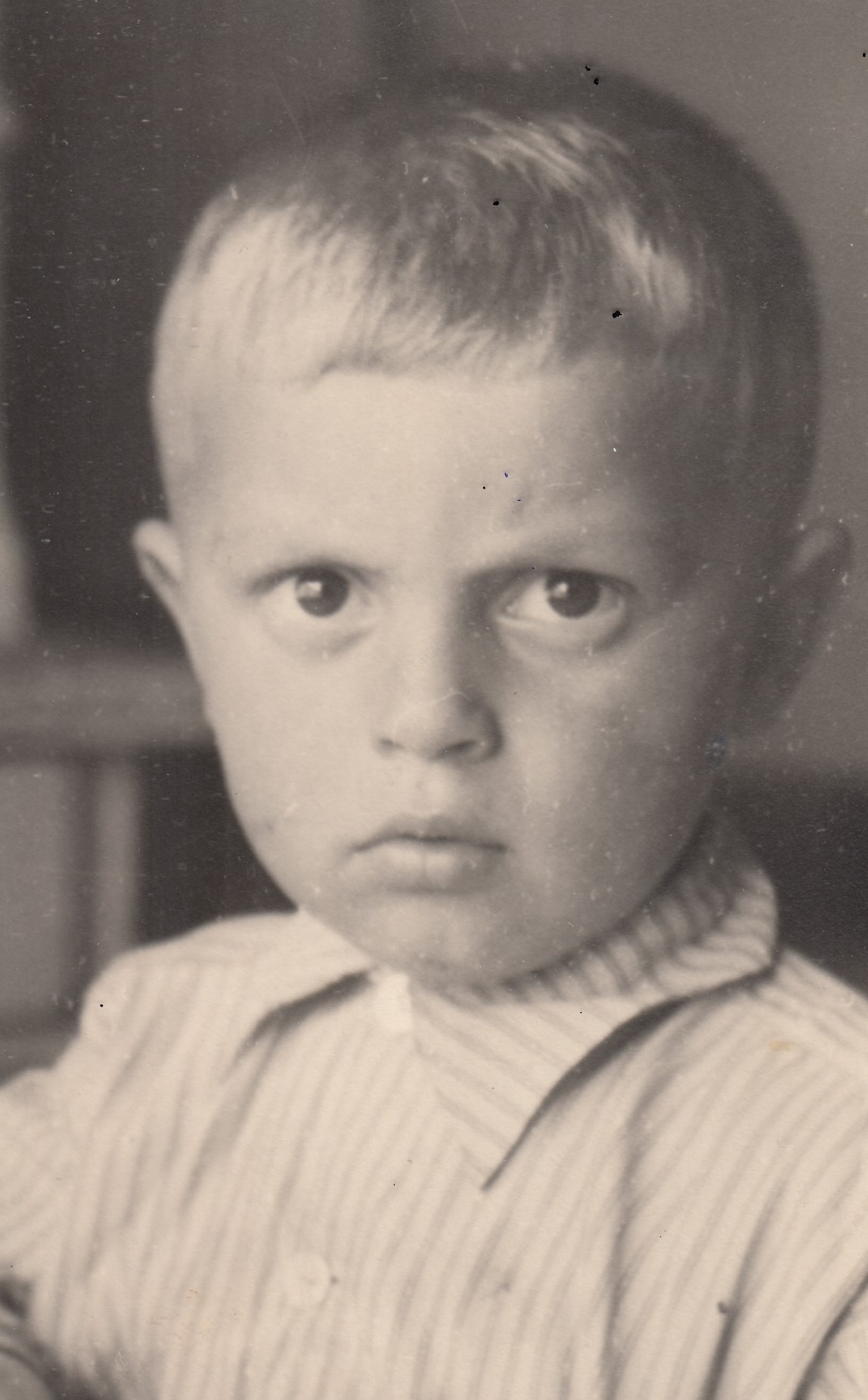
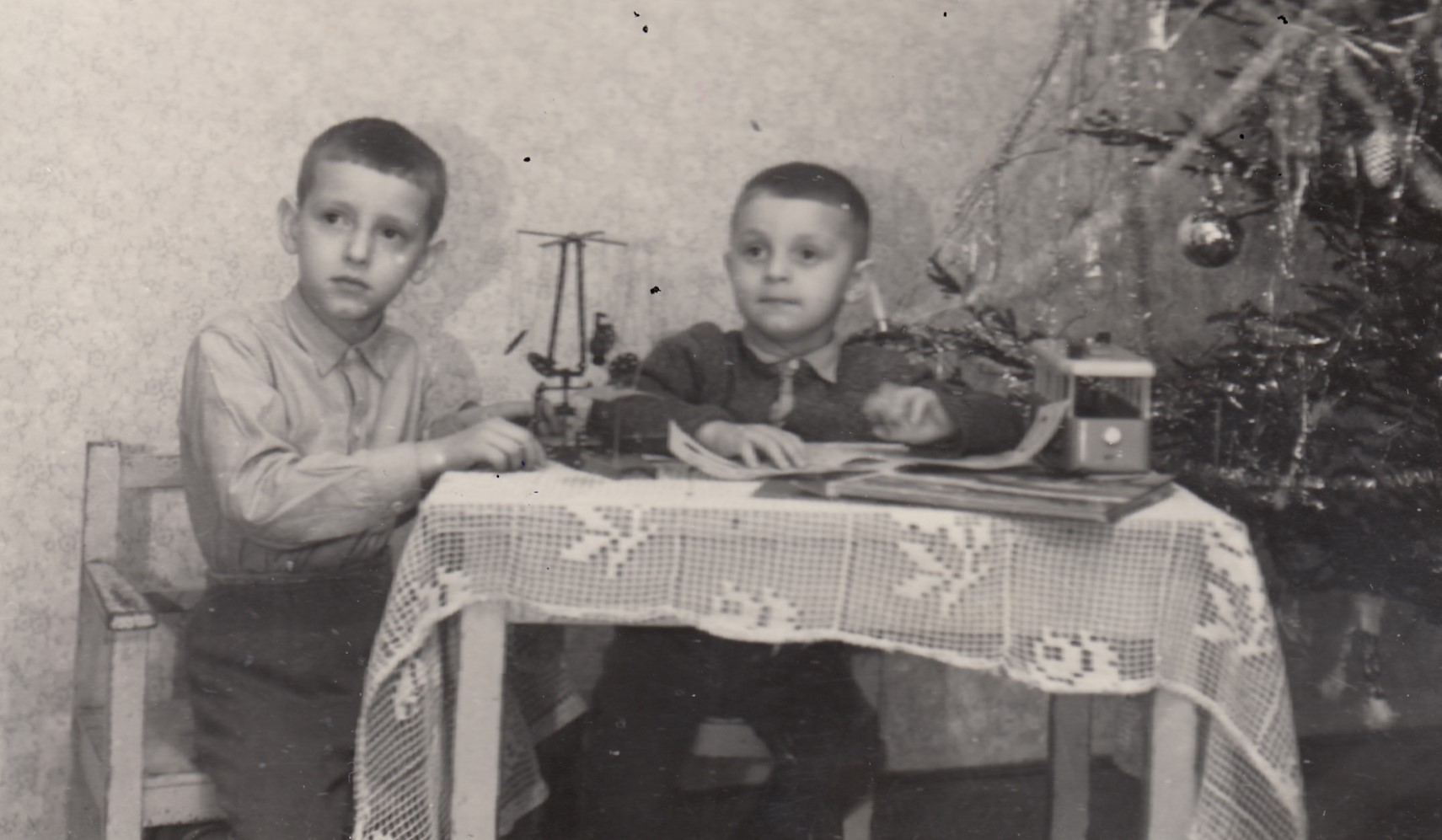
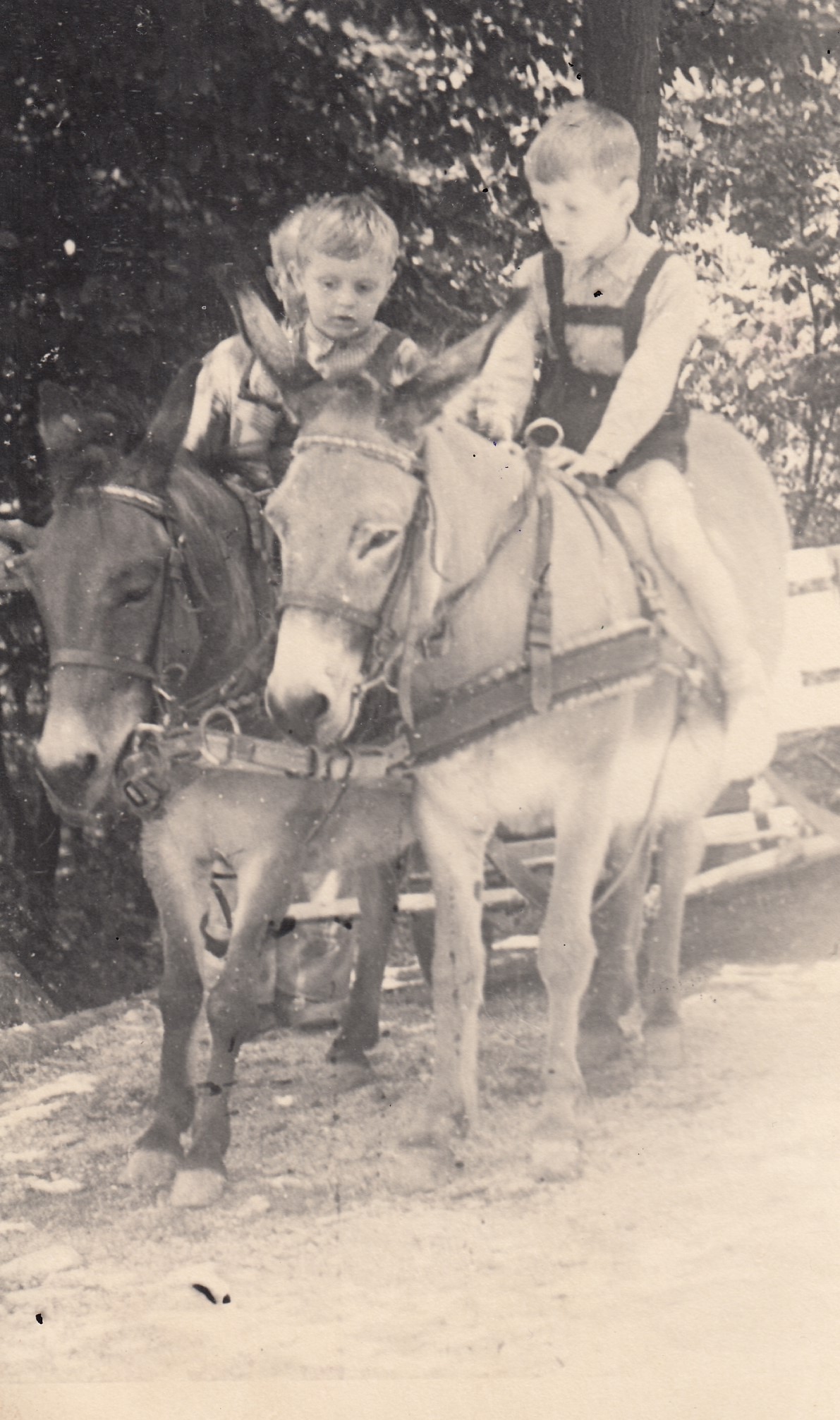
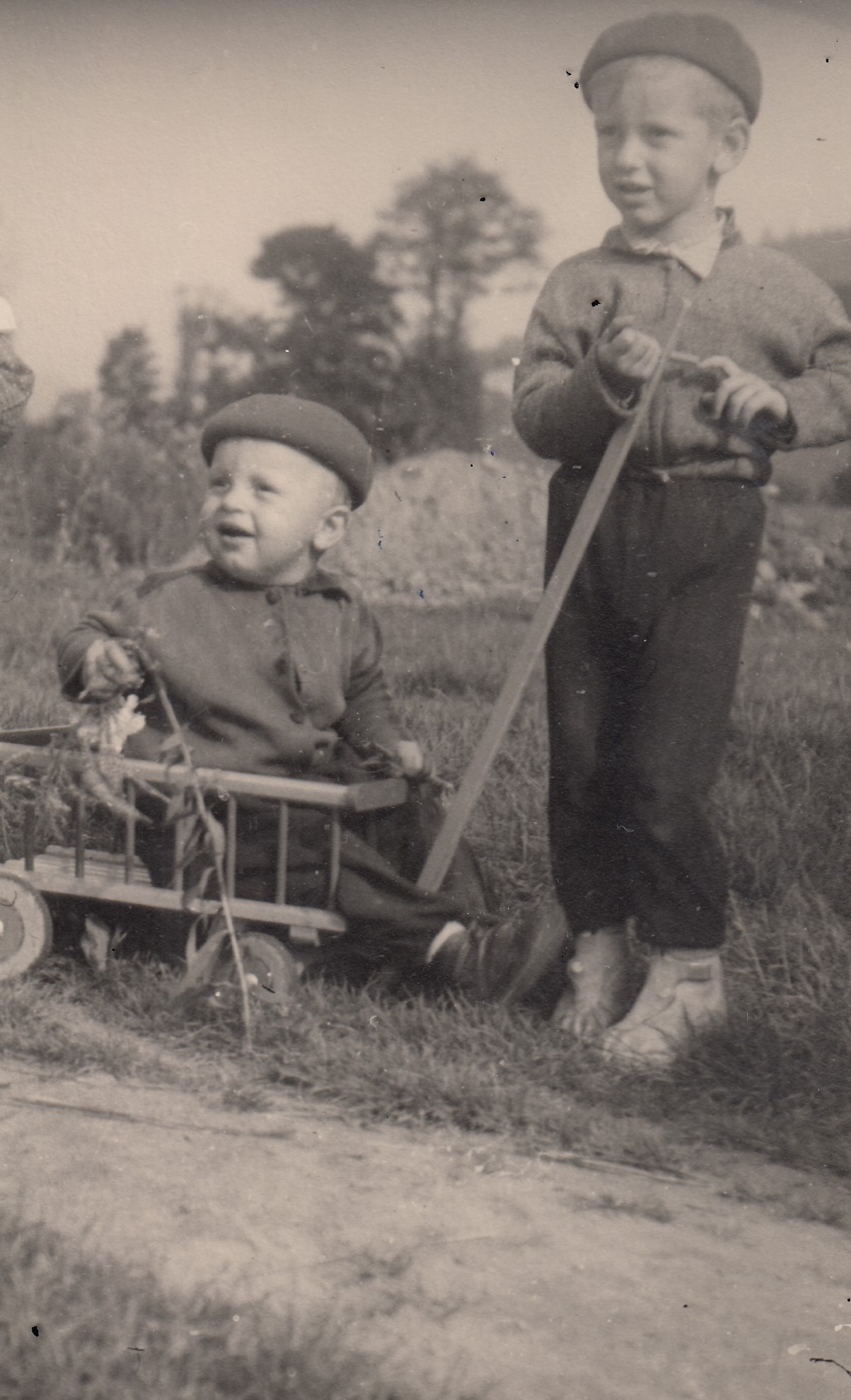
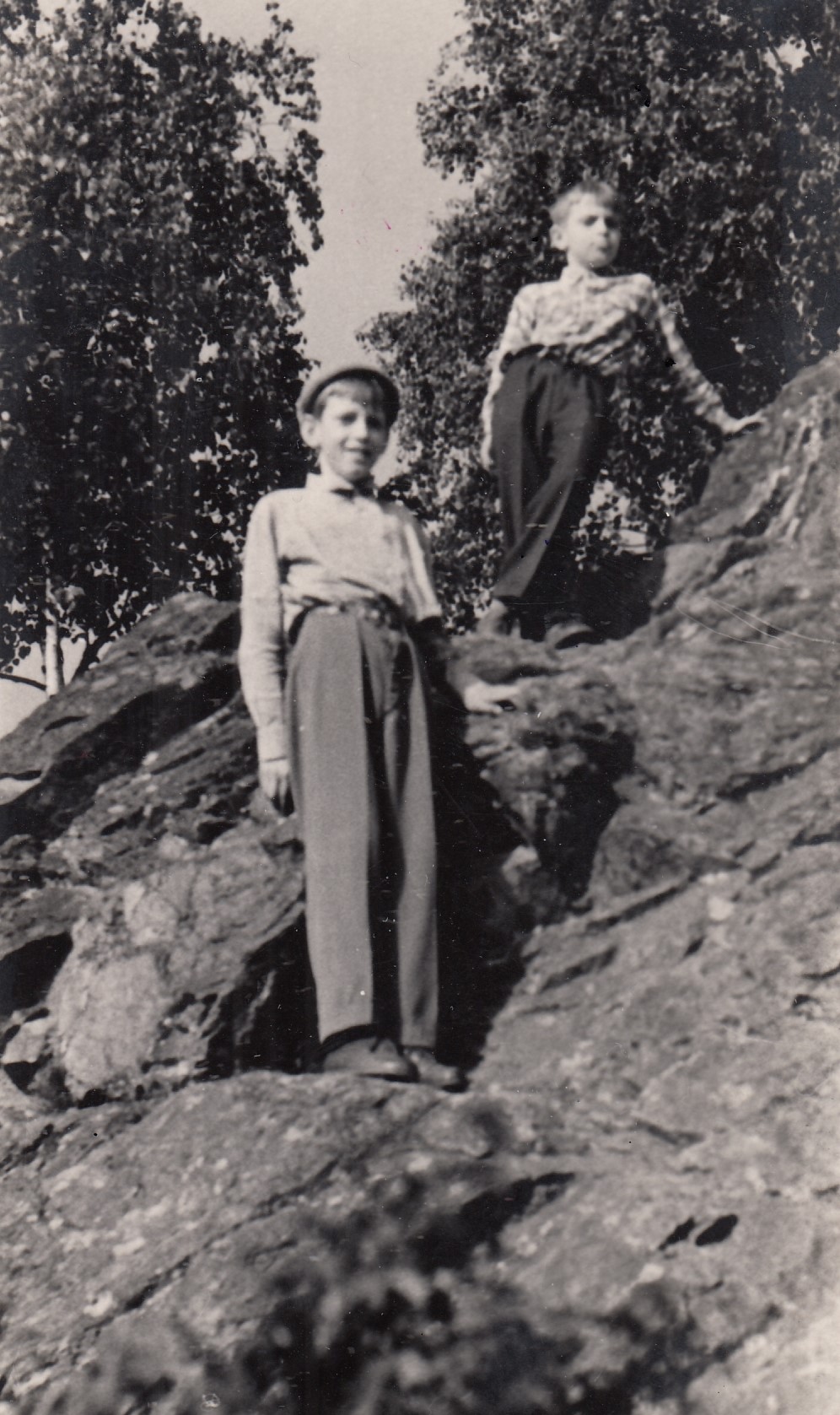
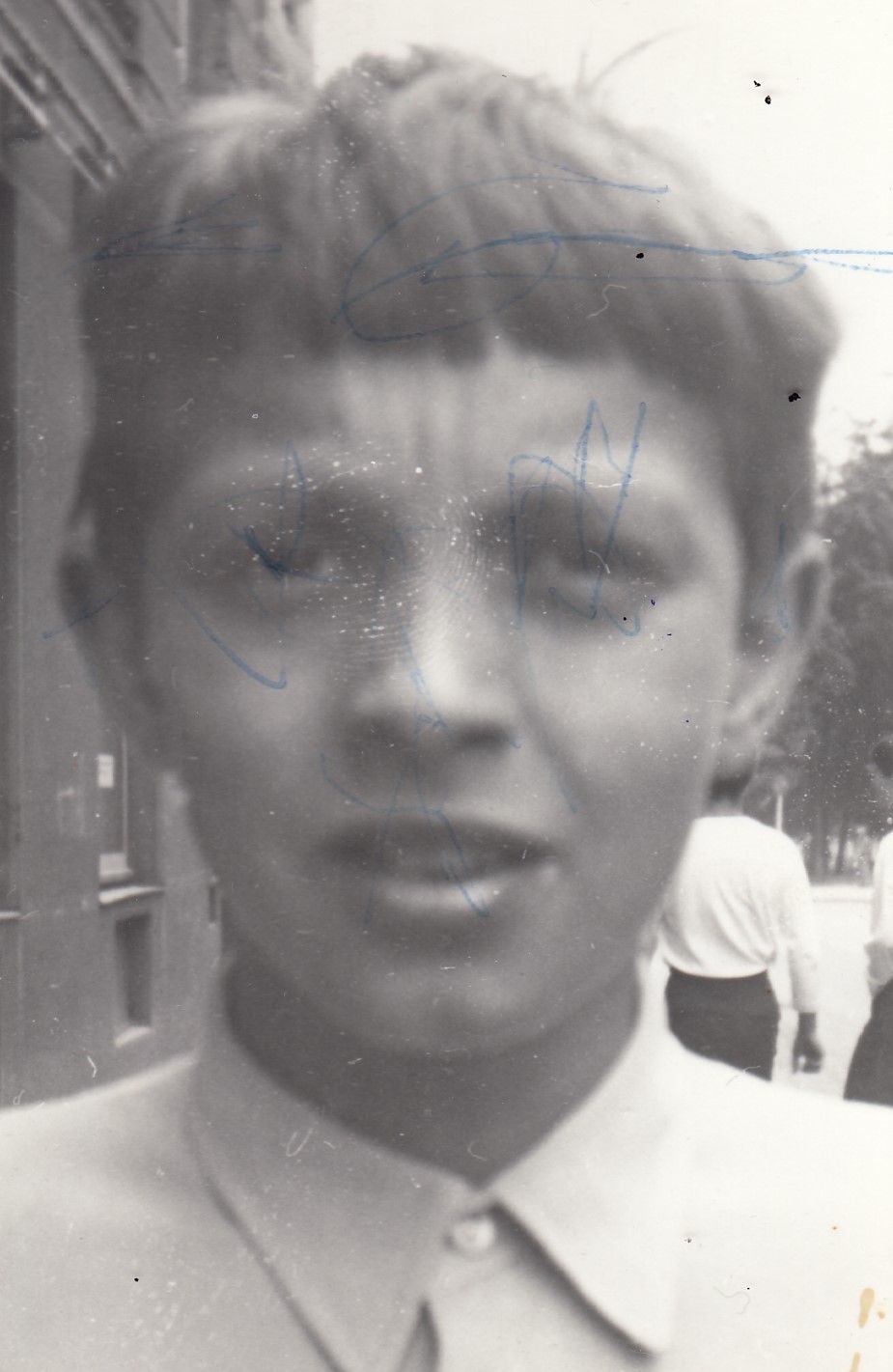
Pavel Hlavoněk was born on 22 April 1954 in Brno to Marie, née Konečná, and Jaroslav Hlavoňek. He grew up in a communist-oriented family, but soon began to have differences of opinion with his parents. In 1972, he trained as a milling cutter - toolmaker in Brno‘s Zbrojovka factory, and then went to the army in Liptovský Mikuláš. Until 1977 he worked for the army as a technician in air defence, then moved to Prague, where he took a job at the Telephone and Telegraph Central Exchange (MTTÚ). Because of his open criticism of the regime, he was arrested in August 1980 and subsequently sentenced to three years in prison for alleged sedition, subversion of the republic and theft of socialist-owned property. He served his sentence in prisons in Ruzyně, Bory, Mírov and Horní Slavkov. After his release from prison, he was unable to find permanent employment or housing, and until the Velvet Revolution he held a number of manual positions. He constantly faced harassment from the State Security (StB) and pressure to cooperate. In 1985, he signed the Charter 77 Declaration. After 1989 he worked at the South Moravian Directorate of Communications. In 2025 he lived in Brno.