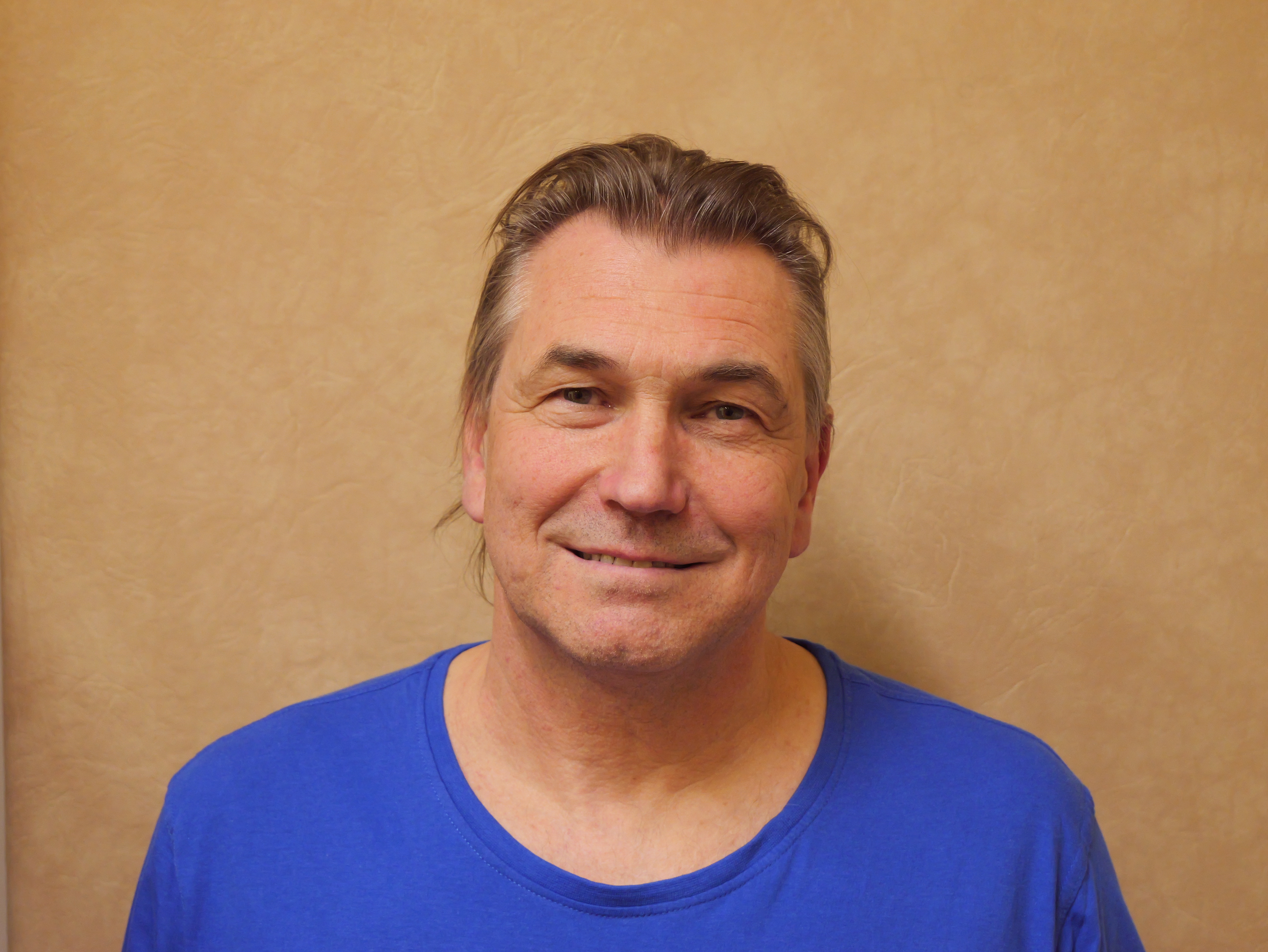
Michal Hecht

* 1961

  • "There was a problem in playing abroad, that they had a lot of their own people there, State Security men, that they were watching us. And when somebody was doing black business, so to speak, yeah, the trick was that when we played outside, Pragokoncert would take a terrible percentage of it and claim that they were organizing it. But in reality, everybody was finding their own business, or at least the little actors were. So every actor, when he went to the West, would do something else to make a little extra money. And they watched that. And then they caught such a person and said, 'Well, either you're going to report us on other artists who are out there now, or we've got this and that on you, that you played a show that you haven't admitted here.' Which was a foreign exchange evasion and that was a very big offence at the time. It was such thin ice here. "

  • "What was going on during communism, I think the whole West kind of knew about the whole Eastern Bloc, what it was like here, and those who were a little bit empathetic tried to help us so that Czech people who came out would have a good start and so on. And it worked in Finland as well, there were very helpful people who helped some refugees and so on. Well, but the moment it turned round, or not, but, again, on the contrary, at that time everybody knew Václav Havel. He was truly a remarkable personality, so when I mentioned somewhere that I was Czech, people would say, ‚Oh, Havel, yes.' And everybody knew everything about him, and you can say that at that time our country was generally known worldwide."

  • "Then when I started doing theatre, that's where it made the biggest impact on me. Because at first I was doing spoken theatre. And every actor is trying, even if it was really just amateur, simple, but just trying to tell some idea to the nation. And at that time there was total censorship, that actually everything we wanted to say had to be checked, approved by somebody. And a lot of things that didn't mean anything were cut out. And so it was all a game of getting some words into the text, so that the censors would let it go, but at the same time the audience understood that there was a secret. Well, and that had the greatest resonance of success afterwards on stage. So we played with that. And then I came to the conclusion that it was nice to play like that, but it would be much better to do theatre freely. And so like all my life, or all my life at this stage, I started thinking I'd rather do theatre abroad. Especially when I was doing pantomime, I had no language barrier and I had that opportunity."

  • Celé nahrávky
  • 1

    Praha, 19.11.2024

    (audio)
    délka: 01:03:43
    nahrávka pořízena v rámci projektu The Stories of Our Neigbours
Celé nahrávky jsou k dispozici pouze pro přihlášené uživatele.

I wanted to do free theatre and with pantomime you could go abroad
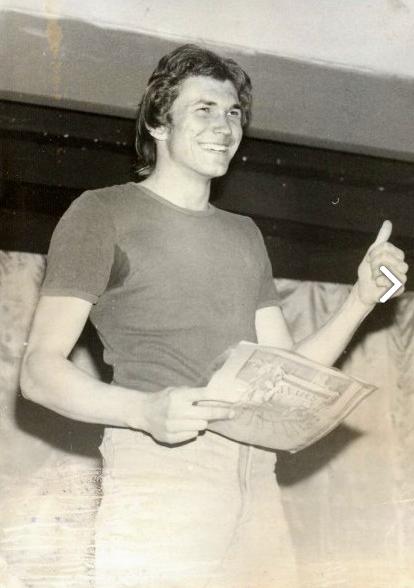
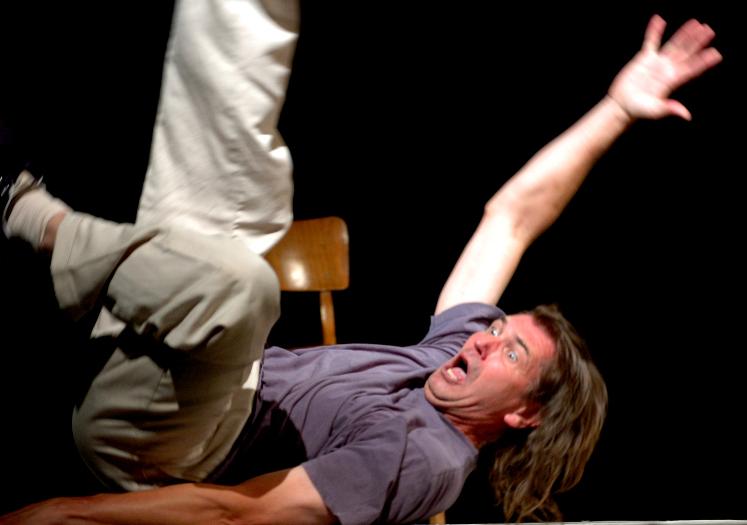
Michal Hecht at a solo performance at the Luks Theatre in Pilsen, 1980s
zdroj: Witness´s archive

Michal Hecht was born on 1 June 1961 in Pilsen, where he also attended primary school. He wanted to study acting since childhood, but because of his bourgeois background he ended up at the secondary mechanical engineering school. For further studies he chose nuclear engineering at the University of Pilsen, but he was still most attracted to theatre. He founded a student theatre within the university, with which he went to theatre festivals. After graduating from university, he joined the Alfa puppet theatre in Pilsen, but he was most interested in pantomime. He studied it at private courses at the JAMU in Brno and acrobatics with Olympic gymnastics champion Eva Bosáková. He also attended courses in movement and non-verbal theatre in Czechoslovakia, West Berlin and Denmark. In the 1980s, he was able to travel abroad legally for work thanks to an exit permission. From 1988 to 1998 he lived and worked abroad, including seven years in Finland, where he also taught mime at the local equivalent of the DAMU in Tampere. In 1998 he returned to the Czech Republic and settled in Prague. He currently works as a teacher and performs in Image Theatre, which combines black theatre, dance, mime and new technologies. In 2024 he was living in Prague.