Svatopluk Havrlík

* 1935

  • "My father was fired from the Masaryk Mine. They made us... we were guarded for a week by policemen in the wider area. Then I found out that the gardener - every shaft had a gardener who had greenhouses next to the villa where we lived - was stationed there as a party member and secret militia member, and he was practically watching us. They gave us a big tour, so they even took apart our drawers to see if there was anything there. They confiscated my military flint dagger on the grounds that I was arming myself. But at the end of Jenišův Újezd, where the shaft was, there were a hundred and fifty of them. I didn't care about anything, so I armed myself again the next day. It was cruel, and they practically took us out, loaded us onto a tractor, as they did with the kulaks, and took us to the villa in Přítkov, which was vacant. My father was transferred from Masaryk to the Julius III Mine next to Staliňák, or it was part of Staliňák. He was a very respected mining engineer. When there was a disaster at Nelson during the First Republic, Dad was commissioned by Mostec Coal to do an opening after the whole of Nelson blew up."

  • "By the evening it was normal. There was a brass band of students in the monastery. They used to come to Bohosudov and Krupka to play. First of all, it was a monastery 'advertisement', secondly, if there was a festival or some program where they wanted music, they went there to play. At that time they were playing at a meeting. They were going back to the monastery, and no sooner had the door of the monastery closed than it opened again and a large number of soldiers, policemen, militia, a kind of shock troops, rushed in. They immediately occupied the monastery, they concentrated the priests in a room, and we were herded into rooms. Everyone was given a paper bag to take the things they had in it. In the morning they put us on a bus and took us to Děčín."

  • "The worst thing was going to confession. Because, to put it in human terms, how can you sin when you're eleven and in a convent... I couldn't say that I stole sugar, because I stole sugar at home. Everybody stole it at home. But again, there was a difference between the confessors. Because he was Father Pitrul, he was such an evil man. If you committed the slightest sin, you had to pray the whole rosary. I don't know if you can pray it, but it's time! Every marble a prayer. And when I went to confession to the father who taught us physics, he said he did it too and that I should go play football. But I was supposed to stop by the chapel and get crucified, then go play football. So I went to physics and played football with gusto."

  • Celé nahrávky
  • 1

    Chomutov, 15.09.2025

    (audio)
    délka: 01:28:40
    nahrávka pořízena v rámci projektu Příběhy regionu - Ústecký kraj
Celé nahrávky jsou k dispozici pouze pro přihlášené uživatele.

They chased us out, took us away on a tractor like kulaks
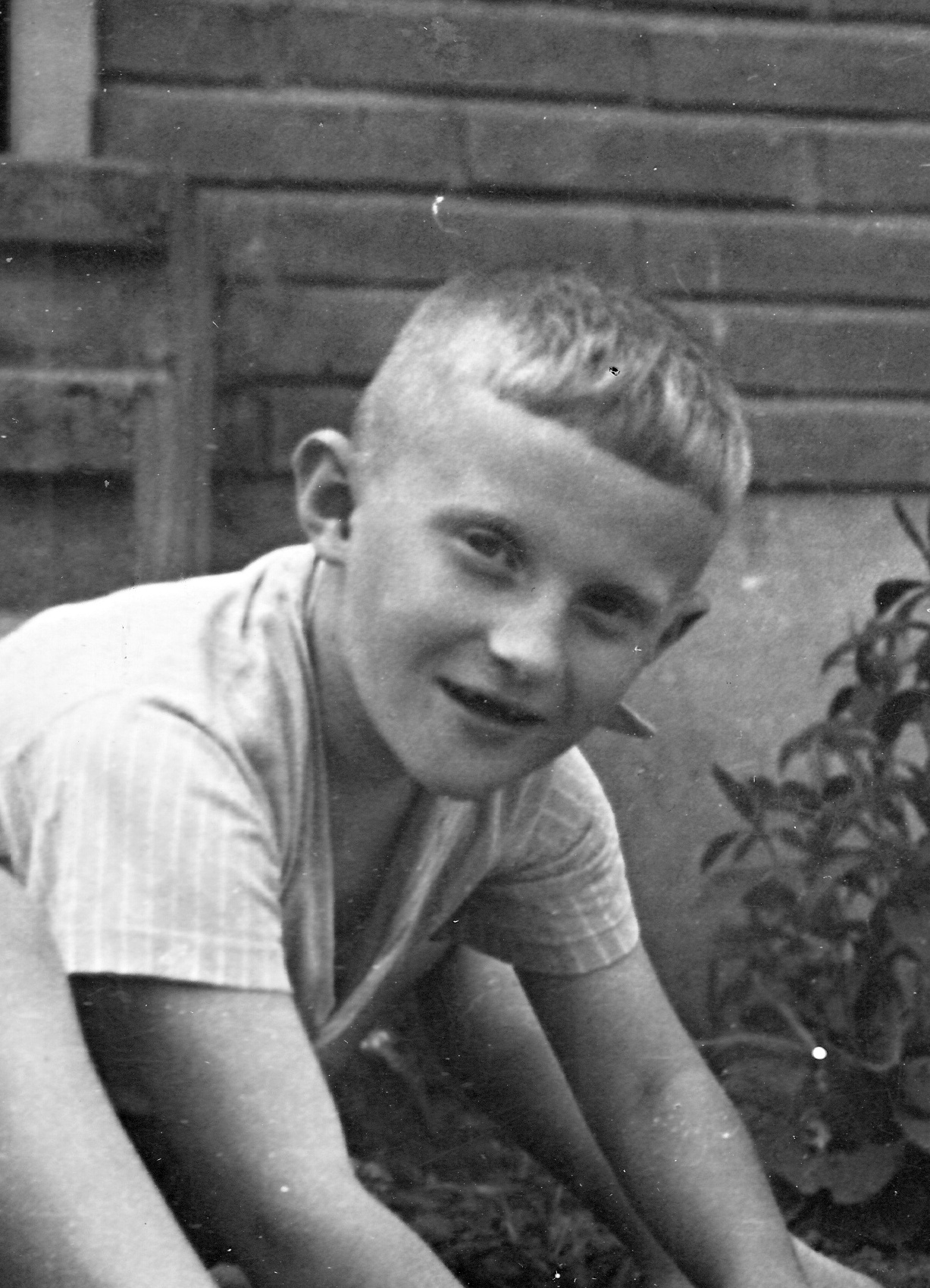
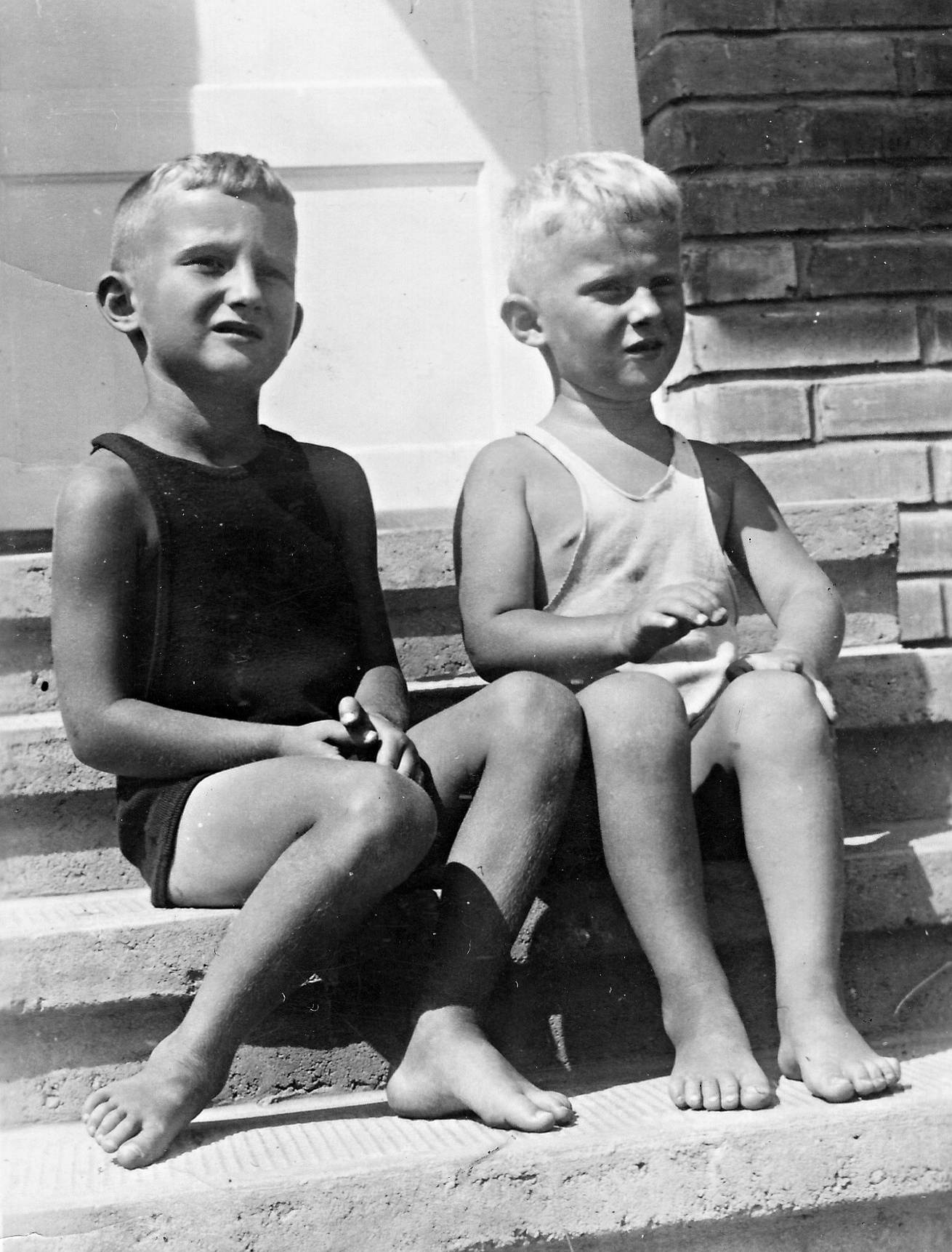
Svatopluk Havrlik, 1942
zdroj: witness

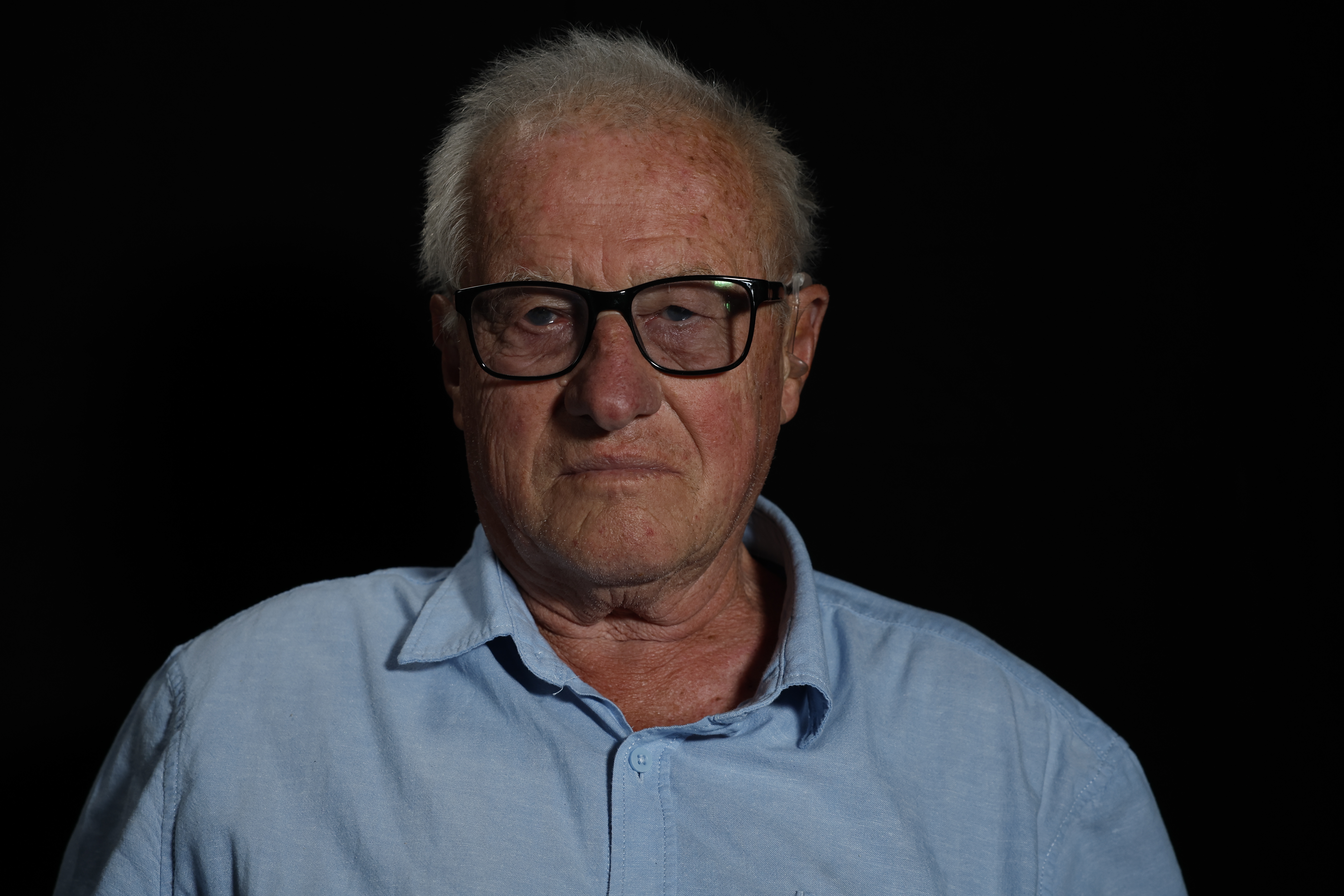
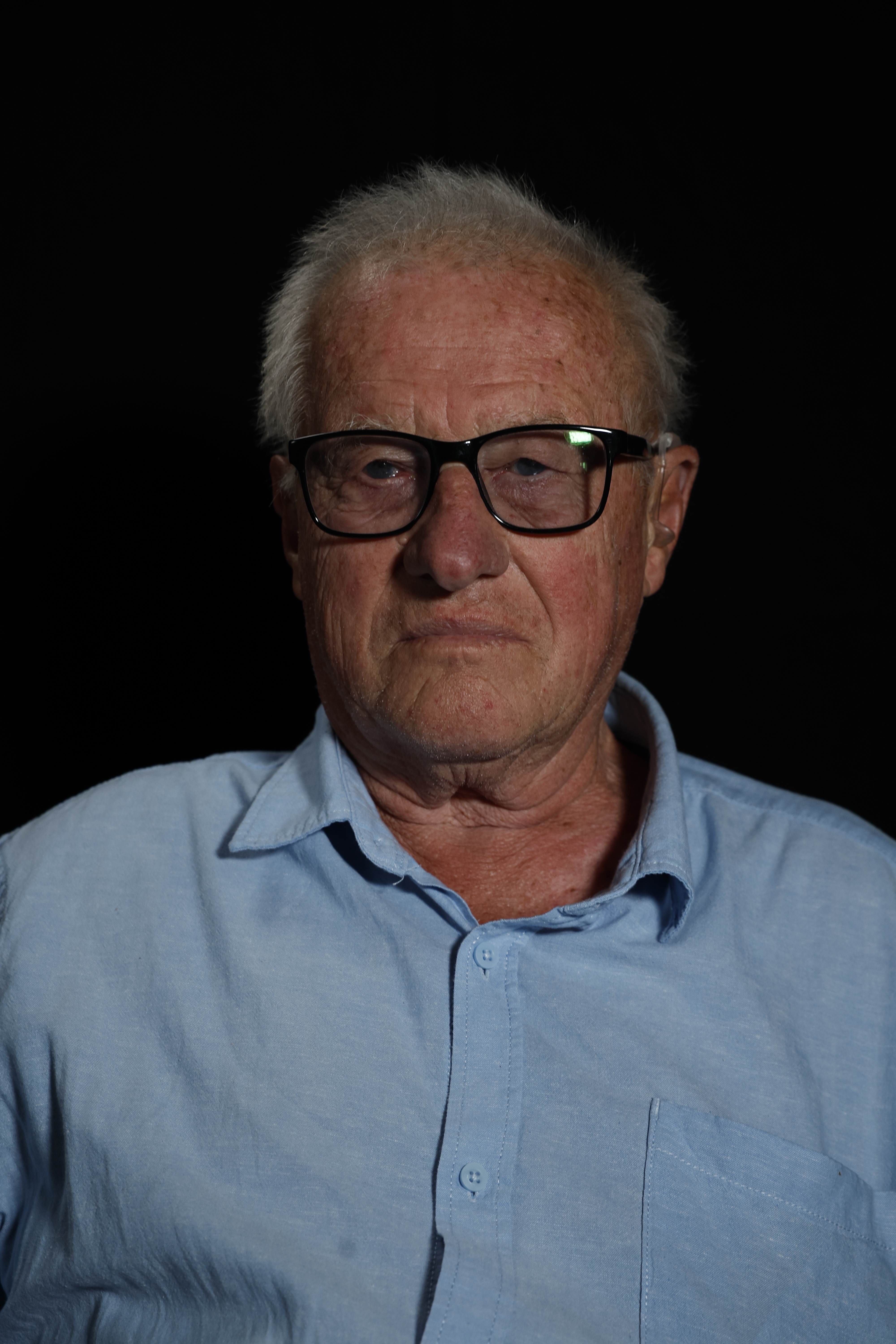
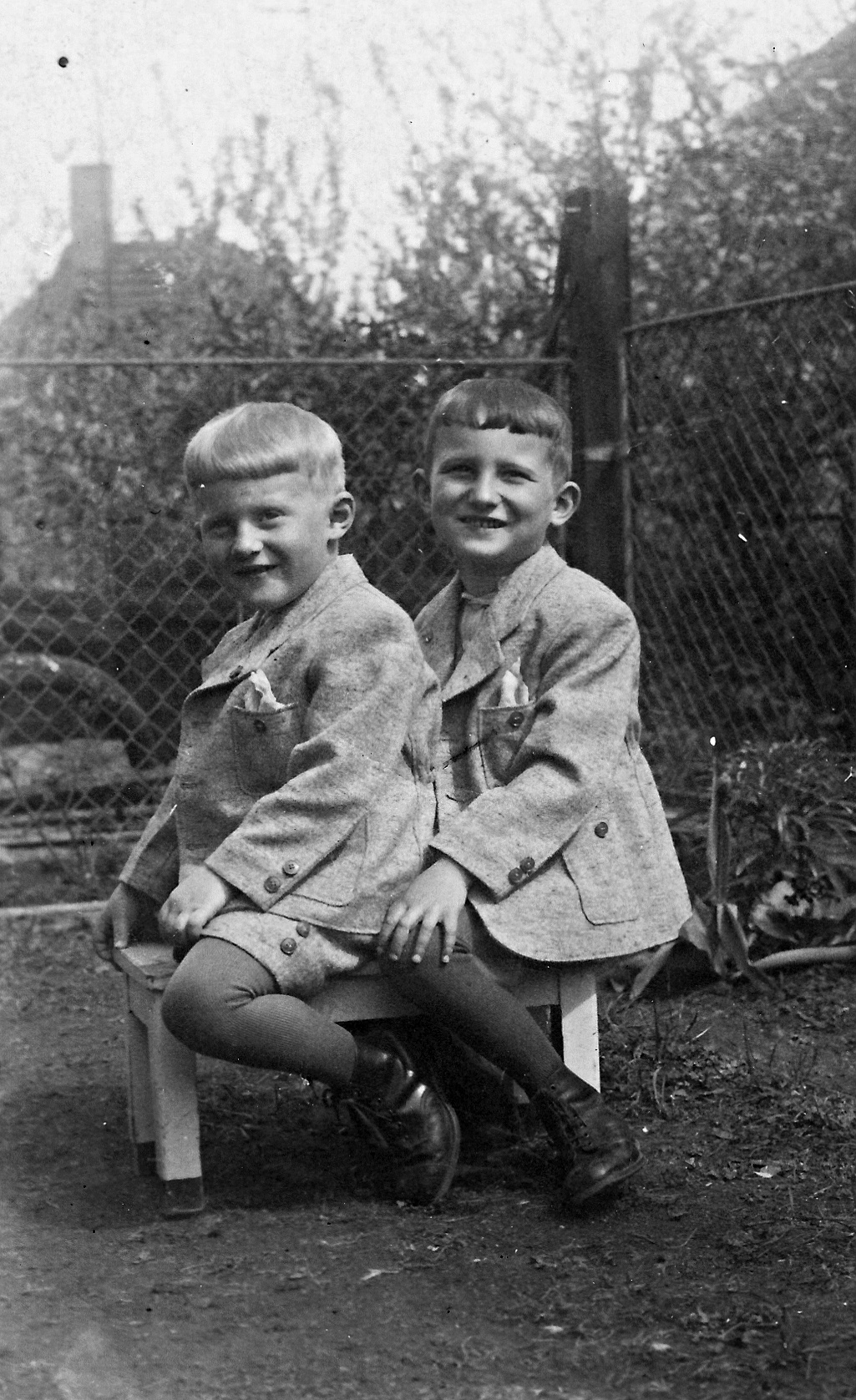
Svatopluk Havrlík was born on November 23, 1935 in Kocourkov, Teplice region. His father, Mikuláš Havrlík, was a renowned expert in underground coal mining. In 1938, after the occupation of the Sudetenland, he, his older brother Mikuláš and his parents moved to Louny to live with his mother Marie Havrlíková‘s parents. His father was offered a job in the Bata mines in Ratíškovice near Zlín. The family therefore moved to Zlín, where they lived until the summer of 1945. After the war, the Havrlik family returned to Kocourkov. He studied at the Bishop‘s Gymnasium in Krupka, Teplice, where he experienced the „Action K“, which was directed against Catholic religious orders. Svatopluk Havrlík graduated from the Mining University and instead of basic military service he signed up for ten years of work in a deep mine. After graduation, he worked in five underground shafts in the Teplice and Most region. He held senior positions, from plant mine manager to deputy director. State security registered his name in the category of confidant between 1981 and 1985 due to his information on coal exports to Germany. The witness was not aware of this. To this day, he is considered an expert in the field. In 2025, Svatopluk Havrlík lived in Teplice.