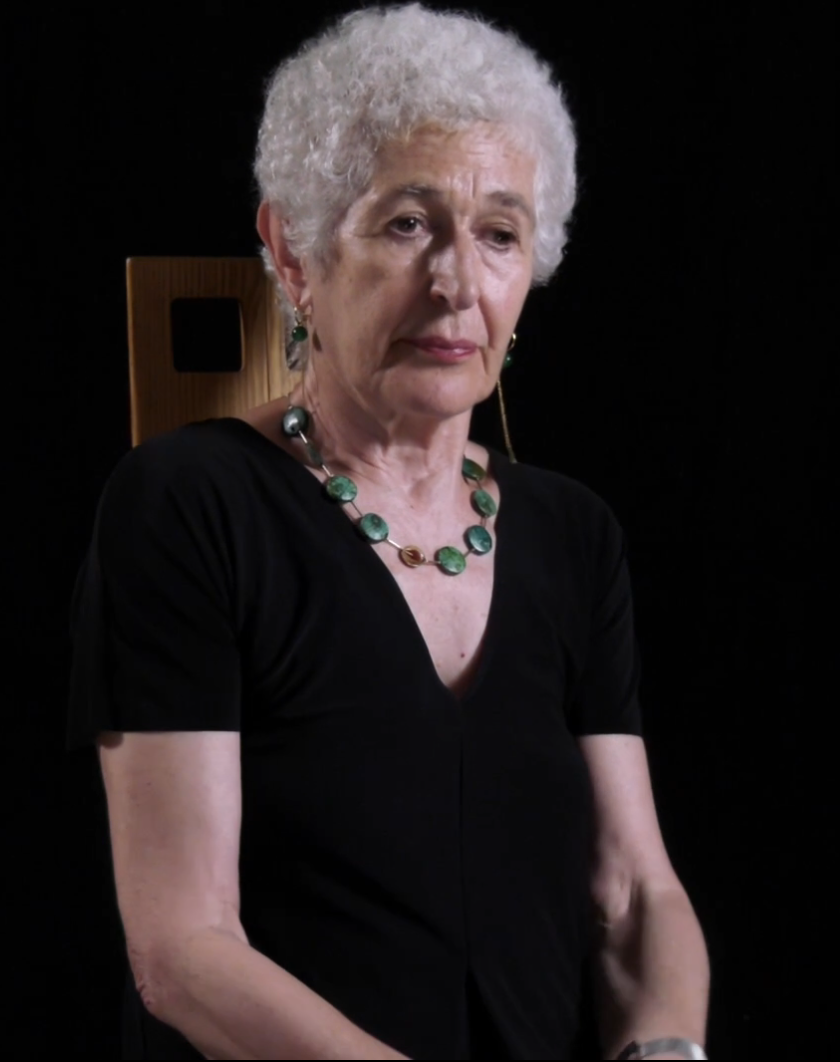
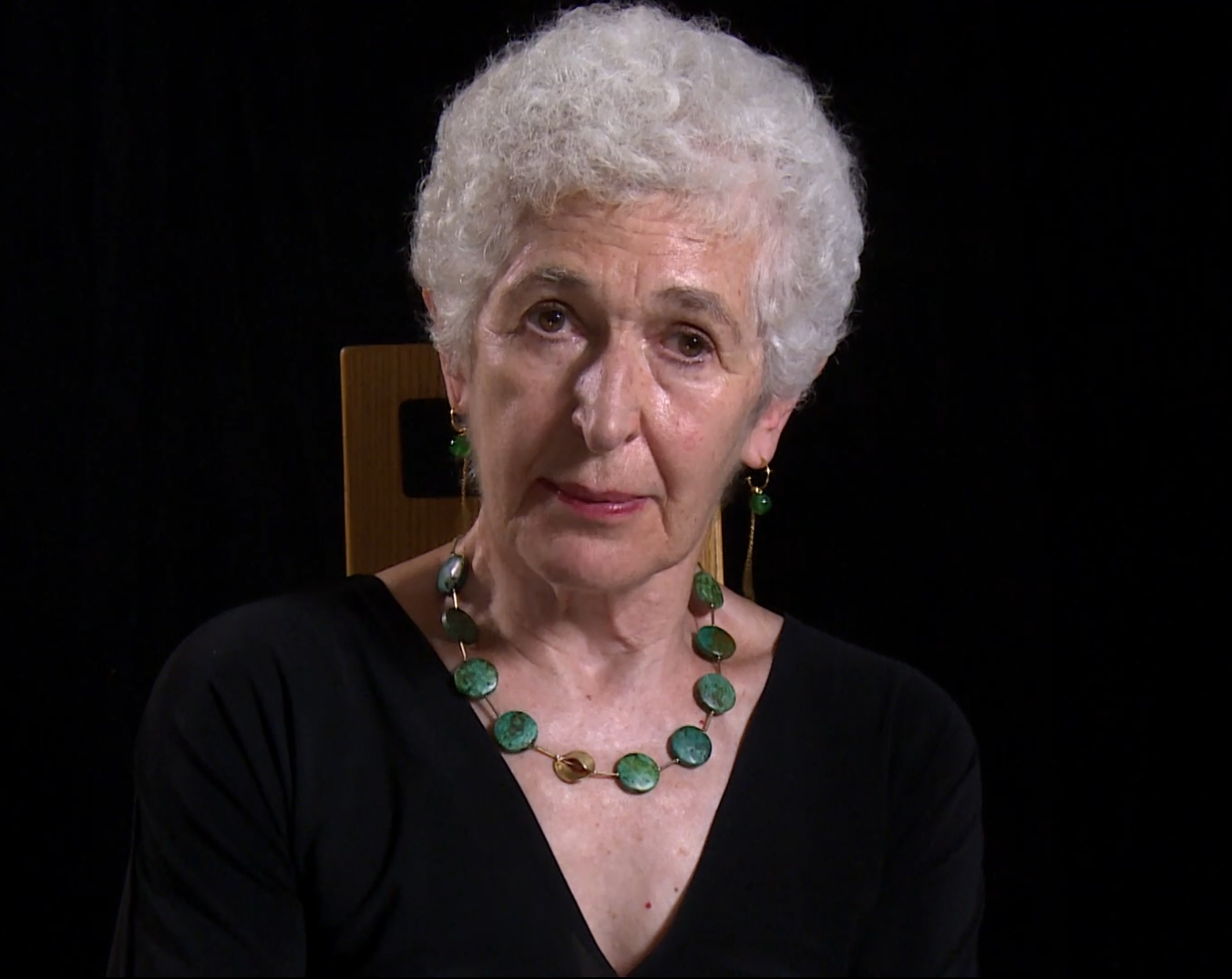
"My sister, who is three and a half years older, had even more trouble fitting in. So that was at the beginning. We also went to a Jewish youth group. We used to go there. One time we were in the Scout and we went into the woods as a Scout group and I was twelve or thirteen and someone asked me what kind of group we were. And I didn't understand. I said we were a Jewish group, and the person in question stood there stunned. He said he didn't believe it. I asked him why he didn't believe it. 'Jews have horns on their heads, don´t they?.' And these are the experiences... It stays with you forever. That you think there's something monstrous that doesn't belong anywhere, you don't know why, but you feel that way. And that's why I tried really hard to integrate myself in Switzerland. I did different things. I remember going from Austria to Switzerland with my husband. So every time we crossed the border, I changed my behaviour. And my husband said to me, 'You can't behave like that here.' There was this anxiety about Switzerland. Eastern Switzerland was really a bit different. It's probably changed now, but in the 1950s and '60s it was extreme. It was incredibly provincial."
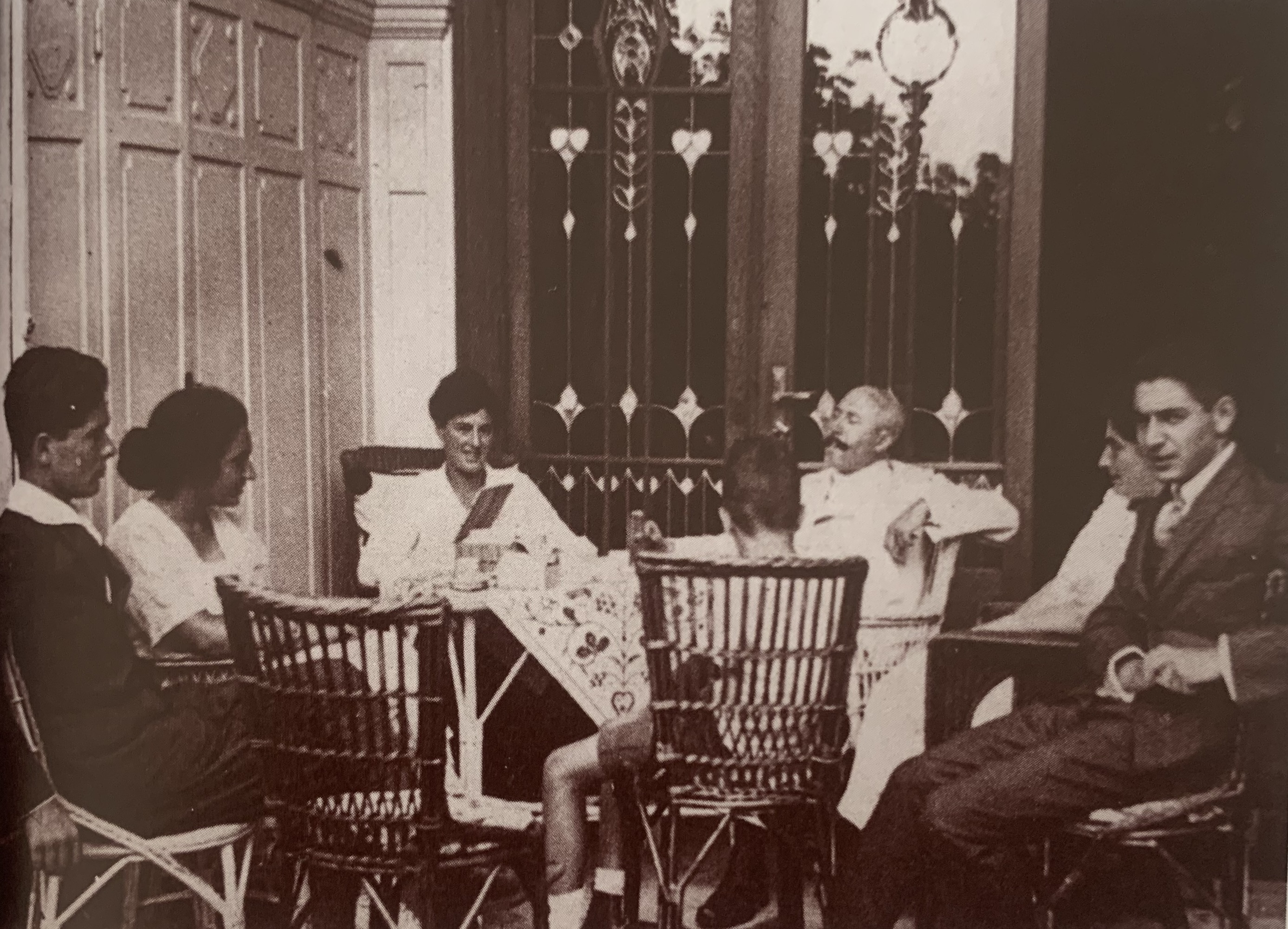
"Unfortunately, my parents weren't lucky enough to be in that house for long. In 1938, when Hitler marched into Vienna, it was immediately clear to my mother what that meant. It was clear to her because she worked for the League for Human Rights, which took care of refugees from Germany. So of course it was clear to her that we would have to leave. For example, she told Líza, my father's sister, who had two children, and they were friends of my siblings, and she told them that they asked her why they had to leave. And they said, 'Why should we go away? We are fully integrated here, we are a family that is respected. And that was an idea that you really don't want to admit. Because now people are asking why they didn't all leave. But if someone said to me now that I'm going to be killed just because I'm from a Jewish family... You can't imagine that at all."
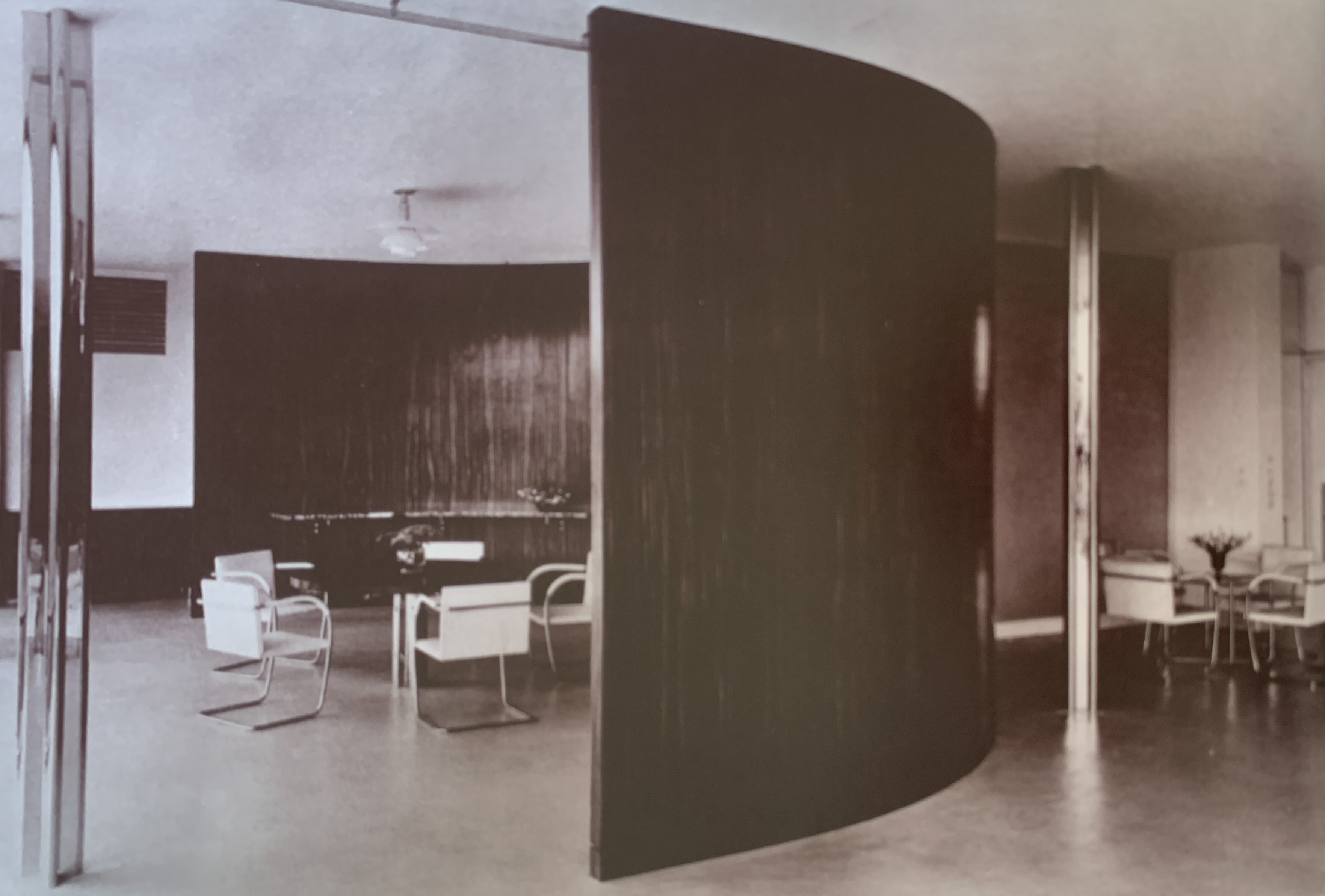
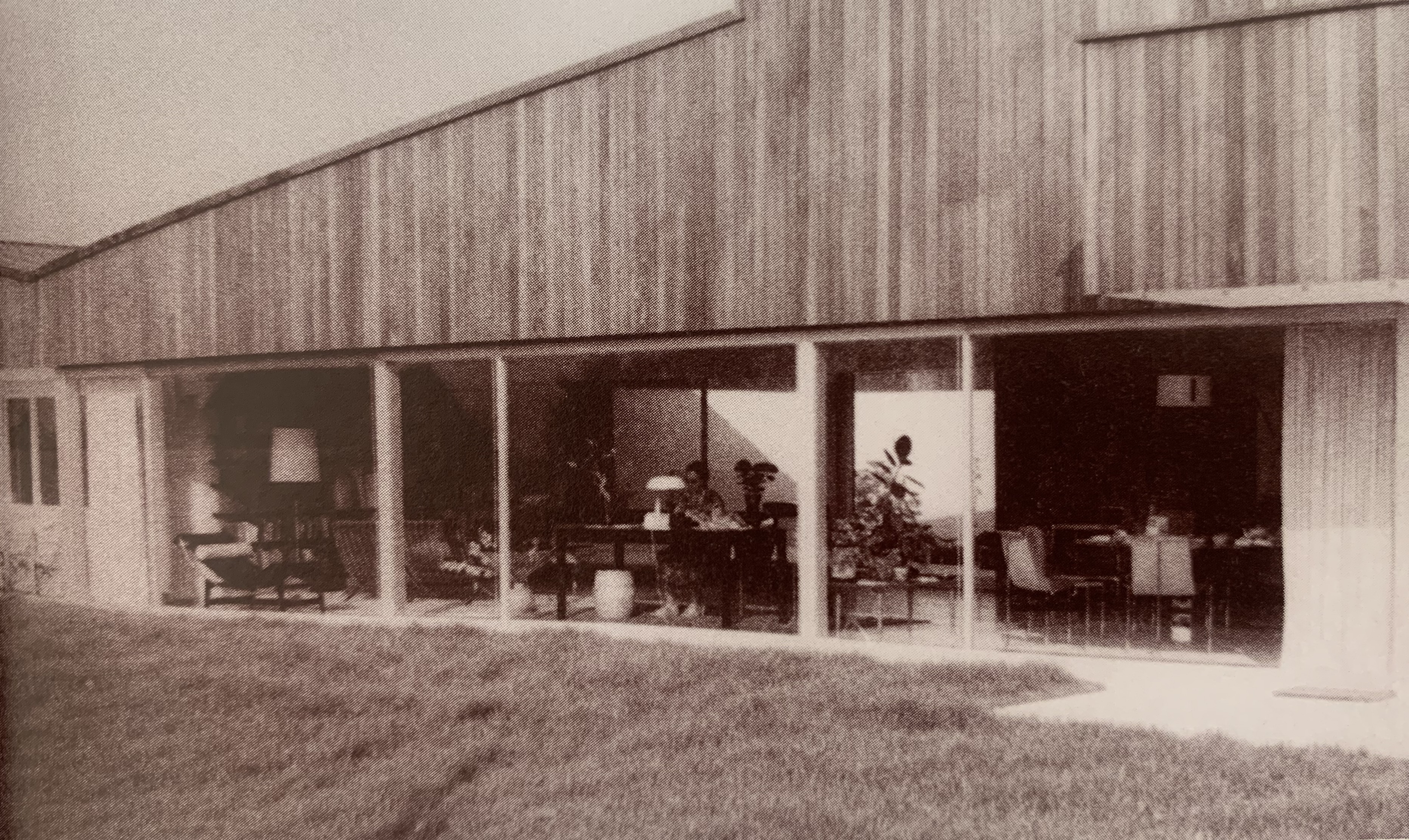
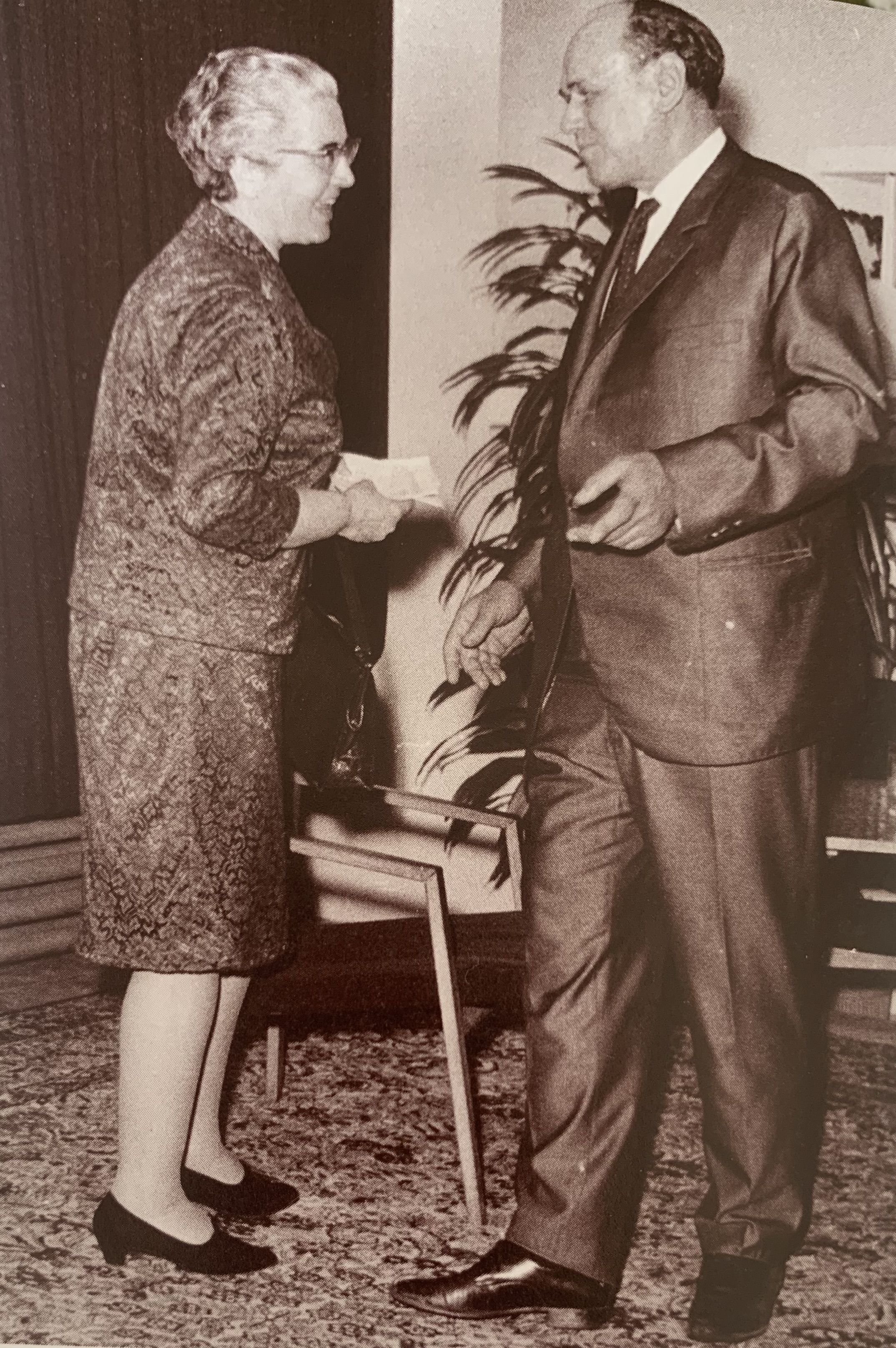
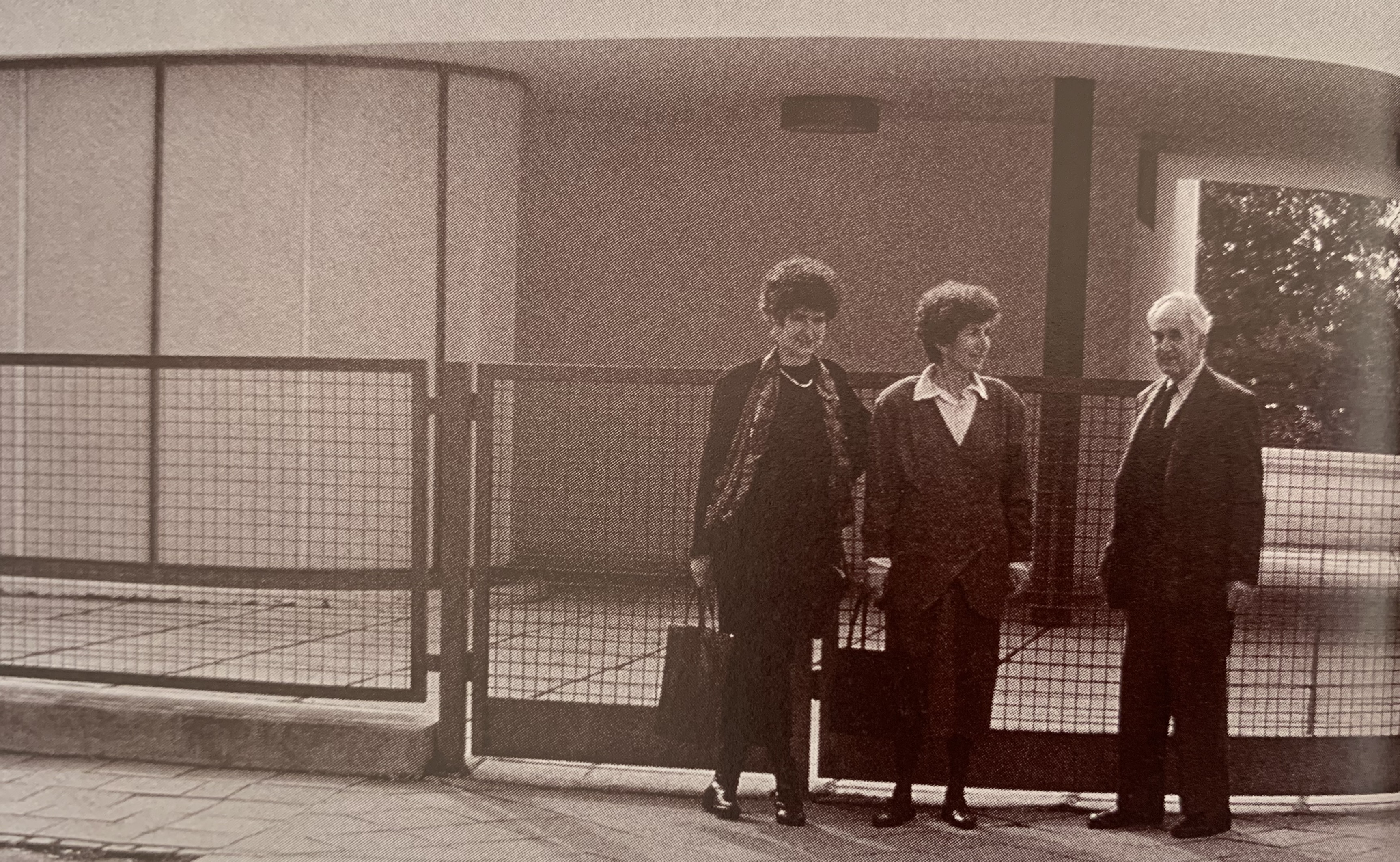
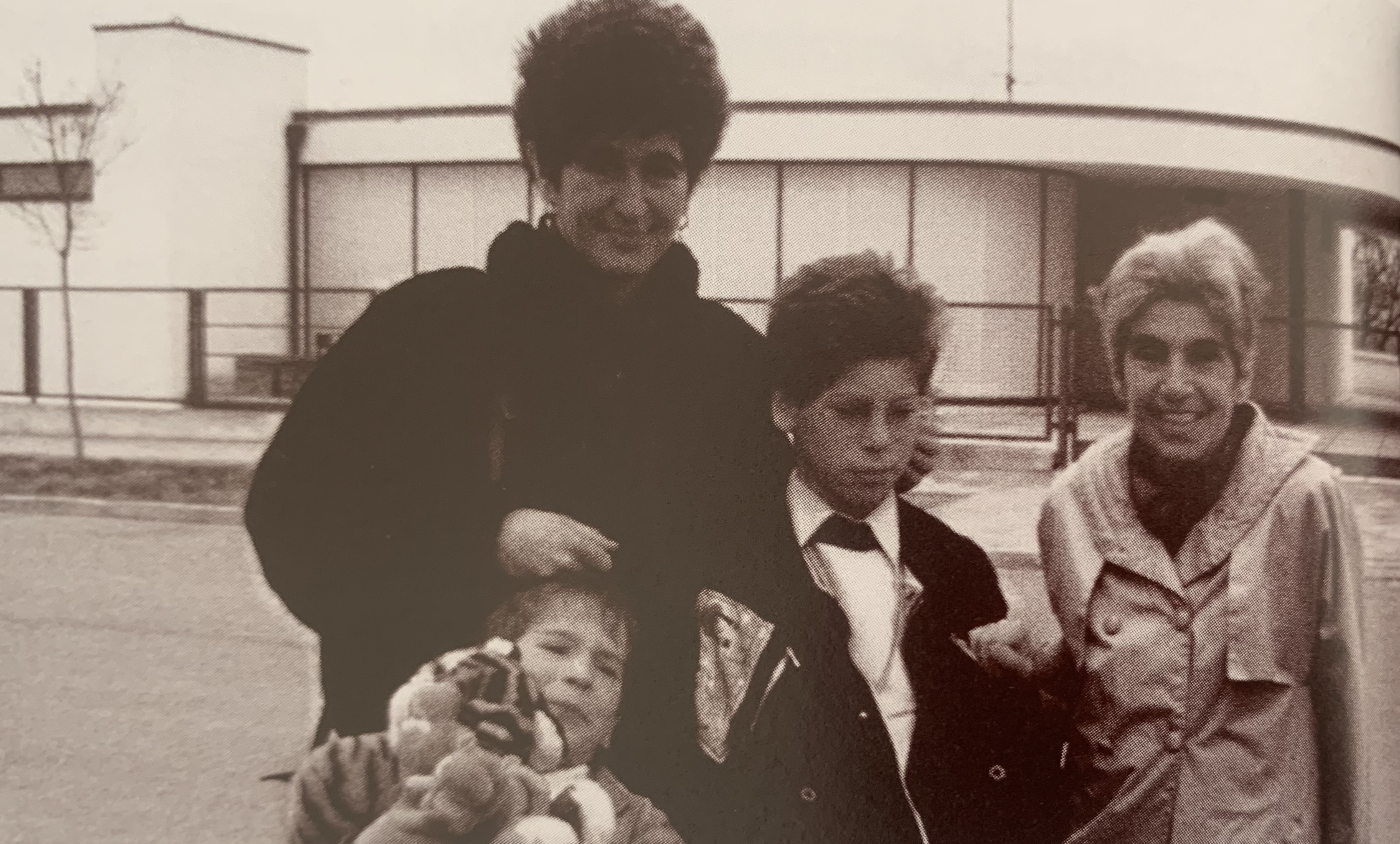
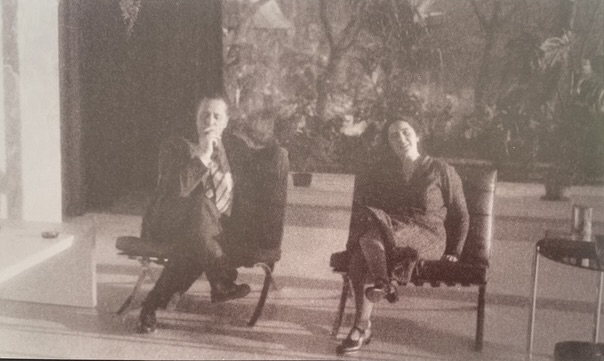
"There were two international conferences in 1969 and 1970 - first in May, when attempts were made to restore the house and open it to the public, as Messerschmitt had several unfortunate hits on the house... And I was there with my mother - and it was really remarkable how my mother experienced it there. I remember she was the first one to go to the onyx wall and stroke it as if it were alive, and she said, 'That I could see you again.' She saw people there that she didn't even know were still alive. She also gave a lecture there, and it was a very important lecture, because she remembered things that nobody could have known. She gave this lecture in Czech. And I really admired very much the determination with which she went there. She wasn't bitter or regretful or that she was demanding anything. But she agreed that this house would serve everybody. And she wanted the house to be restored and to be open to the public for all. And at that time the house was unknown, nobody knew it, only a few architects. But the house disappeared from cultural memory."
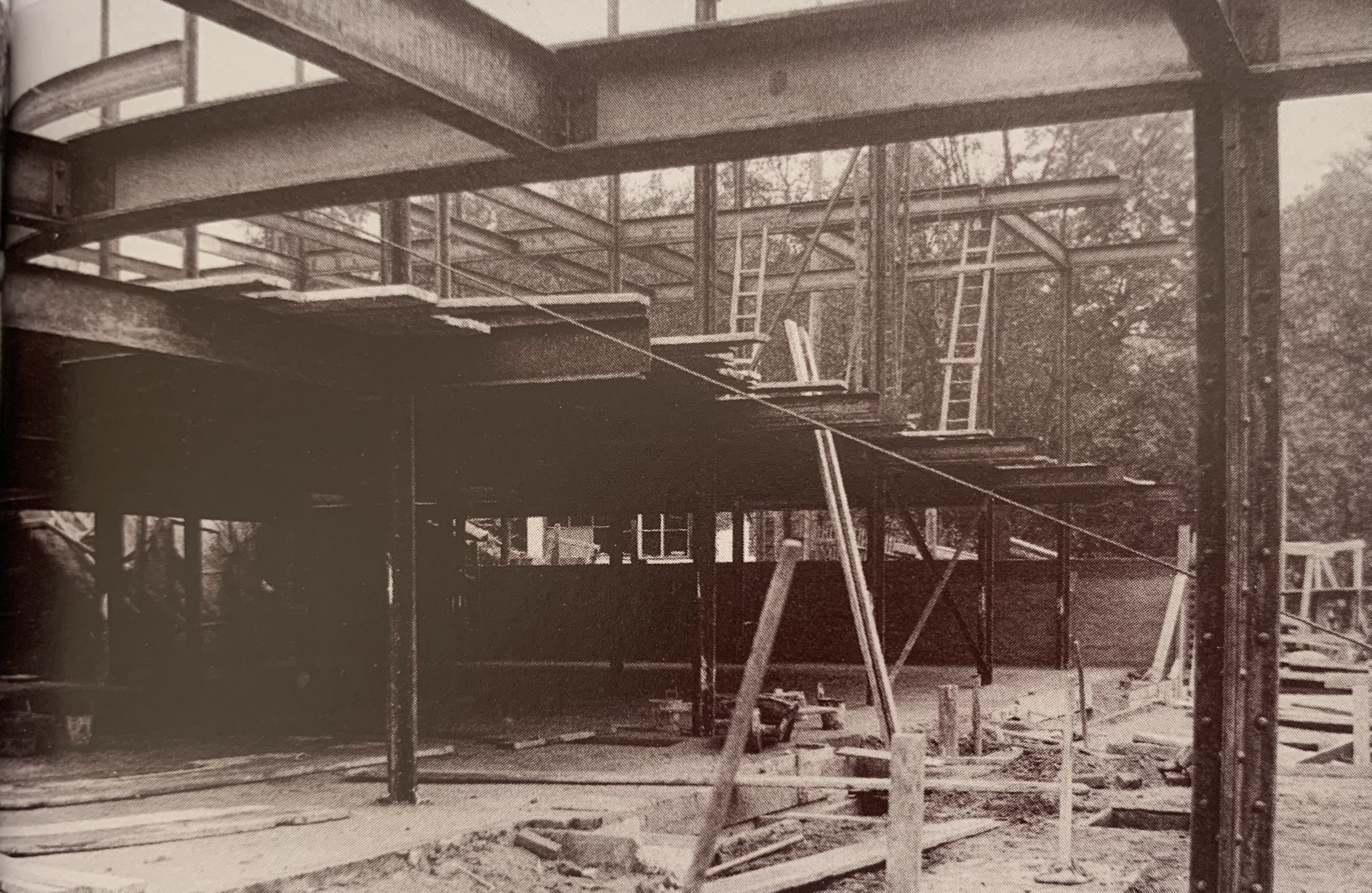
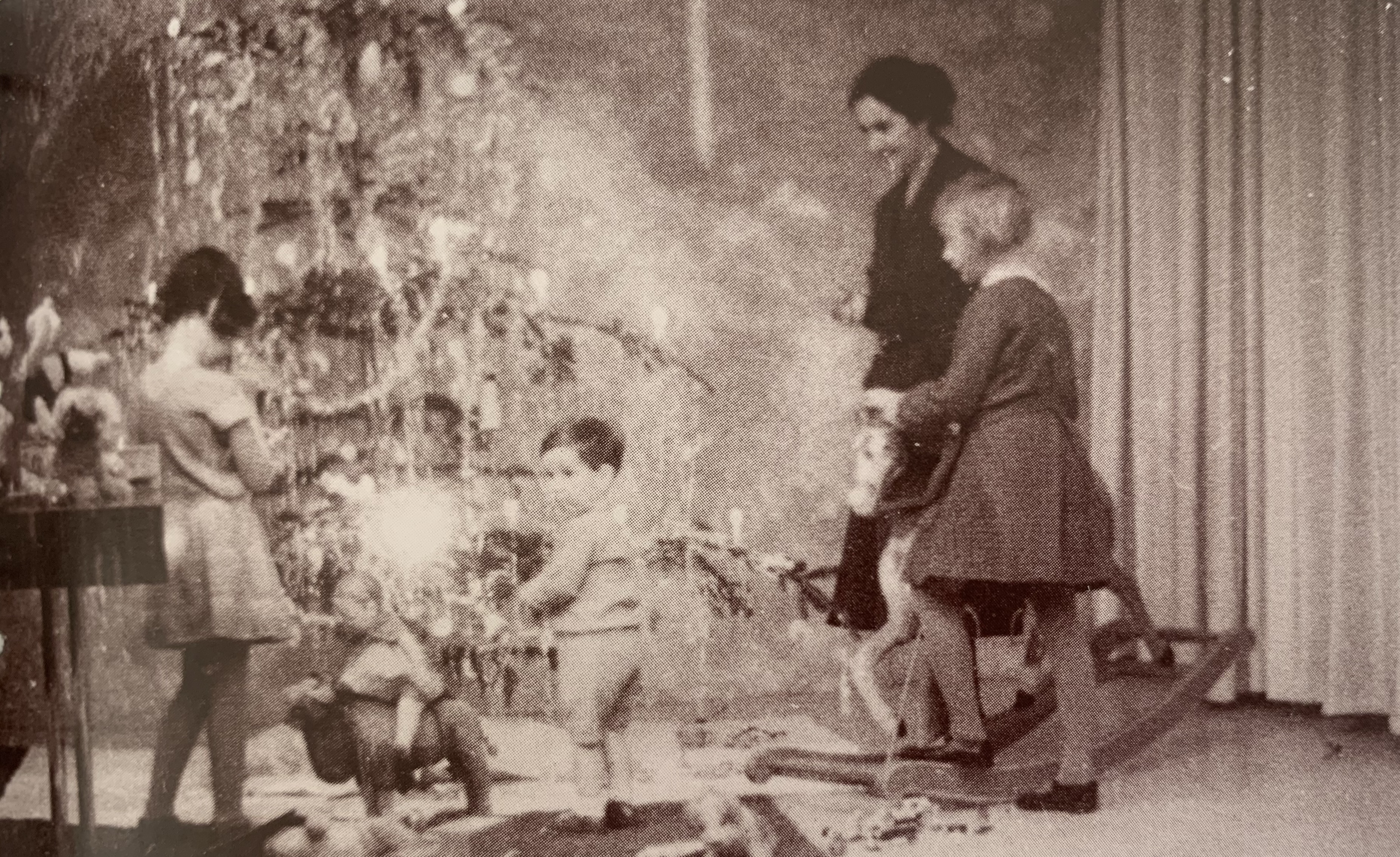
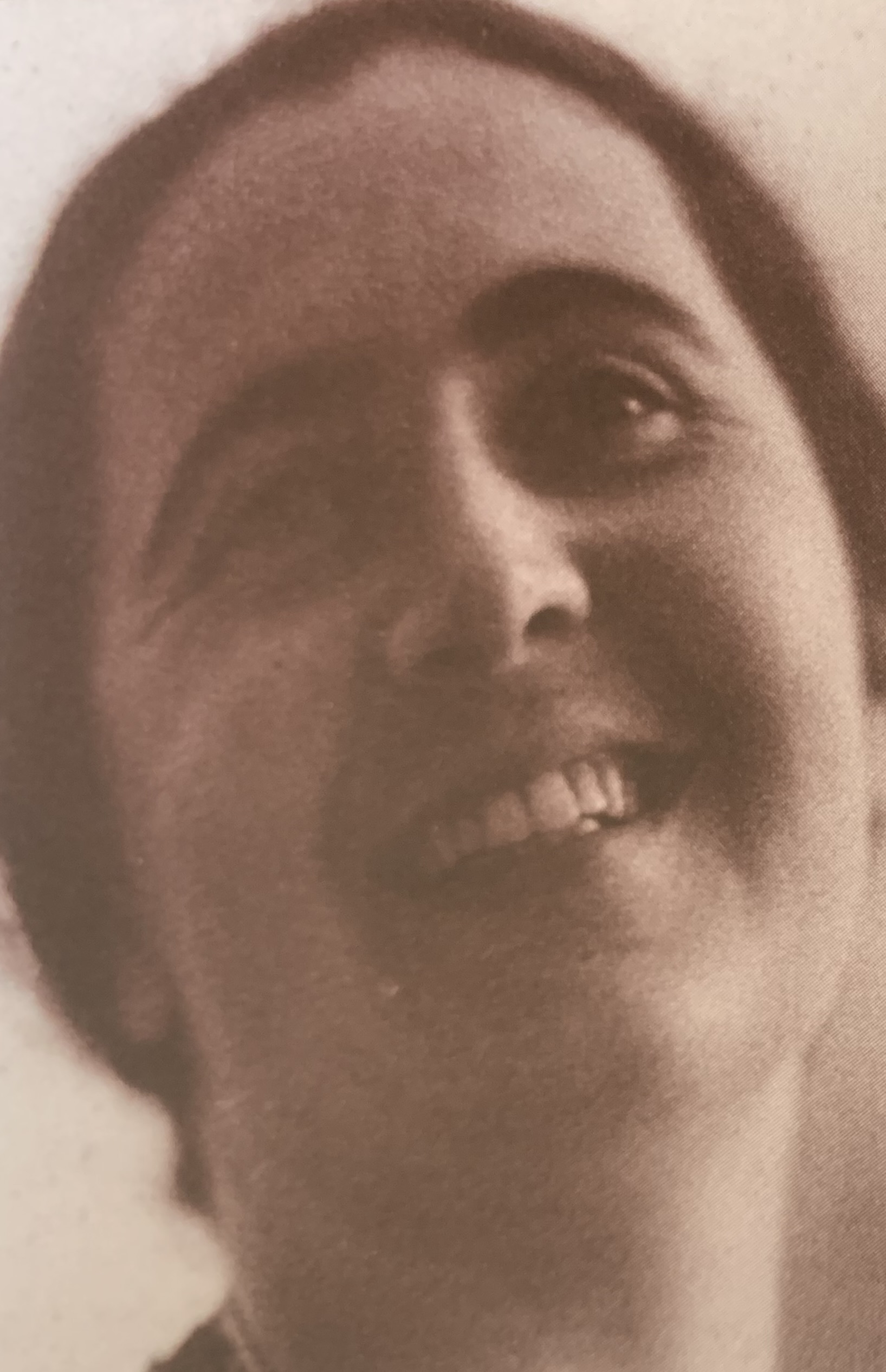
Daniela Hammer-Tugendhat was born on 2 August 1946 in Caracas. Her parents, Grete and Fritz Tugendhat, came from Jewish industrialist families that focused mainly on textile production. The parents married in 1928 and in 1930 moved into a villa in Brno, designed by the architect Ludwig Mies van der Rohe, which is now one of the jewels of functionalist architecture. In 1938 the family emigrated first to Sankt Gallen, Switzerland, and later to Caracas, where their last daughter Daniela was born on 2 August 1946. After the war, the Tugendhats returned to Switzerland, where Daniela spent not so happy childhood. In 1964 she began studying art history and classical archaeology at the University of Bern. In 1968 she transferred to the University of Vienna to continue her studies. In 1969, together with her mother, she took part in an international symposium on the restoration of Villa Tugendhat. In 1970 she married Ivo Hammer, with whom she raised her sons Lukas and Matthias. After her habilitation she became a permanent professor at the University of Applied Arts in Vienna. She worked at the university until her retirement in 2012. She died on 17 September 2025 in Vienna.