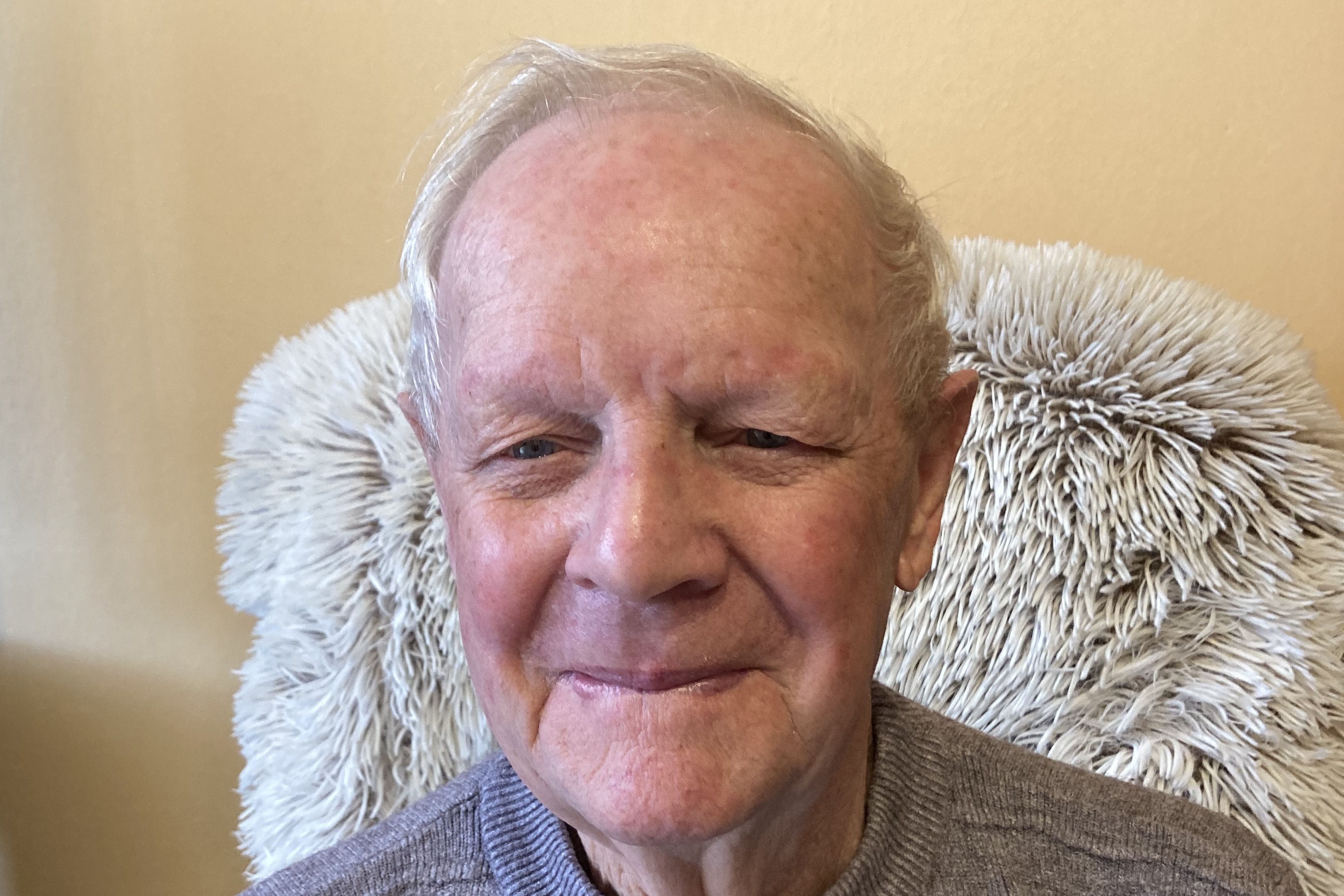
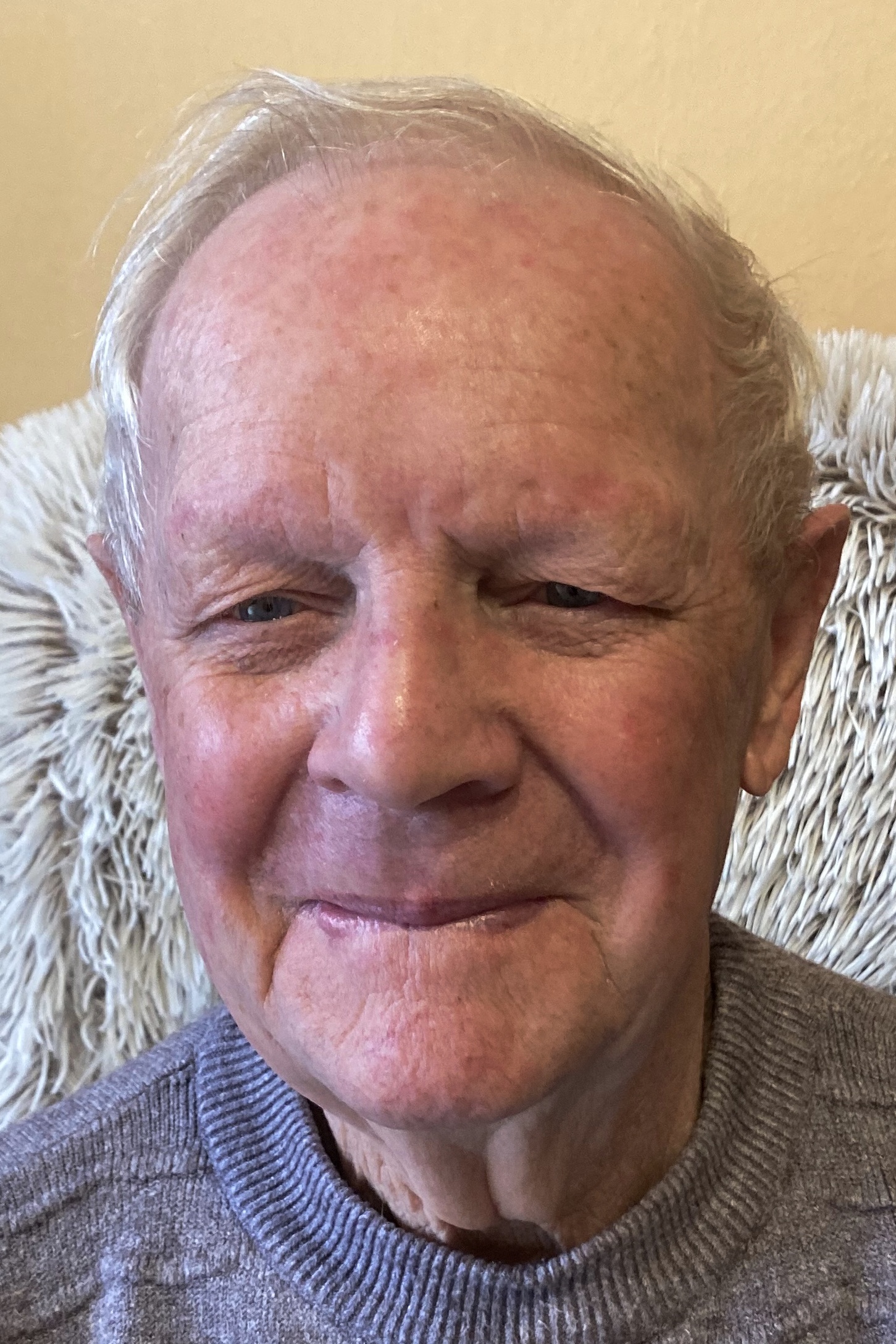
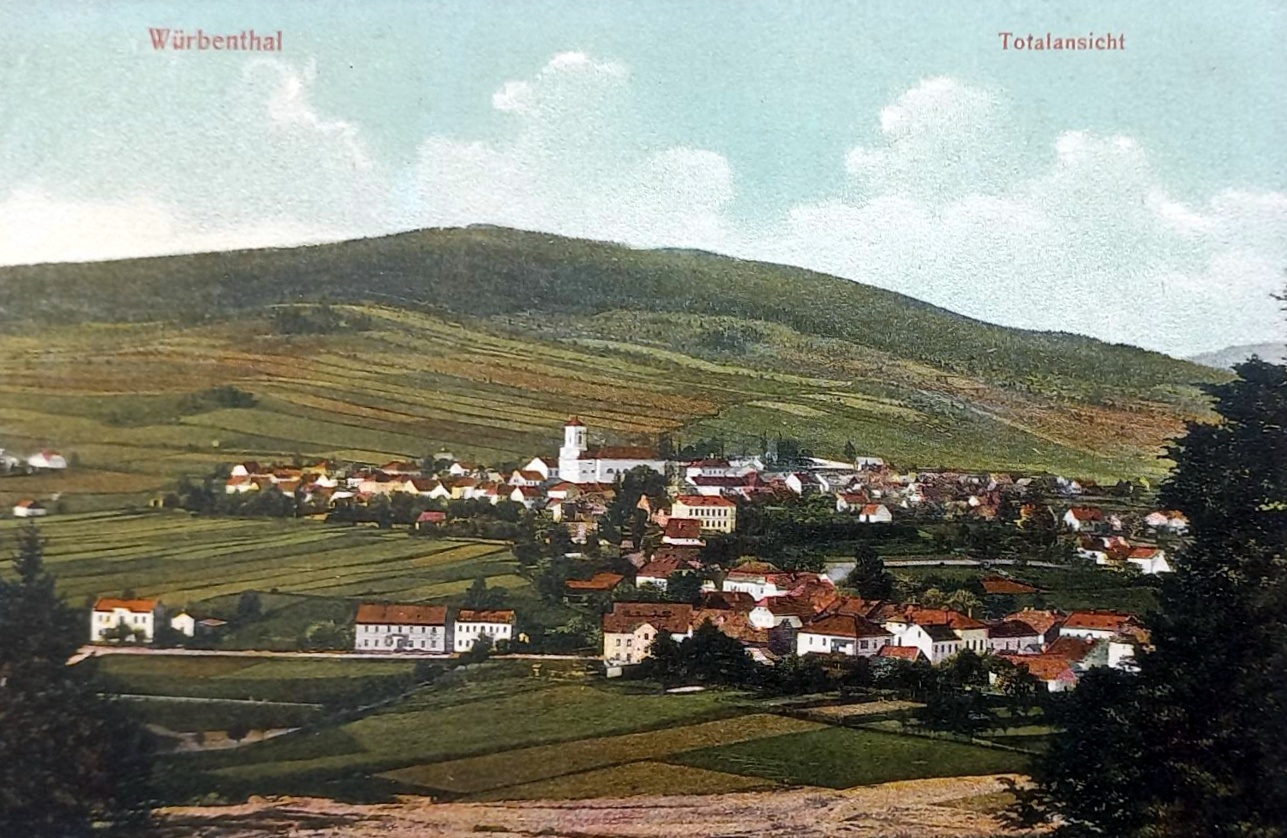
Josef Hackenberg

* 1933

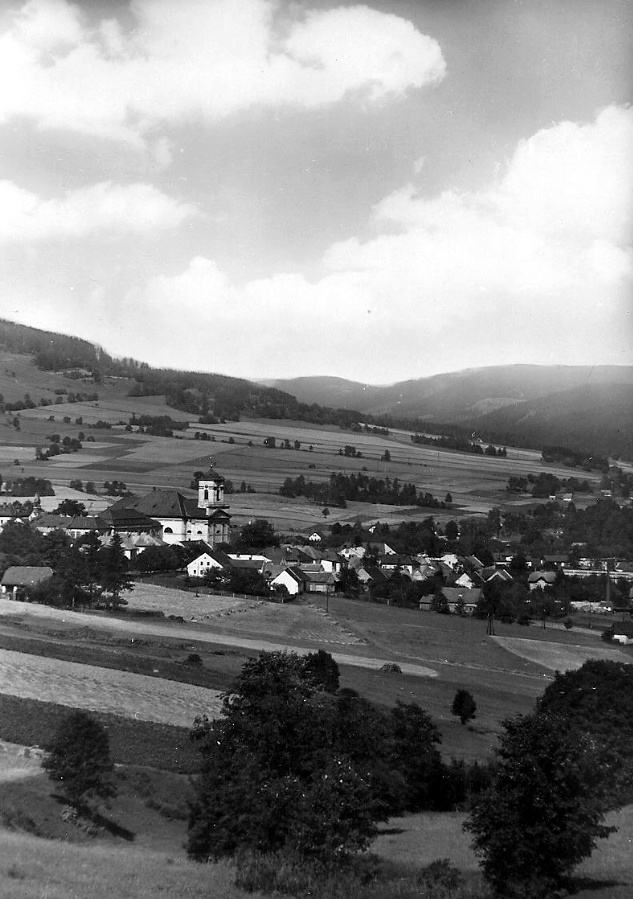
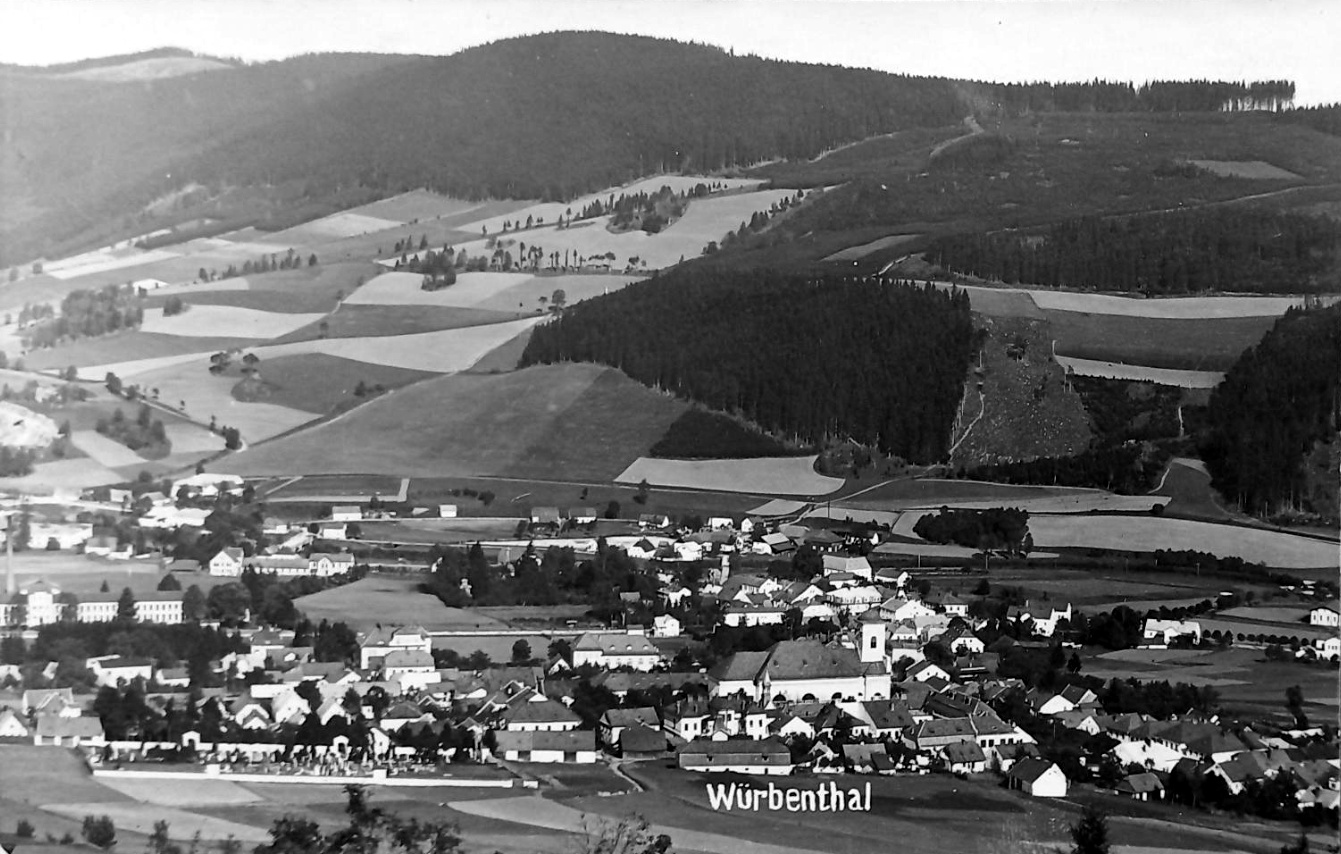
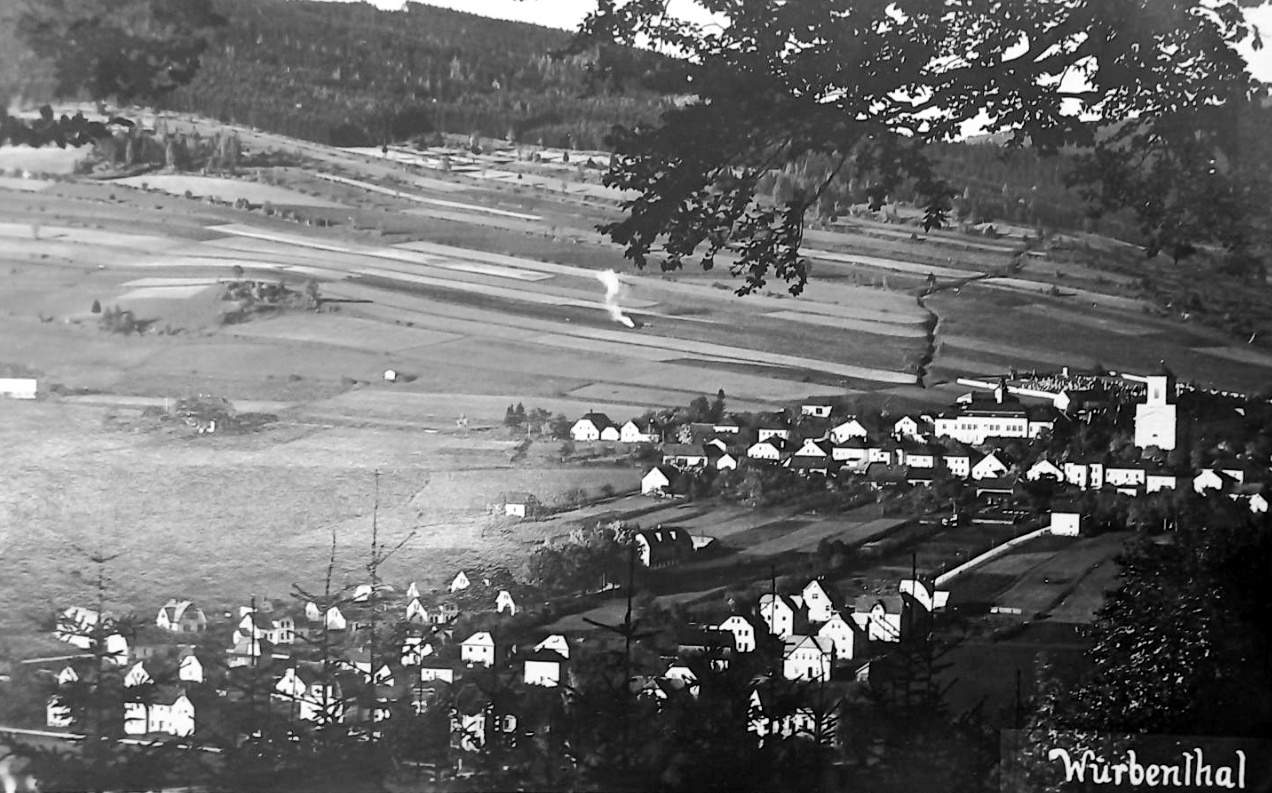
  • "How do you remember the people who came here? The Germans had to leave and new people were coming in. Do you remember?" - "I remember. There were so many empty houses. They had to leave everything behind and go. Now these explorers came from Slovakia, Wallachia, and Czechoslovakia. Individuals. They came to explore. This and this and that... 'I need this house, or that one.' Then they'd say, "I'll take this house, and that's it." They stayed. They had a house. They just took any house that was empty. Strangers. I didn't know them." - "Did you know them later?" - "I did. I knew them later, and I knew them well. One was a gendarme, a policeman. A major pain in Vrbno. He was 'somebody' then." - "What do you mean, 'major pain'?" - "Well, take my mother. She had to wear the 'N' sign. She was waiting in line at the dairy and the Czechs cut the line. She could only buy what was left, like a little milk. What a time! It was cruel at first, mostly for grown people. Parents. We kids didn't know much. We learned some Czech. But for the adults, it was cruel. Or imagine buying meat. The Czechs got some first, and the Germans only got what was left because they were Germans."

  • "How do you remember your father? You were not deported. Why weren't you deported?" - "It was thanks to the glassworks. The glassworks asked for skilled workers to stay. Had my father been a locksmith, for example, he would have to go, but the glassworks director kept him. He went to the local authority and asked for a stamp to confirm that my father would not be deported. No one could say 'no' to the director asking to keep my father. He stayed, and that was it."

  • "Was there a camp for the Germans in Vrbno?" - "There was!" - "Where was it?" - "Behind the post office. There was a post office where the factory was. What did it make? Corks or something like that. It's not there now. They tore down the stack and everything. That's where the camp was. They stayed in the factory. Then they went away. Deported. I was watching them leave until the last moment."

  • "Do you remember when the Red Army came?" - "Yeah." - "What was it like?" - "My birthday was 9 May, and they were coming from Karlovice. Up here and then they split. Suddenly they were in our yard. Richter's. They came in cars, they had machine guns, and they came straight to us, to my mother. They sat down at the kitchen table, put the machine guns down and told my mother they wanted to eat, that they were hungry. Mum brought eggs from the farm, made a pot full of fried eggs and gave them bread. There were about three or four of them. They ate and started looking at everything. They looked here and there, but they didn't take anything. Then they took their machine guns and left. Nothing. They just ate and left. We just looked at them trembling. What will they do? Start shooting? They just left. But then the others came: "Open the stables! Bring the cows out! All out!' I don't know where they drove the cattle along the road. Maybe to Zlaté Hory..." - "Who did that?" - "The soldiers. Or were they ours? I don't know. I don't know." - "You mean the Soviets?" - "I think so. They took everything from the barn. I was a kid, so I don't know who it was. The Soviets? The Russians? Our people? All I know the stables were empty."

  • Celé nahrávky
  • 1

    Vrbno pod Pradědem, 23.03.2025

    (audio)
    délka: 01:55:01
  • 2

    Vrbno pod Pradědem, 24.03.2025

    (audio)
    délka: 01:57:02
Celé nahrávky jsou k dispozici pouze pro přihlášené uživatele.

A master glassmaker under Praděd escaped expulsion despite being German
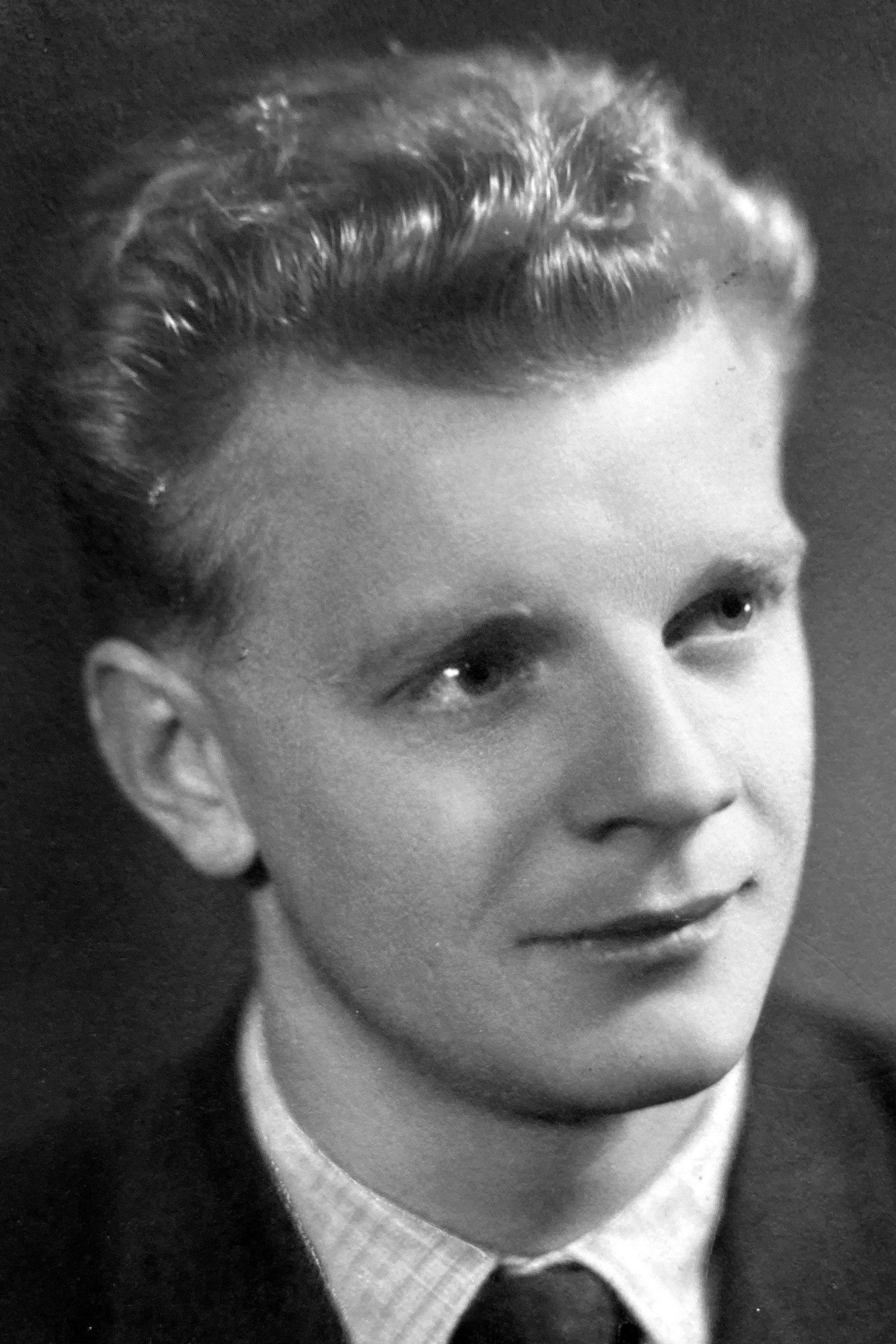
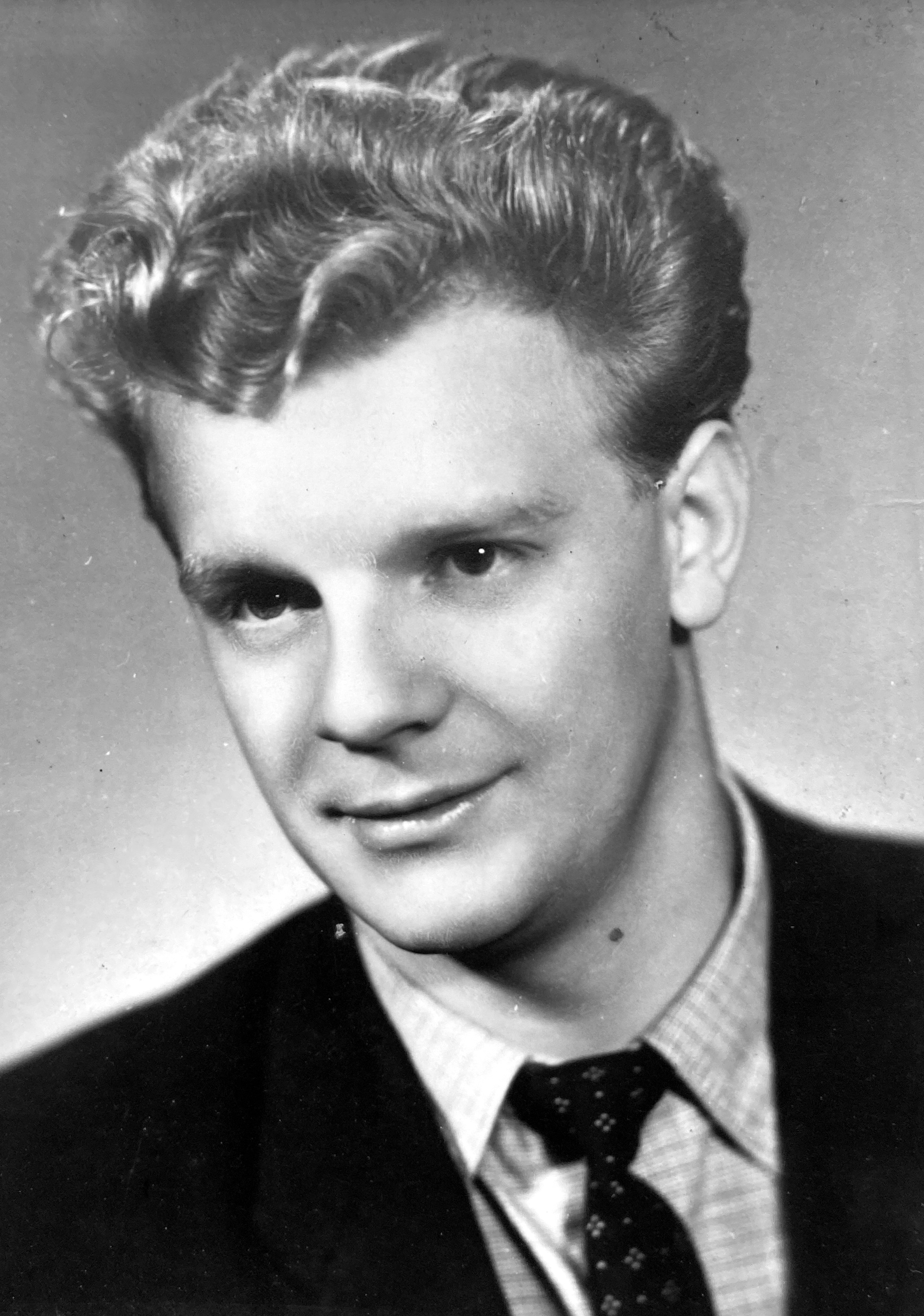
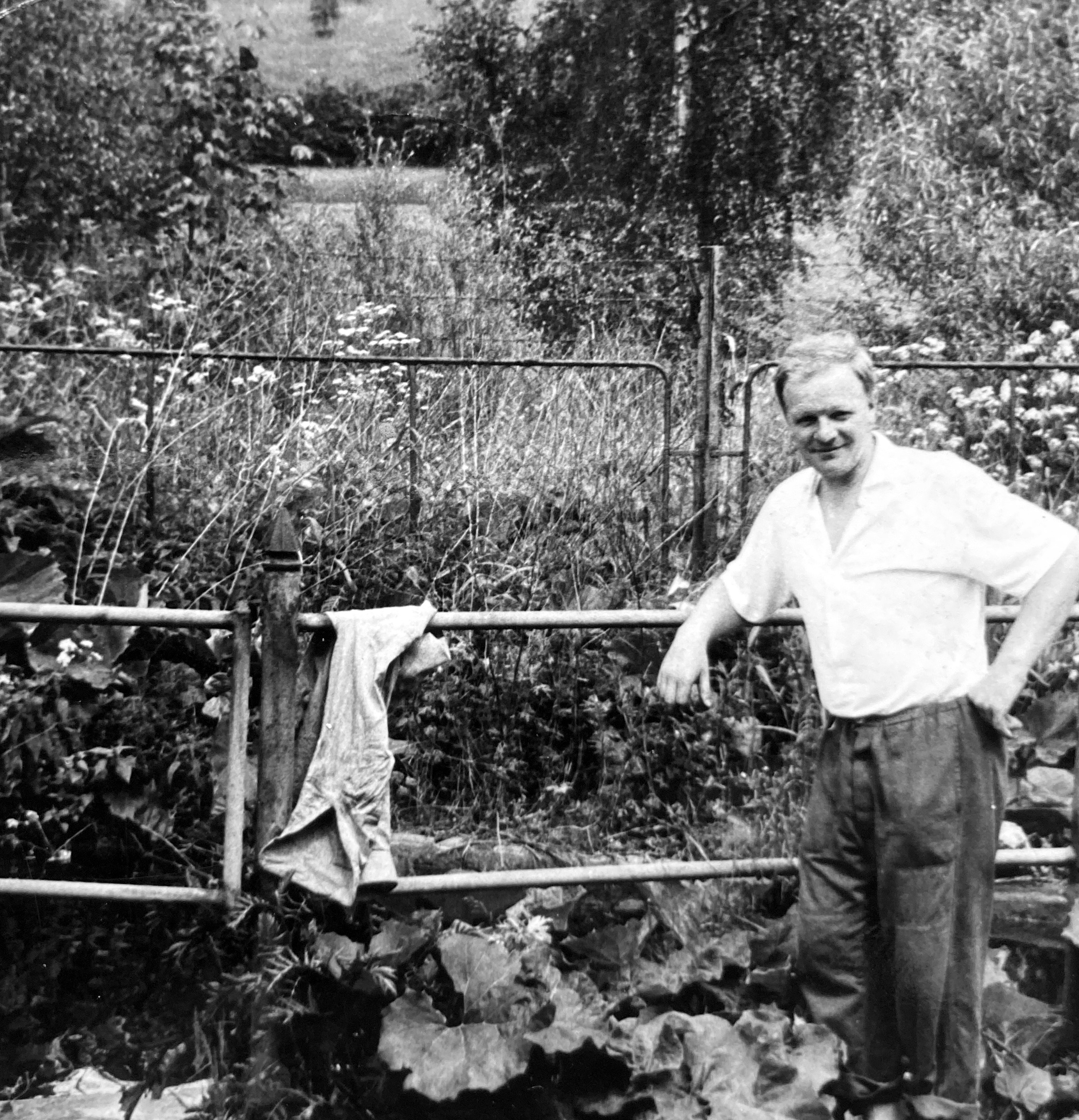
Josef Hackenberg, early 1950s
zdroj: Josef Hackenberg's archive

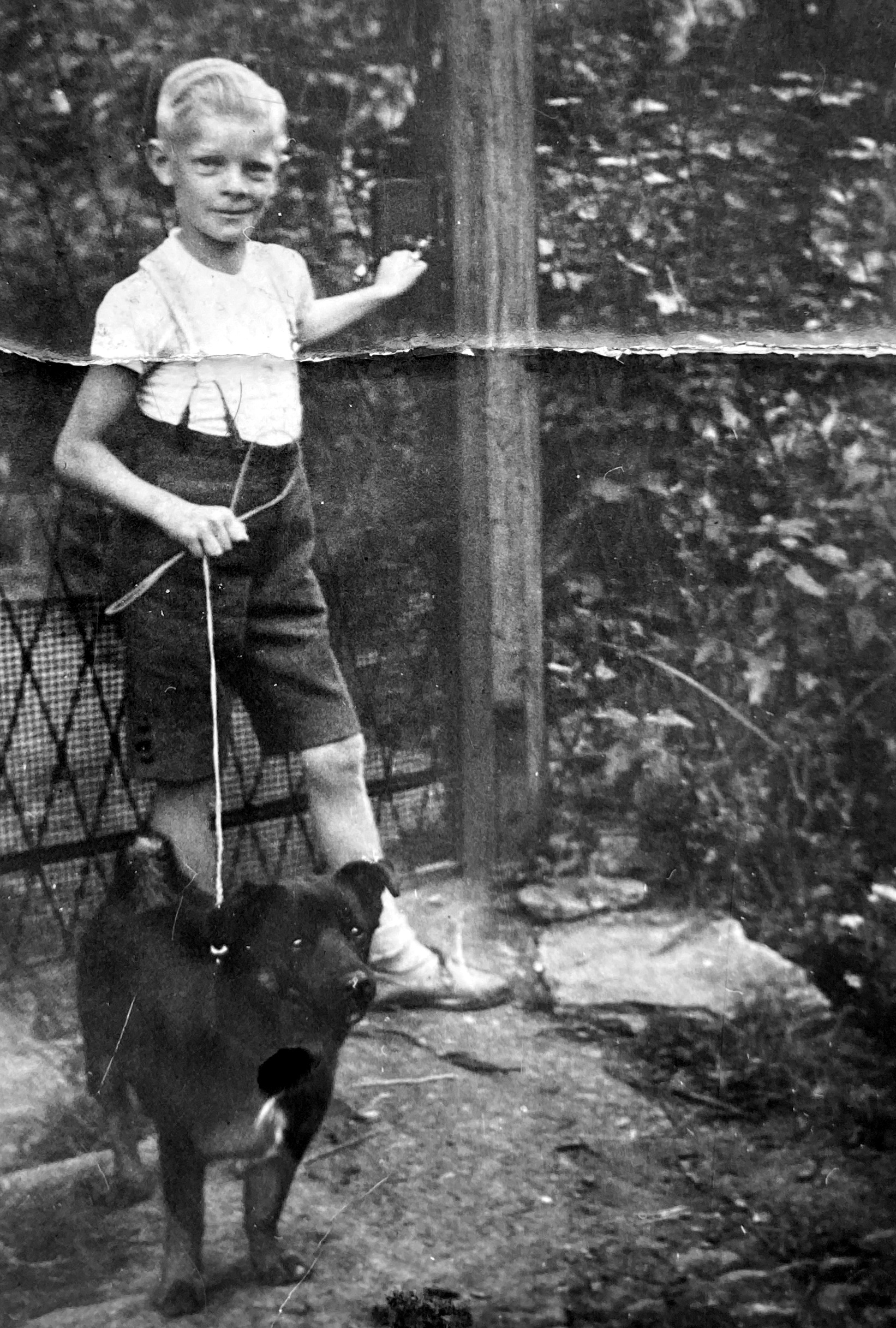
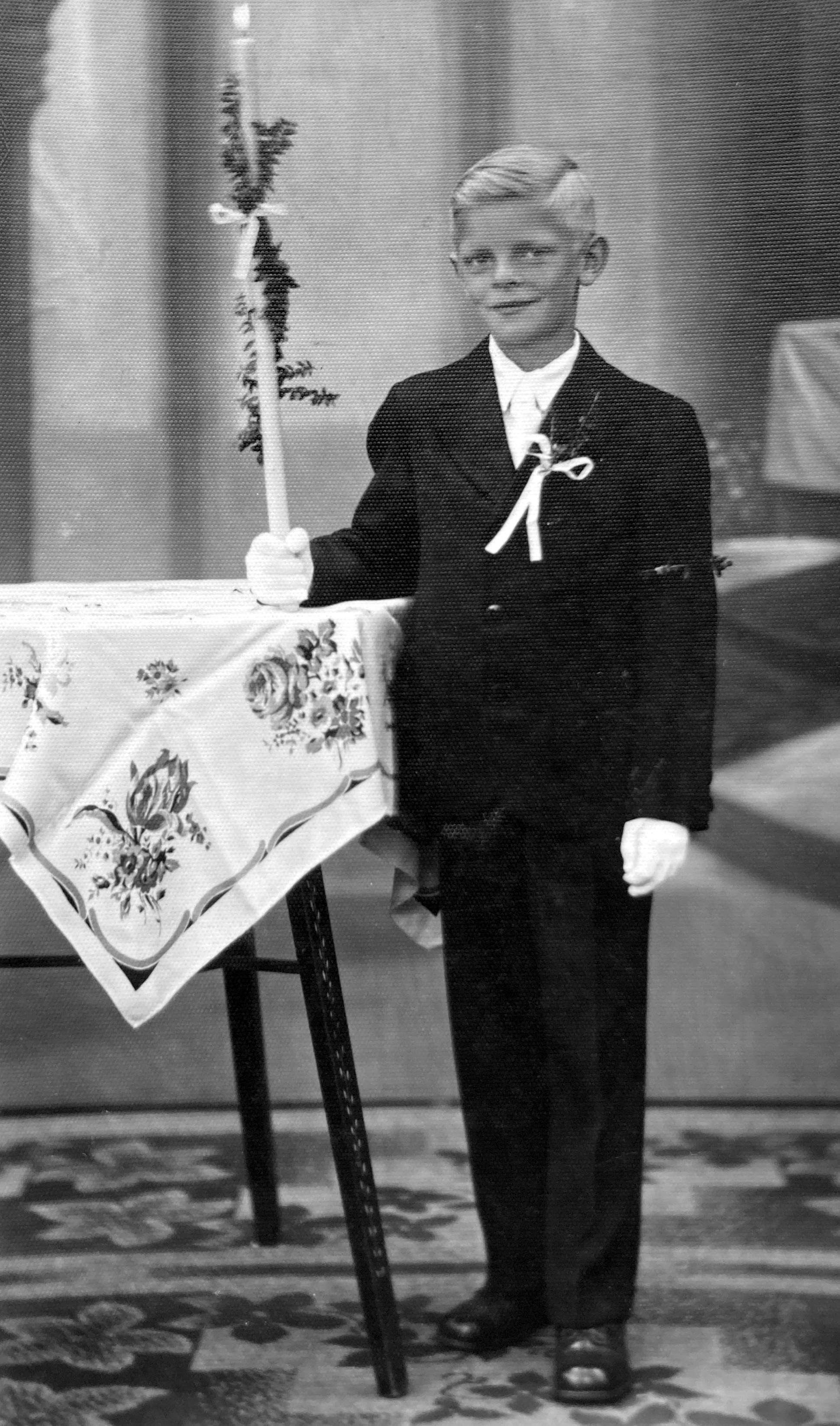
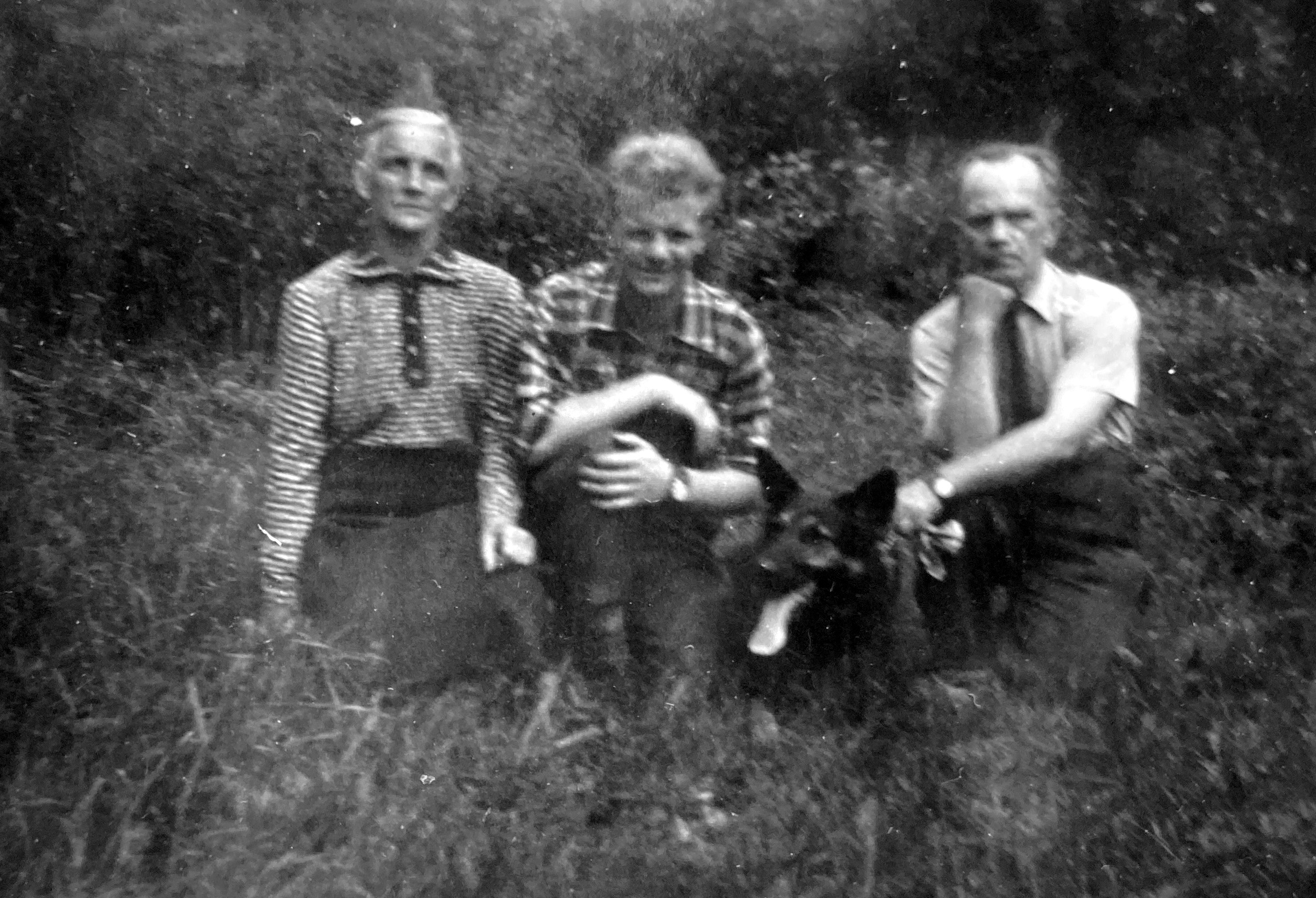
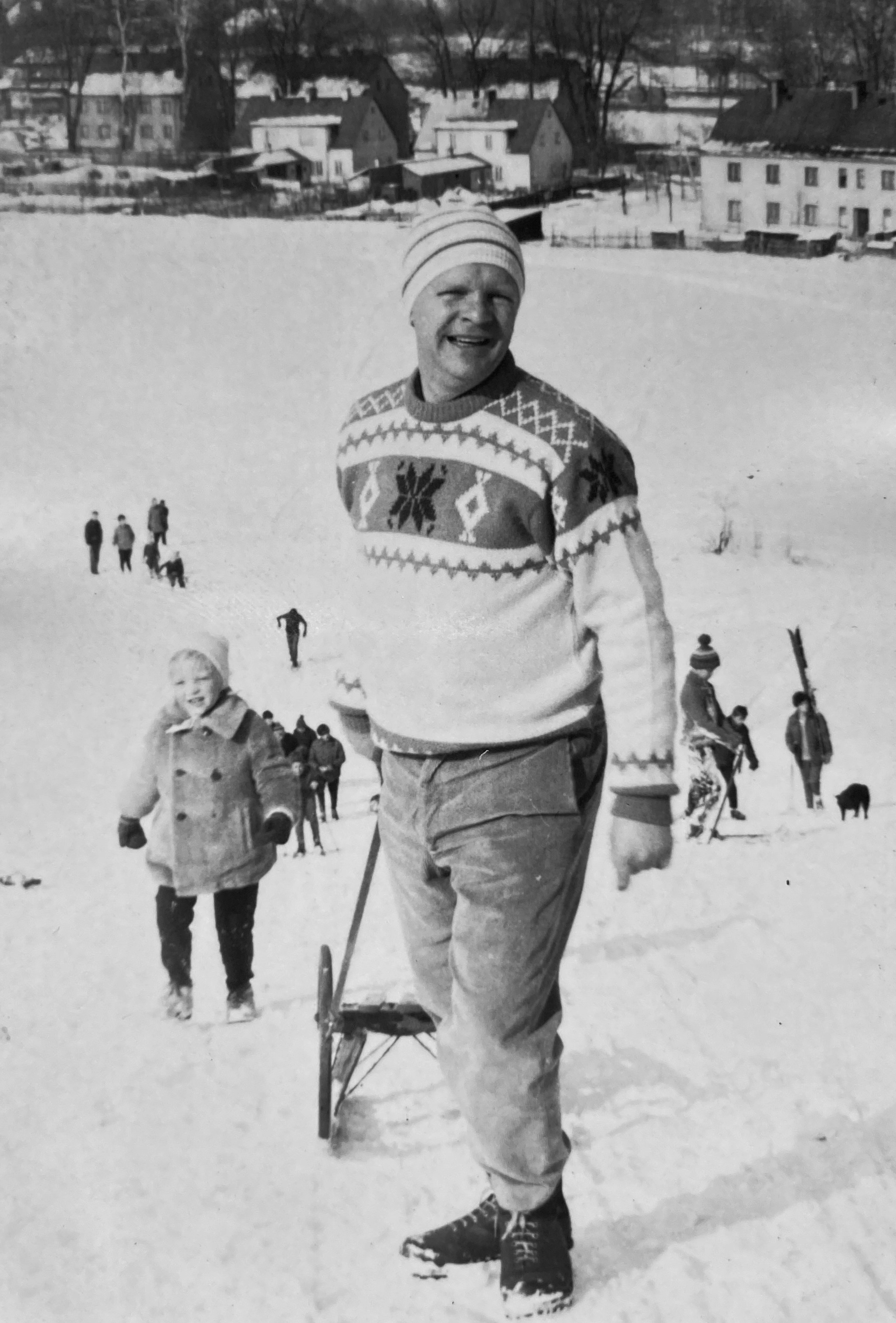
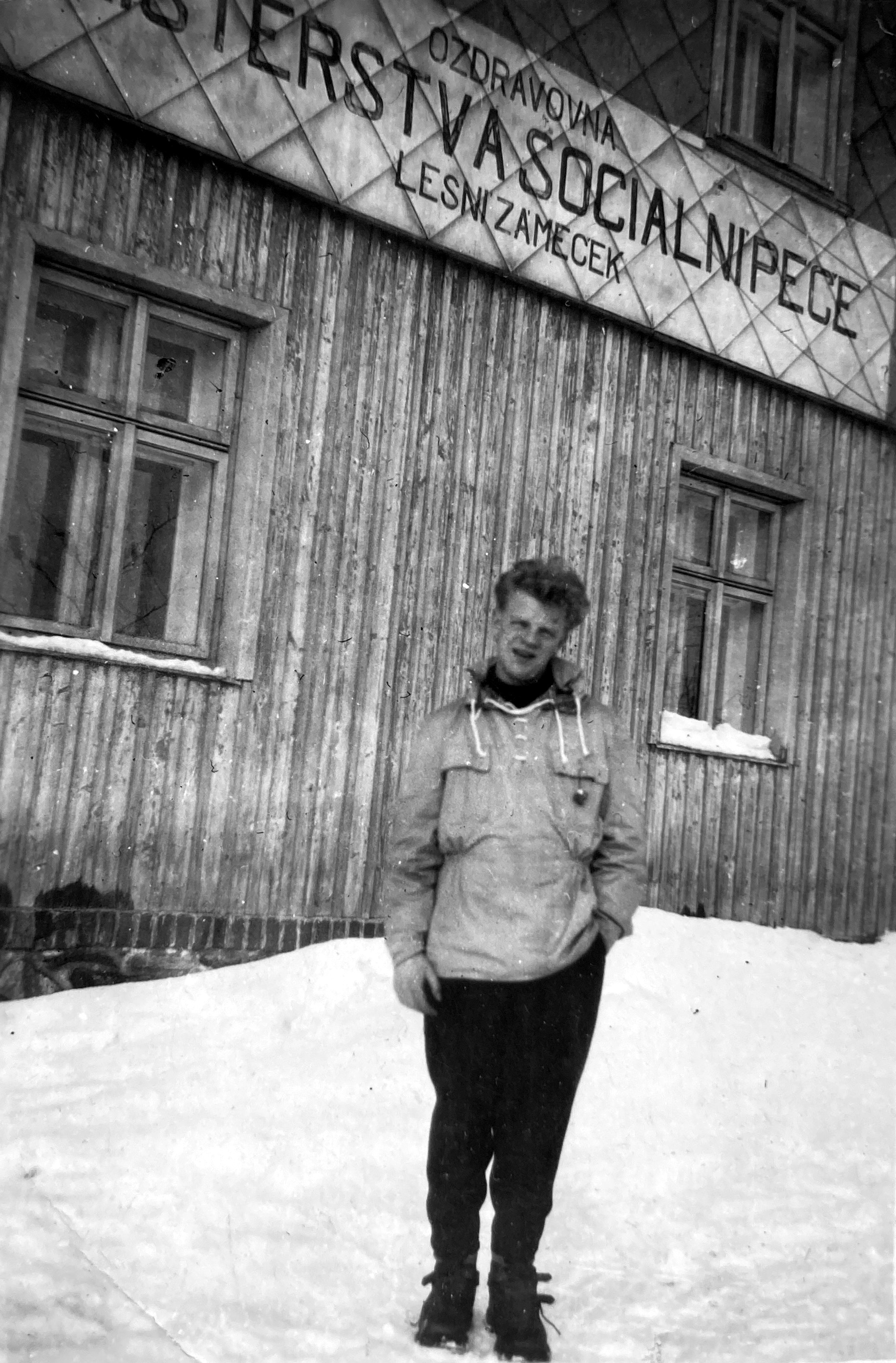
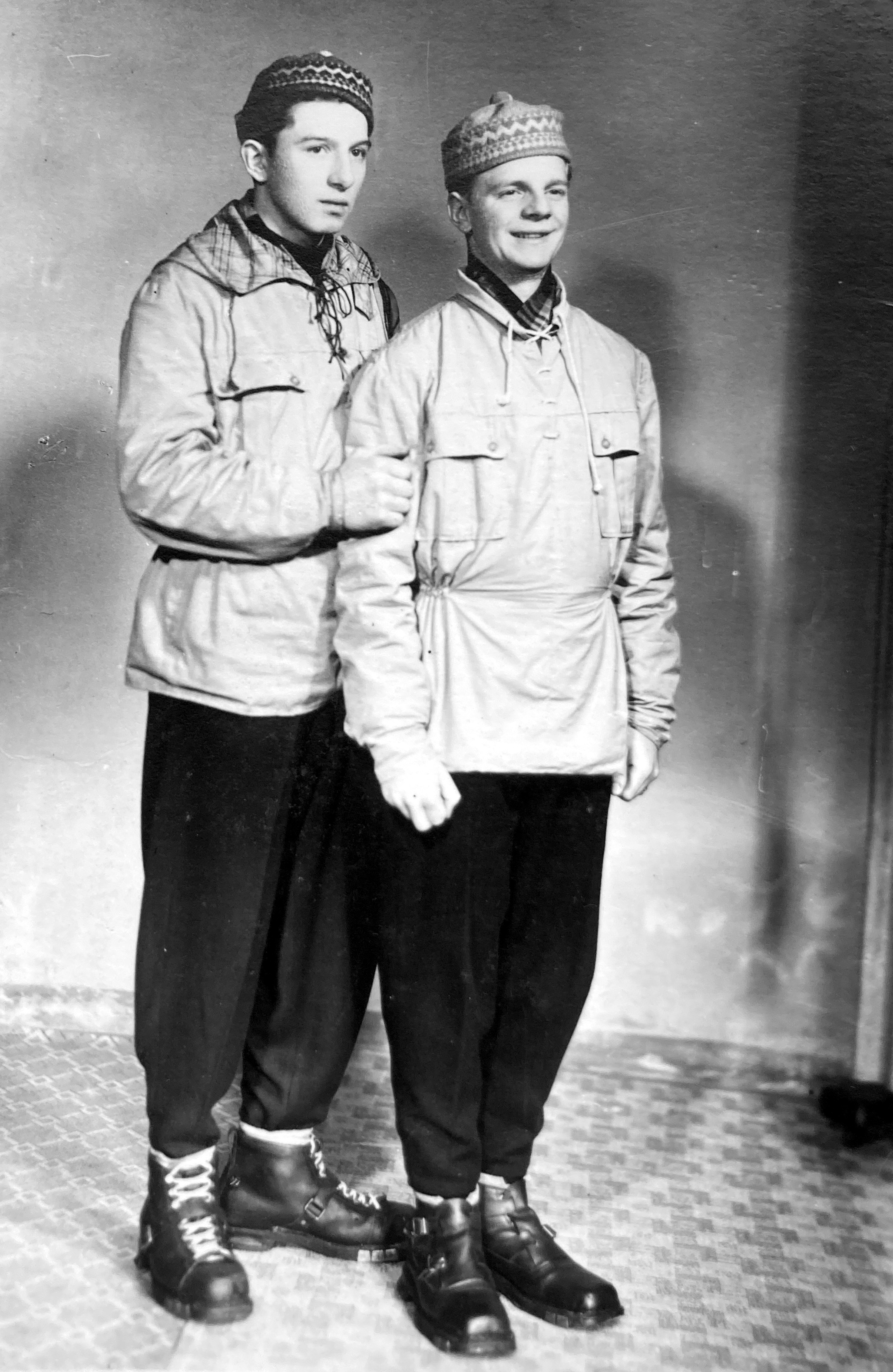
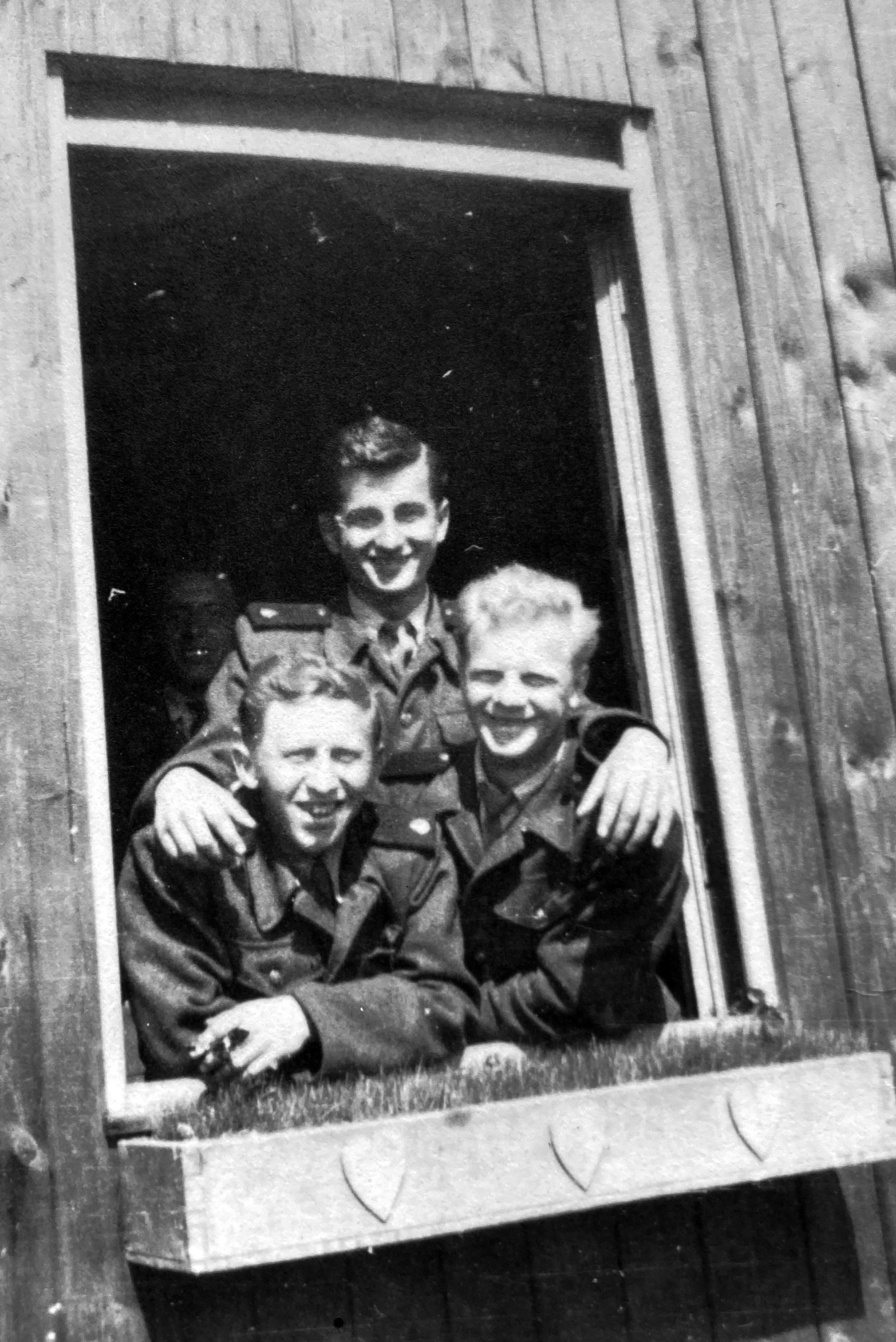
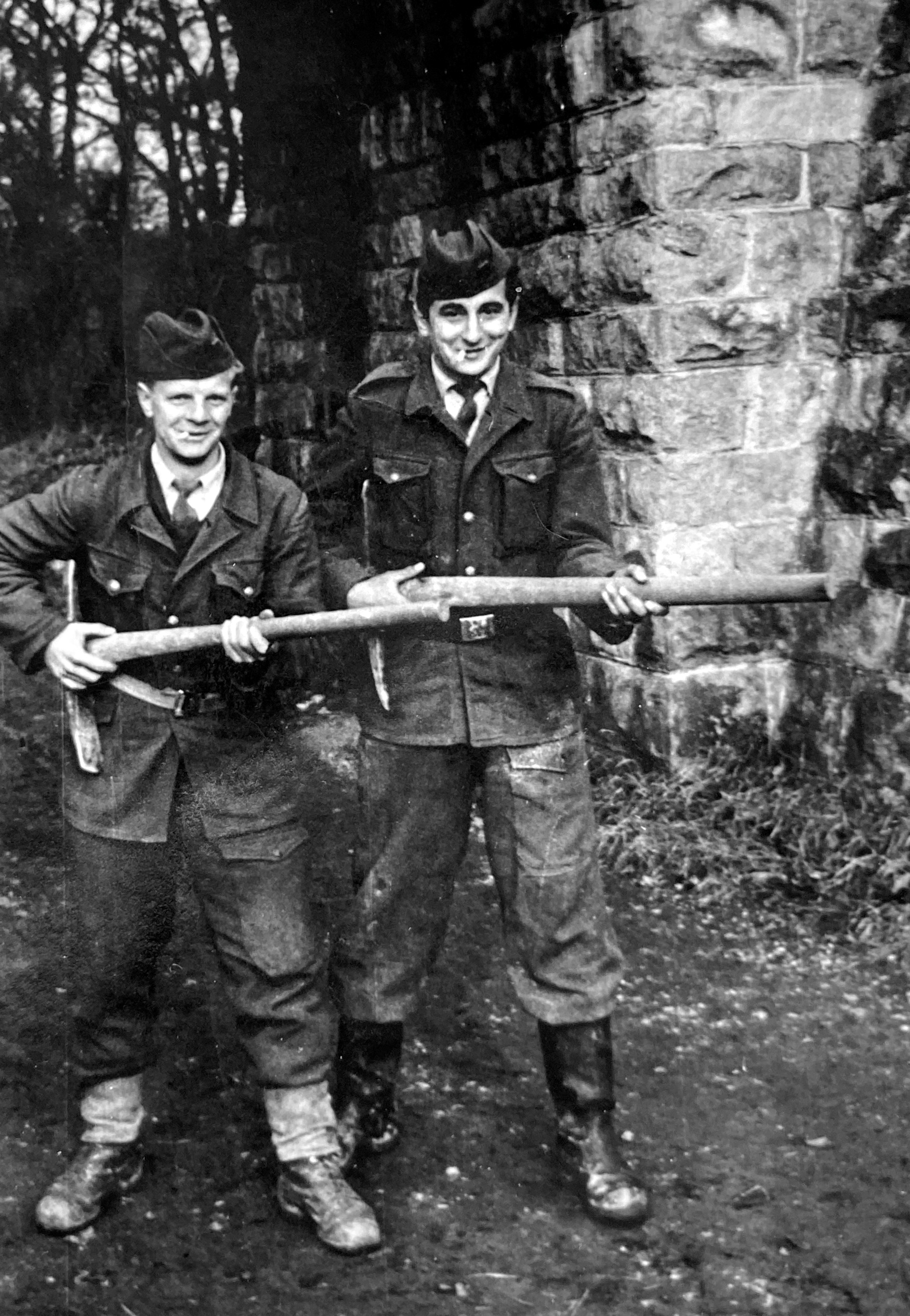
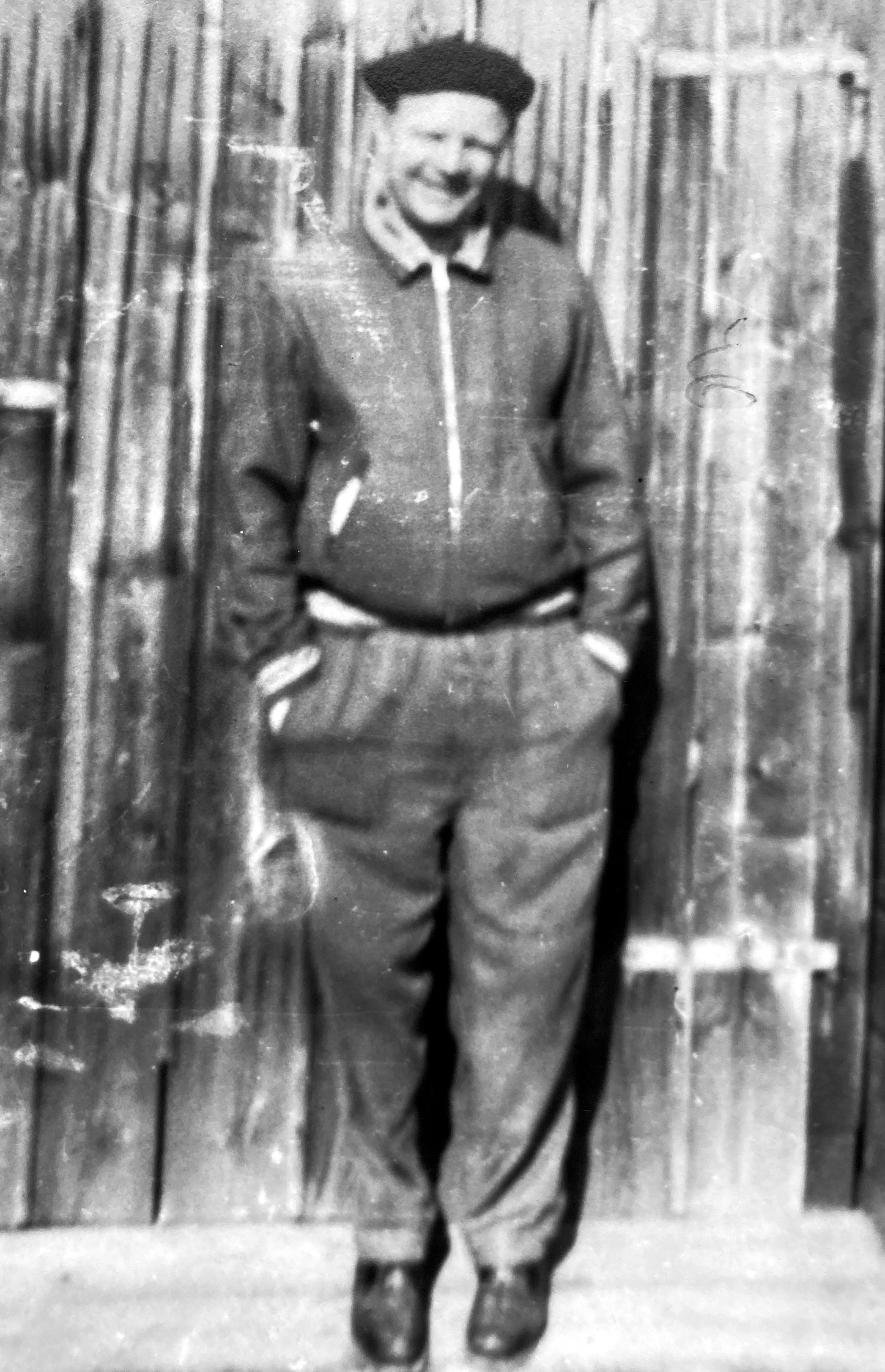
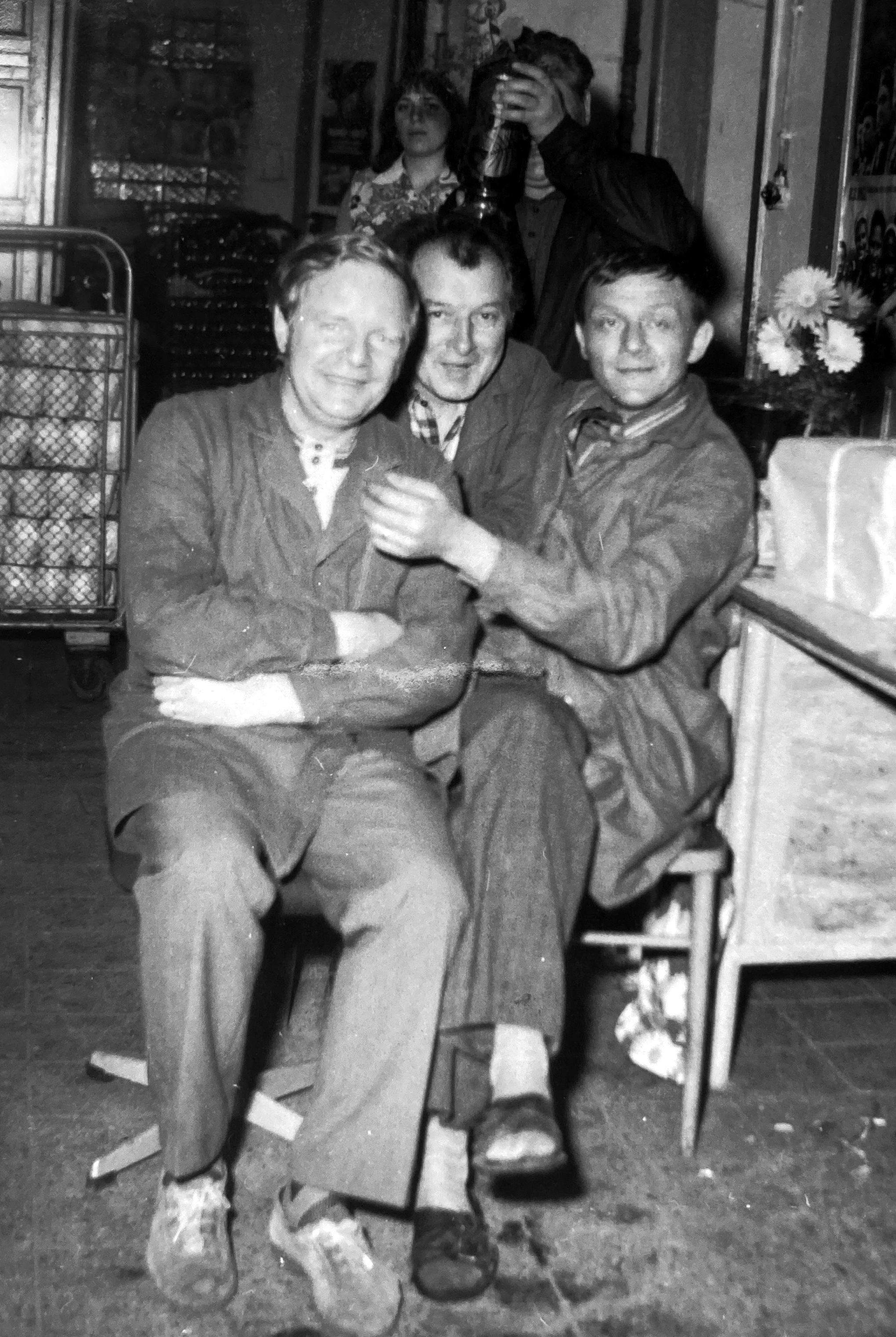
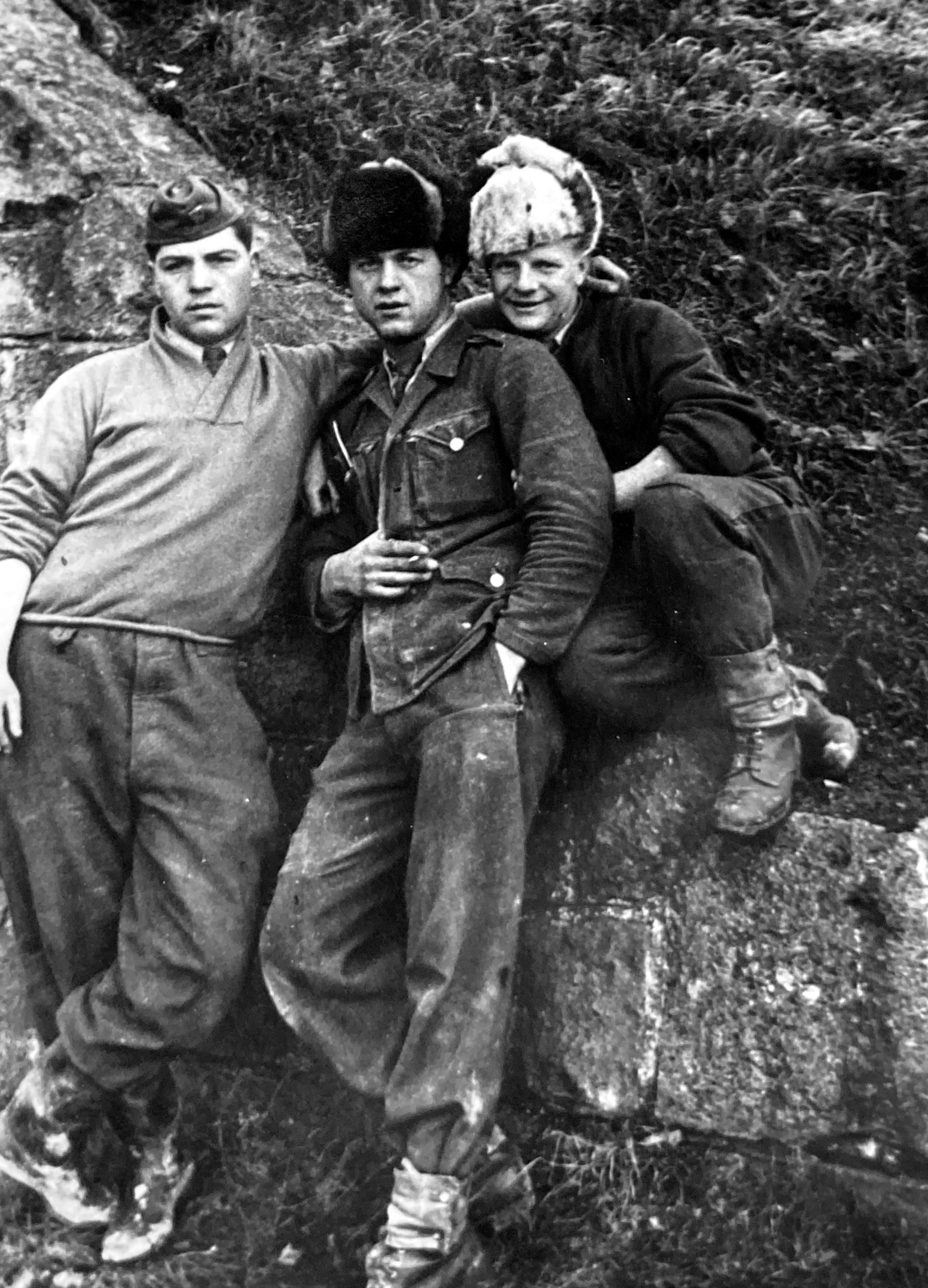
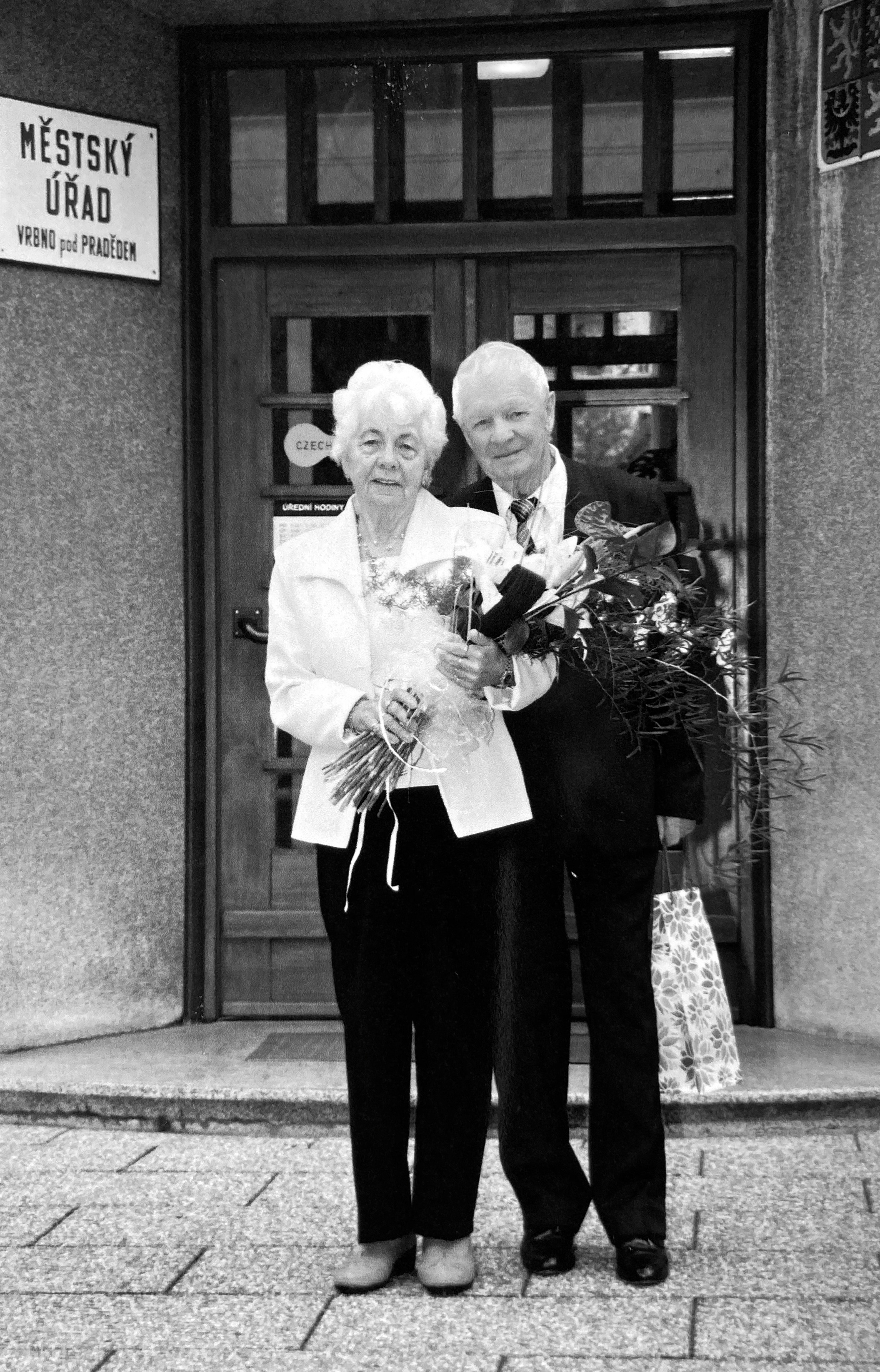
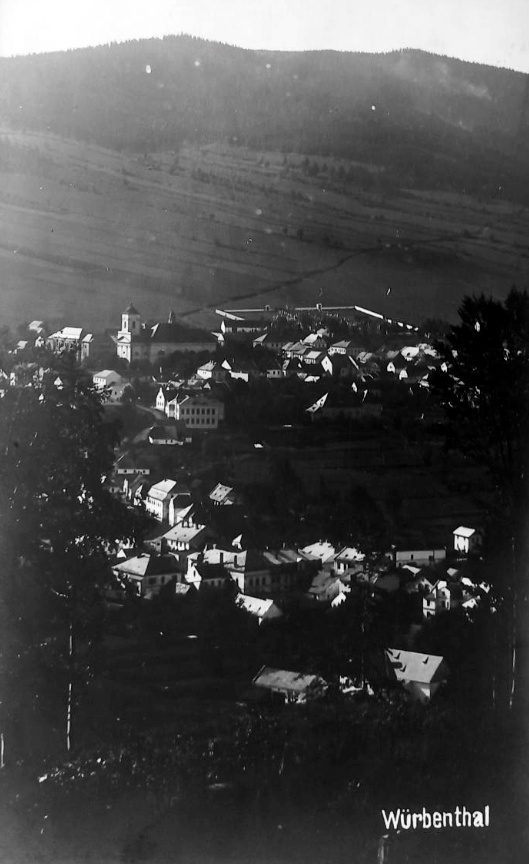
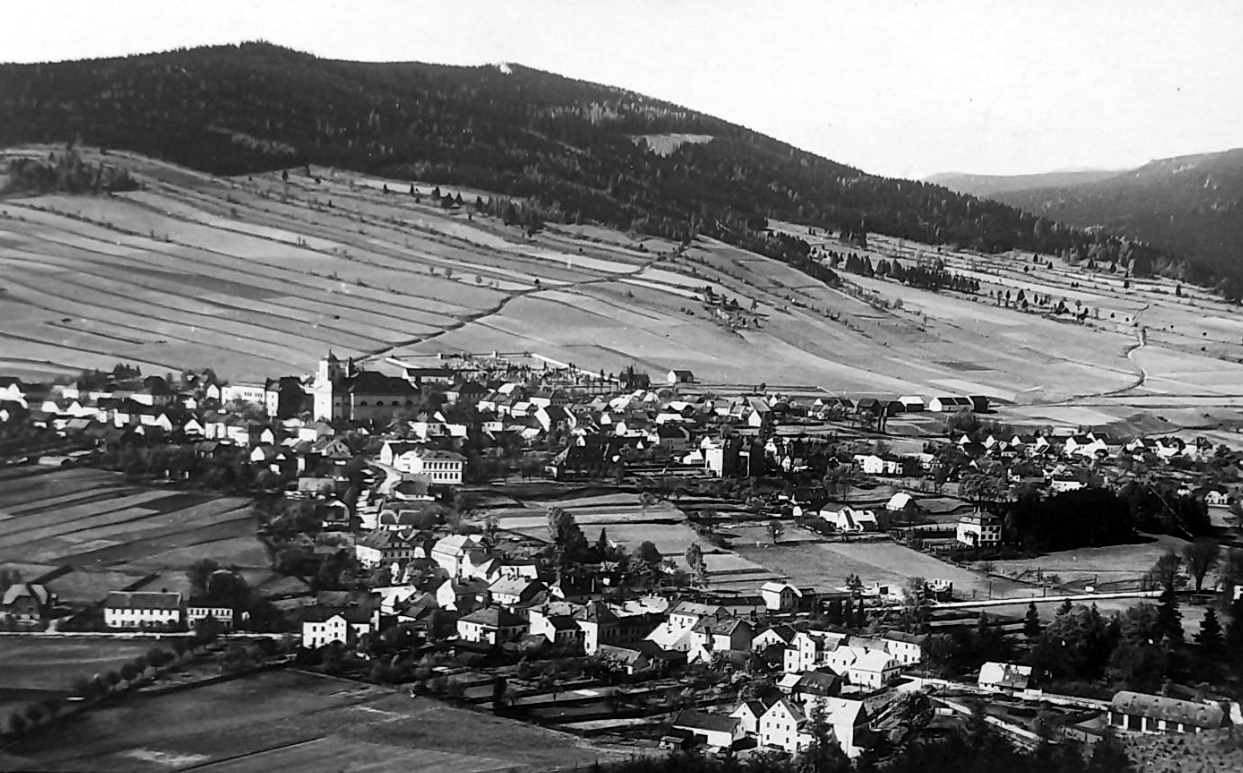
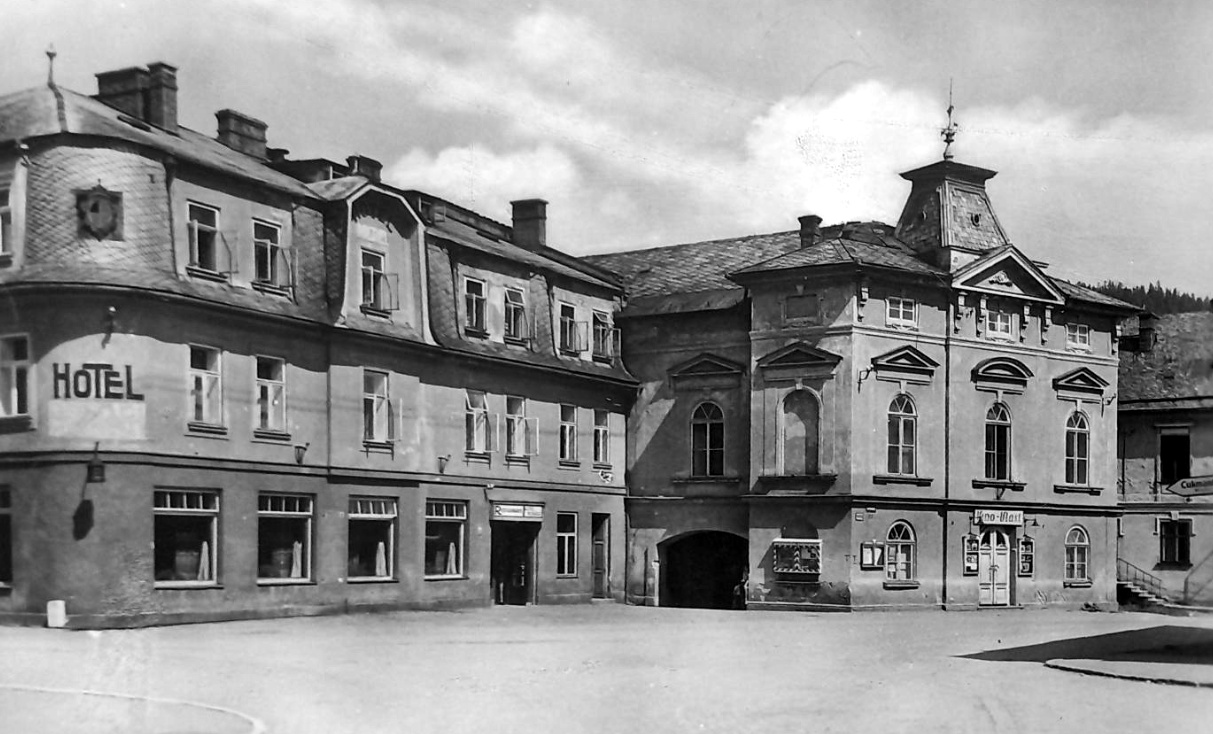
Josef Hackenberg was born in Vrbno pod Pradědem on 9 May 1933 to Maria, née Gaier, and Josef Hackenberg. Both parents were German. His father came from Lipová Lázně, was a trained glassmaker, and worked with Moser in Karlovy Vary. He returned to his native region and became a foreman at the Richter family glassworks in Vrbno. The family spent the war on the glassworks owner‘s farm, living in a service apartment. Josef Hackenberg witnessed the arrival of the Red Army in May 1945. He saw Soviet soldiers confiscating cattle and driving herds to unknown places. He watched the humiliation and expulsion of the German population. His mother wore the N mark, but the family escaped the deportation. His father was needed in the nationalized glass factories. Aged 15, the witness also joined the glassworks. Labelled as politically unreliable, he served in the military with the auxiliary battalions (PTP). He became a foreman in the glassworks and worked there until retirement. At the time of filming in March 2025, he lived in Vrbno pod Pradědem.