Jindřich Fencl

* 1934

  • "Dad came back. There were American tanks all over the forest paths. We went there to see them. People brought them buns, they gave them cigarettes. That's when I ate chocolate for the first time, on maybe 9 or 10 May. I got a box, it was covered in wax, and we took it apart at home, and it was a pound of dark American chocolate. The Americans had left everything in Europe - trains, locomotives, cars, food, medicines... UNRRA was formed, and they distributed the food to the different countries. In our country, a point system was created and different point values in various weeks allowed you to buy a snack at the grocer's. It was a can, and when you opened it, there were peanuts, chocolates, cocoa with sugar, and lemonade in a bag. There were more of those. There were lunches and dinners. One time, my mother bought a big can and it was foal and potatoes. We had a good time! We used to buy even horse meat during the war, and it was better for you than say, pork."

  • "Dad went to Škoda. It was 6 May and Prague was calling for help. They agreed to drive a Škoda company car to help. Dad came on his bike. He told us not to go anywhere and rode his bike to the road to Prague. They took him on board and went to Prague. There was a barricade somewhere near the Olšany Cemetery. They overturned the car, put road bricks in it and waited to see what happens. Dad's cousin was there. A moment after he came to them, a saboteur shot him in the back from behind the barricade and killed him. They ran after him and shot him. Dad then took a day off at the barricade and rode his bicycle to his aunt Magdalena who lived in Prague with her son Petr. They packed up blankets and stuff and took it all on the bicycle at night to Podolí where dad's other sister Marie lived. It was quiet there; they knew nothing about the uprising. She stayed there until Prague was liberated."

  • "Our house had a small cellar. When there was a big air raid in April 1945, my mother and I ran to the cellar. Dad was on a night shift at Škoda. Doubravka and Letná were bombed [on 17 April]. They targeted the freight station but missed completely and there were many dead. Dad came from the night shift, bringing his parents to our house, and said, 'Grab your hoe, I'll grab a big hoe, and we're going to dig people out of the house where Aunt Živná lives.' It was the corner of Spolková and another street. There were already a lot of people digging, so we joined in. We dug her out. Auntie collapsed outside, so we waited for her to recover a little. Daddy blew the plaster out of her hair and shook it out of her clothes. She held a little bag in her hand with her papers and money in it. We took her to our house. And since my mother's cousin lived in Podlesí with his parents, and a time bomb had landed in their garden, they came to our house too. There were 18 people in our 1+1 house, [which had] an attic room and a hay attic."

  • Celé nahrávky
  • 1

    Plzeň, 17.02.2025

    (audio)
    délka: 01:14:48
    nahrávka pořízena v rámci projektu Příběhy regionu - PLZ REG ED
  • 2

    Plzeň, 20.02.2025

    (audio)
    délka: 01:40:36
    nahrávka pořízena v rámci projektu Příběhy regionu - PLZ REG ED
  • 3

    Plzeň, 02.04.2025

    (audio)
    délka: 01:22:40
    nahrávka pořízena v rámci projektu Příběhy regionu - PLZ REG ED
Celé nahrávky jsou k dispozici pouze pro přihlášené uživatele.

Daddy‘s female cousin was killed for approving the assassination of Heydrich, and his male cousin was shot by an assassin during the Prague Uprising
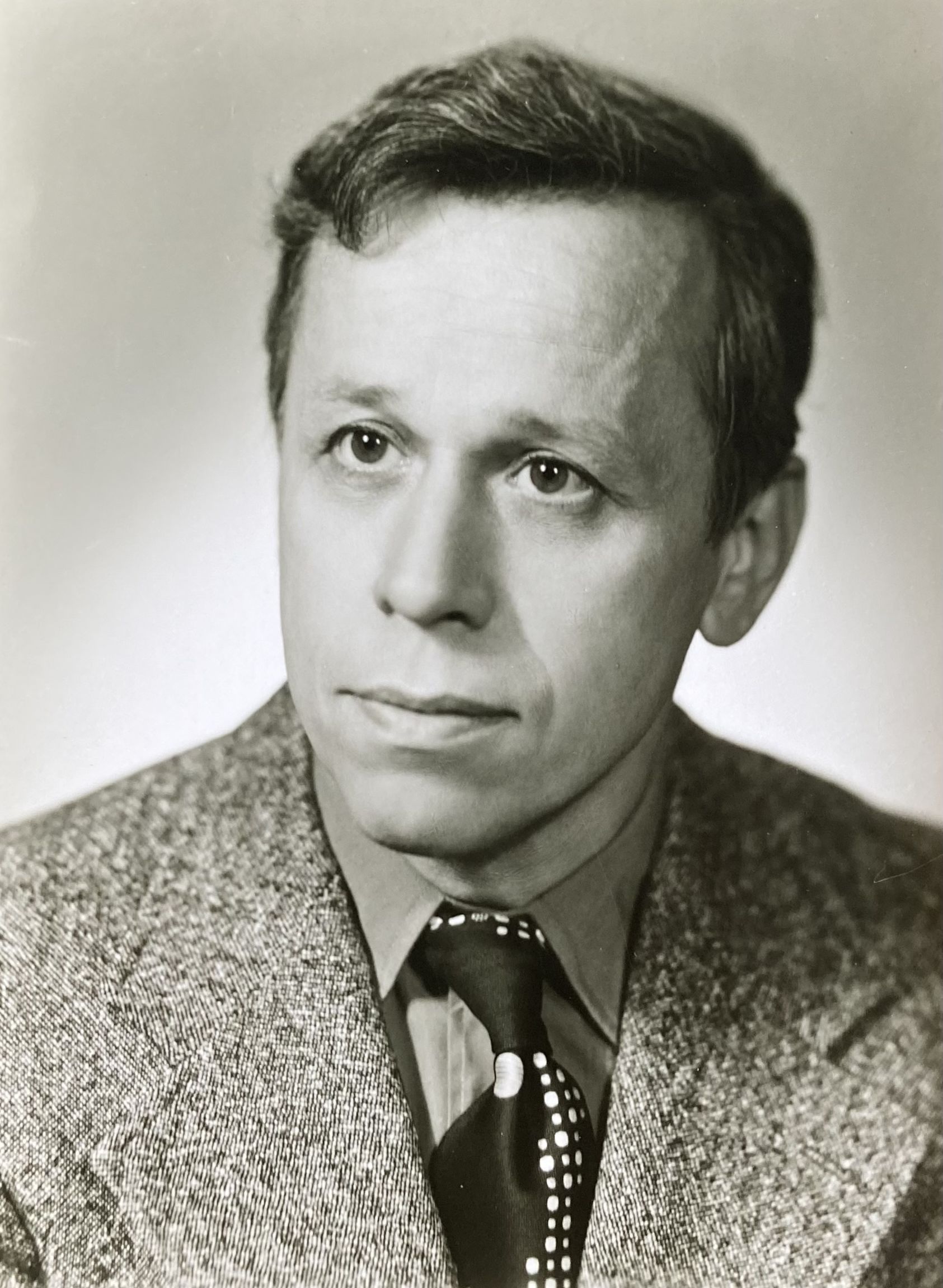
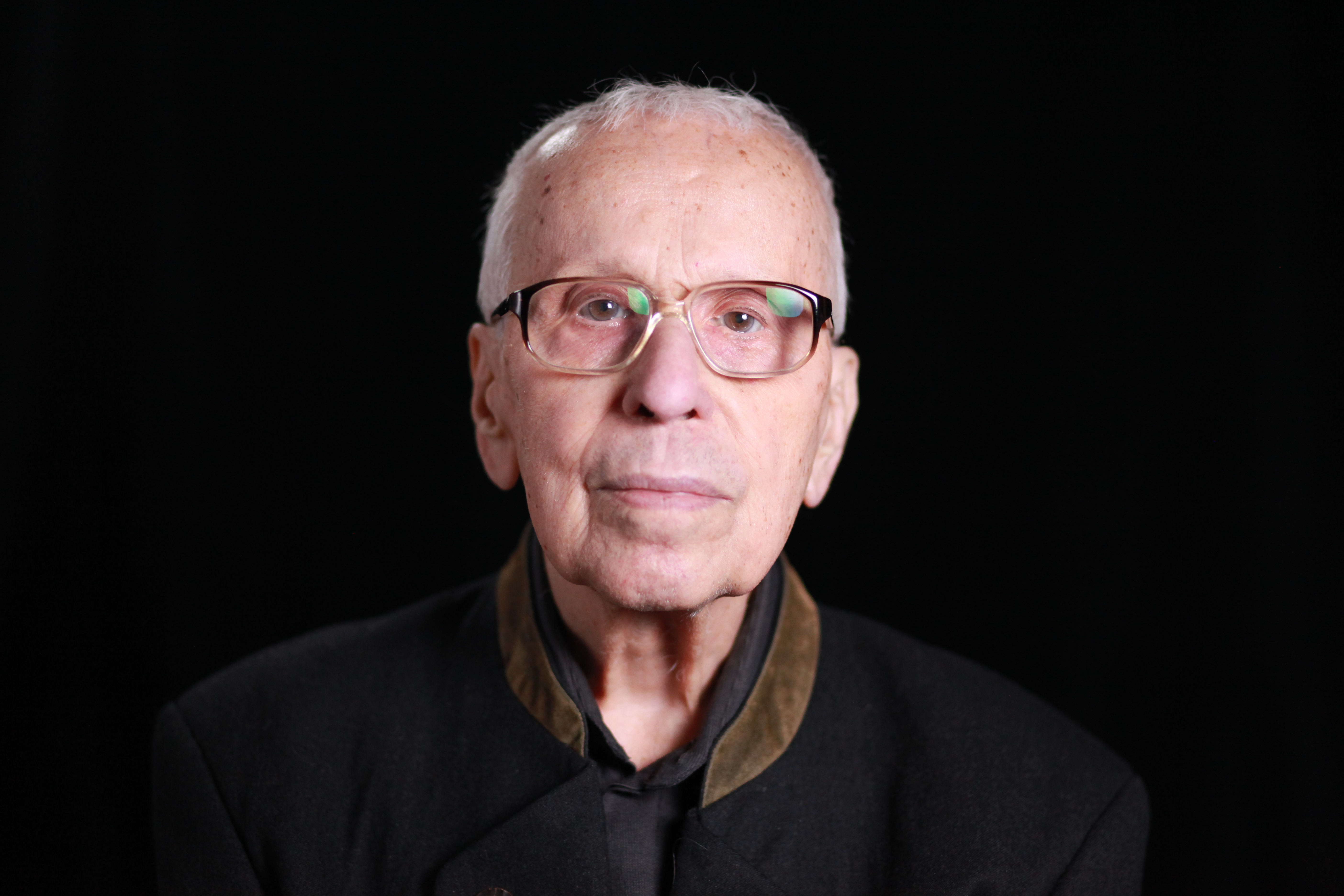
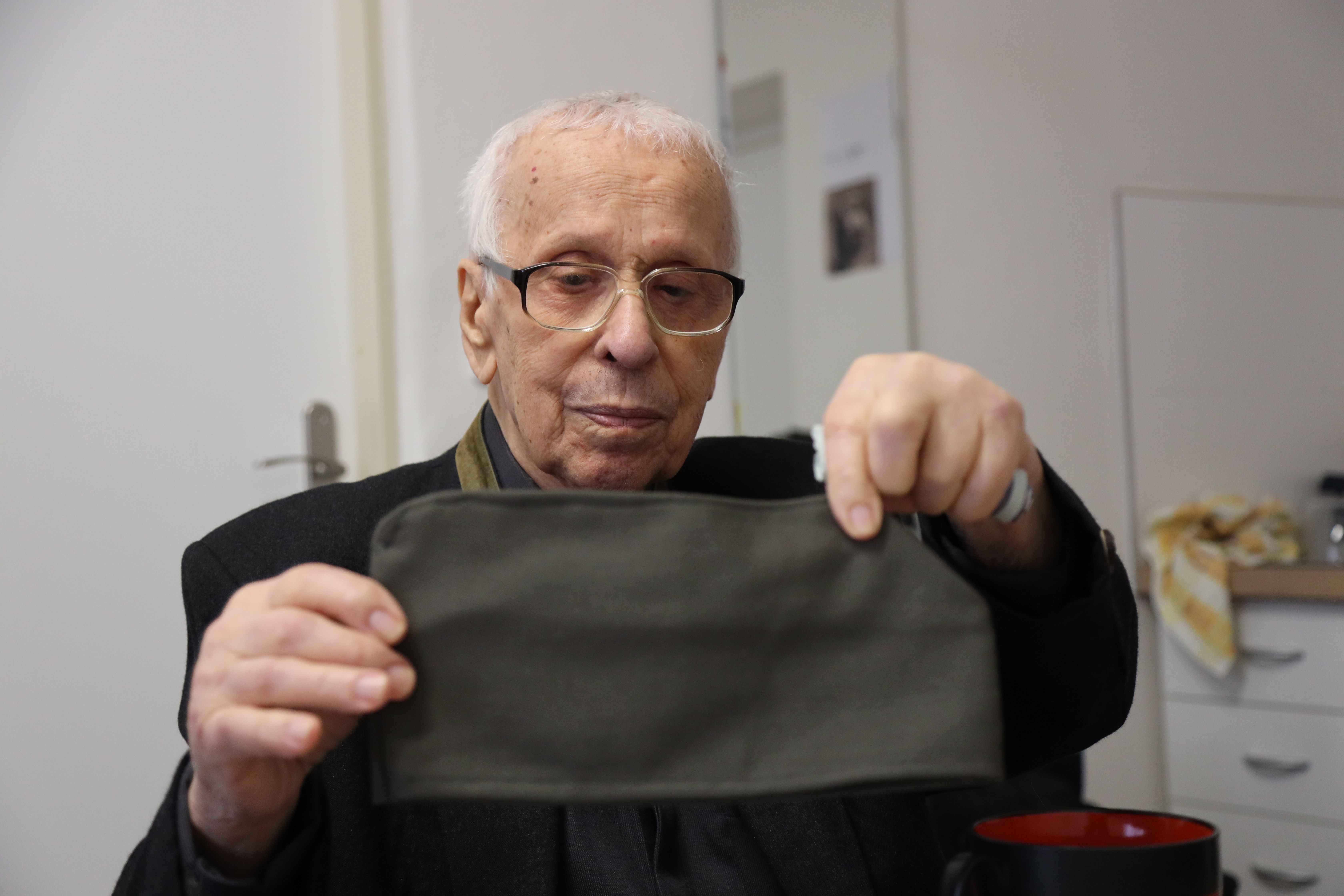
Jindřich Fencl at about 50 years of age
zdroj: Witness's archive

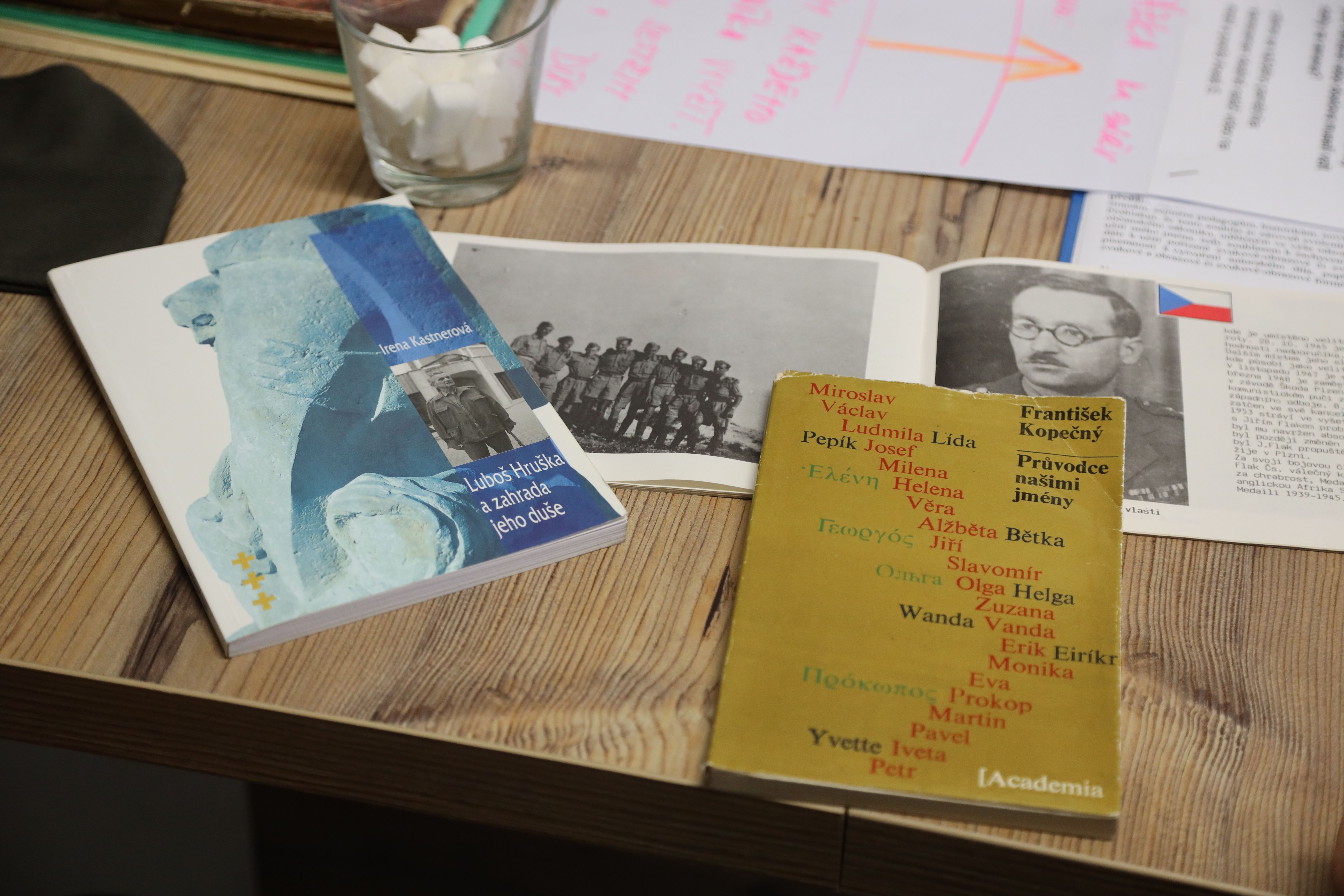
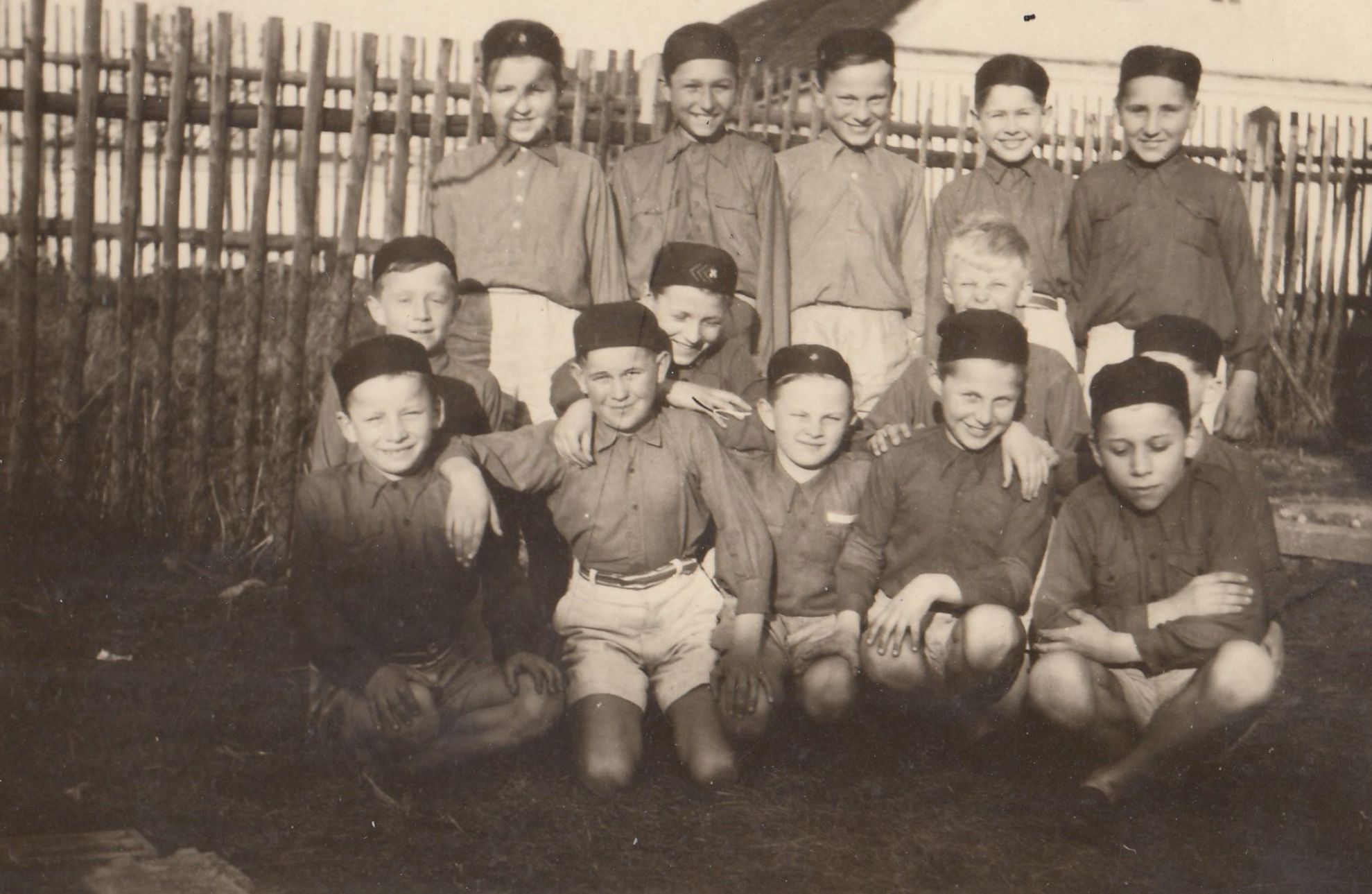
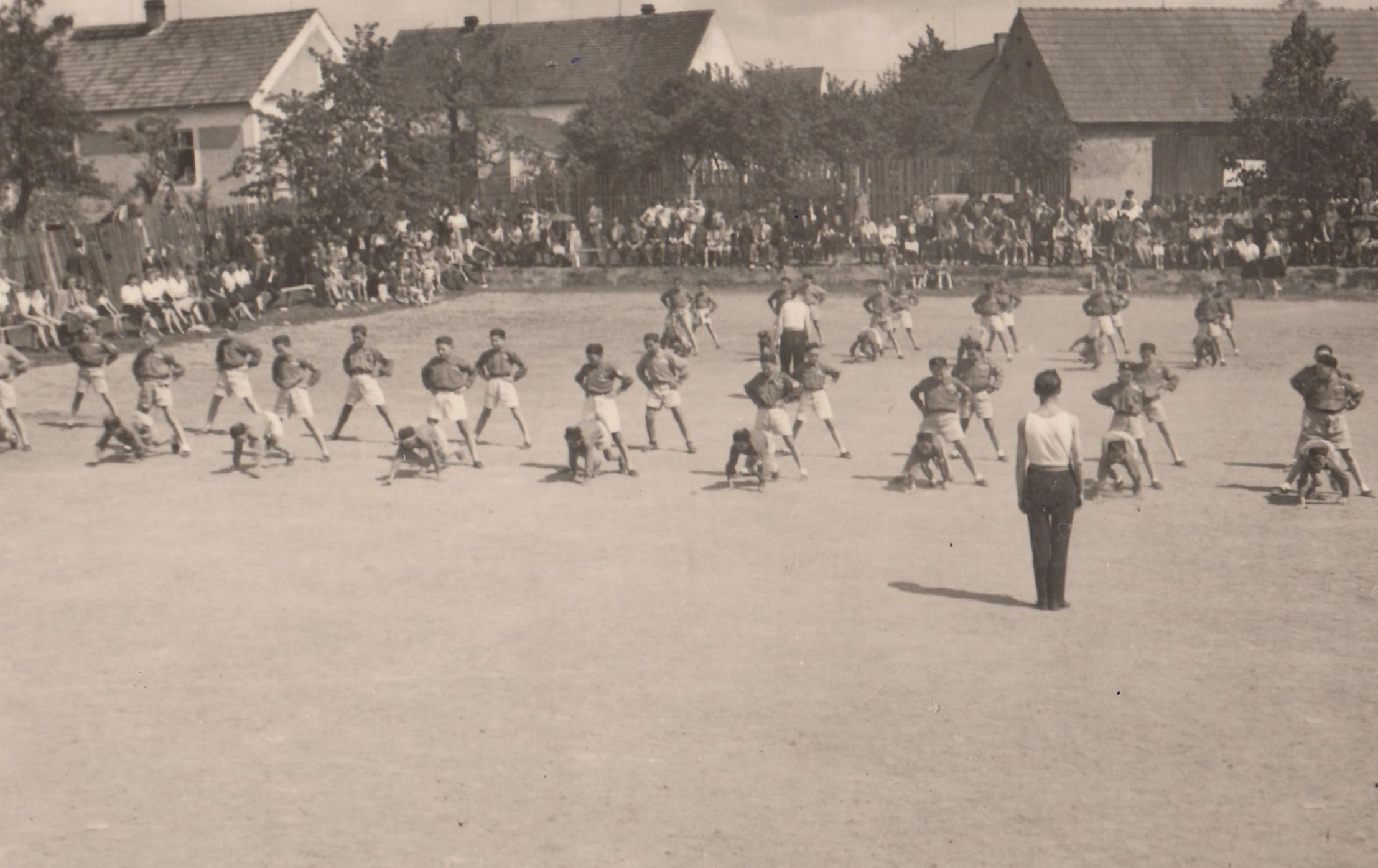
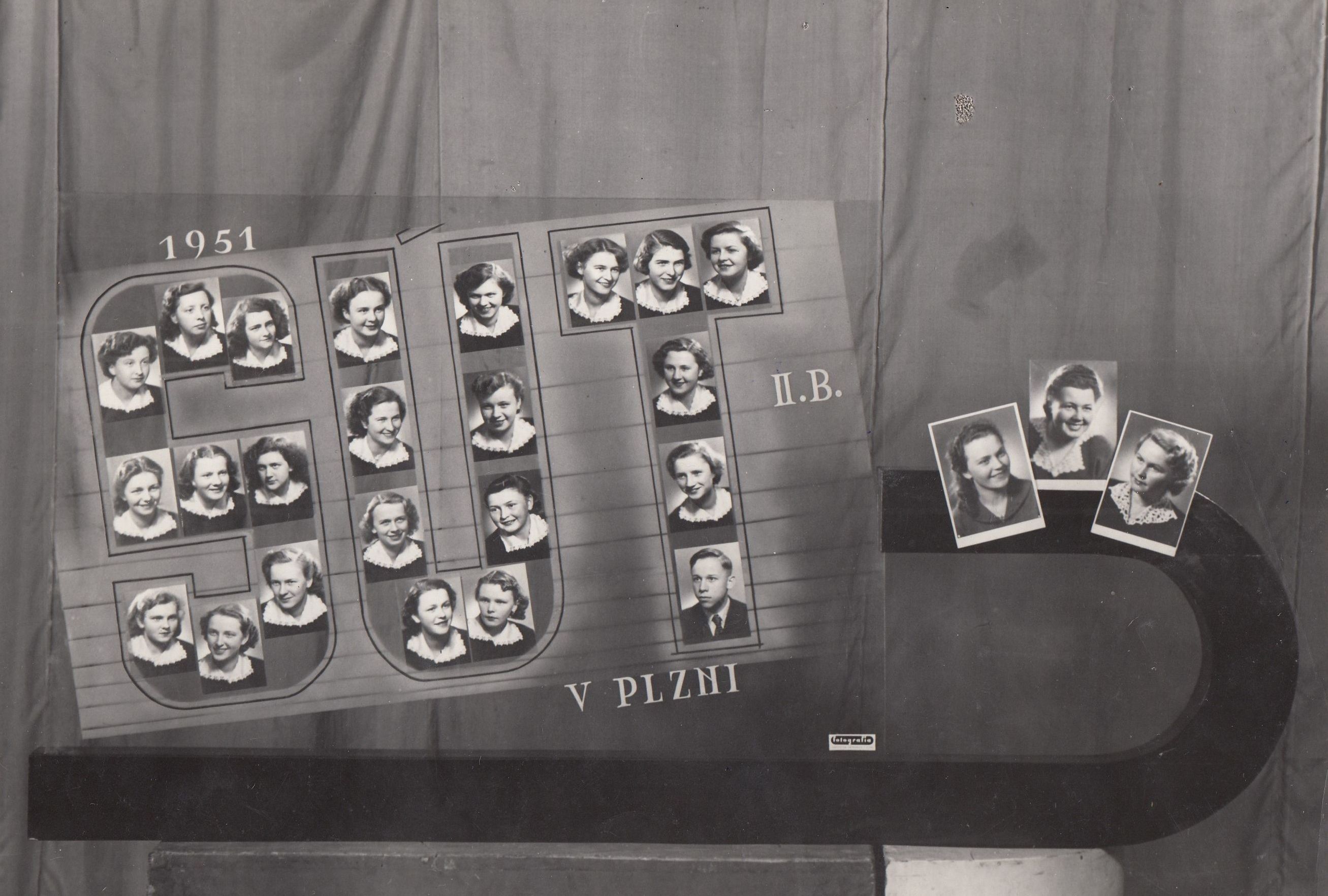
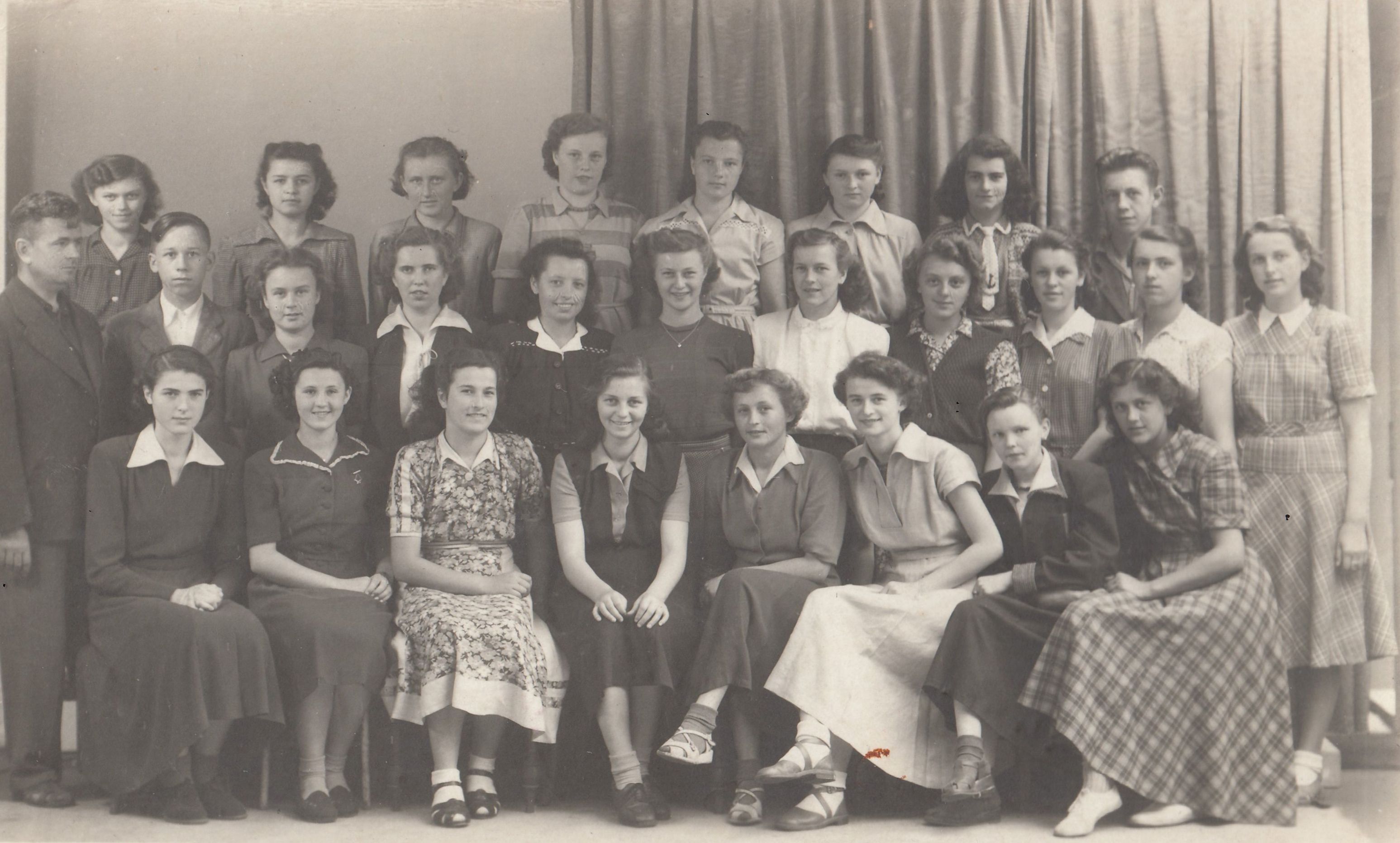
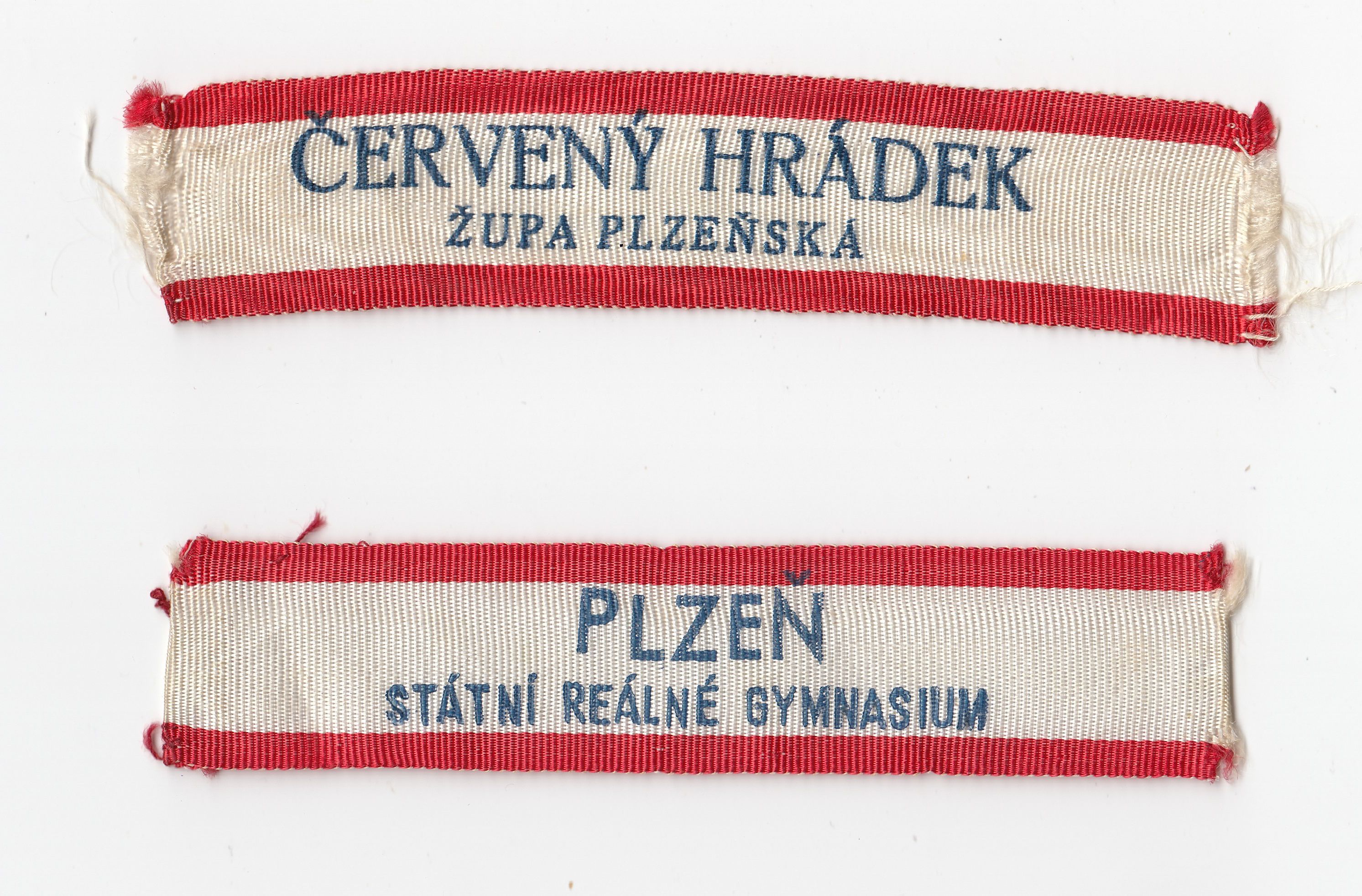
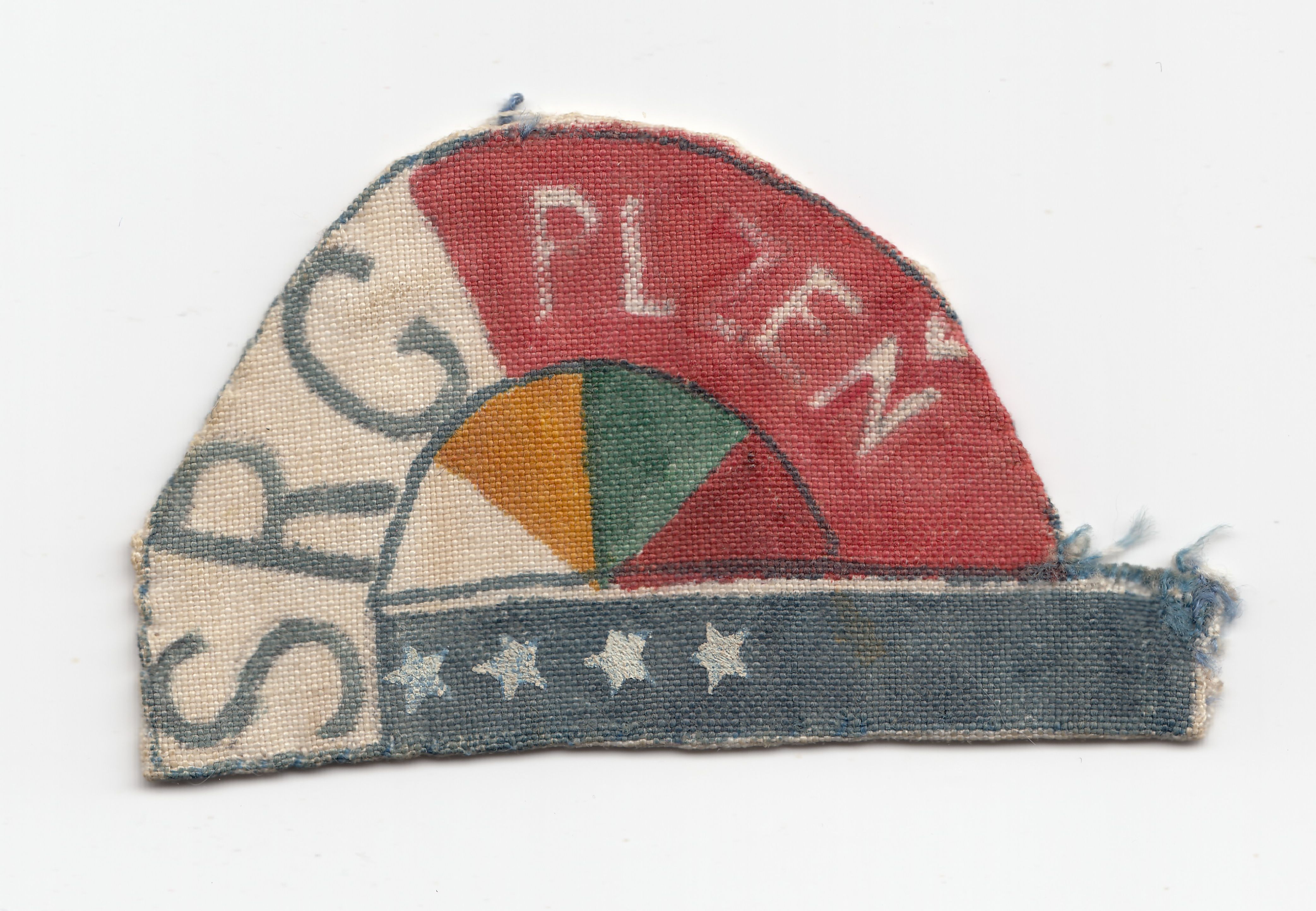
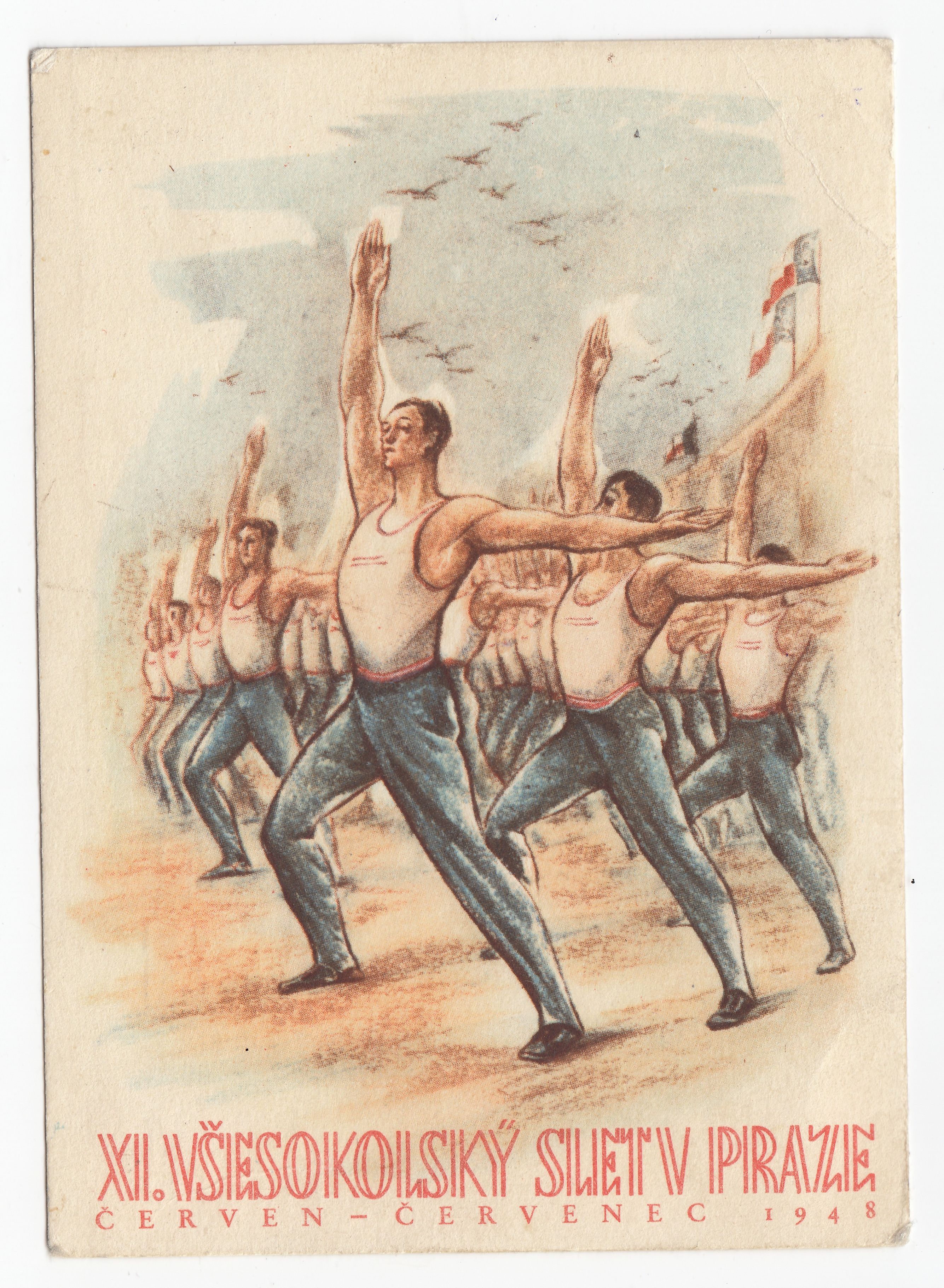
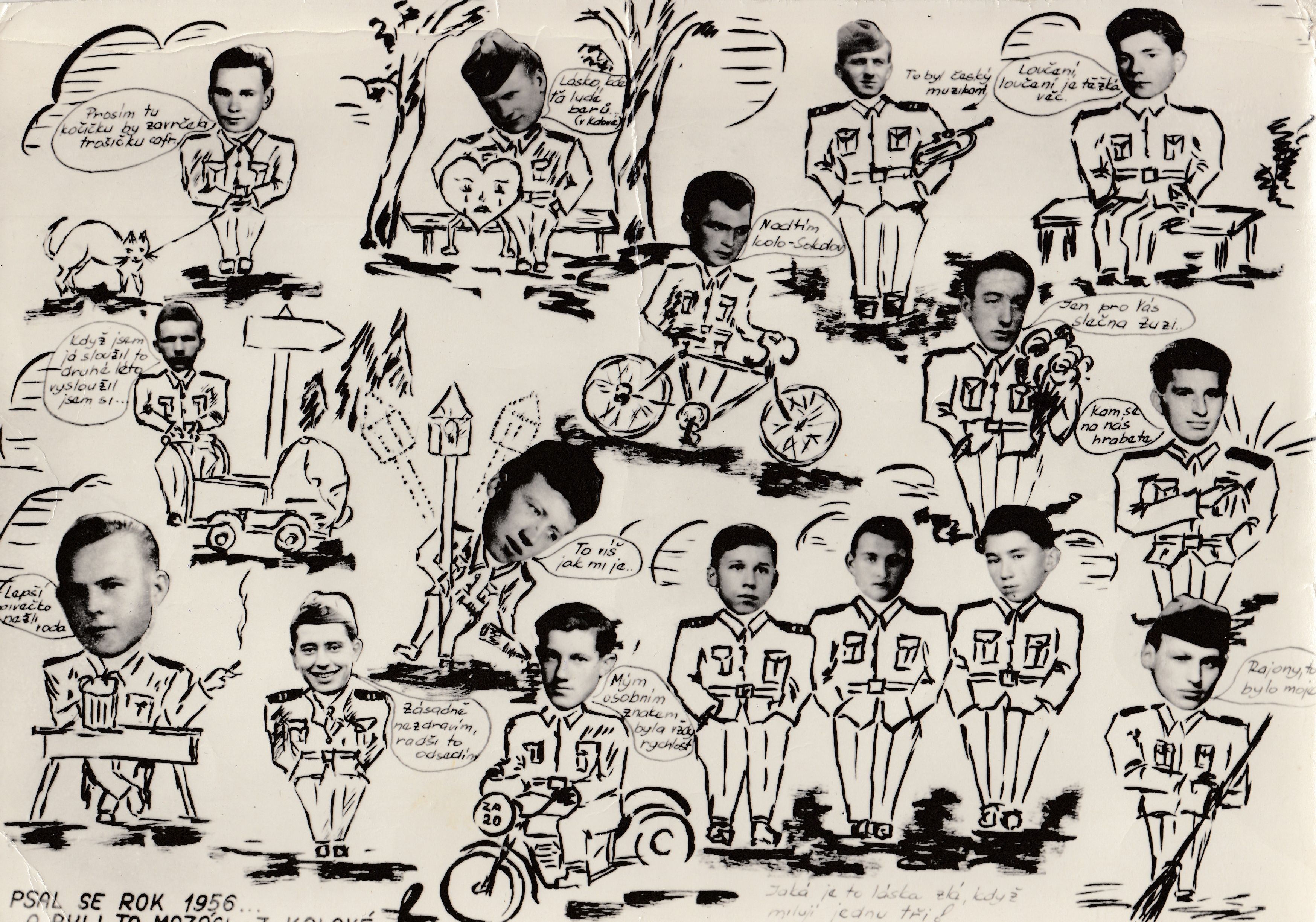
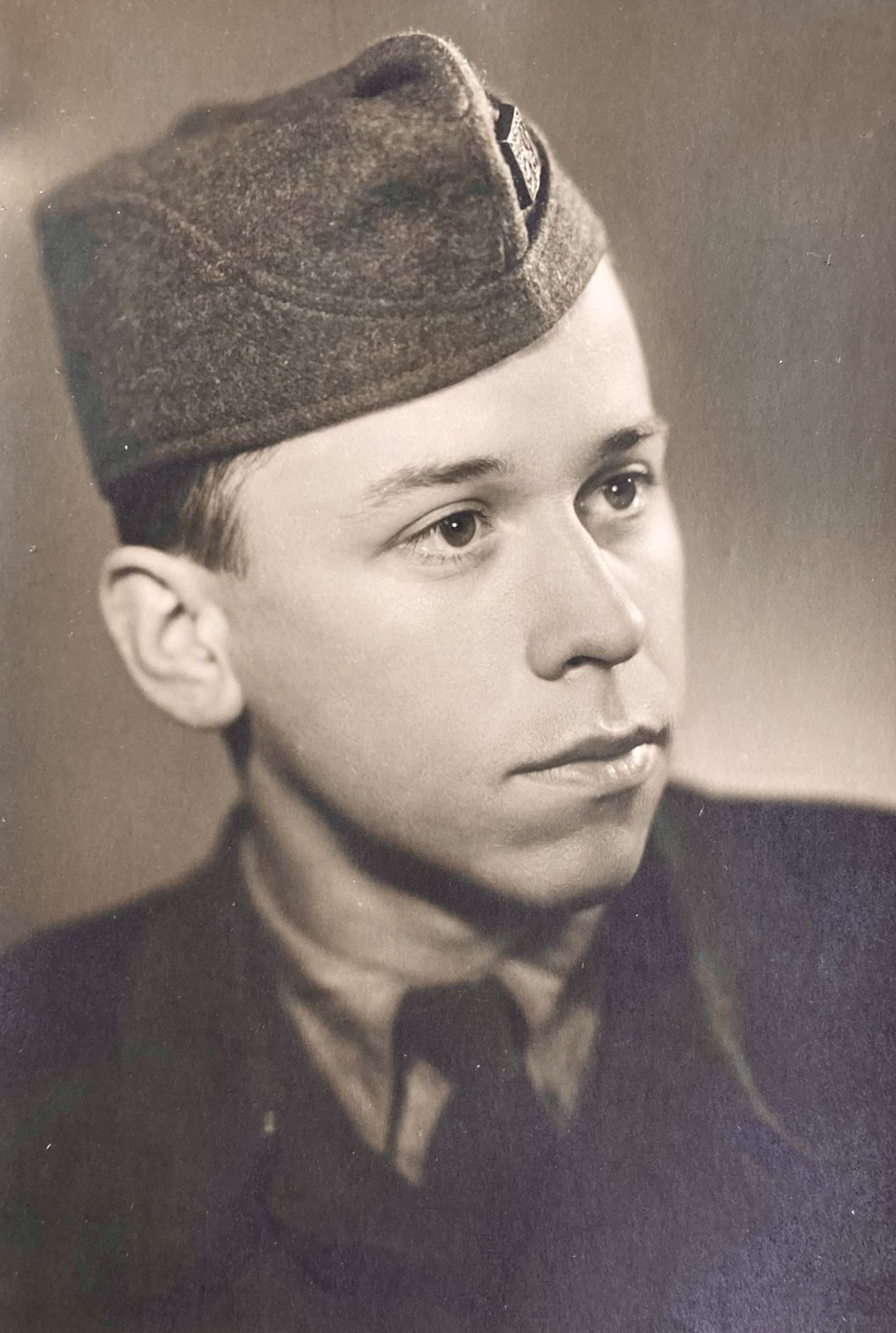
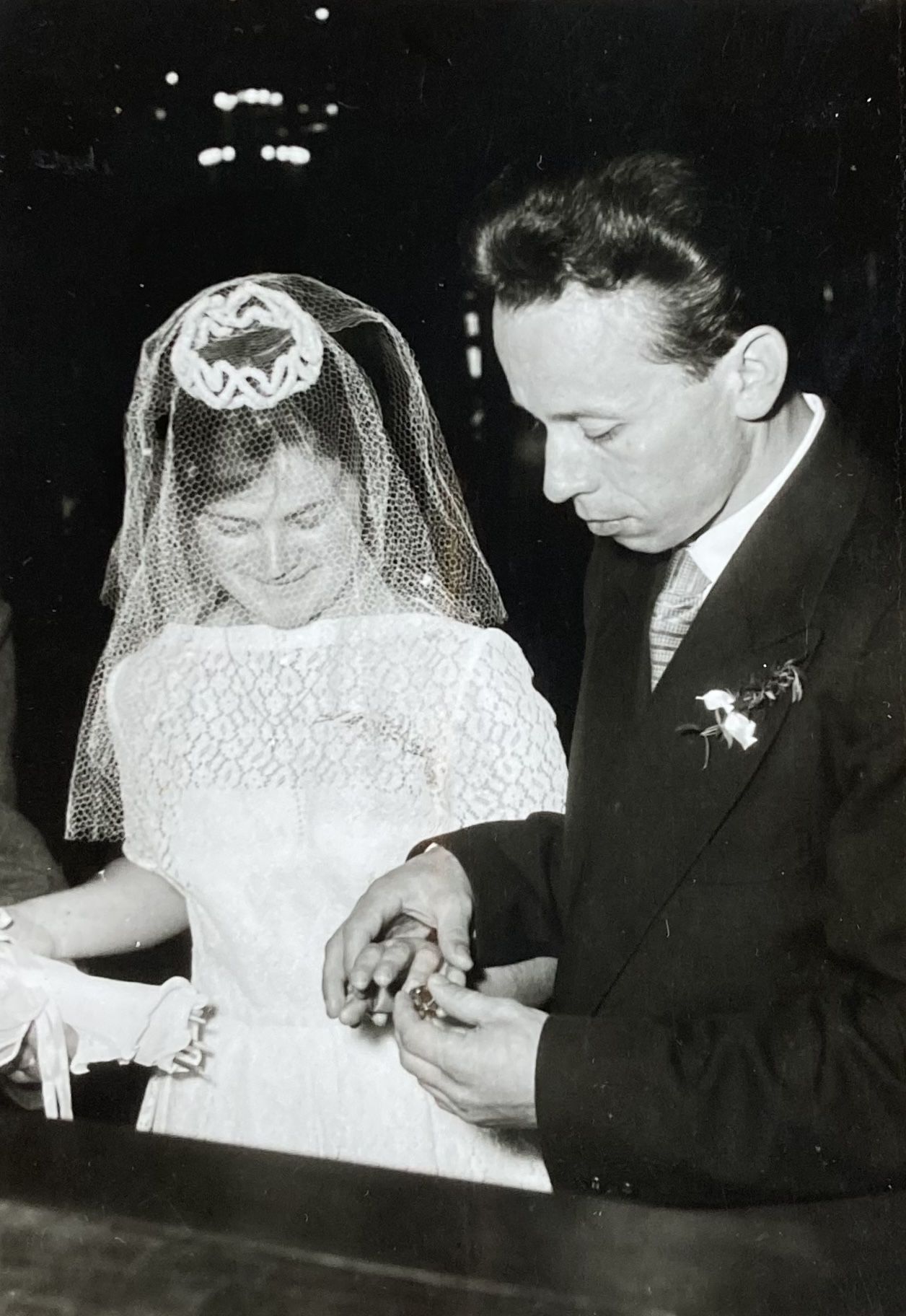
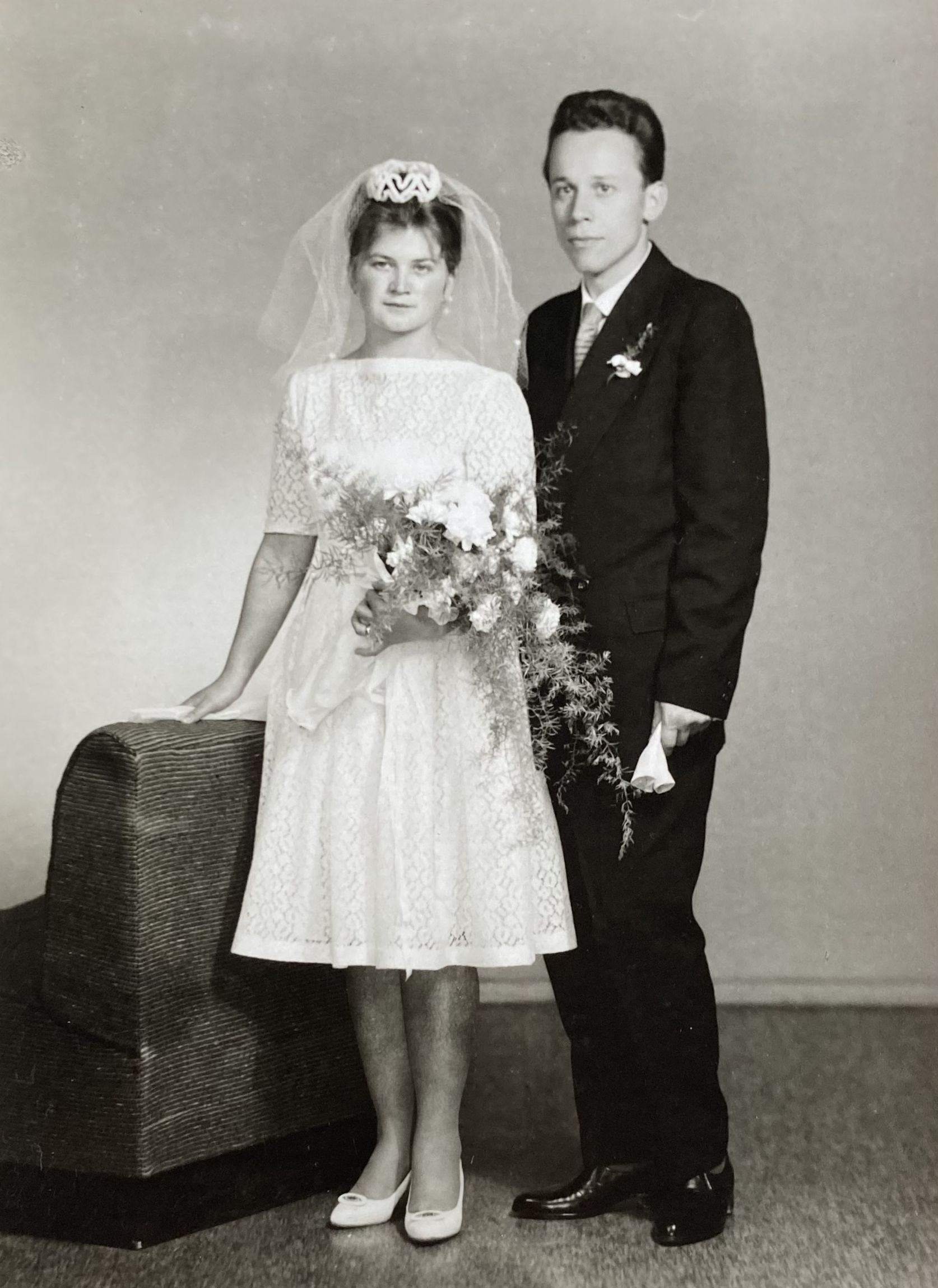
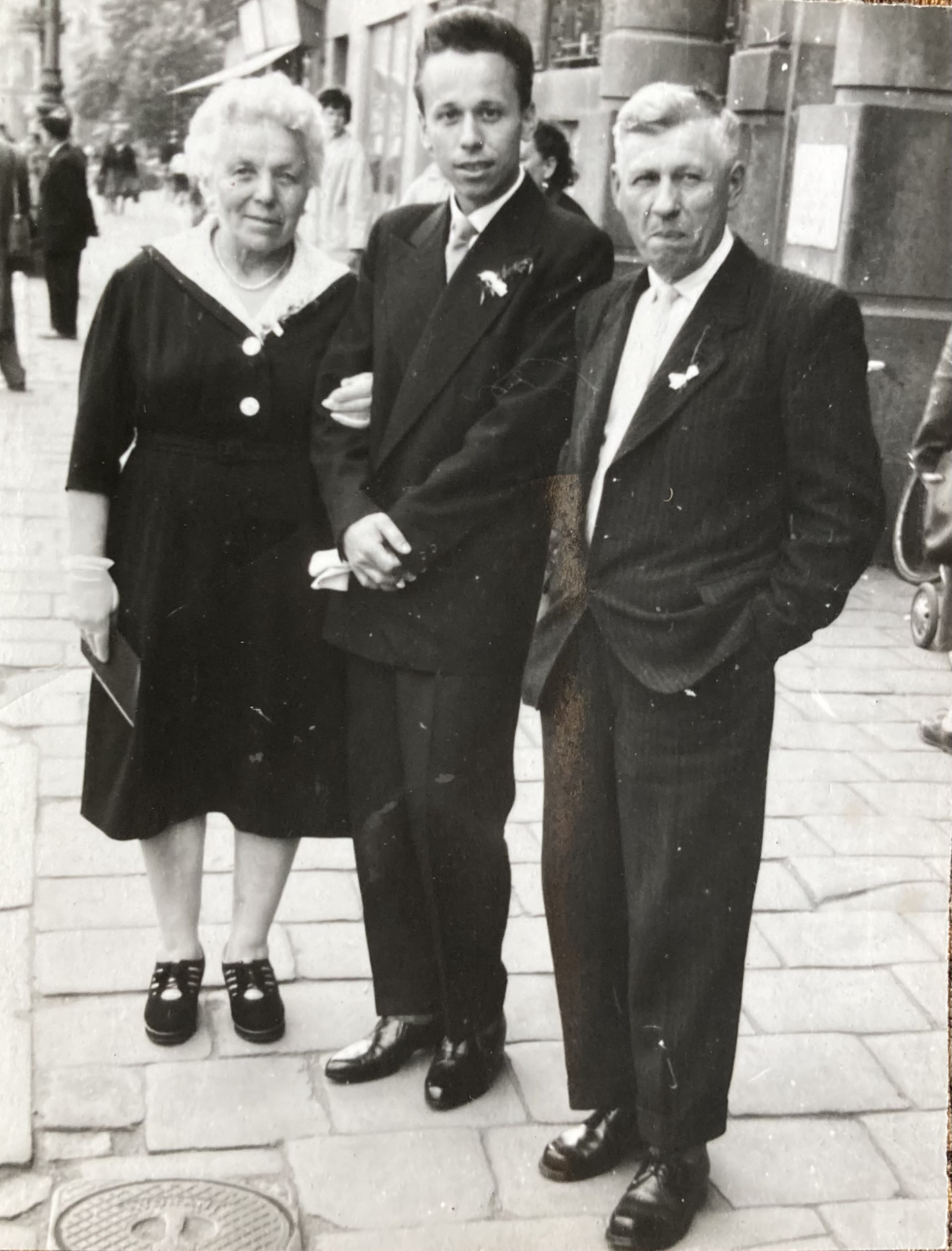
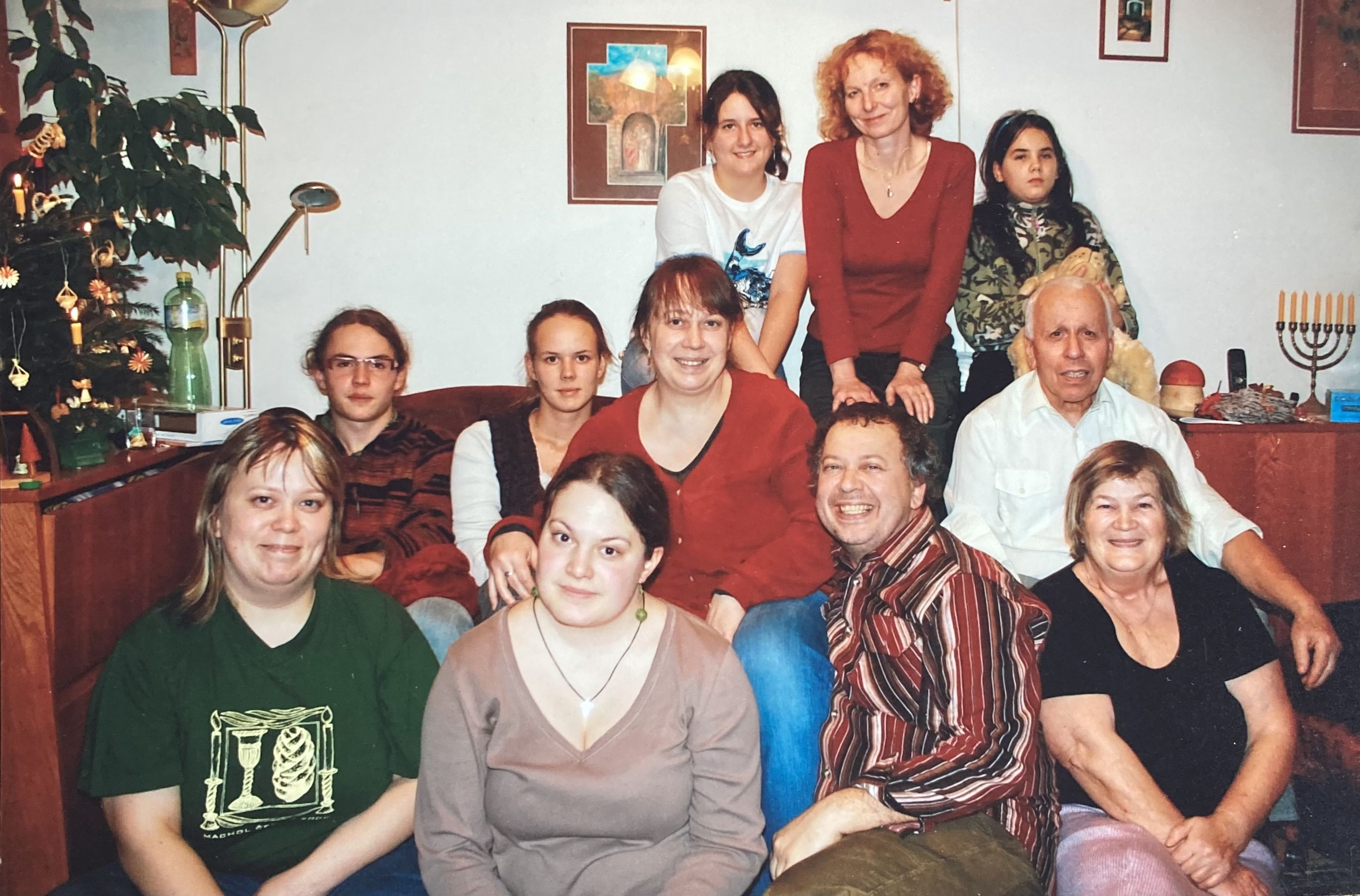
Jindřich Fencl was born in Plzeň on 26 December 1934 to Jan Fencl and Anna Fenclová, née Havlíčková. After the Allied planes raided Doubravka on 17 April 1945, he and his father rescued his aunt Anna Živná from the debris. On 6 May, during the Prague Uprising, his father‘s cousin was shot from behind on the barricades. Jindřich Fencl trained in the Sokol, his parents quit the Communist Party after the cruel events of the 1950s. Completing a high school in Plzeň, he worked at Škoda, then in the transport section of the city slaughterhouse. Due to a poor HR profile and a misunderstanding at work, he joined the 60th Technical Battalion (PTP) in Děčín on 1 October 1954, then served in Kynžvart and Sokolov. Following his military service, he worked as a transport and investment officer in the Dílo cooperative in Plzeň. He married Marie Kopečná and they raised three children. His father-in-law František Kopečný gave him religious samizdat books, which he helped reproduce and distribute. Together with his wife, he signed the Two Thousand Words manifesto at the Eden Cinema. Until retirement in 1992, he worked as a senior process engineer at a disabled people‘s manufacturing cooperative. From the mid-1980s on, he was friends with the political prisoner and creator of the Plzeň Meditation Garden Col. Luboš Hruška, and he and his family cared for Col. Hruška at the close of his life. At the time of filming in 2025, he lived with his wife in the Doubravka district of Plzeň.