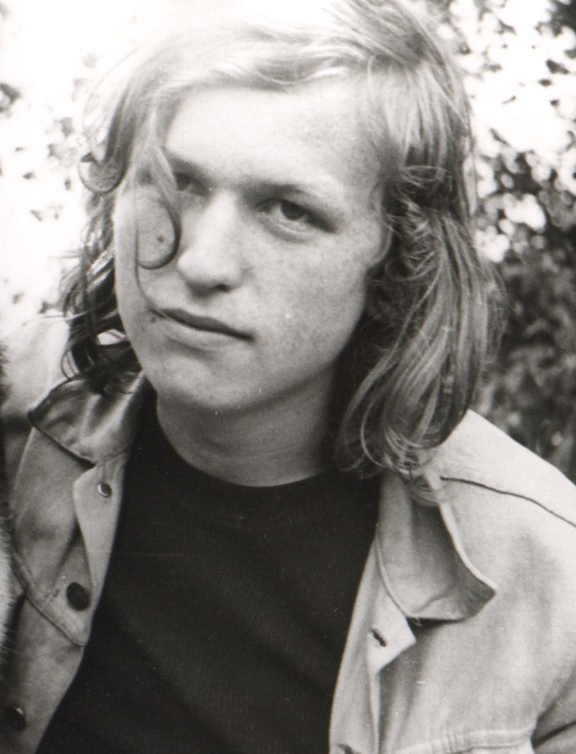
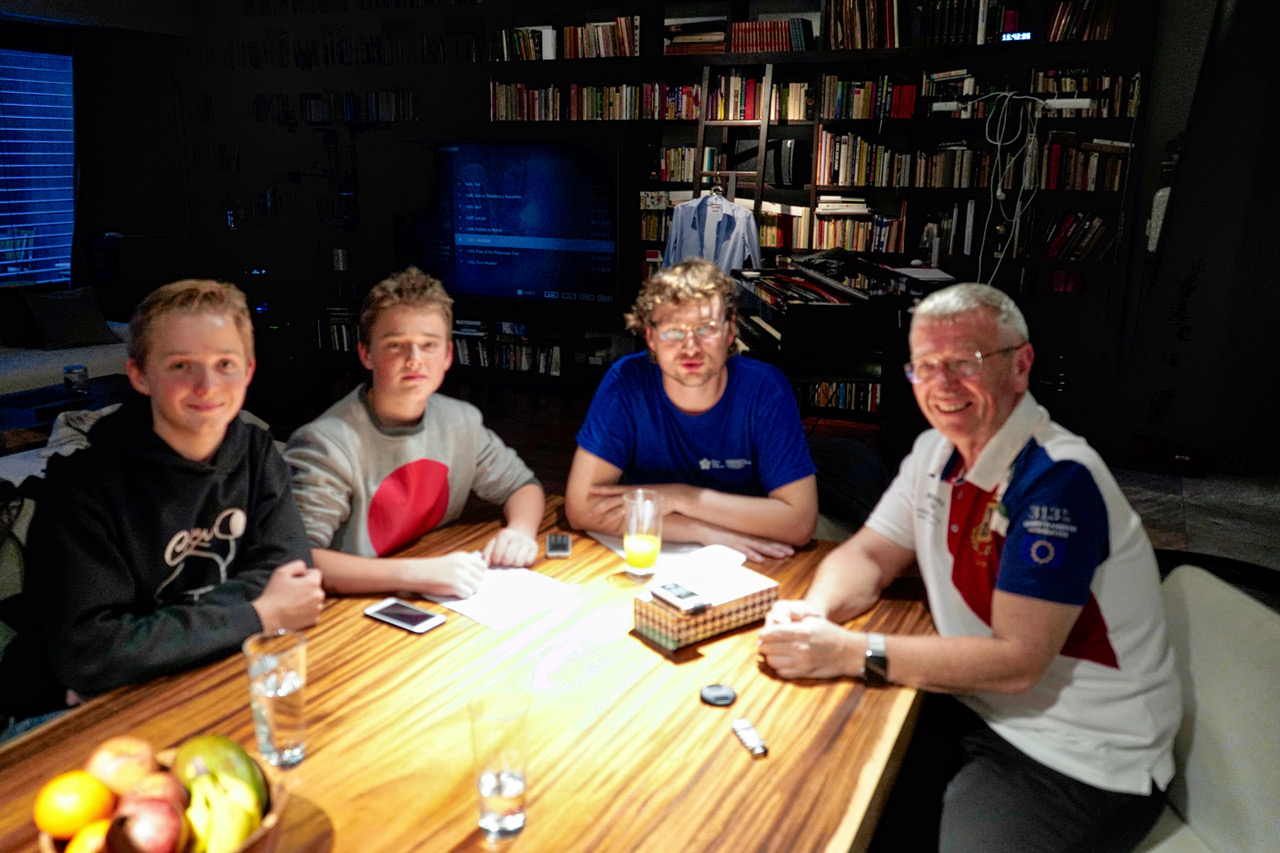
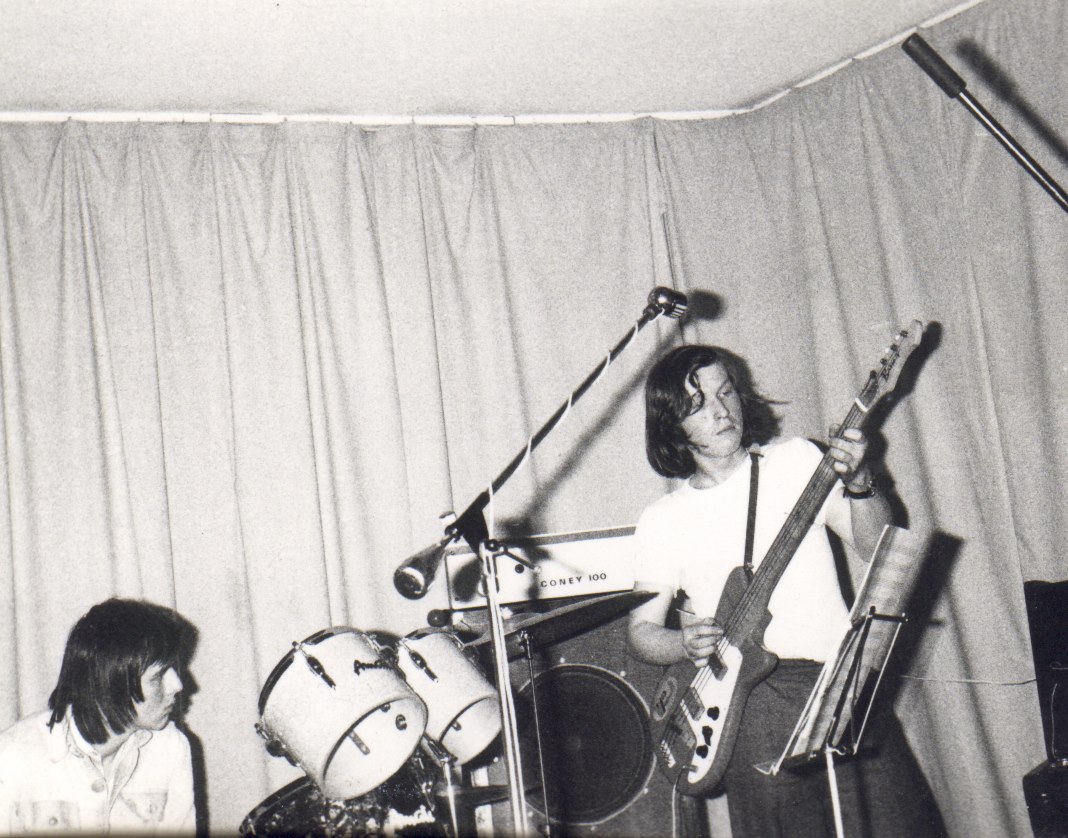
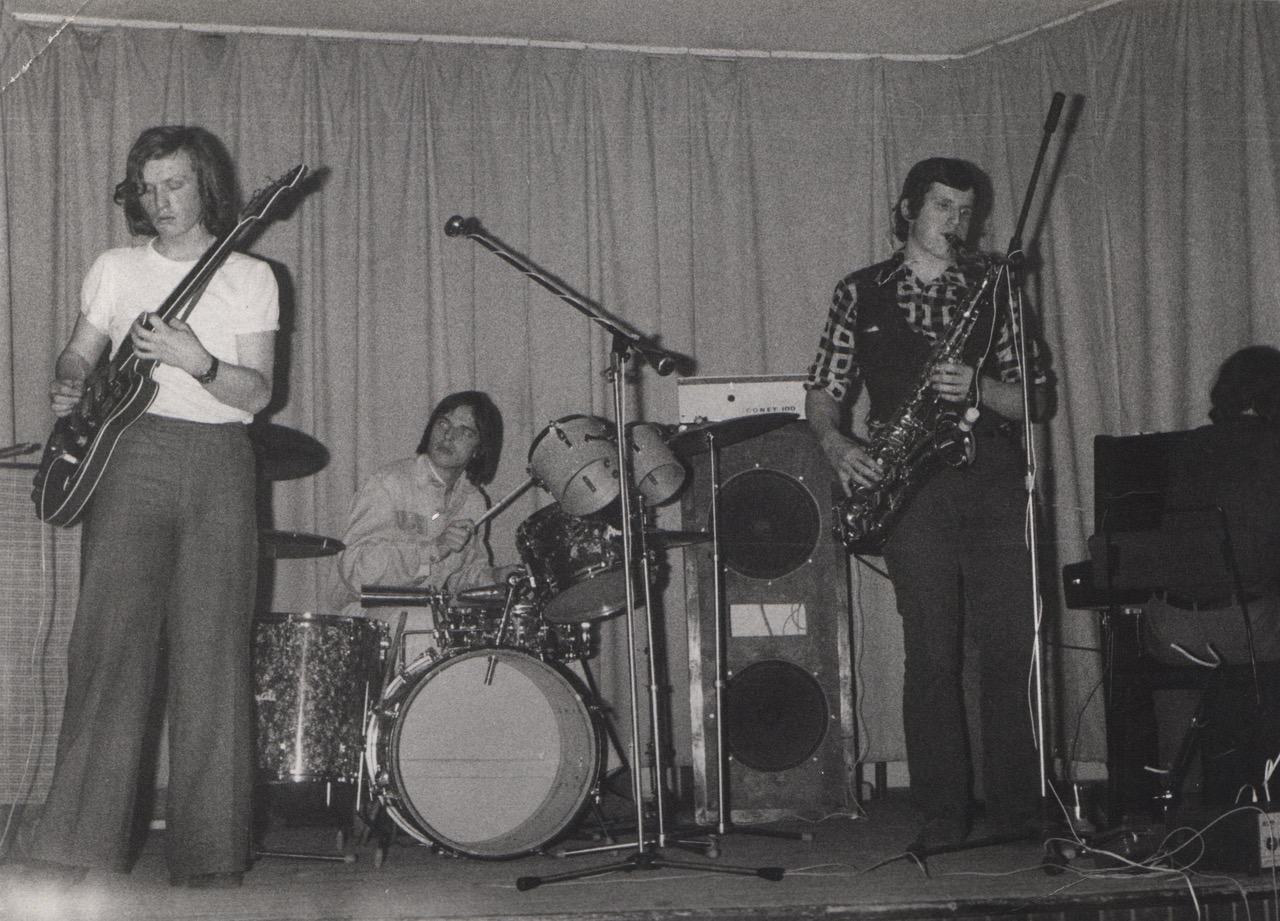
“I don’t remember exactly what year it was — there was a concert at Amerika.” “1974, I think.” “Yes, so it was 1974, and we all went to the concert at Amerika. My brother went an hour or two earlier, and I took a bus later. And when the bus reached Rudolfov, there were police everywhere — I couldn’t even get into the hall, and we all had to turn around and go straight back to Budějovice. Not so my brother — he was arrested, and later that night I went to the police station to try to get him released, which I remember very well. In the end, all the people arrested at Amerika were let go. But it had terrible consequences for the future. For example, one of my younger classmates at the gymnasium was expelled from school because of it. It really was a stupid time. The concert at Amerika was purely underground, there was nothing dangerous about it, but the Communists hated that kind of music. They hated when young people gathered and had ideas of their own. So it was a very strange time. But I experienced it — even if I wasn’t actually inside the hall, simply because I had arrived too late.”
"I remember they took me somewhere in a block of flats. They didn't take me to 'Lannovka'. They took me to a normal apartment where they said, 'Láďo, please, you know these musicians, why don't you sign here?' And I said there was no way I was going to do that." - "So they were sort of trying to make nice?" - "Like in a good way. And actually it kind of dried up after that because they tried a couple of times and then they disappeared and I never saw them again. I'd kind of like to see them somewhere to see how they turned out, because they were such bastards."
"It shows in the average listener to this day. Because some of the bands that the communists didn't actually bring to the Czech Republic in the 70s, 80s, some of the bands people don't know at all, and yet they are world famous and the rest of Europe knows them, knows the lyrics and so on. So if I go to a concert of, for example, Earth, Wind & Fire, which is the number one American band, which was famous mainly in the 70s, a concert of this band in Rotterdam, 30,000 people come to see it, and it's in Europe, and everybody knows all the lyrics. And I could go on like this, of course."
"But I also remember it as kind of a funny thing. I mean, I, because I went to that language selection school, so we had Russian from the third grade, among other things. We had Russian and German. And I already knew Russian by that time, so we wrote 'idita domoj' in Cyrillic on the roads with our chalk flawlessly. Because we just knew it, didn't we. So the Russians could, like, read the messages from us that we were writing with chalk."
"And we had a huge advantage here in Czech compared to Prague, for example, namely, that even before the Revolution you could catch Austrian television and Austrian radio here. Which is ORF and Austrian state radio, which is called Österreich Drei. That was our unattainable model, because it's a radio that is still very professional, and yet it's on the borderline between commercial and sort of public. So it's state radio, but it's been excellent up to now, all the time."
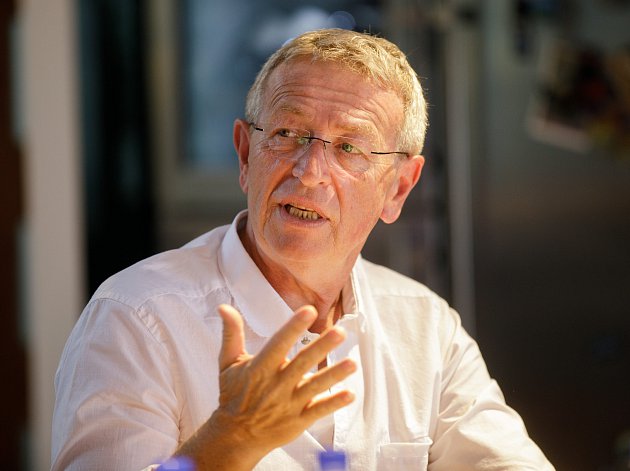
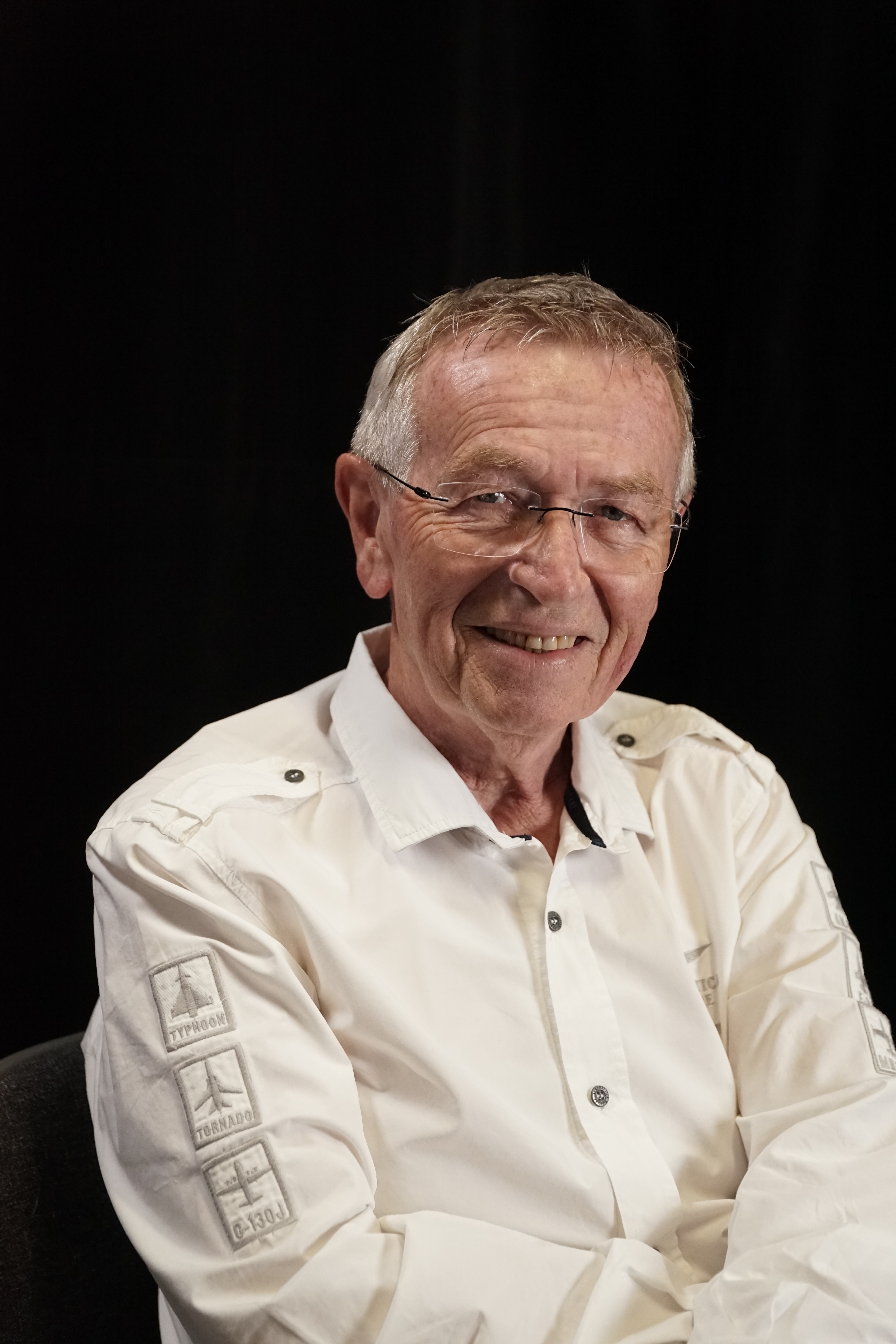
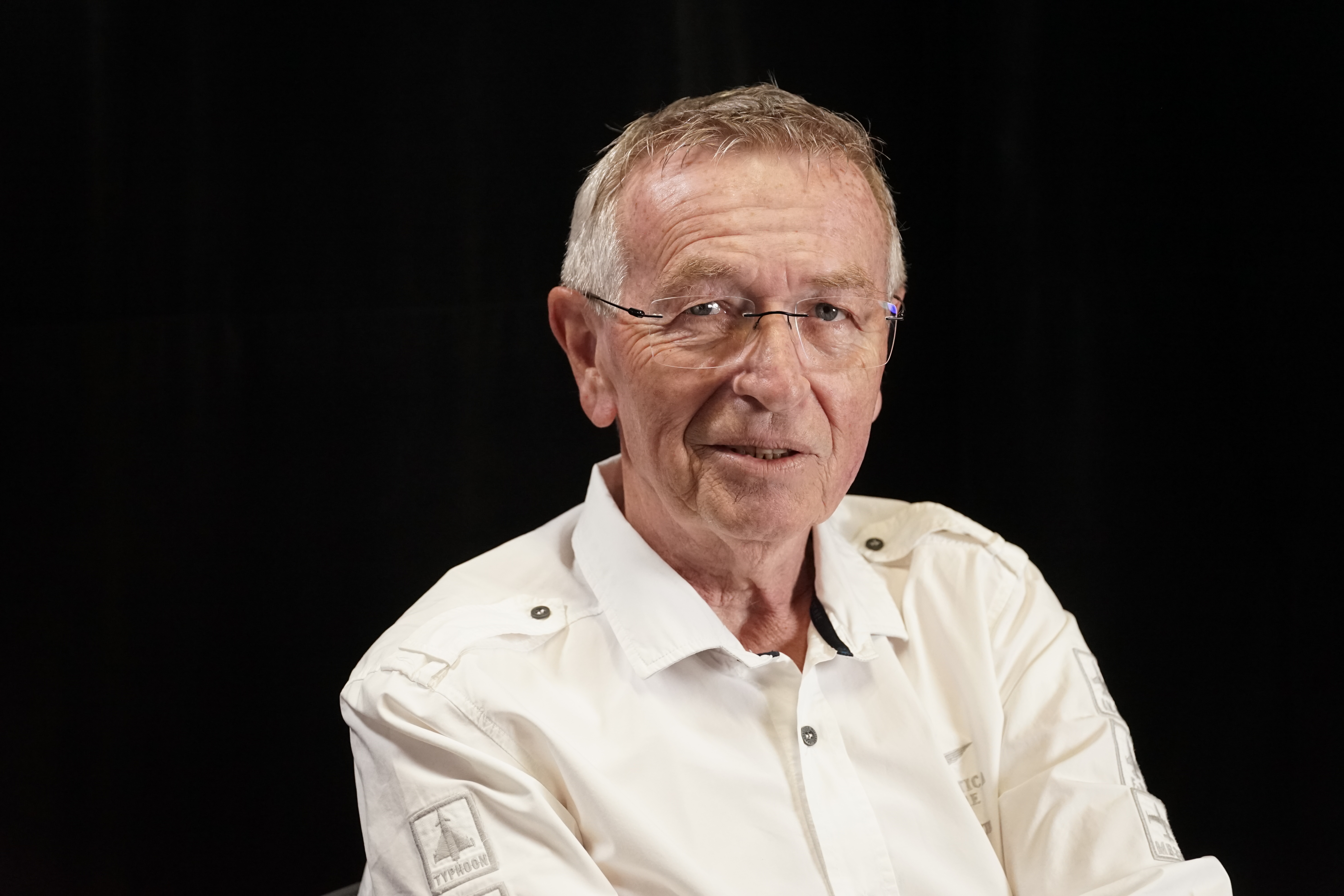
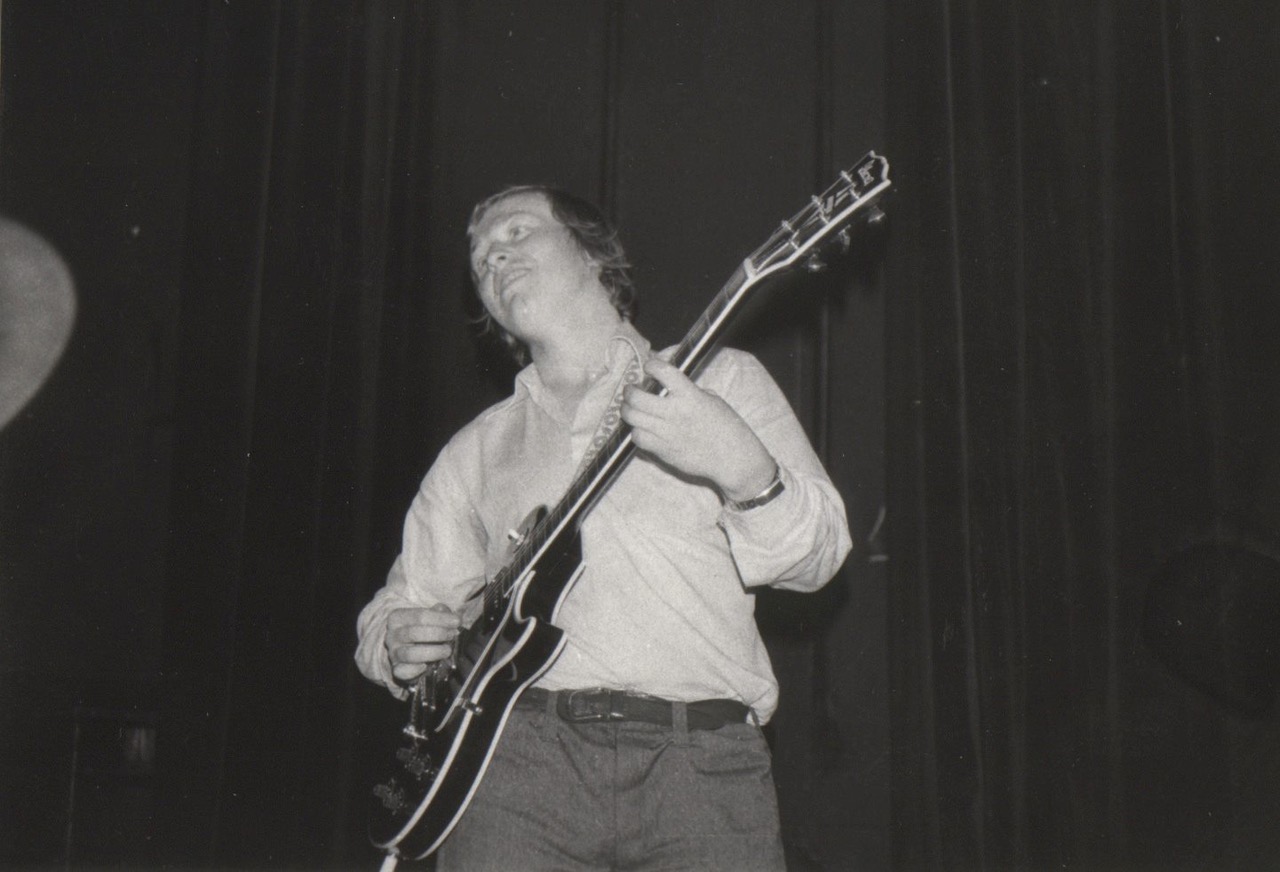
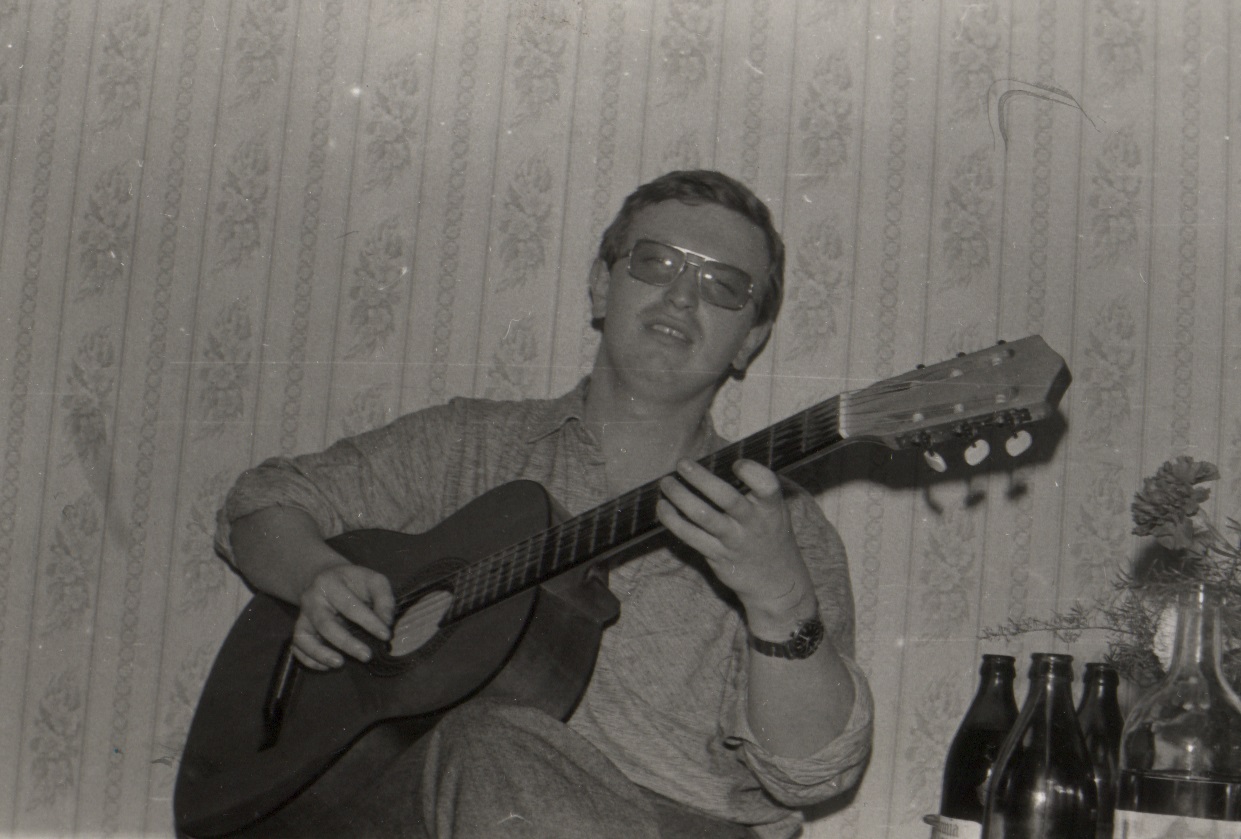
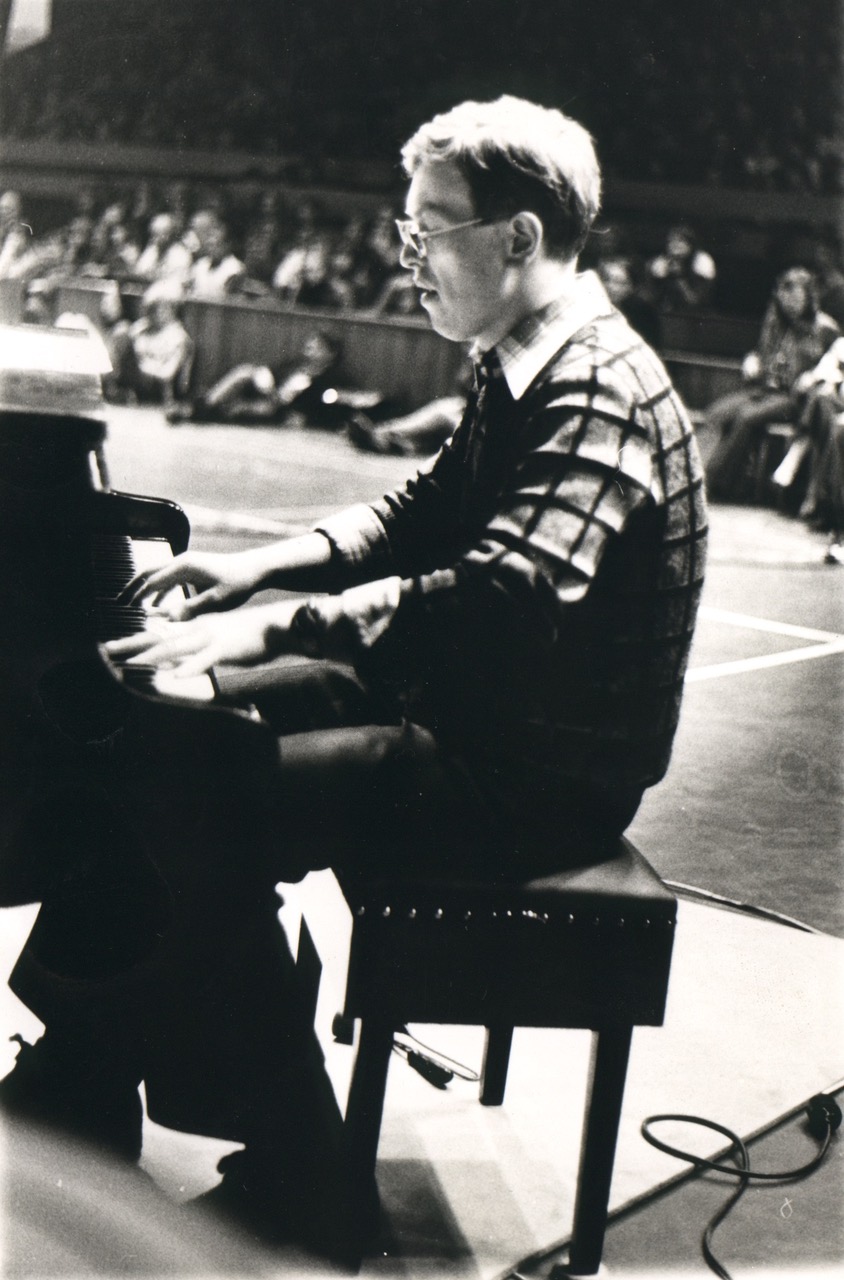
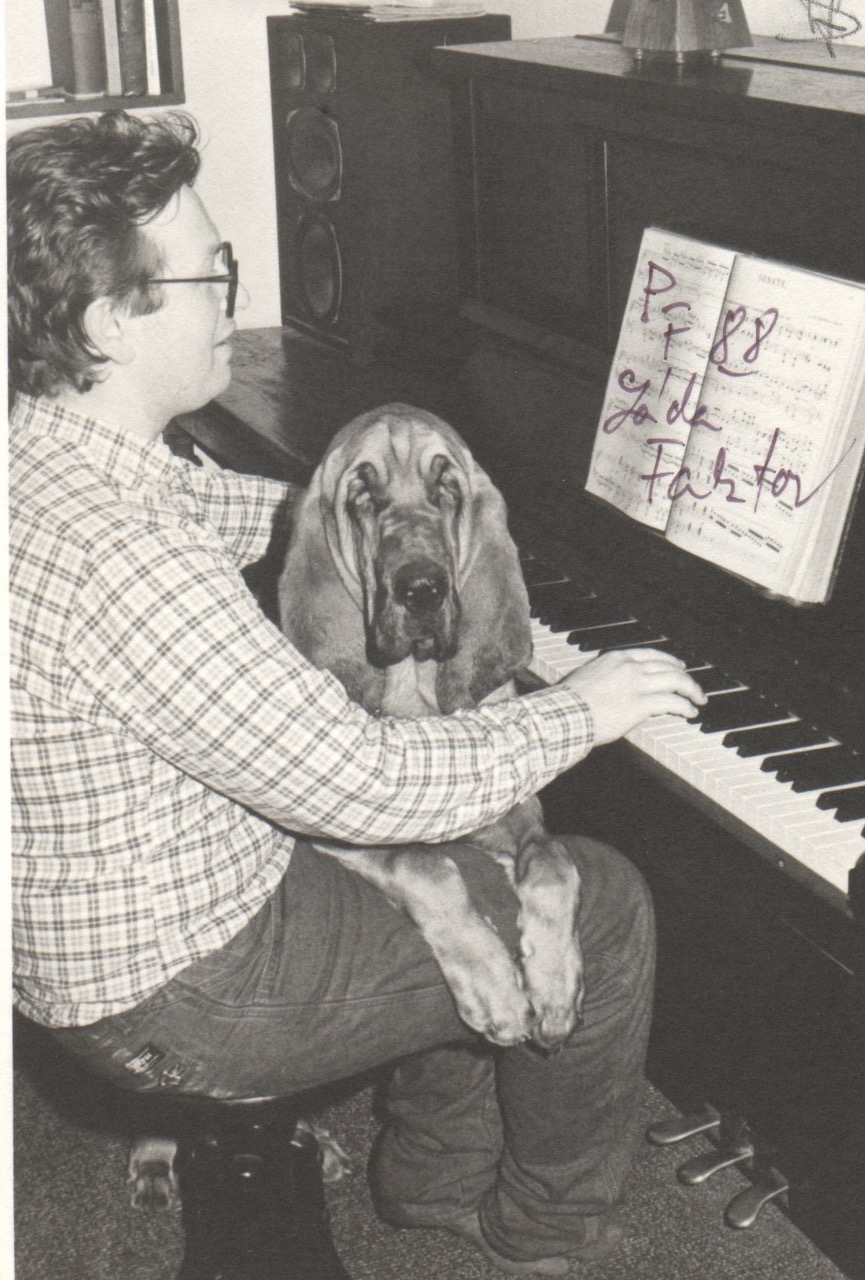
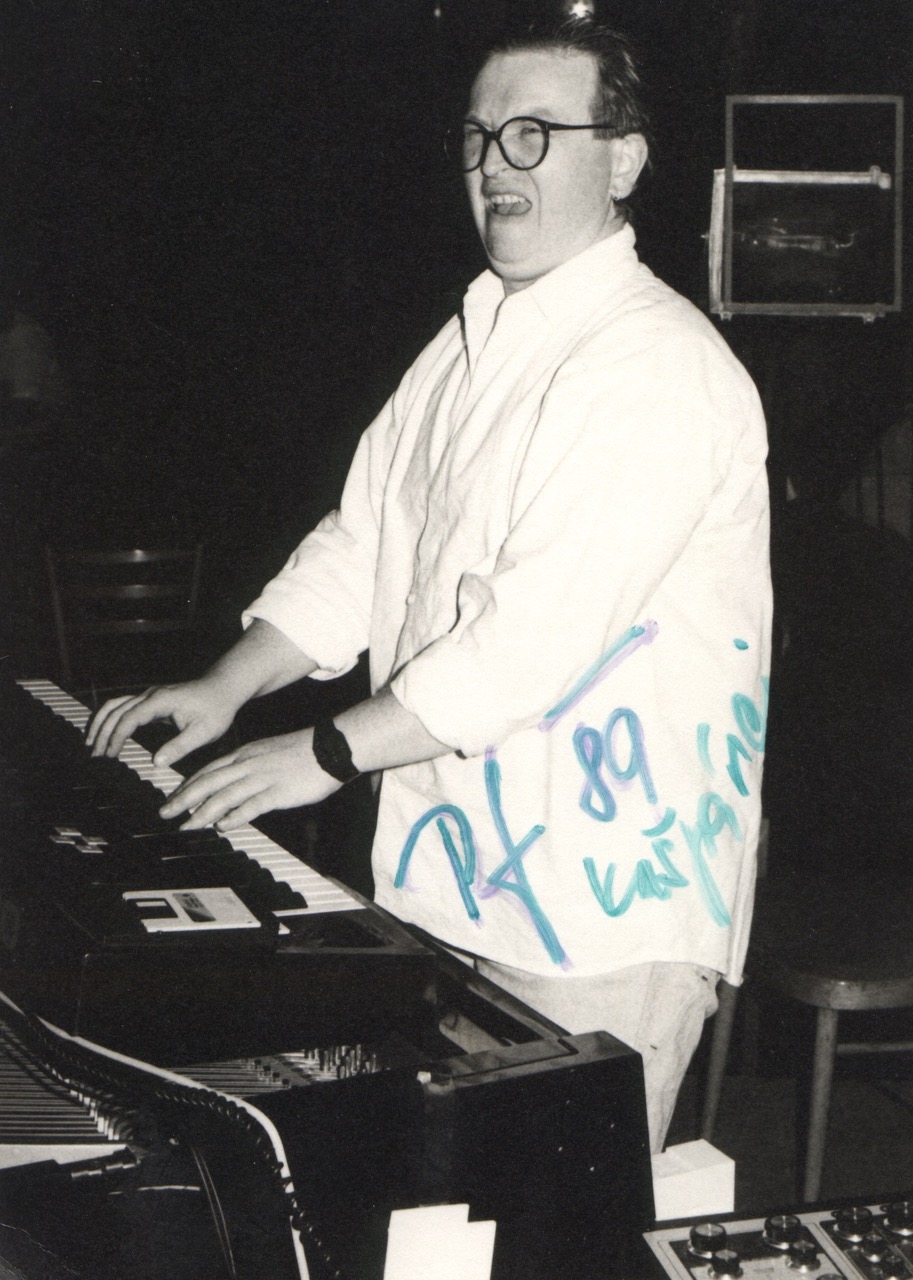
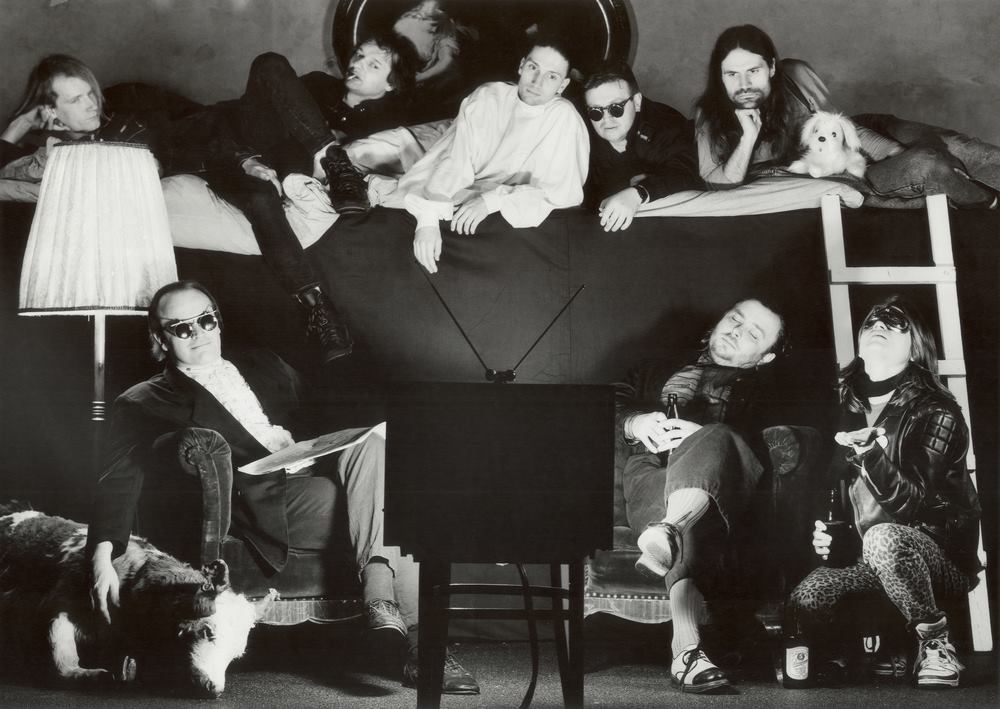
Ladislav Faktor was born on 9 April 1957 in České Budějovice, where he has lived all his life. He graduated from the Faculty of Law of Charles University, but he worked in the field for only three years as a lawyer for a unified agricultural cooperative in Dubná. Since childhood he was close to music, from the age of six he played the piano and in the 1980s he performed in various, mostly jazz bands. During the Velvet Revolution he was at the birth of the Civic Forum in České Budějovice. In 1990-1994 he became a member of the concert line-up of the legendary Prague Choice. Immediately after the revolution, he founded the private Radio Faktor, which still broadcasts in South Bohemia today. For South Bohemians he is also connected with the reconstruction of Tereza‘s cottage in Kleti, which he bought in a desolate state from the town of Český Krumlov. In addition to his business, he composes theatre and film music. In 2018, he was elected senator for České Budějovice.