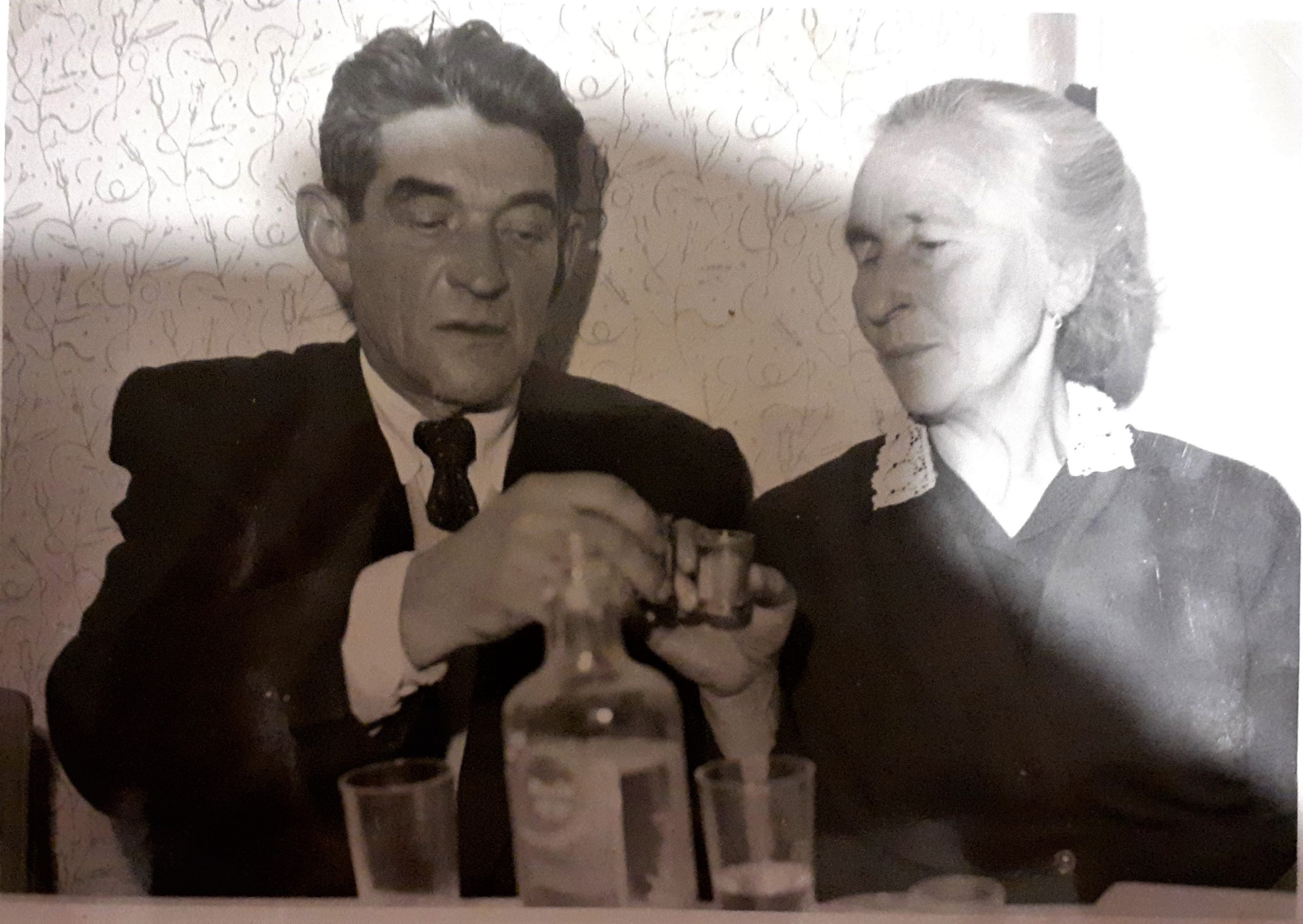
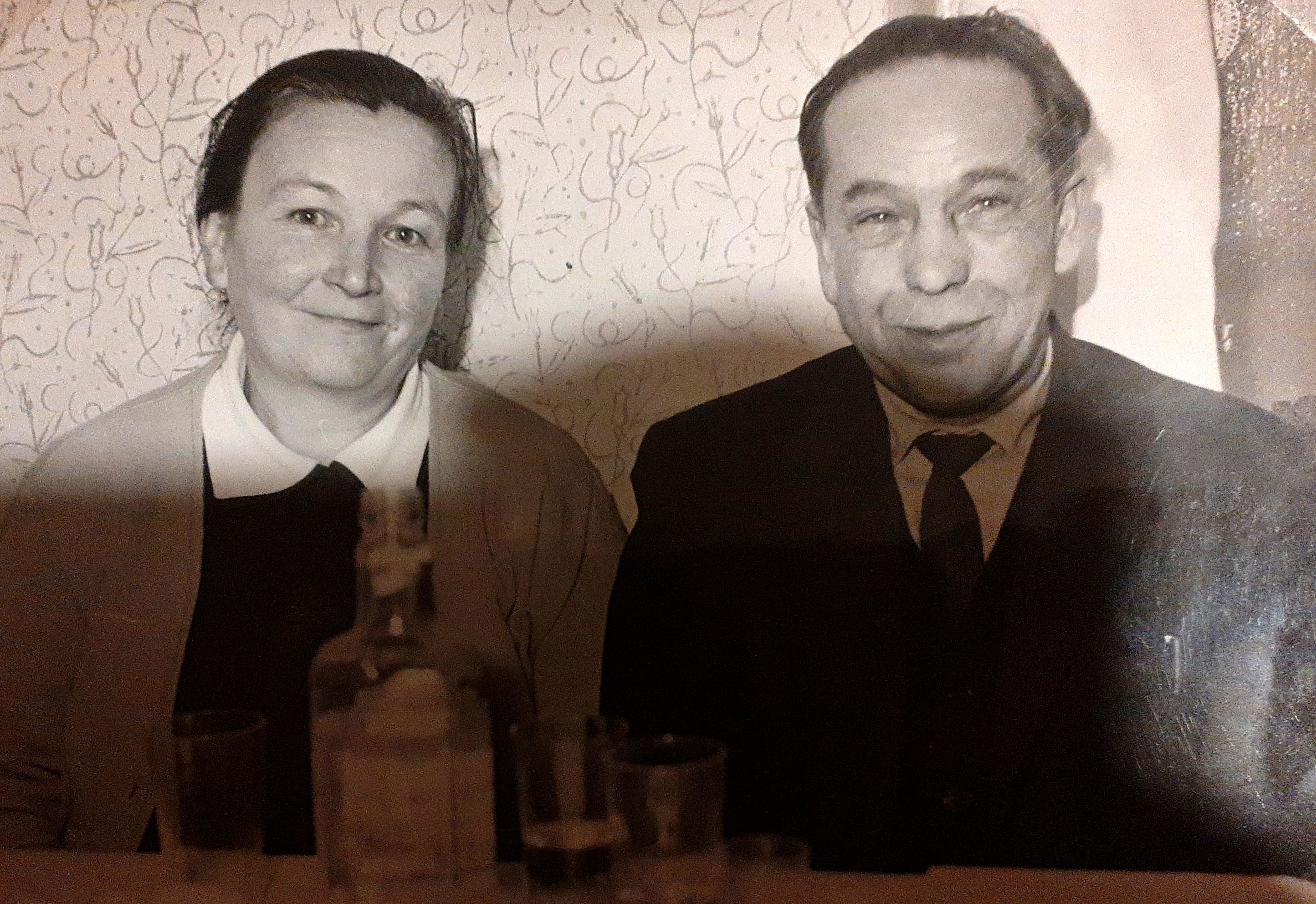
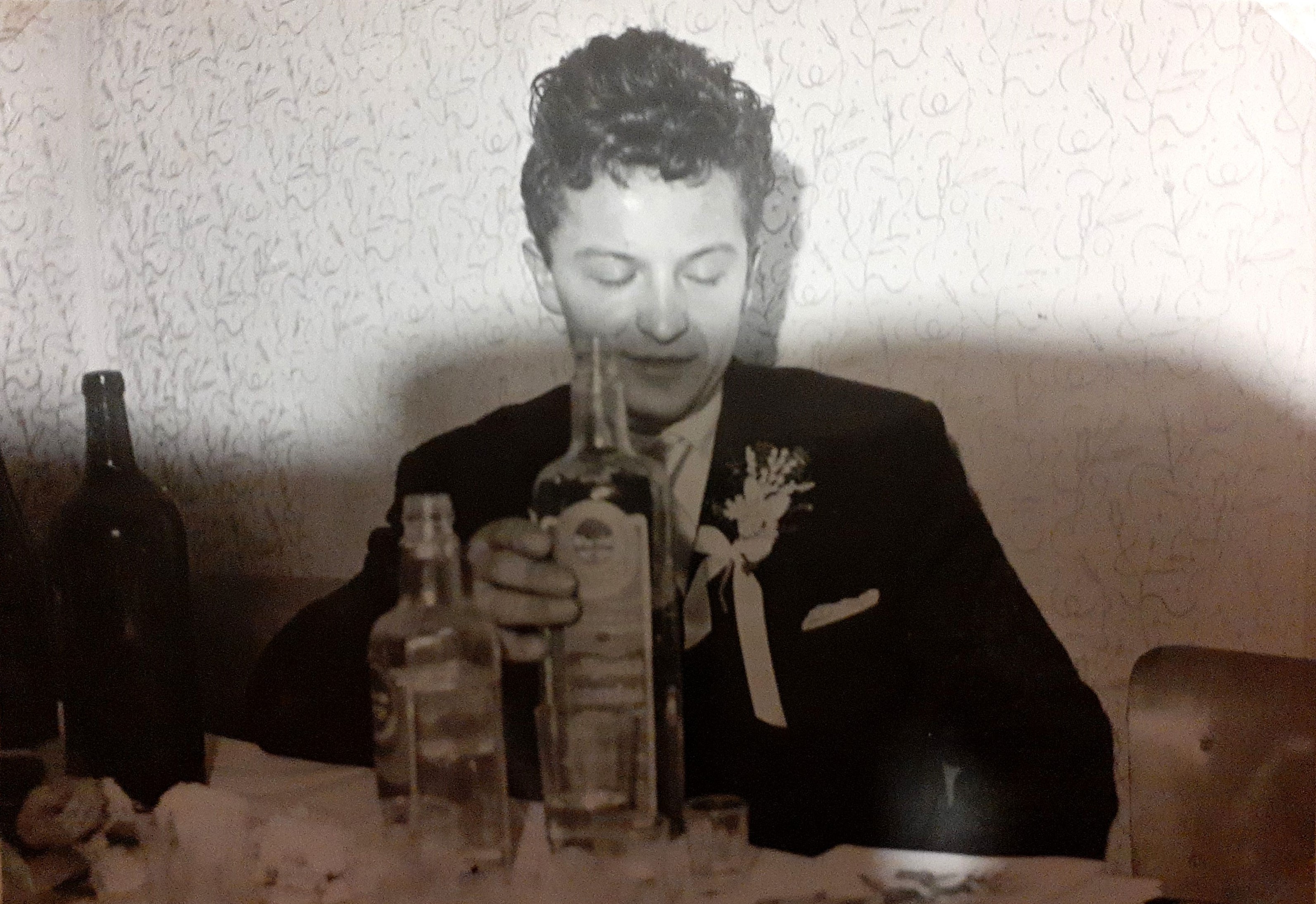
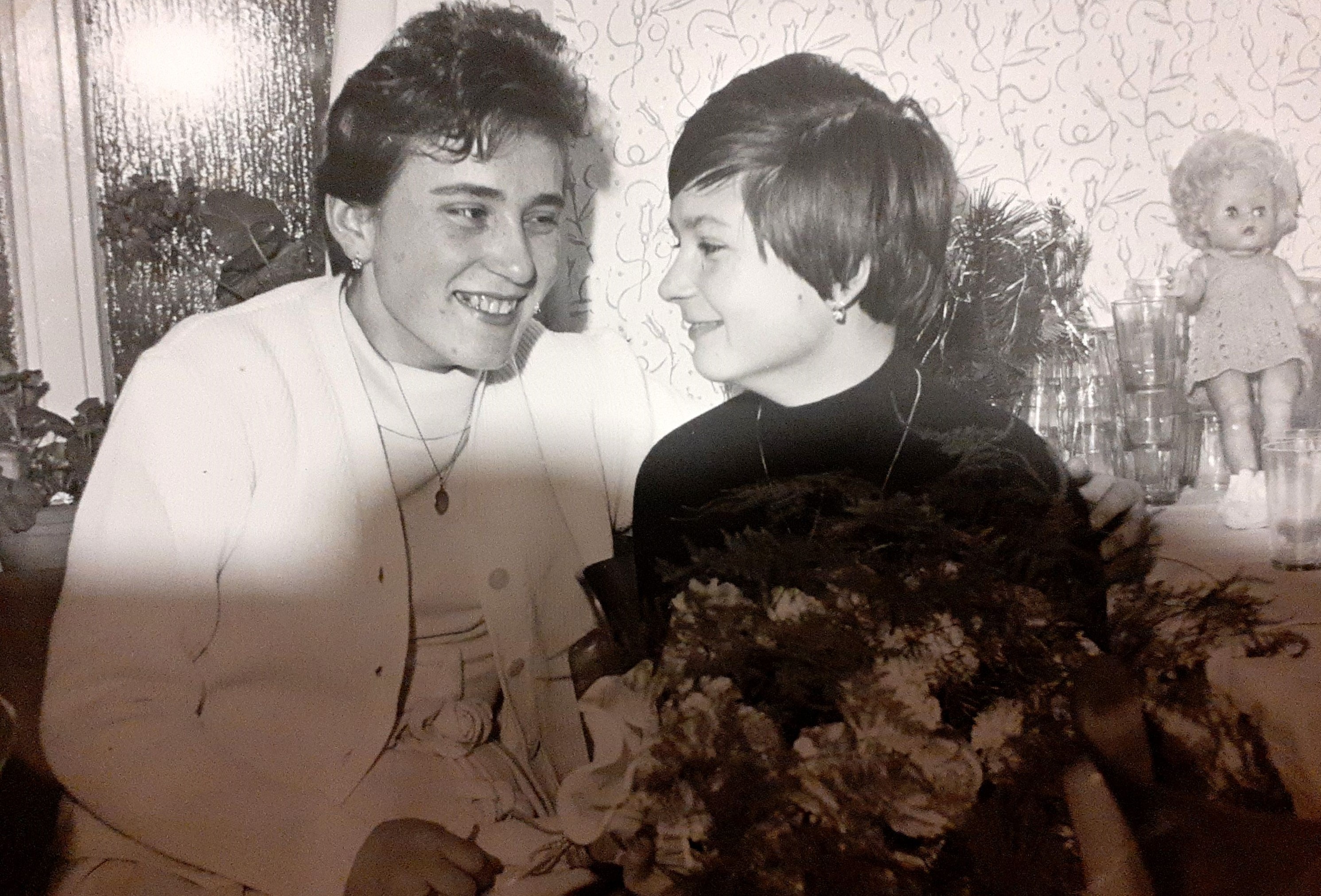
After having to join the agricultural co-op, dad wouldn’t leave the house for a decade
Stáhnout obrázek
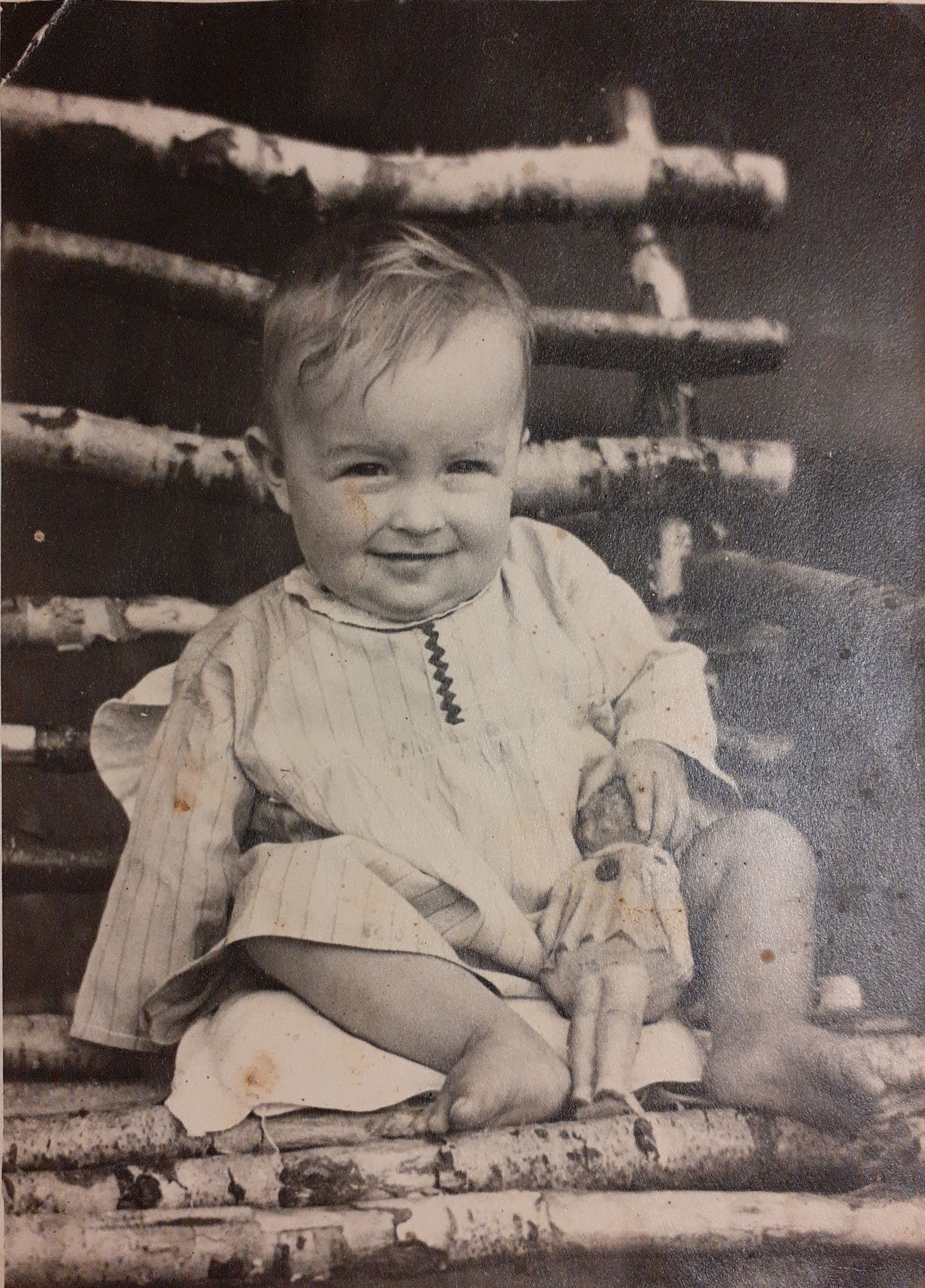
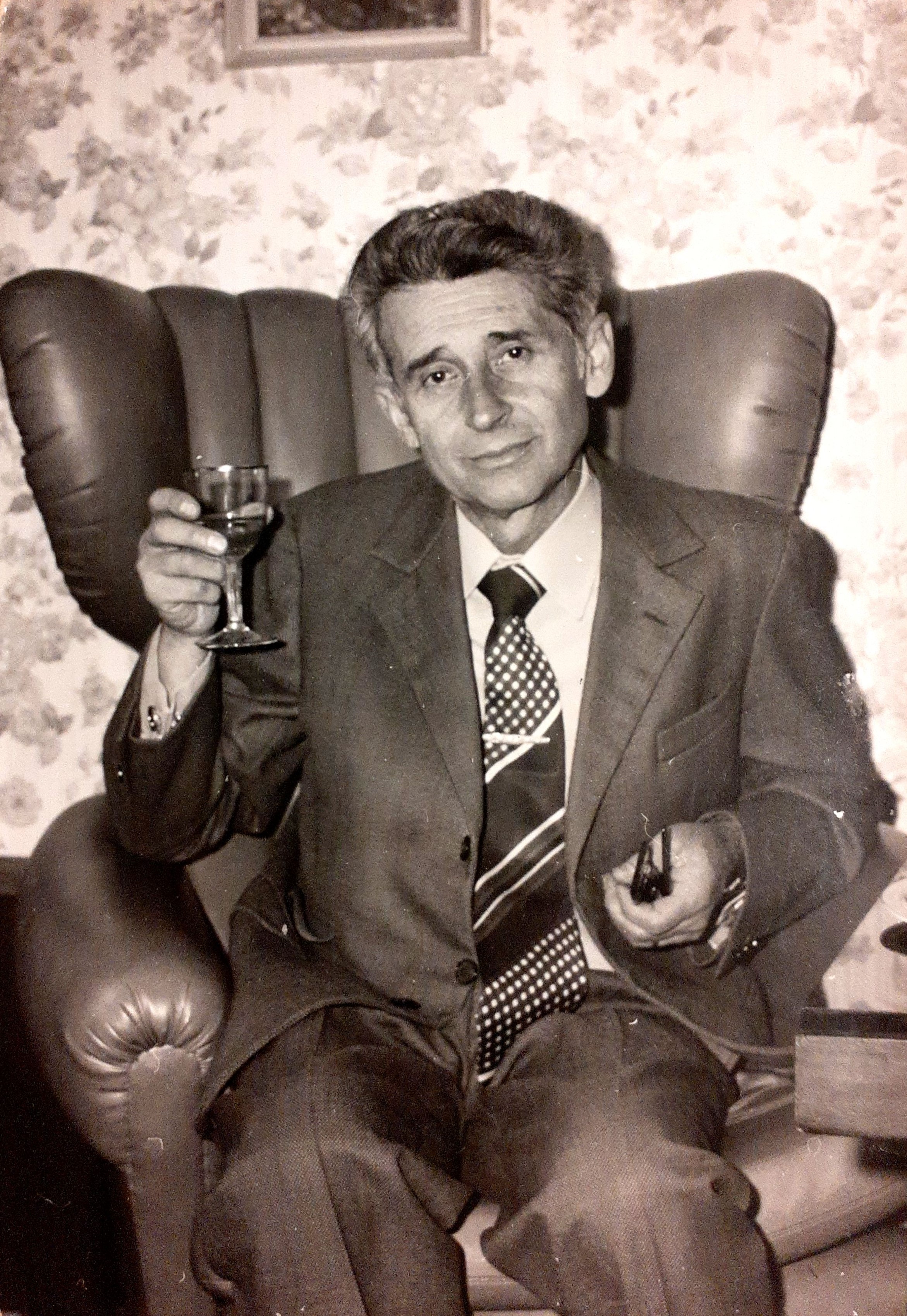
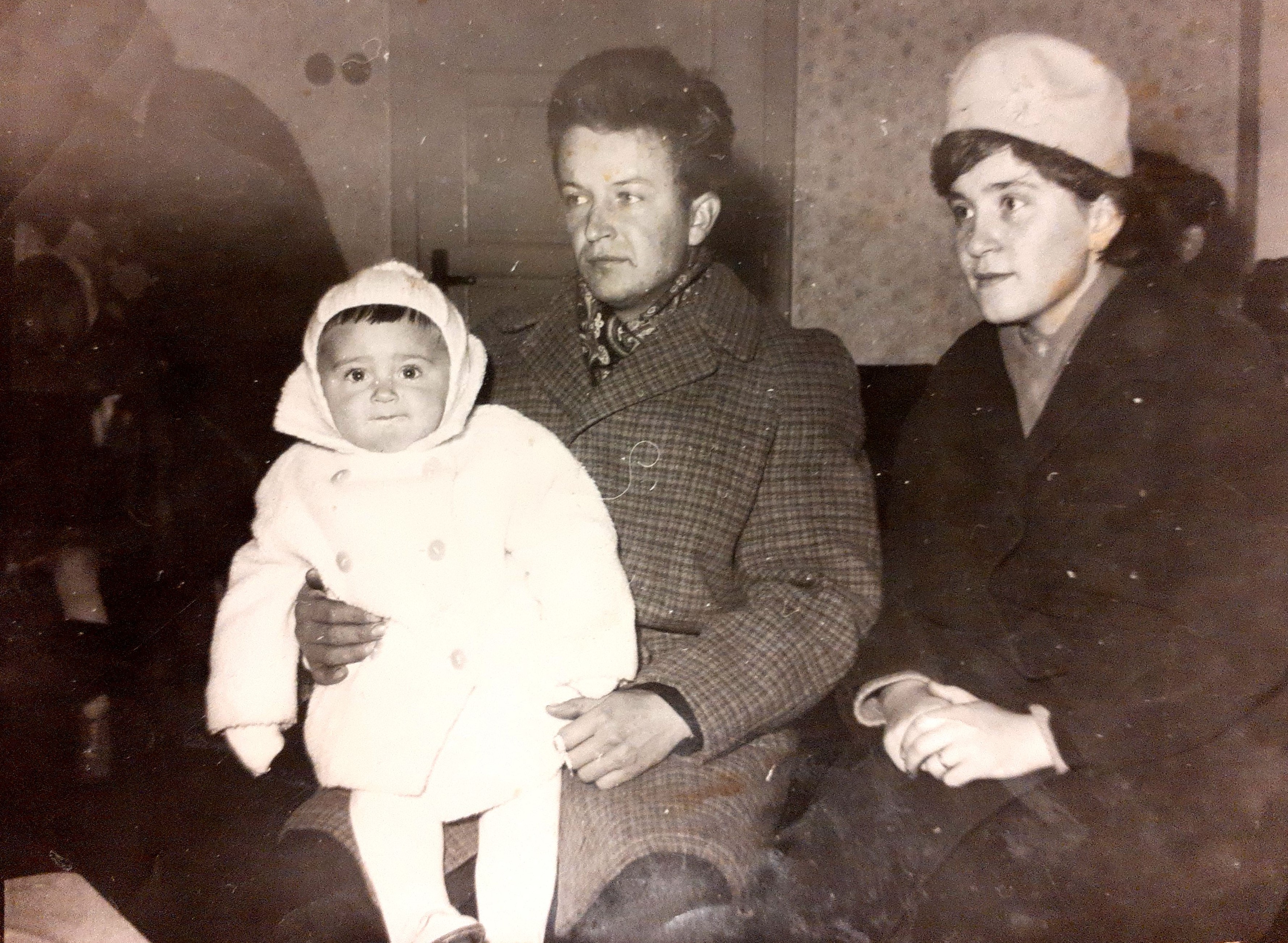
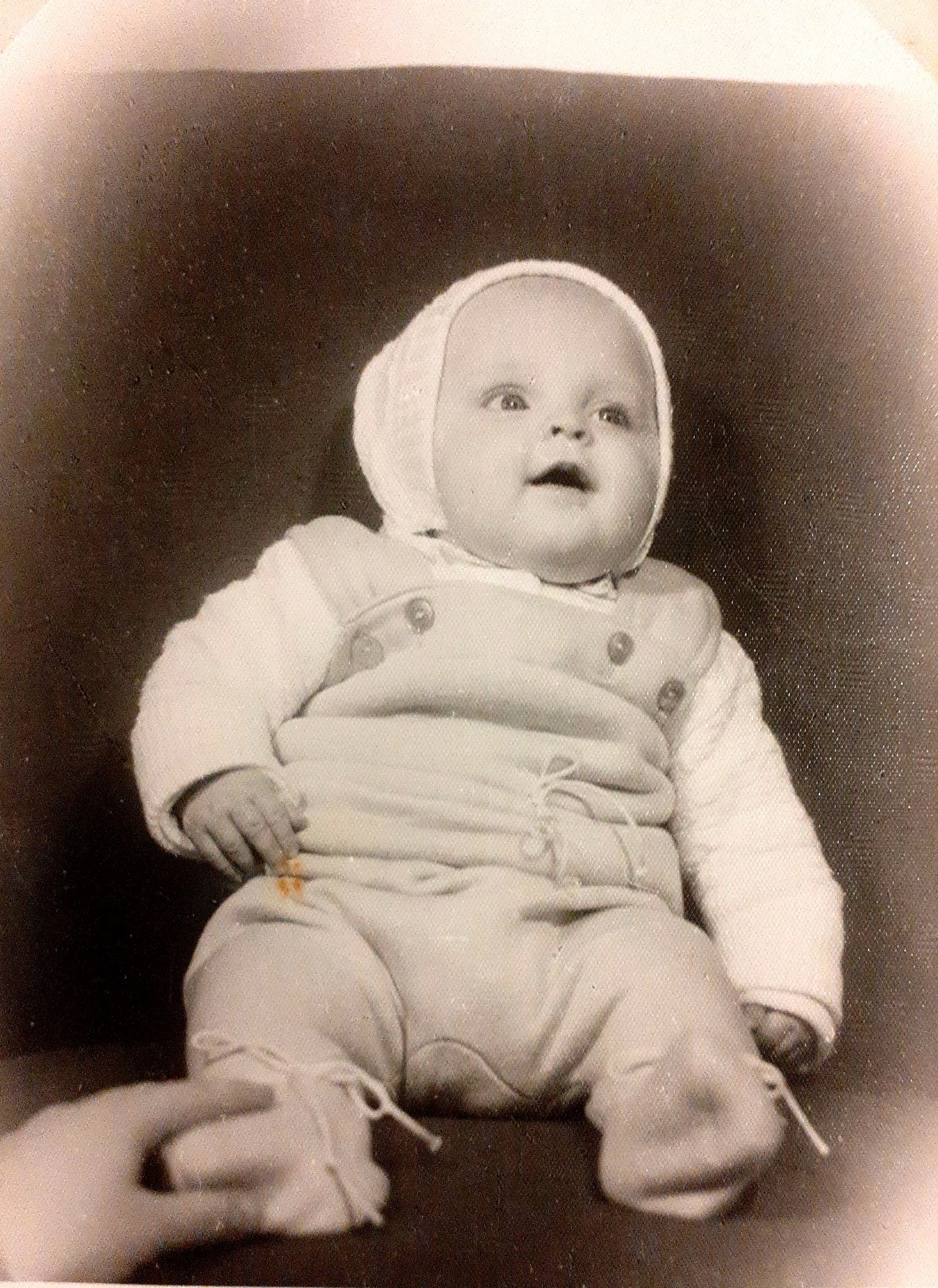
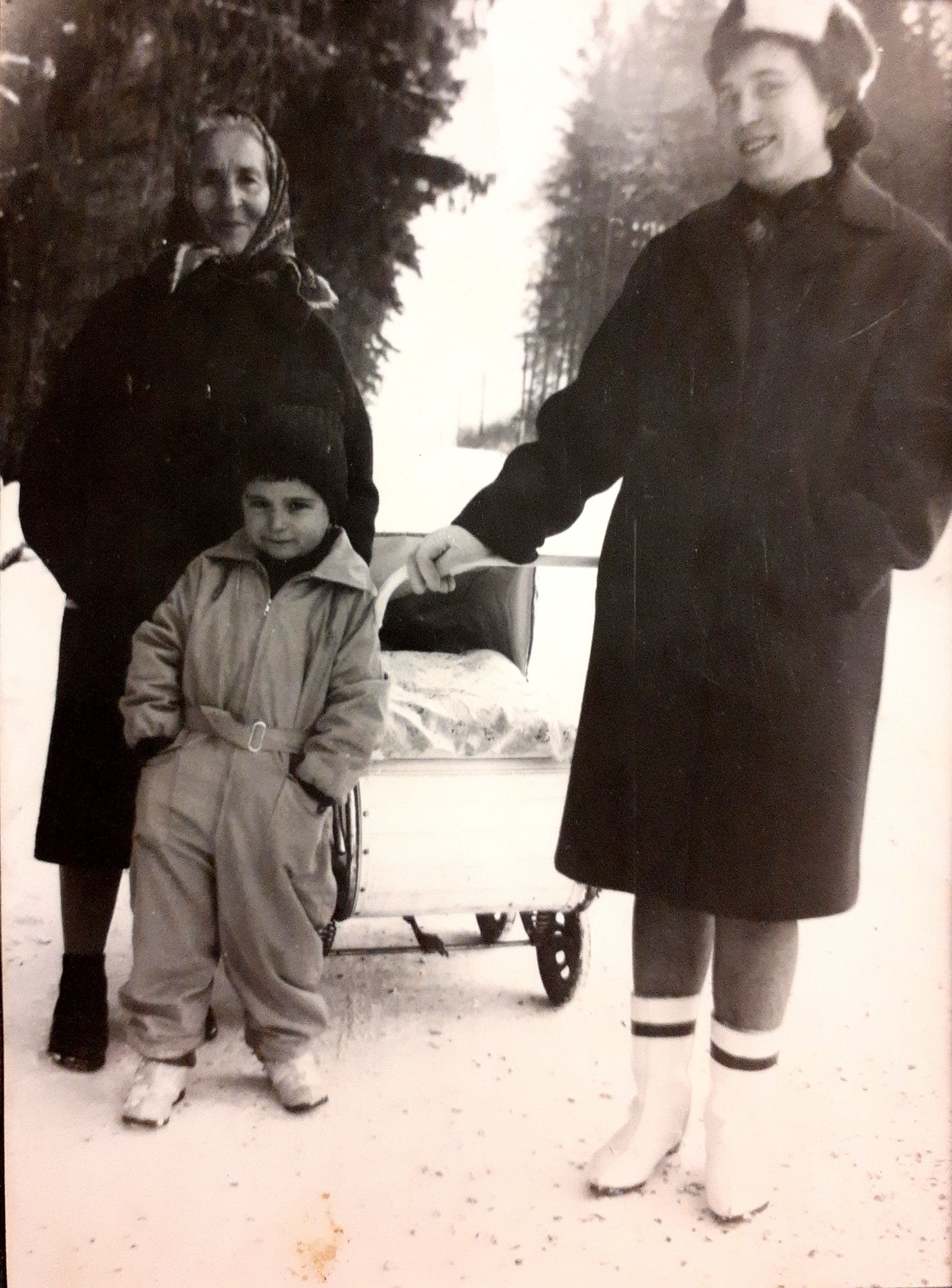
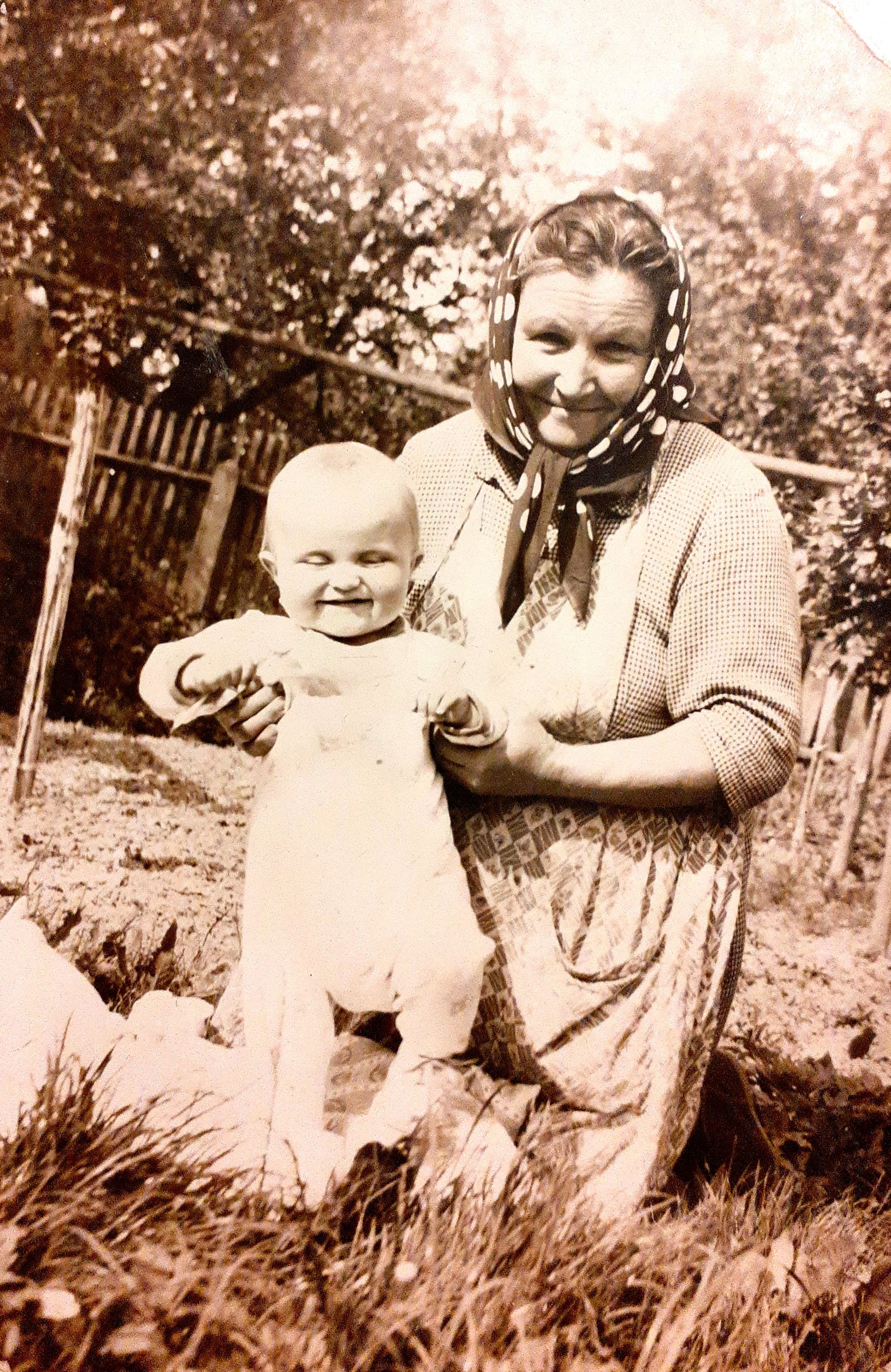
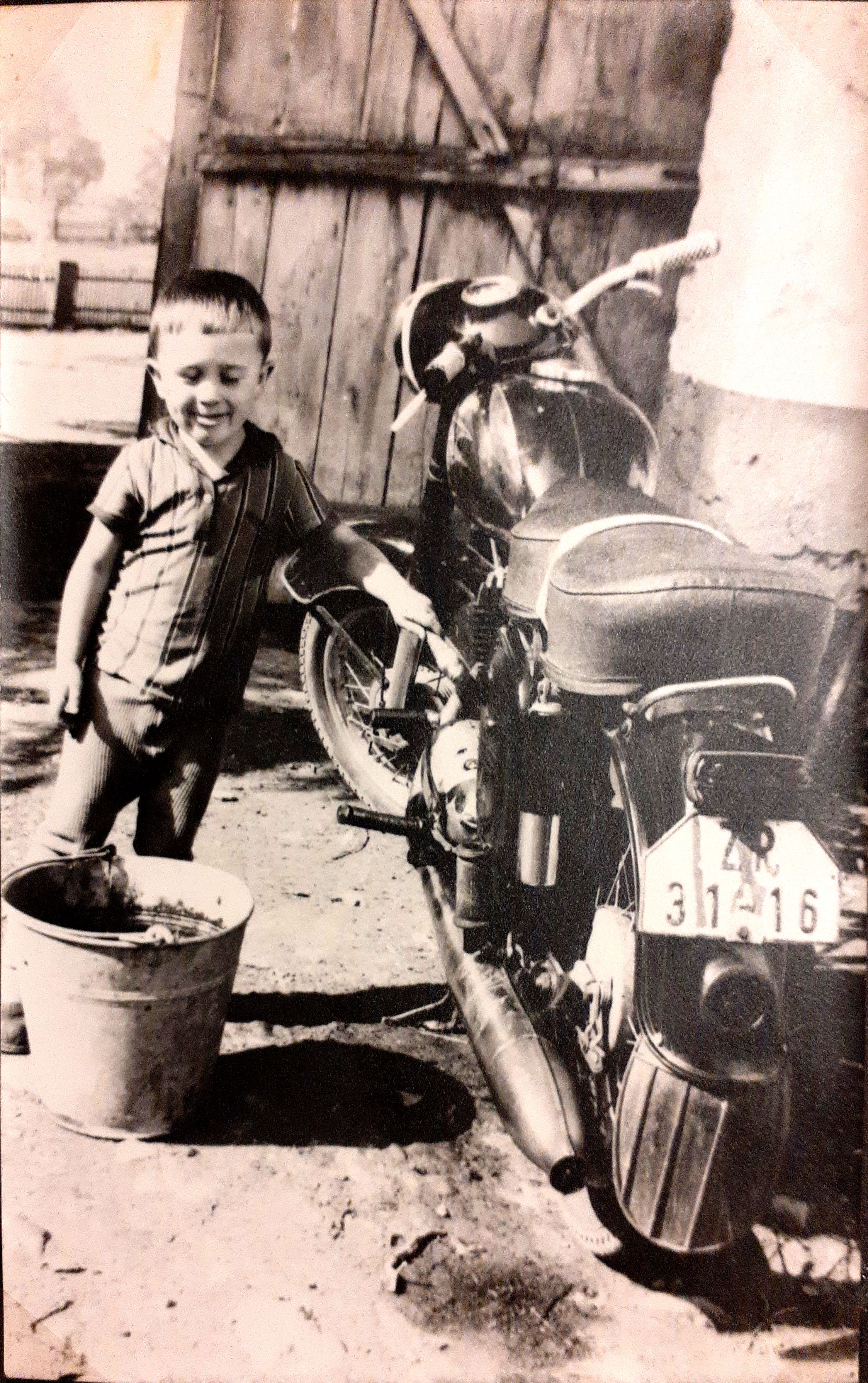
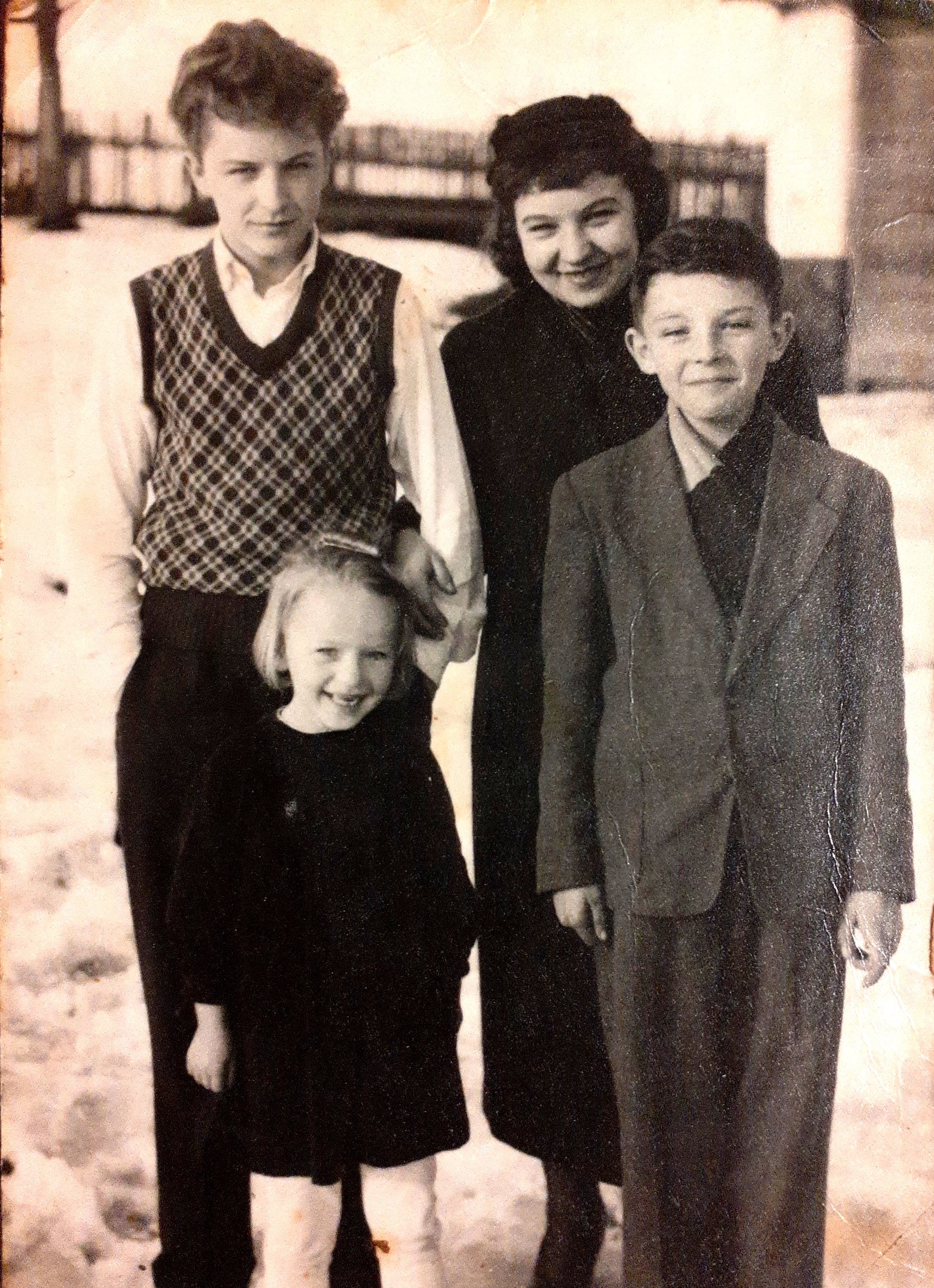
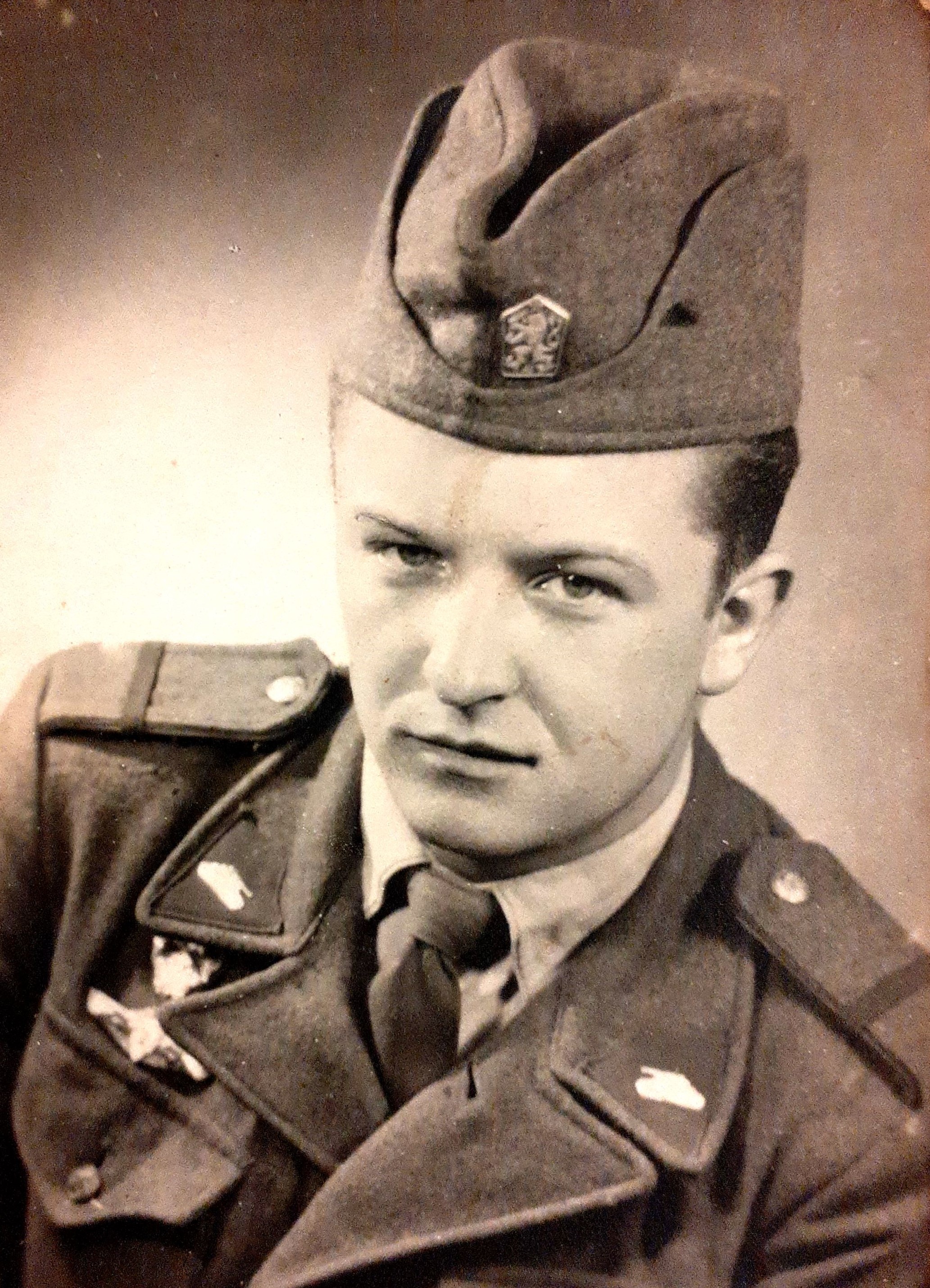
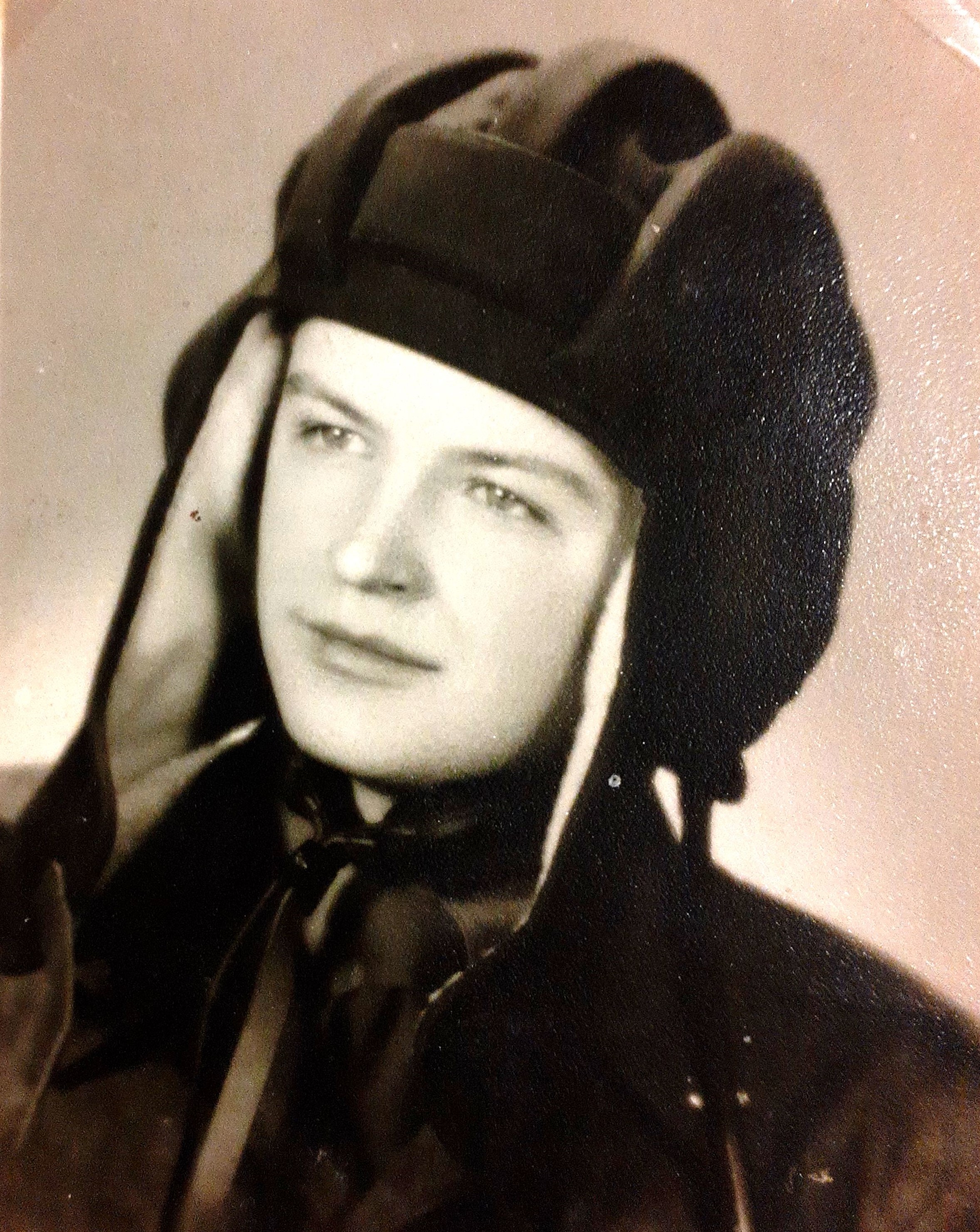
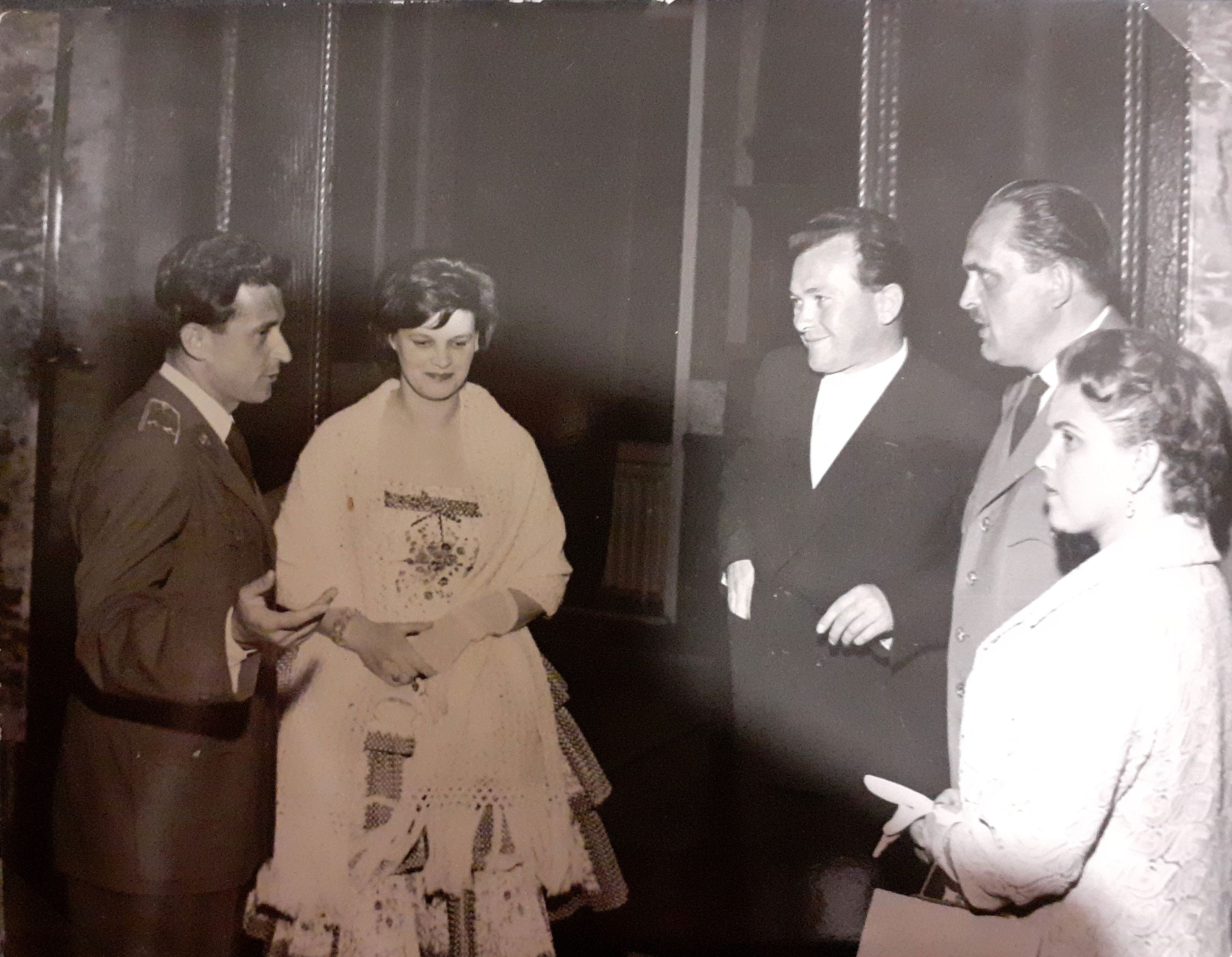
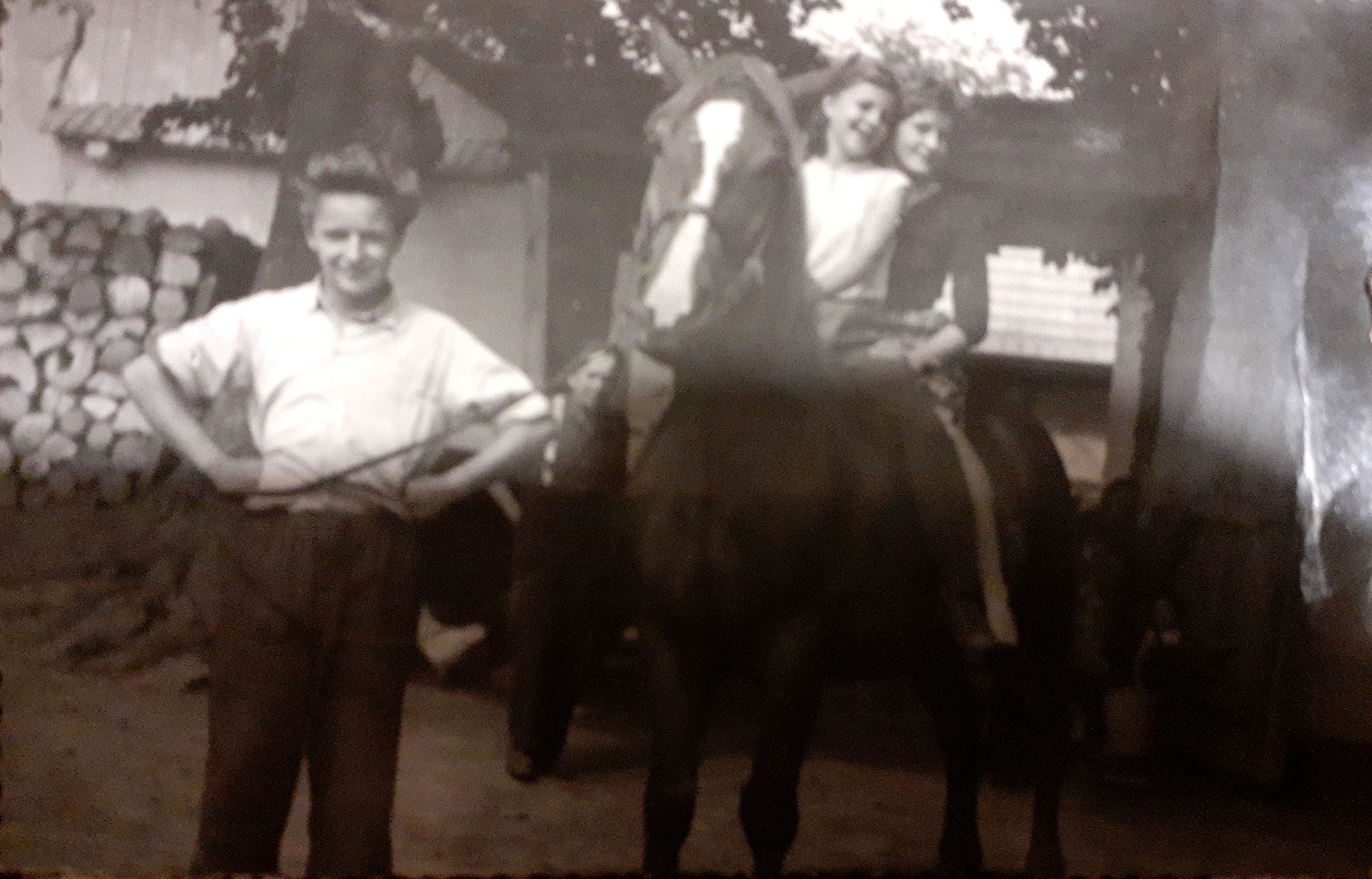
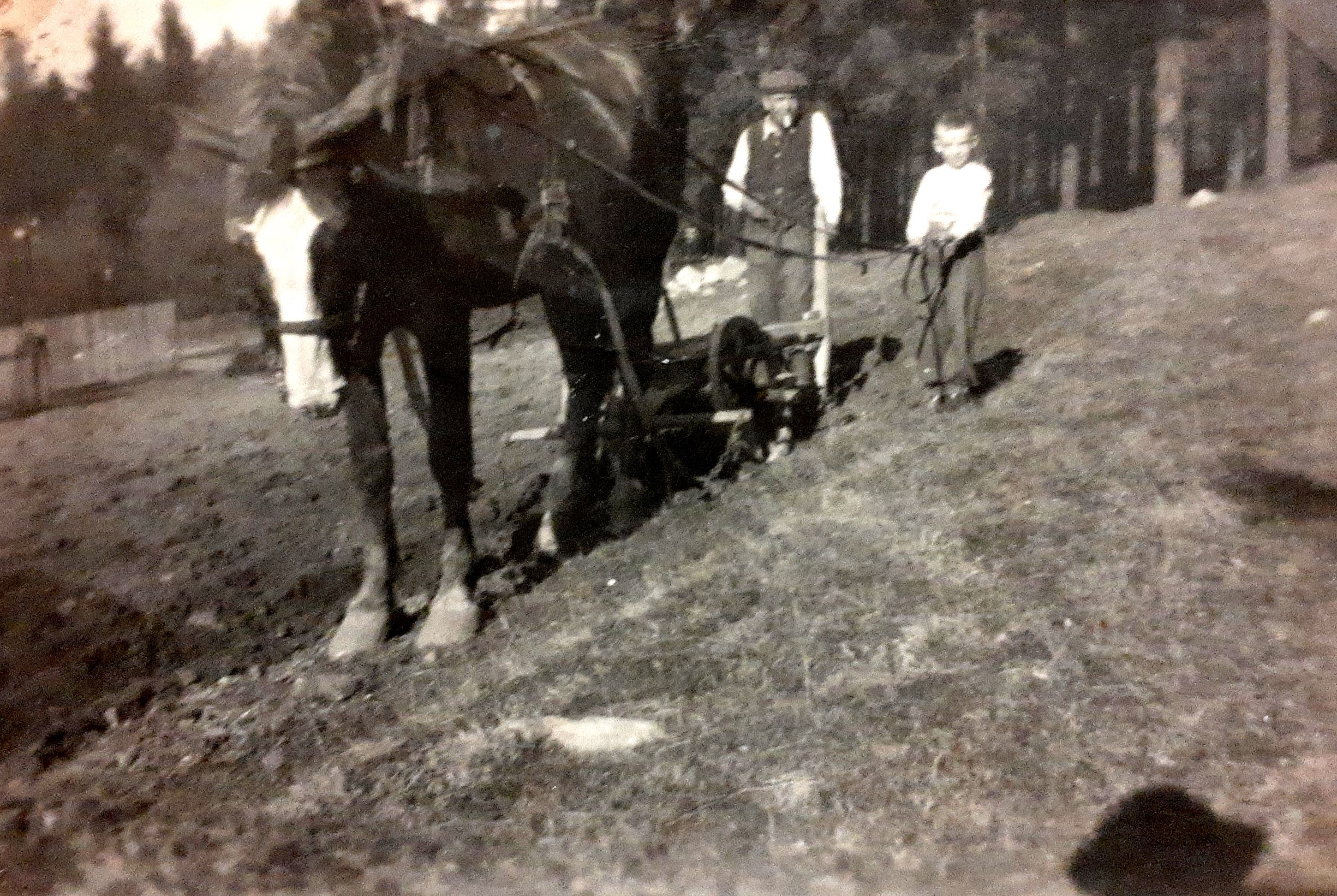
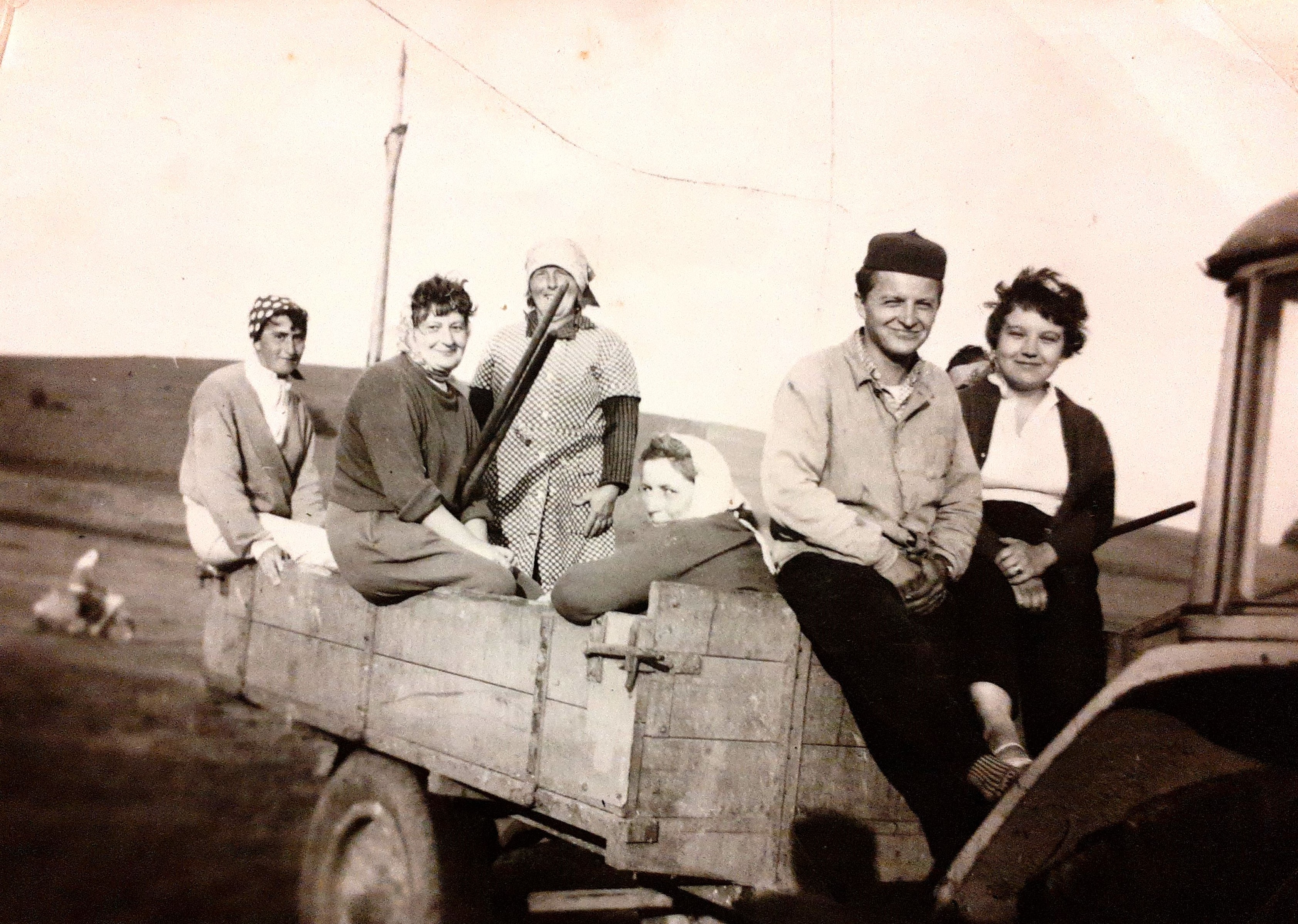
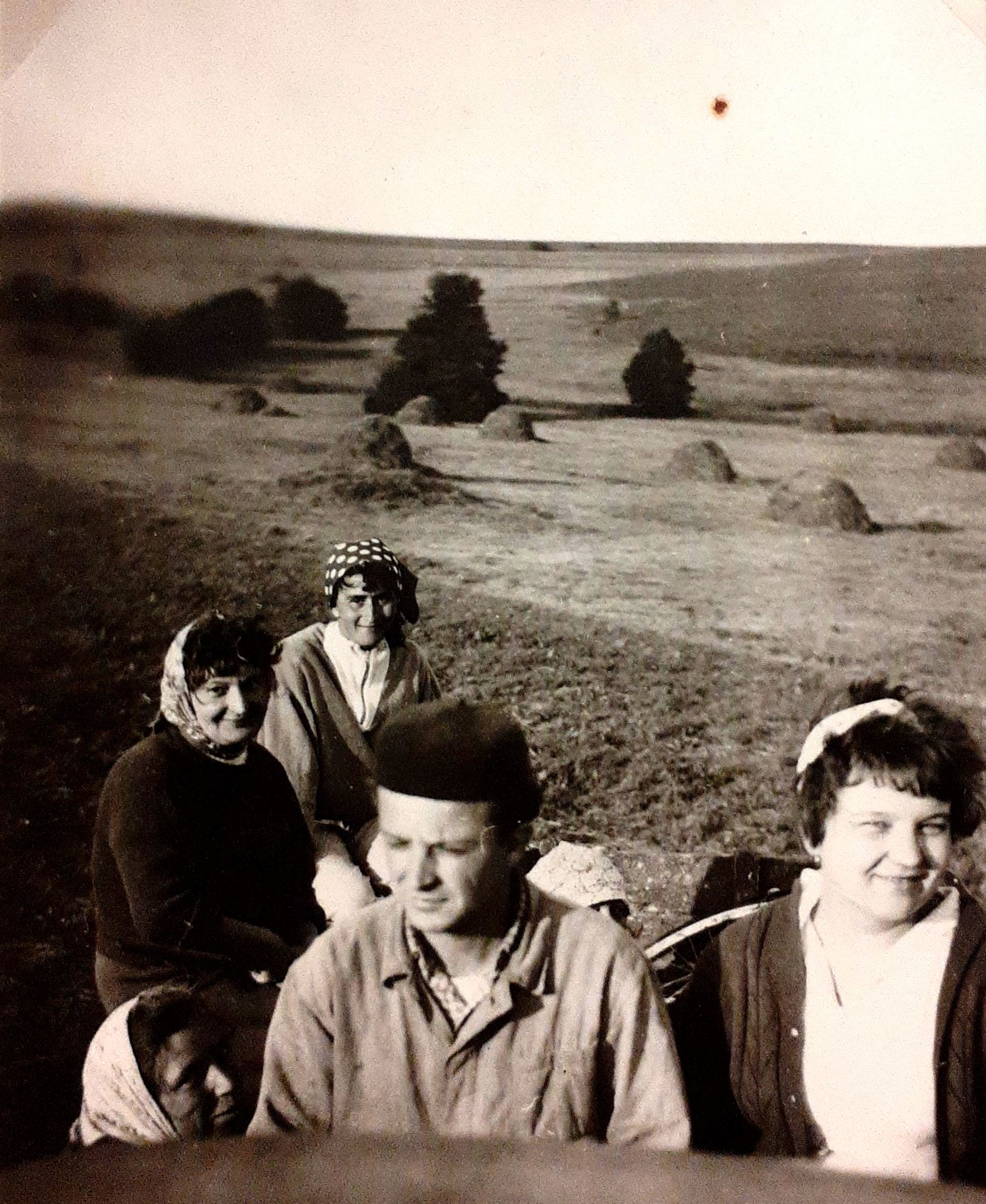
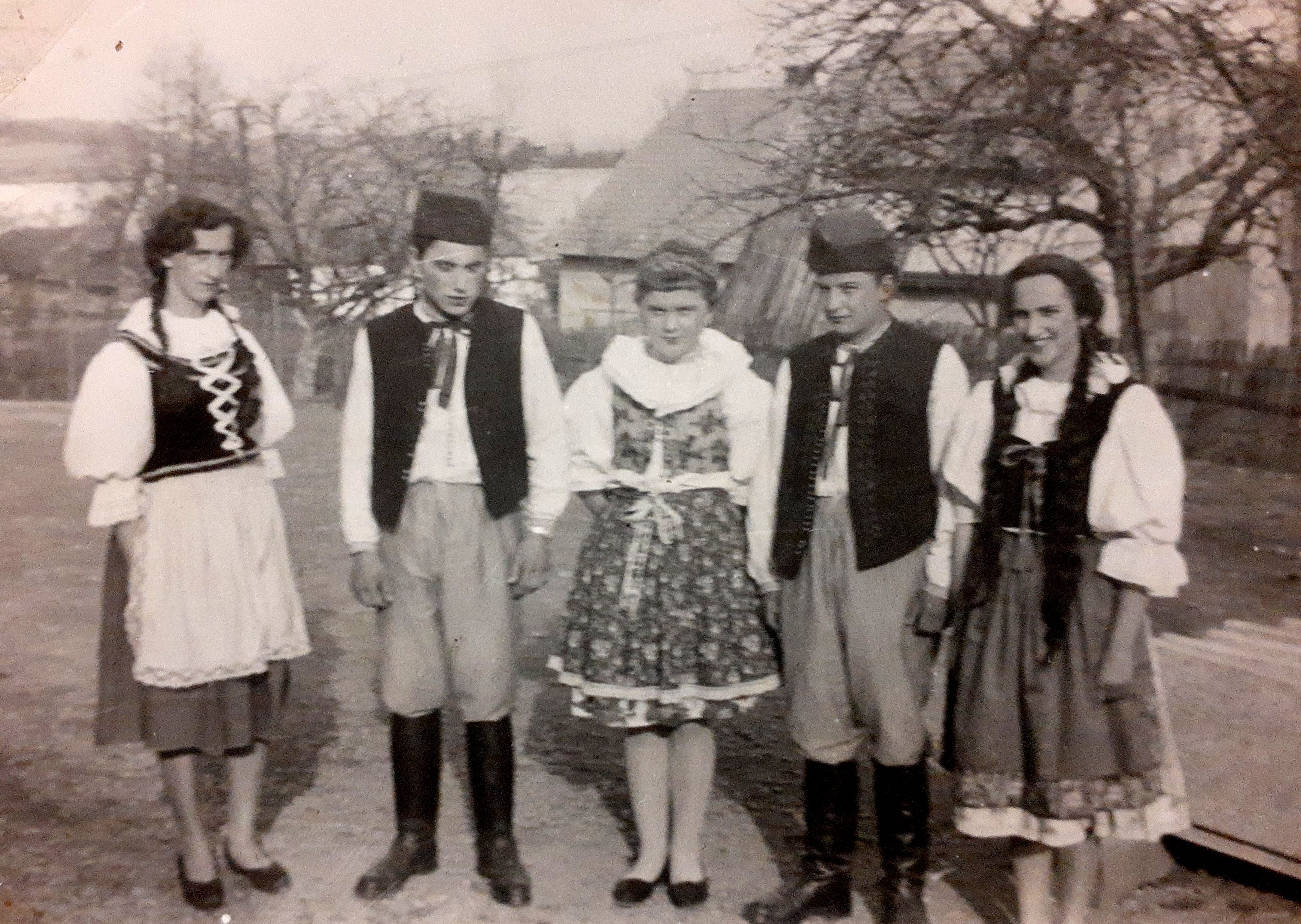
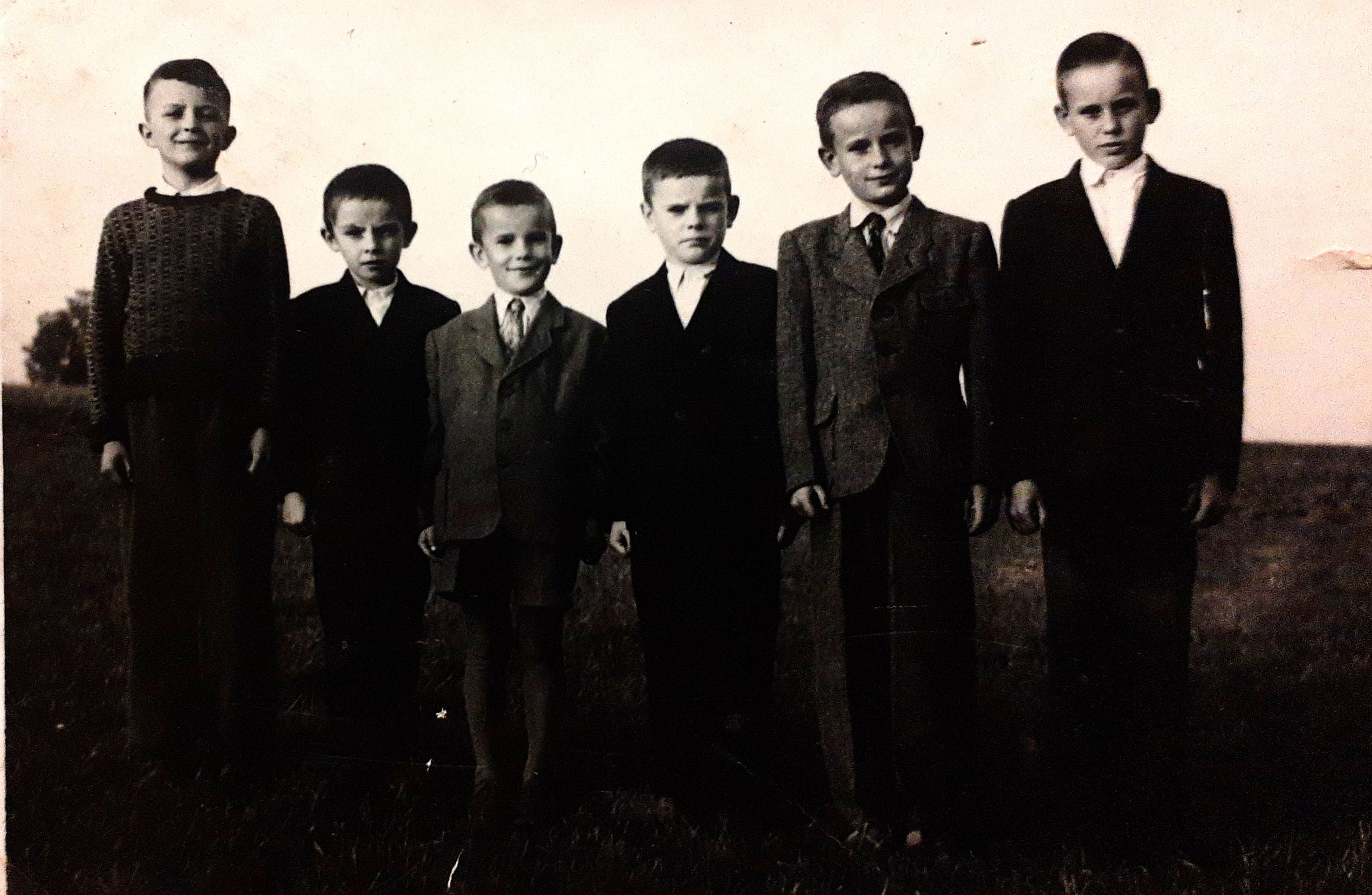
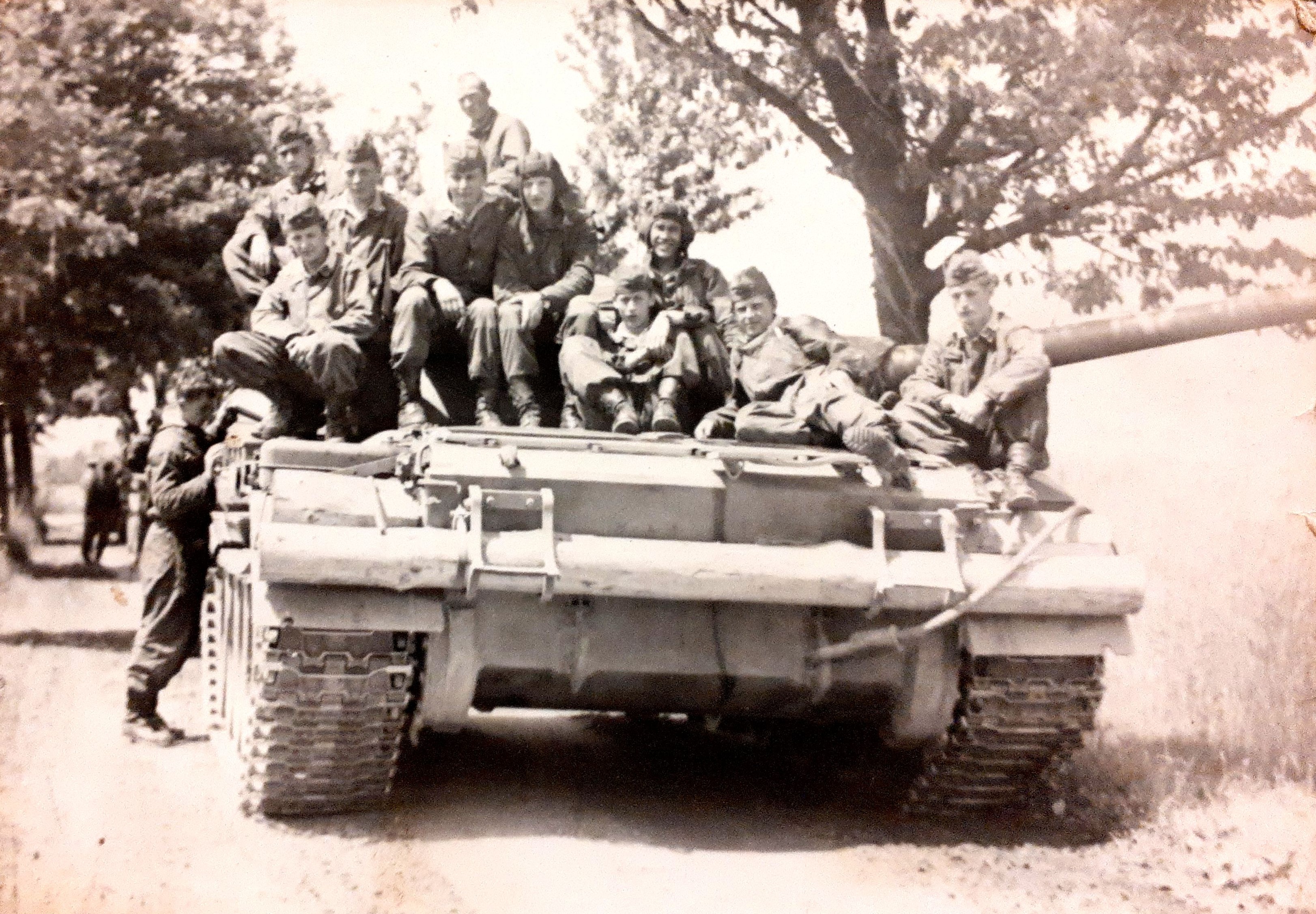
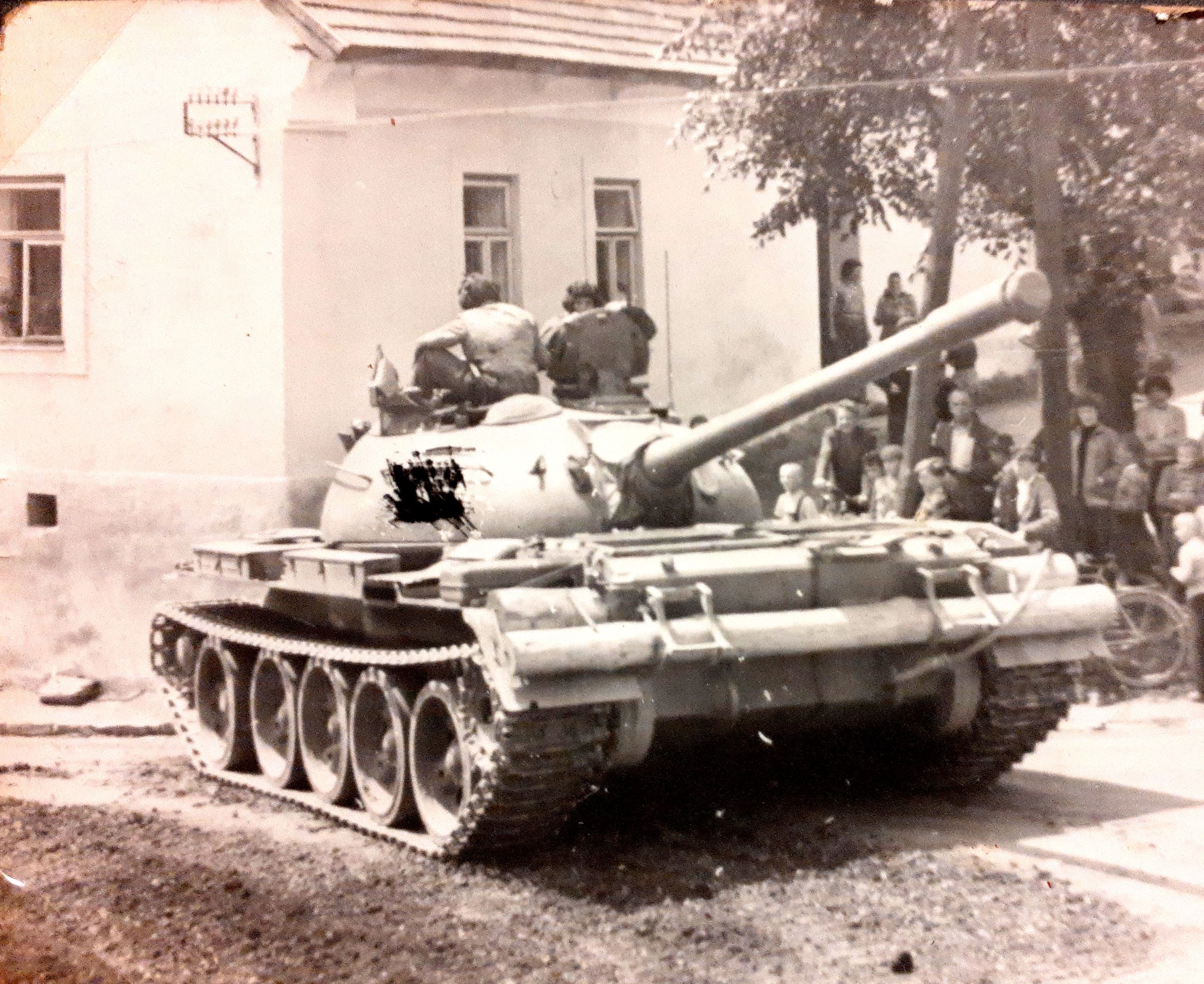
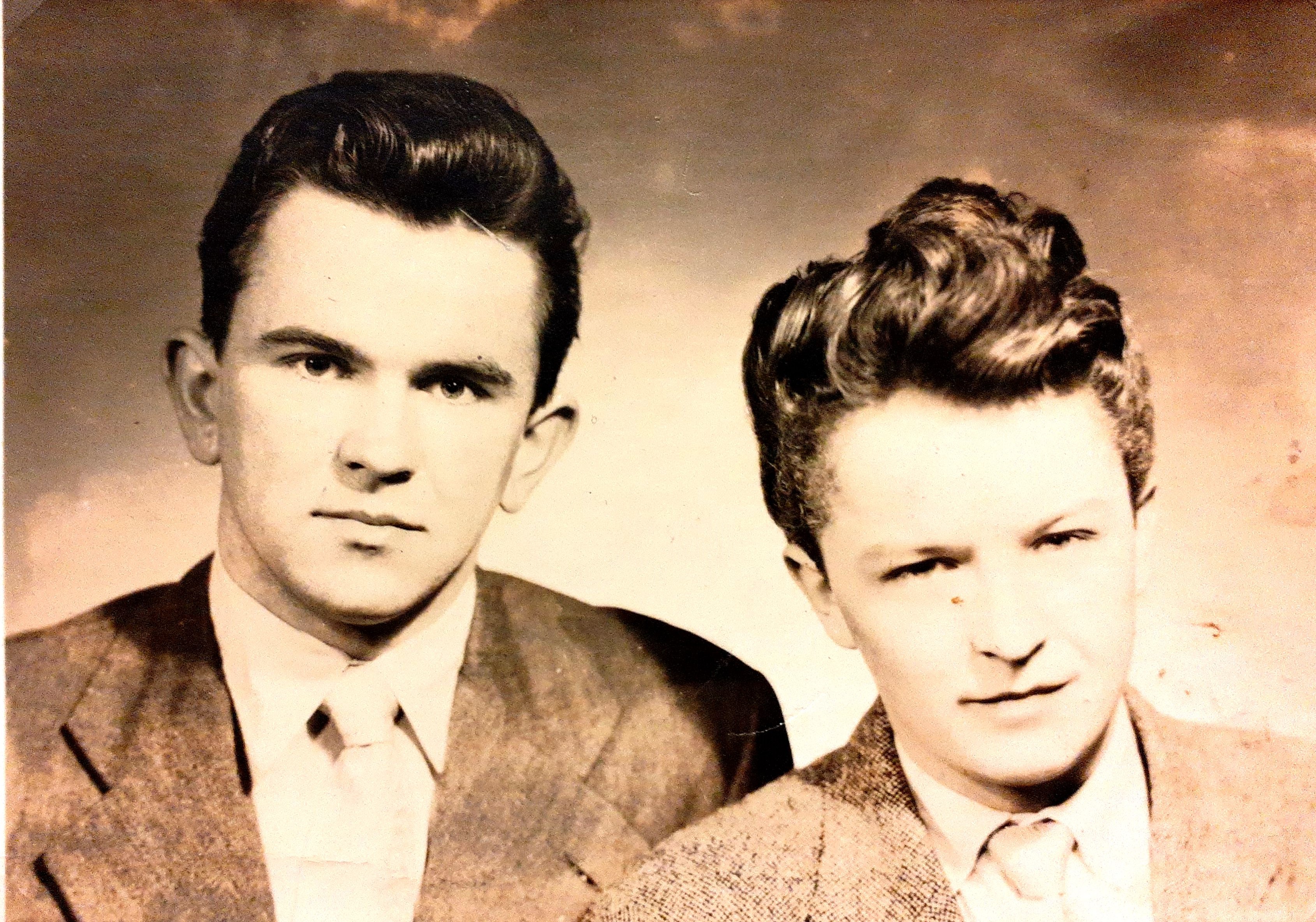
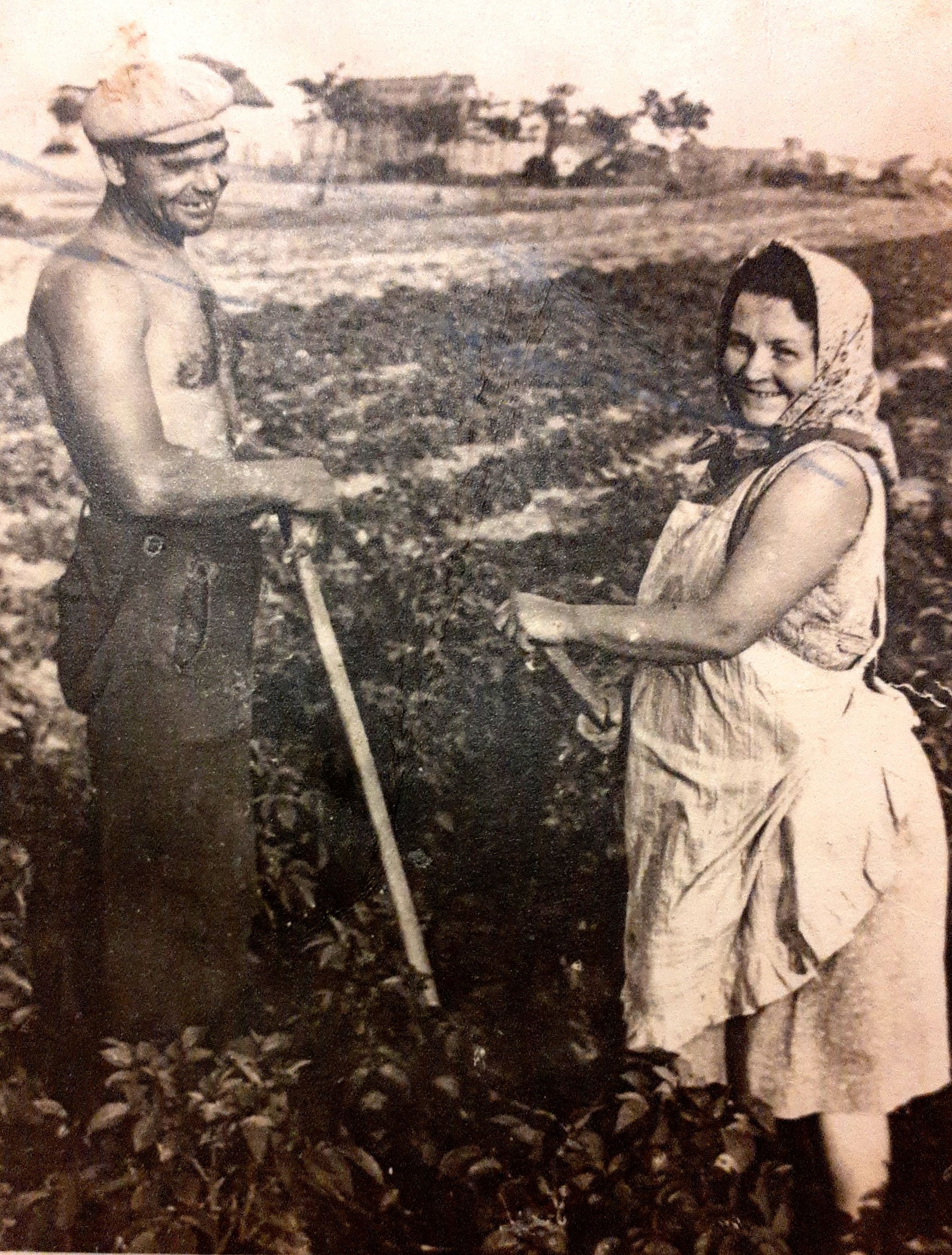
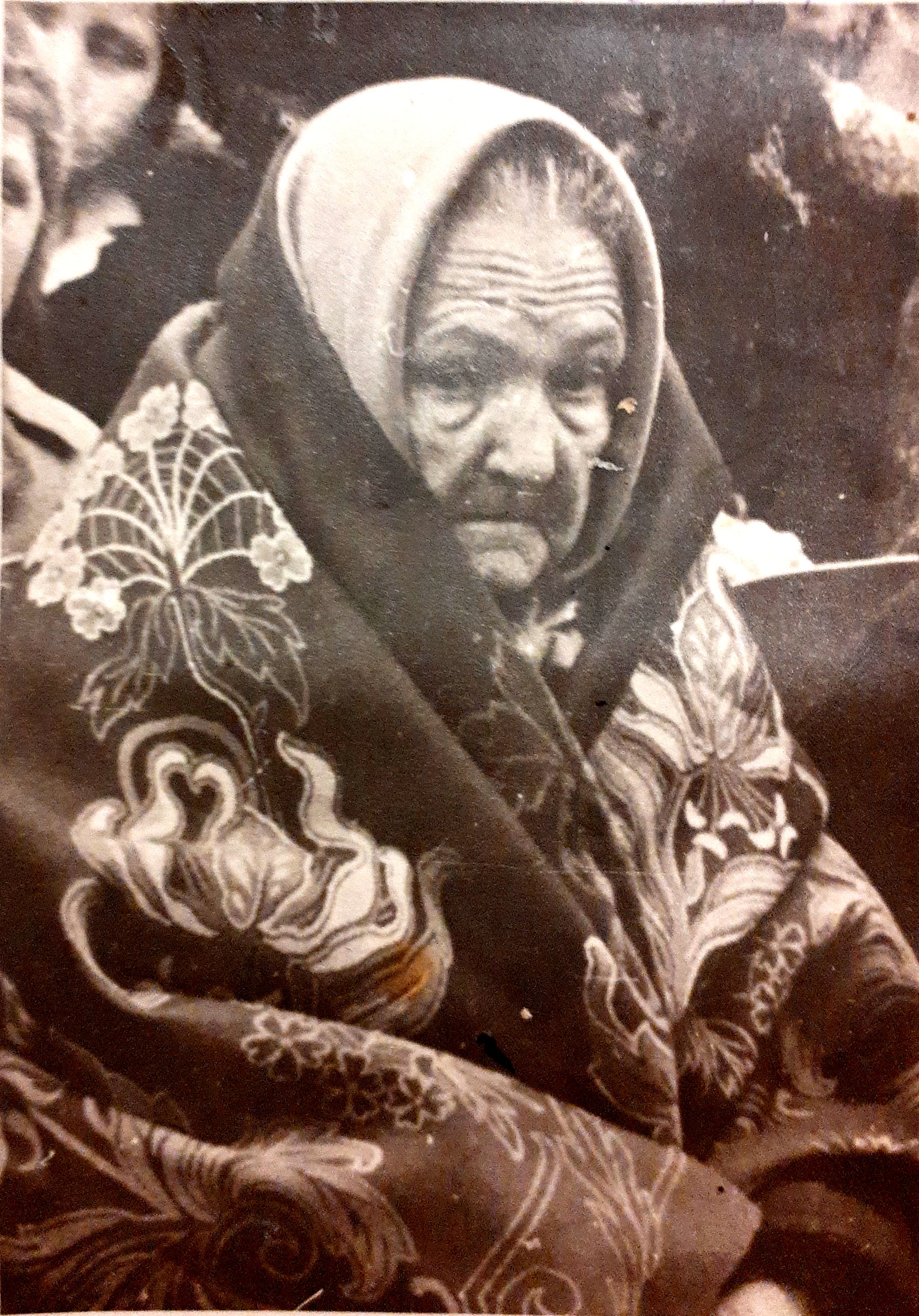
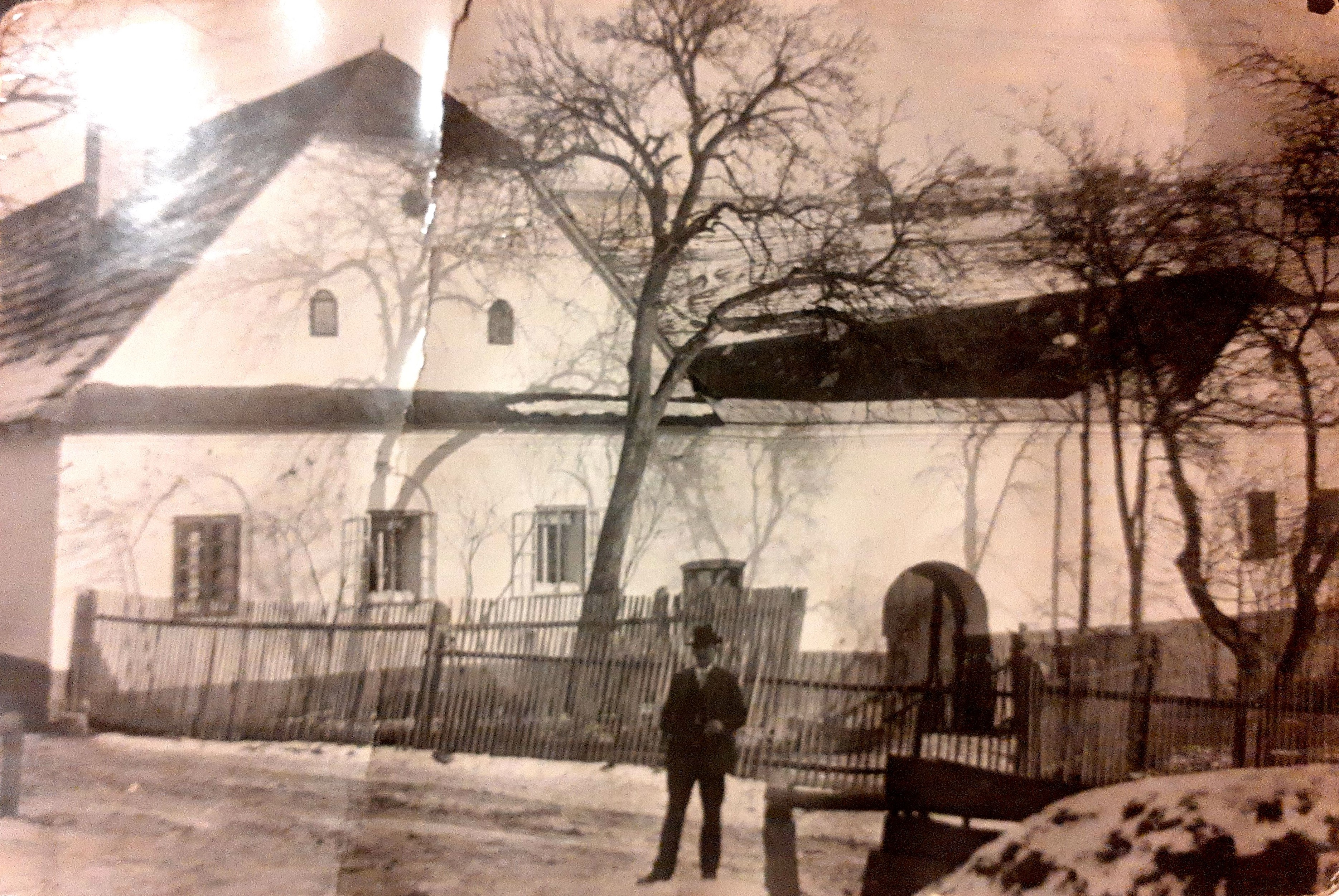
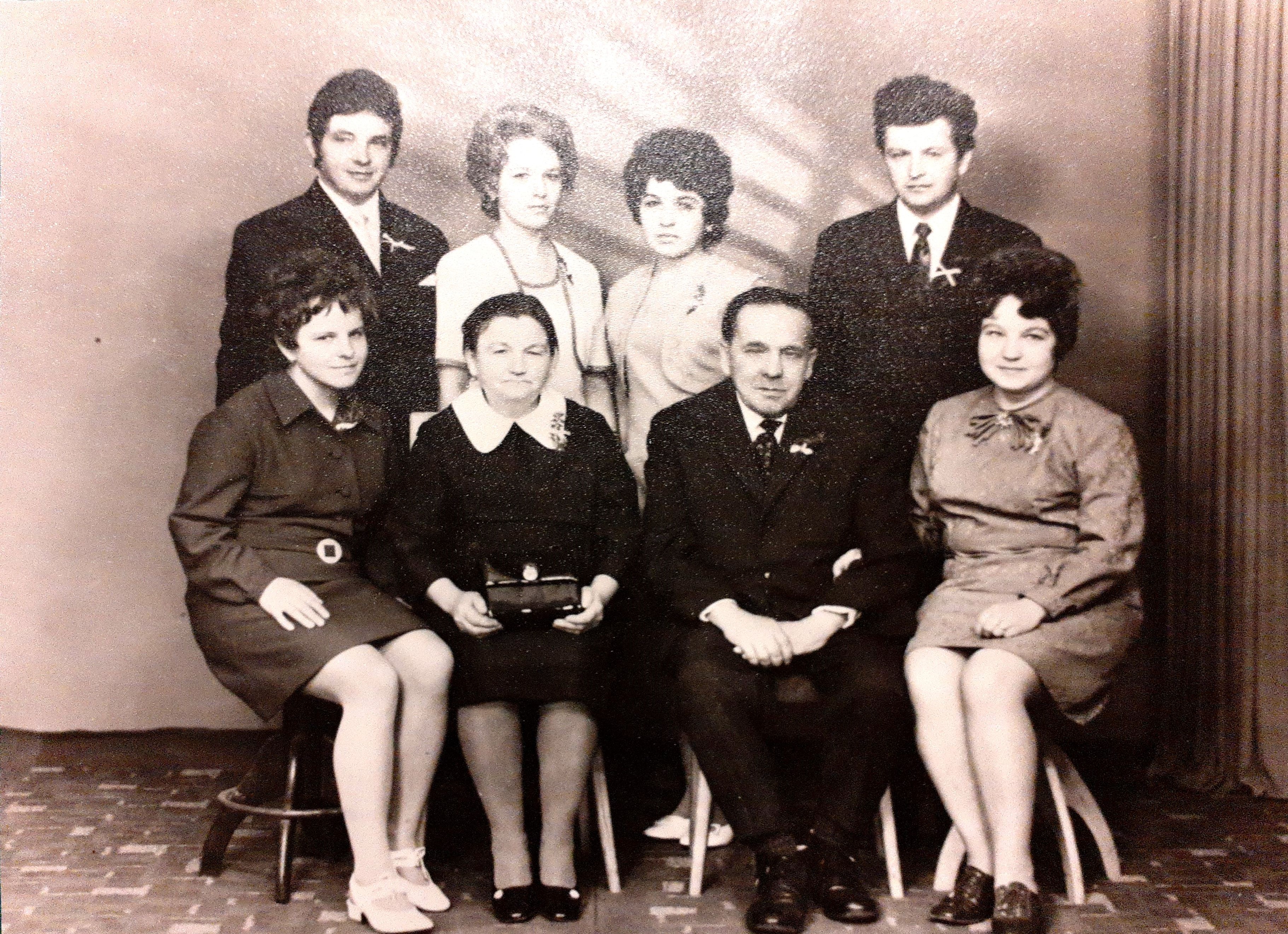
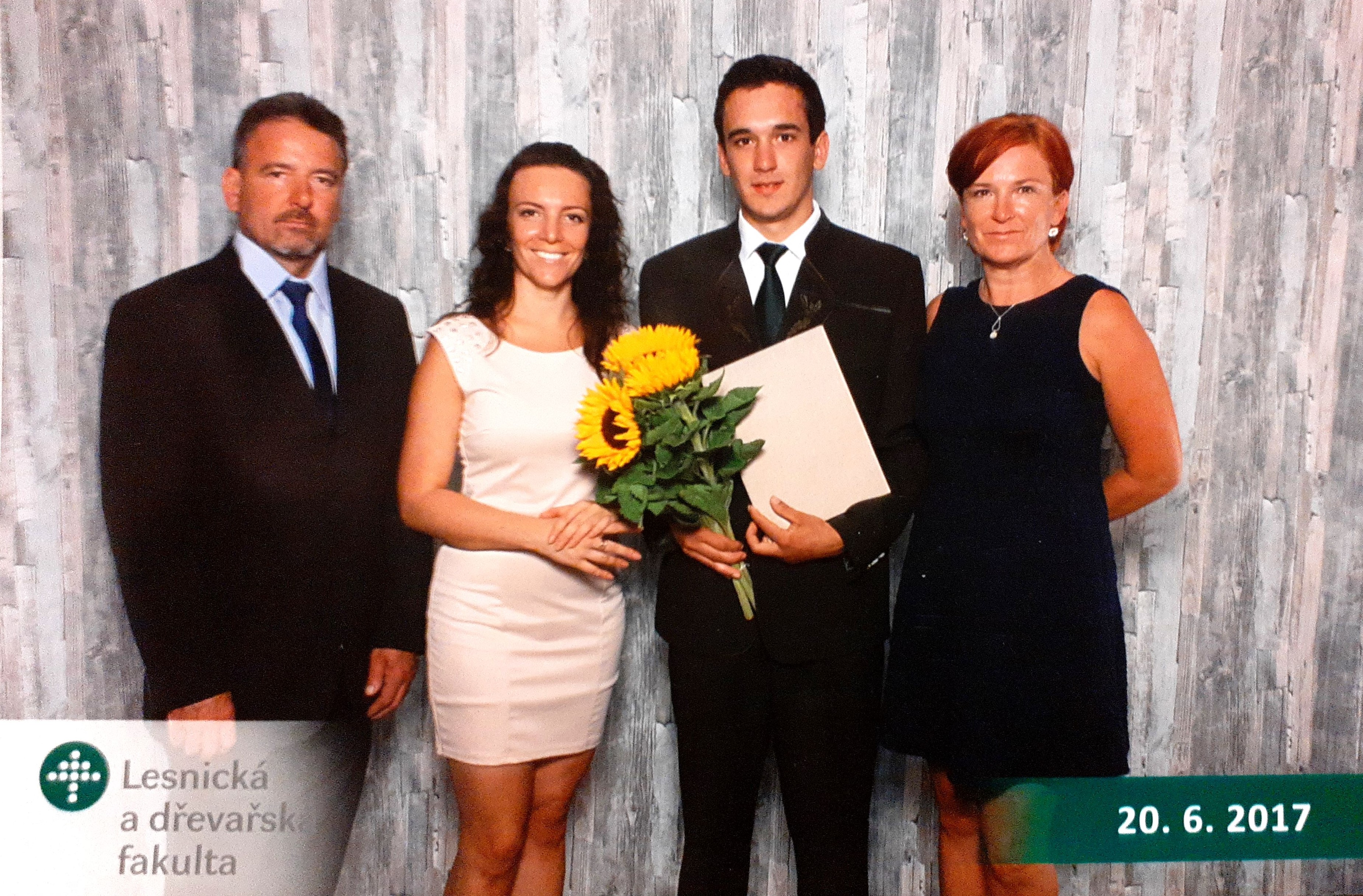
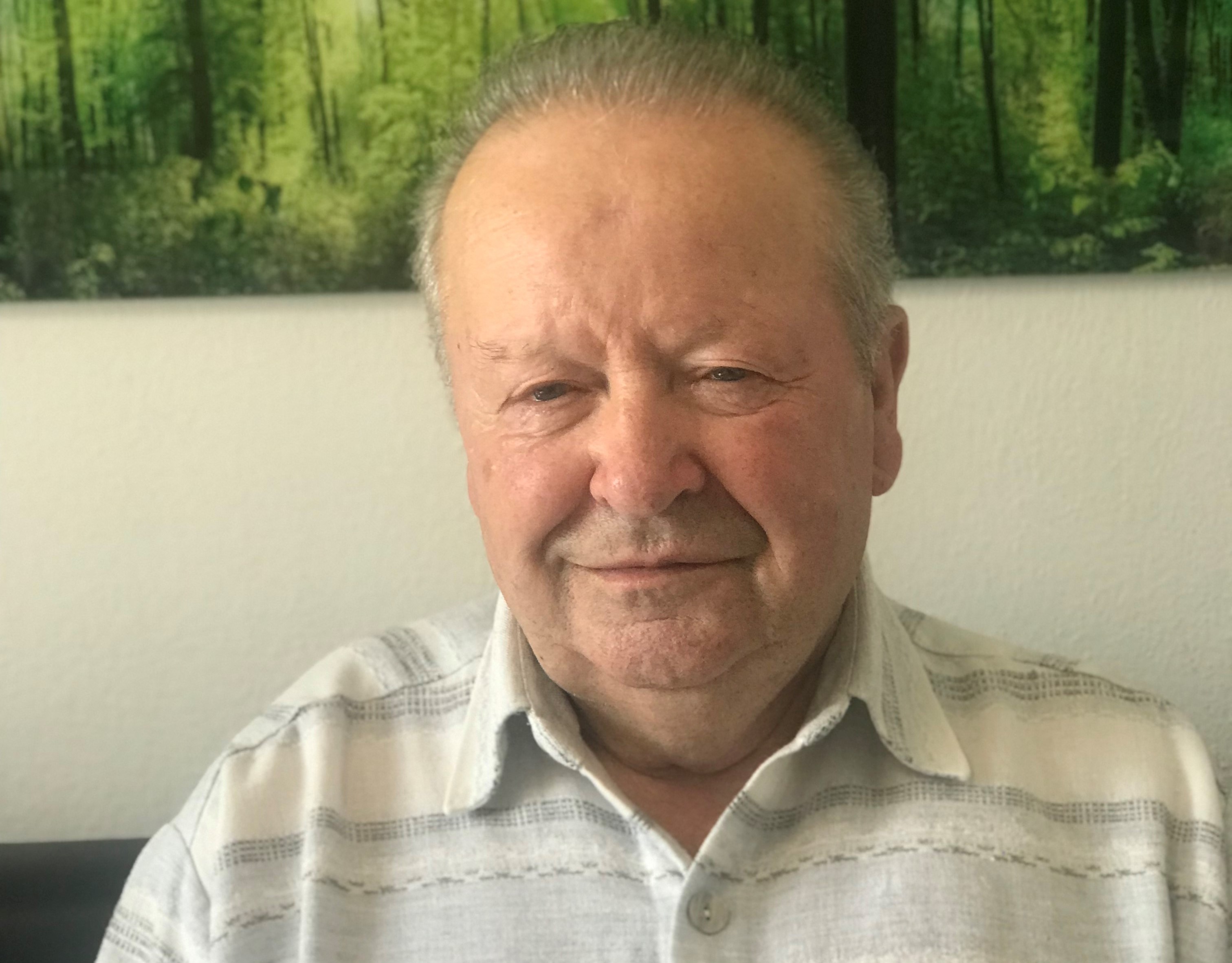
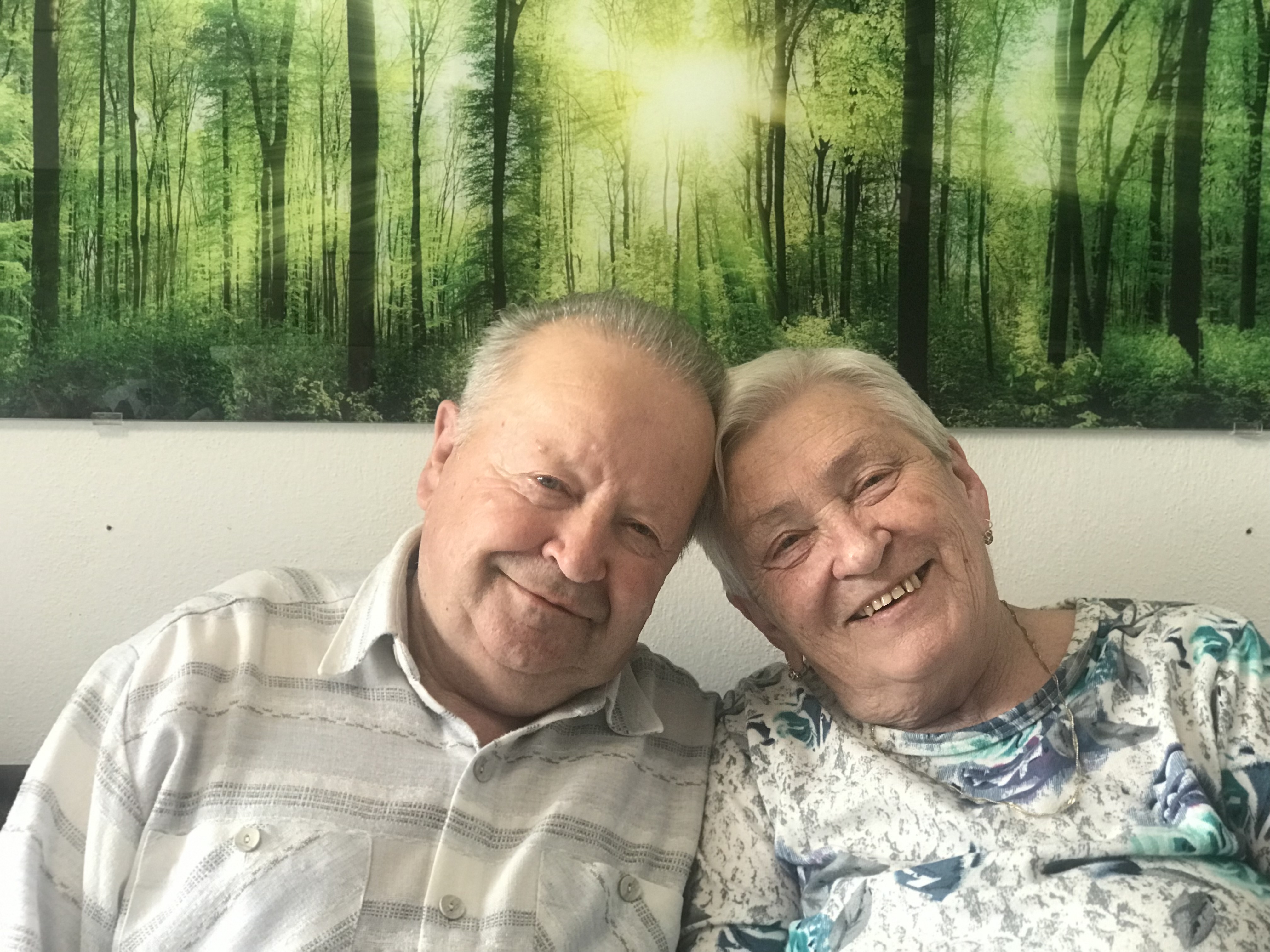
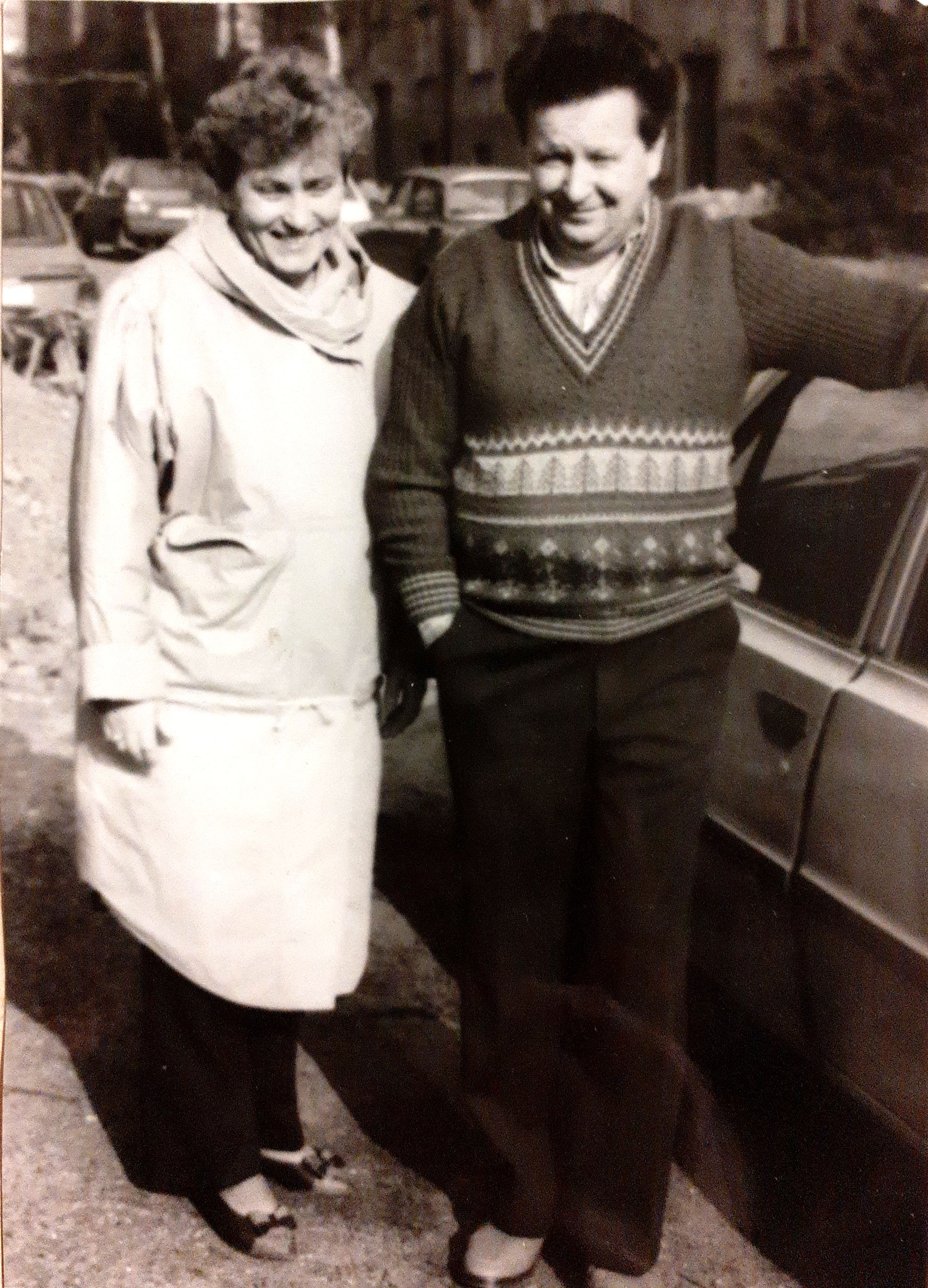
František Dočekal was born on the 28th of July in 1941 in Nyklovice in the Bohemian-Moravian Highlands. The family owned approximately ten hectares of arable land and they were renting five more. They had a horse and around 14 units of cattle. The family lived through the war in comparative peace, however, in the surrounding woods, resistance fighters were hiding and they would sometimes come to visit the Dočekal house. The resistance in Výr shot Valentin Ehm dead, and in Bystré, they killed Josef Čipera. In 1948, when the Communists came to power in a coup d’état, they started initiating measures which were to lead to the end of privately owned agricultural enterprises. After the so-called collectivisation of the countryside began in 1949, the family had to meet impossibly high production quota, suffer continuous visits of the co-op campaigners and manage even when the Communists confiscated their machinery and banned them from hiring any help. In 1958, the family joined the Unified Agricultural Cooperative. František’s father never came to terms with the fact and he would not leave the house for ten years and at the end, he died in an asylum in Jihlava. For František and his mother, joining the co-op was a relief at the end. František started working in agriculture right after he finished the basic school and he kept working in the Nyklovice co-op until his retirement in 2001. He served in the army, first in Jihlava, then with the tank batallion in Jindřichův Hradec. In 1963, he married Anna Krejčí. They had three children. In 2022, witness and his wife lived in Nyklovice.