Eva Dlouhá

* 1945

  • "I remember at school, when I was in [senior] year, that the headmaster, who hated us - our family - especially my sister, took it very hard. I took it too because he was substituting. I remember as a child, it stayed with me, [that] when he substituted for us in geography and whenever he called on me, I got a B. I cried all the time, yet I, I think I got good grades. I had honors until fifth grade and then I had some B's here and there, but the principal kept giving me B's. I used to go home crying because who would get a B in geography. My mom [knew], she said, 'We know why you got it.' And then when the substitute was over, the geography teacher who had us came back, she kept calling me out. I kept getting A's and she said, 'What did you get the B for?' I said, 'I don't know, I don't know.' So she gave me a B on my report card. She said, 'Eva I can't, I have to give you at least a B because you got Ds.' The guy was terrible."

  • "And it's a fact that we were really there at seven o'clock in the morning, sitting there, sleeping, or at five o'clock we were already sitting in the waiting room, frozen like pretzels. I went to throw up, I was sick. The kids were laughing at me, my siblings, what I was doing, and we were waiting for this little train to take us to the booths. Those were the wooden huts where the torturers were. Well, we stood there for a while, about 15 minutes, these were these cubicles, I remember cubicles. A little window now. I couldn't see my dad, they had to put me up. My brother always picked me up to give my dad a kiss. Mum always said, 'And give him chocolate.' That didn't exist. We weren't even allowed to give him flowers. We'd all cry and then it was the end of the visits and we'd go. We went home."

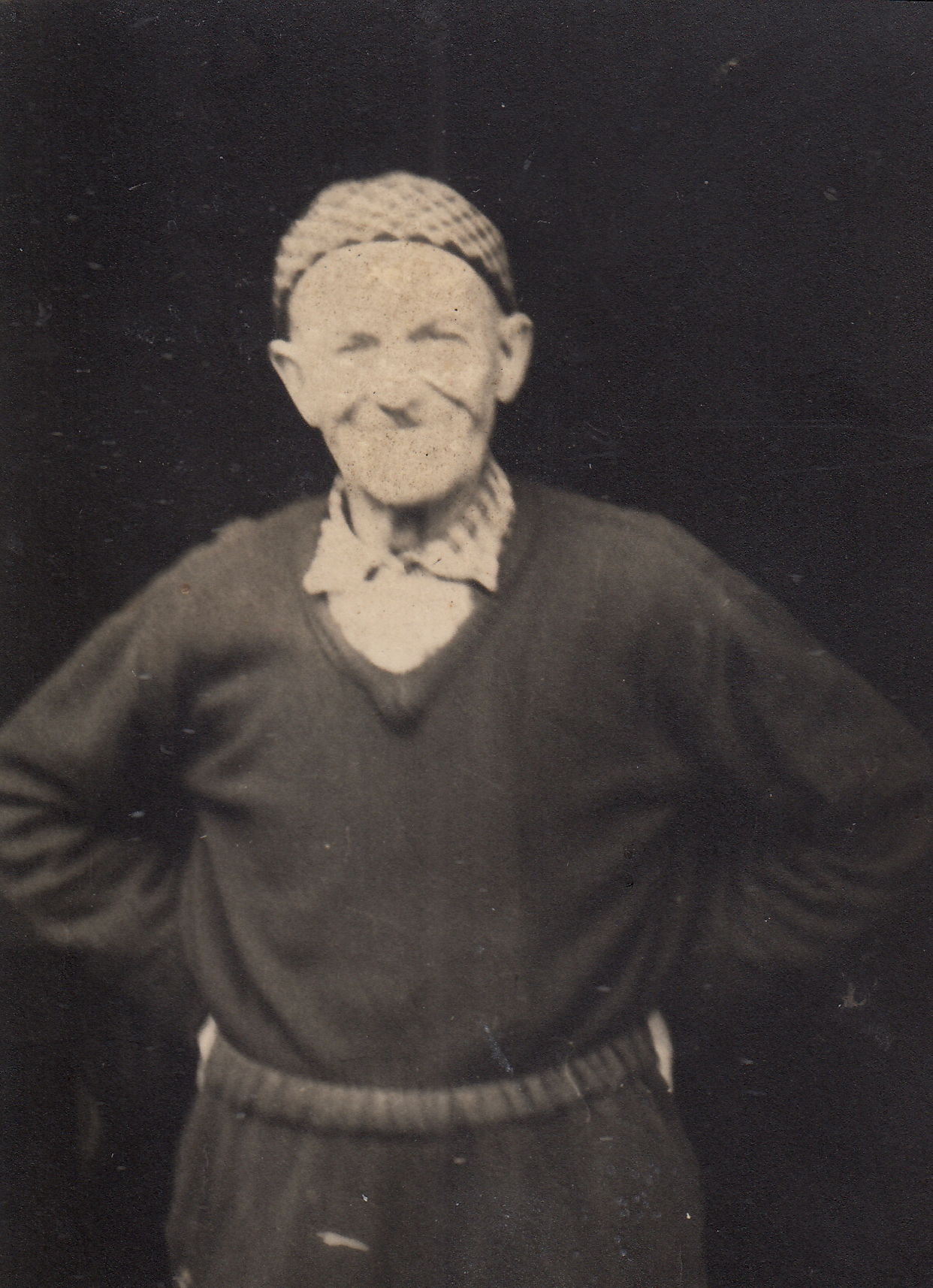
  • "The four years I was there, my dad got locked up, they took our store away, of course. Now they took away - my mum had to pay - but she told me all that [or they told it] when they were talking to my grandmother or somebody - maybe my older sister or brother told me as a girl - that they took away the shop. At four years old, I don't remember much about my dad because I was just a little girl. Basically, it didn't even bother me [then] that I didn't have a dad. Except then when I came to school, it was only when they started a little bit that I had my dad locked up that I was a little bit of a mess. So I knew what was going on. And I know that my mother used to say to my grandmother, 'Take the children, they're coming to arrest Dad.' She always told that, so we went so we wouldn't know anything, and that men came with machine guns and they came to arrest Dad... And that was also the Hodkov people. We even knew the names, it was ugly. Well, they came like they were arresting the biggest criminal. Actually, they were criminals against our country... Traitors."

  • Celé nahrávky
  • 1

    Hodkovice, 23.11.2023

    (audio)
    délka: 01:13:01
    nahrávka pořízena v rámci projektu The Stories of Our Neigbours
  • 2

    Liberec, 11.11.2025

    (audio)
    délka: 01:24:42
    nahrávka pořízena v rámci projektu The 20th century in the memories of witnesses
Celé nahrávky jsou k dispozici pouze pro přihlášené uživatele.

The trips to see my dad in the Jáchymov mines were terrible for me.
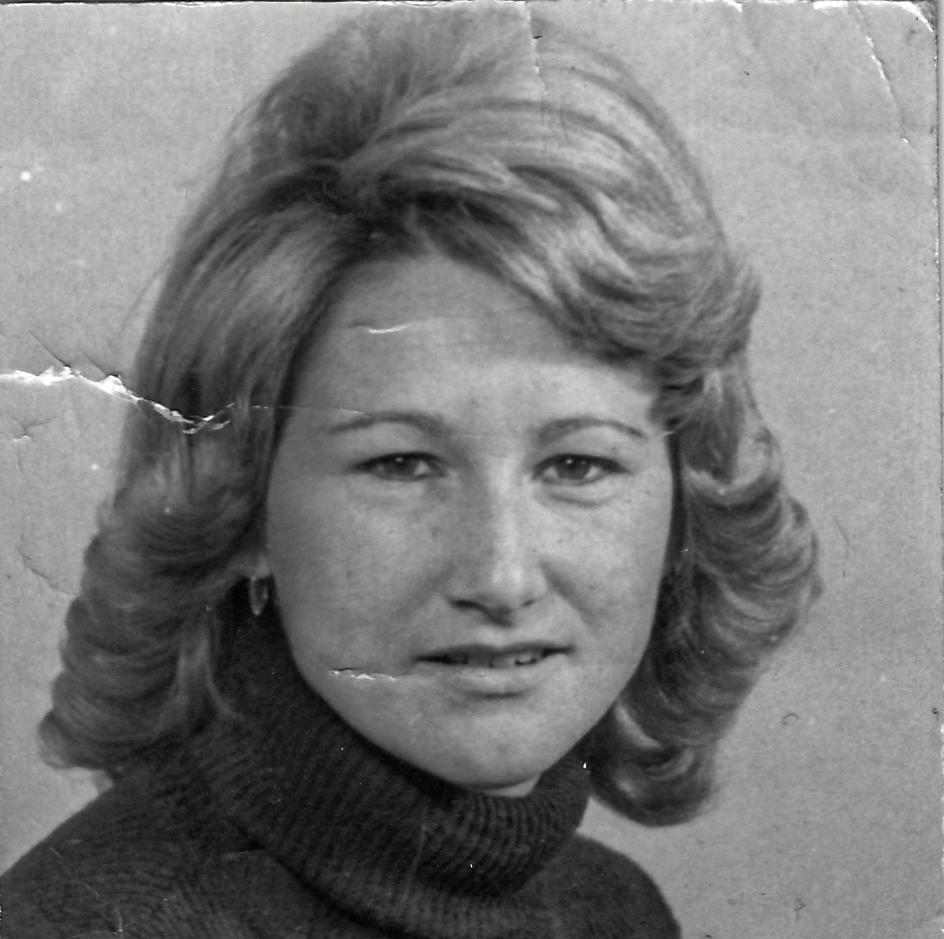
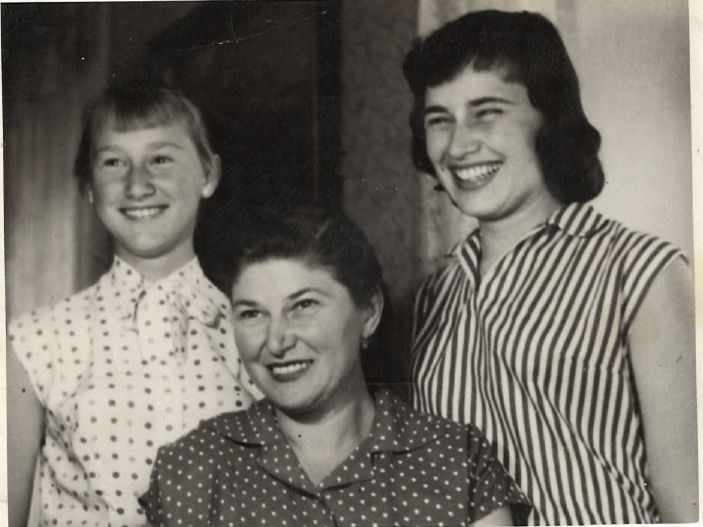
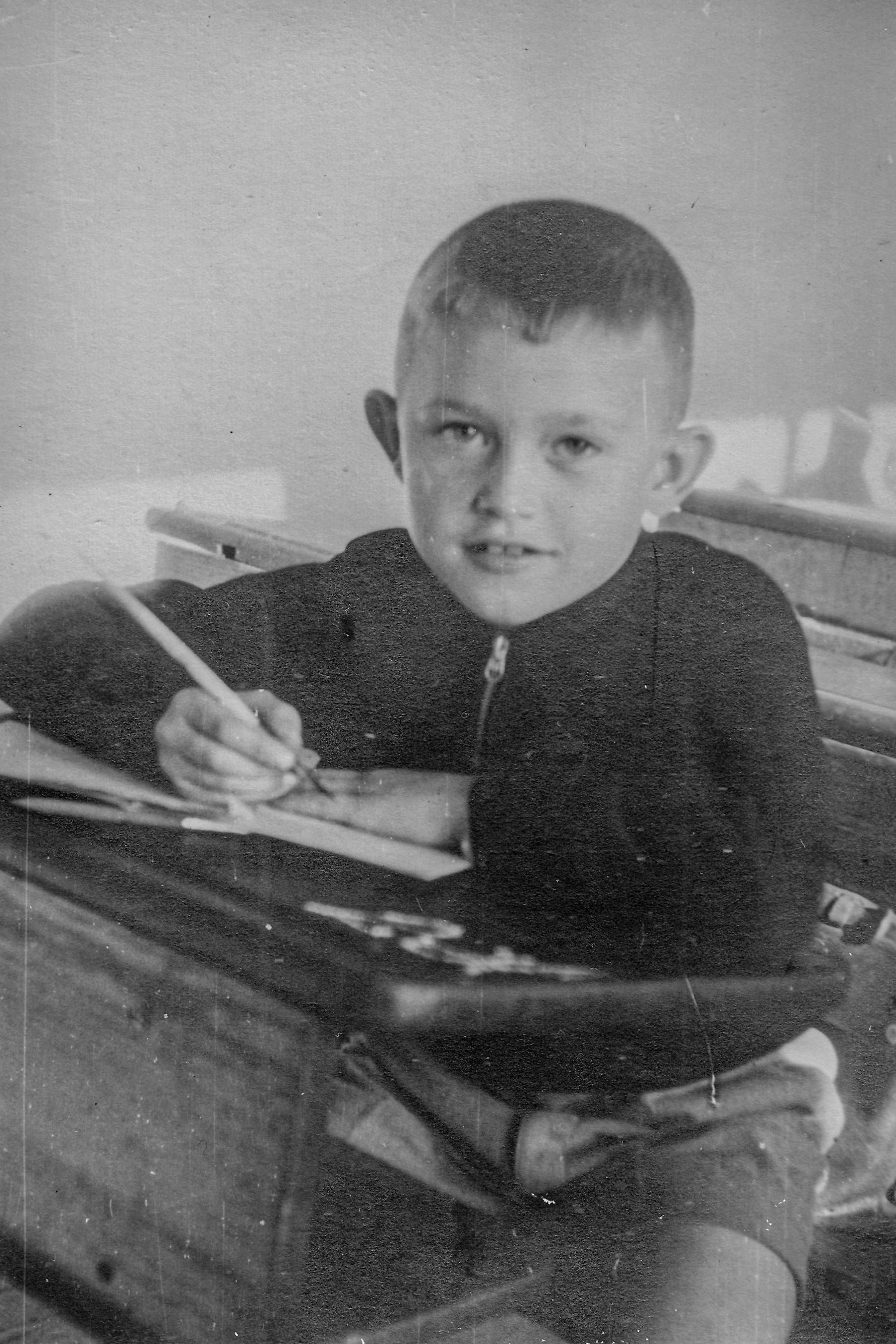
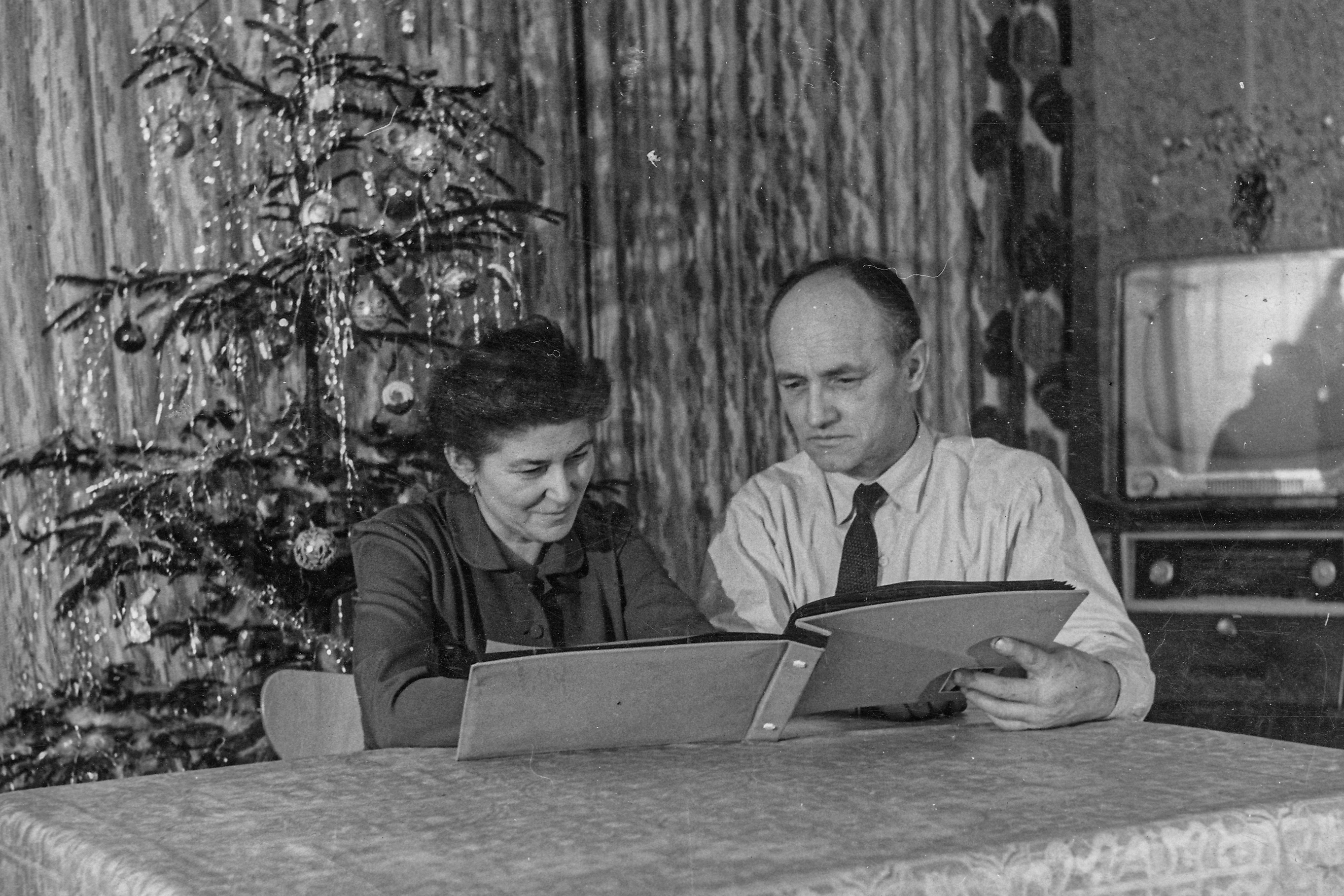
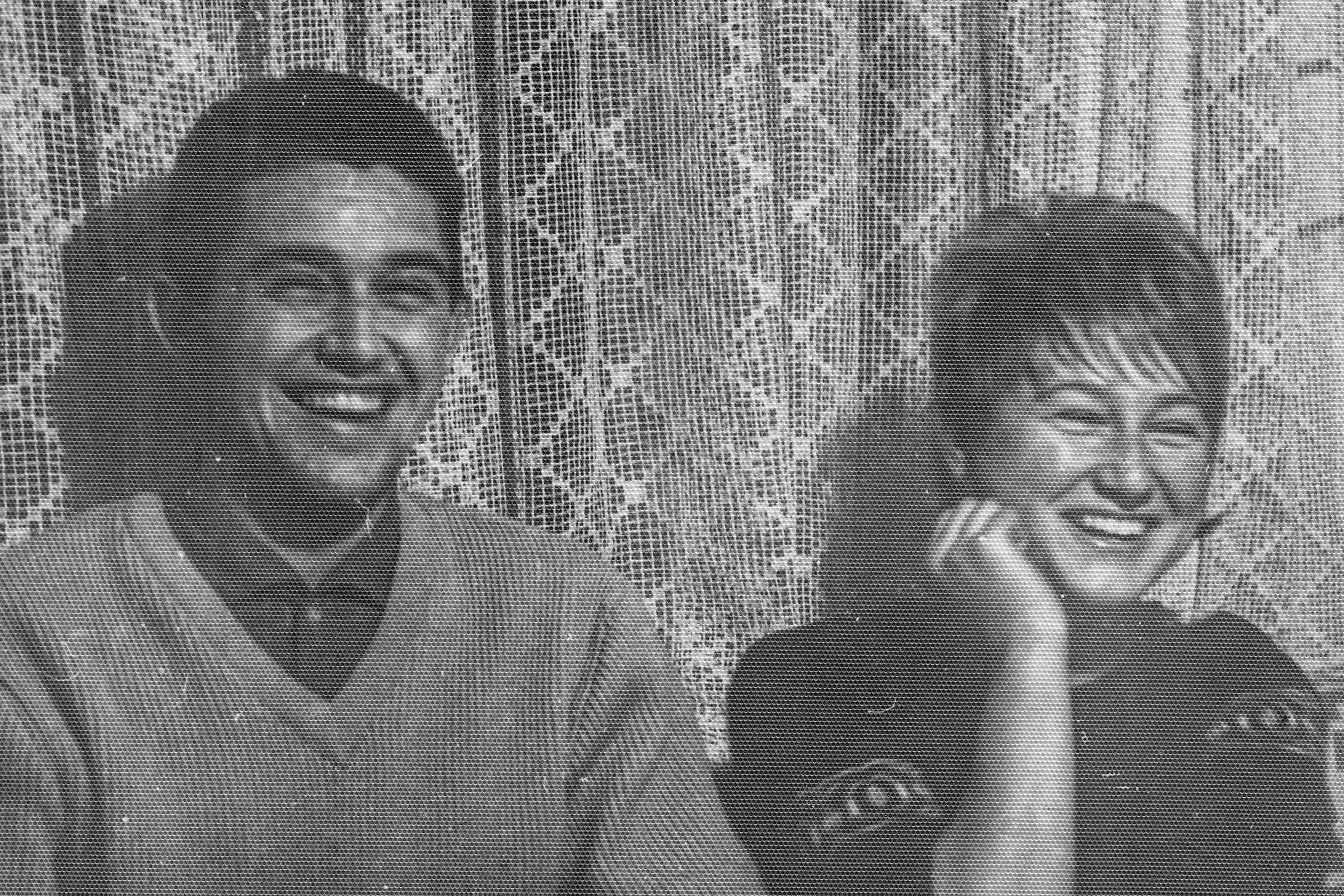
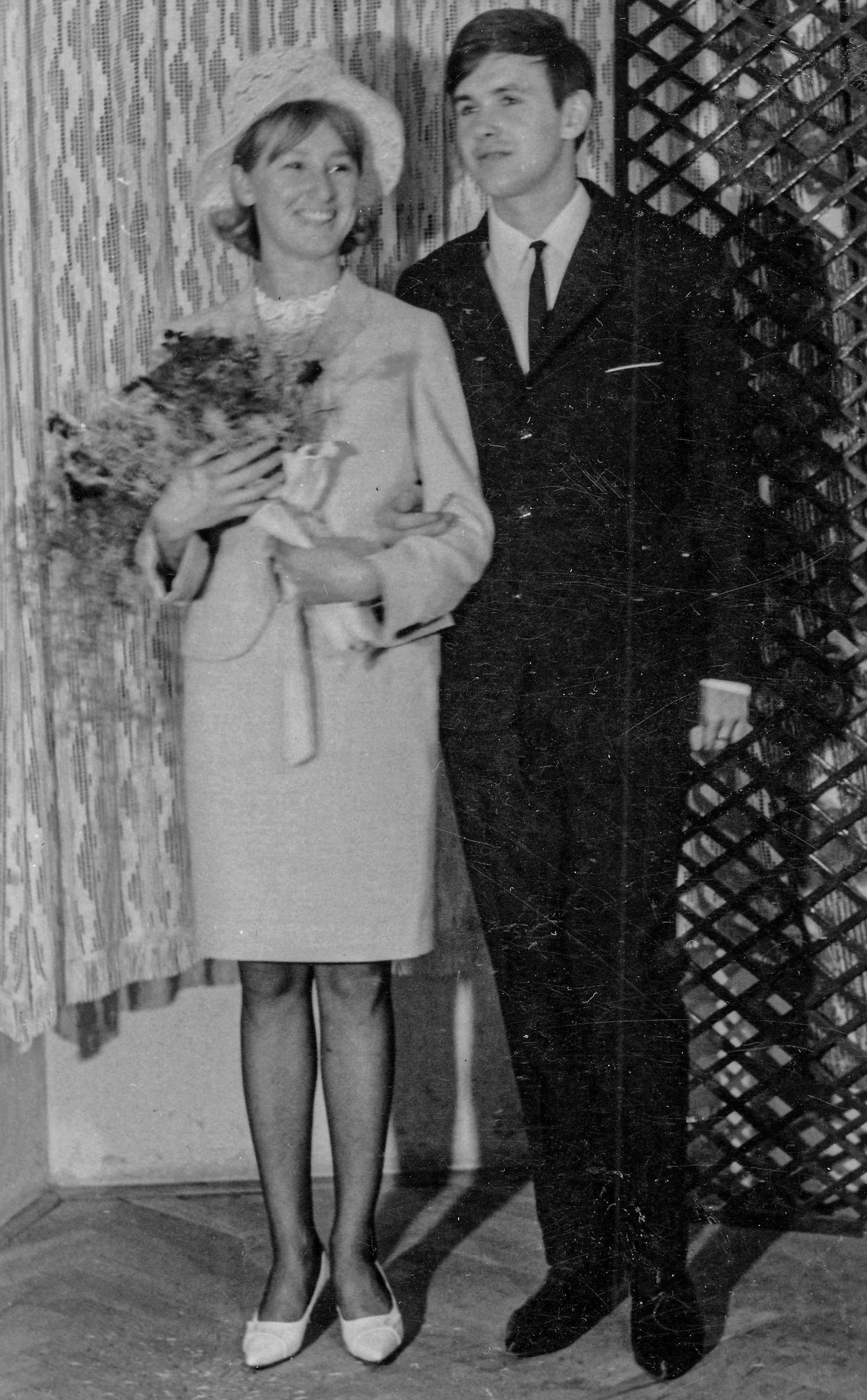
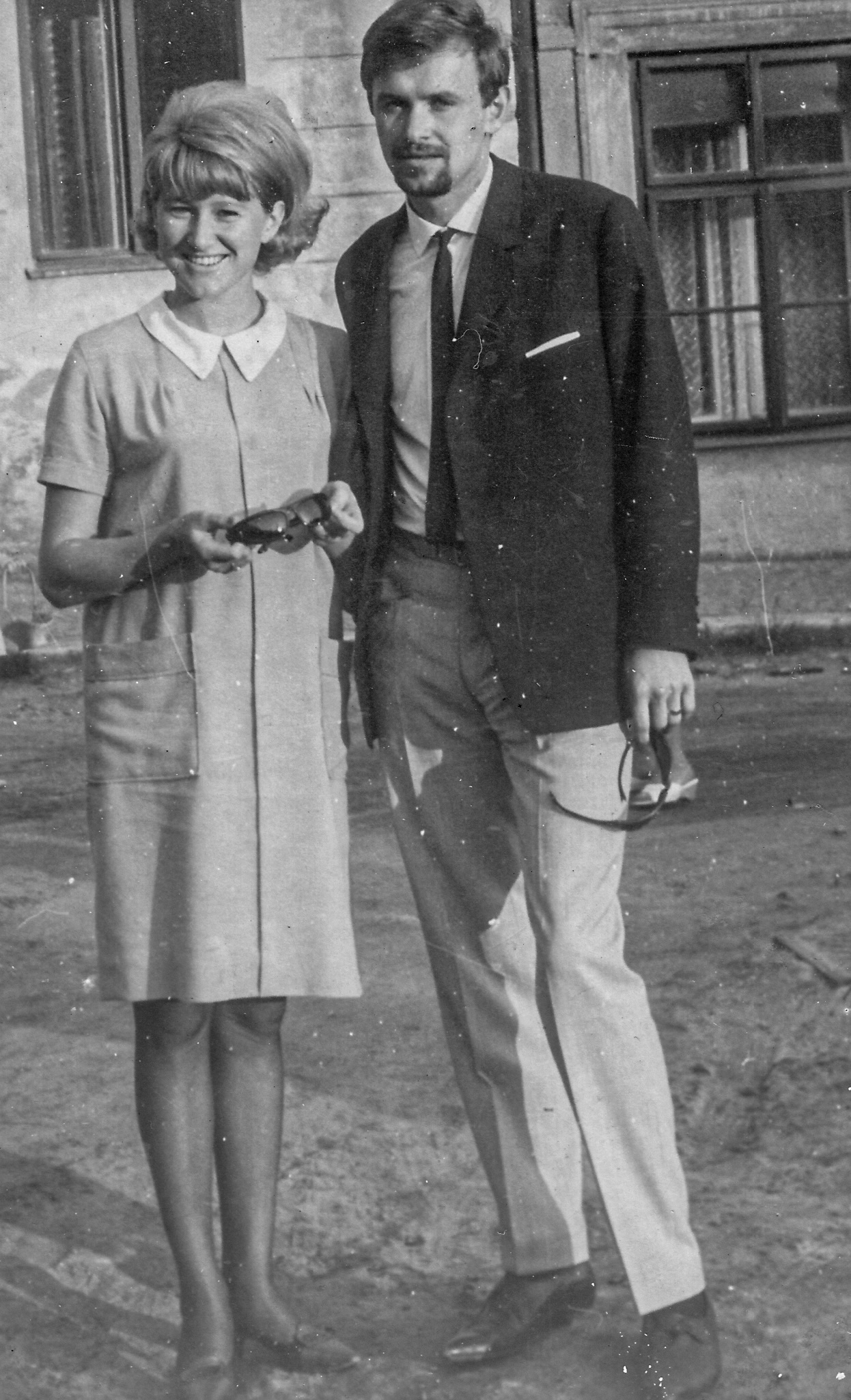
Witness in 1963
Witness in 1963
zdroj: archive of the witness

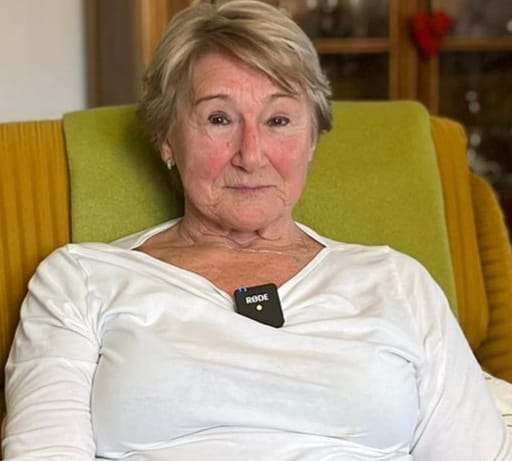

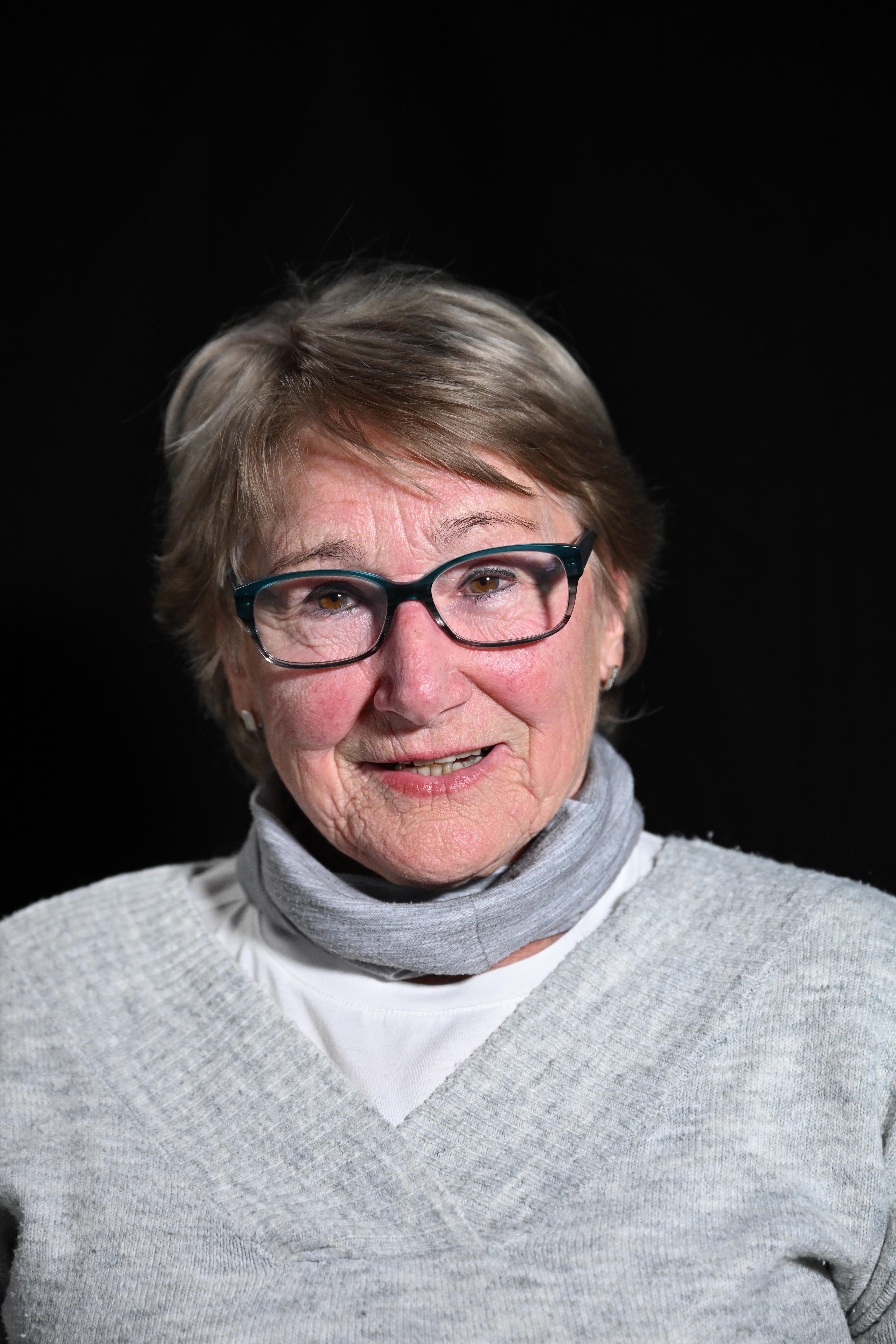
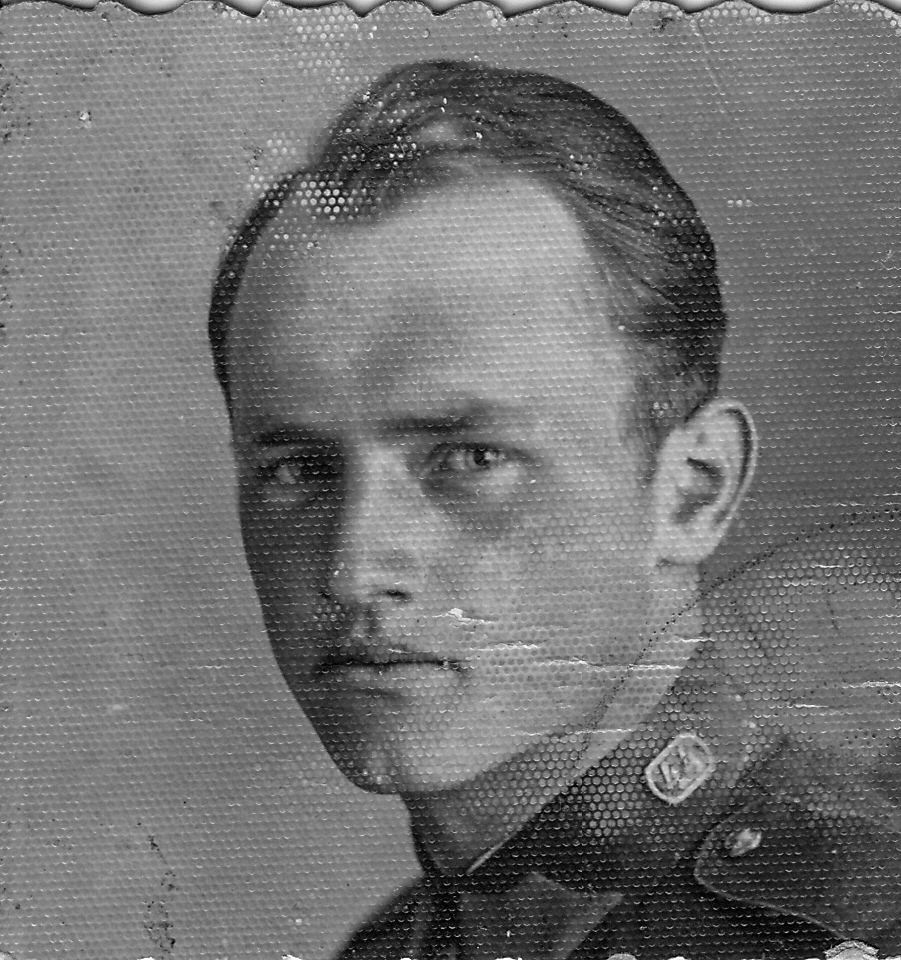
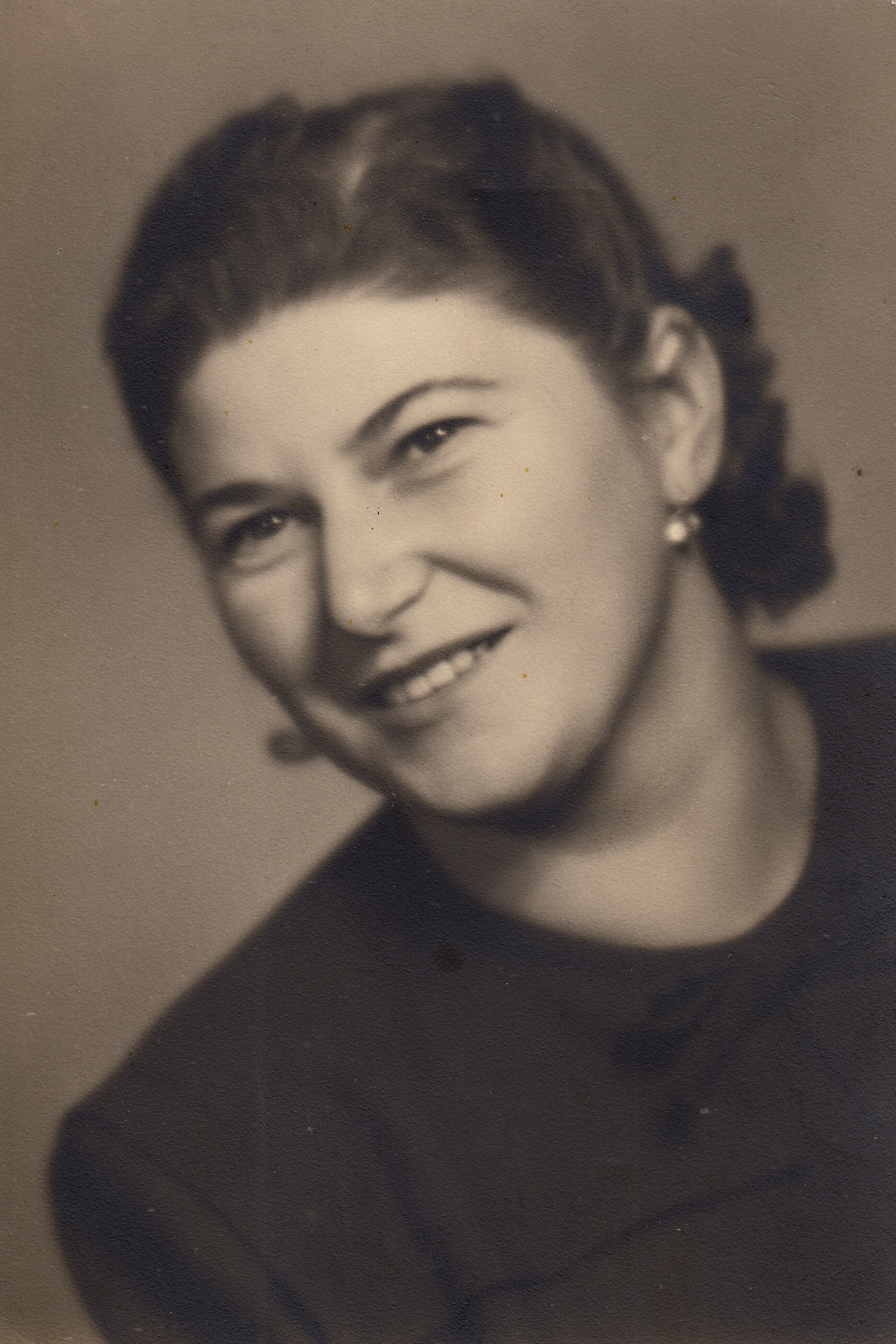
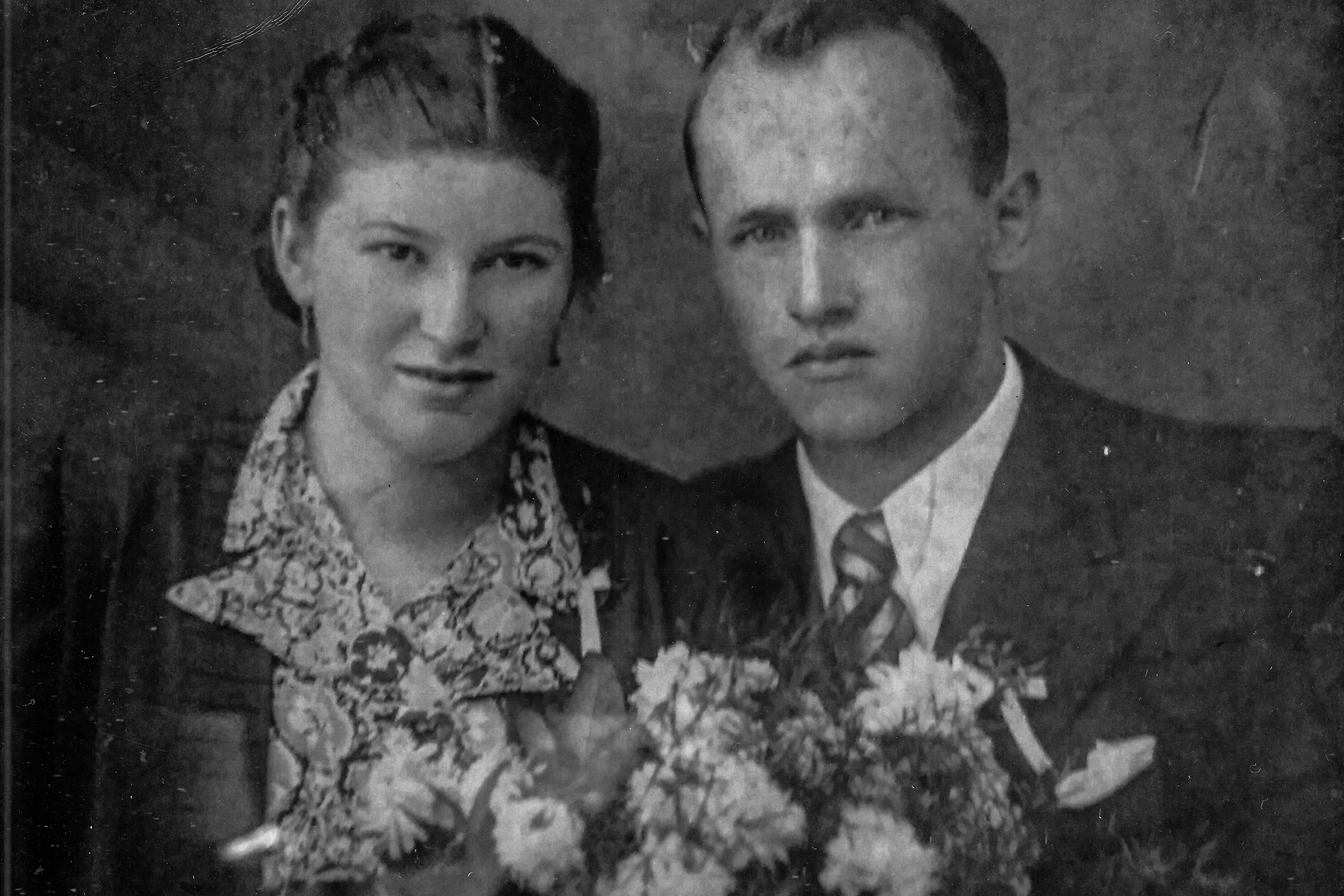
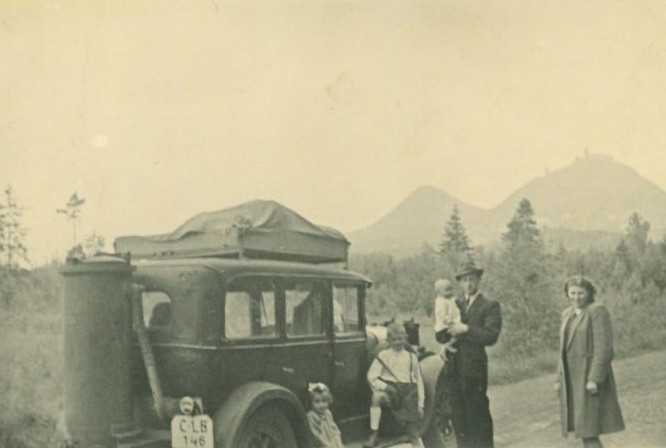
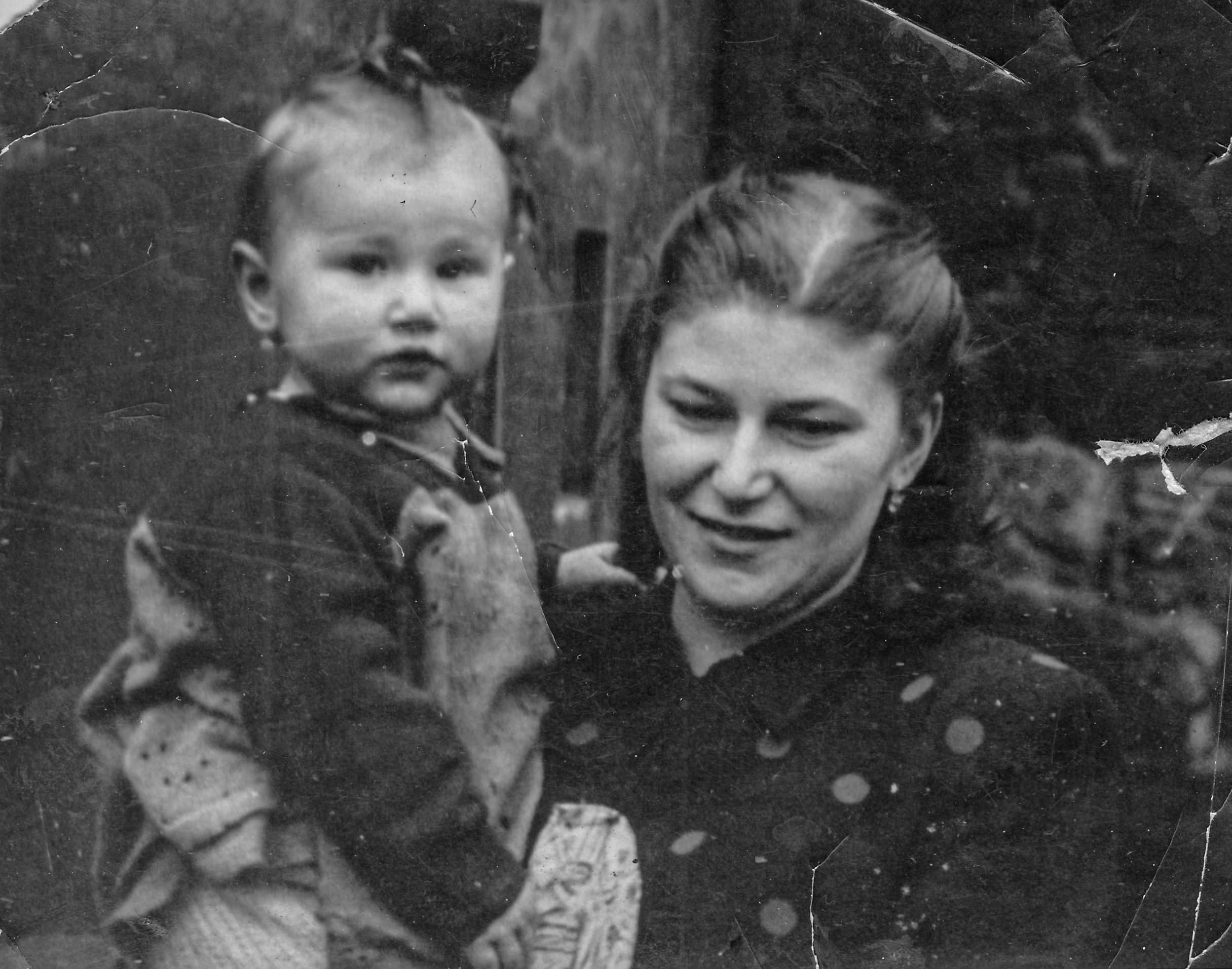
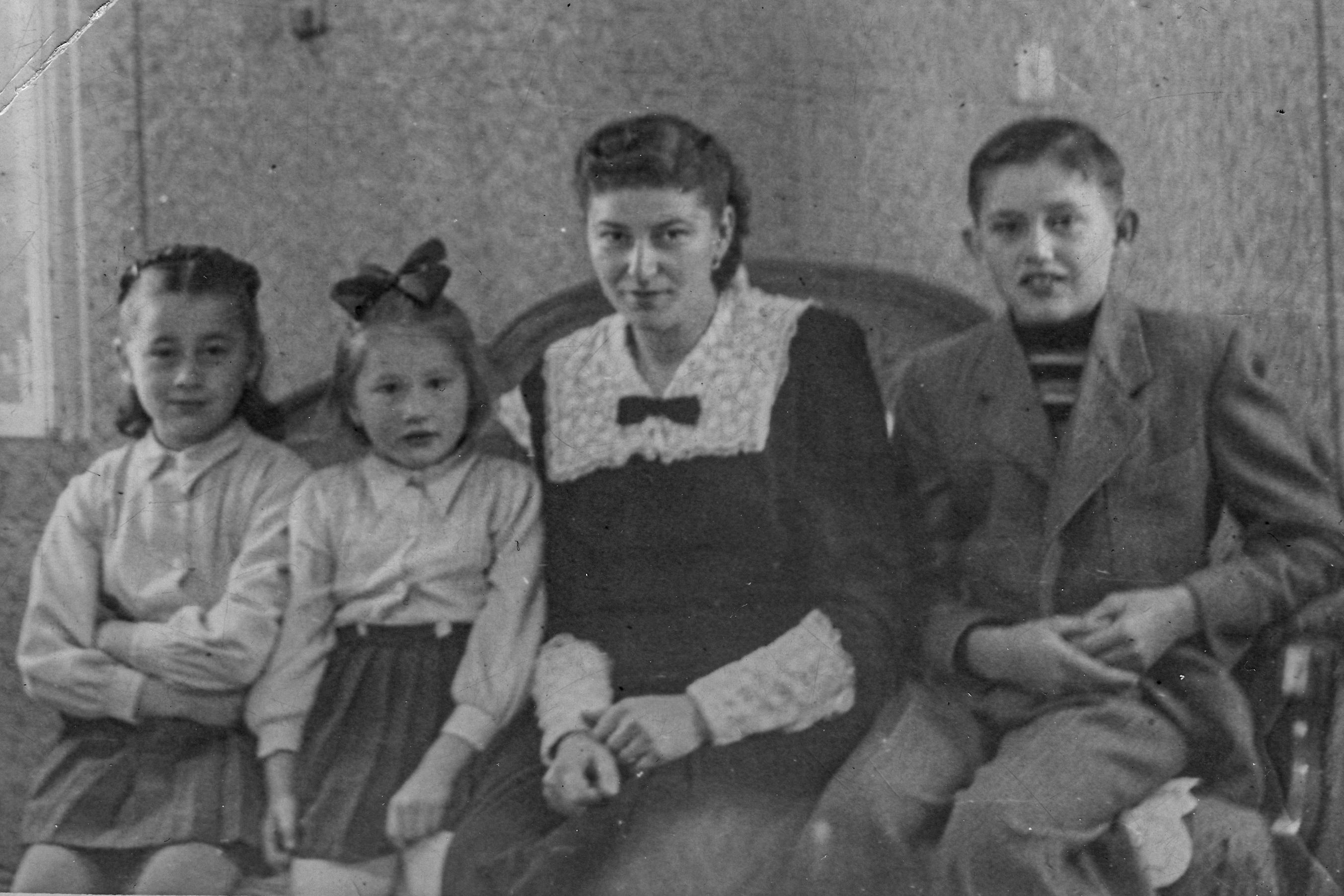
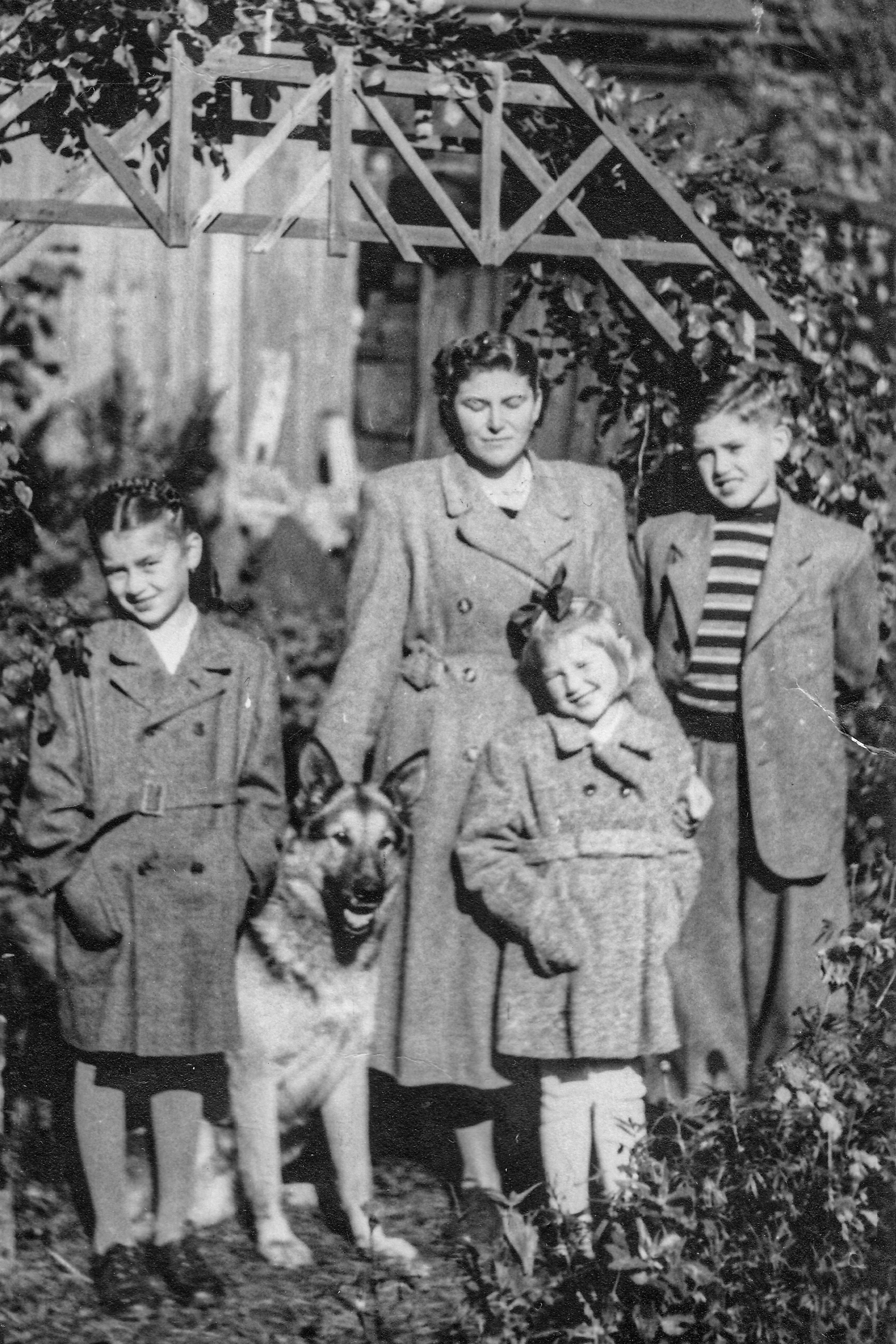
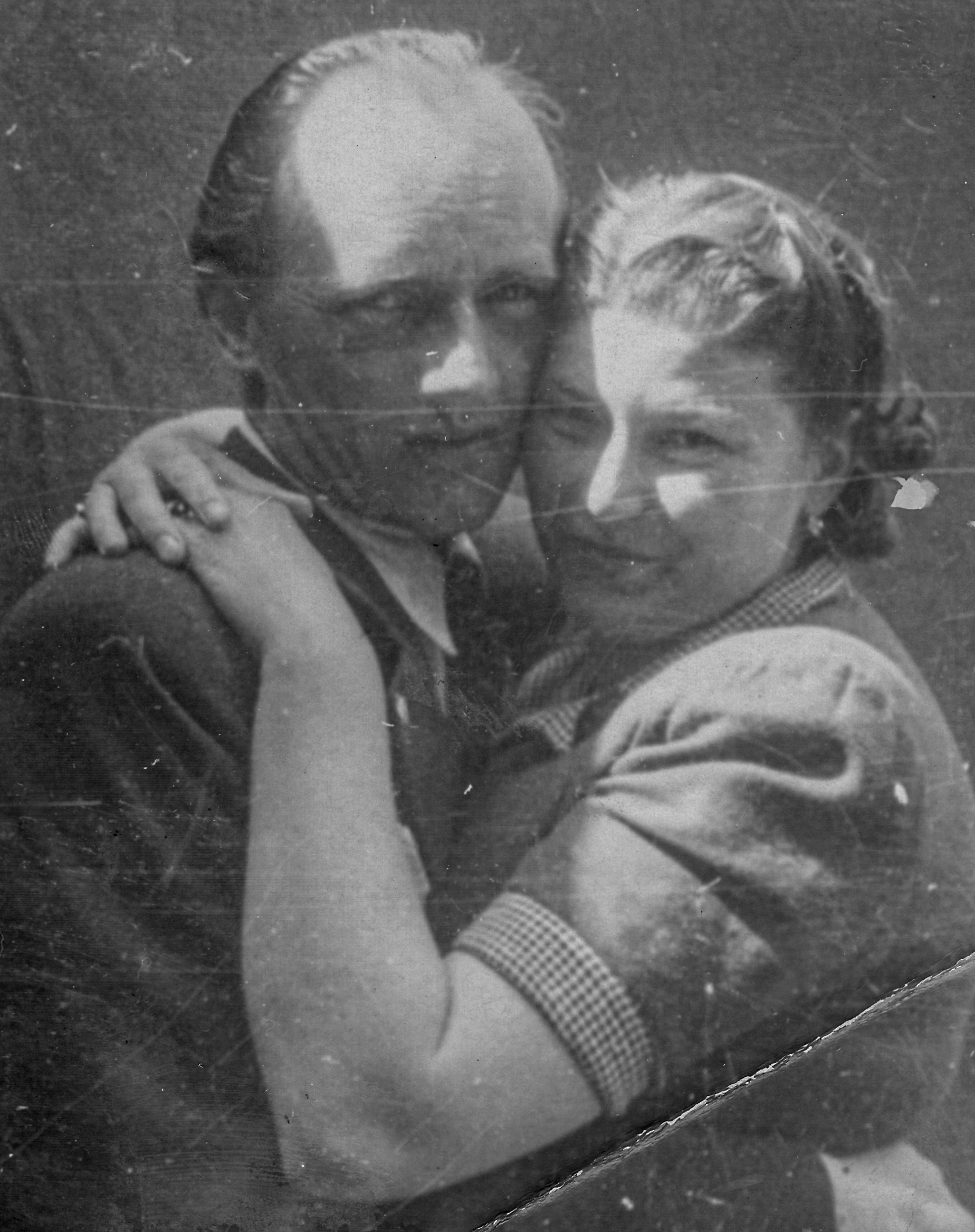
Eva Dlouhá was born on 17 November 1945 in Hodkovice nad Mohelkou, where her parents had a shop selling cutlery. In 1949, her father Bohumil Mrkvička was arrested for his activities in the anti-communist resistance and spent the next ten years as a political prisoner in the mines in Jáchymov. In order for his wife and children to be able to see and speak with him for at least a few minutes, they had to make a difficult night journey across the country. Their father‘s stigma meant many difficulties for them in their everyday life, when they had to face a number of insults and persecution. In spite of this, the witness managed to graduate from a general education school in 1964 with a high school diploma and found suitable employment, first at the Autobrzdy company and later, for example, at the Scientific Research Design Base in Hodkovice nad Mohelkou. In addition, she devoted her whole life to sports. For many years she was active in the Spartak club and since 2007 she has led the women in Sokol. At the time of filming (2025) she lived in Hodkovice nad Mohelkou.