Václava Čoudková

* 1950

  • "November 1989 came. There was that excited talk about what was going on, we were all watching. Before we knew clearly how it was going to turn out, a letter arrived in school sometime shortly after 17 November, like in all schools, asking all the teachers to sign a letter stating that they backed comrade Gustáv Husák. I guess you get the idea. We didn't have a staff room, so the headmaster called us to this area between a door to his office, a door to the kitchen, and a door to the toilet. He presented the letter to us and said, 'What do we do?' A colleague of mine said without hesitation, 'I've got it.' She tore the letter up and flushed it down the toilet. So this is to give you an idea of what it was like."

  • "Back in '68, I recall there was a little bit of a political thaw. We could say a lot of things, even if not very loud. What followed was the period known as the Prague Spring. I recall we put Dubček's photo on our bulletin board, Svoboda's too, and Císař, though you likely don't know his name. He was the Minister of Education at that time and a reformist communist, just like Dubček. I even recall us putting up a photograph on the classroom bulletin of a Red Army soldier statue that stood in the Rokycany square for a long time, and we wrote 'Divíšek' under it [a name derived from the Czech verb 'divit se' - 'wonder']. The idea was, he was probably wondering how he got there. See, the Americans liberated Rokycany, yet a Red Army soldier statue was installed there for a long time. It's not there anymore; there is a beautiful fountain instead there these days."

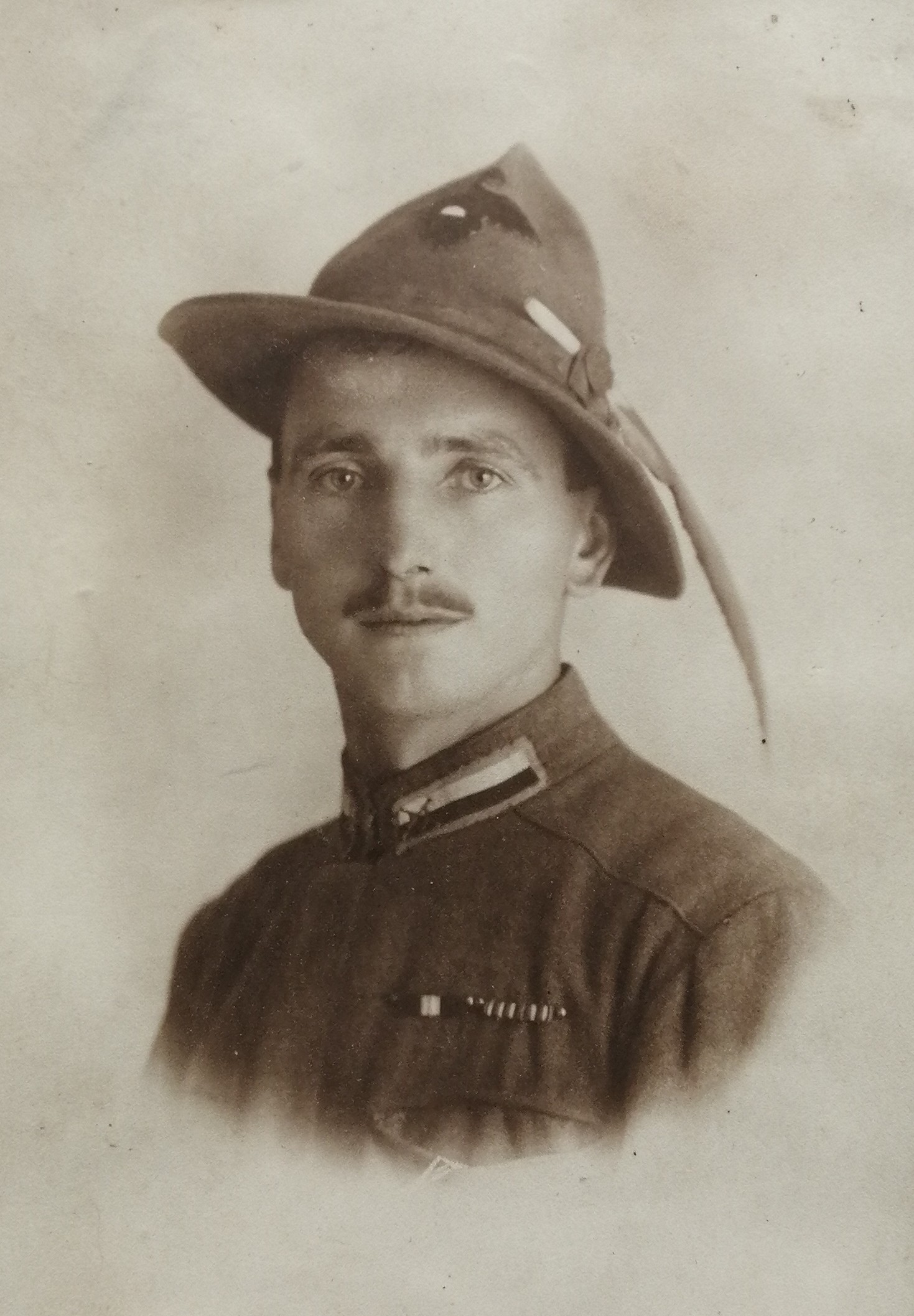
  • "Let me read you what my mother, Mrs Vlasta Vodáková, once wrote about my grandfather, her dad. I'll read you just a little bit. 'On 7 May 1945, a tank quietly showed on the patch in front of our windows and amazed eyes. Our first idea was that the Germans had returned and were about to fire, but we found it was the first American reconnaissance tank, and then more came. People were coming in, too. My mother kept an eye on me, but she couldn't keep an eye on our father. For him, the war wasn't over yet. He listened to the Prague radio call for help. He joined a car with the barricaders to help Prague. A son of Šumava and a former Italian Legionnaire, a rifleman from Piave, he went to fight once more.' This tells you that I skipped an important part of my grandfather's life, namely being a Legionnaire in World War I, where he was in combat on the Piave in Italy."

  • Celé nahrávky
  • 1

    Klatovy, 04.11.2024

    (audio)
    délka: 46:53
    nahrávka pořízena v rámci projektu The Stories of Our Neigbours
Celé nahrávky jsou k dispozici pouze pro přihlášené uživatele.

My grandfather fought on the Piave and liberated Prague in 1945
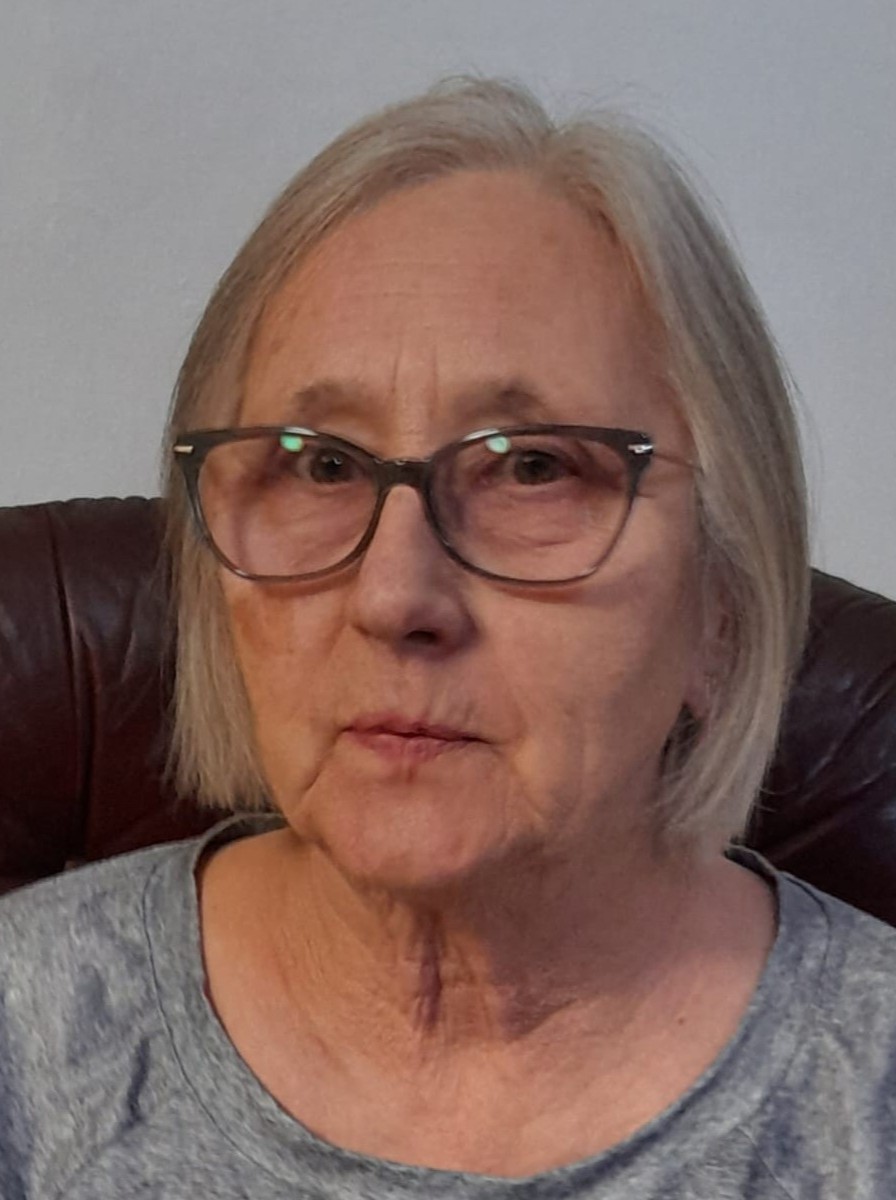
Václava Čoudková, 2024
zdroj: Post Bellum

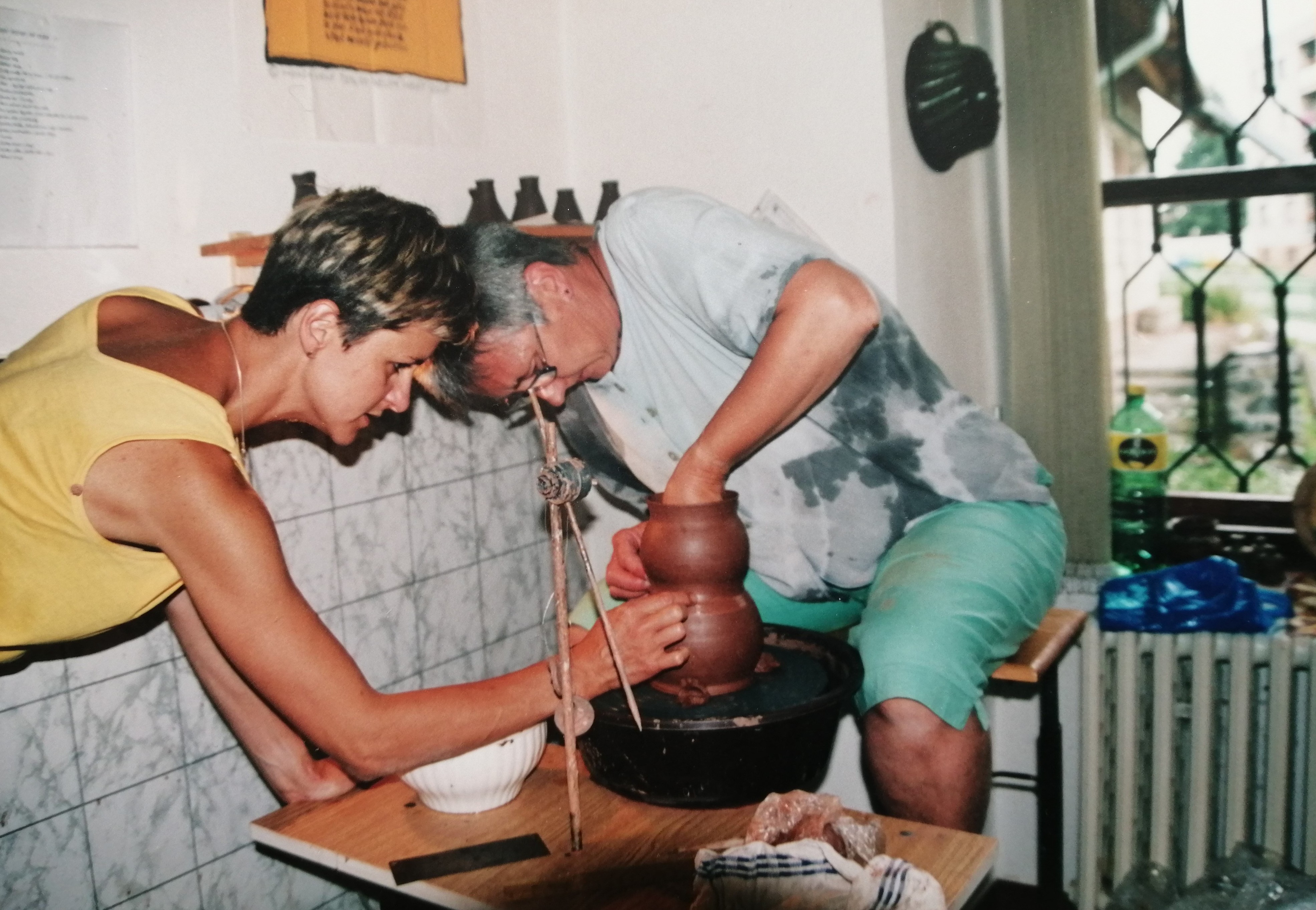
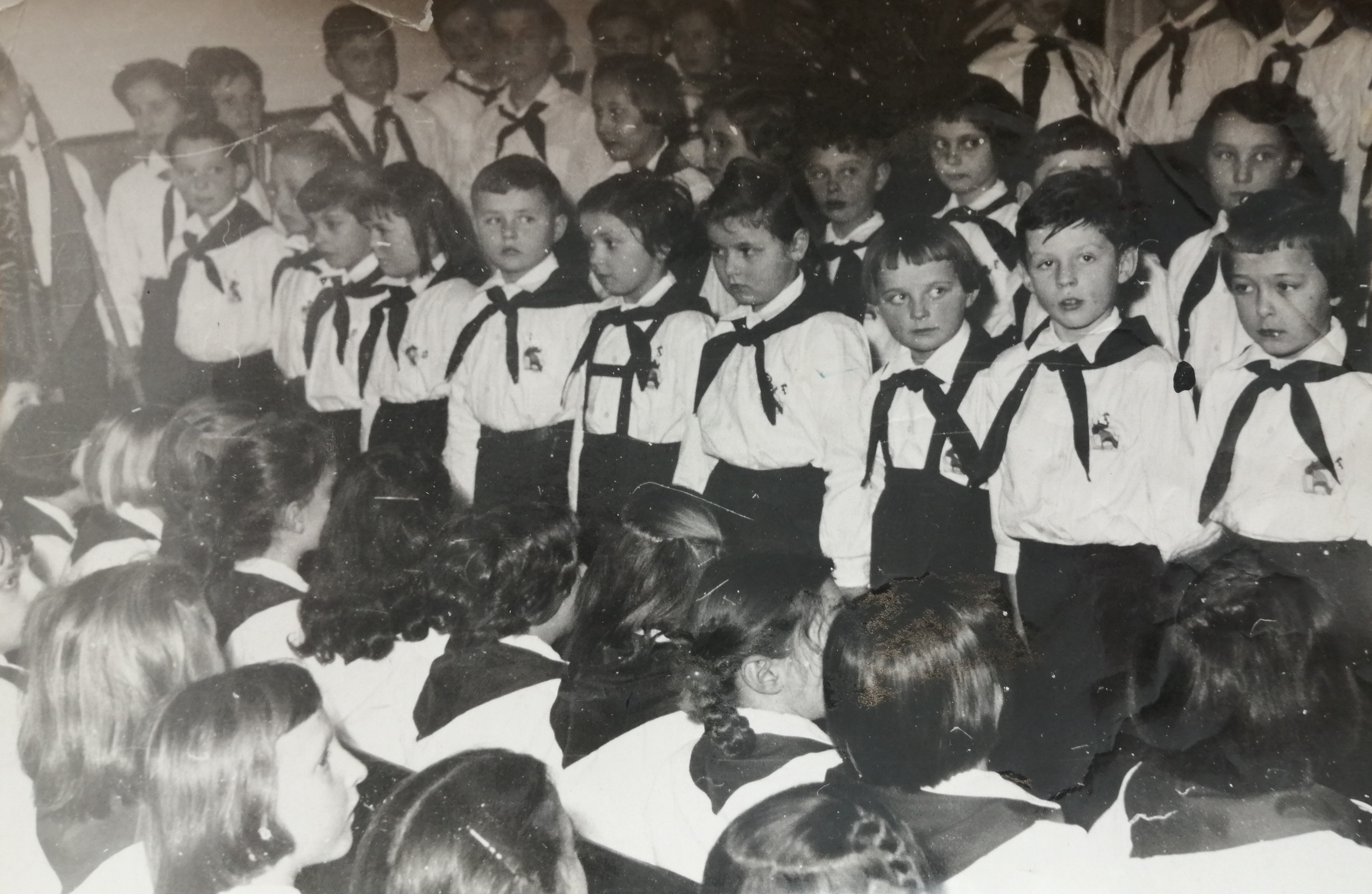
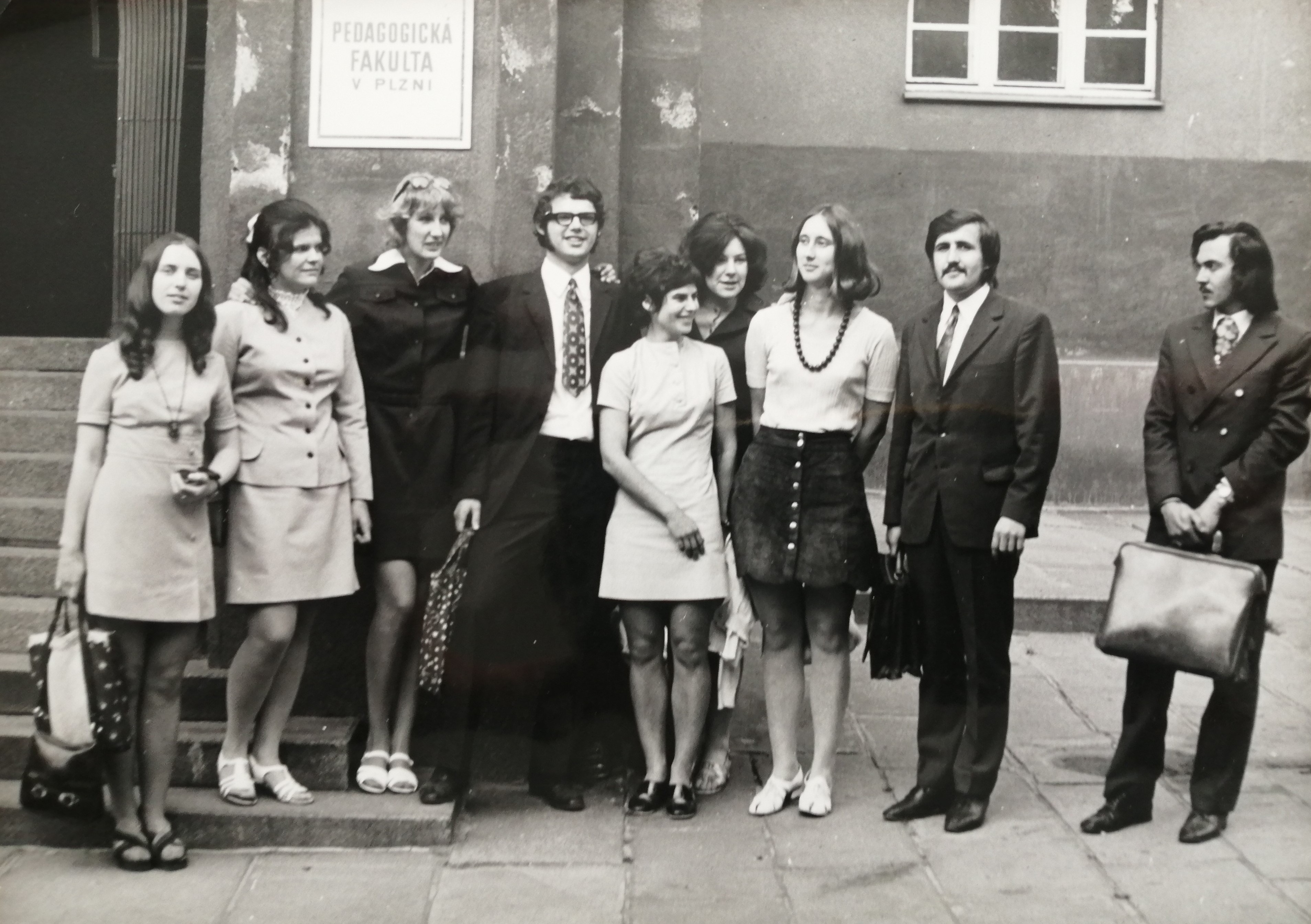
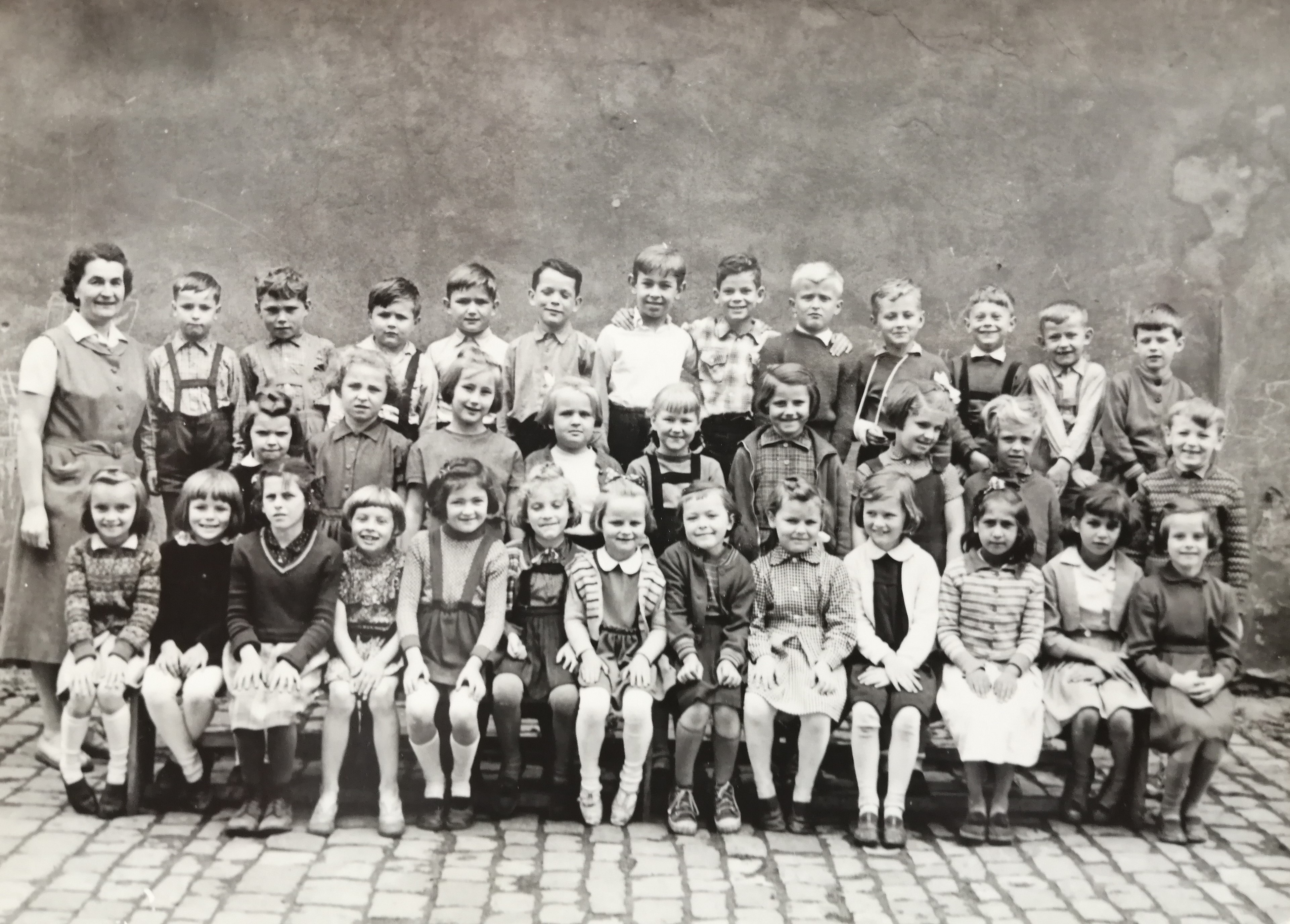
Václava Čoudková, née Vodáková, was born in Rokycany on 17 November 1950. Her grandfather was an Italian legionnaire who had fought on the Piave River and liberated Prague in 1945. She grew up in Rokycany, completing general high school in 1969. She studied at the Faculty of Education in Pilsen, majoring in Czech and Art and graduating in 1973. Following her maternity leave, she moved to Klatovy and worked at a specialised school. After a year, she decided to study special education (psychopediatry) for four years at the Faculty of Education of Charles University in Prague. She spent almost her entire career at the special school and retired in 2009. In retirement, she still went to school for several years, teaching a ceramics club for children. She lived in Klatovy in 2024.