"The next day, Russian military propagandists came. All of Russian troops, they were wearing balaklavas and that gave me hope that we will not be executed. Because they wanted to hide their faces. Russian propagandists, who came, wanted to talk to us one by one. They told me in the first place that we are not prisoners of war, because there is no war, there is special military operation and we just disappeared in the battle zone. But they said - when you reach your final destination and you are registered, this is when Geneva conventions will start to apply to you. They made videos with us, we had to say when and how we were apprehended, to say that we are being fed, we are given water and we are not beaten. And at that time, it was true. When they left, the officer who enjoyed humiliating PoWs, came to the room and started to recite a text stating the Russian version of Ukrainian history, basically Putin's version of Ukrainian history. He was holding he mobile phone with the text in one hand and a wooden stick in the other. When he recited the text, after each several phrases, he pointed at one of the PoWs, who were kneeling in front of him and told them to repeat this part word by word with no phrases. If anyone made a mistake or slip of tongue or paused for too long, I was beaten with the wooden stick against my shoulder. Because I was the only officer, I was most of the guys' commander. And I believe also because he didn't like me personally. Because he tried to provoke an emotional response from me all of the time and it seemingly didn't work So at the end of the day it became clear that he enjoys the process, he stopped reciting the text and he just continued bating, mumbling some not understandable text. After that we were loaded onto trucks. Before that, we were forced to shout Glory to Russia and he filmed it on his phone. Sometimes I nowadays say that Putin's version of Ukrainian history is written on my skin, because I have a scar from that beating."
"By the beginning of 2022, it became clear that Russian invasion is a possible scenario. But I was one of those who on one hand tried to mentally and physically prepare themselves for this, on the other hand until the last moment didn't believe in it. We could not believe that in 2022, one country in Europe can attack another country, just by force, by military, and wage a full-scale war. By that time, we were used to Russian imperialism having other forms. Economic ones, political pressure, sanctions. But the worst case scenario was too difficult to comprehend. Although I had my so-called alarm suitcase, in my case it was a backpack with most needed essentials, prepared. Just in case. On the evening of 23rd of February, I met an old-time friend of mine, with whom we started in the UK. She is Ukrainian, but shw lives in the UK and she teaches there. She visits Ukraine maybe once in a year or so. So we met, group of friends, and spent a nice evening, had a lot of chats and a party. And on 24th of February, I woke up to dozens of phone calls and sounds of blasts just behind my windows. And I realised that this is when it started. " "So what were your first thoughts?" "I tried to find out where my relatives and my close friends, my loved ones, are. If they are safe and if they are preparing their evacuation. Then I was in touch with persons of our concern among asylum seekers, persuading them to move to safer areas of Ukraine, or to leave the country. I assisted some other colleagues who had to go but did not know where, how to go, whom to turn to. I gave a few comments to international media. But I knew that when this was done, in the evening I would go - and this is what I did at the end of the day - to the military station with this alarm backpack and said that I am ready to join the army."
"On the next day, I joined the protesters, who moved their protest to the walls of Mikhaylovsky monastery in the downtown of Kyiv. On the next day, about a million people came to the streets, took over the central street, Khreshchatyk, and the central square. The tent camp, huge one, was installed, the first barricades were erected. And I became part of several initiatives at Maidan. I volunteered as a non-paid reporter and presenter at independent broadcasting station Hromadske radio, which I helped to co-found two months earlier. At the time, we went on air only on-line, on podcasts, but very soon there was one local radio station which offered us their waves. So we went on air as a proper radio station. I was part of Maidan University Initiative, where lectures were given, etc. We took part in the occupation by the protesters of the Ukrainian house, a huge building in the centre of Kyiv, where we provided screening equipment for showing films to the protesters. I was more involved in the educational and informational initiatives and I was also affiliated with the Euromaidan SOS initiative, which basically produced statistics on arrests, illegal detentions and later on unfortunately on people being injured and later on also killed at the protests. I was swallowed by all those activities completely. By the end of it, we also had an initiative which coordinated delivery of medicines, most needed ones, to the hospitals of Kyiv, to assist those wounded during the protests. It was all done by social networks, they turned out to be very effective tools, especially facebook at that time. And right after that happened, and Yanukovych fled Kyiv and the country and Maidan uprising won, there was this voting in the Russian parliament about the possibility of using Russian troops abroad. To me it became clear straight away, that it is about Crimea, and occupation of Crimea actually became visible already the next day, although it was underway for several days already. At first, we tried to prepare ourselves to receive and to help IDPs from Crimea, and we were thinking about hundreds or thousands of people. Of course, in our worst nightmares, we couldn´t imagine that within half a year, or one year´s time, there would be one and half million IDPs in Ukraine."
"Apart from being naturally somehow against any cruel treatment, any torture, I have learned quite a lot about torture by interviewing refugees. A lot of them in their home countries went through mistreatment and torture. At some point I realised that I know more about torture than I would like to. And also I was interested in cases of police brutality and lack of access to justice. Because I myself in my activist times, I was arrested twice and I spent several days in jail each time. First time it was in 1997 when I was activist of this student union called Direct Action, which I have mentioned. We were part of large manifestation in the centre of Kyiv, we distributed leaflets which were not to the liking of the security services. And we were attacked by plain clothed men, who have beaten us, put us in unmarked cars and took us to police station. On the next day, there was a court trial, so called, it was of course not a real court, all procedural guarantees were broken. Someone had to be sentenced. I was not given any chance o sleeping in the police station, I was underslept and very irritated and I explained to the judge that I never confessed to the misdemeanour I was accused of. He obviously had to sentence someone as a scapegoat to several days in jail, so it was me. I was sentenced to several days. That was one of the first instances that I realised that I will have to use human rights instruments, that I know almost nothing about Ukrainian legislation, about Ukrainian code on administrative misdemeanours, Ukrainian criminal procedural code. And this is when I started to study Ukrainian code and legislation.”
“At the end of the day, the administration managed to discourage students form striking, but didn´t manage to convince them to do nothing. So, the students decided to make a public statement in support of those on hunger strike and also to collect money for them. Within several days´ time, the students´ demands were accepted by what was at the time the Ukrainian Soviet government. It was the first big victory and there was a large rally in the centre of Kyiv. I skipped my lessons and went there together with my friends and I told them – you know, we have this public statement and no-one knows about it, maybe I should voice it? I went there, just told someone I want to make a speech. I was a schoolkid and I looked like a schoolkid. They asked what it was about. I said that we made a statement in support of the students and they said – ok, here you go. And that was my first public address or public speech ever, where I said that we have a ling way to go to defend or to fight for independence of Ukraine, but that we will achieve it sooner or later. And I concluded by Glory to Ukraine, which at that time was not a very tolerated address. I didn´t know that this speech was recorded on video and in recent years it became public and, in some instances, almost viral. So now I can watch it. And I see how nice I was as a schoolkid.”
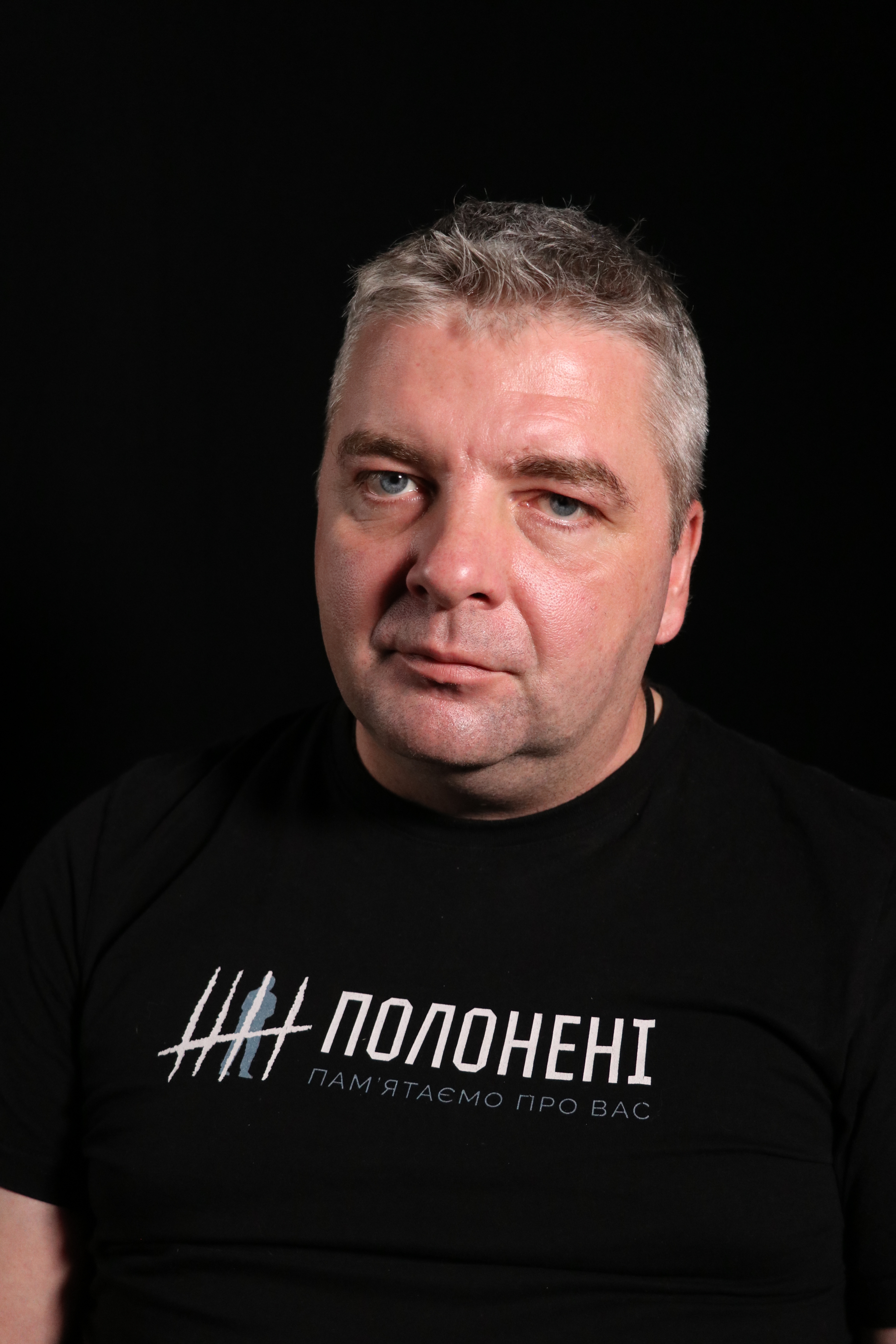
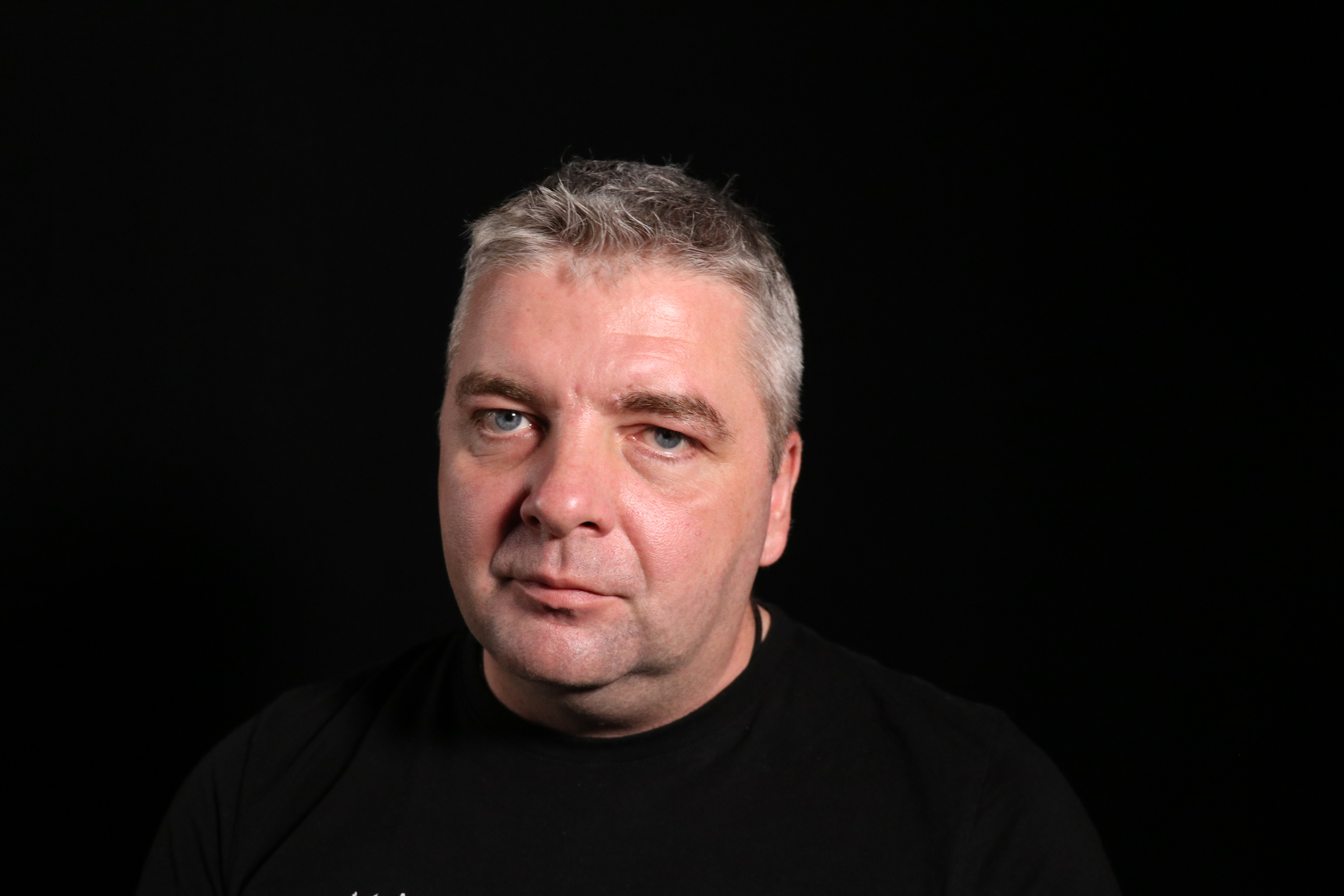
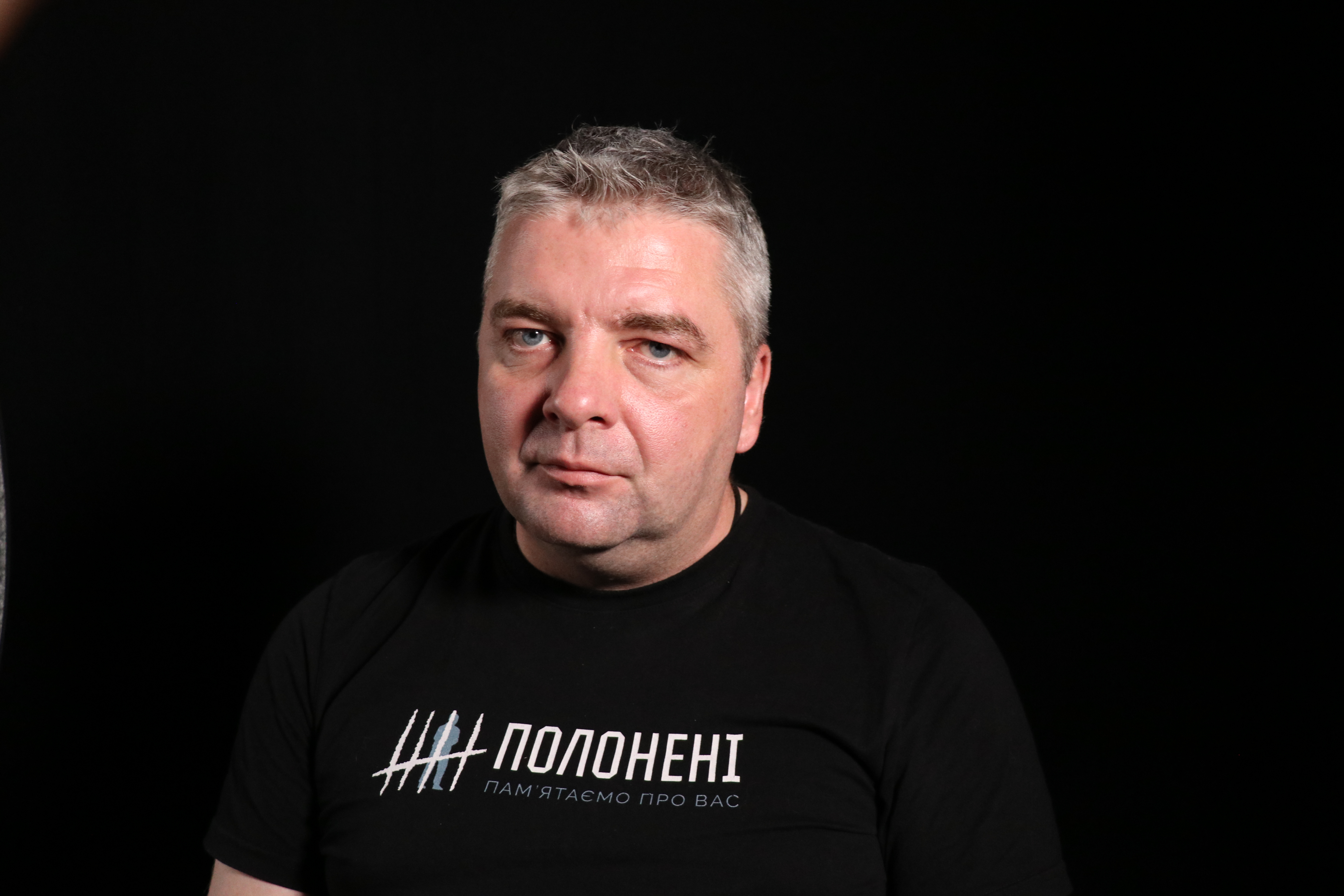
Maksym Butkevych is a Ukrainian journalist and human rights activist, an officer in the Ukrainian army, a former prisoner of war, and a political prisoner. He was born in 1977 in Kyiv, and in 1990, at the age of 13, he addressed crowds demonstrating for Ukrainian independence. While studying philosophy and history, he co-founded the anarchist initiative Direct Action, later worked for Ukrainian television channels and the BBC World Service in London, and studied anthropology and social transformation at the University of Sussex. In 2004, he informed the world about the events of the Orange Revolution. After returning to Ukraine in 2006, he devoted himself mainly to helping political refugees and preventing torture, including for the UN. In 2014, he co-founded the independent radio station Hromadske and played a significant role in the events of Euromaidan, the Revolution of Dignity. After the occupation of Crimea and eastern Ukraine, he organized aid for internal refugees from these Ukrainian territories and was active in the Committee for the Release of Kremlin Hostages. When Russia attacked Ukraine for the second time, he joined the armed forces and, as an officer, participated in the liberation of the Kyiv region. In June 2022, he was captured in the Luhansk region, tortured, and subsequently convicted in a show trial. After two years and four months, he was exchanged for Russian war criminals. He stayed in Prague at the invitation of the Forum 2000 Foundation, to whom we are grateful for arranging the interview.