Sieglinde Birke

* 1934

  • "That was bad too, when we came to Wolfen and they were distributing us. We were four children and we had our grandmother with us. Who would want to take seven people with them! It wasn't easy, nobody wanted us and we were the last ones left. They put us in a school. In the middle of the classroom there was a small iron stove, you could see the embers burning. There was a greasy floor that smelled and stuck. We had no beds and had to stay there quite a long time. All the displaced were assigned to flats, sometimes with coercion, but the mayor wanted to put us in a small basement flat. We looked around it, there was water running down the walls and my mother said she wouldn't go in there with the children. My sister was threatened with tuberculosis and had to eat fish oil every day. We stayed in that school for a very long time."

  • "The Czechs were getting coal from the Poles and we were inside those open coal wagons. I think it was when we first got to the camp, and it was terrible. My little brother was in a pram, we had nothing to eat or drink at all. The Poles wouldn't let us in and we stood at the border for three days and three nights. Then they came from the Red Cross and gave everyone who had a small child a piece of cake or dessert. But we couldn't feed my brother Stefan with it because we had no water. Then someone said that there was a ditch in the meadow, quite far from us, and that there would certainly be water there. They begged me to go there with a cup from the thermo bottle to get water. Everyone was afraid, but I let them talk me into it, because they told me that the Russians, or whoever was there, would not shoot at the little girl. I had long blonde braids. I let them talk me into it, and I went over and got a glass of water. Then my mother melted a cake in it on the spirit stove and Stefan had to live off it for three days or he would have died because we had nothing."

  • "When the removal began, a Czech came to our house with a machine gun and said, 'You must leave the house in twenty minutes!' My mother said she couldn't do it in twenty minutes because I had a little brother who was born in February 1945. She said she couldn't make it, she had to feed him and change his nappy. He [the Czech] stood up, opened the drawers, took my brother's harmonica and put it in the bag. Siegfried screamed as if he was out of his wits: 'Give me back my harmonica!' I thought she was going to kill him, it was awful."

  • Celé nahrávky
  • 1

    Bad Kissingen, 13.07.2025

    (audio)
    délka: 01:10:34
    nahrávka pořízena v rámci projektu Příběhy regionu - HRK REG ED
Celé nahrávky jsou k dispozici pouze pro přihlášené uživatele.

She went to West Berlin in a summer dress, with just her handbag, and never came back
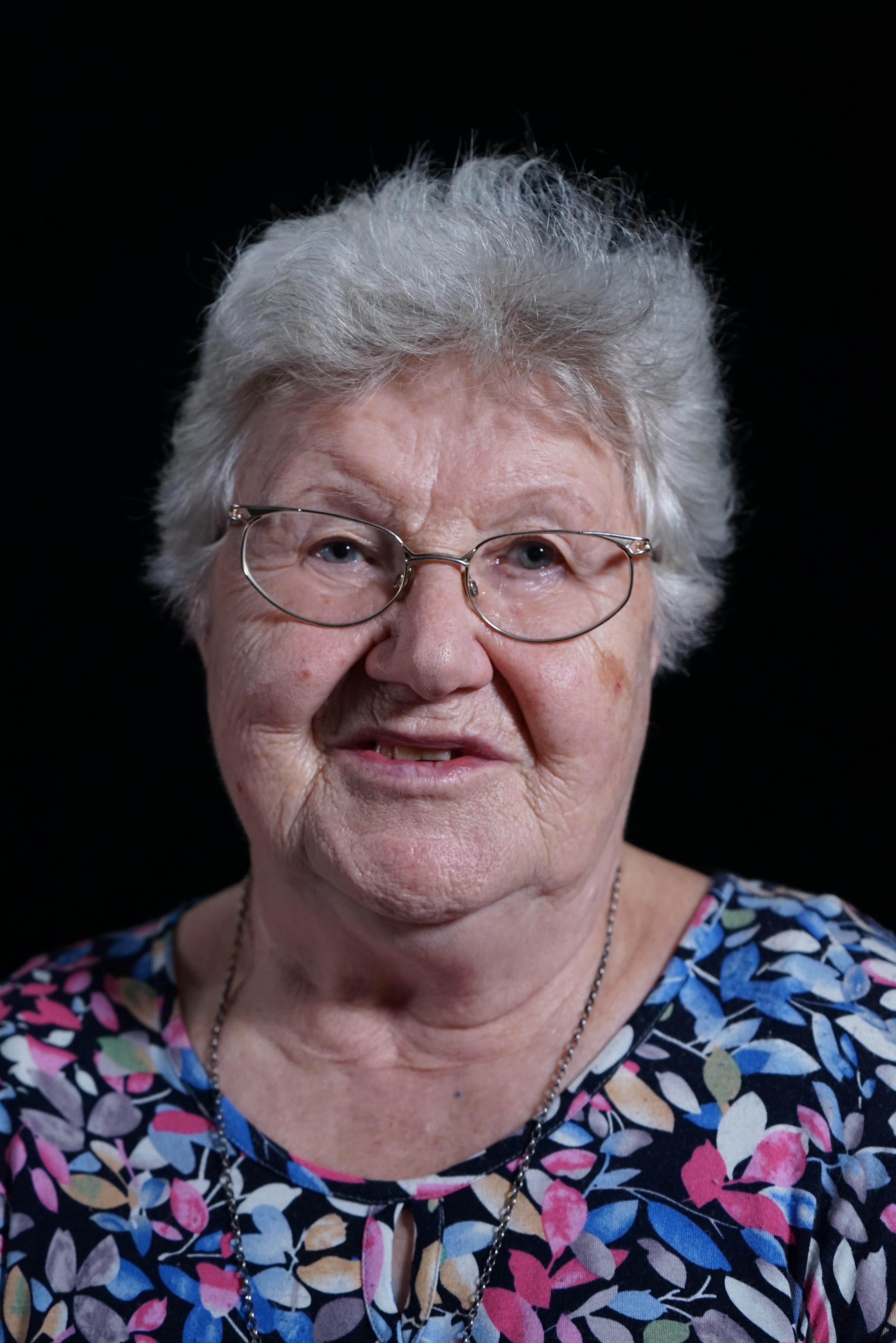
Sieglinde Birke in 2025
zdroj: Memory of a Nation

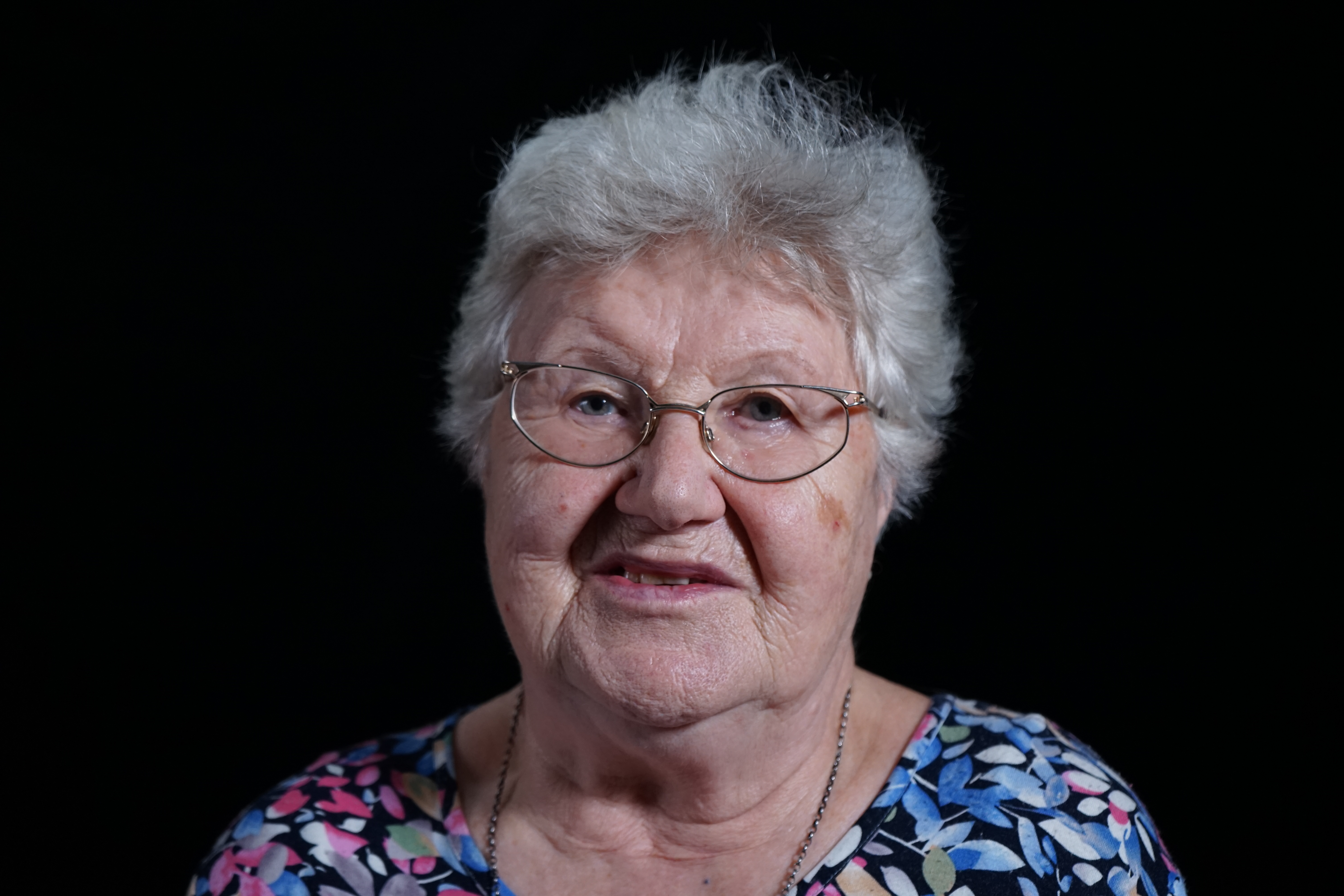
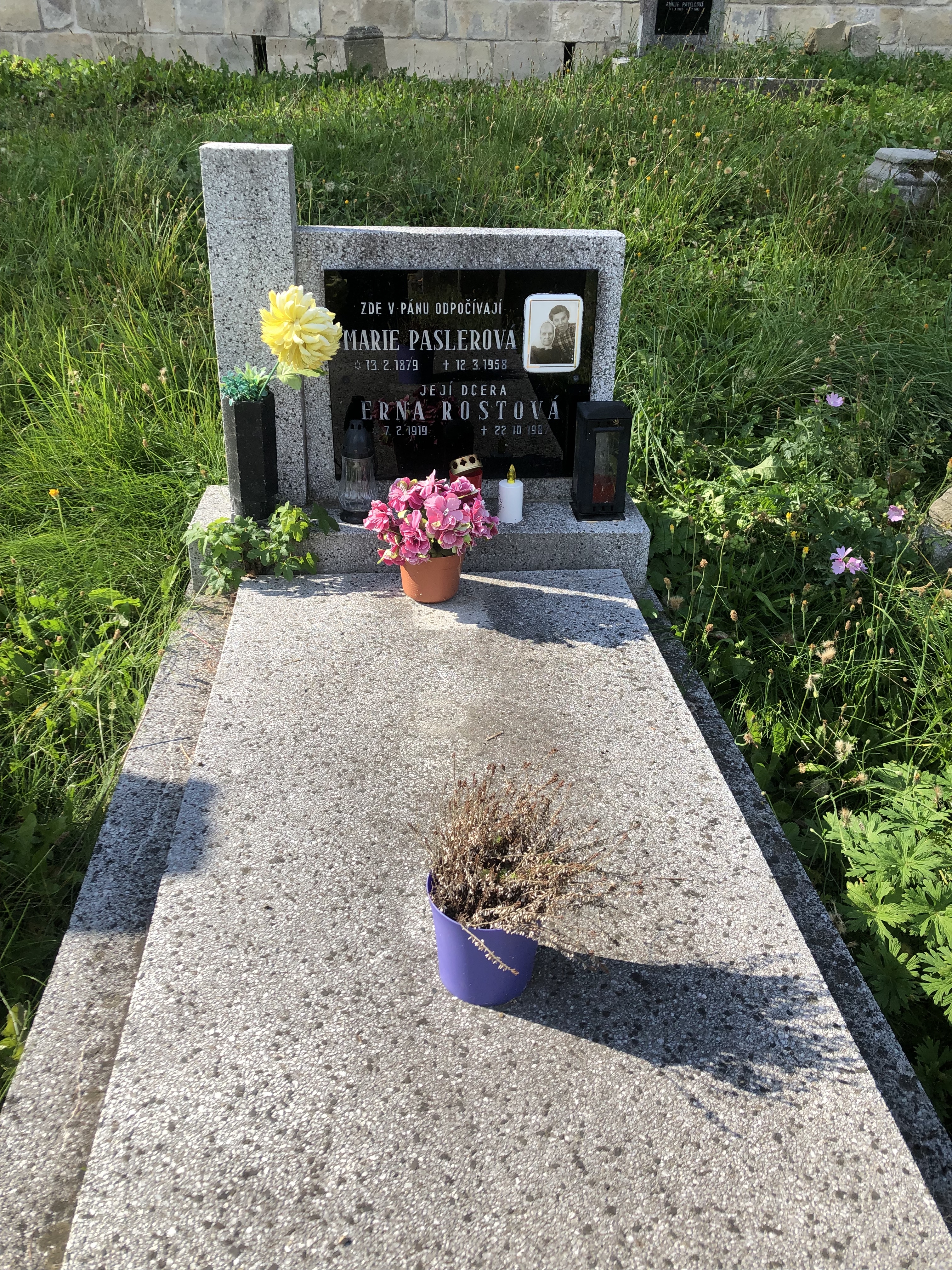
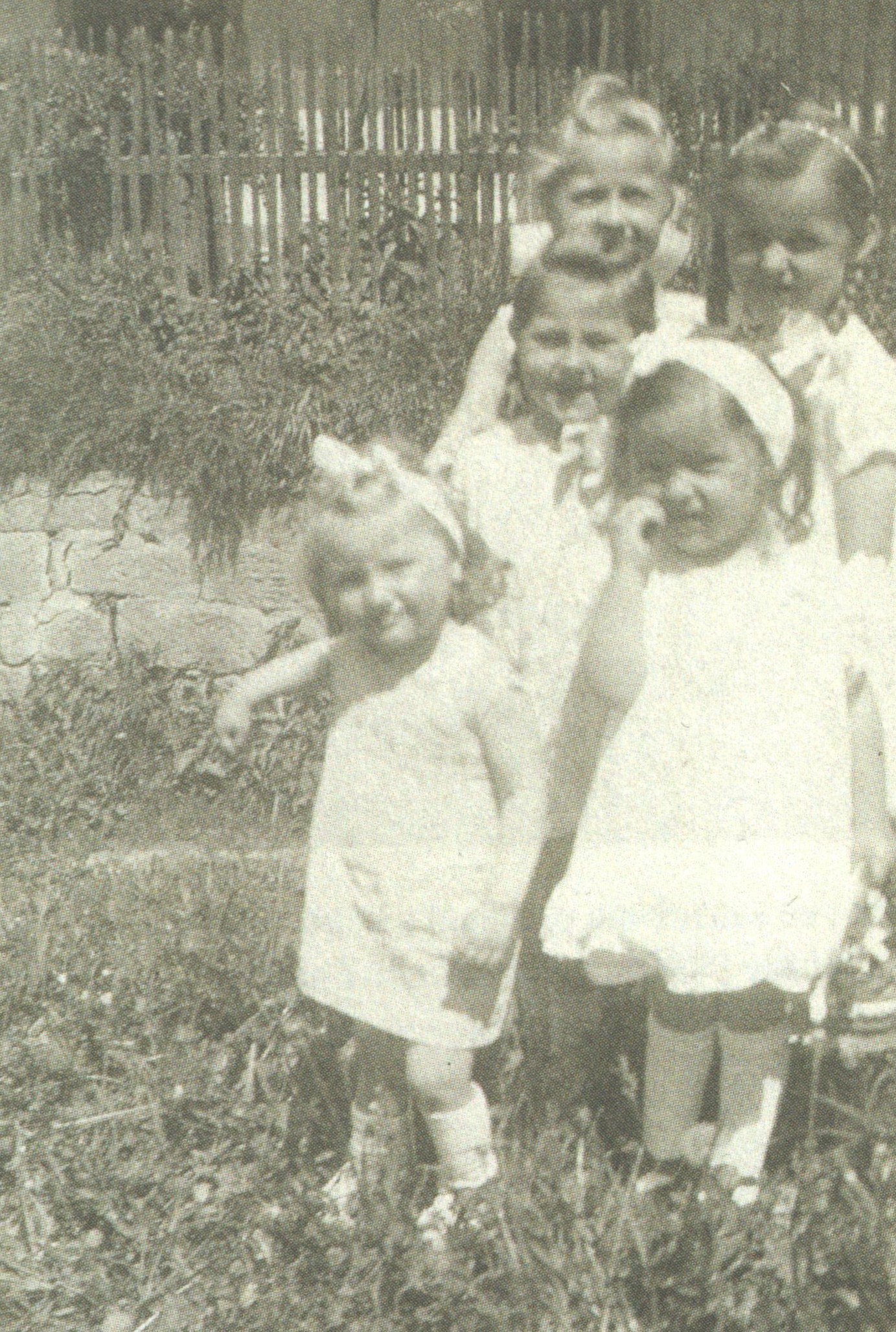
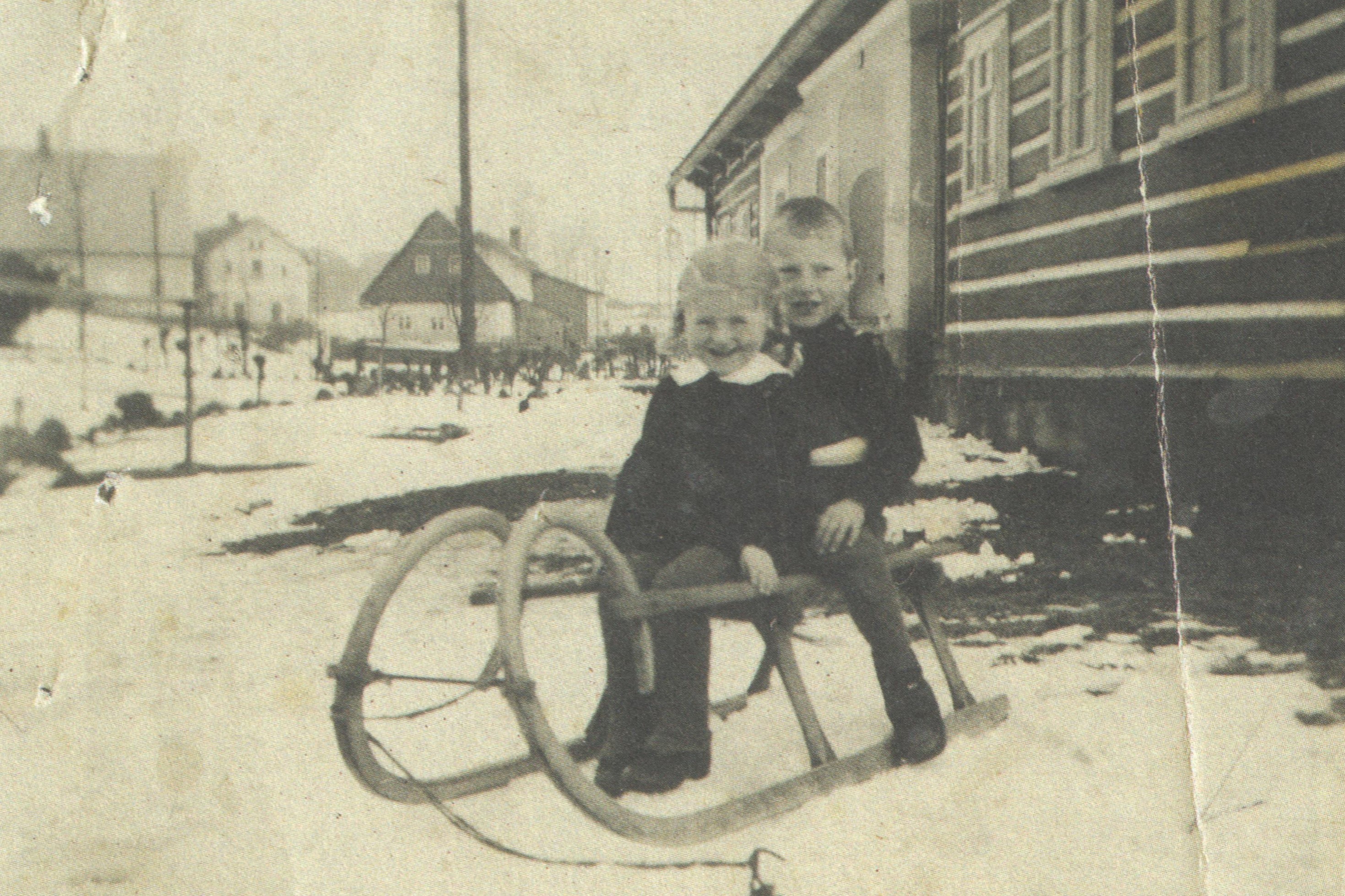
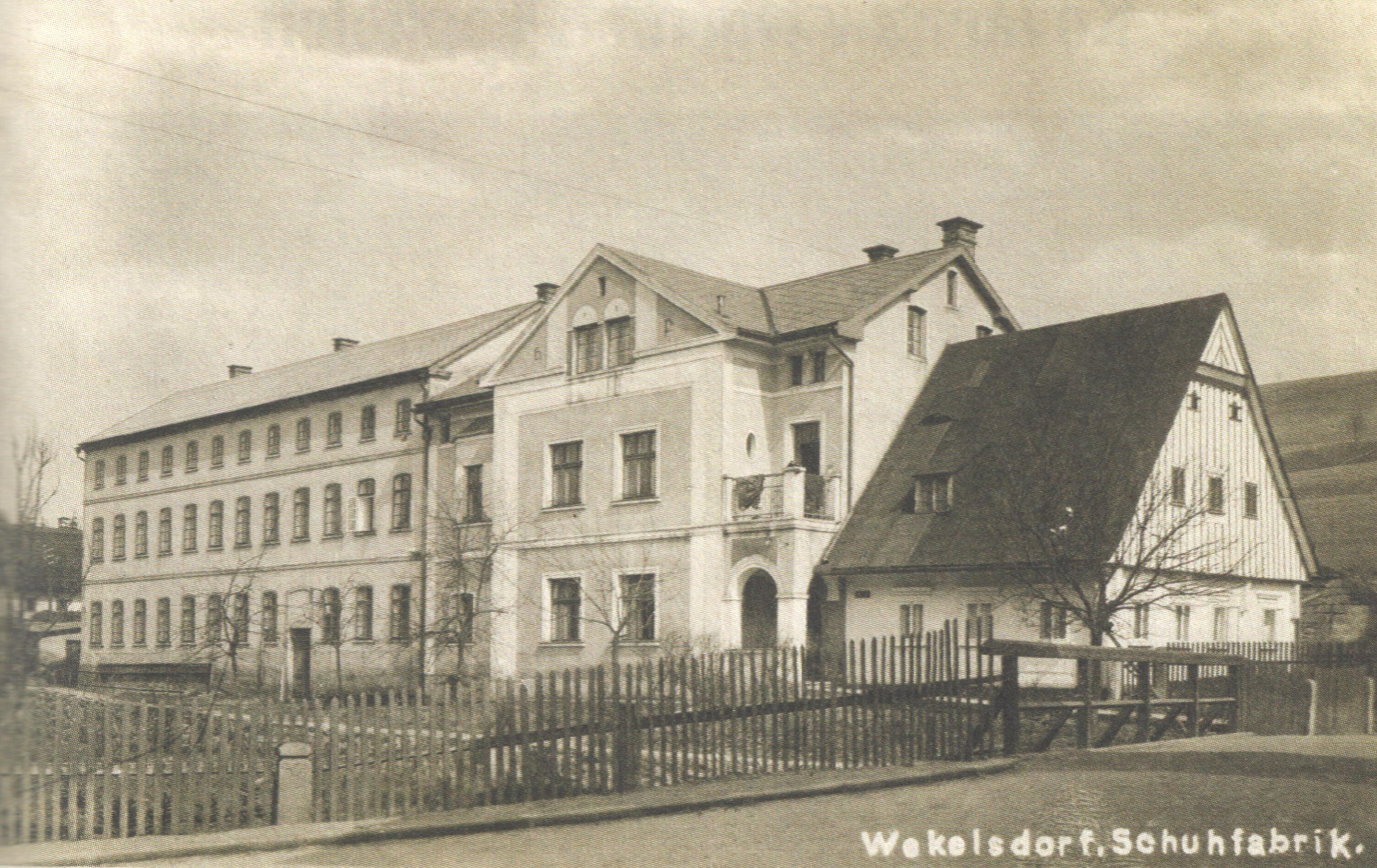
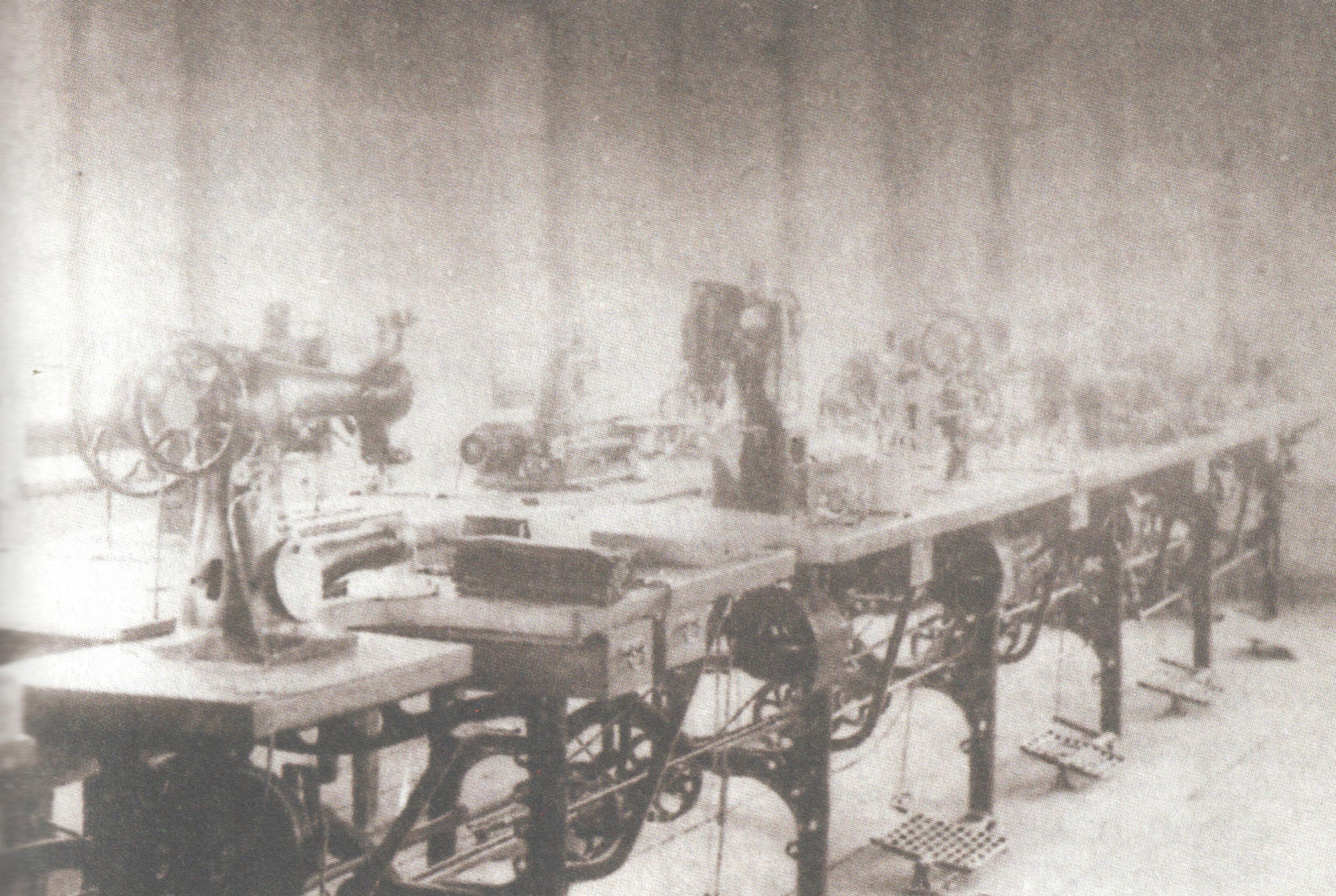
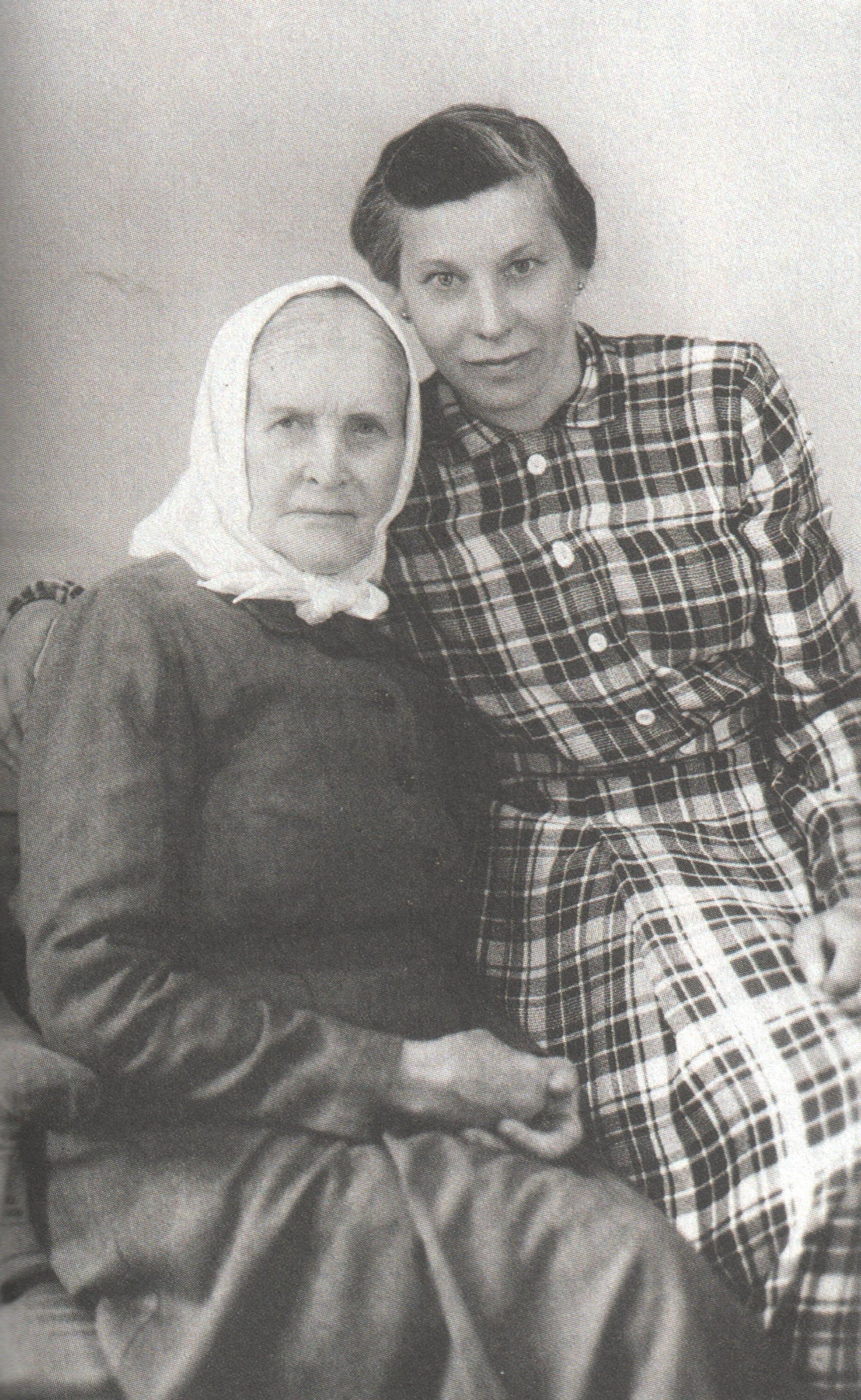
Sieglinde Birke was born on 7 July 1934 in Teplice nad Metují as the second oldest of five children. Her father Stefan Branse worked for the railways and her mother Gisela Branse was a housewife. Daddy was conscripted into the German army in 1939 and served as an interpreter into Hungarian. Mother‘s uncle Heinrich Purmann owned a shoe factory and served as mayor of the village from 1919 to 1932. She experienced the savage removal at the end of May 1945. She spent three days and nights waiting in a coal wagon at the Czechoslovak-Polish border before the Poles sent them back. In July 1946, they had to board a camp in Mezimesti and were sent by cattle cars to what was then the eastern zone of Germany. She finished primary school there and trained as a grocery shop assistant. In 1953, she took a tram to the western part of Berlin and, via several refugee camps, followed her uncle to Solingen in West Germany, where she worked as a saleswoman. Later, the rest of the family emigrated with her. In 1959 she married Gerhard Birke, a Sudeten German, and they had two sons, Odo and Reiner. She travelled the world with her husband and often went to Teplice nad Metují. In 2025 she lived in Hüttenberg.