"I served in the military police office for four years. And it was indeed an office that both built up and dismantled the military police. You have to understand that at the time the military police was established, the army had almost 200,000 soldiers, including conscripts. The initial structure was based on this, but the army gradually underwent a transformation. This meant that units were disbanded and the number of personnel was reduced. The army was divided. Some of the equipment remained in the Czech Republic, while the rest was taken to Slovakia. There were conscripts here, as I said, and not all of them were enthusiastic about being in the army. And I can tell you that before 2004, in 2002 and 2003, it was already very complicated. Conscripts did not take it very seriously, so there were many different offences that we had to deal with. There were a huge number of challenges. We wanted to be part of the Czech Republic's army, which was gradually transforming and integrating into NATO units. The second thing was that, until 1991, the Czechoslovak army did not go on foreign missions. That was something new. Our unit's first mission was in the Gulf, in Iraq, but we didn't know how to handle it yet. But from 1990, when the conflict in the Balkans began, from 1993 onwards, units of the Czech Army were sent mainly to Bosnia and Herzegovina, Kosovo, and Serbia, primarily to the Balkans. We provided police protection there. Not that we controlled the soldiers, but incidents could always arise there."
"I'll tell you one piece of wisdom I've learned in life, or rather an observation I once made. Every lieutenant who comes out of college commands in the style of, 'This is how it's going to be, and you're all going to listen to me. ' That doesn't always work; sometimes you have to raise your voice. And that was my case, it's true. Once, Lieutenant Colonel Dufek, a real personality, an authority, the deputy commander of the unit, came to check on me. He came up to me and said, 'Josef, those who can, don't shout.' And with that, he told me everything. That happened after two or three years of my military service, and since then, I haven't shouted, because I've stuck to this saying that those who shout don't know how to do their job."
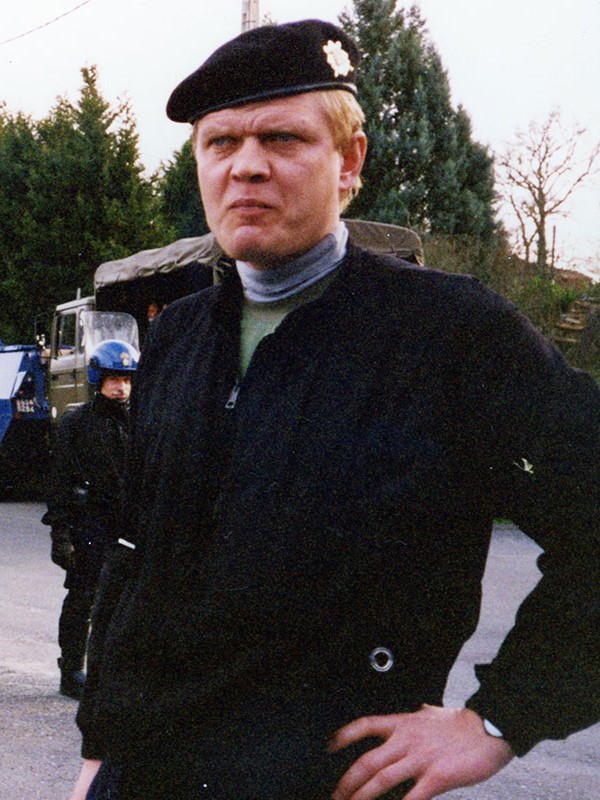
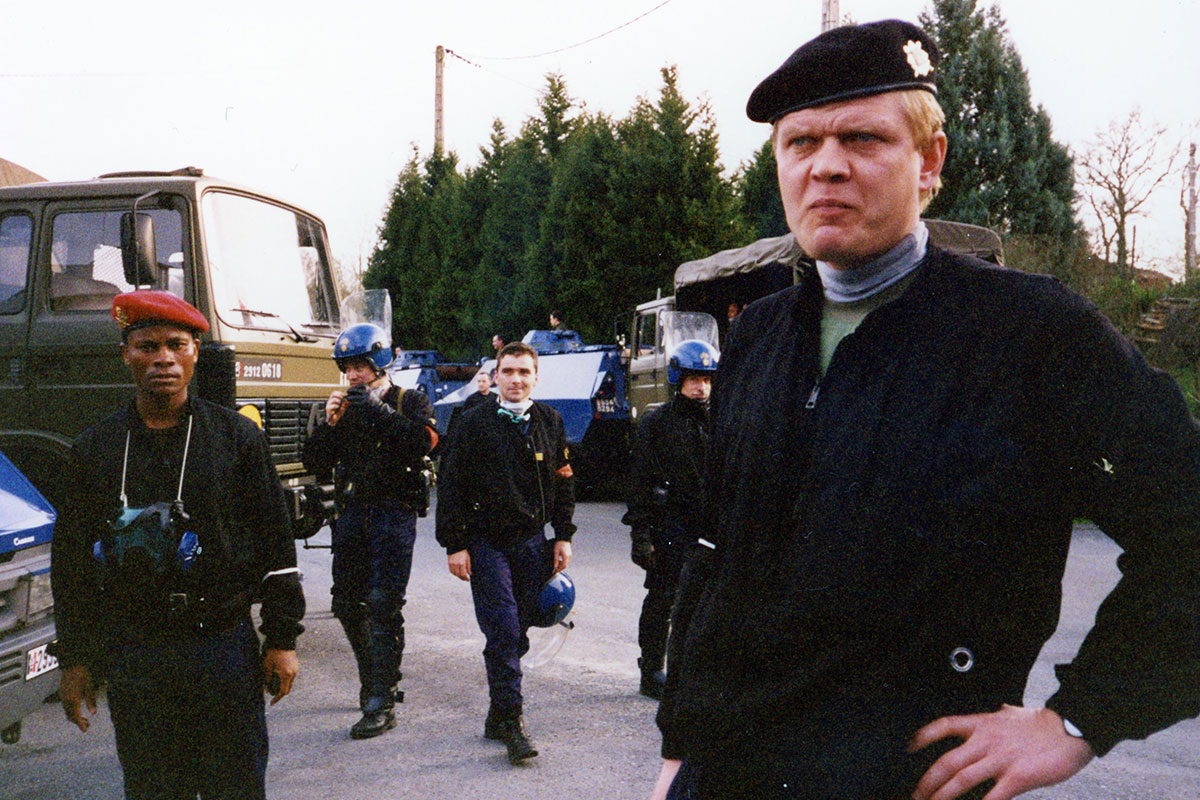
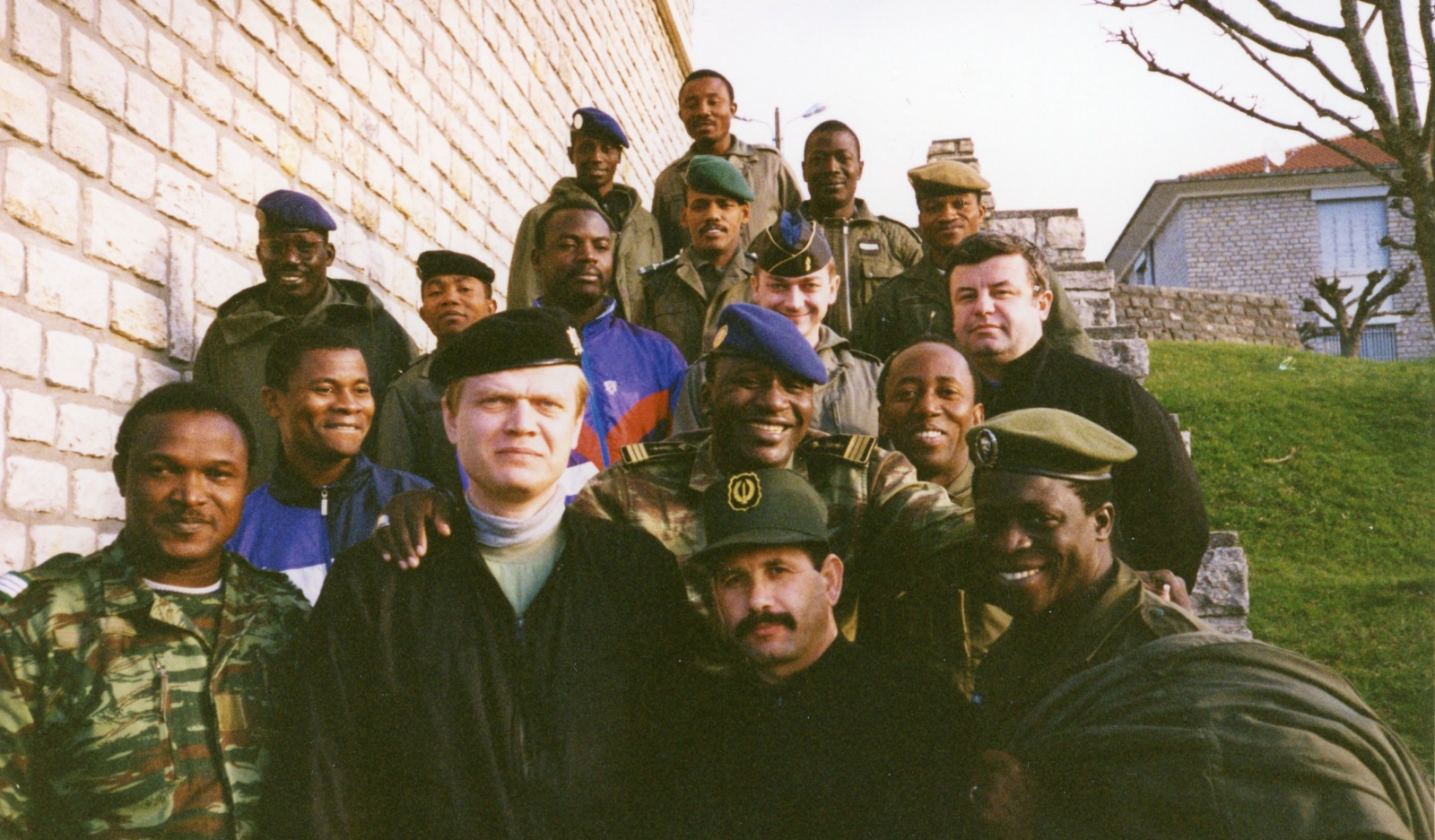
"Until 1989, there were barracks – soldiers, one gate, one door, one telephone, and contact was minimal. Suddenly, everything changed. They were looking for soldiers who knew foreign languages, English, French. They were looking for soldiers for specialized courses, for schools. And on January 3, 1993, I managed to take a train to Paris, where I enrolled in a course with the French gendarmerie. I may have been the first trained gendarme in the Czech Republic at that time. It was very interesting because Czechoslovakia split up on January 1, and on January 3, I took a train to Paris. We then went to Rochefort for language training and then returned to Paris. Imagine what it was like to explain why Czechoslovakia had split up. First of all, we didn't really understand it ourselves, and secondly, we had to explain it in French. It wasn't easy, so we tried to explain it somehow. It was very difficult for us, but probably also for the listeners who asked about it. It was an amazing experience because we were there with another colleague. It was a completely different world. We went through a basic information course so that we would know how the armies within NATO function. How recruitment works there, how soldiers join the army, the gendarmerie, how their superiors treat them. It was a completely different world, I'll say it again, and I can only be grateful that I had the opportunity, because, to put it politely, we couldn't believe our eyes."
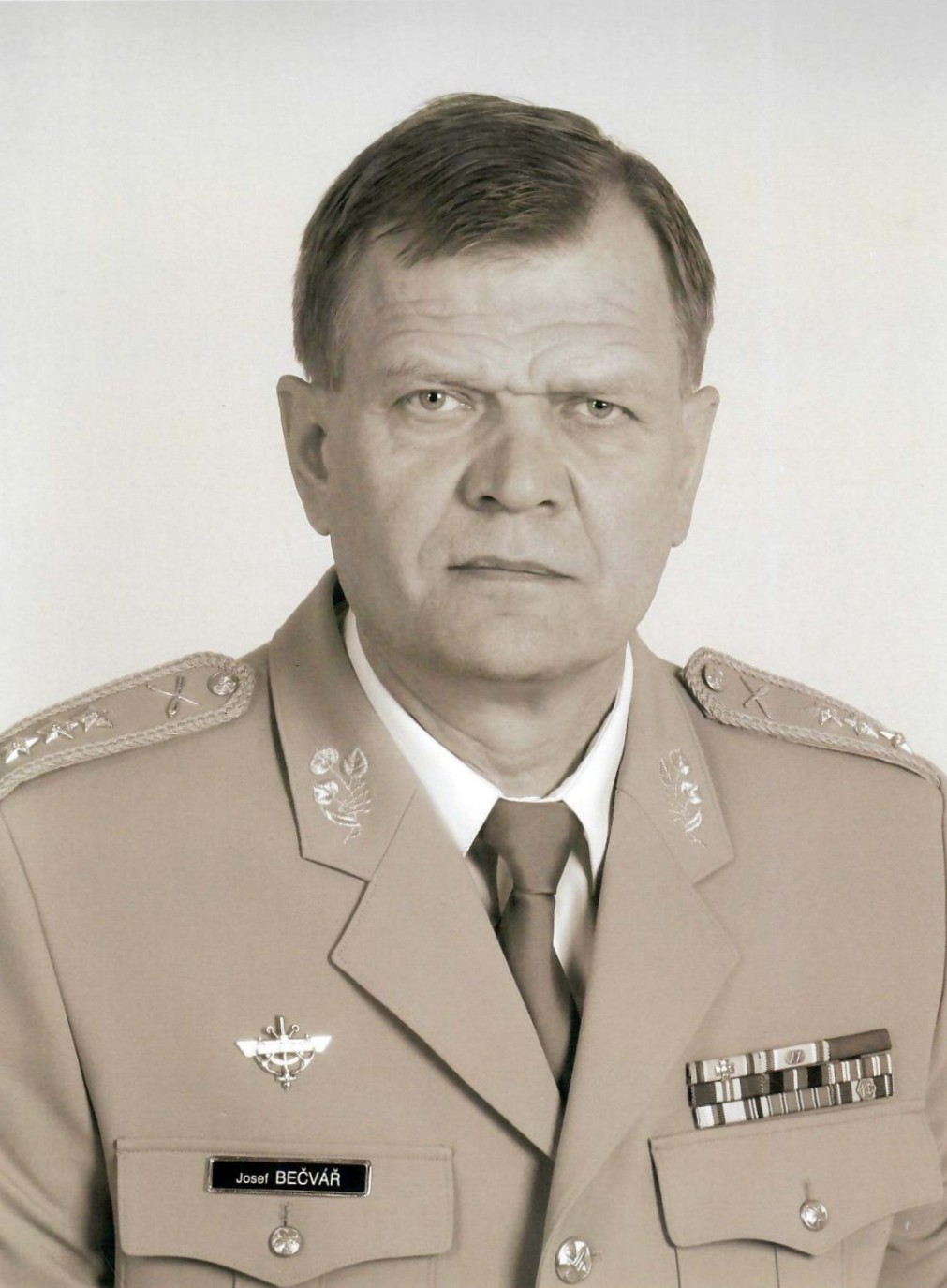
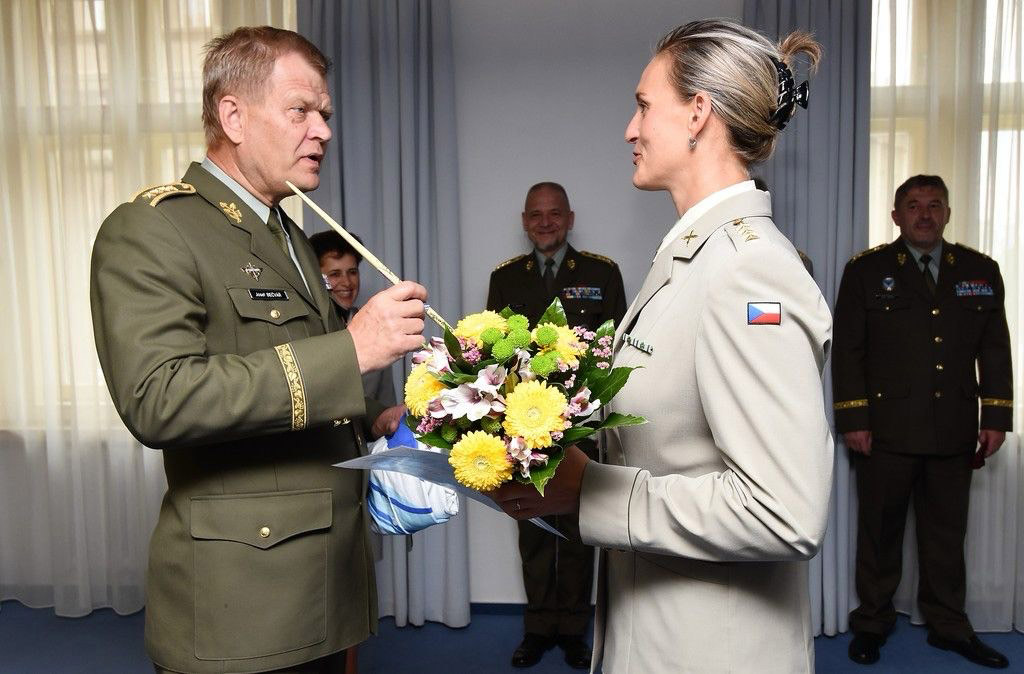
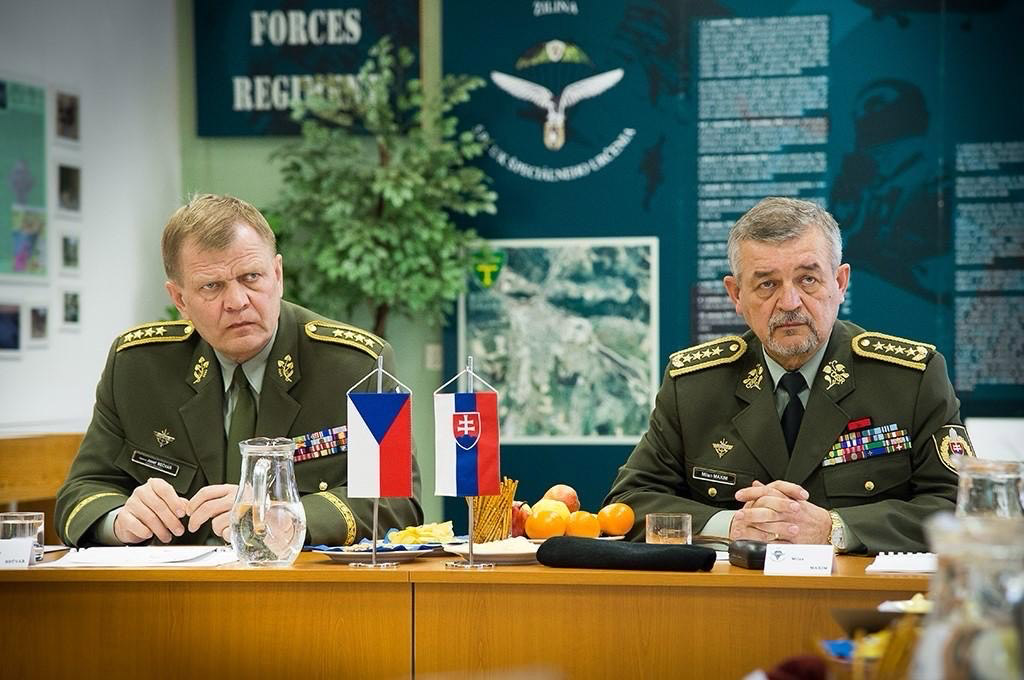
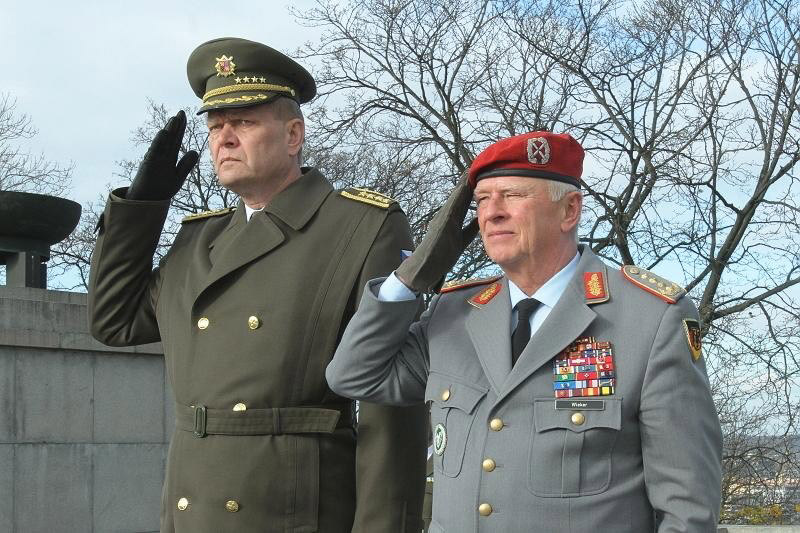
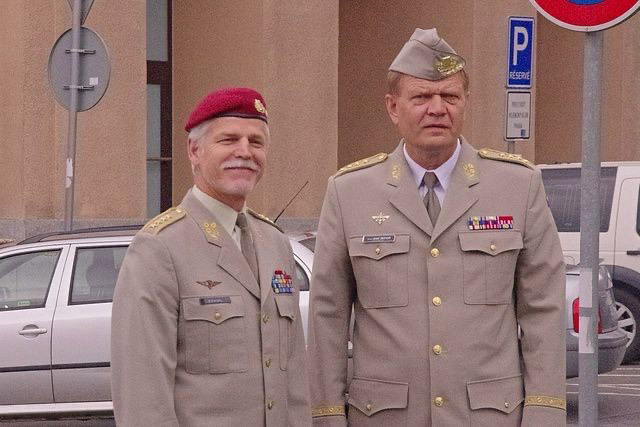
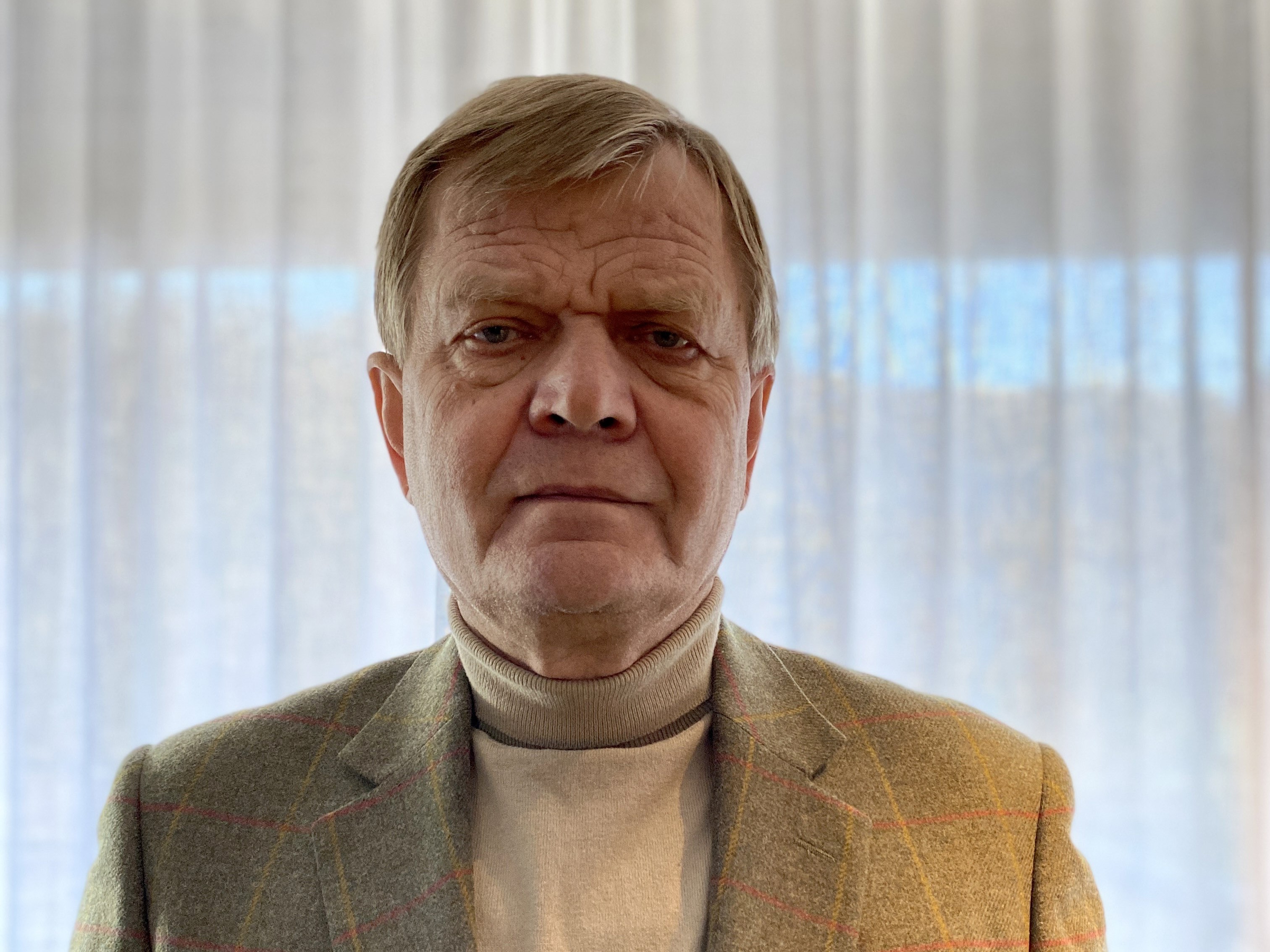
Josef Bečvář was born on August 11, 1958, in Plzeň and spent his childhood in nearby Čížkov. In a landscape where agriculture mingled with the presence of numerous barracks, he was attracted to technology and soldiers from an early age. After elementary school, he enrolled at the Military High School in Moravská Třebová, then studied at the Military Command and Technical College (first in Martin, then in Vyškov after reorganization) in the field of rocket forces and artillery. He served for the first five years with the missile brigade in Rokycany, then completed his postgraduate studies in Brno. After 1989, he participated in the establishment of the newly formed Military Police, in 1993 he completed internships with the French gendarmerie, and between 1998 and 1999 he studied at the Paris Military Academy. He was Chief of the Military Police (1999–2003), Defense Attaché in France (2004–2007), Director of the Force Development Section of the General Staff of the Czech Armed Forces (GŠ AČR), and First Deputy Chief of the General Staff. From 2015 to 2018, he held the highest military post in the Czech Republic. He has received numerous awards, including France‘s Légion d‘honneur. In 2025, he lived in Prague.