Юлія Антонюк Yulia Antoniuk

* 1992

  • I came back [to Ukraine] because I couldn't be there anymore. Because I didn't see my life there. I wanted to in October… Let's just say, I organized everything I could, I worked, I found housing for my mom at that time. And I realized that I really want to be here, with the people, to be involved in all of it, I want to experience everything together, I want to be a support for my boyfriend at the time, and now—husband. And I felt internally that I want to be here, with these people. Because every day, all the Ukrainians I worked with there, everyone read the news. Everyone watched it. Everyone watched, and everyone was in awe of certain operations, of the actions, of the general mood, of that resistance. I looked at it too, and I wanted to be here. I couldn't not take part. Maybe not as significantly as our soldiers, as our women and men who enlisted in the Armed Forces, but I wanted to be involved in any way I could. To be the rear guard for my boyfriend. I don't know, it's such an internal feeling that that's it, I can't be there. What's next there? You work, you earn money. But my whole life has never been about earning money. I never knew how to earn it. I always went into creative things, we do creative things — great, it has potential, there has to be a soul, there has to be an ending, there has to be a purpose, there has to be a goal. Something has to have meaning. And that's how it's been in my life: something should have meaning. And even my return, even my life here… I just wanted to interact with all that cool stuff. And by cool stuff, I mean what people were doing back then: how they donated, how they helped, how they thought. At that time, I considered it truly powerful. That's why I decided to return.

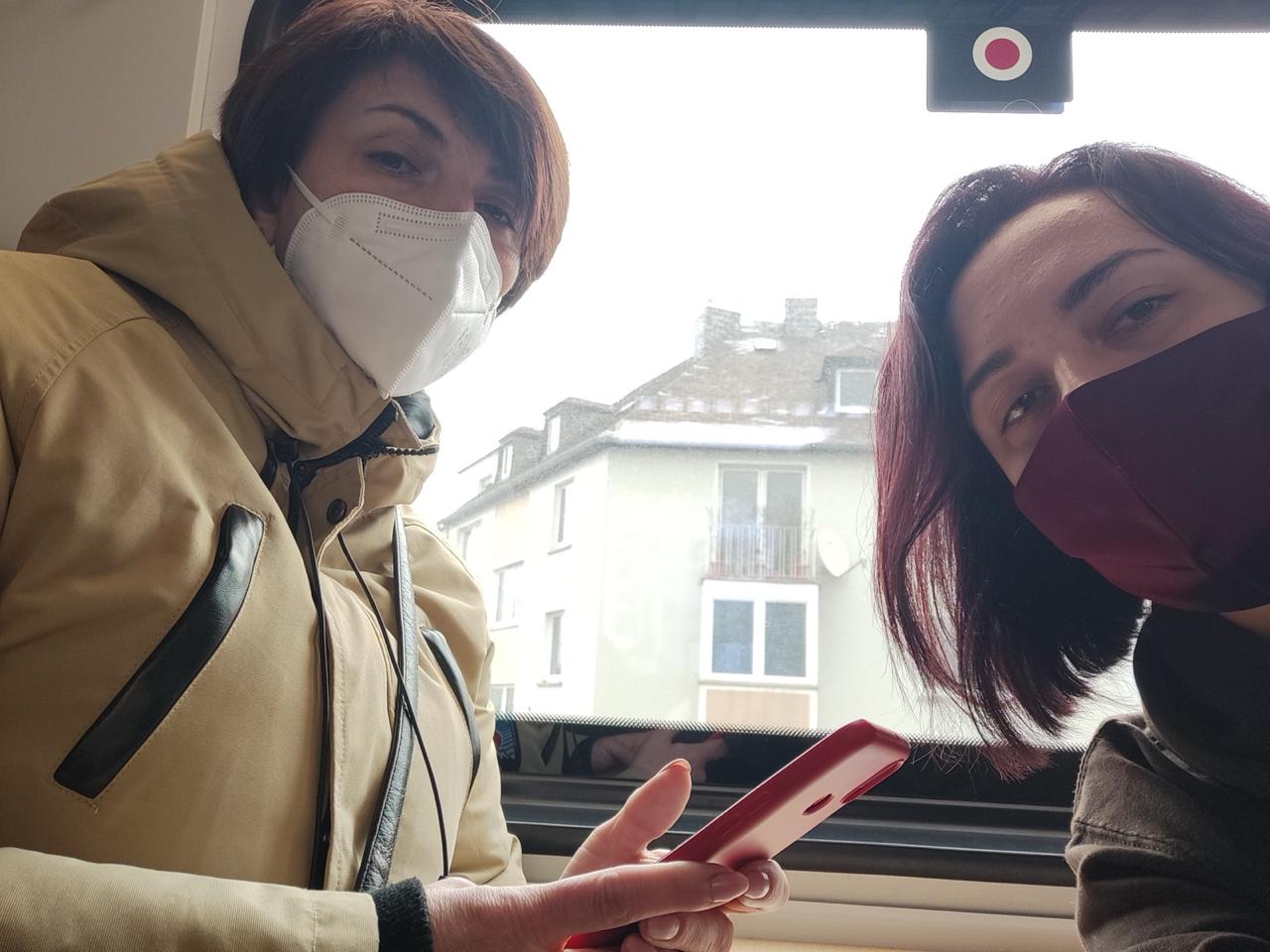
  • We left very late in the evening, traveling through Warsaw, because my friend who had already left before that had gone to Warsaw. We went through her. Then in Berlin… We arrived there in the evening, and for some reason, they sent us to… We wanted to travel further, because we needed to go further. But they put us on a bus and took us to some expo center. They brought us and said, “Here are some cots, tea, coffee, buns.” And we were like, “We need to go further.” And they said, “The trains don't run at night, what do you want from us?” And while we were there, a situation came up where one of my mom's friend's grandsons asked for a thermometer. They started testing all of us for COVID. And they separated us. We stayed in the expo center, and they took them away completely separately, we later found out it was a hotel. They stayed there for about two weeks. And we had to move on because we couldn't stay here long, and we had to do something. We arrived at the place of a sister of my mom's friend in the evening. And I thought, “Great, two weeks, and I'll be back home. I'll quickly sort everything out for mom here, get the documents done very soon.” And we arrived, were having dinner, and this woman says, “Actually, I love Putin. I'd even spread my legs for him.” And I'm sitting there, and it’s not just that I’m speechless, I don't understand where I was fleeing to. Which direction was I fleeing in to end up here. And I needed to try to find some other option very quickly. I wouldn't leave my mom here. I just can't leave her here, how could I? So that she would fall under that influence? And I call my Oleh and say, “This is the situation.” I say, “We need to do something.” He had already gotten to know people there, he started communicating with the guys. He says, “One of my brothers-in-arms was sending people abroad. Do you want to go pick strawberries?” I say, “I don't care, anything will do.” — “Belgium?” — “Let it be Belgium.”

  • I remember I had just arrived here [in Lviv], I was just starting to get to know Lviv, the people of Lviv. I had such hope for the future. I thought a new chapter was beginning. I remember one day: we were sitting in class, I think they were teaching us video editing. And the door opened, some guy ran in and started saying that there were disturbances, “everyone to the square,” “let’s go.” That is, he started urging us to leave the university and go somewhere. The instructors stopped it all, and said, “Okay, no panic, everything is fine, stay where you are.” Then, I recall, some protests started in Lviv, something of that sort. I didn’t know Lviv very well. I knew the way to the university and the dormitory where I lived. My mom immediately started calling me, because of the news. She was worried about how I was, what was happening here at all, whether it was safe or not. I said, “Mom, everything is fine, I'm with the girls and boys, everything's okay, we're going to the dormitory.” We weren't in the city center, we didn't take part in anything. And, in general, no one even really explained to me what was happening. But somehow, over time, the focus shifted from Lviv to my home. And I started to worry about what was happening at my home because the shooting had started there, things were flying around, and they were bombing. Let’s just say, it was loud. My mom and I never spoke on the phone about this topic. Because there were wiretaps, it was dangerous, and there were some code words. I'd say, “What’s it like over there, raining?” She'd say, “Yeah, with a thunderstorm.” So we exchanged information like that — I understood what was happening there. But she'd say, “Everything is fine, everything's okay, we don't need to leave, everything's good, it's far away, it's not right in the town, everything is fine, everything will be fine.” And somehow it was all fine, she'd say, “I'm fine, fine,” — and it all just quieted down, at least in our conversations. Meanwhile, at that time, we were watching the news to see what was happening. Then the winter in Kyiv, then we did a lot of documentary work dedicated to the [Revolution of Dignity] after the shootings on the Maidan, and we watched a whole lot of things. And somehow then, again, not having a deep knowledge of Ukrainian history, I was a bit lost and didn't understand who was standing for what, in a broader sense. Later, I started to figure it out: “Aha, this is this, that is that, here we want to move towards Europe, here we have people who are against it — and I began to understand which side was which, really.”

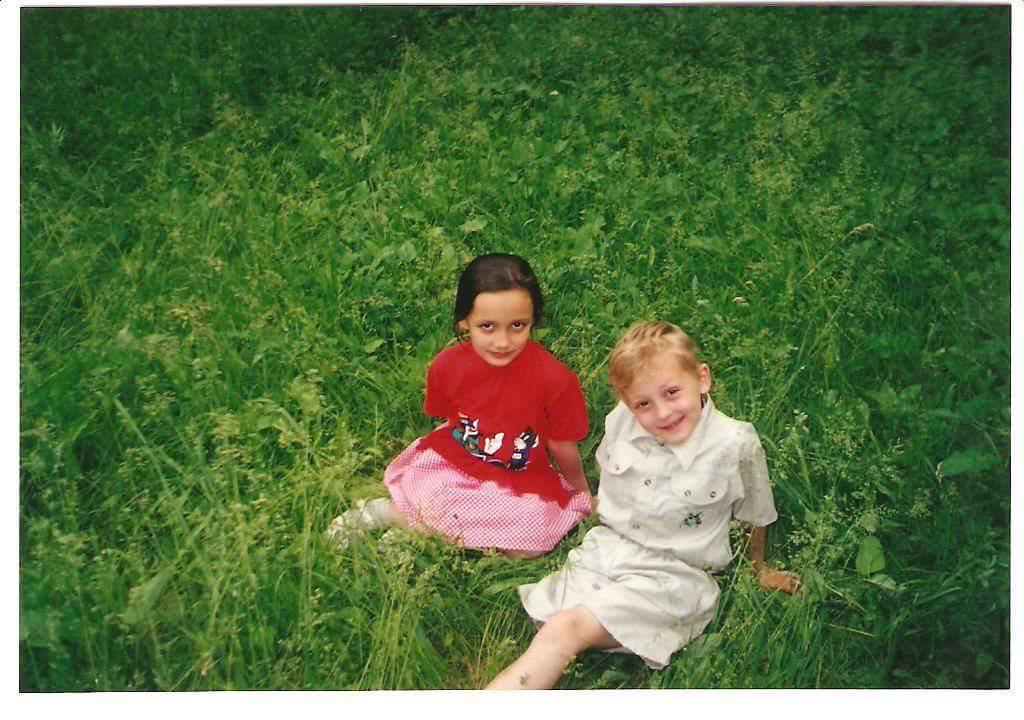
  • And the first time I came home… I'm trying to remember when. I think my mom came to visit me in Lviv first. And I went to visit her much later. And that's when I saw the checkpoints, I already understood where the “grey zone” was, understood what was happening. Novotroitske ended up in this “grey zone” in 2014. And life there was something you wouldn’t see on TV. There were certain moments… For example, from Donetsk — once everything had quieted down, after the Revolution [of Dignity], after Russia occupied Donetsk, some time had passed, and there were a lot of, as they say now, “under-the-table agreements” — people were leaving Donetsk without any issues. They needed to withdraw their pensions from Ukrainian cards, get cash, buy groceries, buy medicine, and go back. Because there were no decent groceries or medicines there [in occupied Donetsk]. And where did they go? They went to the nearest points, that is, to the nearest villages. Including our Novotroitske. And what happened? People would arrive and withdraw money from the bank. There was constantly not enough for the locals. They would buy up all the medicine, they would buy up all the groceries. What do we have? We have demand. And a huge price increase. And there wasn't enough for the locals, let's put it that way. My grandfather would get his pension — and it was either buy medicine or buy groceries. And at that moment, they didn't talk about this on television. They didn't even know such a problem existed. But, in the end, everyone was traveling as usual, leaving Donetsk, making arrangements at the checkpoints, and at the pro-Ukrainian ones, I think, too. At that moment, I believe Poroshenko was the president.

  • Celé nahrávky
  • 1

    Lviv, 05.06.2025

    (audio)
    délka: 02:47:31
    nahrávka pořízena v rámci projektu Returning Home
Celé nahrávky jsou k dispozici pouze pro přihlášené uživatele.

I want to see history being made and be a part of it

Yulia Antoniuk during the interview, 2025
zdroj: Post Bellum Ukraine

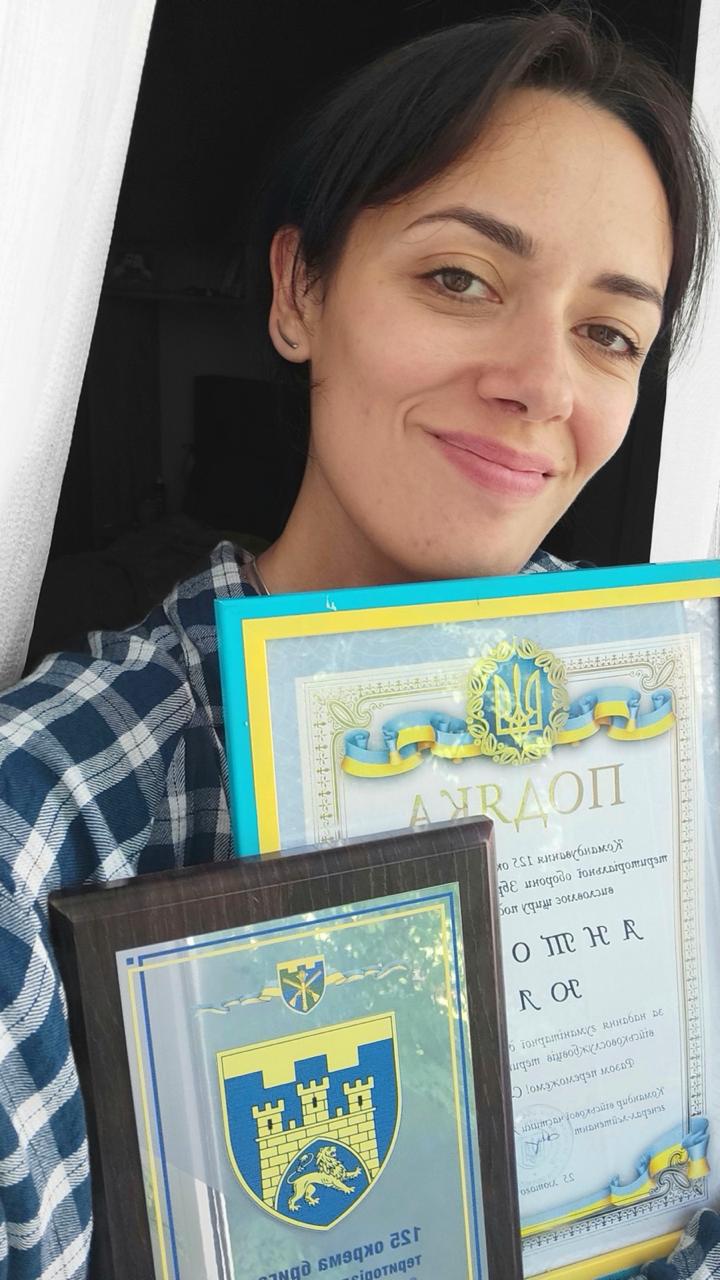
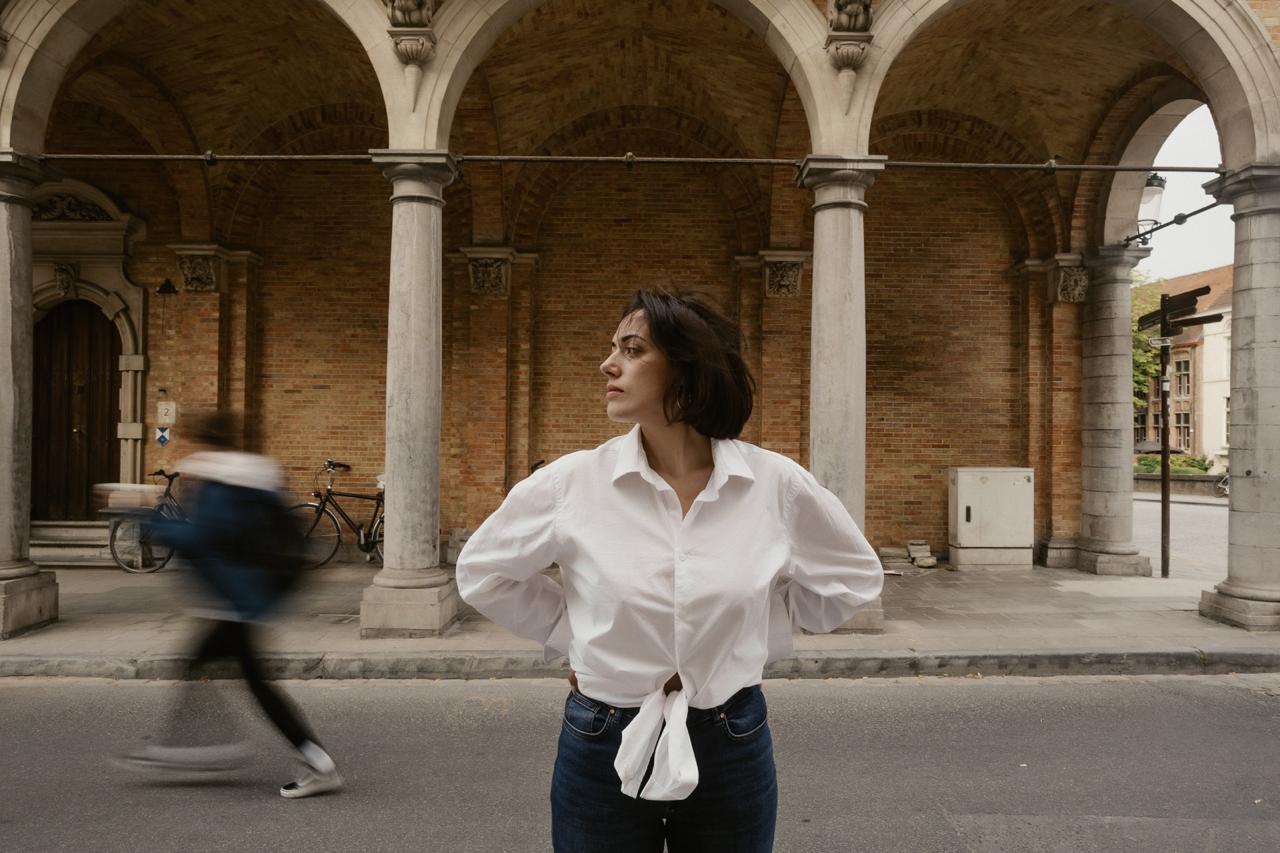
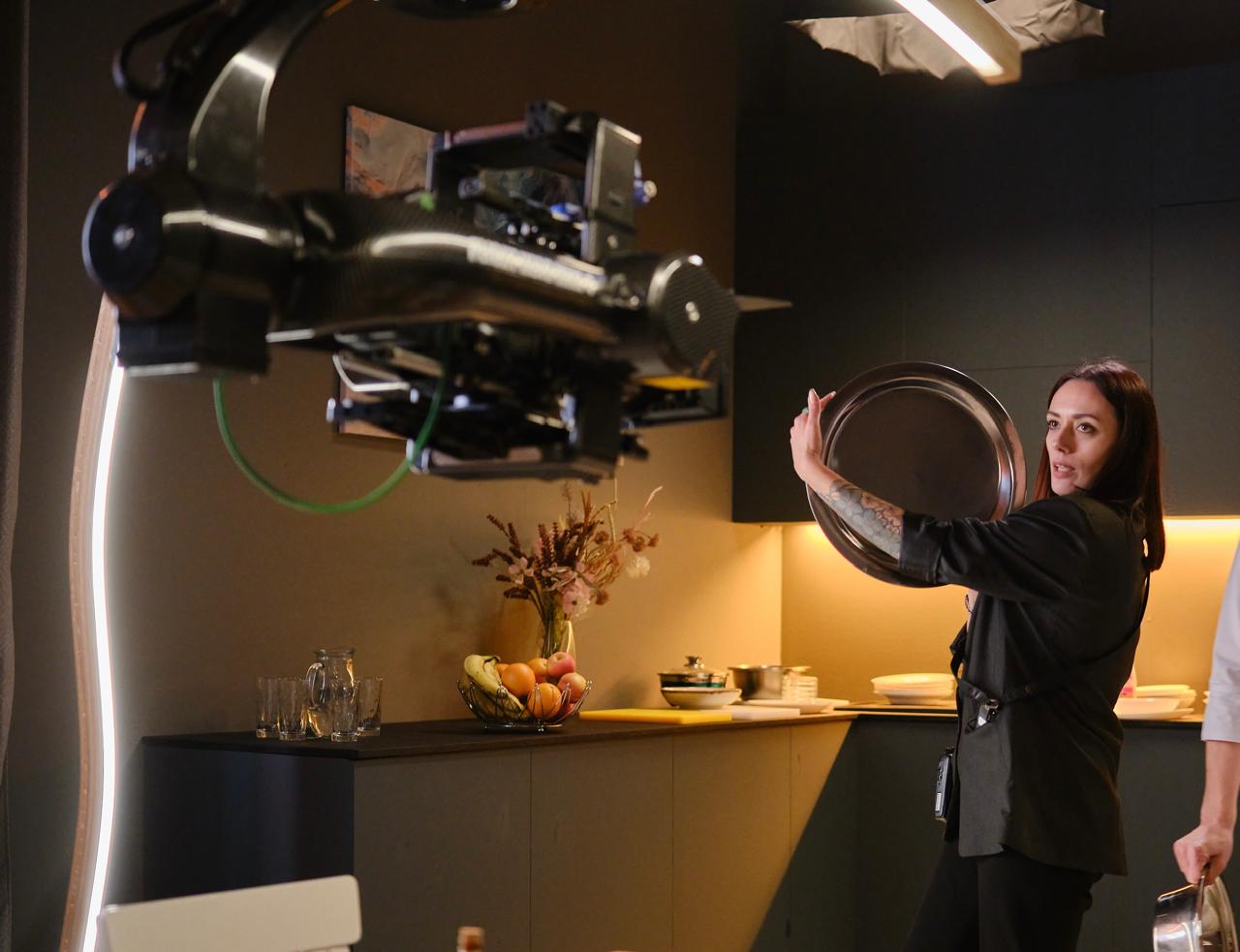
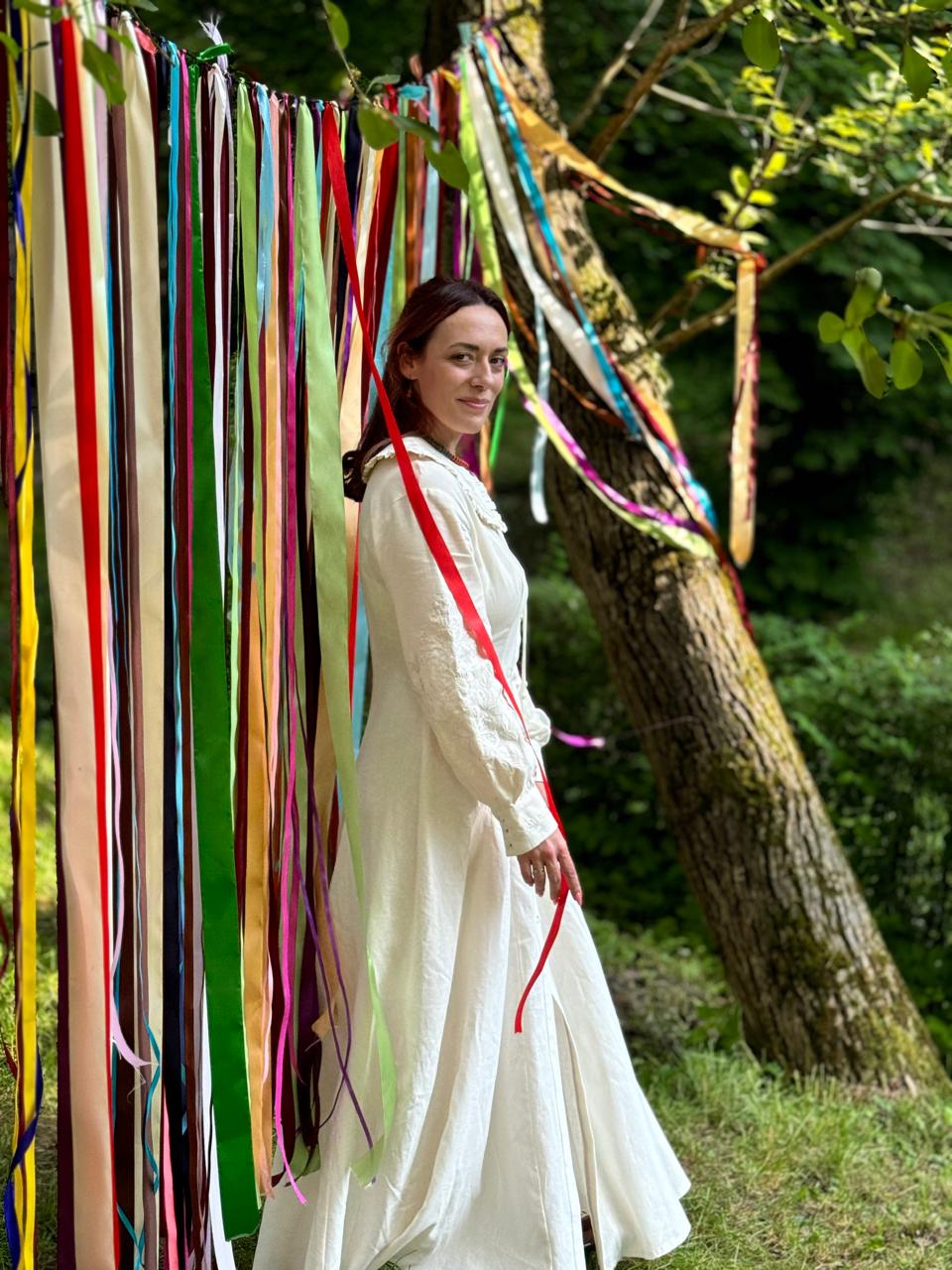
Yulia Antoniuk is a director, writer, and wife of an officer in the Armed Forces of Ukraine. She was born on April 4, 1992, in the urban-type settlement of Novotroitske, Donetsk region. At 15, she moved to Donetsk to study. She worked there first, then moved to Crimea. In 2013, she entered the directing department at the Lviv branch of the Kyiv National University of Culture and Arts. She has lived in Lviv ever since. Together with her husband, she shot several music videos for the bands YAGODY and Hromadianyn Topinambur (known as Grazhdanin Topinambur before 2022), as well as the short film Ketchup. After February 24, 2022, she and her mother left for Belgium, but eight months later, she returned to Ukraine to be closer to her husband and to help the military. She wrote the book Black, White, Dry Red about her experience of living through the war. In 2025, she lives in Ukraine, shoots music videos, supports her serviceman husband, and participates in volunteering.