"Why did I sign this... I signed it because the Charter appealed to me... I didn't understand at all that not everyone would sign the Charter. Because it wasn't really a secret at all. It was actually that they had to abide by some rights that these Czechs signed with this United Nations organization. It was actually to respect humanity, citizenship and political opinion. And the reason I signed it was because my father, when he came to visit, he came to visit for three weeks, he told me this crazy story that people who survived World War II, the Civil War, the Czech Republic, and came back with that, that they were supposed to get a pension from the Czech Republic, and the pension was delayed for a year and a half, there were these big intervals, I don't know, that's how my father described it to me, and seven people committed suicide in different places. And for me it was something so terrible that actually the respect for those rights and what happened to those people was... to this day it's still so traumatic."
"And we went out and we saw tanks, we saw young guys - I'll never forget that - and they were like looking for a way to go with these tanks. And we were standing there, and I didn't want to believe that really, that it was like in the film and I'm in the film now. And now all of a sudden you see these tanks, you see these young guys, and this one - two of them came down there - and they were arguing with each other, they were arguing terribly with each other. We didn't know where to go, we were completely shocked to see that, that there were actually these Russian tanks or any tanks. And the one guy there started crying terribly. And that's when I realized - they're not here voluntarily, so I saw that like... So that was kind of the beginning."
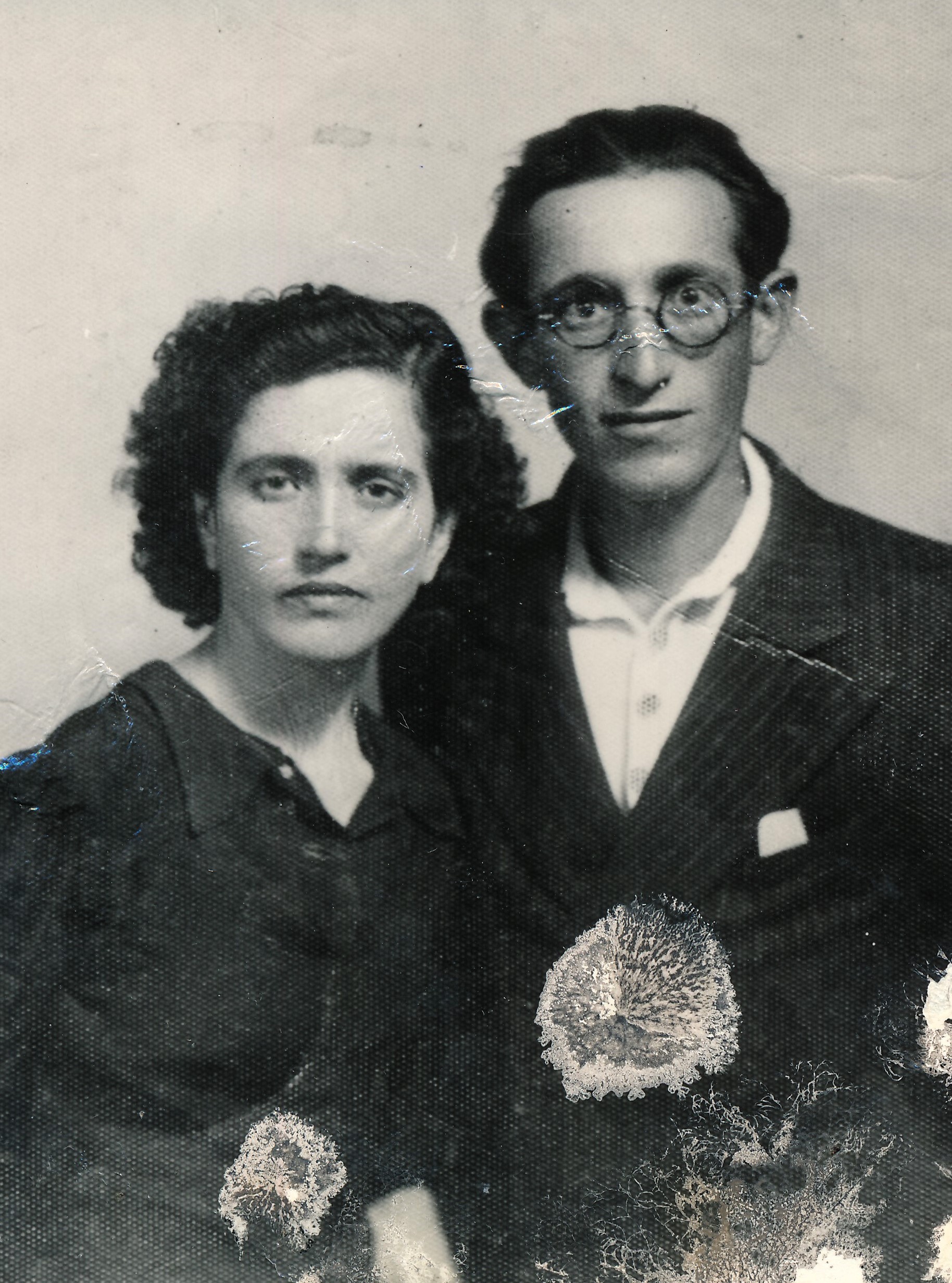
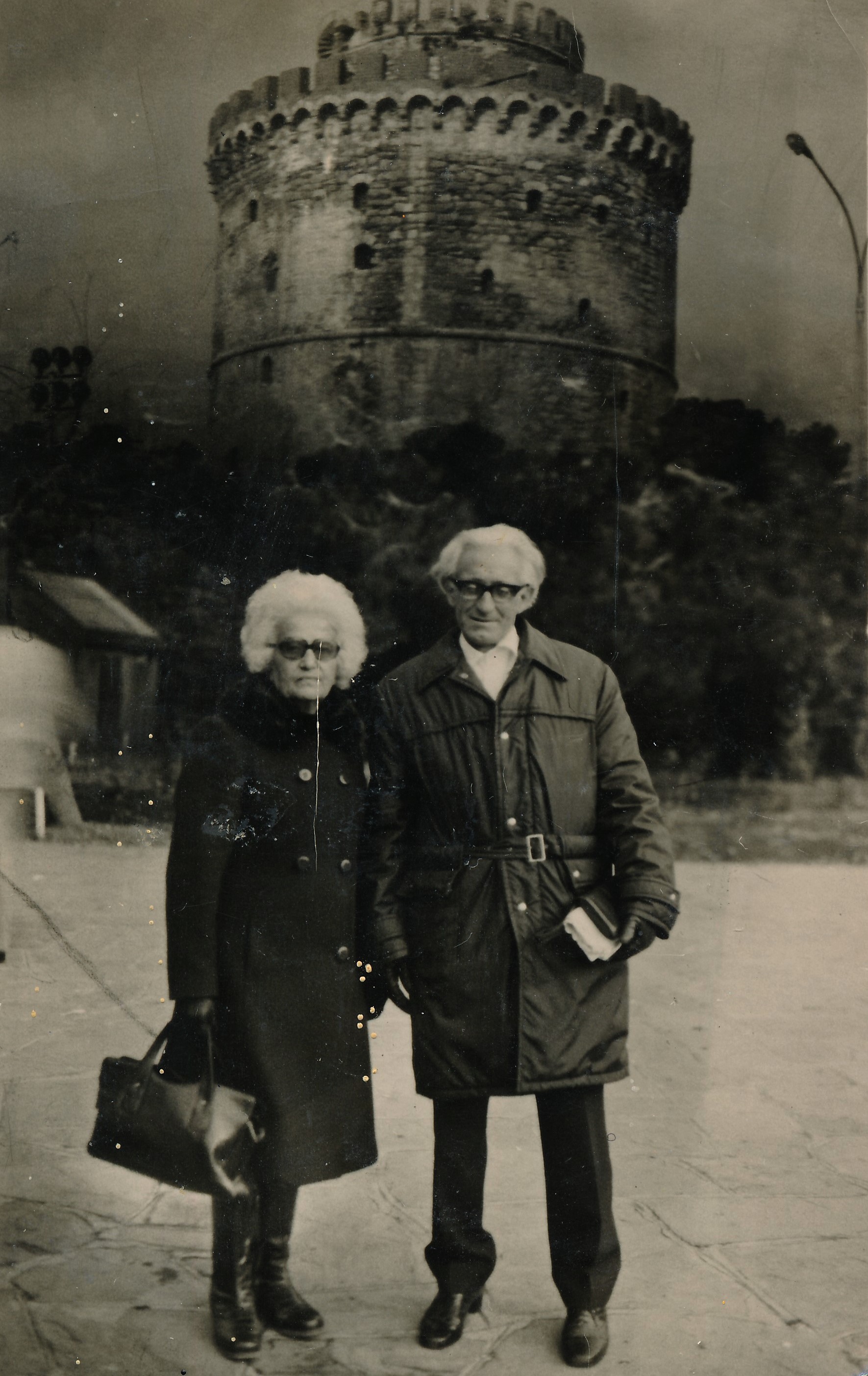
"He wrote here. He went to Romania, Hungary, Poland, and he actually wrote about the life of Greek emigrants. He wrote it in Greek and it was sent... There was also an underground newspaper, at that time it was called 'Avjí' or 'Dawn', so that newspaper was again going to prison, which is a terrible paradox. These are such interesting stories, that we, when we got to Greece thanks to the Asanace - and in Greece they didn't give us permission to stay and work there - we met people who were locked up in prison during the fascist junta of 1967 until 1973, so these people read the newspaper. And thanks to them, because they knew that my father was writing, they helped us a lot to have at least a job, to have a place to live, so those two years we again... Thanks to the fact that my father wrote and his name was Almetidu, we had... That was terribly interesting."
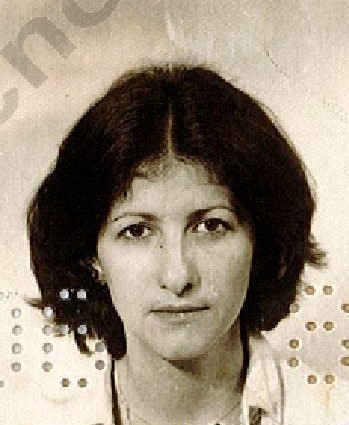
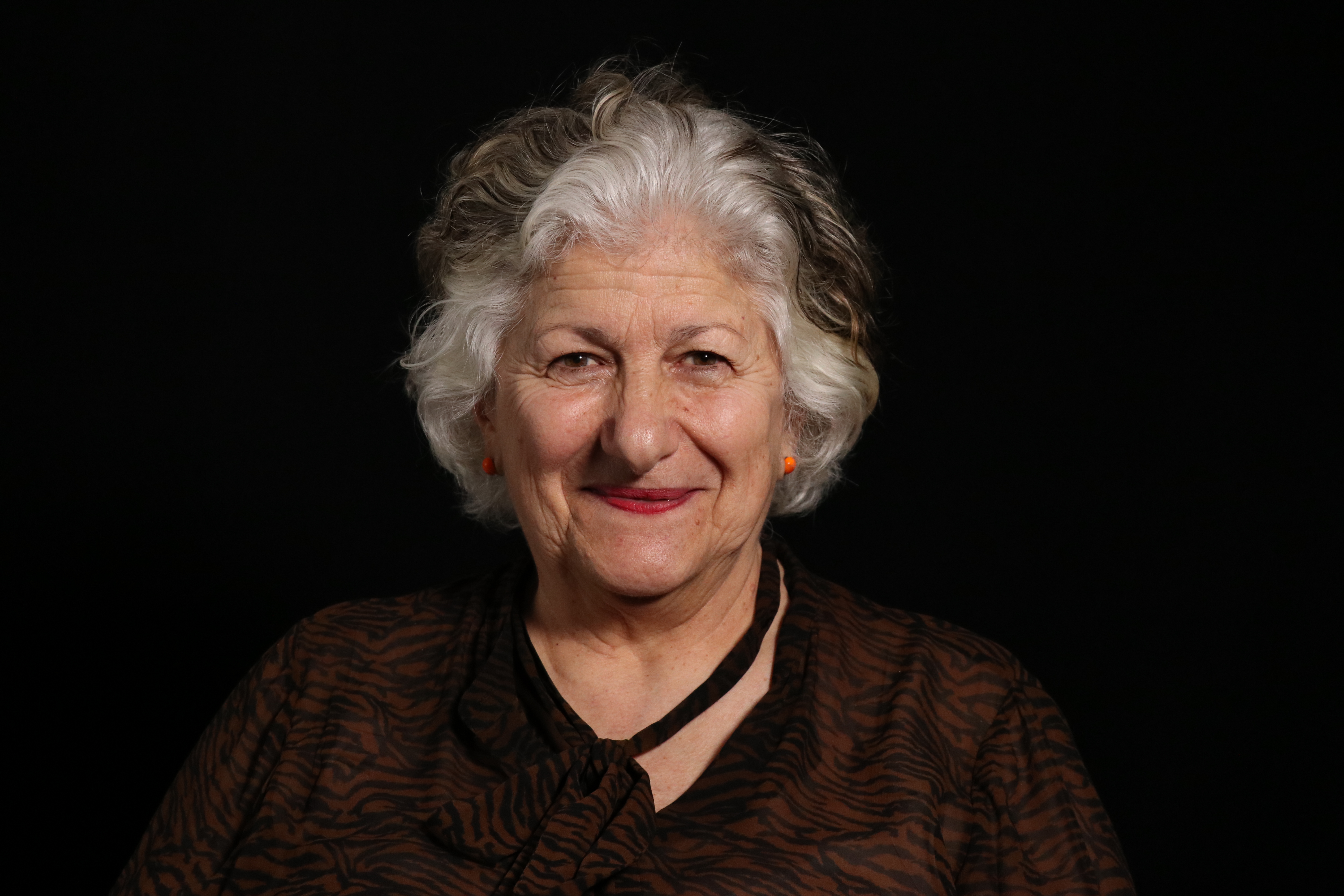
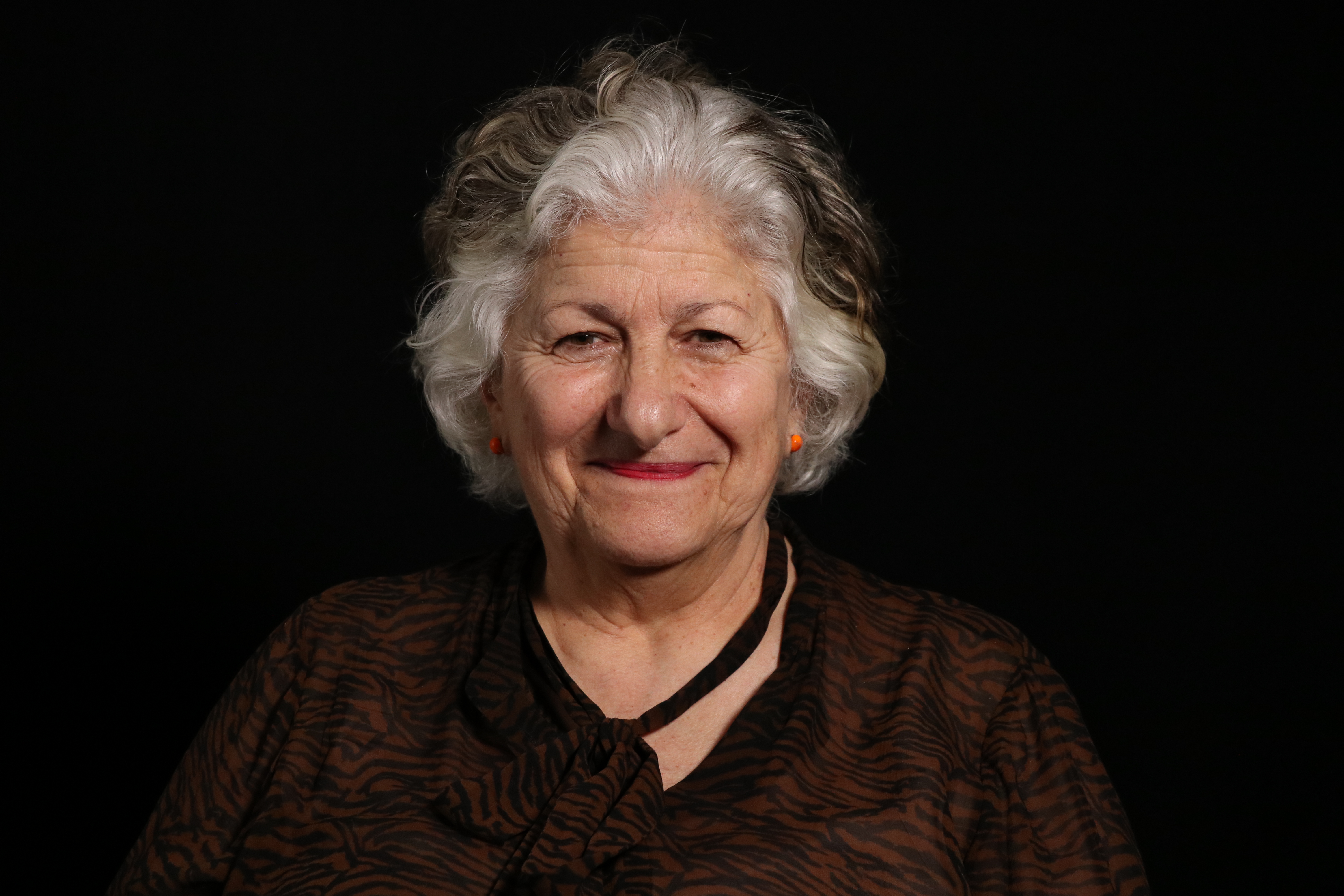
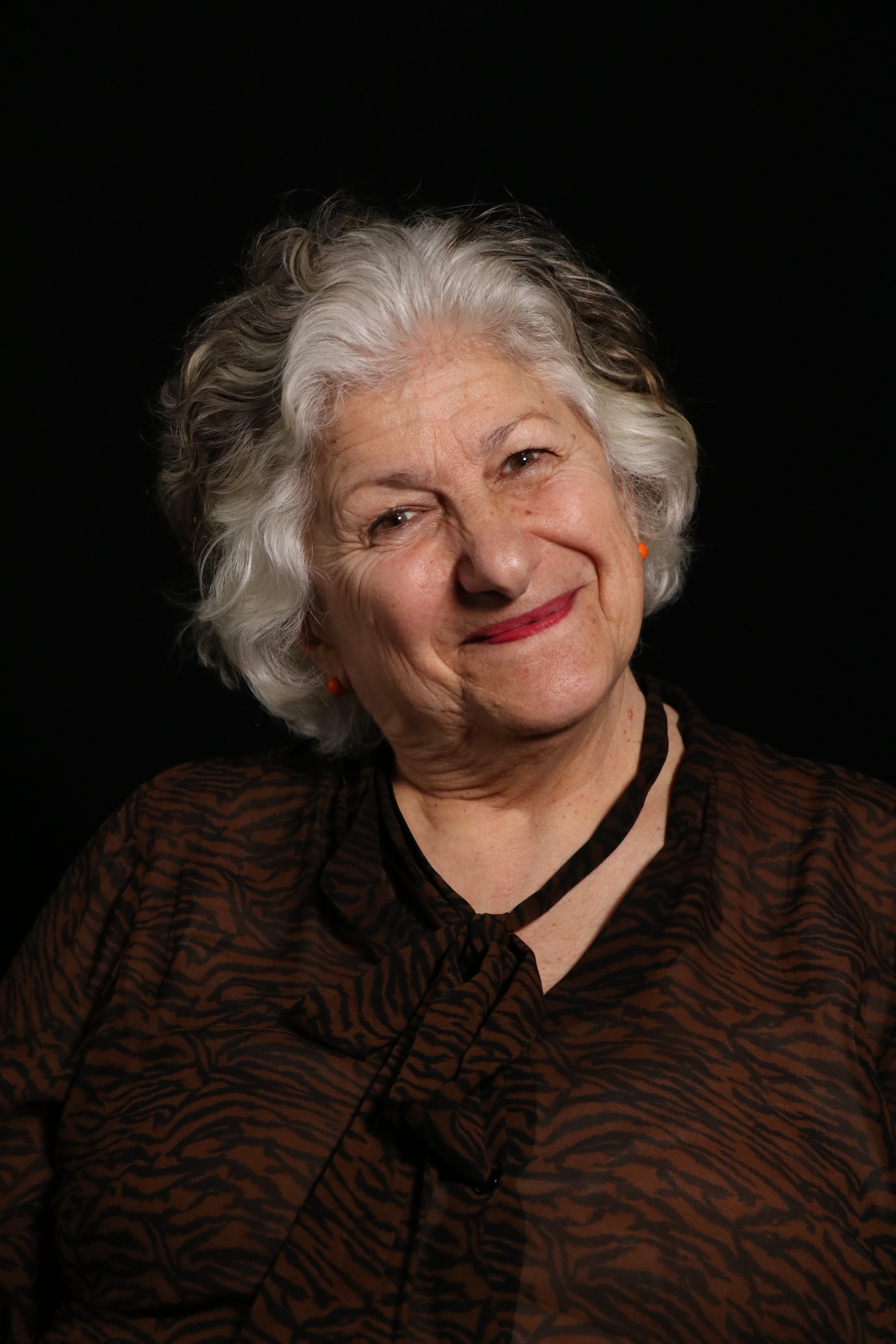
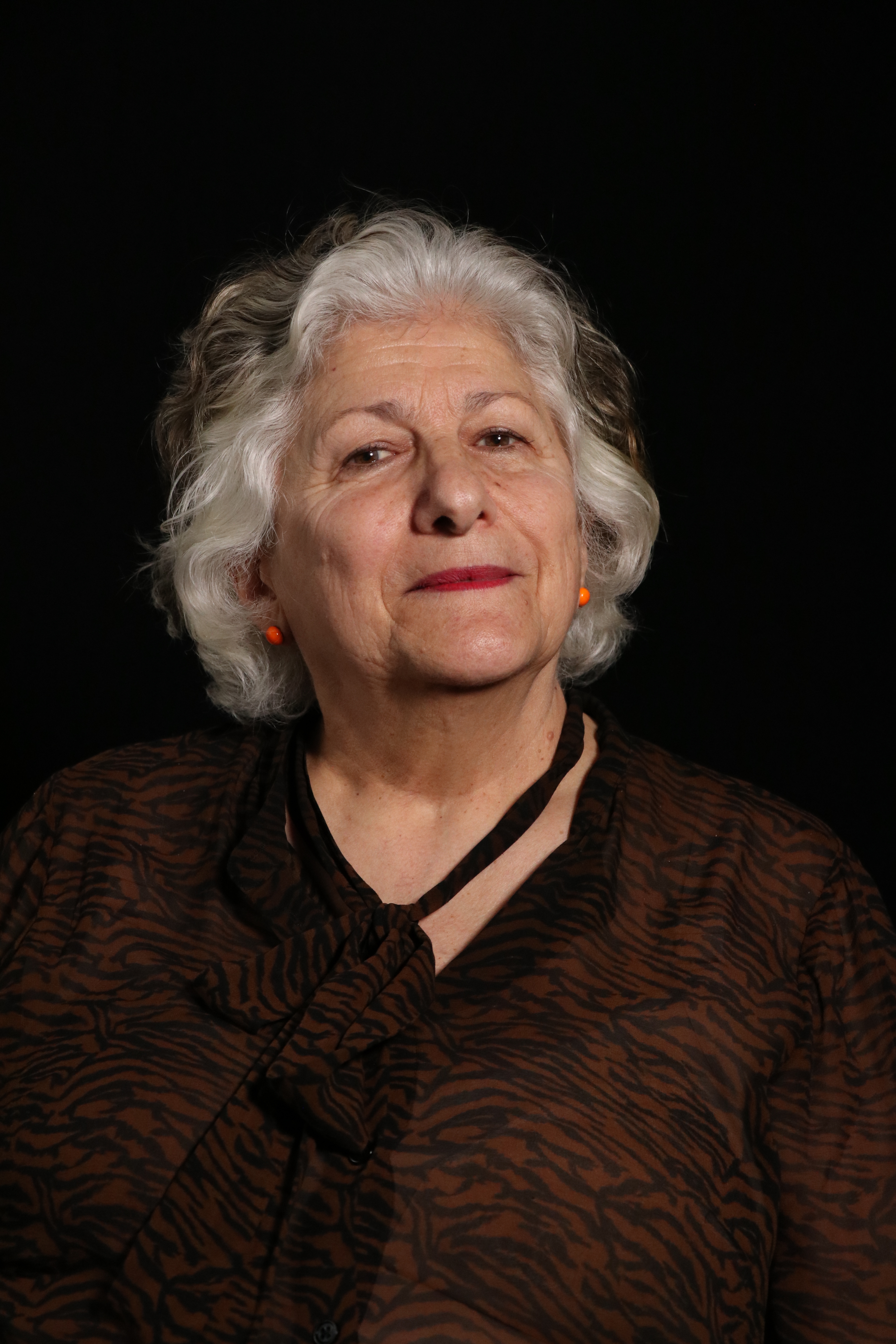
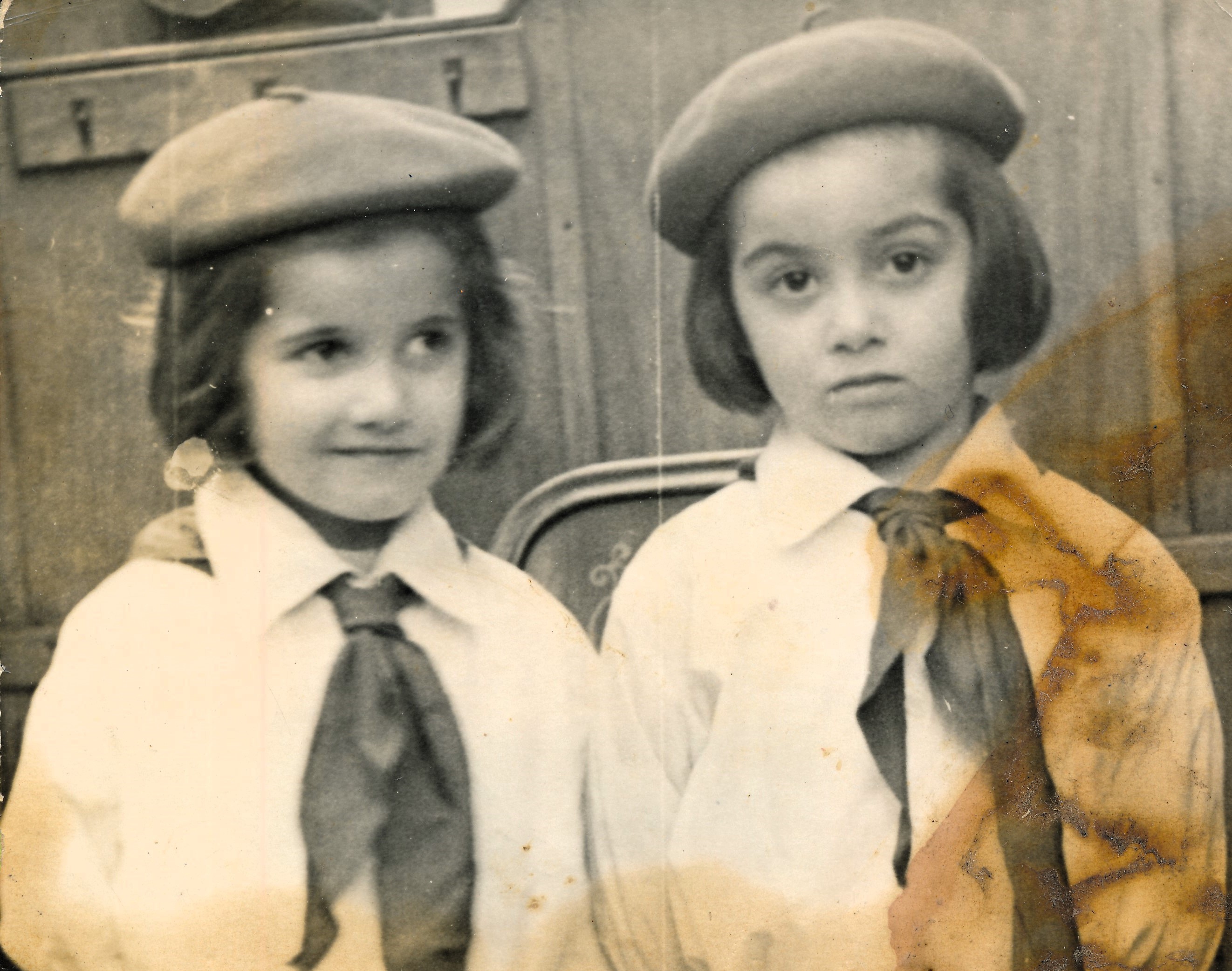
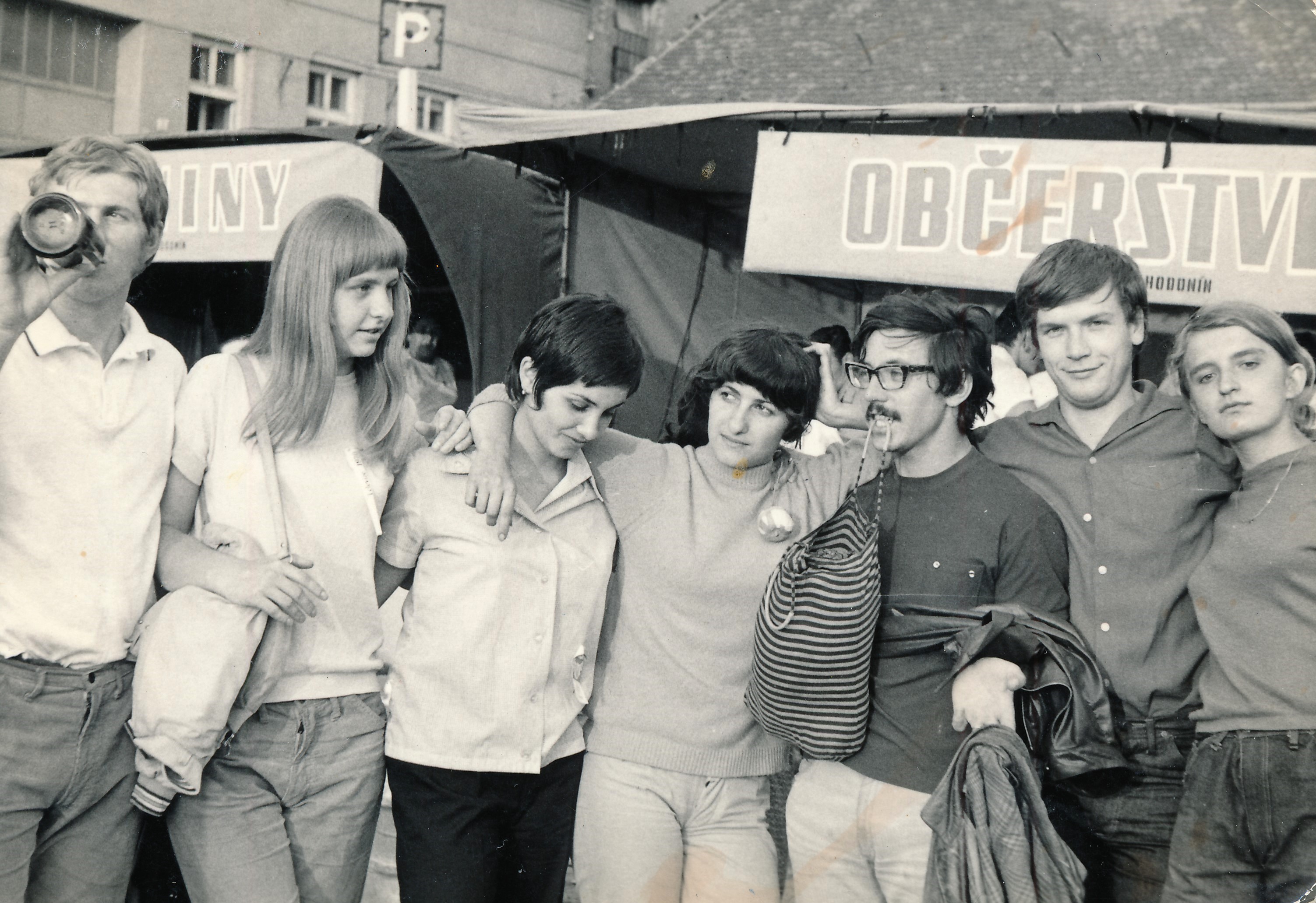
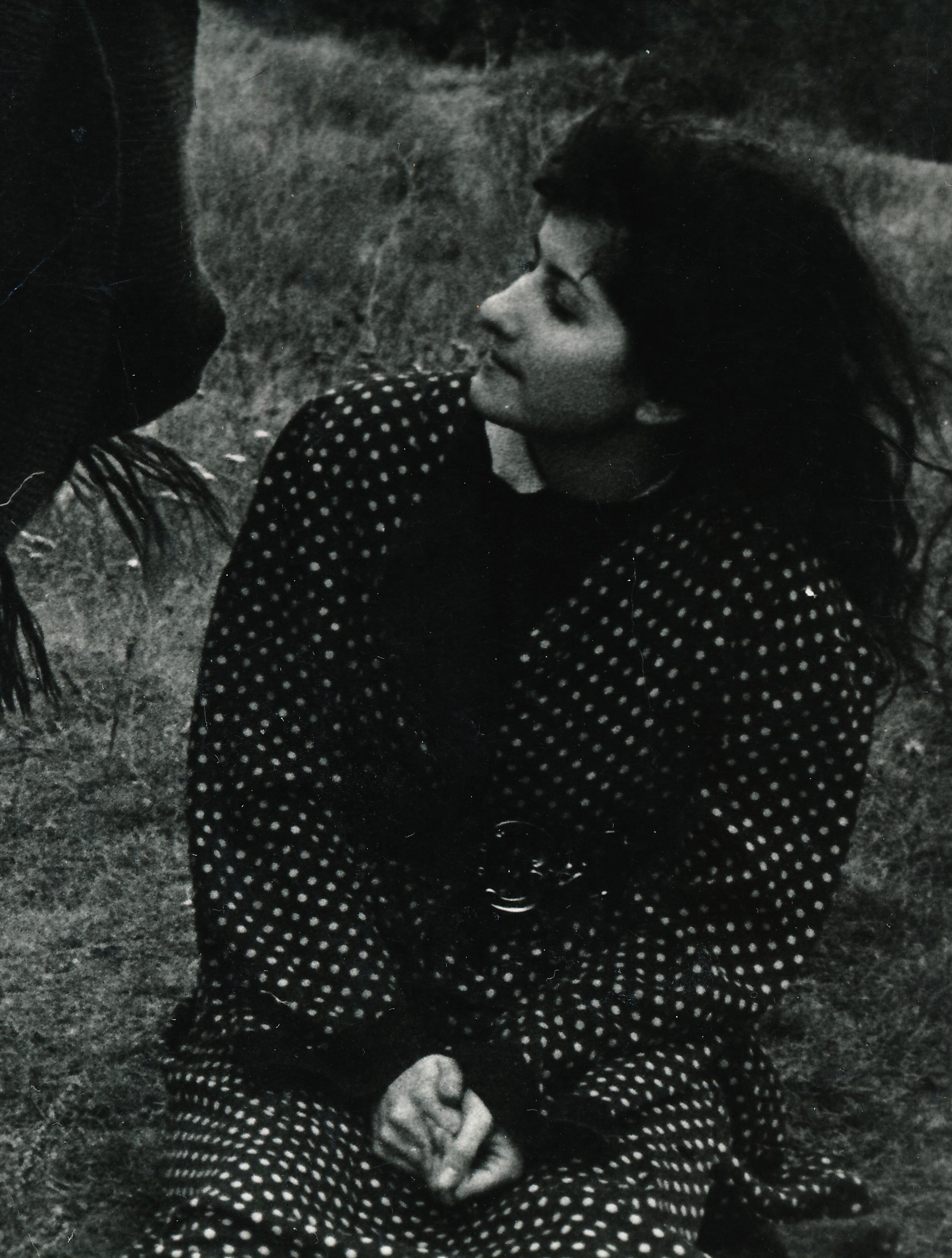
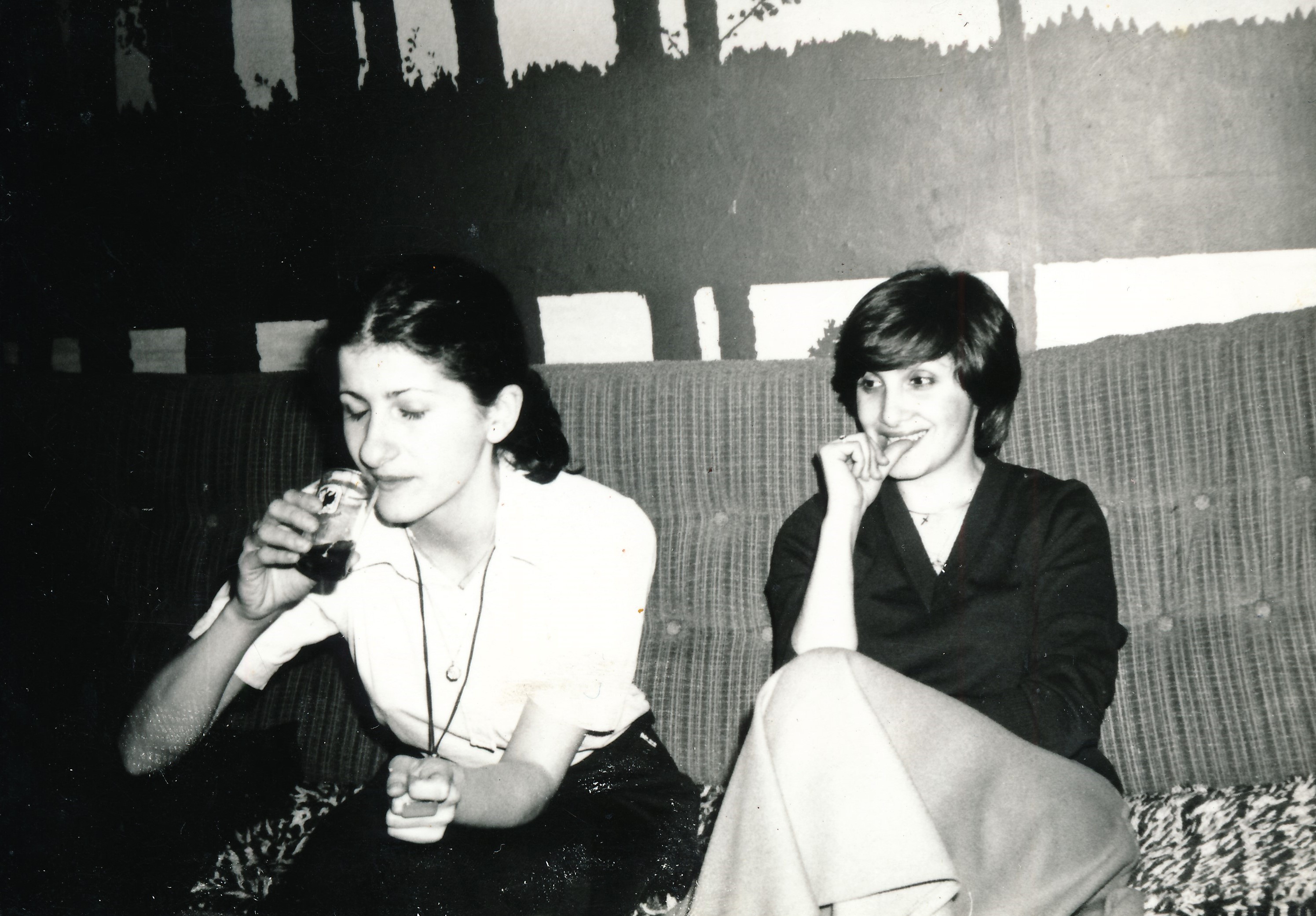
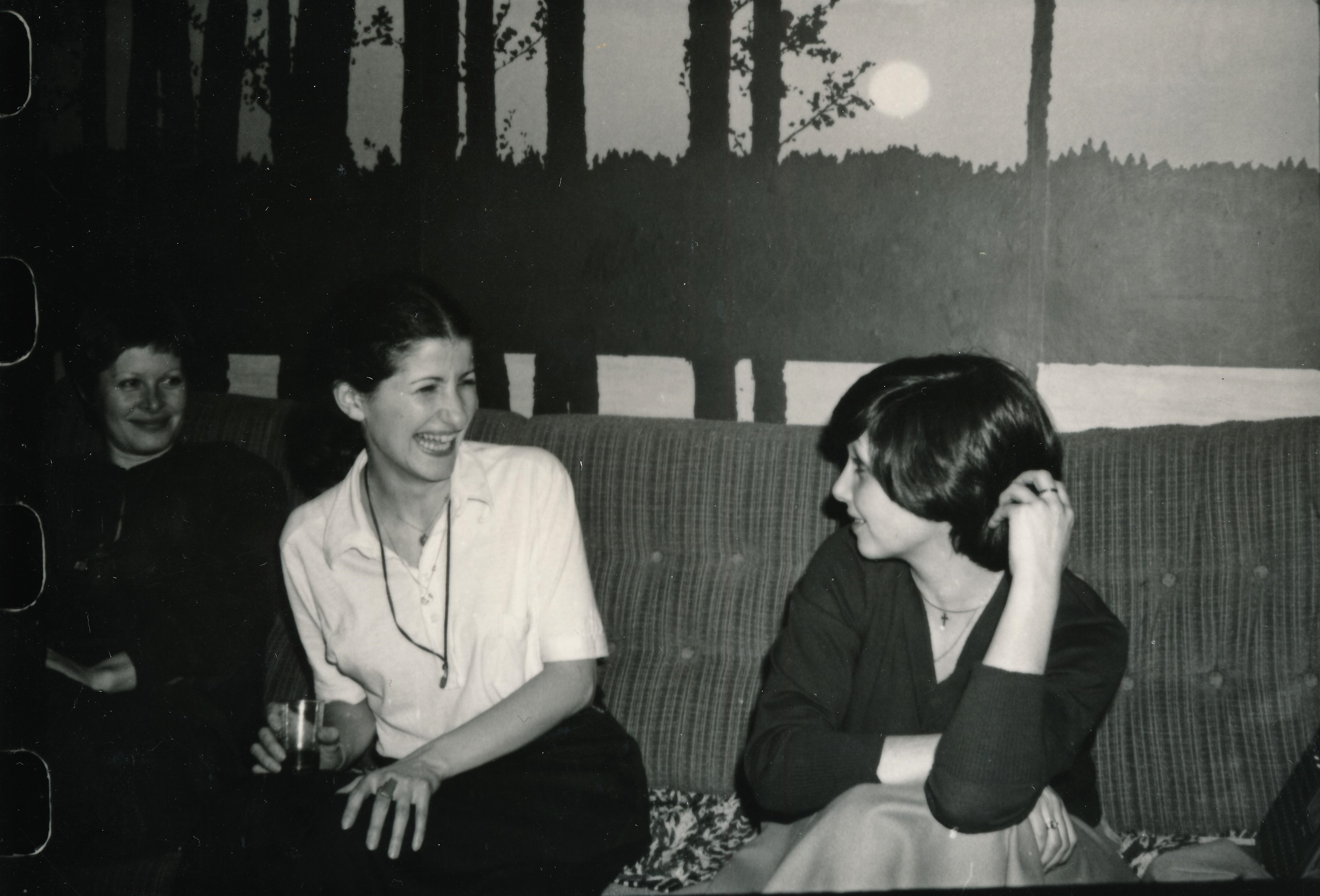
Ilektra Almetidu was born on 1 May 1950 in Horní Maršov as the twin sister of Zoya. Her parents were Greek political refugees - her father a journalist and her mother a worker, both convinced communists. In 1952 the family moved to Brno, where Ilektra finished primary school and trained as a textile finisher. The year 1968, when Czechoslovakia was occupied by Warsaw Pact troops, deeply affected her both politically and personally. Together with her husband Bohumil Smutný, she signed Charter 77 and their flat on Smetanova Street became a lively centre of Brno‘s dissident and underground life. In 1979, under pressure from State Security, the couple and their children emigrated first to Greece and two years later, with the help of the International Red Cross, found a new home in Canada. There, Ilektra Almetidu pursued a professional career in social and health care, aromatherapy and reflexology, and was also active in cultural events of the Czech community, distributing exile literature and supporting political prisoners in Czechoslovakia. Today she holds Czech, Greek and Canadian citizenship and calls Prague her home (2025).