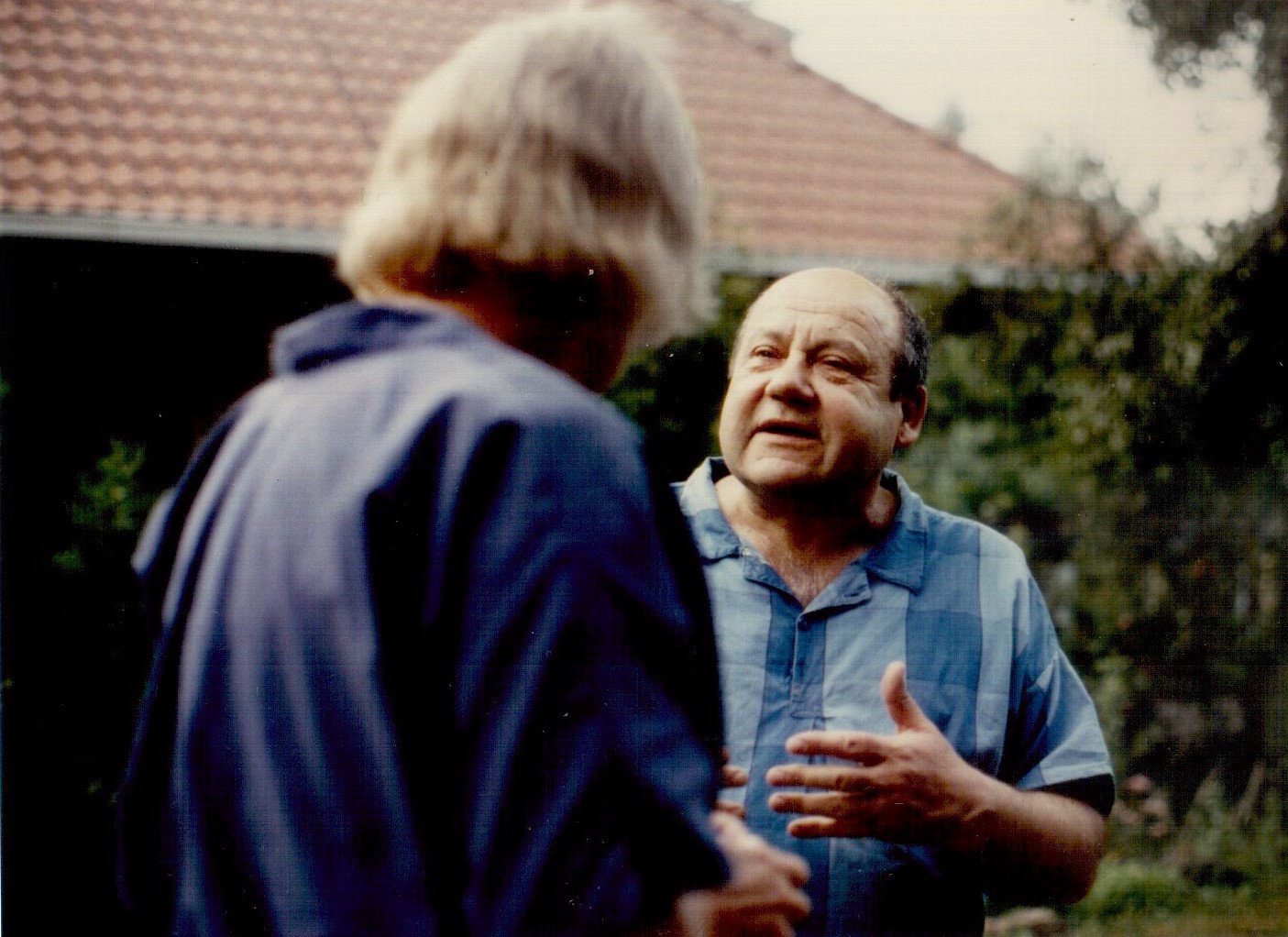
"For the very first time, I came not with my wife, but with my then superior, the Catholic priest Vincenzo Platz, who opened up the possibility for me to meet the Kaplans at all. Later I came several times with my wife. On the way home, we always processed our impressions and said what an incredible family they were, that mixture of creative chaos and the effort to tame that chaos. That's how I would describe it. I also noticed that on some of the topics I wanted to talk to Jiří or Marie about, all Jiří would say was, 'Can we talk about this later?' He once told me point blank that he knew the house was full of bugs to eavesdrop on them. So when we wanted to talk about serious things, like the state of the church, we would leave the house and walk around the park. There we had very intense conversations."
"The very specific world behind the Iron Curtain, for me, was really first and foremost Czechoslovakia. The grey world. A world that lacked colour. Grey houses. The worst thing in my memory to this day was the square around the Týn Cathedral - grey everywhere. The same when you tried to talk to people - it was like a grey coating on everything. I don't know how better to describe it. Coldness. All the more surprising were the people behind that Iron Curtain who were trying to live the Christian life, the life of Christian men and women, and who were trying to break through the grey by supporting each other and keeping in touch. That's how I felt about it. A grey world in which the individual had no value and was judged only by the function he had for the ideology."
"You weren't allowed to mention names, that was the worst thing you could do - naming someone. Because then they had access. Information had to be communicated in a veiled way. So if somebody told me that a certain church in the GDR had been contacted by a man, and I found out who he was from this church, I was not allowed to use the name. Otherwise, this channel would cease to function. When we went to the GDR, for example, we had to hand over all our stationery at the border. We weren't allowed to carry anything at all - no paper, no pencils, nothing. We had to go with empty pockets, which were searched to see if we had any listening devices or anything like that."
"It was in September 1979. Jiri Kaplan accurately described in an interview I later had with him that he had counted on being arrested and his wife Marie called out to him, 'They're here.' I didn't find out from the family afterwards - I don't know exactly how, probably through the ZDF news agency, because the family would have been in trouble if they had informed me. Then I realised: 'Here we go, it's happening.' At first I was quite paralysed, but then in the editorial office we thought about what we could do with our resources to improve the situation. At the same time, it was clear to us that if we said anything against the regime, it would only make things worse for Jiří. So we tried to go beyond the boundaries of journalism and in one broadcast invited the audience to write a petition to Husák. I remember that in that broadcast I also gave the address of the president of the state and also encouraged the writing of a petition in the editorial office. Because of this, I had my first serious difficulties with my boss, the intendant, who was right in a way when he said to me: 'Your task as a journalist is not to take such actions, but only to report on everything.' It was a critical situation for me, but at that time I decided together with my colleagues in the editorial office, with whom I discussed it heatedly, that sometimes situations arise when a journalist has to leave the position of an observer and cannot make excuses. For me it was just such a situation, we really discussed everything according to all the rules and decided to address the audience."
"Immediately upon being granted my visa, I was told that I had to go to Bartolomějská the next morning after my arrival to discuss my stay. It had to do with the fact that I was not travelling as a private person, but I was somebody to them, and indeed I was somebody who worked in the mass media and had the opportunity to say certain things at any time. To be honest, there were chubby men sitting behind that counter - it really did look like a ticket window counter at a train station - who were also emotionally repulsive to me. Fleshy and chubby, they sat behind the counter and asked questions. I was madly annoyed, but I couldn`t show my annoyance, I had to look friendly. As Wilhelm Busch wrote: 'Be polite and modest, for that will make Uncle happy.'"
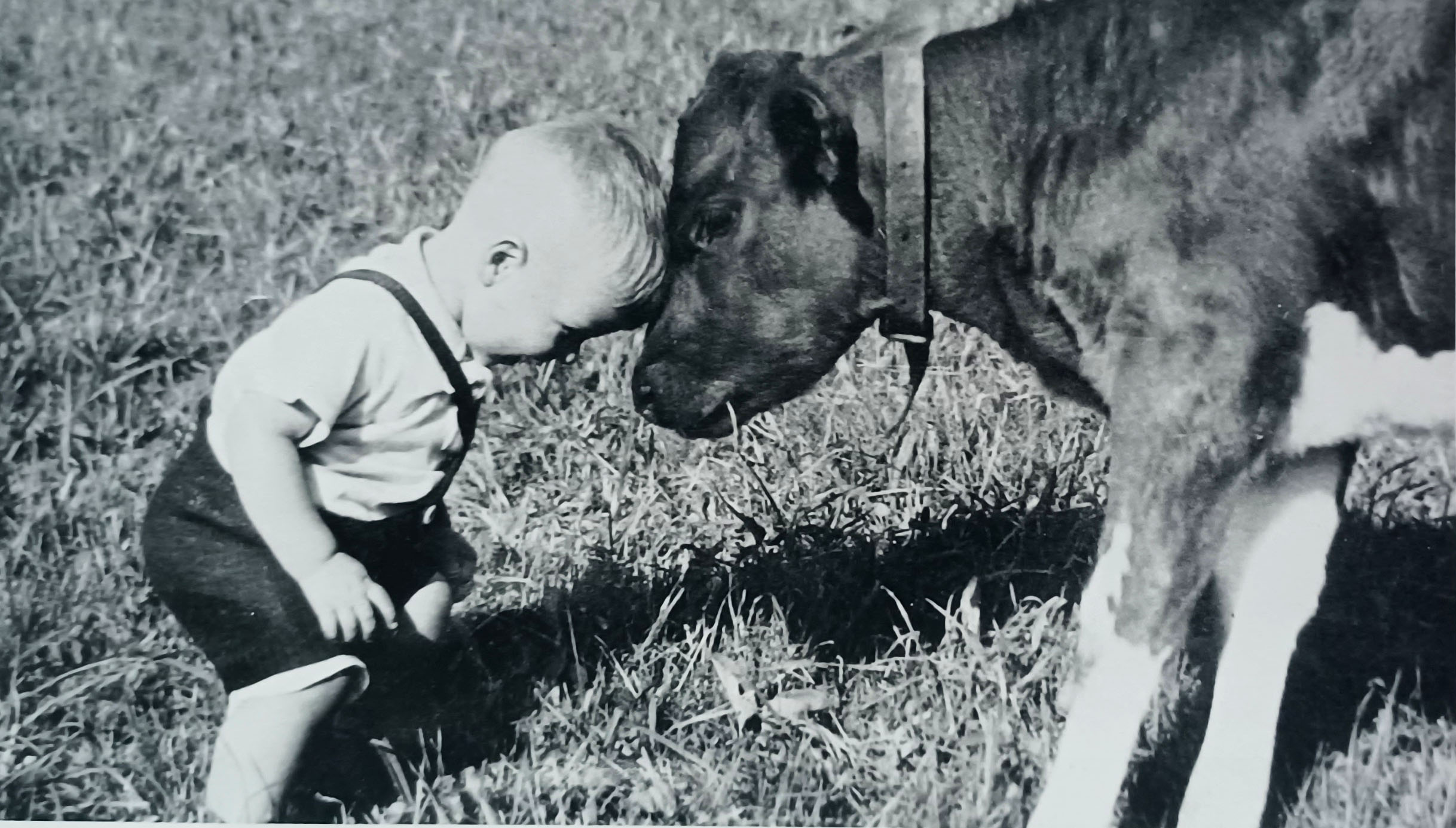
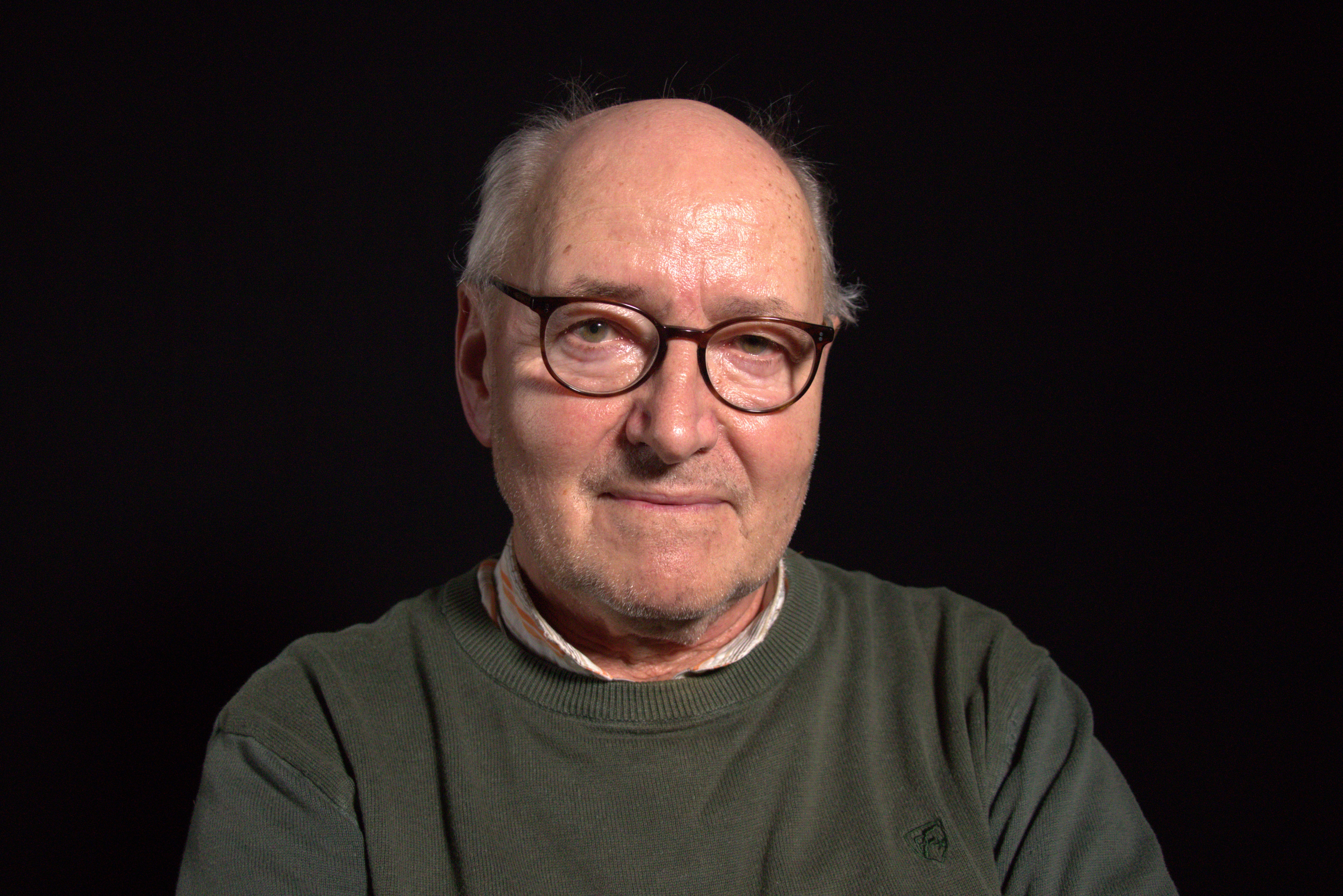
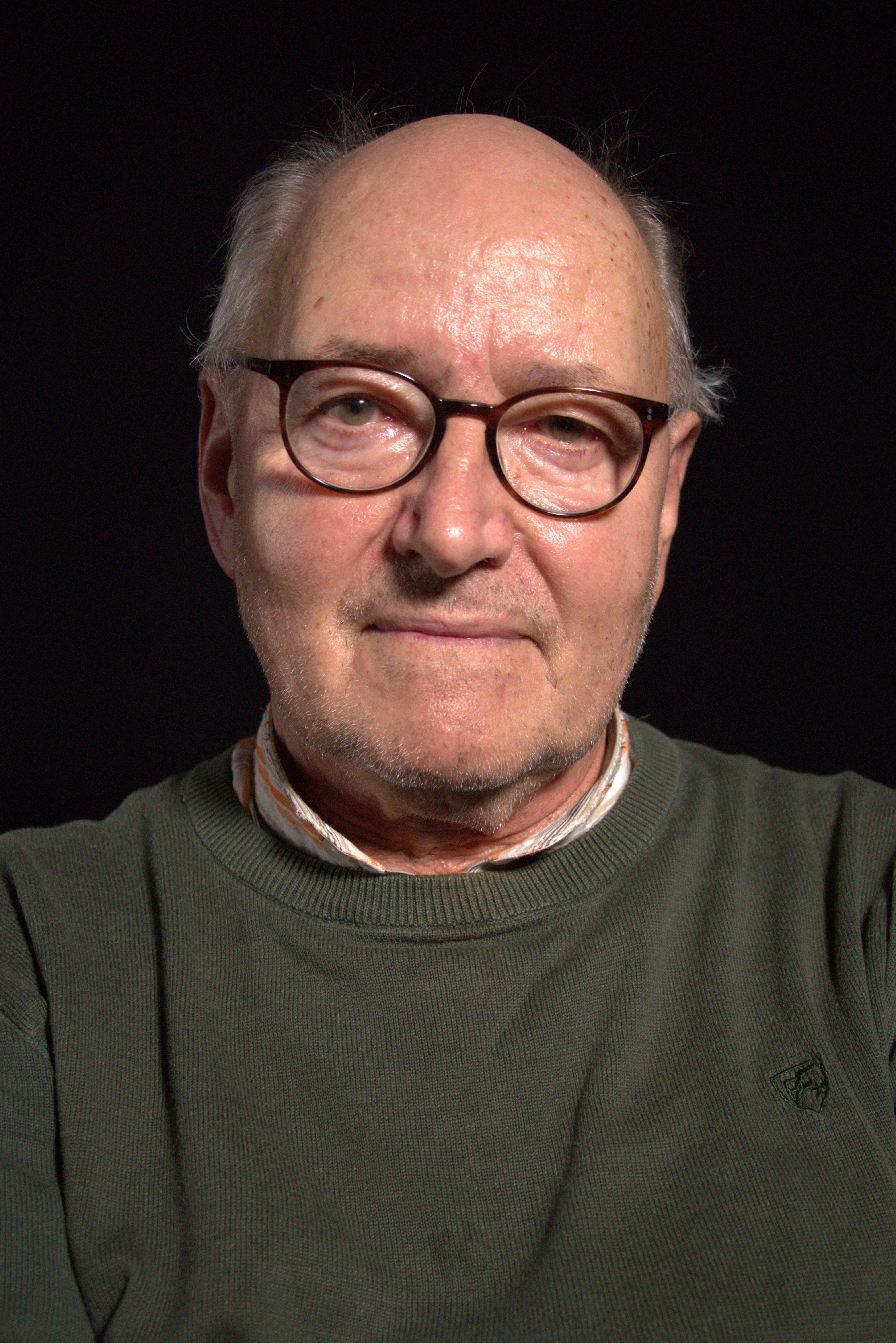
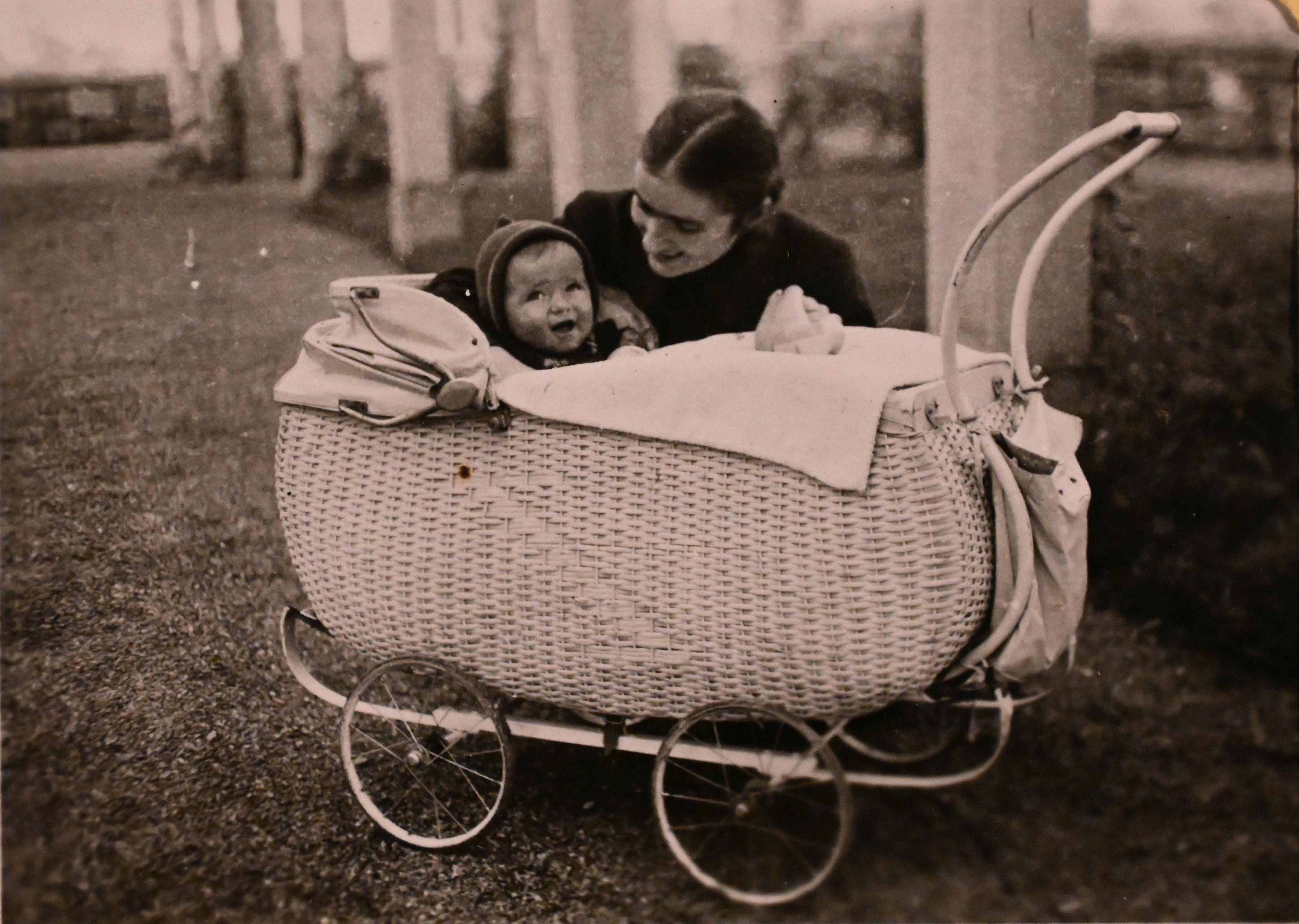
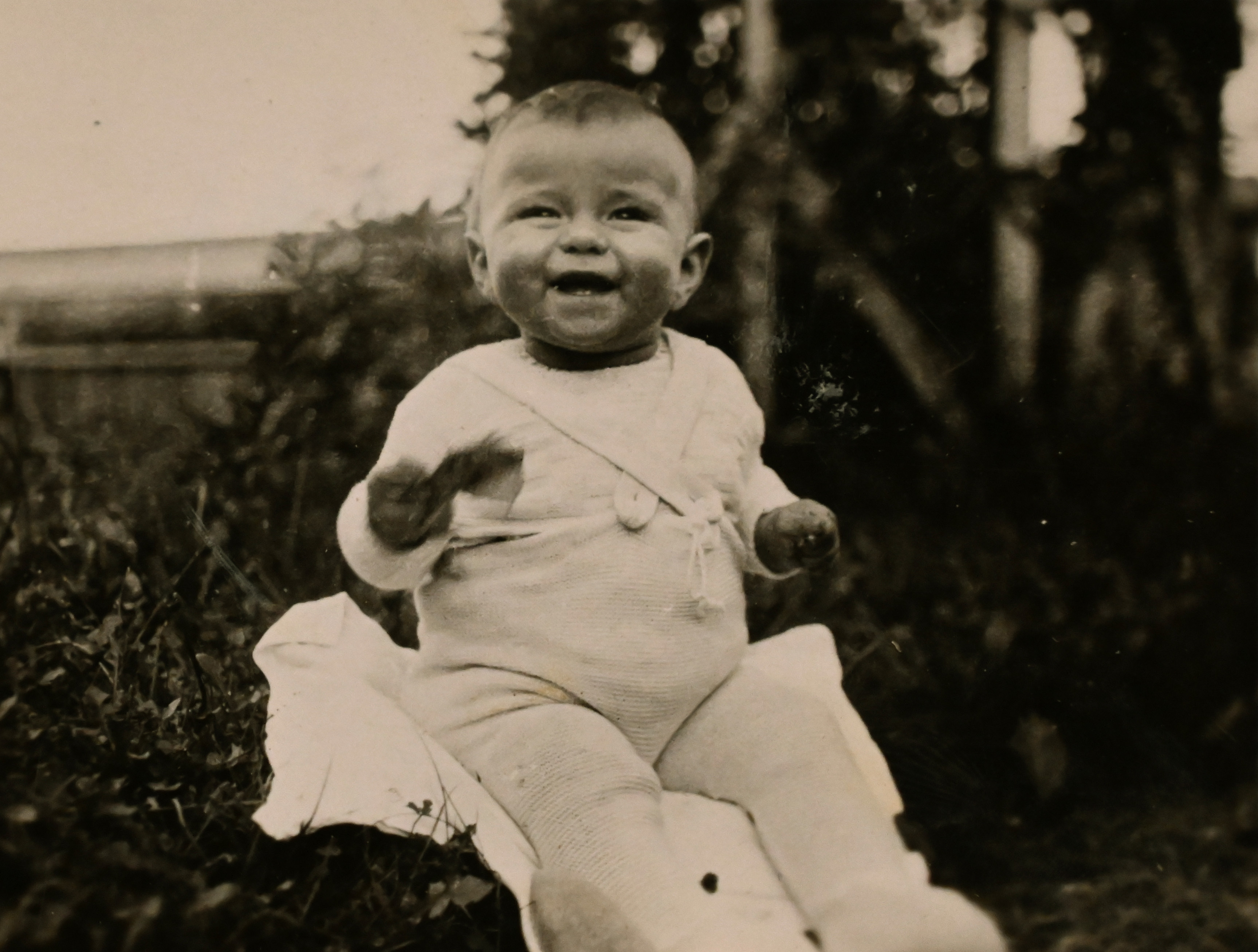
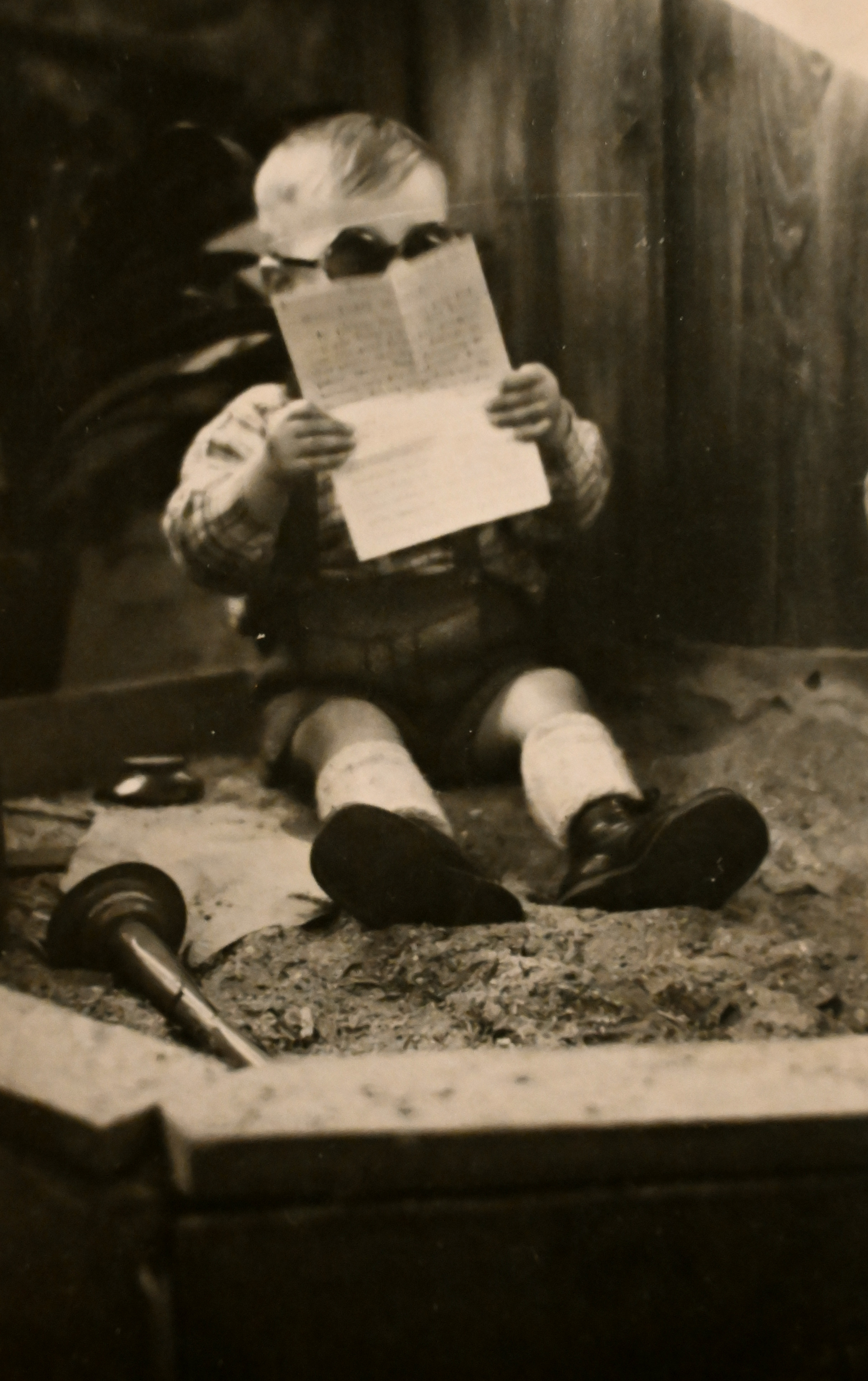
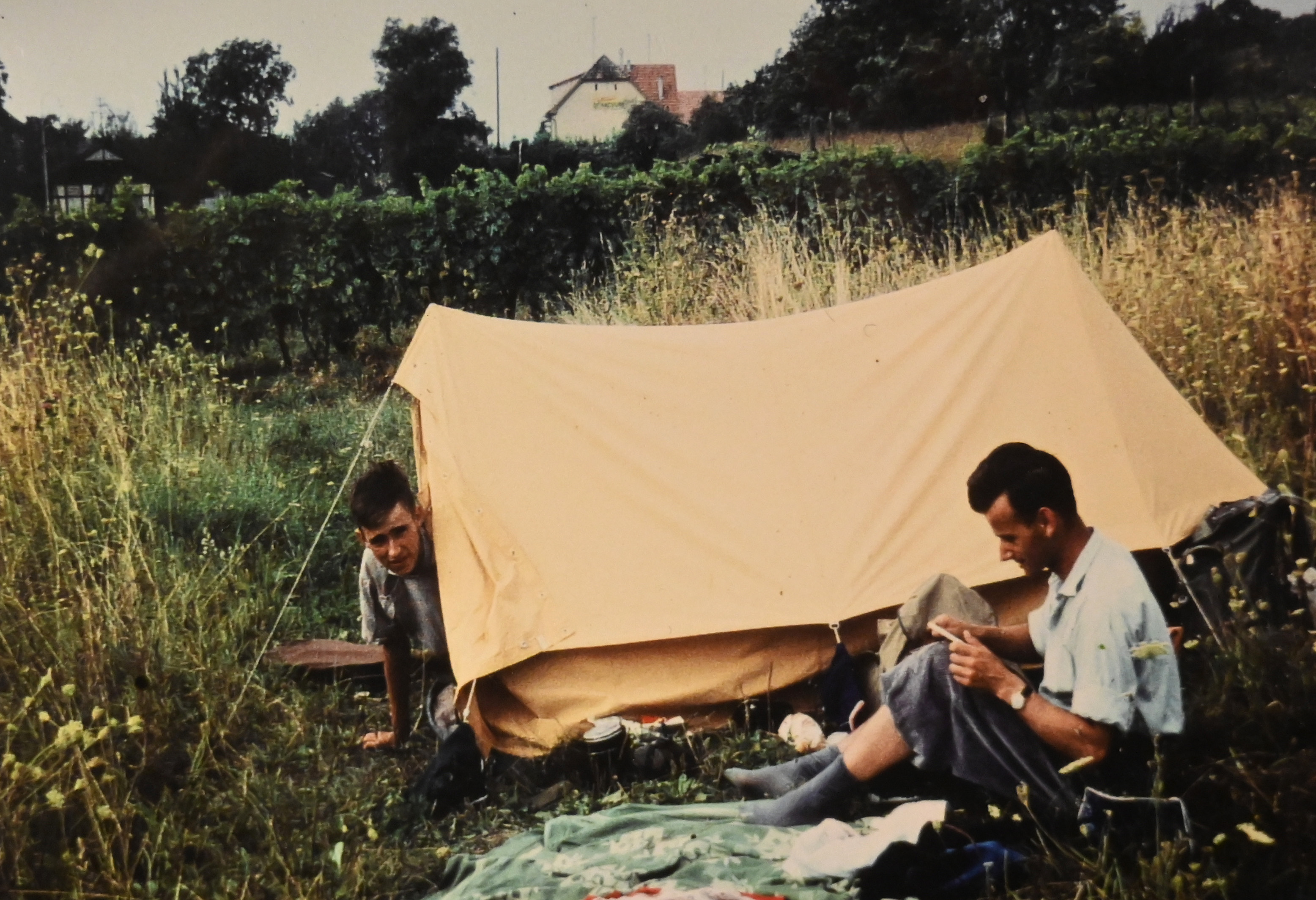
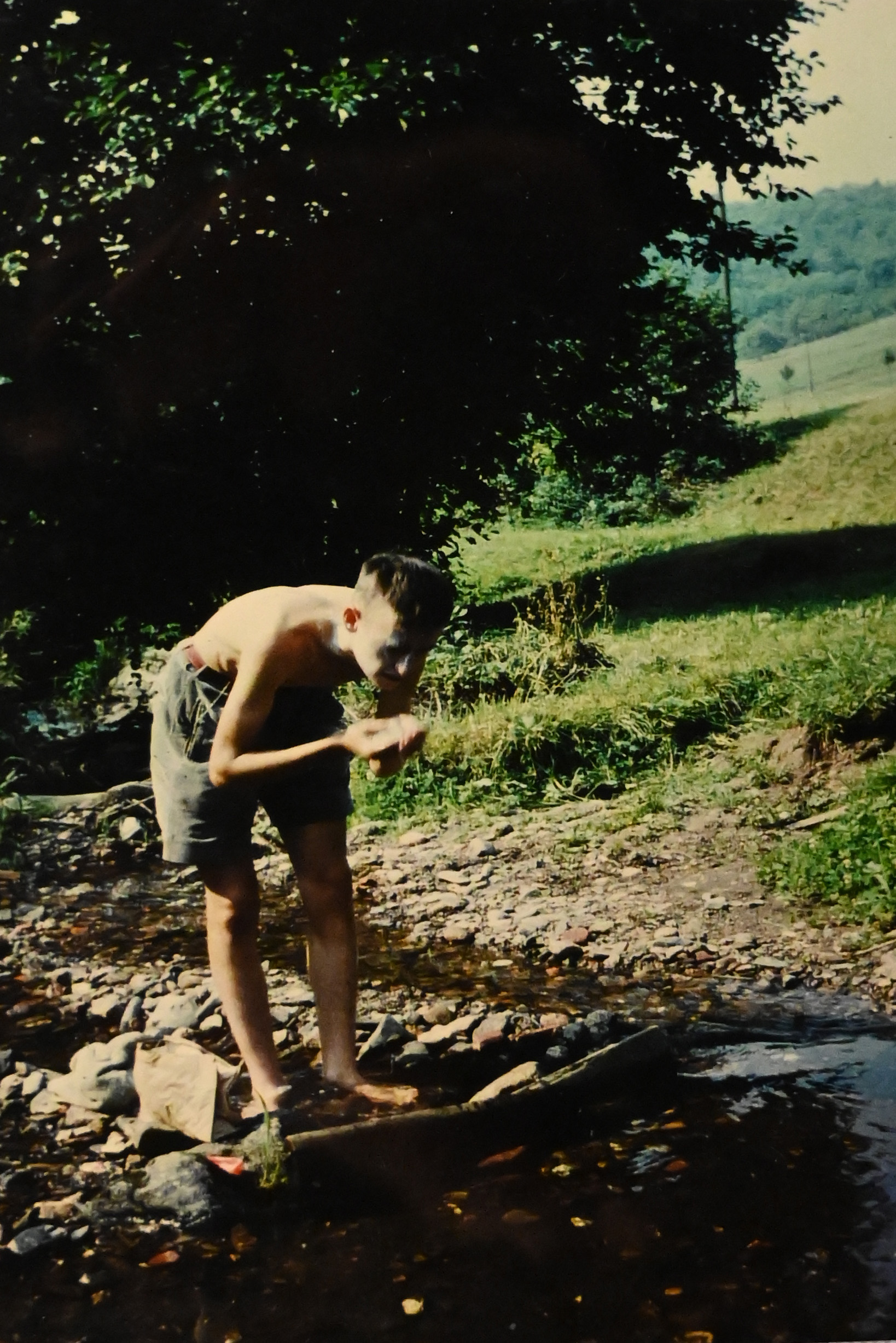
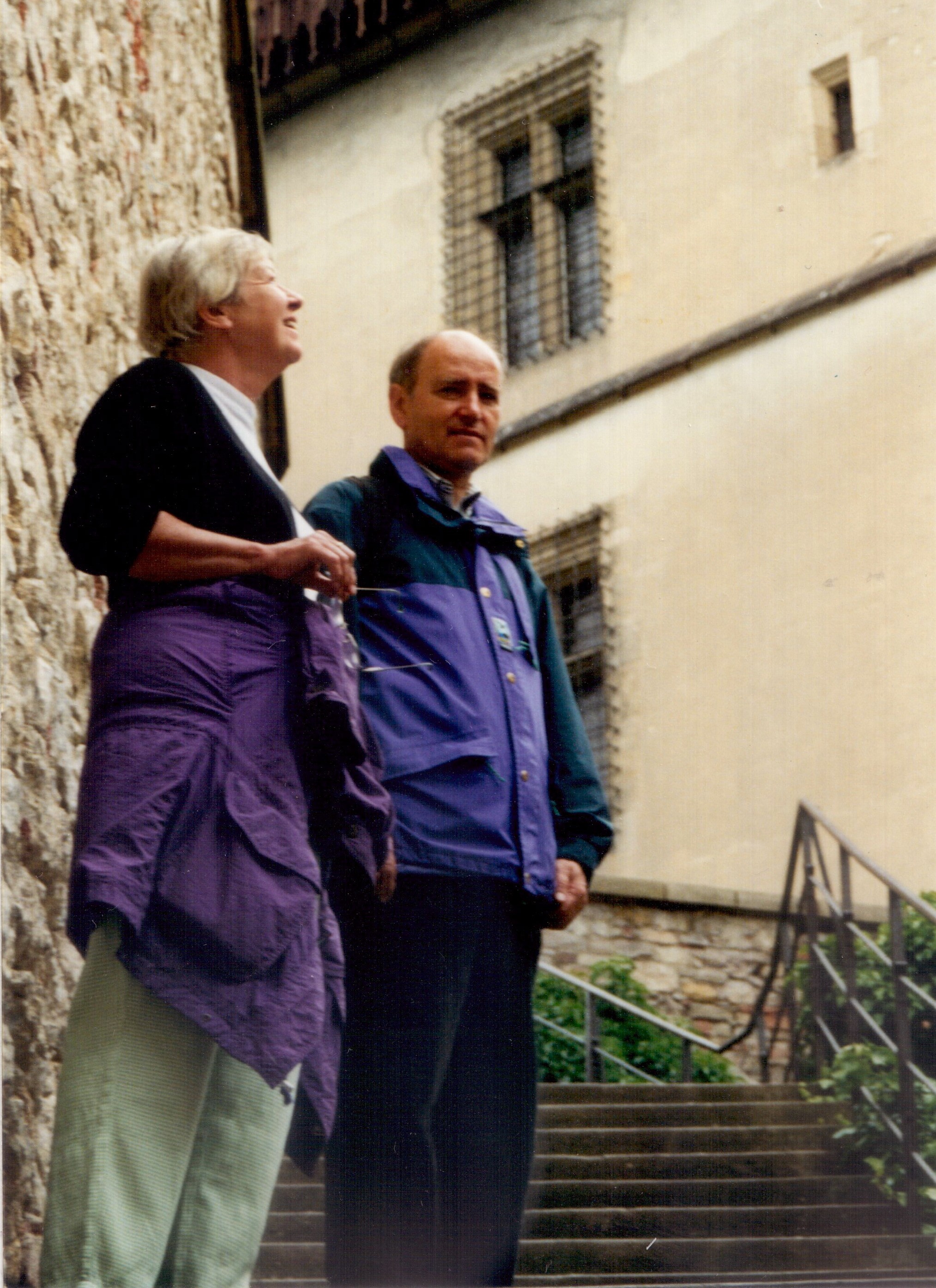
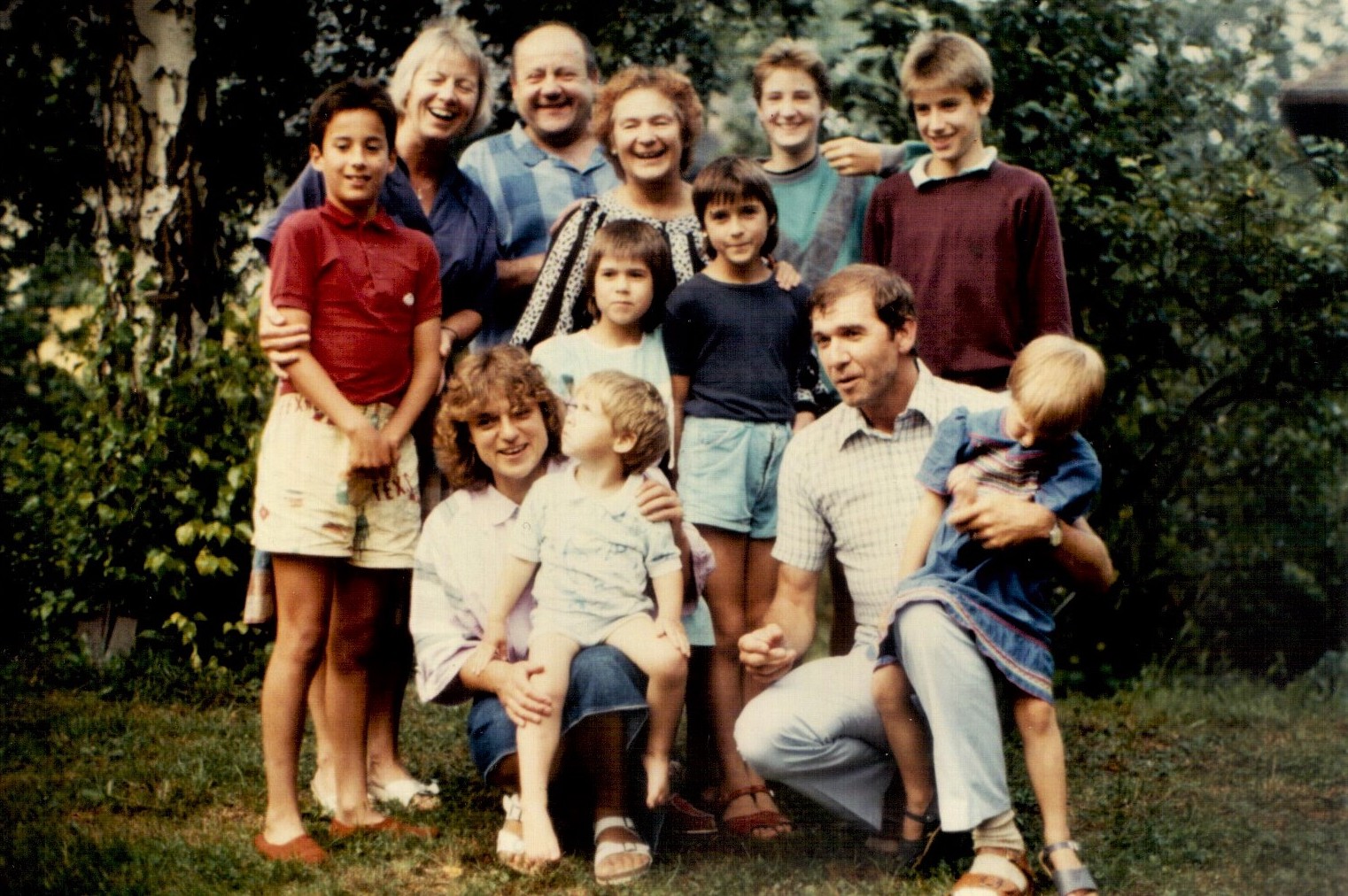
Michael Albus was born on 17 March 1942 in Bühl, Baden, into a strict Catholic family. He studied German and theology, but did not become a priest, but a journalist. He first worked for the Zentralkomitee der deutschen Katholiken (Central Committee of German Catholics) and later for ZDF television. After his studies, he came to communist Czechoslovakia for the first time in 1969. In Prague he lived with the Kaplan family, prominent Catholic dissidents with ten children. He brought banned literature and scarce goods into the country and informed the Western public about our situation. He organized trips to Czechoslovakia for graduating students, later he was only allowed to go on private trips and finally, in the early 1980s, he was completely denied entry to the Eastern Bloc countries. However, he constantly maintained contact with Czech Catholic dissidents, trying to draw attention to the plight of believers behind the Iron Curtain at appropriate places in the German Democratic Republic. After 1989, he attended a thanksgiving service at St. Vitus Cathedral in the presence of many members of the Catholic underground church. As a journalist, he wanted to get to know things in depth and first-hand, which he was also faithful to during his time in South America or while doing cultural and religious reporting. He became a professor of religious media didactics at the University of Freiburg, and for 20 years he ran the magazine Ost-West: Europäische Perspektiven. In his life, he strived for engagement; it was important for him not only to discuss at the table, but also to act. Not just to rely on tradition, but to be open to the new.