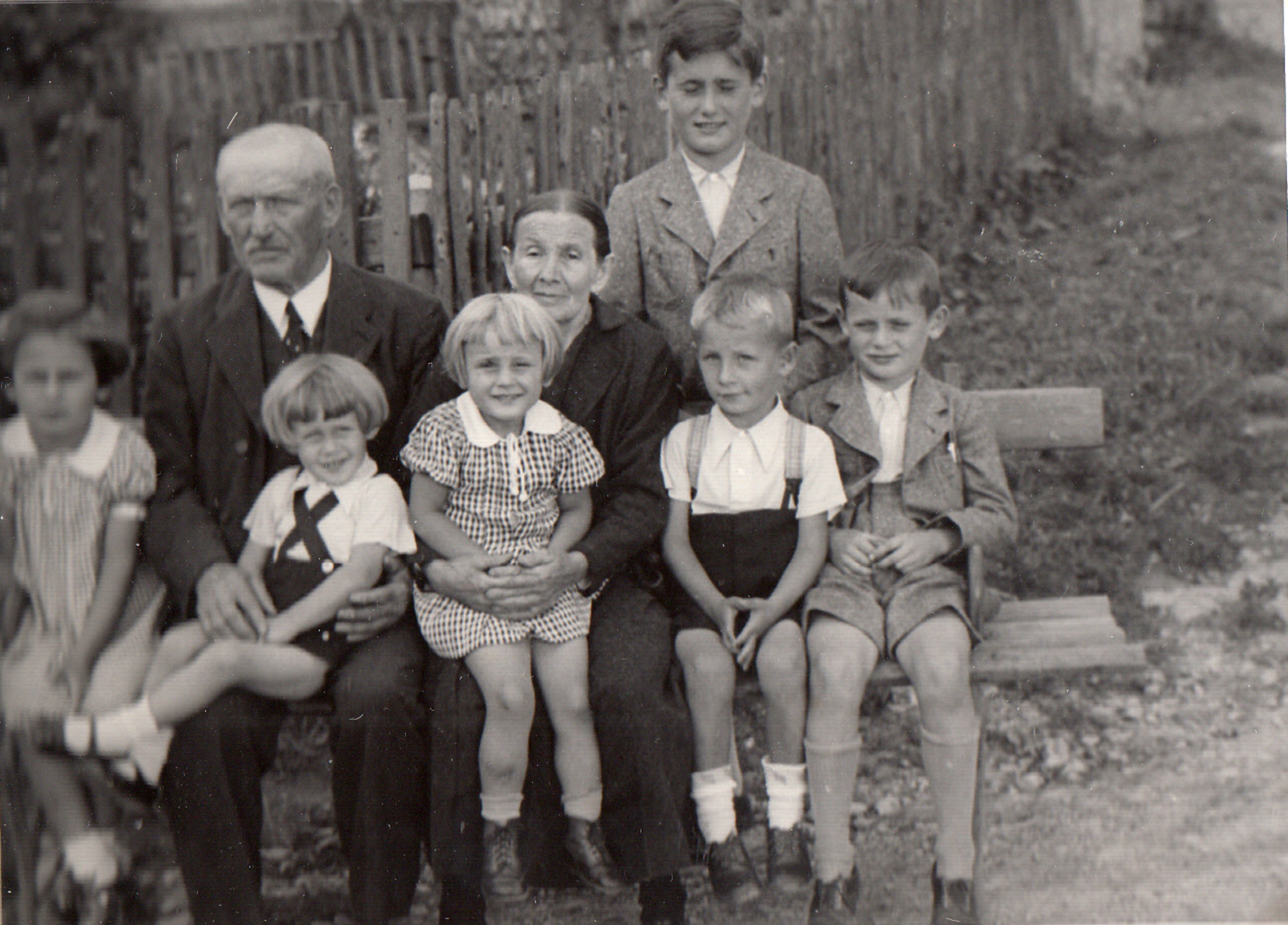
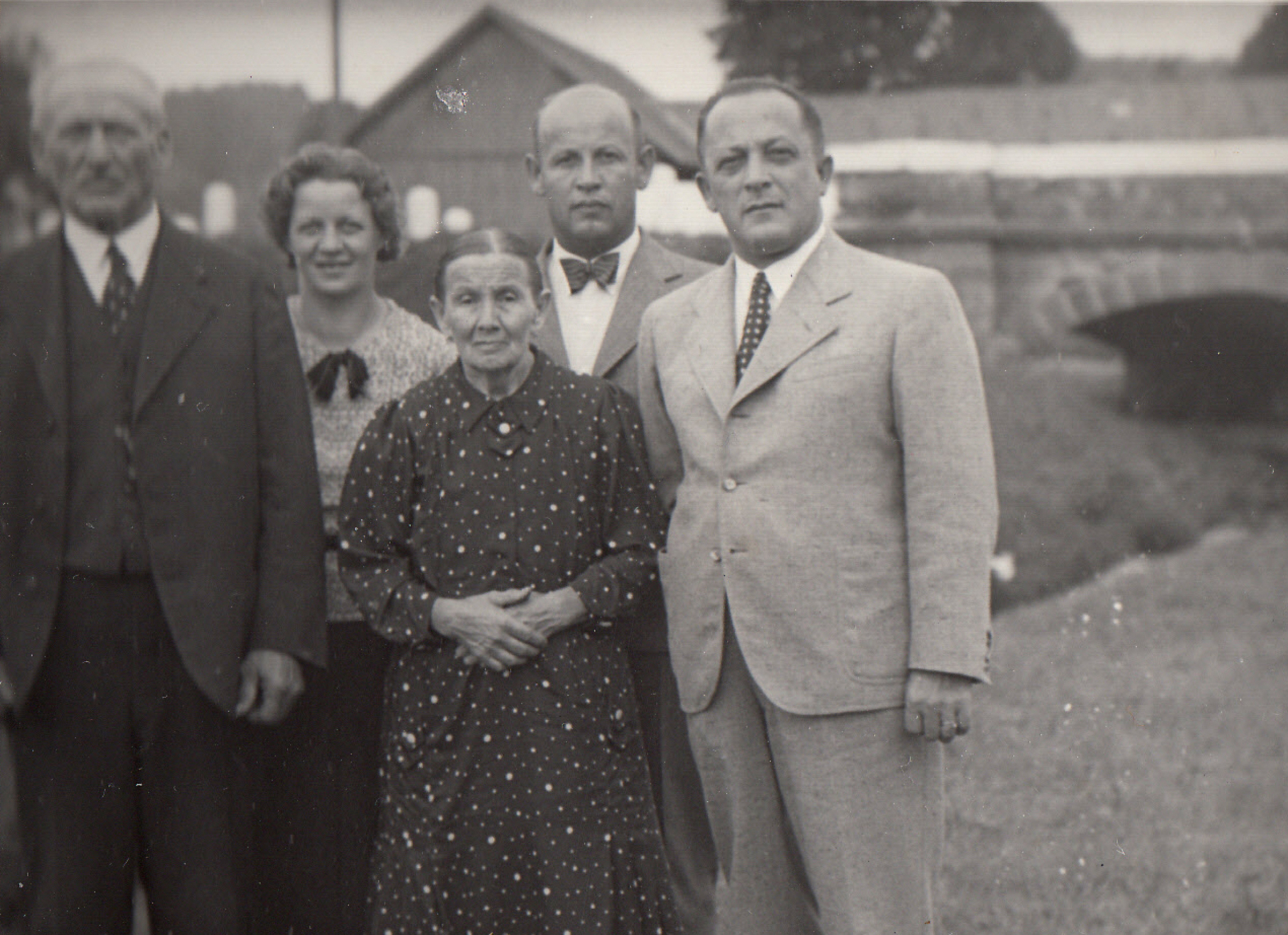
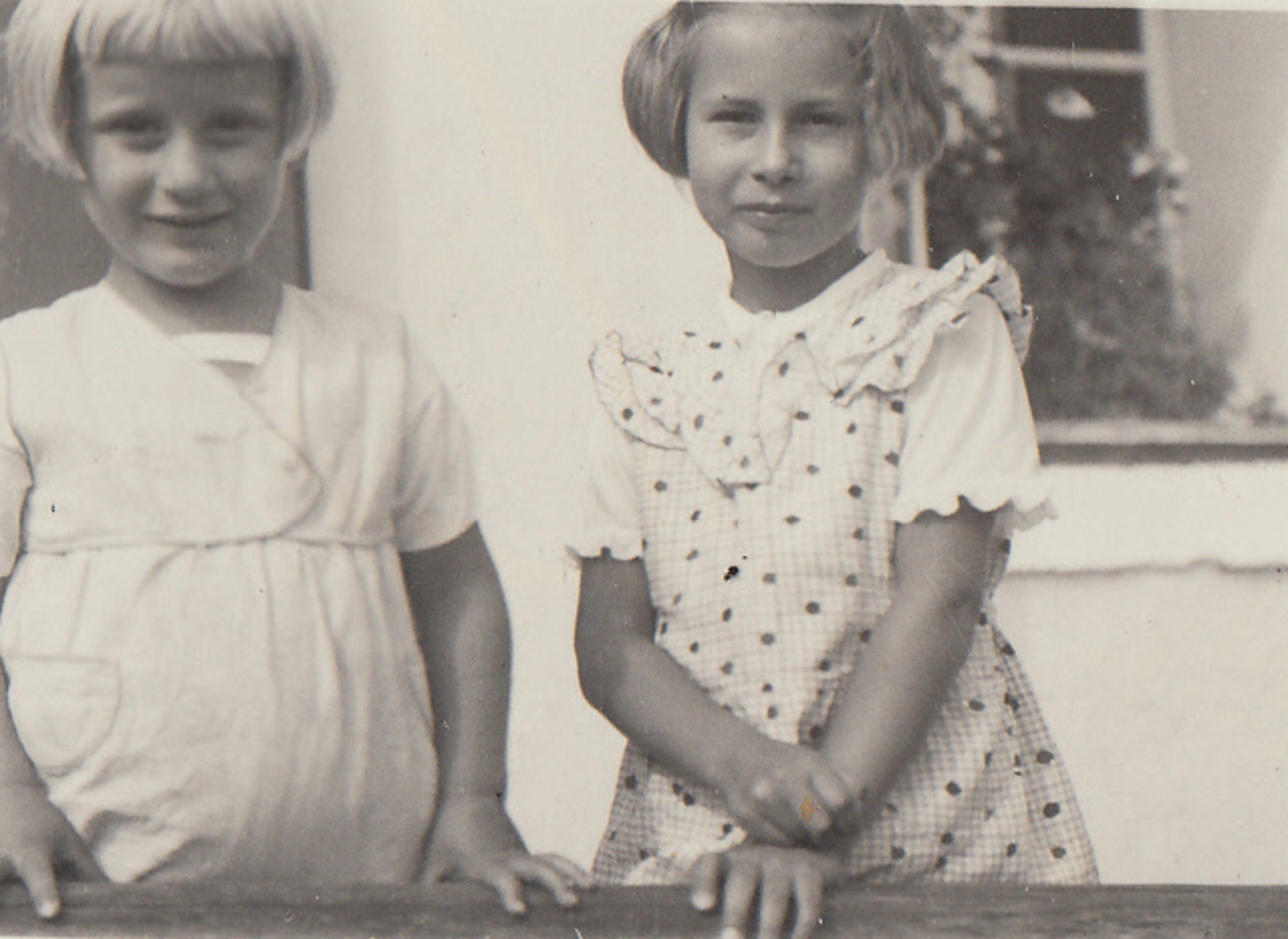
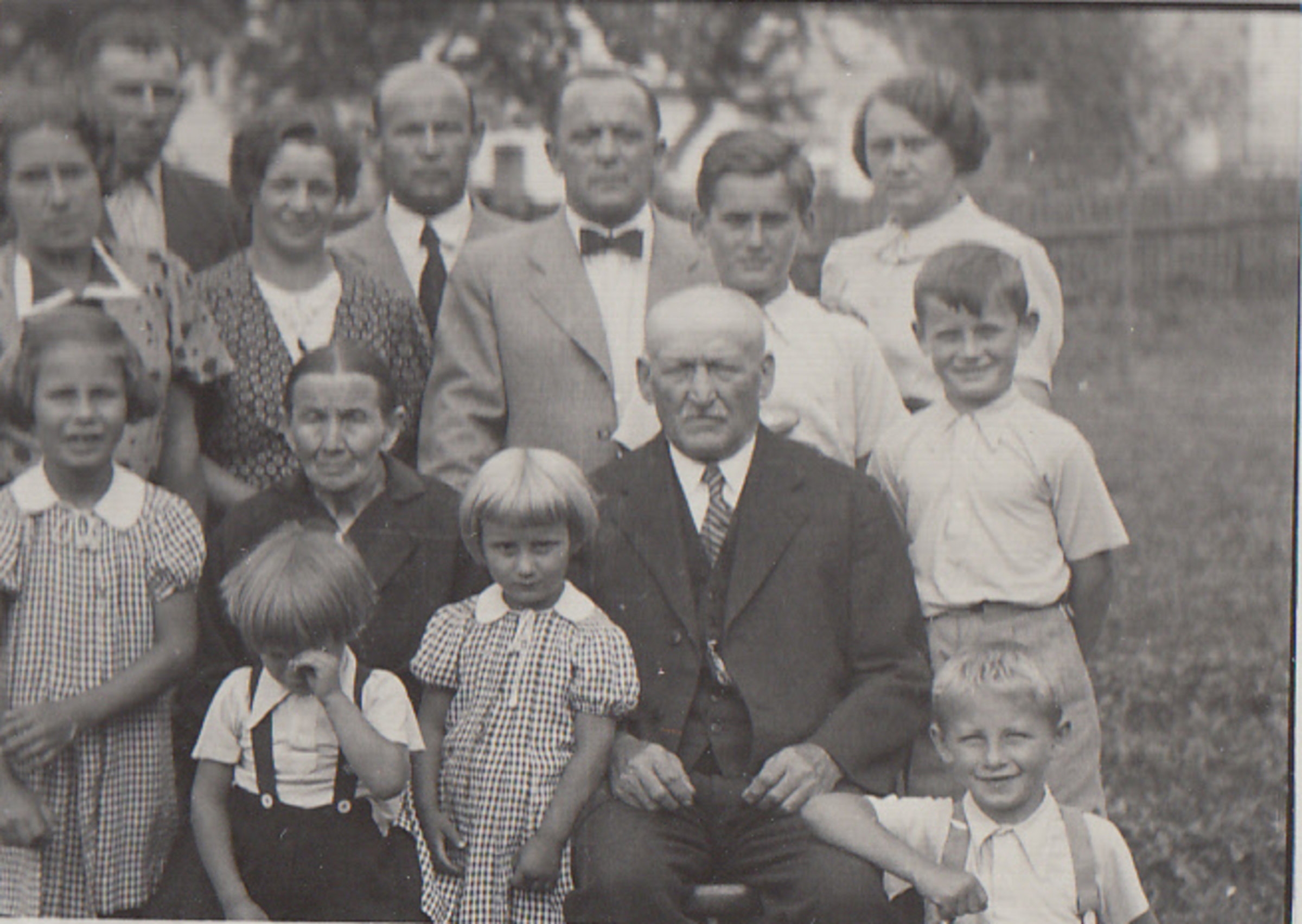
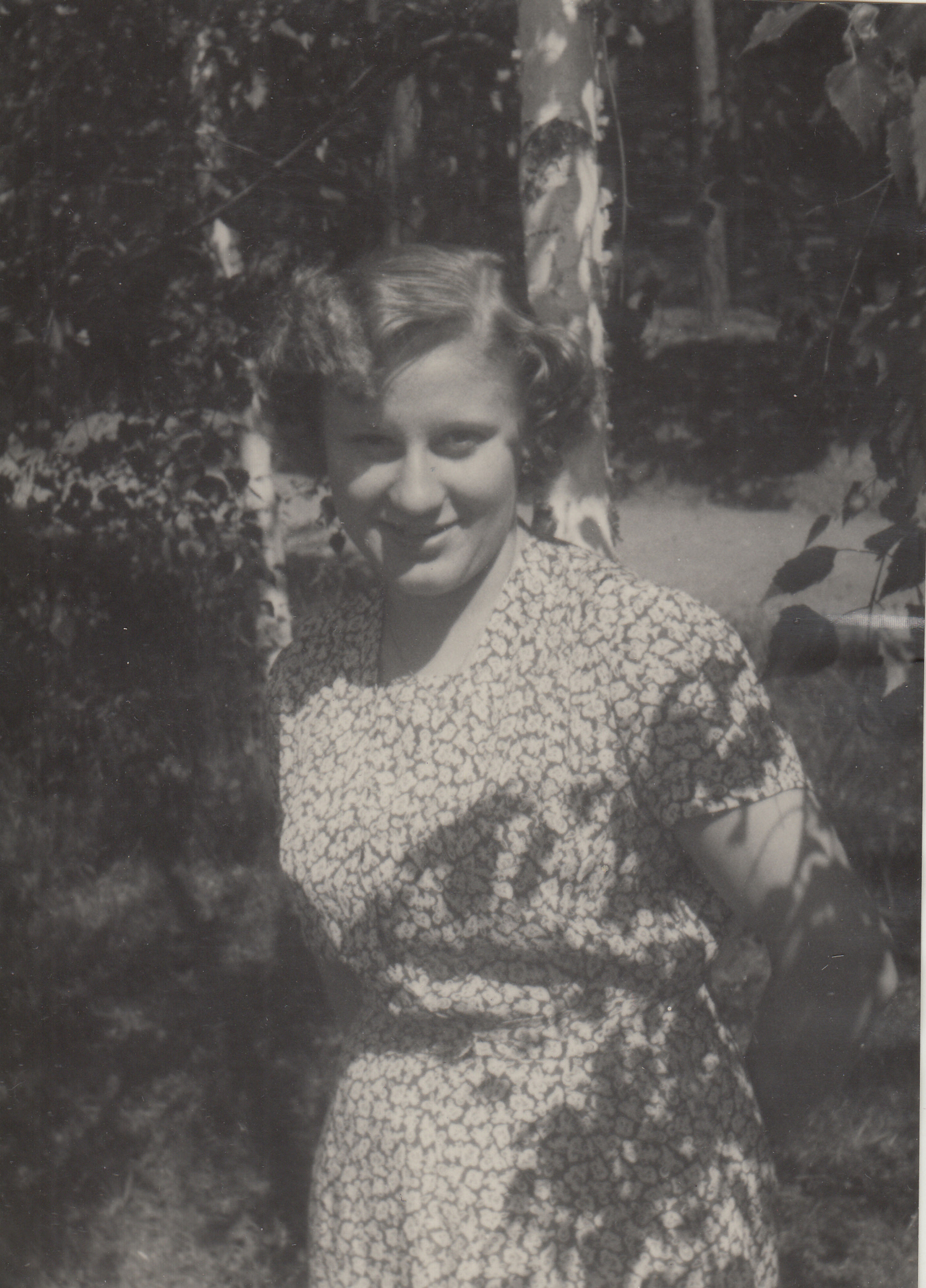
“When we came home after the war, we went to our Grandma’s. Back then they took the prisoners to the medical centre in Vinohrady. That was on Na Bojišti Street. And we kept going there to see if they happened to bring our parents. And when that went on for a long time, Grandma took out the death certificates that she had received, and she gave them to us. She’d also thought that they might have returned. But that wasn’t the case. It was awful. We cried for a long, long time.”
“Mum sent me shopping, there was a grocer’s shop not far away, and so I went. When I was coming back, I saw a military GAZ parked in front of the house, and I shuddered and rushed home... I came in, Mum was standing by the table, handcuffed, and she told me to go downstairs and not come back up. But even so, my sister told me: ‘Go have a look there.’ So I did, and then Mum said: ‘Hanička, don’t come here...’”
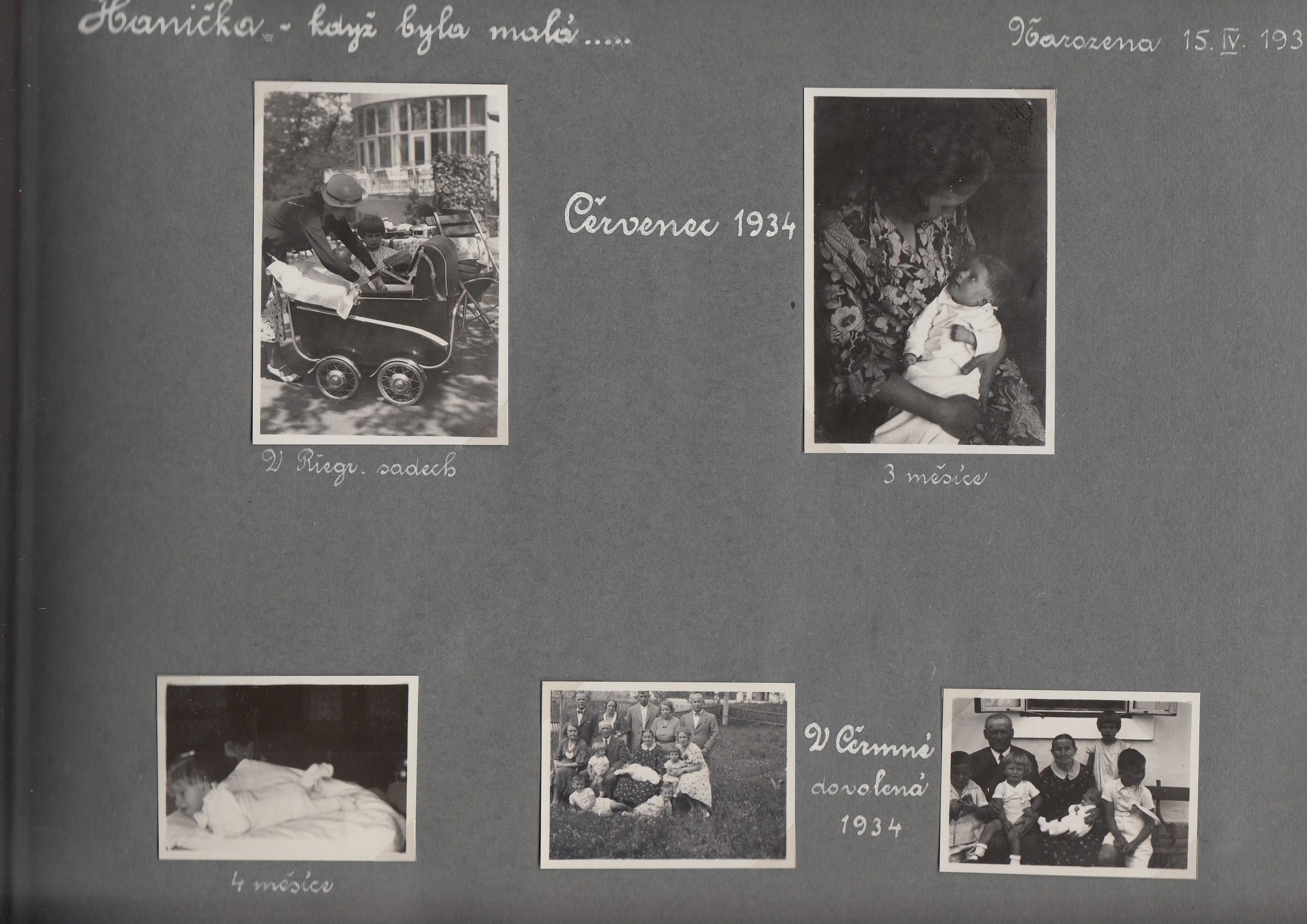
“One of the Gestapo officers was a Czech who had joined the Gestapo. I don’t know if it was Grandma or the Kadeřábeks, but either way, they said we need to take some things. So he came, opened the sealed flat, we took the things, and he sealed it again. [Q: What did you take?] Clothes, things we needed. My sister wanted to take the gold, but the Gestapo said they couldn’t give her that. They gave her albums, and she stuck the albums back when they weren’t looking. So the Kadeřábeks got them out for us when they broke in there in the evening, and so we could keep them...”
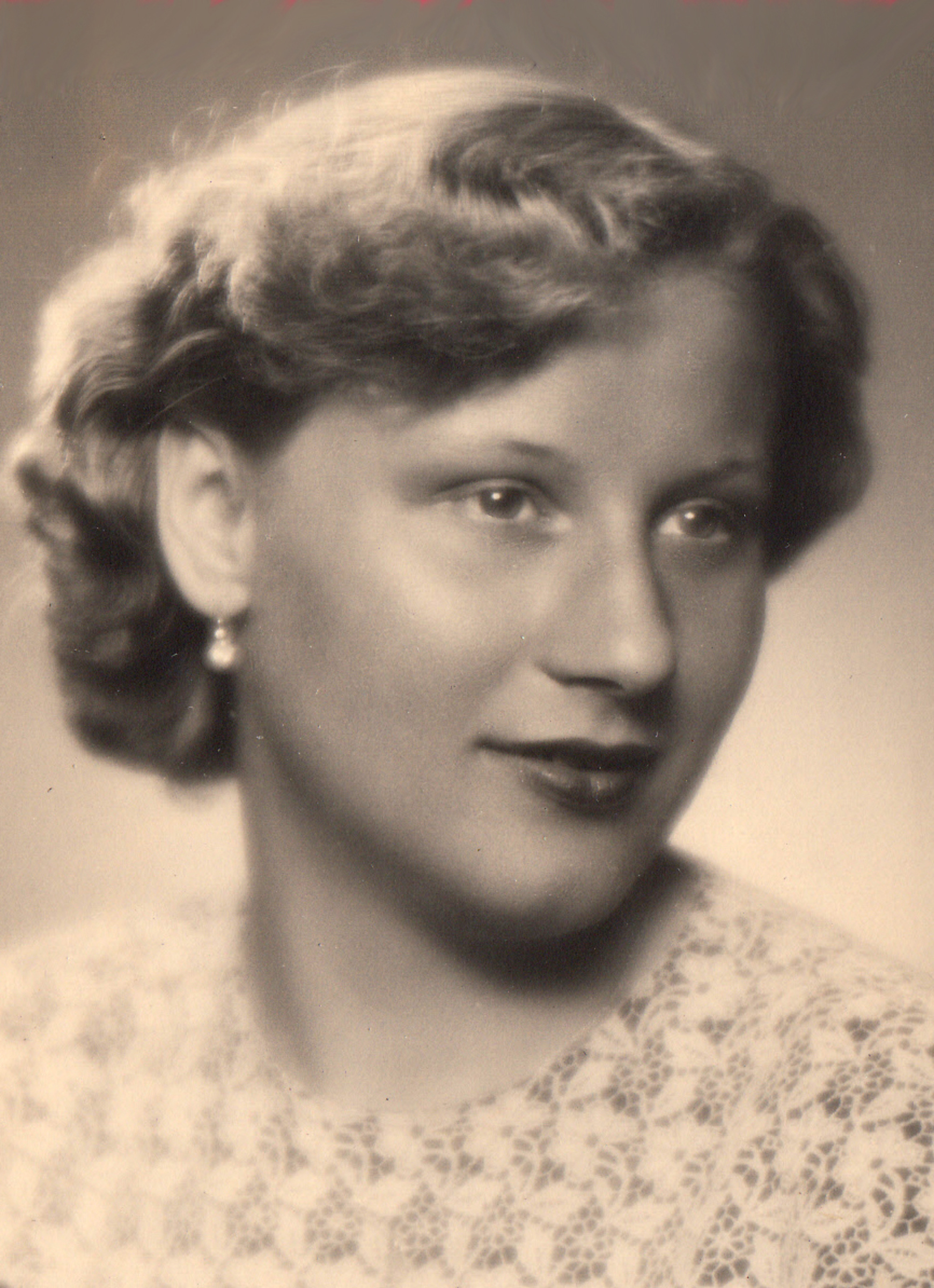
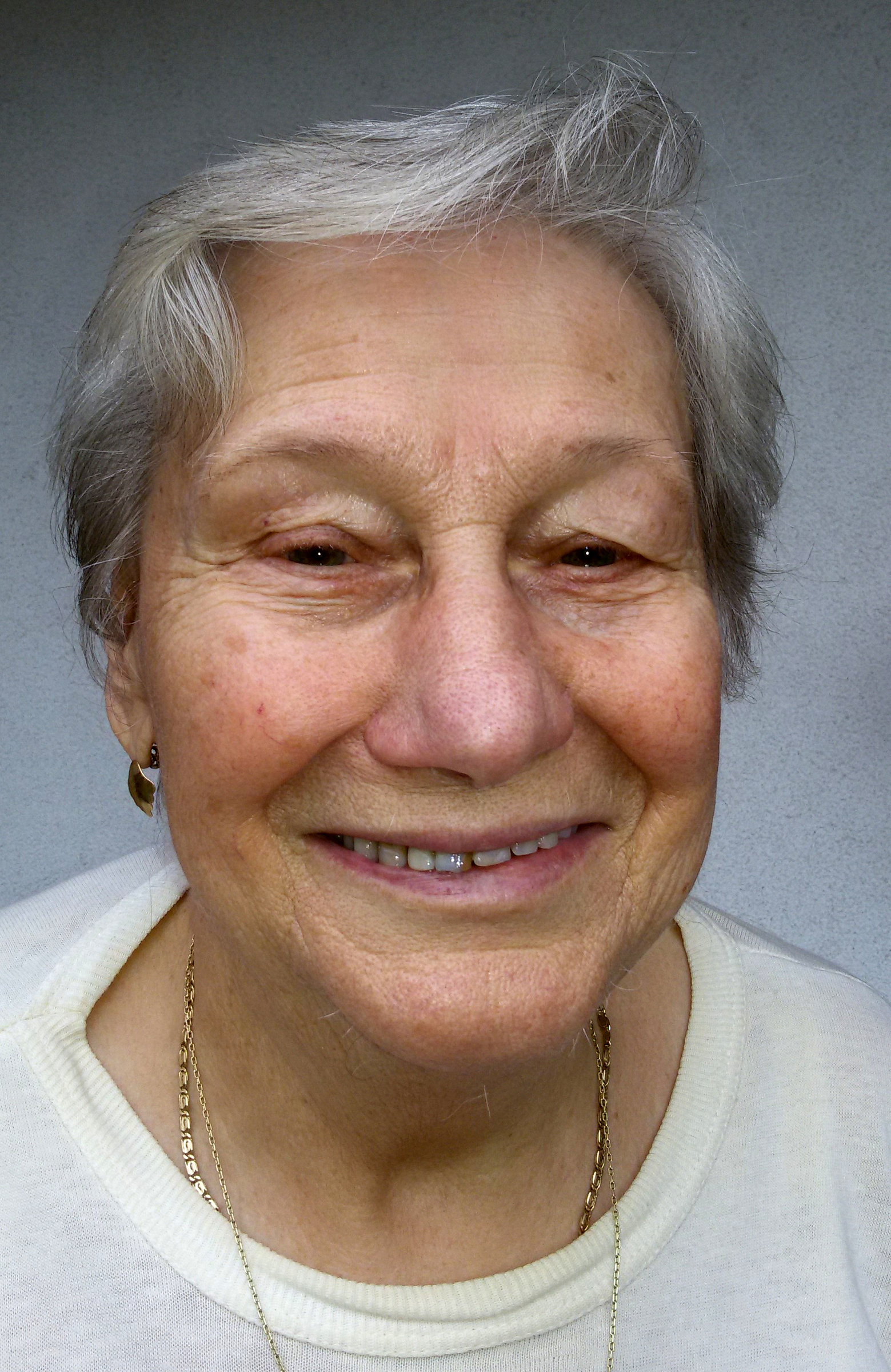
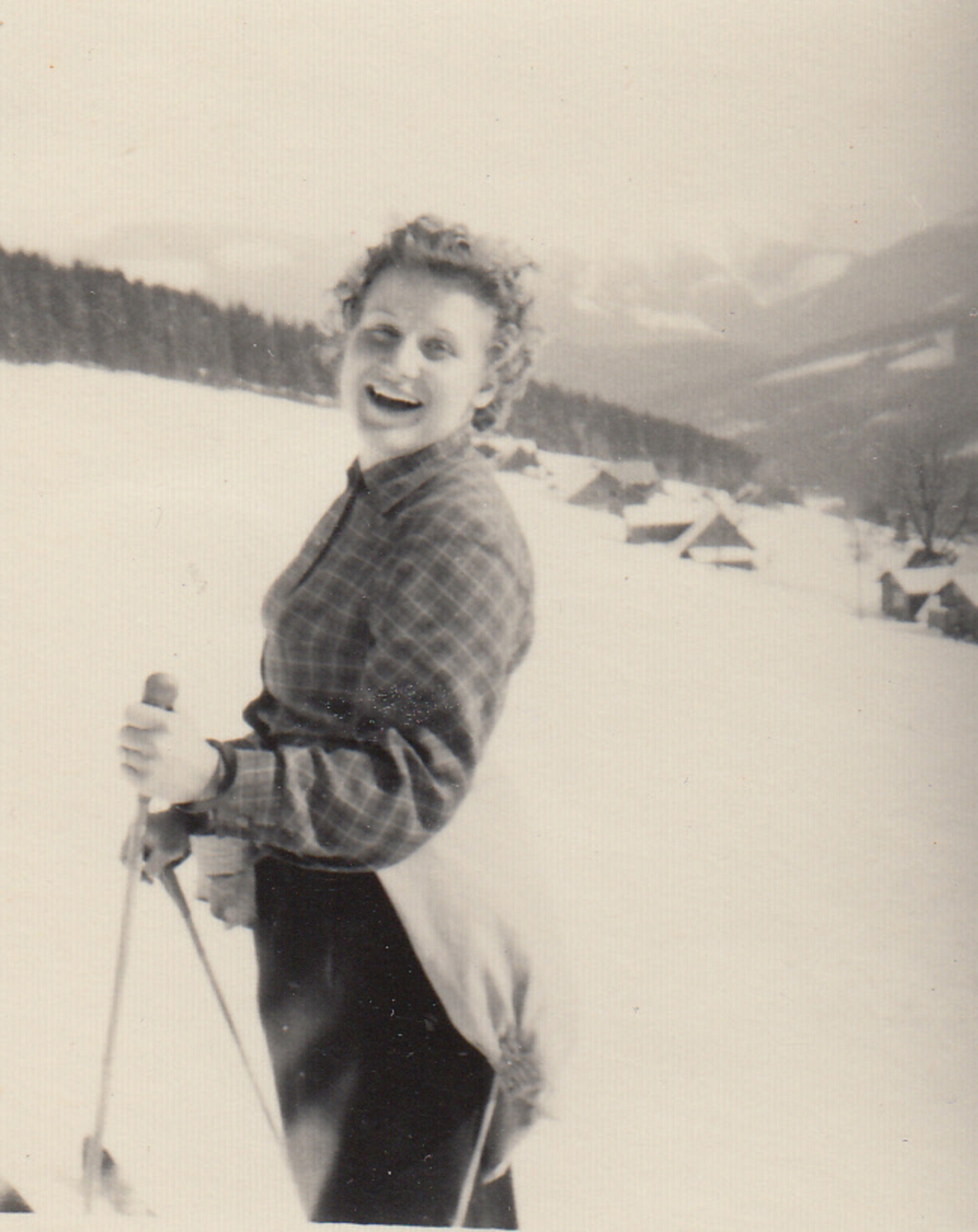
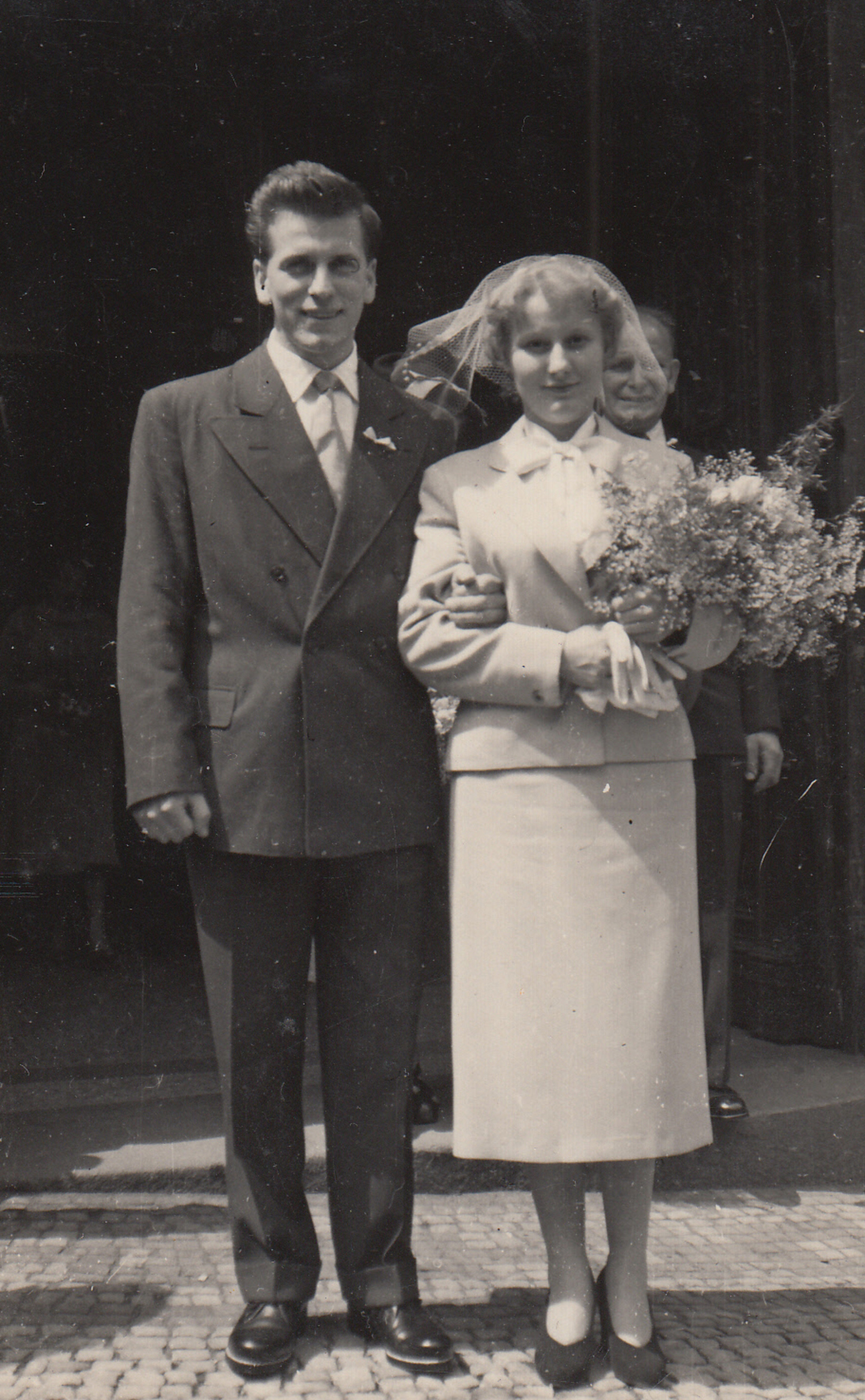
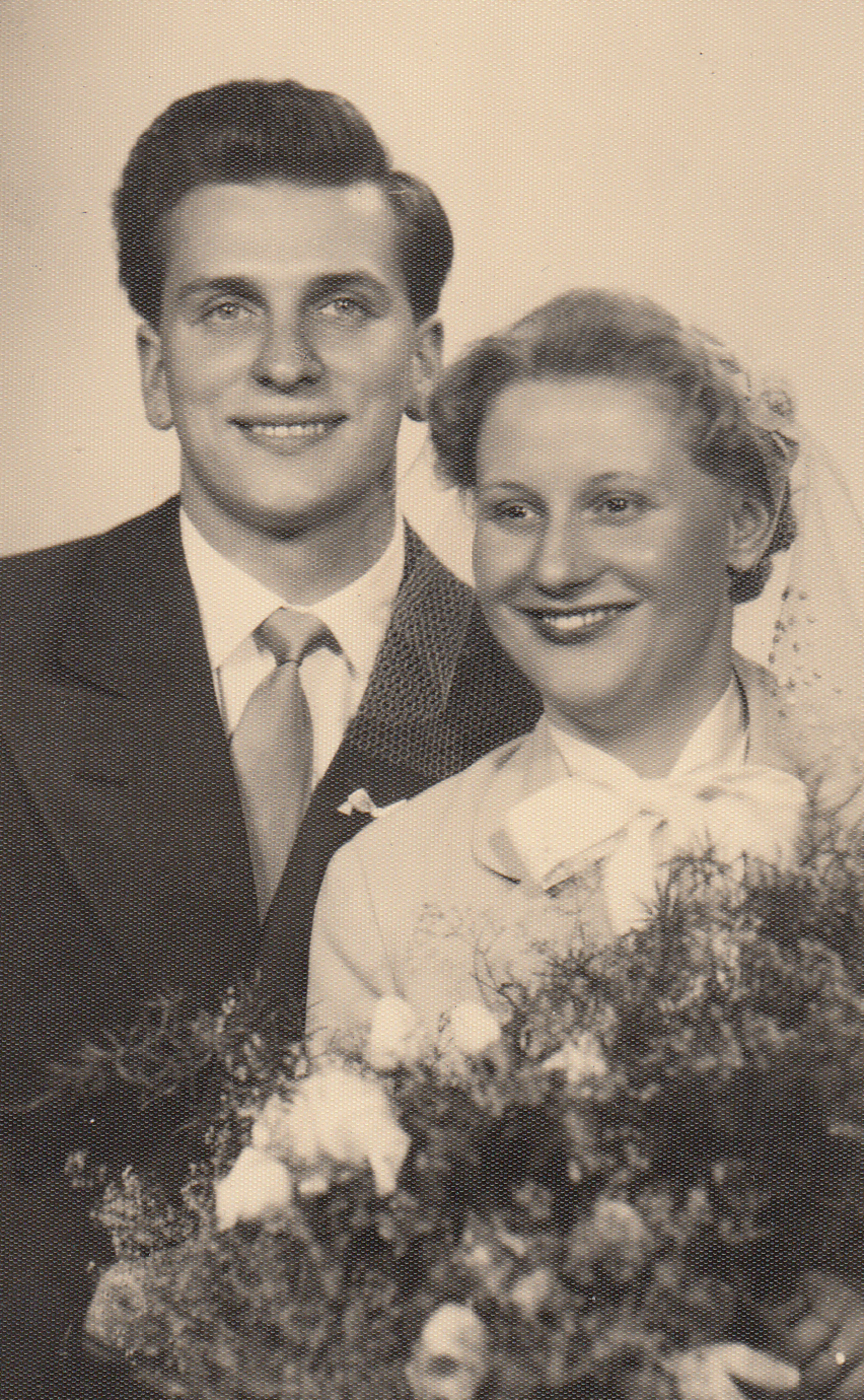
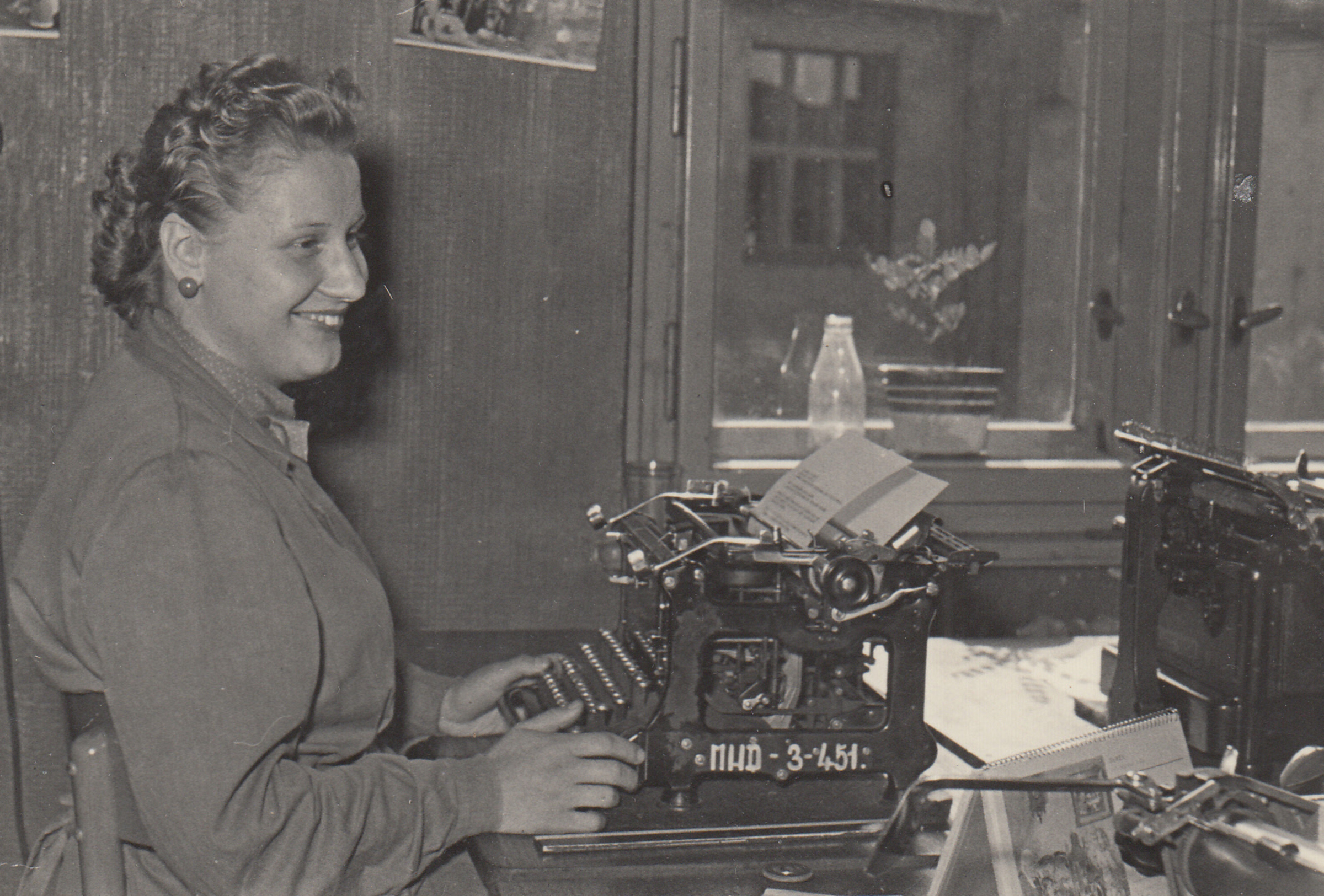
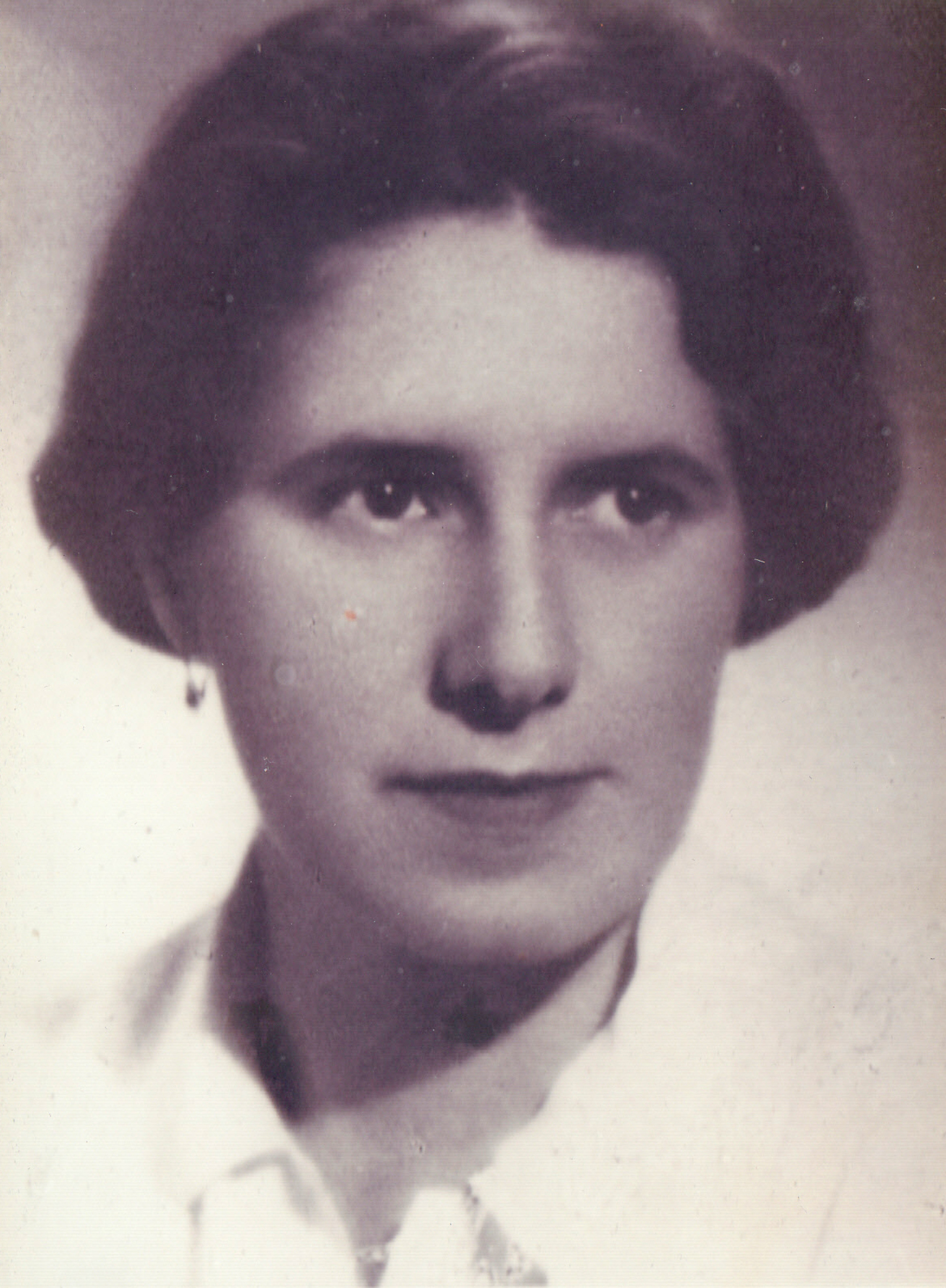
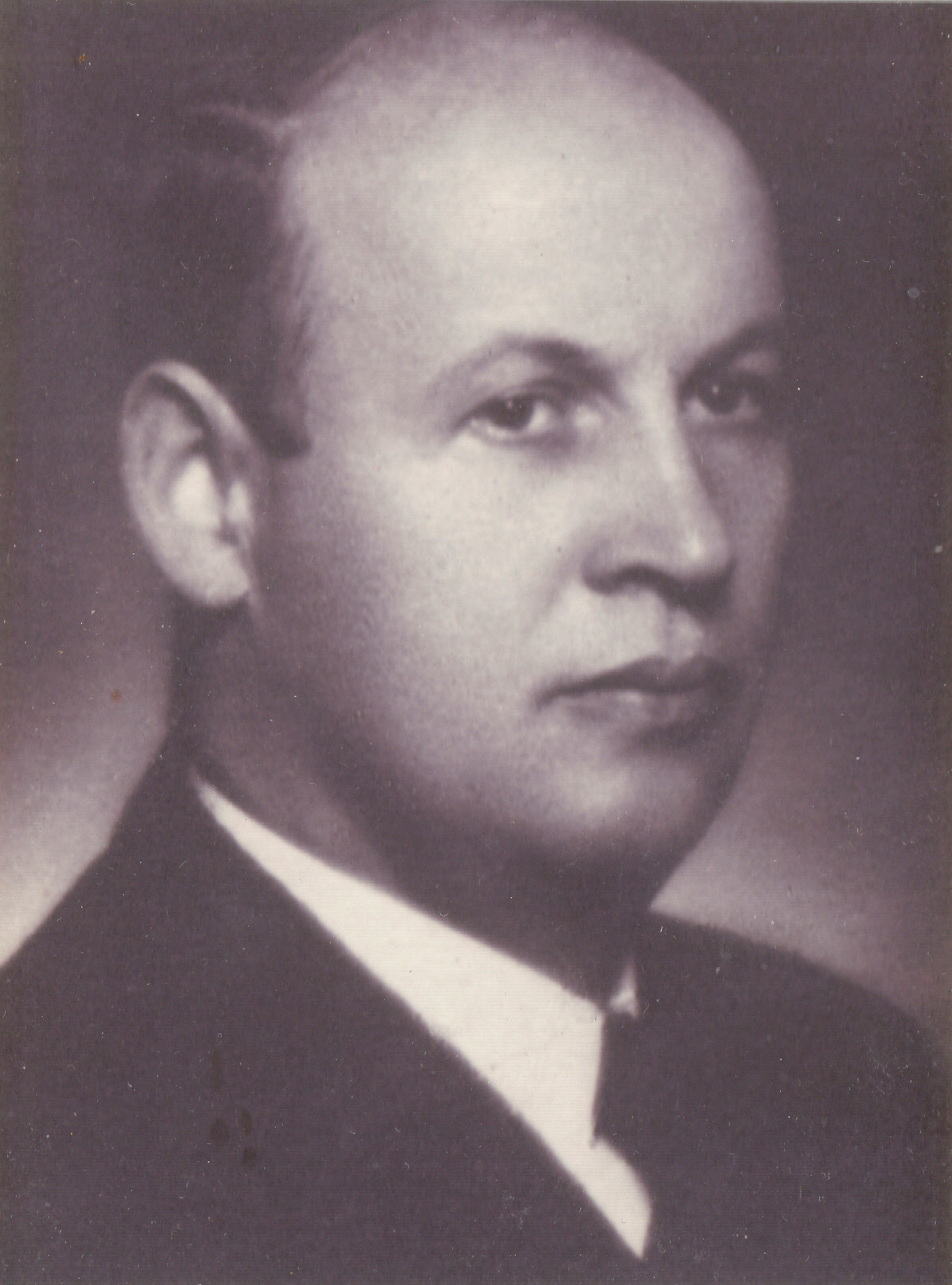
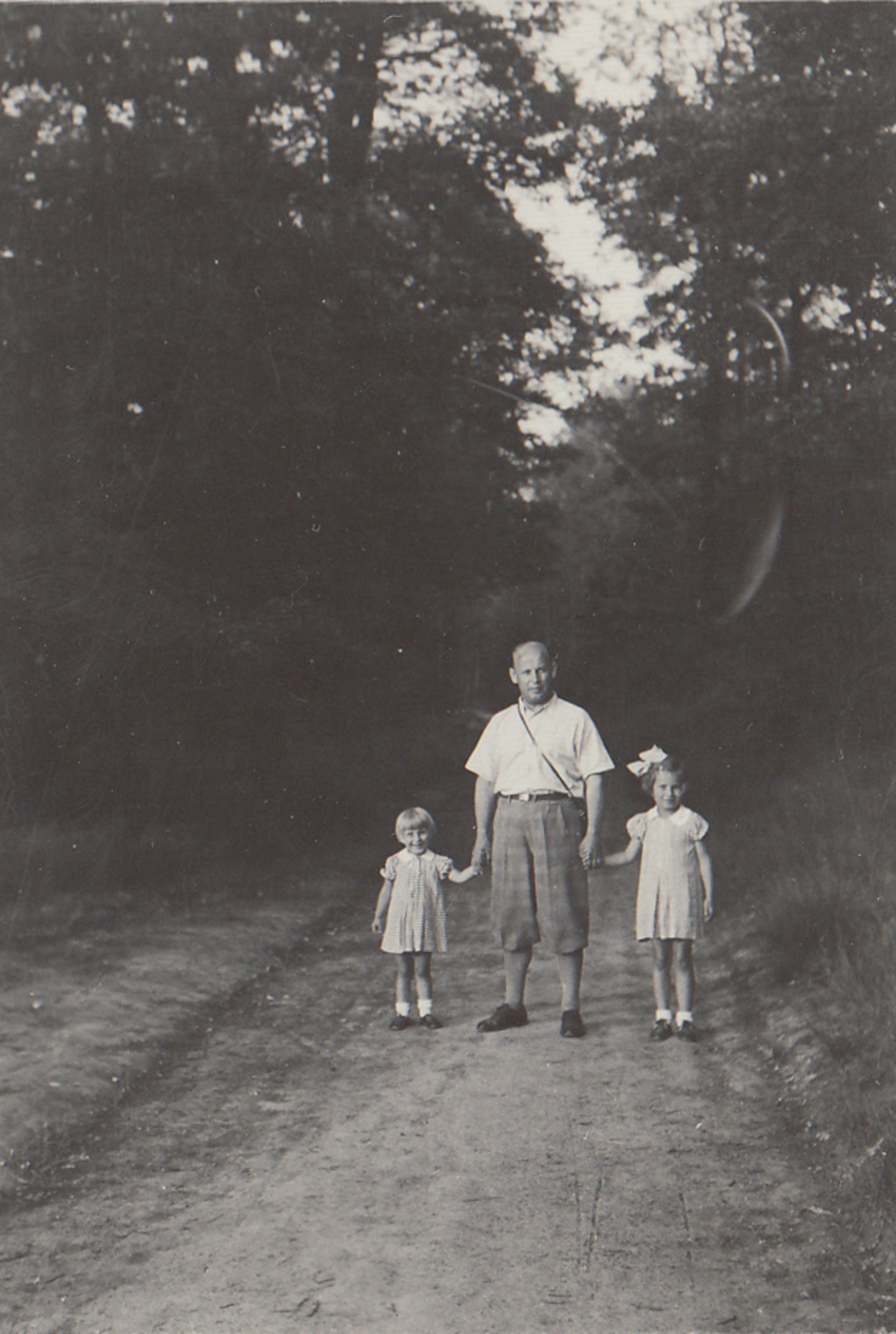
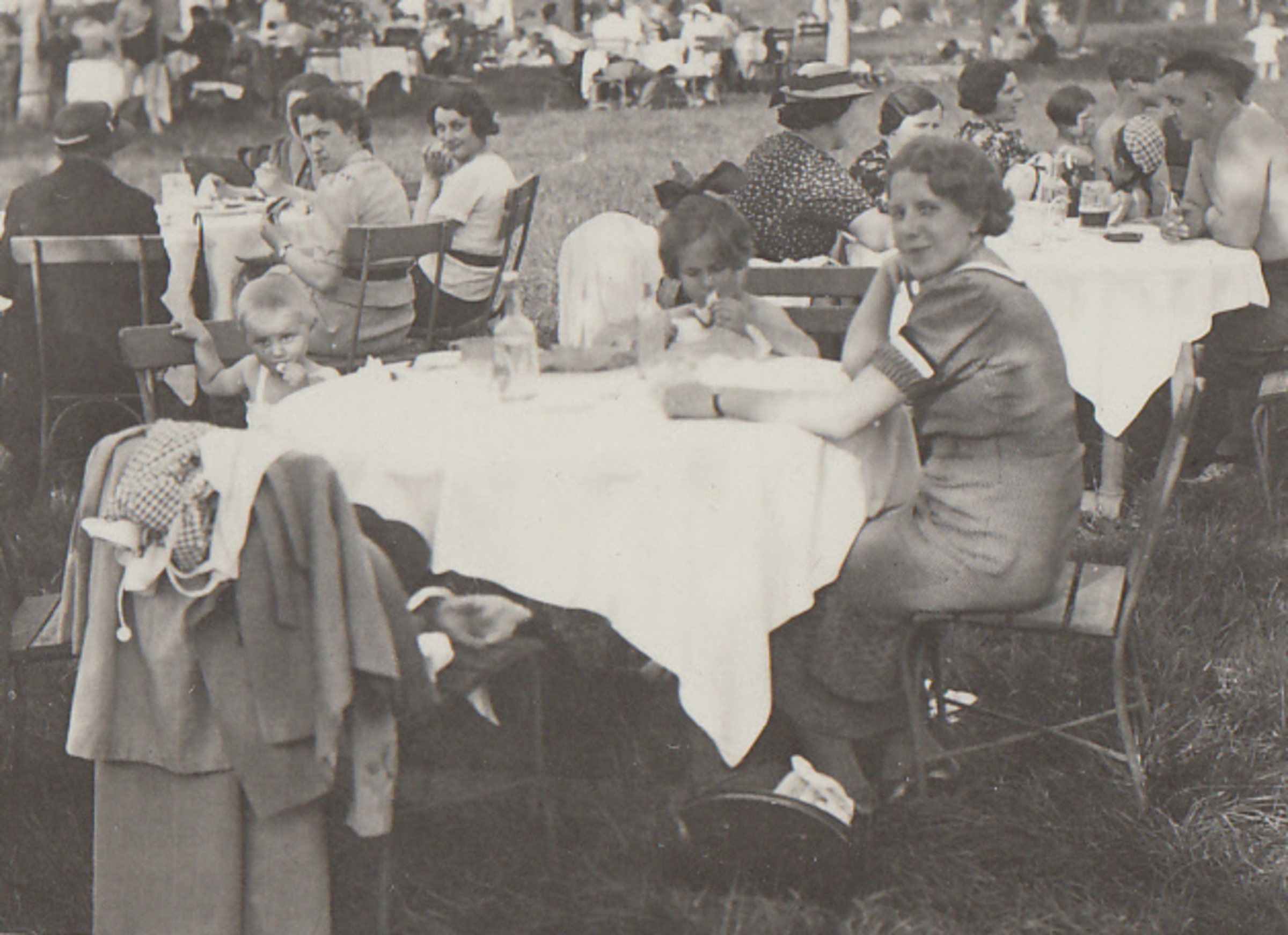
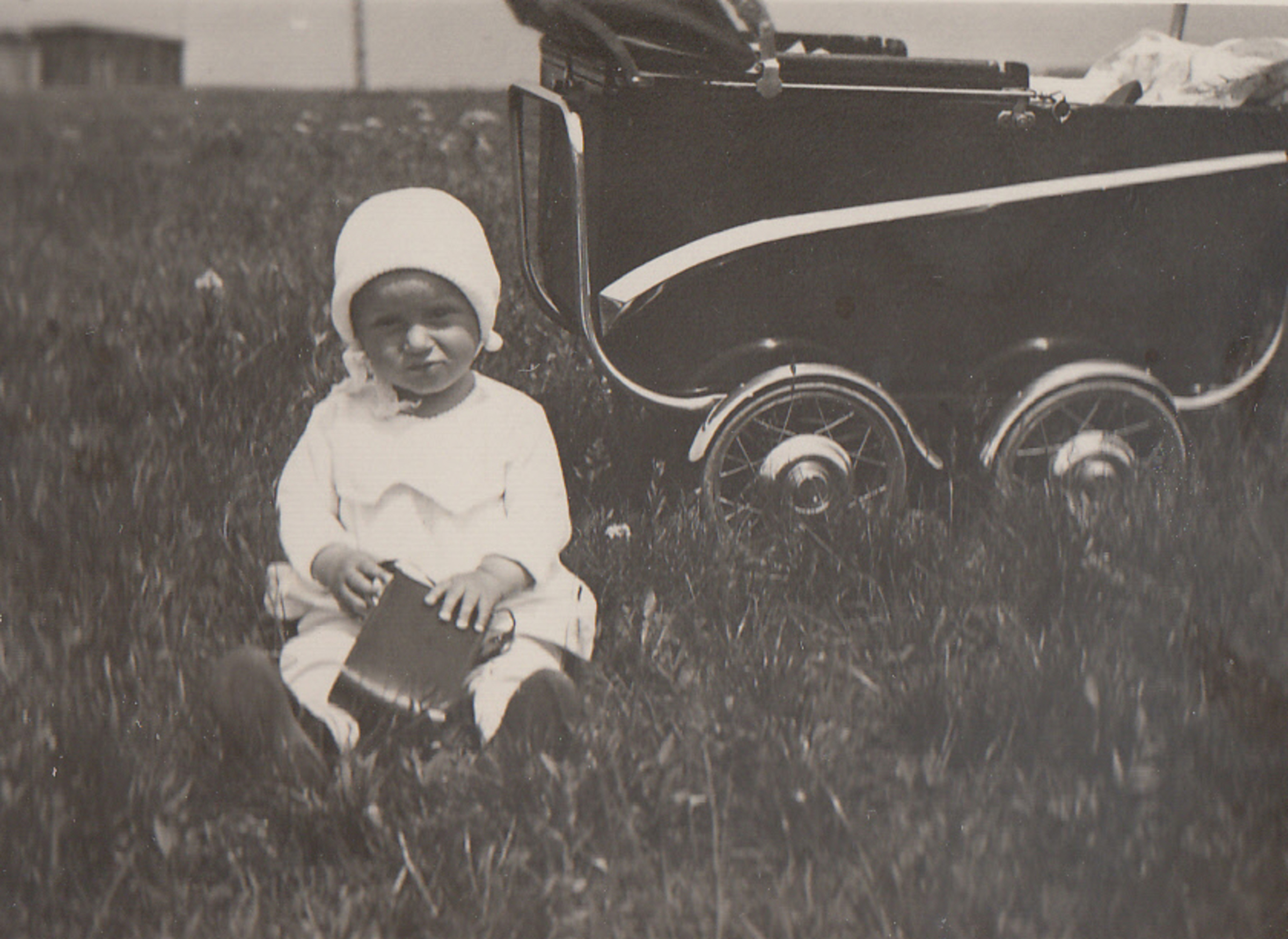
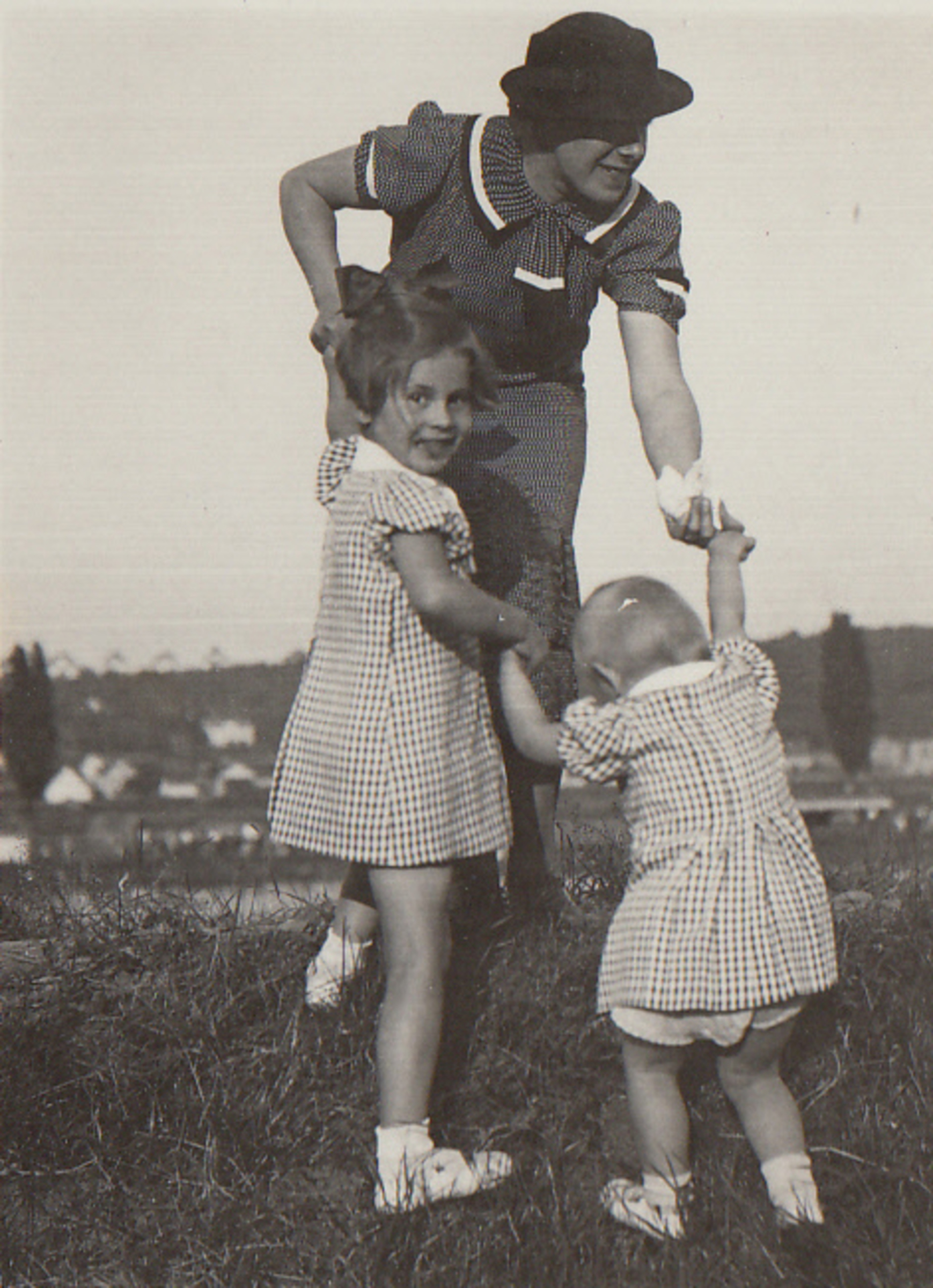
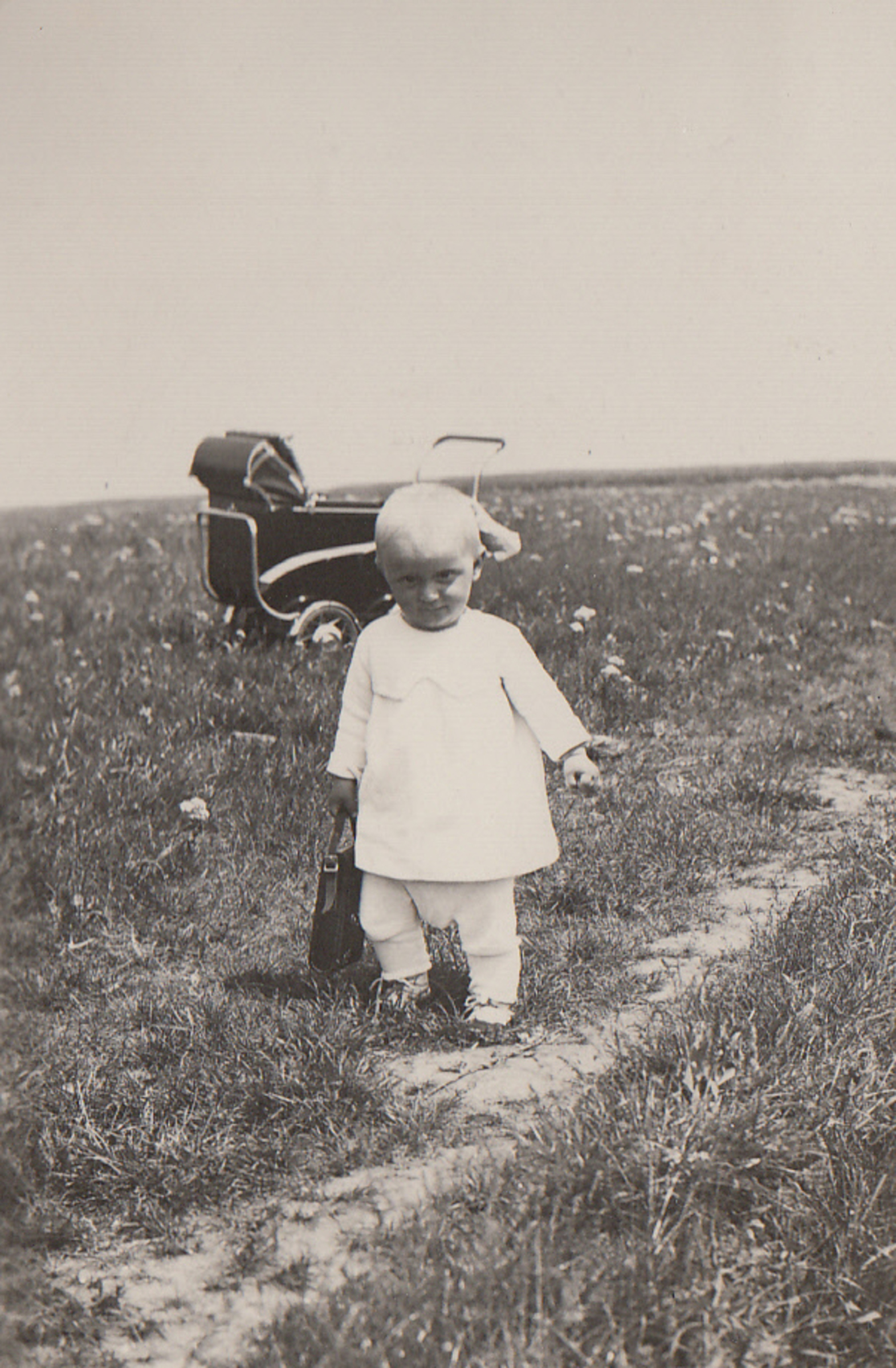
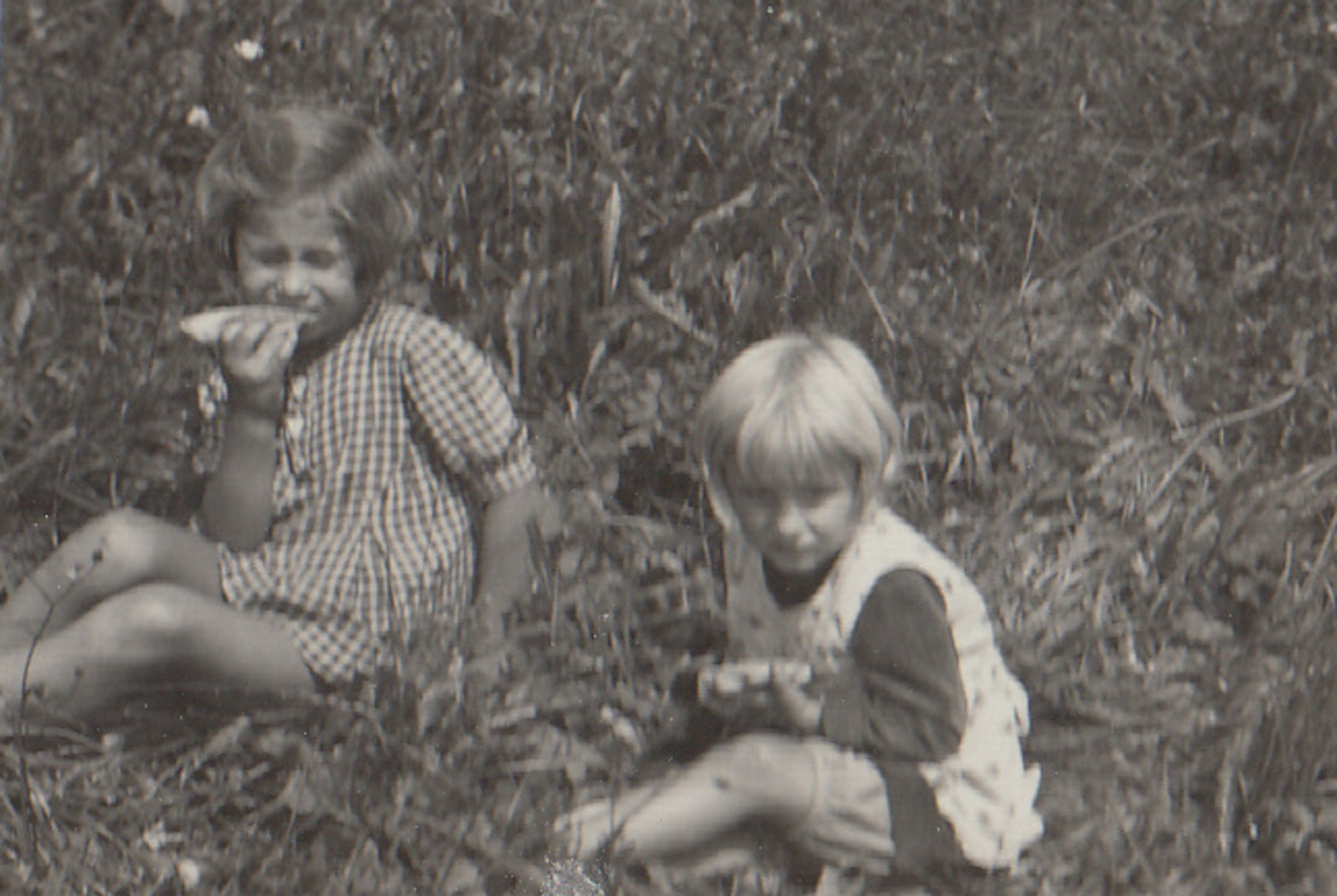
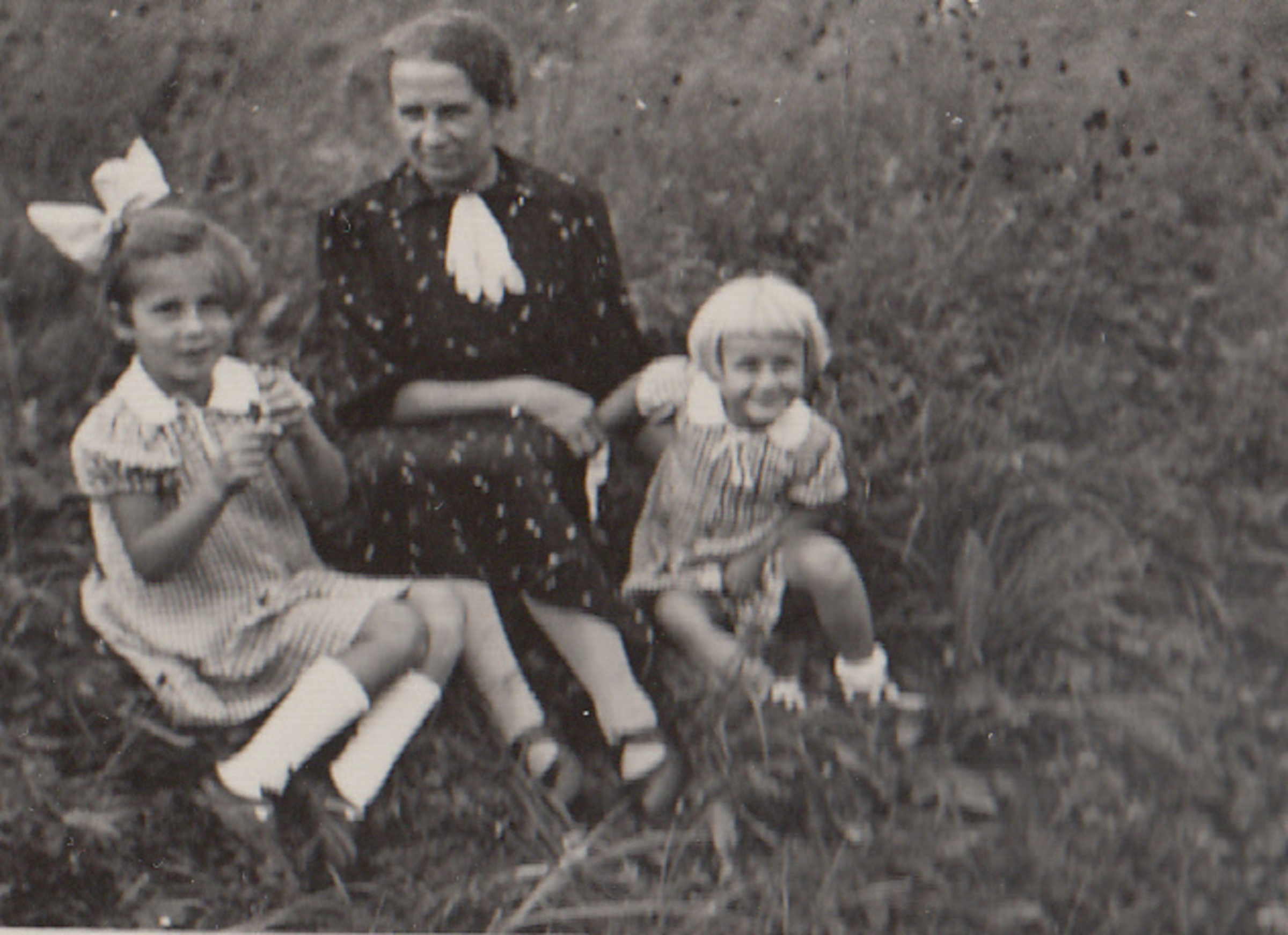
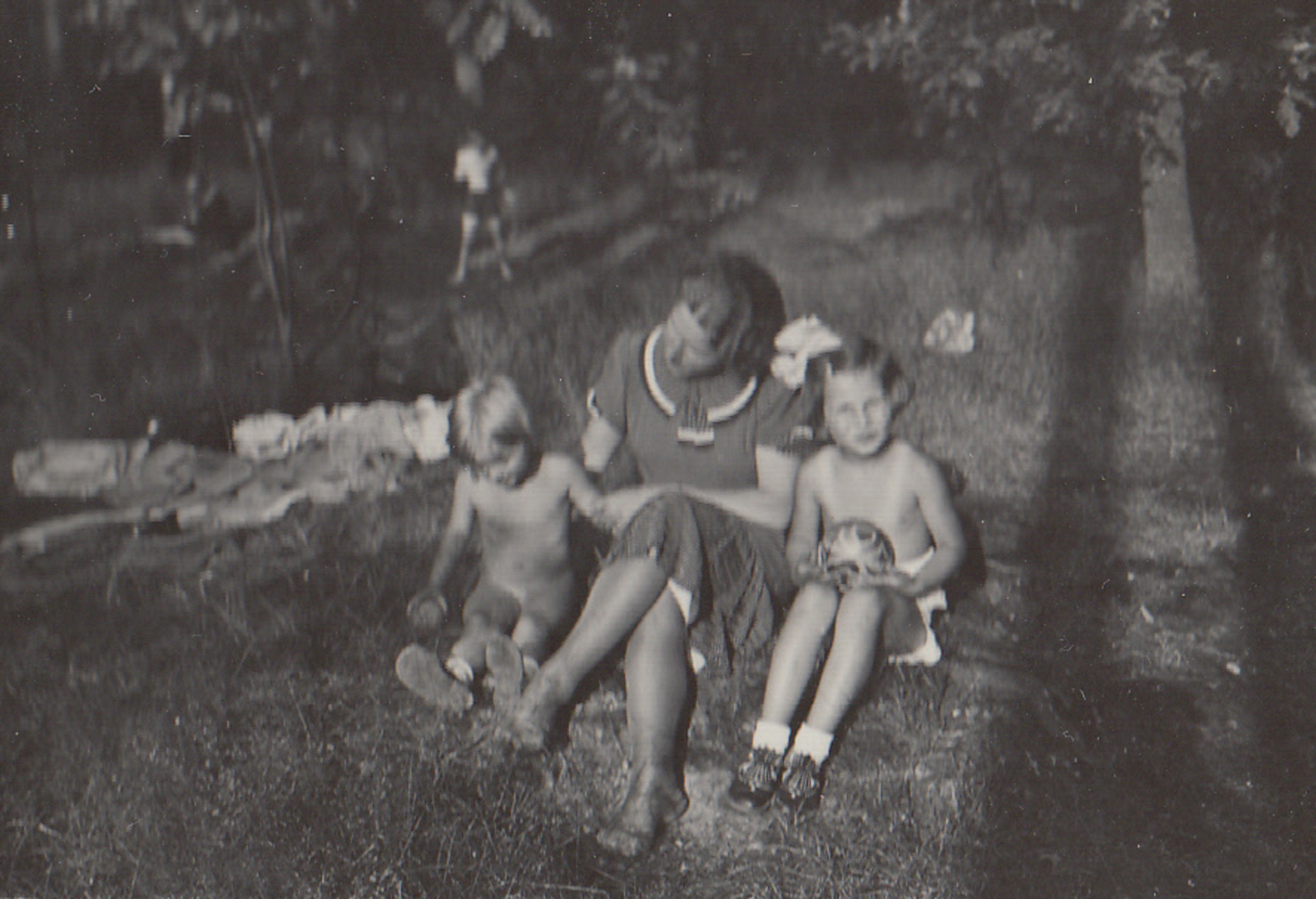
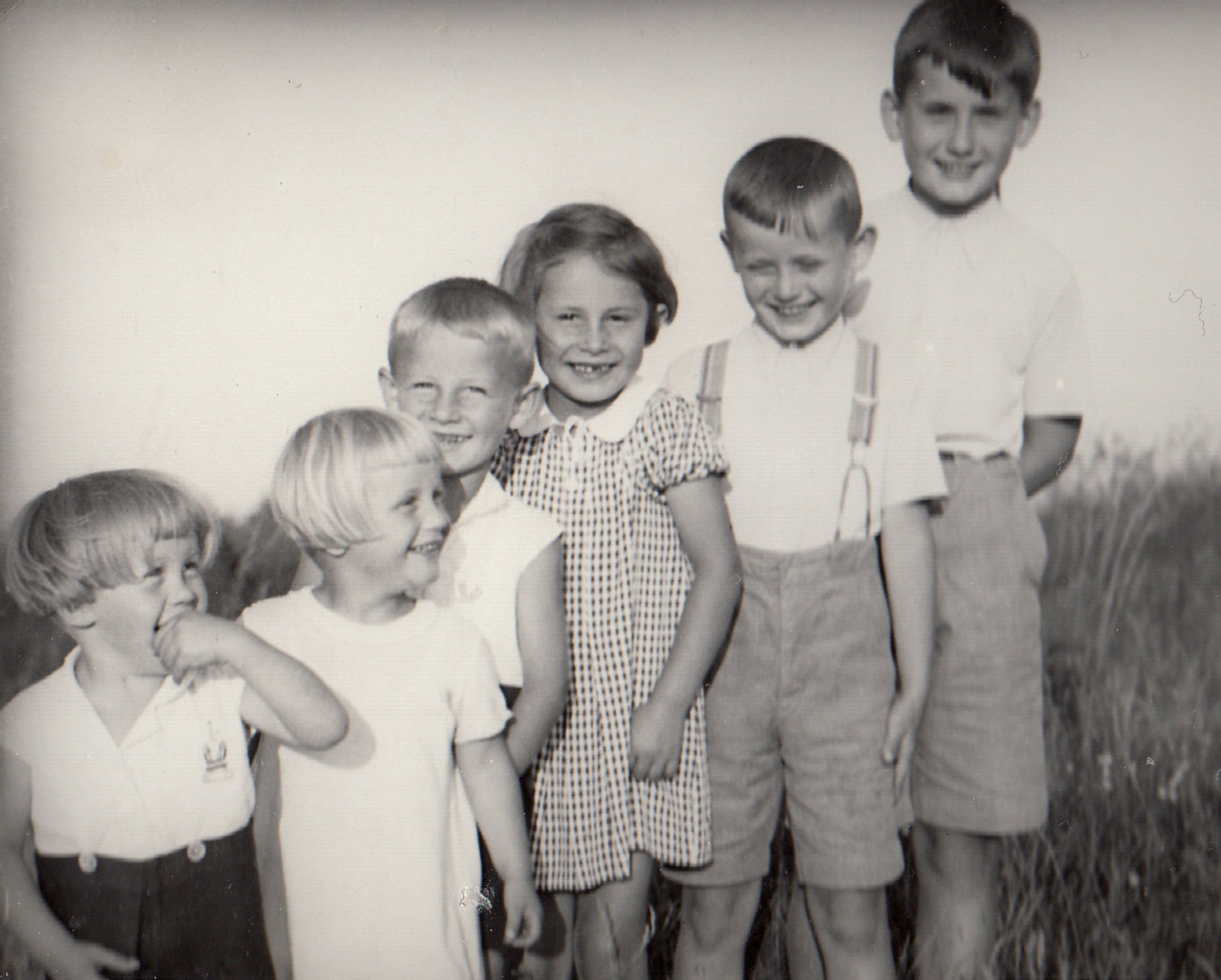
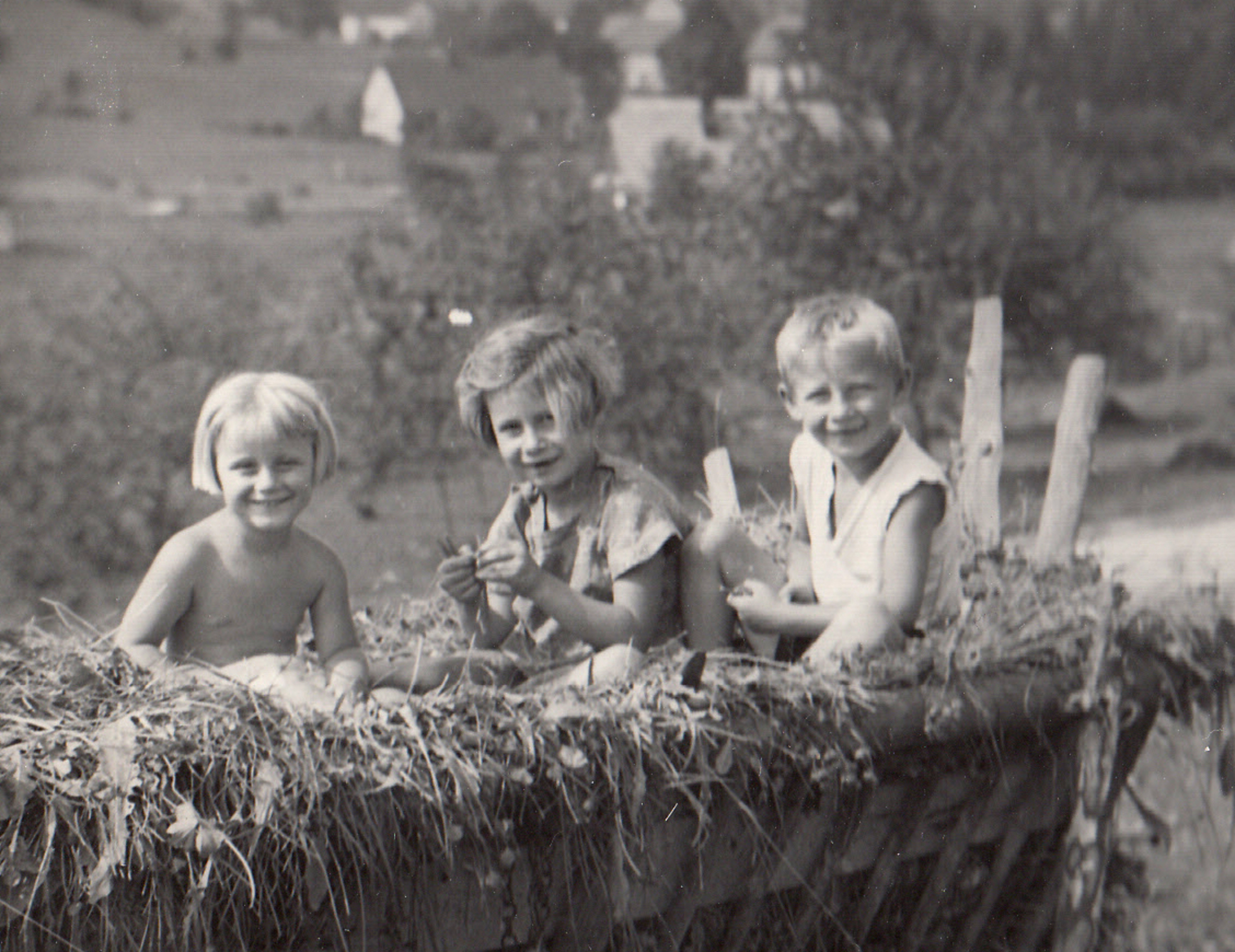
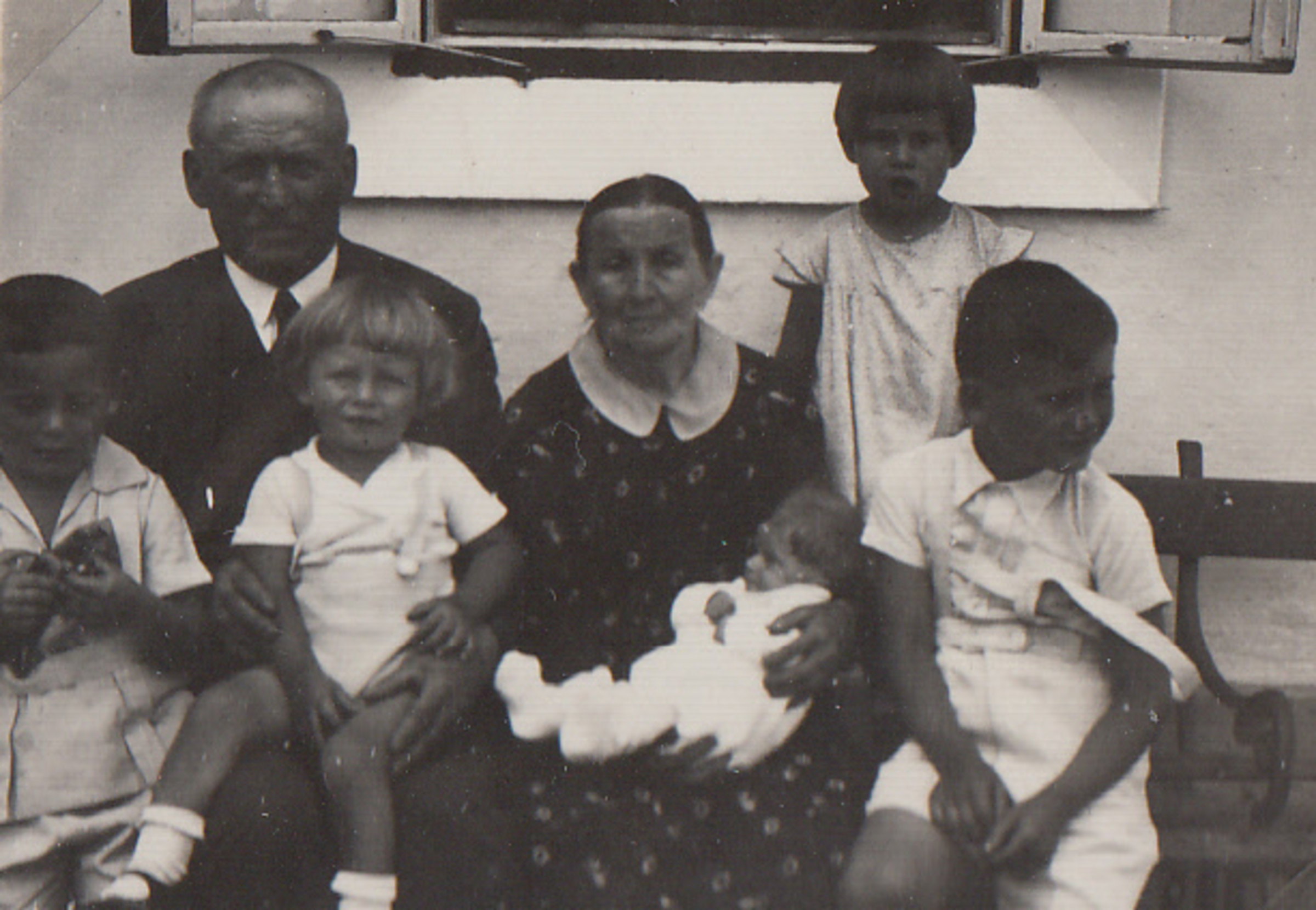
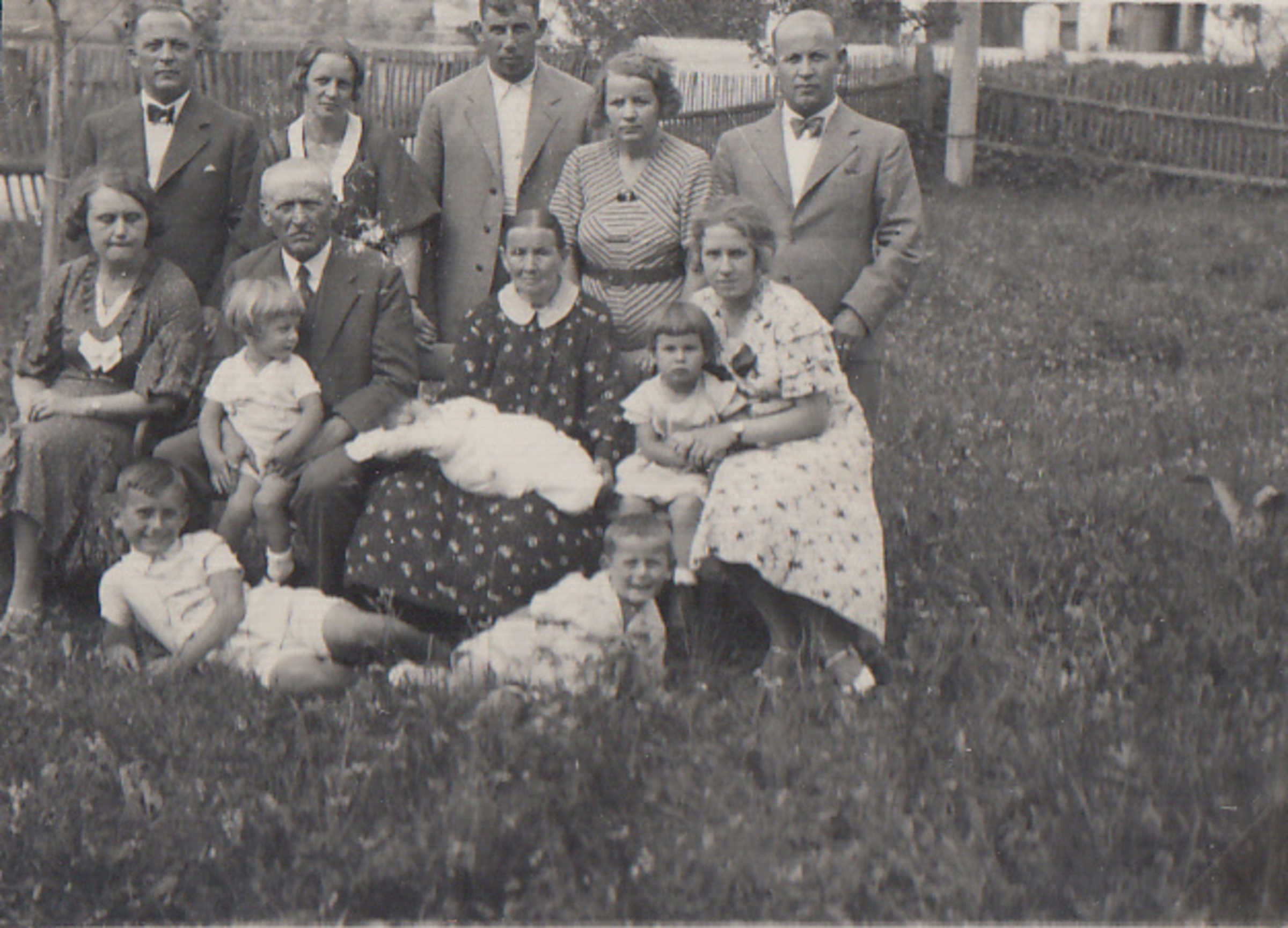
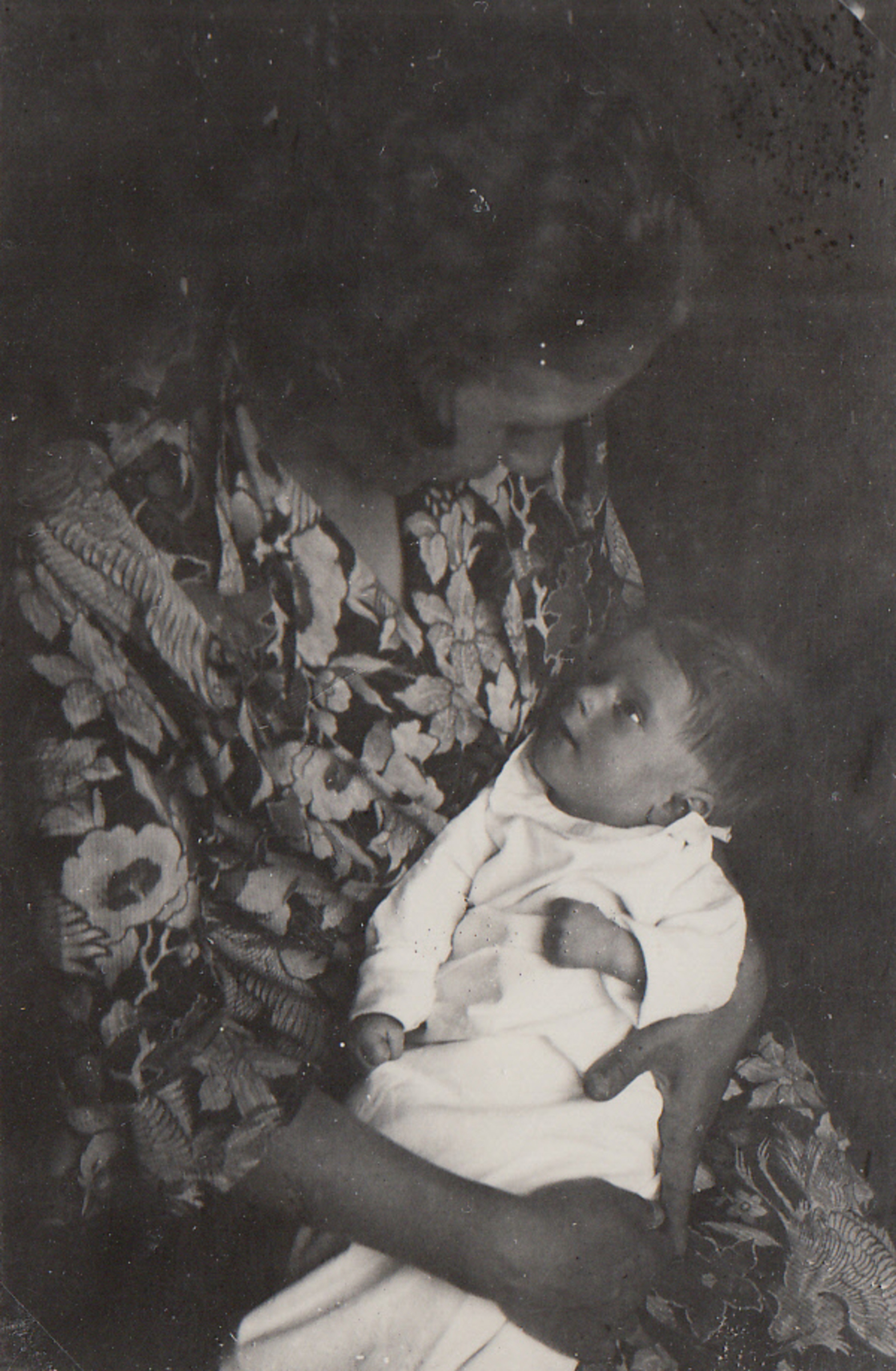
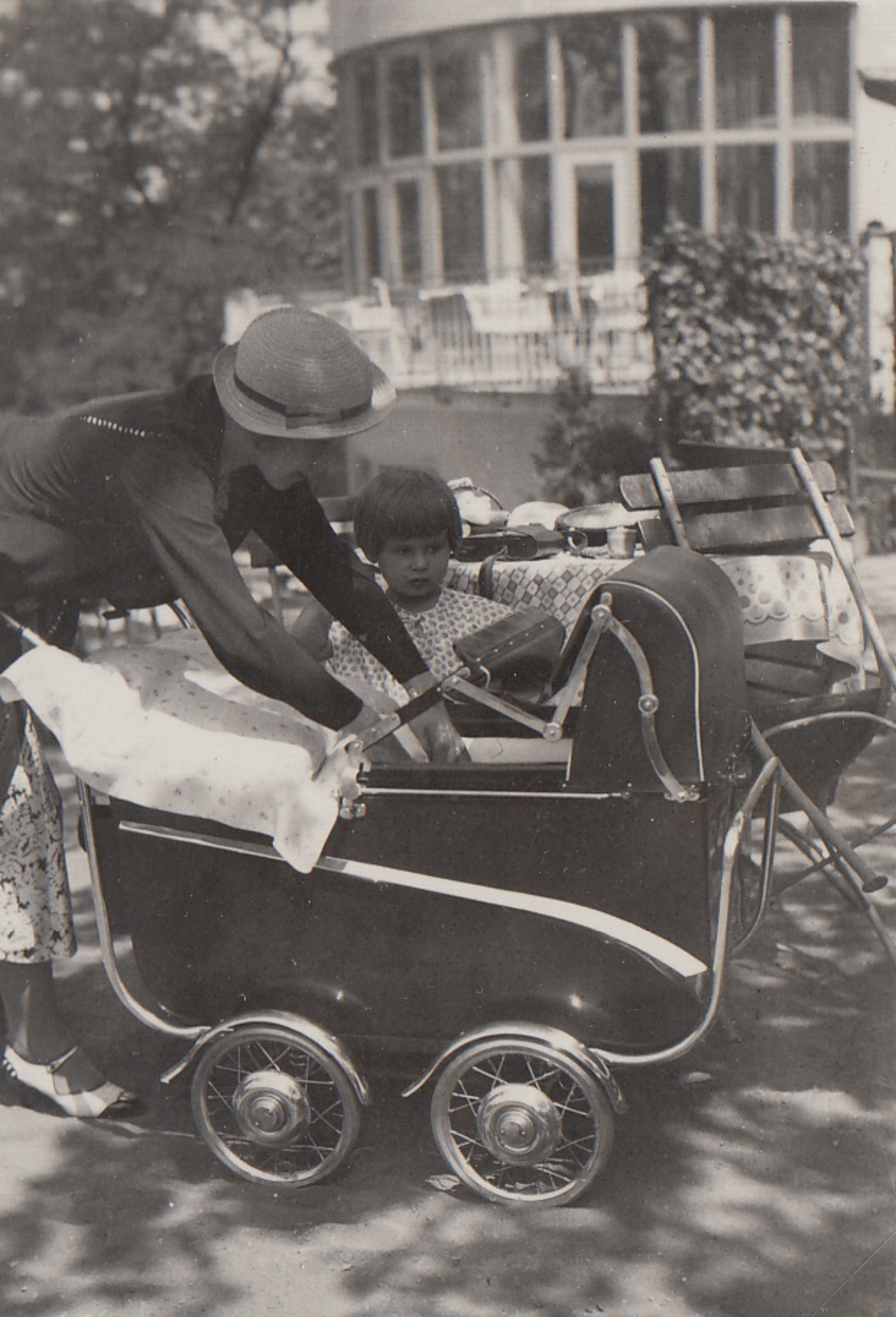
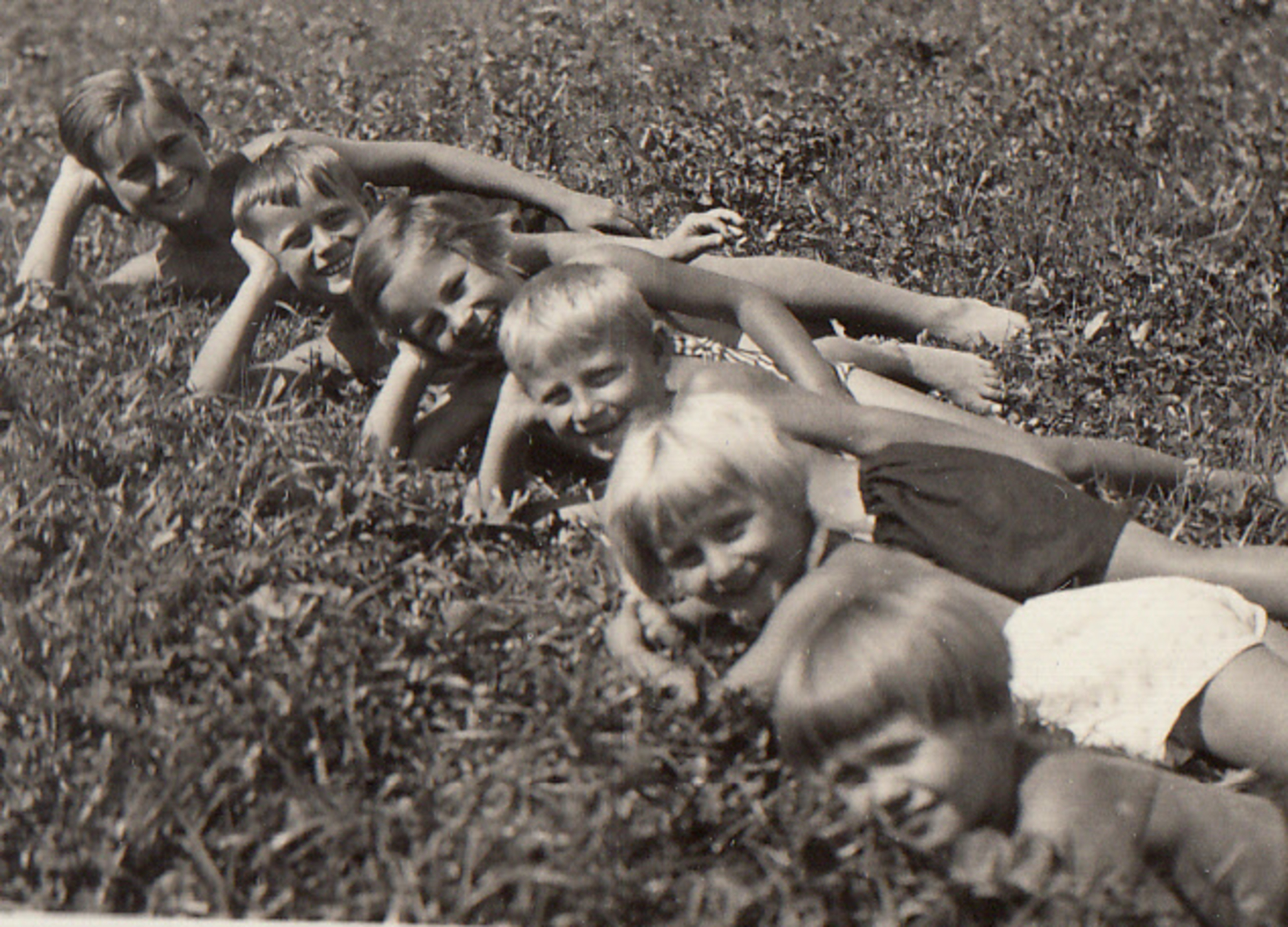
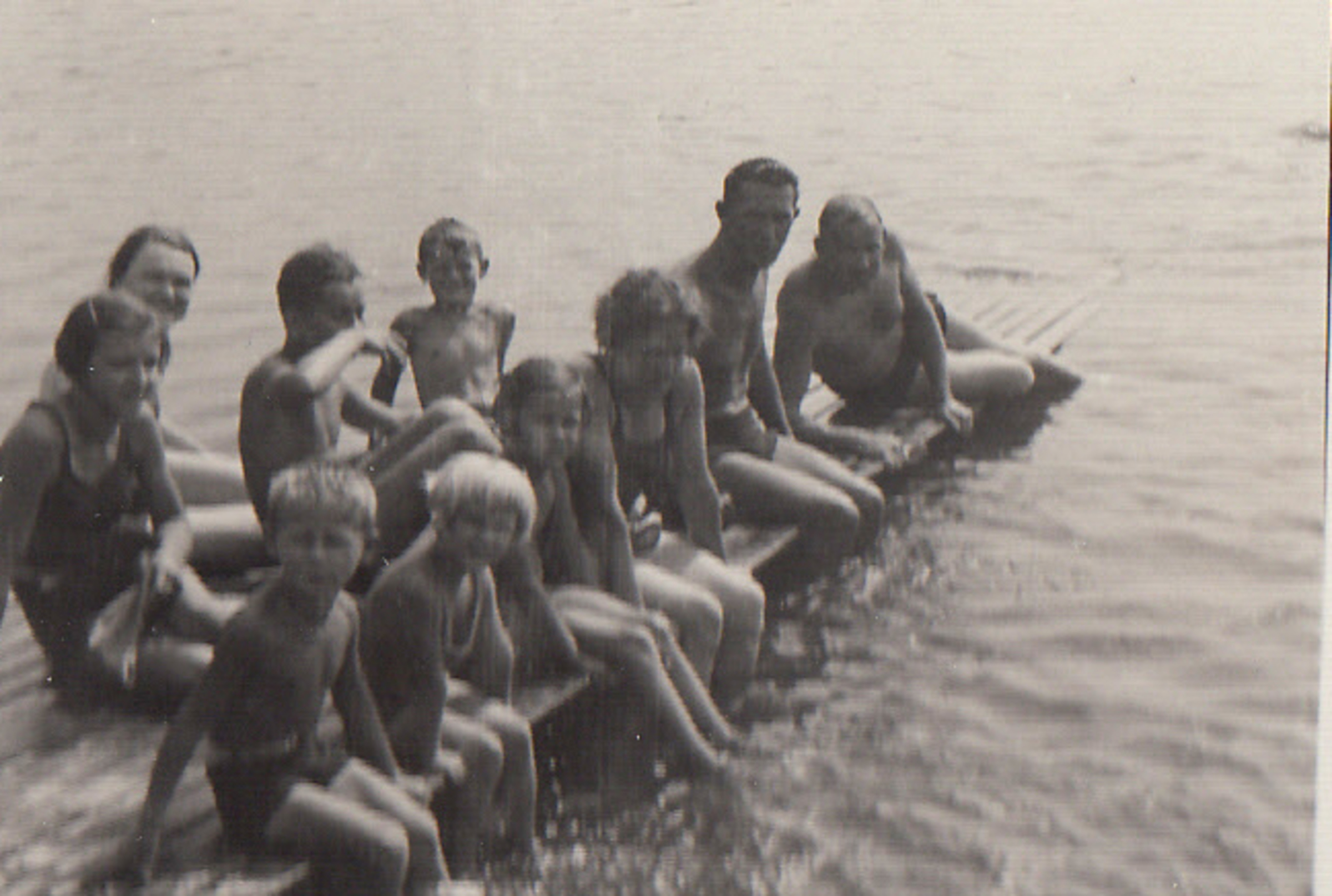
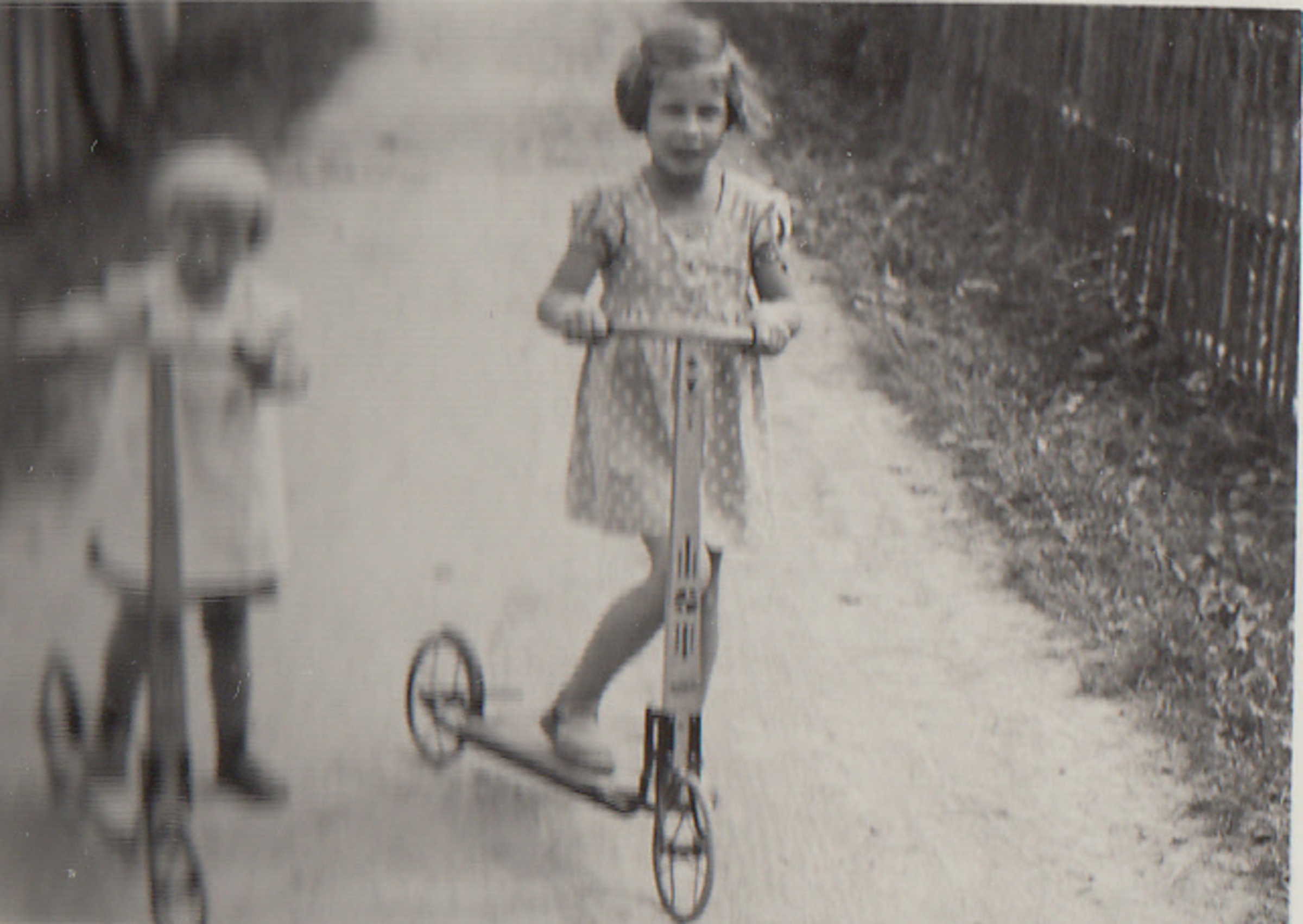
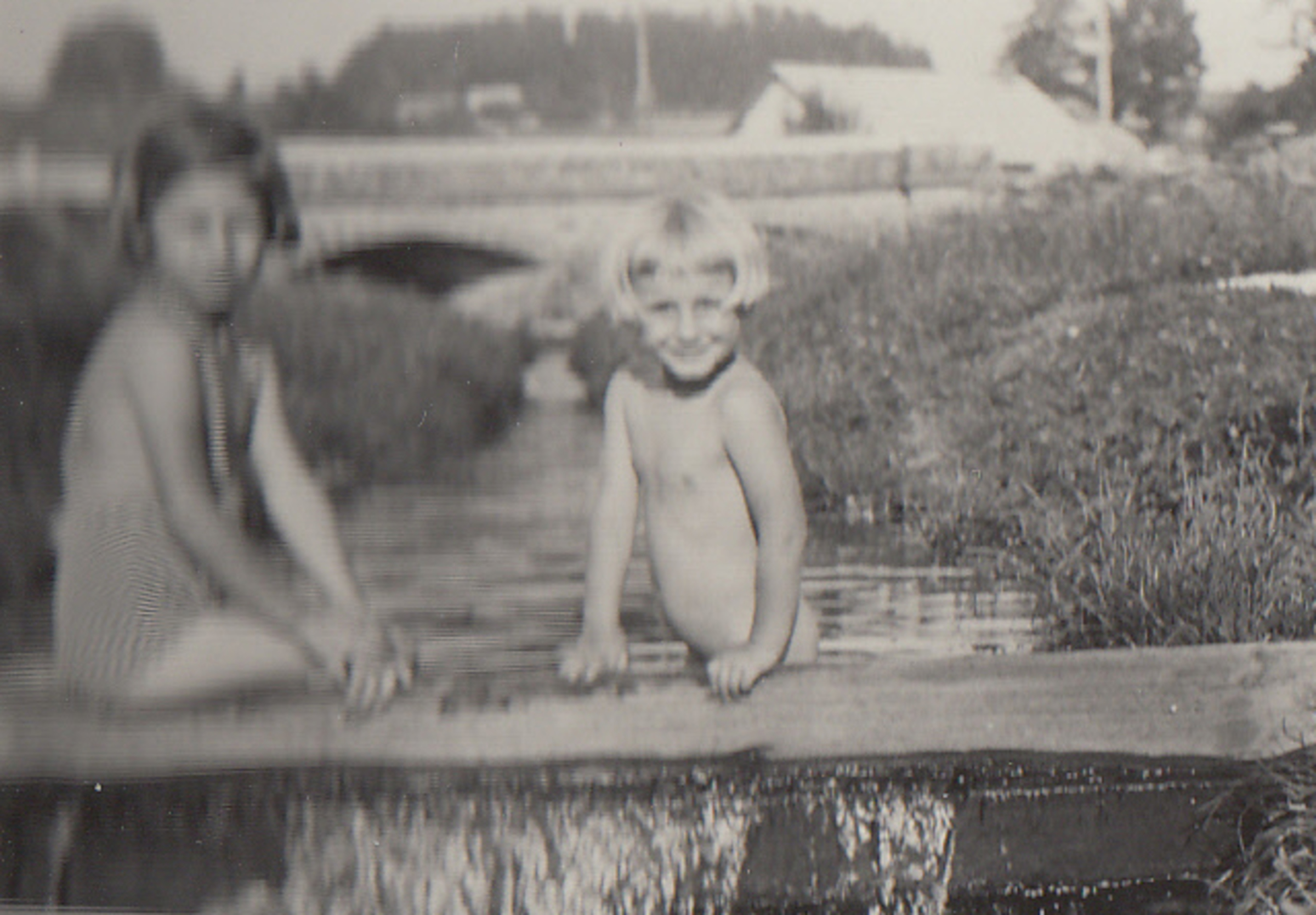
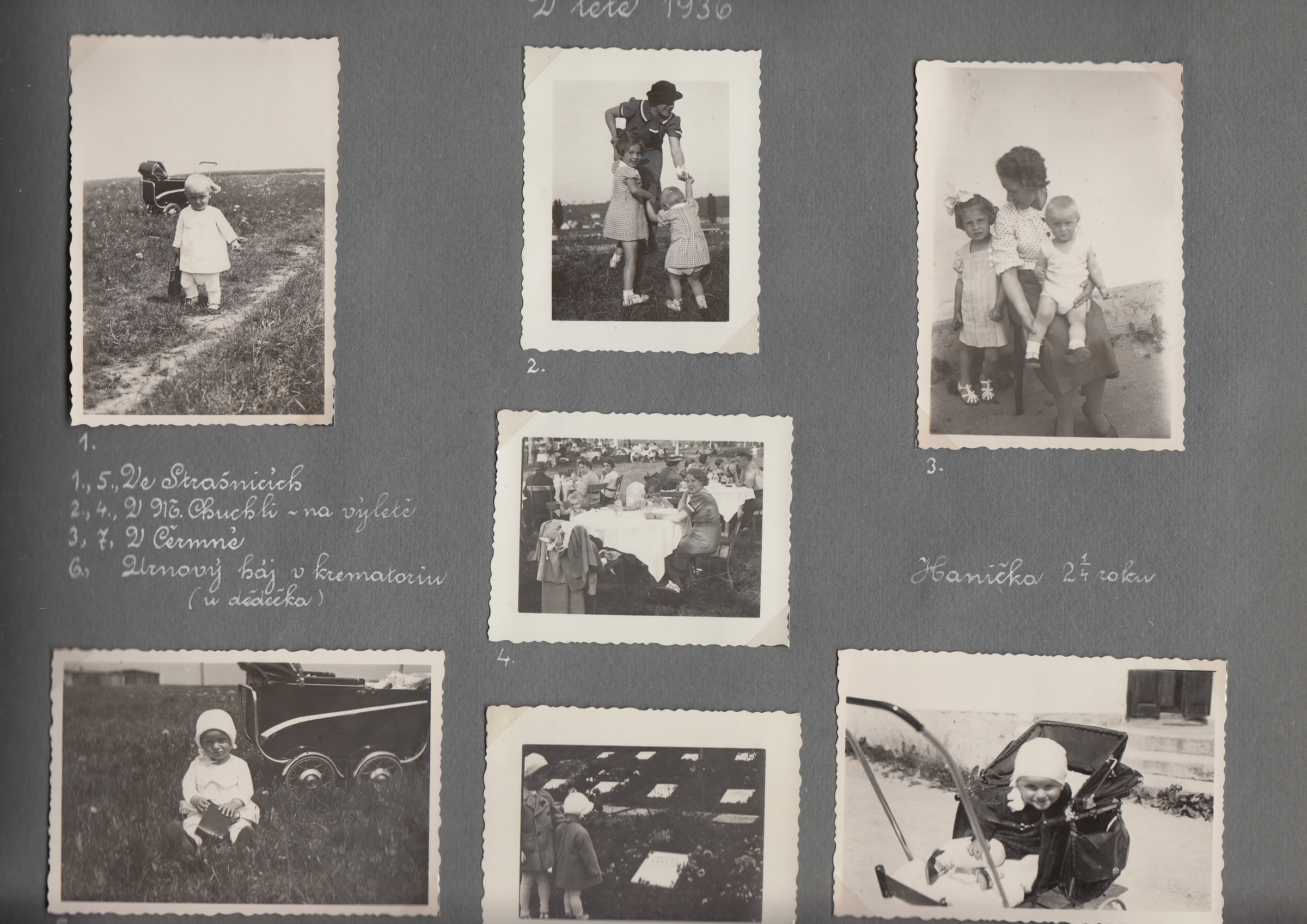
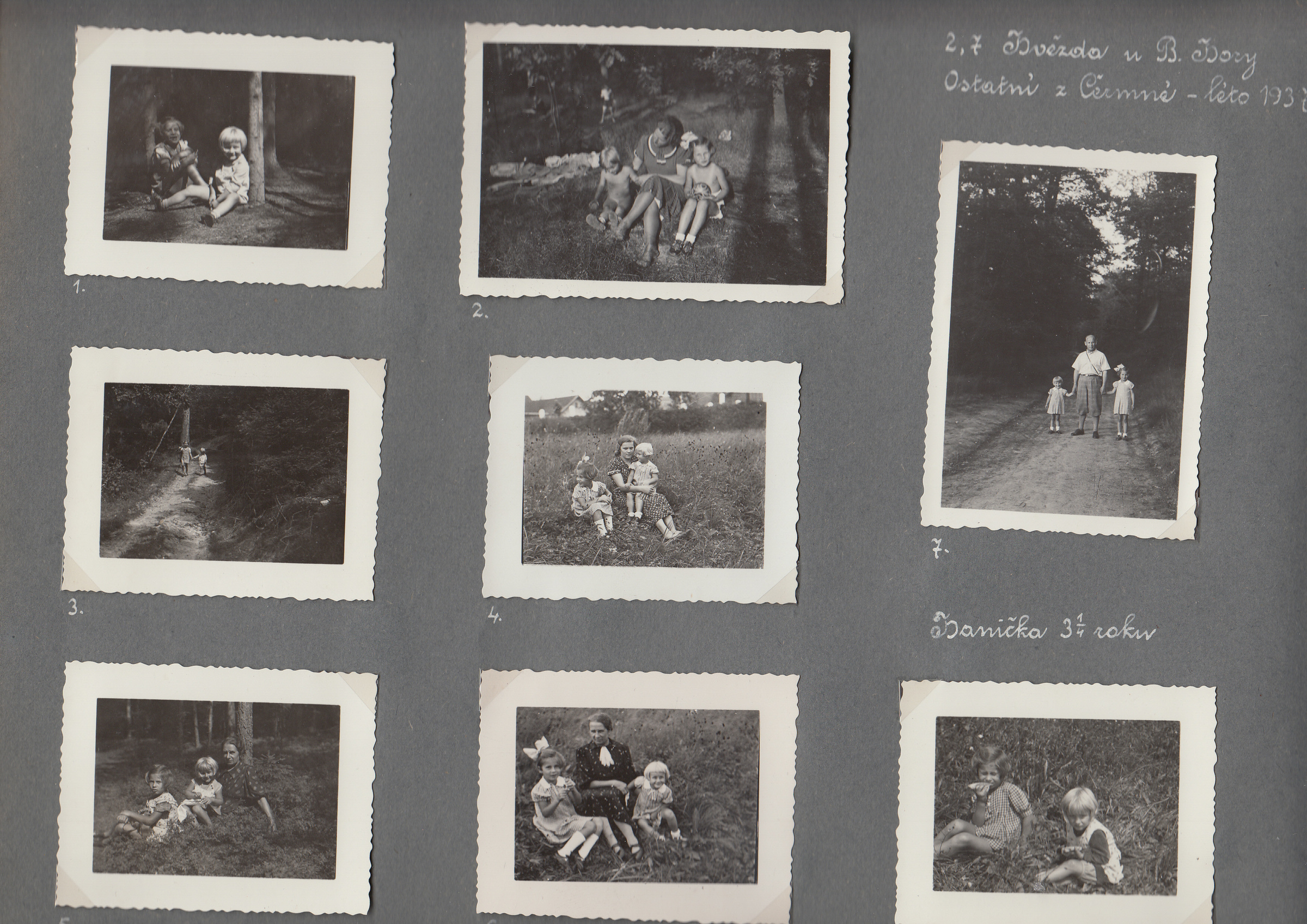
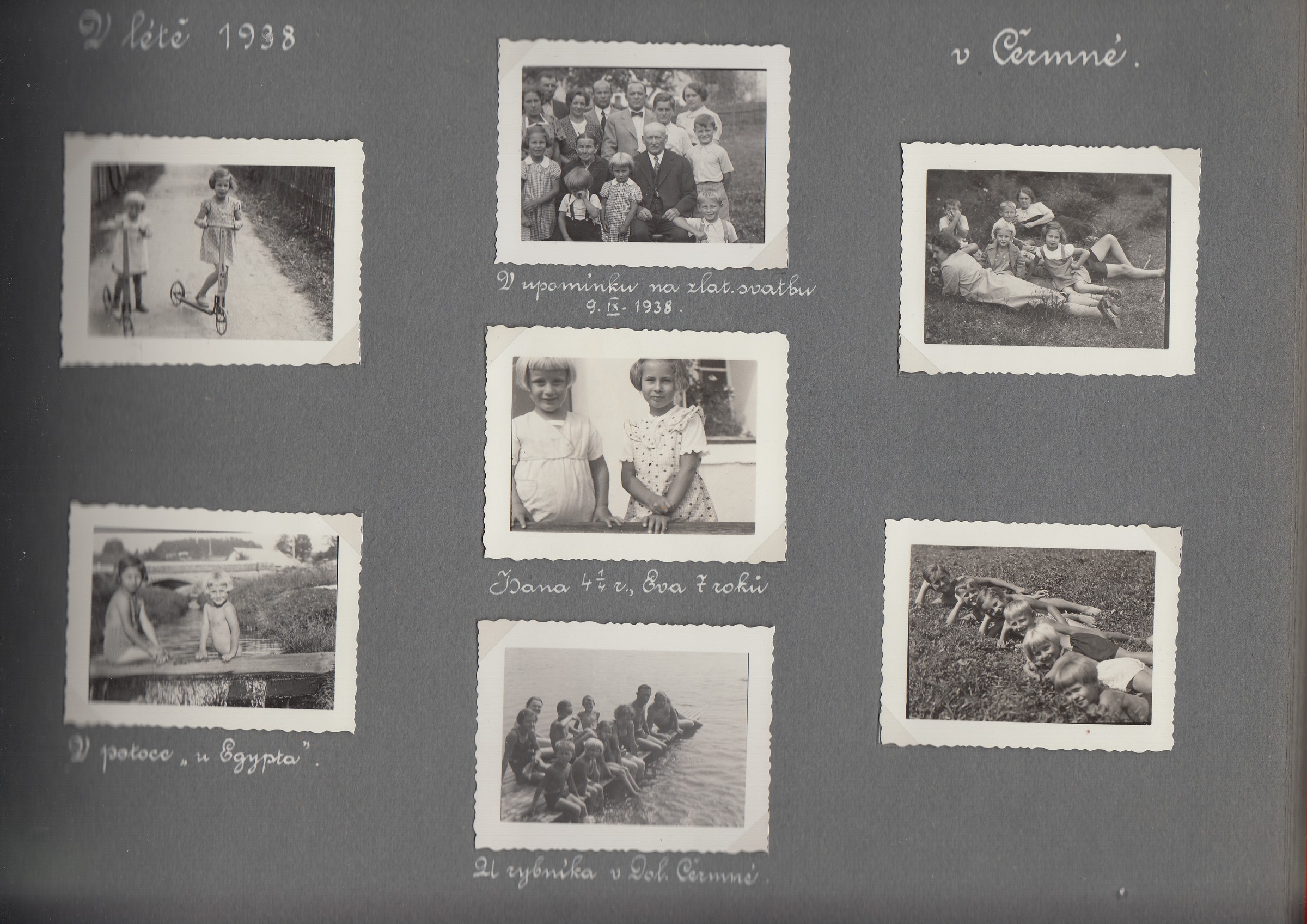
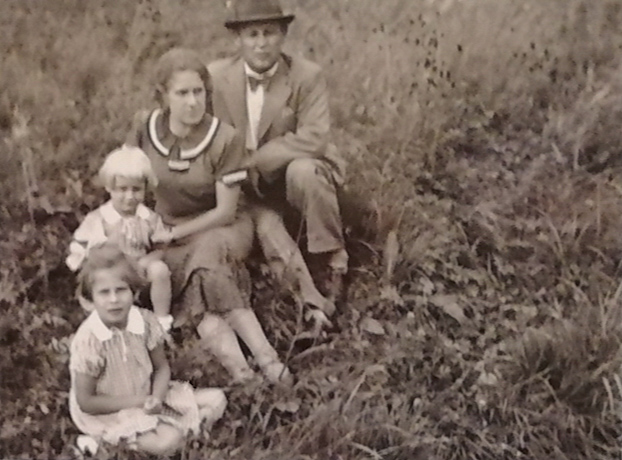
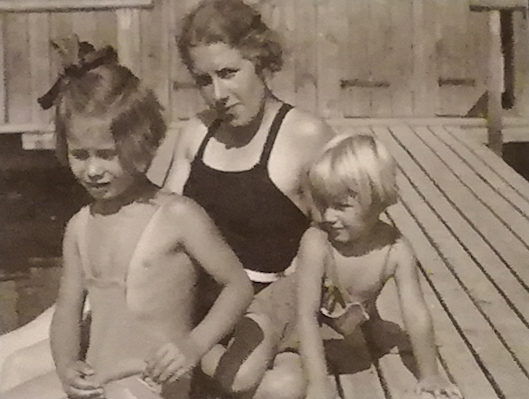
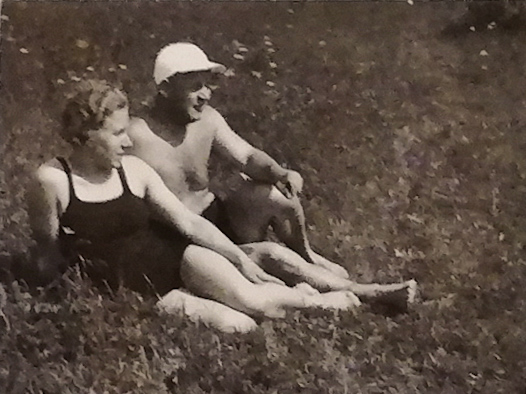
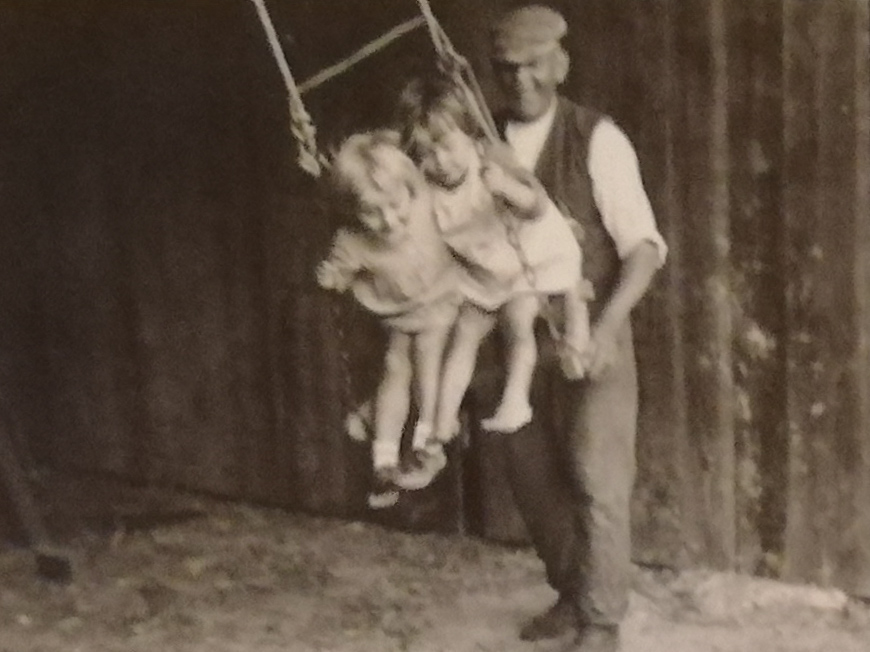
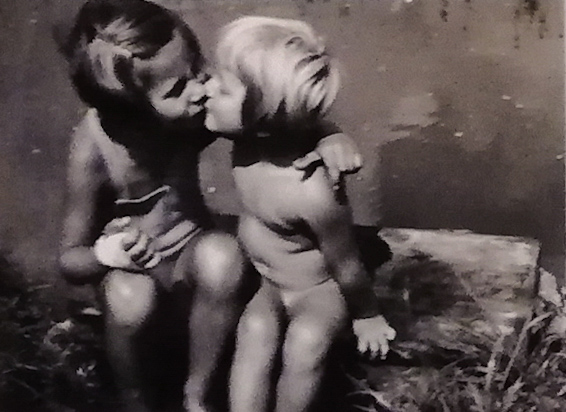
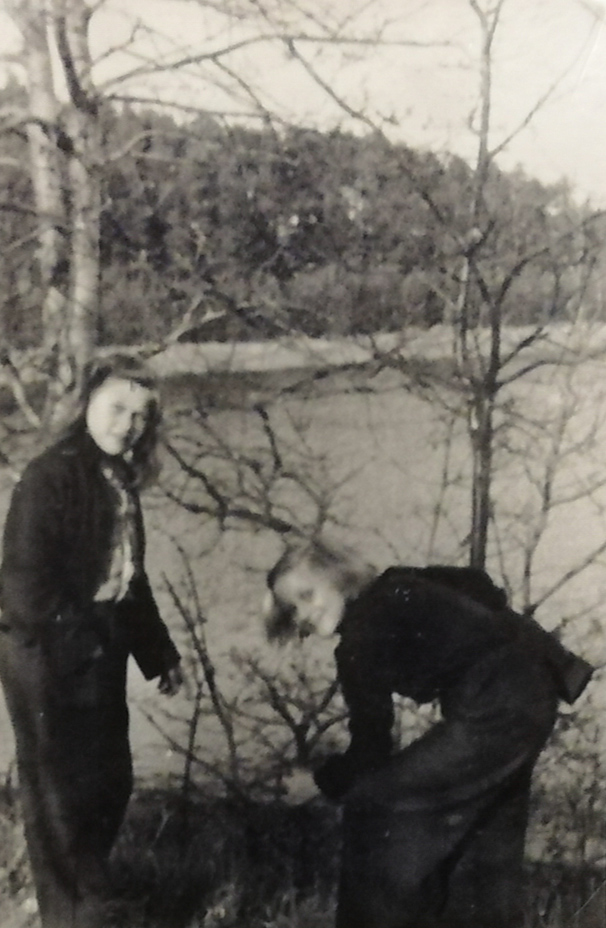
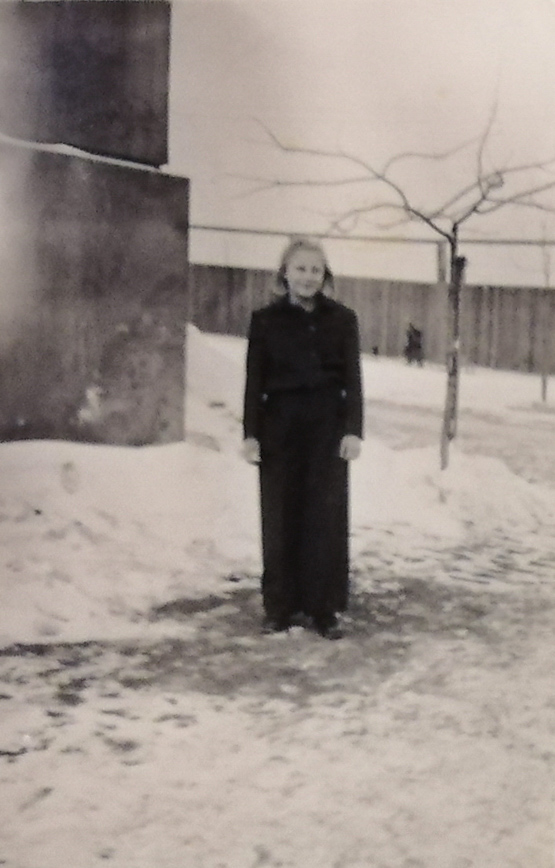
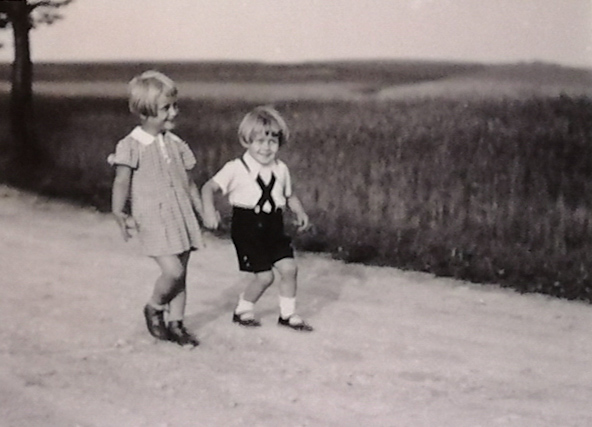
Hana Krušinová, née Hejlová, was born on 15 April 1934 in Prague into the family of František and Milada Hejl, a bank clerk and housewife. She has a sister Eva, who is three years her elder. Her parents were significant supporters of the paratrooper group Anthropoid, which conducted the assassination of Reinhard Heydrich. Her parents actively assisted Gabčík and Kubiš from the time of their arrival in Prague. When they were arrested in July 1942, their daughters Hana and Eva spent their last summer holiday in Moravia. Upon returning on 28 August the Gestapo arrested straight at the train station, and instead of going to their grandparents, they were both taken to the Jenerálka and then to Svatobořice, the same as another forty or so descendants of arrested and executed resistance fighters. Hana Krušinová did not discover her parents‘ fate until after the war. She died on March 23, 2026.