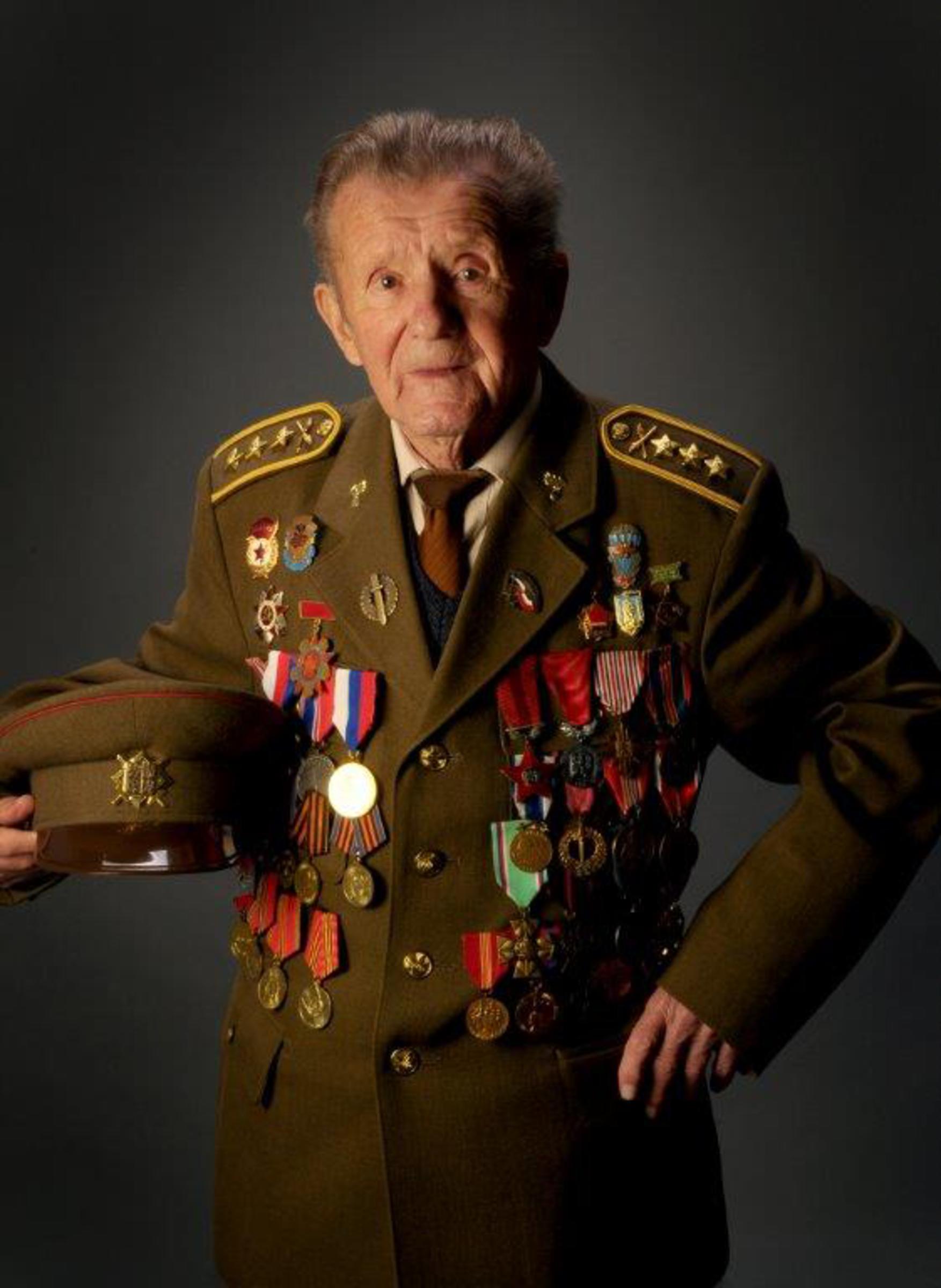
A soldier who did not force his way anywhere after the war
Stáhnout obrázek
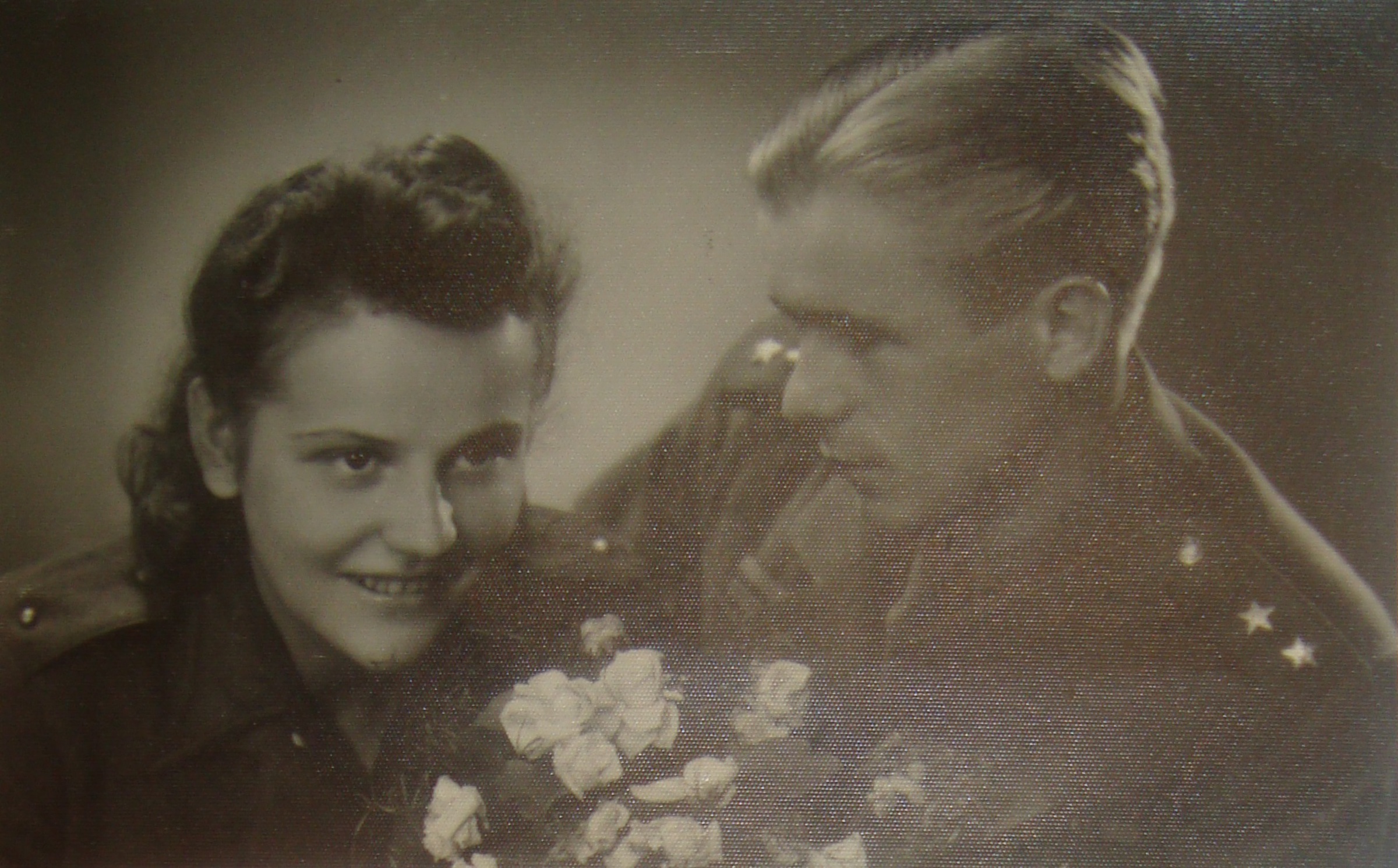
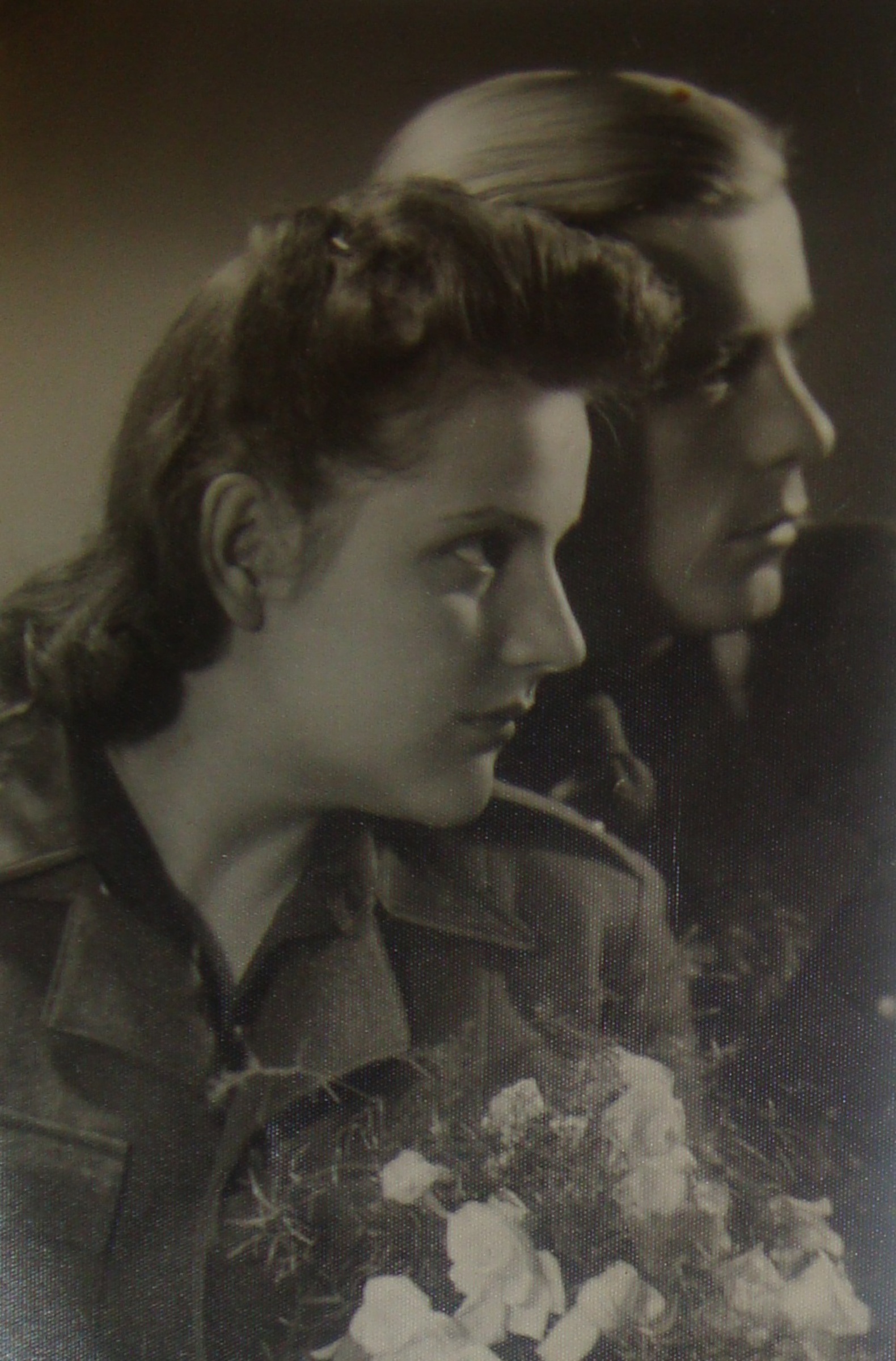
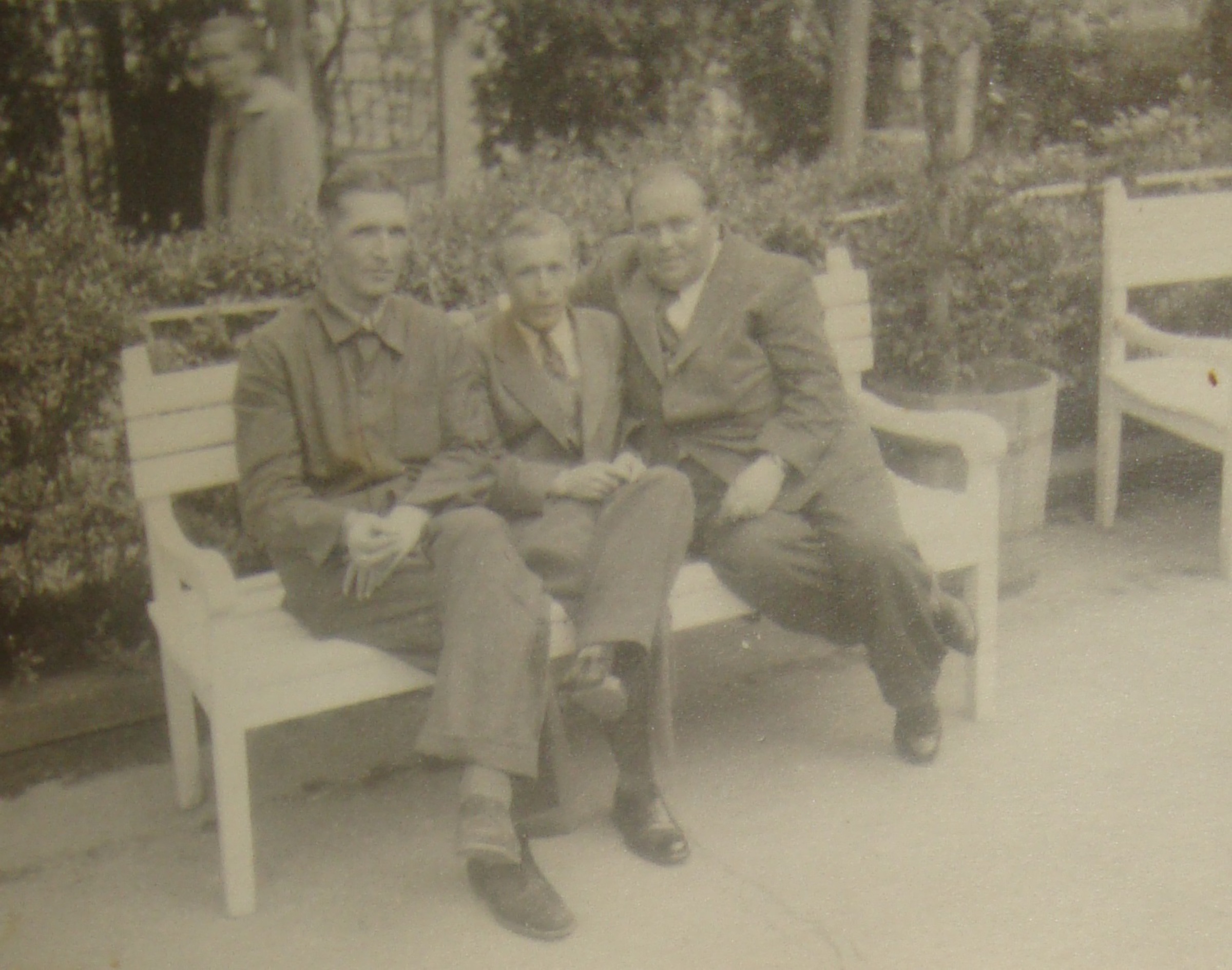
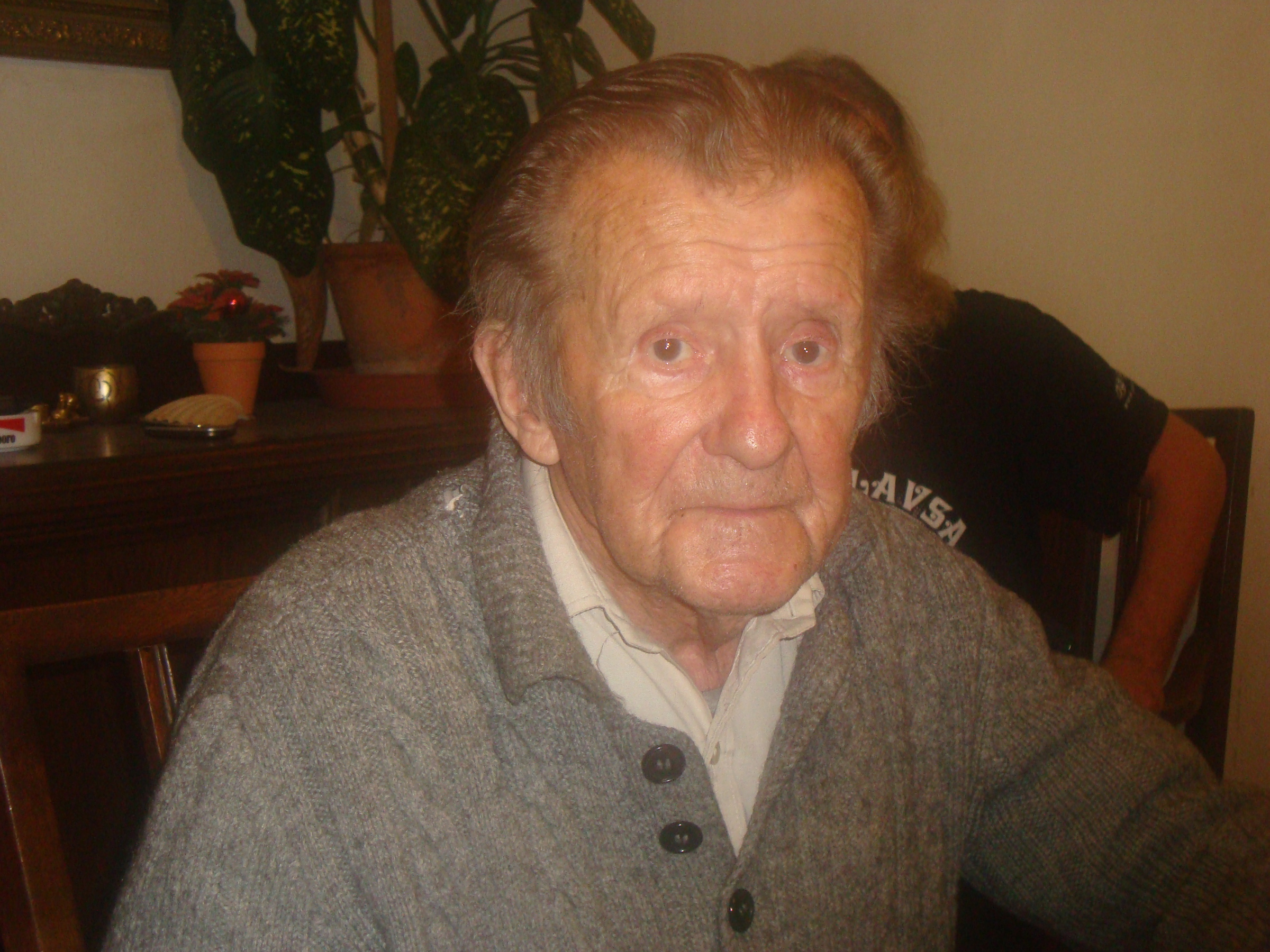
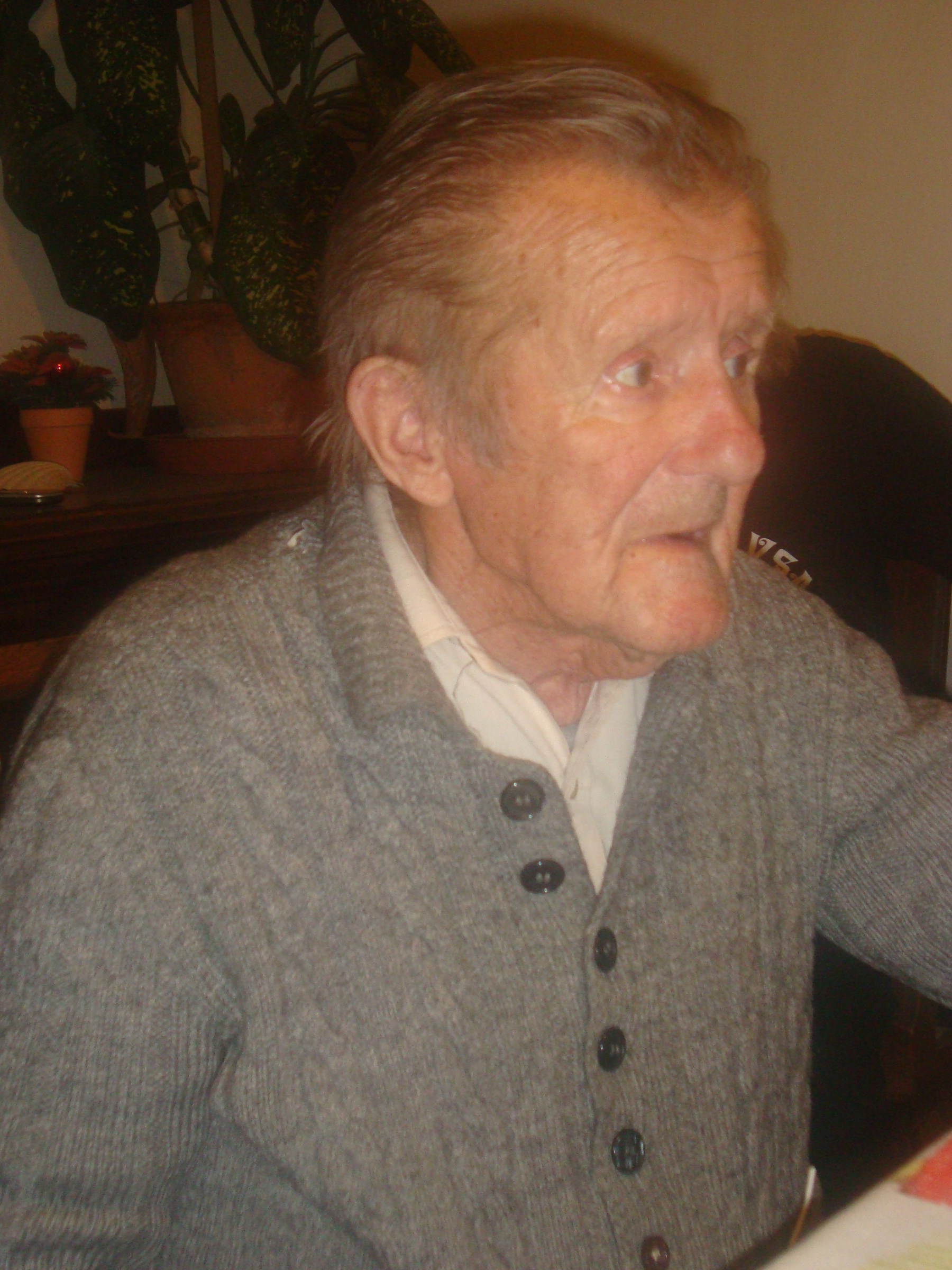
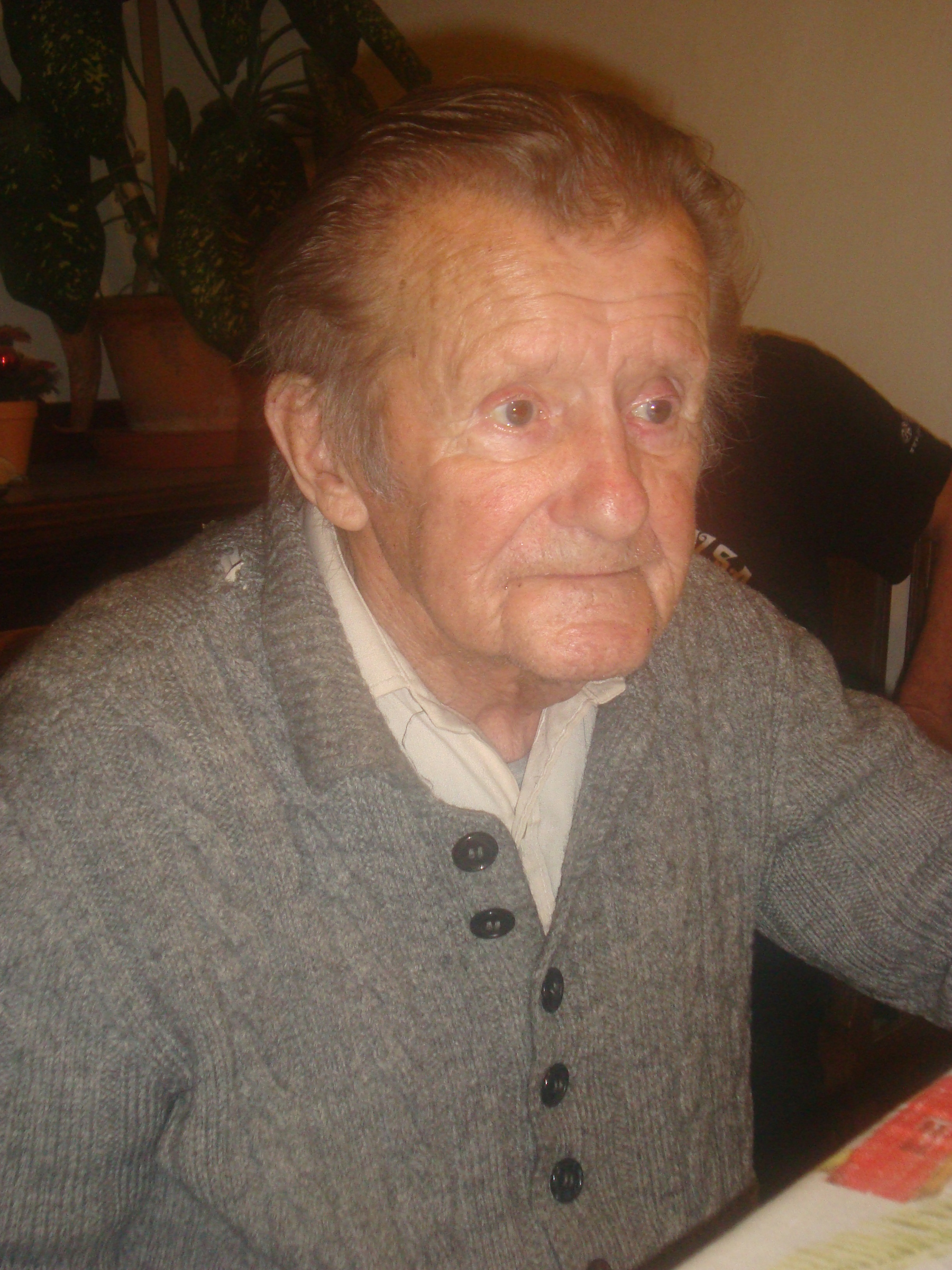
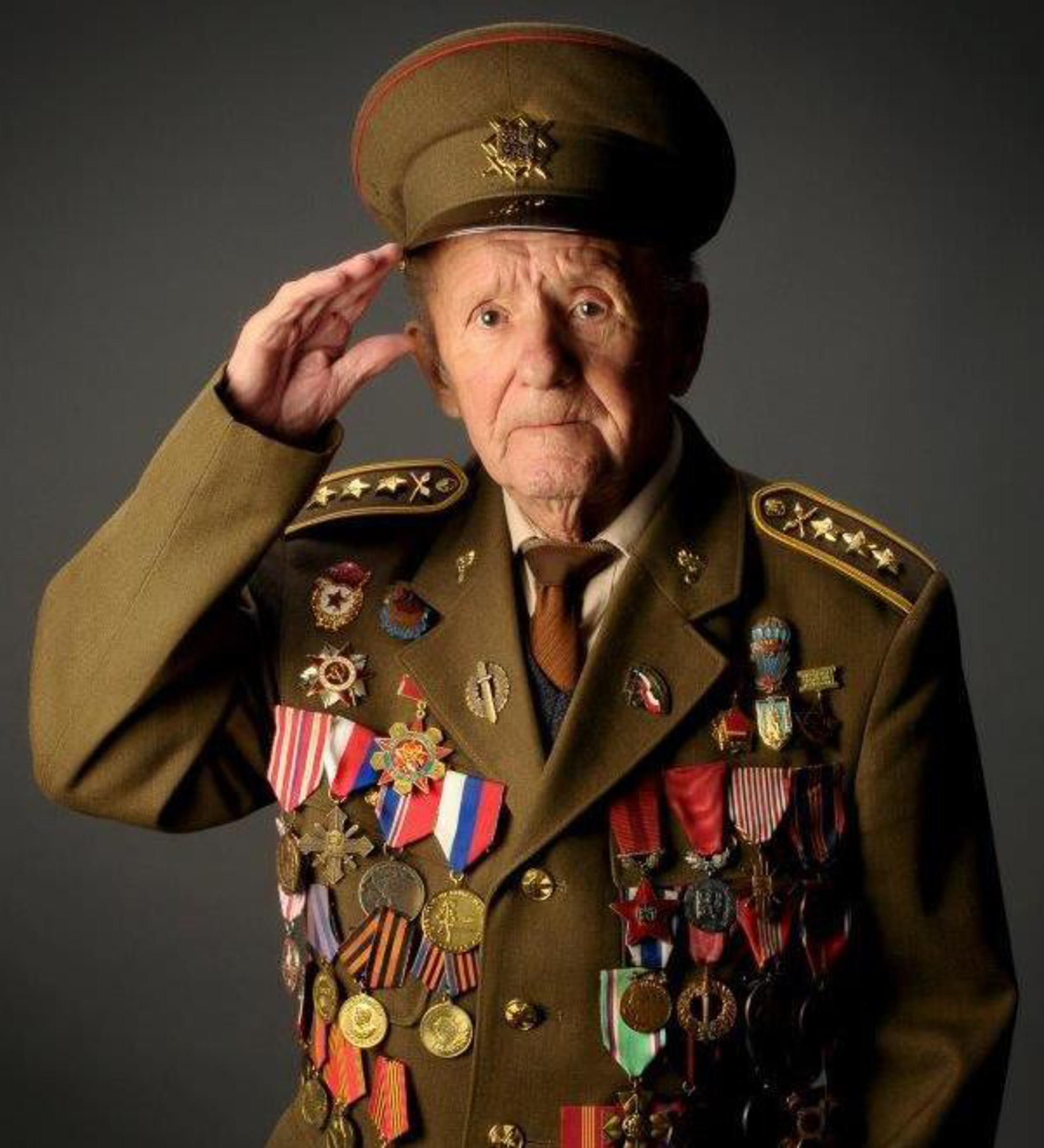
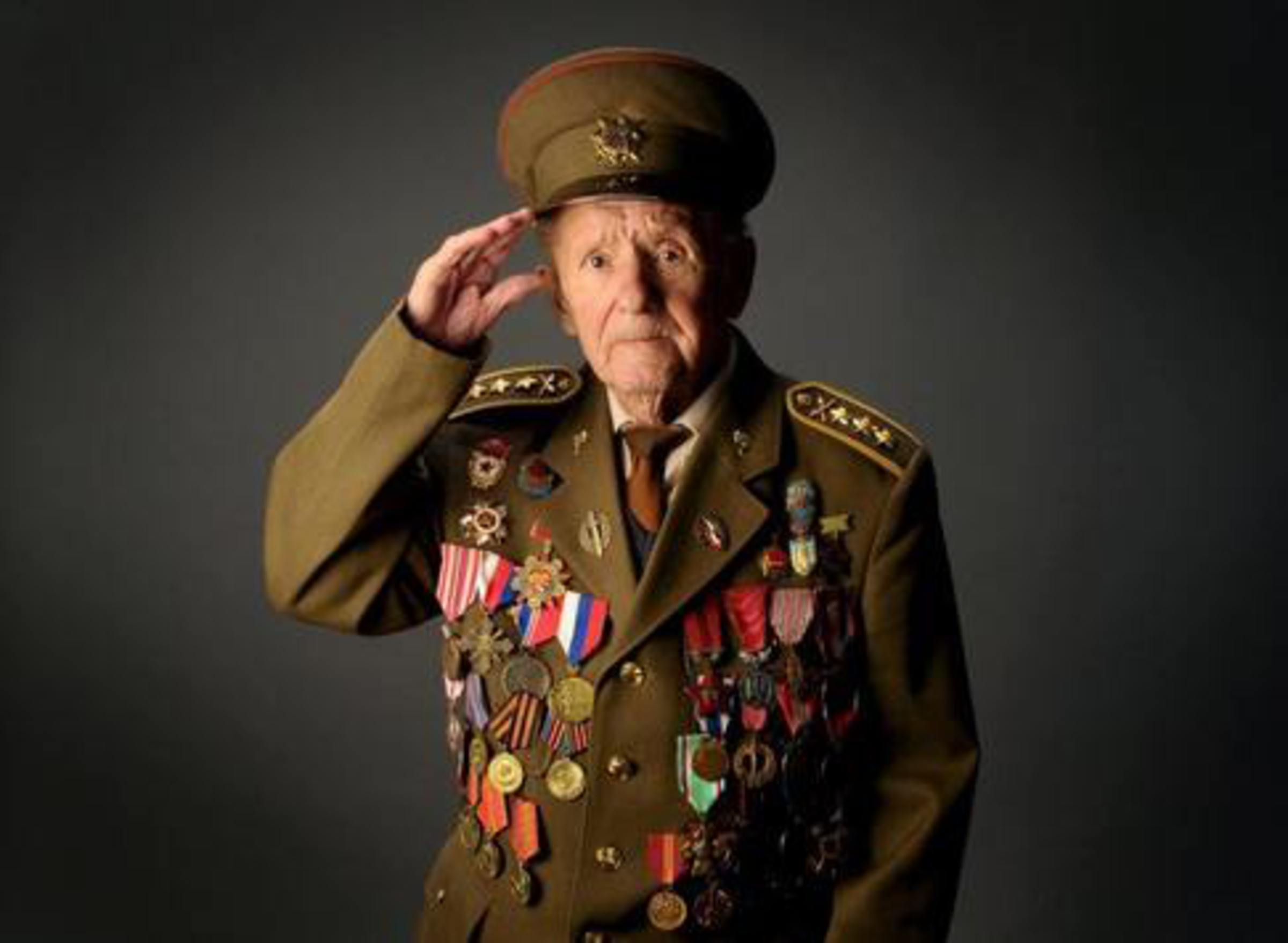
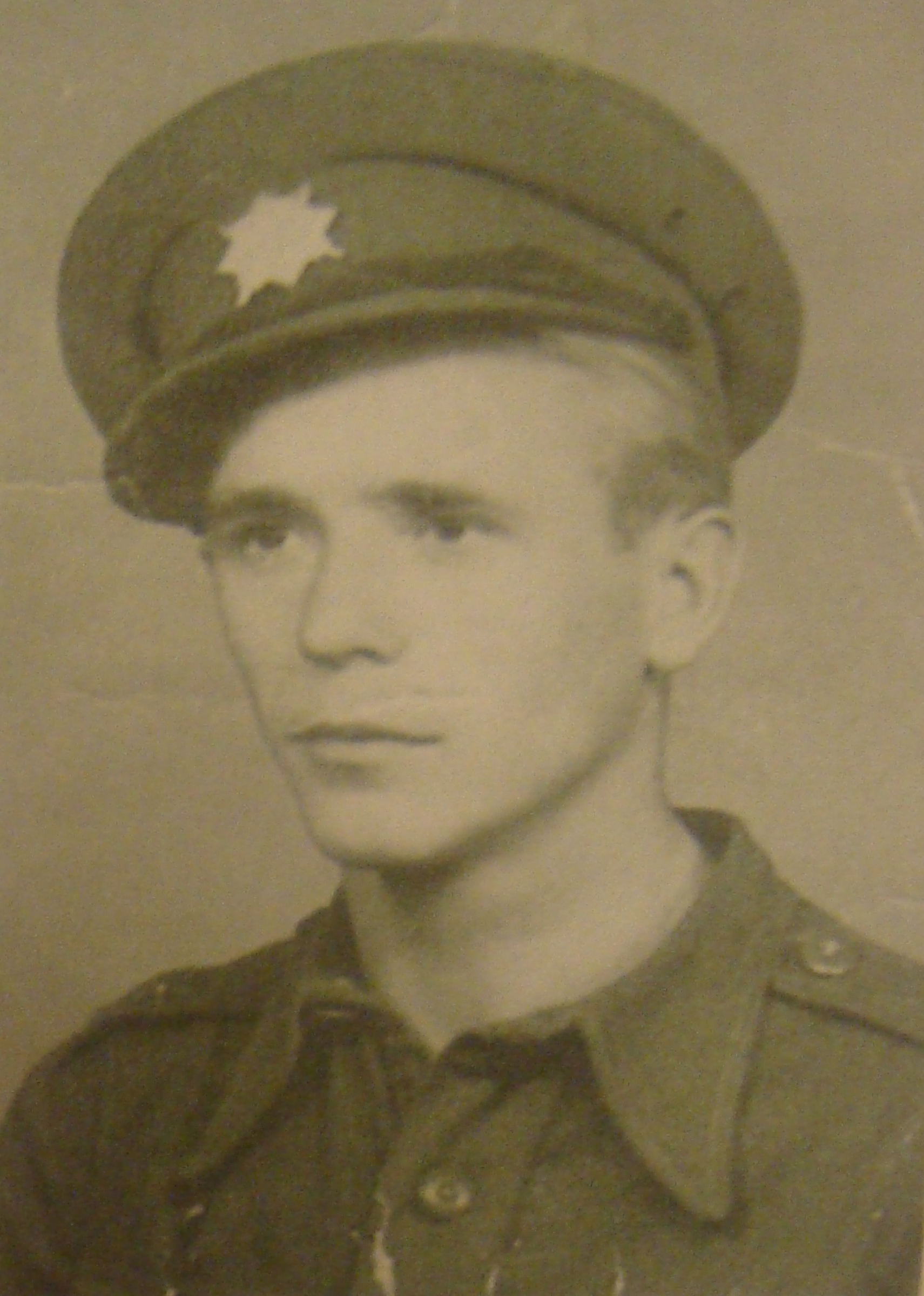
Col. Leopold Vojtěchovský, Ret., was born on October 11, 1920, in Frýdek-Místek in what at the time used to be Czechoslovakia. He attended elementary school and then went on to complete an apprenticeship. His father worked in the local iron works and his mother took care of the household. Leopold grew up as an active member of the Scout and after the creation of the Protectorate Bohemia and Moravia, he would help volunteers to cross the border to Poland and join the Czechoslovak legion that was being created there out of volunteers at the time. Later on, Leopold Vojtěchovský himself crossed the border to Poland and joined the legion in Katovice on June 1, 1939. After the outbreak of the war, the legion dispatched to the Soviet Union. As Leopold claimed allegiance to the political émigrés, he was allowed to work as a tractor operator in the Perelazovskiy sovkhoz in the Stalingrad area. After the Soviet Union was invaded by Nazi Germany, Leopold decided to join the Czechoslovak units and enlisted to the army in Buzuluk on February 20, 1942. He was assigned to the 1st standalone Czechoslovak battalion as a machine gunner of the 3rd company and deployed into action in the battles around Sokolovo. After the retreat from Sokolovo and the reorganization of troops, he attended an academy for NCOs in Veselé and was subsequently assigned to the 2nd airborne brigade in Novochapersk, where he was put in charge of rookie training. In June 1944, he was promoted to the rank of gendarme commander in the 3rd brigade and he took part in the battle for the Dukla Pass, where he suffered a self-inflicted leg injury on October 2, 1944 (he shot himself in his leg). In the course of the liberation fights, he was also the commander of a machine-gun company and a reconnaissance unit. During this final military campaign, he was wounded again on March 18, 1945, nearby Liptovský Mikuláš. After the liberation of Czechoslovakia, he married Věra Rážová, a Volhynian Czech and a former member of the Czechoslovak army corps. After the war, he served with the artillery unit of Vilém Sachr and in other positions until 1953, when he left the army and settled in Libočany in the Žatecko region, where he continued to work as an accountant for the local farm collective. In the 1960s, he was granted disability pension. Leopold Vojtěchovský then lived until his death on September 3, 2013, in Libočany.