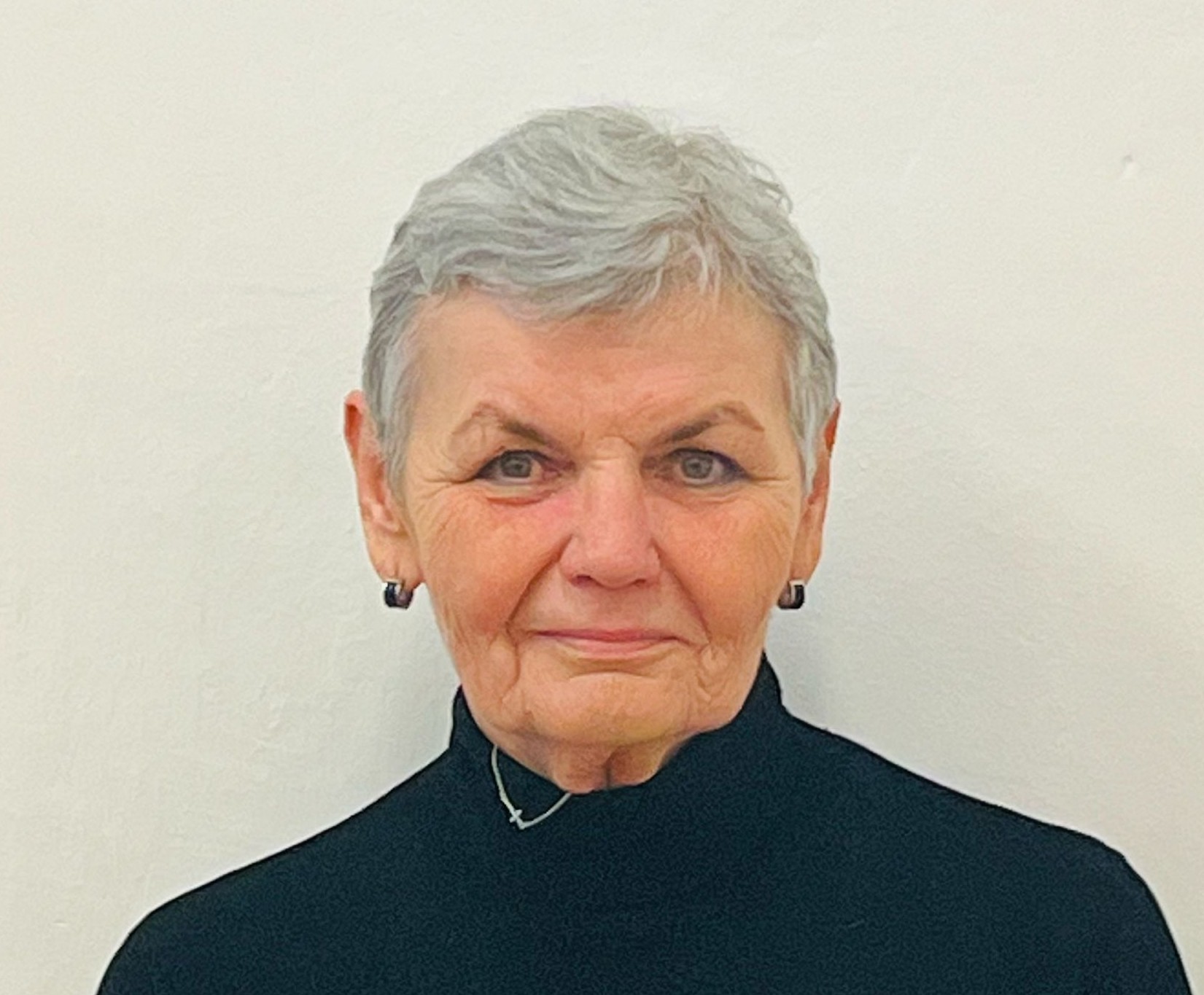
Miluše Wajshajtlová

* 1952

  • "And how did I experience the invasion of the troops? I experienced it in Germany by the sea, I was there with my sister at a camp and then in August the socialist armies came here and we didn't really know what was going on. Nobody told us anything and we stayed there even longer and we were getting home in a complicated way and it was such a very traumatic experience because my sister was twelve and she was very hysterical about it. But then eventually they dropped us off at Cínovec and told us to go. And so we got home, I don't know how it was at all, but I guess we were smart and we got to my parents, who were then on the verge of a breakdown."

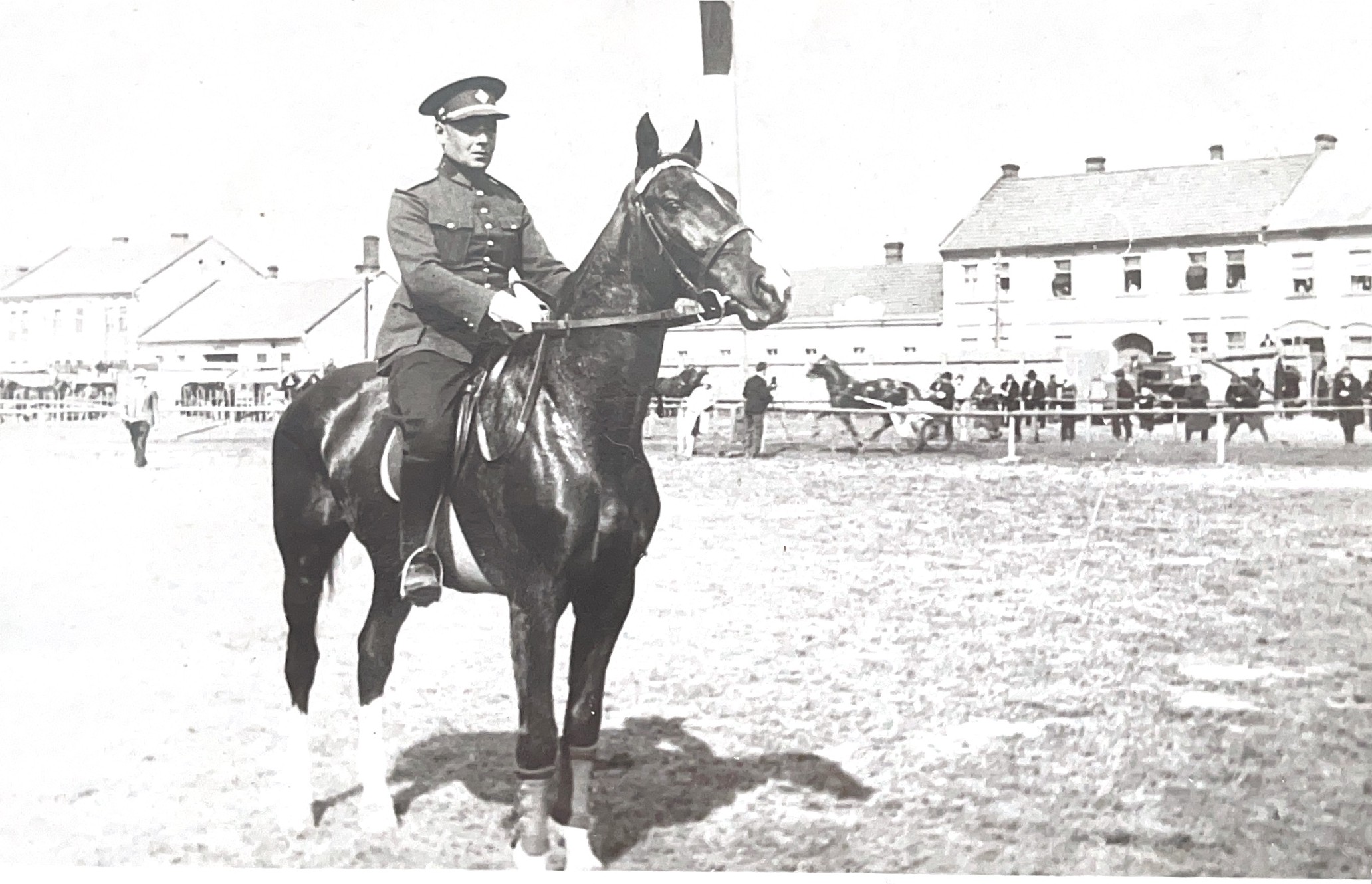
  • "A friend came to see him [my grandfather] with whom he had studied in Vienna at the military cadet school, and because he was a person who spoke German and came to see him after the war, and someone heard them speaking German together, so they turned my grandfather in and my grandfather was arrested in Mírov, which was, or still is, a prison, and at that time there were political prisoners there. And I know that my grandmother said that he came back from prison and within six months - I think she said two months - he died and he never wanted to talk about it. So I guess it really wasn't rosy there, because when he died he was fifty-one years old and in failing health. My grandmother had to leave the house they lived in in Litoměřice and went to live with her mother in Lovosice, where they had a hotel, which of course was no longer a hotel because they expropriated it from private ownership."

  • Celé nahrávky
  • 1

    Velemín, 12.02.2025

    (audio)
    délka: 29:42
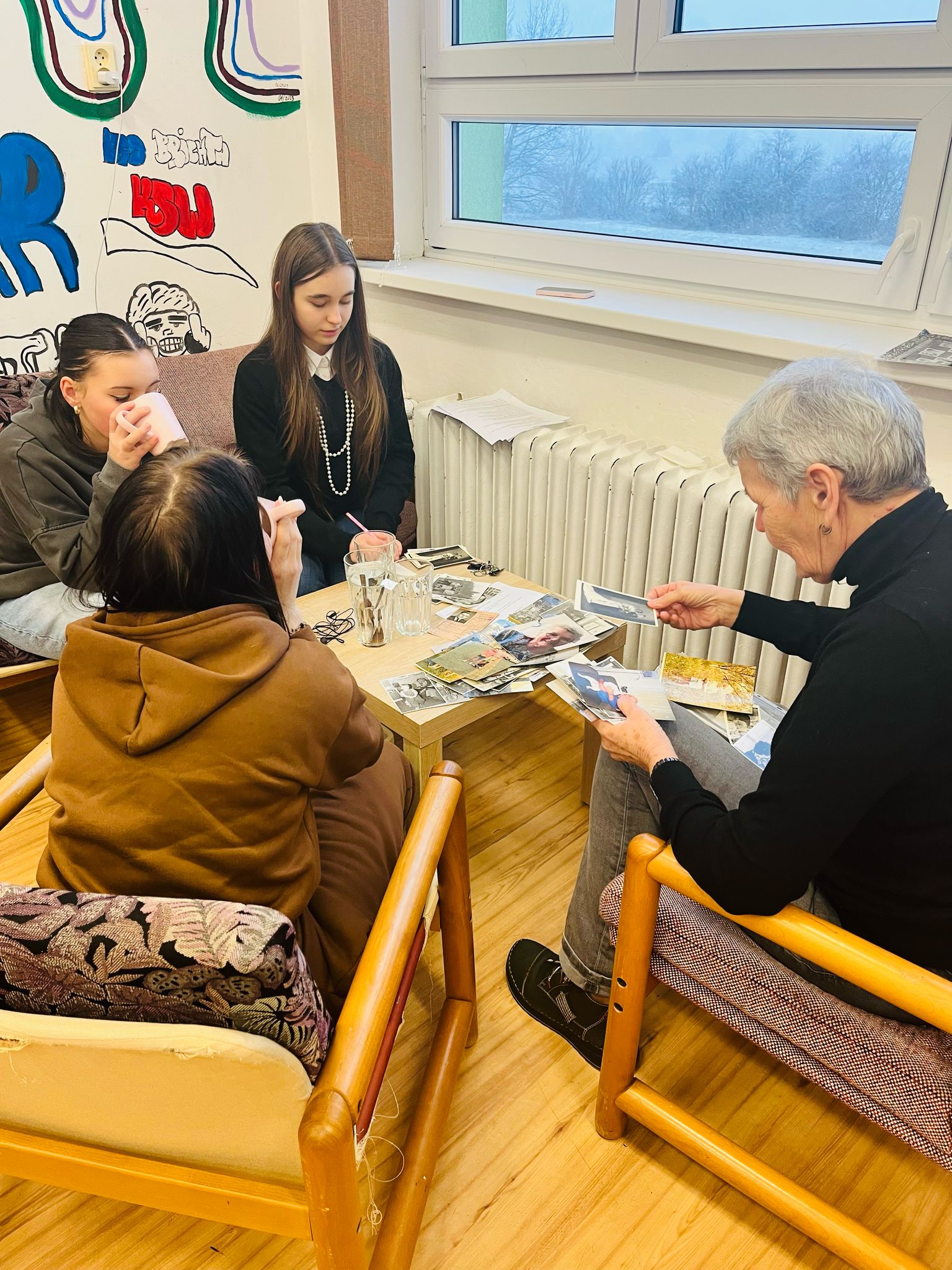
    nahrávka pořízena v rámci projektu The Stories of Our Neigbours
Celé nahrávky jsou k dispozici pouze pro přihlášené uživatele.

Helping someone improve their ability to move is a wonderful feeling
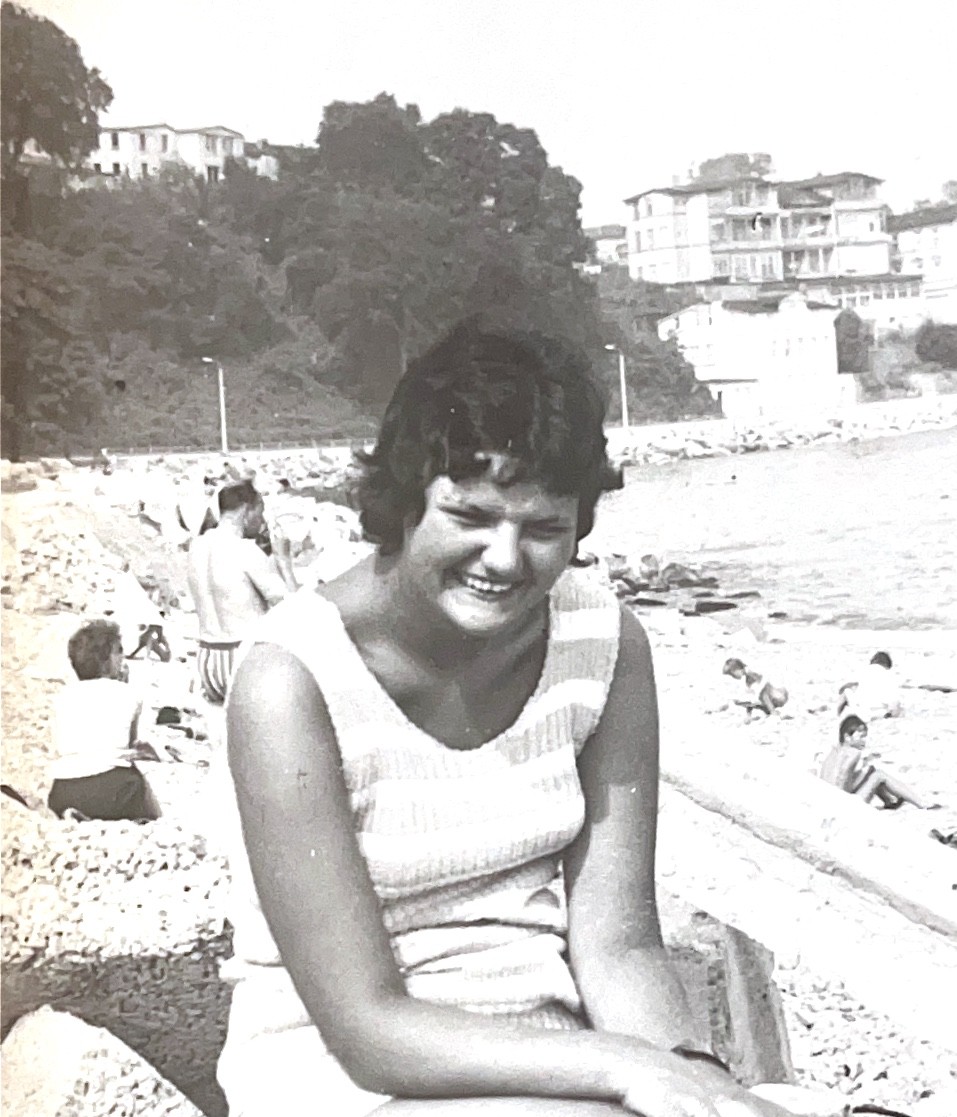
On holiday
On holiday
zdroj: Witness´s archive

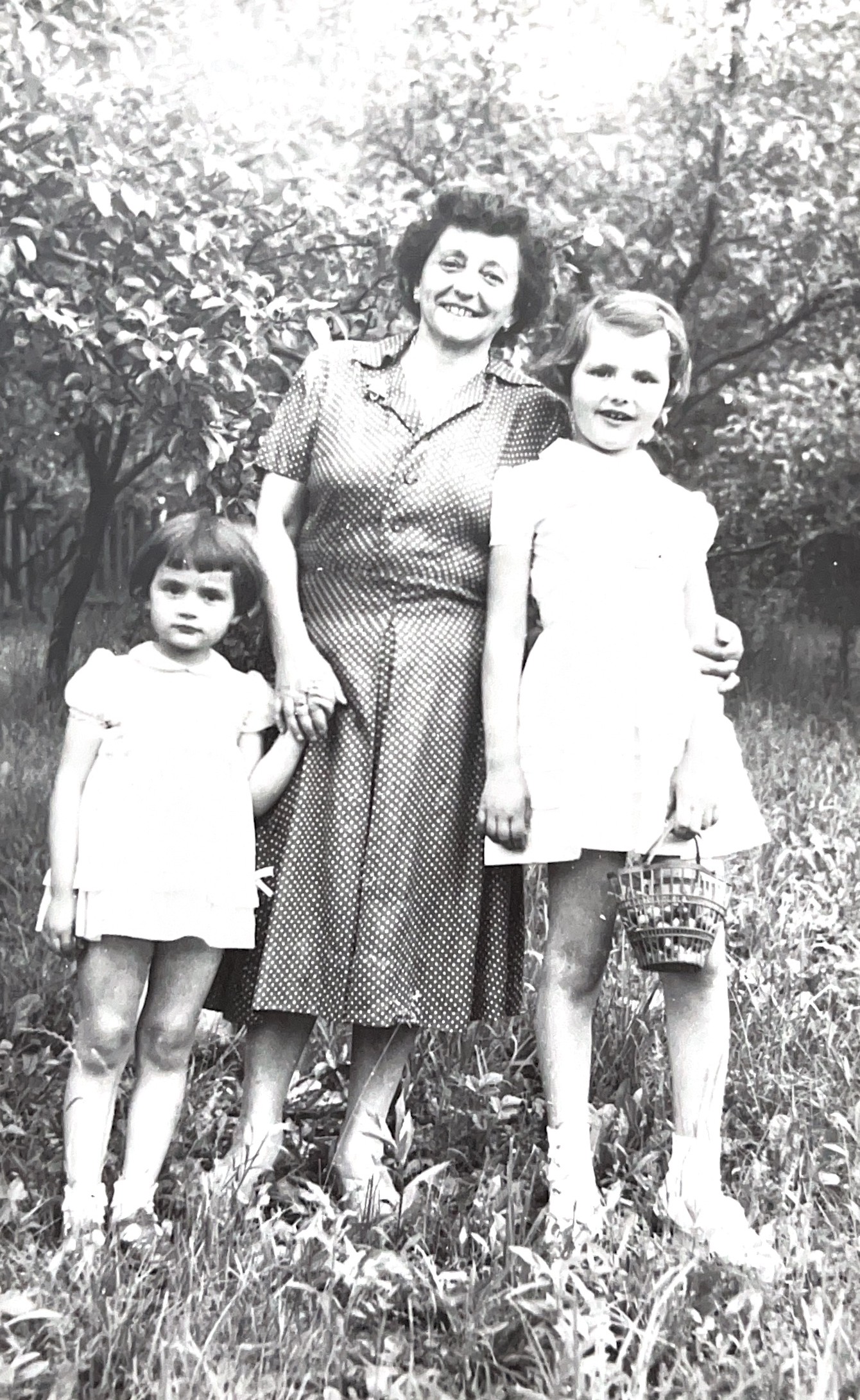
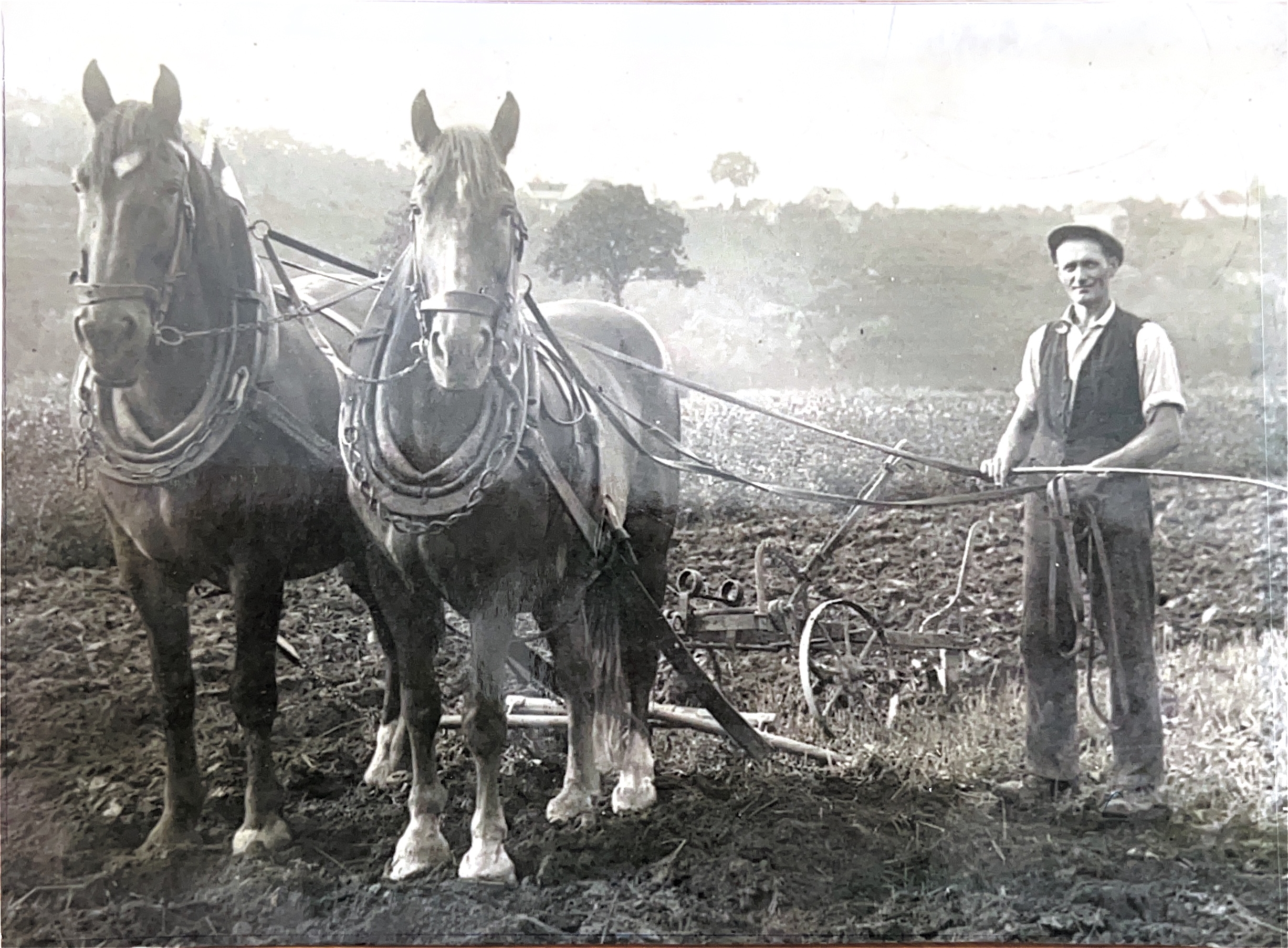
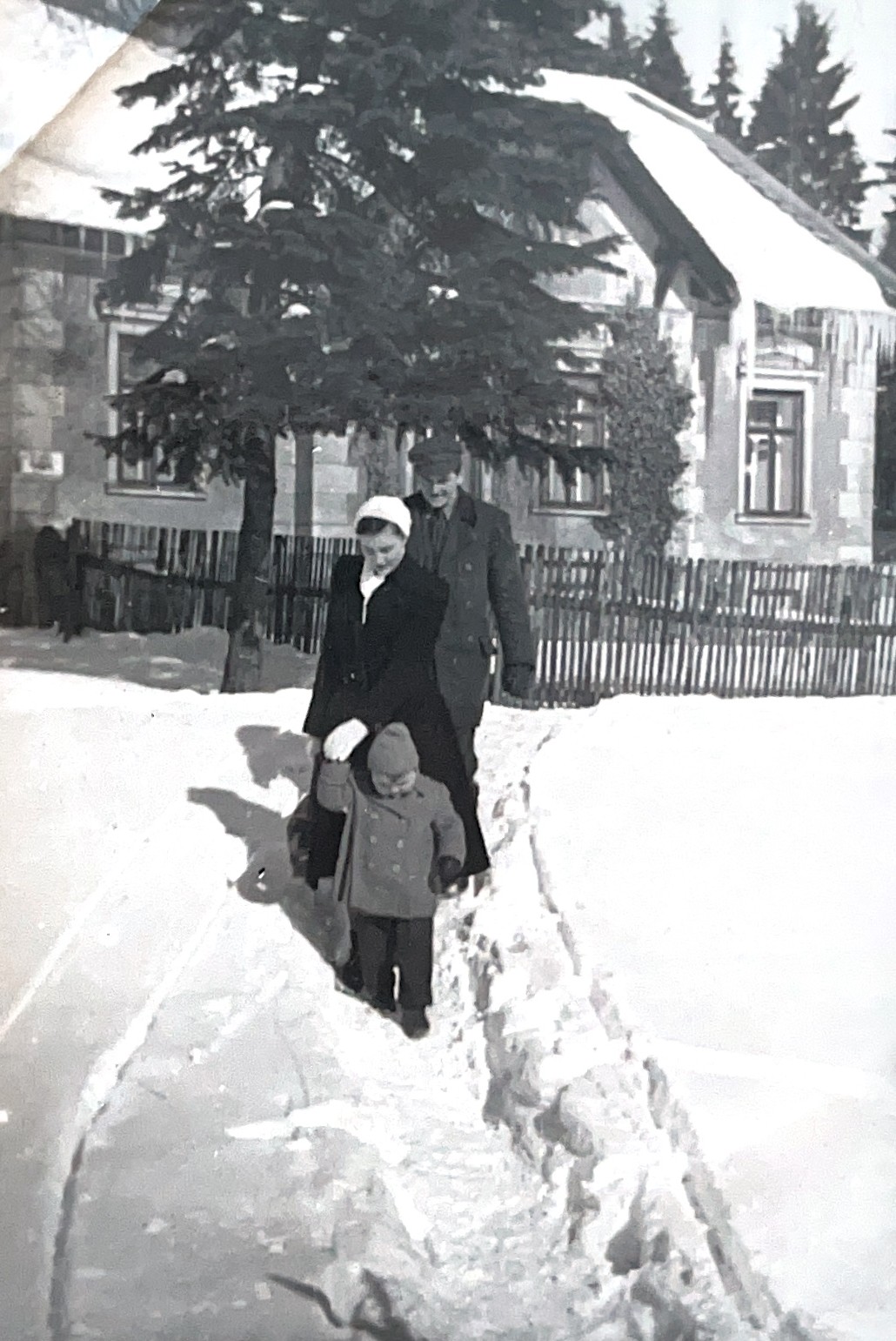
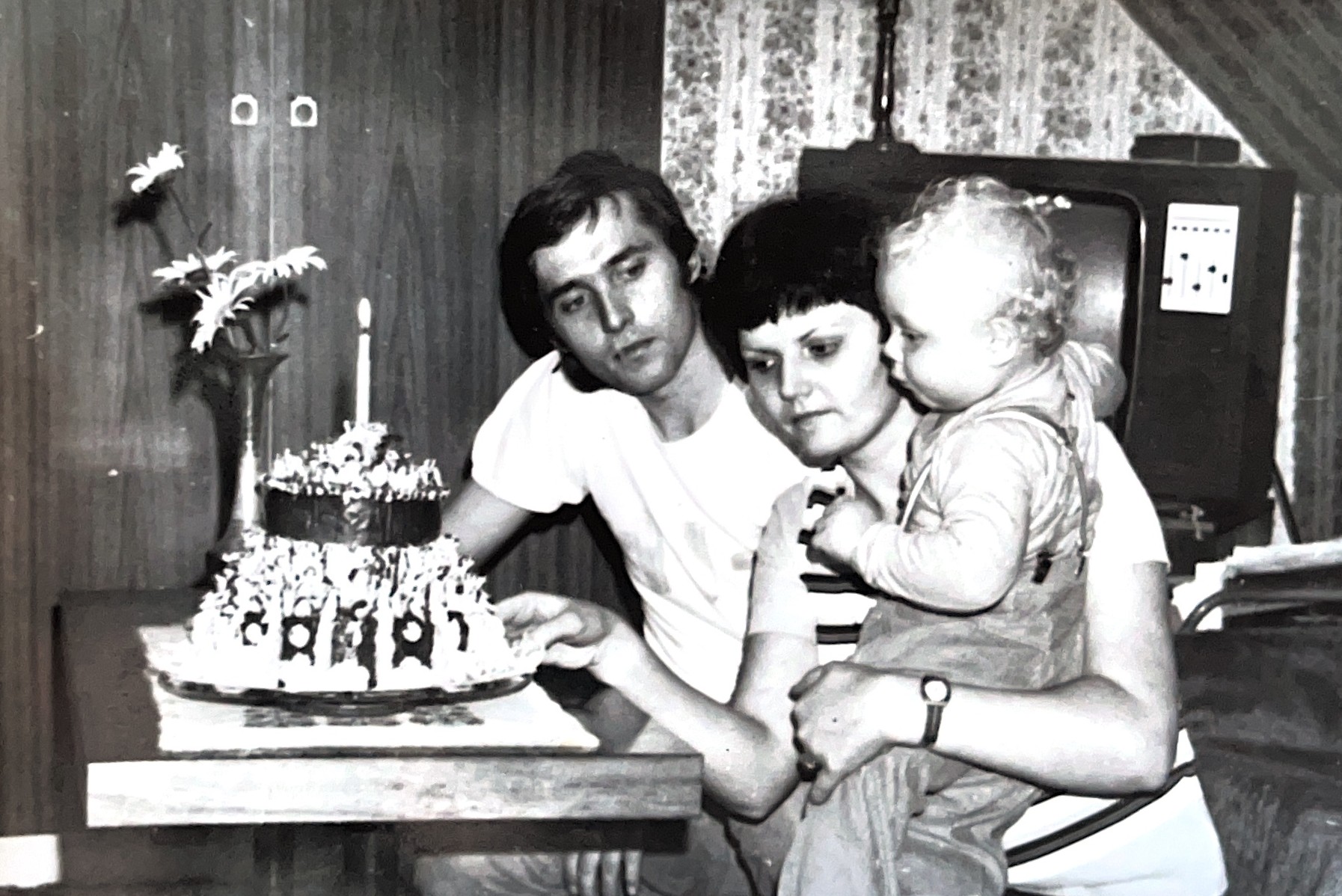
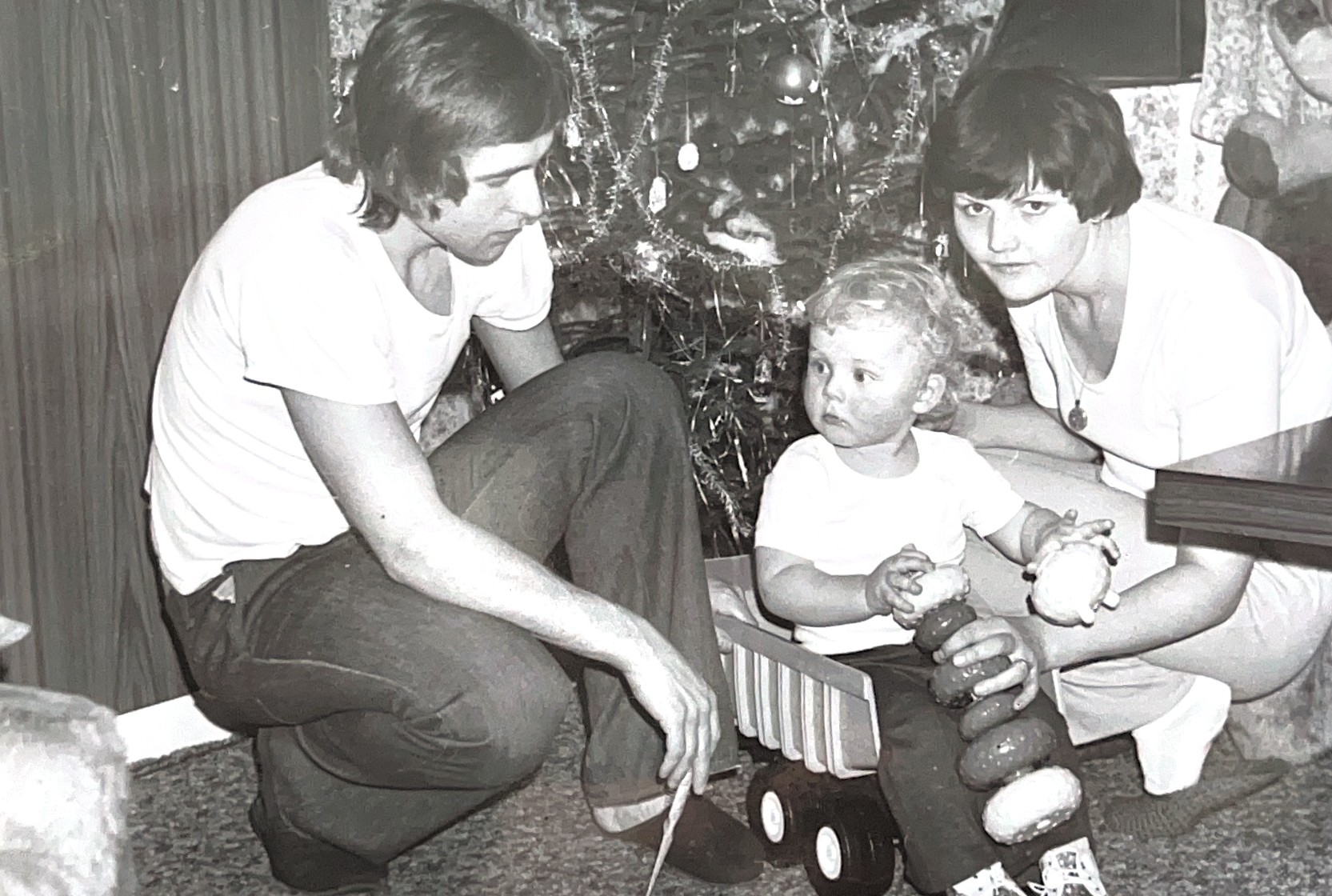
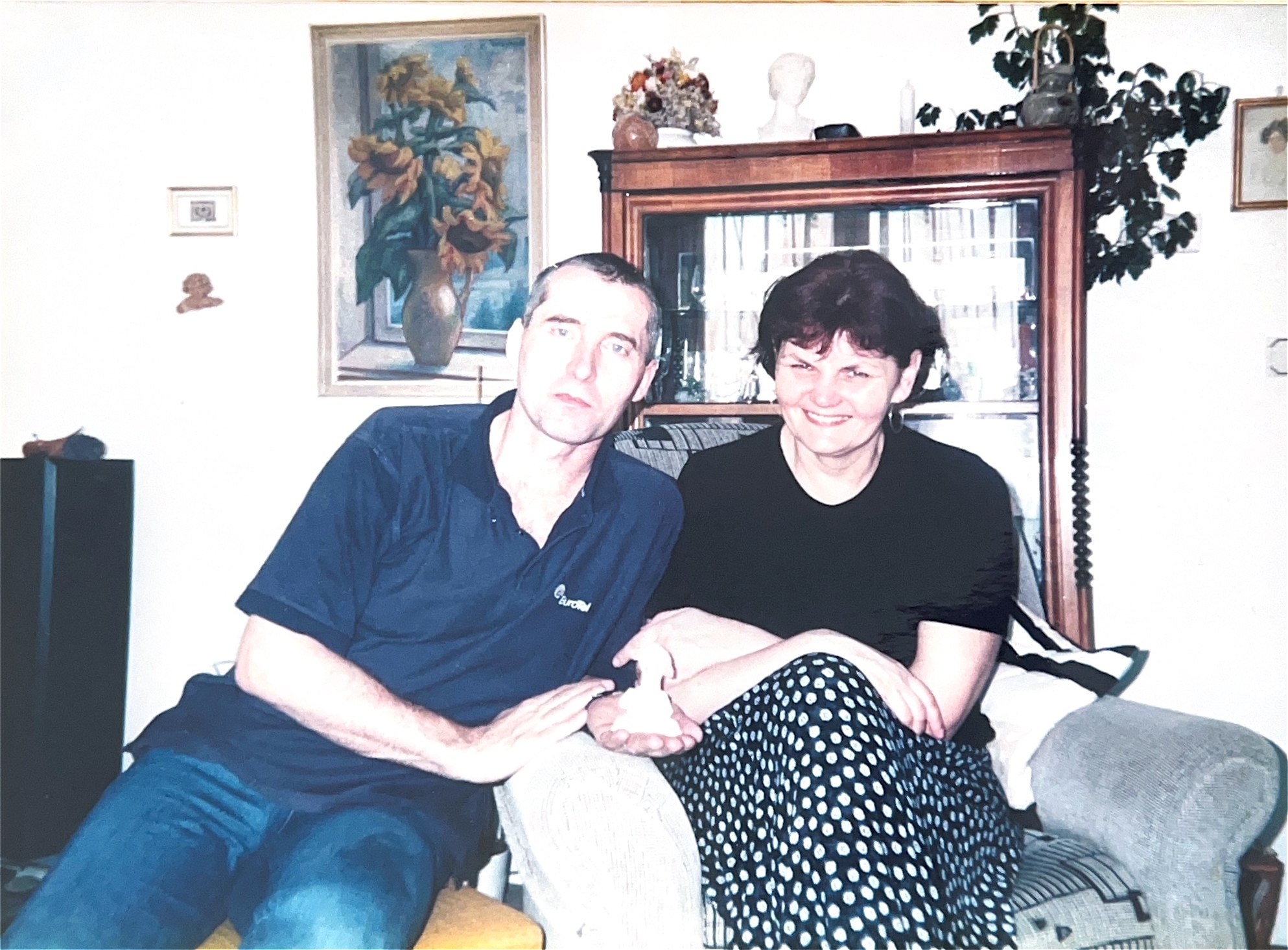
Miluše Wajshajtlová, née Kobrčová, was born on 2 December 1952 in Litoměřice as the older of two sisters. Her maternal grandparents came from Volhynia, from where they were expelled by the Bandera groups during the war. Through Poland they reached the camp in Terezín, where they stayed until the end of the war. After the war they settled in Oparno in a house left by displaced Germans. Her paternal grandfather was an officer in the Czechoslovak People‘s Army (ČSLA) and after the communists came to power he was imprisoned for several years in Mírov for political reasons. He died a few months after his return from prison. Miluše Wajshajtlová attended primary school in Velemín, then graduated from the Secondary General Education School (SVVŠ) in Lovosice. In the summer of 1968, she and her younger sister were at a camp by the sea in East Germany, where they had to stay longer because of the invasion of Czechoslovakia by Soviet troops. Then they had difficulty getting home alone to Velemín from the border crossing at Cínovec. When Jan Palach burned himself to death in January 1969, she and her classmates wore black ribbons to school. After completing secondary school, she completed a two-year medical follow-up study in Teplice, then worked as a rehabilitation nurse at the chateau in Milešov for 27 years. She married in 1977, and she and her husband raised two sons. She lived through the Velvet Revolution in Chotiměř and watched everything remotely on television and radio. In December 1989, she left with her family for a trip to West Germany. After 2000, she worked as a physiotherapist at the hospital in Litoměřice until her retirement. In 2025 she was living with her husband in Chotiměř.