Paula Wagnerová

* 1930

  • Recording two 18.7.2025 time: 1:02:00:000 - 1:05:46:800 - KAUNZNER'S CROSS - "I know the cross. As a girl, I walked past it twice with my mum on our way to Žalmanov. I heard that, in June 1945, they grabbed five men and had them dig their own graves. Four men stood there and fired - I didn't know them. I knew Hufsky and Loh only. The Brauns were still there. Their son was the same age as me. I didn't know Göetz. Four were shot and the fifth one buried them. The cross was next to the road by the field. The one who buried them was called Schöniger; I knew him. He's no longer alive; he'd be as old as my parents, over a hundred years. He had a sister visiting; her name was also Schöniger. She was a pretty girl; her name was Frida and she lived secluded. Then he was deported to Germany. That's all I remember. Braun was the same age as me. He died here, and they must have put something there. His relatives knew that his brother was buried there, or whatever it was. When they came to visit, I'm sure they went to see it. But the trees that are there now, they certainly weren't there then - they must have been planted later. Later they put the trees and the fence in."

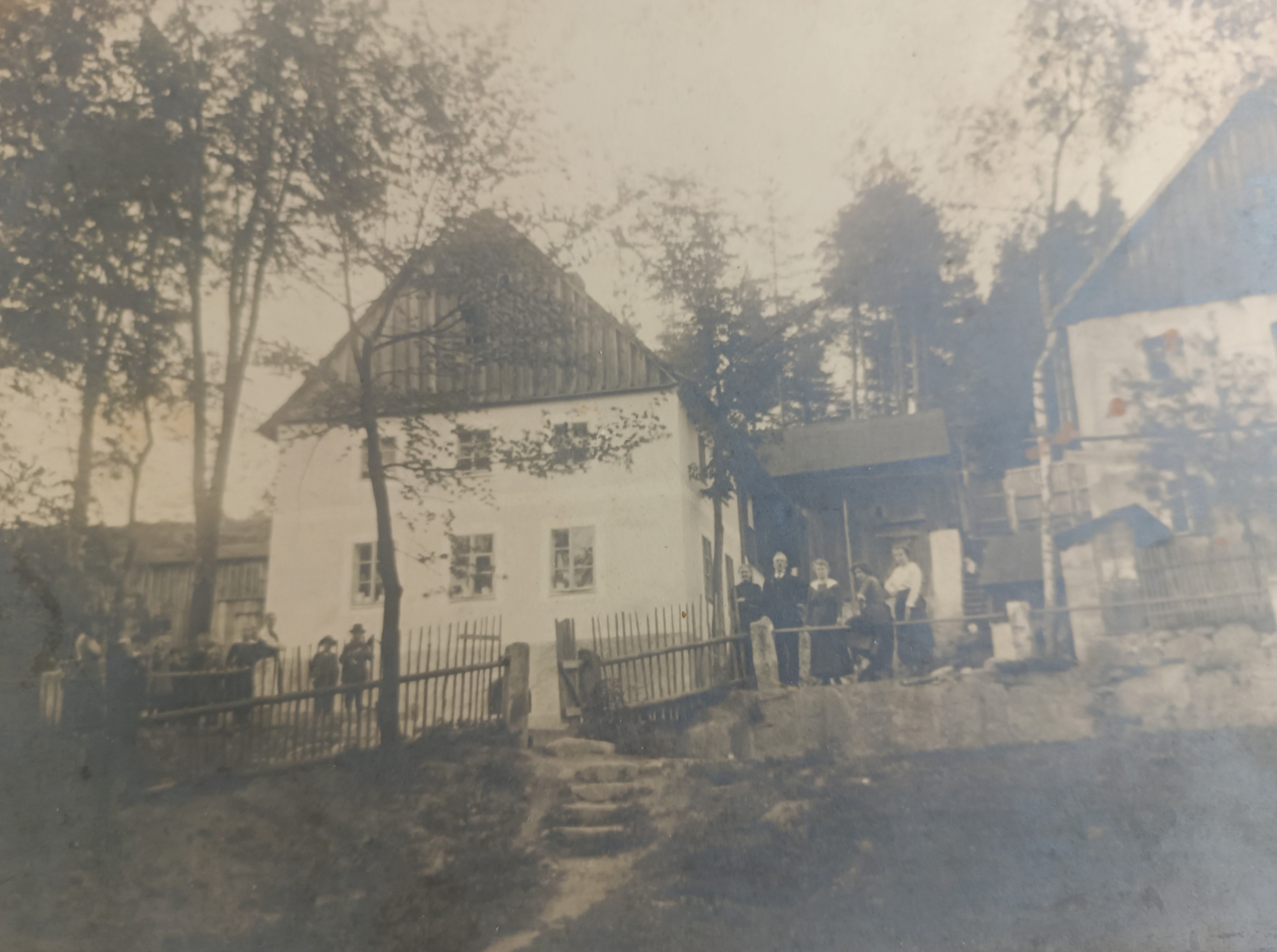
  • "There was a mill with a big oven downstairs of my grandma's house. During the autumn feasts, my mum and grandma made cakes with quark, poppy seeds, plums, butter and whatnot on big black baking trays. When I got home from school, I could smell them. We were allowed to take a shortcut up the stairs from the mill, then over a little bridge, and there was our place. We took the cakes up to my grandma's attic to let them cool. - 'Grandma, cut one.' - 'Girl, you have to wait, they're still hot. You can't do that. You'll get some when they're cold.' You know, it was so nice; we always looked forward to that."

  • "My husband had a relative, an uncle, his mother's brother. His sister trained for a seamstress in Germany as a girl. She had Richard's parents' sewing machine. When the Russians came, my husband dismantled it and hid it from them in the hay. Later, when it was peaceful and I was living in Dražov, he took the machine out and put it back together. When his uncle found out, oh Lord... He threatened us with a lawsuit. My husband said, 'I hid the machine and it will stay here!' One day his uncle took advantage of my husband being at work and came to see me. 'Take it!' I screamed. Then I got a scolding from my husband for giving it up, but then he bought me another, older, small machine, and I sewed on that too."

  • "I used to pick blueberries as a girl. There weren't many cranberries; thise grew more in Žalmanov near Peklo. The blue ones grew in the forest past our house. We'd always go with a cup, we'd eat all the time and our mouths were blue and we smeared blueberries on our lips. When we were full, we'd walk through the village and call out, 'Hey, we're full and you're sitting at home with nothing,' and that rhymed nicely. There were a lot of them, growing by the side of the road. Some people whose spouses were spouses and couldn't walk and had children, always went to the blueberry patch and then sold them to get some money."

  • Celé nahrávky
  • 1

    Pila, 15.07.2025

    (audio)
    délka: 01:02:26
    nahrávka pořízena v rámci projektu Field reports
  • 2

    Pila, 18.07.2025

    (audio)
    délka: 01:24:55
    nahrávka pořízena v rámci projektu Field reports
Celé nahrávky jsou k dispozici pouze pro přihlášené uživatele.

She found the little joys of everyday life even in hard times
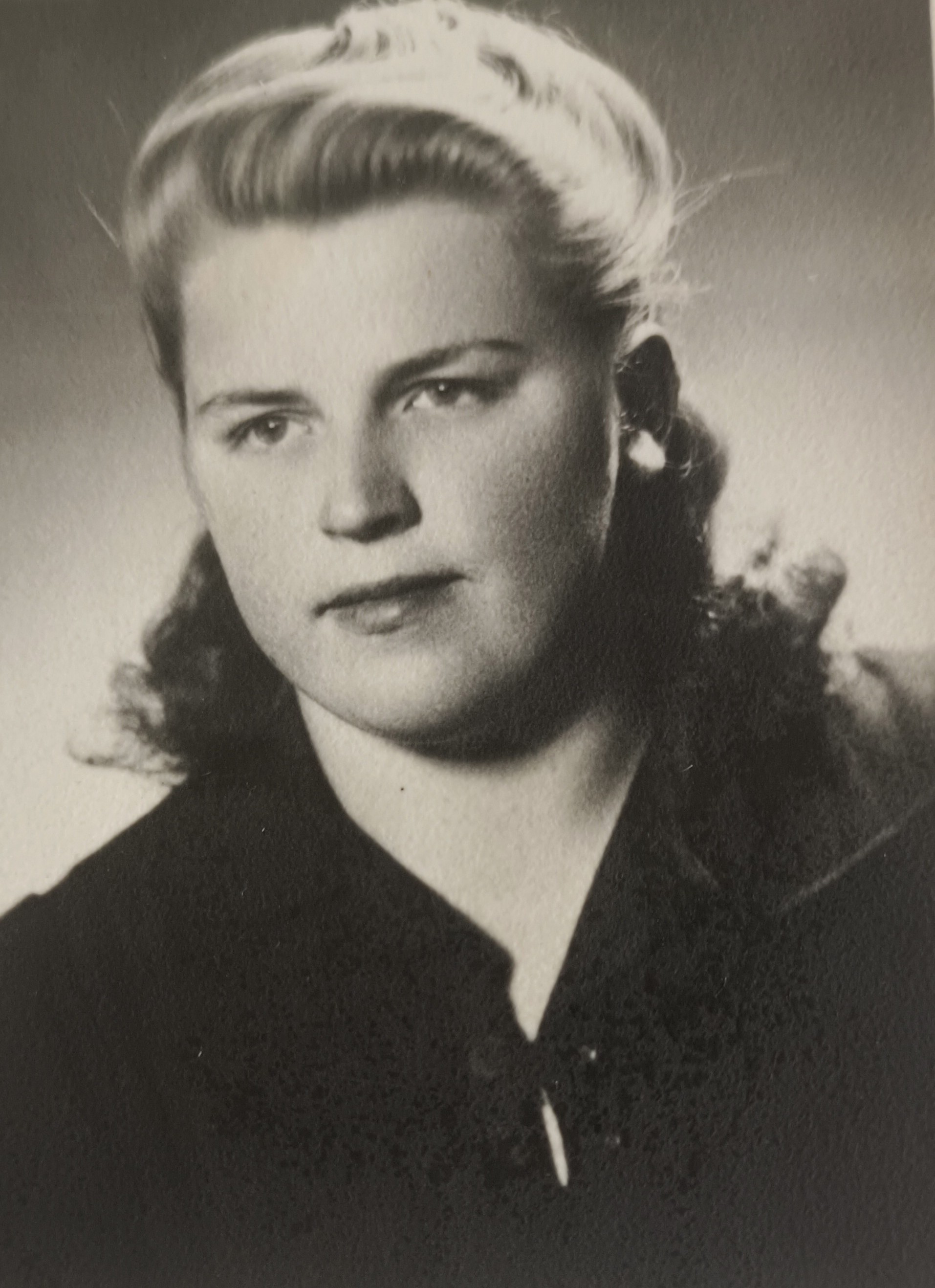
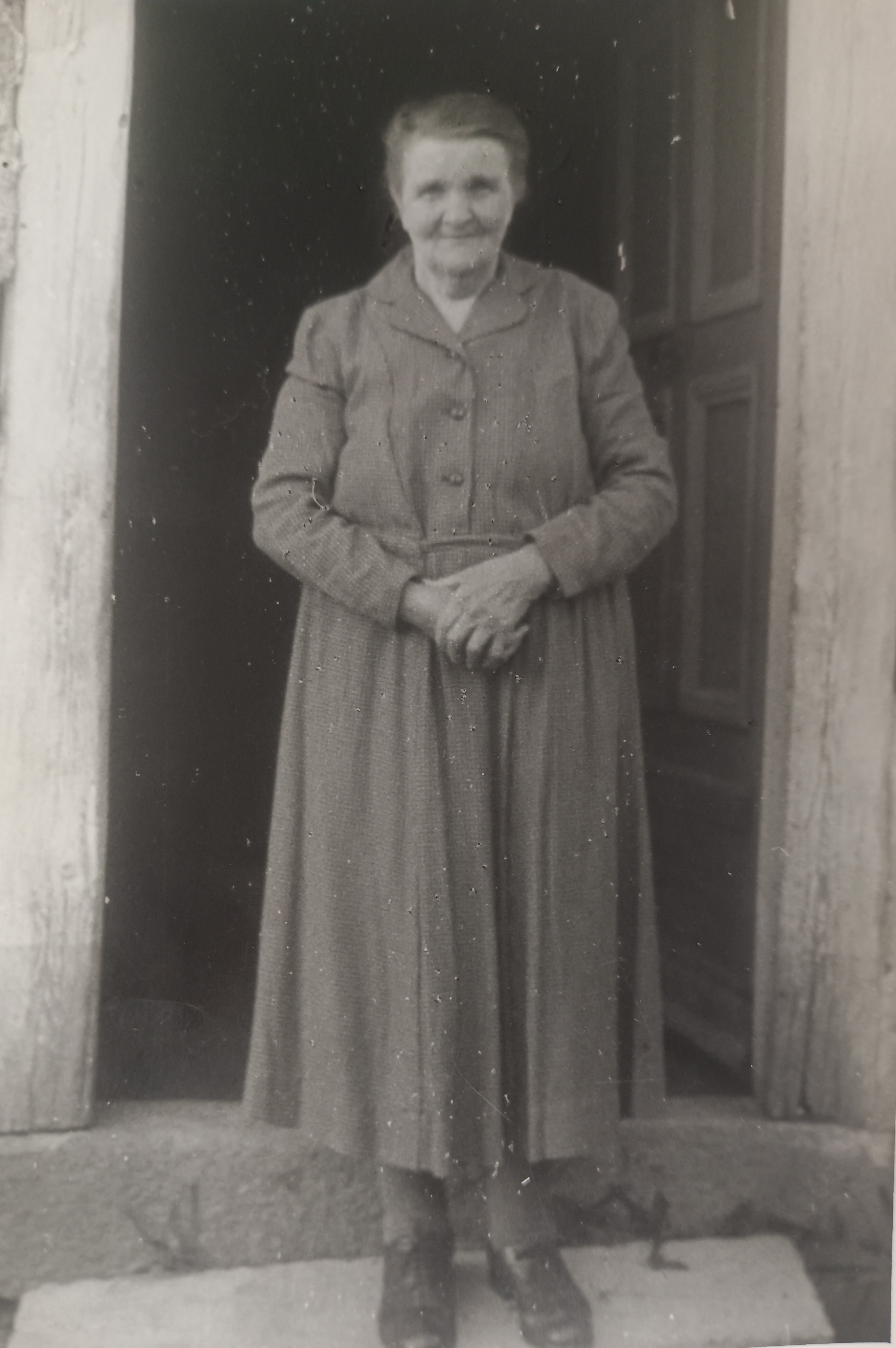
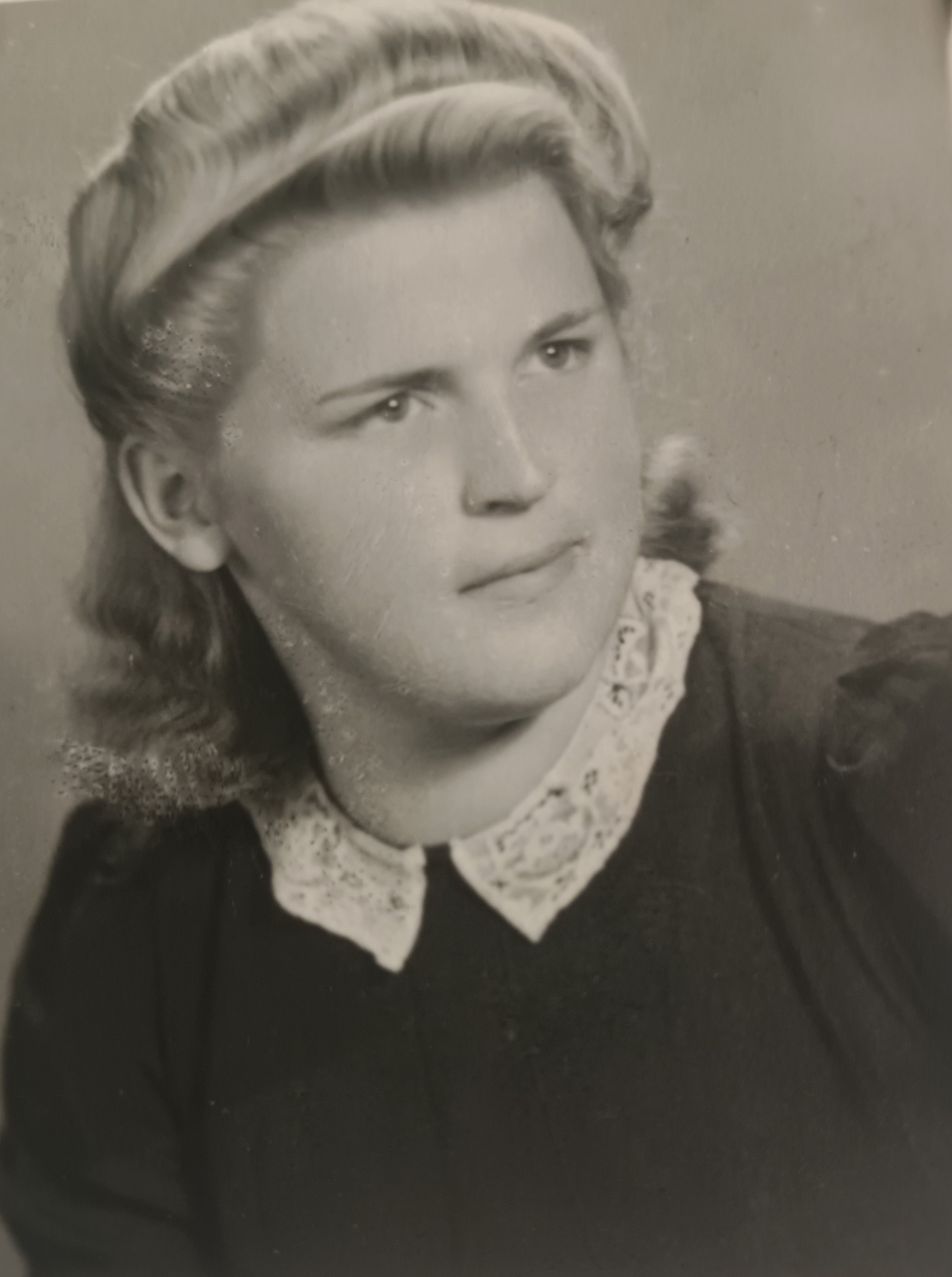
Paula Wagnerová, late 1940s
zdroj: Witness's archive

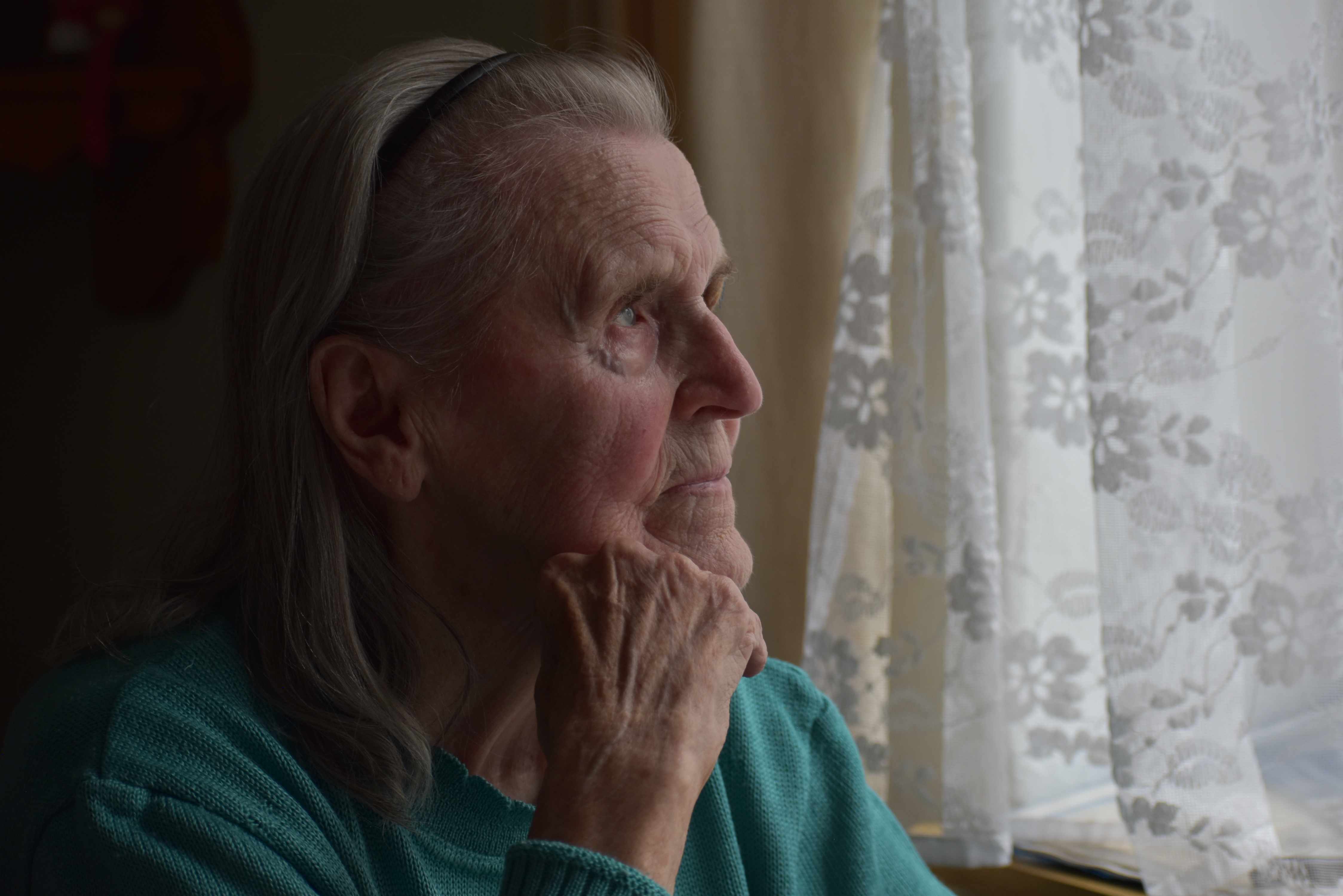
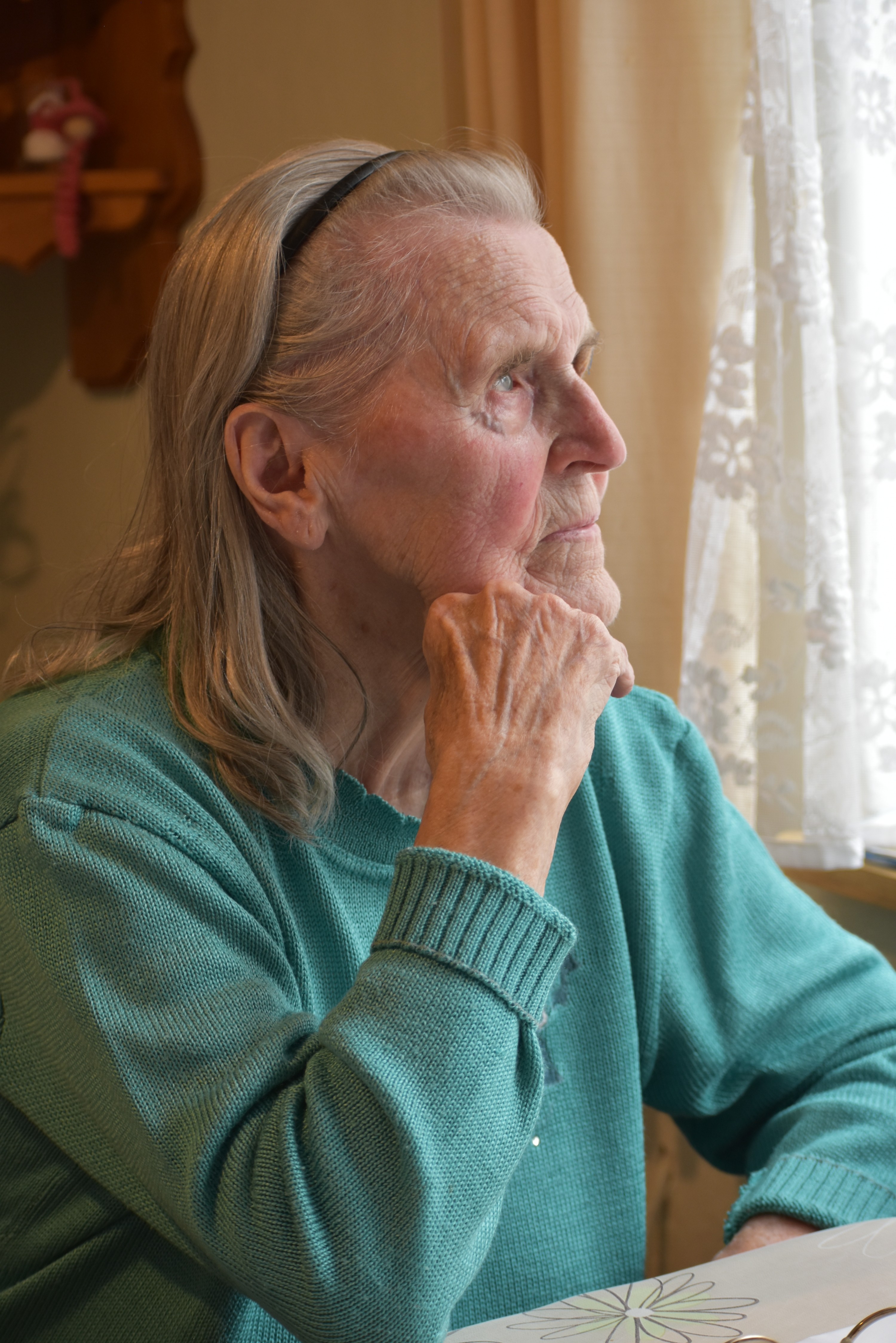
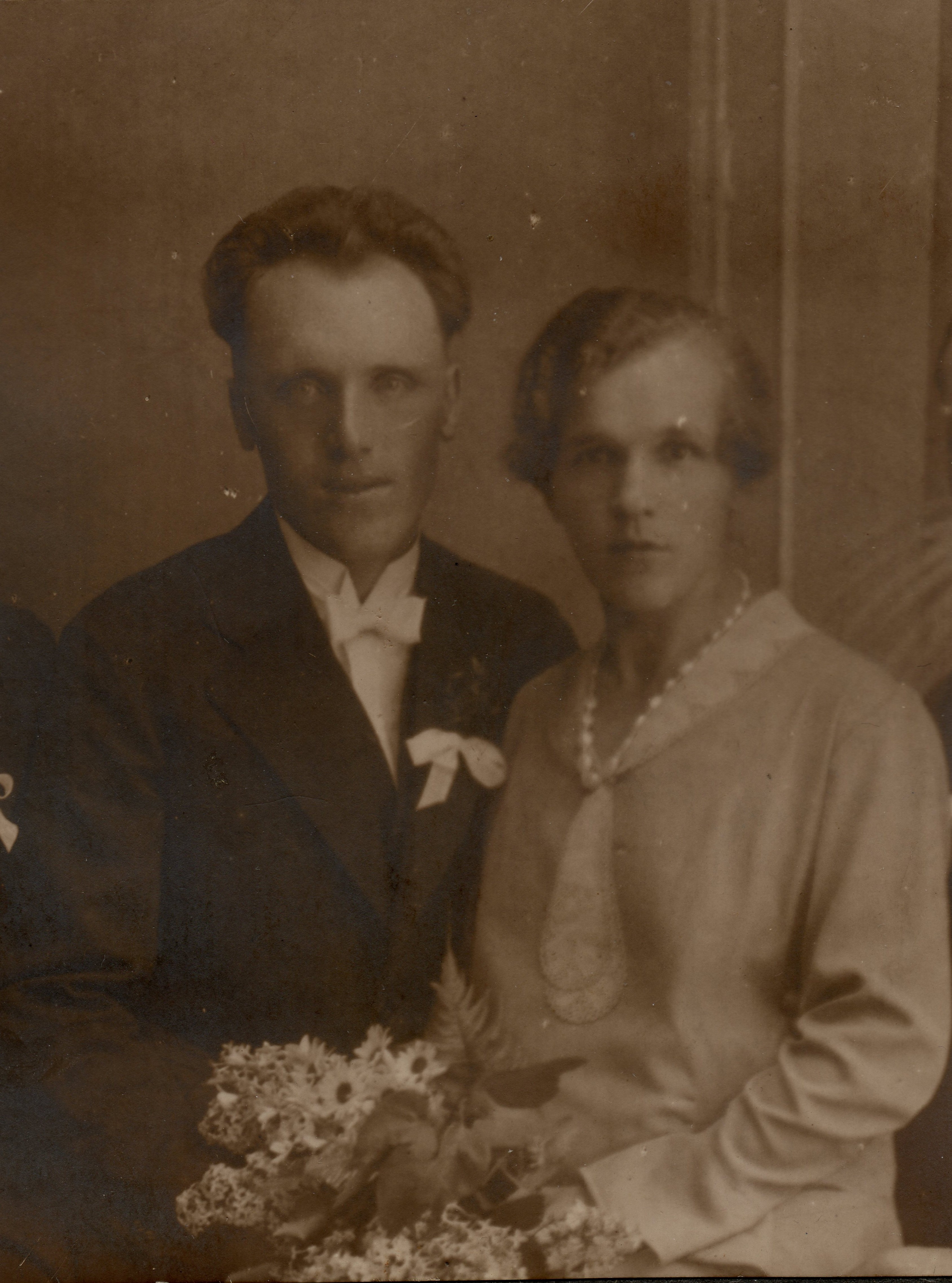
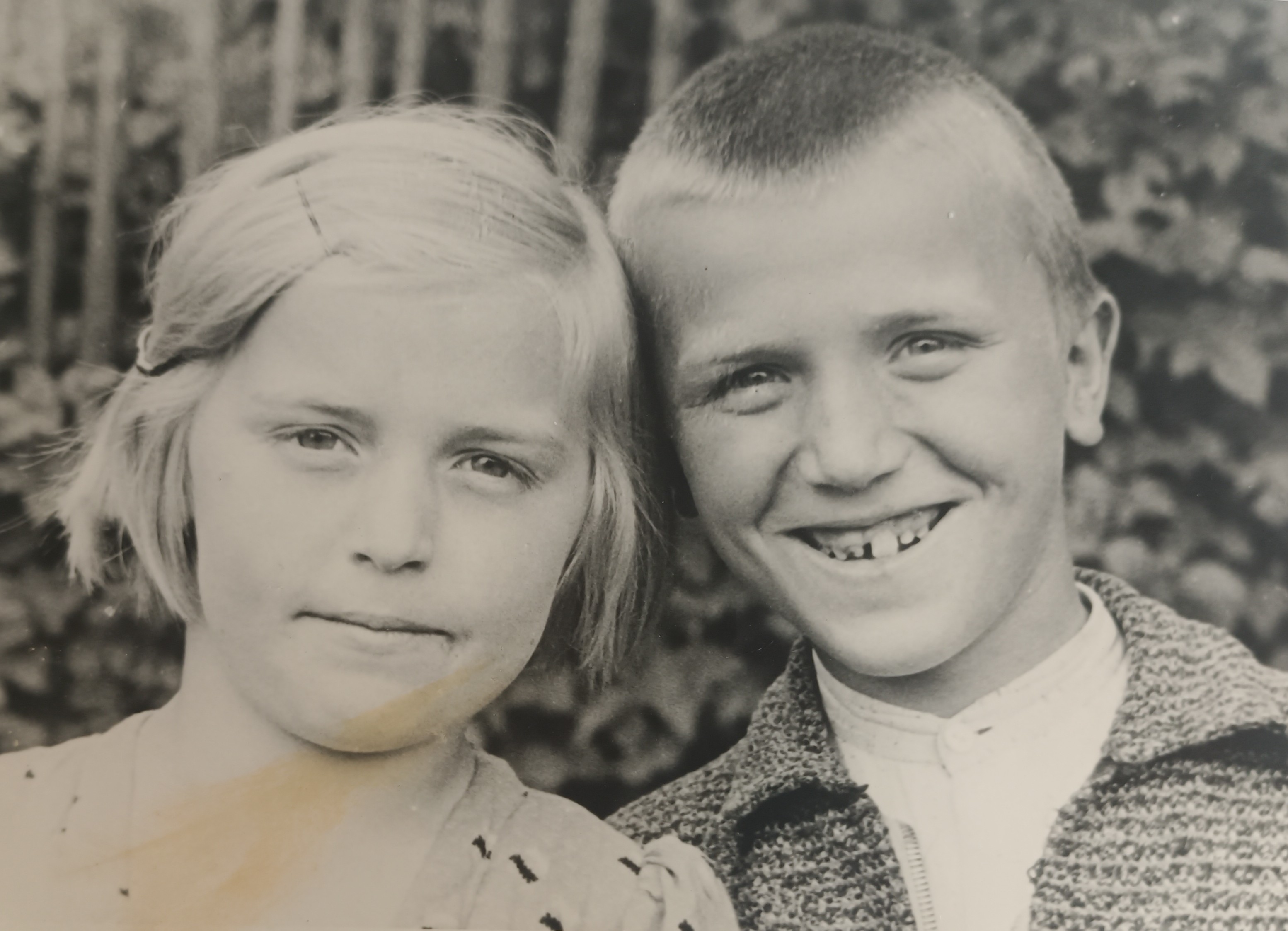
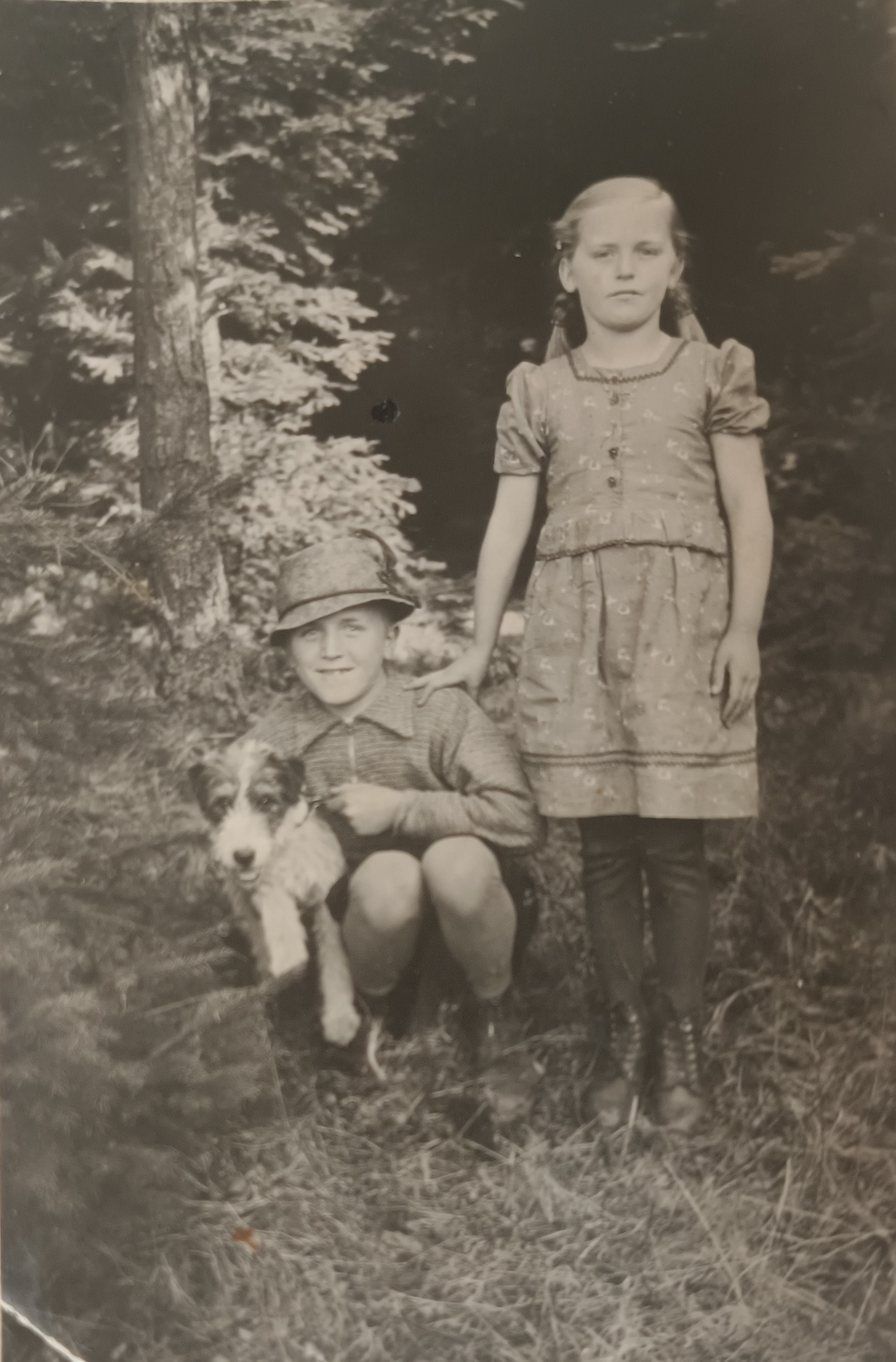
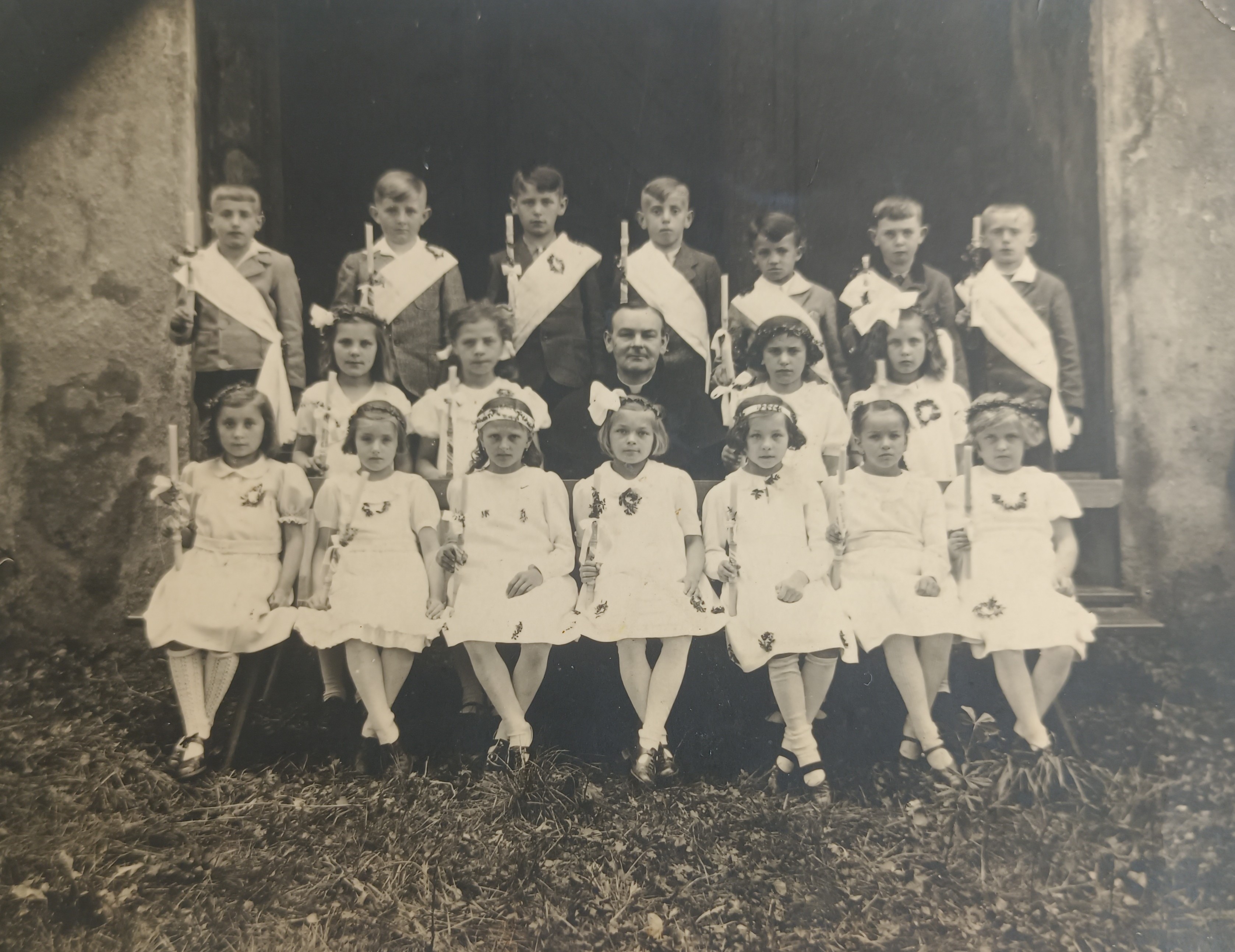
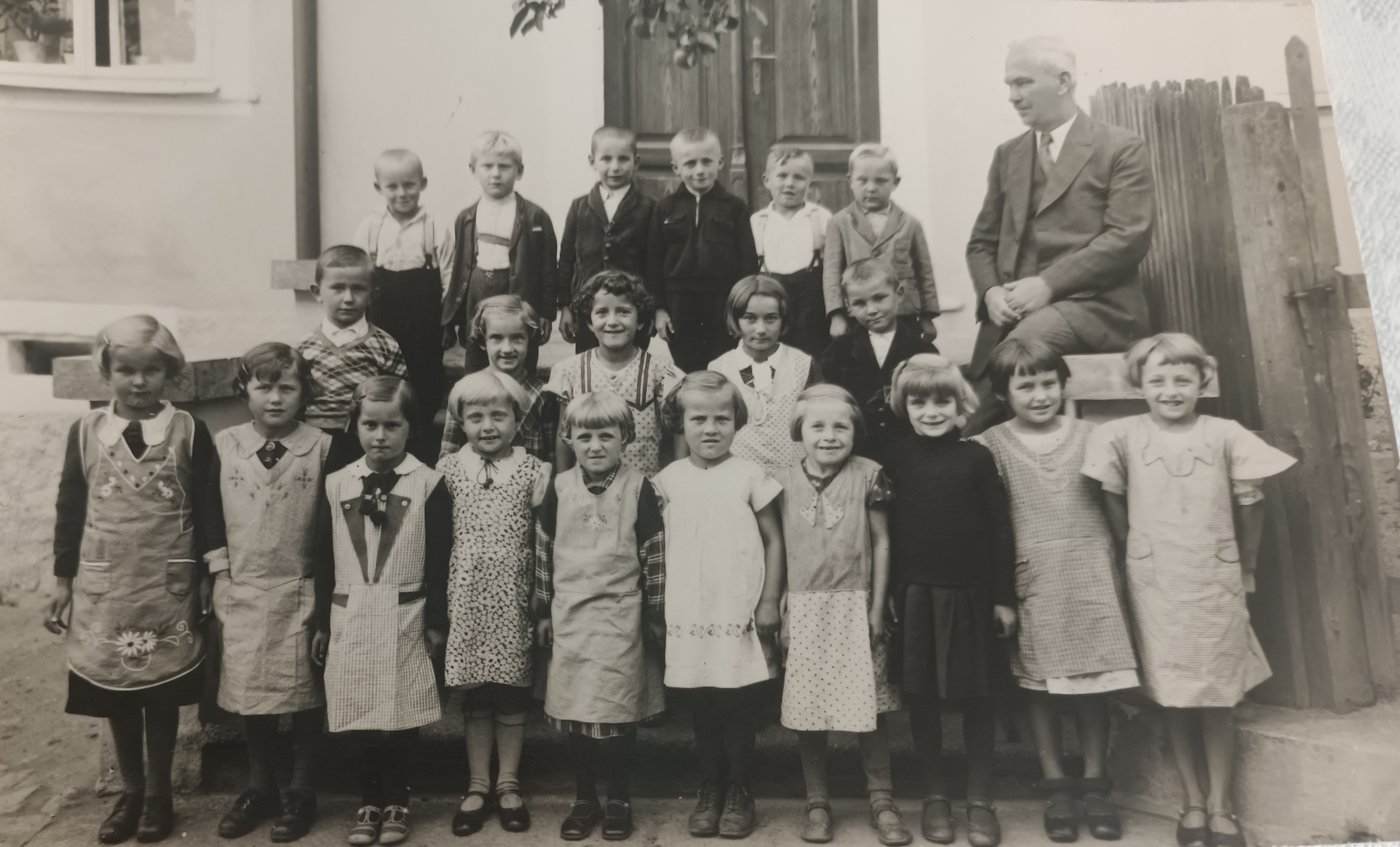
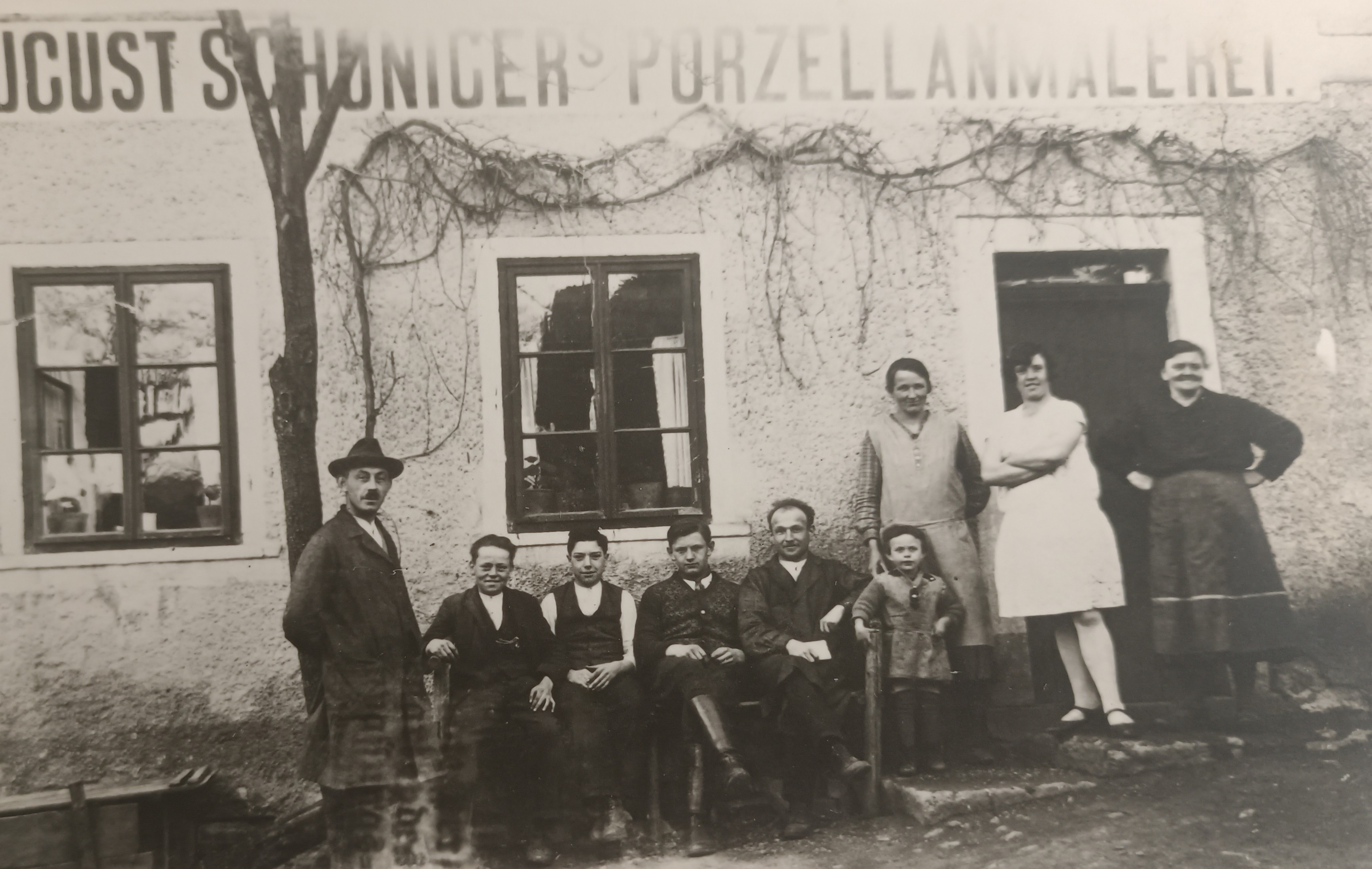
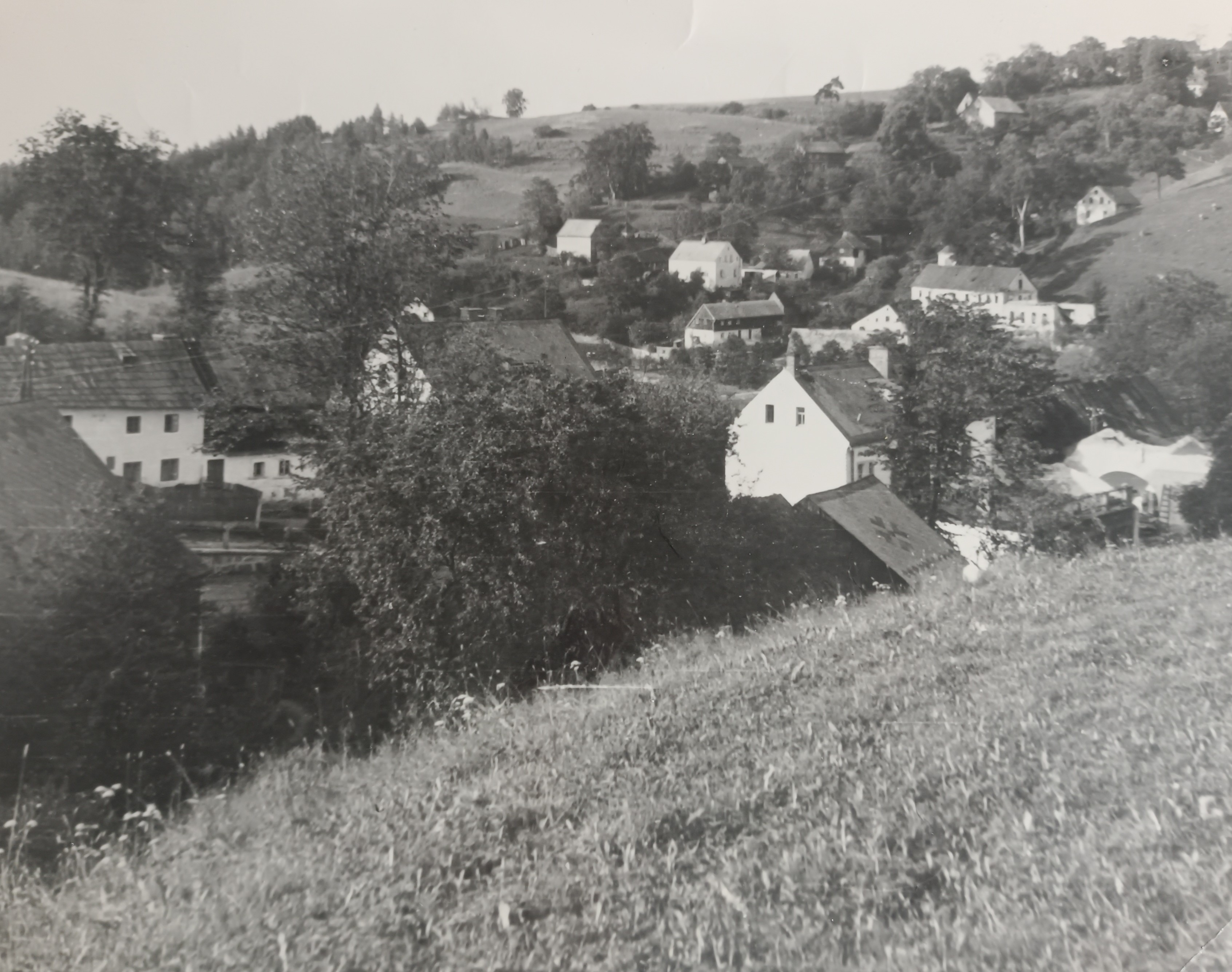
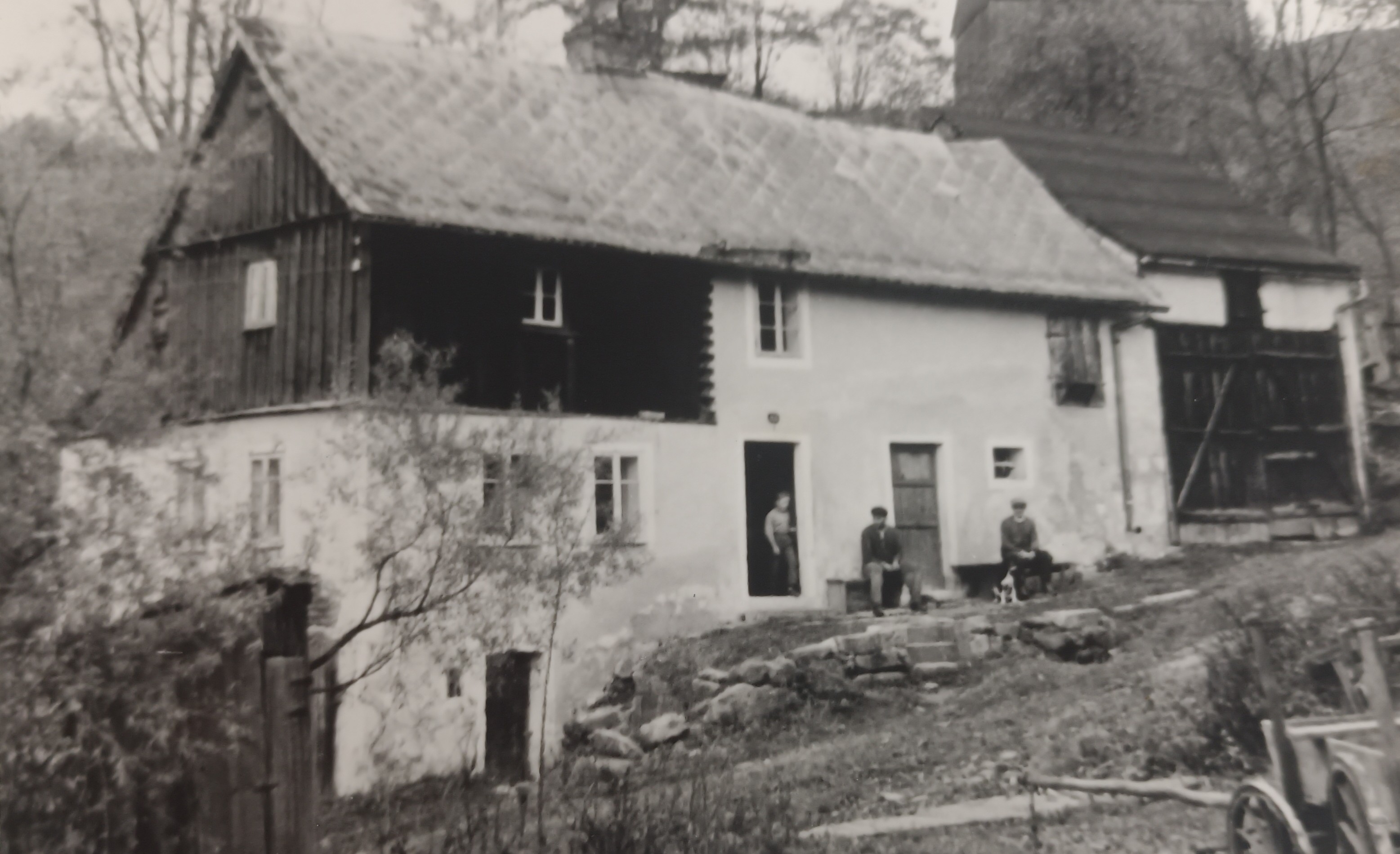
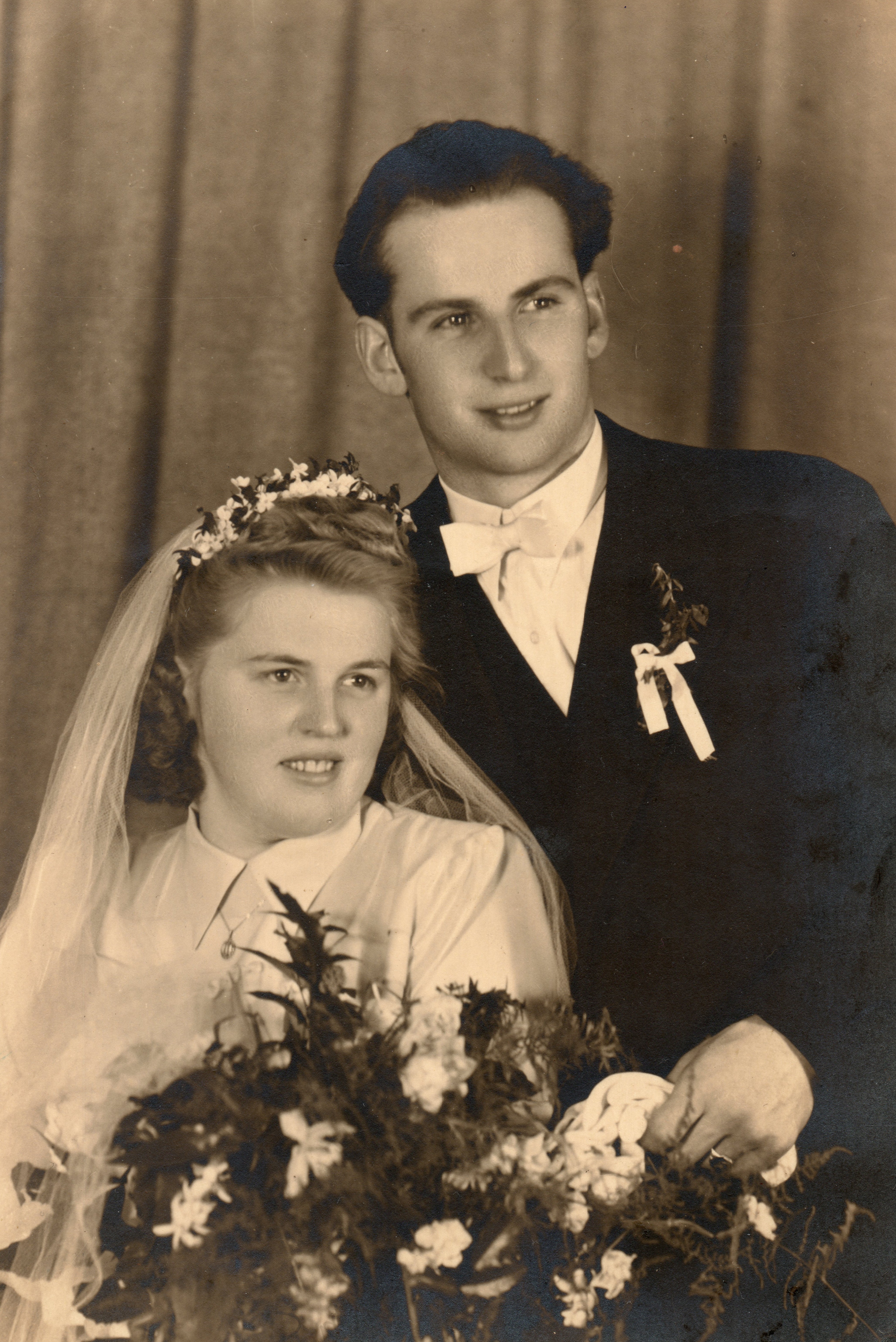
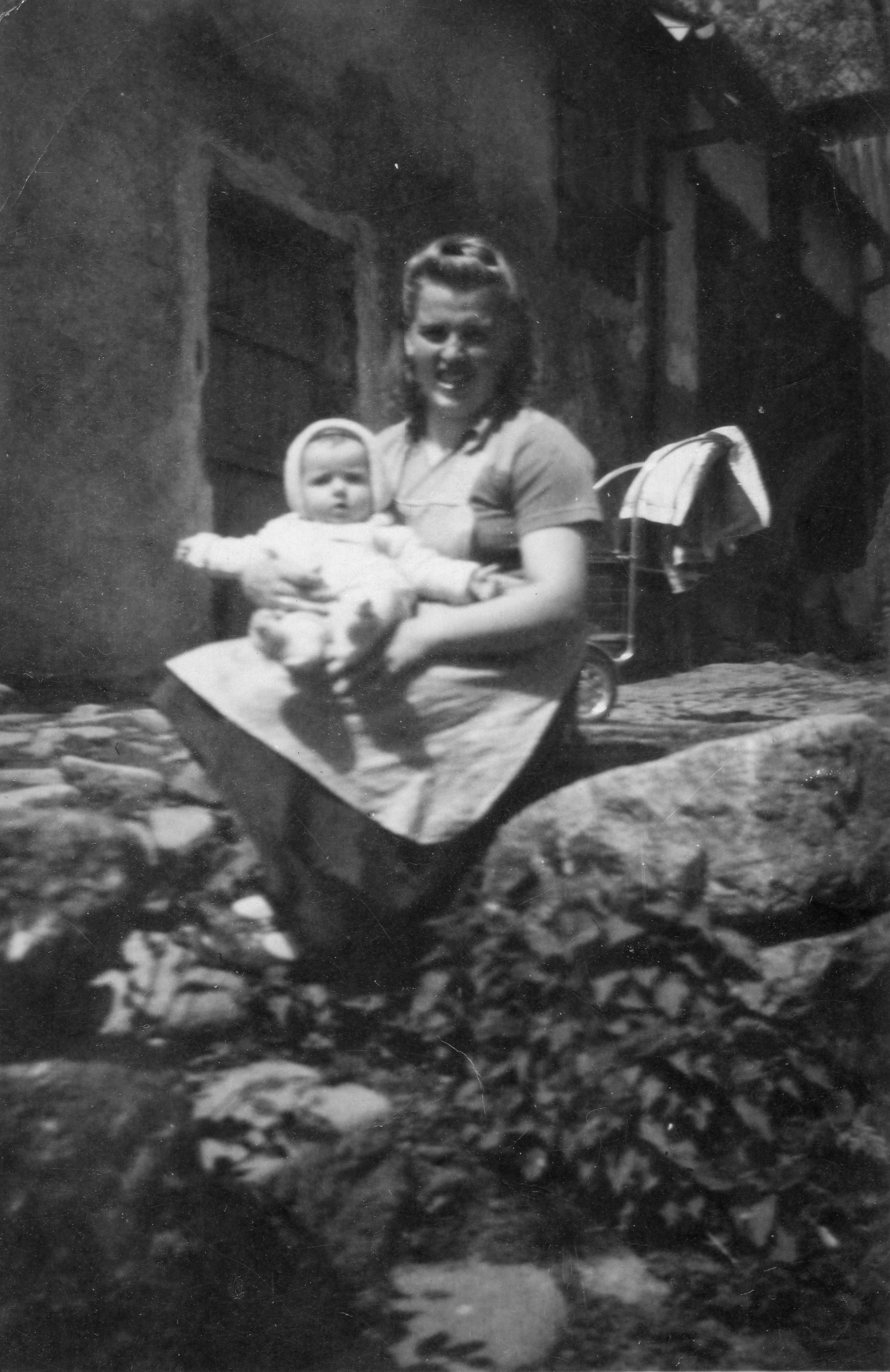
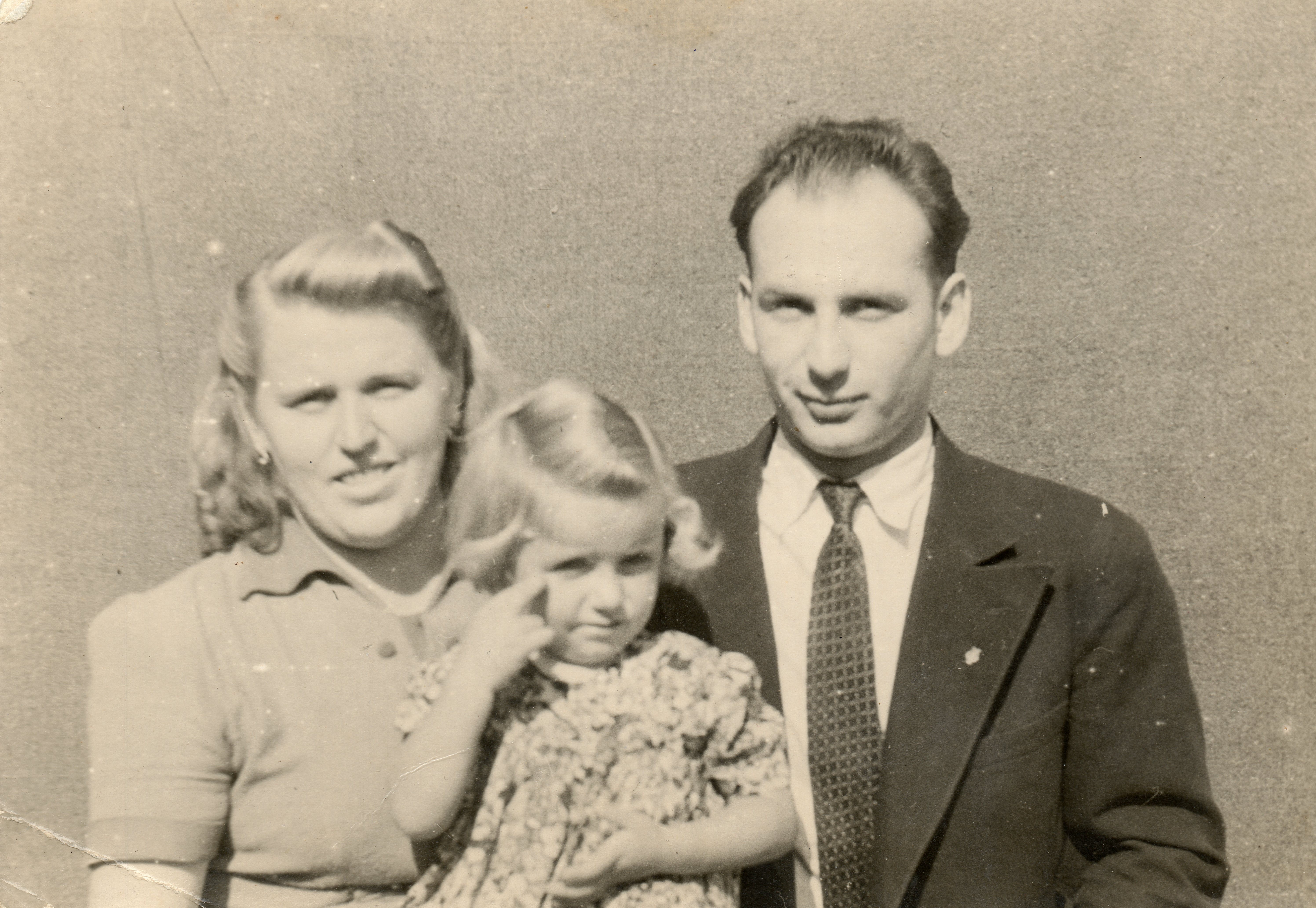
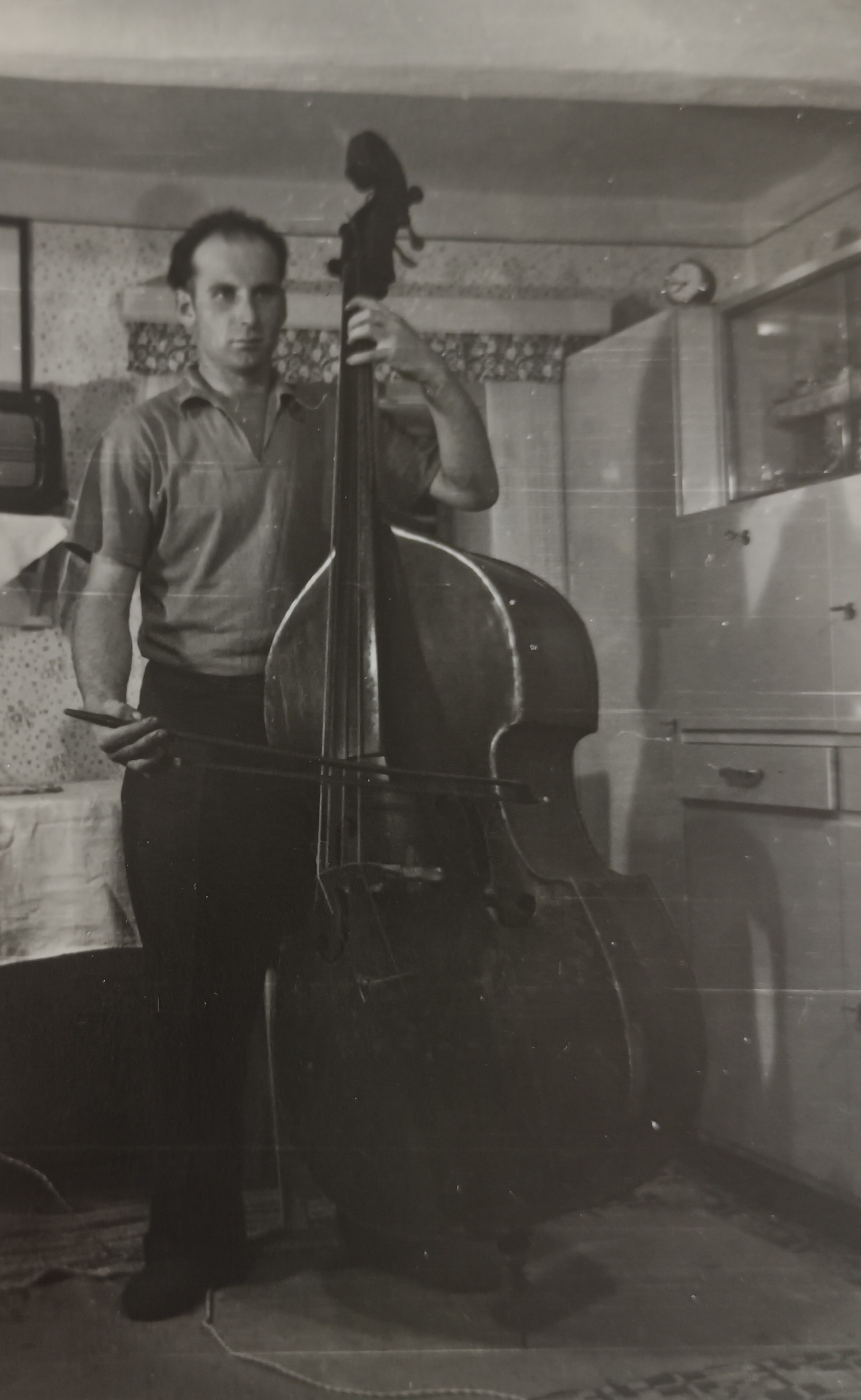
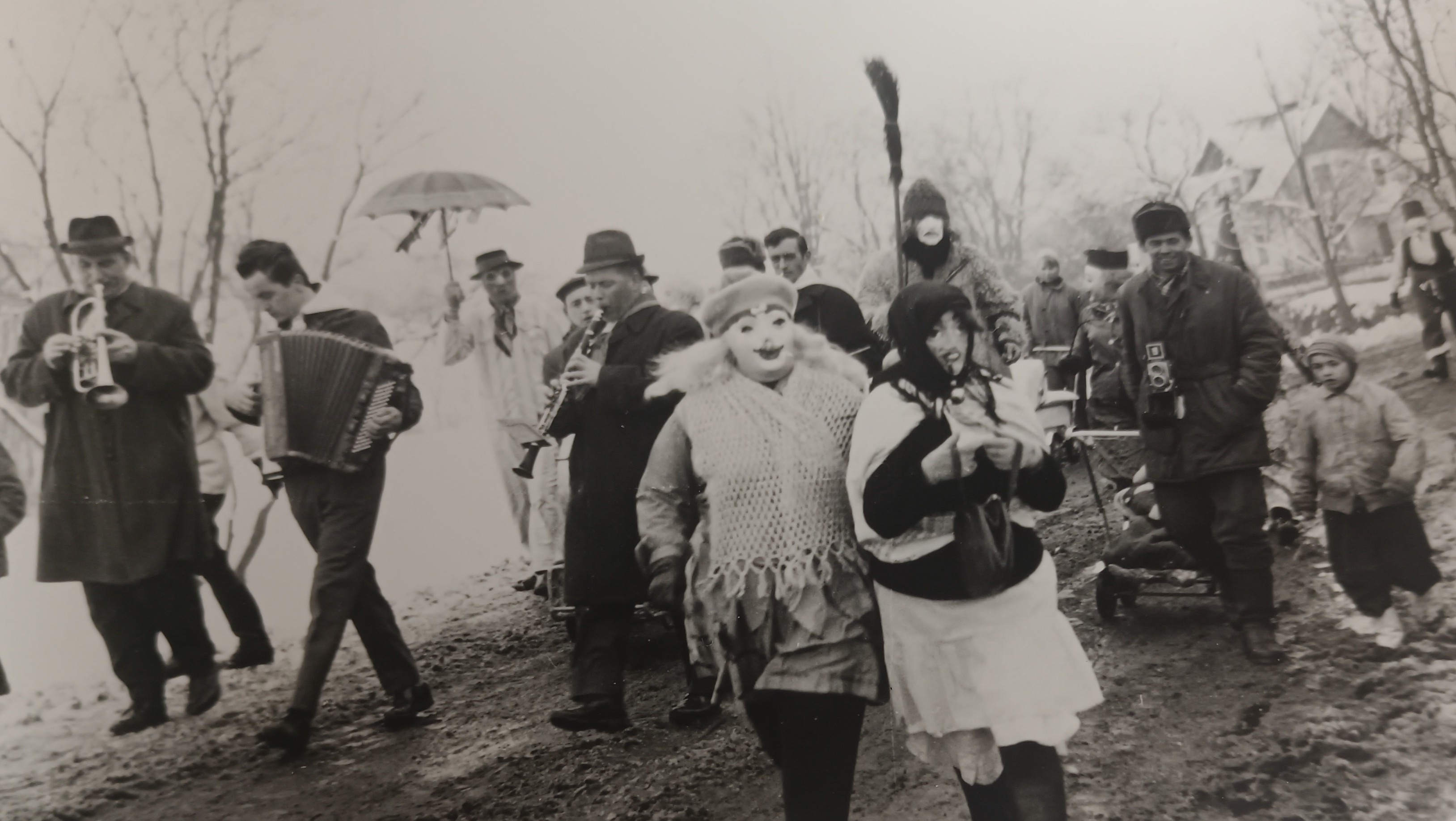
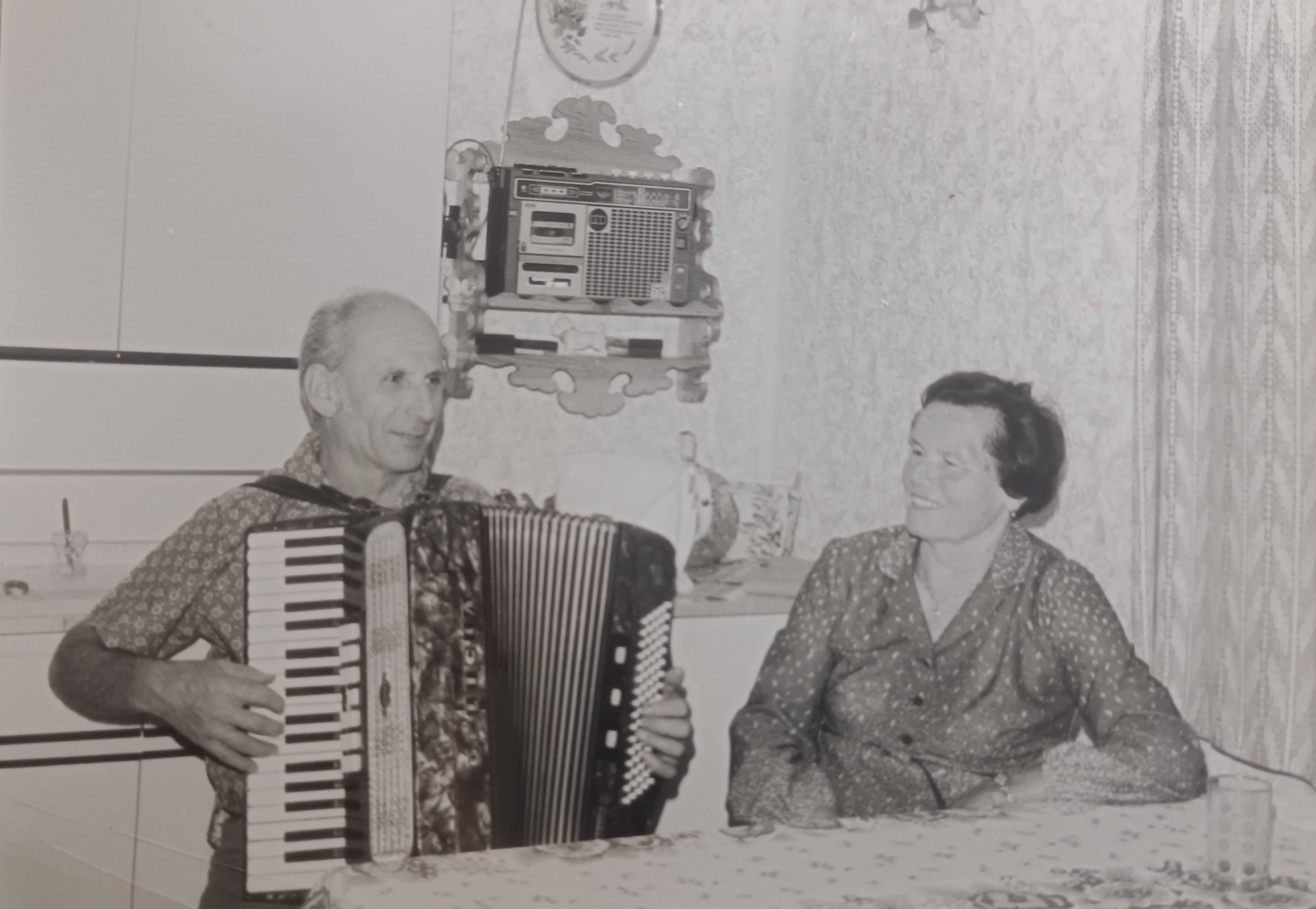
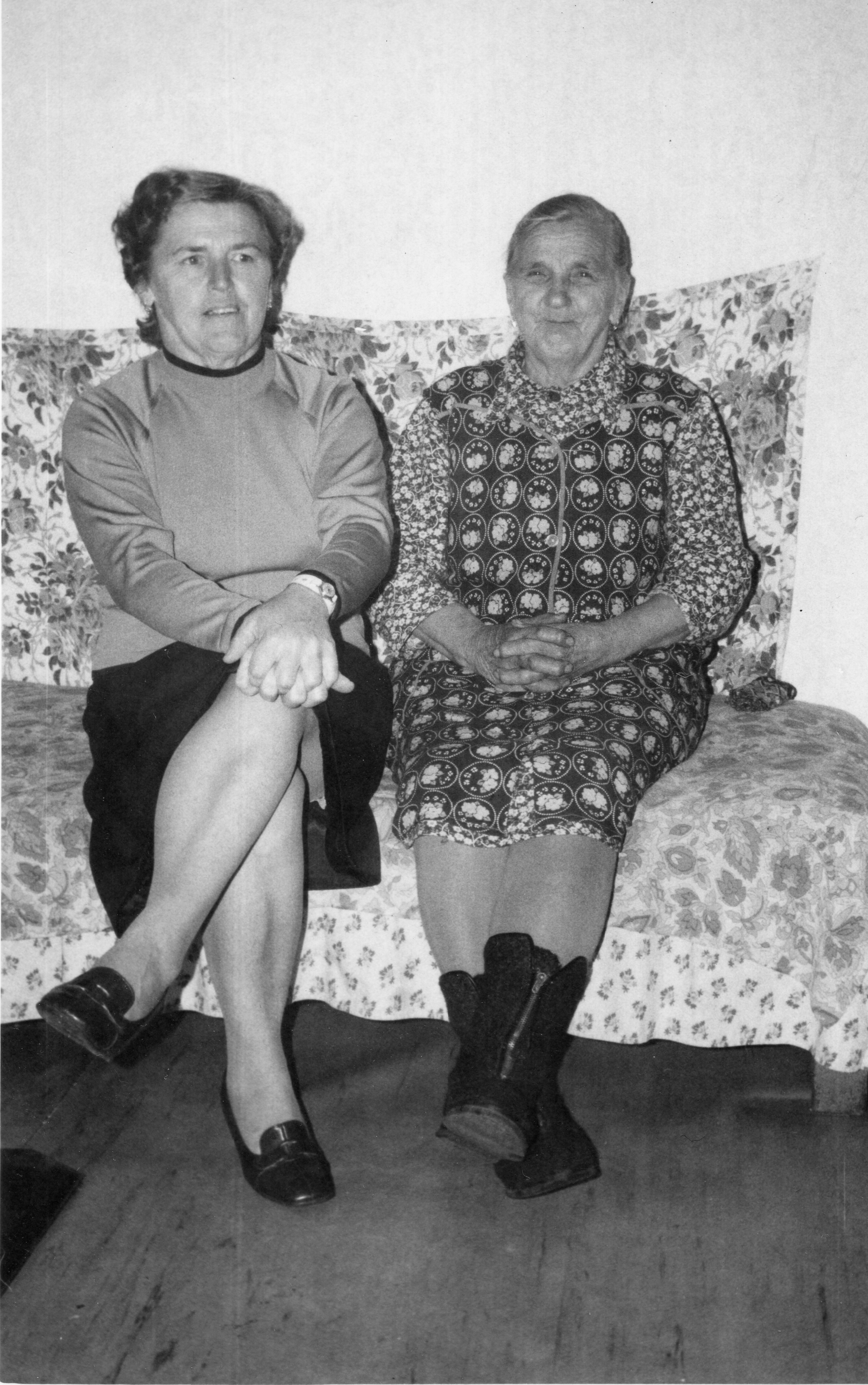
Paula Wagnerová was born in Dlouhá Lomnice (Langlamnitz) in the Karlovy Vary region on 31 October 1930. She grew up in a German family the second child of Helena and Franz Lattisch. Her mother stayed at home and her father was a miner. This saved his life during World War II when he was called back from the frontline into mining service. Thanks to his expertise, the Lattisch family was also allowed to stay in Czechoslovakia after the war and was not deported. The witness grew up with her one year-older brother Anton. The family was affected by the depression of the 1930s but did not suffer from a shortage of food. She finished primary school in her native village but was not allowed to study. Under Hitler‘s decree at the time, she was forced to work for a year. Aged just 13, she joined a farm, working hard in tough conditions. After the war, she got a job in a china factory in Stružná, assembling cups. She met her future spouse Richard Wagner whom she married in 1948. She followed him to Dražov, living with his family in a large farmhouse. Their daughter was born in 1950, and twelve years later they moved to their own house in Dražov. She made many friends and her life was made more enjoyable by the village dances at which her husband played with the local band. She worked in a forest from 1962. In 1966 the family moved to the village of Pila. She lived with her husband Richard for an impressive 70 years until his death. At the time of filming in 2025, she was still living in the family home in Pila.