Do not do unto others what you do not want done to you.
Stáhnout obrázek
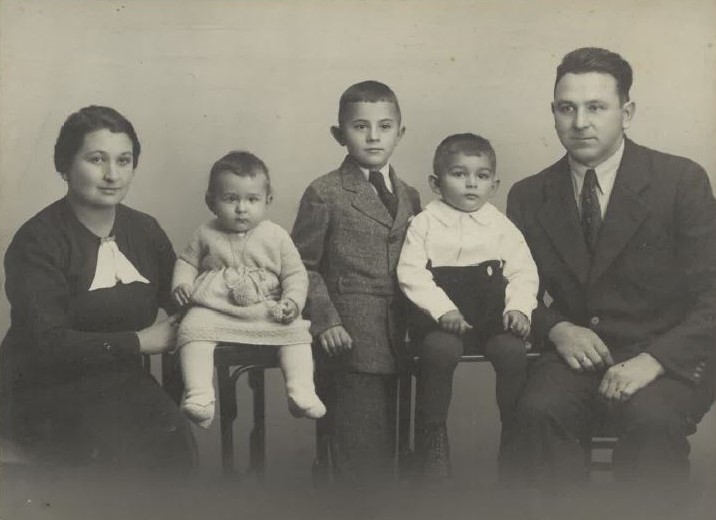
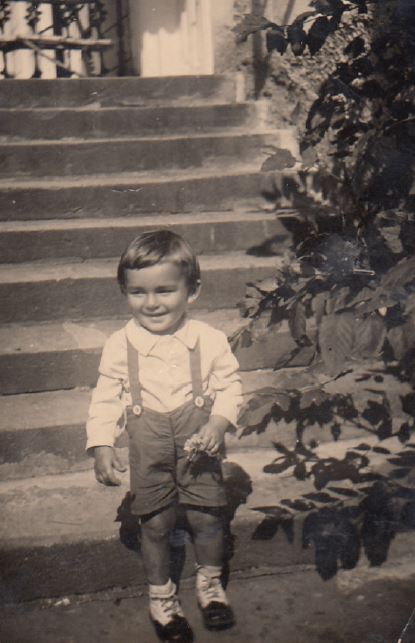
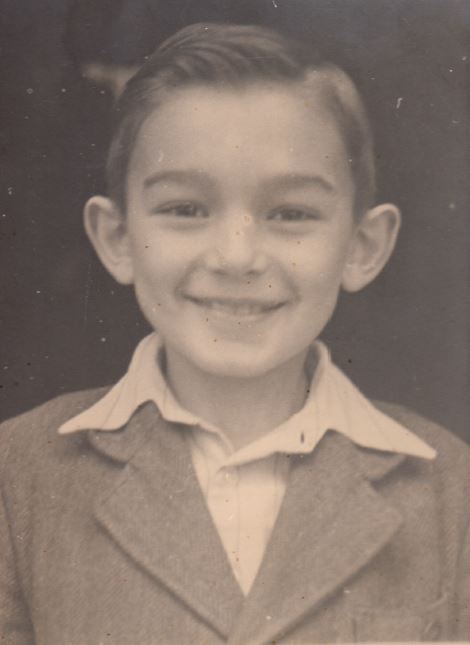
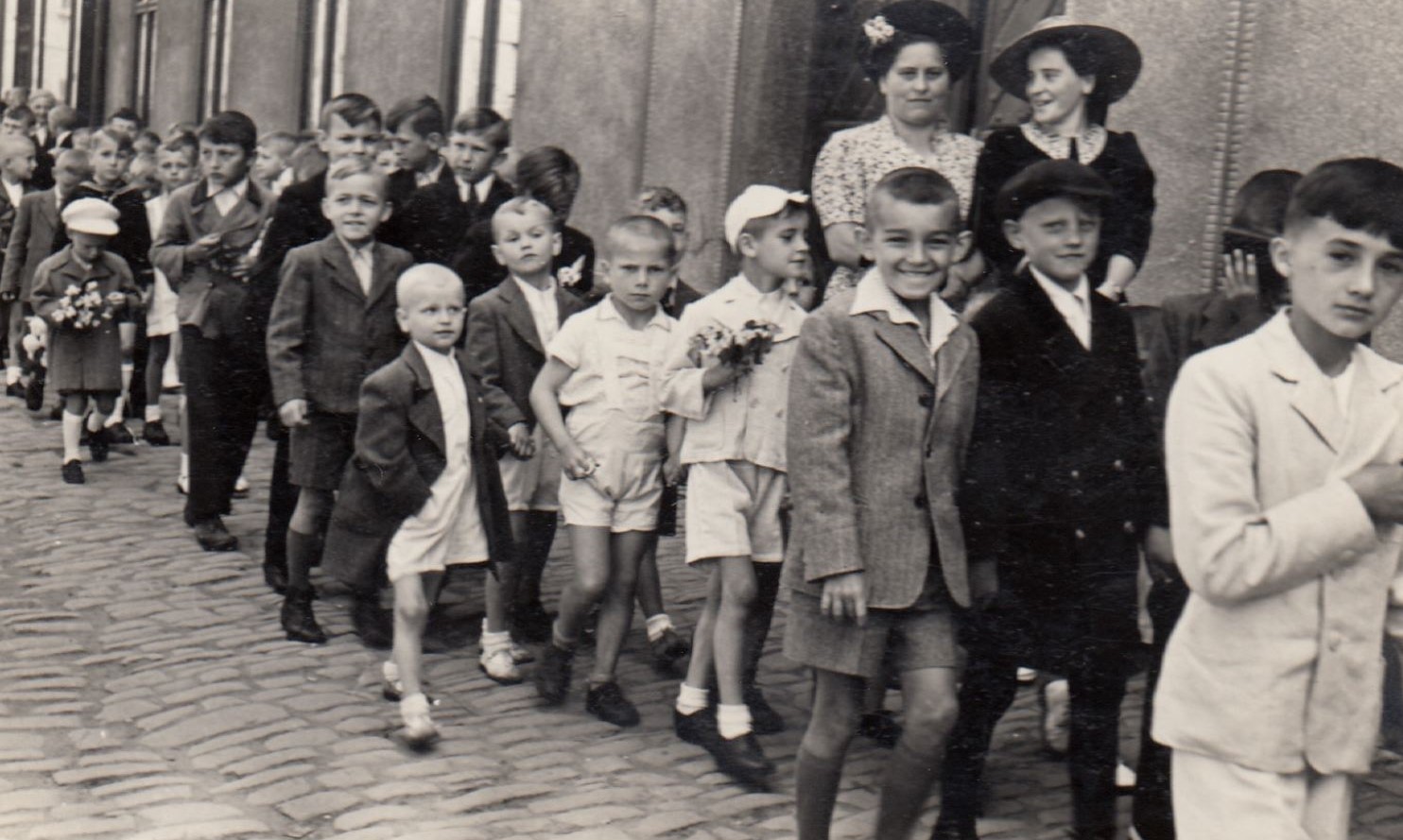
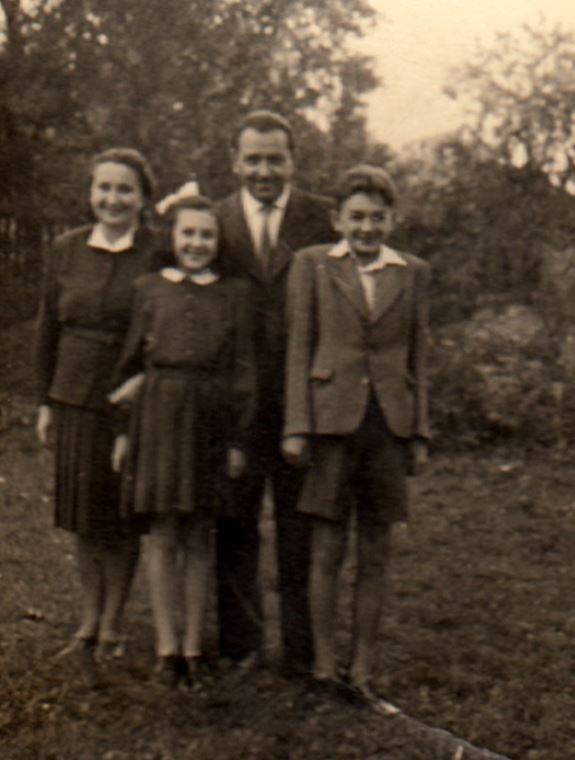
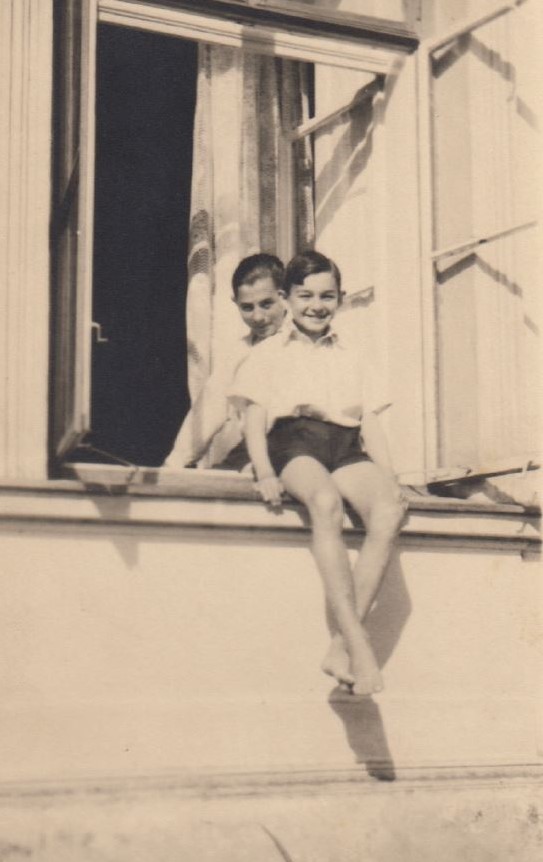
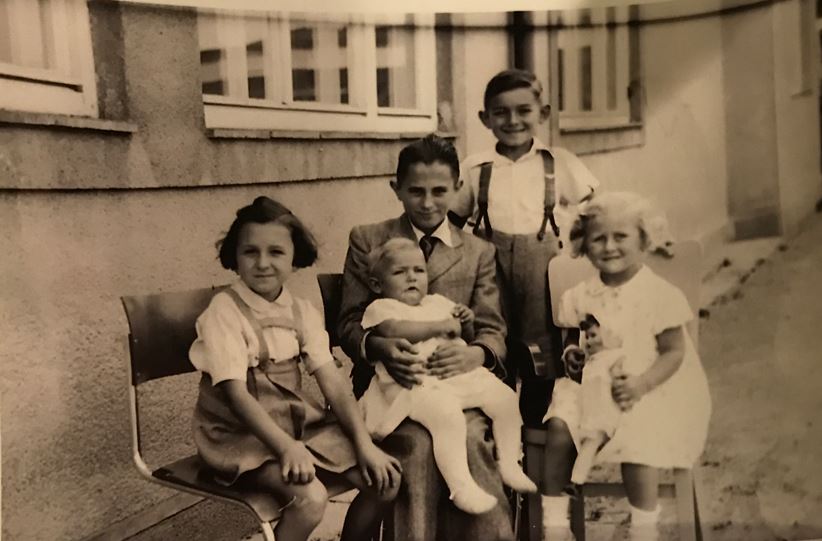
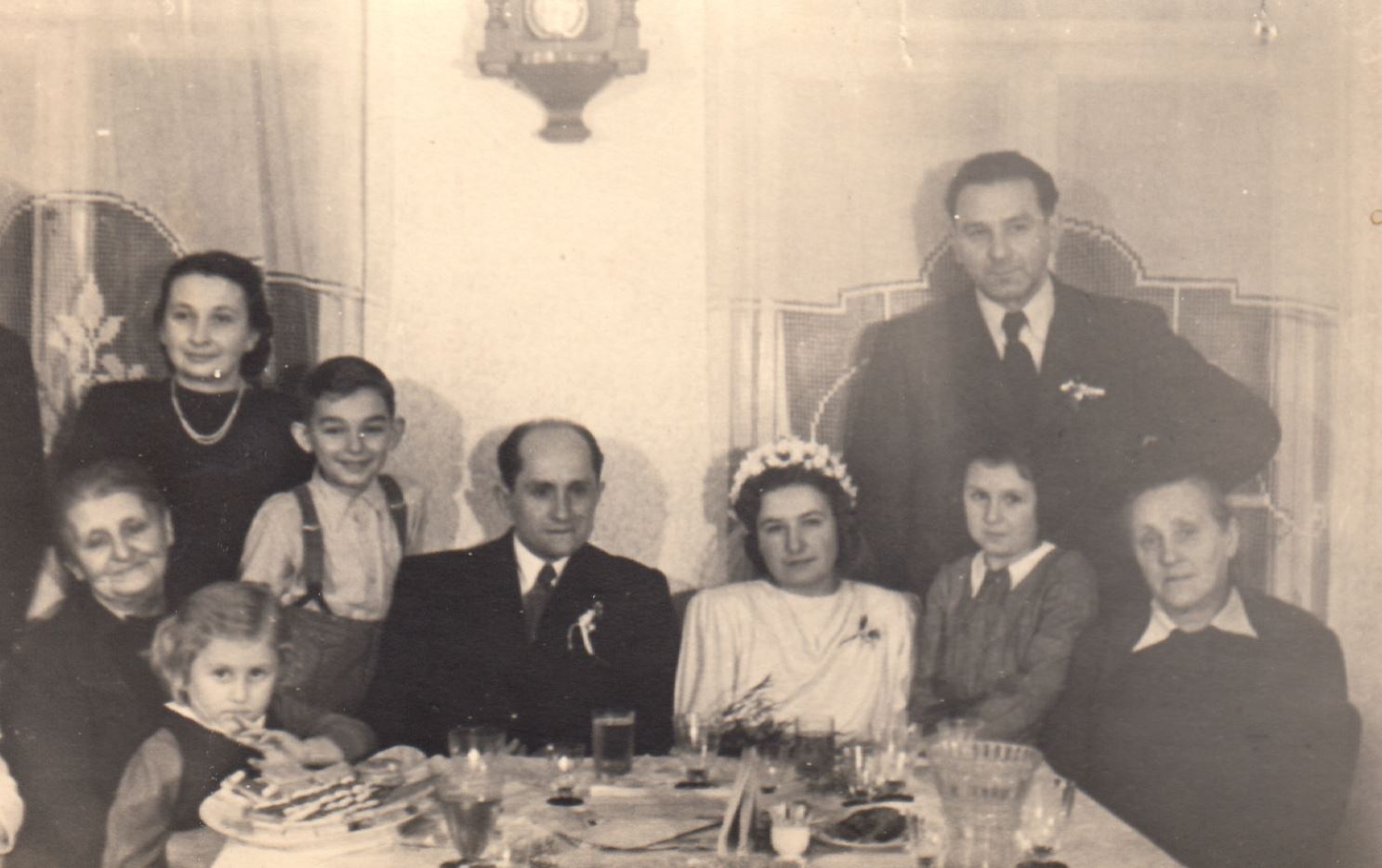
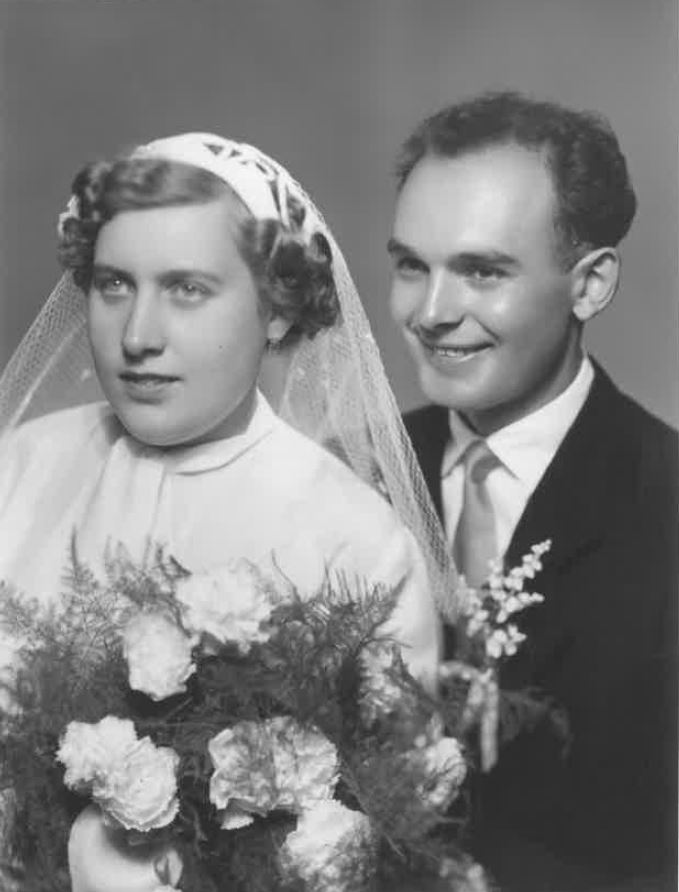
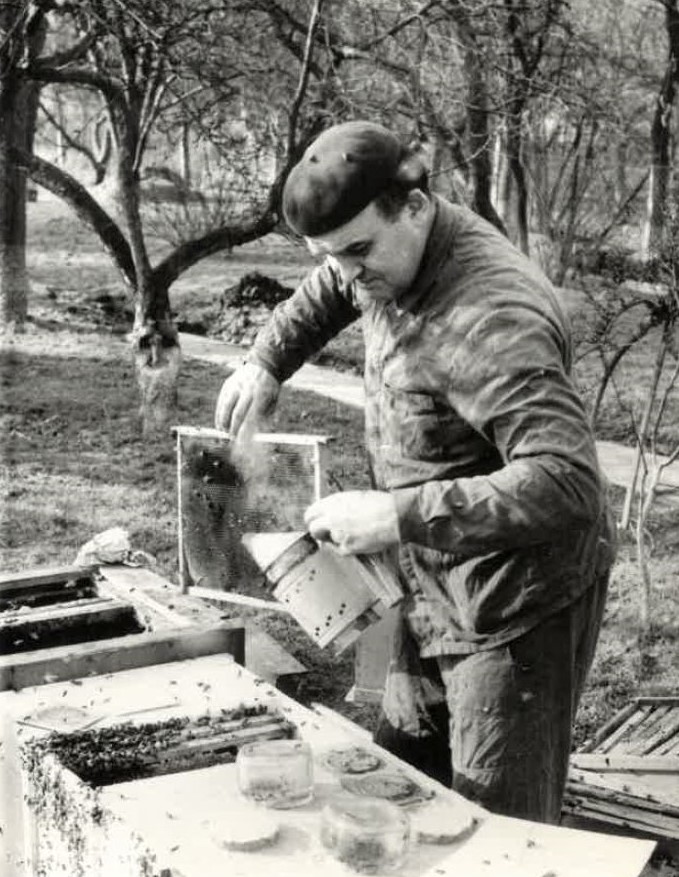
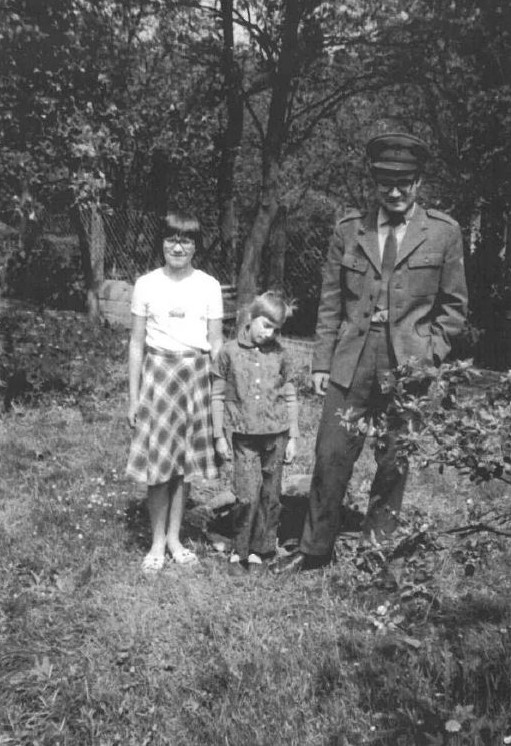
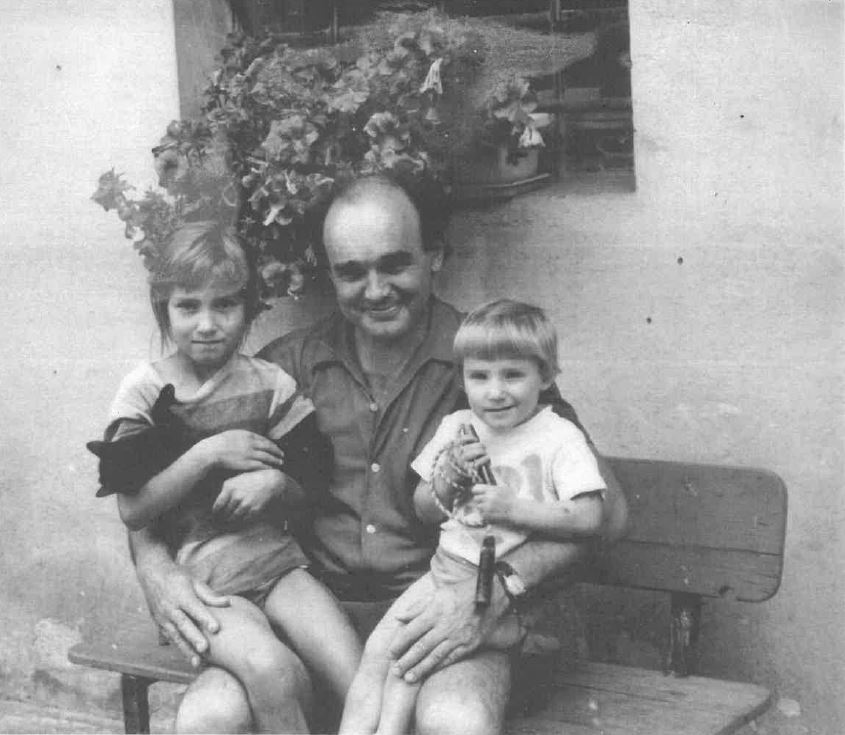
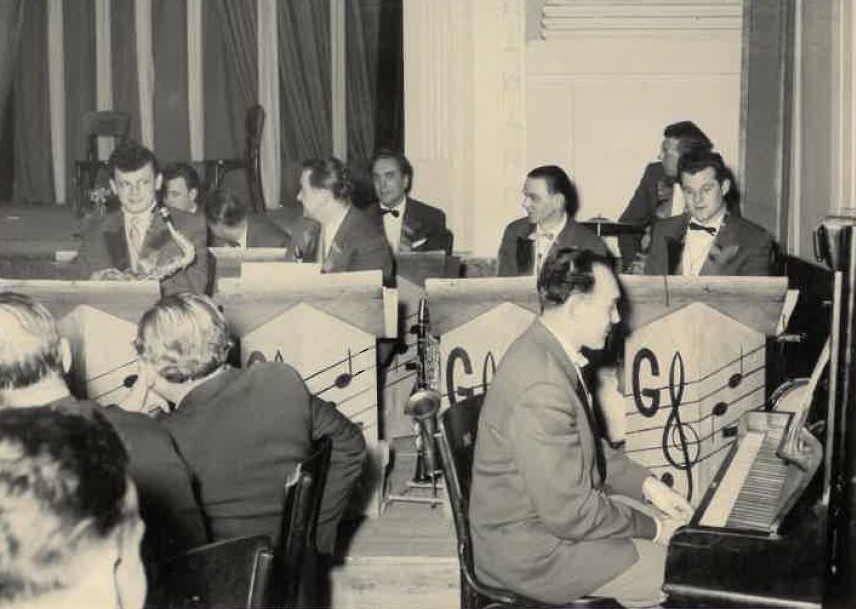
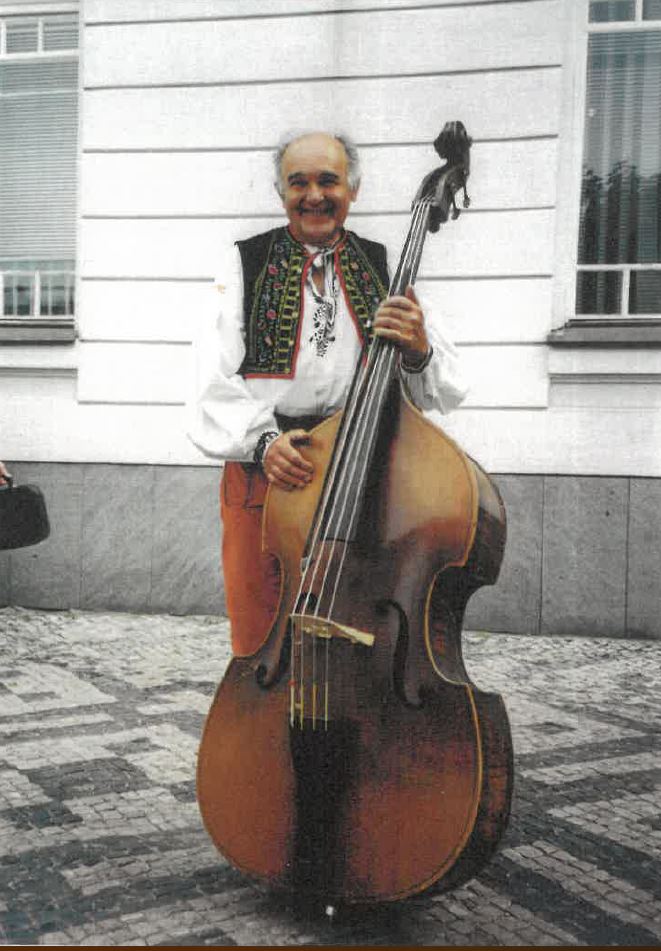
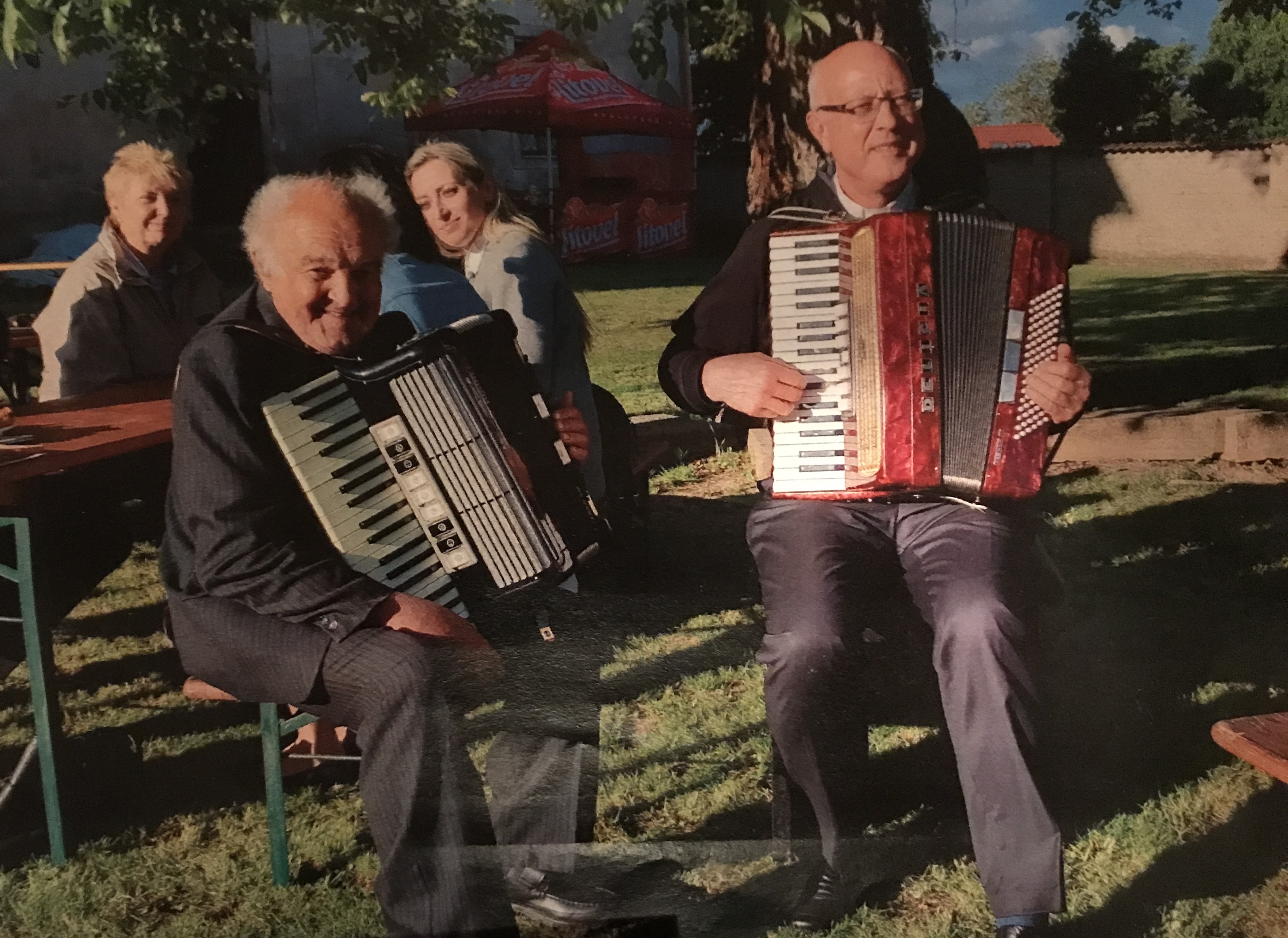
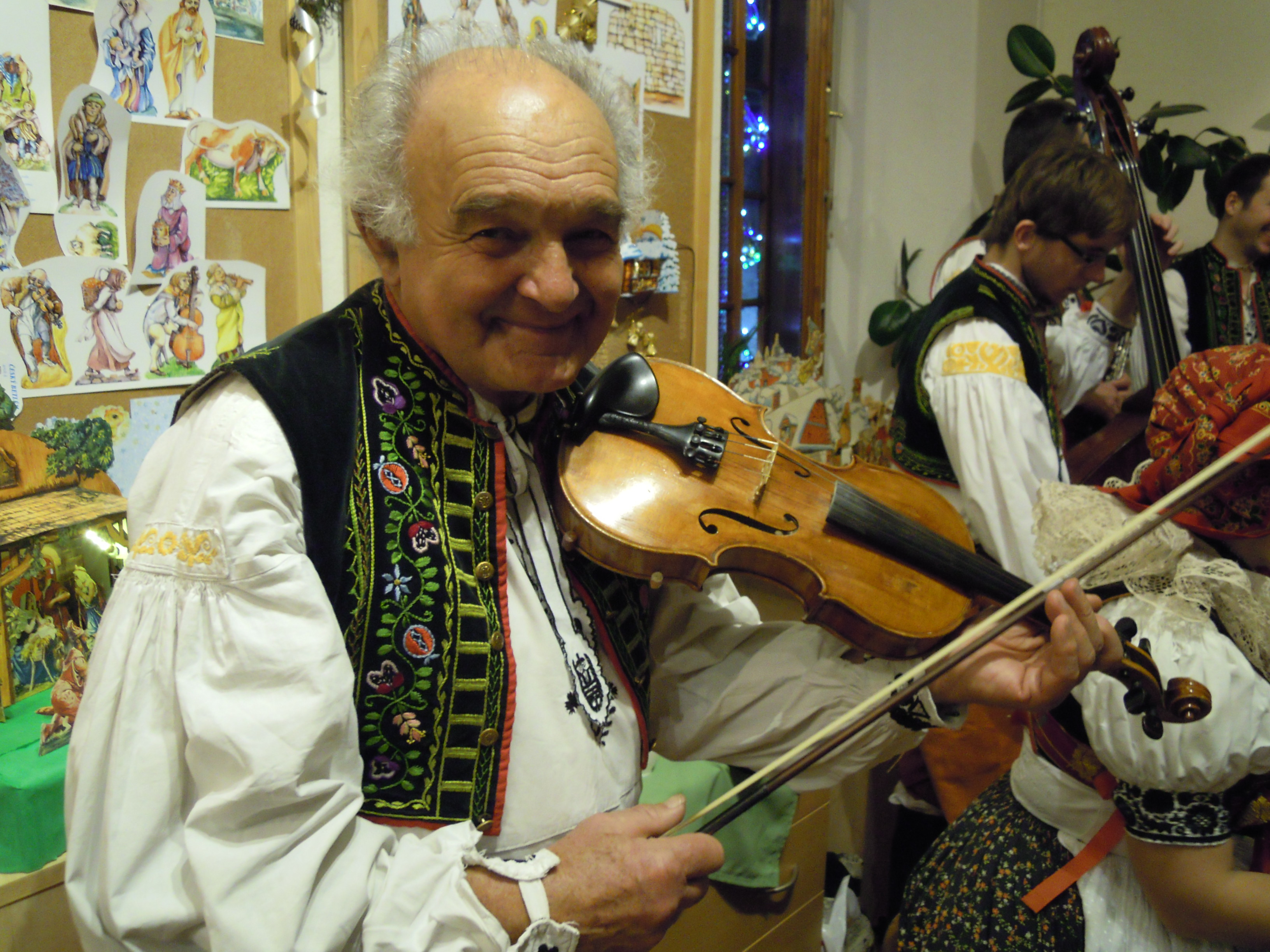
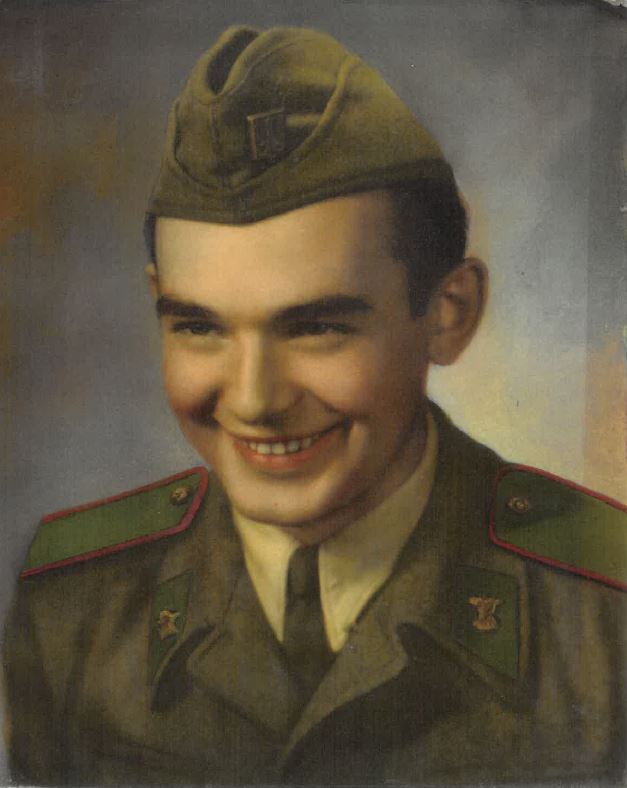
Milan Vybíral was born on 3 April 1933 into the family of Antonín and Milada Vybírals as the second son (elder brother Antonín and sister Eva). He spent his early childhood in Soběšovice in the Těšín region, but the family had to leave in rush in October 1938 as the area was occupied by the Polish army after the Munich Agreement. He encountered both German and Soviet soldiers in the school in Ústí near Hranice where the family lived during the Protectorate. He comleted a business academy in Olomouc. He served with the military in the border guard, though mostly in offices. He then had to deal with a difficult personal situation as he was forced to break up with his fiancée at his mother‘s request. He then worked various jobs, but his most fulfilling work was as a gardener. He married Milena Smékalová in 1958. They had three children. From 1960 he worked at Tesla Litovel, first as a worker unloading cargo, and when he completed a graduate course he became a development worker. In 1972, he got an opportunity to work for the Litovel town club teaching music (playing the piano, violin, accordion, and guitar) and playing with several bands in the Litovel region. Retired, he continued teaching music as a freelancer. Music was his lifelong occupation together with beekeeping and orcharding.