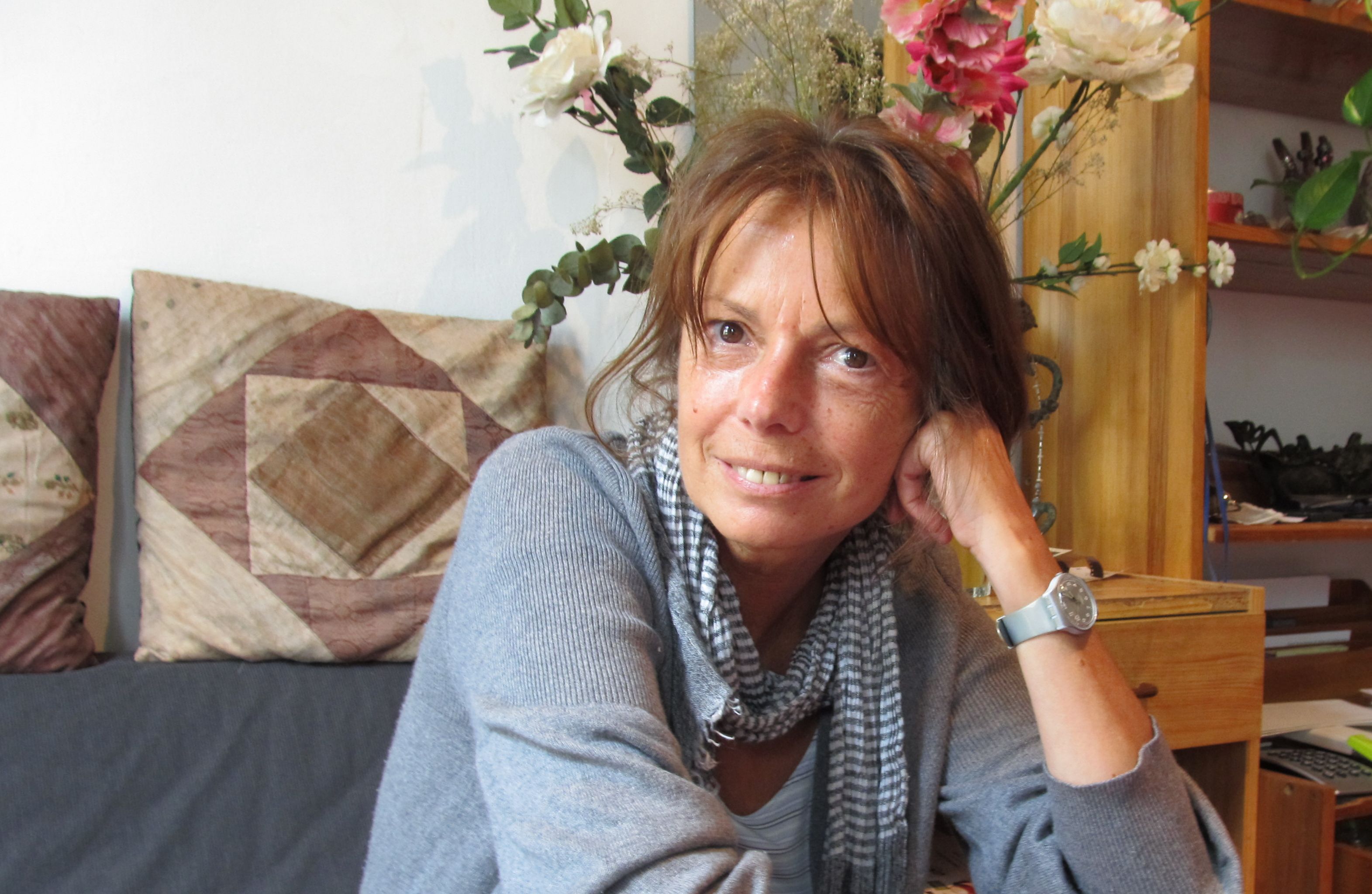
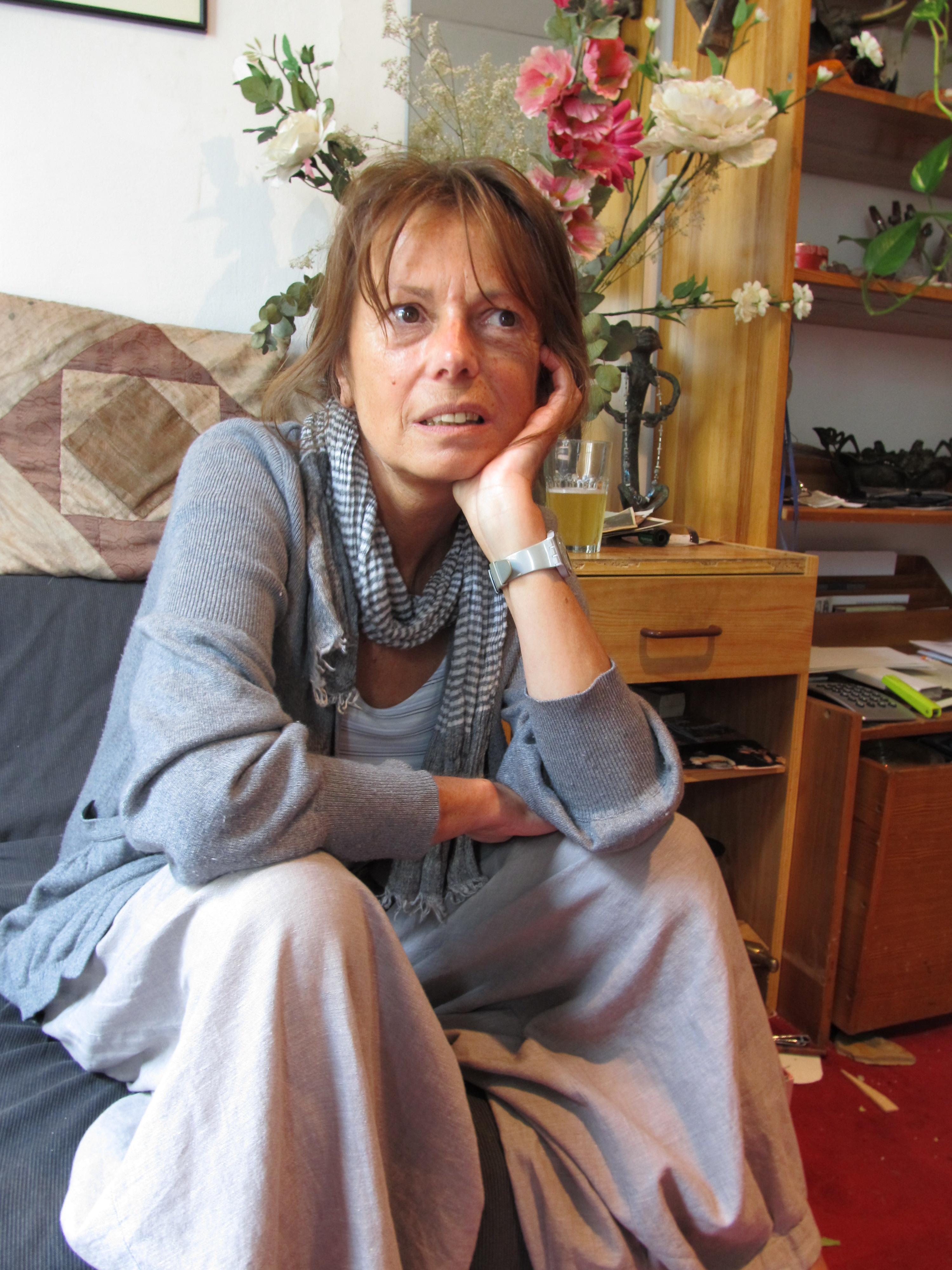
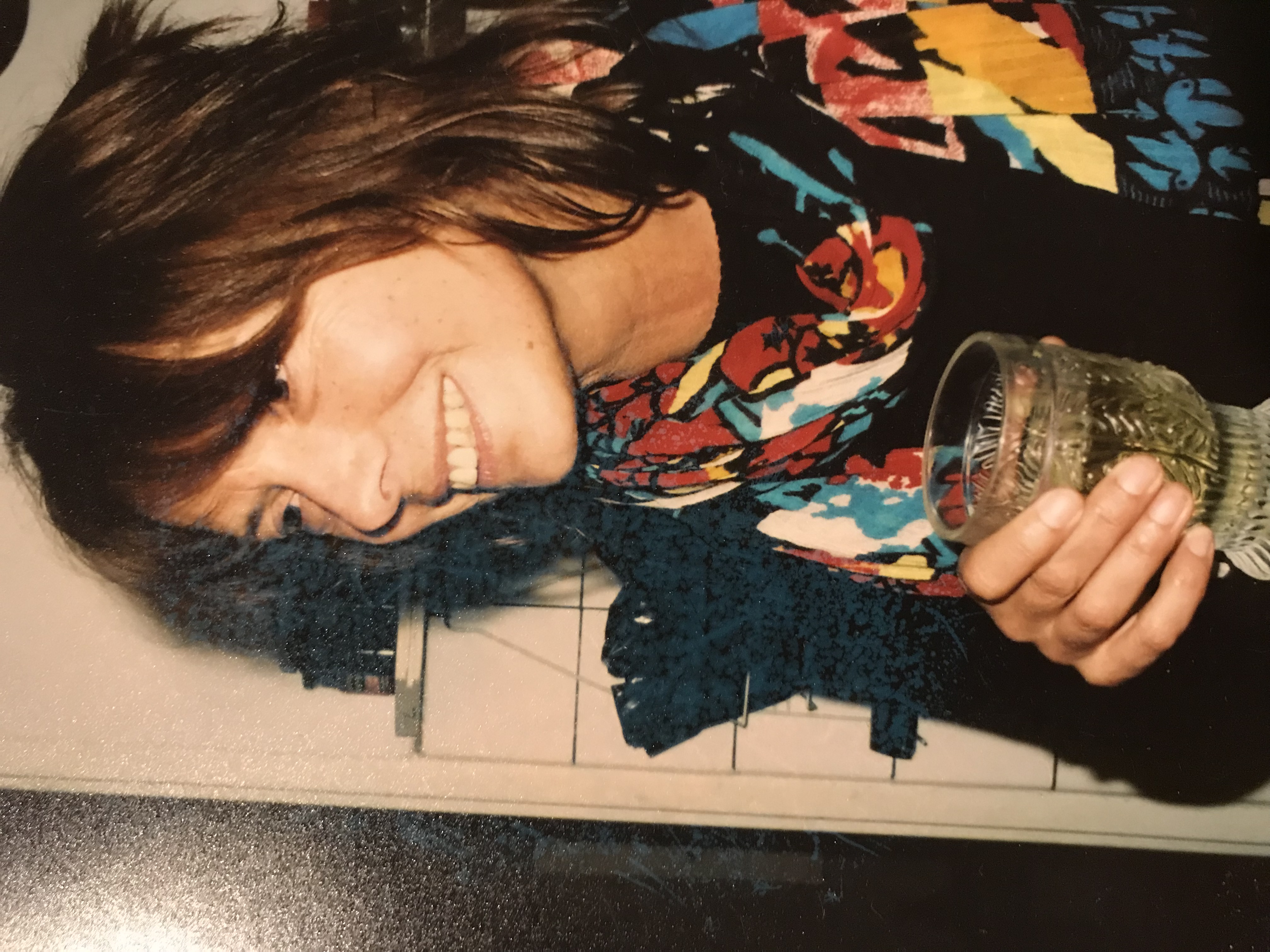
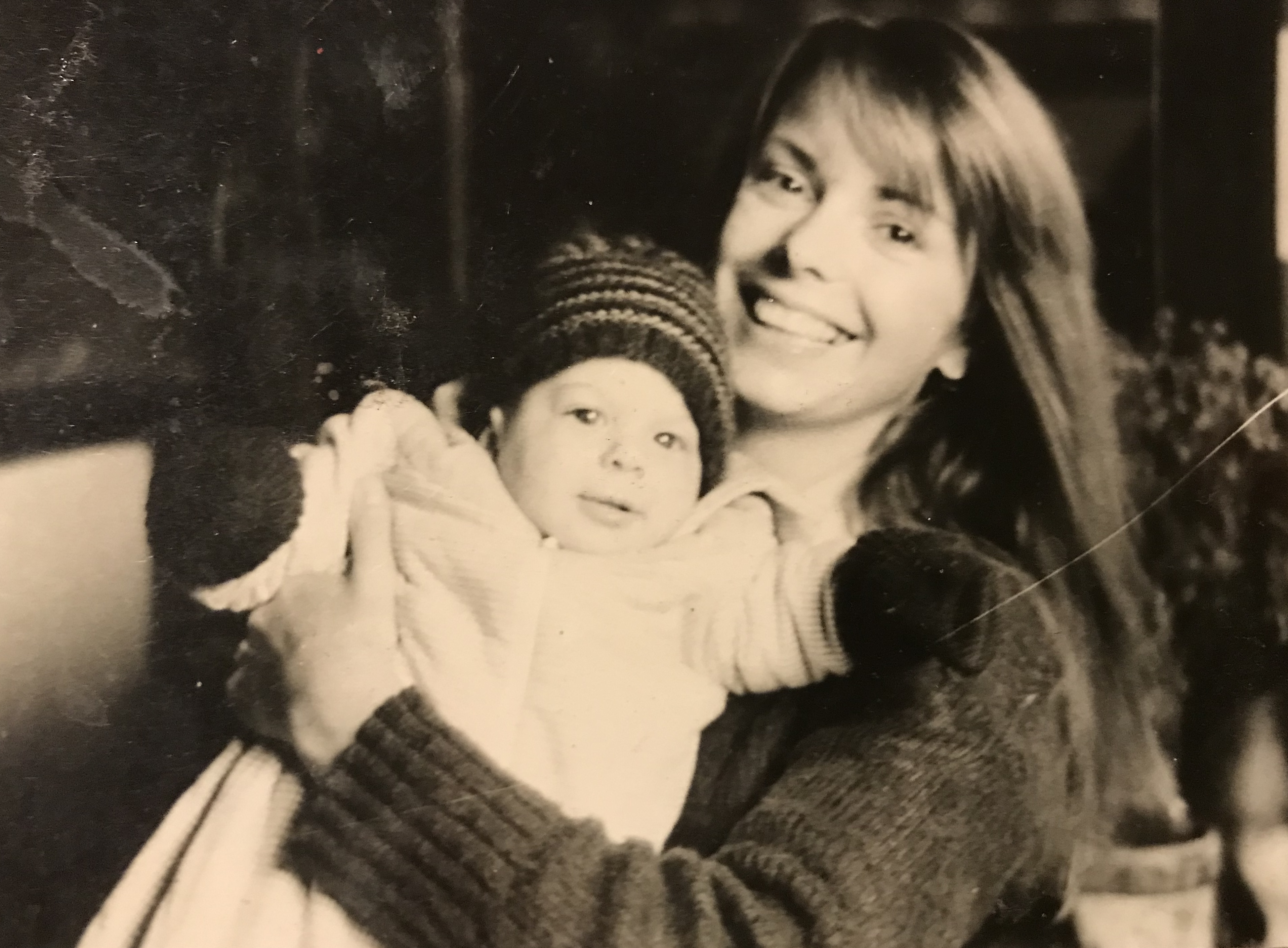
Vlasta Voskovcová

* 1950

  • "How did Paul Tigrid affect you?" - "Well, he had a great effect on me. He was completely above that sort of thing." - "He was part of the first emigration?" - "He was one of the first ones, but he was always in touch. Some of the 1948 emigrants were aloof, there was a sense of mustiness. Some of them. Not Pavel Tigrid, absolutely not. He was always in contact with people, people came to see him, even though it was very risky, and he was very interested in what was happening in Czechoslovakia. There was always a sense of continuity, it was great with him."

  • "It's just, it was such an adventurous [episode]. There was an amnesty [for emigrants] in Bohemia, in 1973. And my brother stayed [in Czechoslovakia], he couldn't get out. They closed the border. I got married and went there [to Czechoslovakia]. Before that I lived with Petr Kral, but I don't know if I should say the private things. And he always told me about Prokop [Voskovec]. I just arrived, but about two days later, because there had to be an exit from France, it was complicated. And I still stayed [in Czechoslovakia] because they sentenced me at a crazy rate. For a year in prison, confiscation of property. And here [in France] they swore to me at the [Czechoslovak] consulate that it was okay, that I would be amnestied. And I wasn't. Of course it was a lie. It doesn't matter. I don't regret it, anyway. Because I met Prokop [Voskovec] right away. So I stayed somehow out of love. But I was tried again and condemned again. Then after almost a year I got an amnesty from the president, it was Husák [meaning Svoboda] who was dying, I don't know who signed for him. And the French consul told me, 'Leave immediately, it's bad.'"

  • "Meanwhile, Prokop [Voskovec] learned what had happened. And they immediately took me to Apolinar to the venereology department. There were people who went there voluntarily, and then people who were behind bars. So they immediately took me behind bars to see if I had any disease. That was a real joy! The cops said, 'We don't envy you.' I thought: Then why are you taking me there? But I managed to tell Prokop where they were taking me. My lawyer also found out about it and immediately filed a complaint. I was there for almost two weeks."

  • Celé nahrávky
  • 1

    Voskovcová Vlasta

    (audio)
    délka: 02:31:14
    nahrávka pořízena v rámci projektu Collection of interviews of the ÚSTR
  • 2

    Paříž, 24.11.2025

    (audio)
    délka: 03:24
    nahrávka pořízena v rámci projektu Stories of the 20th Century TV
  • 3

    Paříž, 24.11.2025

    (audio)
    délka: 01:01:49
    nahrávka pořízena v rámci projektu Stories of the 20th Century TV
Celé nahrávky jsou k dispozici pouze pro přihlášené uživatele.

The embassy told me everything would be fine. Of course, that was a lie.
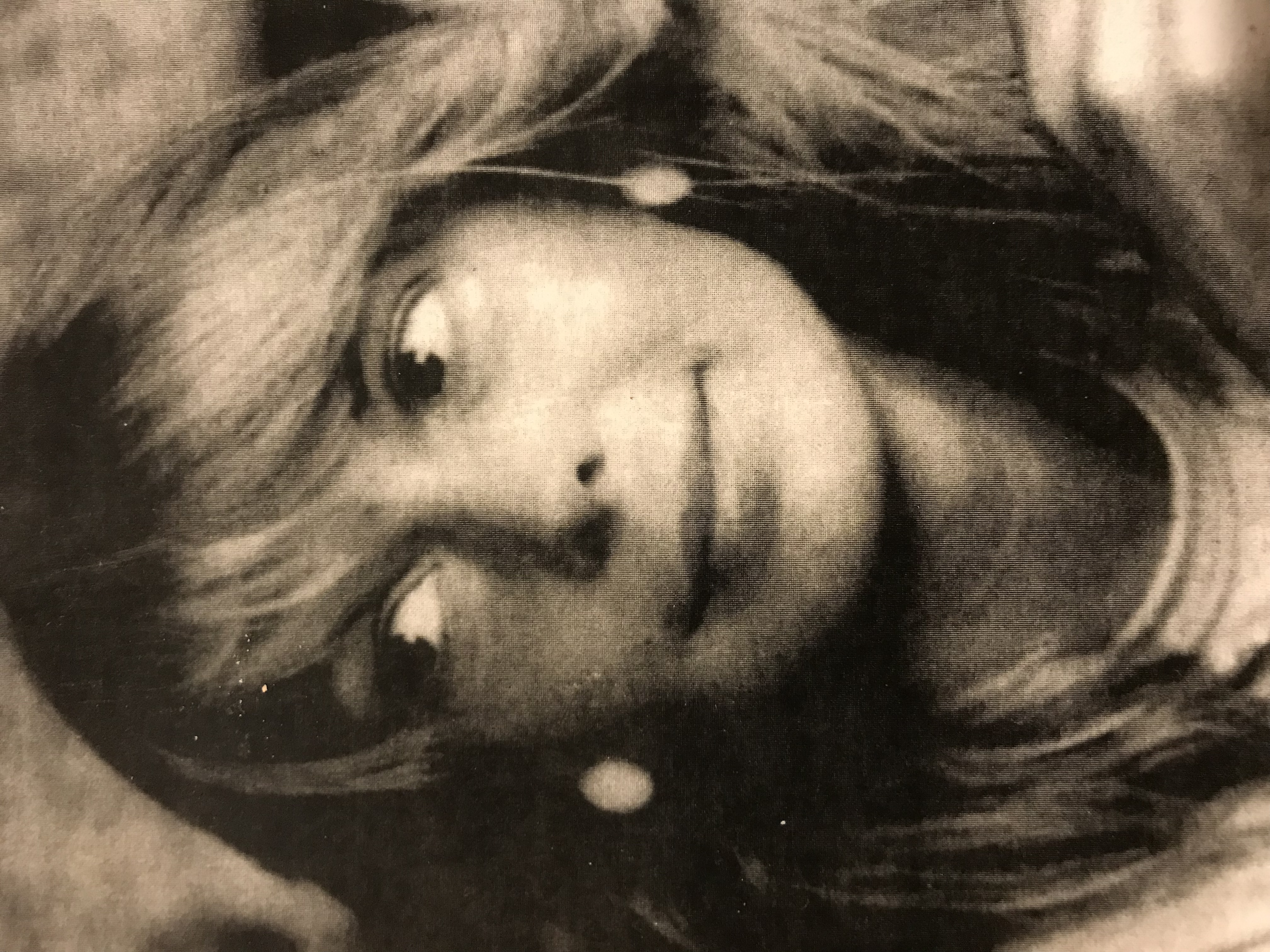
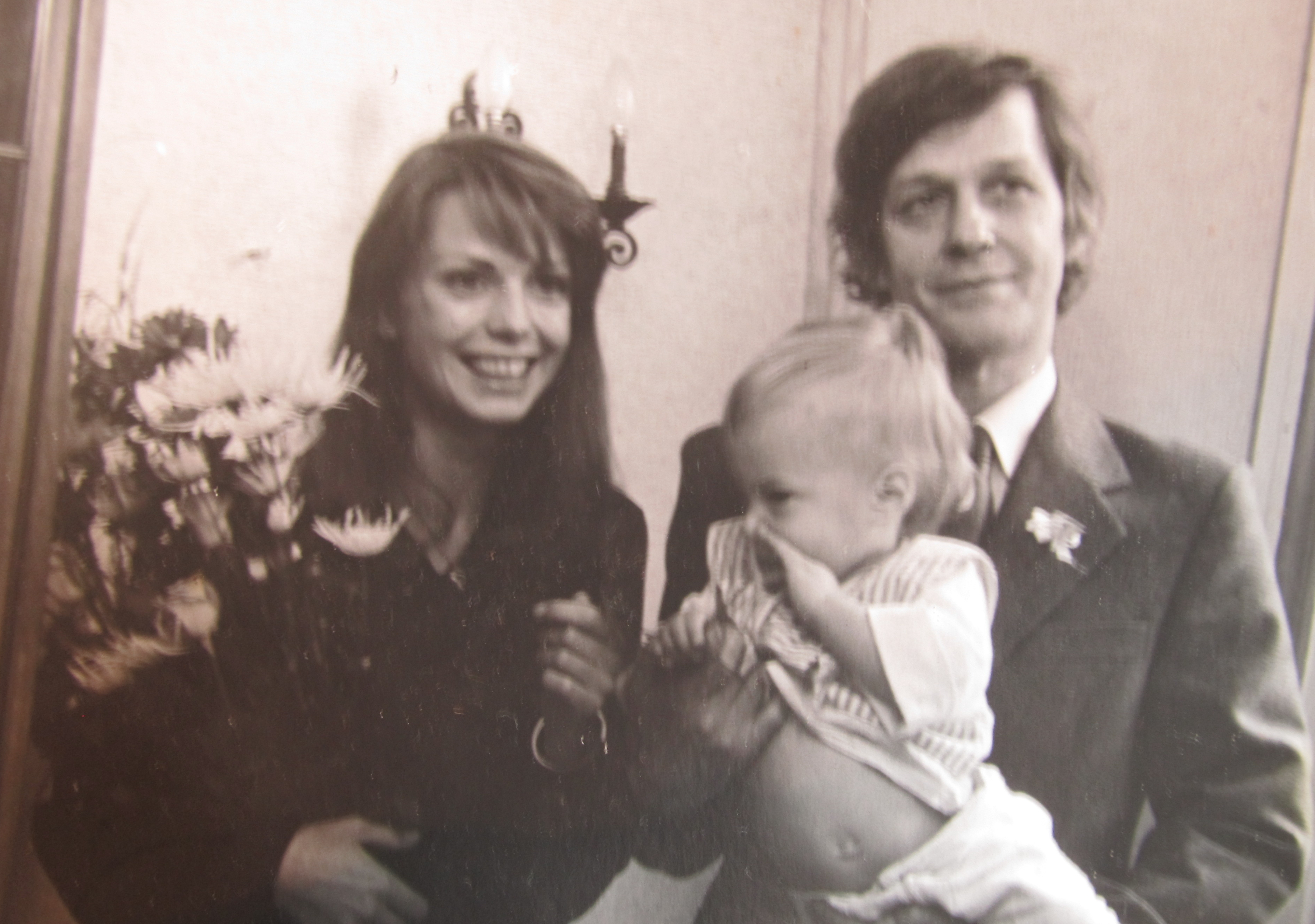
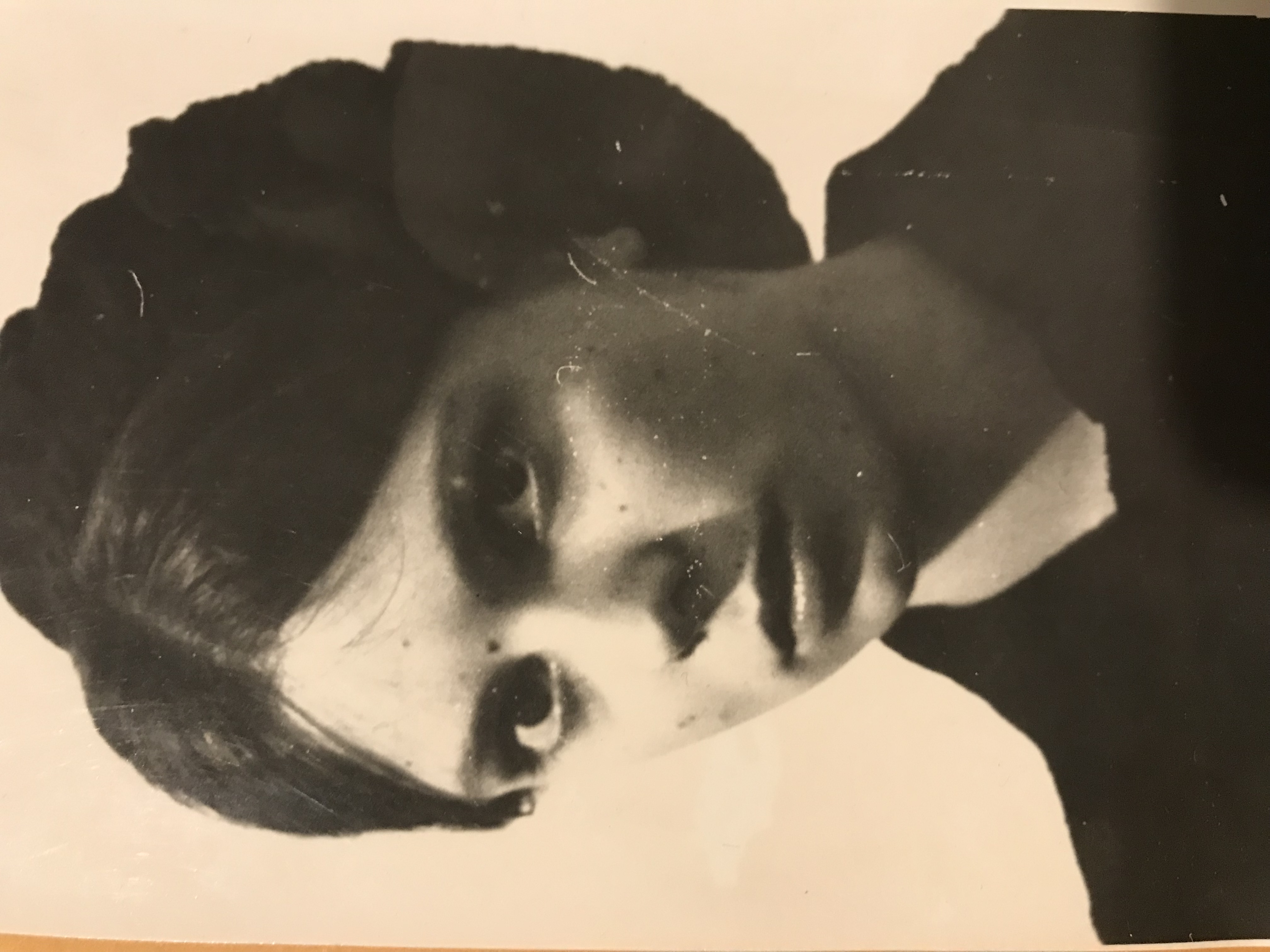
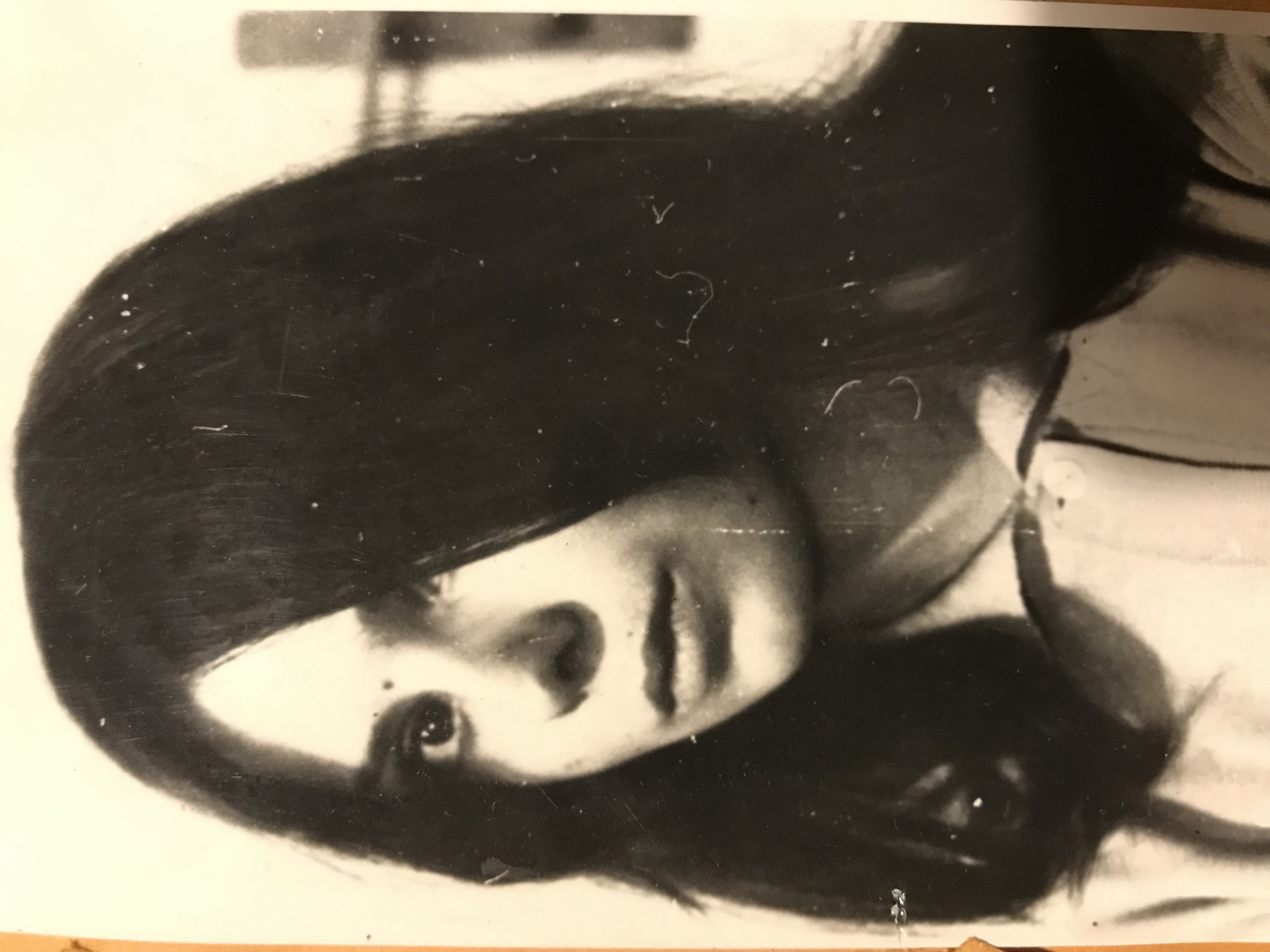
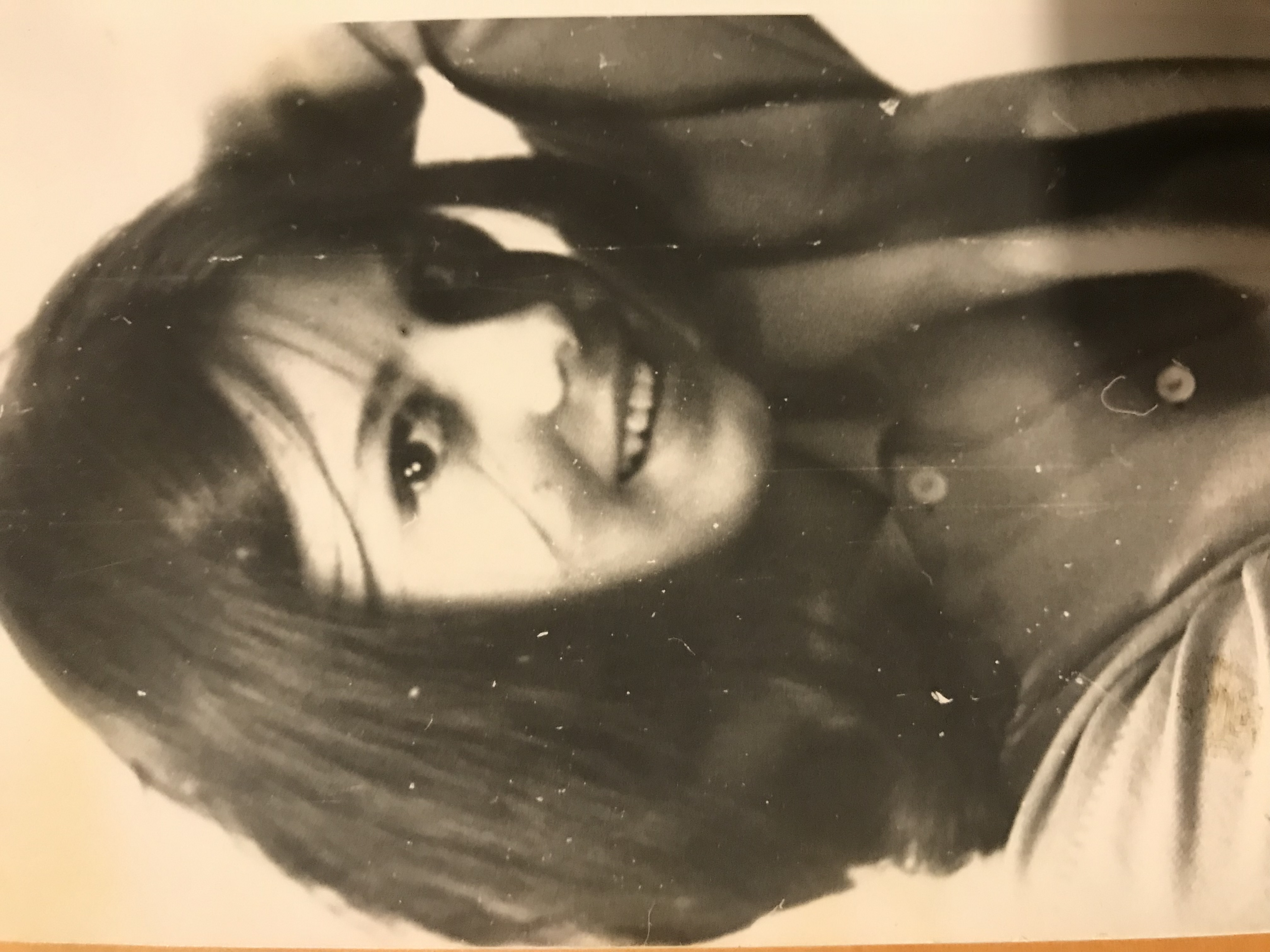
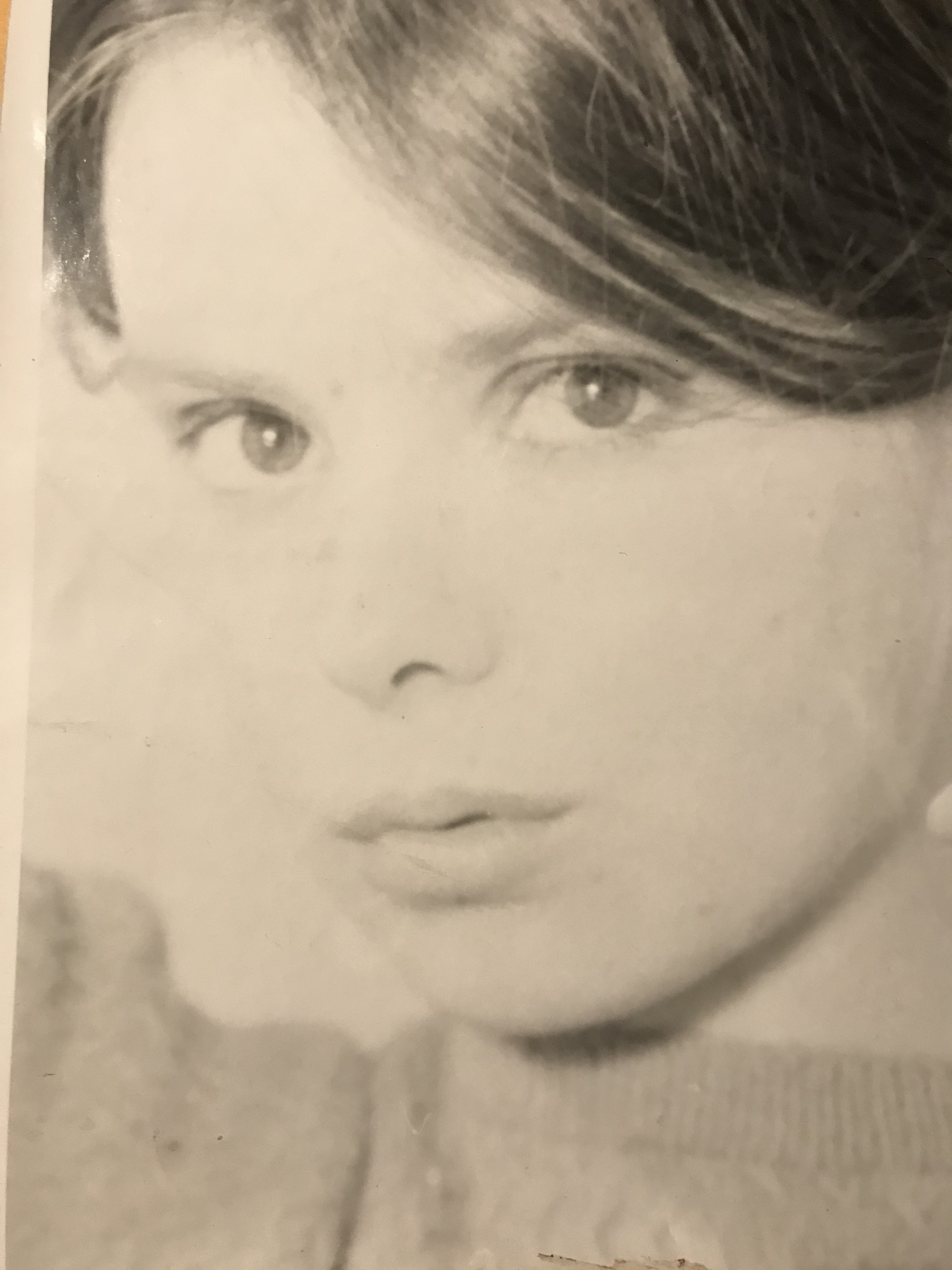
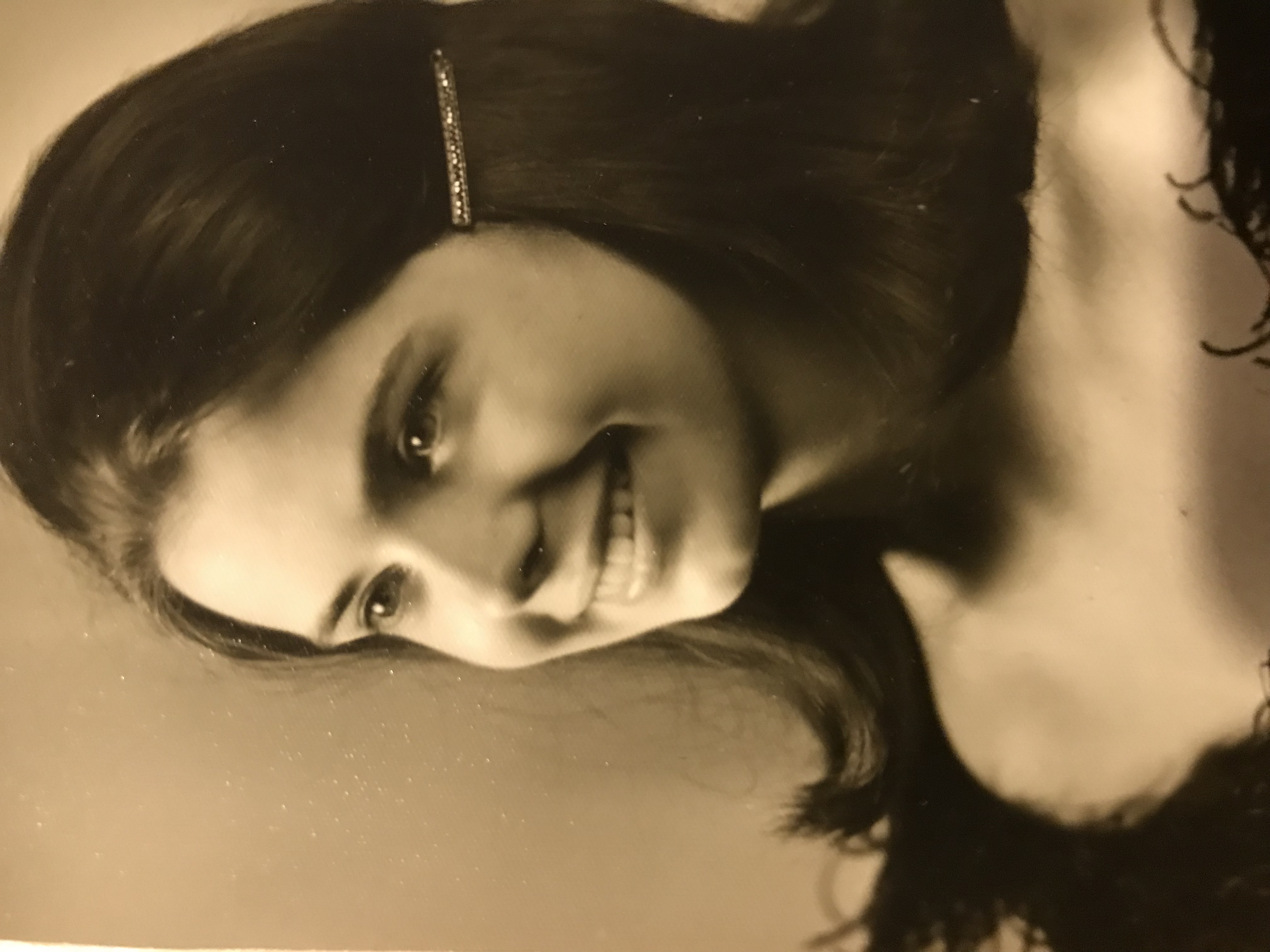
Vlasta Voskovcová - photo from her youth
zdroj: archive of a witness

Vlasta Voskovcová was born on May 14, 1950 in Pelhřimov as Vlasta Šabacká. She grew up in the family of a First Republic officer who was still working at the General Staff at the time of her birth, but soon retired due to illness. She spent her childhood and youth in Třebíč, where she graduated from high school in 1968. After the holidays, she started studying Czech language - fine arts at the Faculty of Arts of Charles University. In the autumn of 1969, shortly before the state border was closed, she left for France, where she worked for the first two months in a winery in the Champagne region. In December 1969 she moved to Paris and received political asylum there. In Paris, she studied drawing at the Académie des beaux-arts from 1970 to 1974. In 1973, an amnesty for emigrants was announced; Vlasta decided to return temporarily to Czechoslovakia to legalize her stay and settle family affairs. However, she arrived just after the amnesty expired, at the beginning of January 1974. She was arrested at Ruzyně airport and then prosecuted for emigration. The police later tried to charge her with prostitution and cronyism. She managed to leave Czechoslovakia only in December 1974, following a presidential pardon and French intervention (at that time she was formally married to a French citizen, the poet Alain Joubert). During her stay in Czechoslovakia in 1974, she met the poet and later signatory of Charter 77, Prokop Voskovec. He emigrated in 1979, and in the following years they lived together in Paris; they married in 1981 and had a son, Jonathan. Together with her husband, she worked with the magazine Svědectví and participated in the Fondation pour une entraide intellectuelle européenne, which supported intellectuals from the Soviet bloc. Vlasta and Prokop Voskovec remained in France after the fall of the communist regime. Vlasta Voskovcová still works as an artist and exhibits her paintings in France, Belgium and the Czech Republic.