Jana Voráčková

* 1946

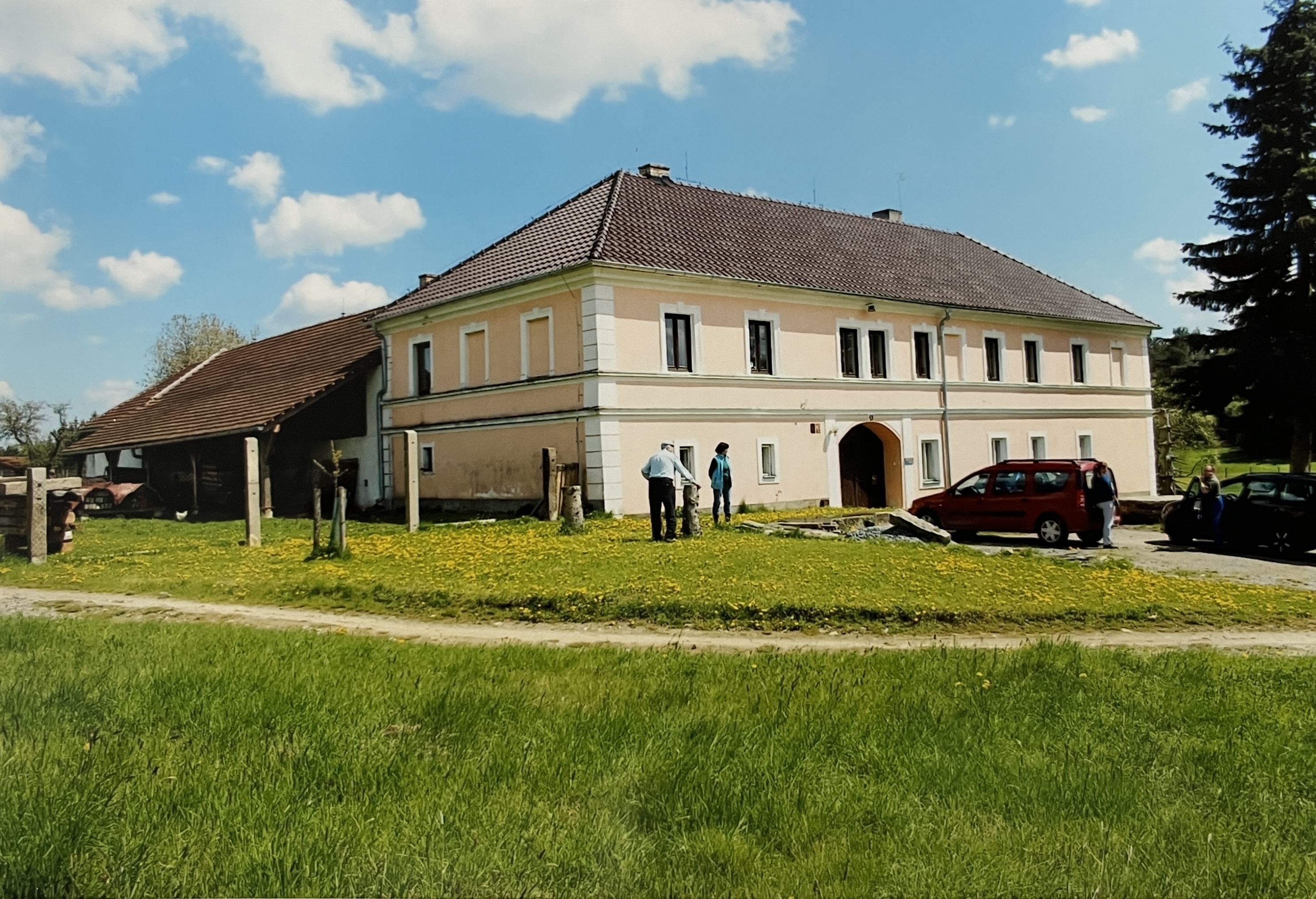
  • "It was more emotional, because on the one hand I always said that my brothers should have taken care of it, but they were away, so I couldn't. My older sister, she wasn't really that adept at handling it. For one thing, she was getting on in, and as I say, she thought it would be done in a moment. But it was so hard... Considering we could only go in 2010, and I applied in 1992, it's just... I don't think I have words and hardly anyone will."

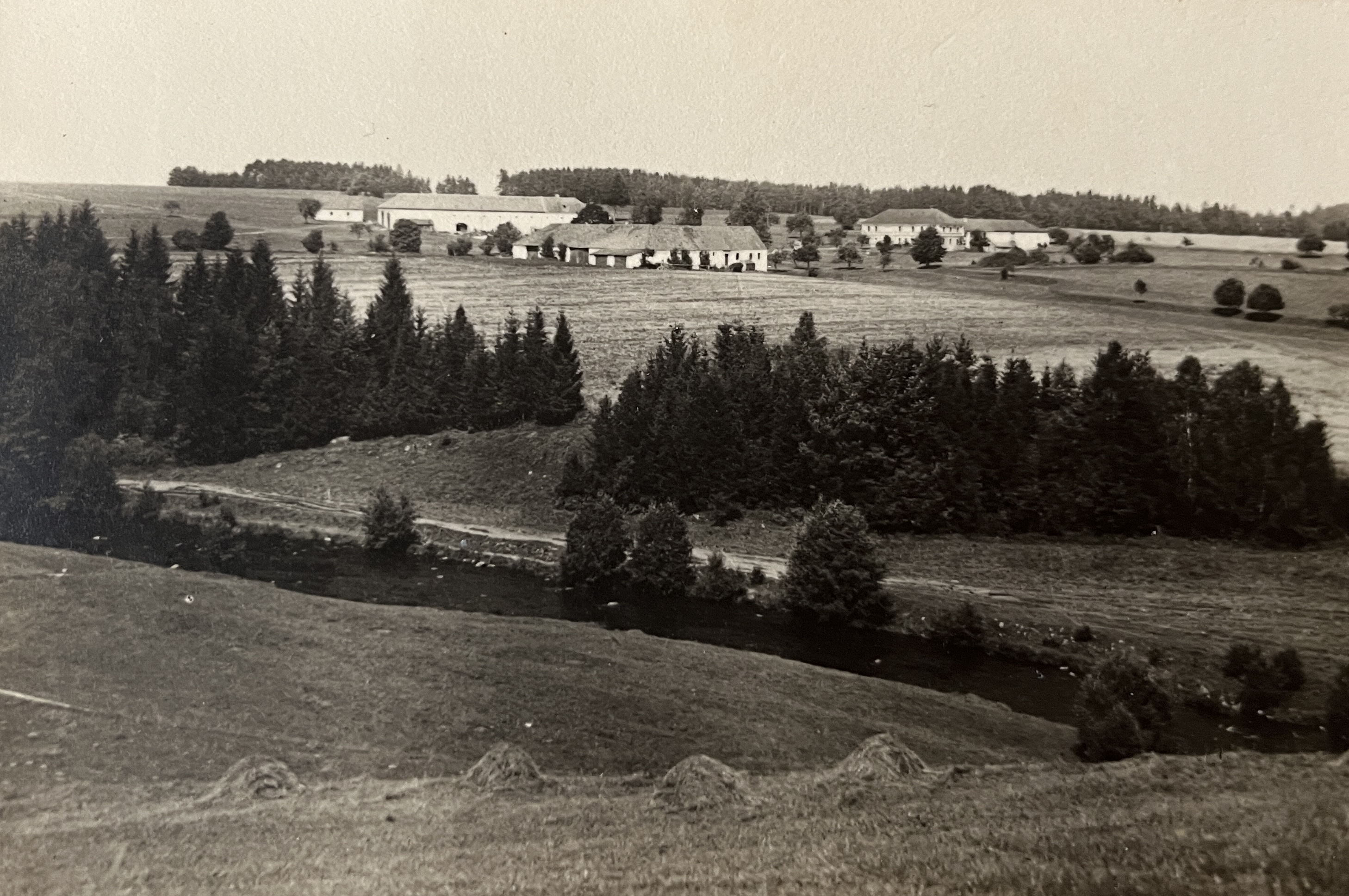
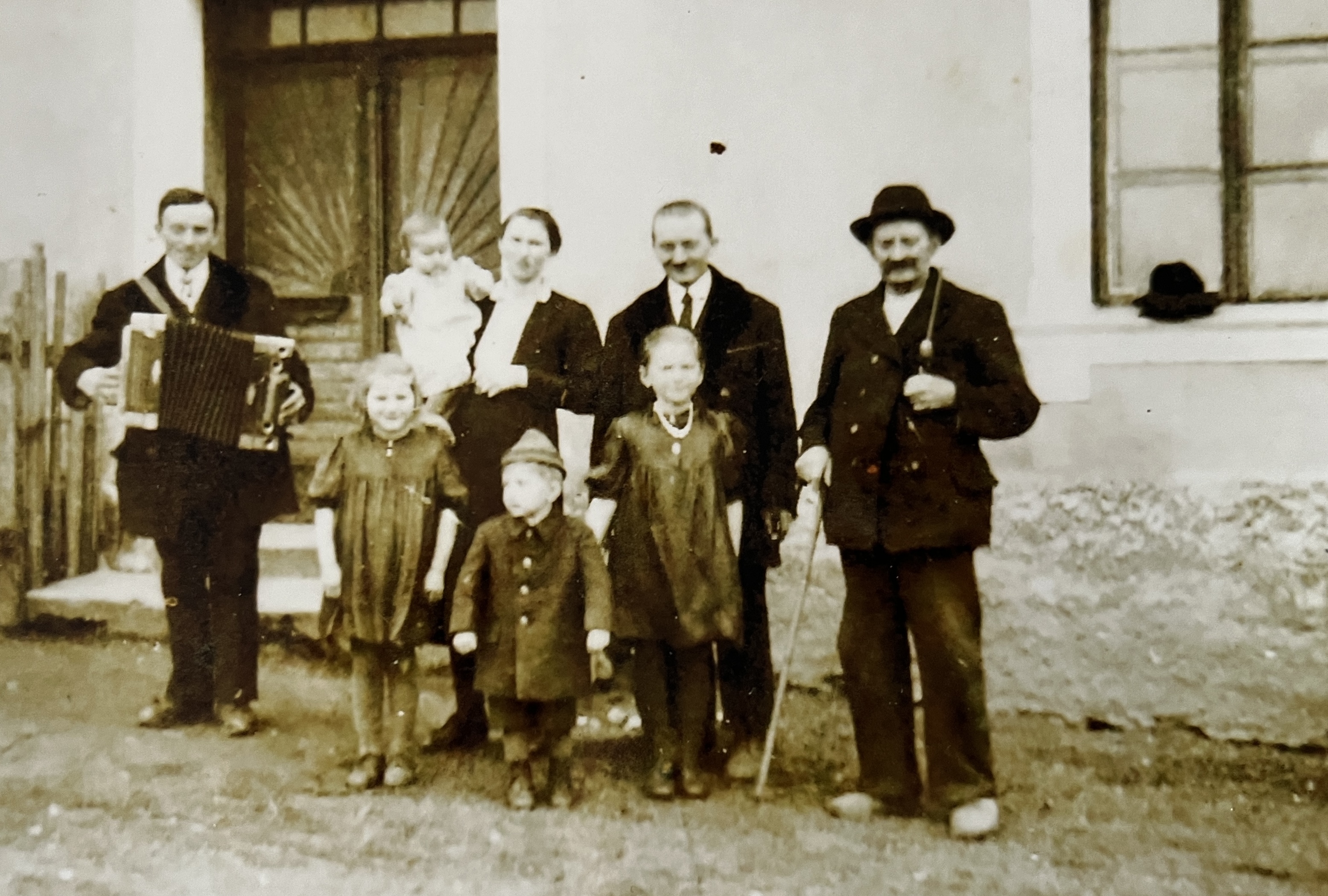
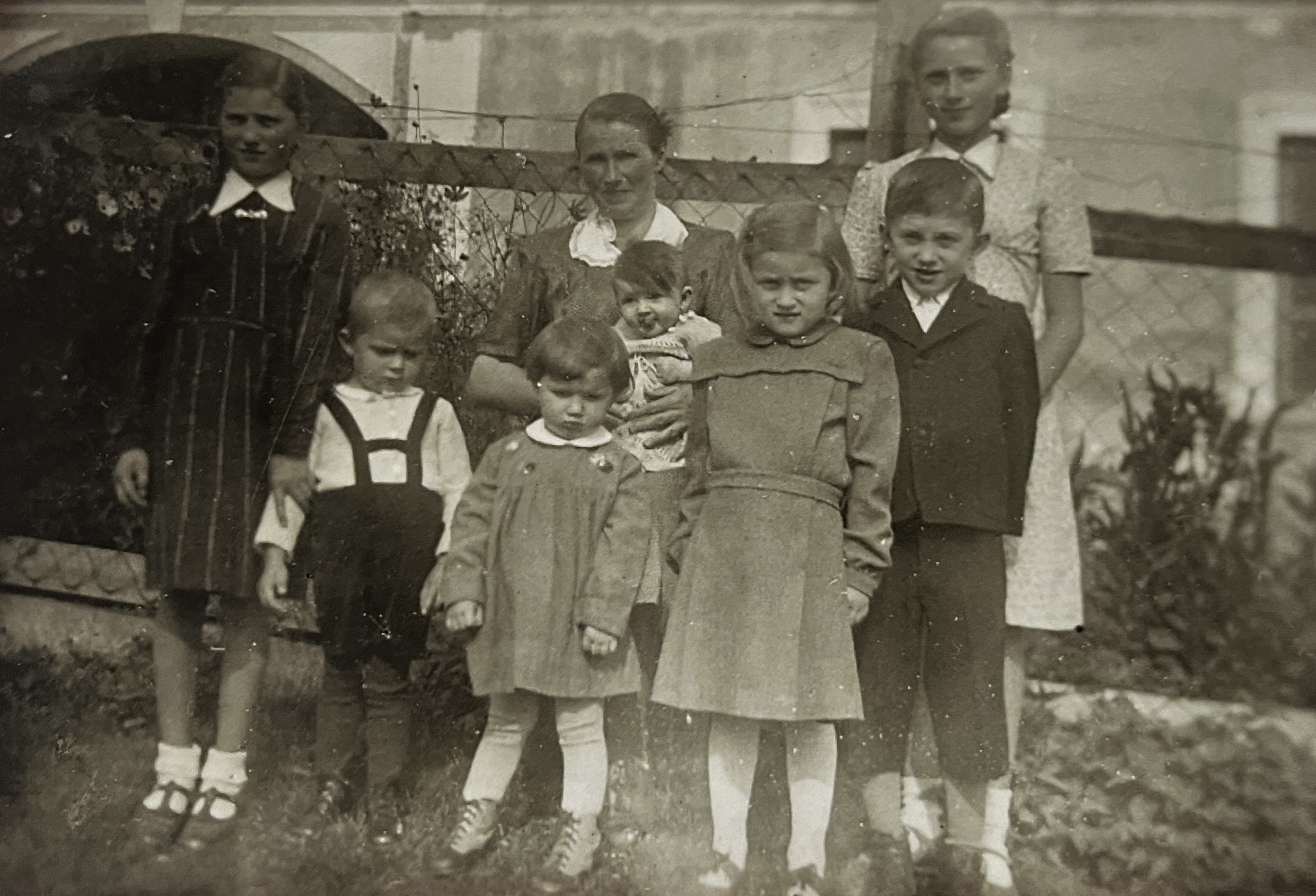
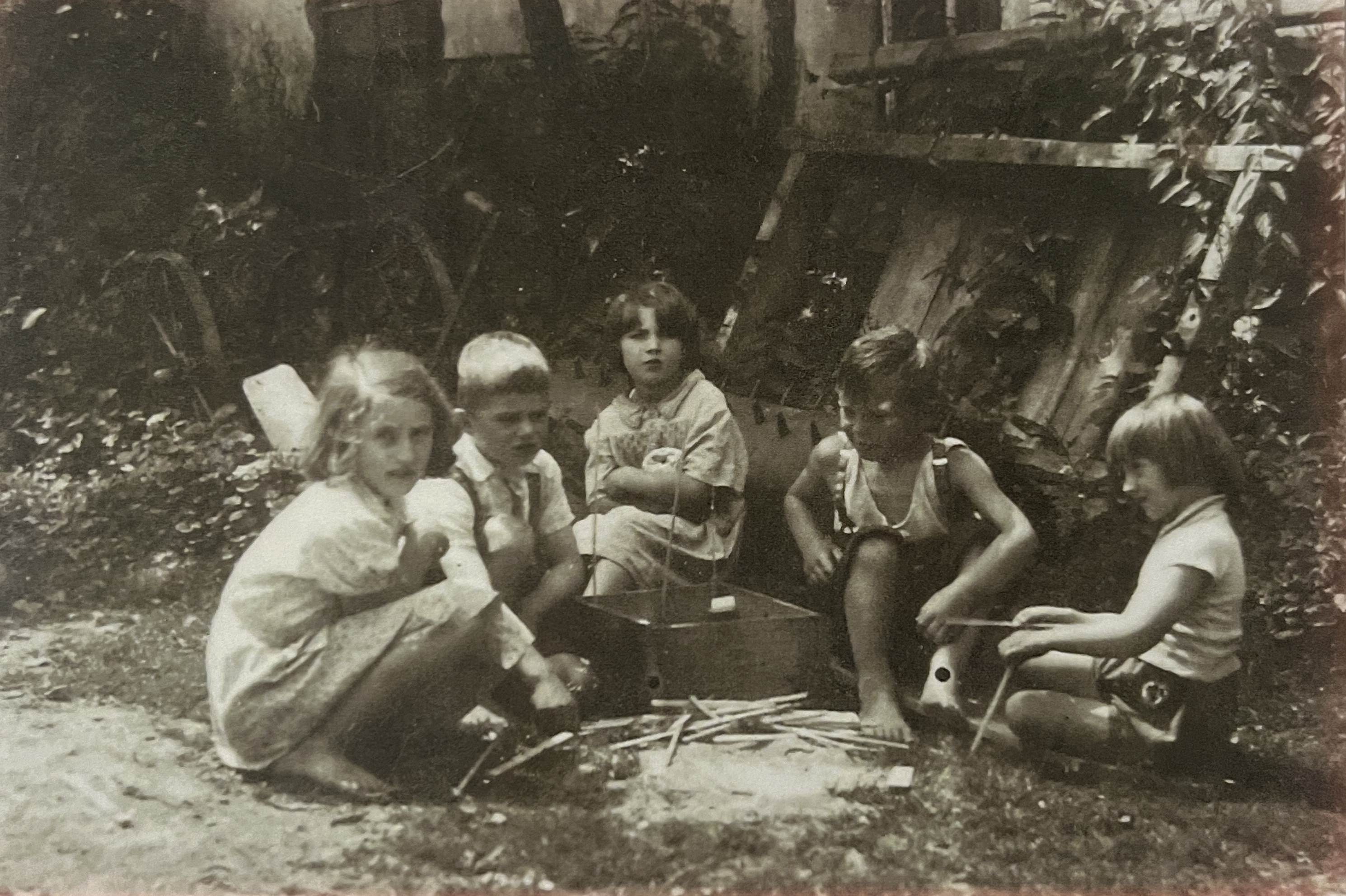
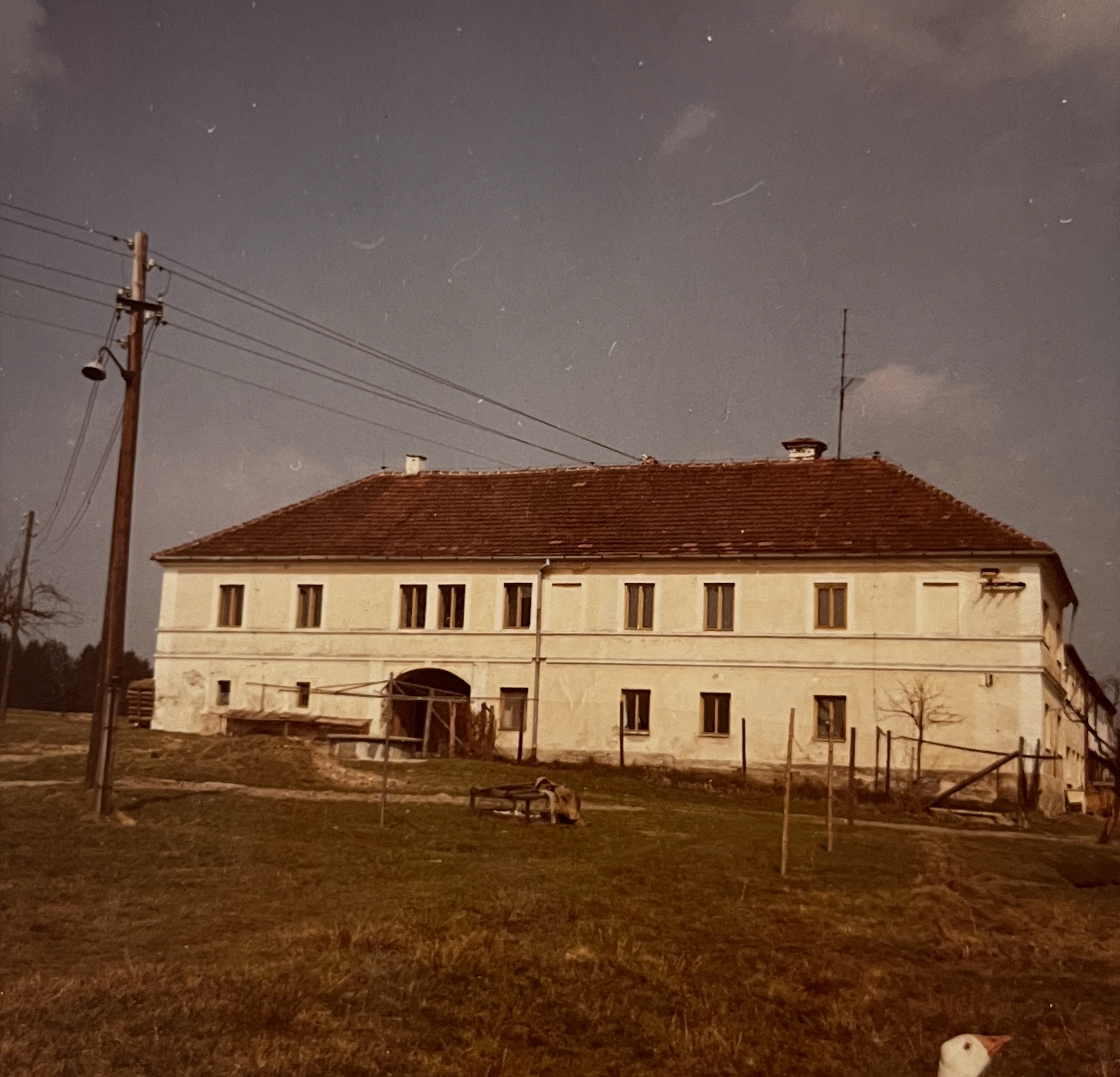
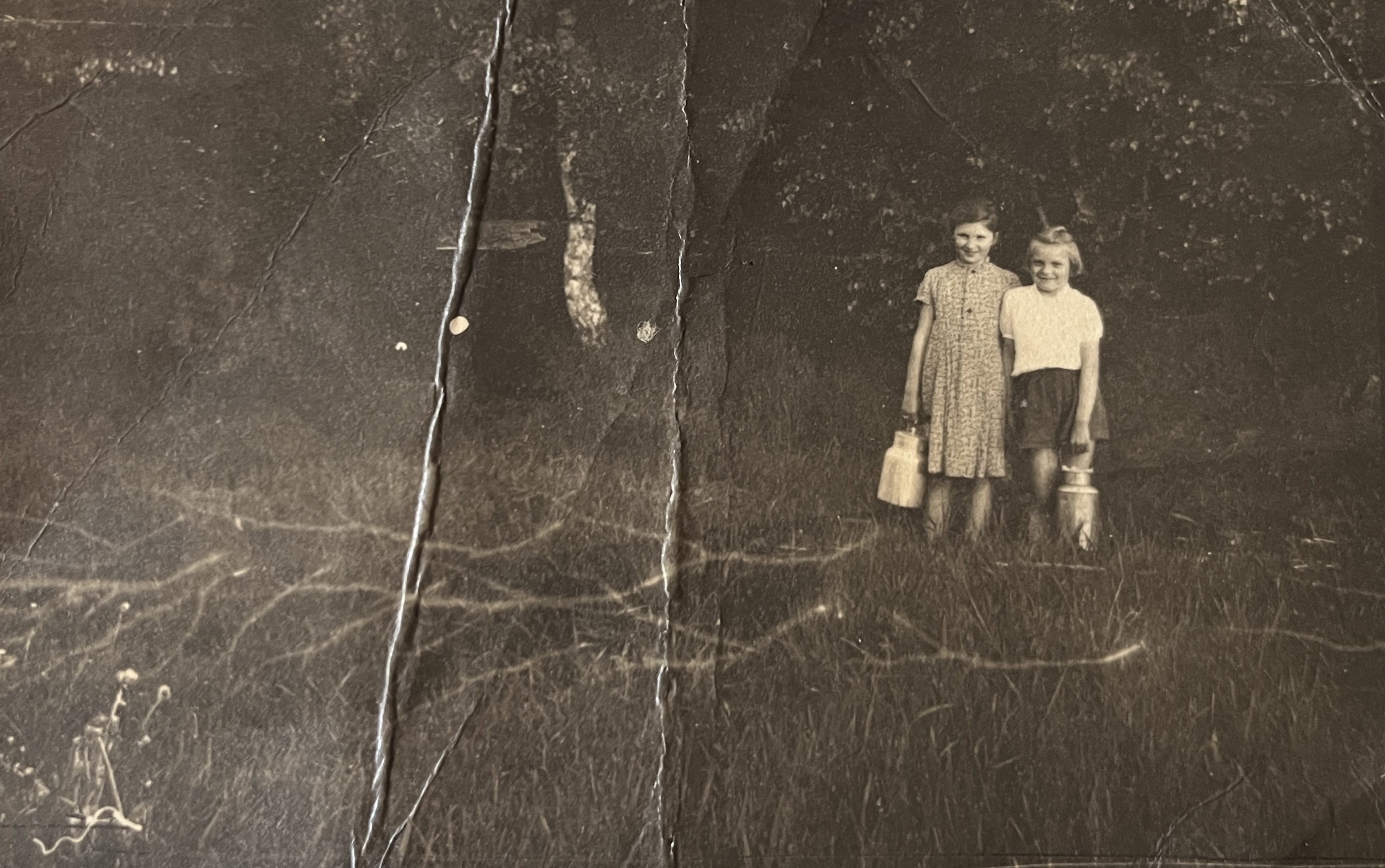
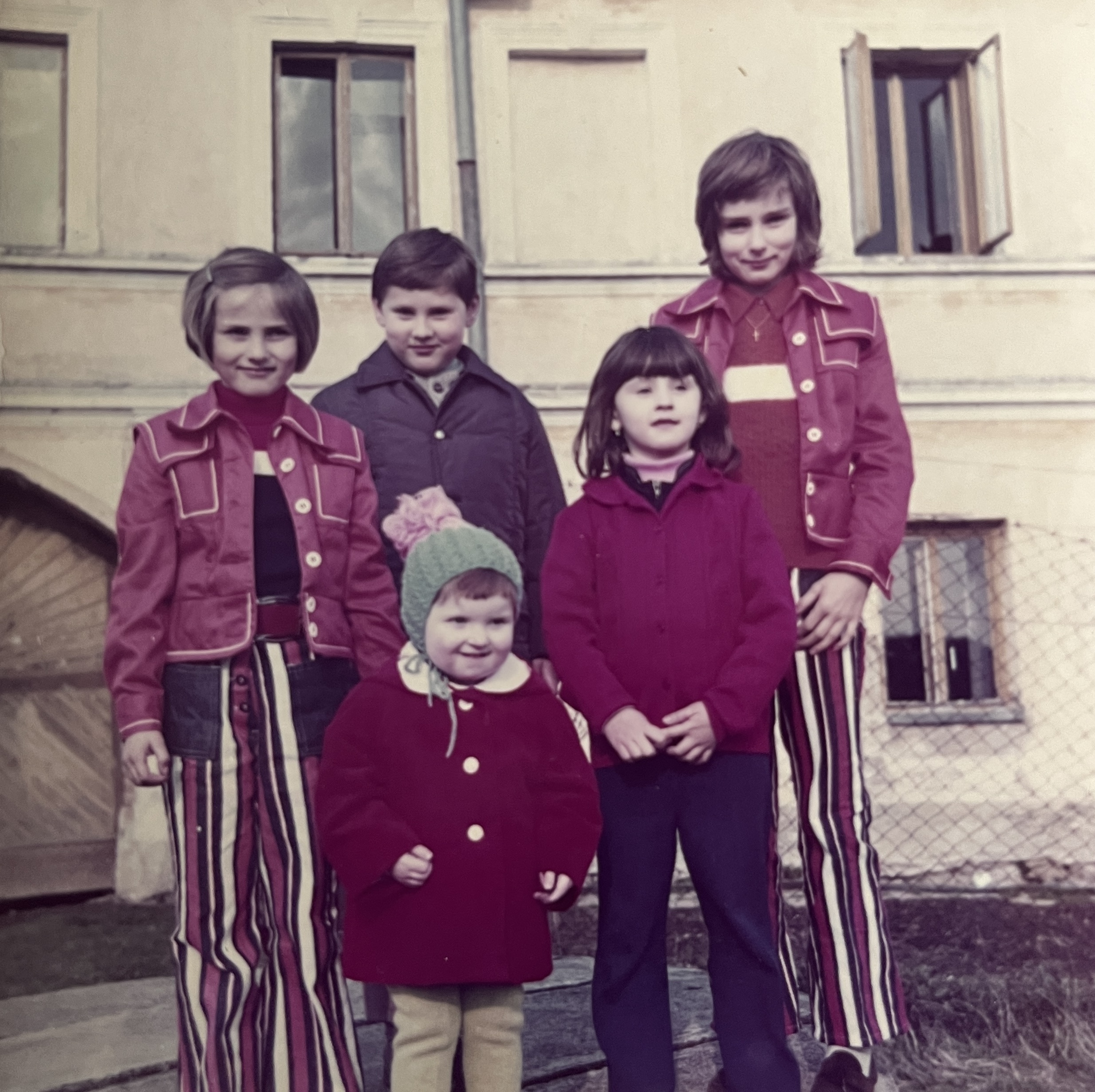
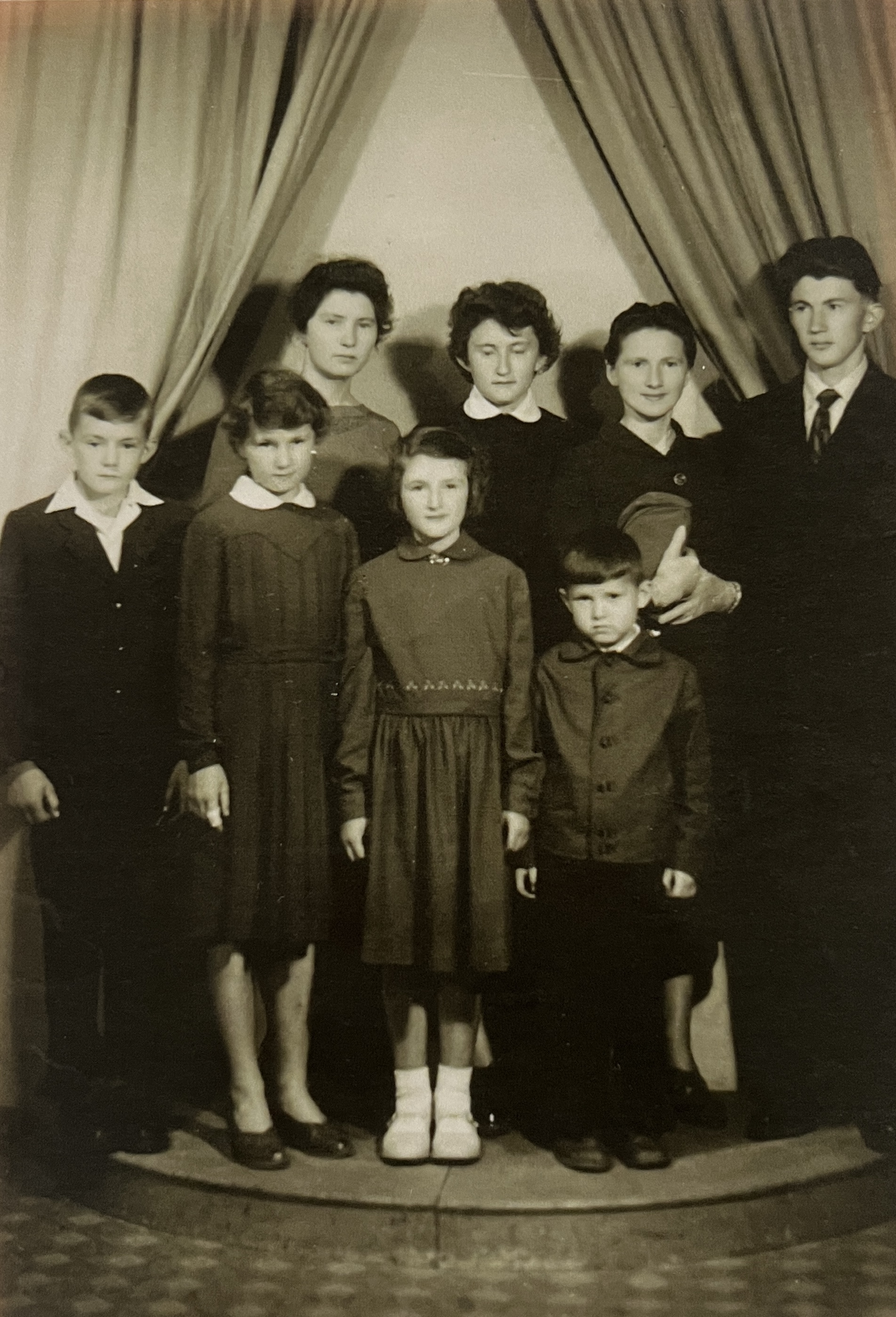
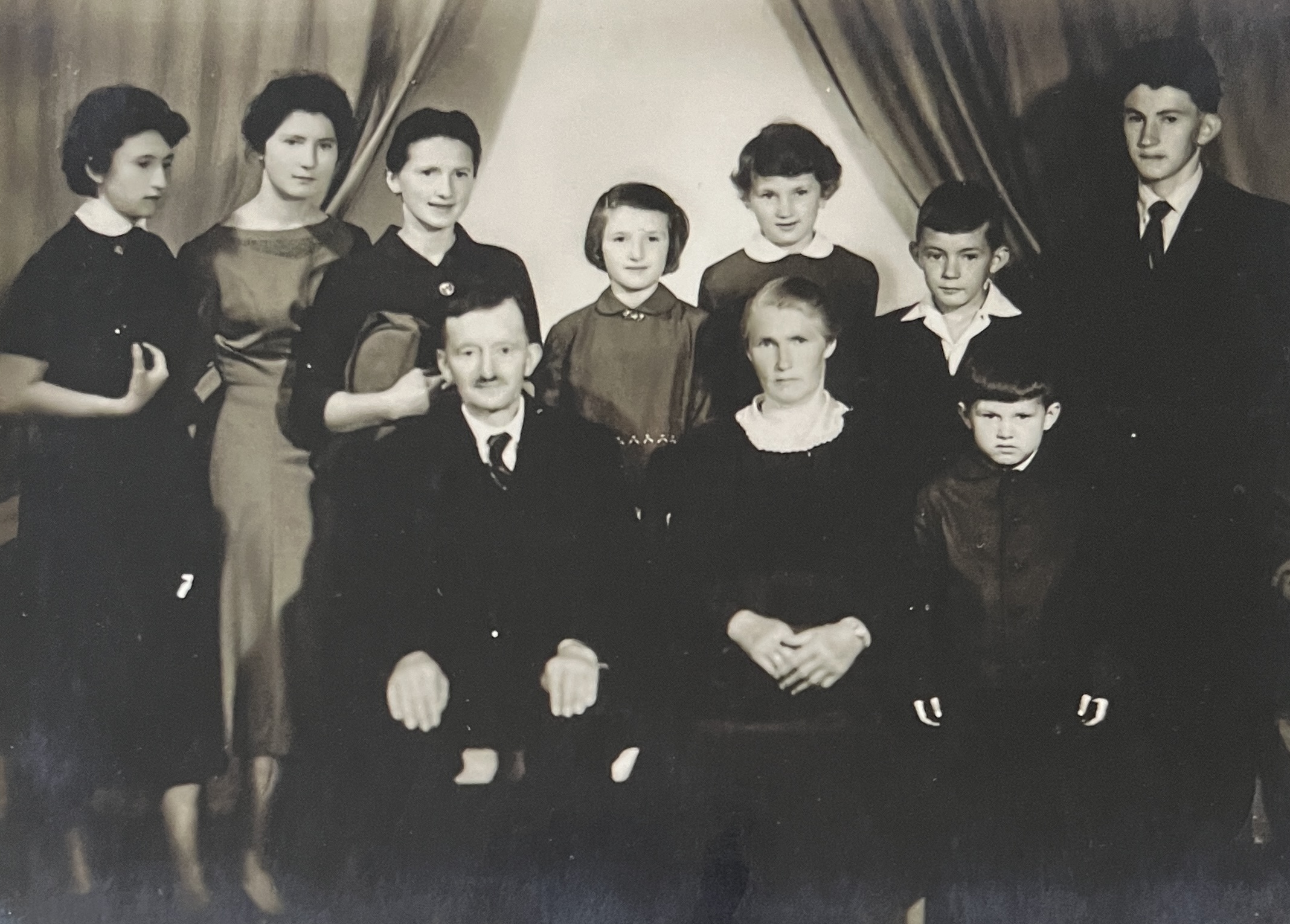
  • "My childhood there was really good. We weren't the only ones there, the neighbour's children were there, the Smíšek family, they had four children. We were one of the little ones, then there were the middle ones and the older ones, they always stuck together. My brother August, he was already one of us, one of the younger ones, the older ones didn't want us, they had other secrets, so they didn't take us into the group. But otherwise it was great. The oldest sister had to watch us, so that nothing would happen to us, she was in charge. She complained about us being naughty, but otherwise it was fine. During the holidays I had to babysit, by the time I was ten I was cooking like an adult, you just had to help out because there were so many kids, so everyone had a job to do and we had to work. There was less fun, there was more work, that's how it is on the farm."

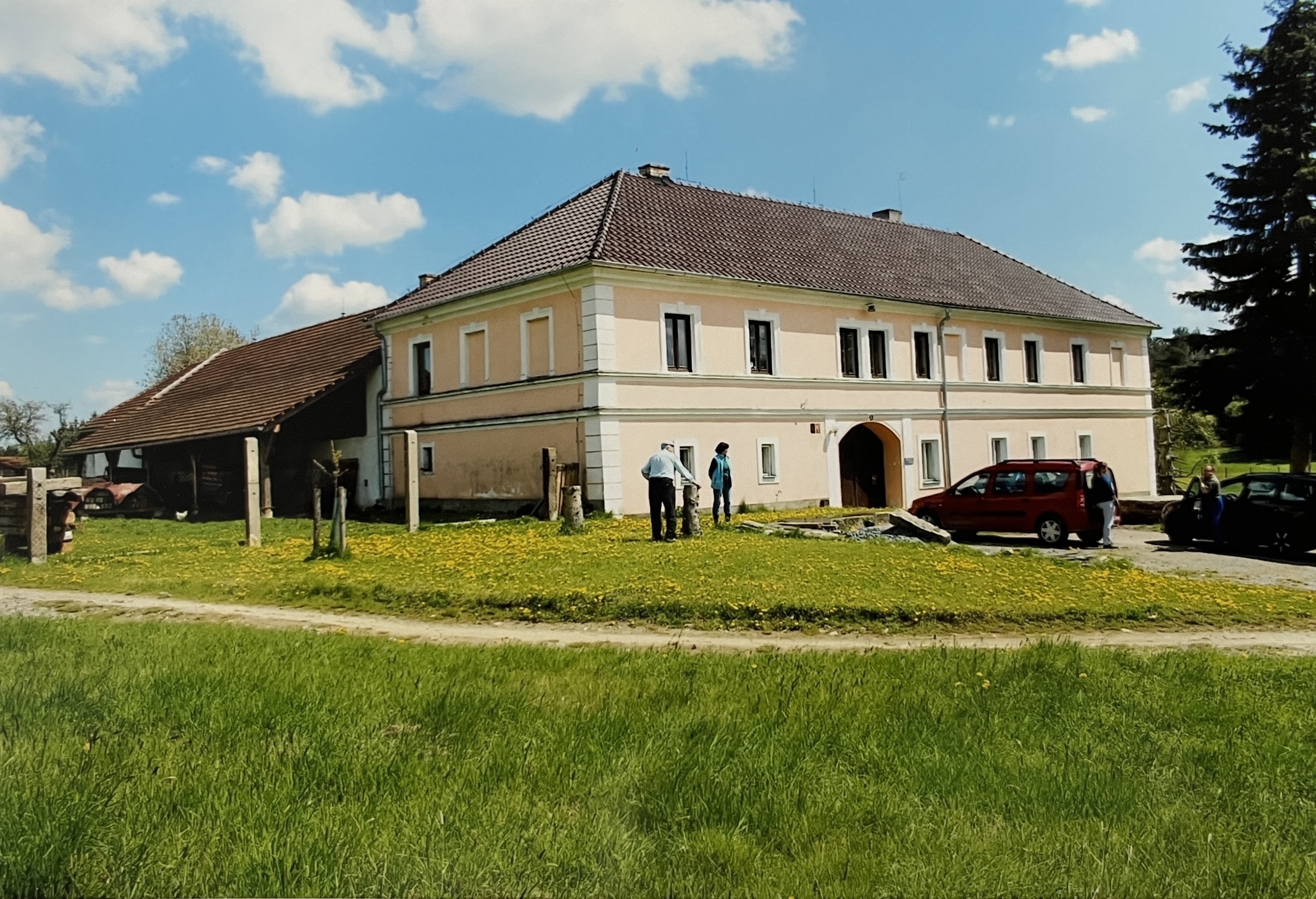
  • "Suddenly the village was completely abandoned, there was no one to feed the cattle in the properties. When Dad couldn't manage it, he let them out into the open so they wouldn't bleat in the barns. On June 1, we were able to go back to Ješkov, because the new settlers could not get possession of our property, because it was 24 hectares and the ration was only given up to 15 or 20, I don't know exactly. So we were allowed to return. But the house, the building, was so looted that there were no beds, nothing, so we even slept on the floor, my sister even said that they found only old blankets that were for the horses, which they used to cover themselves with when the weather was worse."

  • Celé nahrávky
  • 1

    Vyšší Brod, 26.03.2025

    (audio)
    délka: 01:21:17
    nahrávka pořízena v rámci projektu Living Memory of the Borderlands
Celé nahrávky jsou k dispozici pouze pro přihlášené uživatele.

If I had known, I would never have decided to do it
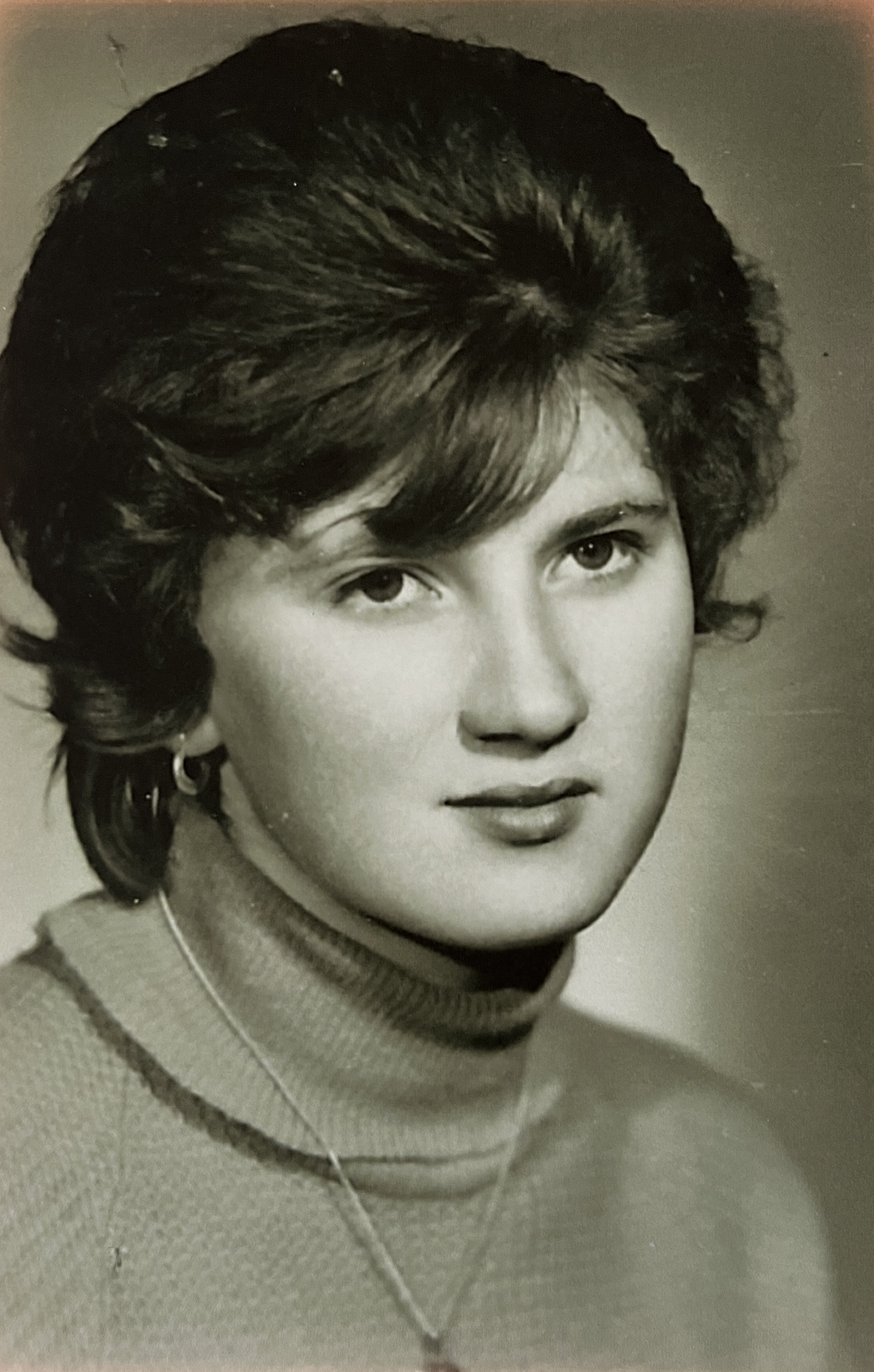
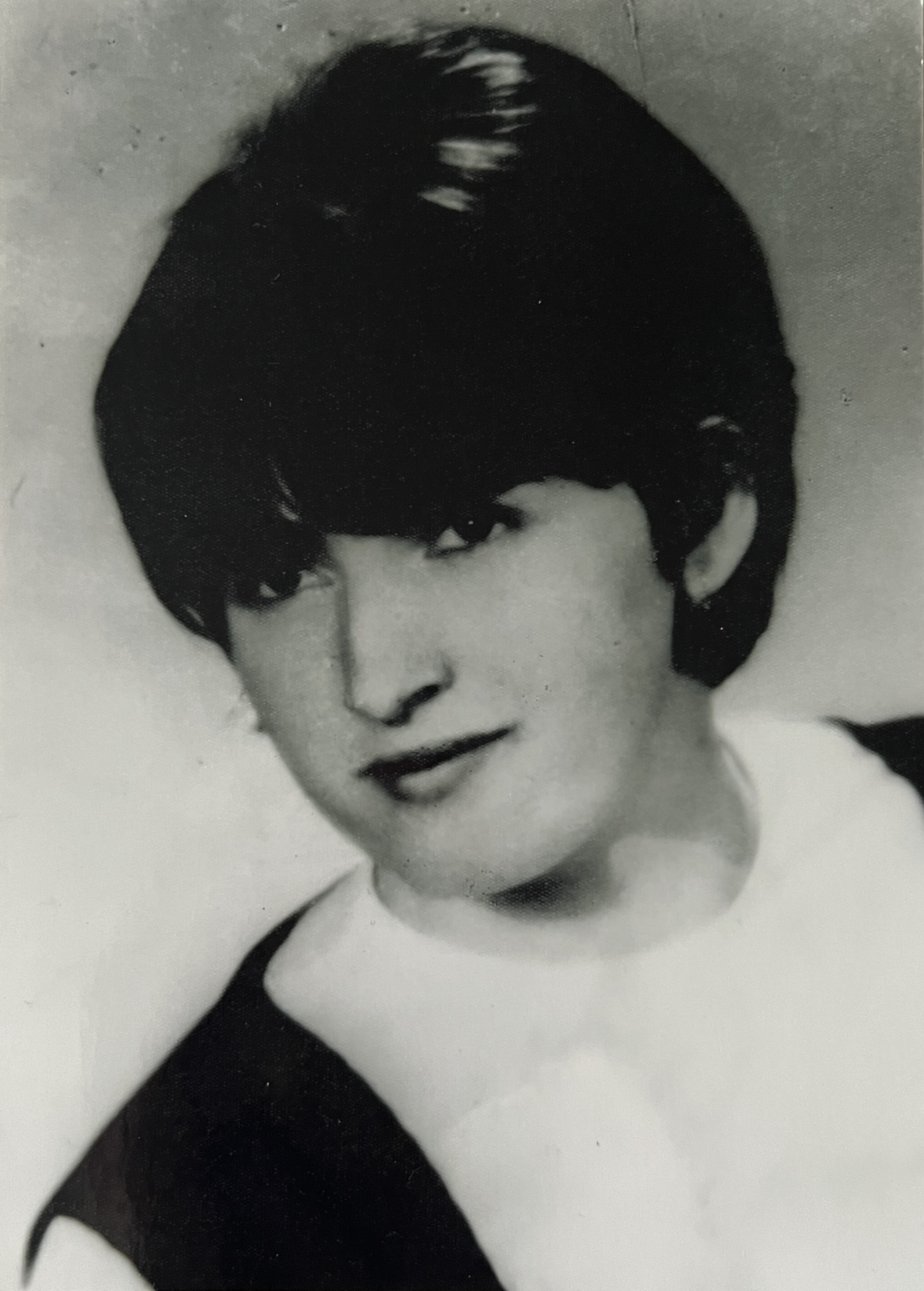
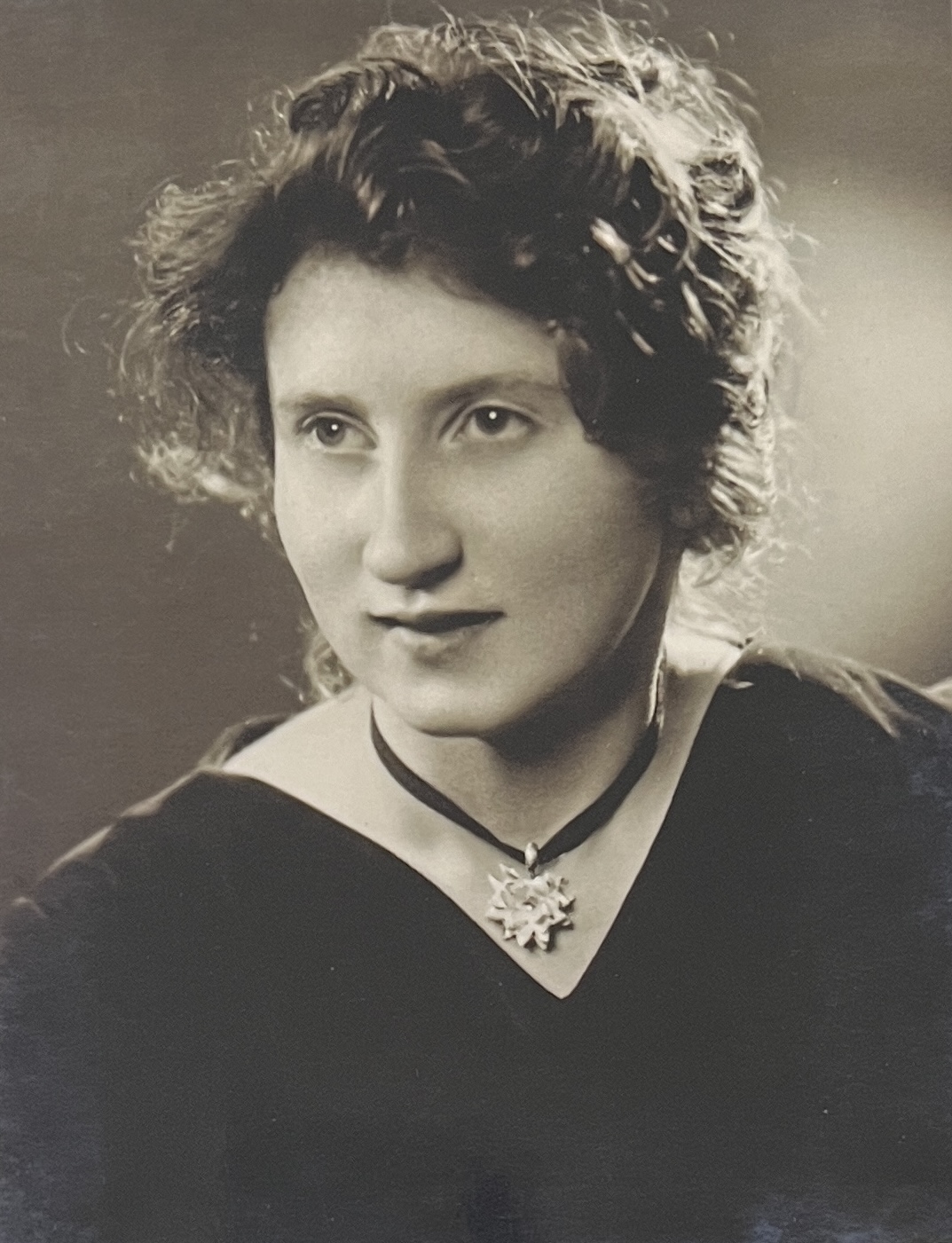
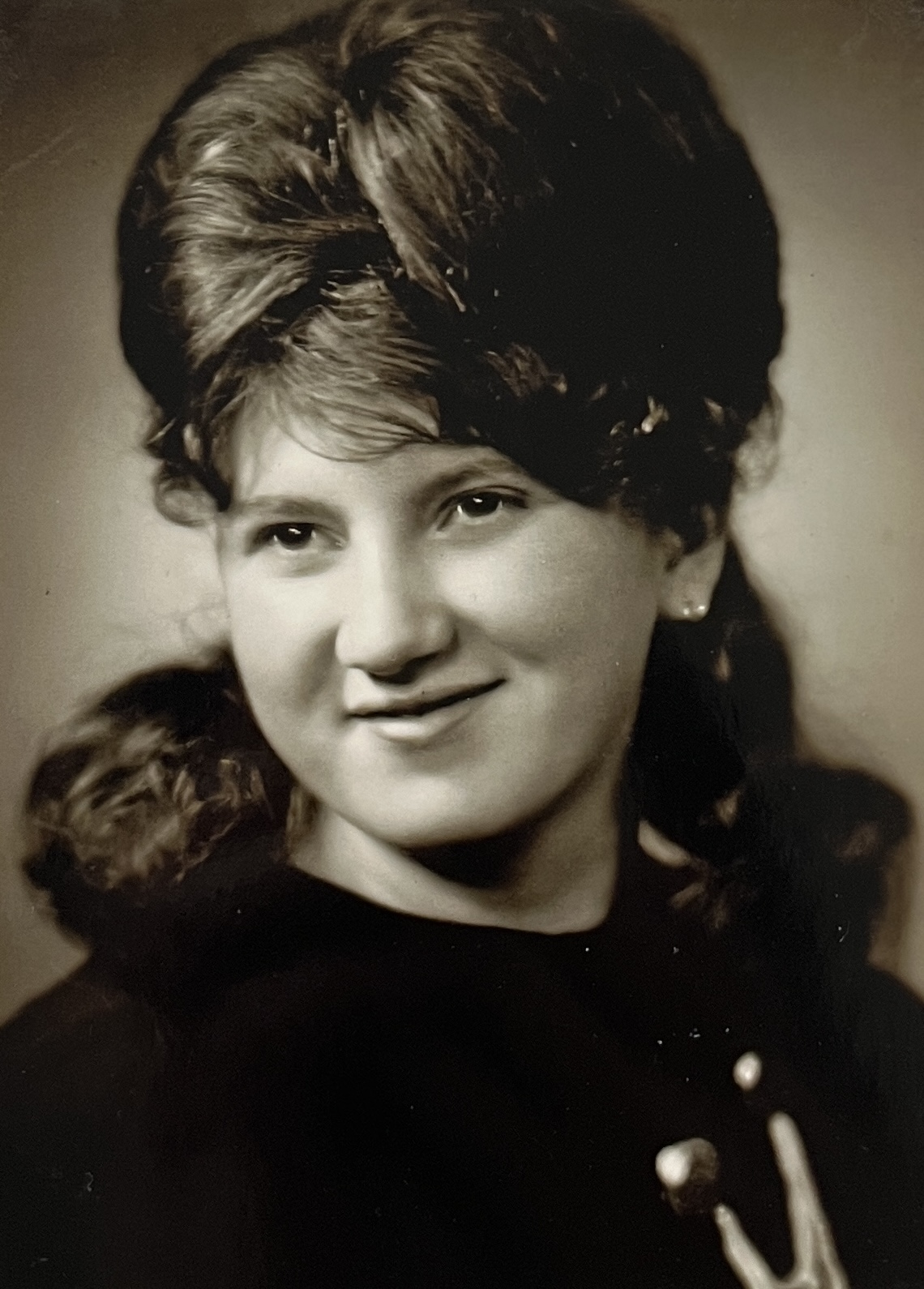
Jana Voráčková at the age of 15, 1961
zdroj: Witness´s archive

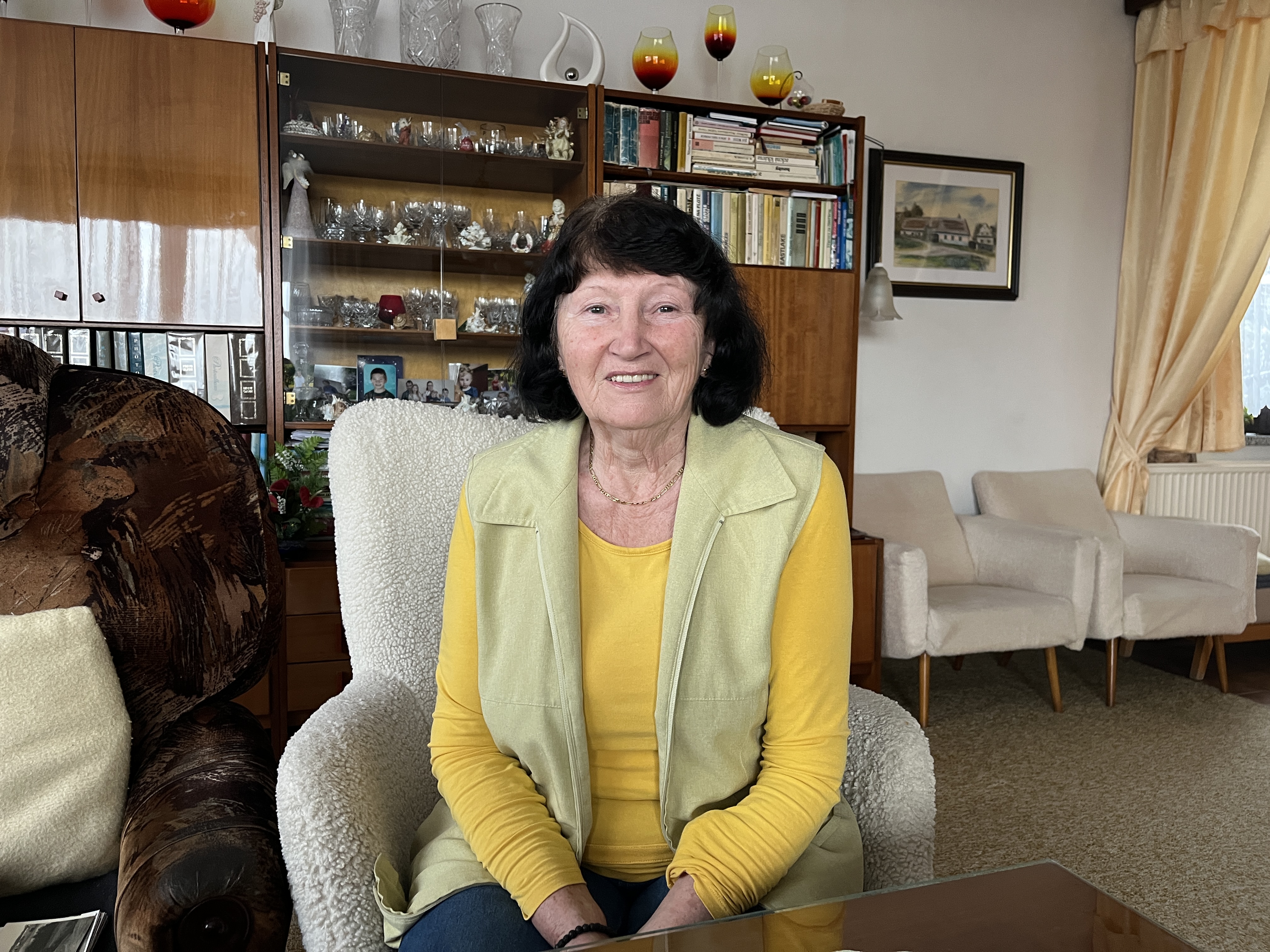
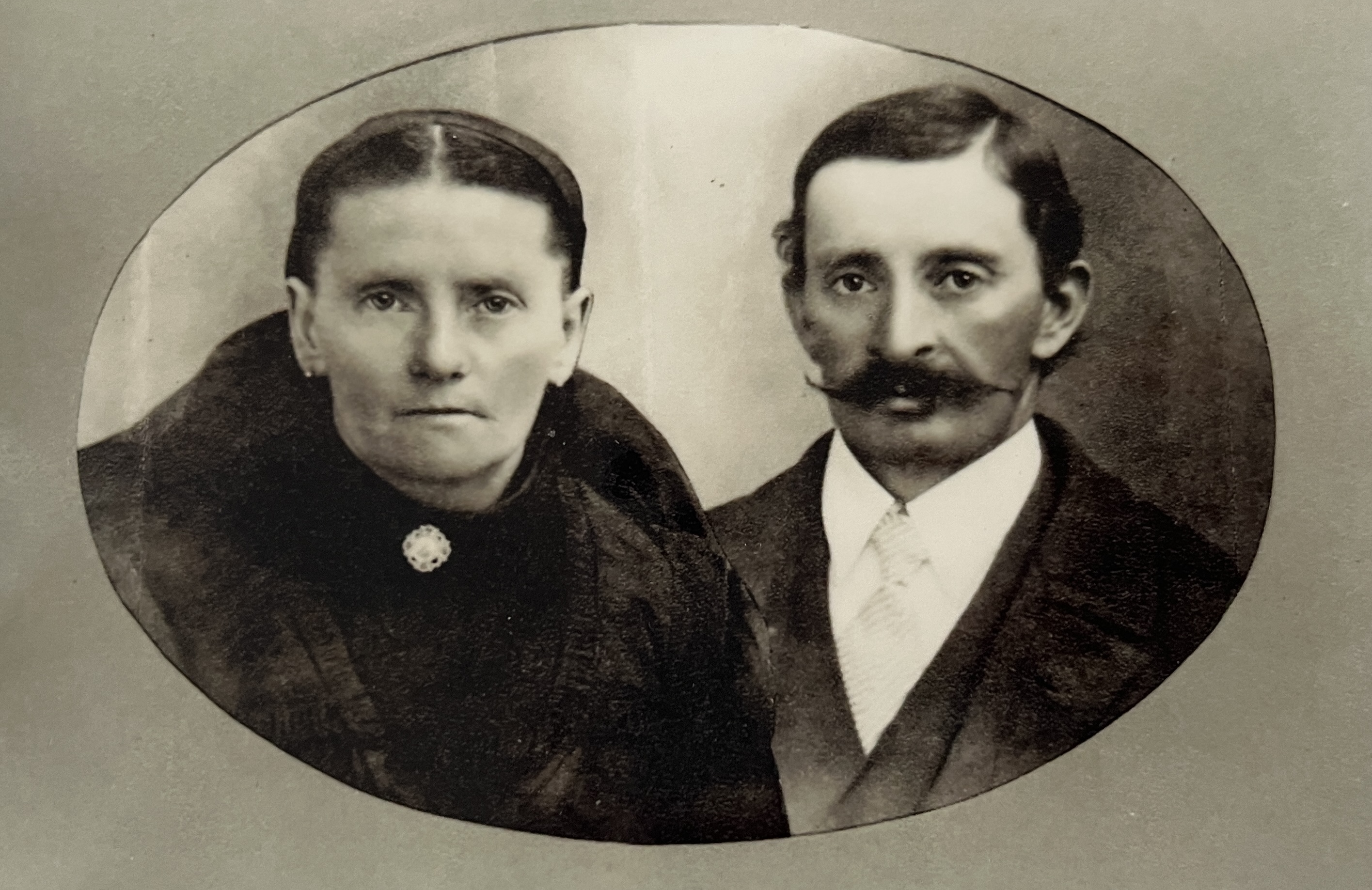
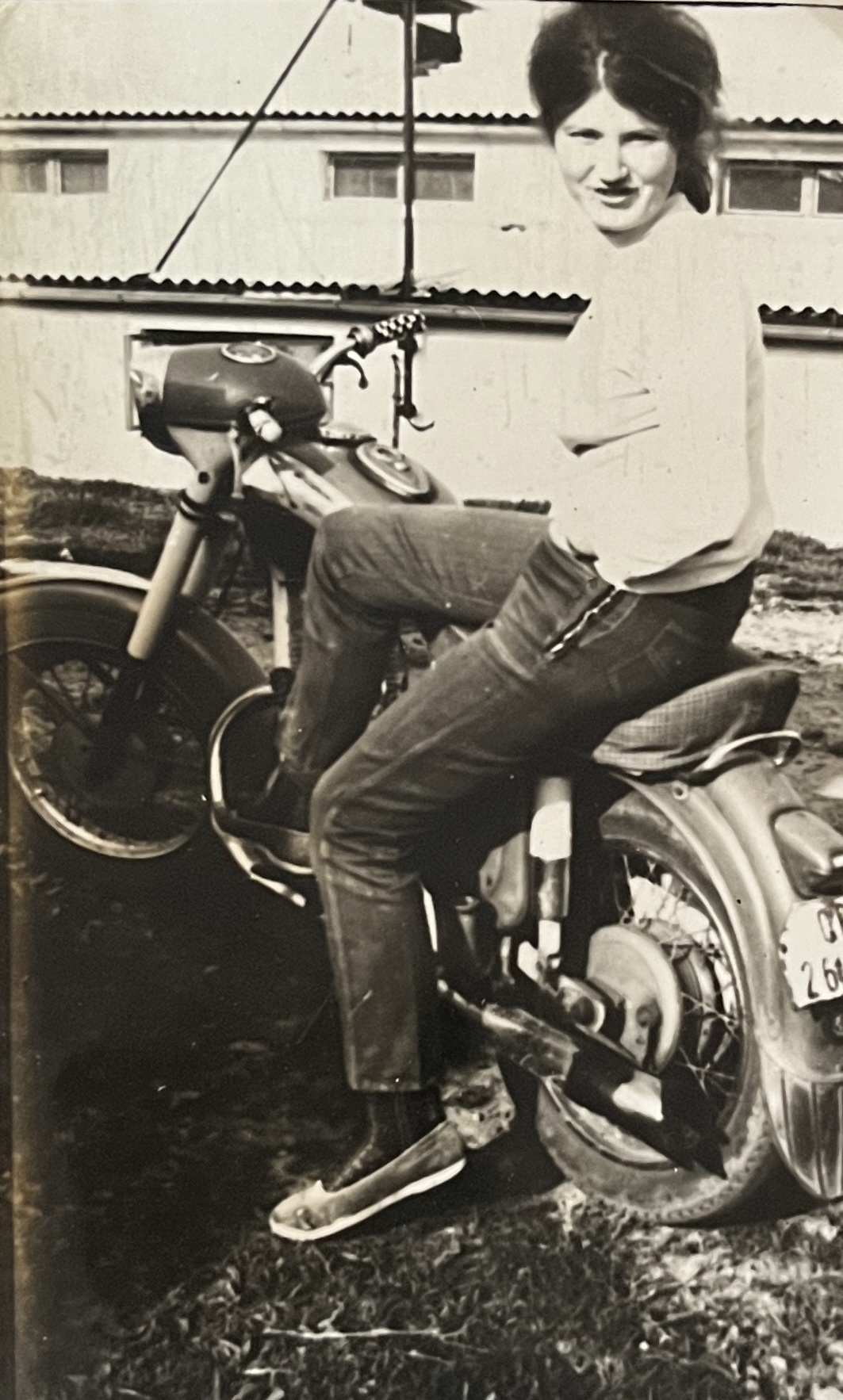
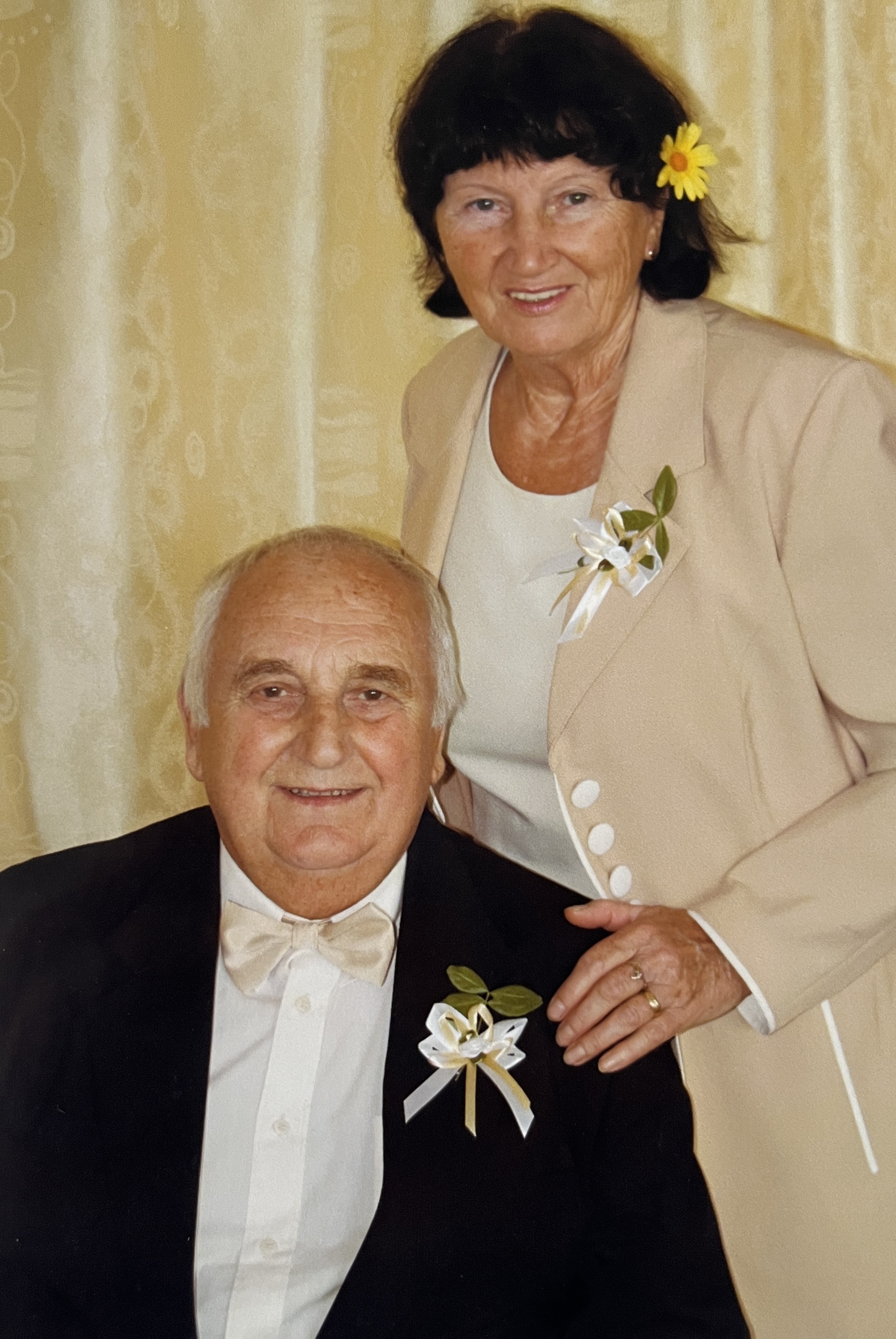
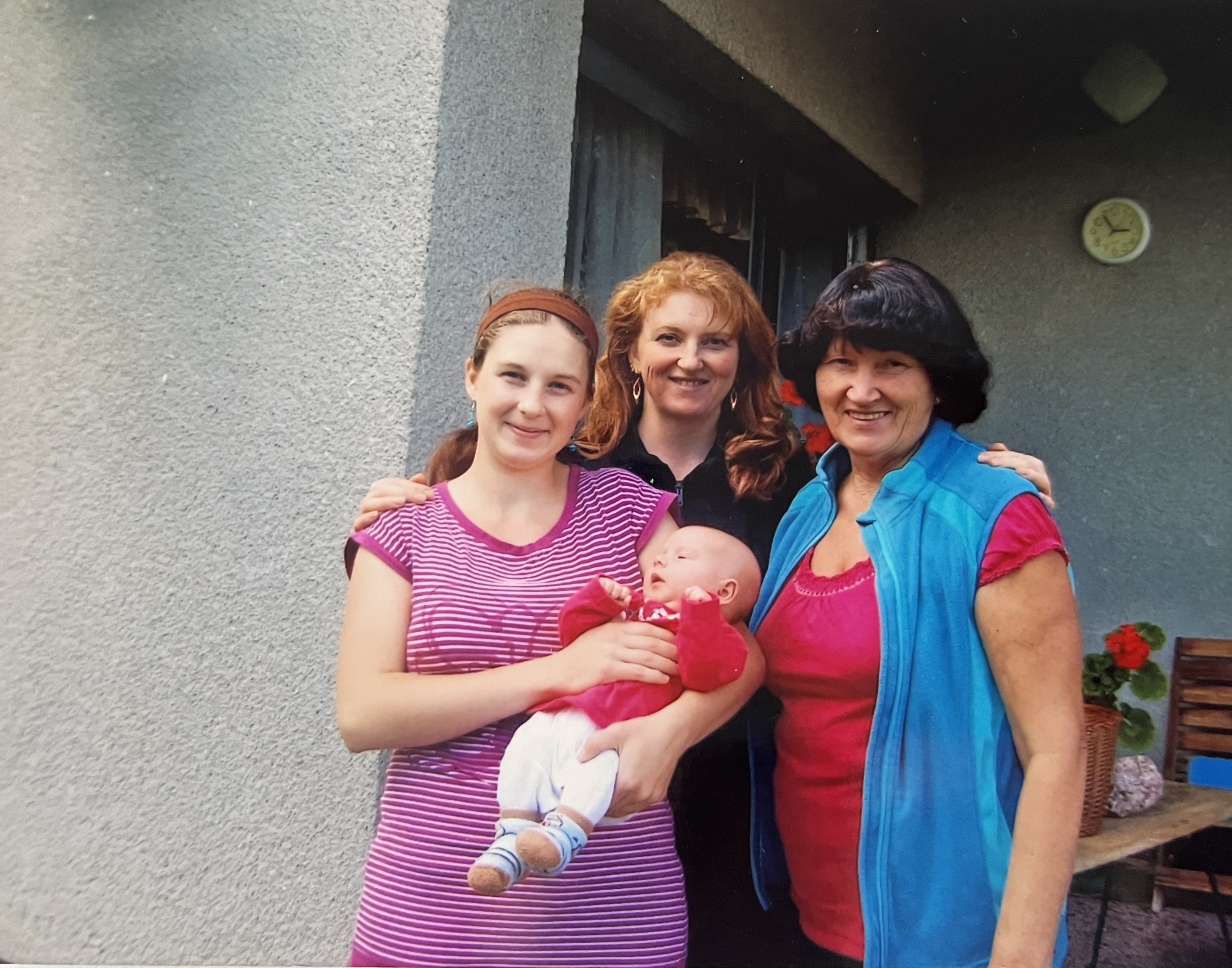
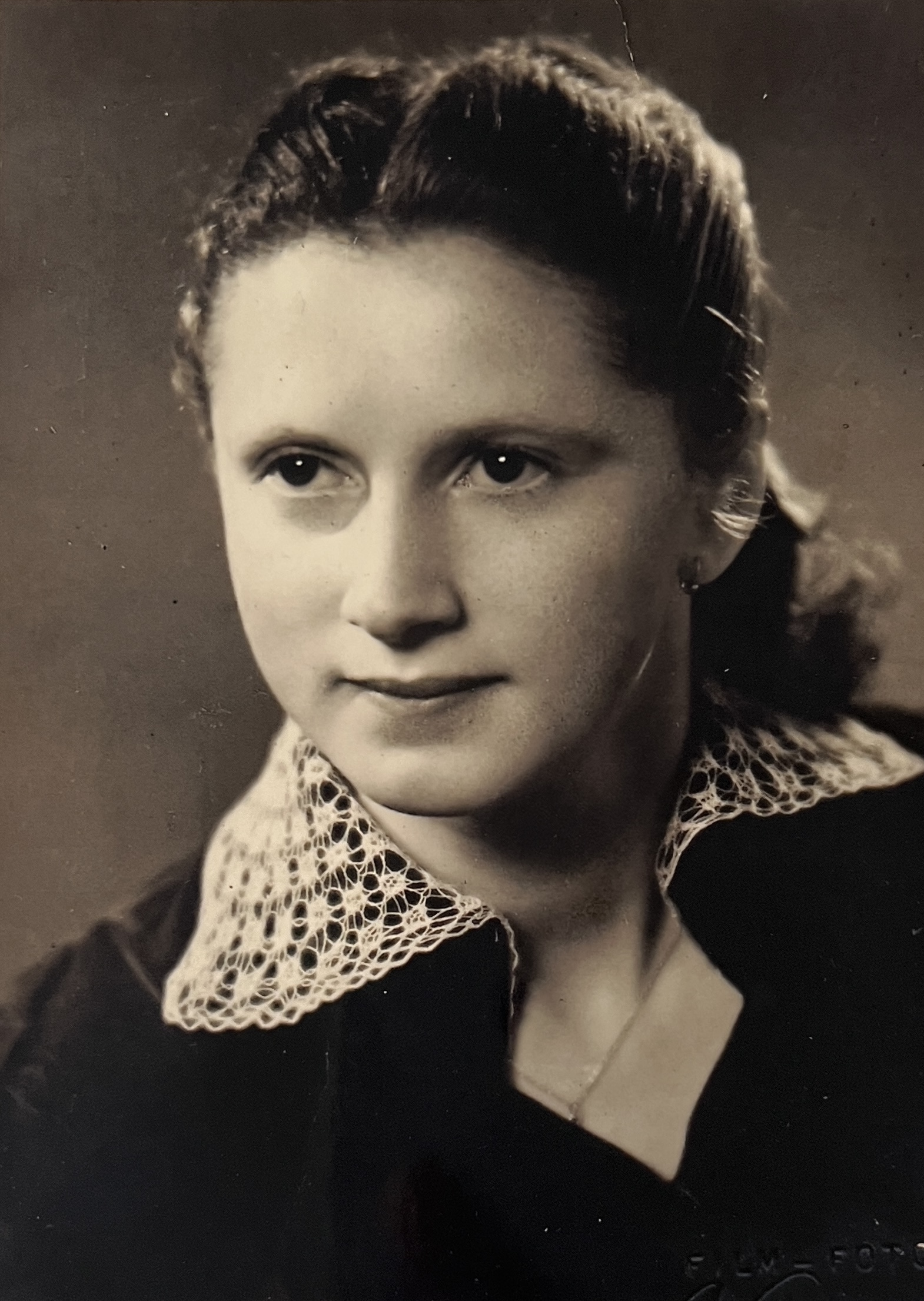
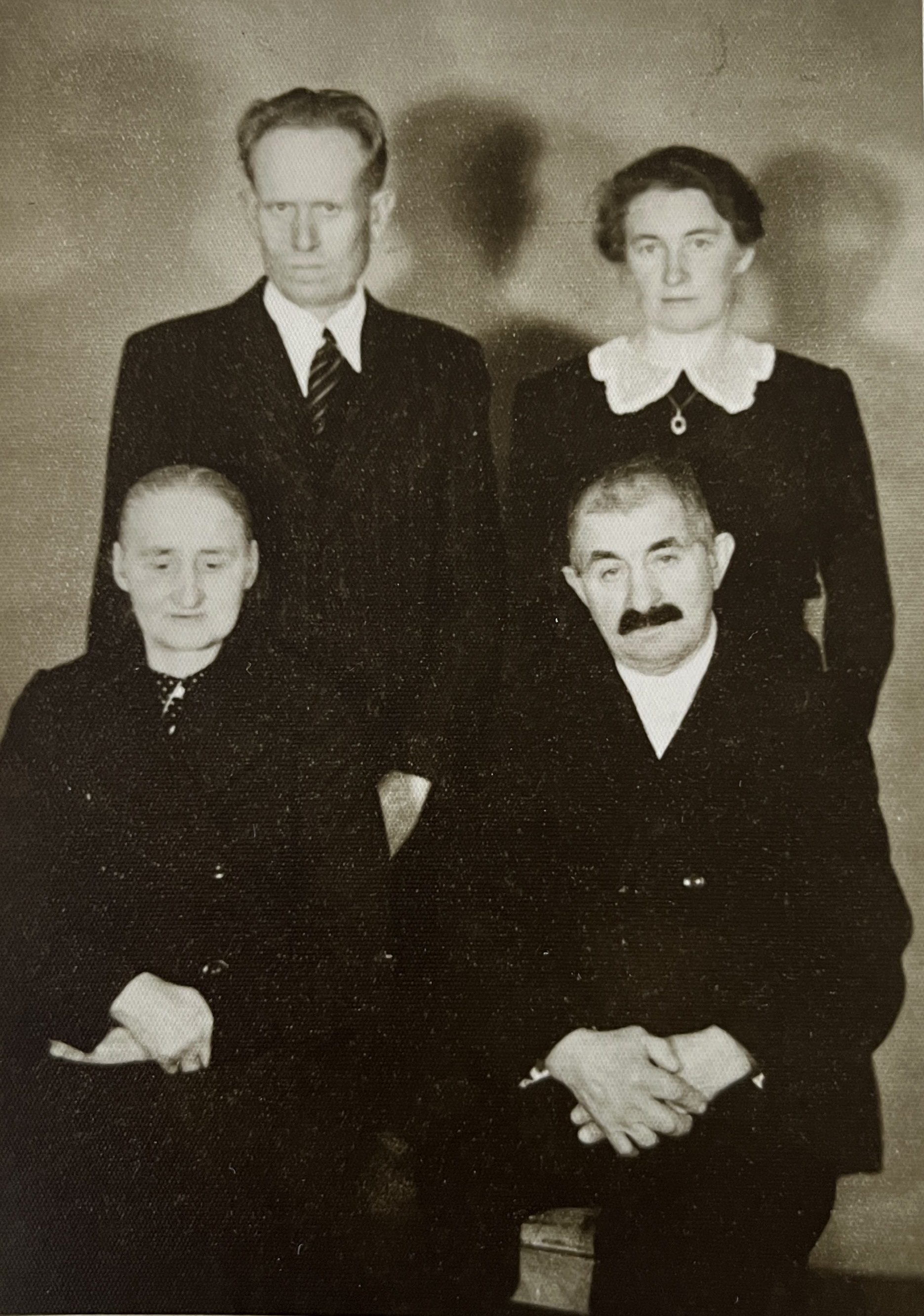
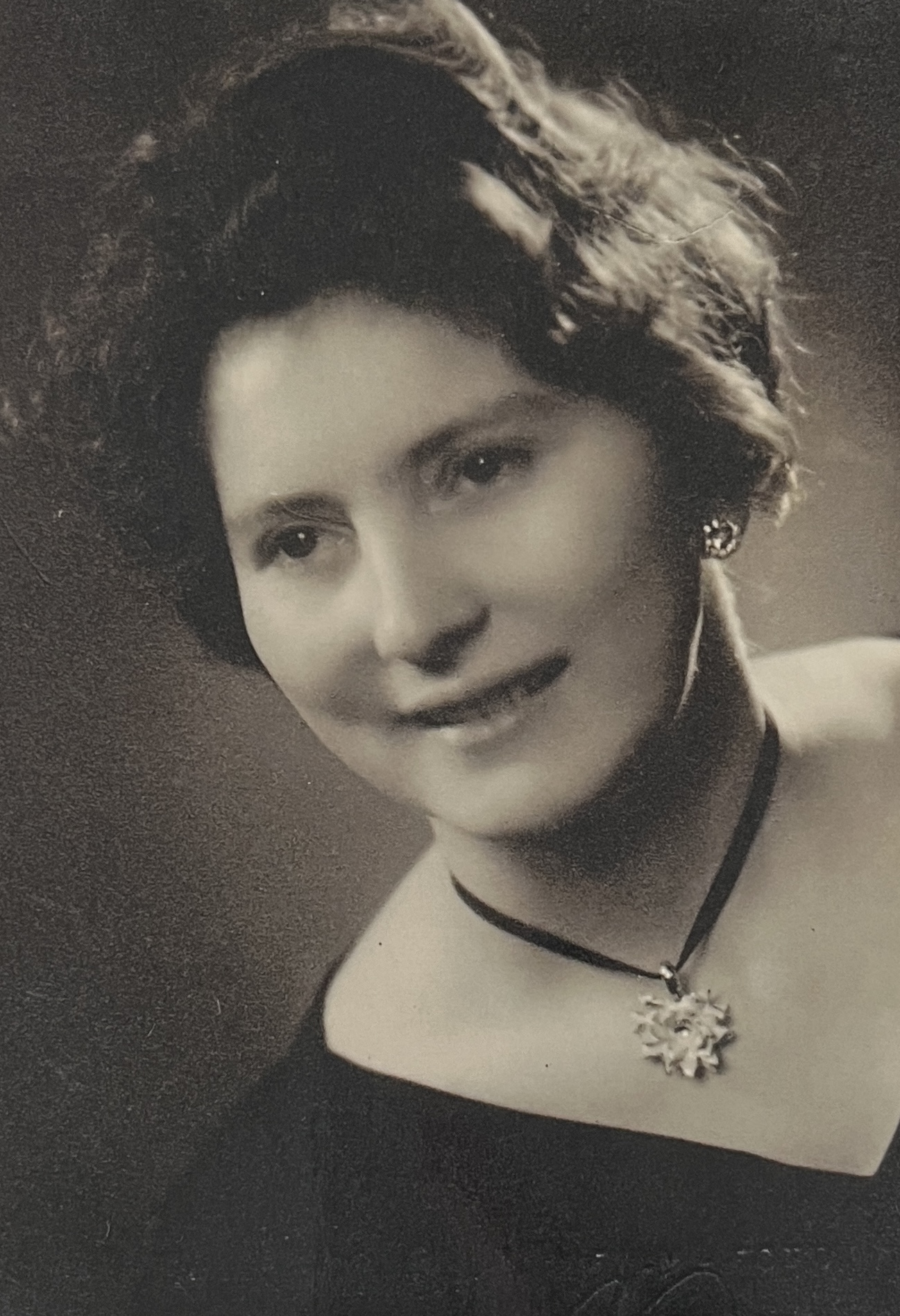
Jana Voráčková, surname Lauseckerová, was born on 19 May 1946 into a German-speaking family that had farmed in Šumava for more than 800 years. After the end of World War II, her family was forcibly evicted from the family farm in Ješkov. However, thanks to the legal limitation on the size of the allocated land, they were able to return later - at least for the time they had, which was determined by fate, before the communist regime‘s nationalisation. She spent her childhood in poverty and helped on the farm from an early age. She went to school without any knowledge of Czech, because only German was spoken at home. She wanted to train as a seamstress, but because of her background she was sent to an agricultural school, majoring in mechanisation, specialising in poultry farming. After graduation she worked in a poultry farm, later in the control department at Motor České Budějovice, then returned to agriculture. In 1991 she applied for the return of the family farm. However, the process dragged on for many years, and Jana Voráčková was only able to enter the land of her childhood in 2010. She also had to buy back part of the property. Even in 2025, the dispute over the family land was not completely closed. Today, the farm is managed by her son Karel, who also works as a carpenter in neighbouring Austria, because it is financially demanding to make a living from farming and to put the ruined property back together. Jana Voráčková also has a daughter, Heike. In 2025 she lived in Vyšší Brod.