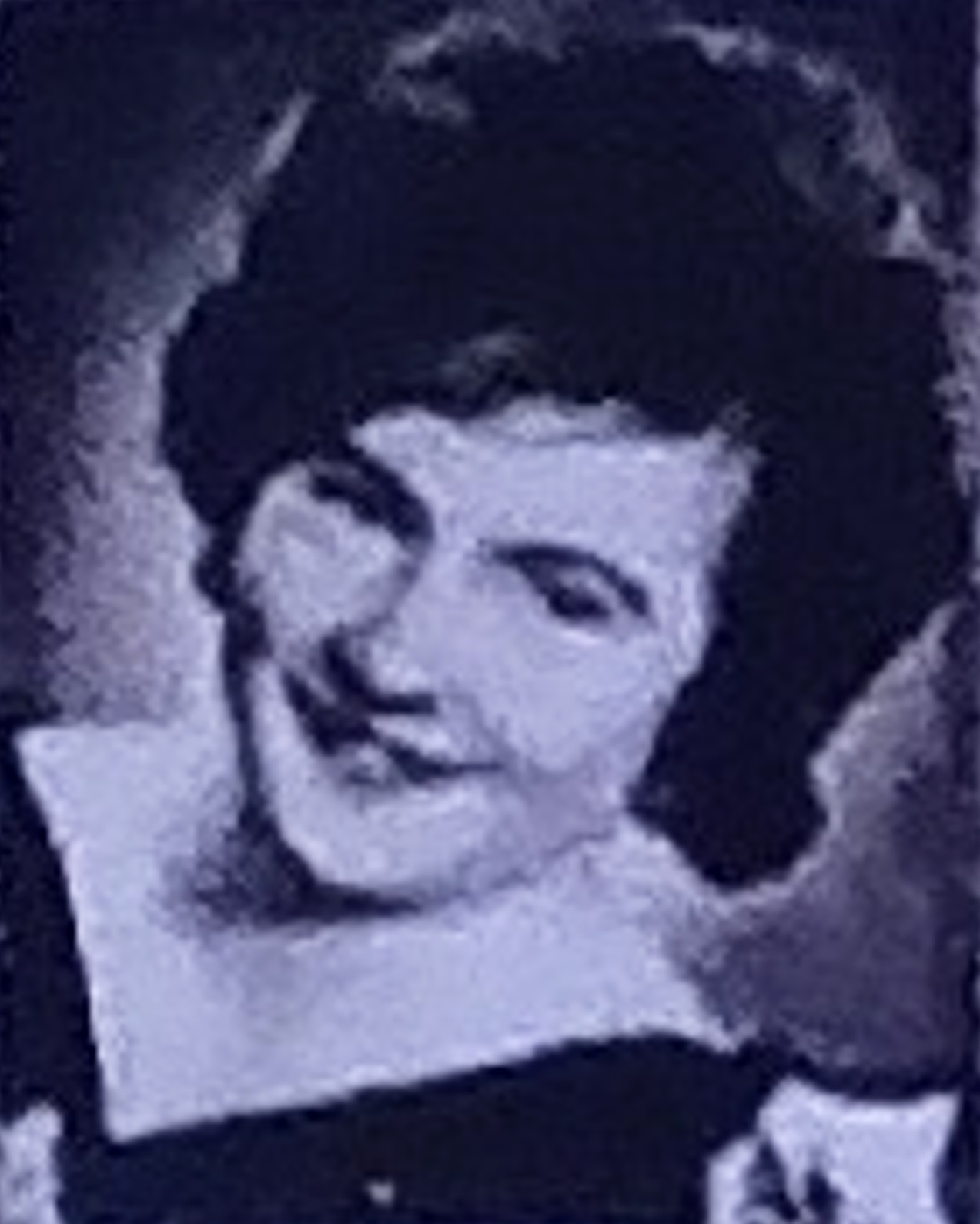
"She always came across it somehow, when she was arrested, that she had all her teeth knocked out, that she had to have them repaired, or that her hair was pulled out. She used to say that they didn't treat her very nicely there. And it was always in connection with something else, because one time, she said, she was washing her head, because there was a stove there, at the Bräuer's, and she was drying her hair in front of it, and I guess it was too close to her hair, and some in the front got burnt, and her eyebrows too... And she said, 'Well, that's how I feel, like when I came out of the concentration camp.' It grew out again, but that's how she remembered it. But otherwise she didn't want to talk about it much."
"I used to train [cows]. I also remember one time, I had them still tied on the rope, and the third one, I was leading that one. And now they got scared or they got tangled up somehow and somehow it got out - one got away from me, it was hot, it was sometime in the summer, and she ran away. And the other two, it wasn't so much, so I untied them and let all three go. One came to the lady´s house where we got them from, and there she started grazing in the yard. One was grazing at the other neighbour and the third one, the older one, went home and stood by the trough and waited there for the other ones to come in, that they'd get to eat. And the lady that the cow got in there, the old lady then complained to my mother - I was probably about seven, maybe eight years old at the time - and she said, 'I saw the cows get tangled up. If they'd gotten her under them, they'd have trampled her to death! But she was lucky she had the idea to untie them and let them go. And I don't want to see her lead them tied up again!' So I always took a broomstick or something and they had to learn [be called] by name, and 'come' and 'don't run' and that kind of thing."
"For example, I used to - because we had to keep our cows tied together so they wouldn't mix with other cows, and we had a sheep, and the sheep had to walk those kilometres too. And of course she was thirsty and she was hot, so she always ran ahead. When the sheep stamped, I knew someone was in the house. And when it was quiet, there was no one there, the sheep didn't come back. She just, he chased her off, didn't he. And sometimes he couldn't hide from me, because I peeked into that black chamber, too."
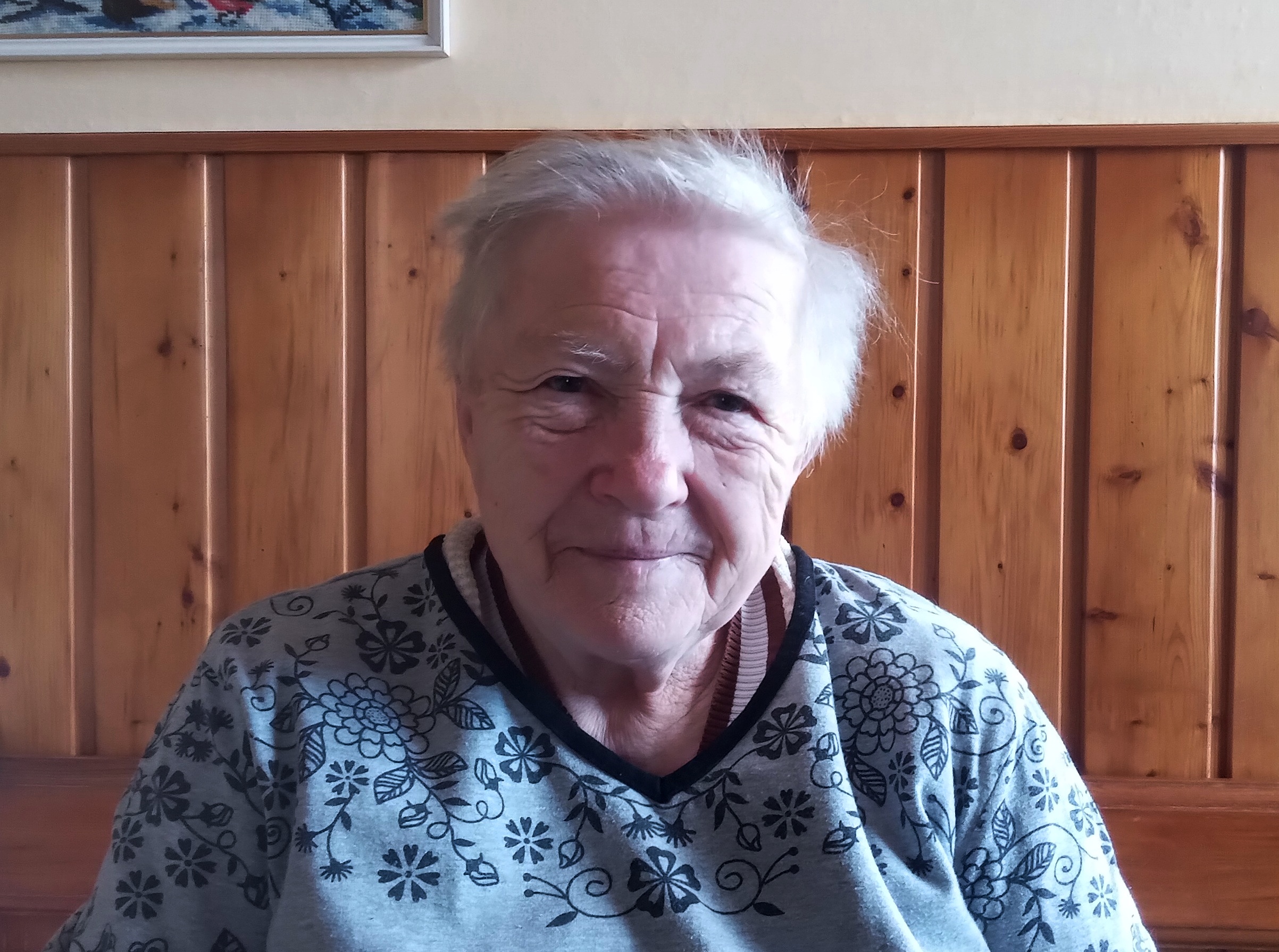
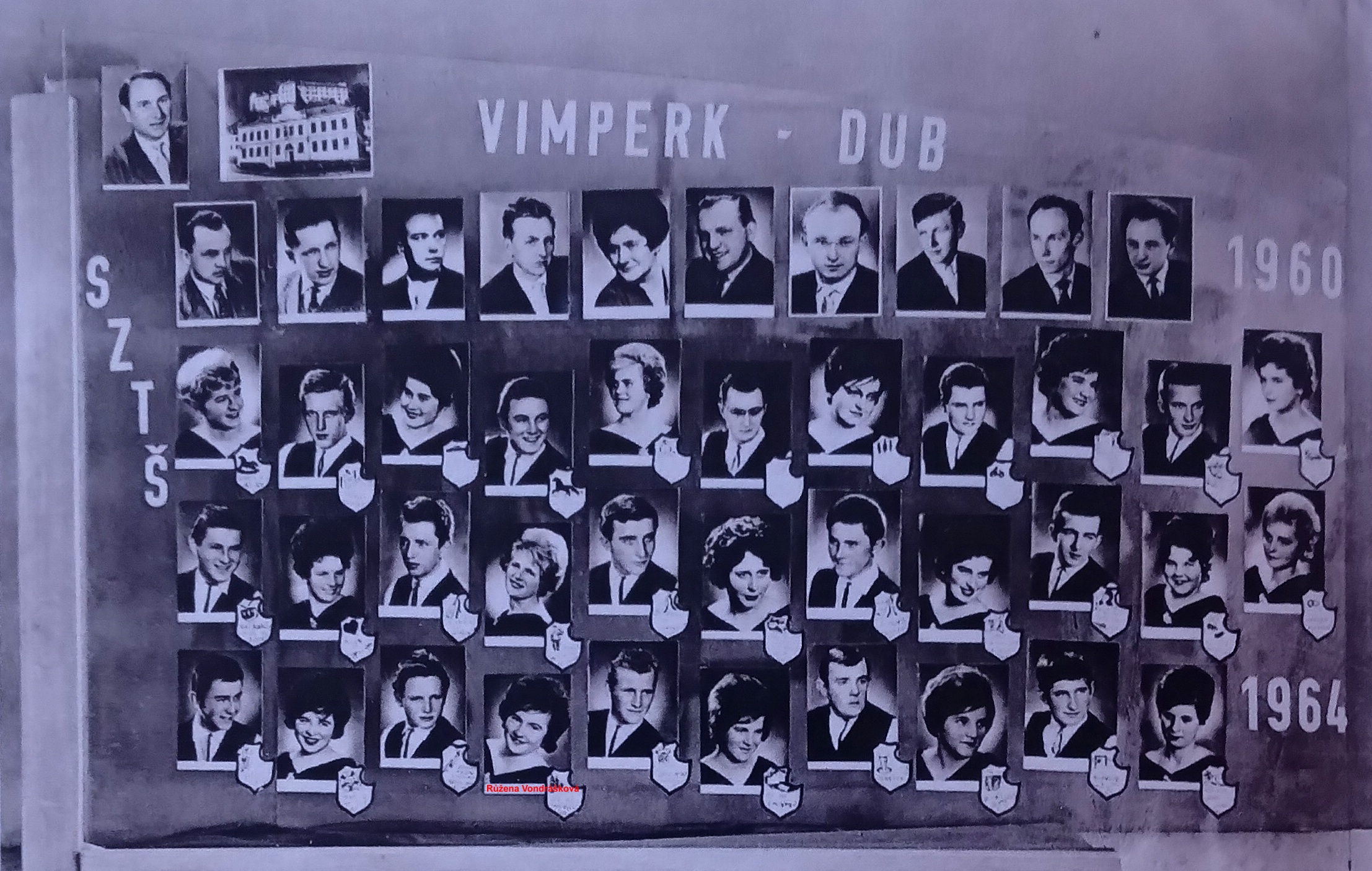
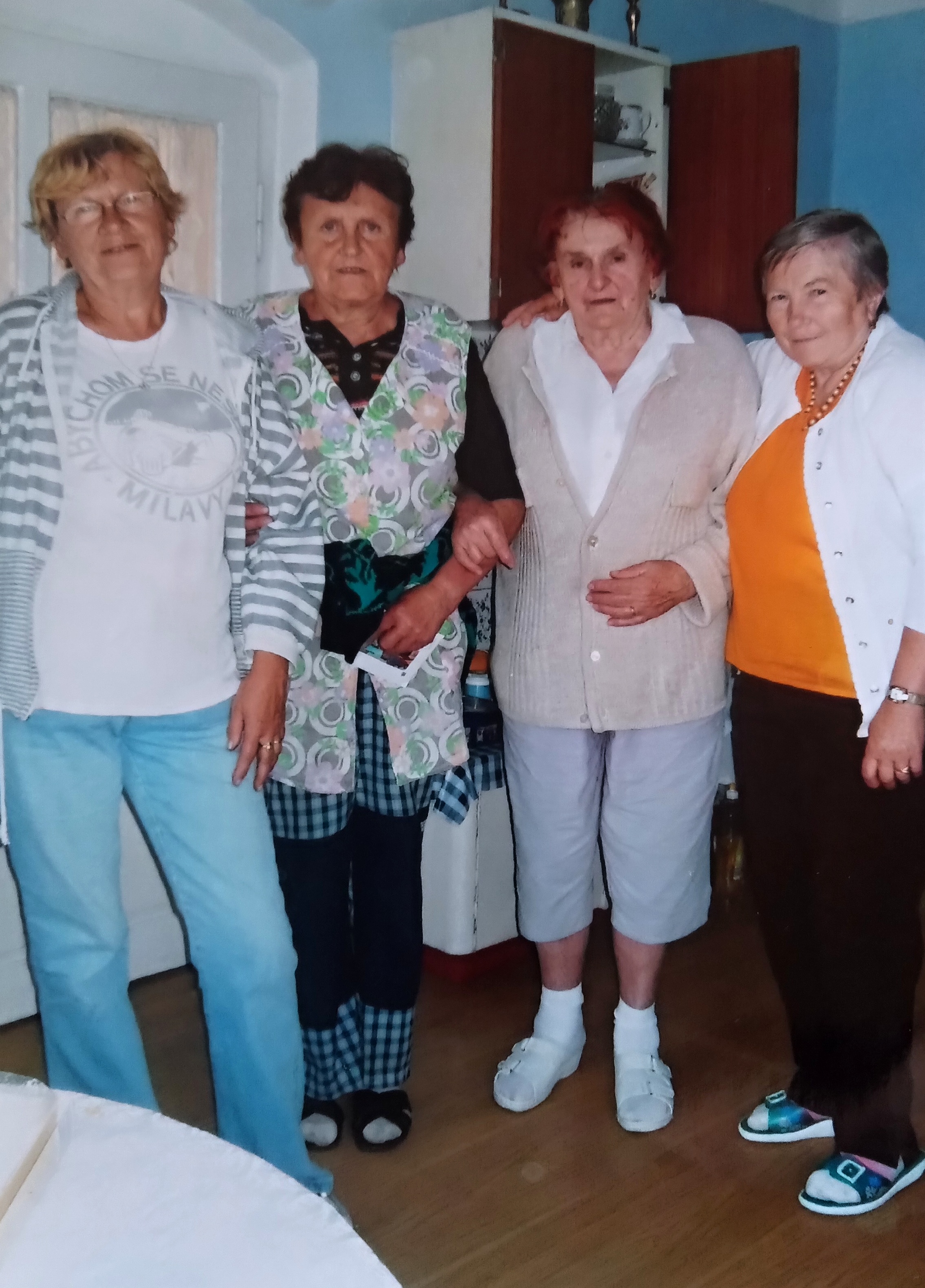
Růžena Vondrášková was born on 2 June 1946 in Vojslavice, Prachatice, to parents Růžena Mauricová, née Kotrcová, and Václav Mauric. Her parents were farmers, raising cattle and cultivating meadows and fields. Josef Hasil, a smuggler and CIC agent, the famous King of Šumava, found shelter in their uninhabited, dilapidated farmhouse in Škarez during his trips to visit his family. Růžena Vondrášková never asked her parents about the details. She was then about five or six years old. She was simply afraid of the King of Šumava, who regularly hid in the black kitchen of the half-demolished farmhouse. Her parents just told her not to go there, not to be shot. The house had two hectares of fields and meadows around it, which the family used as grazing land for their cattle. The little girl used to bring the cows and a small sheep here every day from Vojslavice, a kilometre round trip. Later, they demolished the dilapidated house and sold the meadow, today there is a holiday cottage on it. Růžena Vondrášková graduated from primary school in Šumavské Hoštice. Again, two or three kilometres a day, back and forth, for eight years. From childhood she was friends with Maria Vávrová, Hasil‘s friend, and her younger sister Anna. She continued her studies at the agricultural school in Vimperk. After graduation in 1964, she got an asignement in the Cooperative Farm (JZD) in Lažiště. And again she used to walk. In 1967 she got married. In 1968, „friendly“ tanks arrived in Czechoslovakia to extinguish the small spark of freedom. Růžena Vondrášková continued to walk - at four o‘clock in the morning to help her mother milk the cows in Žárovná and on to Lažiste. In 1969, Soviet tanks were still in her way. After her maternity leave, she got a job at the social department in Prachatice. In 1990 the family returned to private farming. Even in her retirement age, the energetic lady does not idle. She enjoys her family, creates paintings, visits with friends. In 2025 she was living in Šumavské Hoštice.