"Because it was, we were running like really in such a frenzy, we were totally, totally nervous. And there were dogs barking, they obviously had a handler with them, so we were like, `We have to get in the river quick.' So we quickly threw our clothes into this bag, tied ropes, tied them to our bodies, ran across the road and got to the river and the river, it was such a roar that we couldn't hear each other, we had to yell at each other, it was such a roar and then we found out that it was the highest flood in ten years, the highest water level, which we didn't see, but if we had seen it we probably wouldn't have jumped in, but there were, I don't know, one metre, metre and a half high waves, just rolling."
"Yes, it was hard to get there. First you ended up in the so-called reception area, which was three or four huge rooms, where there was nothing to sit in, people were half lying down, half sitting on the floors, it was divided by nationality, so one room was for Russians, one for Romanians, and so it was divided up. It was kept pretty strictly, because there was a threat, it was all so conflicting, because all these people were stressed, tired, hungry. We were given a little pâté and a piece of bread three times a day so that we wouldn't starve, and there you waited for your passport to be taken away, and every once in an hour maybe a uniform would come out and everybody would wait for that, and all these emigrants would pile in and there would be a terrible shoving match and even a fight between one, another, and everybody would hold out their hand with the passport, and whoever the passport was taken from they were sort of accepted. And it took about three days of this to get in. It was lit up all night, now, they were all smoking, there were little kids, there were old people, it was really [...] And there was this hatred in those eyes, the kind of struggle of an animal when it's cornered. Such despair, fatigue, the aggression of people who have escaped from the gravedigger's shovel."
"So really like ridiculous. So my parents had to hand in my toys, my clothes at the national committee, and my dad was so angry at the time that he went up to the attic and there from the box he put some old rags in a bag and took them to the national committee and there some woman comrade, so careful, started to take out the rags and there was some old skirt. And she said, 'Well, are you kidding me, that your son was wearing this?' And my father said, 'Well, he was. He was crazy and that's why he emigrated.'"
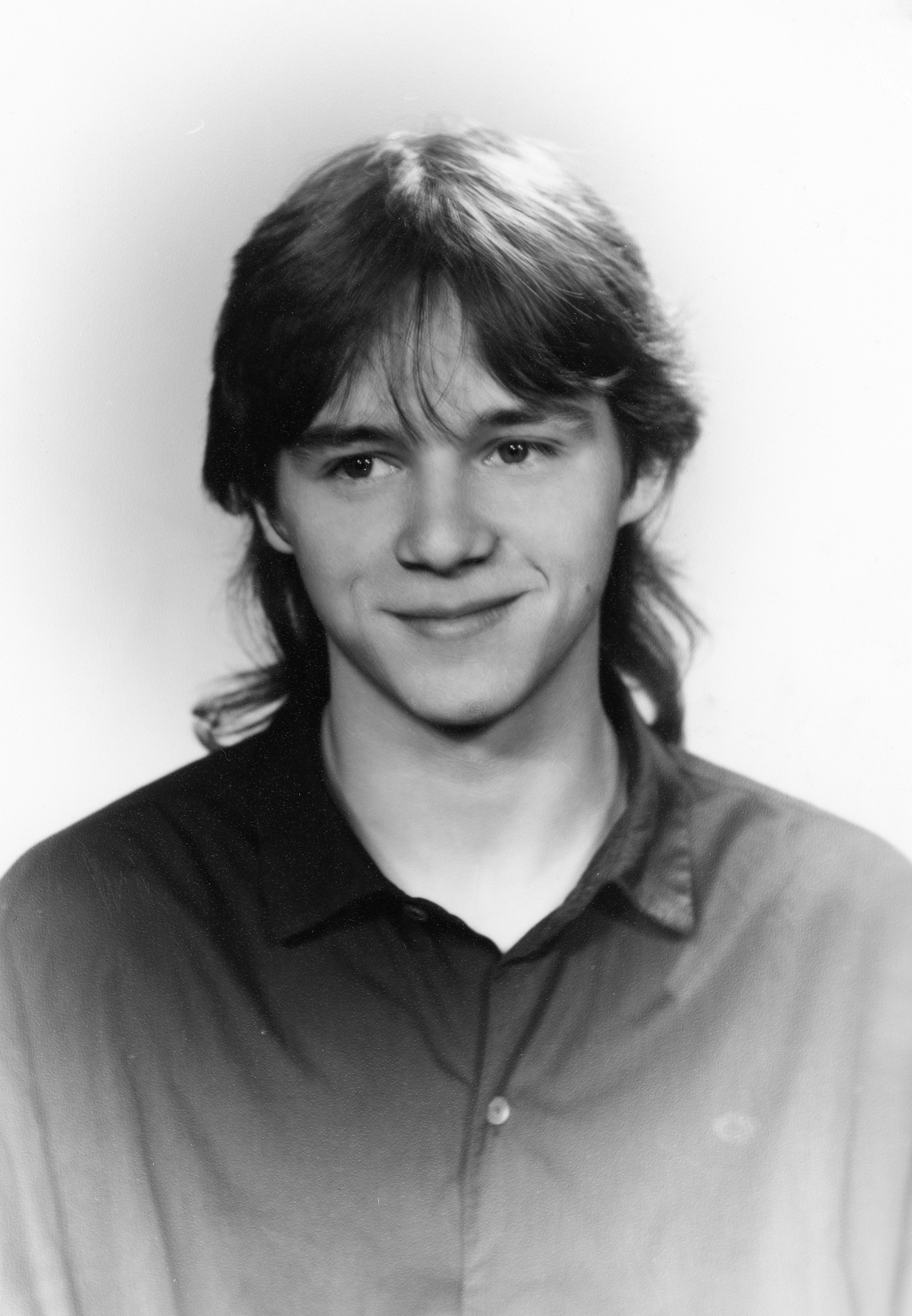
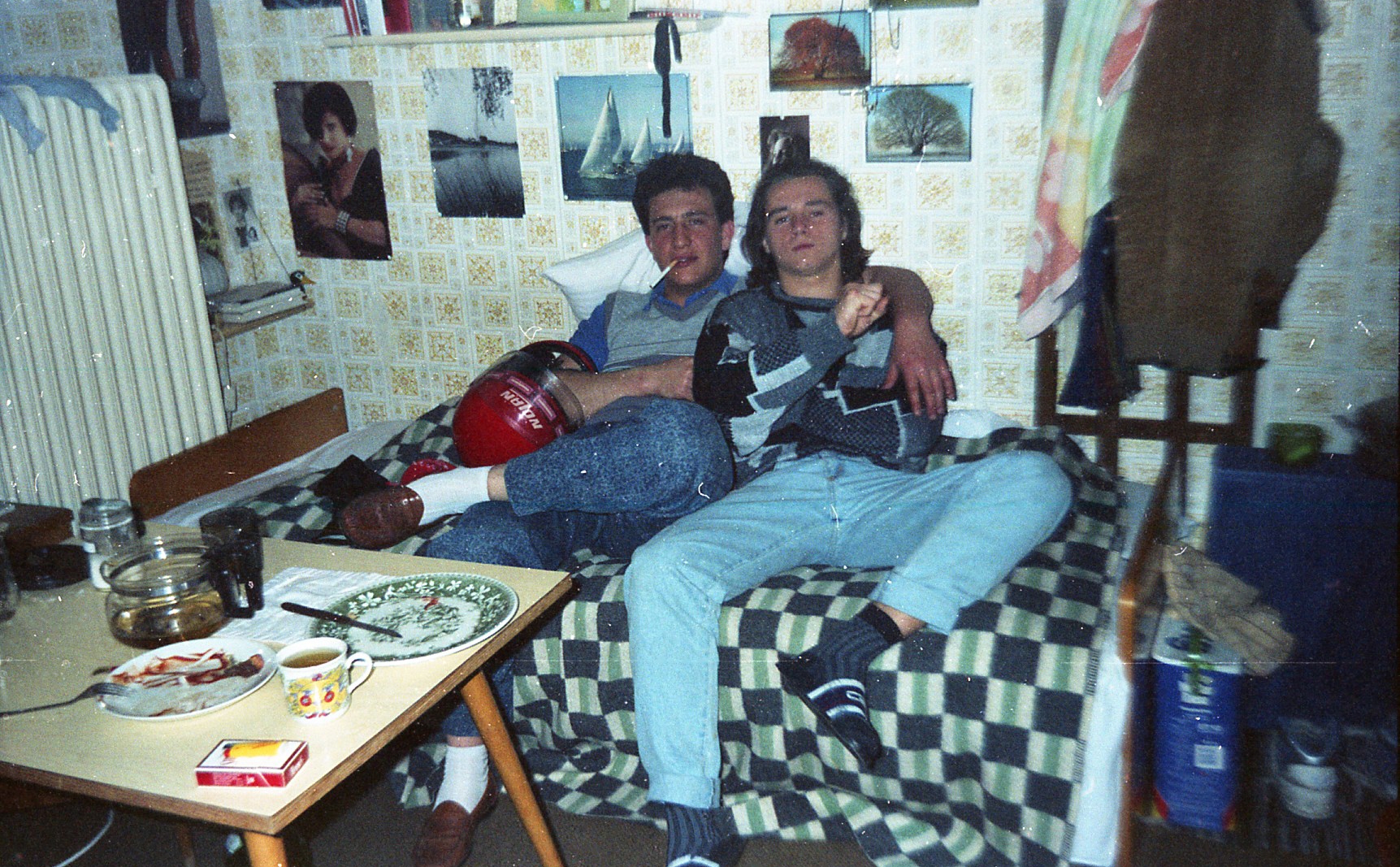
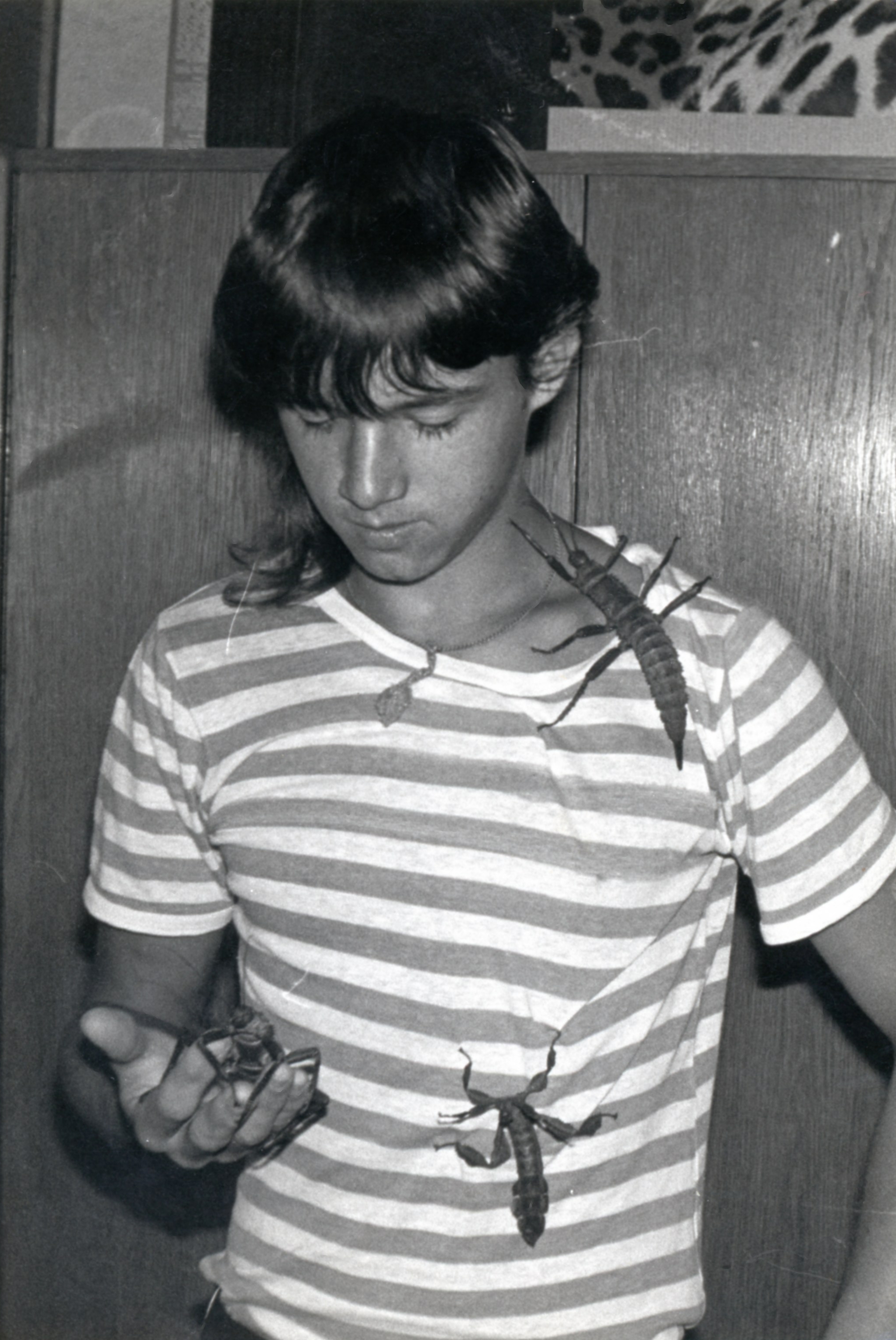
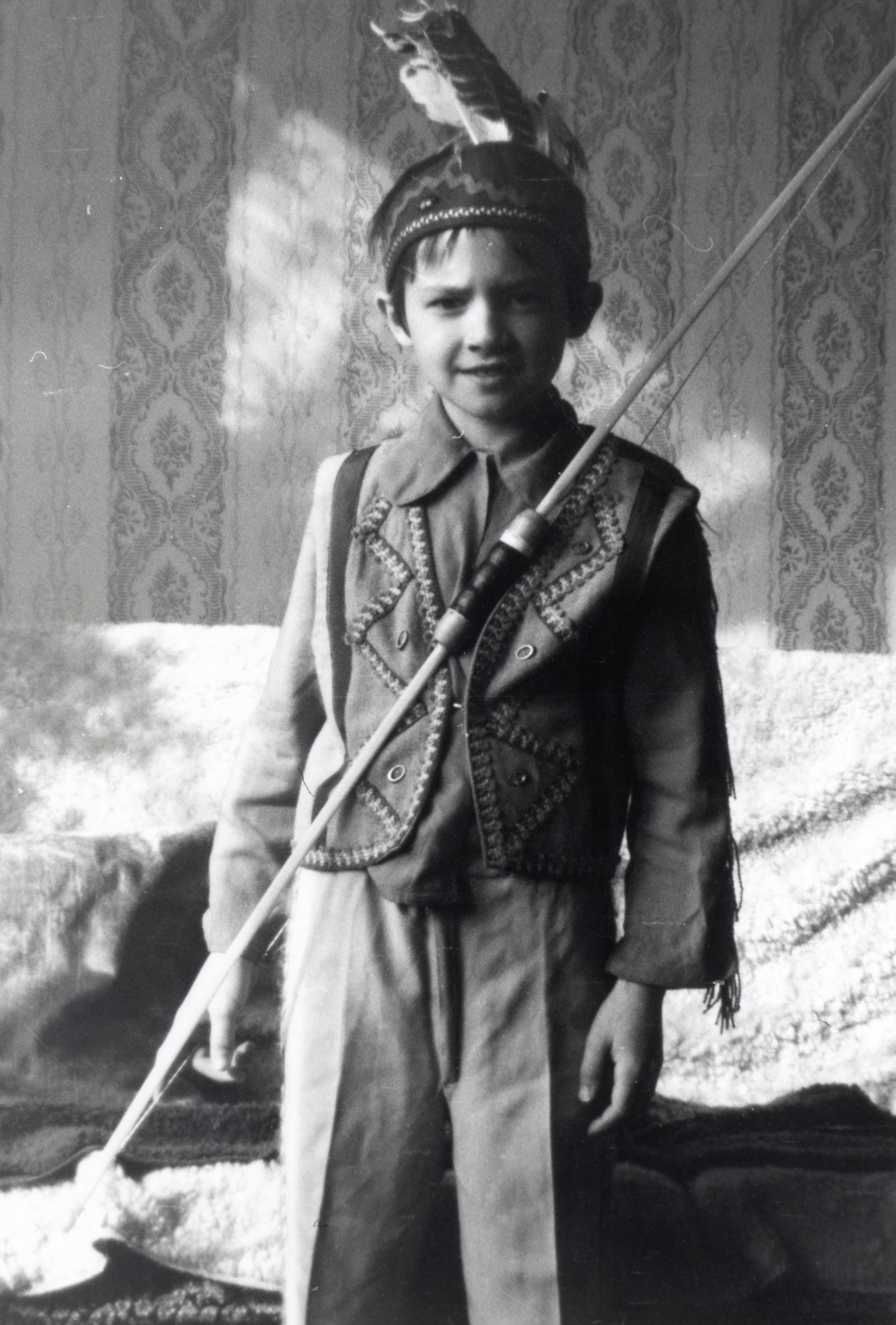
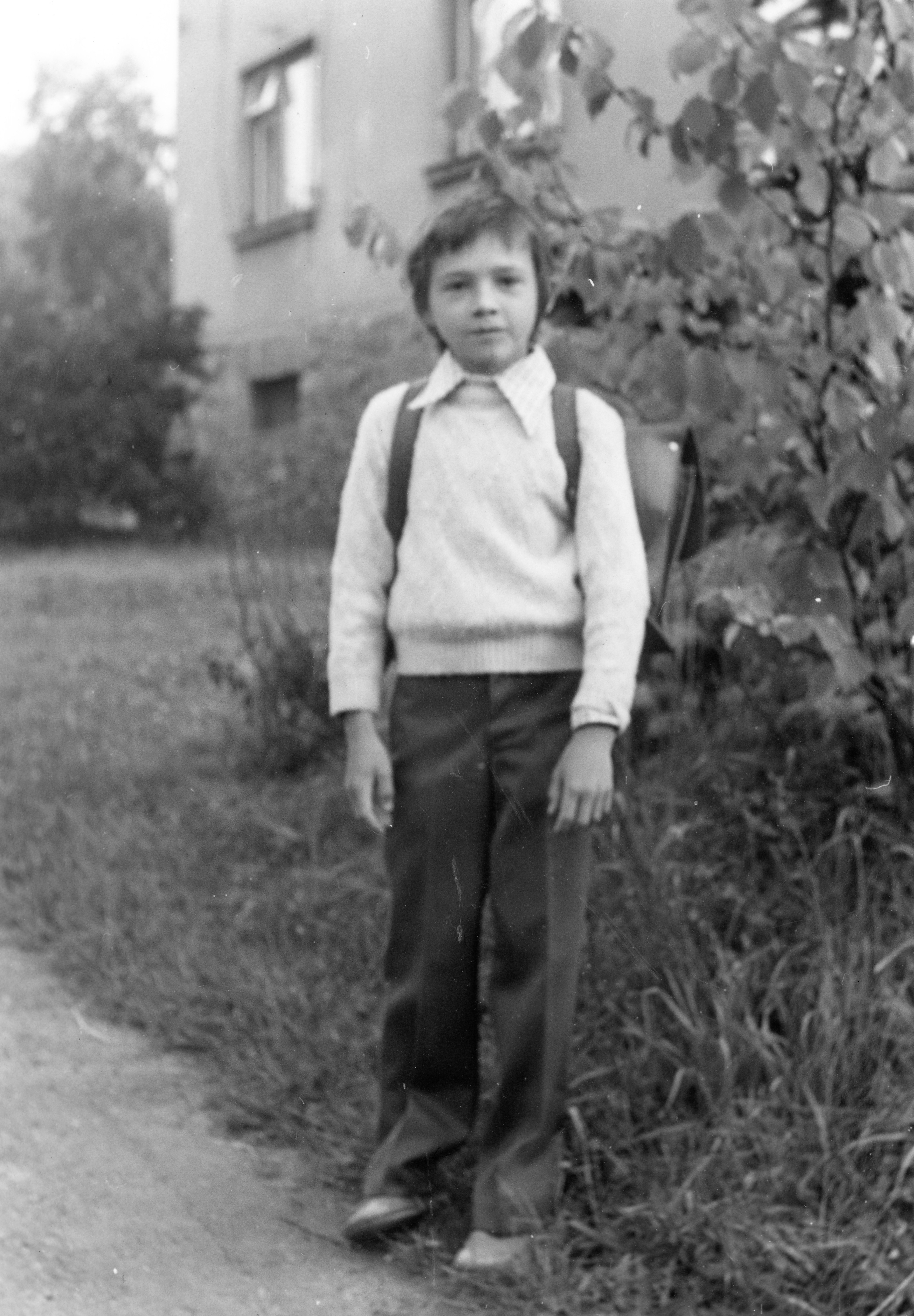
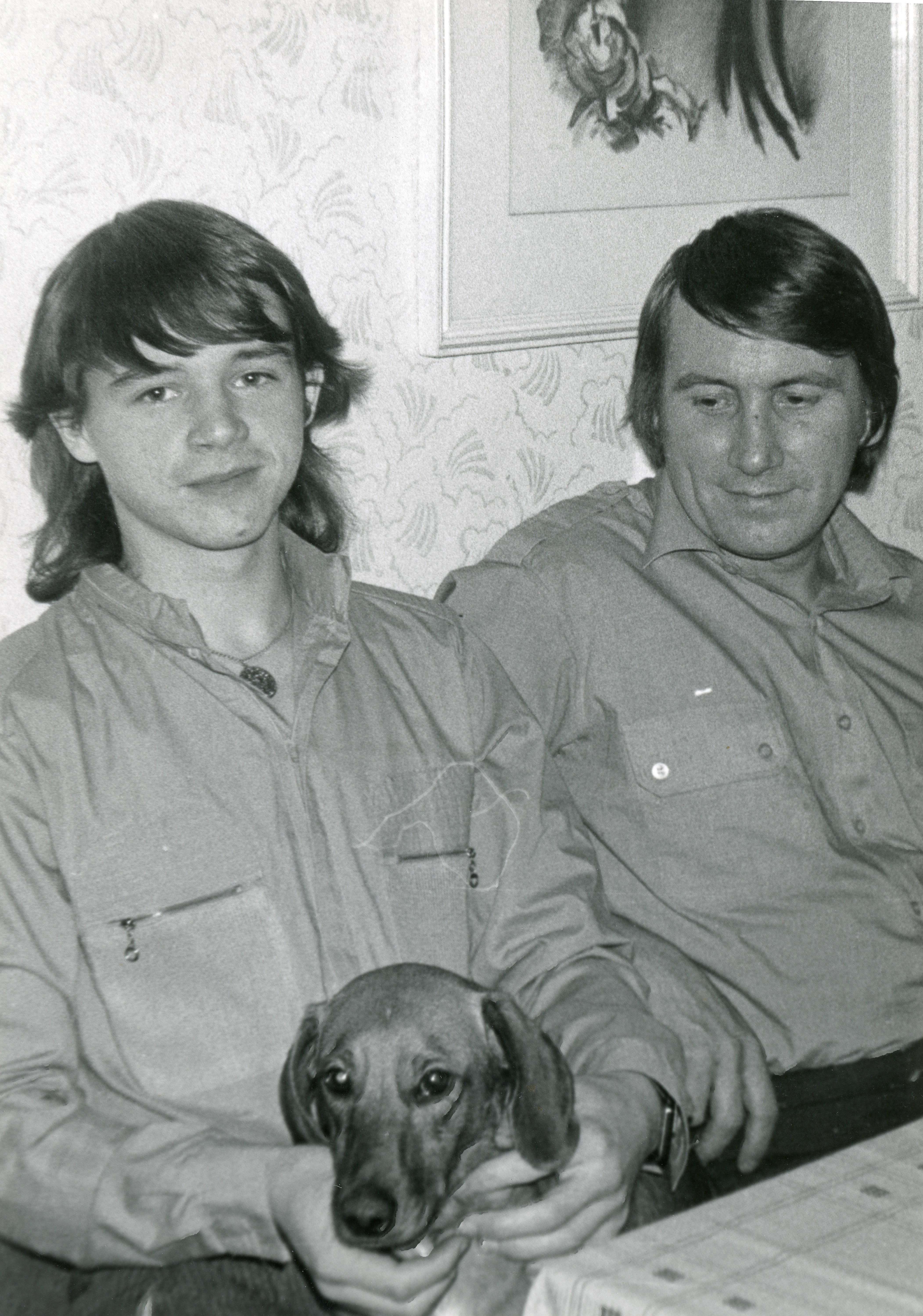
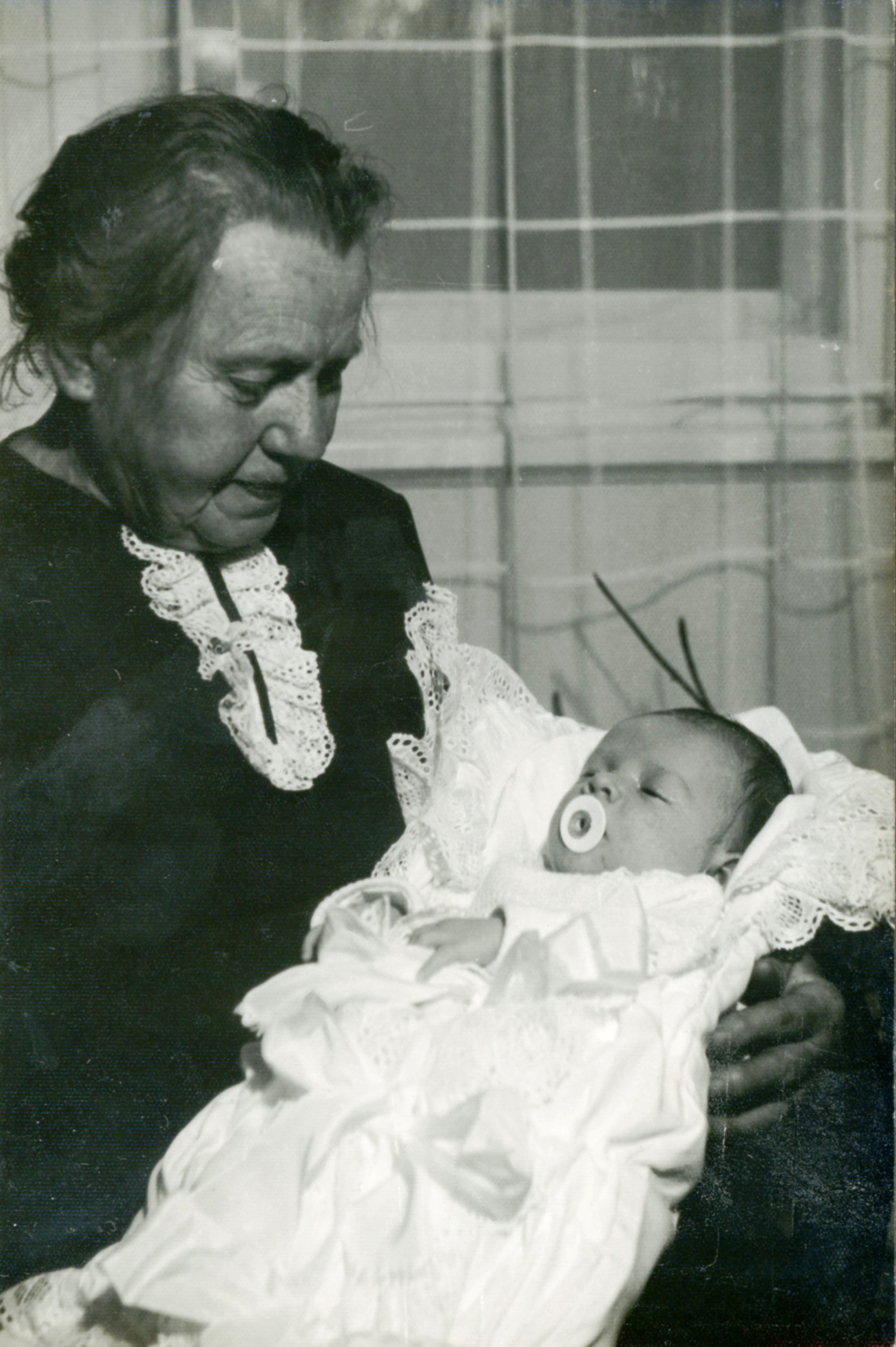
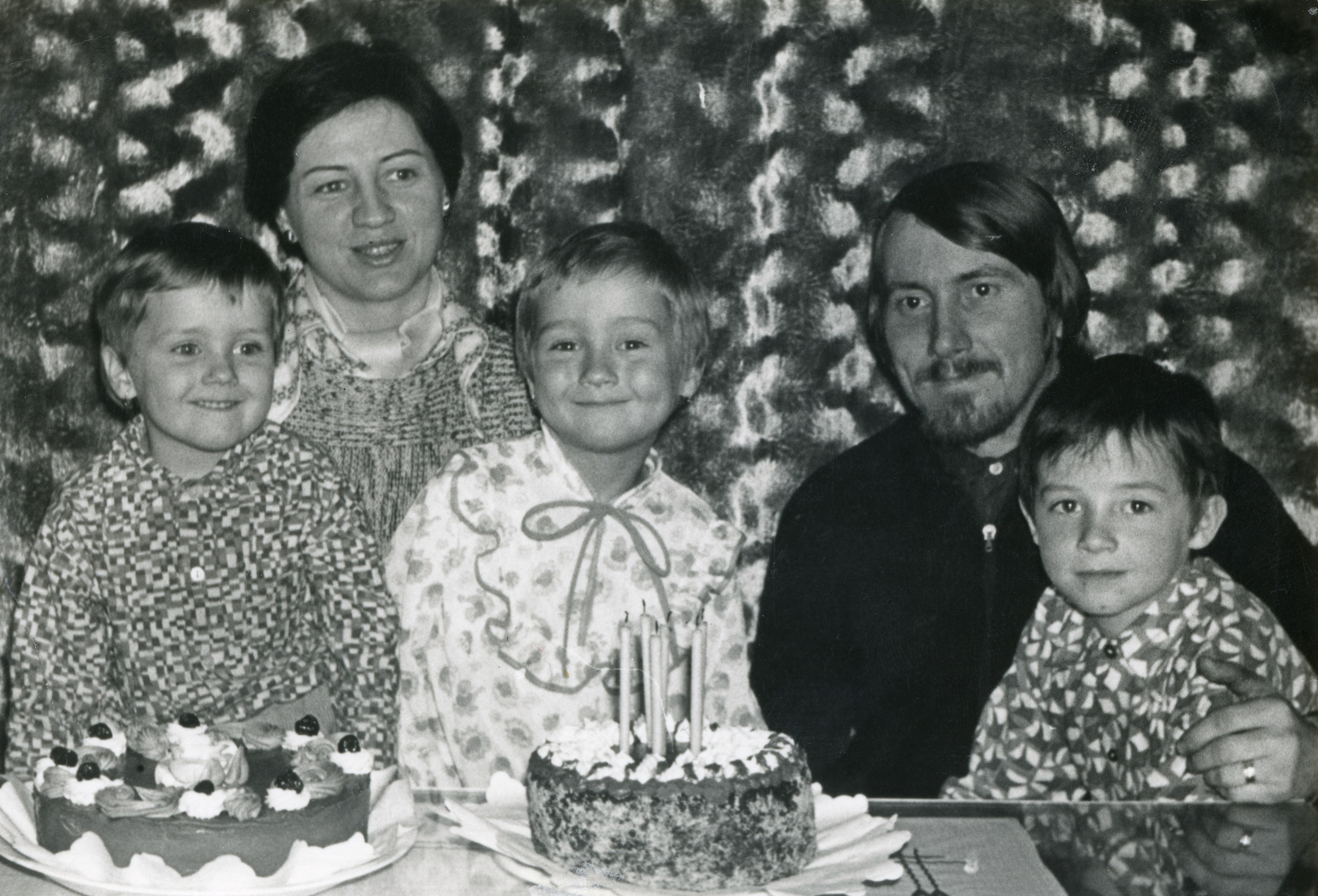
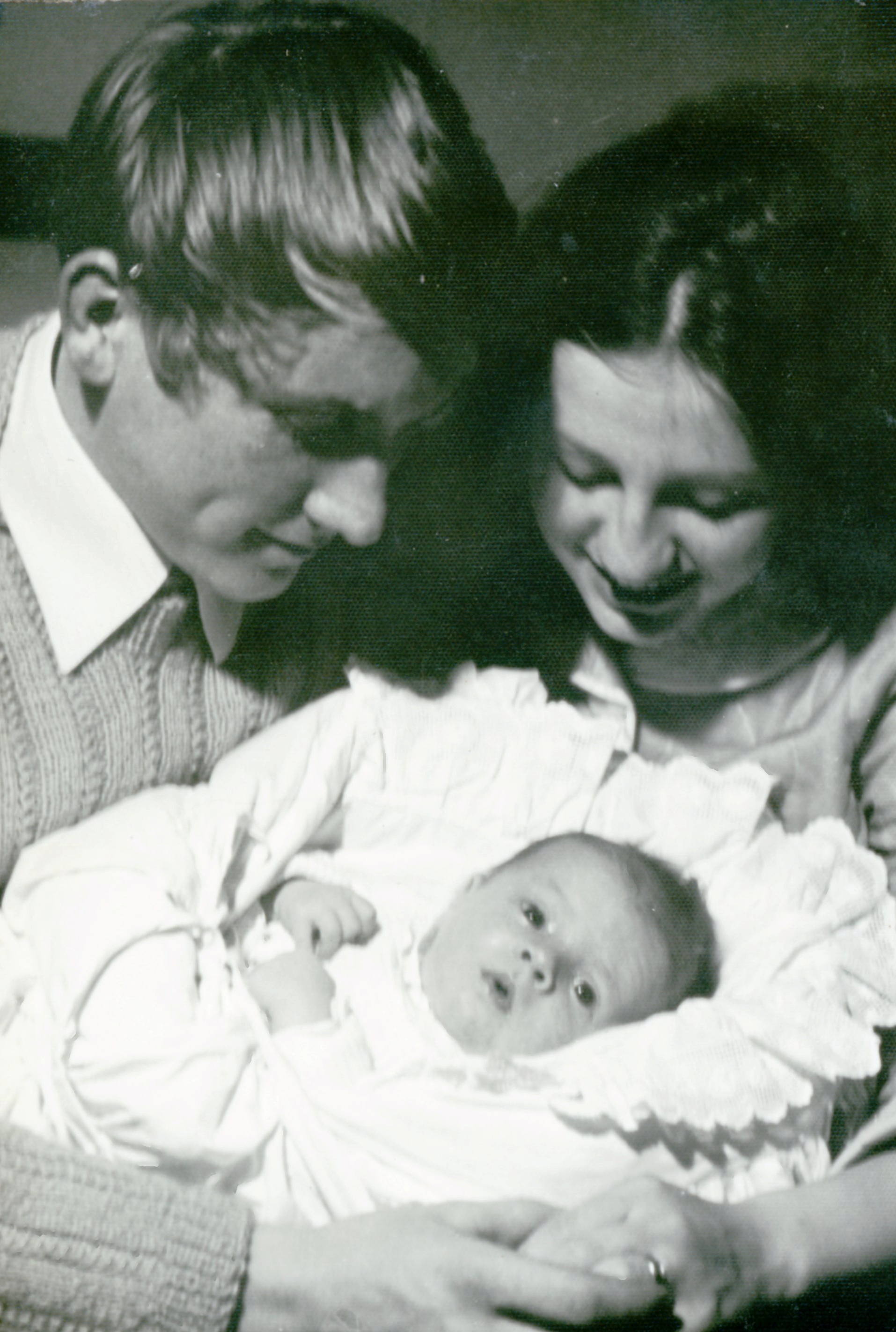
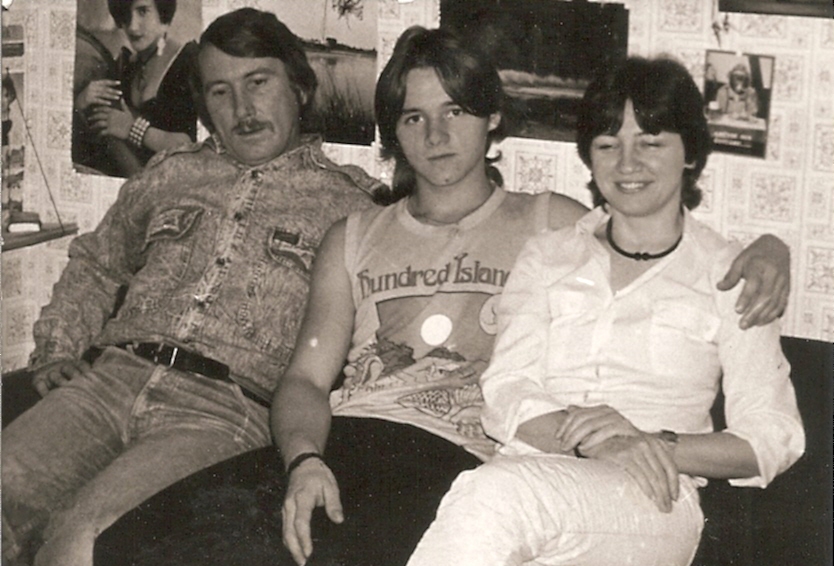
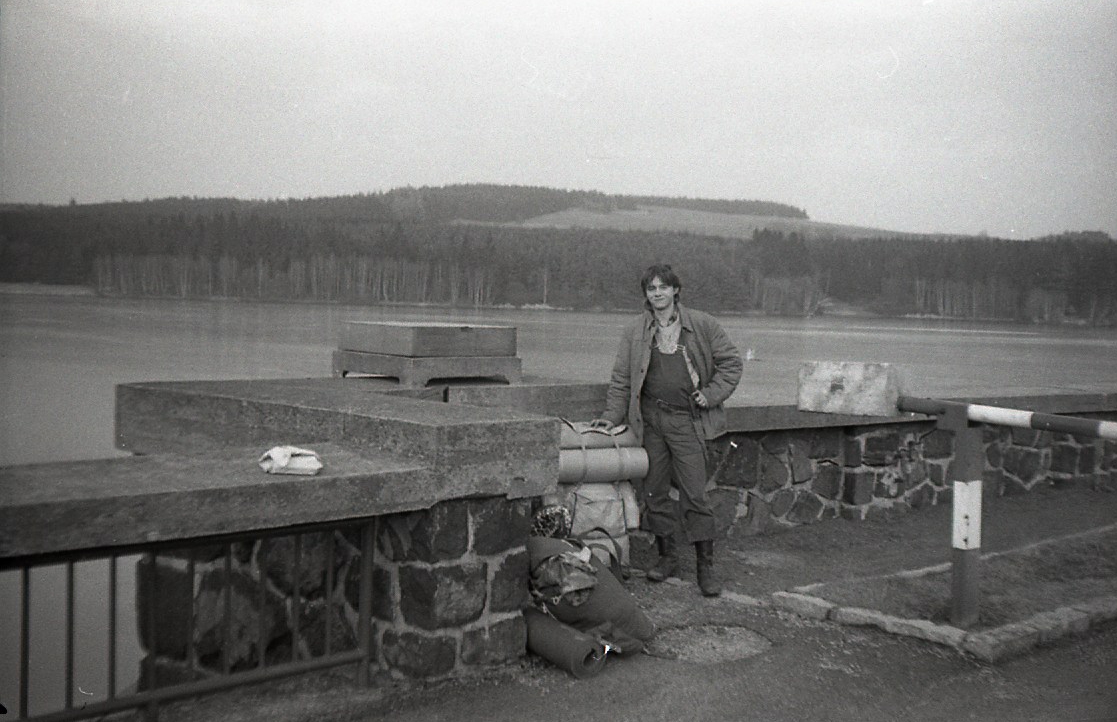
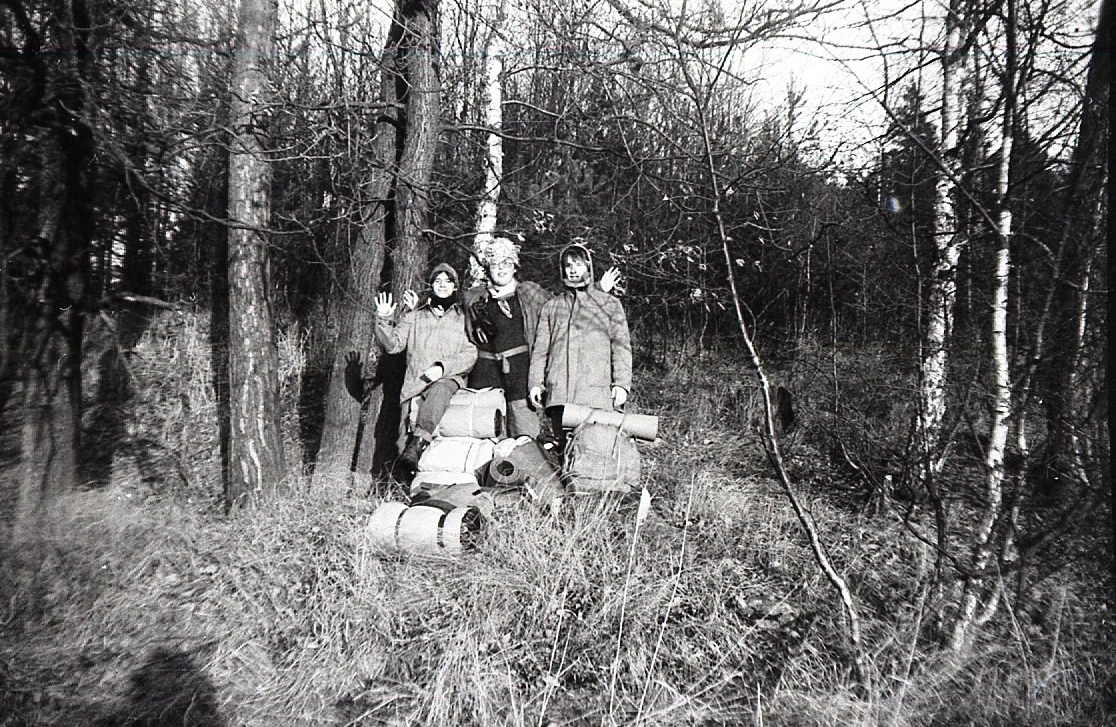
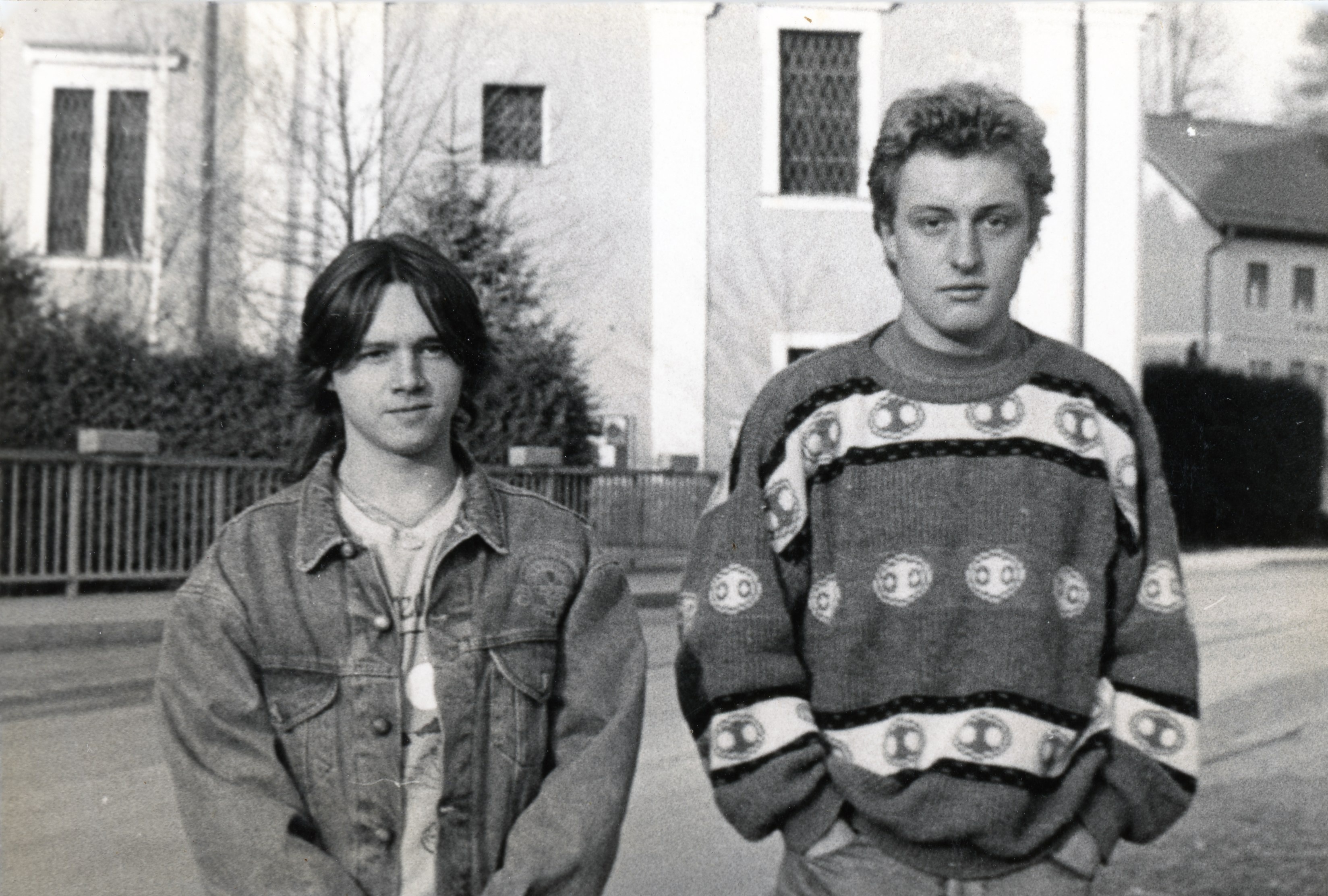
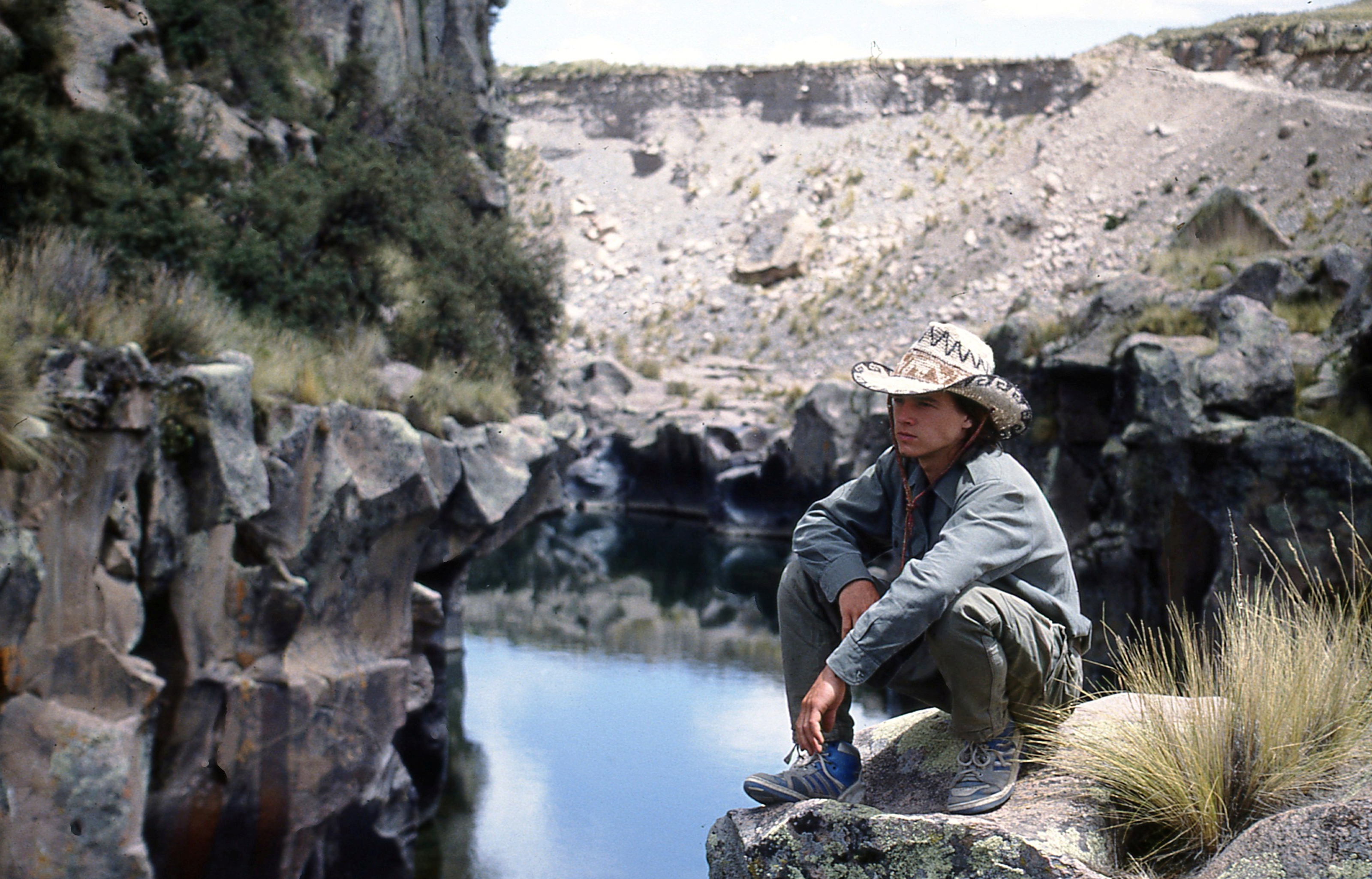
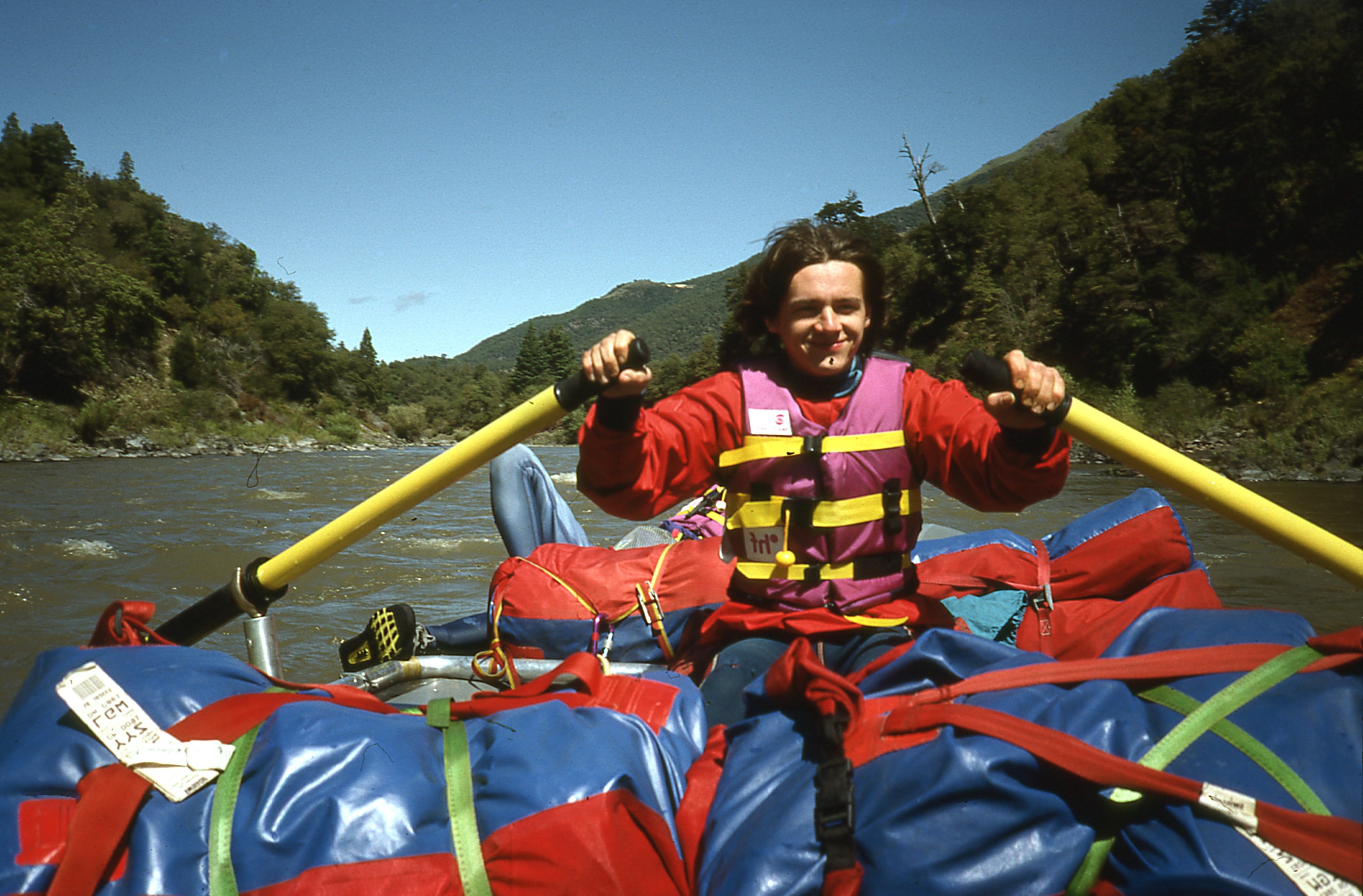
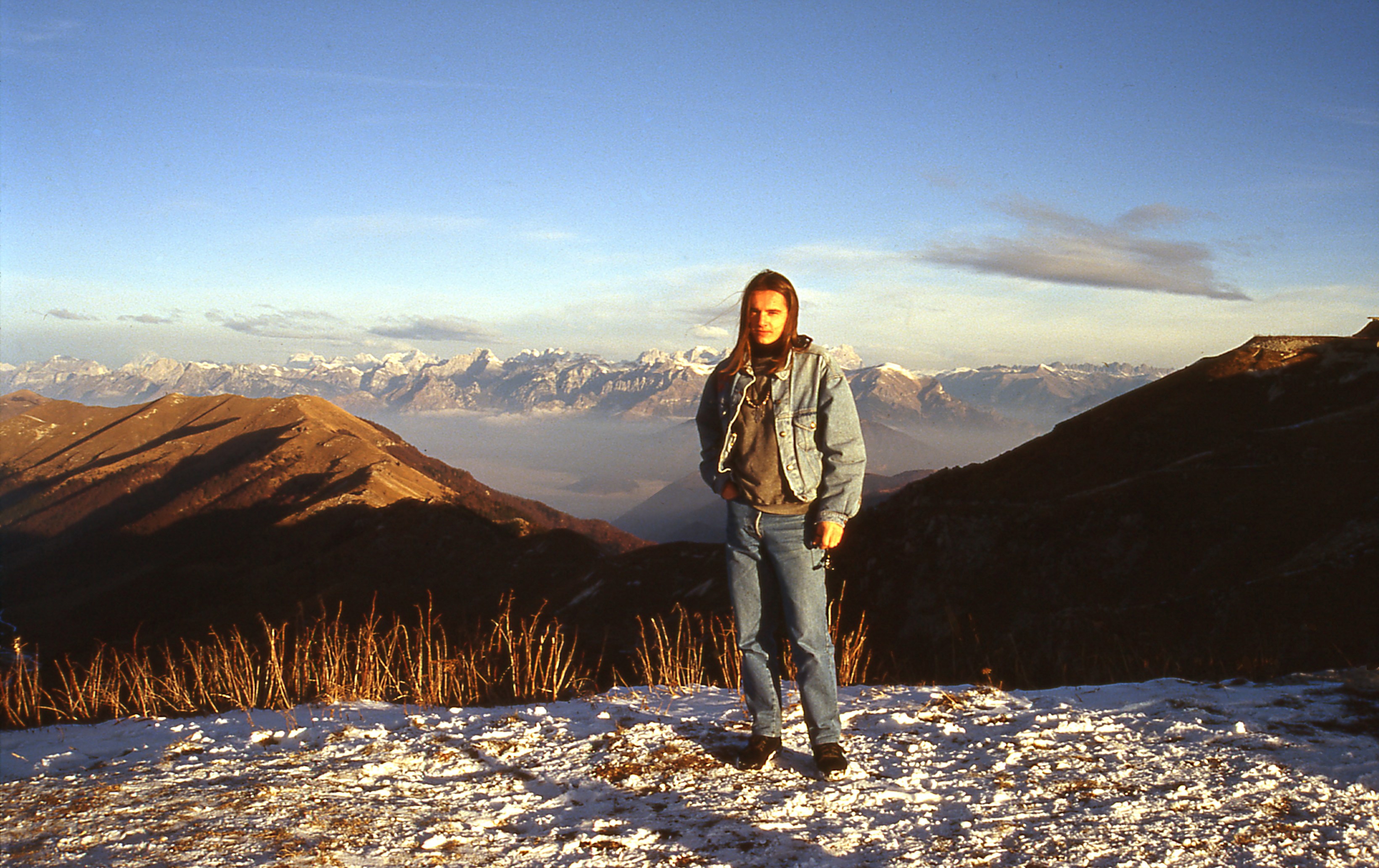
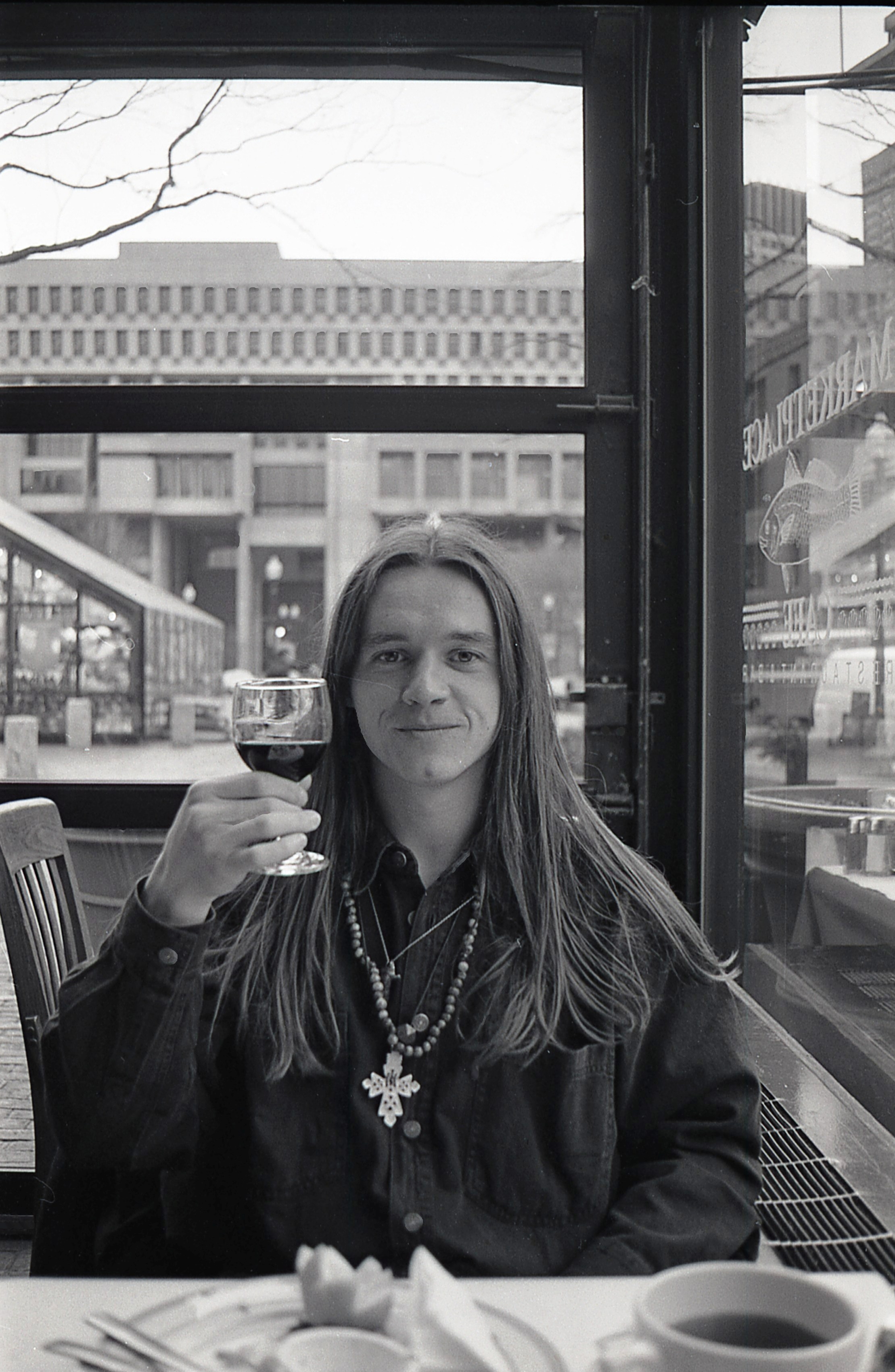
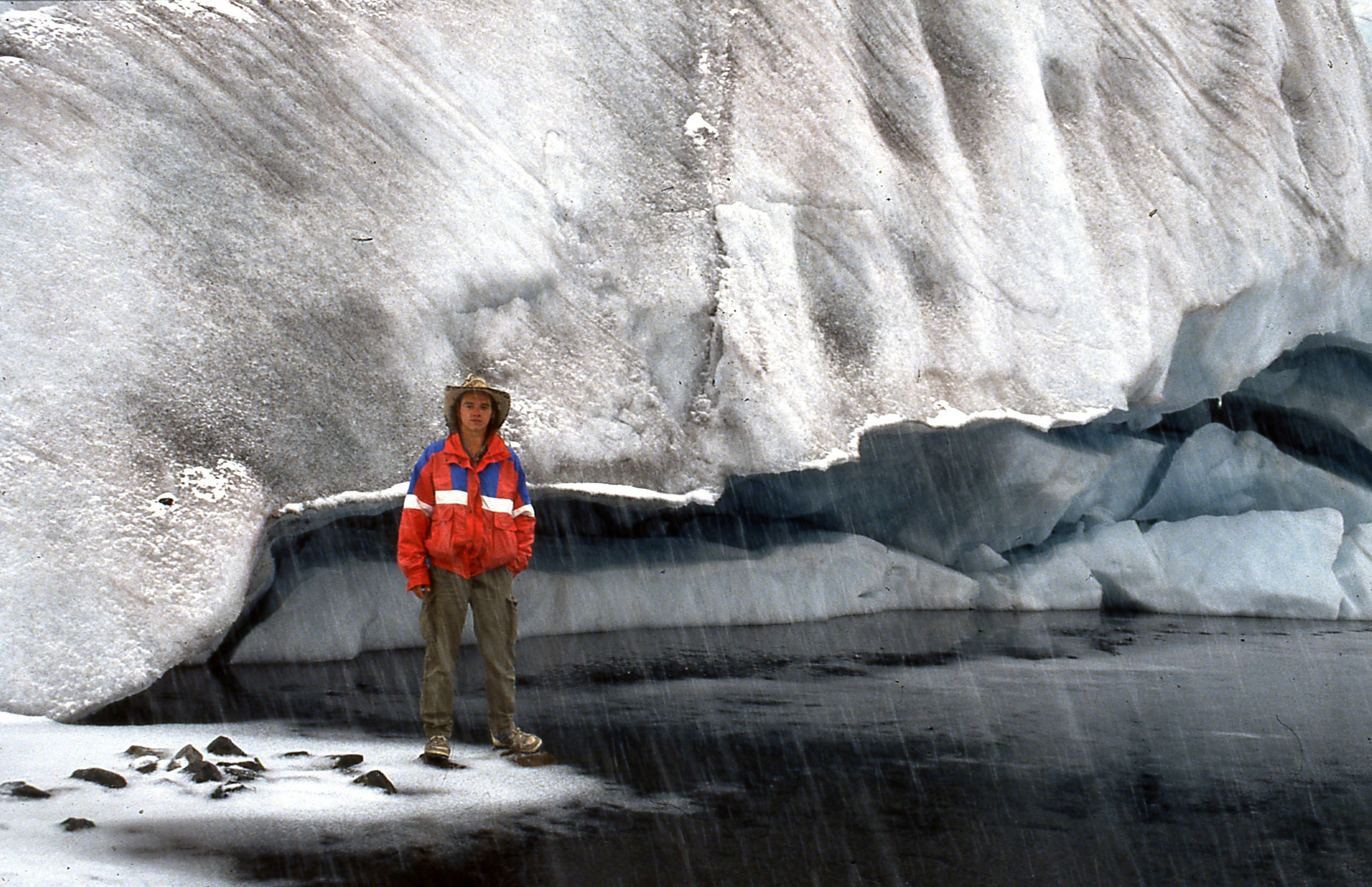
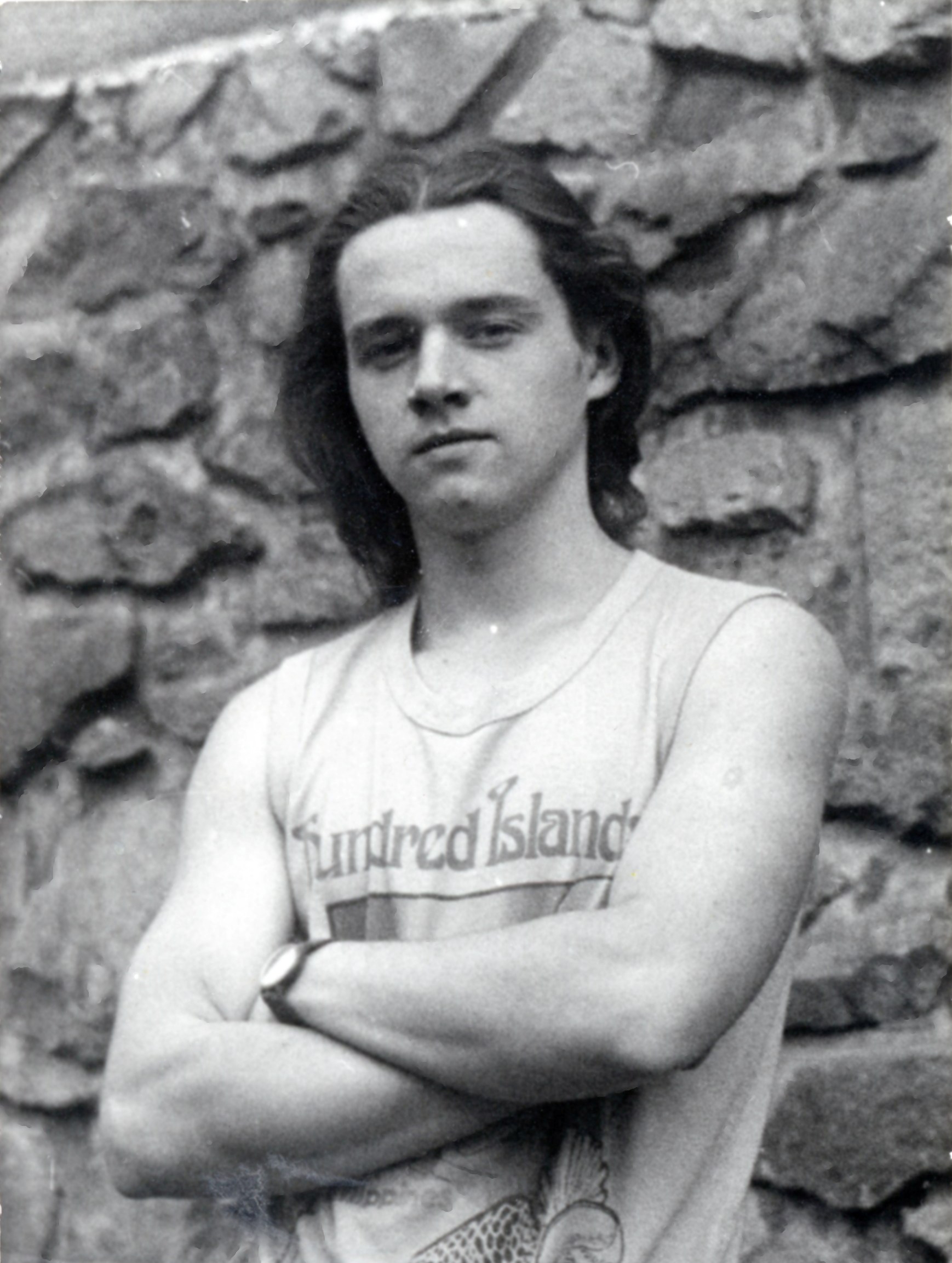
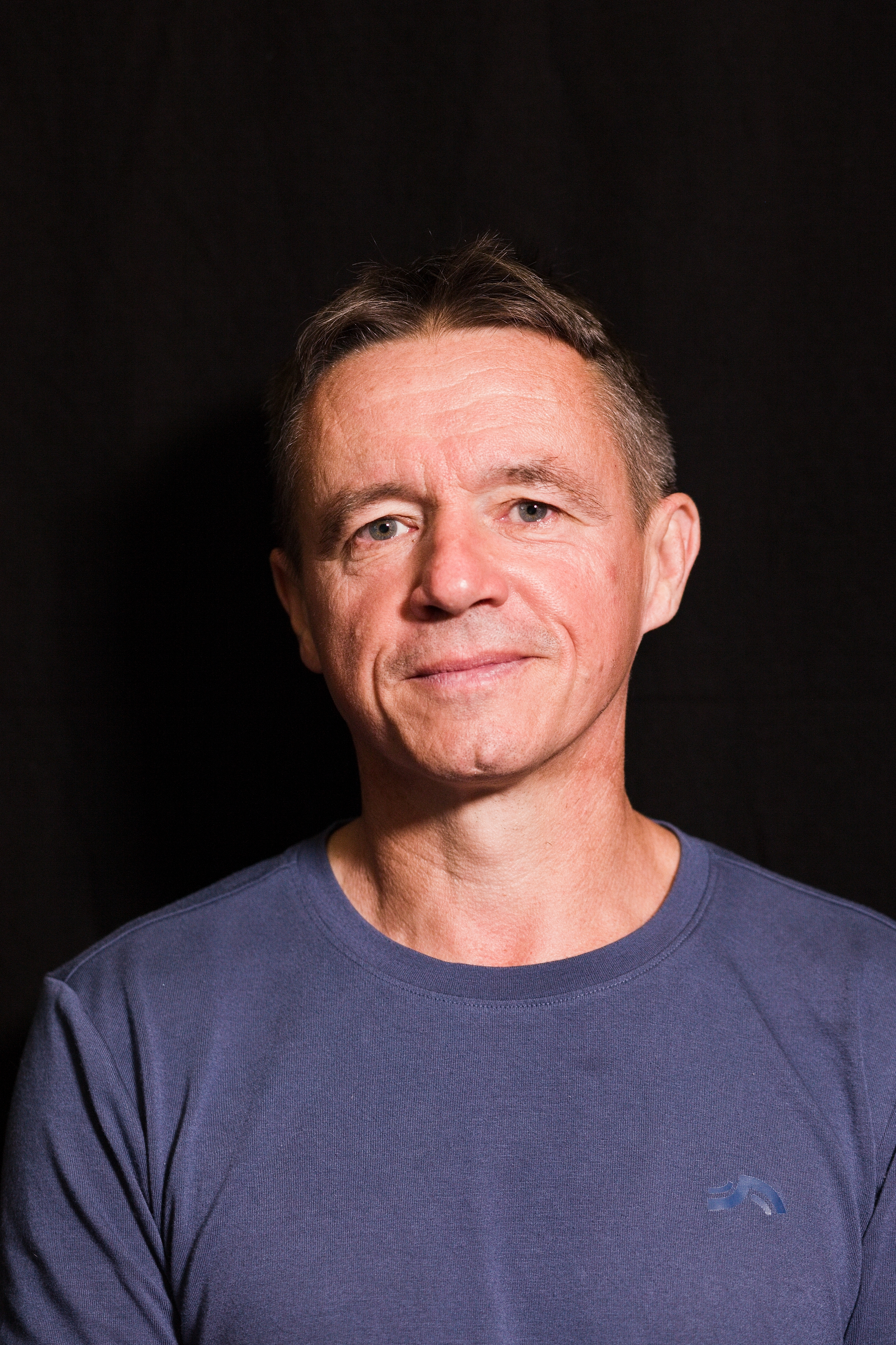
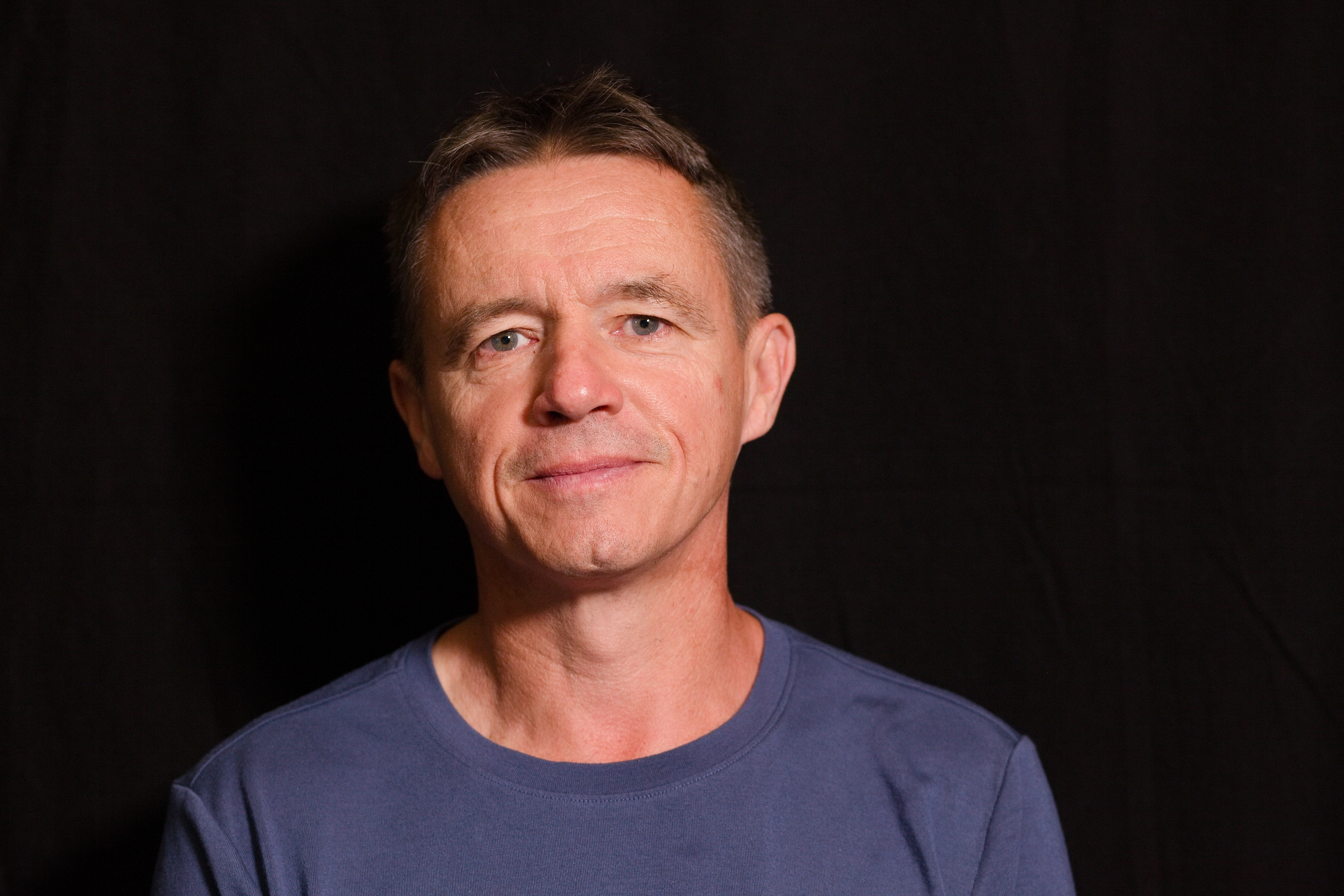
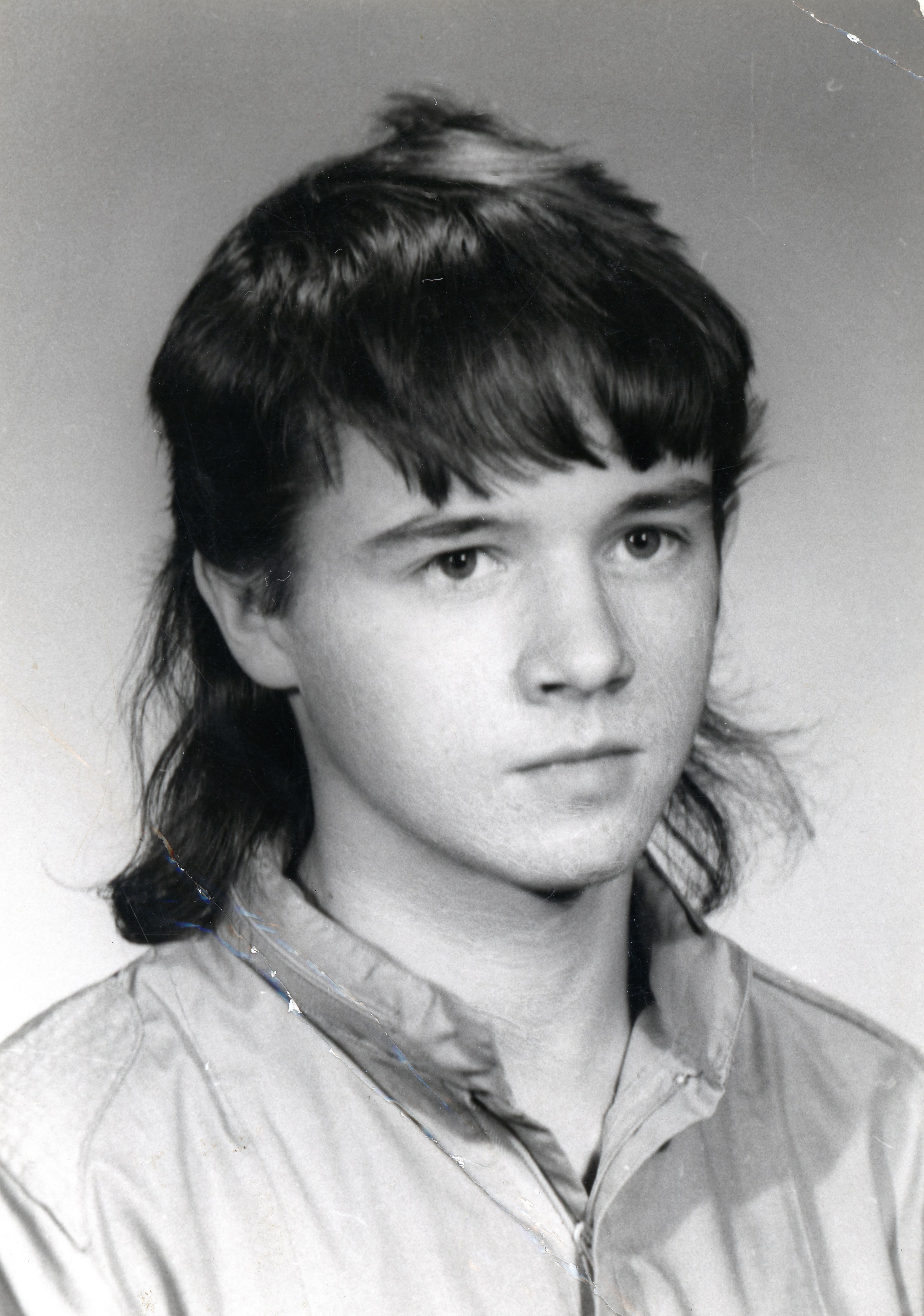
Vítězslav Vítkovič was born on 3 September 1970 in Jihlava. From an early age he read and longed for adventure, most of all he was attracted to South America. When he realized during his childhood and adolescence that Czechoslovakia under normalizatio n regime was not free, he decided to emigrate after graduating from the secondary school in Velké Meziříčí. This happened at the end of July 1989, when Vítězslav Vítkovič and two friends, Karel Bečvář and Jan Huml, took part in a trip to the former Yugoslavia with the Youth Travel Agency. After spending a few weeks there as if on holiday, they arrived at the Mur River, which formed part of the border between Yugoslavia and Austria, where the young men wanted to obtain political asylum. Just before crossing the river, they were discovered, arrested, interrogated and then expelled from the country. During the night they managed to escape and reach the river, where they fought for their way to freedom under dramatic circumstances on the edge of life and death. They managed to reach Austria and the refugee camp at Traiskirchen. Gradually, they were granted political asylum. During the witness´s absence, he was sentenced to six months of imprisonment in Czechoslovakia, including confiscation of all his property. Vítězslav Vítkovič settled in Austria after the Velvet Revolution. He learned the language and acquired the rights and duties of a citizen. Yet he was drawn away from Central Europe. As a delegate of a travel agency, he travelled to seaside resorts and later took part in a boating expedition on one of South America‘s wildest rivers. Before finally returning to the Czech Republic, he had many jobs, a curious one being interpreting for occasional hunters in Kamchatka. He met his wife Jitka in Sicily - at the time of the interview they were running a family guesthouse together in the Jihlava region.