pplk. Jan Vazač

* 1930

  • "They were guiding us from the guidance station, telling us the course, when to turn. Obviously depending on how the target that was provoking us was behaving. It was headed perpendicular to the state border, so they would start us off and then he would turn along the border. These were kind of power games in which we were actually foot soldiers. I've seen it all. The spacing was so great that there were no collisions. It just happened by accident to this Jarda Šrámek. They, either intentionally or unintentionally, strayed towards us and he got close to them and was able to shoot at them. I don't know the details... he shot him down, that the pilot had to eject himself. But he had already jumped out over German territory, so it was close to the border and God knows what the background was. And even though I was friends with Šrámek and knew him well, I shared a room with him for three years when we were studying, we didn't talk about it. It was all hushed up, just like today. Everything was twisted and lied about. Whatever you hear from Putin is a huge lie."

  • "I was trained for it, brought up for it. If somebody wanted to infiltrate here and the party and the government sent me to him, I would shoot. But I wouldn't shoot at a transport plane with lighted windows where I knew there were people. I wouldn't do that. I didn't get stolen my self so much. Regardless, to me it seemed like basically a game, anyway. The whole guarding thing and the emergencies and all that. I lived in that air defense alert system, and I went through it from scratch as a pilot. Where I was sitting at emergency, where I was taking off, where I was flying along the state line and there was an American or a German flying along that state line on the other side. Then we called it off and came home clamly. That was life, I had live ammunition. I had to take off on a very short time limit. At the sharpest stage of the Cold War, we were sitting in Budějovice at the airport, on the edge of the airport, in a kind of a restricted area. Two hours and we were strapped in the aeroplanes, everything was ready, weapons loaded. The technicians were with us so that we could launch and take off in that extremely short time. We sat that for two hours and after two hours I was replaced by others and then I went again for two hours. And so it went from four o'clock in the morning until ten o'clock at night in the summer. I was part of that whole system and the whole system was activated at a number of airports in the country."

  • "For me, the trial period lasted three years because I did not apply for admission to the party and they did not offer it to me. Something clashed there. Then one was in the party and there you saw many things. I'll tell you a case. When Khrushchev spoke about Stalin at the congress, the American side used it for an information war. Even then they knew how to do it. And there were stations at the border where balloons were inflated and packages of leaflets with Khrushchev's speech were hung on the balloons. Our job, when the balloon arrived at the border, was to shoot them down. I didn't shoot any down, I didn't get to do that. I wasn't on the crew that did it. And when those balloons came through and dropped the leaflets, or when we got to them, we were forbidden to read them. However, as life goes, I did read it. Again, through relatives. That was another one of those points, another layer burst. And our toady guys who kept their jobs were behaving in a way. And that was another thing. Or I noticed the paradoxes and I remembered them. We had party meetings, and at party meetings people were ideologically worked up to get their self captured. At that meeting, the issue of religion was discussed. At that time the party asked us who wanted to leave the church...I was in the Roman Catholic Church...who wanted to leave should sign and hand over the paper. Of course I handed it over because I had already had one foot out of the Roman Catholic Church. Because I've been through a lot of things and I just, I didn't believe."

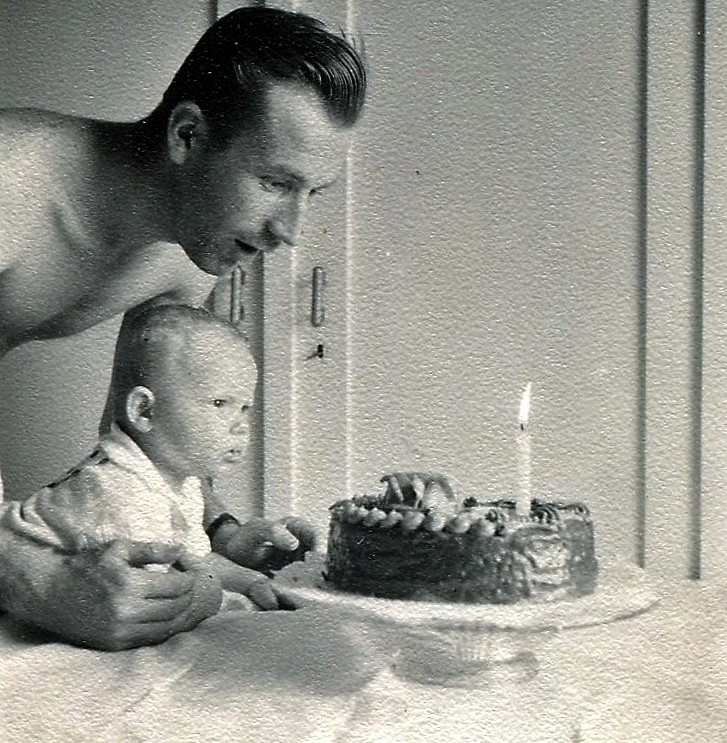
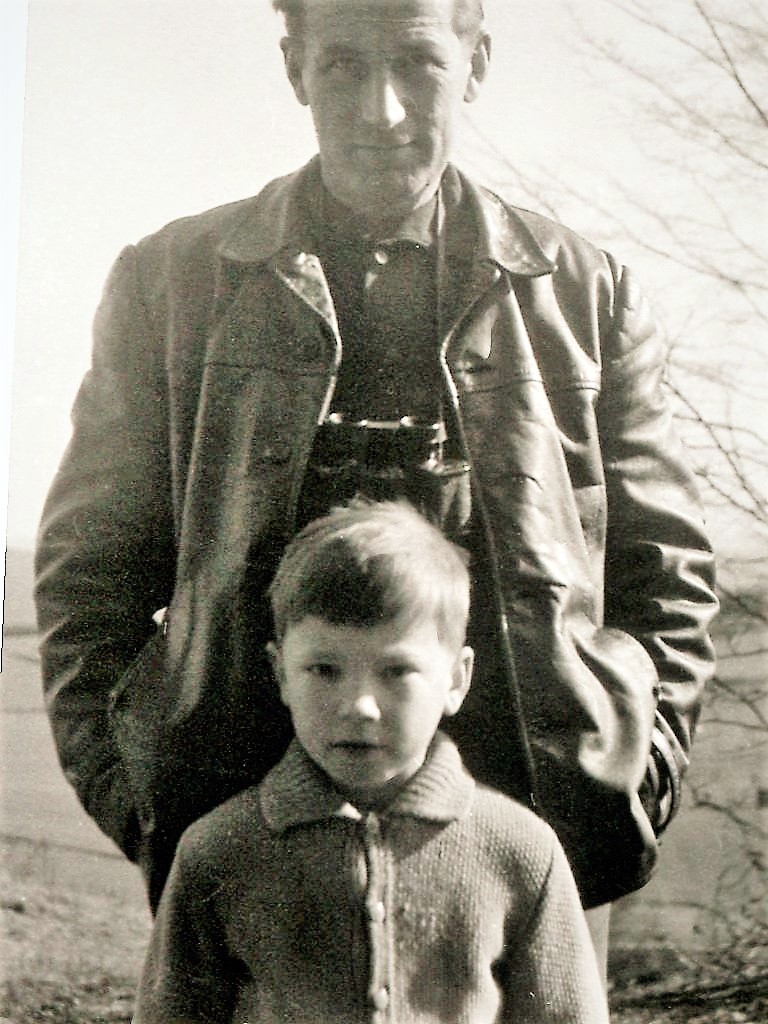
  • "My mother was in a high stage of pregnancy and the Gestapo came to us and interrogated the woman who was like that in a harsh way. I remember that, it was terrible. The most interesting part of it was that the cousin who caused it to happen was lying in bed in the bedroom next door. Anyway, the end result was that they didn't find out, they scared us, and father went to do time. I think that is the way State Security worked here and, in my opinion, the way Putin's authorities work in Russia. It was already being put into my mind that there was something improper and it was being hidden. Anyway, then Dad was sent to forced work in Austria. They were building an underground factory, somewhere near Ebensee. And I was 14 at the time, and there was a shortage of food, and we had some farmers friends, so I used to go about 12 kilometres outside Budějovice to get milk. I remember one such trip, it was 1945, maybe January, February. I went to get milk at a farmhouse, by train to the village of Hluboká near Borovany. And when I got off the train, it was already dark and I was walking along the track. At a time when transports with people from the concentration camps were coming, and it was said that they were coming in open carriages and that if someone died there, they would throw him out. And so I was walking along that track and I was still worried if I would bump into something. After two kilometres I got there, of course I didn't bump into anything, I went to get some milk, got some milk and went back. I went to Budějovice, luckily there was no check at the station, so I brought the milk home. That was my next encounter with a terrible reality that stayed with me."

  • Celé nahrávky
  • 1

    Tehov, 29.07.2025

    (audio)
    délka: 03:10:45
    nahrávka pořízena v rámci projektu Stories of 20th Century
Celé nahrávky jsou k dispozici pouze pro přihlášené uživatele.

You‘re all alone in the sky, only clouds below you and nothing to keep you safe
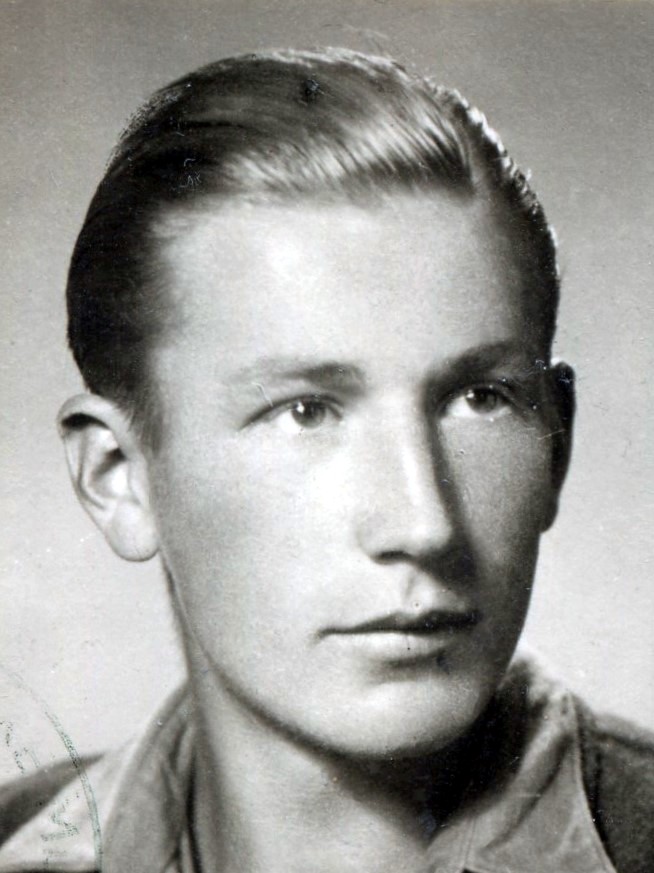
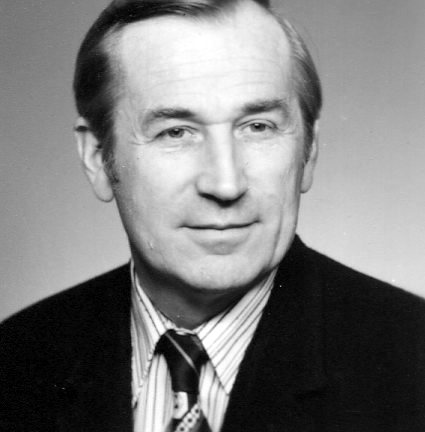
Jan Vazač in 1947
Jan Vazač in 1947
zdroj: witness´s archive

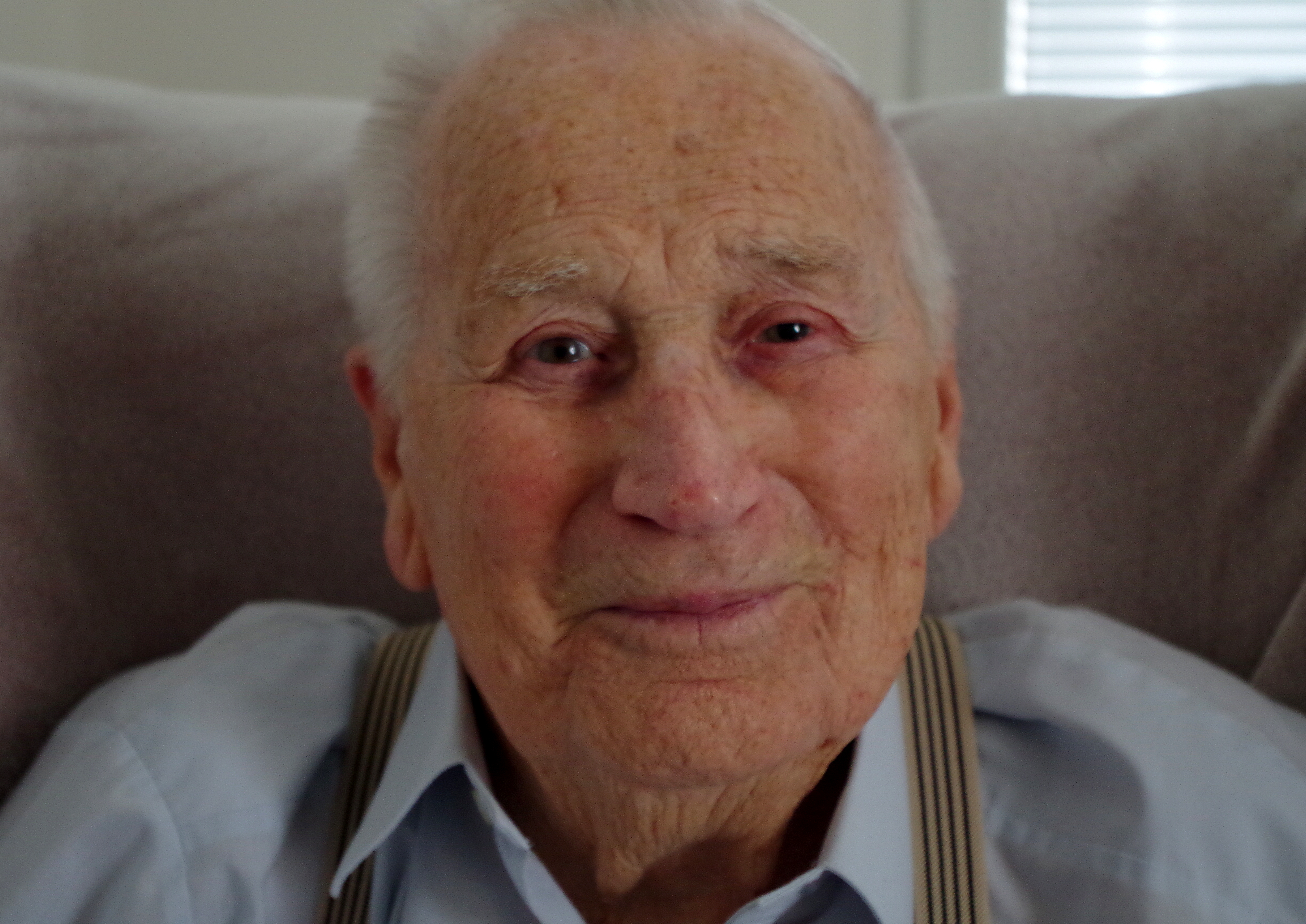
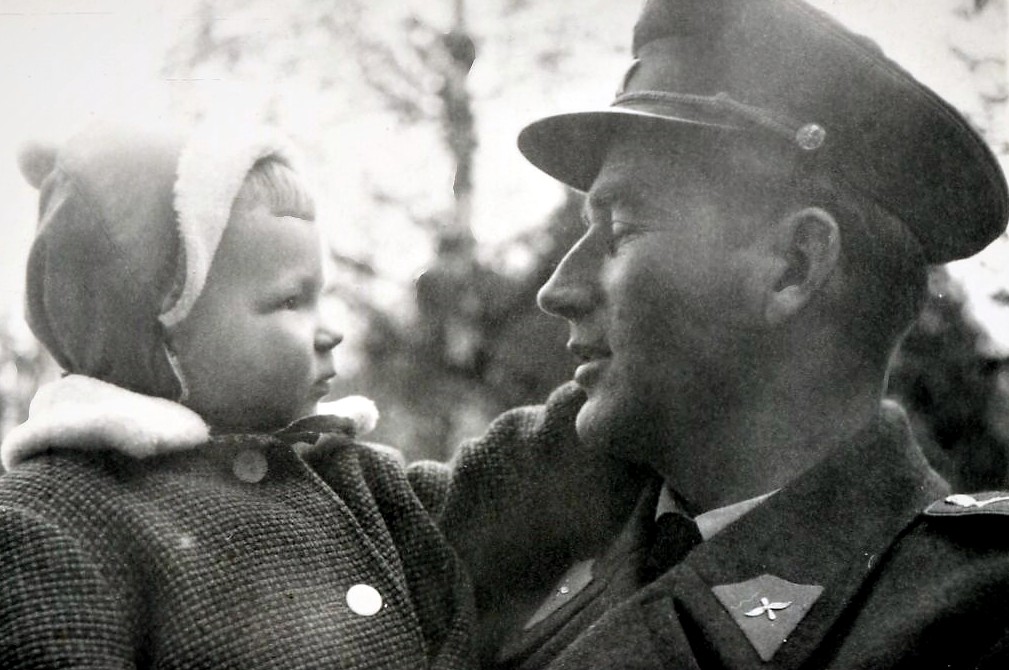
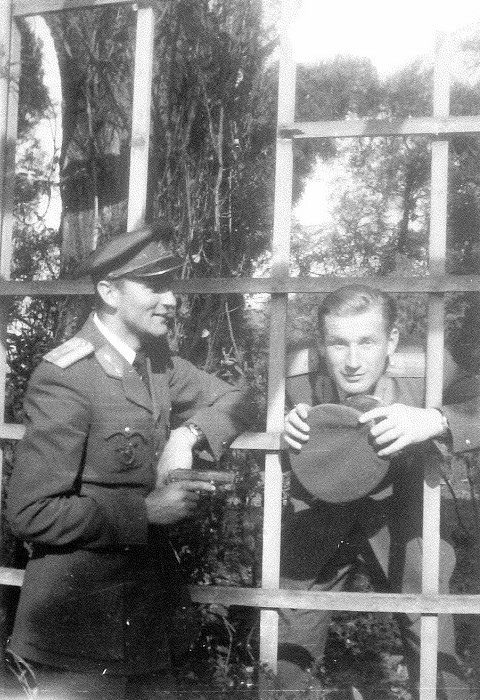
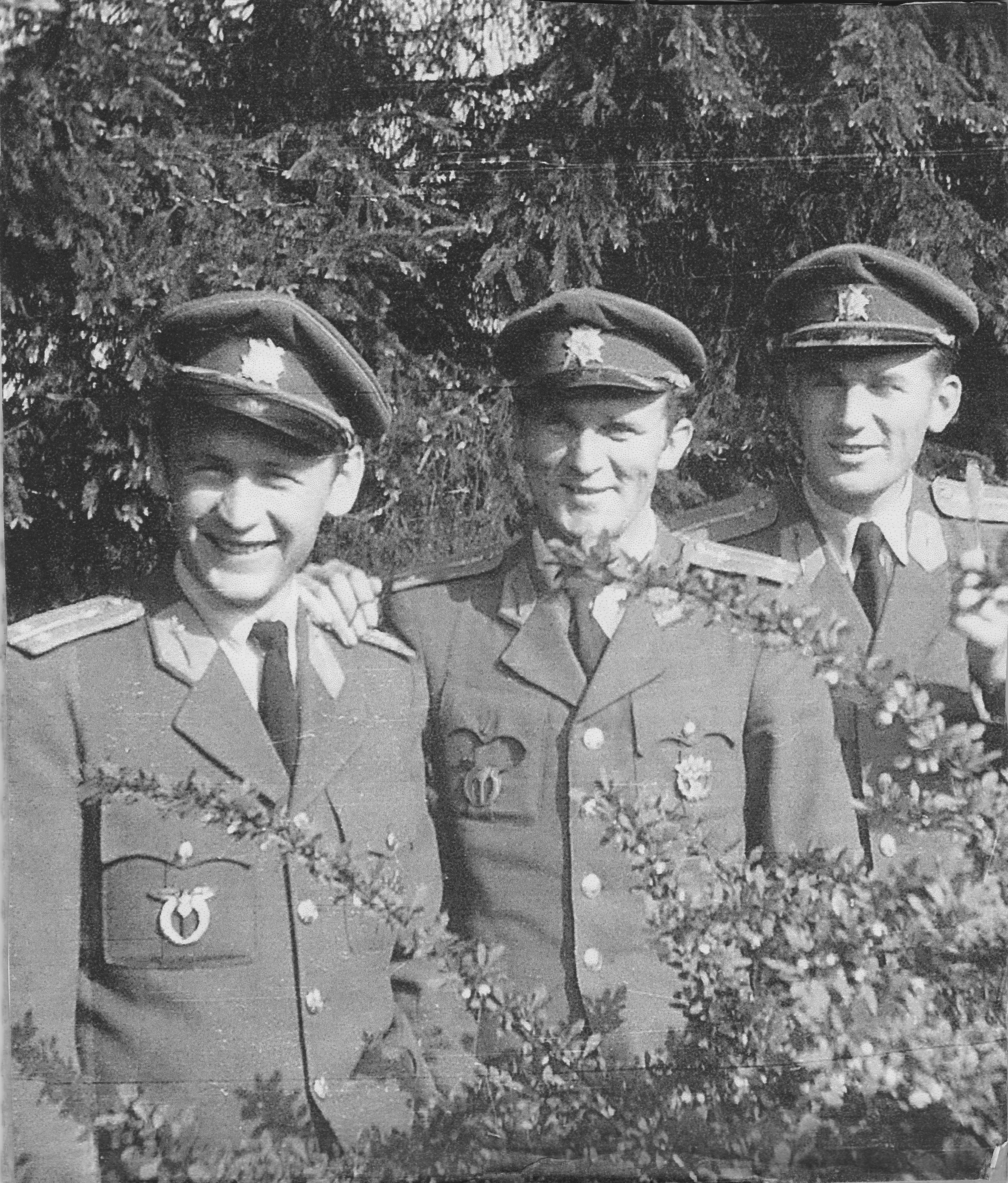
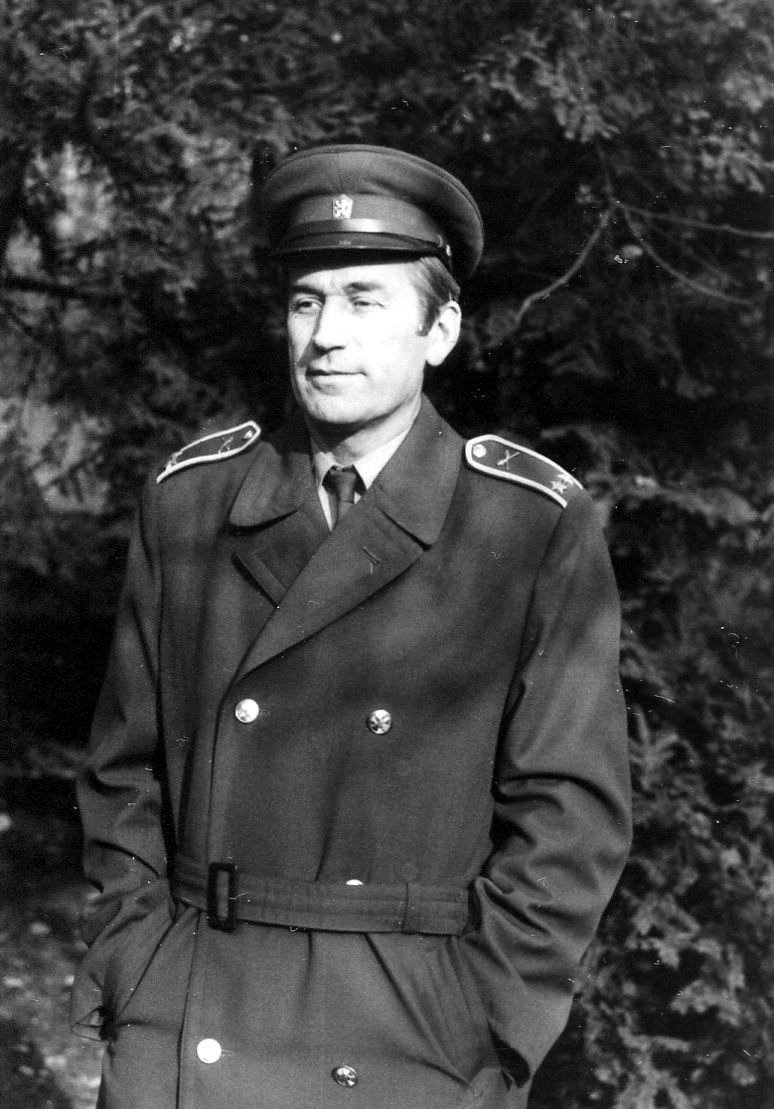
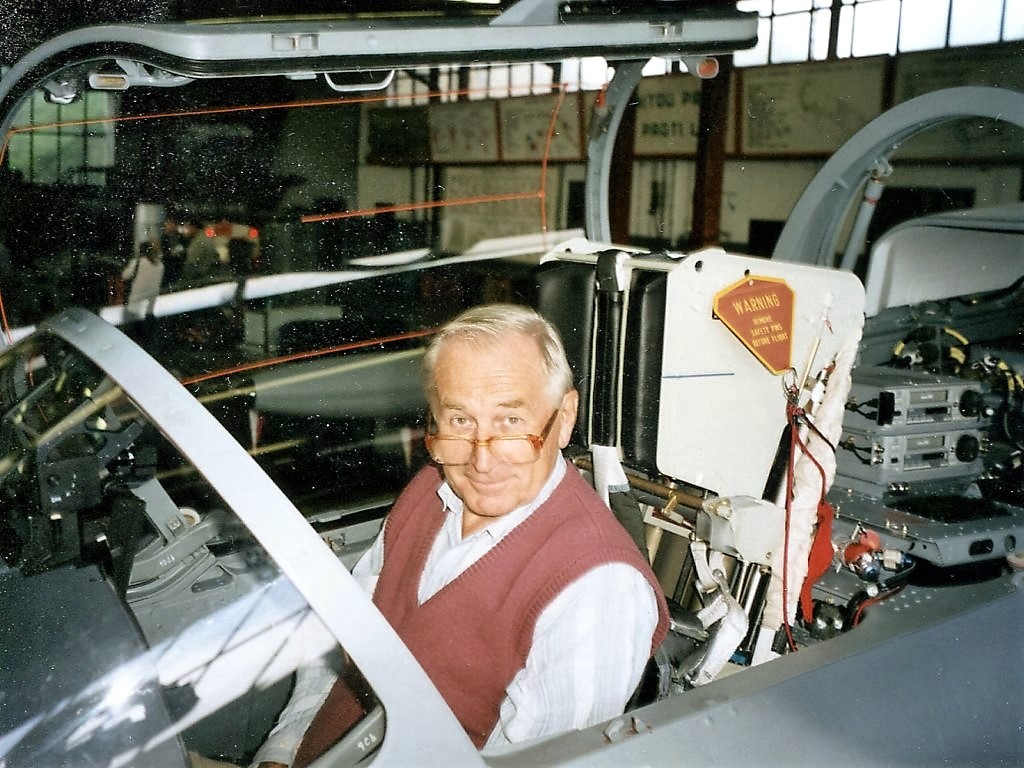
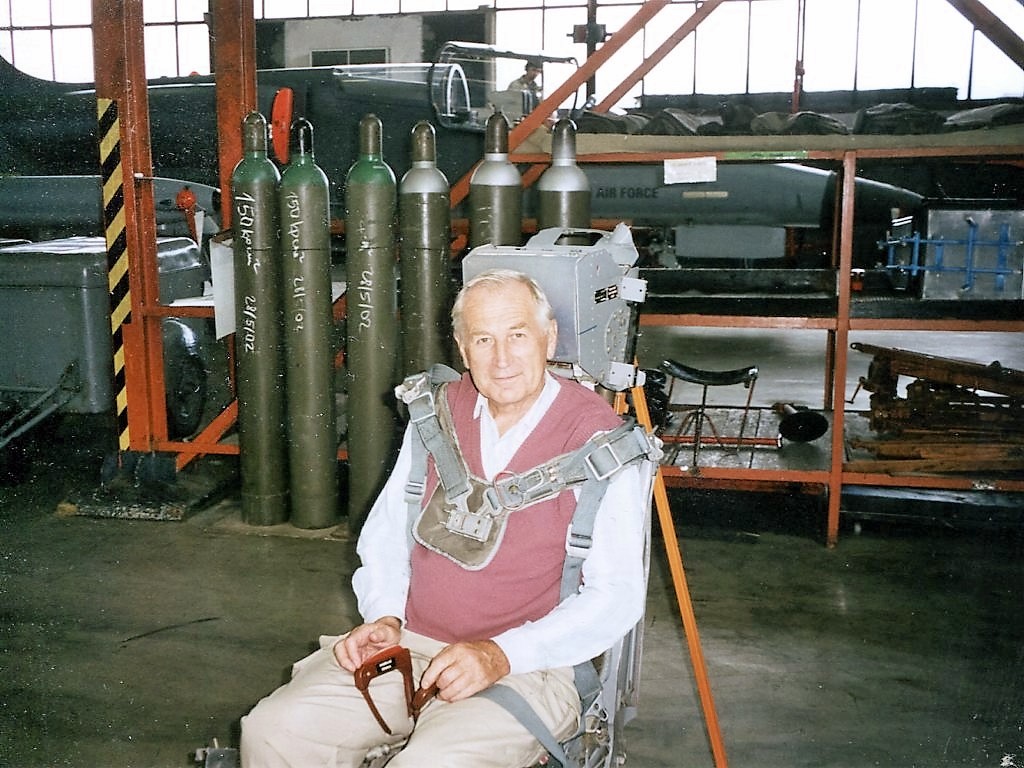
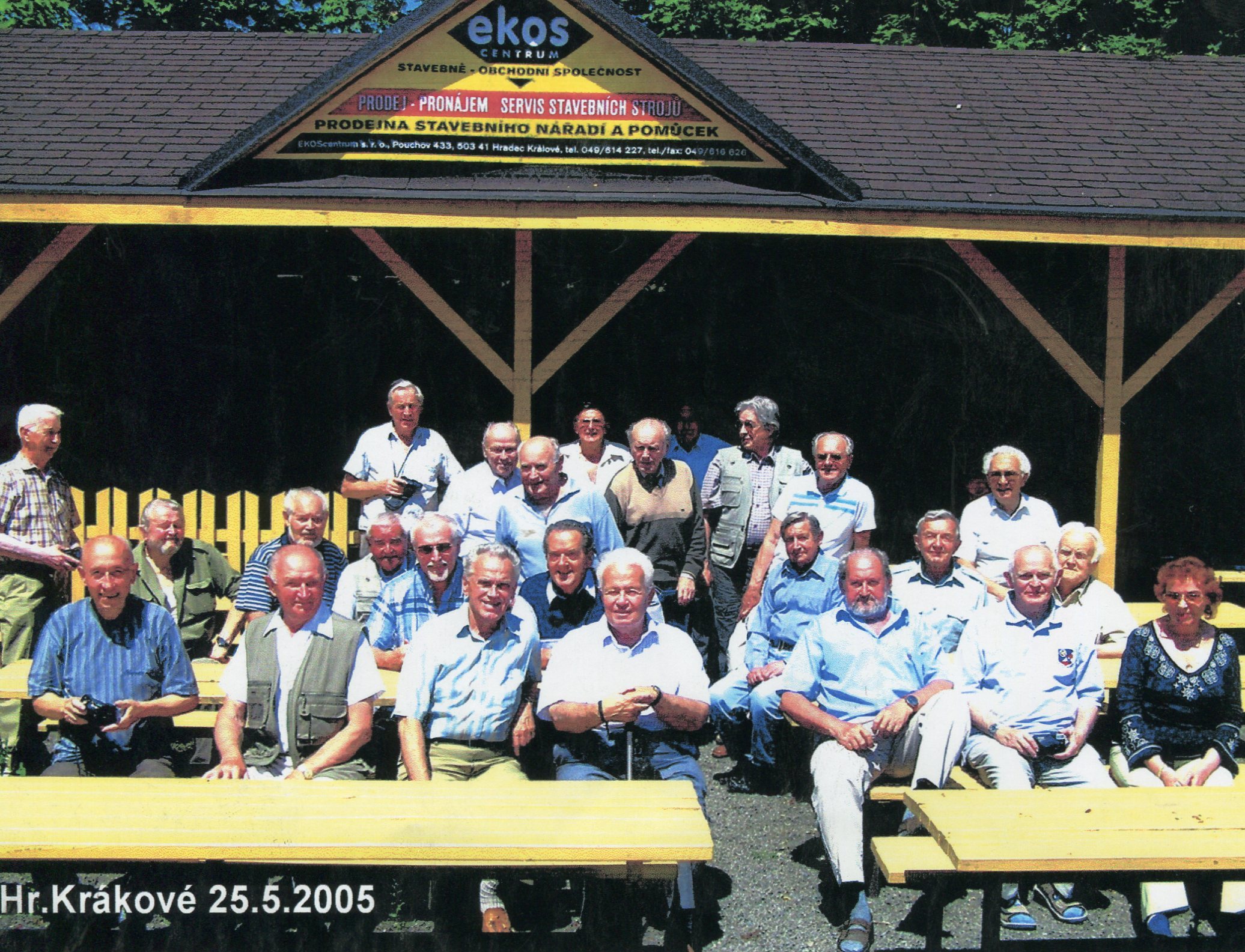
Jan Vazač was born on 18 September 1930 in České Budějovice. He grew up in the suburbs, near the transfer station, which became the main target of the Allied bombing at the end of March 1945. After the war he graduated from the secondary technical school of engineering and at the same time started flying in the aeroclub on gliders. In 1949 he decided to study at the Military Aviation Academy in Hradec Králové. He was selected for the demanding fighter pilot training, which he completed in 1952. At that time, the Czechoslovak army began to arm itself with a new type of fighter aircraft to replace the existing propeller planes. Jan Vazač was retrained on the MIG 15 jet fighter aircraft and after completing his training he began to train other pilots. After some time he applied for a transfer to the combat units and until 1962 he was one of the fighter pilots guarding the airspace over the western border. At that time he also joined the Communist Party. His initial motive for joining was his belief in communist ideas, which over time turned into disillusionment. He has many memories of the Cold War period from the perspective of an airman and officer in the Czechoslovak People‘s Army. In 1962 he had to leave active flying for health reasons and was employed at the national air defence headquarters until 1968. Between 1968 and 1976 he worked at the General Staff, where he was engaged in a new field, which was the automation of the army command. He retired to civilian life in 1976, and devoted the remainder of his working career to programming. In 2025 he was living in Prague.