Věra Vašků

* 1939

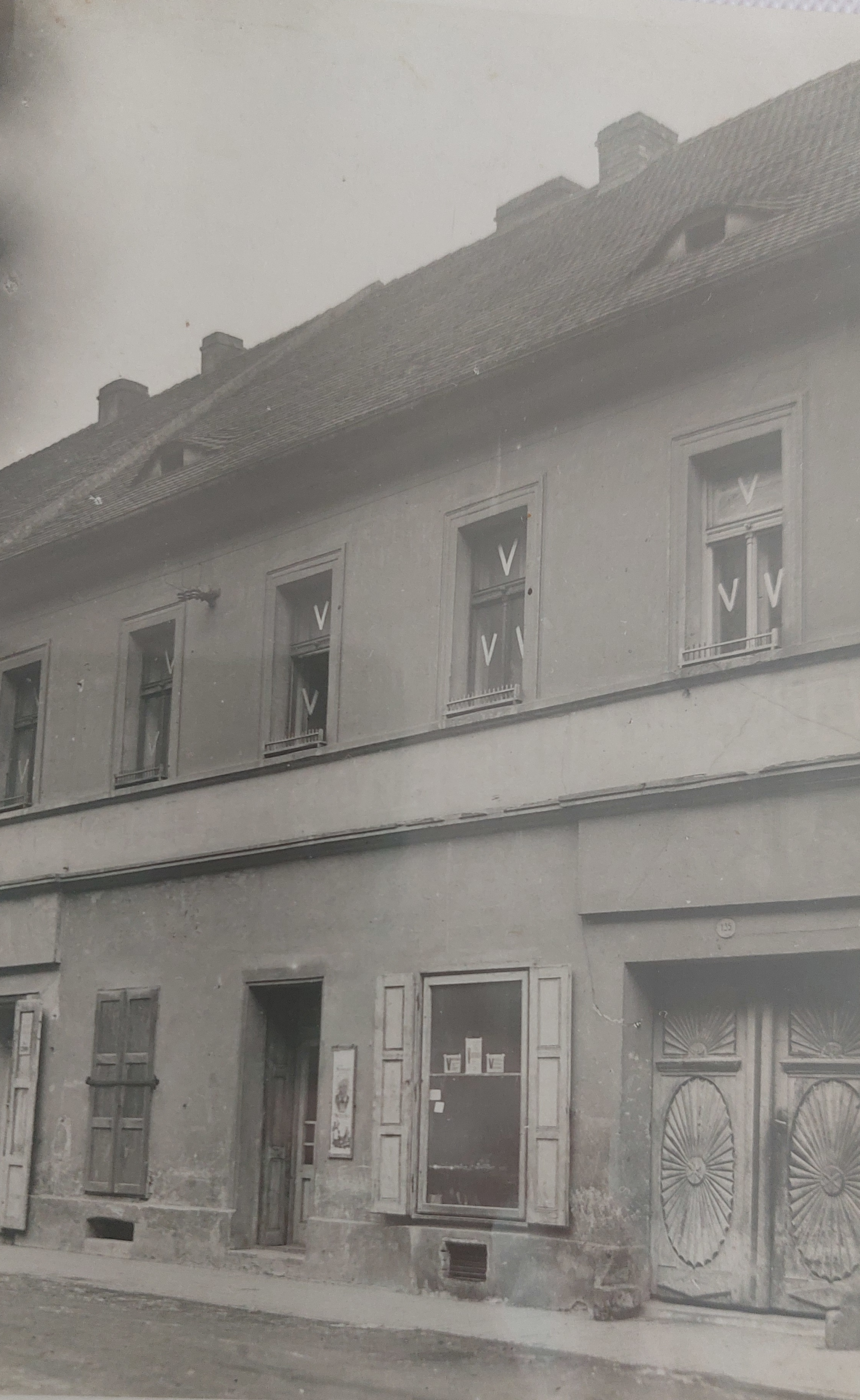
  • "It was shocking in that we went to sleep in the evening and in the morning I woke up, opened the windows and said, 'Mum, there are tanks behind the fence!' I didn't know why they were there at all, and there were already helicopters flying overhead, bringing tanks and so on. It was a terrible shock. What's more, we were coming from Varnsdorf on holiday. I don't remember what it was called. We went through Prague by bus from the company. My husband got off in Prague and went home, to Lovosice, and I changed trains to Říčany. When this happened in the morning, we didn't know if we would meet again and see each other. I had two small children. It was nasty, very nasty of them...[Russians]."

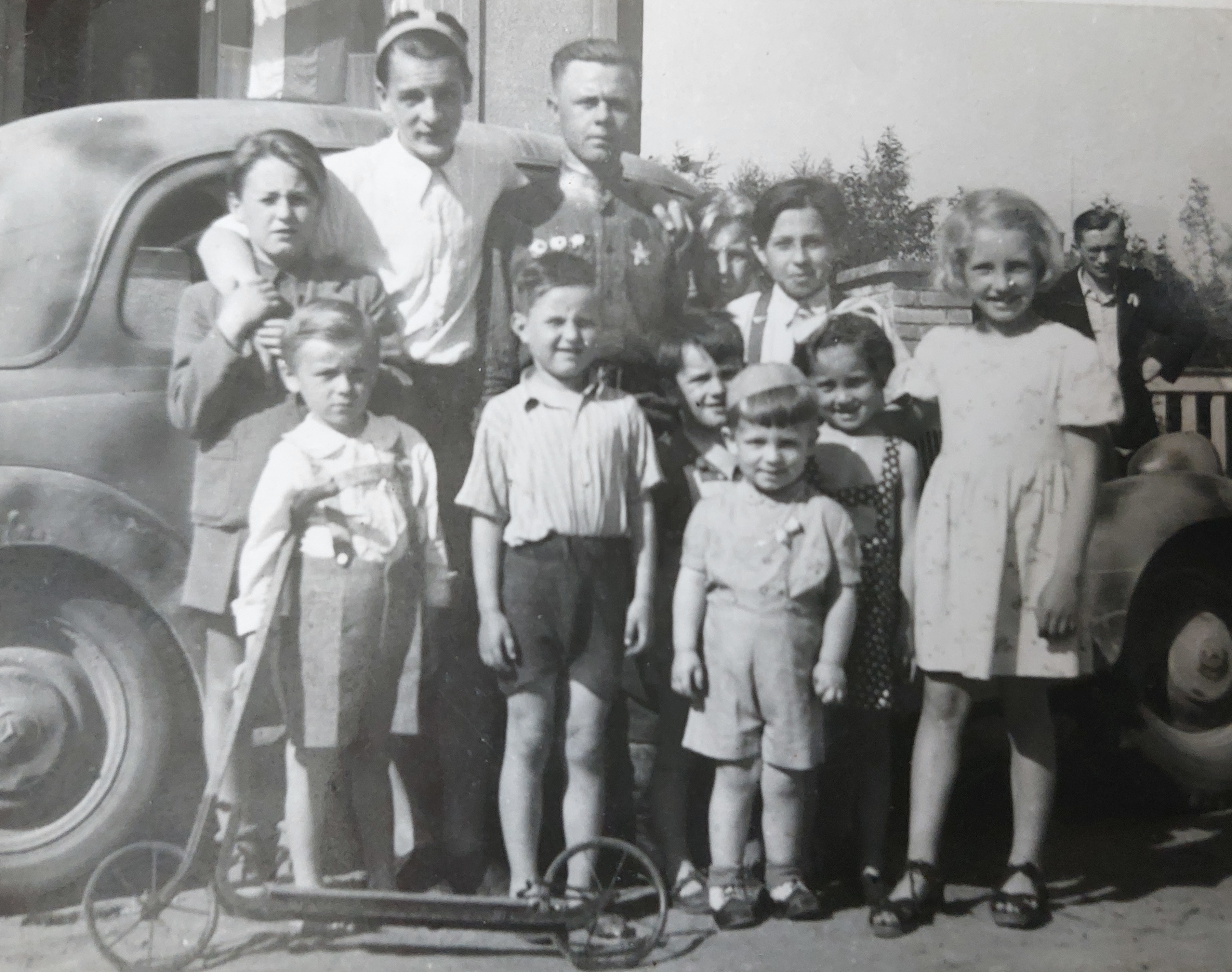
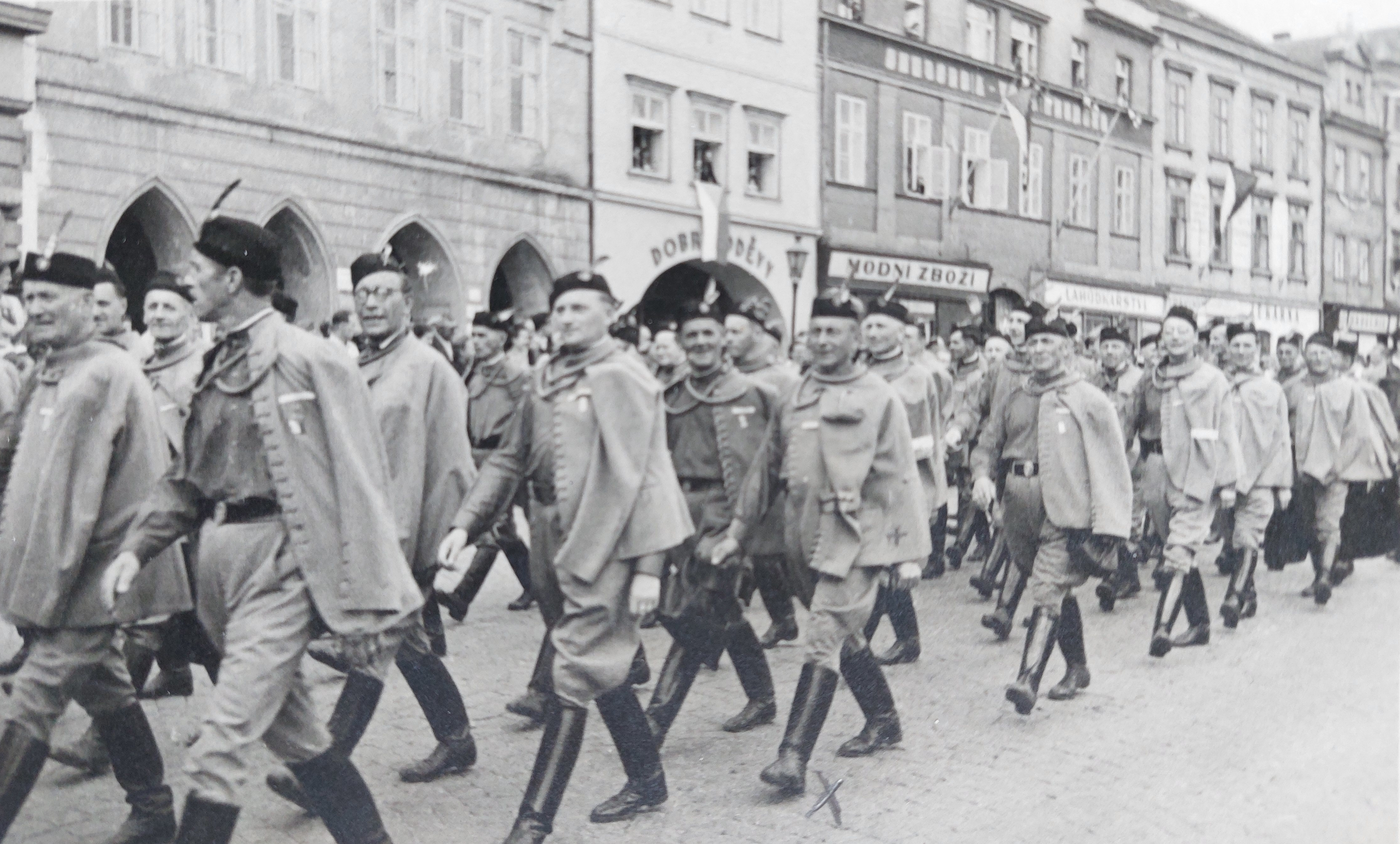
  • "My mother was so, I don't want to say curious, but she had to be there for everything. Jitka was still in the pram, we each kept to one side and [went] into town. It was mostly Russians with tanks coming to Prague. Then [I remember] how they punished the collaborators there. As they drove them out, everyone had a rope around their necks. The thing that sticks in my mind the most is how they herded these collaborators into the stream. It was the beginning of May. It was cold. And they had to lie down in the water. Then a bus came at them and they had to wash it from underneath. They were lying on their backs in the cold water. They had some black clothes and a swastika on their back. I felt sorry for them. It stayed with me as a great injustice that a man would do this to a man just for his beliefs."

  • "I don't know if I told you that my mother just sent me to my aunt's with a letter. When I got there, my cousin was looking out of the window and said, 'Věra, come quickly, there are soldiers on the railway bank and they are shooting.' I ran there and quickly slammed the door shut. My aunt called downstairs: 'In the cellar, in the cellar!' We were stuffed into a small cellar, where we survived the shooting. In this book I have just got from Říčany, they describe everything. Namely, who fought there. We used to walk past their memorial for years. We lived there. There were names that I still remember - Freiwillige and so on. I can't remember them all now. The memorial is still there. They were in charge of making sure that the armoured train coming from Benečov would not get to Prague - they were Germans. And they would help to shoot... I know that with one boy we climbed up. We called it "peshunk", because it was the bank where the train was going along. They'd run up the top and down, and they'd shoot at them there. And they succeeded in that the train didn't come."

  • Celé nahrávky
  • 1

    Lovosice, 22.05.2025

    (audio)
    délka: 01:15:48
    nahrávka pořízena v rámci projektu Příběhy regionu - Ústecký kraj
  • 2

    Lovosice, 01.07.2025

    (audio)
    délka: 42:08
    nahrávka pořízena v rámci projektu Příběhy regionu - Ústecký kraj
Celé nahrávky jsou k dispozici pouze pro přihlášené uživatele.

Things were no better under communism
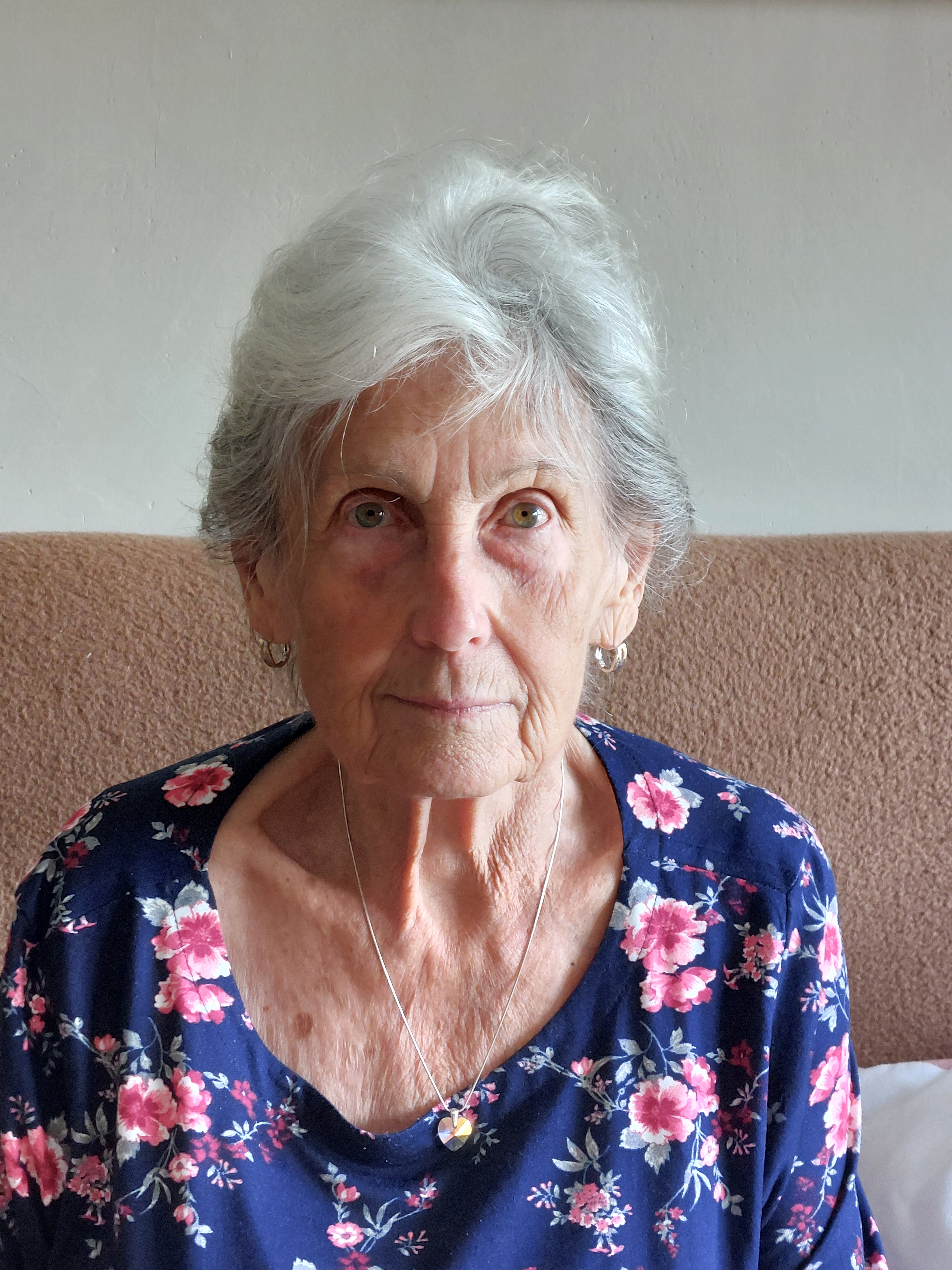
Věra Vašků in 2025
Věra Vašků in 2025
zdroj: Memory of Nations

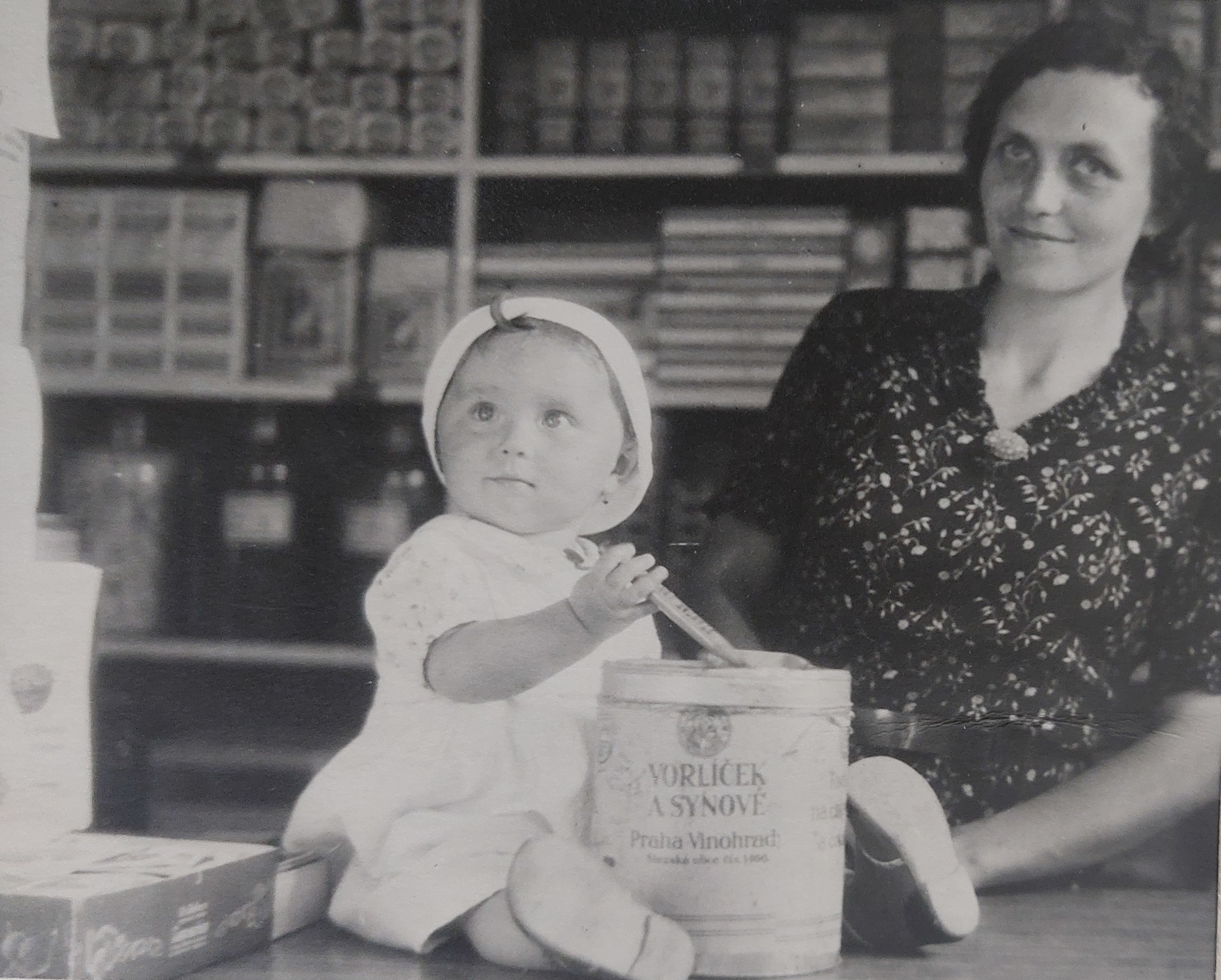
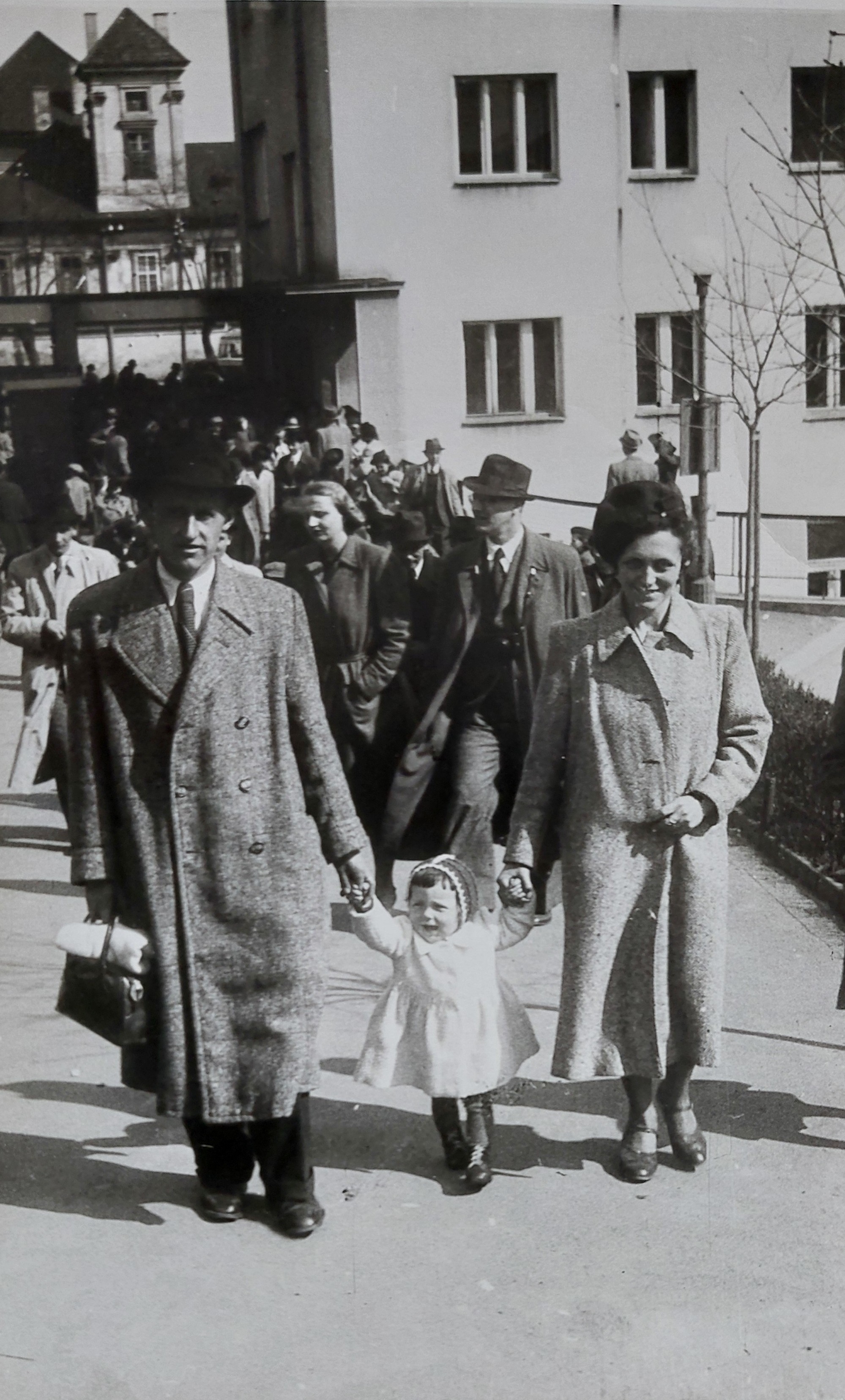
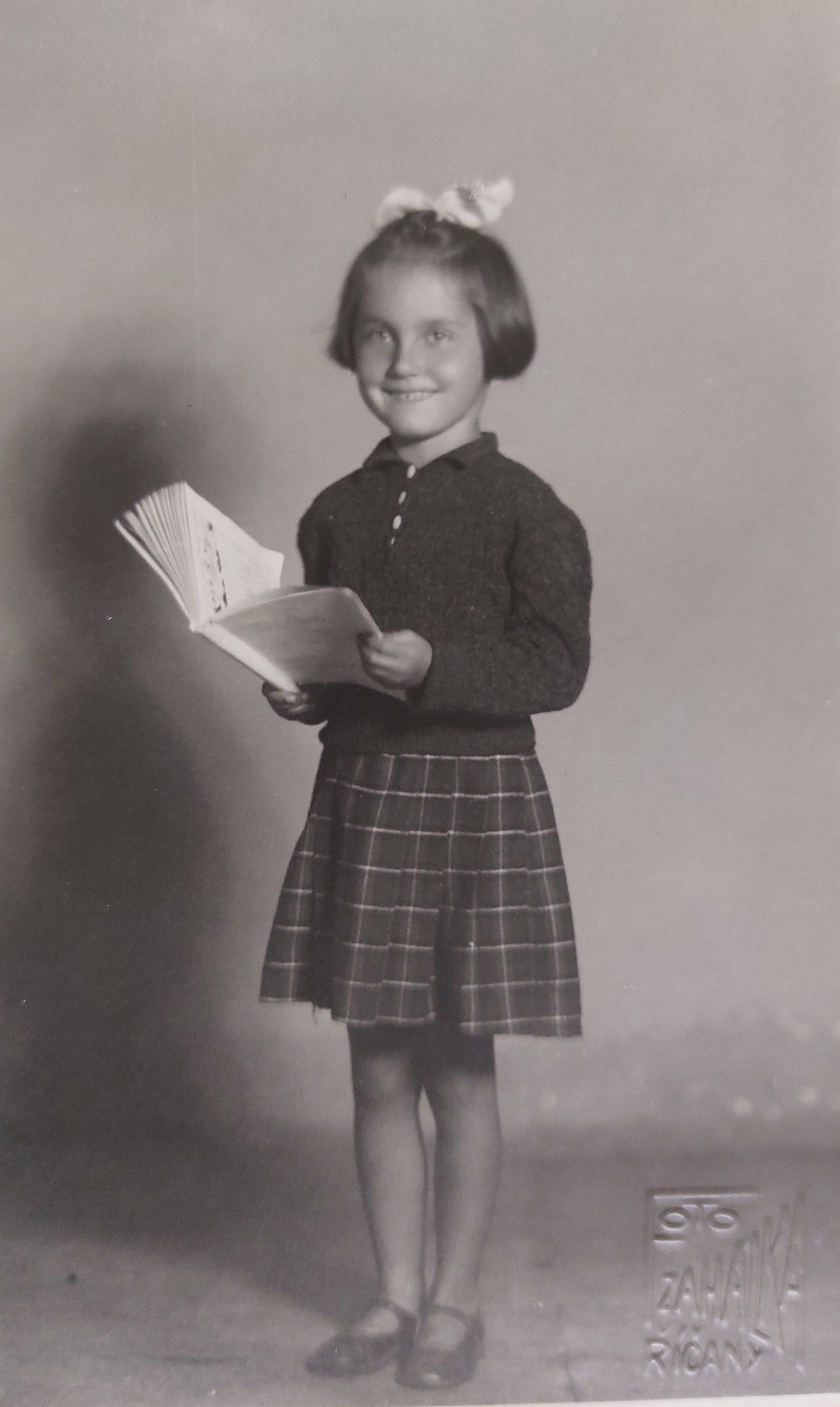
Věra Vašků was born on 17 September 1939 in Říčany near Prague, where her father Ladislav Kaucký (1913) came from. He ran a small grocery shop in Říčany. Her mother Vlasta Kaucká, née Škodová (1912), came from Terezín, where her father František Škoda owned a joiner´s shop and her mother Ludmila a hollow glass shop. František Škoda moved out of Terezín as one of the last original civilian inhabitants in June 1942. From July 1942 the whole town turned into a Jewish ghetto. He never returned to Terezín after the war. From his youth he was an active member of Sokol. In 1952, in a staged trial, he was sentenced to six years in prison for anti-state activities on the basis of false accusations. He was released after three years. Because of her cadre profile, Věra Vašků was unable to study at the secondary pedagogical school in Prague. She therefore went to Litoměřice, where she was able to study thanks to the then headmaster František Bouš. After graduation, she applied for a job in the Prague area, but she was not allowed to. She then worked in various kindergartens in Litoměřice and its surroundings. In 1963 she moved with her husband to Lovosice, where she started a family. Three children were born. In 1981 she became the director of a kindergarten in Litoměřice and joined the Communist Party. After the Velvet Revolution she left the party. She retired in 1993. At the time of recording, in 2025, Věra Vašků was living in Lovosice.