Jan Trousílek

* 1946

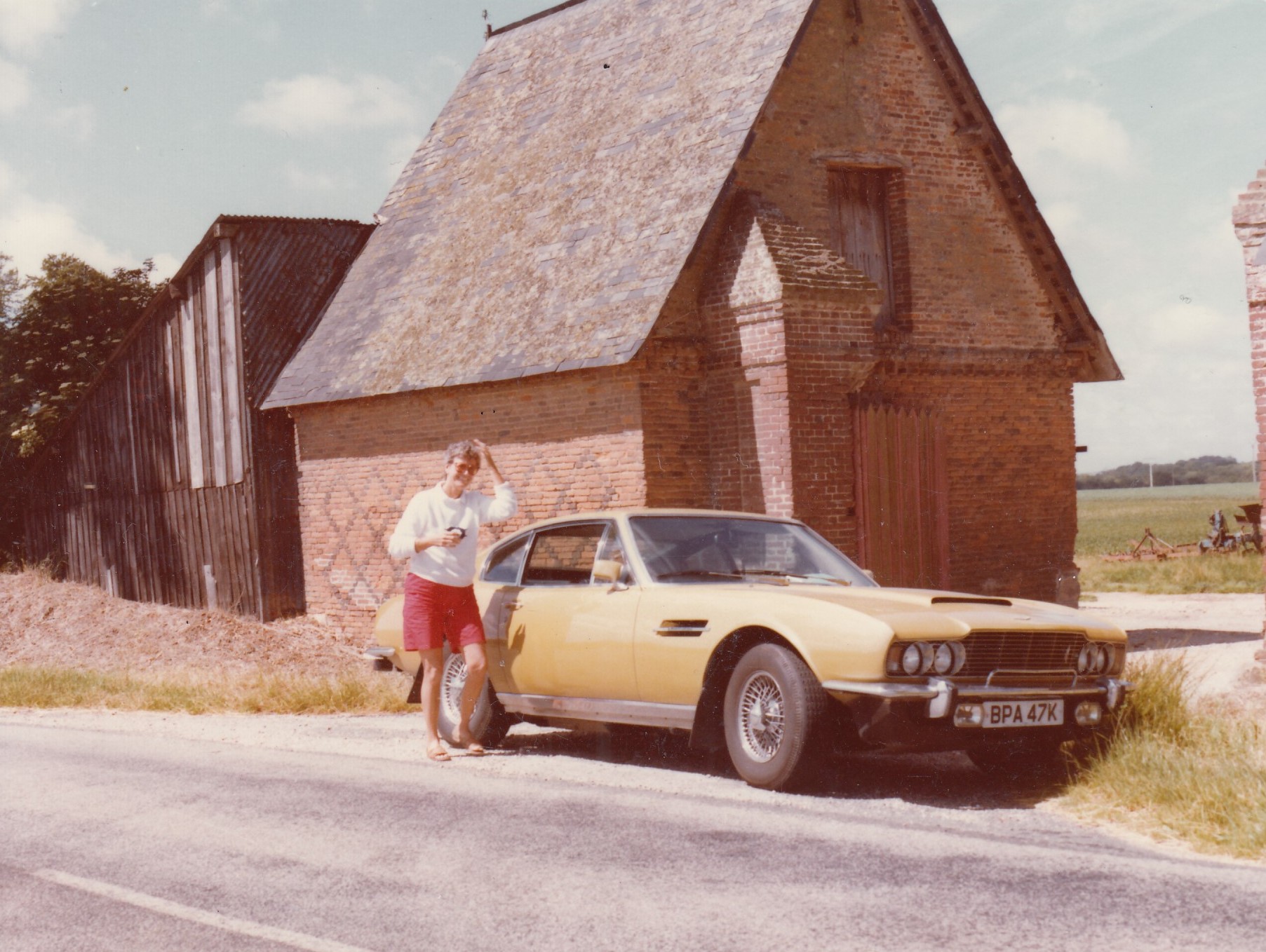
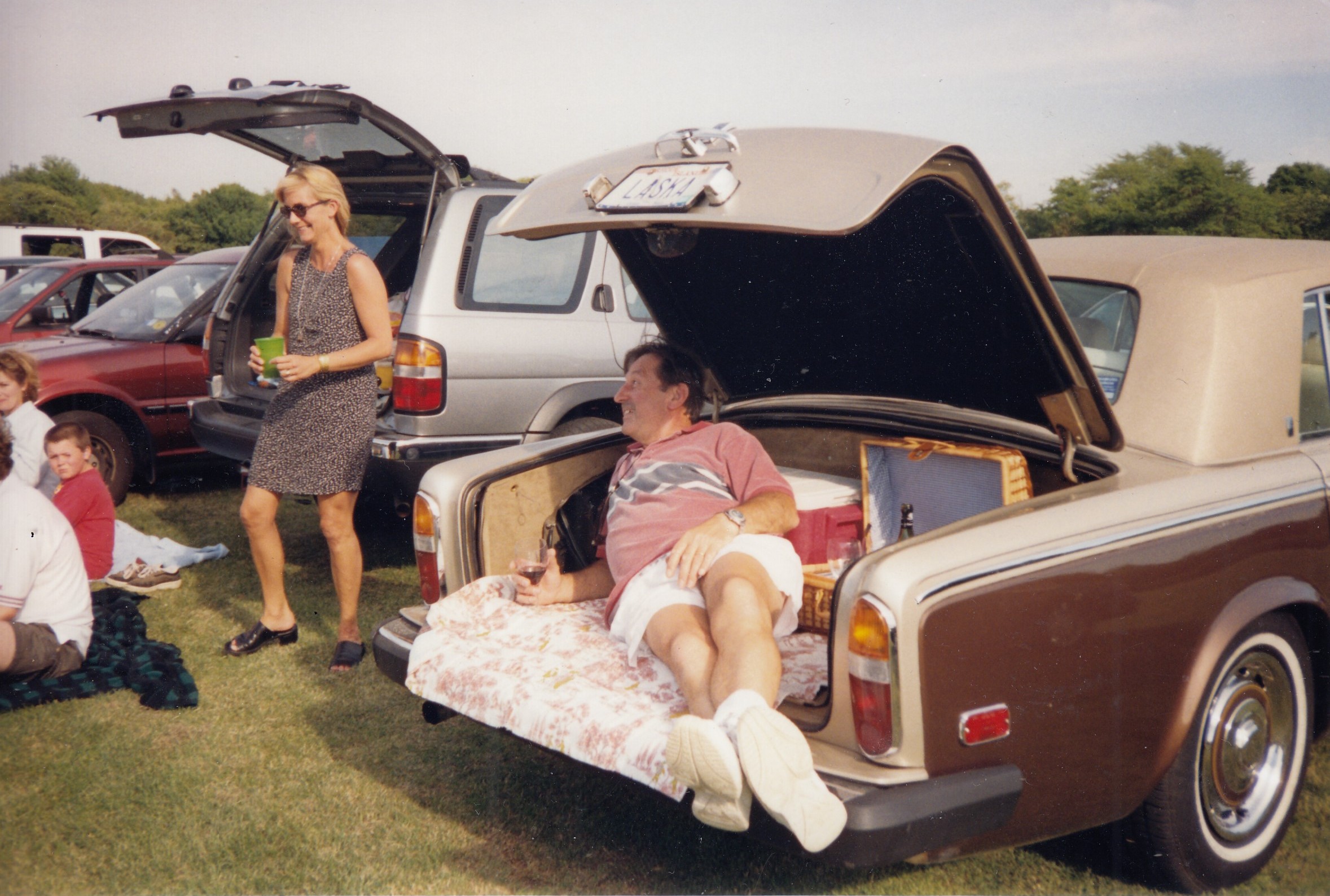
  • “When someone pissed me off, I told them: ‘Get stuffed…’ you know where. And nobody ever locked me up for it. I was telling my girlfriend Štěpánka about my mother. When she came to my farm, she loved driving around with me in that old convertible. We had the dogs in the back and every Sunday morning we’d drive to get newspapers and donuts. Every Sunday people gathered at a small newsstand there — police officers, firefighters, farmers, all sorts of folks. It was around the time of new elections, and that trickster Jimmy Carter had won. So I head over there, buy my Dunhill cigarettes, and my local cop is there and asks, ‘Hey, didn’t a buffalo or a horse escape from you? I’m on duty today and I don’t feel like chasing it around.’ I said, ‘No, they’re locked up, it’s all good.’ And he says, ‘So what do you think about the elections?’ I said, ‘Well, we’re in trouble.’ He said, ‘Yeah, that idiot is going to give everything away and everyone’s going to be worse off, I can already see it.’ My mom is looking at me — she understands English — and she says, ‘Who are you talking about?’ And I say, ‘My friend Freddy just told me that the new president is really an asshole.’ ‘Shhh, don’t say that!’ ‘Why?’ I said. ‘You’re not allowed to say that!’ And I said, ‘Mom, you’re in a free country here, so say it: Yes, I think Carter is an asshole.’ But I couldn’t get her to say it. She was so scared… So I looked at her and said, ‘Mom, I want you to know that our new president really is an asshole. It’s like when you’re at school and on every restroom wall it says that Servít is an asshole. They used to write that at universities — Servít was a professor — so people wrote “Servít is an asshole.” I even found it in Japan at a train station.’ And I told her, ‘He’s an asshole, well, he’s an asshole.’ My mom ran out, jumped into the car, slammed the door, and wanted nothing to do with it.”

  • "It was awfully nice because we didn't burn trams, we didn't burn police cars, the only thing we burned were Russian flags. Not Czech flags, Russian flags. And the best thing I remember, and maybe my girlfriend Dana and Pavel Langer, [is that] we were saying, 'Where are the leaders of this resistance, who are writing here how they're going to do it and how wonderful it's going to be and Dubček is going to do everything?' But when we were walking down Národní třída, those leaders were there celebrating Mr. Ginsberg, the poet from America, who was elected, as they call it... the king of Majáles (spring celebration). He wasn't a good poet, nobody in America read him, but he was the king of the Majáles, and they'd rather be in the Viola, in the café, celebrating him, than wondering what was going on out on the street. So we kept walking and decided on the Bridge to turn to St. Wenceslas. As Czechs, we wanted to celebrate our early freedom at St. Wenceslas. There we were shouting slogans and somehow it started to get out of hand. There were interesting people who started shouting slogans like 'Gestapo!' and 'The police are pigs'. We didn't care. The six of us decided that we would stop and go away. So we started to leave and in a side street where the Alcron Hotel is, we suddenly saw about six people running after us. The worst thing was that the woman I had been holding the hand of the whole march was running behind us, and she was yelling this 'Gestapo' and 'The police are pigs' - and she was a cop."

  • Celé nahrávky
  • 1

    České Budějovice, 31.01.2025

    (audio)
    délka: 02:00:33
    nahrávka pořízena v rámci projektu The 20th century in the memories of witnesses
Celé nahrávky jsou k dispozici pouze pro přihlášené uživatele.

We were just young people who wanted freedom
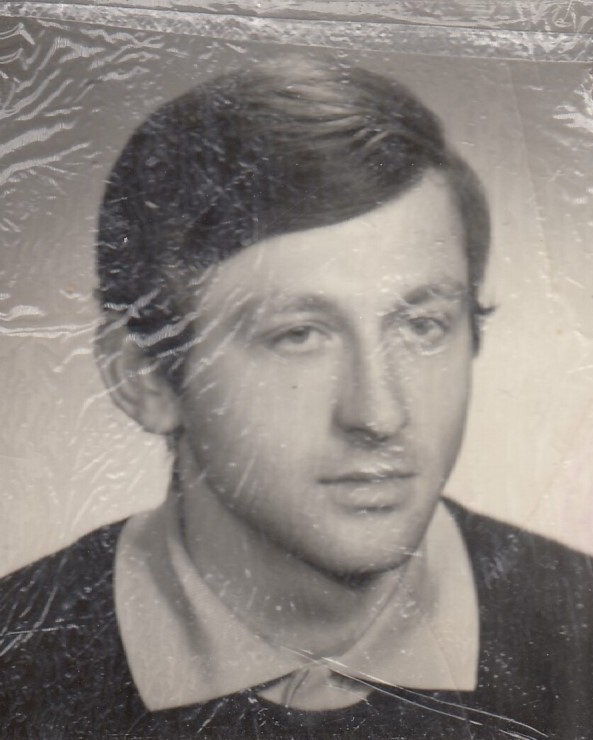
Jan Trousílek, 1973
Jan Trousílek, 1973
zdroj: Archive of the witness

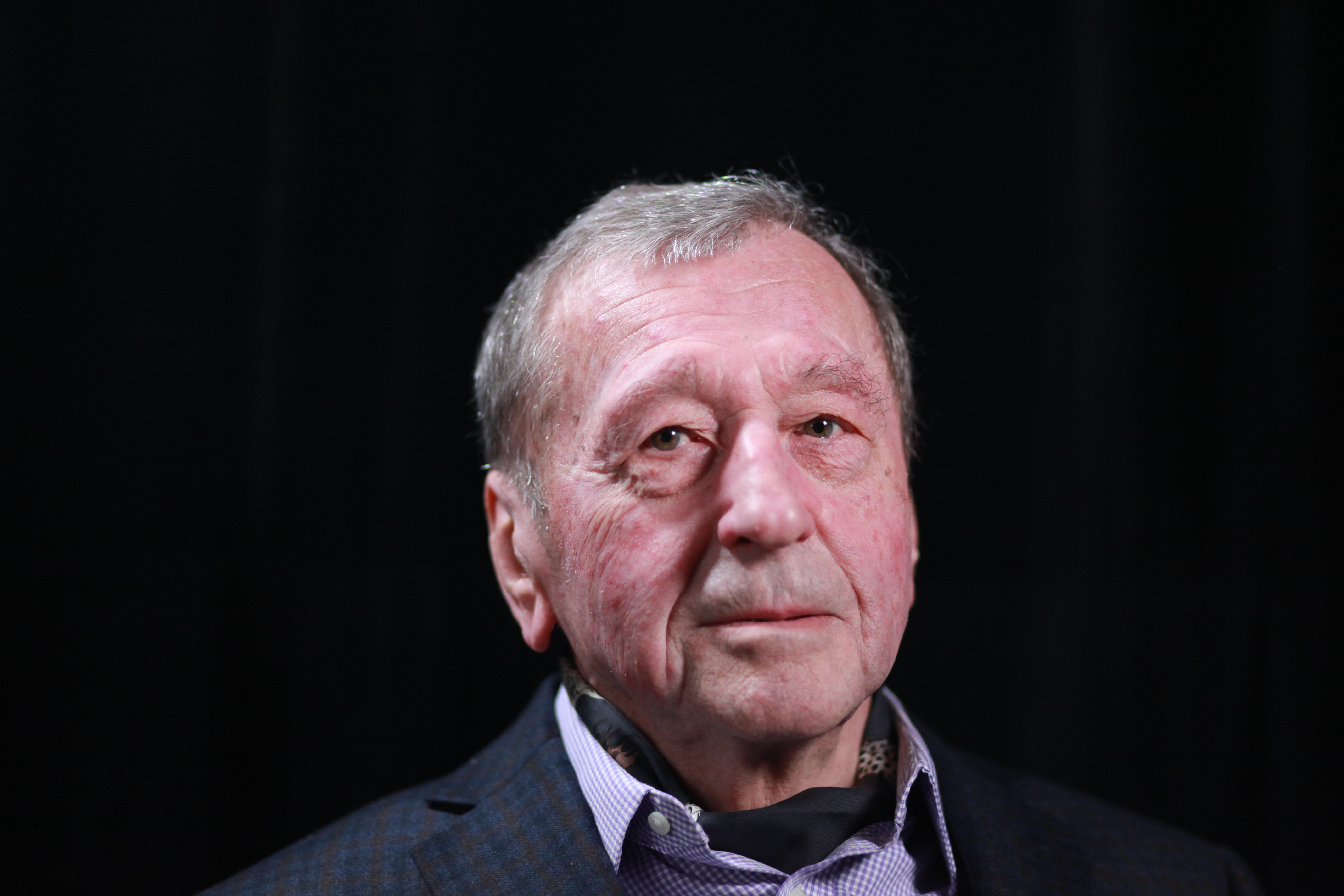
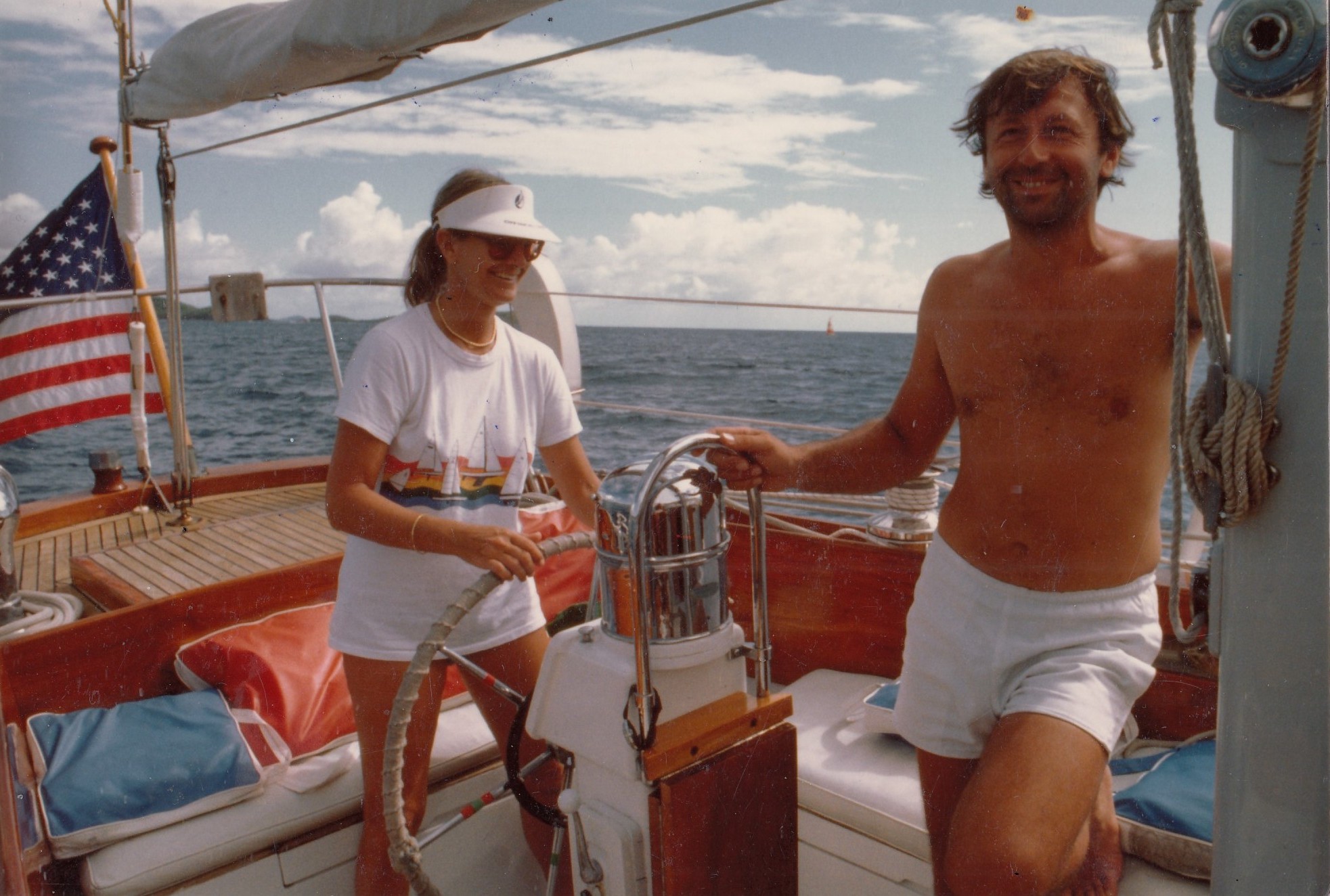
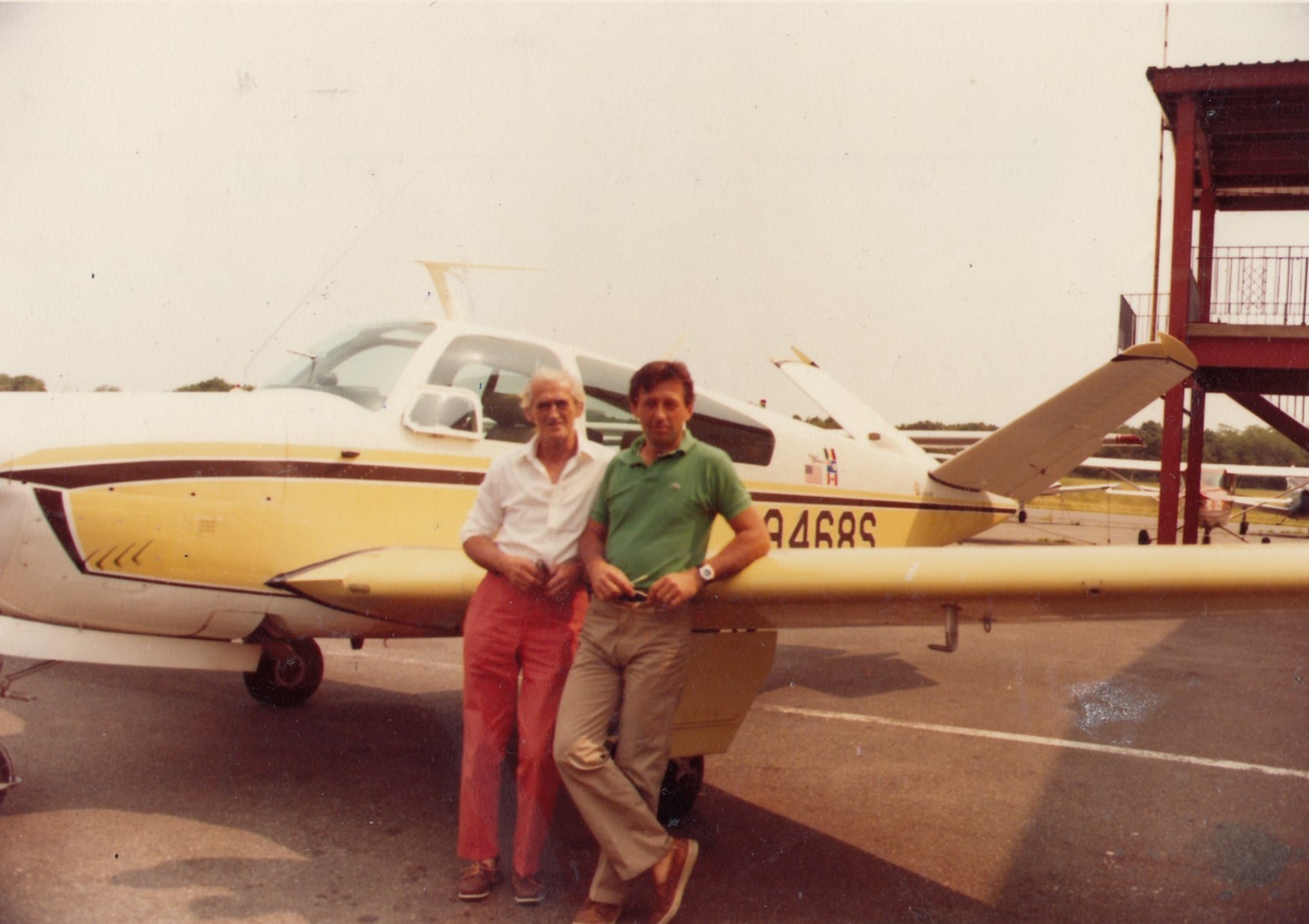
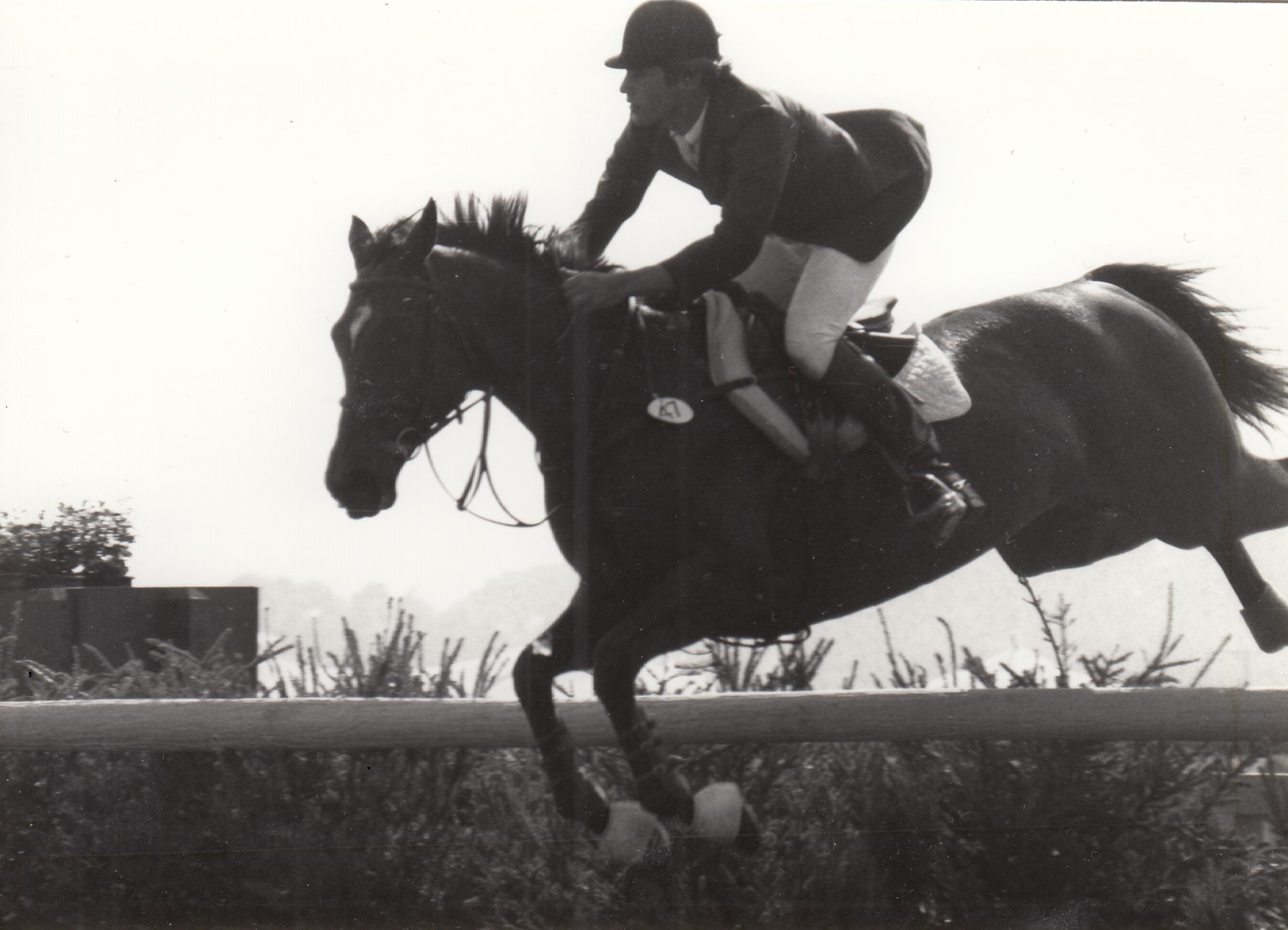
Jan Trousílek was born on November 5, 1946 into the family of a chemical engineer and the daughter of a wholesaler. His bourgeois origins became his lifelong curse. Three times he was refused admission to high school, he had to first apprentice himself, and only then was he allowed to study. He was sentenced to 17 months‘ imprisonment for his participation in the student May Day demonstrations on the occasion of the 1966 Majáles, and after his release he was forbidden to study further not only in Czechoslovakia but also in all Warsaw Pact countries. After August 1968, he was granted political asylum in the USA, where he found a new home and the freedom he longed for. In the early 1970s, his parents in Czechoslovakia received a false report from the Ministry of Defence and the Interior about their son‘s alleged death in the Vietnam War. He returned permanently to the Czech Republic in 2022 and is working on the publication of his autobiography.