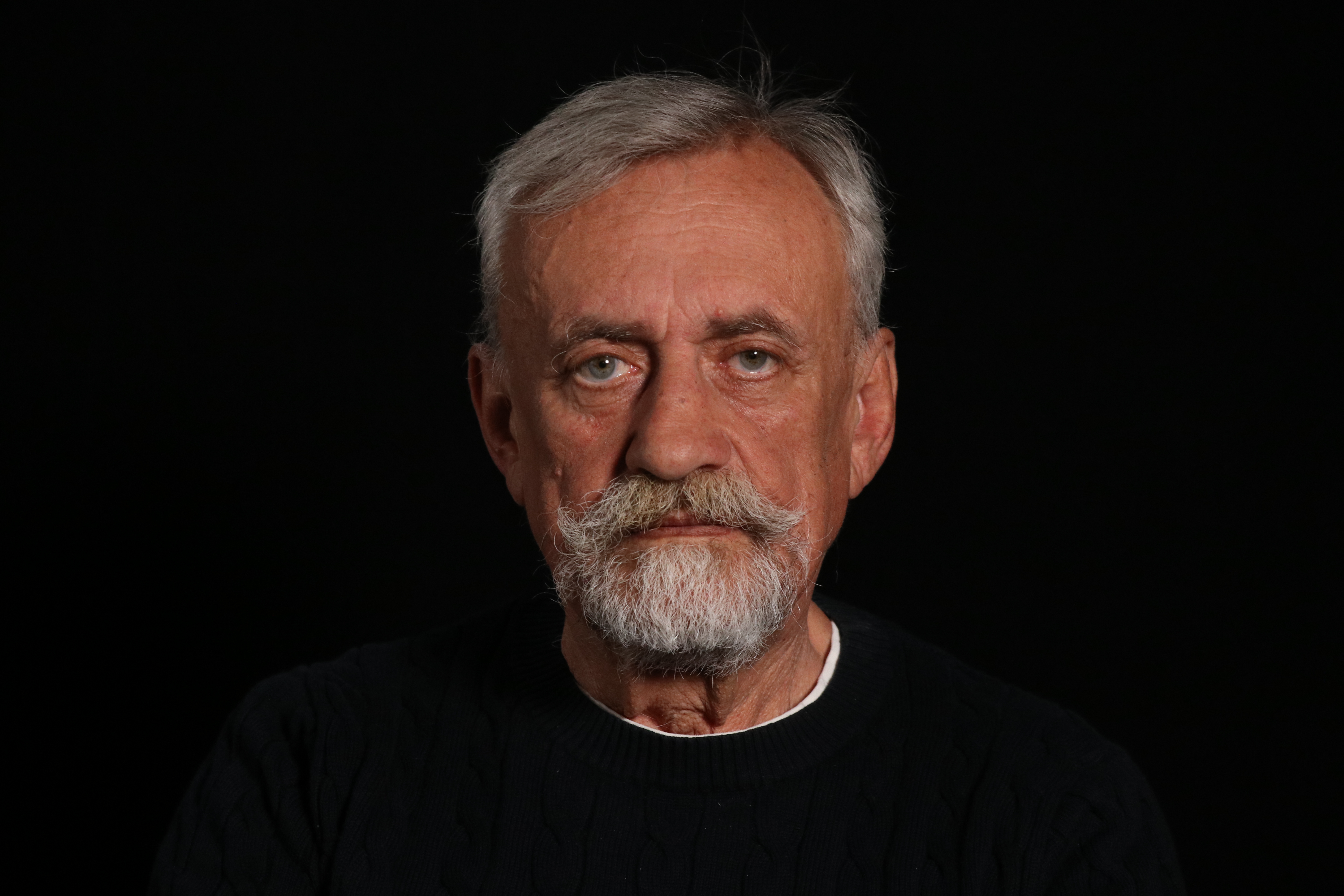
Richard Tesařík

* 1945

  • "When I took the exams, I went to Dr. Chlíbec and told him, 'I'm being called in tomorrow to take some exams. So I need some political question. He says, 'Which one do you want?' And I said, 'Bedřich Smetana.' It was similar to school leaving exams. I had the question strip in my hand, and I put my hand in the bag, and I pretended to have pulled out Bedřich Smetana. So I said, 'Braniboři, The Bartered Bride, Dalibor...' So I was reciting it. I wanted to avoid overtly political issues so I wouldn't have to zigzag around. Then there was a test to write - find out what it is. It started with a pure quart up, so it was clear it was the Labour Song, the Internationale or the Soviet anthem. I could read that. It was always fun. Then some harmony. And then a practical test. One time I was singing and I had a bit hoarse voice. A member of the committee, the singer Jan Soumar, said, 'You should go somewhere to learn to sing.' I said, 'Yeah, yeah.' They gave me a solo two level. A year or two later, I was summoned again for an examination: 'Pay three hundred crowns, come clean-shaven and clean-cut, we'll test you.' And now to sing. So I sang. And there was that Soumar again: 'I told you to go somewhere to learn to sing.' I started searching my head, who among the chorus singers of the National Theatre could I name that I was going to him. I said, in the cheeky American way, 'I do.' 'It shows!'"

  • "'New Warriors Will Arise' - that's what Antonín Zápotocký wrote. There was a coffin as a prop on which was written: 'Socialists, sleep sweetly'. That was played in the theatre. In the National Theatre, the scenery was loaded from the side of the Vltava River into the lift, it was taken up. Before we put it in the truck, we put the coffin on the pavemen so that the inscription would be visible. Now people were walking around and having fun with it. Then somebody noticed it, turned it in, so we had to put the coffin with the sign against the wall so it wouldn't be seen. 'Socialists, sleep sweetly' - such bullshit! That's the kind of nonsense we used to entertain ourselves with."

  • "Because he [the father] was so straightforward and obviously saw that everything was kind of wrong. So he criticized, he contradicted. On top of that, he took the occasional drink, so he got very frank. It was probably not easy to just get rid of the holder of the title Hero of the Soviet Union. That probably saved his life. When he was sitting in that detention, [Minister] Čepička asked the Russians to strip him of that title. Fortunately, they said no. So it was a hot potato. When Stalin died, Gottwald died, and Khrushchev came, fortunately they pulled him out. And there were problems again. There were problems in Moscow. I don't know what all was going on there. He criticized in various ways, he even had a conflict with an East German general, he slapped him in the face saying, 'You guys were at war against each other and now you're hugging each other here.' Apparently he made some scandals there, which my mother said something about at the time."

  • Celé nahrávky
  • 1

    Praha , 13.05.2025

    (audio)
    délka: 01:12:21
    nahrávka pořízena v rámci projektu Pamětníci Prahy 4 vyprávějí
  • 2

    Praha , 09.06.2025

    (audio)
    délka: 01:47:08
    nahrávka pořízena v rámci projektu Pamětníci Prahy 4 vyprávějí
Celé nahrávky jsou k dispozici pouze pro přihlášené uživatele.

The clash with the regime was more stressful for my father than the battles of World War II
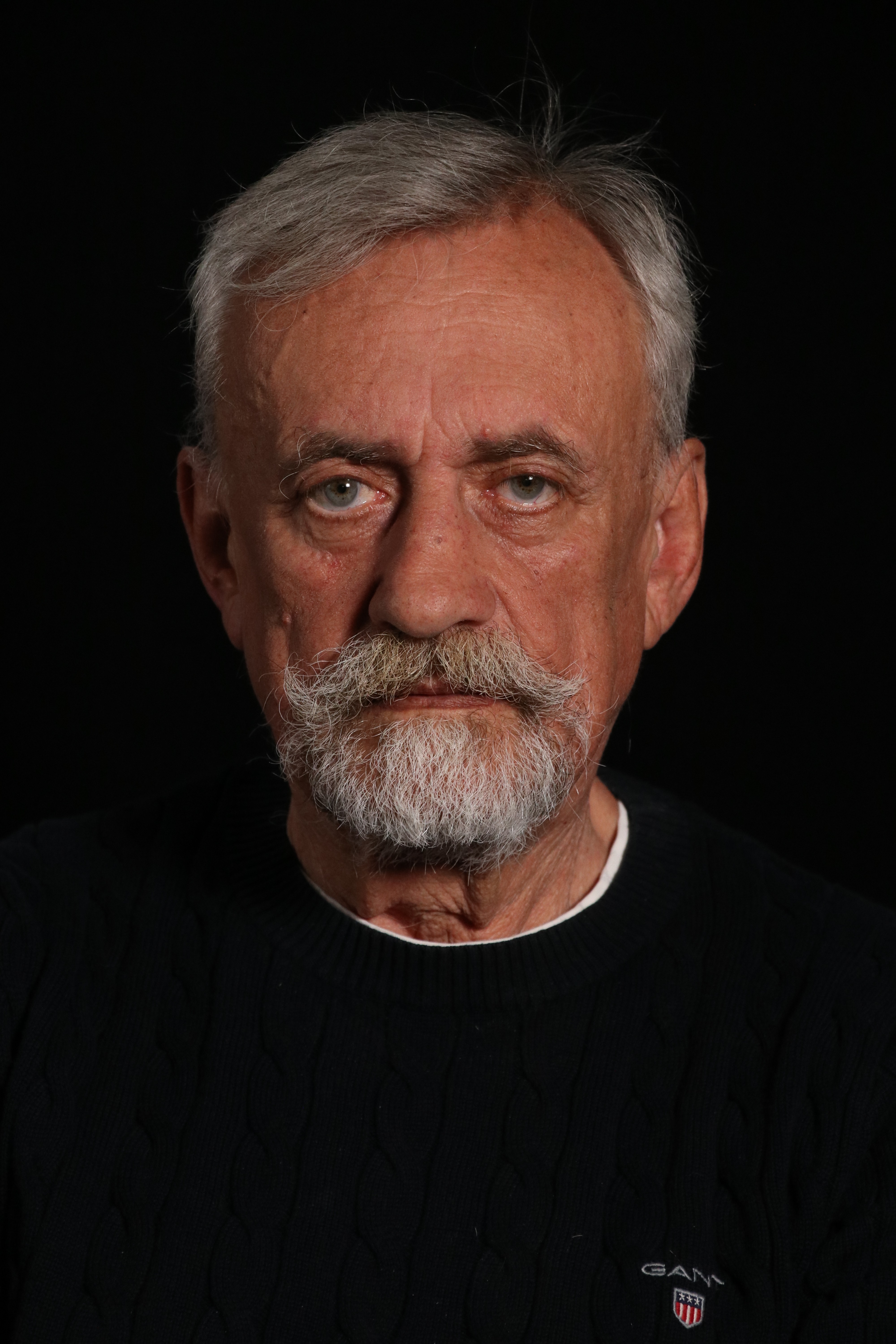
Richard Tesařík in 2025
zdroj: ost Bellum

Richard Tesařík was born on 25 December 1945 in Ostrava. His father was Major General Richard Tesařík Sr., who fought in the 1st Czechoslovak Army Corps under the command of Ludvík Svoboda during World War II and received numerous awards for his heroism, including the title Hero of the Soviet Union. His mother Markéta, née Olšanová, came from a Czech-Ukrainian family and was born in Kiev. His parents met in Svoboda‘s army. At the time of Richard‘s childhood, his father was still in the army, but because of his conflicts with his superiors, he was persecuted, imprisoned and retired in 1960. His mother taught at the Czech Technical University. The family lived in Dejvice, Prague, in Zelená Street. Richard Tesařík graduated from the grammar school (then SVVŠ) on Velvarská Street, today‘s Evropská Street. He devoted himself to athletics and music. After faiuling the entry exams to the Faculty of Physical Education and Sport (FTVS), he completed basic military service, then worked as a stagehand at the National Theatre and Tyl Theatre until 1983. Later he worked as a window and shop window cleaner until the fall of the communist regime. In 1975, with his brother Vladimír, he founded the Yo Yo Band, which performed publicly during the normalisation period, but achieved significantly greater popularity in the 1990s. Richard Tesařík still performs (2025) with the Yo Yo Band and also acts in musicals, films and TV series.