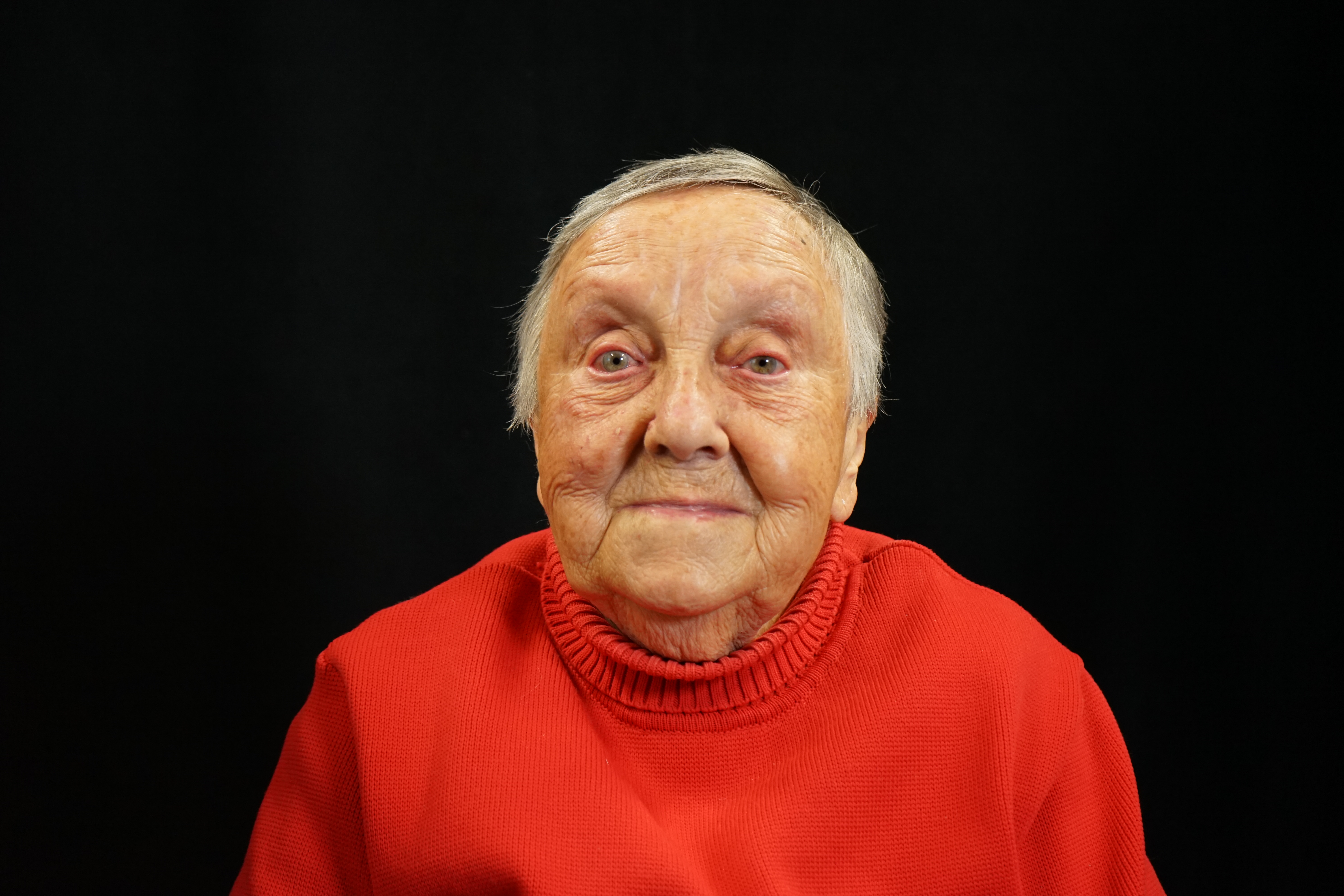
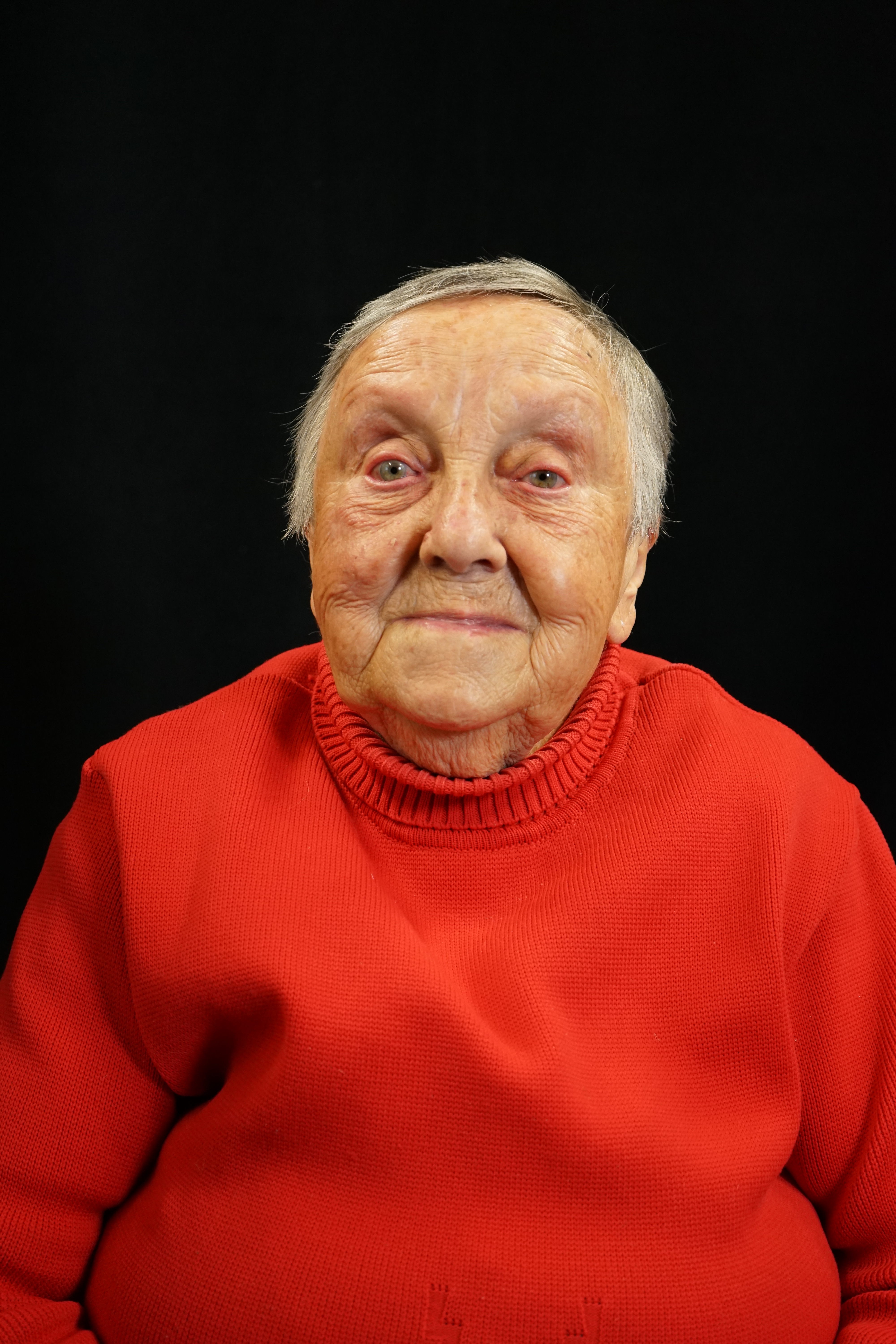
Annelies Taubová

* 1934

  • "They [Soviet soldiers] camped there, they had horses, they cooked there, they camped there for a few days. They went all over Černá Voda and the women were afraid. Because down in Černá Voda one lady was raped and probably more took turns, they said she was in the hospital because of it. They always came, they came on horses or on bicycles. One time we were standing with some people from Burg at the cross and we were watching. One came on a bicycle and didn't turn it, fell and hurt his hand. Mr. Illnerkonart had a 'Schlips', a tie. He pulled out a knife, walked over, grabbed the tie, cut it off and tied his hand. We hurried home - all of us who were standing there."

  • "[Dad] was given the task of planting Jerusalem artichokes. The kind of potatoes that grew together and were for animals. When he was digging them, he got two prisoners to help him. He guaranteed them so they wouldn't run away. They helped him dig the Jerusalem artichokes, and Mom gave them snacks. Then when he took them back to the house, they stuffed their pants full of Jerusalem artichokes, probably to eat. They probably cooked them somewhere. My dad was worried because they were going to be scarfed when he brought them back. As he walked with them, he offered the guards a cigarette and smoked with them and they talked. The two of them quickly slipped inside to avoid being searched — and they managed to get the Jerusalem artichokes in."

  • "At that time there was an armoured train at the station in Žacléř. They came one night, my dad had a night shift. I guess they were with the better ones at Burga and then they banged on our front. We didn't have the keys, I guess Dad took them with him to the shaft. We still had the door at the back and we kept shouting in German, 'Come in!' And they kept banging. Then they came to the back and looked at everything. My grandfather, my dad's dad, was living up in the attic in two small rooms. When he heard the banging, he came downstairs. As they were looking, they said someone was sleeping upstairs, that there was a warm bed. Grandpa was sleeping there. In 1945, we Germans had to give up our radios and musical instruments. Dad carried a radio in his rucksack to the National Committee in Žacléř. He thought we'd get it back, so careful not to break it. We didn't get anything back. Mum had a guitar and gave it away. We had a turntable for hand spinning, we didn't take that because it was a kind of a box. They saw it upstairs, they cursed and we didn't understand. They wrote down that we probably should have turned it in."

  • Celé nahrávky
  • 1

    Žacléř, 23.04.2025

    (audio)
    délka: 01:16:06
    nahrávka pořízena v rámci projektu Příběhy regionu - HRK REG ED
Celé nahrávky jsou k dispozici pouze pro přihlášené uživatele.

At night, the Revolutionary Guards tried to break in, but all they took was some preserves.
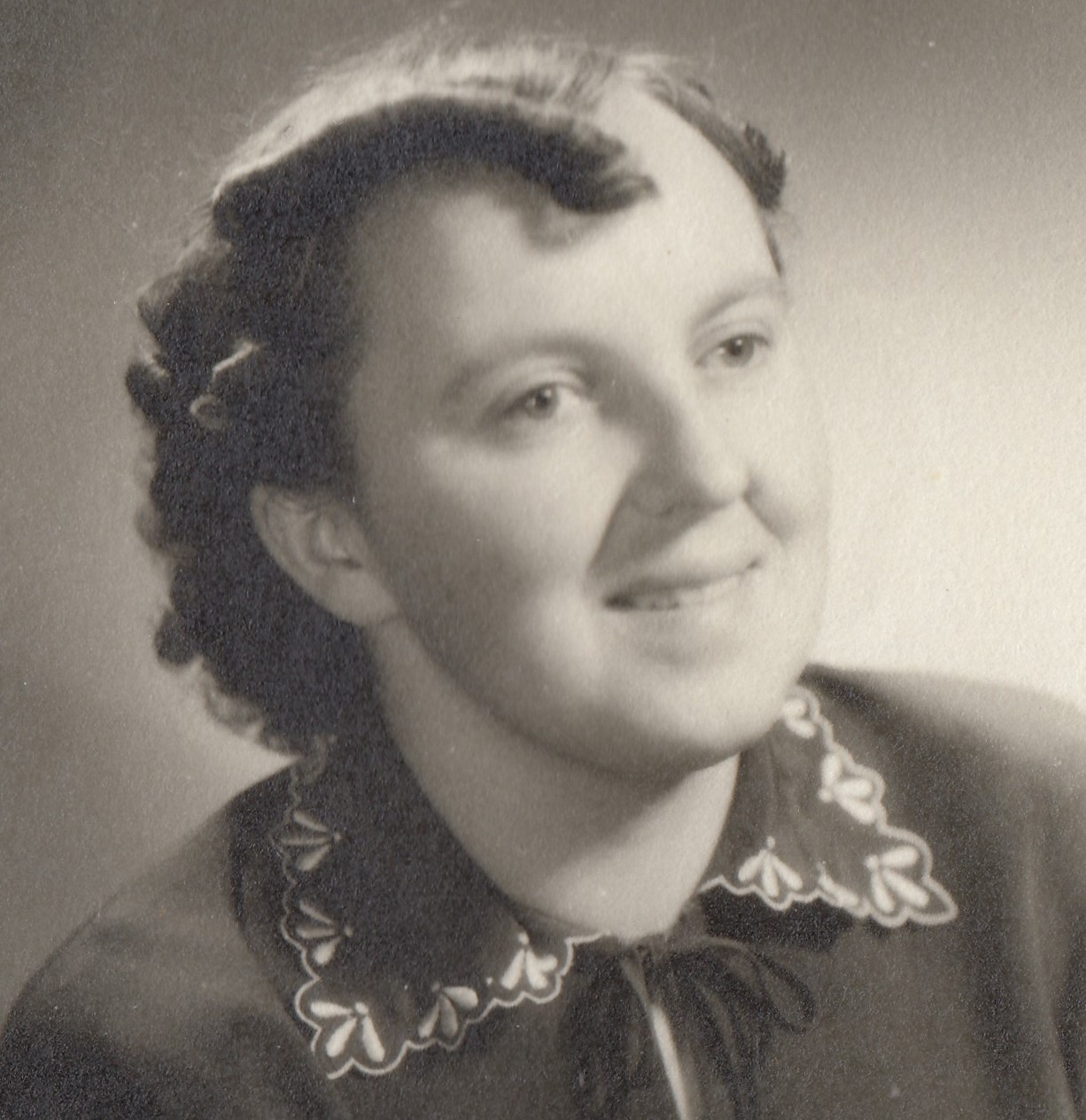
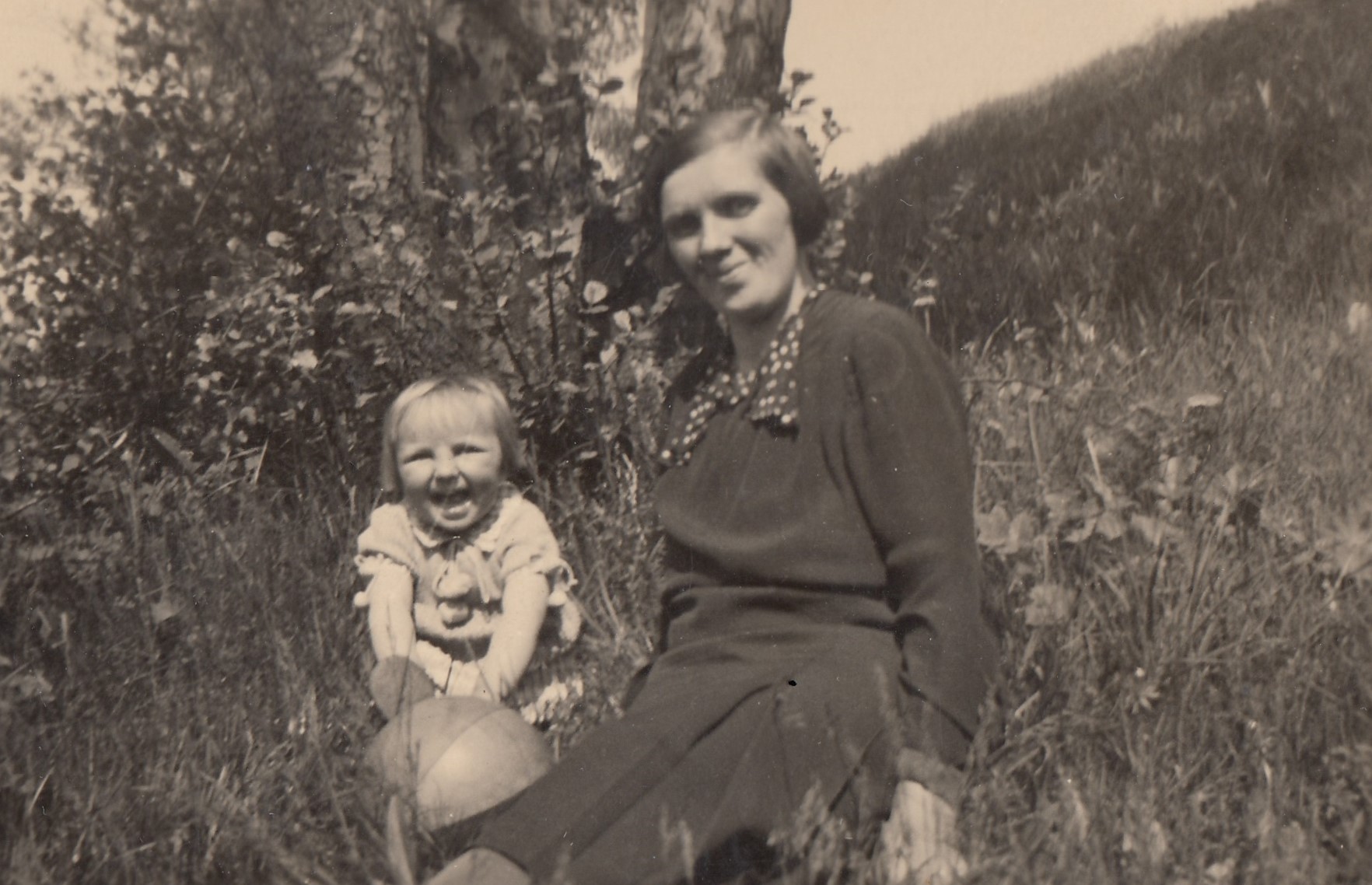
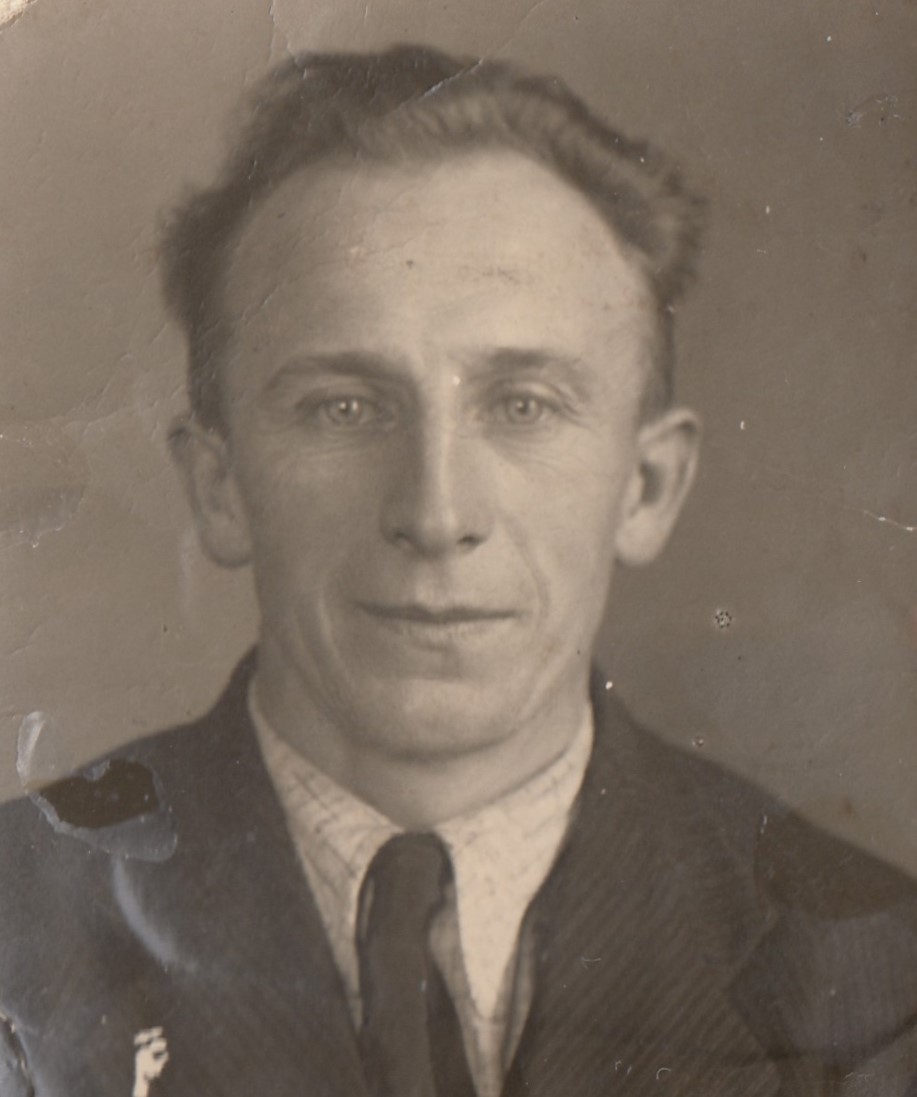
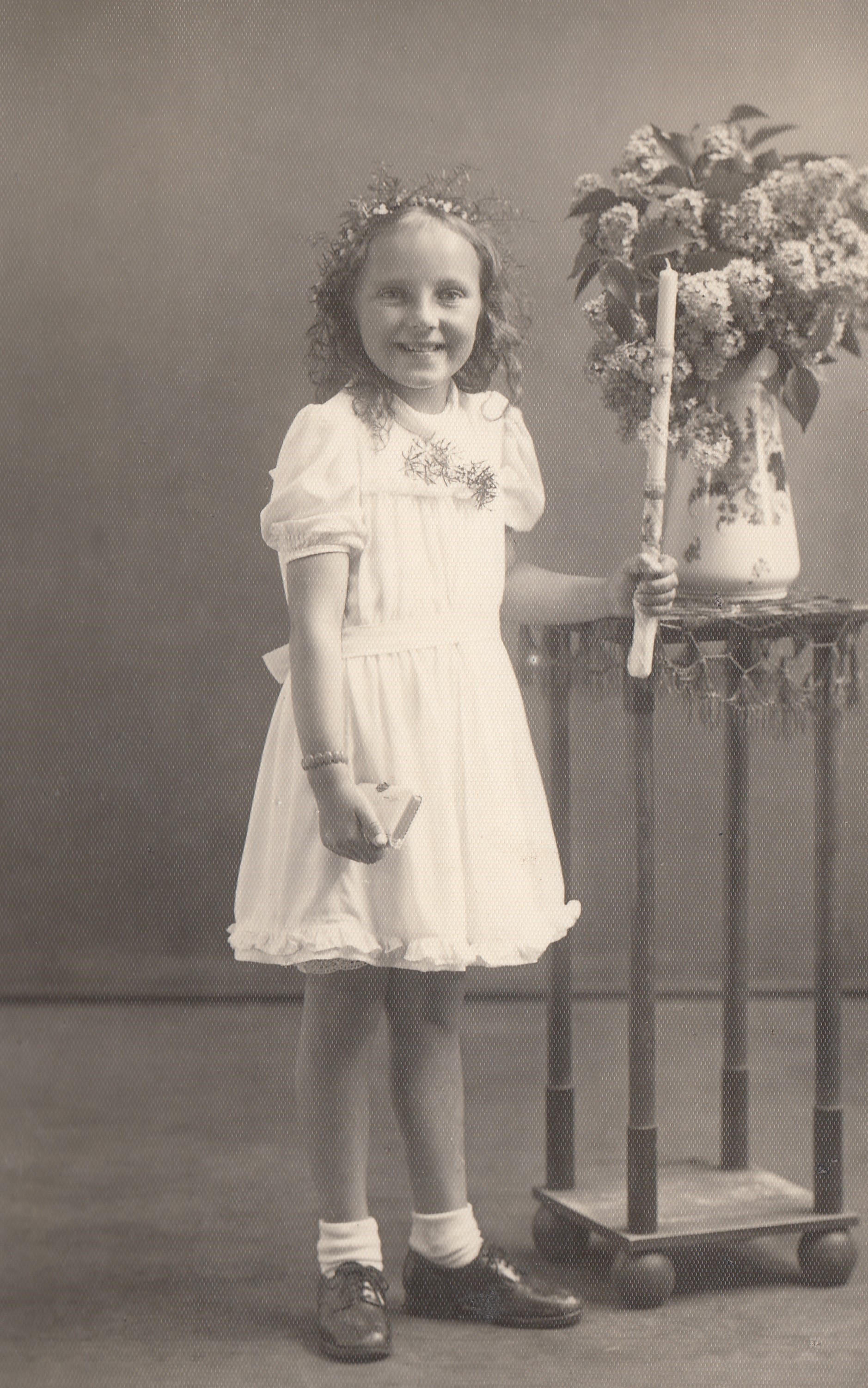
Annelies Taubová around 18 years old
zdroj: Archive of the witness

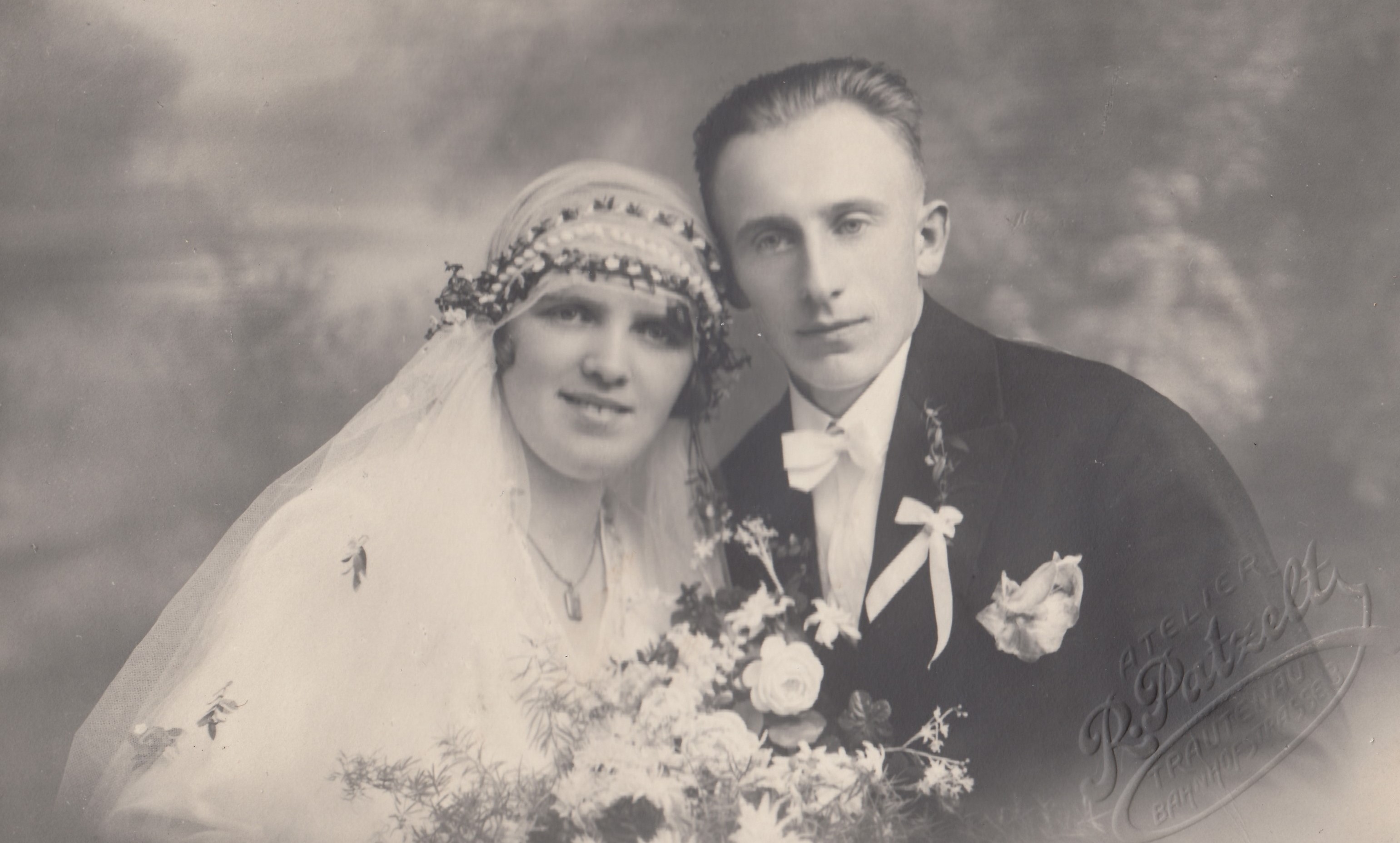
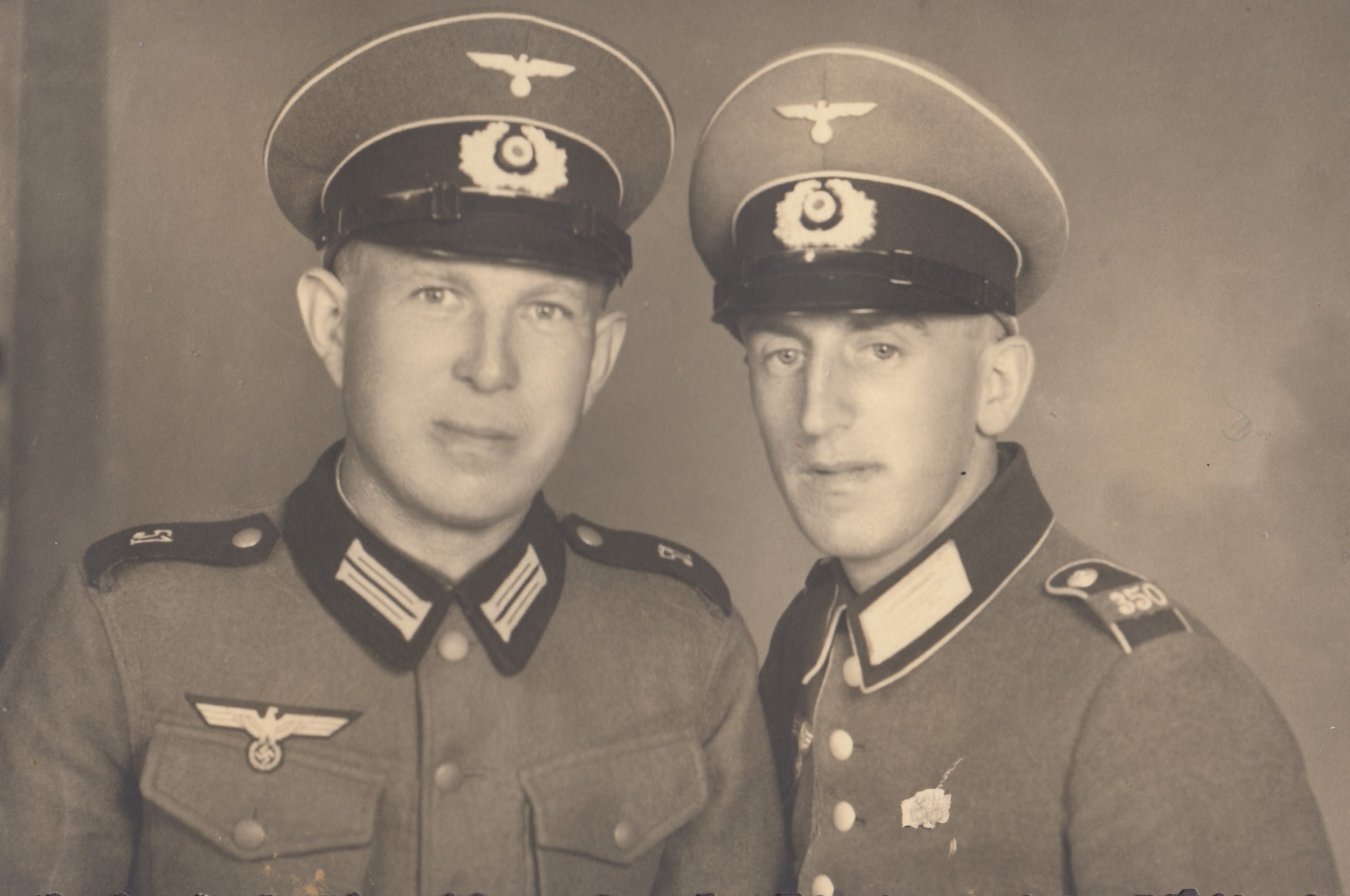
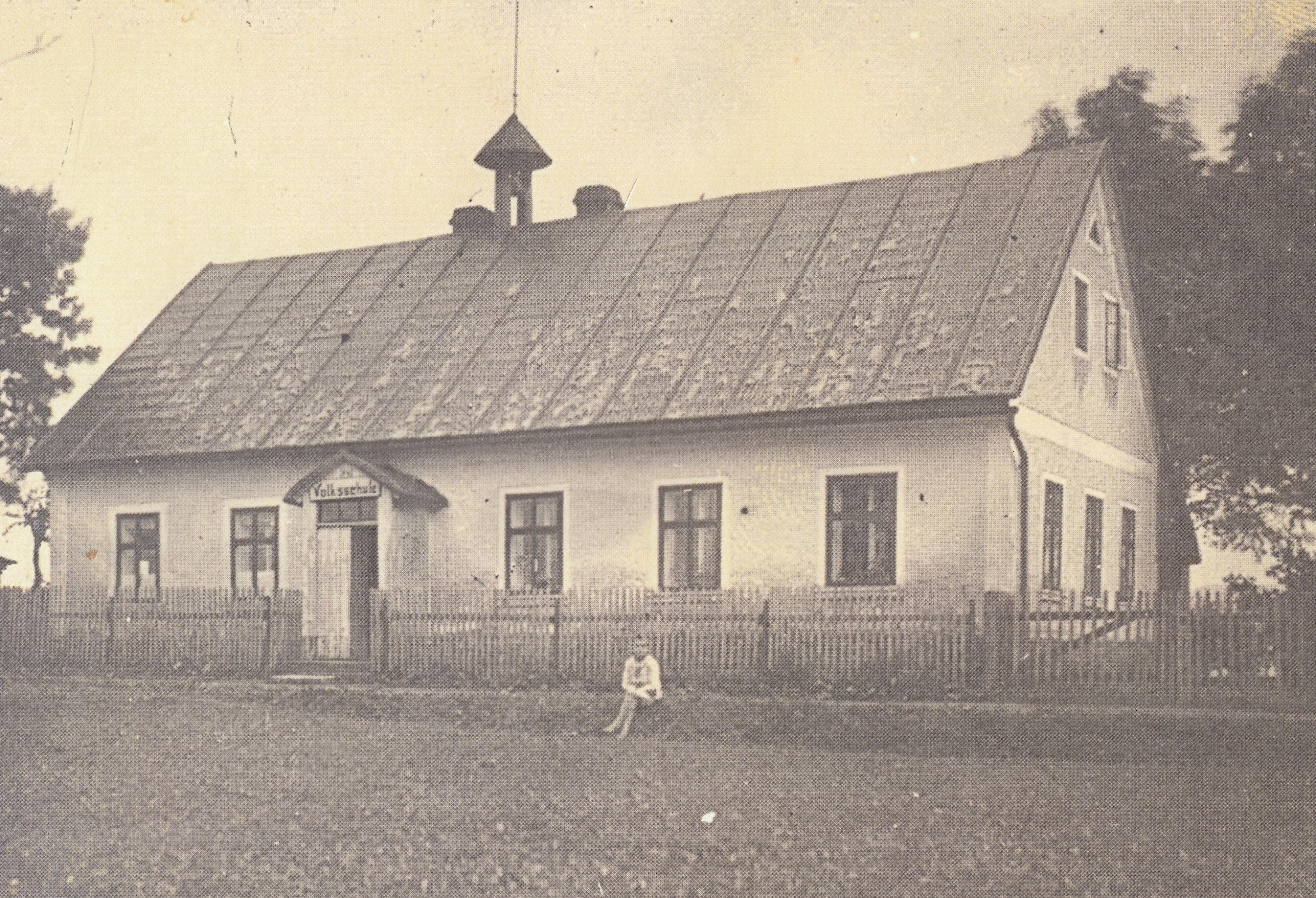
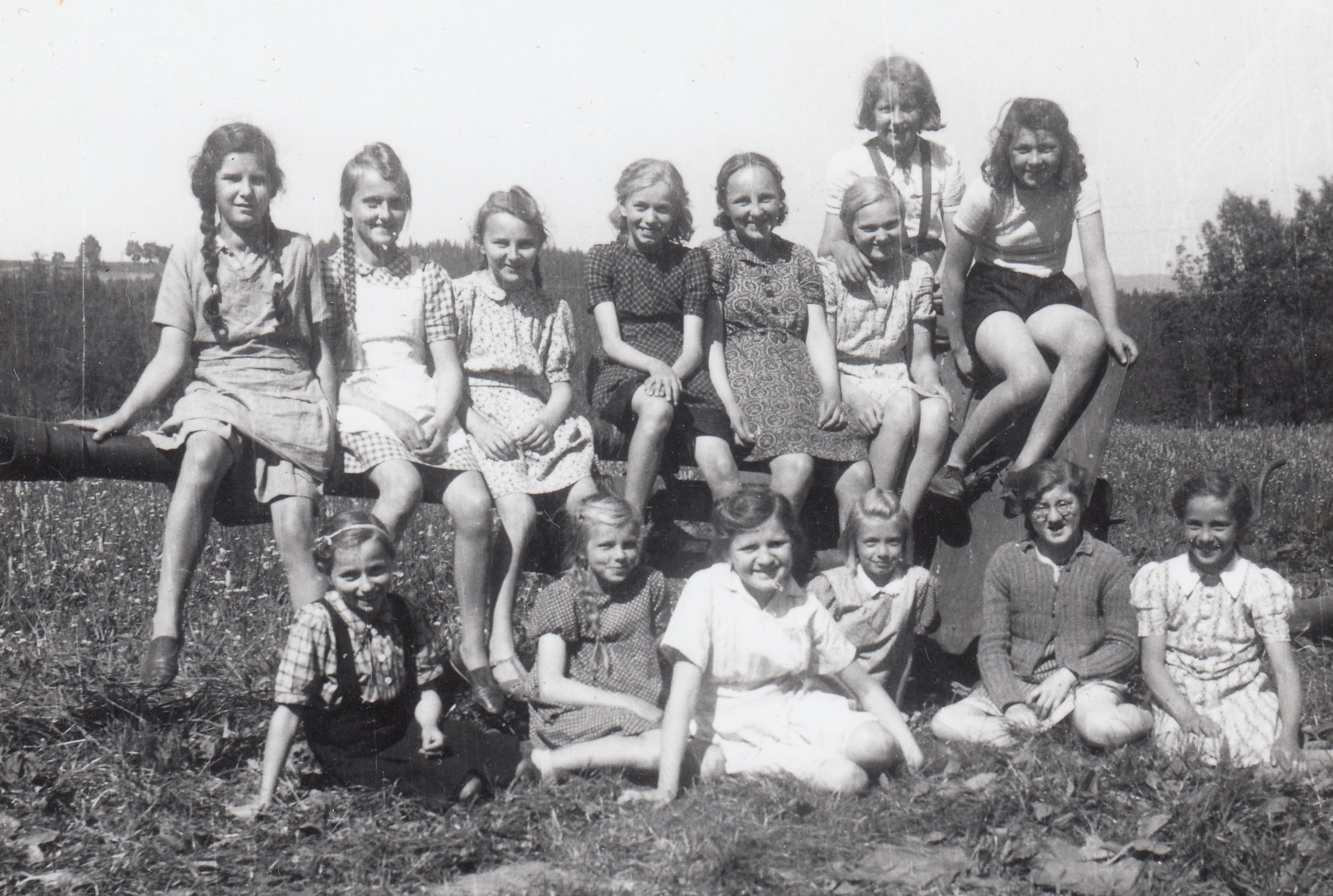
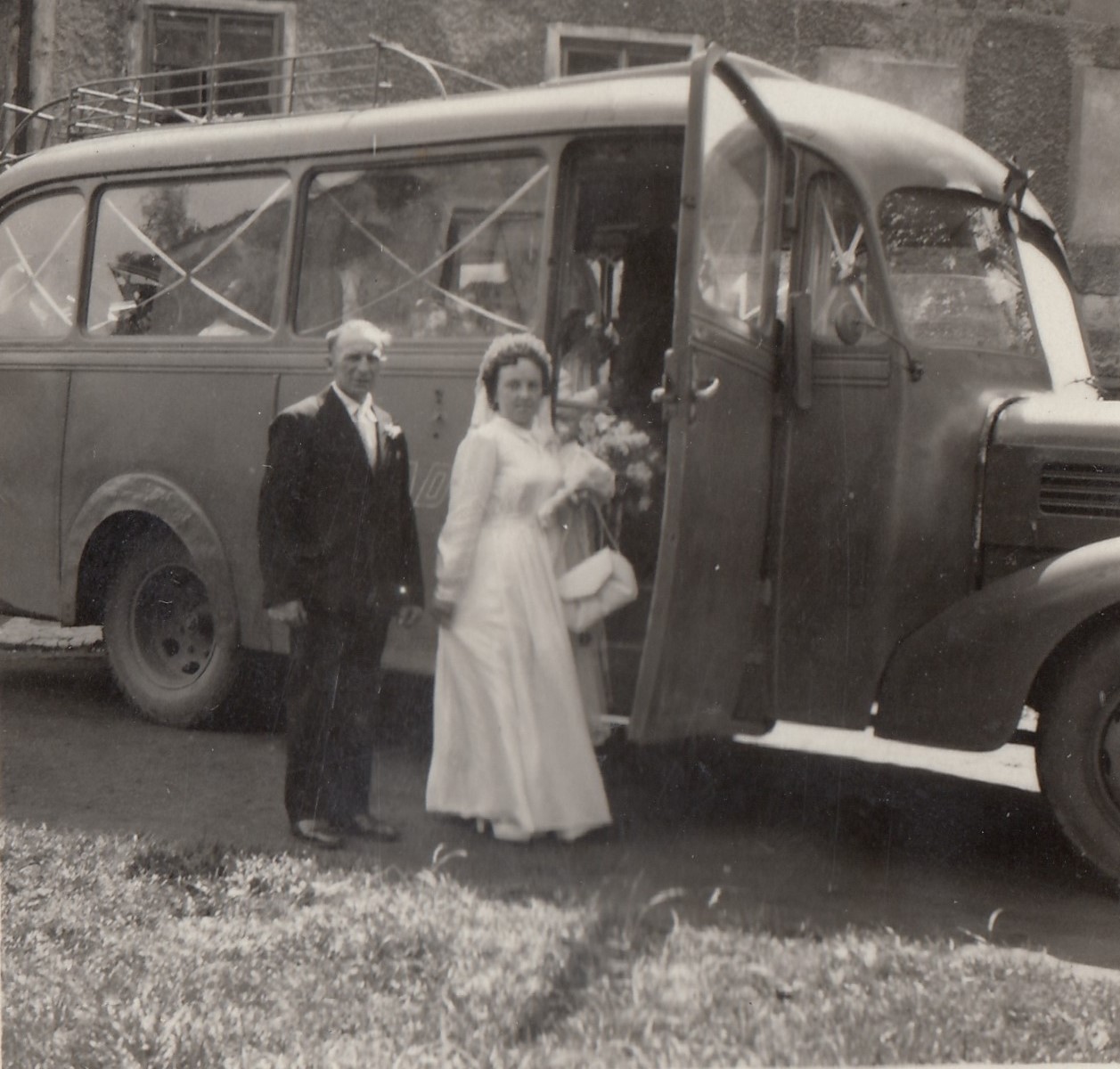
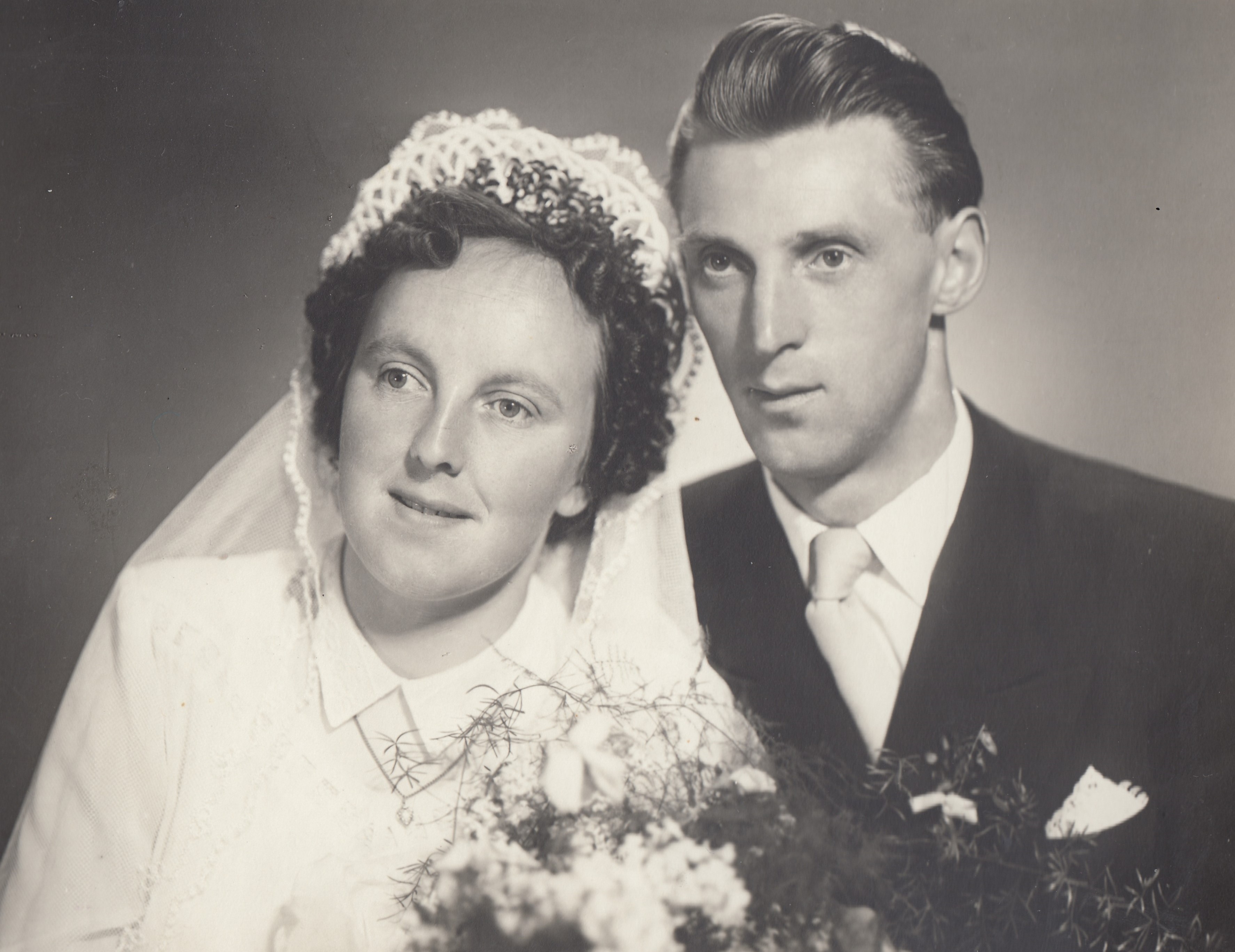
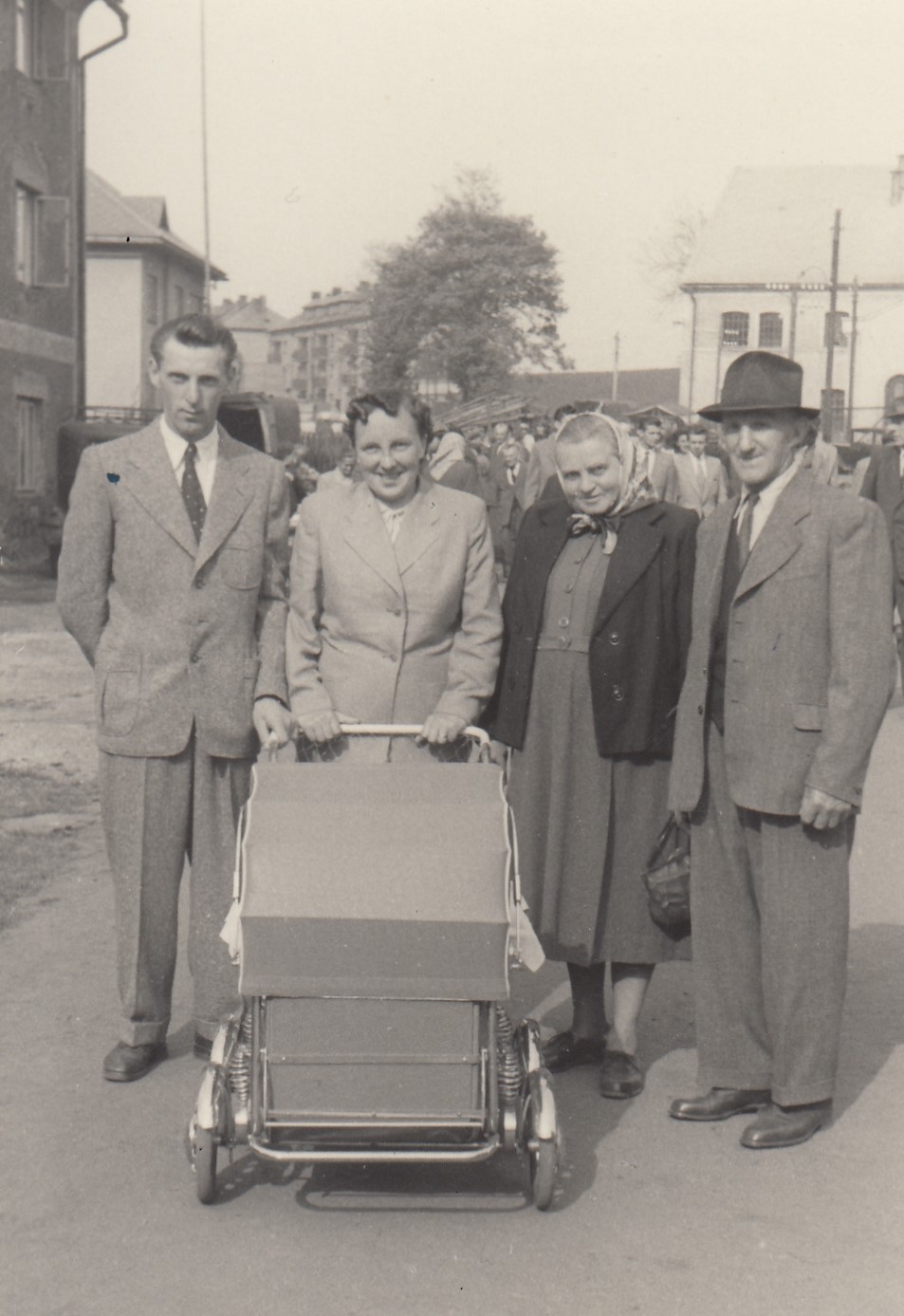
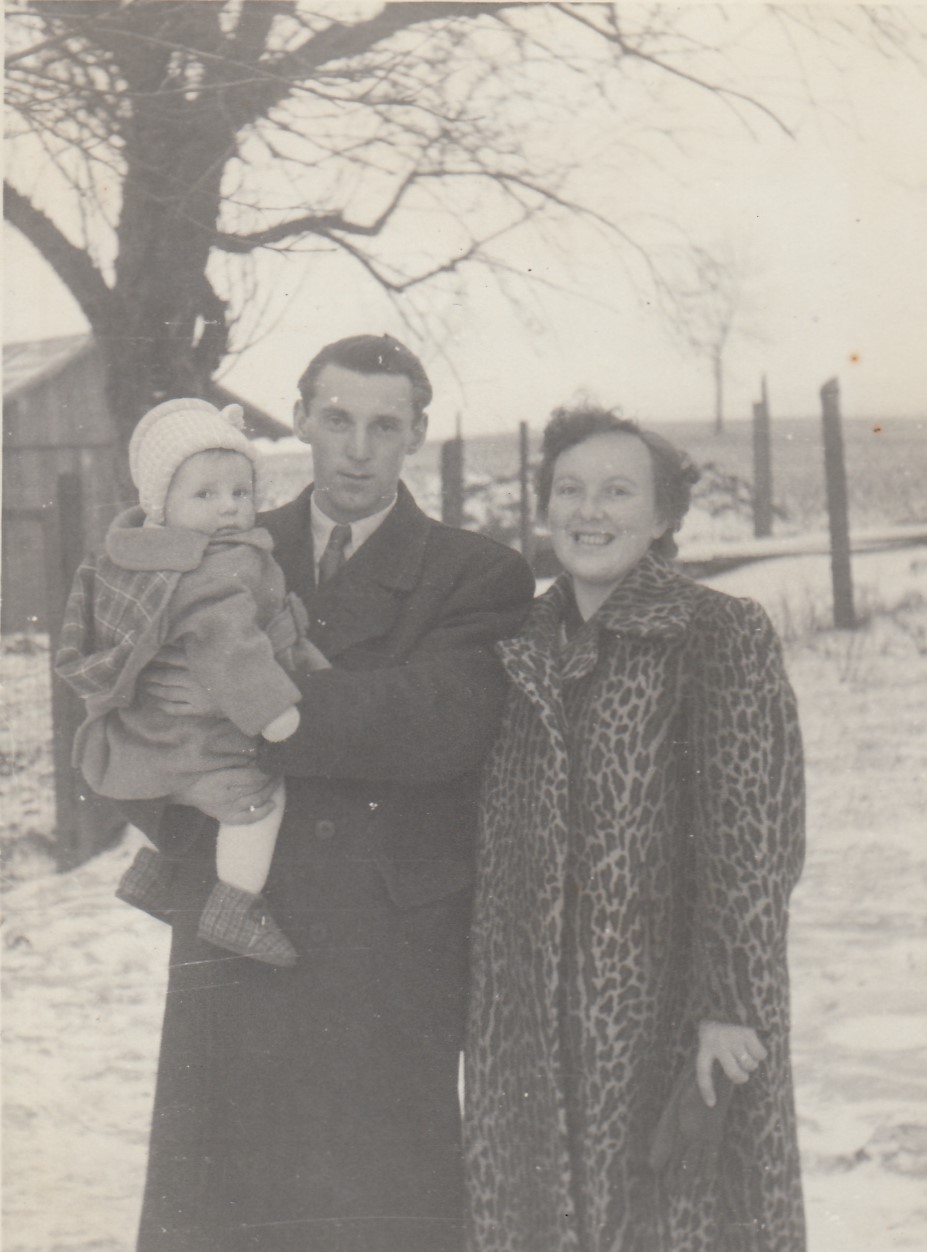
Annelies Taubová, née Schmidtová, was born on February 17, 1934 at Jámě Františka (called Fanny Shaft) in Černá Voda as an only child. Her father, Maximilian Schmidt, worked at the mine, while her mother was employed in a porcelain factory and later took care of the household. Her parents spoke the local German dialect. During the war, she attended a German one-room school in Černá Voda. After the liberation, she and her mother hid from Soviet soldiers who searched the houses. She experienced nighttime house searches, probably by the Revolutionary Guards, even though they wore a red anti-fascist armband. After the war, she was not allowed to attend school for a year, then went to a Czech school in Žacléř for three years. Their family was not expelled because they needed the miners. Dad‘s sisters and many neighbours had to leave for Germany. From 1949 she worked in the Lenka weaving mill in Bernartice, then she moved to the Texlen company in Žacléř. In 1955 she married Maxmilián Taube and their son Karl Heinz was born. She worked as a member of the Cultural Association of Citizens of German Nationality. After 1989 she visited her displaced neighbours and friends in Germany and Austria many times. In 2025 she lived in Žacléř.